Vegetarian Chorizo with Potatoes and Black Beans


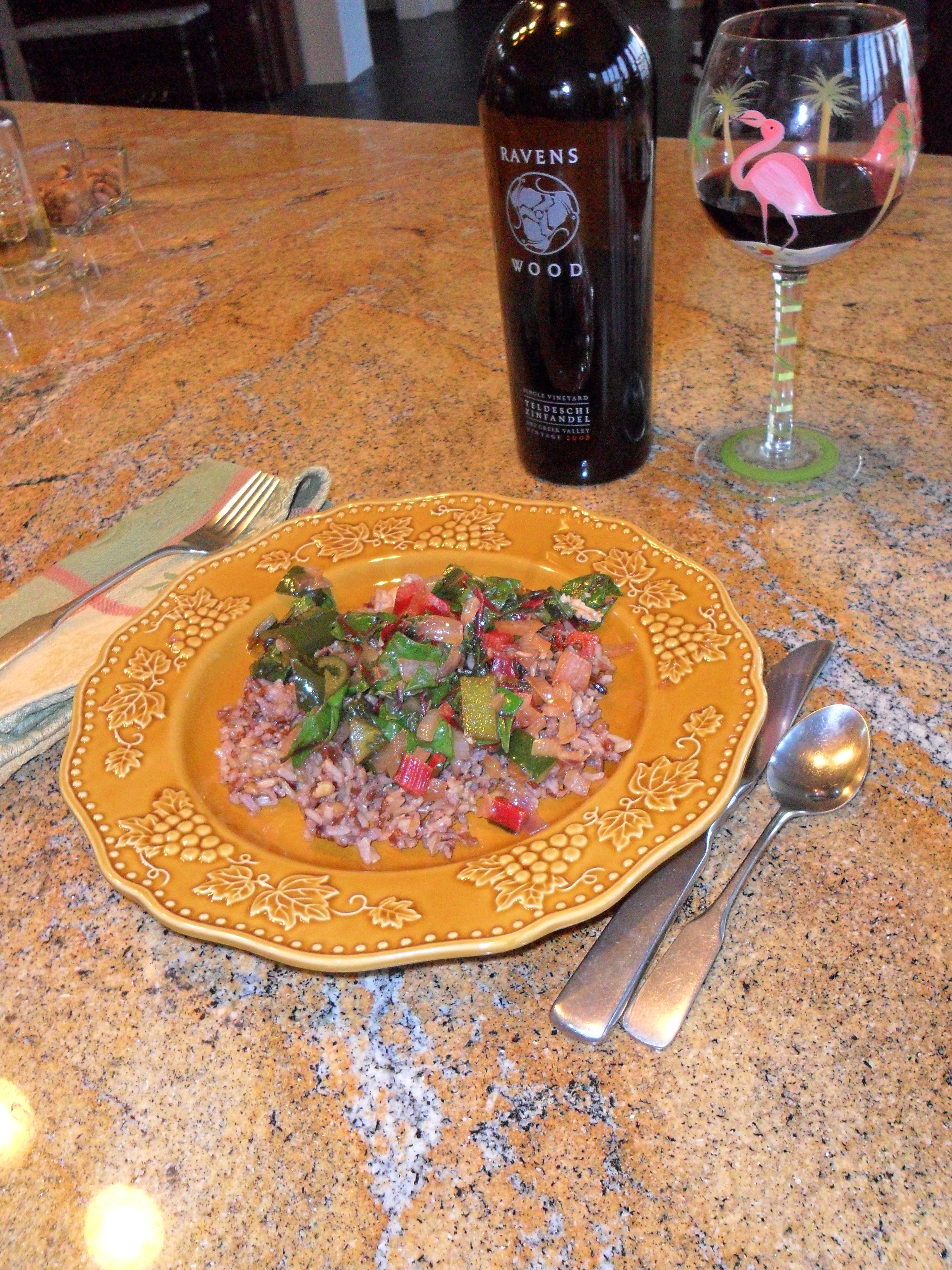
    This is a quick, simple recipe.  I served it with a very basic green salad of red lettuce, orange and red bell peppers, and a goat feta cheese.  Rice would make a nice addition as would fried ripe plantains.

6 small (petite) potatoes, diced

6 oz. (1 large link) soy chorizo (I used Soyrizo which is also vegan)

1/2 medium red onion, chopped

1 can black beans

Olive oil

Saute the onion and potatoes in the olive oil until tender.  Remove the chorizo from the package and crumble into the skillet with the onion and potatoes.  Stir into the onion and potato mixture.  Rinse the canned black beans and drain.  Add to the mixture and stir.  When black beans are heated, serve.

The portions in this recipe are easy to multiply to serve more people.

Faith, Lies, and the War on Terror


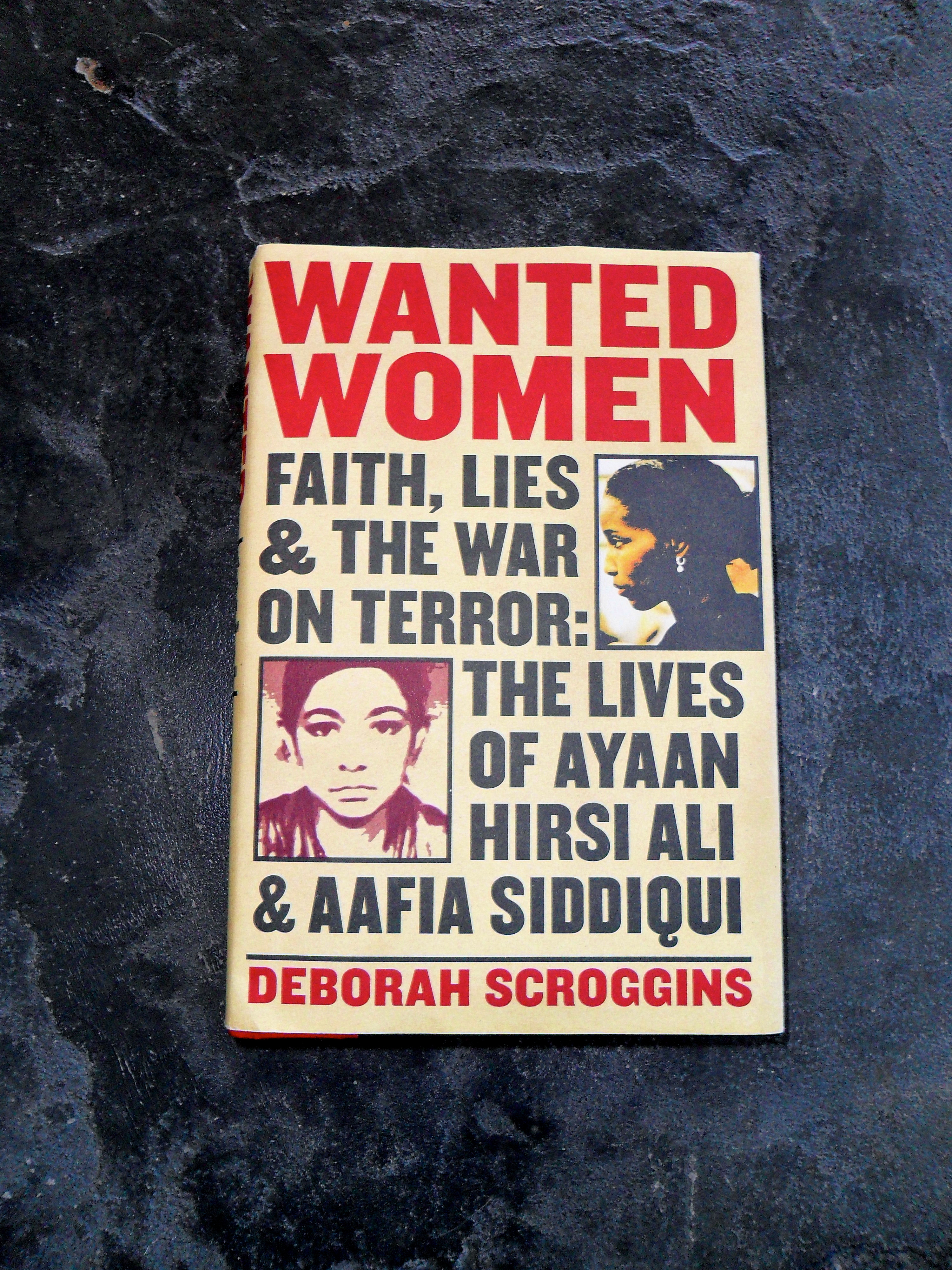
This blog began as a vehicle to “make” me write more and share my writings, e.g. poetry, flash memoir, essays, with others and to learn from reader responses.  Along the way, it morphed into my recipes—starting with friends requesting them, my travels and adventures, inspirations, and thoughts.  This post will morph me into something I fear may be far more controversial, but also feel I must explore. Several years ago, a couple of friends and I enrolled as continuing education students in a course about Islamic thought and literature.  Our hope was to learn more about exactly what the title indicated.  Although I had already read quite a lot of Middle Eastern literature, especially Iranian, and also some Turkish novels as well as memoirs and nonfiction books, I had no one with whom to discuss my readings and thoughts.  This presented an ideal opportunity.  After a couple of weeks, it became quite clear that the teacher had a definite agenda.  Although she never overtly discussed her own religious beliefs, she generally chose parts of readings to discuss to promote a certain, anti-Islamic bias.  We read the Quran (in translation because none of us spoke or read Arabic—mine was a Pakistani translation), Ayaan Hirsi Ali—various works including Infidel, Benazir Bhutto’s autobiography, and short stories by Iranian, Palestinian, and other Middle Eastern authors.  None were from Southeast Asia where the majority of the world’s Muslims live.  None were from India.  When we discussed the Quran, she chose very specific passages that zeroed in on what she perceived to be Islam’s oppression of women and promotion of violence and war.  When the rest of us tried to also discuss passages about ones duty to the oppressed, the orphans, the poor, she would channel the discussion back to her chosen agenda.  Some dropped out.  The rest of us decided to stay because we wanted to read and discuss the writings in spite of the situation.  Over time, our insistence on a broader based view seemed to affect her strong bias slightly.  In the end, she even showed the Iranian movie, “Children of Heaven”, which presents the plight of a poor Iranian family in a very sympathetic light.  The father overtly loves his wife and struggles valiantly to help her and his family in any way he can. This class has led me to further pursue my readings of literature from Iran, Egypt, Turkey, Pakistan, India, etc., both fiction and non-fiction and to learn as much as I can about the past and present as it relates to issues in these parts of the world.  Since then, I have also experienced the privilege of hosting exchange students from Thailand, Brazil, and Argentina.  One of my closest friends grew up Muslim in Indonesia.  I also have Christian, Jewish, Muslim, Buddhist, Pagan and atheist friends from many parts of the world, and some who have little interest in religion. Recently, the librarian where I teach asked me to read Wanted Women, Faith, Lies, and the War on Terror:  The Lives of Ayaan Hirsi Ali and Aafia Siddiqui.  I finished it recently and highly recommend reading this book.  The author, Deborah Scroggins, spent six years following the lives of these two women, including interviewing their colleagues, family members, self proclaimed jihadists, and government officials from several countries.  She delineates an incredible amount of information and data.  If you care about the political and spiritual future of this planet and the ongoing controversies surrounding Islam, Christianity, and Judaism, this book provides an excellent opportunity to explore history and the events of the last 20-30 years, and then to develop your own insights.  My hope is that this post will encourage others to explore new avenues of knowledge and open wider venues of thought that encourage a better, kinder world in which we respect and value each others’ differences.

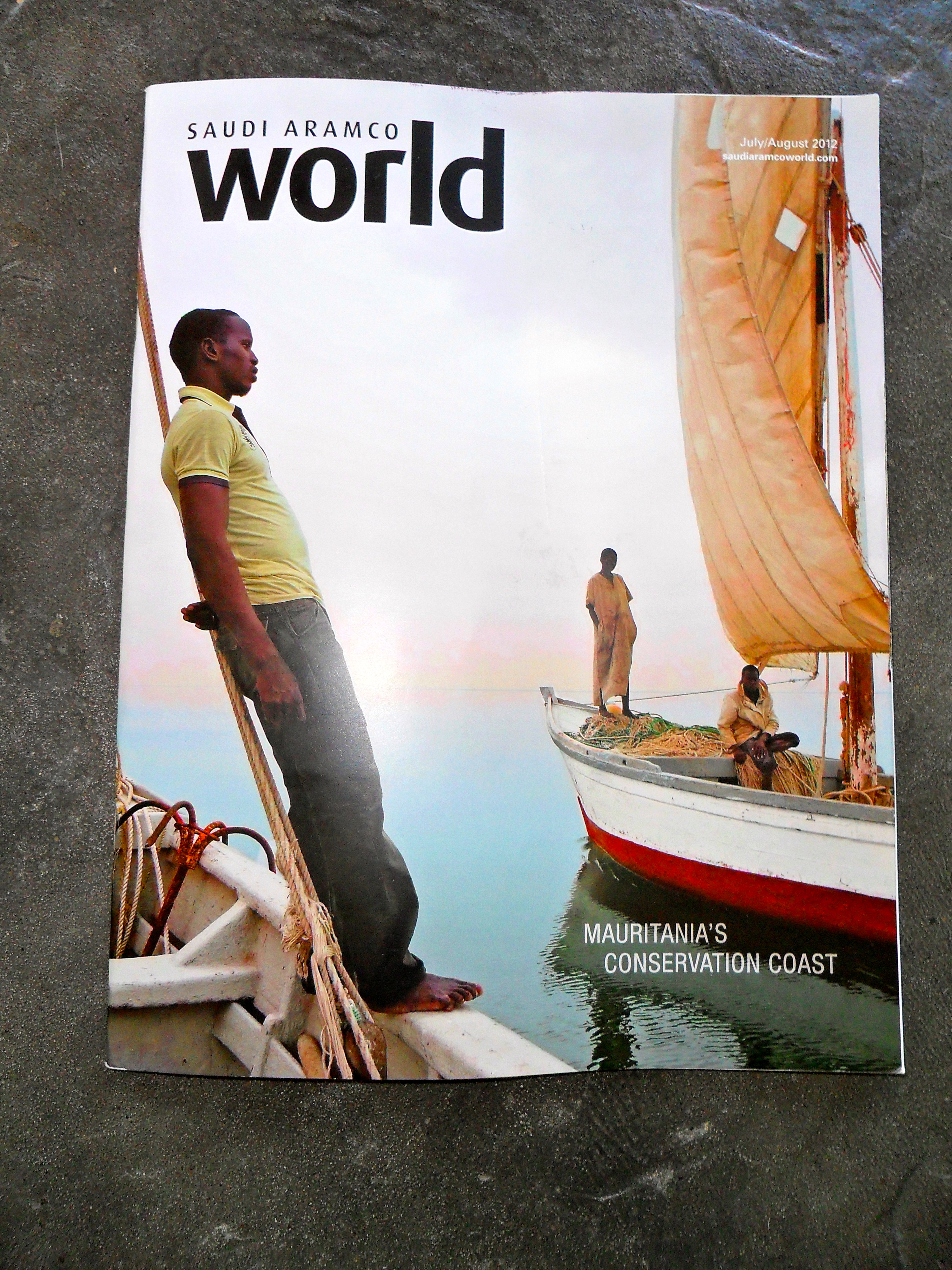
Recommended additional readings:   This is one of my favorite magazines.  It is free and covers art, cuisine, nature, history, literature, geography, just about everything imaginable.  For teachers, they have suggested uses and additional materials at the back.  It comes out six times per year.

If you are unfamiliar with literature from the Arab world, this is a good place to start.  Mahfouz won the Nobel prize for literature.  Although his novels take place in Egypt, the themes are universal.
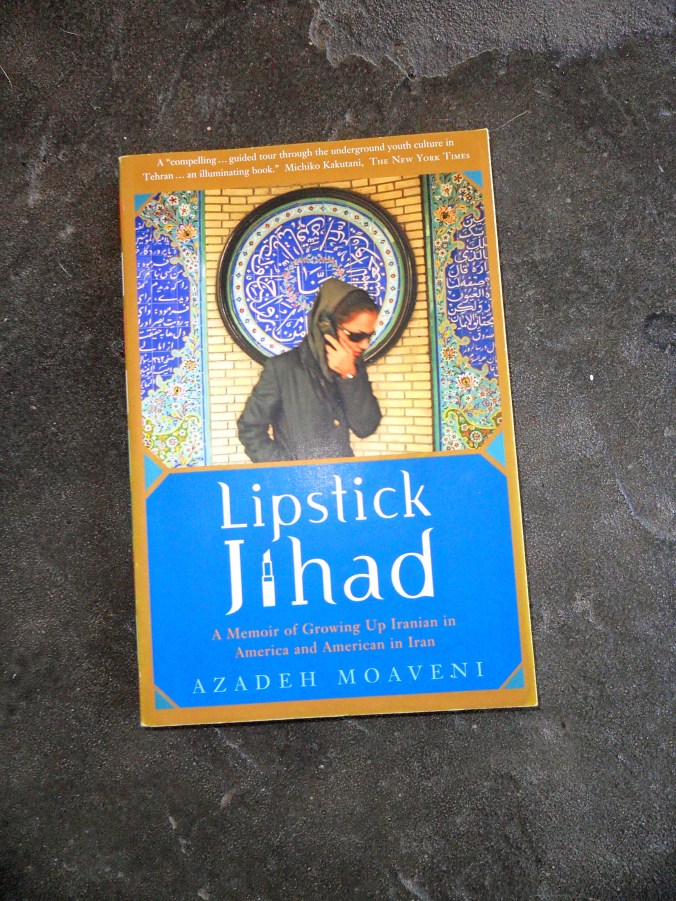
In spite of the word jihad in the title, this is more of a “fun” read.  The Iranian American author, a journalist, decided to go to the Iran of her roots and work and live there for a while.  This book describes her adventures as a journalist in Iran.

Other books I recommend are Moonlight on the Avenue of Faith by Gina B. Nahai                   (this is one of my all time favorite books), No God but God by Reza Aslan, another Iranian journalist, The Forty Rules of Love by Elif Shafak (this book is a novel about Rumi, whose beliefs Islamists do not find acceptable), and Shattering the Stereotypes:  Muslim Women Speak Out edited by Afzal-Khan.

Another source of information about events, literature, art, etc. in the Middle East is a blog entitled “Sugar Street Review”.  One of their latest blog posts, Top Five Female Arab Writers provides a list of these women with photos, brief bios, and some critique.

The Land in Love with Guns


In the United States firearms kill approximately 15,000 individuals per year.  In Britain, Australia, and Canada, the average is 350 per year.  Spain’s rate is even lower.  In Germany, it is less than 800.  A young person here dies about every 4 ½ hours, shot dead.  The US murder rate is 19.5, nearly 20 times higher that the next 22 richest countries.  In the 23 richest countries combined, 80 percent of all gun related deaths are in the US; 87 percent of children killed are shot by guns here.  In the last 45 years, bullets killed more than one million people in the US.

Gun sales are big money.  More than a dozen hand guns are sold per minute.  One survey indicates that one out of every four US homes possess a gun; another survey says 39 percent.  However, most guns are owned by only a small proportion of the population, gun “collectors” who own an average of seven weapons per person.  Guns are cheap here and bullets even cheaper, about 50 cents each.  The Mexican government contends that our cheap guns help fuel the dreadful violence there which then overflows to here.

In spite of all this, the US murder rate is the lowest in more than 45 years.  The NRA claims more guns equal less violent crime.  The NRA contends that the lower crime rate is the result of less strict gun laws and more people owning guns.  Nevertheless, mass murder occurs on a regular basis.  We mourn, we lament, but nothing changes.

Eventually, another mass murder occurs and the cycle repeats itself.  Why?  Who or what is responsible?  What can be done?  Will more restrictive gun laws help or hinder?  Debates continue; opposing views and answers abound, but the cycle continues.  Will it ever change?

I wrote the above after the last mass murder event.  Nothing changed.  Now the conversation appears more strident, more active.  Apparently, the mass killing of children is more heinous, more scary than the mass murder of adults even if the adults are young.  The NRA advocates armed guards at schools.  How will that prevent mass killings at movie theaters, at malls, at churches, on the street, e.g. the three murders this week in Pennsylvania?

Australia was another country in love with guns, but after a mass killing there, they changed their collective mind.  They enacted strict gun control laws for assault weapons and ammunition.  Could that work here?  I think not.  This is a country in love with guns because the right to own a gun symbolizes  what is perceived as individual rights.  This is a country where personal liberty remains far more important than community safety and social justice.  Until that changes, mass murders will continue.

Teriyaki Salmon with Red Chard and Cassia Cinnamon (for two)


Image

The red chard leaves, chopped.

Image

Just after adding the salmon.

Image

The finished product.


2  6 oz. servings of wild salmon

1/2 medium red (purple) onion, chopped

1/2 large poblano pepper, seeded and coarsely chopped

2 large red chard leaves and stems

1/2 to 1 tsp. cassia cinnamon

1/8 cup teriyaki sauce mixed with 1/8 cup Worcestershire sauce

Olive oil

Marinate the salmon in the teriyaki/Worcestershire sauce while you prepare the rest.  Using a sharp knife, destem and devein the red chard.  Coarsely chop the stems and veins.  Chop the leaves into pieces as indicated in the photo above.  Cover the bottom of a medium sized skillet with olive oil.  I love extra virgin olive oil and use a lot of it, but not absolutely necessary.  Saute chopped onions in the olive oil until translucent.  Add the poblano pepper and red stems of the chard.  When the peppers and chard stems are slightly cooked, add the salmon and marinade and sauté for about 2 minutes.  Turn the salmon and place the chard leaves on top.  Scatter the cinnamon on top of the chard leaves.  Saute until the chard leaves are wilted.

Serve with mixed grain rice (khao-pa-som in Thai) which can be found at Asian markets.  It is a mixture of brown, black, and red rice with various grains including what appears to be barley.  I cook it exactly like rice: sauté in olive oil with finely chopped garlic for a minute or so, add water, and stir in 1 tsp. concentrated bouillon. Turn heat to low, cover pan with several layers of paper towels, and put on lid.  This, like red and brown rice, takes about twice as long to cook as white rice.  It is more nutritious than white rice. If you want the health benefits of cinnamon, it is necessary to use cassia cinnamon, not Ceylon cinnamon.

Costa Rica 6: Adventures and Views


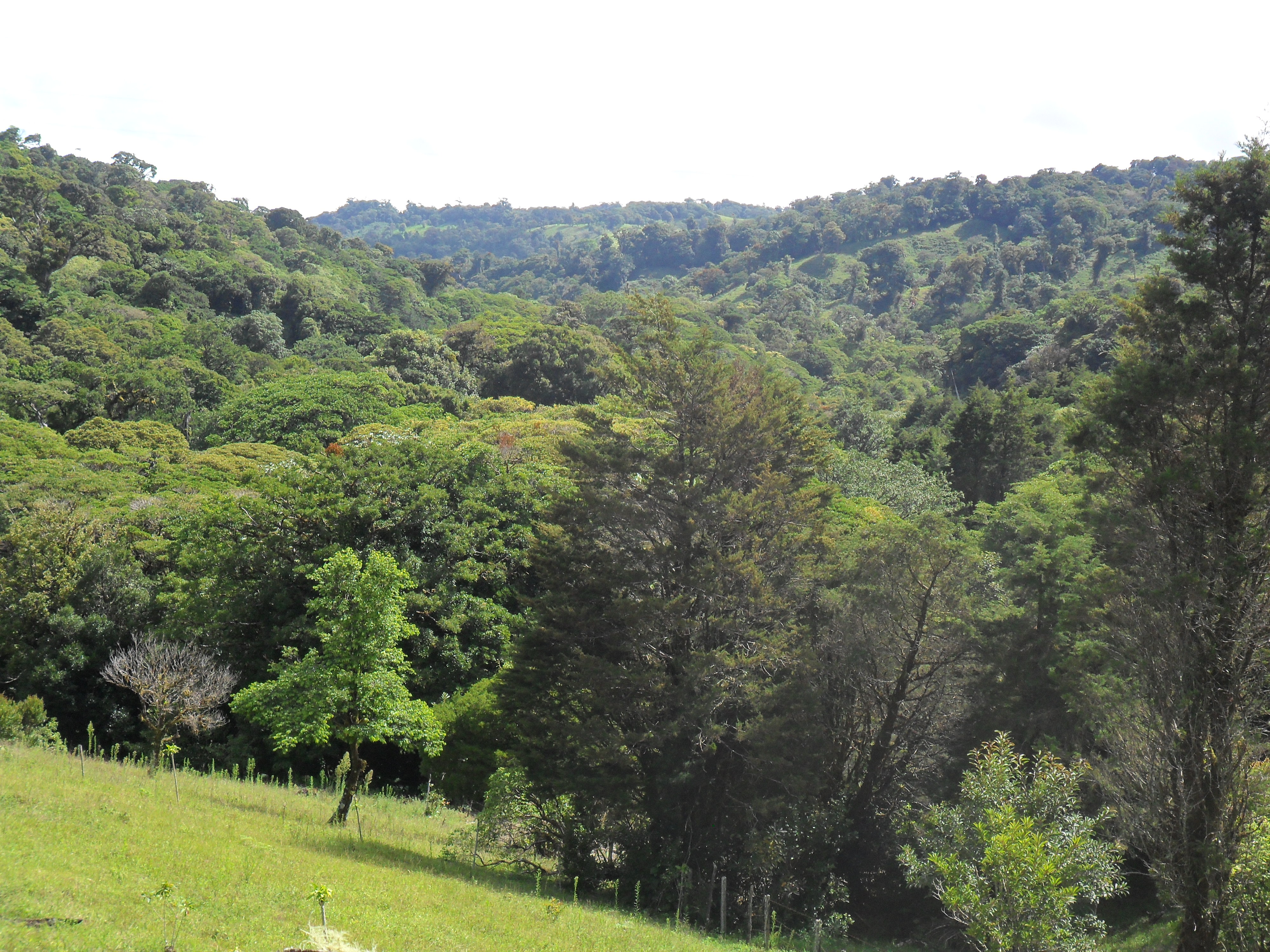
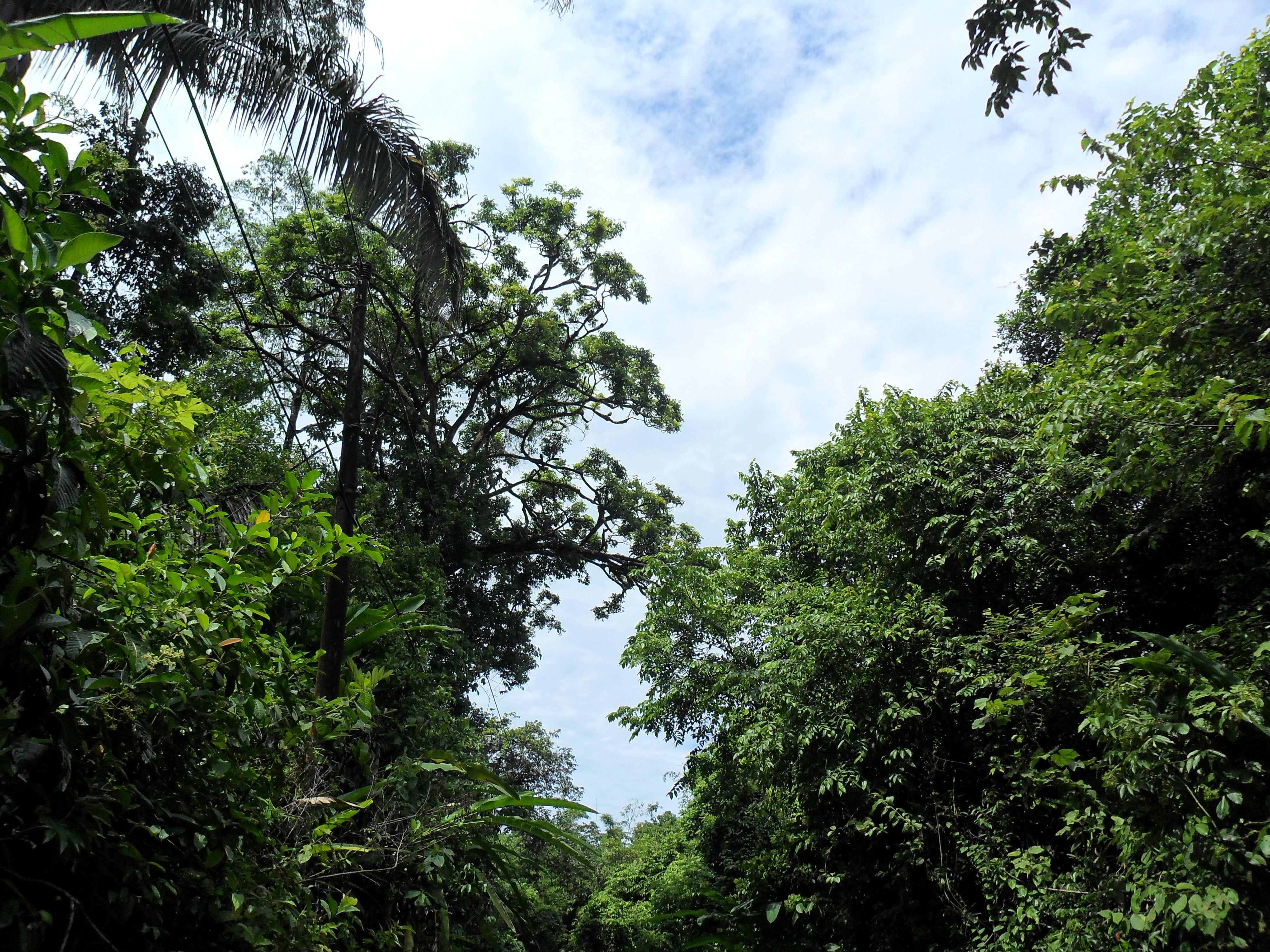
Without a doubt Costa Rica holds my vote for most photogenic and greenest country.  From the Caribbean and Pacific rain forests to the high mountain town of Monteverde, the words lush, exotic, verdant do not even begin to describe how incredibly rich the landscape is.  One of the first spectacular views lay before me across the parking lot from a combination restaurant and souvenir shop where we stopped for snacks.

I did not expect to see multiple mountain streams like in the Rockies, but it seemed we were crossing one nearly constantly.  This abundance of water explains their nearly total dependence on hydroelectric power with a little help from wind and thermal energy.

Several of my traveling companions decided to raft this river with class 4 rapids. Something told me I should not do this.  After flipping over several times, banged up and bruised, they decided to hike out.  In  the meantime, I experienced my own adventure, eating a raw turtle egg in salsa at a family restaurant on the top of a nearby mountain.

Beautiful mountain scenery seems endless.  I kept 00hing and awing.

This view shows the Bay of Nicoya in the distance from my hotel room in Monteverde.  The following photos all show views in the mountains near this little remote town.  There is only one road in and out and it is not paved and it is narrow.  The town was originally settled by Quakers from Canada who still believe a paved road will ruin the peaceful lifestyle.  Both the Quakers and the town are famous for their cheese which was served both plain and fried for breakfast.

This area provides both zip lining and horseback riding for tourists.  I elected to ride.  However, these horses did not seem well fed and certainly did not want to go very fast.  Although I saw a lot of horses in Costa Rica, these were by far the thinest.

The guy who lead us did not ride one of these.  He was riding a fancy, prancing, grey Paso Fino.

Look closely and you can see someone zip lining across the forested canyon hundreds of feet below.

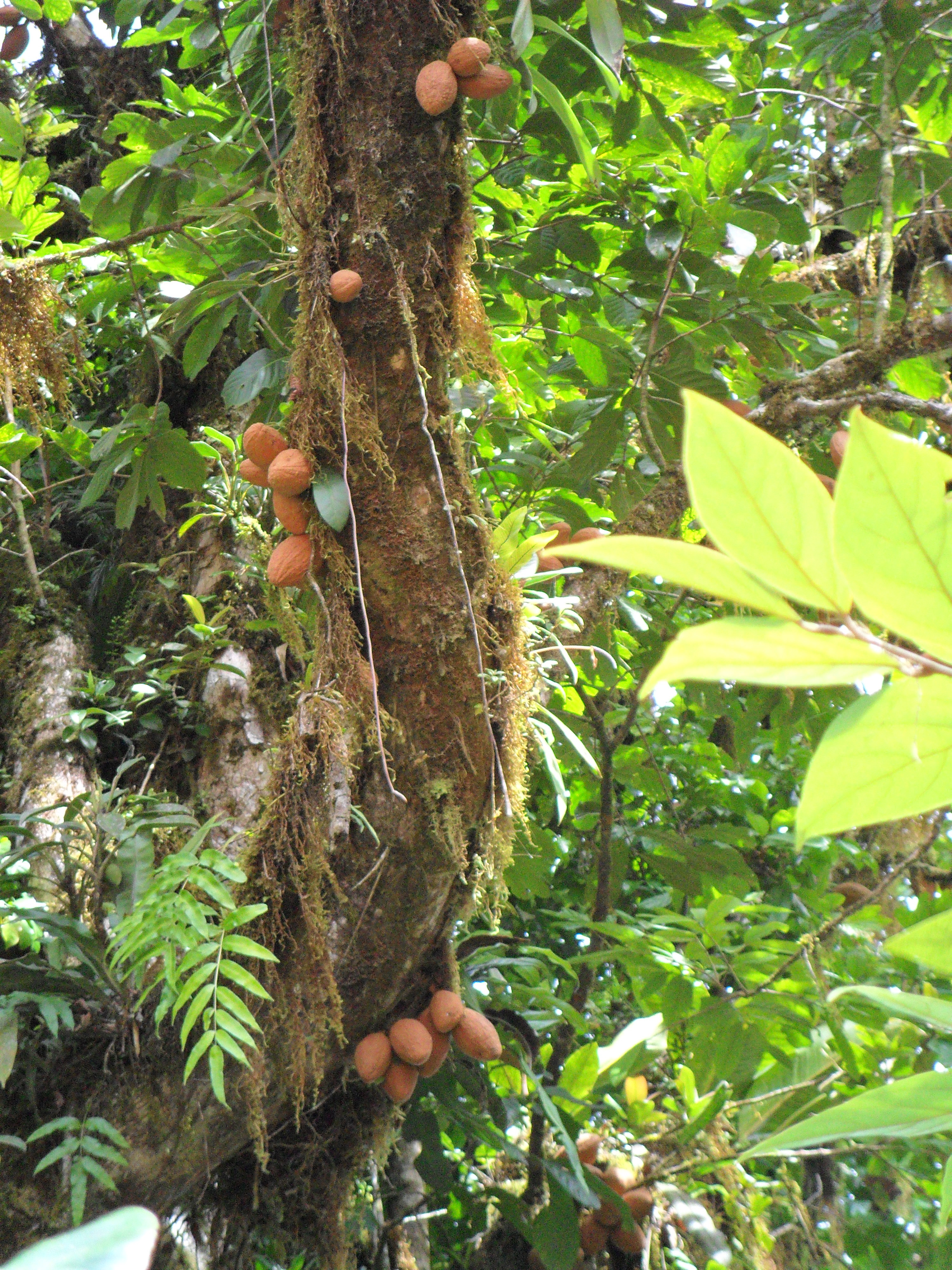
When I asked about this tree, I was told it is related to cacao, but not eaten, not by humans anyway.

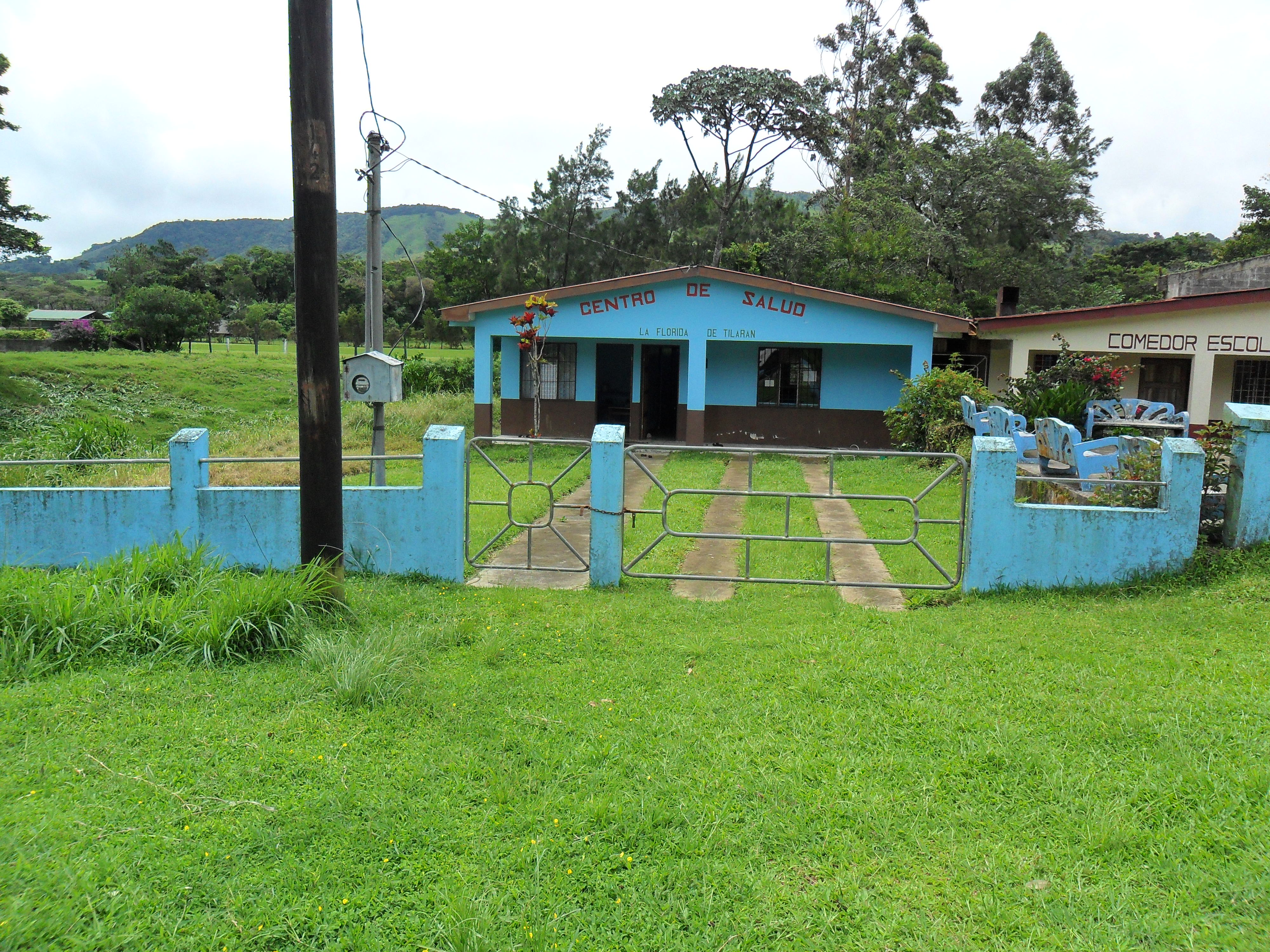
We traveled down the mountain on another dirt road to visit this elementary school.  It housed grades 1-6 with one teacher who is also the principal.  The literacy rate in Costa Rica is 98.5.

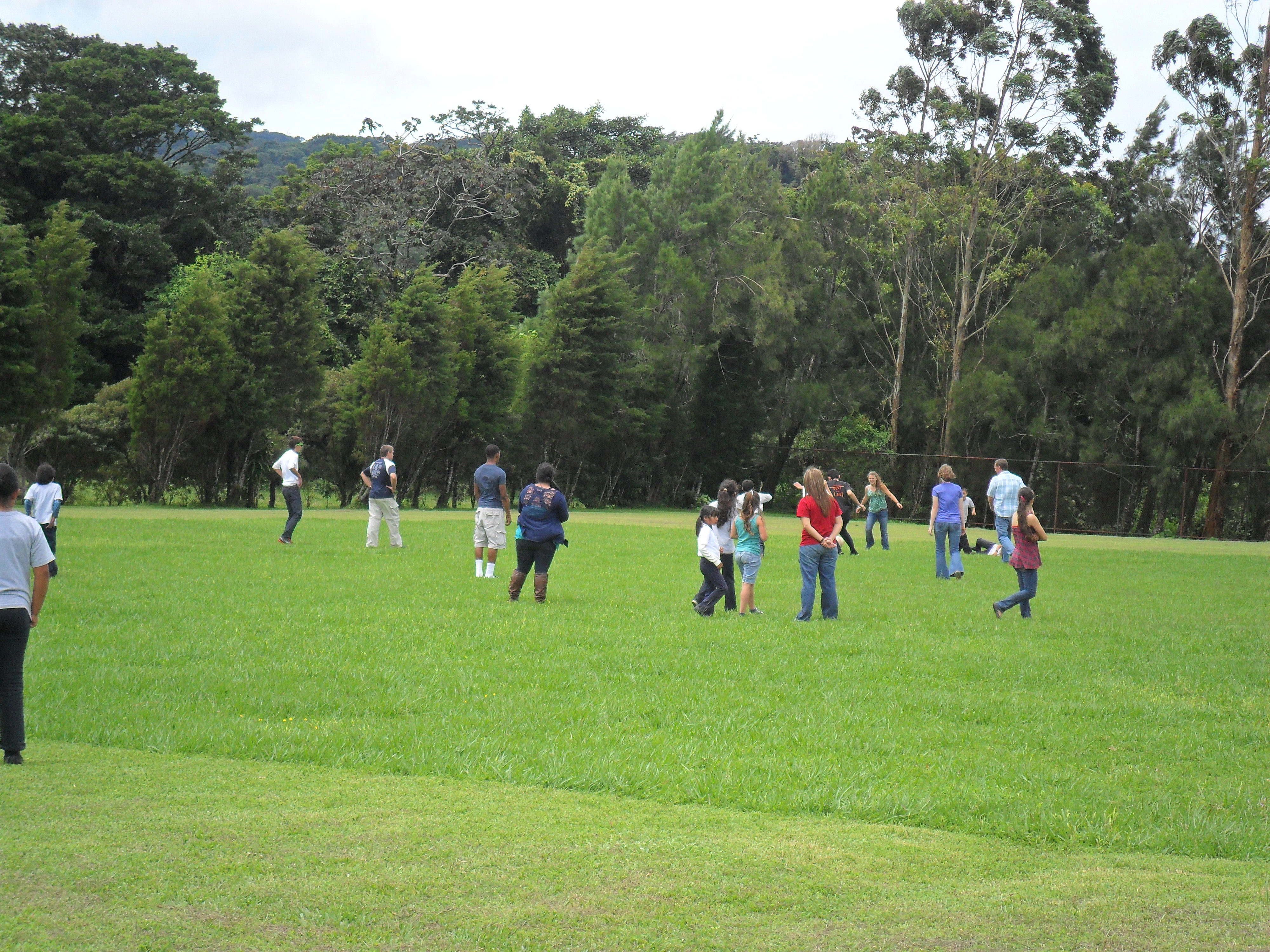
Playing soccer with the students.

A port on the Pacific on the way to the surfing town of Jaco.  Costa Rica exports many agricultural products from both its Pacific and Caribbean ports.  This includes bananas, pineapples, hearts of palms, and many tropical flowers.

While many beaches remain unsafe for swimming due to a strong undertow, the beaches at Manuel Antonio National Park are perfect.

To get into Manuel Antonio you have to walk and no parking exists really close.  Hiking out we crossed an area where the water rushed around our knees and the sign said, “No Swimming, Crocodiles”.

As a farmer, I like to look at and photograph crops.  With all the rain and heat, Costa Rica is the perfect climate for many tropical fruits and rice.  On the way back from Manuel Antonio we passed miles of rice fields and Aftican palms which produce palm oil.

Rice.

Coffee, the main export of Costa Rica.  In the highlands, coffee grows everywhere even along the berms in places so steep I wondered how the person picking the beans did not fall over.  Of course, I wondered the same thing about the dairy cattle grazing on the mountain slopes.

We did stop in Sarchi, the town famous for its furniture and oxcart industry.  Oxcarts remain the national symbol of Costa Rica.  Because of the mountainous terrain, when Costa Rican coffee initially became famous and its most successful crop, the only way to get the coffee to the coasts for export was to use oxcarts.

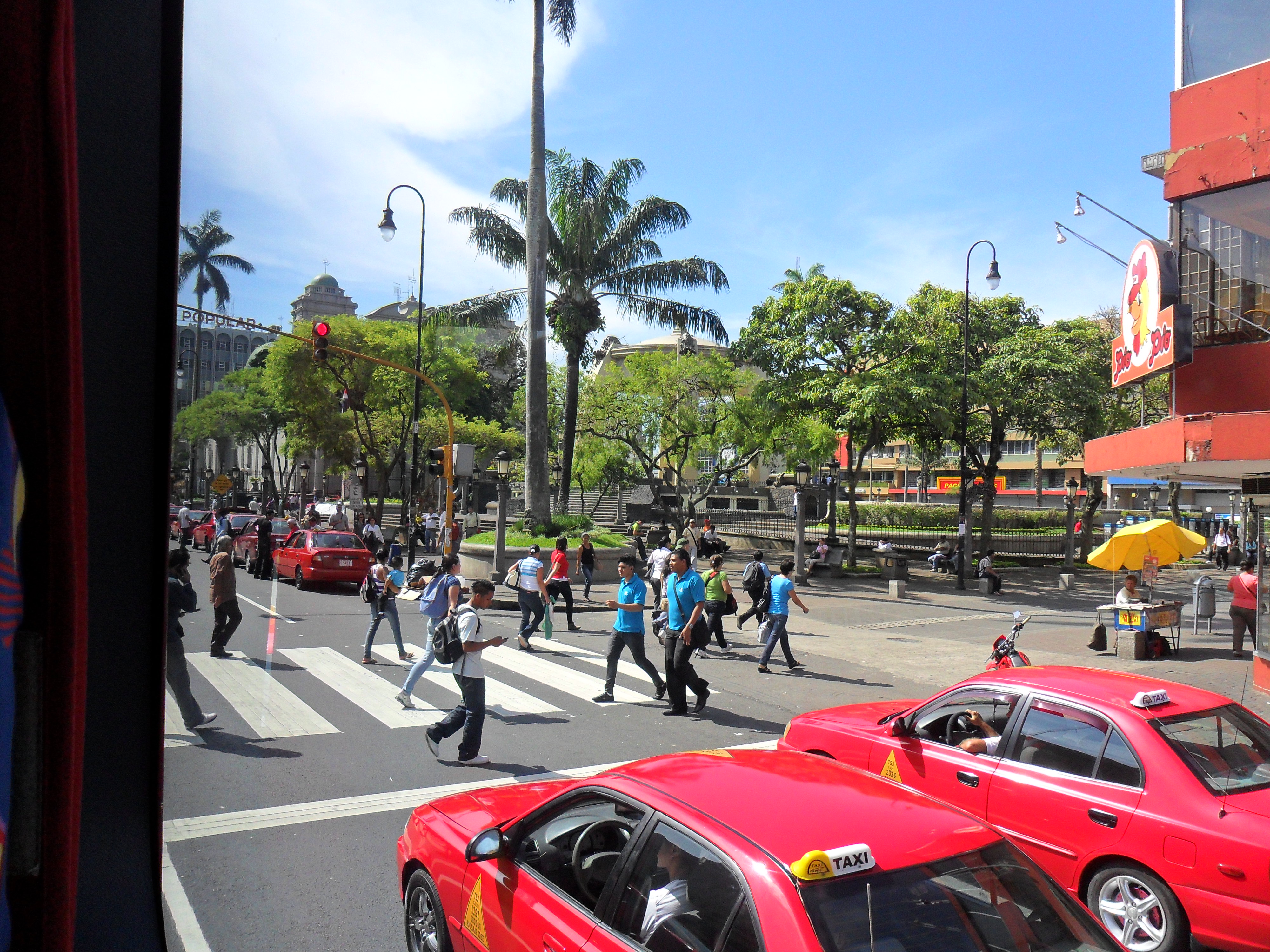
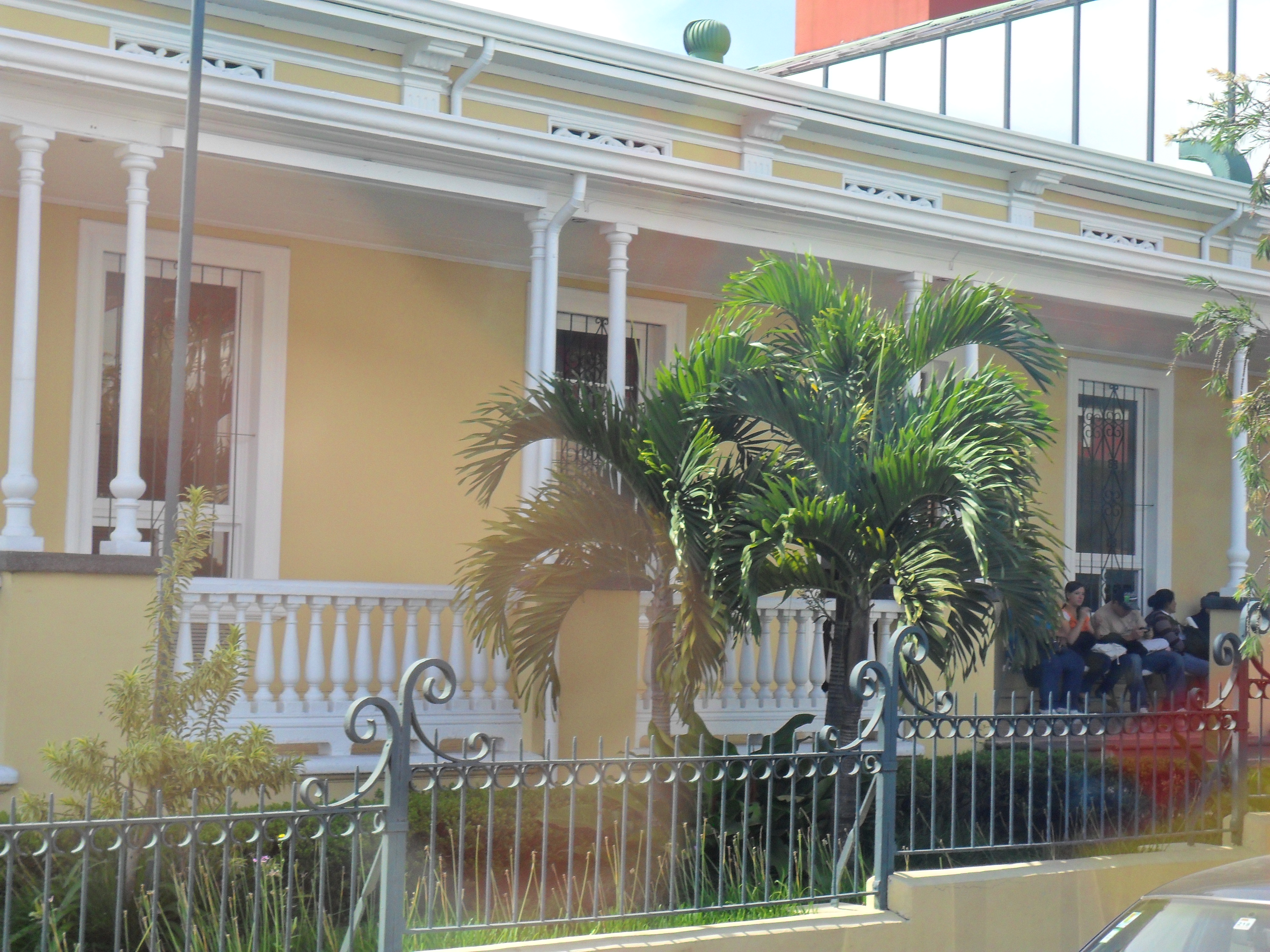
We spent very little time in cities.  However, as we left San Jose near the end of the trip and headed for the Caribbean side, I took some hurried photographs out the window.

My first and last hotel window view in San Jose included these stately coconut palms.

PURA VIDA


I usually do not reblog other blogs, but as a lover of coffee and what Ema calls trivia, I just have to reblog this. In Costa Rica, I kept getting asked where did coffee originate and I said, “Ethiopia”. This confirms that I was correct. In fact, this inspired me to make coffee in the middle of the afternoon on a hot Texas day.

getsetandgo's avatargetsetandgo

For all of my friends who will see this title and say, “Oh no, more coffee… Havent you written enough posts on coffee already?”, I have to respond and say – “You can never write enough about coffee. It’s like chocolate or mangoes”.. Do you ever feel that you have written / eaten / appreciated enough of chocolates or mangoes or anything else as sinful for that matter? 

My friend Sridhar, another coffee lover (but much much worse than me in fact) sent this really nice email forward on the said subject and I just couldn’t help myself and had to post it… It’s by theoatmeal.com and you can check their site for more such posts.

View original post 44 more words

Migraine


Since I was a child, my only health issue has been headaches.  When younger, sometimes they were little ones and sometimes nearly incapacitating.  As an adult I could count on having at least one a month, sometimes more.  Weather seems to be the main culprit now.  If certain weather patterns occur, a series may hit me for several days in a row and then blissfully nothing for a couple of months.  My daughter has migraines also; she must have inherited this from me, sadly.  Tuesday this week, I awakened with a doozy and suddenly recalled that I had to attend this class for work.  I took my medication and hoped.  While waiting for the class to start, I decided to write down exactly how these migraines make me feel.


Poised above my head,

the hammer ball strikes the ten inch nail.

It drives through my right frontal lobe,

the nail point jutting out just below my right cheek, shiny, bloodless.

The hammer flips, the nail pulled out.

Pain pulses, excruciating.

Poised above my head, the hammer strikes again and again.

Endless hours the hammer strikes and pulls.

I hold my head in my hands, rocking back and forth.

Endlessly.

Spicy Brisket for a Crowd


Originally, I had no intention of posting this.  I was simply making an easy dinner for ten guests on a hot summer day.  However, I received so many compliments that I decided to post it even though I took no pictures.  The only time I ever cook brisket occurs when quite a few people are coming over and I do not want much to do just before the food is served.  There is another rather odd reason I like to cook brisket in the summer:  I can use my electric roaster and plug it into the outlet on the patio and not heat up the house.  Since I do not particularly like barbecue, I try to do something different.

1 4-5 lb. brisket, trimmed of fat

1 large purple onion, coarsely chopped

Cumin, enough to completely cover the top of the brisket when sprinkled over it

2-3 Tbls. mild Mexican chili seasoning

1-2 tsp. coriander, ground  (optional)

Brown sugar

1 bottle cheap, dry, red wine

1 15 0z. can chopped, salt free tomatoes

4-5 jalapeño peppers (optional)

Place the brisket in a roaster fat side down and pour in the red wine to a depth of 1 1/2 inches.  Cover the top with the cumin and chili seasoning.  Evenly scatter the chopped onions over the top.  Bake at 325 for 2 hours.  Turn the brisket over so that the fat side is up.  Bake another 1-2 hours.  Turn the temperature down to 275 and turn over again so the the fat side is down.  Cover the top of the brisket with the tomatoes.  Sprinkle two small handfuls of brown sugar evenly over the top of the tomatoes.  If using the coriander, sprinkle it over the brown sugar.  Check to make sure the broth is not becoming too dry and add extra wine as needed. Bake another 1-2 hours.  If using the jalapeños, cut into halves and deseed. Add them about one hour before serving.  Usually, I cook brisket 6-7 hours.  I do not want it to become too dry, but I do want the broth to cook down so that it creates a natural sauce for the meat without using any thickening.  Just before serving, slice the brisket into pieces and stir around so the sauce covers all the pieces of meat.  I like to use the jalapeños this way because it does not increase the “heat” for those who do not like hot food, but there are tasty tidbit of hot for those who do.  Enjoy!

Costa Rica 5, Fauna


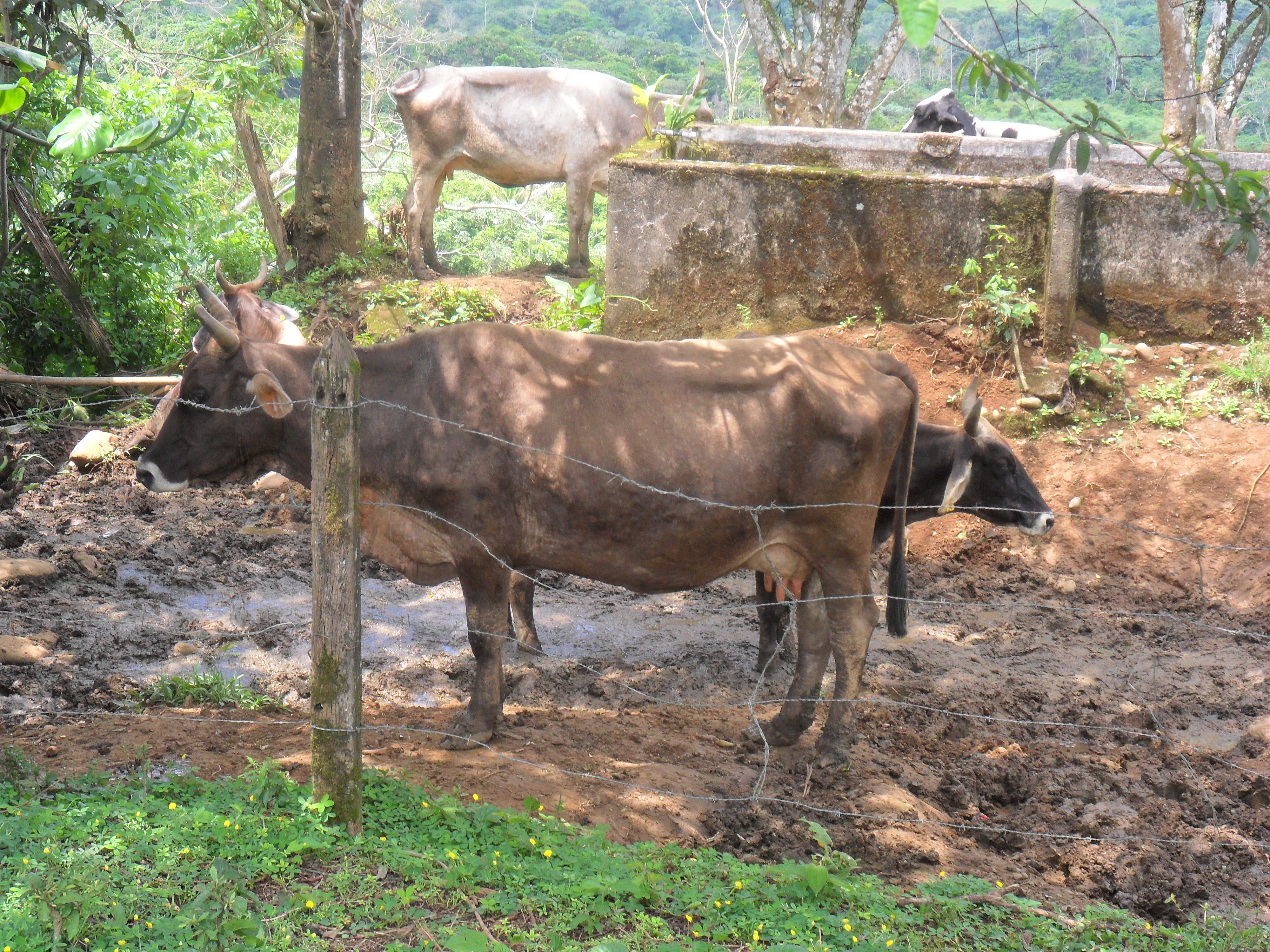
Costa Rica continued to surprise me.  I did expect some of the animals, photos of which are posted below,  but did not expect so many cattle, especially the dairy cattle, including Jerseys, Guernseys, and Holsteins,  that populated the steep mountain slopes.  They grazed everywhere up to their tummies in grass on even the steepest mountainsides.  I kept wondering how they learned to balance themselves and why they did not fall over, catapulting down the mountain.  Everyone in the group commented on the fat, happy cows.  Such abundance resulted in fabulous steaming milk for morning coffee, rich cheeses, and the creamiest ice cream imaginable.

A cow pen near the top of a mountain on the Caribbean side next to the restaurant that sold cheese and where I ate the raw turtle egg.  Most of the cows roamed free up and down the mountainsides.

In the lowlands on both the Pacific and Caribbean sides of the country, Brahma cattle relaxed or grazed in the lush grass.  It reminded me of the landscape near Veracruz, Mexico, where I lived many years ago.

The most common meat besides fish, most of which is talapia, is chicken.  Near the mountain top where the Jersey cow above was photographed, I saw a huge shed and when I asked about it, was told it was a chicken farm. However, pork is frequently served as well and occasionally beef.  I took the following photograph at a small place on a dirt road.  We stopped there to drink coconut water.  The spotted, pregnant pig was due soon.  However, the fate of the black pig remained less lovely–food.  Their girth resulted from eating coconuts; they constantly gorged themselves.

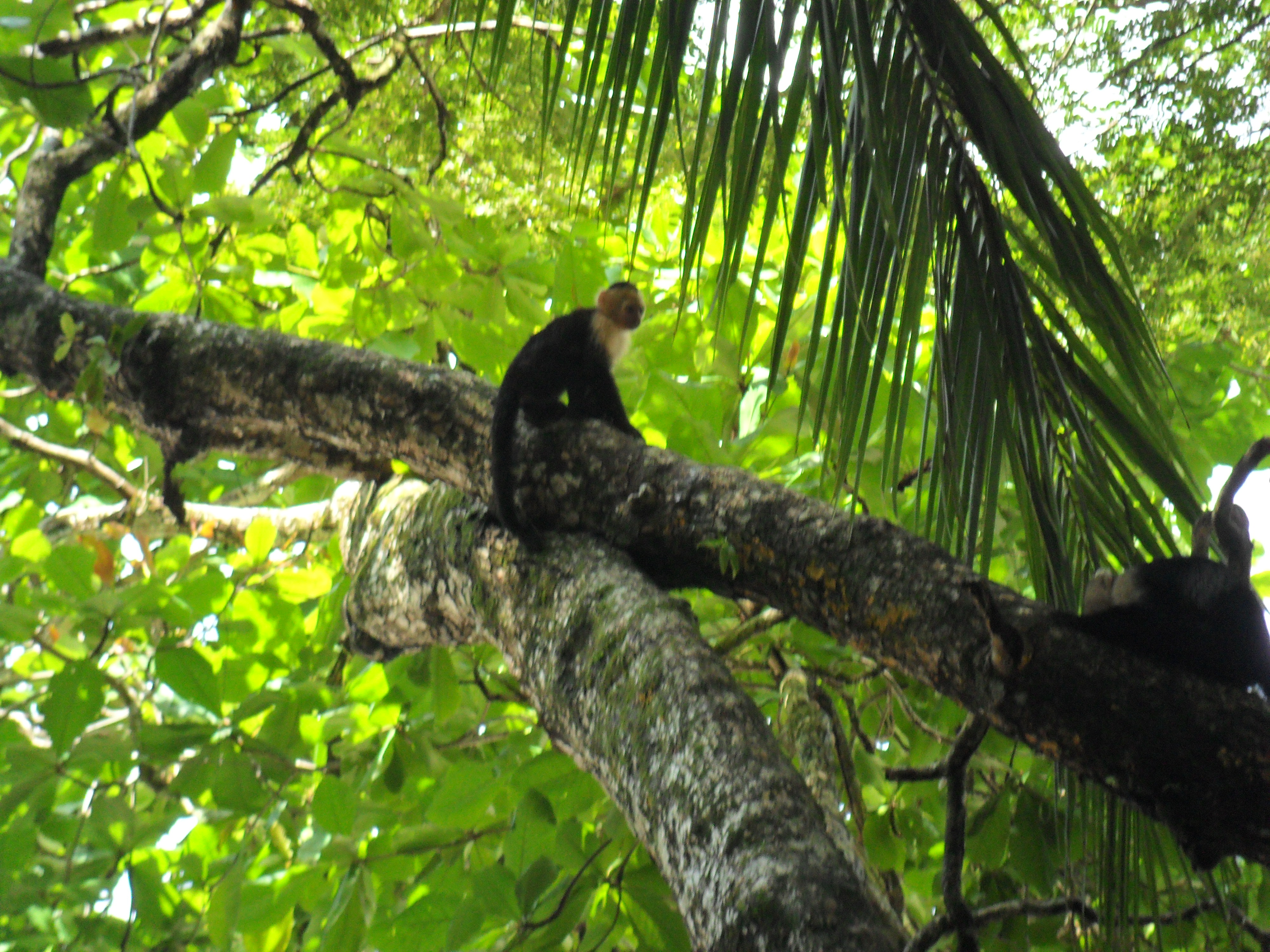
Birds abound, from the protected scarlet macaws on the Pacific Coast to tiny hummingbirds.  Hundreds of species I had never seen before and many I had seen rather often like various egrets and herons. And then there were the monkeys which I did expect to see but found difficult to photograph with my ordinary camera.

These white faced monkeys roamed everywhere near the beaches at Manual Antonio National Park, begging for food and if that did not work, actually stealing it.

While the white face monkeys remained highly visible, the howler monkeys could be heard easily but were much harder to locate because they tend to stay high in the tallest trees.  Without a good telescoping lens, this was the best I could do.
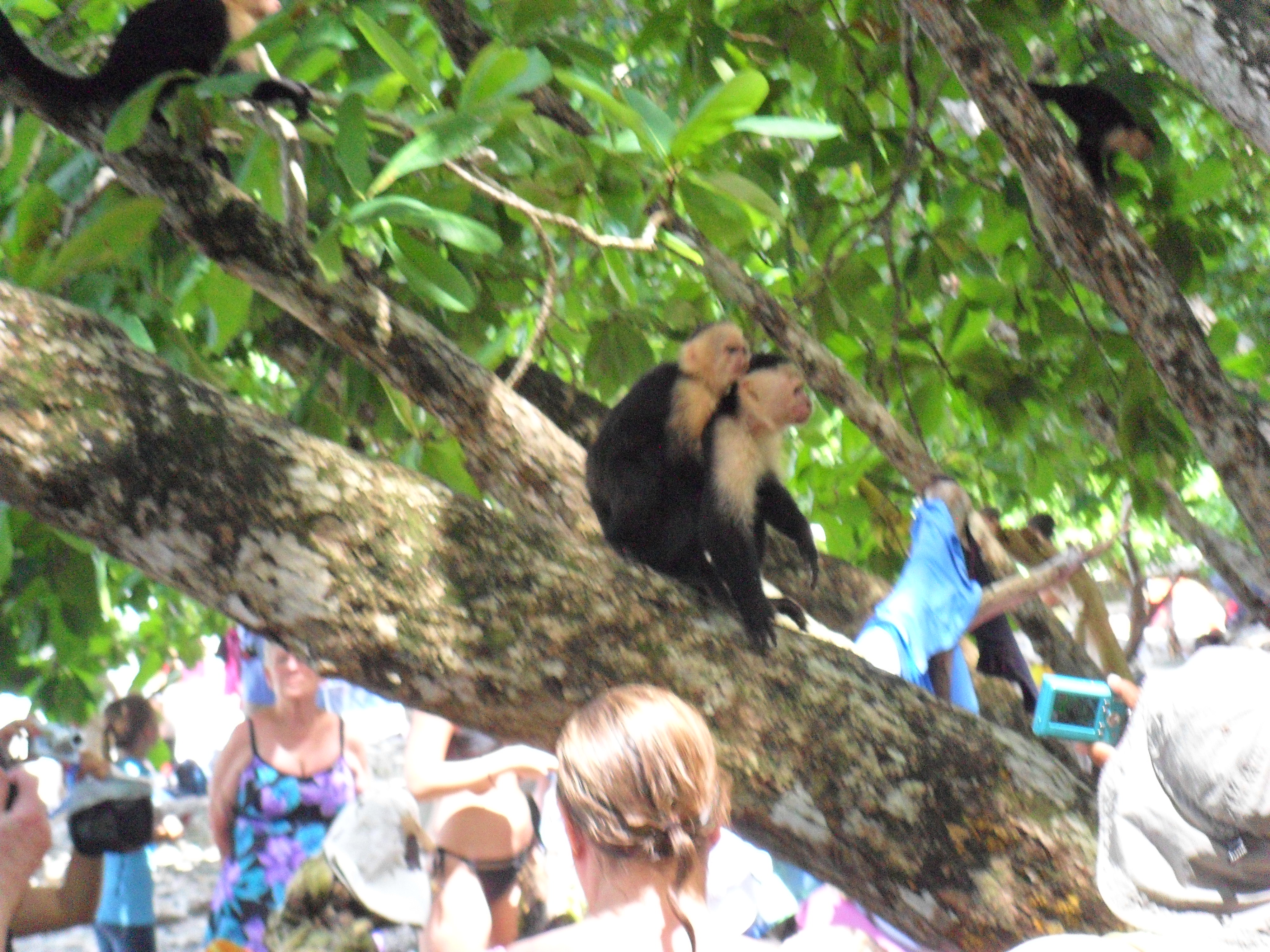
Look for the dark blob in the middle of the photo.  They also move fast so hard to locate and follow and even harder to photograph under those conditions.

Just as we arrived, walking, at the entrance to Manuel Antonio, a downpour began.  Not fond of drenchings, I stayed back, hoping it would stop, and suddenly saw a small sloth, the grey spot in the nearly leafless tree in the middle of this photo.

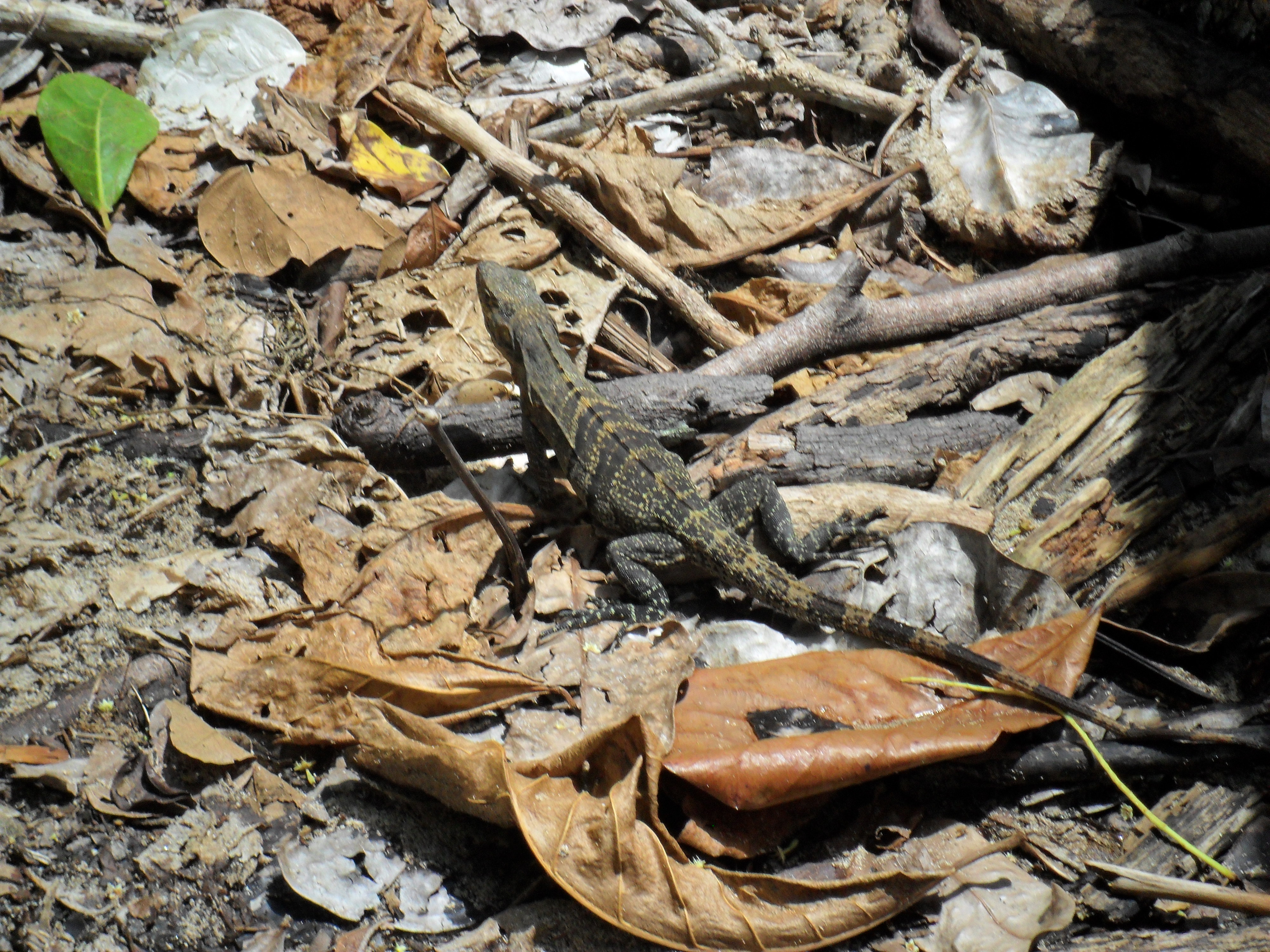
Lizards of many varieties abound.  The tree near my hotel room in Jaco contained four iguanas that appeared nearly lifeless since they never seemed to move.  Again, without a better lens I could not really photograph them.  However, at Manuel Antonio many other kinds of lizards ran here and there only slightly afraid and relatively easy to photograph.

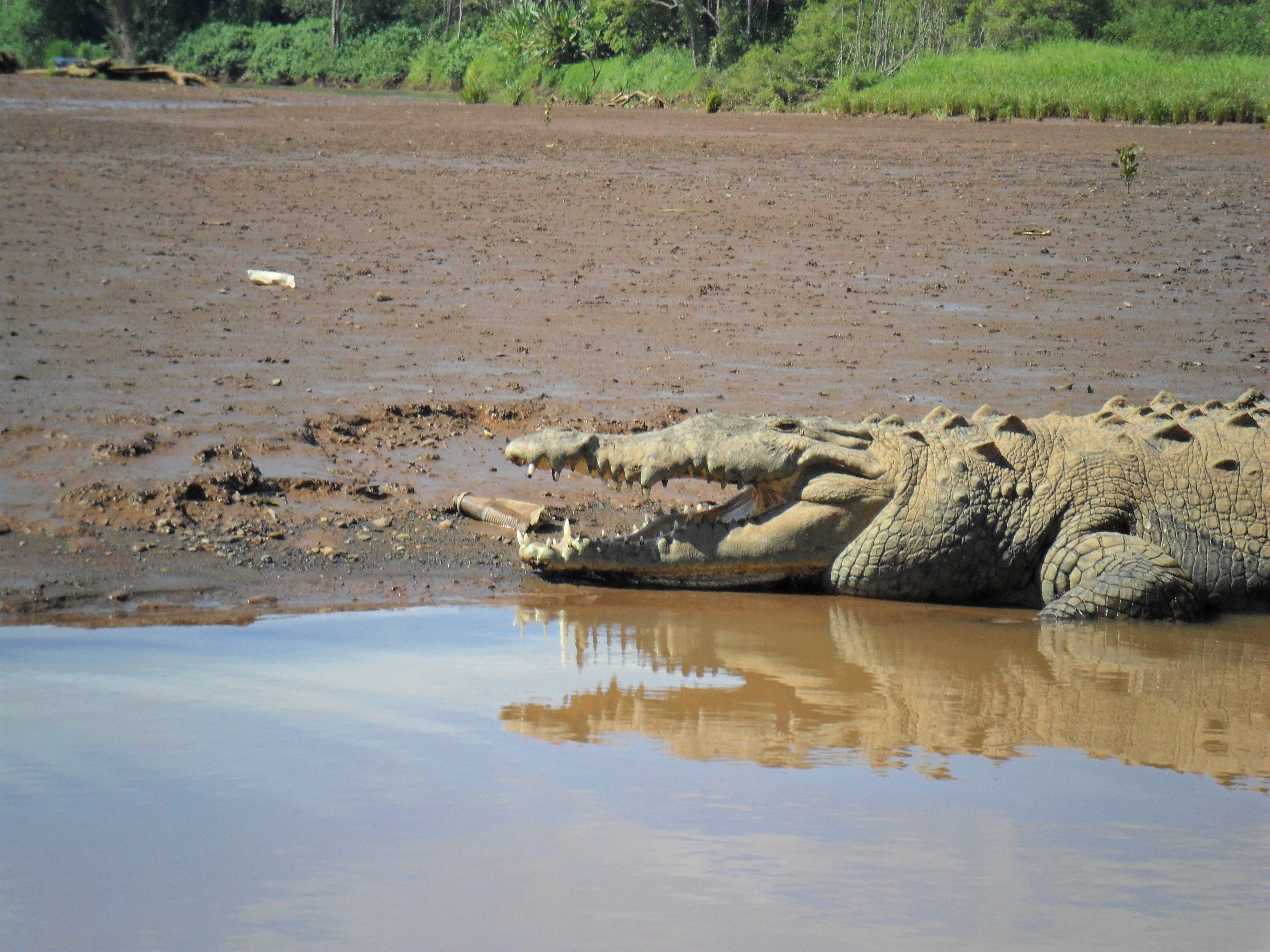
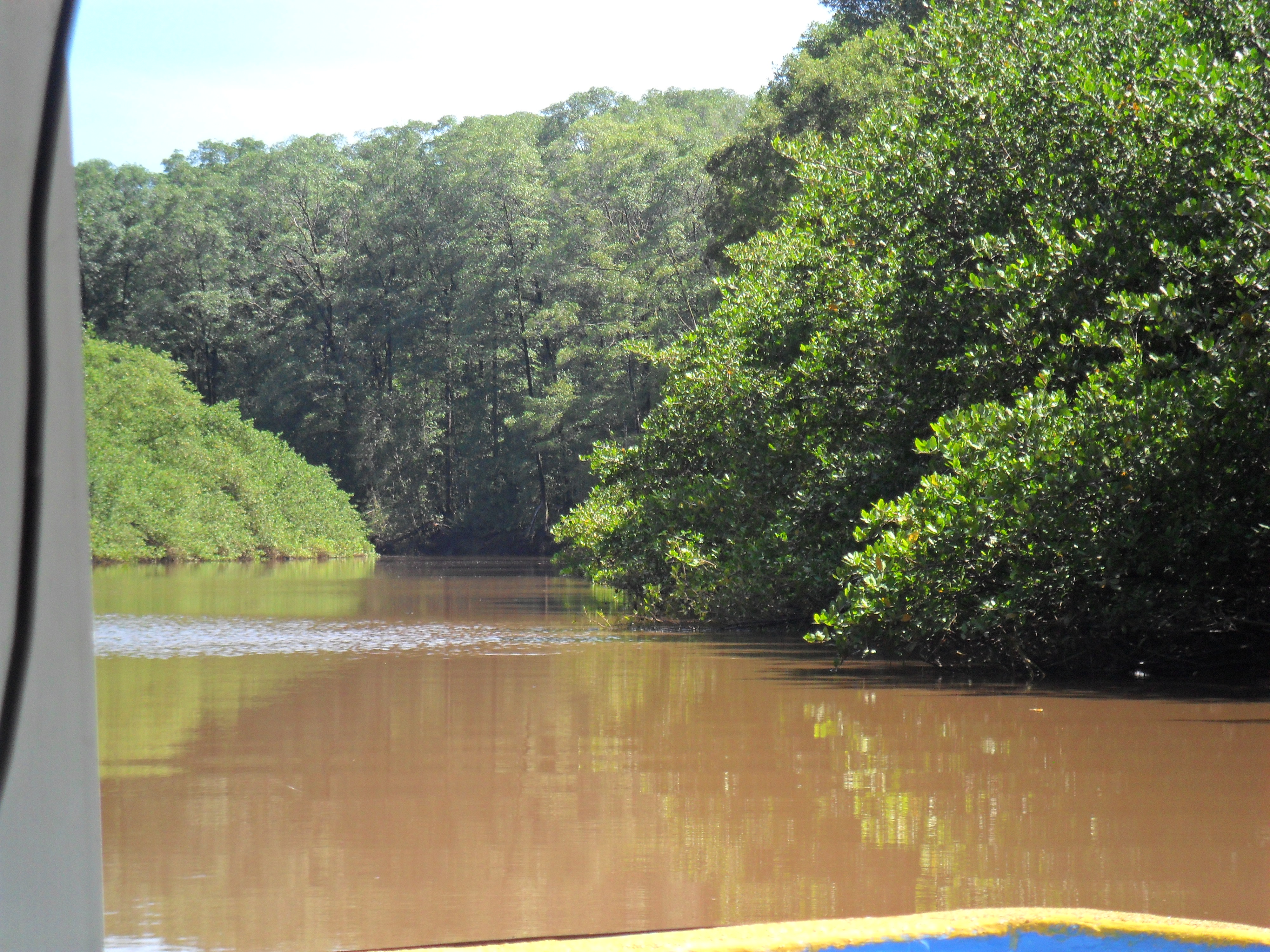
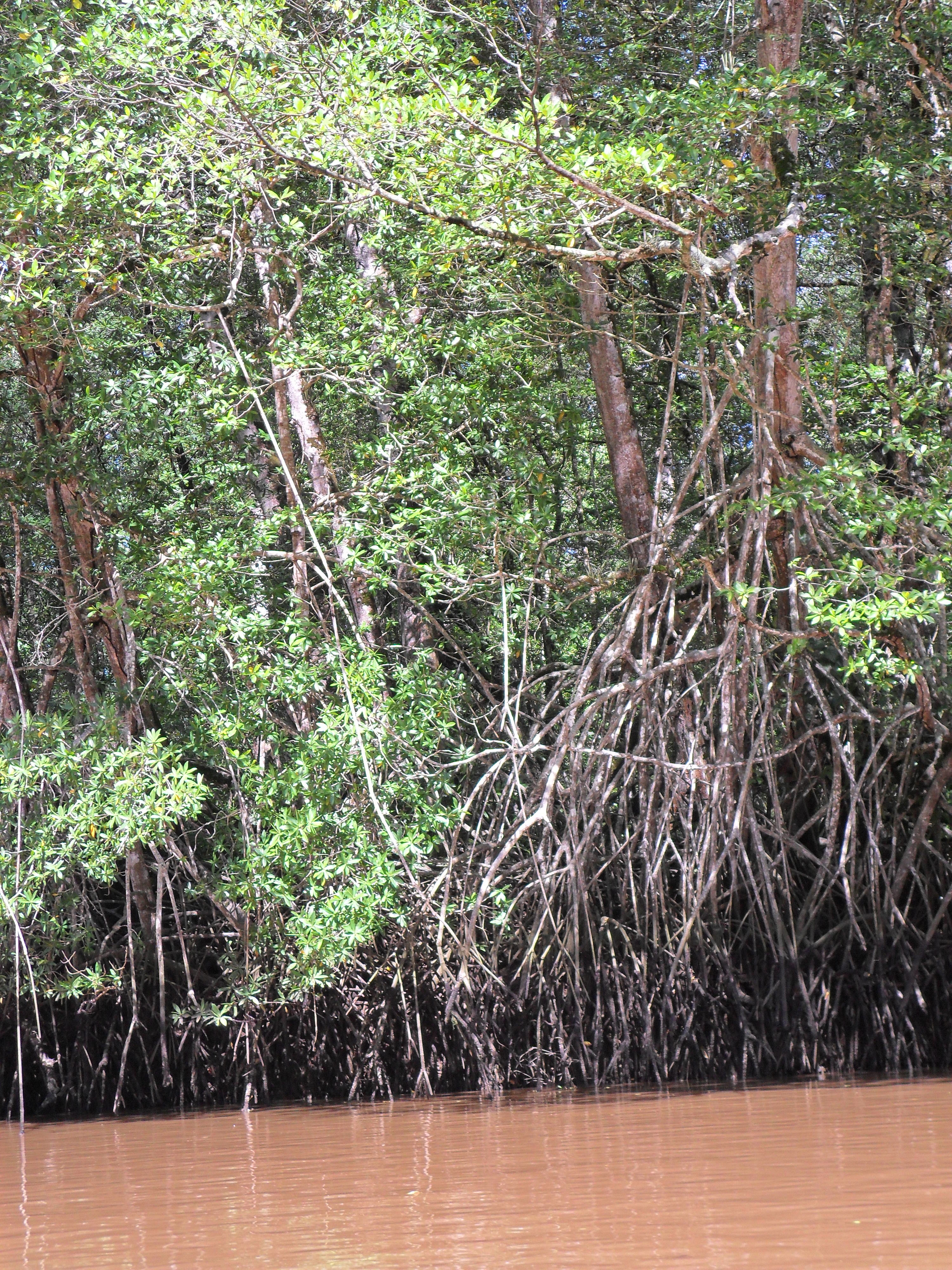
When I think back as to what I expected, it never occurred to me that huge, brackish (salt) water crocodiles existed in such abundance or even existed there at all.  Near Jaco, on the Rio Grande Tarcoles the Costa Ricans created a preserve to protect the endangered scarlet macaws and crocodiles.  We arrived early in the morning and floated around the river, into a mangrove swamp, watching birds and crocodiles.  The list of common birds included 58 species and we saw others that the guide referred to as “bonus birds”.  The following photos come from this lovely, relaxing river ride.  Truly, I loved this part of the trip.

Entering the mangrove swamp.

Two months old.

Where the Rio Grande Tarcoles enters the Pacific Ocean.

The boat captain feeding the crocodile in the mud barefoot.  I thought about touching this one he was so close until I was told they could swim as fast as 55 miles per hour.  It occurred to me that he could turn around really quickly and snap off my hand so…