Haiku Adventure–Part Three


What I learned from these poems:  what is usually considered good writing for other types of poems may or may not apply to haiku.  Alliteration provides an example.  Generally, in poetry alliteration merits a plus.  Not in haiku.  Regardless, I decided to leave the alliteration in this poem.  When I eliminated the alliteration, the effect I wanted disappeared.

red roan horse runs

rain roars

deep depression in mud

252154_10150250709710868_549391_n-2

Generally, I teach senior English–British literature.  However, one short class twice a week contains all freshmen.  My assignment:  teach them what they need to know to pass the state STAAR for ELA.  This poem illustrates what occurred during the class this past week.

teaching freshmen English class

What is a pronoun?

they stare; no one knows.

Haiku Adventure–Part Two


After receiving positive feedback on the following three poems, I learned that two of them cannot be haiku.  Why?  They instruct, give directions.  Such teaching is forbidden in haiku.  Regardless, I decided to post them anyway.  At least the Meditations will illustrate what not to do if you want to write real haiku.


Meditations

shut your eyes, be still

listen to the wind, rain, thunder

shut your eyes, be still


open your eyes, be still

watch coyote and bobcat climb

open yours eyes, be still


There are several other reasons why these two poems cannot be haiku–more than one image and a contrasting image in a single poem–forbidden.  I knew there must be some reason I had never previously seriously attempted haiku.  Too many rules.


This one, however, meets modern haiku standards or so I have been told.  I will eventually get this.  Learning, challenging oneself, remains a positive experience.


Night

big dipper illuminates

clouds race

darkness suddenly descends


IMG_1322

Haiku Adventure


Since I felt out of sync with writing and accomplishing little in that vein, I decided I needed a challenge.  In spite of two published books,  one instructive, non-fiction and the other a book of poems, I never attempted writing haiku.  Even though I probably, due to teaching schedule among other activities like singing and horses, cannot write one haiku a day, I committed to writing seven a week.  The first thing I noticed is the difficulty.  Haiku poems may be short; however, getting them even close to “right” remains quite difficult, a real challenge.  Here are the first three written this week:


milkweed rising to the sun

wait for monarchs

who never ever come


cirrocumulus clouds fly

across an azure sky

snowflakes and cottonballs


OPI Bogota Blackberry

on my freshly scrubbed feet

walks along in wonder

Rain


image


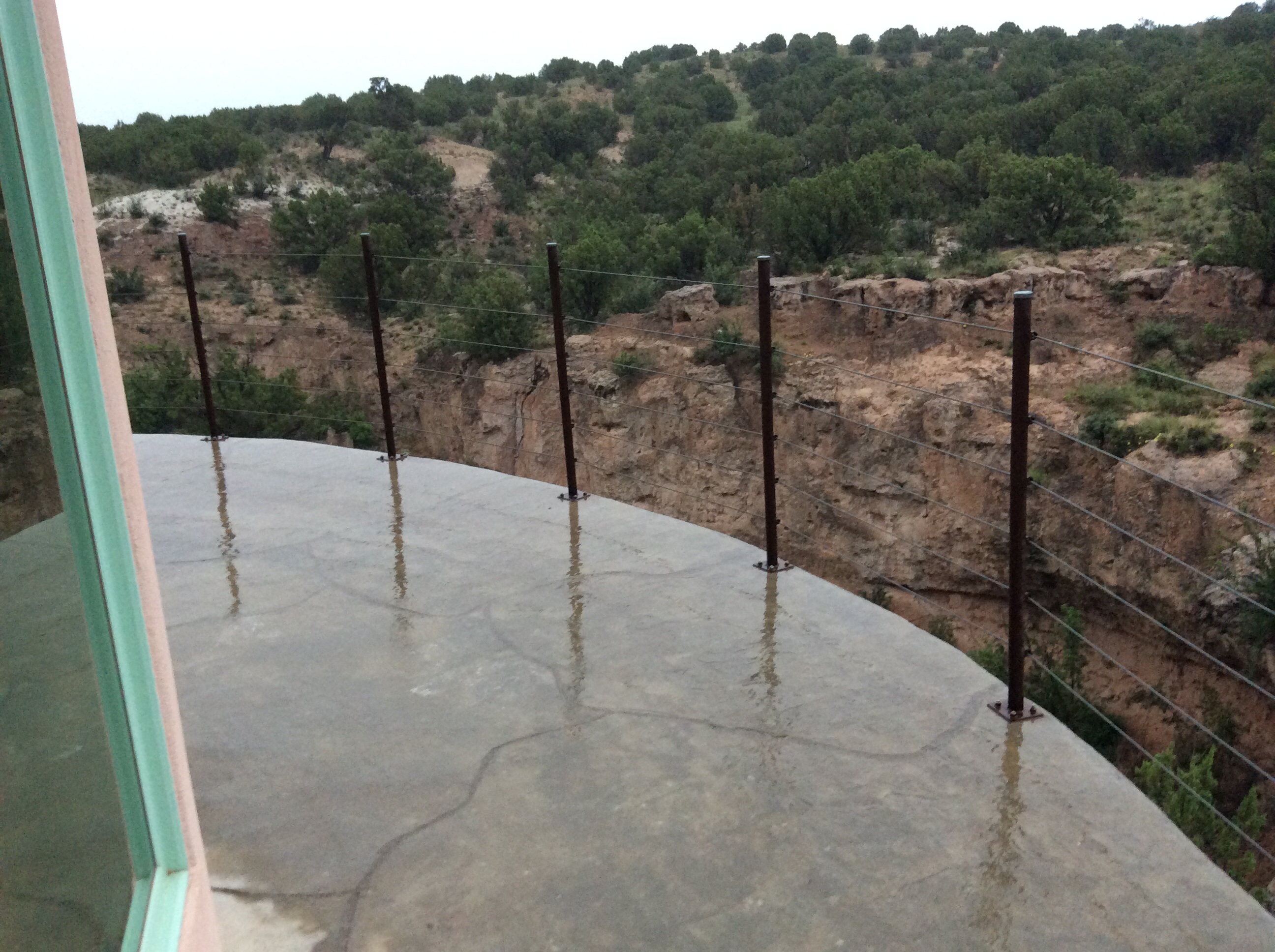
Early, in that land between wakefulness and dreams, it started to rain.  It rarely rains here in the morning; I thought I was dreaming.  Several hours later it is still raining.  Last night the weather forecaster said we are actually a little ahead of normal for the year, an unheard of event in recent years when endless drought reigned.  Because I am thinking none of  you who read my blog posts will believe it is really raining that much after reading numerous posts about drought, I decided to take some photos of the cloudiness and wet.


image


image


image


The following poem was written when it had not rained in a long time like this spring when it had not rained for months.  Now that is has started raining, it cannot seem to stop, certainly a better situation than several months ago when 50 houses in a nearby town burned down because of a giant wildfire.


It’s raining!  It’s raining!

It has not rained in more than a month.

I run out the door,

spreading my arms skyward.

I laugh out loud, dancing in the rain.

A smile smears joyfully across my face.

I run across the patio,

rain drops pelleting my face, my arms.

I laugh out loud, dancing in the rain.

My dog stands, rivulets of rain running off her.

Usually she hates rain.

Lightning explodes, thunder booms bass,

the steel roof plays staccato music.

I laugh out loud, dancing in the rain.

Book Signing and Rescue Horses


Tomorrow is a big day!!  First, I will get up and bake my second set of brownies.  It may be totally ridiculous, but on She Writes, taking food to your book signing was recommended so I made one pan of brownies tonight.  The other pan will bake in the morning.  Although this is not my first book, it is my first signing event.  Tomorrow at three at Hastings on Georgia I will be by the front door greeting and selling.  Because people actually get books signed and then do not buy them, just leave them somewhere in the store, Hastings will require buyers to pay first, then get the book signed.  I keep wondering just what sort of person does such a thing as get a book signed and then leave it randomly anywhere.

Since Cool died, I think Rosie is lonely.  Tomorrow morning Dove Creek Ranch Horse Rescue opens their doors for an annual event to show off their rescue horses, trained and ready for adoption.  At least I want to look and see who ( I see a horse as a who, not a which) is available.  Some of the horses have been so badly treated that it takes months and sometimes never to regain their trust and decent behavior.  Others just needed a home after their owners could no longer care for them.  The least I can do is look.  I will post photos of the ranch and horses tomorrow and report on the book signing.  Sleep currently seems a good idea.


10285598_10201564553698114_927164360_o

Happy Birthday to Suzanne Gelber Rinaldo


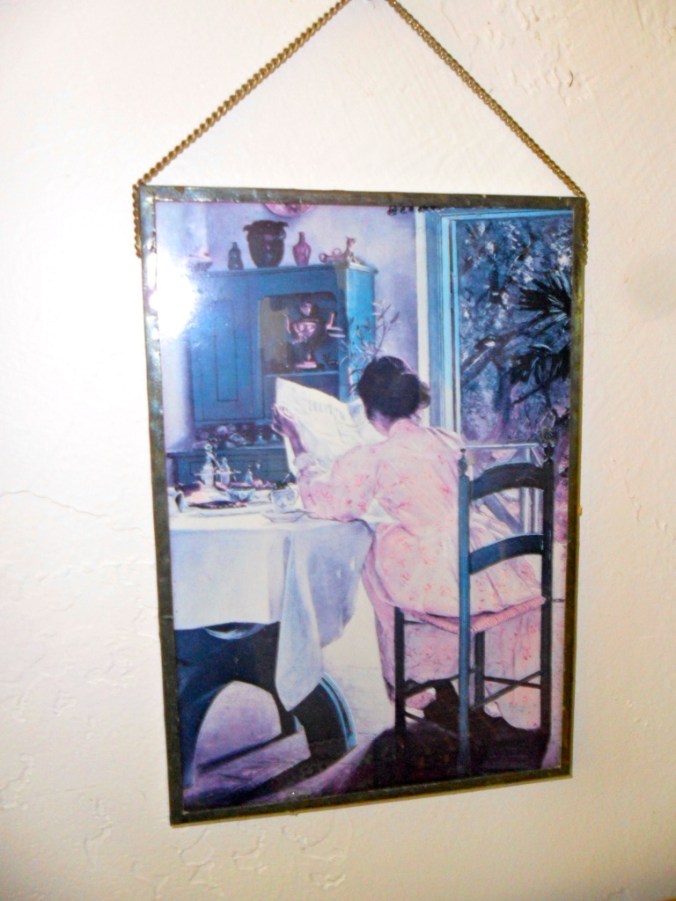
Suzy and I met as freshmen at Grinnell College in Iowa.  She was from a suburb of Cleveland and I from a farm in Northwest Missouri.  We decided we wanted to be roommates the following year.  We remain friends still after all these years even though we usually live far apart except for a brief time when we both lived in Rhode Island.  She married David Rinaldo, who attended Grinnell with us.  At least once a year one of us goes to see the other.  We seem able to pick up conversations as if we had just talked a few hours before.  Last year my daughter, grandson, and I drove to California and spent five days with them.  This year they will come to see me.  We remain the perfect example of that trite phrase, best friends forever, BFF.  On the left side of my fireplace a tiny painting she gave me when we were in college still hangs.  I wrote this poem about it last year.


The Gift


On the wall for forty years,

a copy of some famous painting:

almost everything a strange dark

shade of blue, a blue not quite

blue, the merest hint of green,

antique cupboard, curved table

base, ladder back chair, window

frame, even the tree outside.


The only exceptions:

white table cloth,

newspaper in the lady’s hands,

her pale pink floral dress with tiny

darker pink flowers,

large copper antique teapot

in the cupboard, the black and copper

pots on top.  Her teacup, saucer, plate

of toast, white and blue, an old Danish pattern.


I’ve kept the gift,

hung on too many walls to count.

My college roommate, the giver, said,

This reminds me of you.

I look at it, all these years

have wondered why.

We’re still friends.

I’ve never asked.
 

SAM_1572

My Dad–In Memory


Today in the United States is Father’s Day.  As I drove home from Dallas through the green countryside, I noticed a few places looked like the landscape in Northwest Missouri where I grew up.  My great grandfather from Switzerland homesteaded there in the 1800’s.  My dad lived on that farm all of his ninety years.  A year ago in June, I went back for a long weekend, visited the land I still have on the home place and drove to Rulo, Nebraska, where we used to go eat catfish and carp.  The last flood nearly demolished the place where we went.  Driving along, I reflected on the scenes I saw there last summer.

SAM_1167


This is the house where I grew up and the building in the foreground my dad built long before he married my mom and I was born.  During the Depression, when it was new, he occasionally held dances there and the sheriff stayed to make sure there was no moonshine. My dad lived in this house 80 of his 90 years.

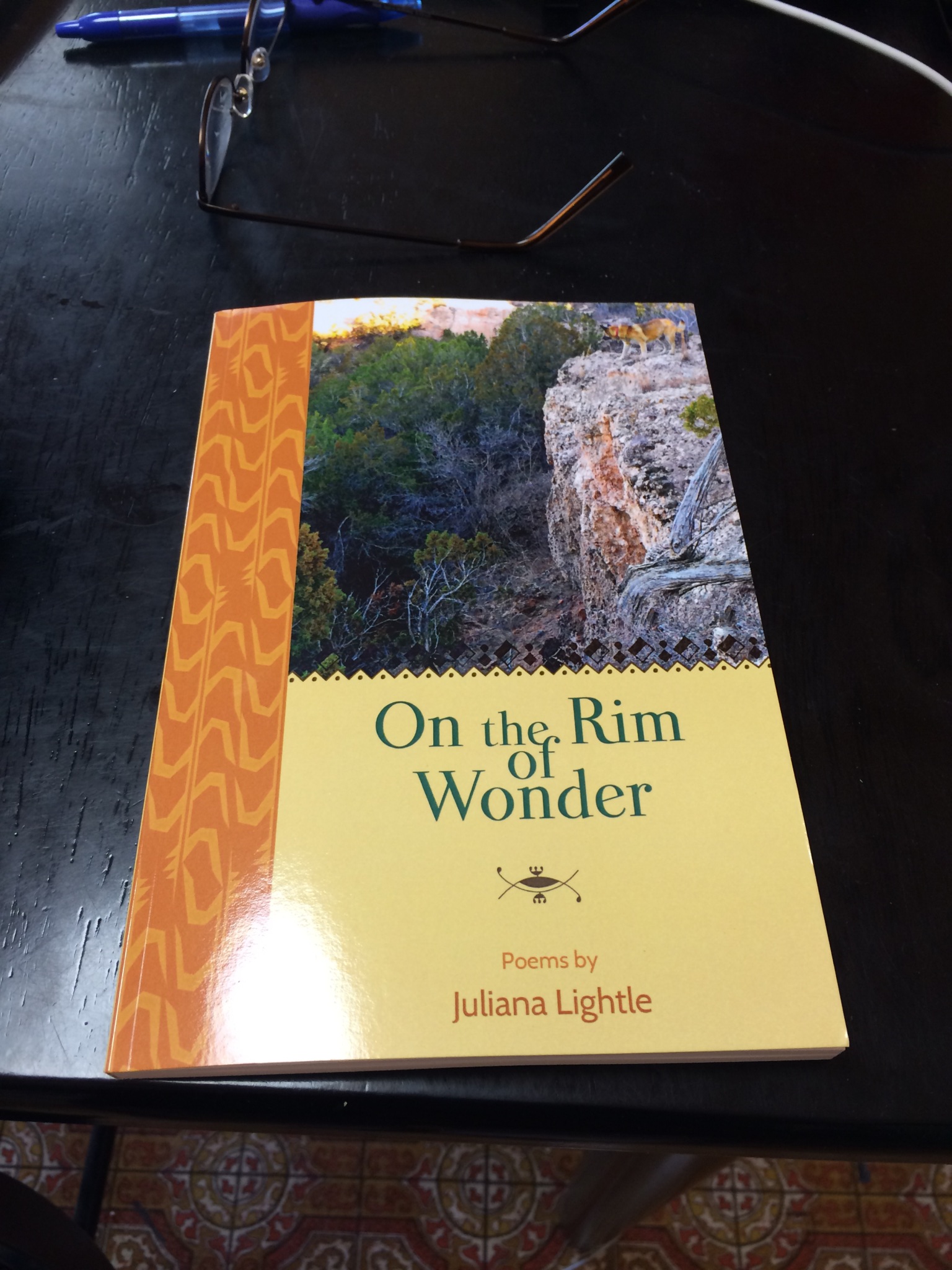
The following is a poem I wrote about Dad after my visit there last summer.  There used to be a lake behind the house with a large grove of burr oak trees surrounding it.  The lake is still there but the beautiful trees are gone except for one lone tree, the rest bulldozed down.  This poem is in my collection of poetry, On the Rim of Wonder.


My Father

He watches:

The house where he was born

gone

Only the old carriage house stands.

The young man who farms the land cannot bear to tear it down.

He watches:

The ancient burr oaks and black walnuts

gone

bulldozed into waste piles or sold for greed.

He watches:

The house he lived and loved in for eighty years

still stands on land his family owned more than 150 years.

Strangers live there.

He sees the well trimmed lawn,

new picket fence

children playing.

He watches:

The pond he proudly built and stocked with fish reflects the summer sun.

The tree filled park between the pond and house

gone

He wonders why someone would destroy such beauty.

He watches:

The walnut grove where he ran cattle

gone

The pond where his grandson caught the giant turtle

gone

plowed over and planted in corn and soybeans.

He watches.

SAM_1165

The old carriage house.

Mother, Barbara Lewis Duke


Mom was tiny, tough, and pretty.  She acquired the name Lewis because my grandparents had hoped for a boy and, for reasons I do not know, wanted a child named Lewis.  My grandparents named her younger brother Louis.  The following poem about my mother is one of the prose poems in my new book of poetry, On the Rim of Wonder, published last month by Uno Mundo Press.  Currently you can purchase it from Amazon or if you are in Amarillo, at Hastings on Georgia.  Shortly, it will be available on Kindle and signed copies can be ordered from me.


Barbie Doll


Barbara Lewis Duke, pretty, petite, blue-eyed and blond, my mother, one

fearless, controlling woman.  Long after Mom’s death, Dad said, “Barbara was

afraid of absolutely no one and nothing”.  They married late:  34 and 38.  He

adored her unconditionally.  She filled my life with horses, music, love,

cornfields, hayrides, books, ambition.  Whatever she felt she had missed,

my sister and I were going to possess:  books, piano lessons, a college education.

Her father, who died long before I was born, loved fancy, fast horses.  So did she.

During my preschool, croupy years, she quieted my hysterical night coughing

with stories of run away horses pulling her in a wagon.  With less than one hundred

pounds and lots of determination, she stopped them, a tiny Barbie Doll flying

across the Missouri River Bottom, strong, willful, free.


Amazon


His milk chocolate, heavy lidded eyes stare at me from the

front of the magazine.

His cheeks display charcoal tattoos, a criss cross

design, tiny Xs on top, stopping where his nostrils flare.

His straight hair barely touches his shoulders.

not the black I expected, but the color of mahogany.

His eyebrows grow thin and wide,

no visible eyelashes.

His skin, color of morning coffee with two teaspoons of milk,

looks clear, smooth.

His full lips only slightly darker than his skin

do not smile.

He, a Kayapo Indian, continues staring.

He lives in Kayapo Territory, Brazil, land the size of

Great Britain and Ireland.

He plans to save it from the rest of us.

He plans to save us from our own worst selves.


SAM_1502


The Kayapo and other indigenous Amerindians have lived in the rainforest for millennia.  They and most environmentalists view their rainforest as a priceless haven for biodiversity.  Their Amazon remains a major defense in the fight against global warming and habitat destruction.  Fifteen per cent of greenhouse emissions, more than all the trucks, cars, buses, and planes combined, come from deforestation.  Although Brazil has slowed the deforestation rate by 70 per cent in the last nine years, last year saw a reversal with an sudden increase of 30 per cent.  Brazil also began construction of a network of canals, dams, and a huge hydroelectric project on the Xingu River in the middle of Kayapo territory.  The Kayapo and other Amerindians defeated a larger project in the 1990s. They intend to defeat this one.

The chief of the Kayapo, Megaron, knows what is at stake, not only for his tribe, but also for the rest of us, long term survival.  One  National Geographic article noted, “It is one of the richest ironies of the Amazon that the supposedly civilized outsiders who spent five centuries evangelizing, exploiting, and exterminating aboriginal people are now turning to them to save ecosystems recognized as critical to the health of the planet–to defend essential tracts of land from the outside world’s insatiable appetite.”

Kayapo success can be attributed to their ability to embrace some of the best of the modern world while retaining a strong sense of identity, culture, and traditions, all of which come from the forest.  As Megaron notes, “Before the white man, we were always fighting other tribes.  Not anymore.  We stopped hitting each other over the head and united against a bigger threat.”  For our own long term health and success, we can support them and hope they succeed.