poetry
Rain
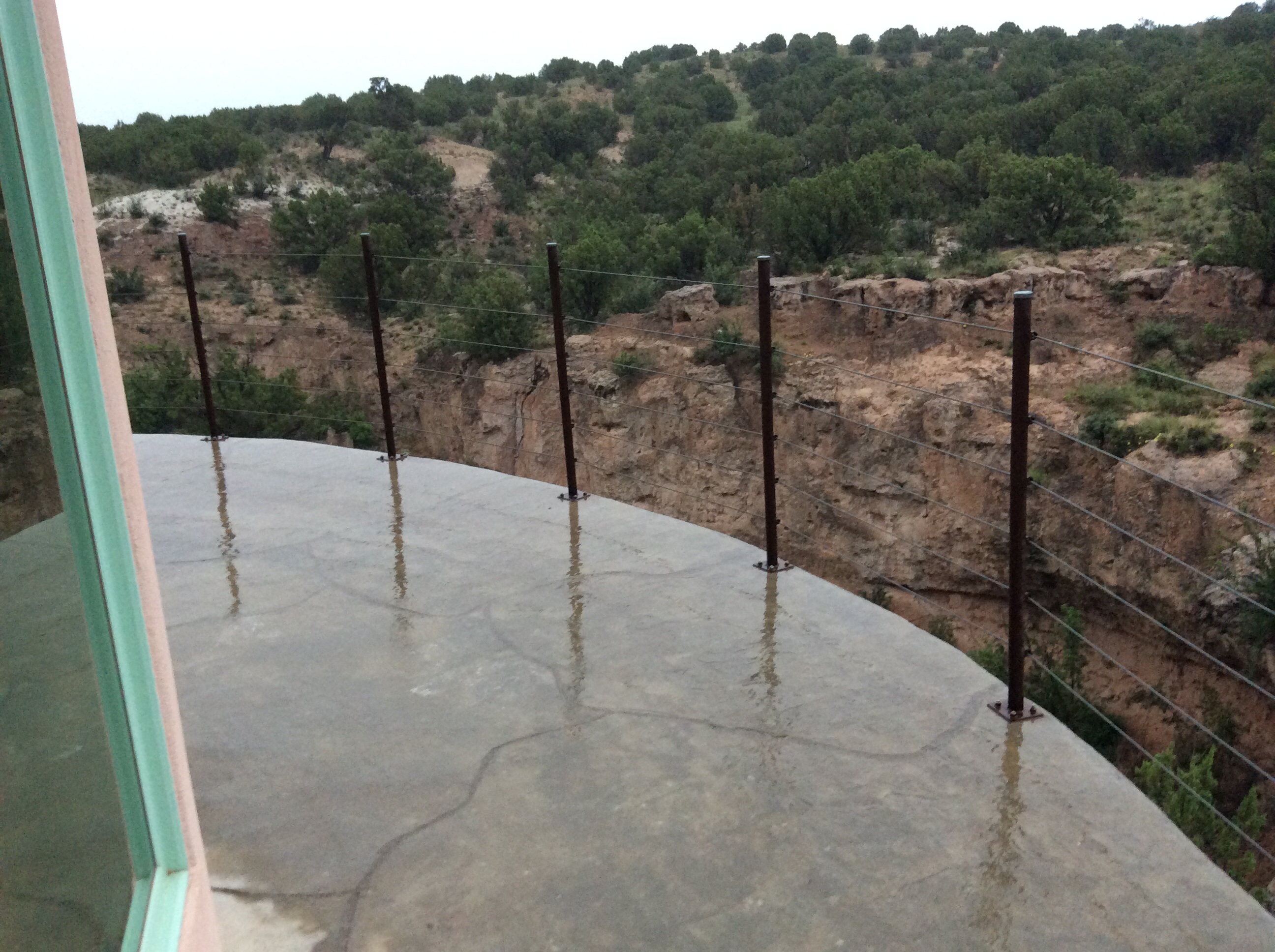
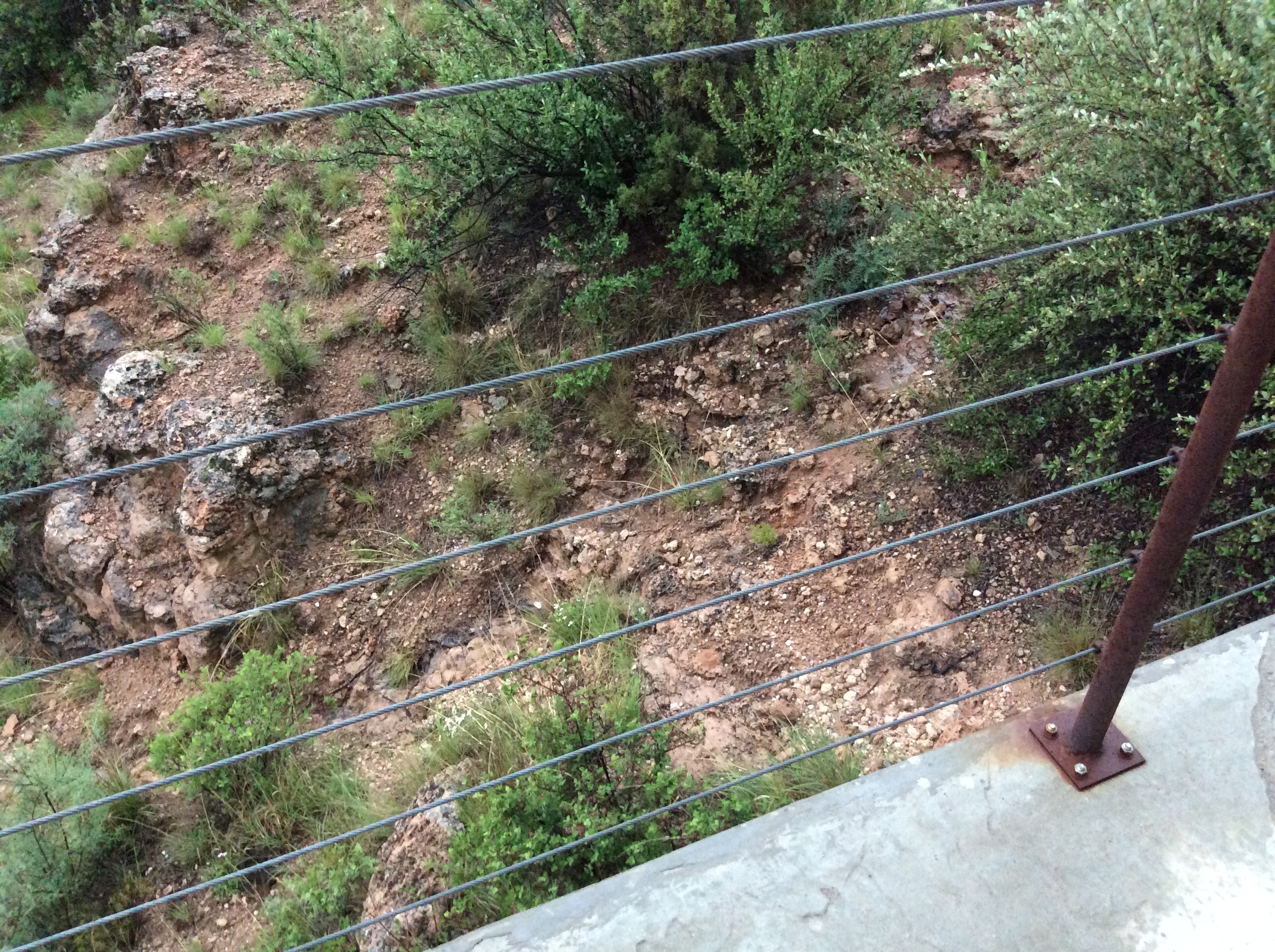
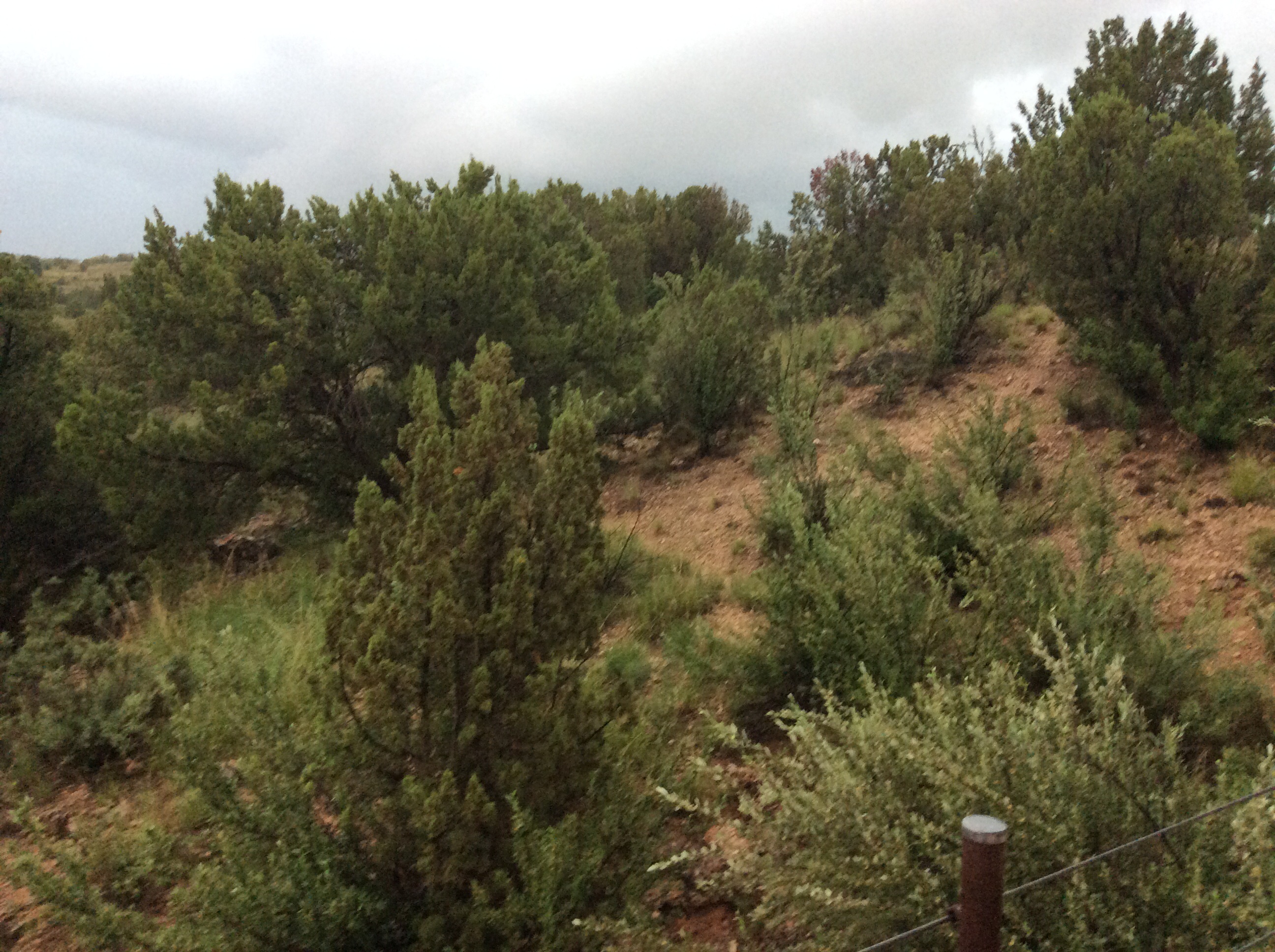
Early, in that land between wakefulness and dreams, it started to rain. It rarely rains here in the morning; I thought I was dreaming. Several hours later it is still raining. Last night the weather forecaster said we are actually a little ahead of normal for the year, an unheard of event in recent years when endless drought reigned. Because I am thinking none of you who read my blog posts will believe it is really raining that much after reading numerous posts about drought, I decided to take some photos of the cloudiness and wet.
The following poem was written when it had not rained in a long time like this spring when it had not rained for months. Now that is has started raining, it cannot seem to stop, certainly a better situation than several months ago when 50 houses in a nearby town burned down because of a giant wildfire.
It’s raining! It’s raining!
It has not rained in more than a month.
I run out the door,
spreading my arms skyward.
I laugh out loud, dancing in the rain.
A smile smears joyfully across my face.
I run across the patio,
rain drops pelleting my face, my arms.
I laugh out loud, dancing in the rain.
My dog stands, rivulets of rain running off her.
Usually she hates rain.
Lightning explodes, thunder booms bass,
the steel roof plays staccato music.
I laugh out loud, dancing in the rain.
Book Signing and Rescue Horses
Tomorrow is a big day!! First, I will get up and bake my second set of brownies. It may be totally ridiculous, but on She Writes, taking food to your book signing was recommended so I made one pan of brownies tonight. The other pan will bake in the morning. Although this is not my first book, it is my first signing event. Tomorrow at three at Hastings on Georgia I will be by the front door greeting and selling. Because people actually get books signed and then do not buy them, just leave them somewhere in the store, Hastings will require buyers to pay first, then get the book signed. I keep wondering just what sort of person does such a thing as get a book signed and then leave it randomly anywhere.
Since Cool died, I think Rosie is lonely. Tomorrow morning Dove Creek Ranch Horse Rescue opens their doors for an annual event to show off their rescue horses, trained and ready for adoption. At least I want to look and see who ( I see a horse as a who, not a which) is available. Some of the horses have been so badly treated that it takes months and sometimes never to regain their trust and decent behavior. Others just needed a home after their owners could no longer care for them. The least I can do is look. I will post photos of the ranch and horses tomorrow and report on the book signing. Sleep currently seems a good idea.
Happy Birthday to Suzanne Gelber Rinaldo
Suzy and I met as freshmen at Grinnell College in Iowa. She was from a suburb of Cleveland and I from a farm in Northwest Missouri. We decided we wanted to be roommates the following year. We remain friends still after all these years even though we usually live far apart except for a brief time when we both lived in Rhode Island. She married David Rinaldo, who attended Grinnell with us. At least once a year one of us goes to see the other. We seem able to pick up conversations as if we had just talked a few hours before. Last year my daughter, grandson, and I drove to California and spent five days with them. This year they will come to see me. We remain the perfect example of that trite phrase, best friends forever, BFF. On the left side of my fireplace a tiny painting she gave me when we were in college still hangs. I wrote this poem about it last year.
The Gift
On the wall for forty years,
a copy of some famous painting:
almost everything a strange dark
shade of blue, a blue not quite
blue, the merest hint of green,
antique cupboard, curved table
base, ladder back chair, window
frame, even the tree outside.
The only exceptions:
white table cloth,
newspaper in the lady’s hands,
her pale pink floral dress with tiny
darker pink flowers,
large copper antique teapot
in the cupboard, the black and copper
pots on top. Her teacup, saucer, plate
of toast, white and blue, an old Danish pattern.
I’ve kept the gift,
hung on too many walls to count.
My college roommate, the giver, said,
“This reminds me of you.”
I look at it, all these years
have wondered why.
We’re still friends.
I’ve never asked.
My Dad–In Memory
Today in the United States is Father’s Day. As I drove home from Dallas through the green countryside, I noticed a few places looked like the landscape in Northwest Missouri where I grew up. My great grandfather from Switzerland homesteaded there in the 1800’s. My dad lived on that farm all of his ninety years. A year ago in June, I went back for a long weekend, visited the land I still have on the home place and drove to Rulo, Nebraska, where we used to go eat catfish and carp. The last flood nearly demolished the place where we went. Driving along, I reflected on the scenes I saw there last summer.
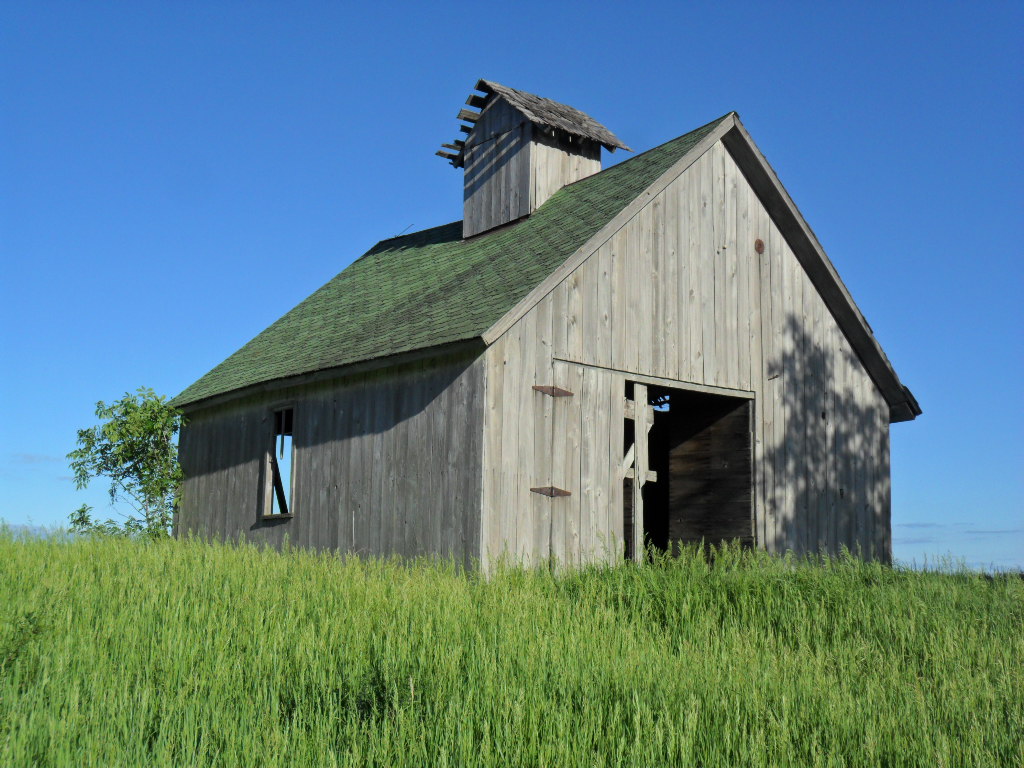
This is the house where I grew up and the building in the foreground my dad built long before he married my mom and I was born. During the Depression, when it was new, he occasionally held dances there and the sheriff stayed to make sure there was no moonshine. My dad lived in this house 80 of his 90 years.
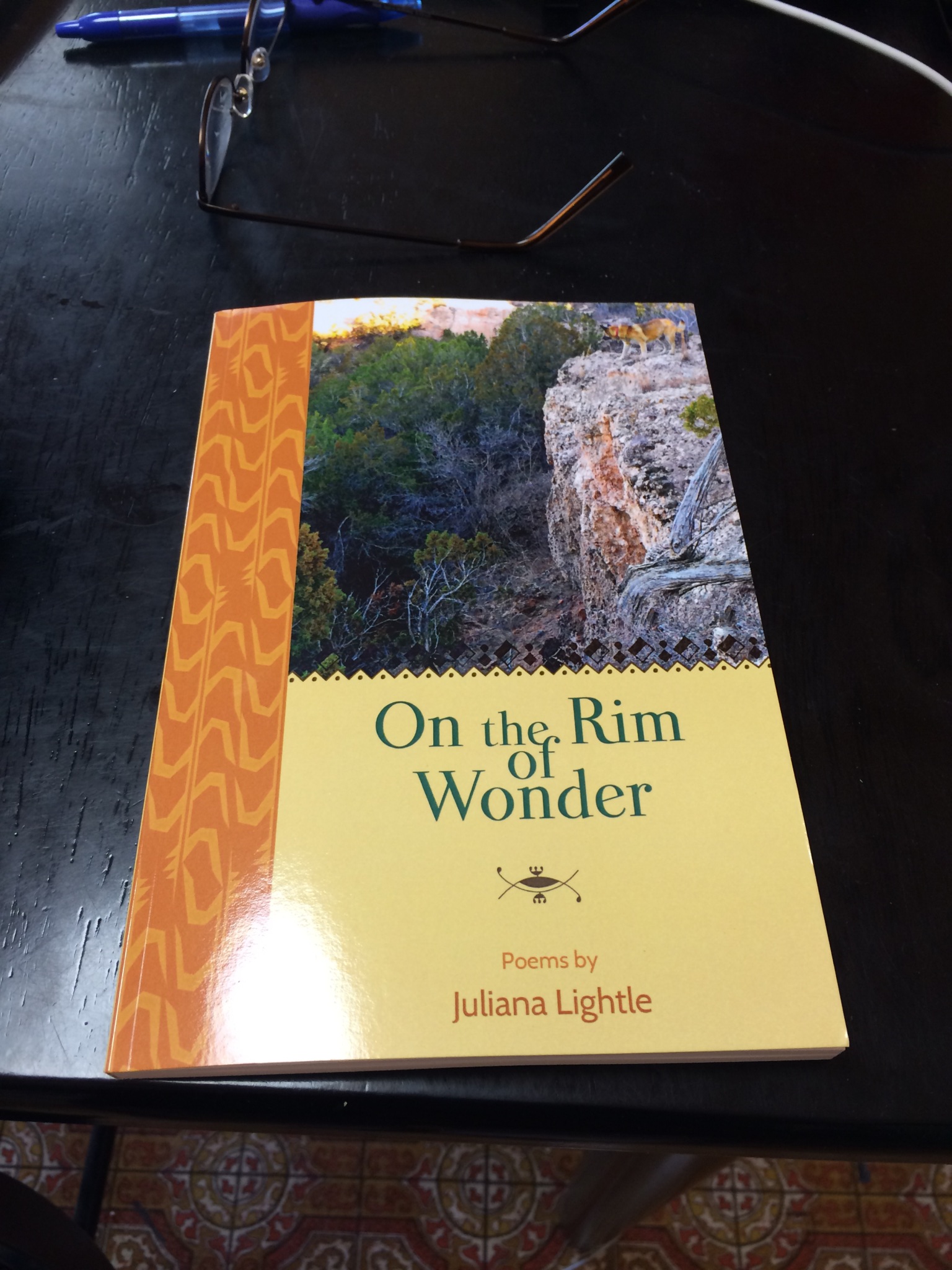
The following is a poem I wrote about Dad after my visit there last summer. There used to be a lake behind the house with a large grove of burr oak trees surrounding it. The lake is still there but the beautiful trees are gone except for one lone tree, the rest bulldozed down. This poem is in my collection of poetry, On the Rim of Wonder.
My Father
He watches:
The house where he was born
gone
Only the old carriage house stands.
The young man who farms the land cannot bear to tear it down.
He watches:
The ancient burr oaks and black walnuts
gone
bulldozed into waste piles or sold for greed.
He watches:
The house he lived and loved in for eighty years
still stands on land his family owned more than 150 years.
Strangers live there.
He sees the well trimmed lawn,
new picket fence
children playing.
He watches:
The pond he proudly built and stocked with fish reflects the summer sun.
The tree filled park between the pond and house
gone
He wonders why someone would destroy such beauty.
He watches:
The walnut grove where he ran cattle
gone
The pond where his grandson caught the giant turtle
gone
plowed over and planted in corn and soybeans.
He watches.
The old carriage house.
Mother, Barbara Lewis Duke
Mom was tiny, tough, and pretty. She acquired the name Lewis because my grandparents had hoped for a boy and, for reasons I do not know, wanted a child named Lewis. My grandparents named her younger brother Louis. The following poem about my mother is one of the prose poems in my new book of poetry, On the Rim of Wonder, published last month by Uno Mundo Press. Currently you can purchase it from Amazon or if you are in Amarillo, at Hastings on Georgia. Shortly, it will be available on Kindle and signed copies can be ordered from me.
Barbie Doll
Barbara Lewis Duke, pretty, petite, blue-eyed and blond, my mother, one
fearless, controlling woman. Long after Mom’s death, Dad said, “Barbara was
afraid of absolutely no one and nothing”. They married late: 34 and 38. He
adored her unconditionally. She filled my life with horses, music, love,
cornfields, hayrides, books, ambition. Whatever she felt she had missed,
my sister and I were going to possess: books, piano lessons, a college education.
Her father, who died long before I was born, loved fancy, fast horses. So did she.
During my preschool, croupy years, she quieted my hysterical night coughing
with stories of run away horses pulling her in a wagon. With less than one hundred
pounds and lots of determination, she stopped them, a tiny Barbie Doll flying
across the Missouri River Bottom, strong, willful, free.
Amazon
His milk chocolate, heavy lidded eyes stare at me from the
front of the magazine.
His cheeks display charcoal tattoos, a criss cross
design, tiny Xs on top, stopping where his nostrils flare.
His straight hair barely touches his shoulders.
not the black I expected, but the color of mahogany.
His eyebrows grow thin and wide,
no visible eyelashes.
His skin, color of morning coffee with two teaspoons of milk,
looks clear, smooth.
His full lips only slightly darker than his skin
do not smile.
He, a Kayapo Indian, continues staring.
He lives in Kayapo Territory, Brazil, land the size of
Great Britain and Ireland.
He plans to save it from the rest of us.
He plans to save us from our own worst selves.
The Kayapo and other indigenous Amerindians have lived in the rainforest for millennia. They and most environmentalists view their rainforest as a priceless haven for biodiversity. Their Amazon remains a major defense in the fight against global warming and habitat destruction. Fifteen per cent of greenhouse emissions, more than all the trucks, cars, buses, and planes combined, come from deforestation. Although Brazil has slowed the deforestation rate by 70 per cent in the last nine years, last year saw a reversal with an sudden increase of 30 per cent. Brazil also began construction of a network of canals, dams, and a huge hydroelectric project on the Xingu River in the middle of Kayapo territory. The Kayapo and other Amerindians defeated a larger project in the 1990s. They intend to defeat this one.
The chief of the Kayapo, Megaron, knows what is at stake, not only for his tribe, but also for the rest of us, long term survival. One National Geographic article noted, “It is one of the richest ironies of the Amazon that the supposedly civilized outsiders who spent five centuries evangelizing, exploiting, and exterminating aboriginal people are now turning to them to save ecosystems recognized as critical to the health of the planet–to defend essential tracts of land from the outside world’s insatiable appetite.”
Kayapo success can be attributed to their ability to embrace some of the best of the modern world while retaining a strong sense of identity, culture, and traditions, all of which come from the forest. As Megaron notes, “Before the white man, we were always fighting other tribes. Not anymore. We stopped hitting each other over the head and united against a bigger threat.” For our own long term health and success, we can support them and hope they succeed.
Sacred Corn
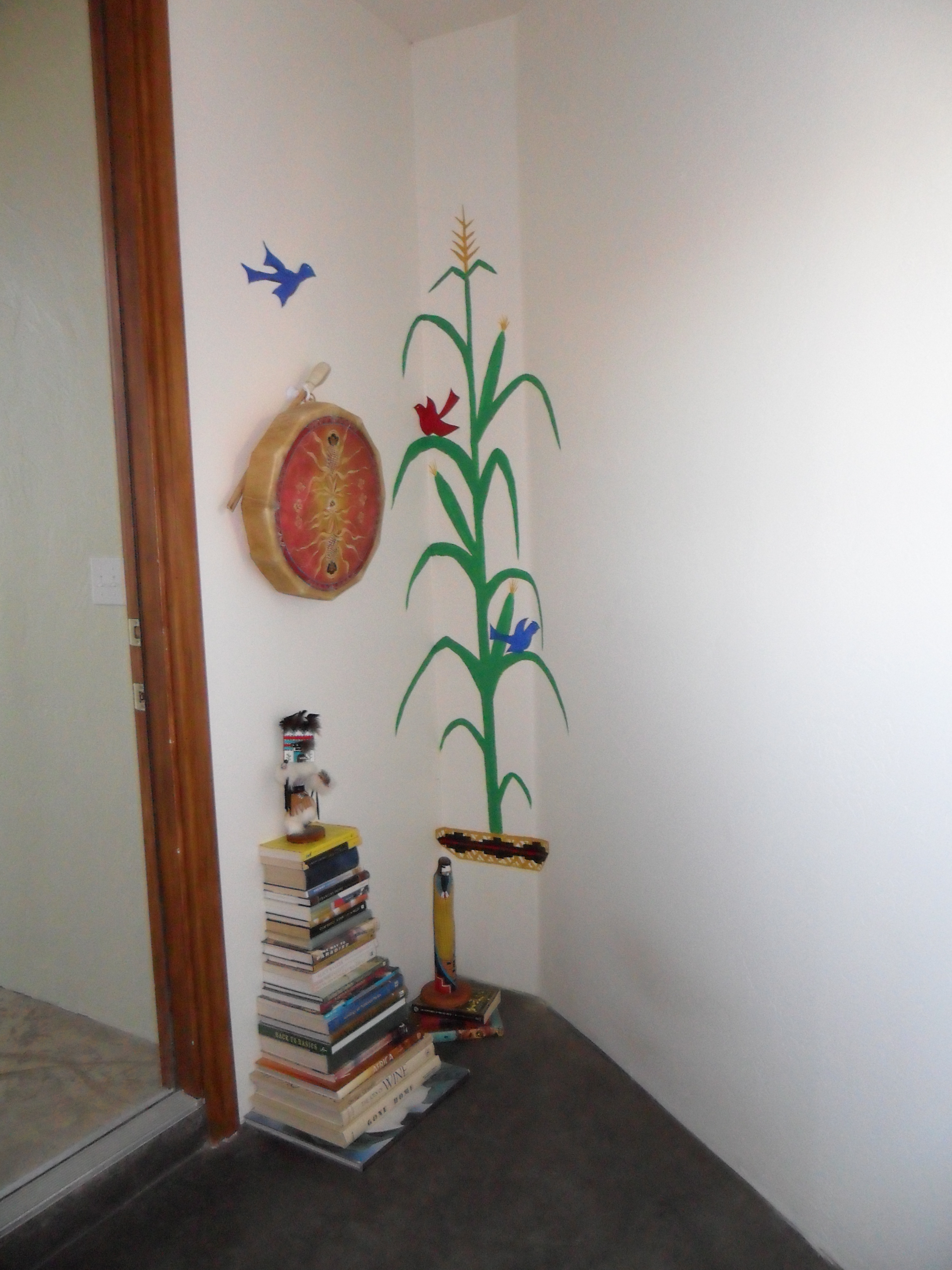
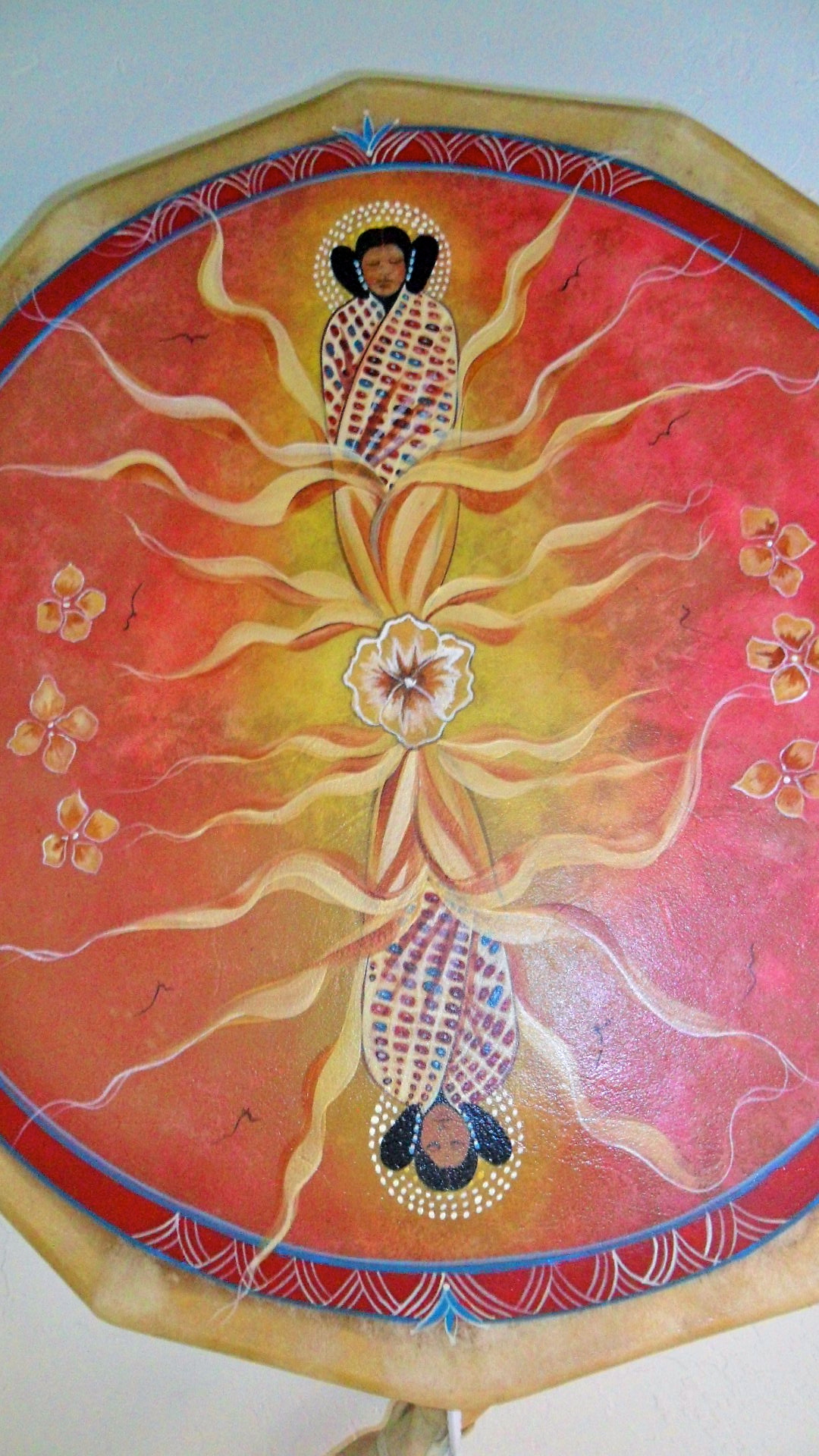
In the summer on hot, humid nights, you can hear the corn grow. My great grandfather, my grandfather, and my father grew corn. I grow corn in that same rich loess soil of Northwestern Missouri. Soil laid down by Ice Age glaciers thousands of year ago. Only on a few hill tops, here and there, will you find non glacial soil. Repeatedly, daily, I walk by the sacred corn plant of life painted on my hall corner. This sacred corn corner houses three corn maiden kachinas and a drum decorated with corn maidens. I give thanks to corn for my house and the life I lead.
Corn Song
I sing the song of ancients:
pueblo peoples,
Anazazi, Hopi, Zuni.
I sing the song of an America long gone.
Maya, Aztec, Tolmec.
I sing the song of life: colors of the rainbow
golden, red, white, blue.
I sing the song of now: thick, endless
identical rows.
Pioneer, Monsanto,
anhydrous ammonia,
atrazine.
I sing the song of hope and joy:
an ancient reclaiming,
a klaidescope of colors,
butterflies and fireflies.
I sing the eternal human song.
This is a Navaho kachina. Kachina are actually Hopi, but Navaho artists now make kachinas as well. The first corn maiden kachina I bought.
Spotted corn kachinas, on the left, are unusual. It took me years to find one. The kachina on the right was created by R Pino, who is both Hopi and Navaho.
Every year Pendleton runs an art contest among Native American students. The winner’s art work is transformed into saddle blankets. This design, created by Mary Beth Jiron, is the latest in this Student Series. There are three corn maidens on each side of the blanket, representing the different varieties of corn grown by native peoples, yellow, red, blue, white, black, and spotted.
The Story Circle Network Conference and My Commitment: This Is What I Know
When I first started blogging more than two years ago, I committed to blogging once a week. That I managed for a year or so and then since that time, it became more sporadic. Full time job, writing poems for my book, visitors, mini vacations, all sorts of stuff got in the way. Really, I let it lapse, but refused to give up. Last Thursday, I drove to Austin with my daughter and grandson for the biannual Story Circle Network Conference. The plan: while I conferred, they played. The Story Circle Network is an organization for women which encourages women to write, to tell their stories, to share these stories, and when possible and desired, publish those stories in various forms from memoir to poetry. This was my second time to attend and my first time to attend as a new board member. A former mentor/teacher of mine, Len Leatherwood, facilitated a workshop entitled “Transforming Your Writing Life in Just 20 Minutes a Day”, the last workshop I attended. She blogs everyday. I follow her blog. No matter what, she sits down and writes 20 minutes minimum a day separate from the writing she does with her students–she teaches writing privately in southern CA. One of her recent blogs has been accepted for publication–a piece of flash fiction. She nearly begged us to commit to this kind of writing practice. Previously, I had refused, flat out refused, partly thinking that if I tried it, more than half the resulting writing would be crap. Nevertheless, she and her workshop convinced me that at least for one month I must try this. Now all of you following my blog will be inundated with daily blog posts. I am filled with curiosity as to how people will respond. Maybe it will be like my Facebook posts–yes, I am an almost addict–the posts I consider most meaningful for the universe at large are the ones people ignore and the ones I consider personal trivia receive the most response. Maybe I will track what appeals to my readers. Some I won’t know because with blogging I share to Facebook and to a couple of professional networks, I have no clue who read what. Once I received an email regarding a poem I posted. Although it never showed up as a like, the lady actually told me she read my poem in church! Who would have guessed. I forgot to time myself so have no idea how long I have been here writing.
Here I am writing about why I am writing. On the stove I smell Jasmine rice cooking. I love Jasmine rice from Thailand. I am a very picky rice eater and prefer to mix equally white Jasmine rice with black and red. For one thing, it looks lovely when done–a sort of dark reddish purple. Since I sautéd chopped garlic in olive oil, then added the rice and sautéd for about 15 more seconds, then added water and some broth just before I started writing this, the smell of Jasmine rice fills the house. I piled a bunch of paper towels on the top before I put on the lid or you can use some cloth towel–a habit I picked up from my Iranian ex-husband. Iranians really know how to cook rice. I am also drinking a glass of Cupcake Shiraz which I bought on the way home from work. And yes, Shiraz is also the name of a city in Iran where they actually grow grapes or at least used to. But of course, drinking wine is no longer acceptable in Iran or at least not publicly. Good Muslims do not drink at all.
I did write something worthwhile while in this workshop and will share–doing this last because it won’t count as my daily writing since I wrote it yesterday.
This Is What I Know
My parents loved me, really loved me.
My mom was proud of my accomplishments.
Dad gave me a love of books, intellectual curiosity, and a
sense of wonder.
Mom gave me a love of music, beauty, and cooking.
Happiness is a choice.
I do not believe in luck. You make your own luck.
Life is an exciting adventure.
Horses give me joy.
Singing gives me joy.
Dancing gives me joy even if I rarely have the opportunity.
Family relationships can be distressingly complicated.
I am proud of my children and their accomplishments.
Religion matters much less to me than 99 per cent of the people I know.
Ethnic and religious prejudice distress me and I do not
understand those kinds of attitudes.
I am a good writer.
I want to make a real difference in the world.
I am happy 99 percent of the time.
Blessings flood my life.
My close friends and children and grandson are more
important to me than they know.
Writing has enriched my life.
I have few regrets:
One I have rectified;
the other I cannot–
my dad is dead.
Cool Surf
Wednesday, I topped the little rise down the
long drive to my house.
Cool’s down, lying down,
not like a happy horse,
soaking up the afternoon sun.
Down!!
Still dressed for work, I
rush, make him get up.
Instantly, I know, colic,
sadly go to the house,
change into jeans,
call the vet–he’s an
hour a way,
quirt banamine down Cool’s throat-
can’t hit his neck vein.
We walk and walk and walk,
waiting for the vet.
Cool’s hurting, distressed,
kicks my arm.
Vet and I load him in the
borrowed trailer as he
wobbles, half drugged.
Two giant bags drain into
his neck vein.
Vet listens, takes tests.
Result should read 2;
it reads 10.
In spite of hopeless odds,
the vet and staff work and
watch all night.
At 2:30 in the afternoon
a message on my cell phone:
Cool’s buried in the pasture with Miracle.
They’ve taken care of everything.
Stunned, trying not to cry at work.
Cool was fine when I left
Wednesday morning,
running the night before.
Stunned, remembering him as a baby,
the picture perfect paint.
Stunned, remembering how I
loved to watch him run,
head and tail up,
floating fast, joyous.
It’s Sunday now.
I walk out on my bedroom patio,
look up to his corral.
He always called to me, always.
Today, all I hear is the sound of silence.