Cool Surf


Wednesday, I topped the little rise down the

long drive to my house.

Cool’s down, lying down,

not like a happy horse,

soaking up the afternoon sun.

Down!!

Still dressed for work, I

rush, make him get up.

Instantly, I know, colic,

sadly go to the house,

change into jeans,

call the vet–he’s an

hour a way,

quirt banamine down Cool’s throat-

can’t hit his neck vein.

We walk and walk and walk,

waiting for the vet.

Cool’s hurting, distressed,

kicks my arm.

Vet and I load him in the

borrowed trailer as he

wobbles, half drugged.

Two giant bags drain into

his neck vein.

Vet listens, takes tests.

Result should read 2;

it reads 10.

In spite of hopeless odds,

the vet and staff work and

watch all night.

At 2:30 in the afternoon

a message on my cell phone:

Cool’s buried in the pasture with Miracle.

They’ve taken care of everything.

Stunned, trying not to cry at work.

Cool was fine when I left

Wednesday morning,

running the night before.

Stunned, remembering him as a baby,

the picture perfect paint.

Stunned, remembering how I

loved to watch him run,

head and tail up,

floating fast, joyous.

It’s Sunday now.

I walk out on my bedroom patio,

look up to his corral.

He always called to me, always.

Today, all I hear is the sound of silence.

SAM_1020

Cool, the other orphaned horse I raised.

579365_3069424508492_1766850092_n

Two Year Blogging Anniversary–Writing on the Rim


To paraphrase that old adage, “time flies”.  Two years ago last week, I started blogging here at Word Press.  The following is my first blog post.  Blogging has enabled me to “meet” new people and forced me to write more poems with the consequence that within the next two months, my book of poetry will be published.
SAM_0306

976891_563106790378718_1476495689_o

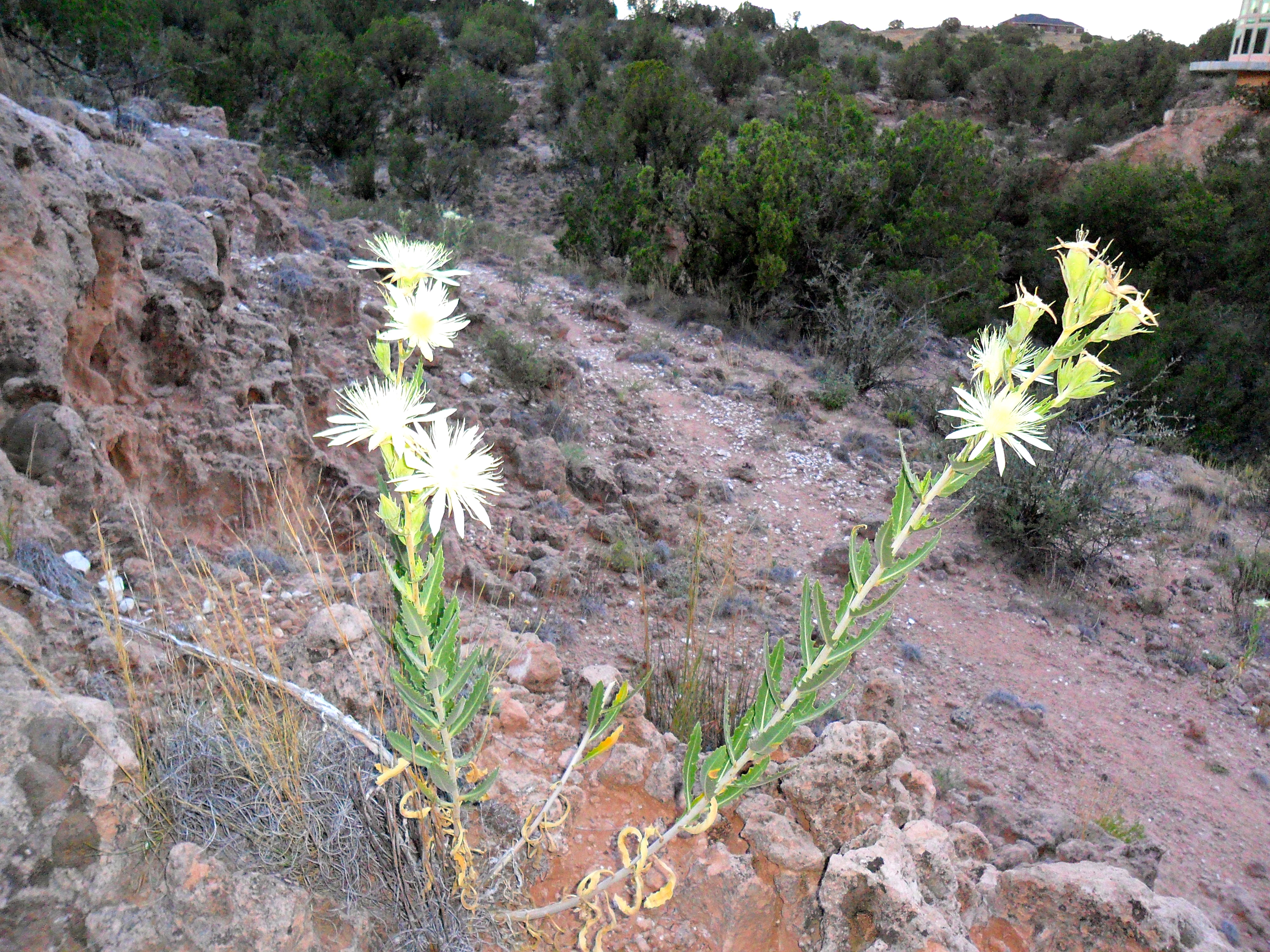
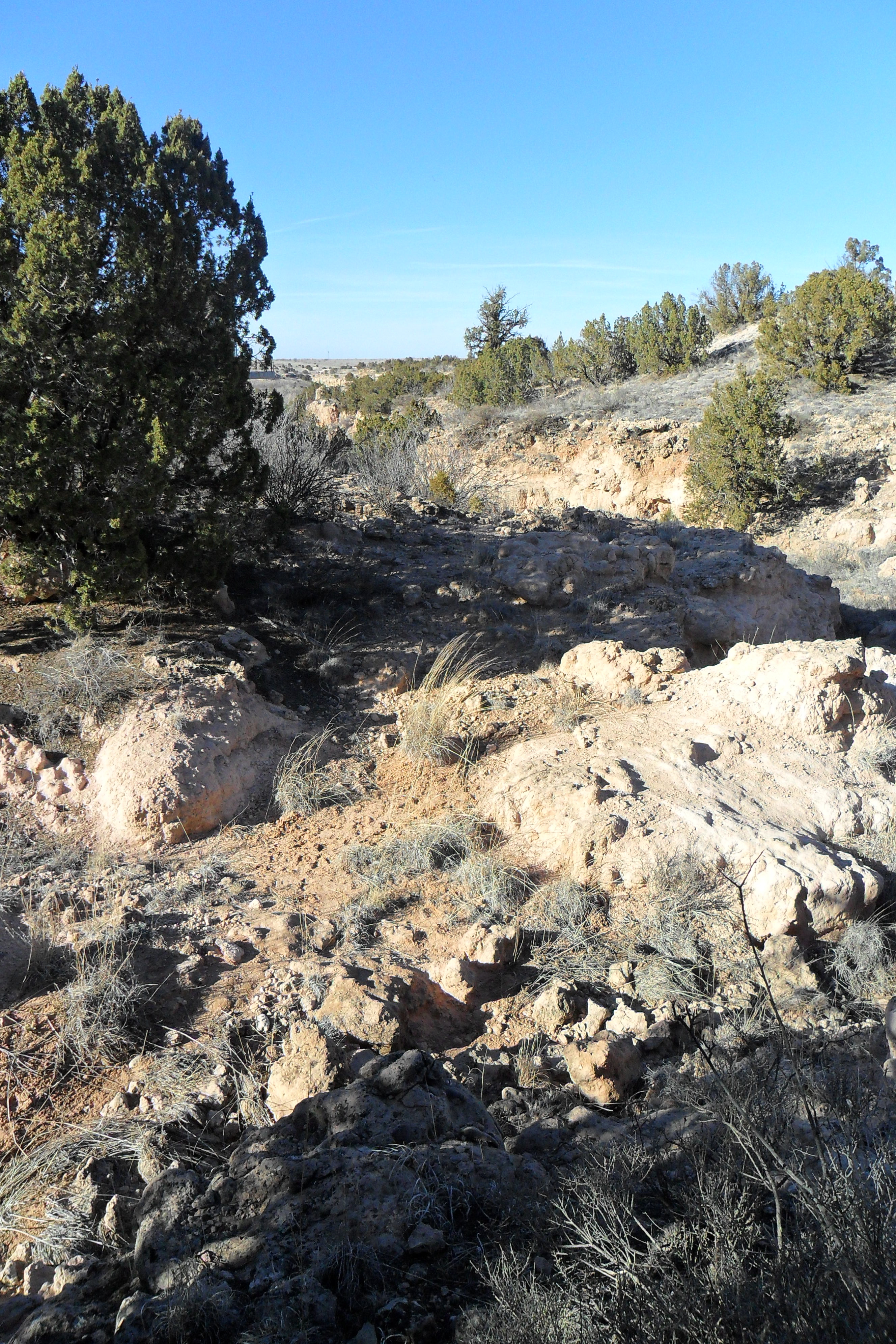
The canyon edge looms out my bedroom windows,

pale adobe, stark.

Fall to death or serious injury!

I will not fall; I love living on the edge.

Raing brings a one hundred foot deluge,

a wall of water, red adobe, cascading, screaming.

Someone said my house is pink; it is not pink:

cold of canyon, worldwide color,

Moroccan, pueblo, Saudi, Mali, Navaho, Timbuktu,

Desert, alive and lovely.

Everywhere.

Three bucks watch me through my bedroom windows.

They see me move; they stare.

Isabella stands rigid, watching…what?

Bobcat casually climbs the canyon wall, impervious.

He marks the cedar tree, walks a deer path, disappears.

Secretive, rarely seen.

The huge hoot owl’s voice echoes down the canyon,

drifting into my dreams.

A young roadrunner calls, scatchy voice,

running across the patio–on the edge.

In the spring the mockingbird sings all night,

“This is my territory,”

I sing all year, full of joy.

I live in beauty on the rim.

SAM_0461

SAM_0894

Writing on the Rim

The Story Circle Network


This month, January 2014, is the anniversary of my becoming a STAR BLOGGER with the Story Circle Network, an organization of women writers from all over the world headquartered in Austin, Texas.  This month, I became a member of their board.  Every other year they hold a conference in Austin, Texas.  This year the conference will be April 11-13 at the Wyndham Hotel in Austin.  You do not have to be a writer to attend the conference.  I attended for the first time nearly two years ago and it changed my life.  Yes, I had published a book previously, a book about preventing sexual harassment, co-authored with an attorney–written years ago when sexual harassment was a particularly “hot” topic in corporate America.  It was even translated into Spanish.  I had been paid to write technical manuals, paid to speak at a technical conference, that sort of thing.  I wanted to write something different, something creative.  This conference lead me to a new writing path for which I am very grateful.

The Story Circle Network provides all sorts of classes as well, memoir writing, travel writing, poetry, flash fiction, blogging, as well as editing services and advertising.  First, I took a blogging course and started this blog–that anniversary will be next month–two years blogging.

Now to the big news:  within the next couple of months my book of poetry, On the Rim of Wonder, will be published.  Some of the poems or versions thereof were first published right here on this blog.  Do you want to become inspired, change your life, meet fantastic women writers, visit Austin?  Attend this conference!!!  You will not regret it.

ad_scnconf

This Morning


It’s almost gone:

Time.

I must print poems for inspiration

before the website goes down.

The early morning sun filters

through windows, warms my back.

The printer prints.

I smear even complexion mask

over my aging face.

Where did my beautiful skin go?

Can I fix it?

Arid climate, too much suntime, what?

Must I admit to aging?

Must I see grey roots

beneath the dye?

I walk by the photo when I was 37.

What happened to that face?

I want it back!

The printer prints.

I look in the mirror, distressed.

In my family, I can expect

another twenty years.

Twenty years?

If I don’t do something to this face,

in twenty years…

The printer prints.

Snowbound


This prose poem recently appeared in the latest “Story Circle Journal”.

419367_2650520196146_2132320757_n

They’re young; they’re handsome; they’re mine for six months.

Two seventeen year old South Americans.  The Brazilian has never

seen snow.  It snows two feet in less than twenty-four hours, wind

shrieking along the canyon rim, drifts piling four feet high, roads

closed.  Even the snow plows give up.  We’re house and barn bound.

Horses need food.  We all pitch in, climb through drifts, shovel.

Schools never closed are closed; offices closed.  No lights on the road.

Two days later it takes us an hour rocking back and forth in the green

Off Road 4X4 truck to go the one eighth  mile to the main road.  After school

and work we leave the truck near the road  and trudge down the long hill

to the house.  By flashlight we struggle  back up the next morning, trying

not to fall.  Even boots fill with snow.  That evening, the boys insist

we drive all the way down to the barn.  I start to fix dinner.  They tell me,

“We’ll be back in an hour.  We aren’t going through that again!”

They shovel tracks for the truck all the way from the barn to the main road.

I miss them, especially in winter.

The Girl and The Woman


The Girl

She stands alone by the train tracks.

Watching and waiting and dreaming.

Hobos no longer exist.

She remembers reading stories of life

when her great grandmother lived:

hobos begging for food, gypsies stealing

children and telling fortunes, long days

working in the corn fields, chopping weeds.

Her own family praises:

tractors, riding lawn mowers, herbicides, pesticides,

electricity, TVs, dishwashers, muscle cars, MacDonalds,

diet Coke, cell phones, computers, DVDs, iPADs.

Now the only excitement lays in Grand Theft Auto,

guns, and sex.  She watches and waits and dreams.

Canyon photo 1 anabel

The Woman

She stands alone on the rim,

watching the moon rise,

wondering.

Life flies by on wings

outstretched.

She remembers rich years

filled with long joys, living,

loving,

and temporary sadness, divorces,

moving here and there,

Narrangansett Bay, Utah mountains,

Veracruz,

babies held to breast,  blond

and chubby, cafe con leche.

She remembers girlhood longings

for far horizons, traveling

around the world, lovers,

husbands, shades of brown

beauty.

She’s learned to make

her own excitement,

singing Goddess songs,

dancing on the rim of wonder.

SAM_0901

Photograph by Anabel McMillen and Painting by Lahib Jaddo

Bedtime Reading or Not–the Hazara


A lifelong habit that helps me settle down to sleep remains reading.  However, occasionally I delve into a book that turns out not to be so wonderful to read just before going to bed.  The topic turns to the disturbing and then, suddenly, my mind churns.  By that time, it is too late to go back.  Or, like the book I am reading now, parts of it consist of stories inspiring, amusing, enlightening, parables for life.  Then there are the other parts:  the abuse of an entire people by the other ethnicities surrounding them, genocide, turmoil, invasion.  I remain a lifelong lover of libraries.  Recently, while browsing through new books, I found this one:  The Honey Thief  by Najaf Mazari and Robert Hillman.  Mazari grew up in a Hazara village in the northern part of Afghanistan, the area known as Hazarajat, became a master rug maker and fled from the Taliban to Australia in 2000 where he met his now close friend and coauthor.  For several days now, it has been my bedtime reading.

The Hazara people speak a dialect of Farci, the language of Iran.  Data varies, but they number approximately seven million in Afghanistan and remain one of the largest ethnic groups there.  Nevertheless, in spite of this, other groups discriminate against them for various reasons, including the fact that most Hazara are Shia Muslims surrounded by Sunnis.  Until 1893, they were the majority when half were massacred and many fled to live in Iran, Pakistan, and India.  Some believe the Hazara are the descendants of Genghis Khan’s warriors.  Many resemble the people who live in Mongolia today and in many ways parts of their culture resemble that of Mongolia, e.g. their tents look like yurts; no one knows for sure.  They have lived in what is now known as Afghanistan for hundreds of years.  They are people of the mountains who have learned to cultivate beauty and farm in high, inaccessible places.  They are famous for poetry and story telling.  Unlike other women in Afghanistan, they shunned burkas, fought along side men as soldiers, and believed in education for women.  These attributes fueled discrimination by other groups there.

Now back to bedtime reading.  Several stories in particular contain what I consider the necessary qualities for bedtime perusal:  entertaining and instructive without gore, controversy.  They also hold an unusual quality of something you cannot quite quantify, a hint of the mystery of life, of a particular kind of not quite describable beauty.  Hoping that at least some of you will find the book and actually read it, I will first list the stories to read without dread or worry if you want to read at bedtime:  “The Wolf Is the Most Intelligent of Creatures”, “The Music School”, and the “Snow Leopard”.  Under no circumstances read “The Life of Abdul Khaliq” and “The Death of Abdul Khaliq”.  You will, indeed, learn a considerable amount of Afghan history, but unless you are quite heartless and insensitive, you probably will not be able to drift off to a pleasant dreamland for hours.

If all this stokes your curiosity, here are two websites to learn more about the Hazara:  www.joshuaproject.net and http://www.hazarapeople.com.

Barbie Doll


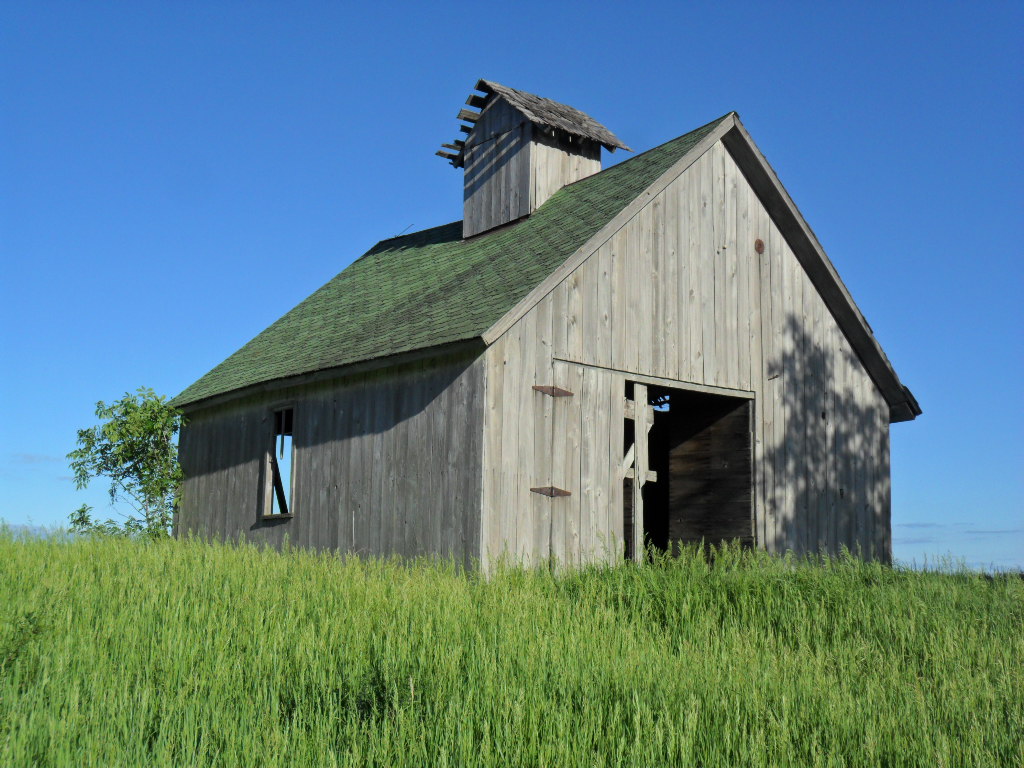
Barbara Lewis Duke, pretty, petite, blue-eyed and blond, my mother, one

fearless, controlling woman.  Long after Mom’s death, Dad said, “Barbara was

afraid of absolutely no one and nothing!”  They married late:  34 & 38.  He

adored her unconditionally.  She filled my life with horses, music, love,

cornfields, hay rides, books, and ambition.  Whatever she felt she had missed,

my sister and I were going to possess:  books, piano lessons, a college

education.  Her father, who died long before I was born, loved, fancy,

fast horses.  So did she.  During my preschool, croupy years she quieted my

hysterical night coughing with stories of run away horses pulling her in a

wagon.  With less than one hundred pounds and lots of determination, she

stopped them, a tiny Barbie Doll flying across the Missouri River Bottom,

strong, willful, and free.

My Father


Recently I decided to try writing poems about a few family members.  Months ago on this blog I published a poem about my Grandmother along with the marriage photo of her and my grandfather, who was so much older than she  (22 years) that I never knew him at all.  In June I posted photos of the trip I took back to Missouri where I grew up.  While a few things remained the same, I felt very sad about some changes and kept thinking how my dad must feel if he were watching.  He died in 1996, lived in the same house for 80 years and on the same farm all his life.  He labored long and hard to make the homeplace beautiful.

He watches:

The house where he was born

gone

Only the old carriage house stands.

The young man who farms the land cannot bear to tear it down.

He watches:

The ancient burr oaks and black walnuts

gone

bulldozed into waste piles or sold for greed.

He watches:

The house he lived and loved in for eighty years

still stands on land his family owned for more than 100.

Strangers live there:

He sees the well trimmed lawn,

new picket fence,

children playing.

He watches:

The pond he proudly built and stocked with fish reflects the summer sun.

The tree filled park between the pond and house

gone

He wonders why someone would destroy such beauty.

He watches:

The walnut grove where he ran cattle

gone

The pond where his grandson caught the giant turtle

gone

plowed over and planted to corn and soybeans.

He watches.

SAM_1165

Blackwater Draw-Part Two


The ancients hunted here at the shores of a lake

nearly 12,000 years ago.  In 1929, an amateur

archeologist discovered an ancient spear

point lodged in bone.  I walk the mile long trail

down into the depths.   Caliche, gravel,

larger rocks strewn by millennia.  For

thousands of years Clovis, Folsom, and Portales

Man left remnants of their hunting life.

The scattered cottonwoods whisper in the wind,

timeless voices call me, beckoning.

Who were these people?

What did they look like?

Where did they come from?

In whose gods and goddesses did they believe?

Doubtless hunger drove them to this place of water

and plenty.  Columbia Mammoths, giant sloths, dire wolves,

saber toothed cats  gathered here for thousands of years.

The diggers found an obsidian spear head with a

bison whose horns spanned seven feet and

mammoths twice the size of elephants.

Saber toothed cats competed with these

ancient ancestors at this place, all driven by

hunger, thirst, and instinct.  I wonder how

these people overcame danger, fear?

I walk the mile long path, stand in the shade

of these cottonwood trees , read the signs that

tell me what diggers found at specific spots along the trail.

The cottonwoods whisper to me.  They

tell me ancient tales of hunger, strife, fear,

beauty, love, endurance.  I hear the ancient voices

calling.  They tell me ancient tales of woe, war,

weaponry, courage, and community.  My

skin tingles strangely in the summer heat.  Now

this land is dry, a desert, the water that sustained

teeming life evaporated in the crystalline air.

Twelve thousand years from now who will stand here?

Will this place exist?  Will someone wonder the meaning

of our bones, who we were, what we believed?