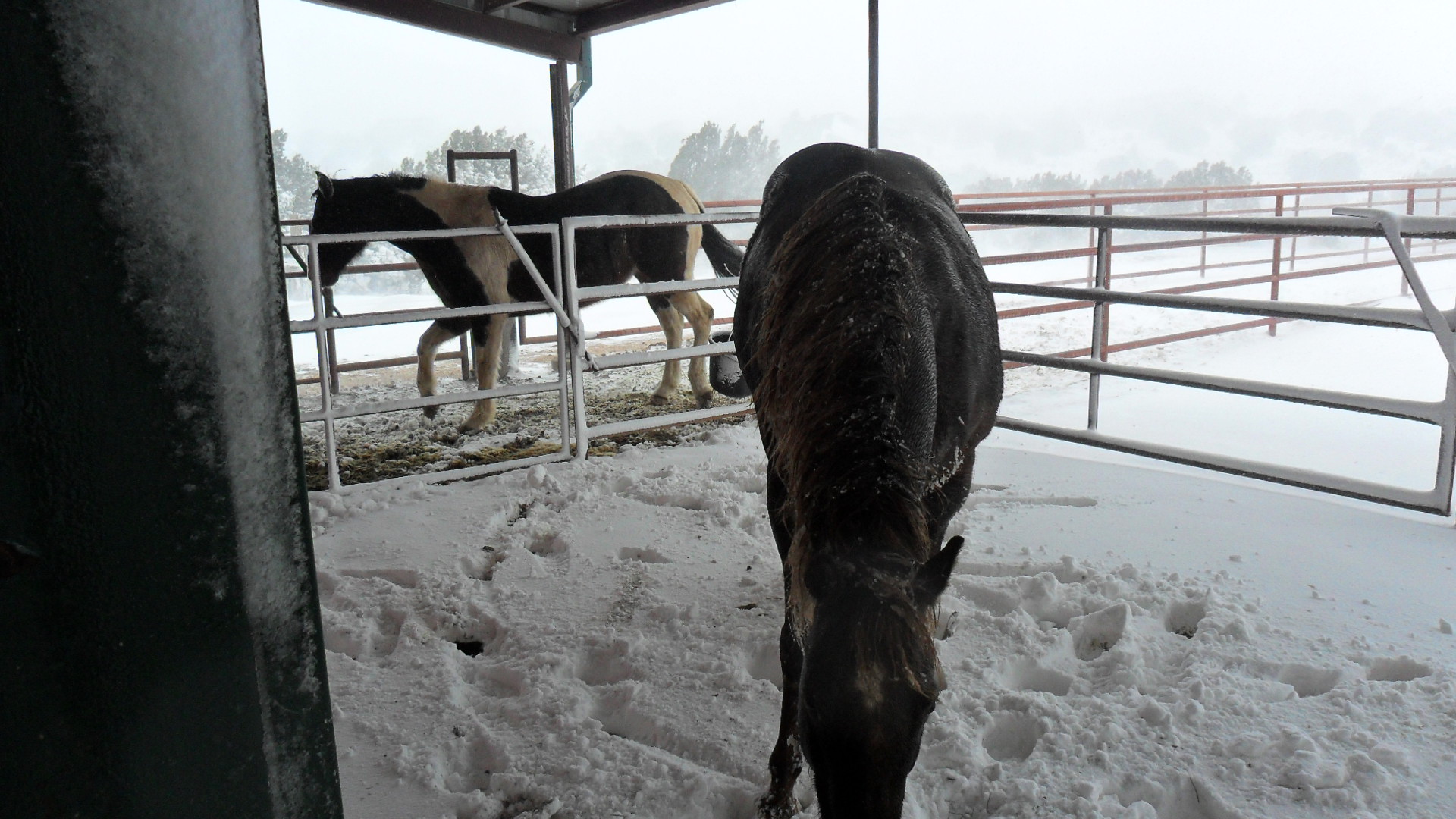
The Farrier


He looks like the typical cowboy

with no cowboy hat.

A cowboy hat would get in the way

up against a horse.

Pale blue eyes,

grey, handlebar mustache,

pack of Camels

he chain smokes,

Australian shepherd, Chili, by his side.

After the trimming

he sits and talks to me

for two hours.

He tells me a story

he told me the last time.

I listen as if it were the first time.

People call him from Oklahoma City.

They want a shoer.

He tells them,

“Too far unless

there’s ten head at 85 a head.”

They agree.

He gets there with Chili,

a pup then.

He starts to tie her up.

“No need;

let her play with our puppy.”

He does.

They invite him out.

It is New Year’s Eve.

“The dive they took me to

was real rough, real rough,

so rough I’d worry about

my safety even with two 45s.

They had a friend singing there

somewhere in Southeast Oklahoma City.

Real rough.

Next morning I’m ready

for the other six horses.

There’s none.”

He packs up,

comes home.

Chili won’t eat,

won’t play.

He sits and waits at the vet.

It’s parvo.

She’s had the vaccine

but not enough time.

“The people in Oklahoma City

lied about the horses

about the parvo.

Chili stayed on IVs for five days.”

Today, Chili’s a dog dynamo,

no longer a puppy but

with puppy energy.

She and Isabella play

constantly for the two hours.

He says,

“You must be rich to build this place.”

I laugh.

“Rich, I’m not rick.

Lucky maybe,

no, not lucky.

I don’t believe in luck.”

A person makes her own luck.

Smart helps, sometimes.

DNA


Several months ago I decided to participate in the Human Genome Project through National Geographic.   When I called to order the kit, the young man reminded me that as a woman, I would receive only one half of my ancestry, the female half.  Since women do not have a Y chromosome, a woman can only trace her female family line through her mitochondrial DNA.  He suggested I use my grandson’s DNA so I would receive complete results.  Of course, that meant that in the end, I would have to factor in what I knew about his father’s family and deduct that to determine my own.  After the Geno 2.0 kit arrived, we took his cheek swabs and mailed them off.  This week when we returned from an 11 day family road trip, the results arrived.  With the results came detailed explanations of human migratory history and even comparisons of populations with DNA most like his.  Although none were close, the top two groups were people in Bermuda and Mexican Americans.  Luckily, the information contained a detailed explanation of the people of Bermuda.  The Native American results I expected since his great grandfather was Navaho.  Other parts came as somewhat a surprise. Once again I am taking a poetry class and now working on publishing a book of my poetry so I decided to write a poem about this experience.

The results loom before me on

the computer, percentages:

Northern European, Mediterranean,

Native American, Neanderthal,

sub Sahara African, South African–

as in the Bushmen in the Kalahari,

Northeast Asian, Southwest Asian.

Suddenly, calculations move through

my brain.  I look again, add, subtract,

recalculate, stare, ponder. Is there

a family secret I missed?  How will

I know, from whom?

Everyone I could ask is dead.

SAM_1183

Star


The phone rings.

“Star’s dead.  There’s blood everywhere.

He’s hanging from the gate.

Blood is all over Rosie’s face.

It’s dreadful.”

A tear choked voice.

“You can’t bring D’mitri home.”

D’mitri’s nine.  Star belongs to him.

Shock, tears, disbelief.

Last night he ran, bucked, reared,

chased around, playing.

How?

The pen’s all pipe, no sharp edges,

nothing harmful, consistently inspected.

D’mitri goes home with me.  He says,

“Nana, I have to see him;

I have to know what happened.”

Slowly, in dread, we walk behind the barn.

Star’s hanging by one hoof in the three inch

space between the gate and fence,

ankle broken.

The blood covered fence, gate, and ground

stare at me.

It’s hot, his body’s stiff.

He must be moved.

The coyotes will come in the night,

drawn by the smell of blood, of death.

The neighbor brings his big, red tractor;

a wench pulls Star’s young body free,

and gently lays him on the cold, grey, barn floor.

His shining copper coat no longer shines.

D’mitri and I remember bottle feeding him

after Miracle died, teaching him to lead.

We stare at Star’s body in disbelief.

Kindly, the neighbor says,

“He died quick, femoral artery cut by bone,

bled out.”

For hours Rosie and Cool stand at the spot

where Star died.

They do not even leave to eat alfalfa.

It takes me hours to wash away the blood.

It took D’mitri ten months to go back to the barn,

to ride Rosie again.

Miracle and Star as a newborn


Note:  This is a photo of Star and Miracle in July 2010 shortly after Star’s birth.  Miracle died of colic three days later.  Star died last May.

For All the Lonely, Lost Young Men


At first, I planned to simply post a poem by this title, a response to the bombing in Boston and the young men who orchestrated it.  Then I decided that a few comments seemed more appropriate.  These comments come from a realization and conversations with a couple of colleagues at work noticing that all the perpetrators of the bombings and mass killings have been young males.  These young men cite various causes from the anger of being disenfranchised and bullied to religious fervor of a certain type to insanity.  All acknowledged anger over something, a rage so profound they felt driven to act, at least for those to whom authorities could talk.  Most appeared to be alienated from their culture, friends, or family, young men who failed to fit in.  Although we must condemn their horrific acts, perhaps it would also prove more productive to ask, “Why?” Unless we know why and address the causes, these events will be repeated somewhere at some totally unforeseen time.  And many innocents will die again and again.  Perhaps equally disturbing is the fact that we are not alone.  These types of events repeat themselves in one way or another in many other countries in the world.  Additionally, I realize that many people feel the solution lies in revenge, punishment, justice as they see it.  For those, many of the sentiments I express in this poem may seem too simplistic, too kind, too naive.  I teach high school.  I work with all types of young men daily.  I see their fear, anger, loneliness even if fleeting and only momentarily.  We can make a difference; we can reach out.

Look at yourselves

filled with

fear,

anger,

hatred.

This world may not embody

the perfect place

of which you dream;

do not despair.

We care.

Do not shoot me.

I care.

Do not throw bombs at the innocent;

They care.

Do not hate the different.

They care.

Do not despair.

Evening


SAM_1040

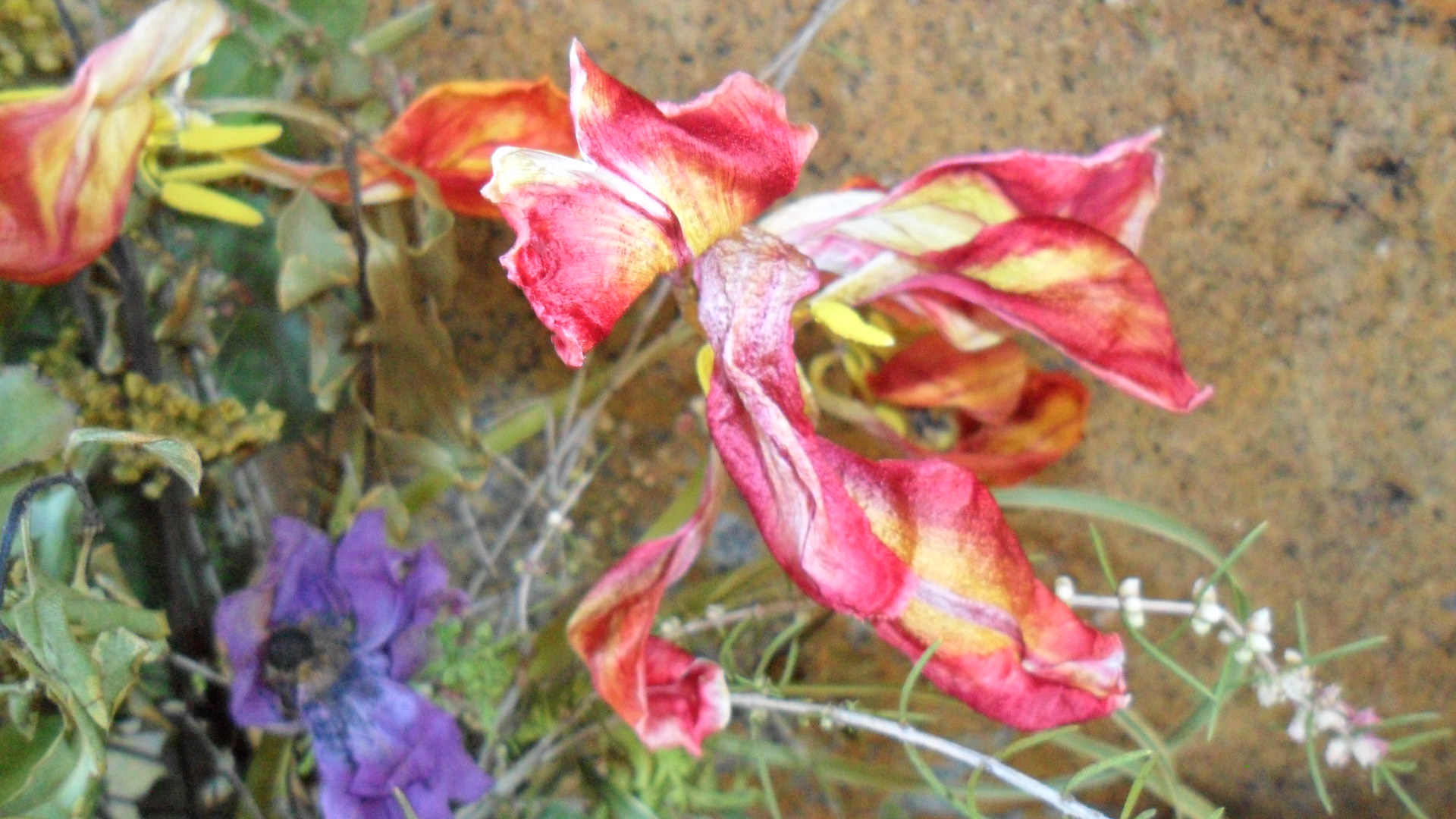
Tulip remnants float in my palm,

the color

of fresh blood,

of sunsets

cerise, burnt orange, gold.

A pale blue dragon

thunders

across a salmon sky.

Slowly indigo night

descends.

Only the night hawks call.

Puma IV


SAM_0912In the poetry class this week we read Louise Erdrich.  I’ve read most of her novels but did not realize she also wrote poetry.  In particular I liked “Captivity” which made me think of Quanah Parker and his mother.  We are supposed to be inspired by whatever author’s poems we are reading on any given week.  Sometimes that occurs; sometimes not.  The following poem follows the previous three puma poems I published on this blog last September.  This one is different; it comes from an actual dream last week.  Its unique beginnings contradict the fact that I rarely recall dreams and care nothing about dream interpretation.

Stars shining through sleep

Dreaming dark.

A white, luminescent lion

comes nuzzling arms, legs.

Should fear engulf or

a quiet peace dominate?

Tawny lions encircle:

affectionate

smiling lion smiles.

Fear slides in slightly,

logically.

These lions bring love,

a natural peace.

Fear dissipates,

the lions and I locked

in an eternal, primal dance.

Variety is the Spice of Life


Here I go again taking classes.  This one is Part III of the series on modern women poets taught by Lorraine Mejia-Green through the Story Circle Network.  We read poems by a variety of women and use their works and related assignments for inspiration.  This week features Julia Alvarez and even though I have already read all her novels, etc. and a book of prose poetry, the selected poems are new to me.  It seems I always take a different route from a lot of the others enrolled in the class.  The following show cases draft two of my first assignment:

I keep coming to this part

where I’m happy

95 per cent of the time.

It’s my story

dictated by

ME.

“Variety is the Spice of Life.”

Cliche?

Yes, but true.

Four marriages

Lovers-I lost count

Activist in “love” with

Che and other South American

Revolutionaries.

Feminist for forty years

Up to maybe four careers.

Big city apartments

Ranches

Old houses by the bay

Bricks with arched windows

A tree lined street.

Can I settle?

For what, with whom, where?

Variety is the Spice of Life.

Gaston Luis Zulaica del Sueldo


Gaston Luis Zulaica del Sueldo walks toward me after disembarking from the plane.  Although I have never met him, I know exactly who he is.  Tallish, thin body; long, handsome, light tan face; smiling, perfect teeth; arms open.  A teenage Latin Lover, bouncing on the balls of his feet, rushing to me.  Those arms wrap around and squeeze me tight.  My new son has arrived from Argentina.

Every night while I fix dinner, he sits at the brown Kanabe piano my parents gave me thirty years ago and plays and plays:  Beethoven, the theme from Twilight, Chopin…I look up from chopping onions and see the short, dark ringlets on the back of his neck and watch his gliding, long-fingered hands.  He plays until salad making time arrives.  He tells me he makes salads for his grandmother back home.  Now he makes them for us:  layers of emerald lettuce, red peppers, black olives, orange carrots, green onions, a kaleidosope of appetizing color.

Gaston Luis Zulaica del Sueldo.  It curls around my tongue when I introduce him.  Images of tango dancers, gauchos–he is a champion rider, malbec wine–at seventeen he brought me some in his luggage, snow capped mountains where he skis, and cattle grazing on the endless grass his family owns.  We speak Spanlish at home, we laugh, we cook.  On my birthday he insists on paying for everyone.  When I tell him I did not expect that, he looks at me as if to say, “What kind of man do you think I am?”

Gaston Luis Zulaica del Sueldo.

Note:  One of the assignments in the prose poetry class was to write about a name, real or imagined.  This one is real.  Gaston lived with me a couple of years ago and I still keep in touch with him and his family.

Destino


Week two of the prose poetry class:

“It is a blessing to live out your destino.”  Julia Alvarez

Long ago, in the hot summer, I could hear the corn grow at night with the windows open in northwest Missouri.  Rolling hills of corn and soybeans still clad the dark brown earth left by glaciers thousands of years ago.  So much time has gone without my returning to this land:  colleges in different states, marriages, jobs in cities.

My father lived ninety years on this farm his Swiss grandfather homesteaded.  He yearned for distant lands, to explore, to learn.  He loved the West, endless space, rugged mountains, canyonlands, wildness.  When it snowed too much for school, he loaded us in the car, turned wheelies, and headed for Kansas City.  His yearning to be a doctor died when very young–the only child left at home, caring for a diabetic mother, recovering from a failed youthful marriage before he met Mom.

He gave me his love of questioning, traveling, reading, trying the untried, a pride in the land and work, and a sense of wonder.  This night, after shoveling out from a dangerous blizzard, I sit in front of a fire, write on a Western canyon rim, look at his parade saddle and the photo of the farm for which he felt so much pride, and cry:  my destino.

The Blizzard


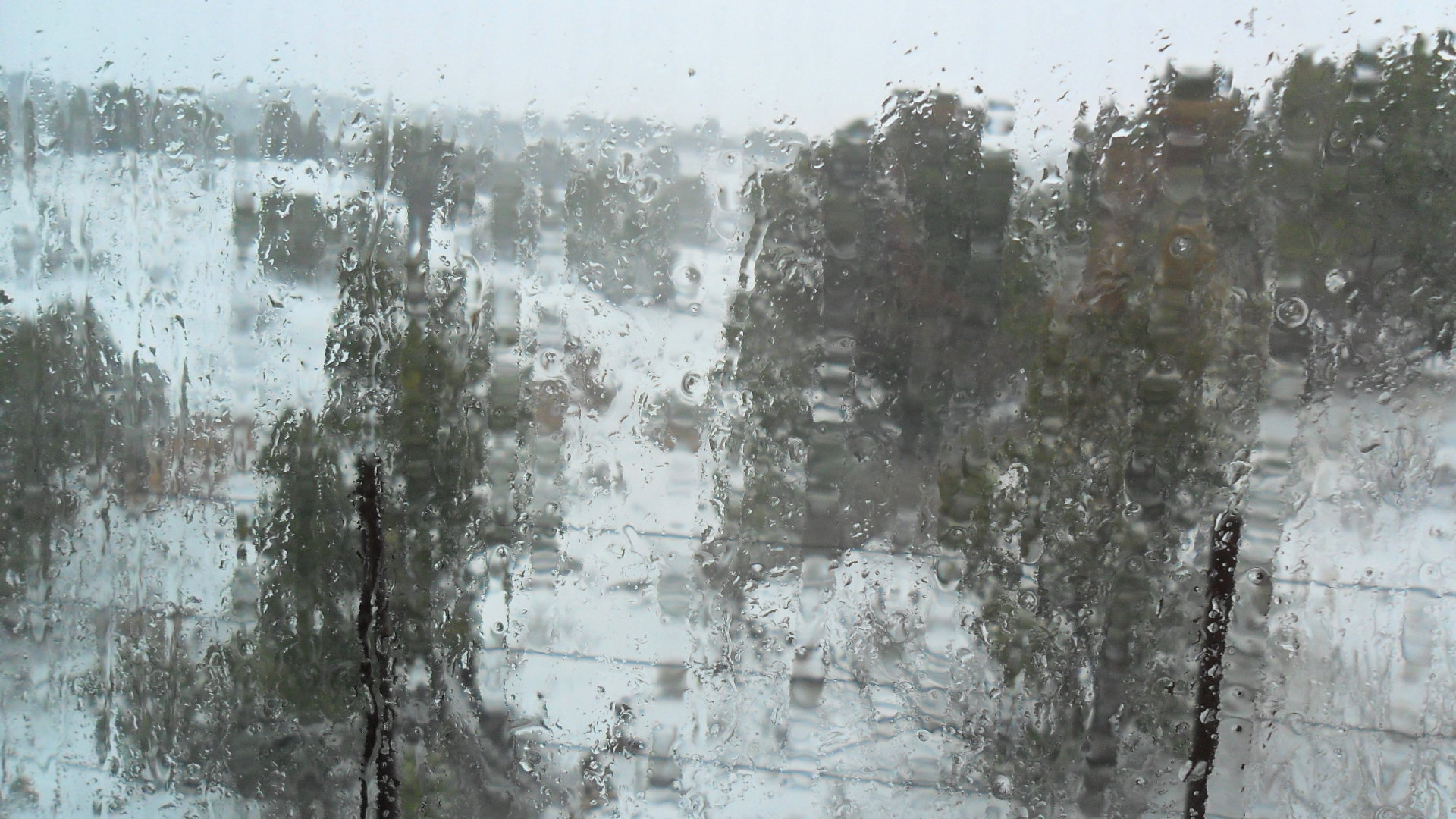
Looking through the window.

Looking through the window.

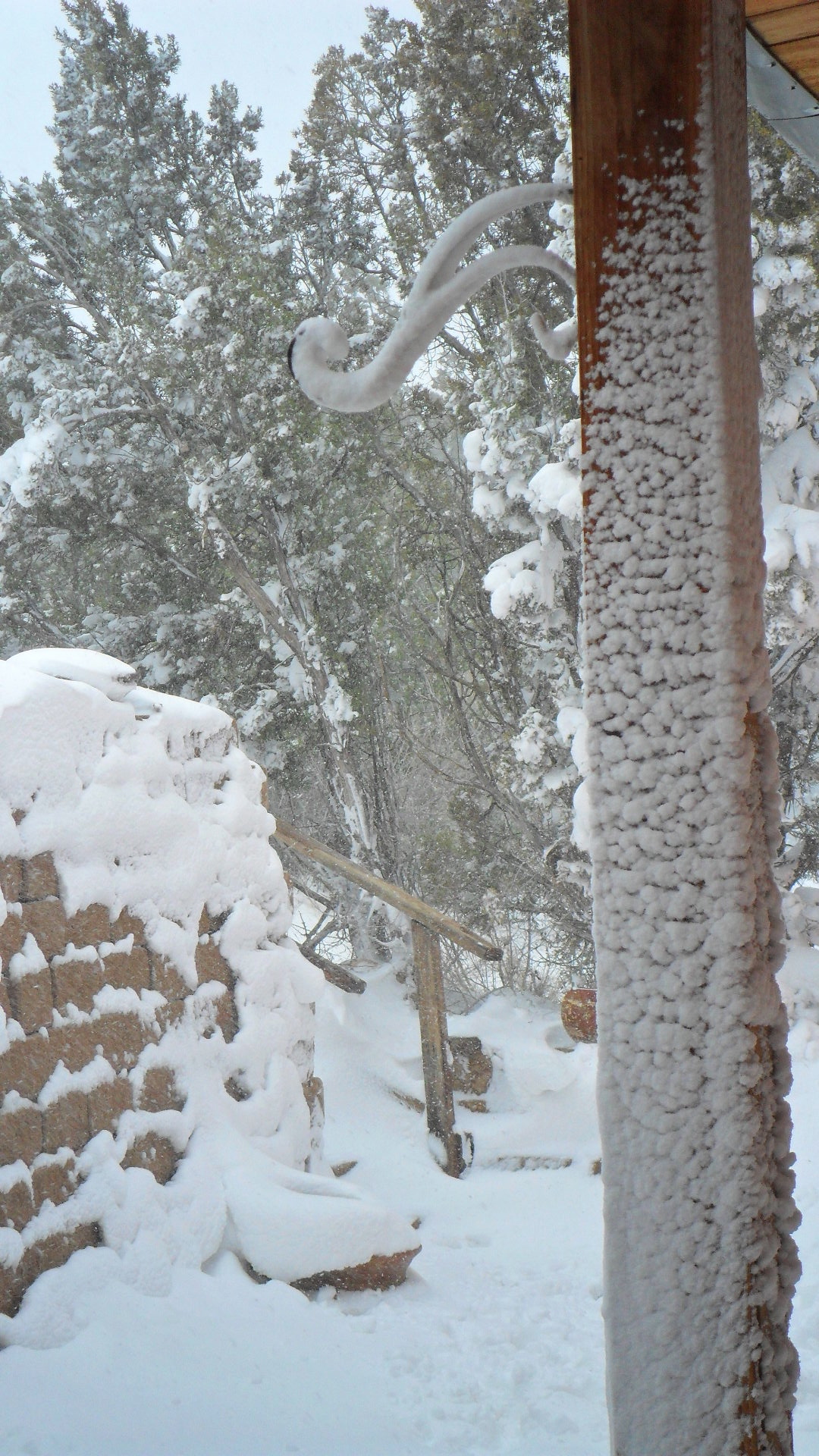
The steps climbing up the hill to the barn.

The steps climbing up the hill to the barn.

Outside the office window.

Outside the office window.

SAM_1025

My patio which I will have to eventually shovel--afraid to do so today because the wind is so strong.

My patio which I will have to eventually shovel–afraid to do so today because the wind is so strong.

The barn door before I shoveled my way in.

The barn door before I shoveled my way in.

The view out the double barn door.  All this is actually under a roof.  The wind is blowing the snow everywhere.

The view out the double barn door. All this is actually under a roof. The wind is blowing the snow everywhere.

SAM_1020

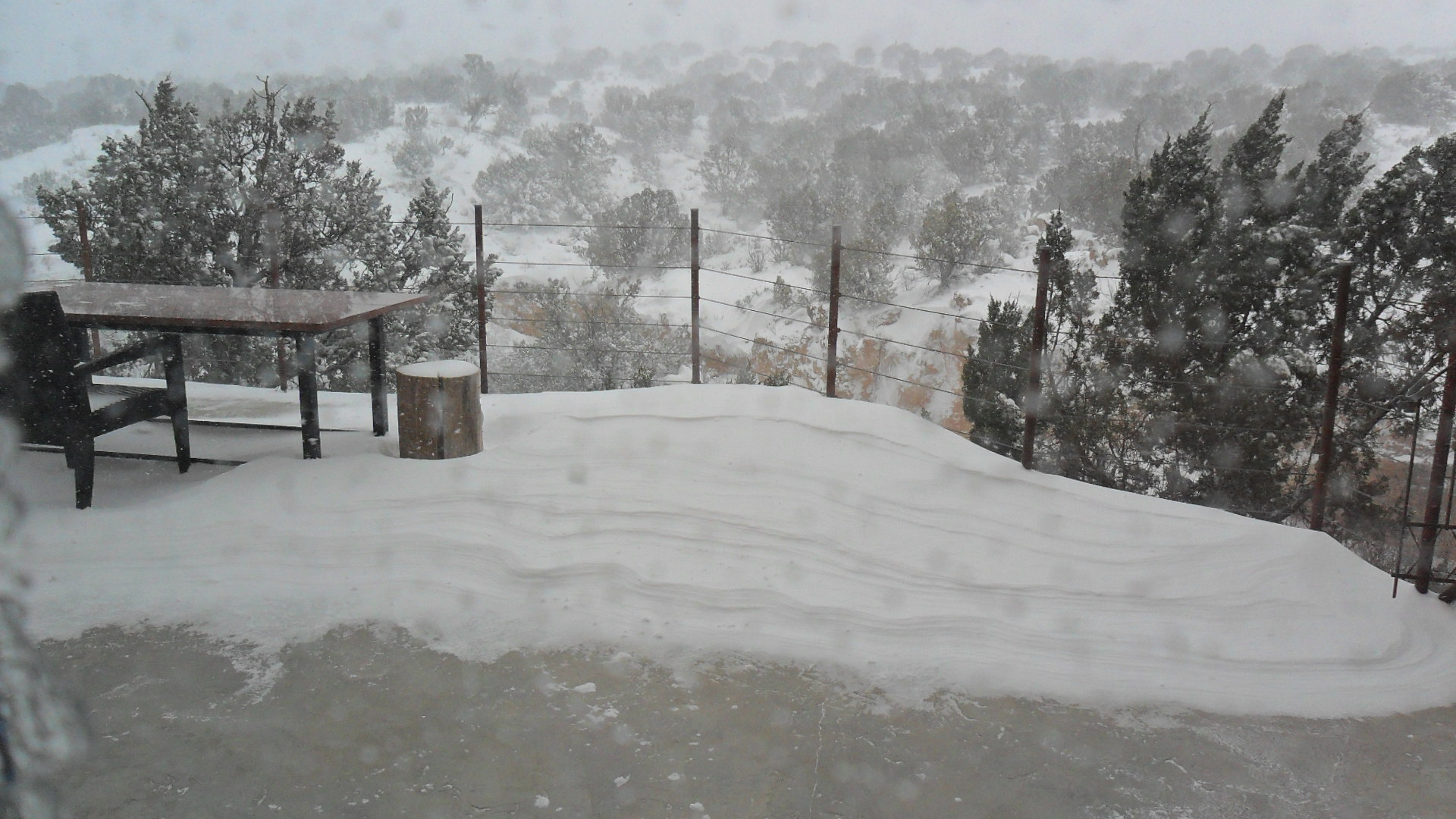
The view from the front door after digging it out twice from reoccurring drifts.

The view from the front door after digging it out twice from reoccurring drifts.

The new assignment arrived for my prose poetry class.  In the last couple of hours I have read poems by Baudelaire and Rimbaud as examples of some of the first prose poems.  While I read them, I listened to “The Unicorn, the Gorgan, and the Manticore” by Menotti, a piece I am supposed to be singing in 1 1/2 months.  Work shut down today because of a massive blizzard.  The wind literally shrieks down the canyon where I live–gusts they say to 70 mph.  It piles up drifts four to six feet high.  Twice today I have donned my boots, gloves, heavy coat, and gone shoveling and to feed the horses.  For the first time since the barn has been there, snow is actually inside, driven by the wind, and the horses are standing in snow drifts that blew under the overhanging roof of the outside runs.  Even getting to the barn door necessitated shoveling through drifts taller than I.  The snow continues, predicted for another twelve hours or so, maybe as much as twenty inches.  Living alone fails to daunt me, but I cannot concentrate well today.  My drive is long and climbs up a steep hill.  Even my four wheel drive truck may not make it.  I keep thinking it may take days for me to shovel out even if, when the snow and wind cease, my neighbor brings over his tractor to help.  A friend, several miles away, remains without electricity.  I filled my wood burning stove with wood and started a fire just in case.  It seems a perfect day to write and cook and practice music.  And here I sit unable to concentrate long enough.  The wind keeps rushing through my brain.