Memorial Day–Memories


While I was growing up, my mom grew peonies by the side of the vegetable garden.  Red, pink, white, huge spectacular blooms that always arrived around this time of year just in time for Memorial Day.  We would pick many, put them in mason jars and take them to my father’s and her family’s cemetery plots.  She has created a metal apparatus to hold them so the wind would not blow them over.  We took water to fill the jars.  We did this every Memorial Day always.

No one lives close any more.  There is no one left to take flowers there.

My mother’s family members are buried in the Mound City, Missouri Cemetery.

SAM_1160

My mother’s parents’ gravestone.  She was Nellie Narcissus Kaiser before she married rather late for back then–in her late twenties.  I never knew my grandfather.  He was so much older than she that even though he lived to be 80, he died long before I was born. My great-grandfather Kaiser was born in Switzerland and brought here as a child.

SAM_1159

The gravestone of my mother’s grandmother.  I know she lived with my grandmother and grandfather a lot of the time from family photos, but I also know that she died in San Diego.  No one ever told me how she got there or why.

SAM_1161

The gravestone of Aunt Julia, Mother’s sister.  She never married, loved fancy antiques and china.  I frequently use some of what she left me.  She came to see me rather often and we visited antique stores when she visited.  To say she was an independent woman is an understatement.

SAM_1090

My parents’ gravestone is on the right and Dad’s parents’ on the left–in the cemetery in Fillmore, Missouri.  My grandfather, Pleasant Lightle, had walked from Illinois to Missouri as a child according to family stories.  My parents met dancing. I always smile when I see the peonies planted at their graves.

SAM_1094

This is the gravestone of my great-grandfather, Dad’s mother’s father, who came to the US from Switzerland when he was 18.  According to my dad, he did not want to be conscripted into the Swiss army because at that time Swiss soldiers were being hired out as mercenaries.  His mother stood on the roof of their house waving until she could see him no longer.  They never saw each other again.  I grew up on the land he homesteaded in Andrew County, Missouri.  Andrew County is filled with descendants of immigrants who came from Switzerland.

SAM_1097

The old carriage house near the house where Dad spent the first ten years or so of his 90 years.  It is all that is left standing.

SAM_1098

The house where Dad lived the last 80 years of his life and where I grew up.

SAM_1167

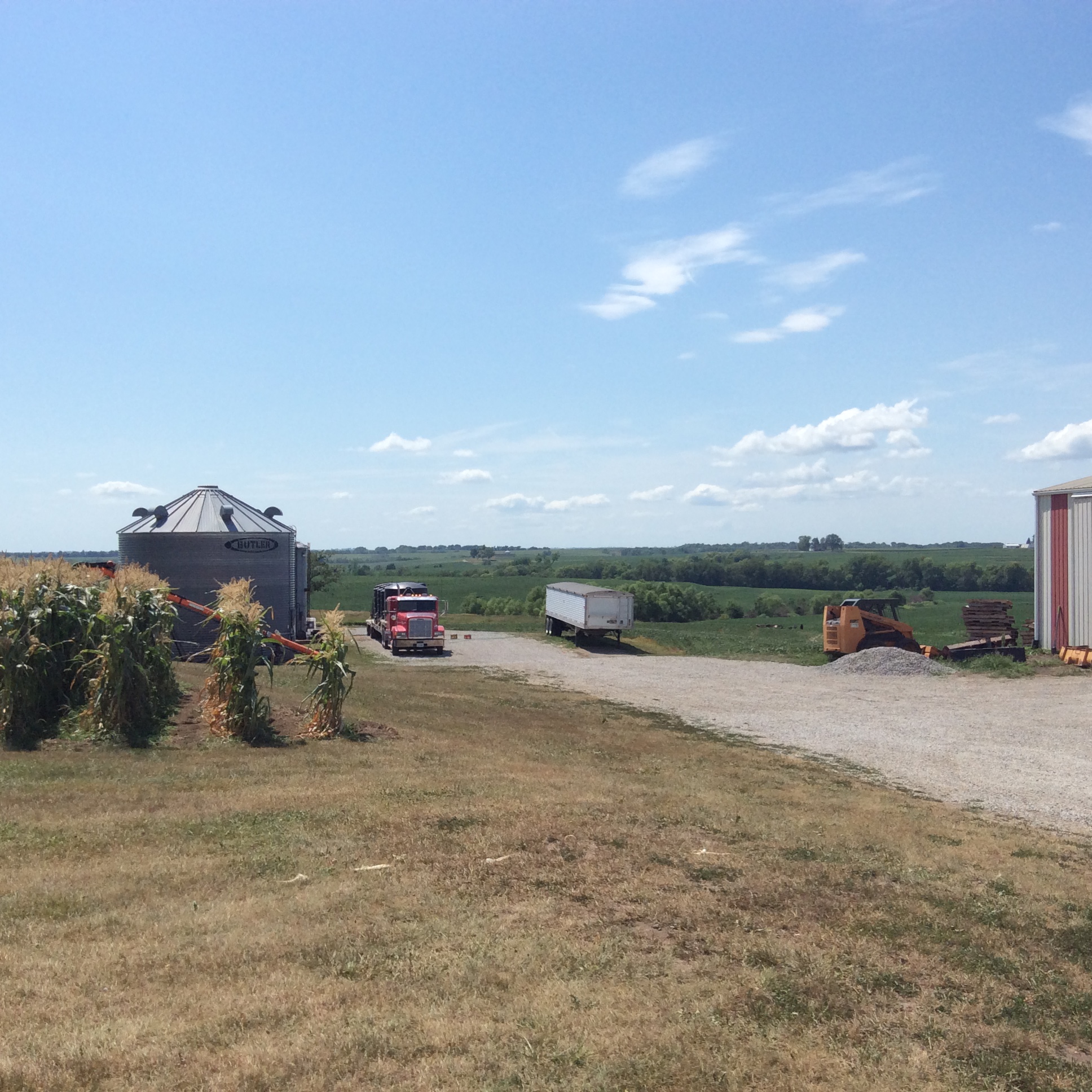
When I was a child, the building in the foreground was used at various times as a farrowing house, once for Rhode Island Red chickens, and to store various farm supplies.  When I went to visit Dad after Mom died and we were at the cemetery on Memorial Day, a man came up to Dad and asked if he was Doyle Lightle.  They started chatting and I learned that when Dad first built it during Prohibition times, he held dances there.  The sheriff would send deputies to watch and make sure no one was drinking.  I had lived there and visited there for decades and had never heard this story.

SAM_1134

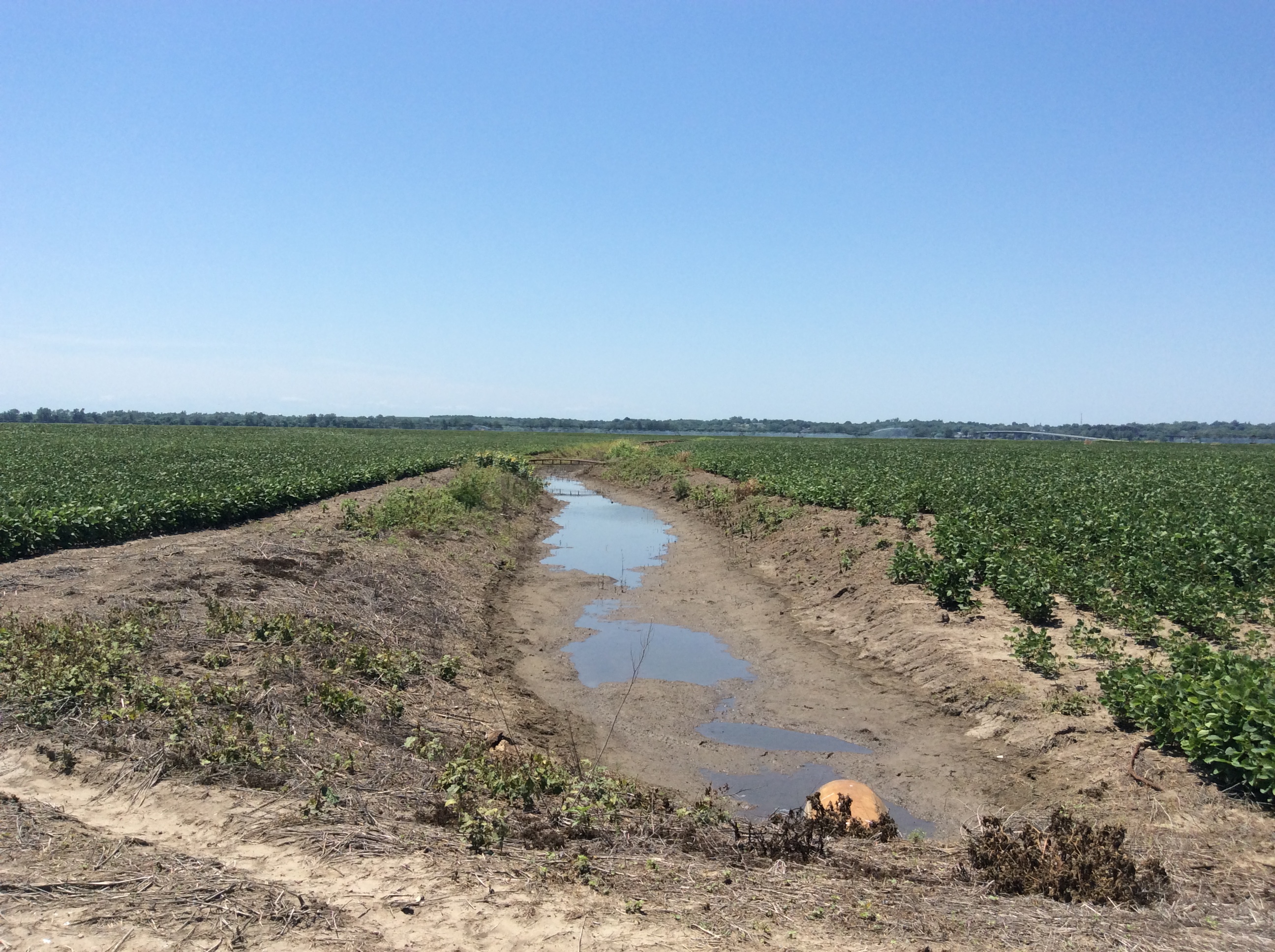
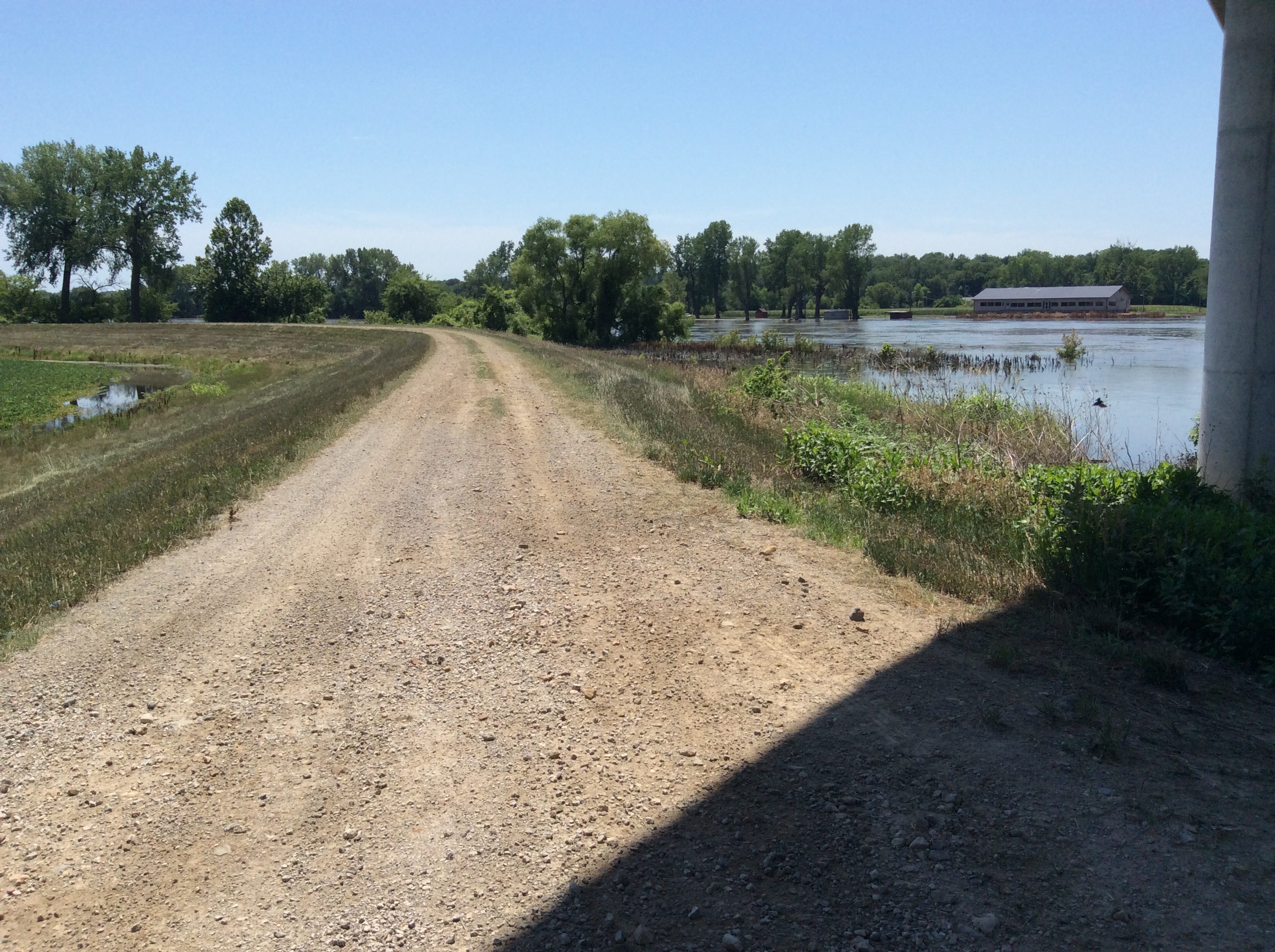
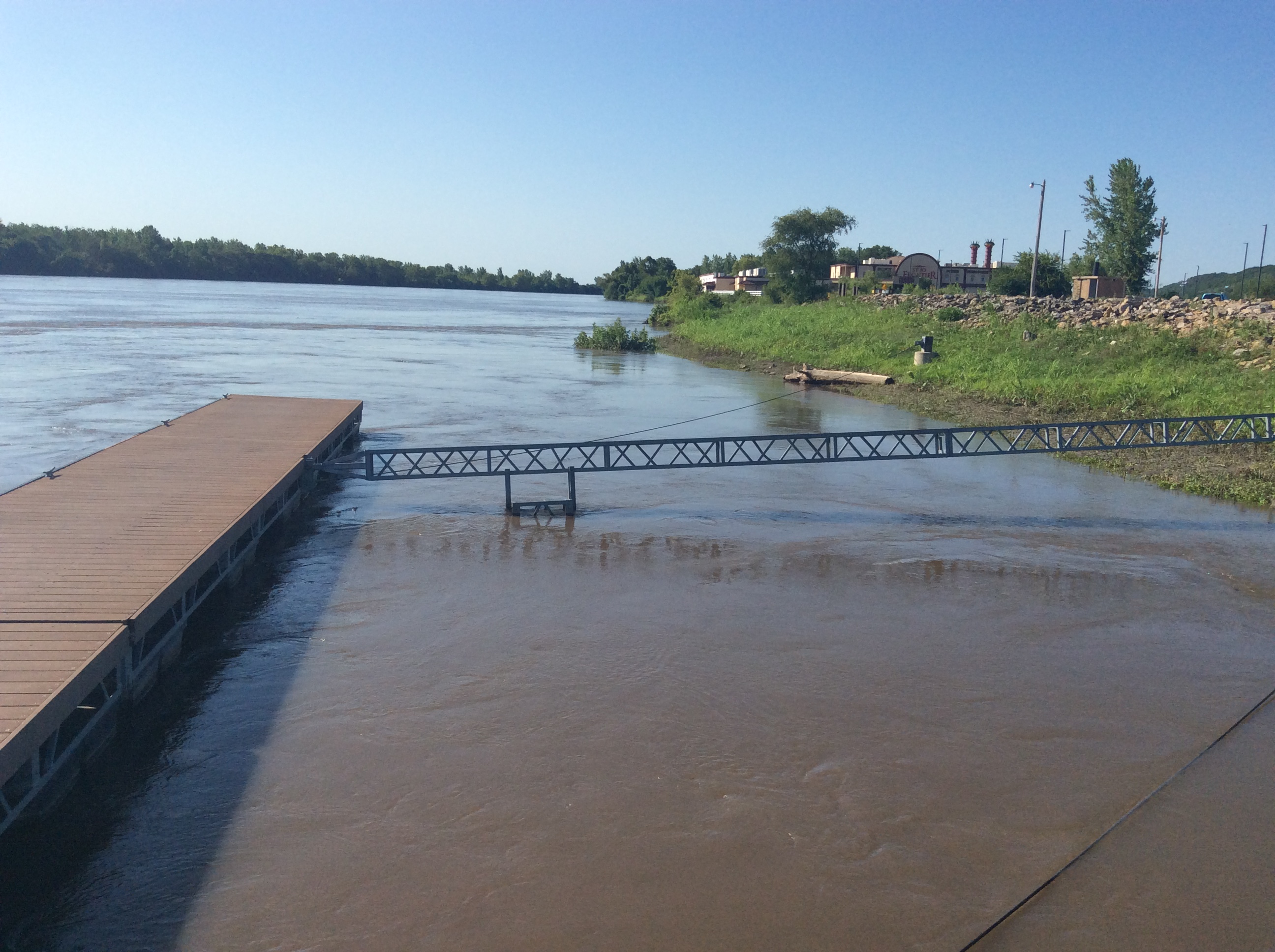
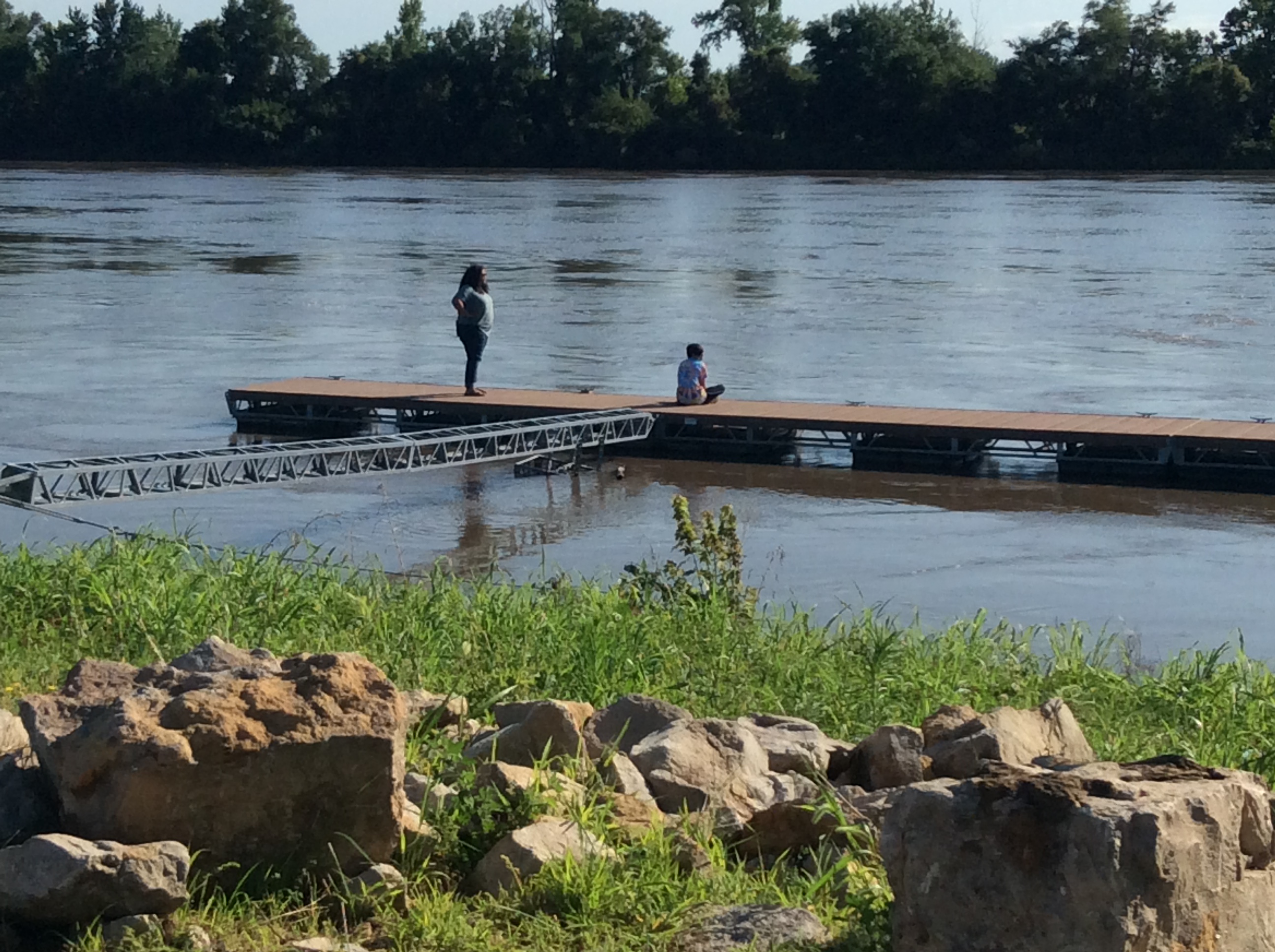
I took this photo standing on the levee next to the Missouri River looking toward the Rulo, Nebraska bridge.  This is the land my mother’s family owned.  On some Sundays as a treat, we would cross the bridge to a restaurant on the Nebraska side.  It was famous for its fried catfish and carp.

SAM_1150

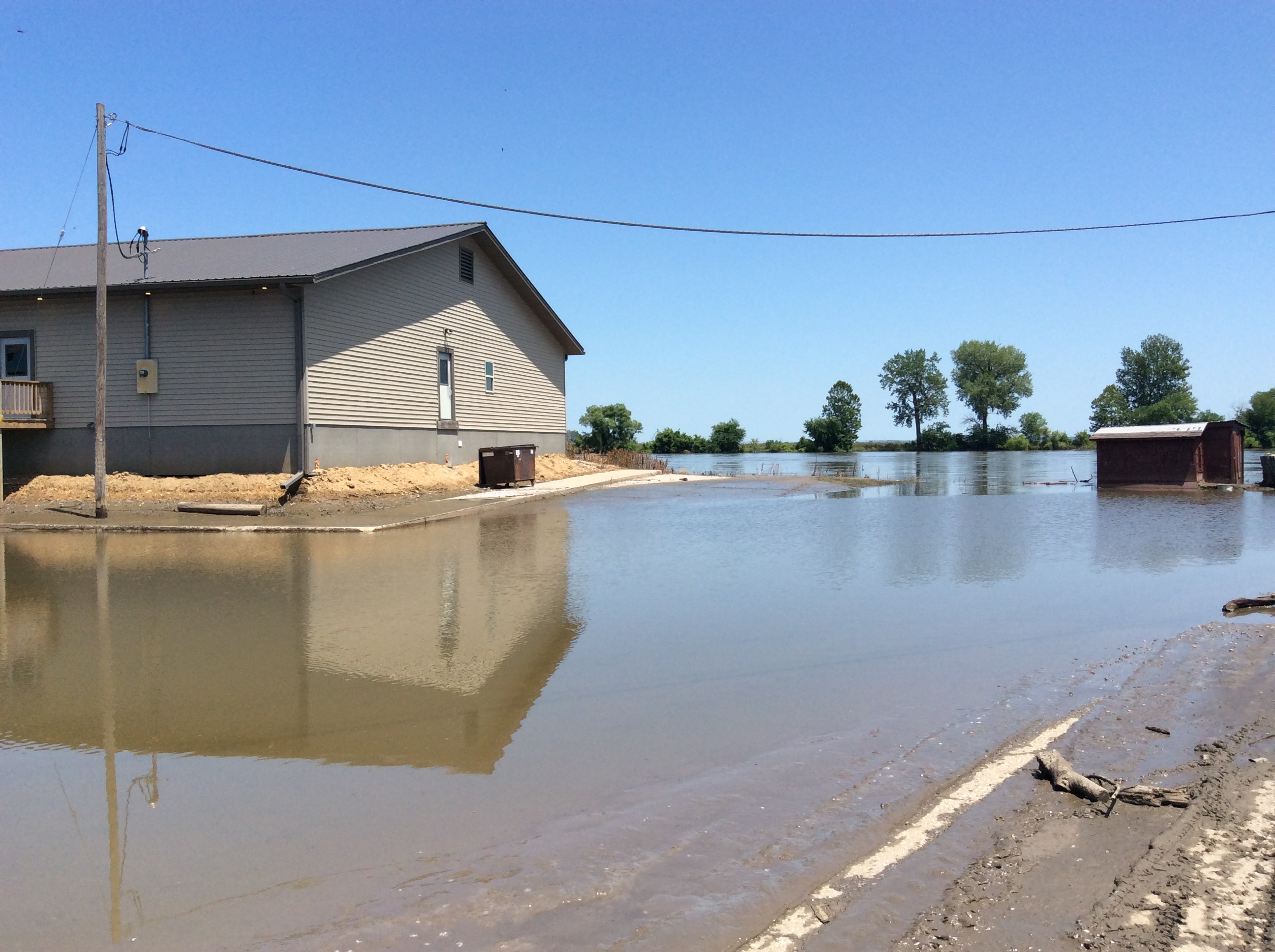
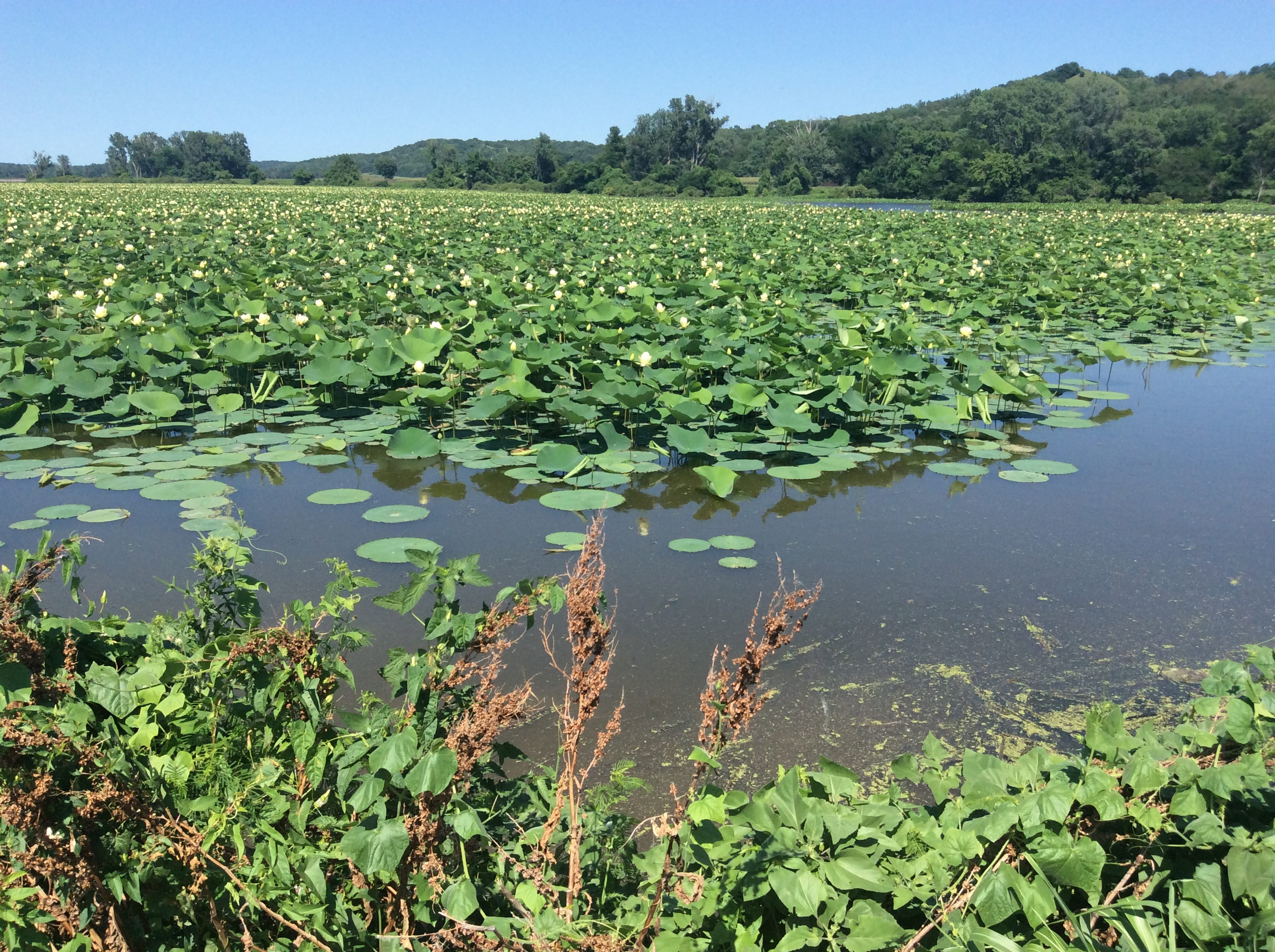
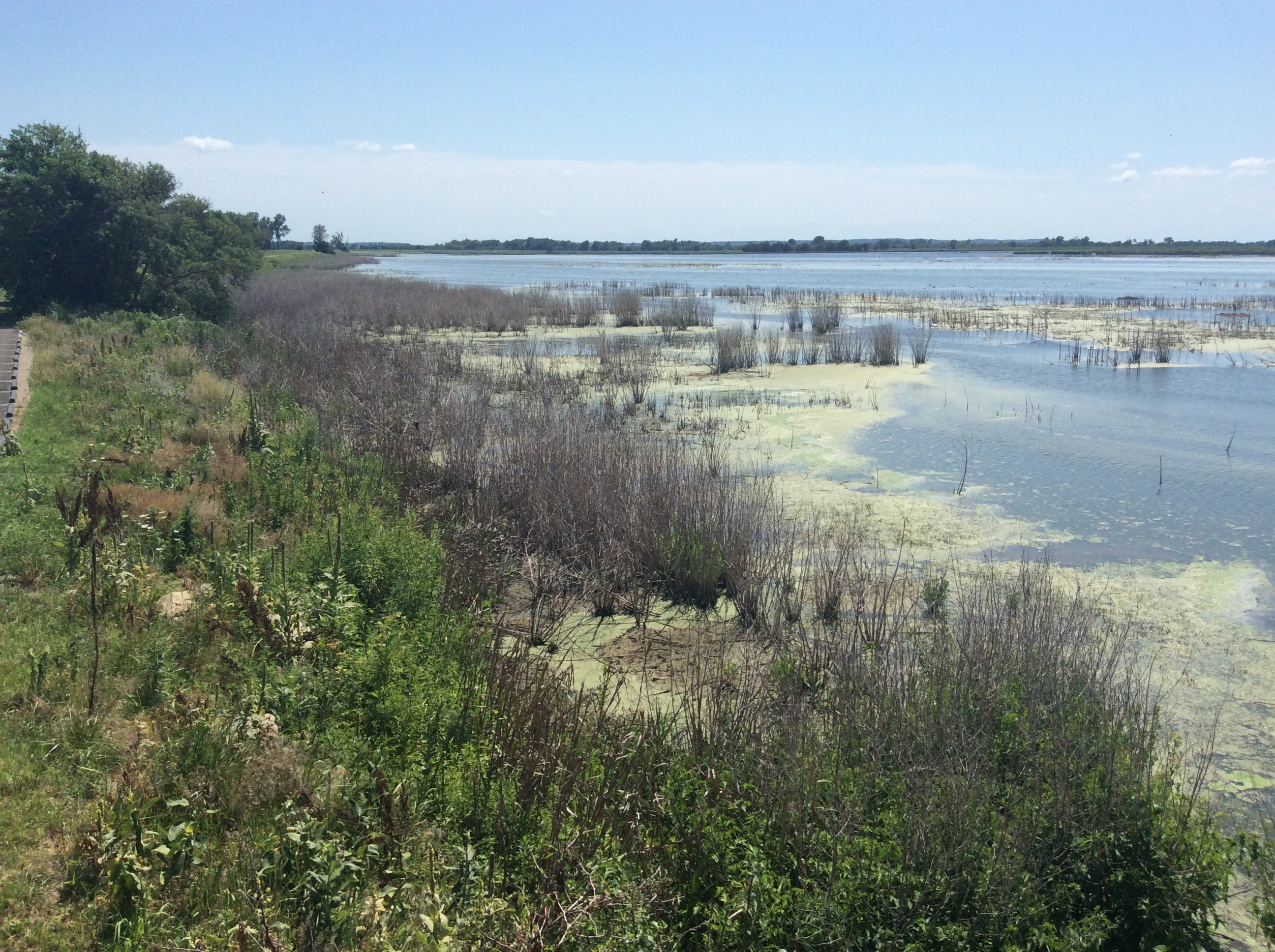
This is country with lots of water and trees.  This picture was taken near Squaw Creek National Wildlife Refuge.  Several times in my life, I have seen flooding from the bluffs on the Missouri side all the way to the bluffs on the Kansas and Nebraska side of the river.  When I was a child, my uncle and aunt lived on the river farm until a flood reached half way up the second story of their house.  They gave up and moved to town.

SAM_1145

When I was a child, there were trees like this in lots of places on Mom’s family’s farm.  About this time of year we would hunt for morels and often pick a bushel basket full.  Mom dipped them in egg and cornmeal, then fried them.  We practically lived on them for week or two.  I was shocked as an adult to go into a fancy market and discover that dried morels were 95 dollars a pound.


Blood Quantum: A Poem for Our Time


My grandson cuts himself into 16 equal pieces:

4/16 Urhobo from Africa

3/16 Spanish from Spain

4/16 European–two Swiss German great, great-grandfathers

(Werth and Kaiser), Irish, English and who knows what

3/16 Mexican–whatever mixtures that may be

2/16 Navaho


Who am I? What am I?

Who are you? What are you?

Do we really know?

Who sets the rules?

white men

black

Indian

Native American

Irish

English

German

from where and for whom?


He looks Navaho:

-blue black straight hair

-pale brown skin

-obsidian eyes.

One four year old girl asks him,

“Are you American Indian?”

His six year old self says nothing.

She repeats,

“Are you American Indian?”

He says, “It’s complicated.”


The Navaho won’t claim him, too little blood.

He needs 1/4, not 1/8.

Caddy and Fort Sill Apache allow 1/16, not Navahos.

1/4 blood is for

-Sioux

-Cheyenne

-Kiowa

-Navaho

1/8 works for Comanche and Pawnee.

Some Cherokees only want a Cherokee ancestor.


But he is none of those.

Is he Navaho?

Is he white?

The old South goes by the one drop rule:

one drop of Negro…

Is a person with 99/100 per cent white

and 1/100 black, black?

Who says?

Kids at school ask, “What are you?”

He tells them.

They say, “You’re lying.”


I only know specifically about two ancestors,

the Swiss Germans.

Another great grandfather disappeared during the Civil War.

I don’t even know his name.

Who am I?

Who are you?

I think I’ll get a DNA test.

Then I’ll know how many pieces I need to cut myself into.


Note:  This was originally published in my book “On the Rim of Wonder”.  I had a cousin send me 75 pages of ancestry information.  I looked up more myself.  That one great grandfather remains a mystery.  I had my DNA done.  It did not match what I expected from the ancestry work.

Blood quantum is the term the US government used to determine whether a person would be qualified as an Indian.  Now many Indian Nations use it to decide who can be on the tribal rolls and who cannot.


Jen Payne’s New Book


Evidence of Flossing, WHAT WE LEAVE BEHIND provides an unexpected metaphor for individual life, culture, and so much more. Nearly all the poems are accompanied with a photograph, often of trash in which lays a dental flosser (yes, one of those instruments with which you floss your teeth) with date and location.  Flossing is supposed to prevent anything from being left behind.  Hence, the title brings up an unusual play on words.

The first section Damage contains more than 20 poems which are a lament about much of modern life–mass shootings, the demise of wildlife, unpleasant changes.  One poem asks the question:  “Would God floss?”  In the second section, Contact, the poems focus on the natural world, walks in the city, the woods, beaches.  The third section, Connection, emphasizes the interconnectedness of everything, especially the relationships between humans and animals and nature.  There are poems about frogs, storms, birds.  One called Evidence of Fairies makes the reader feel the magic of old growth forests with moss and ancient trees.  In the footnote to another poem she discusses the fact that wolf spiders actually create songs to lure lovers. Then, toward the end, the Alice poems appear,  Alice as in “Alice in Wonderland”.  In my favorite poem Payne relates her encounter with a stranger picking oyster mushrooms near a path in the woods.

After reading the poems and comments in this book, I will never view flossing the same way again.  Will I find dental flossers now, something I never even previously thought about?  I use those long strings of floss not flossers.  Apparently the poems and flosser photos affected enough people that some sent Payne photos of flossers they saw here and there on the ground, some of which she has included in the book.

Even if I find no flossers, now I will certainly give a lot more thought to what I and others leave behind.


IMG_2901


About the author:  Jennifer Payne is the owner of Words by Jen, a graphic design and creative services company in Connecticut. She belongs to the Arts Council of Greater New Haven as well as several other arts and poetry organizations.  Her work has been featured in various publications, including The Aurorean, Six Sentences, and the Story Circle Network.  You can read some of her writing on her blog Random Acts of Writing.


White Trash and Rednecks


Nearly everyone lies about an important aspect of US history even historians. School history books avoid the discussion totally, this significant part of US history, much of which explains past and current racism.

Americans pretend that social class does not matter, that anyone can rise to the top given enough effort.  This myth depends on the continuation of a very selective historical memory, indeed, a lie.

It began with the British and those who intentionally left there to come here.  Even colonists divided the classes with poor people and criminals at the bottom–whores, discharged English soldiers, robbers, highwaymen; the saddest of the lot were the orphans, rounded up, loaded on ships bound for America, sold as indentured servants. Often these contracts were repeatedly resold with no routes for the individuals to escape.  The rigid English class conditions continued here.  People of higher classes in the colonies referred to the poor as waste, rubbish, and trash.

John Locke, often considered the father of constitutional government, favored slavery and aristocratic society.  He endorsed an aristocratic constitutional government and called the poor, landless, lazy lubbers. Because the southern colonies lacked sufficient land lubbers and land owners believed Africans more suitable for hot, humid swamp clearance, they petitioned for slaves–previously illegal in Georgia, for example.  These wealthy landowners also viewed poor whites as too lazy to work.

Even the esteemed Ben Franklin believed in the concept of class as inevitable.  Both he and Jefferson saw expansion westward as the solution to potential class conflict.  Franklin thought the new colonies needed more people and advocated for the freedom of slave women who bred many children and for white women to be allowed to gain property rights for the same.  More people would move west and alleviate class conflict. Franklin was not an advocate for the poor, whom he considered lazy, slothful.  He even endorsed their forced migration westward and referred to them as “the meaner Sort, i.e. the Mob, or the Rable”.

If this sounds shocking, Jefferson went even further, calling the poor, “rubbish”.  He did feel they could improve, given land and education.  He did not include slaves in this theory.

If you ever wondered about the origin of the term “cracker”, look back to the era of Andrew Jackson, the era of “squatters” in a log cabin in the thickly forested frontier, people who squatted on land they did not even own.  Many saw them in both positive and negative terms:  half strong, hard working pioneers and half robbers.  Two terms applied to these people, “cracker” and “squatter”, none of whom legally owned the land where they lived, troublemakers with no hope of upward mobility, people who championed crudity, distrust of civil society and city dwellers, and held on to a kind of crude arrogance.  Both terms came from England where such people were considered lazy vagrants.  The more educated and “civilized” viewed them as degenerate, low class fornicators.  These squatters saw Andrew Jackson as their champion and Davy Crockett as their hero.

The phrase “white trash” became common in the 1860s and after.  These were the southern poor with dirty faces, ragged clothing, distended bellies without possibility of improvement, who for a brief time were viewed as even lower than slaves.  Southern aristocrats pushed the concept of bloodlines for people as well as livestock.  They advocated a criteria for human as well as livestock breeding to justify slavery and Anglo-Saxon superiority.  Native Indians were a biologically inferior, degraded race, doomed to extinction.  Later Texans used similar arguments to deter intermarriage with Mexicans.  Sam Houston championed this cause apparently ignoring his own personal history.  He had lived with Natives and married two of them.  In the long run these beliefs did not help poor whites or raise their status.  They lived off the worst land and were continually referred to in derogatory terms, e.g. white trash, sand eaters.

Just before the Civil War some elite Southerners advocated to keep certain classes ignorant.  They defended the planter class as having the best bloodlines, whose destiny was to rule over poor whites and black slaves. When they realized they needed poor white support to secede, and that many did not support them, they convinced them the war was necessary to save them from a state worse than slavery.  Some were promised land and other rewards.  Since most were illiterate, they remained unaware that they were referred to as “perfect drones”, “the swinish multitude”, and other pejorative terms; and that some saw them as trash who contaminated whatever they touched. It was not the Southern elite who died in masses during the Civil War; it was the poor, recruited with Davis’ rhetoric about the superiority of the white race.

Later, during Reconstruction, William Percy wrote a description of poor whites as those who lynch Negroes, lack intelligence, attend religious revivals then fornicate in the bushes afterwards.  He also explicitly referred to them as Anglo-Saxons.  Teddy Roosevelt saw this a bit differently.  He wanted Anglo-Saxons to work, to join the military, and breed, but he excluded poor whites from this group and his plan.

The term “rednecks” came into use in the South during the 1890s.  It referred to people who lived in the swamps and mill towns, wore overalls, heckled at political rallies.

The Great Depression exacerbated the situation for poor whites and increased their numbers dramatically.  Those who had never been considered white trash joined the ranks of the poor.  Many Southern writers went back to discussions about the Civil War and argued about the current poverty and how to solve the problem.  One, Jonathan Daniels, even wrote that Rebel pride blindfolded all classes.

Later, one way to overcome the prejudices against the poor was through music and TV shows, e.g. Elvis Presley and “The Beverly Hillbillies”.  It allowed the country to feel better about prejudices and pretend they did not exist.

Today this manifests itself through politicians who “pretend” to be white trash and rednecks to gain votes, but in reality live the lifestyle of the upper class.


Note:  For those who wish to read more about class and the writings of the individuals mentioned above here is a partial list.


Writings and speeches of Benjamin Franklin and Thomas Jefferson

Sherwood Anderson’s “Poor White”

Writings of John Locke

Works of James Agee

“White Trash:  The 400-Year Untold History of Class in America”

Speeches of Jefferson Davis


Is This How Patriarchy Began? by Carol P Christ


Is violence more likely when men spend a lot of time away from women and children?

Carol P. Christ's avatarFeminism and Religion

In my widely read blog and academic essay offering a new definition of patriarchy, I argued that patriarchy is a system of male dominance that arose at the intersection of the control of female sexuality, private property, and war. In it, bracketed the question of how patriarchy began. Today I want to share some thoughts provoked by a short paragraph in Harald Haarmann’s ground-breaking Roots of Ancient Greek Civilization. Haarmann briefly mentions (but does not discuss) the hypothesis that patriarchy arose among the steppe pastoralists as a result of conflicts over grazing lands. As these conflicts became increasingly violent, patriarchal warriors assumed clan leadership in order to protect animal herds, grazing lands, and the women and children of the clan.

View original post 808 more words

A Tribute to My Dad, Doyle Lightle


Dad lived his entire life, 90 years, on the farm which my great grandfather, Gottlieb Werth, homesteaded in the middle 1800s.  Gottlieb Werth came to the United States from Switzerland when he was 18.  Even though Dad lived in the same place all his life, he liked road trips.  The first occurred when I was three.  He drove us all the way from Northwest Missouri to Monterey, Mexico.  I still have photos of us wading in the Gulf in Texas before we crossed into Mexico.  Thereafter, we almost never missed at least one road trip a year between wheat harvest and the start of school.  Sometimes instead of a summer trip we took one around Christmas, like the year we went to Florida when I was in elementary school.  I skipped school a couple of weeks, took my work along, and came home ahead because the flu, which I missed, put everything behind.

By the time I was six, I had probably covered half the continental United States and, of course, been to Mexico.  I do not remember some of those first trips but the later ones I remember well, like the summer we spent in Crested Butte, Colorado, when it was still a mining town, and another in Placerville, Colorado, down the road from Telluride.  Then it was just a nowhere place, filled with the Victorian houses of its mining heyday.  Dad joked later that he should have bought one of those houses when it was cheap.

One year, the year between my junior and senior year in high school, we took a one month trip and drove 6,000 miles, from home to the Black Hills, where we had relatives, to Vancouver, to Vancouver Island and then to Victoria.  We visited every national park along the way,  Grand Tetons, Yellowstone, Glacier, Olympic, then drove up the Columbia and cut back across Rocky Mountain National Park and through Colorado. On an earlier trip we went to every park in Utah and Northern Arizona and Mesa Verde.

Dad’s interest in and curiosity about everything seemed endless.  He tried the latest agricultural methods in his farming, was an avid conservationist, wanted to check everything out on these trips, talked to people about what they were doing.  At home he read National Geographic and Scientific American and endless books.

Because of these trips, his sense of wonder, his propensity for intellectual activity, my friends in college were always shocked to find out he was a farmer.  They often thought, originally, that he was a college professor.

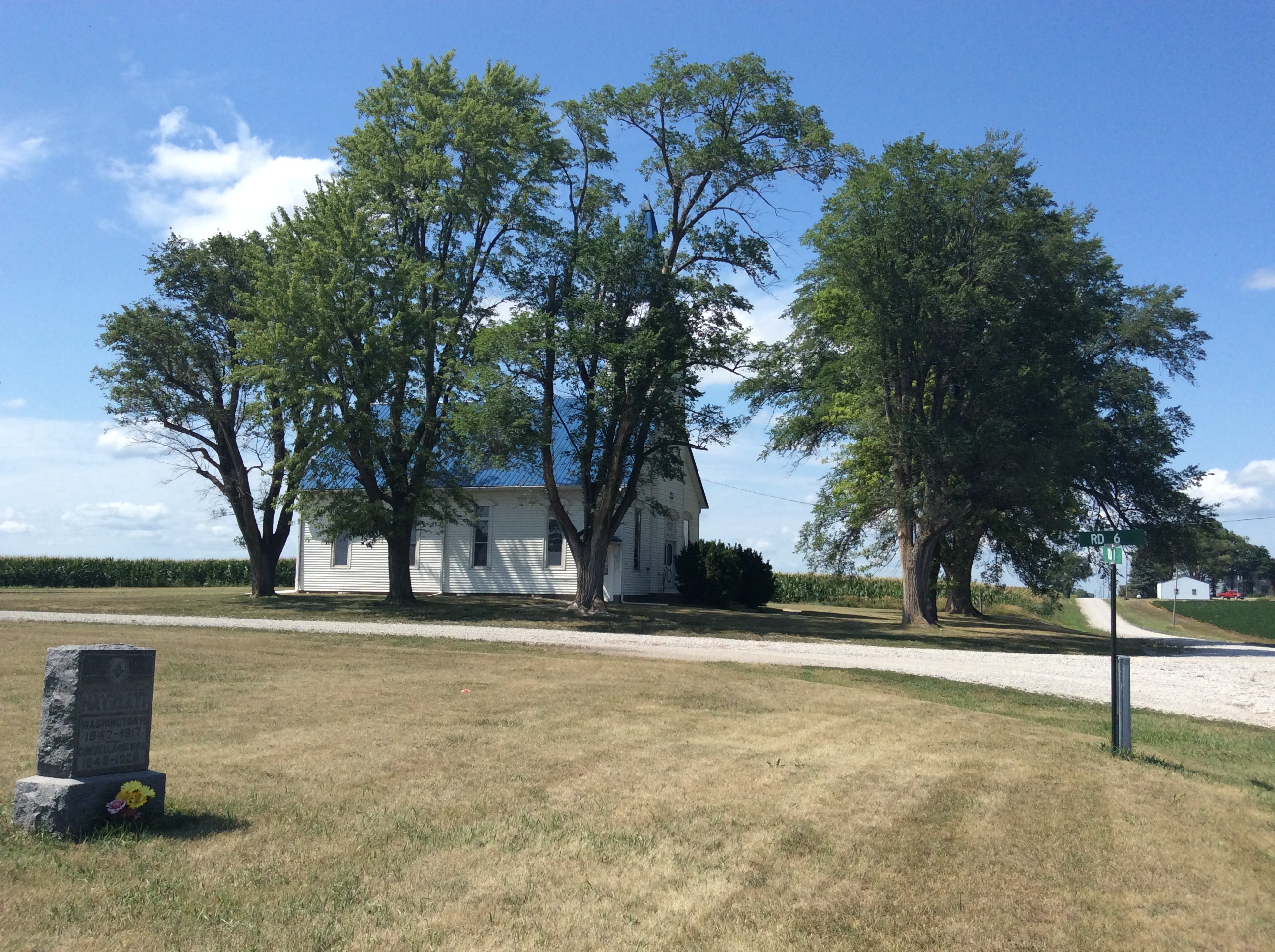
He moved into this house where I grew up when he was ten.  After Mom died, Dad and I were at her grave on Memorial Day when a man came up and starting talking with Dad.  I learned that the building in the foreground of this photo, before it was used for livestock and storage, was used for dancing during the Depression. The sheriff would send out deputies to make sure no illegal alcohol was consumed. I took this photo four years ago when I took a trip back.

12193406_10204105678156113_6043720938154804167_n

There used to be woods to the right of this photo but someone bought the land and bulldozed down all the huge oak trees.  The tall douglas fir tree in the middle was tiny when we brought it home on one of our trips out West.

I will forever be thankful to Dad for instilling in me a love of exploration, wonder, and curiosity.


An Open Letter to President Obama about the Dakota Access Pipeline by Elizabeth Cunningham


Since the election results, I have become increasingly concerned not only about the plight of Standing Rock, but also about water safety throughout the USA. President-elect Trump has major interests in the company building the pipeline. North Dakota seems determined to go to extreme policing to make sure their fracking results get into this pipeline. This state has a long history of mistreatment of its native people.

Elizabeth Cunningham's avatarFeminism and Religion

Elizabeth_Author Photo 2I wrote this letter to President Obama on November 18, the morning after I returned from a few days at Standing Rock. I am not an activist by temperament. I went to Standing Rock to support a friend who felt strongly called to go, as well as, to support the cause. I did not participate in direct action, because I did not fully grasp till I was there the preparations I would need to make in terms of clearing my calendar for jail time and a return to North Dakota for a trial. Gratitude and respect for those who are taking this risk and dedicating their lives to this cause.

One thing this letter below does not address is how to donate to the Water Protectors at Standing Rock. Given the overwhelming donations of food and clothing that are still pouring in, financial donation is more practical now. Here’s a…

View original post 752 more words

Barbie Doll


This poem praises my mother.  It is page 17 of my memoir in poems, “On the Rim of Wonder”.  It seems appropriate to republish it here for Mother’s Day.


Barbara Lewis Duke, pretty, petite, blue-eyed, and blond, my mother,

one fearless, controlling woman.  Long after Mom’s death, Dad said,

“Barbara was afraid of absolutely no one and nothing.”  They married

late:  34 and 38.  He adored her unconditionally.  She filled my life

with horses, music, love, cornfields, hay rides, books, ambition.  Whatever

she felt she had missed, I was going to possess:  books, piano lessons, a

college education.  Her father, who died long before I was born, loved fancy,

fast horses.  So did she.  During my preschool, croupy years, she quieted my

hysterical night coughing with stories of run away horses pulling her

in a wagon.  With less than 100 pounds and lots of determination, she

stopped them, a tiny Barbie Doll flying across the Missouri River Bottom,

strong, willful, free.

Ancestry and DNA–Part Four


Since I hit several dead ends in my previous endeavors, this afternoon I went back to all the ancestry.com hints and started more research.  My last ancestry post indicated my surprise at the DNA results.  In that post I failed to mention that the reports indicate a possible range as well as exact numbers.  Today’s endeavor made me reconsider once again because everything I was able to trace went back to England over and over again.  Although the DNA results specified Europe West as 77 per cent, it did show a possible range with a low end of 50 per cent.  Great Britain’s number is 9 per cent with a range up to 27 per cent.  My guess is that the reality is more like 20  per cent Great Britain and  60 to 65 per cent Europe West which I can trace to specific places, e.g. Switzerland mostly.  An acquaintance had her DNA done by two different sources with somewhat differing results.  I also realize that over many centuries people have migrated to Great Britain from continental Europe.  In the south the Romans were there for centuries.  However, no Italian showed up in my DNA even though I know the name of one ancestor who migrated from Italy.  Perhaps she was from northern Italy–all I can find is simply Italy so have no idea from where.  Northern Italy, unlike southern Italy, is included in Europe West by ancestry.com.

After quitting ancestry.com for the day, I went back to the matrilineal part of my grandson’s National Geographic Genotype data.  It provides a totally different type of analysis that goes back even further into history with illustrations of the movement of your ancestors over thousands of years and provides your exact Haploid Group.  I am J named after Jasmine in the book, “The Seven Daughters of Eve” by Bryan Sykes, a British geneticist.  This book traces the mitochondrial DNA of modern Europeans back to seven women located in different parts of the world.  Jasmine was the result of a mutation that occurred approximately 45 thousand years ago in the Near East/Caucasus from which I probably get that small percentage of Caucasus DNA.  Today not only are J Haploid people found in Europe but also in the UAE, Yemen, Iran, etc.  More specifically I am J1C3B which is found most commonly today in Switzerland and Austria.  Only  .2 per cent of the Genotype project participants have that DNA.  Furthermore, unless you were born in Africa below the Sahara or are a descendant of Africans, you will have some Neanderthal or Denisovan DNA, usually between one and four per cent.  My grandson has 1.2 Neanderthal.  Scientists now believe that for non-Africans, a great deal of our immunity comes from those genes.  The Genotype project provides links to a different family tree source than ancestry.com if you wish to go that route.

The book also indicates that working out your family trees with who married who and all their children may not be accurate because what is official may or may not be what really occurred.  The author tells the story of a friend who insisted his DNA get analyzed and eagerly awaited the results which provided the author with a dilemma once he realized his friend could not possibly be who he though he was.

Ancestry and DNA–Part Two


My cousin on my father’s side sent me 75 pages of ancestry information.  Much of it goes back to the 1600s except for some ancestors from Switzerland.  My great grandfather, Gottlieb Werth, was born in Bern on 1832.  He married my great grandmother, Elizabeth Townsend, in Andrew County, Missouri, in 1867.  Her Townsend ancestry goes back to Rayham, England, in the early 1700s and further back to 2nd Viscount Charles Townsend who was born in Rayham in 1675.  Charles married Elizabeth Pelham from Sussex in 1698.  Their descendants went to North and South Carolina in the 1700s, but eventually moved to Indiana in the early 1800s.  Elizabeth Townsend was my grandmother’s mother. My grandmother was born in Andrew County, Missouri, in 1872.  Her name was Lillie Belle Werth.  Because my dad was born late in her life and was the youngest child by many years, I never knew her.  She is my only grandparent who did not live to at least 80.

Looking at the other side of Elizabeth Townsend’s ancestry, her father married Catherine Zimmerman in Andrew County, Missouri, in 1867.  The Zimmerman side of the family goes back to North Carolina in the late 1700s and early 1800s.  However, Catherine’s grandfather, Johann Christian Zimmerman, was born in Hof, Nassau-Dillenberg, Germany.  From Germany he went to Pennsylvania and died in North Carolina.  The record even goes back further, mostly to Bern, Switzerland, and the Meyer name in Germany with no specific place mentioned.

Elizabeth’s grandmother was Catharina Fiscus who was born in Surry County, South Carolina in 1782.  Both her parents were from Pennsylvania–York and Lancaster Counties.  The Fiscus line goes back to Pfalz, Germany.  Catharina’s mother was Anna Elisabeth Spainhour who was born in Pennsylvania in 1762.  Her father was born in Basel, Switzerland in 1719, and died in Surry County, North Carolina.

On the Townsend side, Elizabeth’s grandmother was Mary Voyles.  She, too, was born in North Carolina.  However, her ancestry goes back to Westmeath, Ireland; Ballybrunhill, Carlow, Ireland;  two ancestors from Danbighshire, Wales; and one great grandmother born in Italy in 1747.  A number of these people finally resided in Cabarrus County, North Carolina, and then in Indiana.

I can never thank my cousin enough for all this.  After attempting to start the same task on my mother’s side of the family and spending hours, often hitting dead ends, I cannot even begin to imagine how many hours he spent compiling so much information.

Monday, I mailed in my DNA to ancestry.com.  I also provided what little I was able to find to date on Mother’s side of the family.  Since I am a woman, all I will be able to get is the results for my mitochondrial DNA.  As mentioned in the first ancestry post, my guess is that I will have a lot of Ireland and England as places of DNA origin.  However, I have learned from friends and my grandson’s experience that surprises frequently arise.