An inspiration to write a poem every day for seven days, release negativity, be yourself no matter what others say or do.
Author: Juliana Lightle
Autumn Evening
owl hoots, perches atop a dead juniper
fire and cerise sunsets
autumn chill floats through the air

Romania bans trophy hunting of brown bears, wolves, lynx and wild cats

October 5, 2016 Source
Unexpected move reverses a trend that has seen increasing numbers of large carnivores shot by hunters each year since Romania’s accession to the European Union.
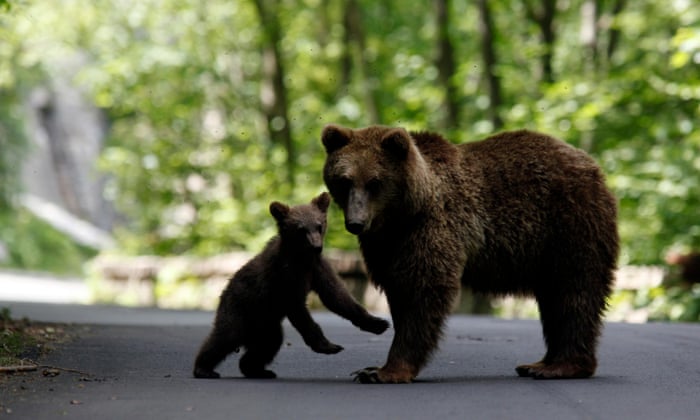 In 2016, the largest hunting quotas yet gave hunters the mandate to shoot 550 bears, 600 wolves and 500 big cats over 12 months. Photograph: Radu Sigheti/Reuters
Romania has banned all trophy hunting of brown bears, wolves, lynx and wild cats in a surprise decision that gives Europe’s largest population of large carnivores a reprieve from its most severe and immediate threat.
The move on Tuesday reverses a trend which has seen the number of large carnivores being shot by hunters grow year on year since Romania’s accession into the European Union in 2007. In 2016, the largest hunting quotas yet gave hunters the mandate to shoot 550 bears, 600 wolves and 500 big cats over 12 months.
Over the…
View original post 771 more words
Gifts–Isabella and Roses
For the last month DJ Knopick-Barrett, the Production Manager for Amarillo Opera, has stayed with me–her third time to do so. When she was last here, in early summer, she took hikes with my dog Isabella. I had no idea she had also photographed her. Isabella died not long before DJ arrived this time.
DJ said her goodbyes this morning and I left for work. She had a late morning flight. When I returned home from work today, I was touched nearly to the point of tears. DJ not only had photographed Isabella, she had enlarged the photo and framed it.

Blue Apron: Is It Worth a Try
My daughter gets it off and on–yes, you can cancel weeks when you do not want what they have, etc. Although I cook yummy, nutritious meals for myself, I realized I was in a food rut of sorts and decided it might be worth a try to explore new food horizons. To date, I have made two of week one recipes, Crispy Catfish and Five-Spice Chicken.
Crispy Catfish?? Boring?? The title seems quite inaccurate to me. No deep frying, nothing like that. Unusual, yes! Besides cat fish, it includes kale, semi-pearled farro, Thomcord grapes ( I know, I never heard of them before either), rosemary, along with some more ordinary ingredients. Catfish is not my favorite fish but ok. Would I have ever gone out and bought farro? Probably not. Would I ever have thought to cook grapes to put over fish? No. The recipe calls for cooking the farro, sautéing the kale with garlic, then mixing the two together. Rosemary and chopped almonds sautéed together with the grapes made an incredibly savory-sweet relish. I had some left over so later cooked a cod loin and served the relish and faro/kale salad with it. I will definitely saute rosemary, almonds, and grapes together again.
Tonight I made the Five-Spice Chicken. I remain uncertain as to whether I have seen cremini mushrooms in the stores here. The ingredients included those, baby fennel, collard greens, Chinese five-spice powder, hoisin sauce, ginger, sesame oil, soy sauce, and vermicelli rice noodles. The only thing not included I had to also use was olive oil which I buy in the largest containers because I love the stuff. Would I ever have made this dish without Blue Apron? Probably not. It was delicious and since I cook for one and everything comes for two or, if you choose, a family, I have leftovers for later in the week.
What is the down side? You may not like all the combinations provided for a certain week so you cancel. I am quite concerned about the packaging and how to recycle all this stuff. Their website says everything is made to recycle. However, to do that you have to live where recycling is available. I do not except for the box. The recipes are detailed but not all that speedy so it does take more time than I normally take to cook.
Will I try this again? Yes, when I like all the combinations in a week. I still have to try the vegetarian option for this week, a Thai curry. What showed up with that? A very lovely looking little squash I never heard of before. You can choose various options including vegetarian. What will I repeat? While I might not be able to find this special kind of grape, I will saute grapes with rosemary and almonds again. I will use collard greens and fennel more often.
The Fly, Wine, and Fennel
I look .
The fly floats in my glass of Seven Deadly Zins,
full to two golden flowers half way up the rim.
What kind of flowers?
I look.
Unsure, I watch the fly struggle, floundering around
in the deep red, the color that turns tongues
purple drunk.
I look.
Dead. It floats.
Not poor, frugal. I debate.
Should I throw the wine out? Drink it?
I take the silver teaspoon–from the six piece
set Father gave Mother in 1946 on their
first anniversary–dip it in the dark, remove
fly, throw it down the antique copper sink drain.
I pick up the glass.
I look,
swirl the wine around in the bowl, take a sip.
Surely 15 percent alcohol kills germs.

It was past seven, time to fix dinner. Since I live a lone, I often fix dinner for two, save half, and have dinner ready for a hectic evening after work. Just warm in the microwave.
Cod with Fennel, Mint, and Lemon
Two cod loins–one if extra large
1 heaping tablespoon chopped garlic
Olive oil
1/2 to 1 cup finely sliced small carrots
1/2 large poblano pepper, seeded and coarsely chopped
several cauliflower florets thinly sliced
crushed dried mint
essential oil of lemon and fennel (if you do not use essential oils,
you can use 1 tsp. ground fennel and lemon juice to taste)
Pour enough olive oil in a ten inch skillet to totally cover the bottom. Saute garlic and carrots in the olive oil until carrots are almost tender. Sprinkle a small handful of mint over the garlic and carrot mixture. Add cauliflower and poblano pepper. When poblano peppers are about to change color, add the cod. Sprinkle drops of lemon and fennel essential oil over the cod–or the ground fennel and lemon juice. Cook until the cod flakes. Serve over rice. I use basmati.
Norway Plans To Kill Most Of Its Wolves
It has always puzzled me why wolves are hated more than other predators. Wolves are a lot like humans. Do we project our worse traits on them? They kill few livestock when compared to deaths due to disease, weather, etc. I am interested in feedback regarding this question.
September 21, 2016 Source
There aren’t many wolves left in the Norwegian wilderness Just 68, in fact.
But Norway’s government has decided even that’s too many. Authorities announced plans this month to kill 47 wolves, or about two-thirds of the remaining population.
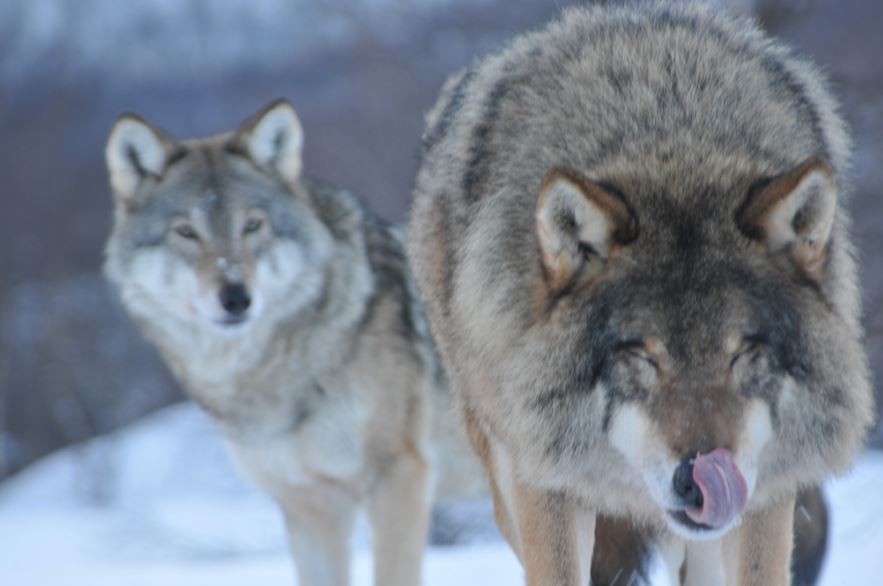
The move has sparked both intense criticism and praise. Farmers welcome the cull, claiming wolves threaten their livestock, and therefore their livelihood. Conservationists, on the other hand, condemn the move as an attack on a species that’s already on unsteady ground.
“The wolf population is already very small and critically endangered,” Silje Lundberg, a prominent Norwegian environmentalist, told the U.K.’s Express. “To eradicate 70 percent of such a vulnerable species is shocking.”
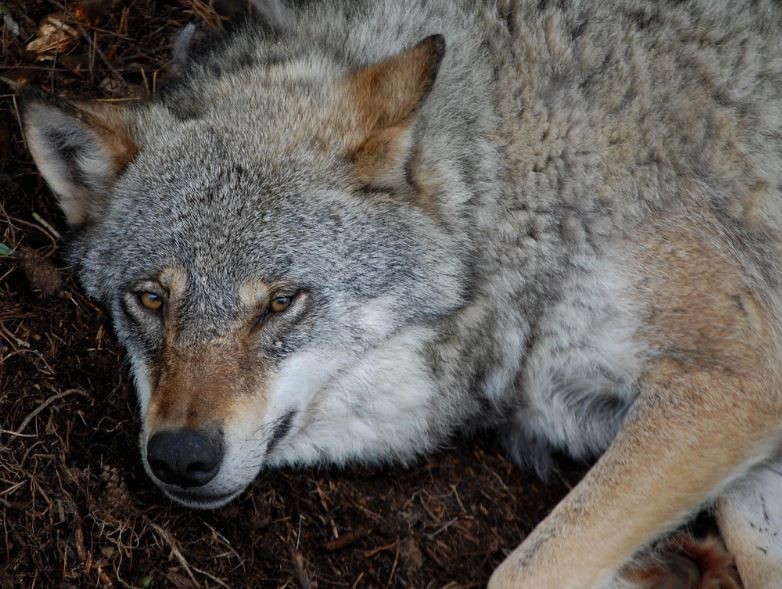
In Europe today, there are an estimated 12,000 wolves — a population that has surged in recent years. But only in Norway is the species listed as…
View original post 341 more words
Making Peace by Denise Levertov

As today we are celebrating a World Peace Day, I thought of sharing this beautiful words by Denise Levertov, “Making Peace” and through poetry take opportunity to first find peace within ourselves and simply let that energy transcend further, around us:

If you liked this post, please share! And if you are interested in getting more inspiration for your creativity, sign up for our free monthly newsletter.
Reflections
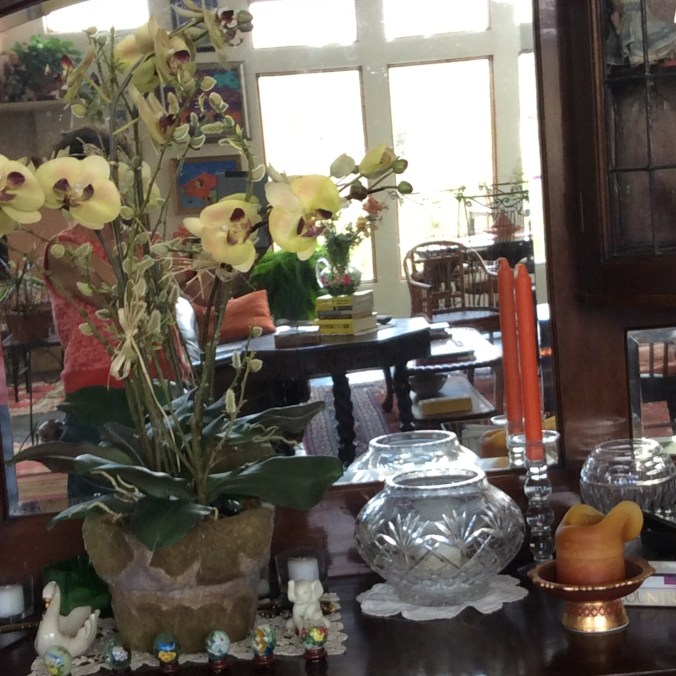
Doors open, wind whispers
Cottonball clouds drift in pale blue
Reflections on early autumn afternoons
Calling on the Muse: A Meditation for Creative Spirits by Mary Sharratt
For my writer friends out there. I have blogged about her books before.

 The world at large might view artists and writers as free spirits rocking la vie bohème, but creative people know that it’s much more complicated than that, especially if we’re striving to earn even a modest living from our work. As a writer, I often fall into the trap of measuring my success or failure on factors completely beyond my control, such as the ups and downs of a fickle book buying market.
I know that I’ve often wrestled with the feeling that I’ll never be enough. Never be big enough, never be a bestseller. Sometimes it’s hard not to succumb to a flailing sense of helplessness—why are any of us doing all this? Worst of all is my fear of creative dryness—that my inspiration will turn to dust and I’ll never write—let alone publish—another book.
View original post 722 more words
 writingontherim