walk slowly on the rim of wonder
throw rocks into the abyss
feel snow melting on your perfect face

walk slowly on the rim of wonder
throw rocks into the abyss
feel snow melting on your perfect face
“We do not inherit the earth from our ancestors, we borrow it from our children.” Native American

prickly pear bloom in an emerald sea
suddenly I hear
“the sound of one hand clapping”
shades of pink, purple, red and yellow
children laughing, playing
song birds sing their territorial songs

The world is at risk of losing nearly all the large, wild mammals due to greed, misinformation, and habitat loss. Until people quit buying elephant tusks, rhino horn, etc. and the demand ceases, this will be very difficult to stop.

Alive, Satao was almost unknown; dead, he became legend.
How did it happen?
A year ago, Satao fell to a poacher’s poisoned arrow in a remote corner of Tsavo East National Park. When news of his death became known early in June 2014, it circled the globe at a speed any publicity agent would have been proud of. The international press, from Le Monde to The New York Times carried news of his death. It generated millions of tweets and Facebook page reads. There were YouTube tributes, news reports, articles, blog posts… two online petitions signed by 180,000 called for presidential protection for the remaining Tsavo tuskers. A week later, a tribute released on YouTube by the Great Elephant Census – created from the last footage we filmed of Satao, was seen by 135,000. ( http://youtu.be/KjDH_QZd0ok ) News of his death went viral in a way normally reserved only for…
View original post 1,378 more words
Because a substantial number of my readers seem to like haiku, I thought I would provide this information. Two journals exist to which writers can submit haiku. The first is “Haiku Journal” at http://www.haikujournal.org. If you are not an expert, but want to try your hand at getting your attempts at haiku published, you probably will have a better chance here. Their main criteria is the 7-5-7 syllable count and not the other aspects of haiku. Some claim this really is not haiku and that the syllable count may work in Japanese but not in English. See the comments by Michael Dylan Welch. He claims it is the content, not the syllable count that matters.
The other is the journal, “Modern Haiku”, at http://www.modernhaiku.org. Their criteria for publication are much more stringent than in “Haiku Journal”. If you are interested in publishing in either, I suggest taking a look at work already published to get an idea regarding what they like. Supposedly, “Haiku Journal” publishes the first fifty submissions as long as they meet their criteria which basically appears to be the correct syllable count.

clouds, grey, purple, black, drift after the rain
flowers smile
puddles reflect, evening falls, a night hawk calls


I just finished “Slow Man”, the latest book by the Nobel and two times Mann Booker winner, J.M. Coetzee. How I ever managed to read so many books and miss his remains a mystery to me. This particular passage stuck me as very instructional and how I hope I have lived and continue to live:
“So that someone, somewhere might put you in a book. So that someone might want to put you in a book. Someone, anyone–not just me. So that you may be worth putting in a book…Live like a hero. That is what the classics teach us. Be a main character. Otherwise what is life for?”
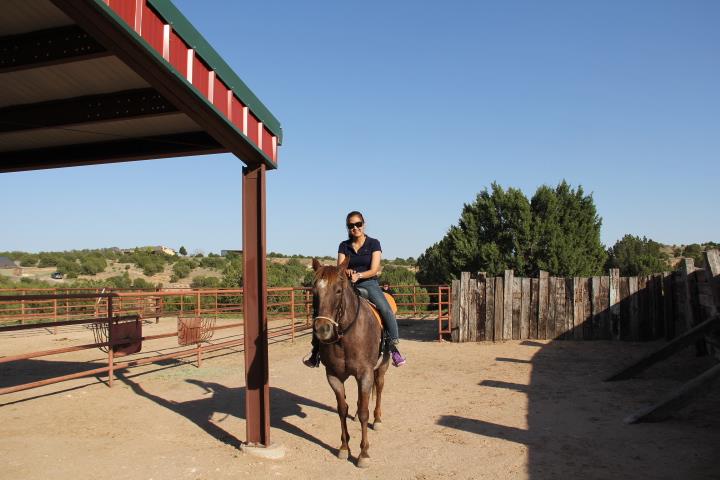
Six years ago my first exchange student, Kornpanod (Mink), from Thailand, joined my life. Recently, she came to visit me for a month.
Six years ago she graced my life
joy filled beauty.
Now back with me briefly with love
exploring, riding Rosie, laughing.
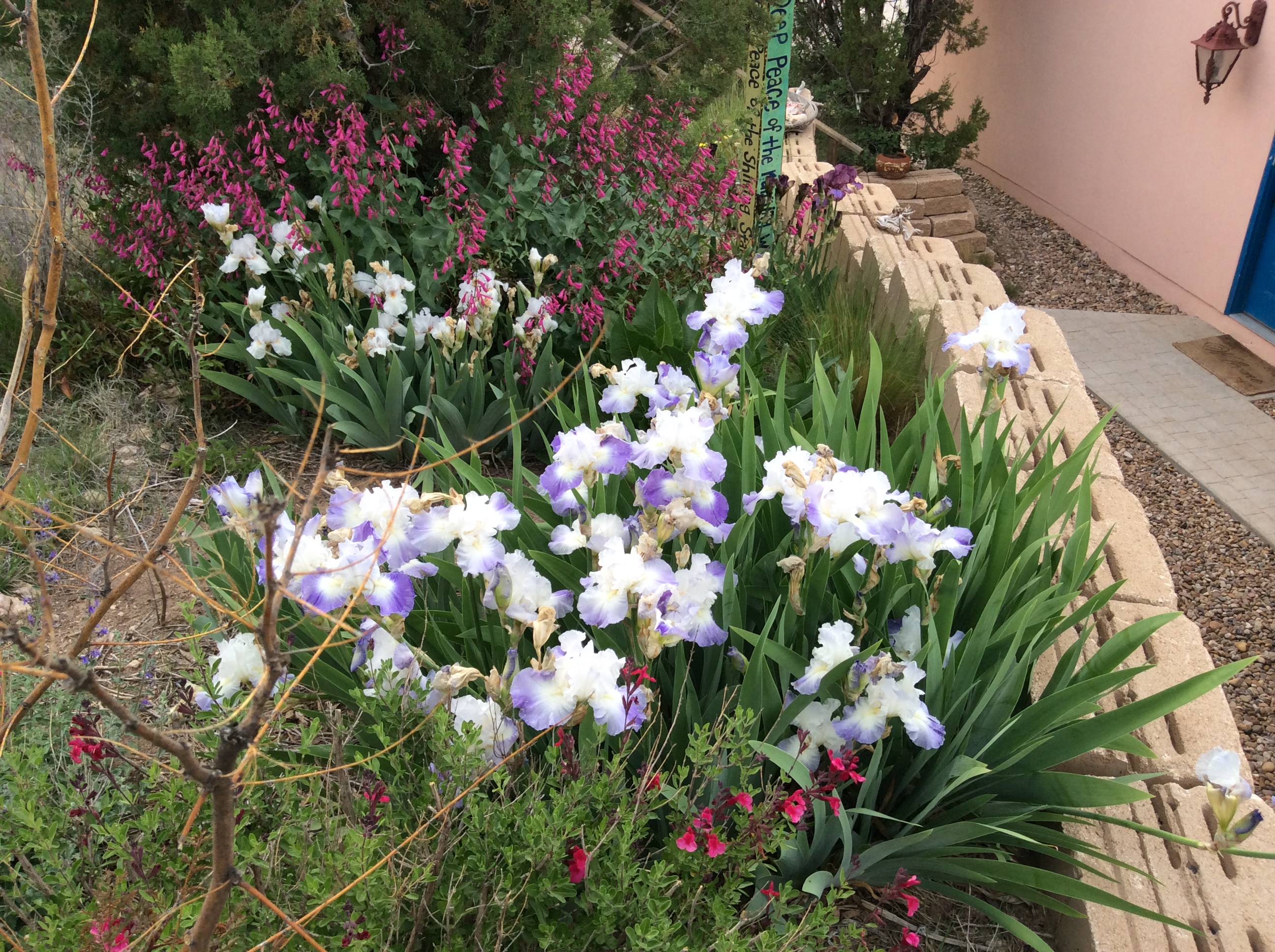
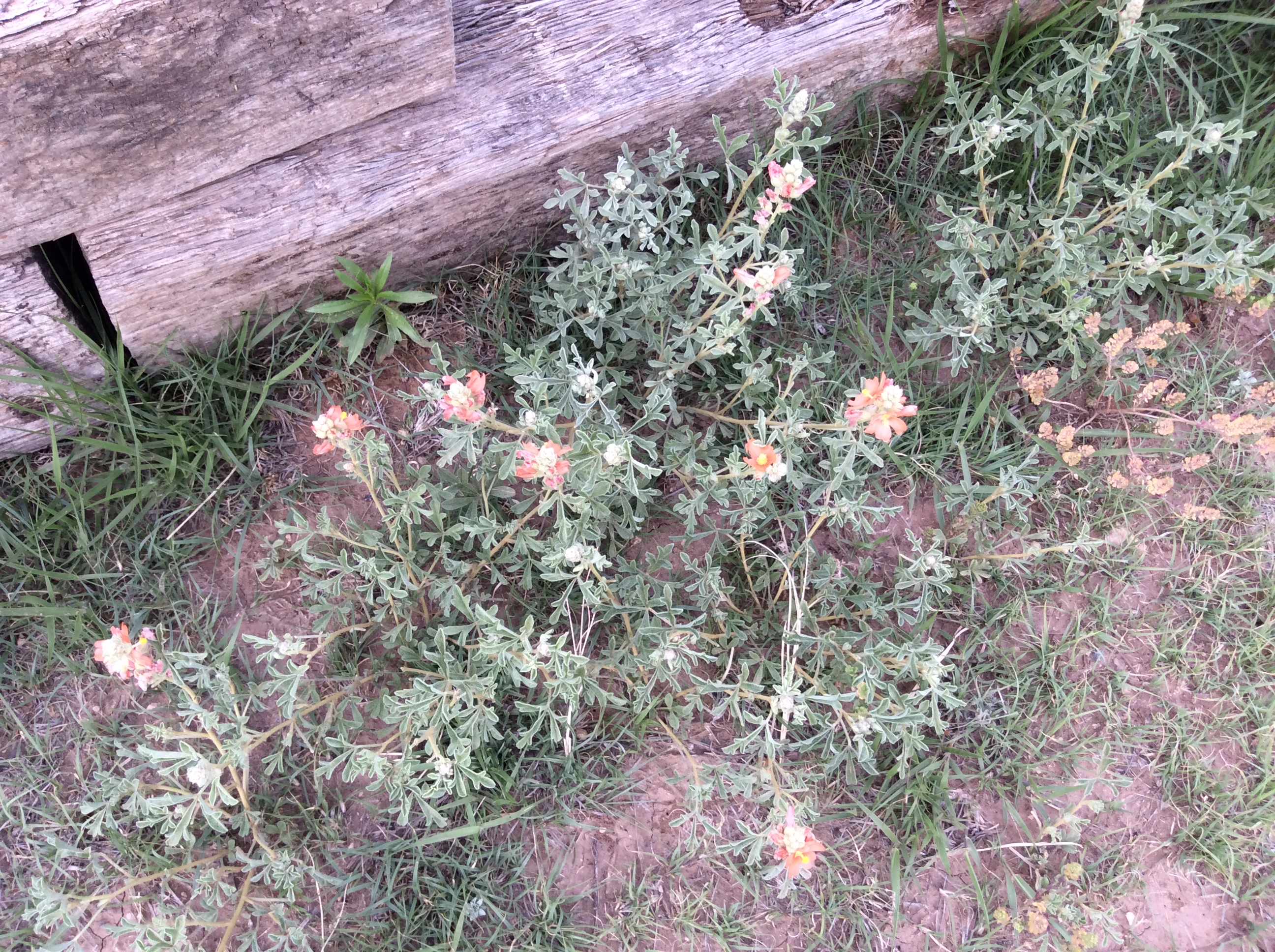
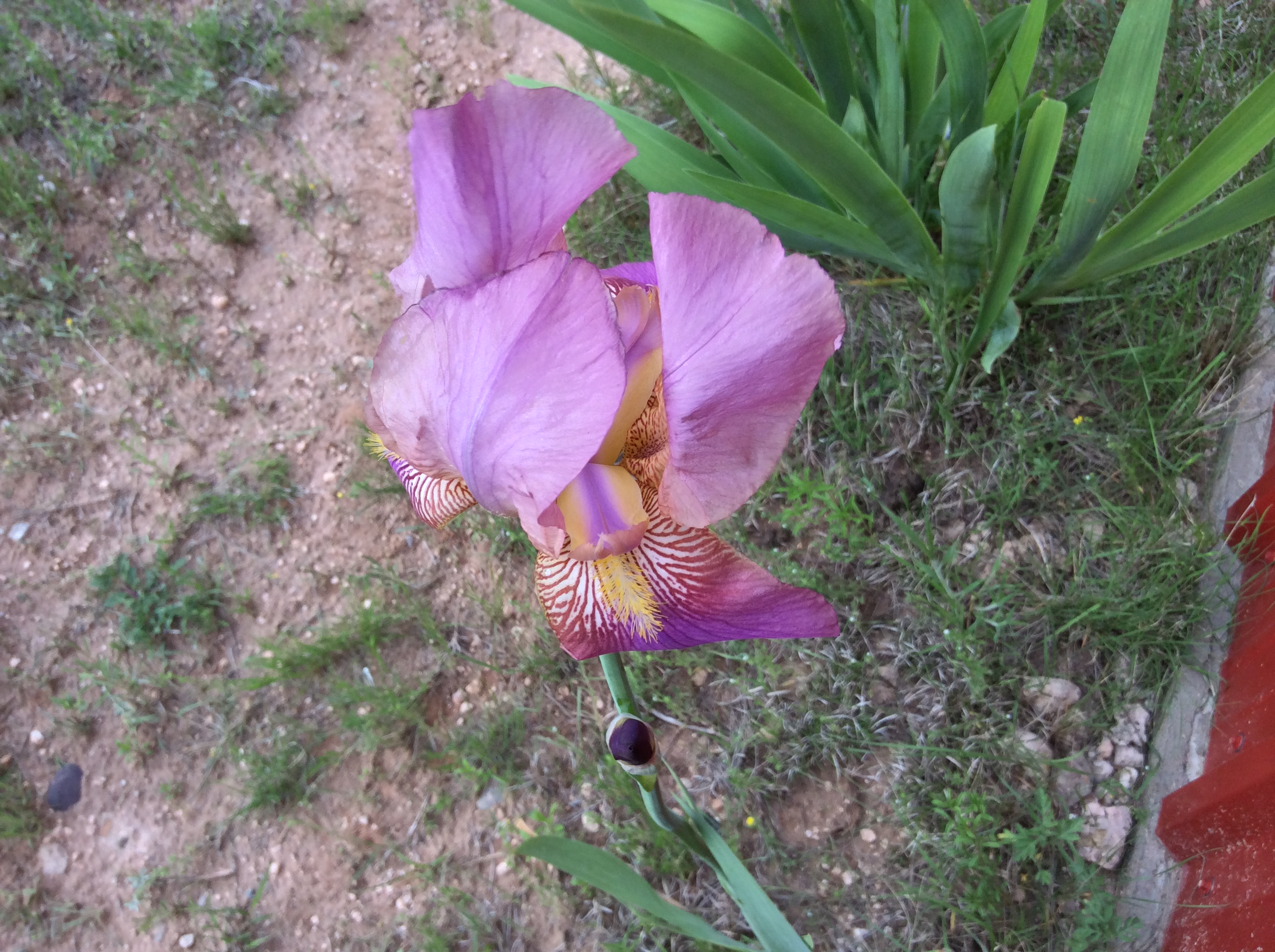
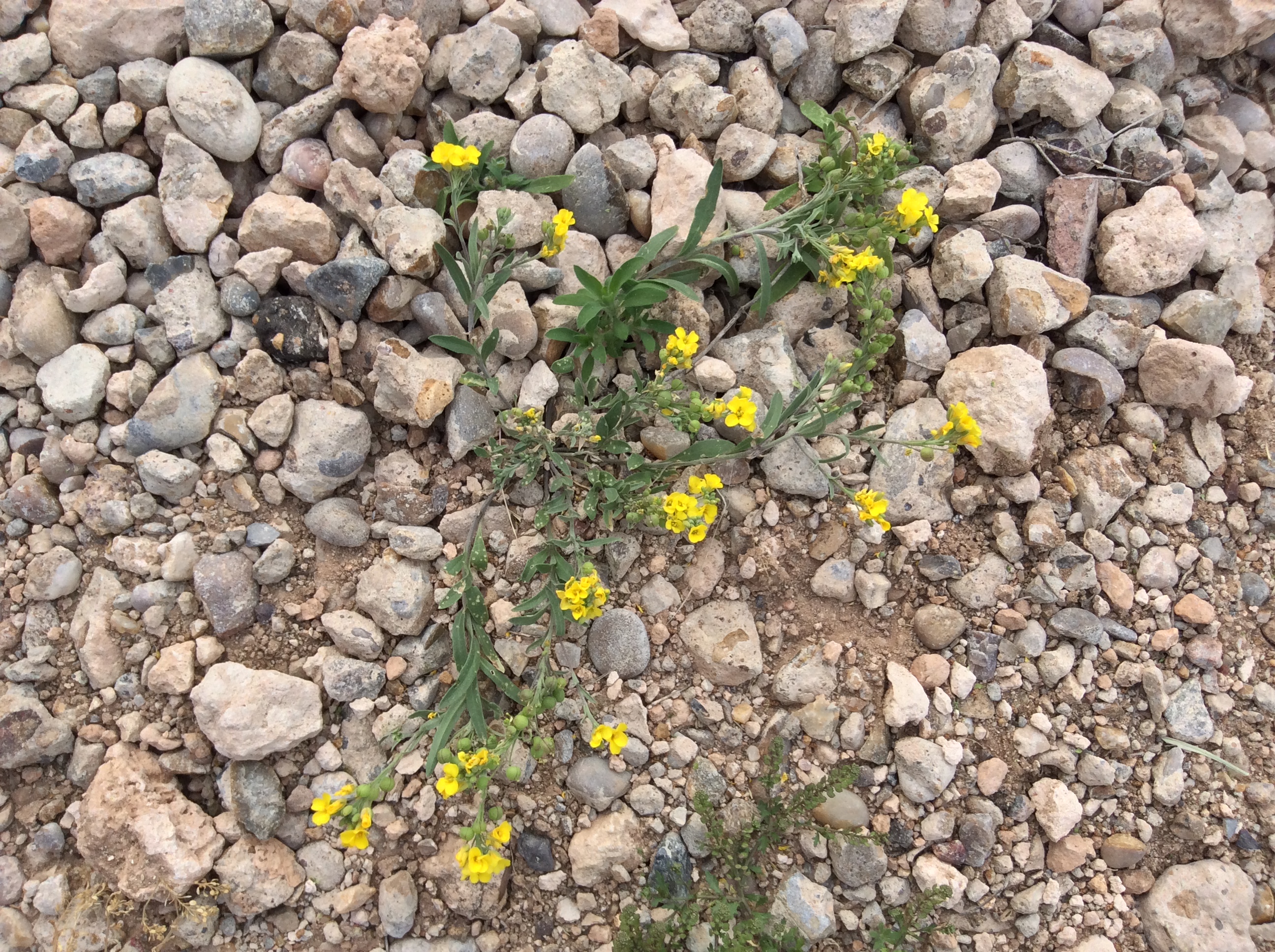
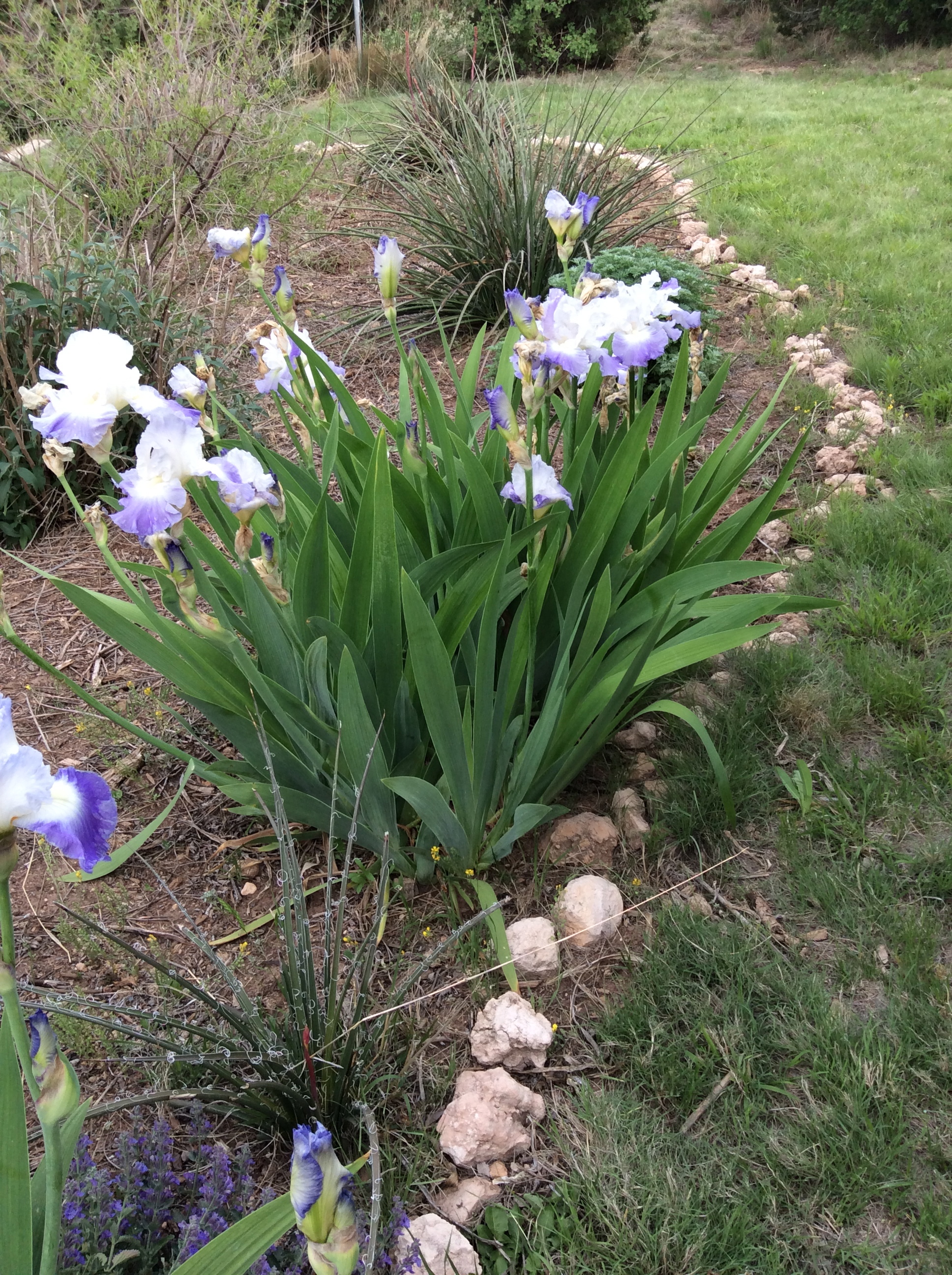
Iris, blackfoot daisies, catmint, salvia,
asters, penstemon
springtime flowers carpeting my heart



Travel the World 4 Less
A Glimpse into My Life & Passions
Ceto-Magoism, the Whale-guided Way of WE in S/HE
Exploring the F-word in religion at the intersection of scholarship, activism, and community.
ANCESTRAL FOOD. HERBAL WISDOM. MAGICAL COOKERY. SEASONAL CELEBRATION.
inesemjphotography
politics, engineering, parenting, relevant things over coffee.
Food is the best expression of every emotion. Explore through my reviews, recipes, events and more.
Smile! A Site for Friends Wherever You Are!
inspiring personal growth through poetry and writing
Combining atheism with whimsy. This is a Fair and Balanced blog based on opinion unencumbered by fact.
Odds and ends ~ My Life
Original poetry, commentary, and fiction. All copyrights reserved.
bripike@gmail.com
A wildlife filmmaker in Africa
A Geeky Feminist's Musings On Pop Culture
"5 minute walks"


