Gentle wind whispers through junipers
Golden leaves fall
Red tail hawk swoops across canyon
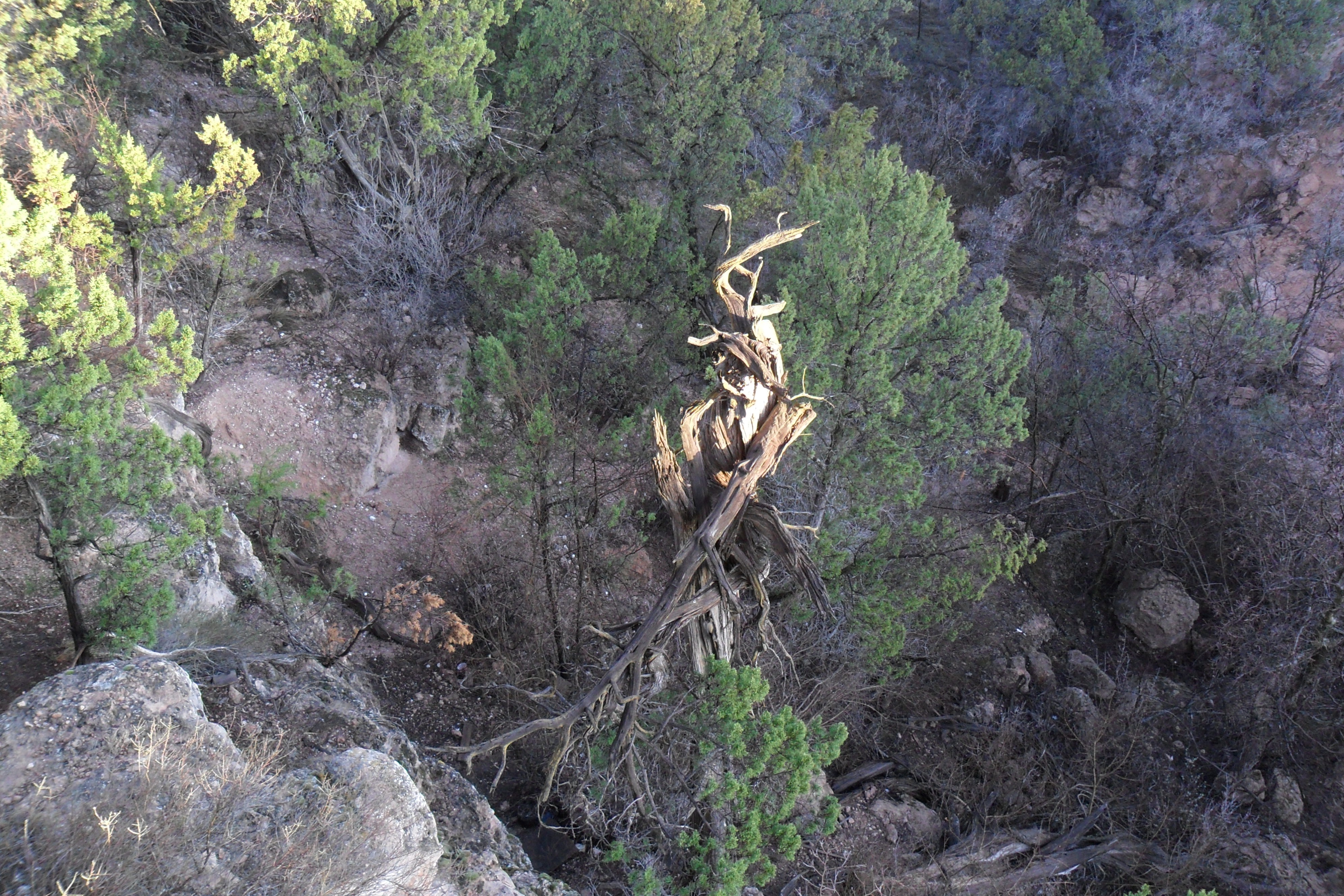
Gentle wind whispers through junipers
Golden leaves fall
Red tail hawk swoops across canyon
This astonishes and enlightens me. I am sharing it hoping at the very least you will be able to say you learned something new today. Juliana
 The remains of an ancient Roman bread pie from Pompeii,
carbonized in the eruption of Vesuvius in 79 CE
The poem Moretum (discussed in my last post) narrates the preparation of a meal that can be characterized in modern English as ‘pizza.’ Round flatbread is baked; to go on it, a cheese spread is mixed. The details of the narration are such as to create a recipe of its ingredients and related cooking instructions.
The most important ingredient, however, is not an ‘ingredient’ as such, but a shape. The bread, the cheese, and the cheese spread are all round. That by itself might not seem remarkable, but the Latin terminology (words from which ‘orbit’ and ‘globe’ derive) is identical to then contemporary astrological terminology. The bread is even scored into quadrants, symbolizing, among other things, the four elements and the quadrants of an astrological observer’s circle.
View original post 967 more words
Sun sets, orange, gold, glowing
Silence settles
Hear the haunting night hawk call

While everyone else slept late, my host and I headed to their ‘wild’–a couple of hundred acres which they put in Santa Fe Conservation Trust. The Trust requires land restoration and has a lengthy list of do’s and don’t’s one must follow. However, if the owners follow these requirements, the results astonish.
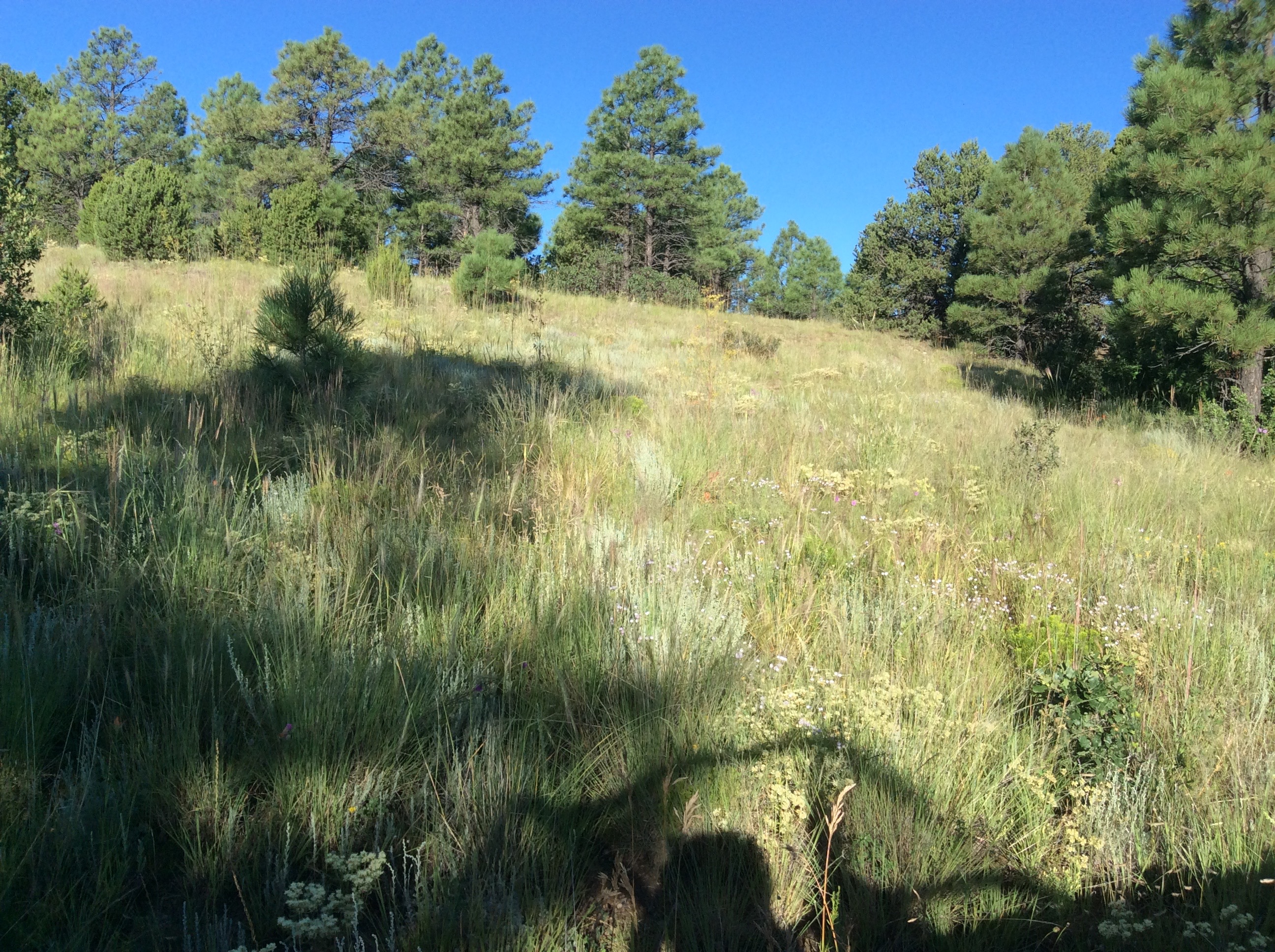
The land is mountainous with meadows, ponderosa pines, and a few aspens and fir trees. Before restoration it had been overgrazed at times and no streams ran year round.

This stream starts on a property to the north and ran only on rare occasions when it rained. With careful riparian restoration, little waterfalls now gurgle here and there.
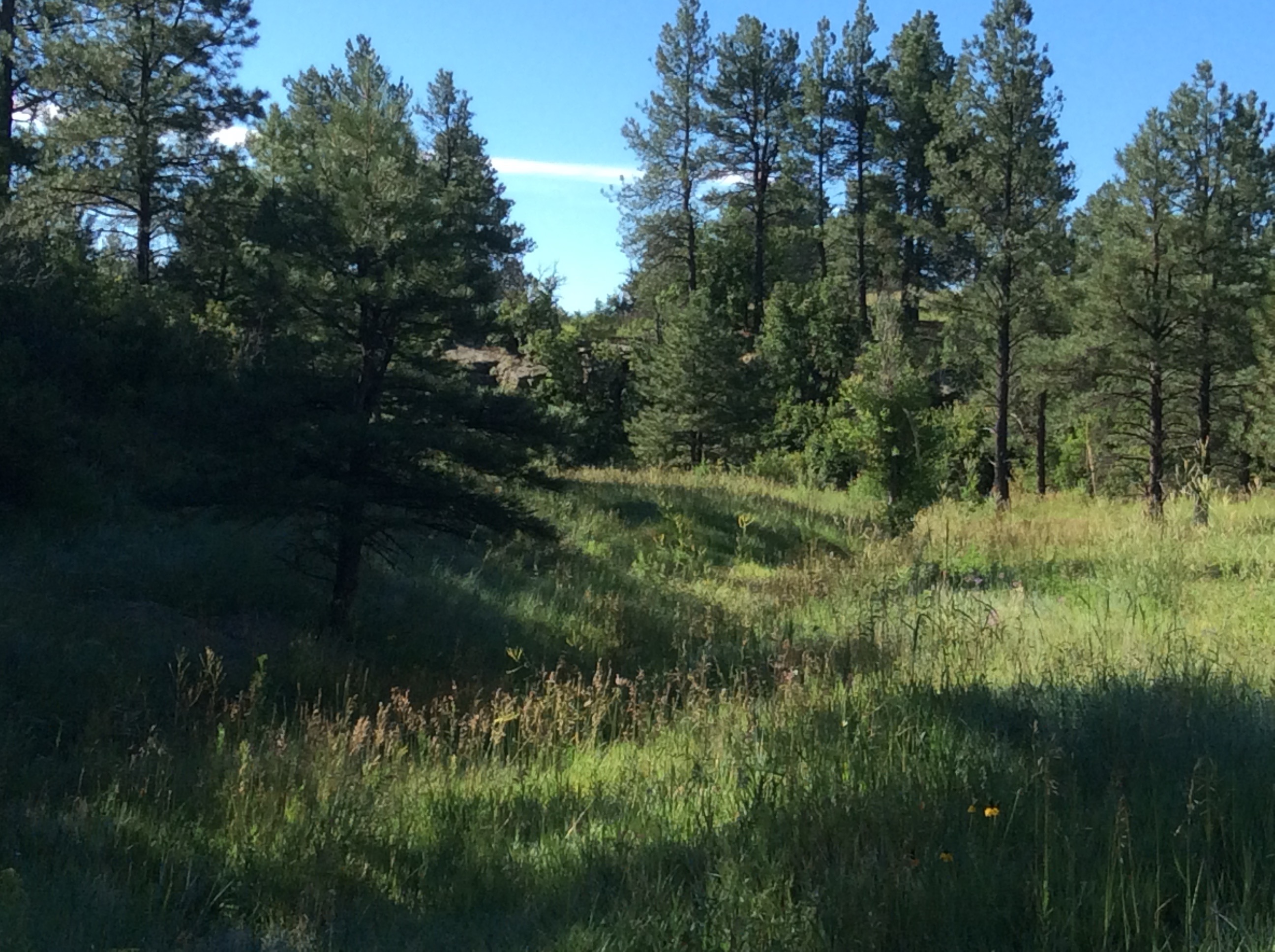
This is the view downstream where water is now running and new grasses and other plants that like water have begun to grow.

After following the other stream, we turned left and found this stream running from higher land to the east. When the restoration began, this was like a ditch with not much growing.

Where there once was nothing, pools form. To my friend’s surprise this one contained numerous fish. They had not been there on his recent visit.


If my memory is correct, this is a type of wild onion in flower. So many different kinds of grasses and flowers thrive now where only a few years ago there were few. Even big blue stem grows in various areas of the property.

A grove of aspen in the shade on the north side of a rock bank. The small ones in the foreground remain encircled in fencing to keep the elk from killing them before they have a chance to grow. Elk like to rub against the bark with their antlers.

We climbed up to the highest points of the land. Trespassers in the past, when the previous owner did not check on it, made a road. Restoration activities slowly allow the vegetation to grow back.
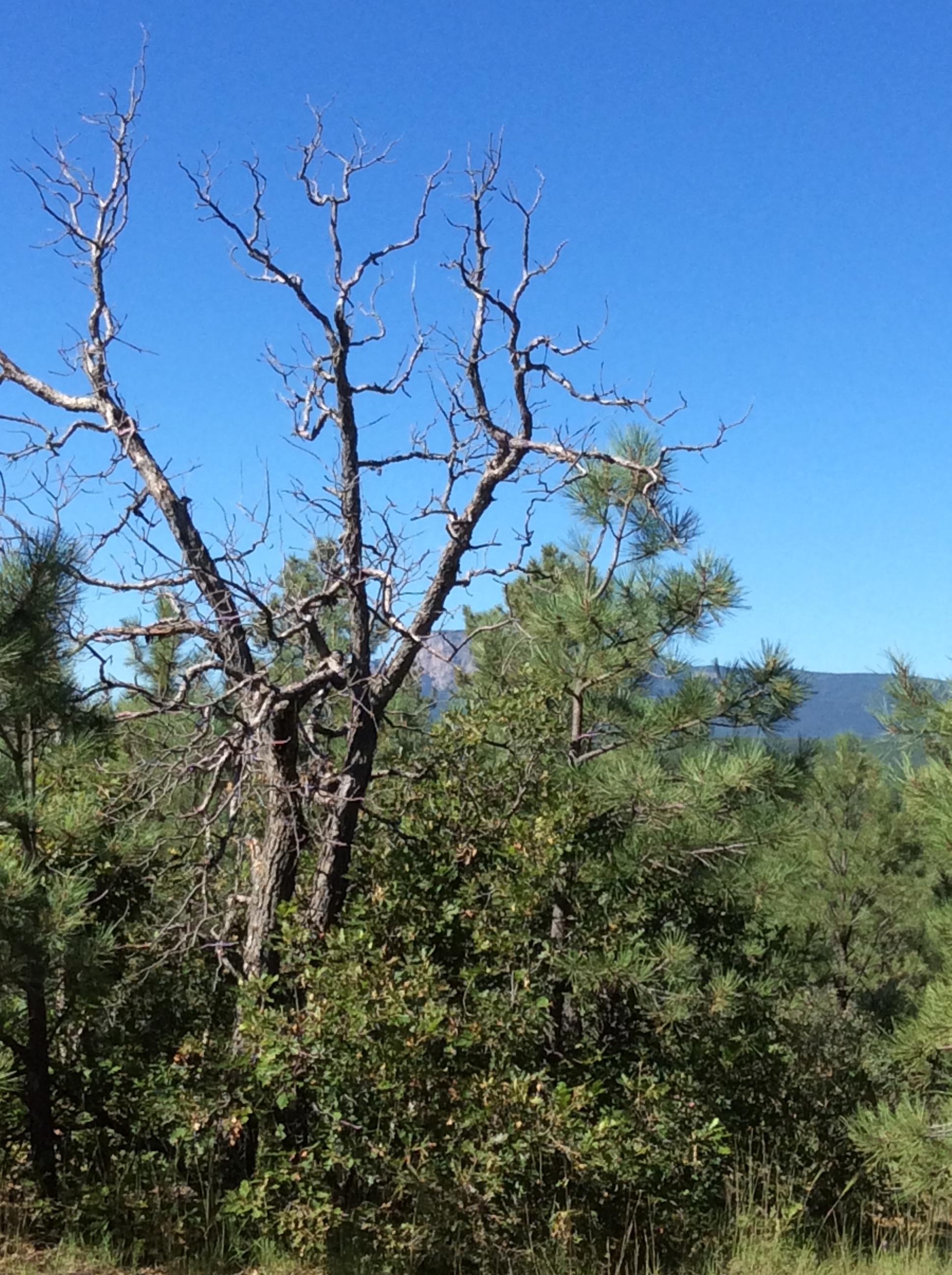
From this high point, one can see Hermit Peak in the background. Near here the current owner found many fir trees sawed off near the ground. Of course, they died. No wood was taken, nothing except the outer most parts of their branches which can be made into Christmas wreaths. Luckily, they missed a few trees.
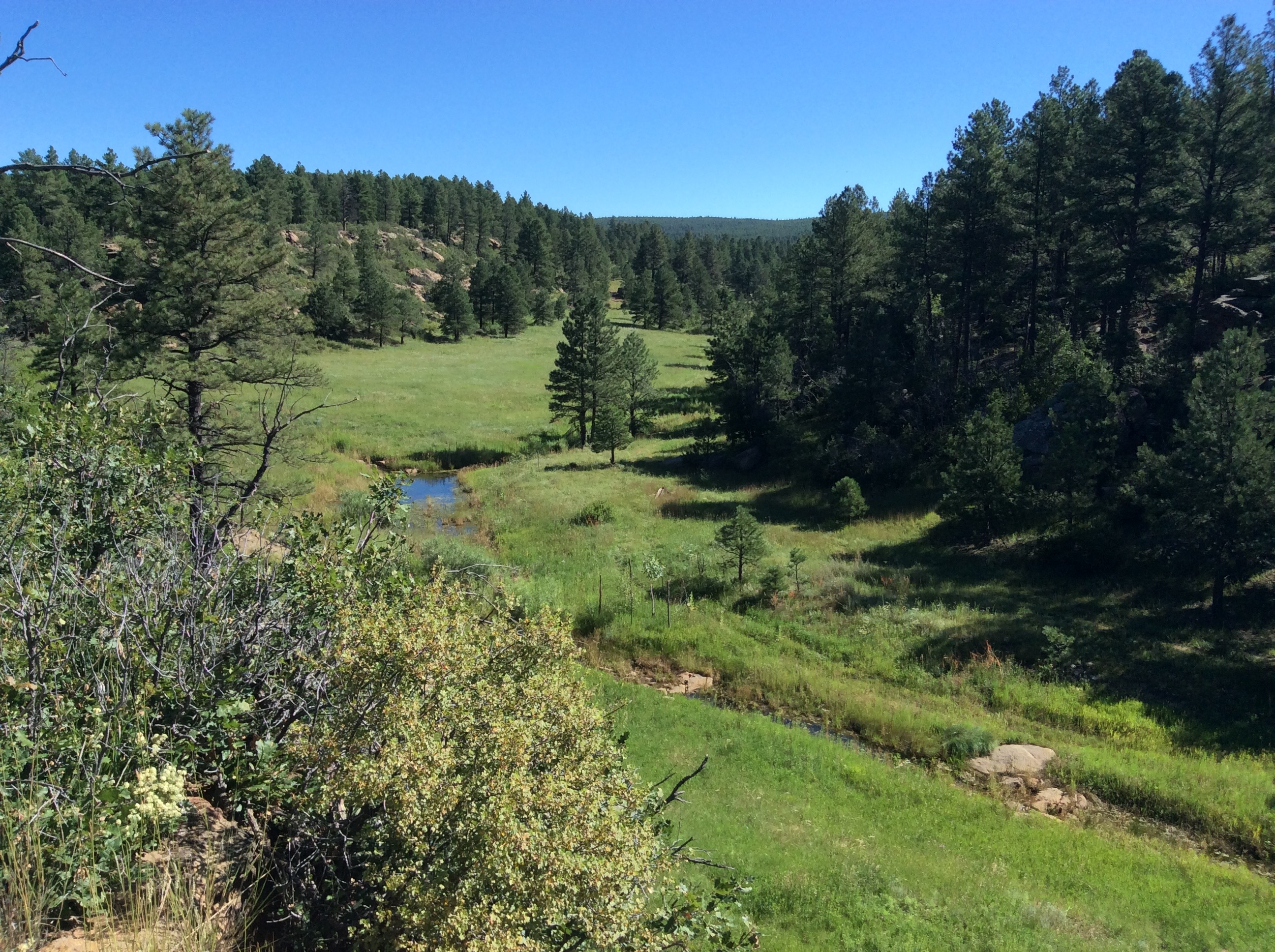
The view of the previous stream and pool from above. The fencing near the stream protects willows and cottonwoods which would normally be found near streams in this area if undisturbed and not subject to overgrazing.

Remains of such houses stand everywhere. These people had a water catchment system with gutters running into a cistern. Down the hill near the stream an old well could be used when the cistern ran dry.

More than any other this photo shows what overgrazing does. On the left the land has been overgrazed for years. Even though no cattle have been on it since last October, all that grows is sage and blue grama. Cattle will not eat sage therefore limiting the food available for future grazing. On the right is the Trust land filled with biodiversity. It can be grazed, but to do so effectively requires certain grazing methods many are only now beginning to practice.
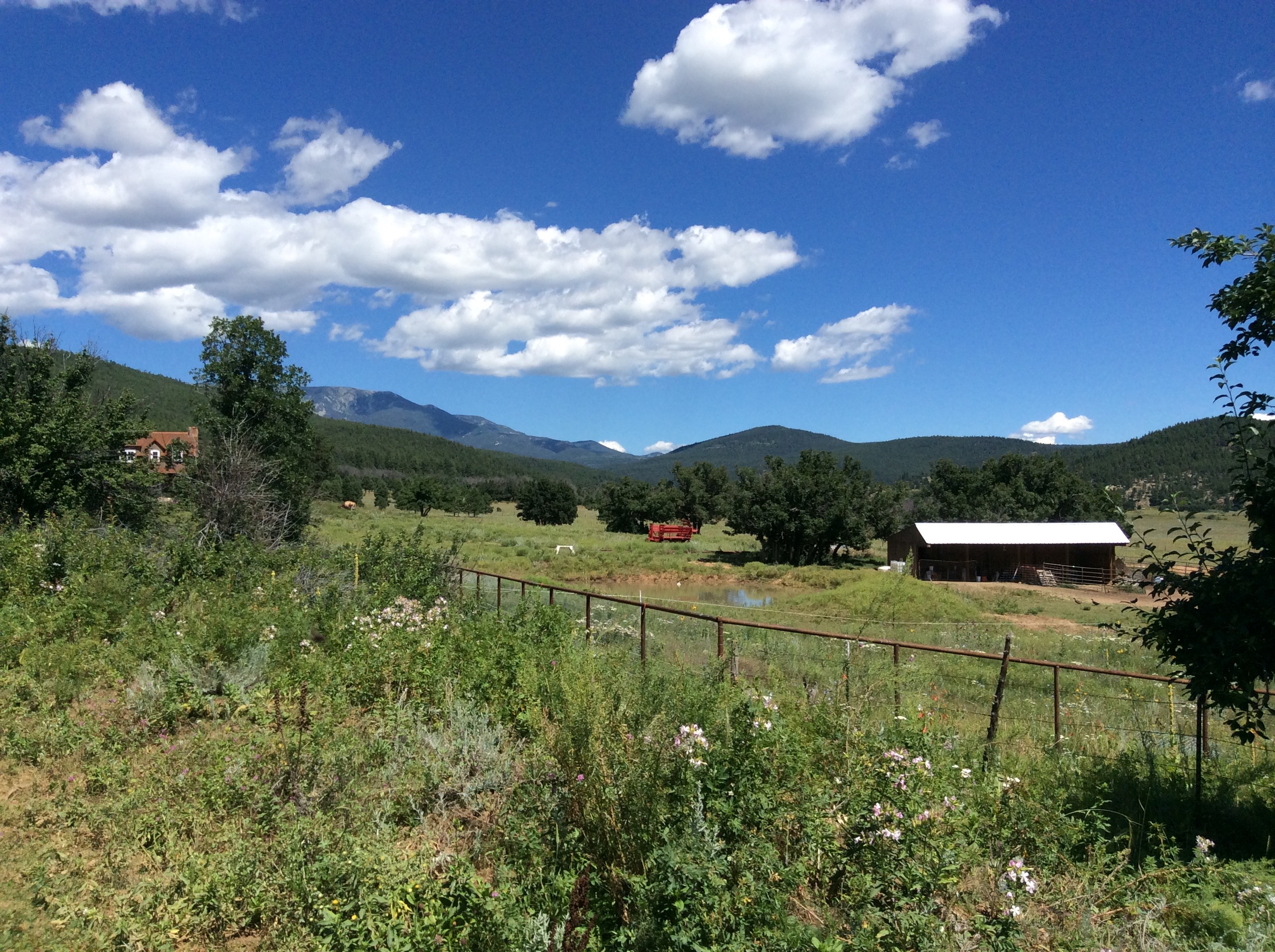
Later, after trekking around the Trust land for a couple of hours, I drove to another friend’s house nearer the actual town of Rociada. This is the view from her yard. We decided to take a little hike to an old cemetery, Santo Nino, Sainted Child (Jesus), located on the property of an old Spanish land grant.

We found graves from the late 1800’s as well as new ones plus a crumbling wall, the front of the long, narrow chapel of the original hacienda.

Finally, we headed home and as always there lays the fabulous view from 104 dropping down the escarpment.
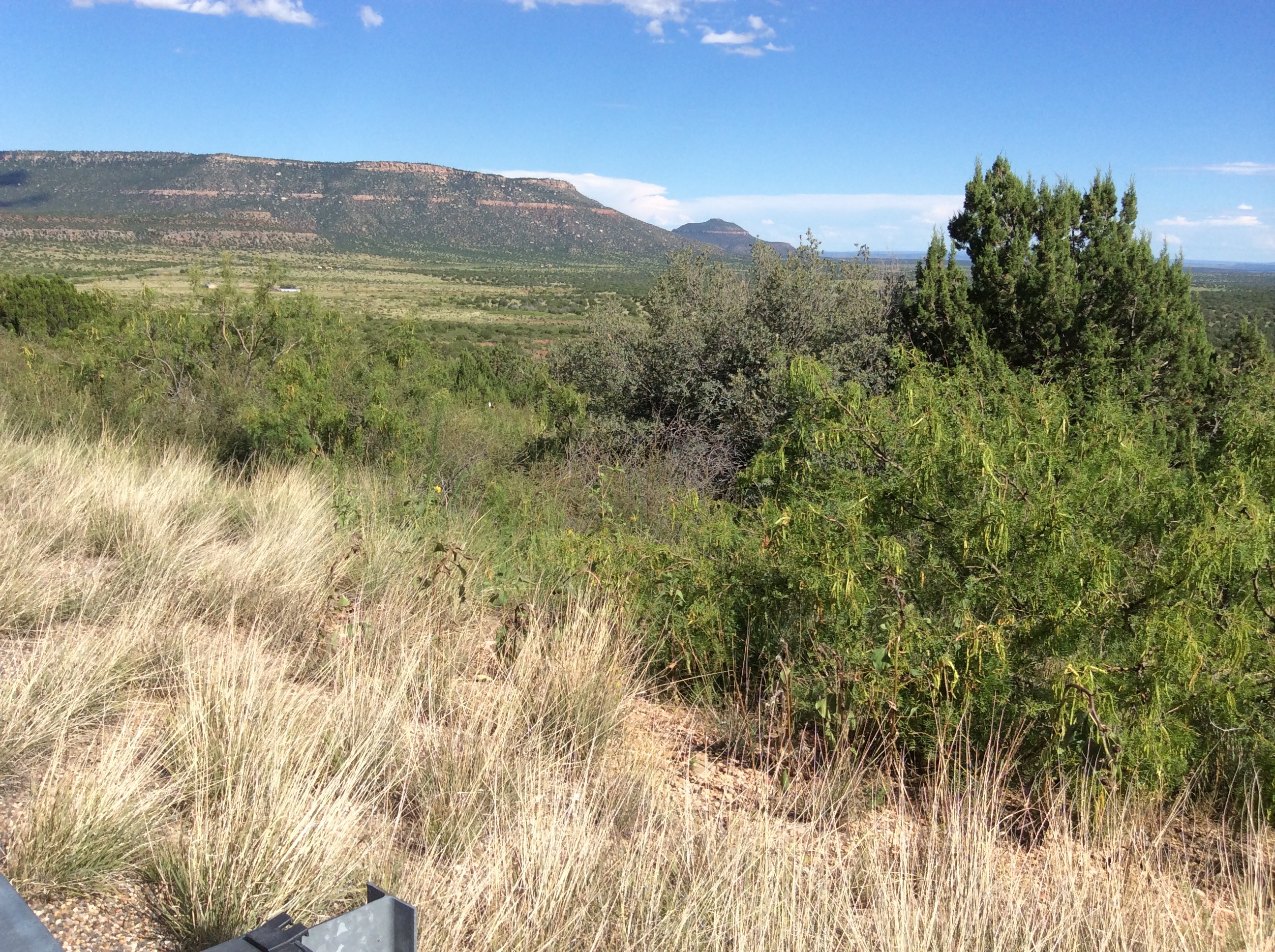
storm clouds gather in the west, rumble
hover over ancient graves
rain drops fall upon the dead and dying

Last weekend I went to three visit friends I had not seen in years. These two sets of friends live in the mountains north of Las Vegas, New Mexico, a place which some people confuse with the other Las Vegas and quite to their surprise, end up in a small, quaint college town totally unlike the other Las Vegas. While the place is always extraordinary, this past summer’s rains have infused it with an incredible endless green.
I awoke before everyone else, watched numerous species of hummingbirds through the windows then stepped out on the front and took these photos after sunrise.

Hermit Peak in the background–north of Las Vegas, New Mexico, near Rociada.


We decided to spend Saturday wandering around, visiting several wineries, enjoying the countryside.
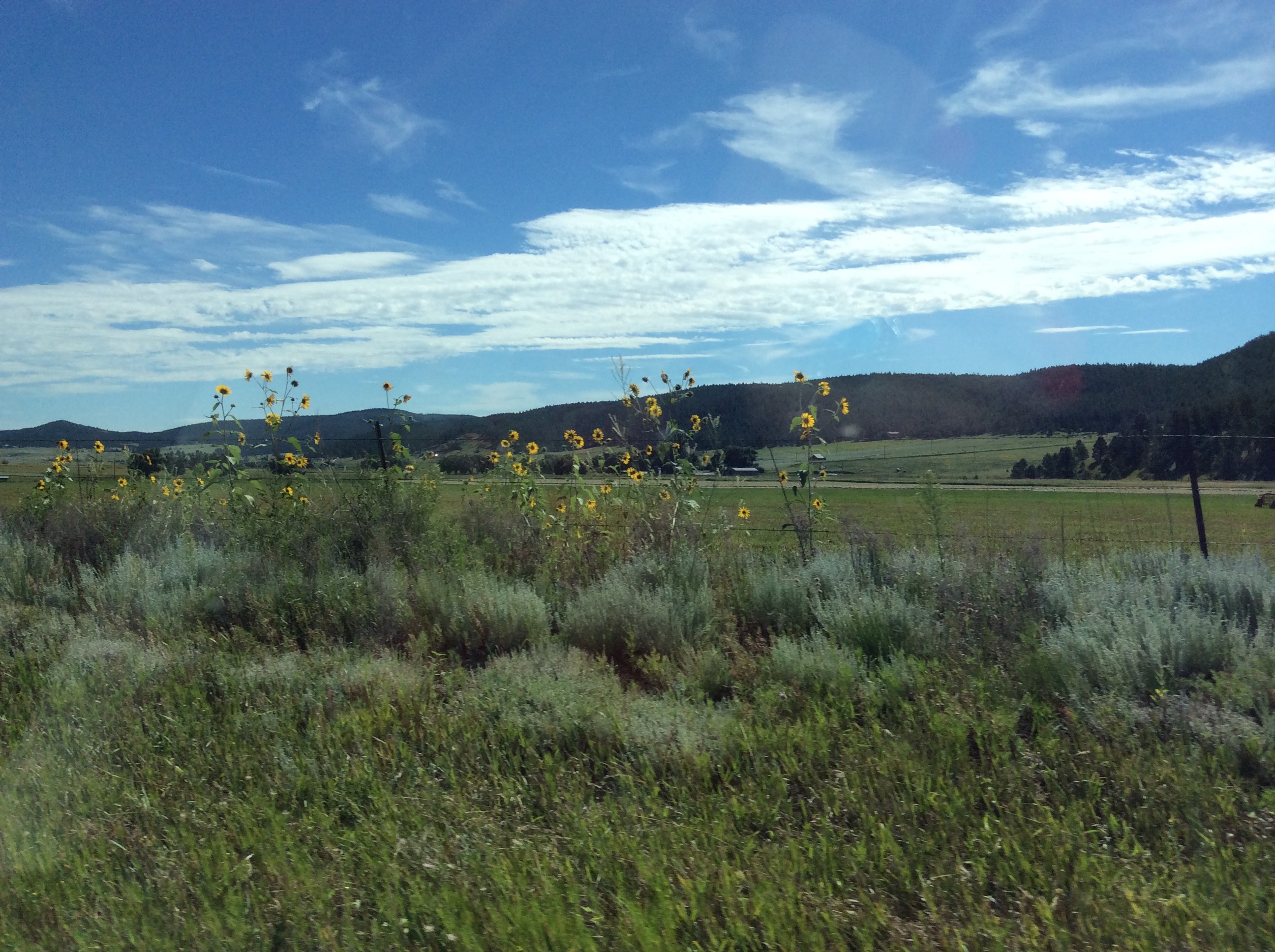
Luckily my friend who lives there drove because I would have become lost on all the winding mountain roads. The silvery vegetation near the fence is a type of sage.

I took a lot of these photos from the passenger seat of the car as we wandered along.

Many trees like those on the right looked partially dead. Apparently, last year while still in a drought many nearly died but now, with so much rain this summer, they seem in recovery.

We drove through mountain valleys, then up through mountains repeatedly. This road goes to Sipapu Ski Resort. Behind the simple lodge a mountain stream tumbles over rocks.
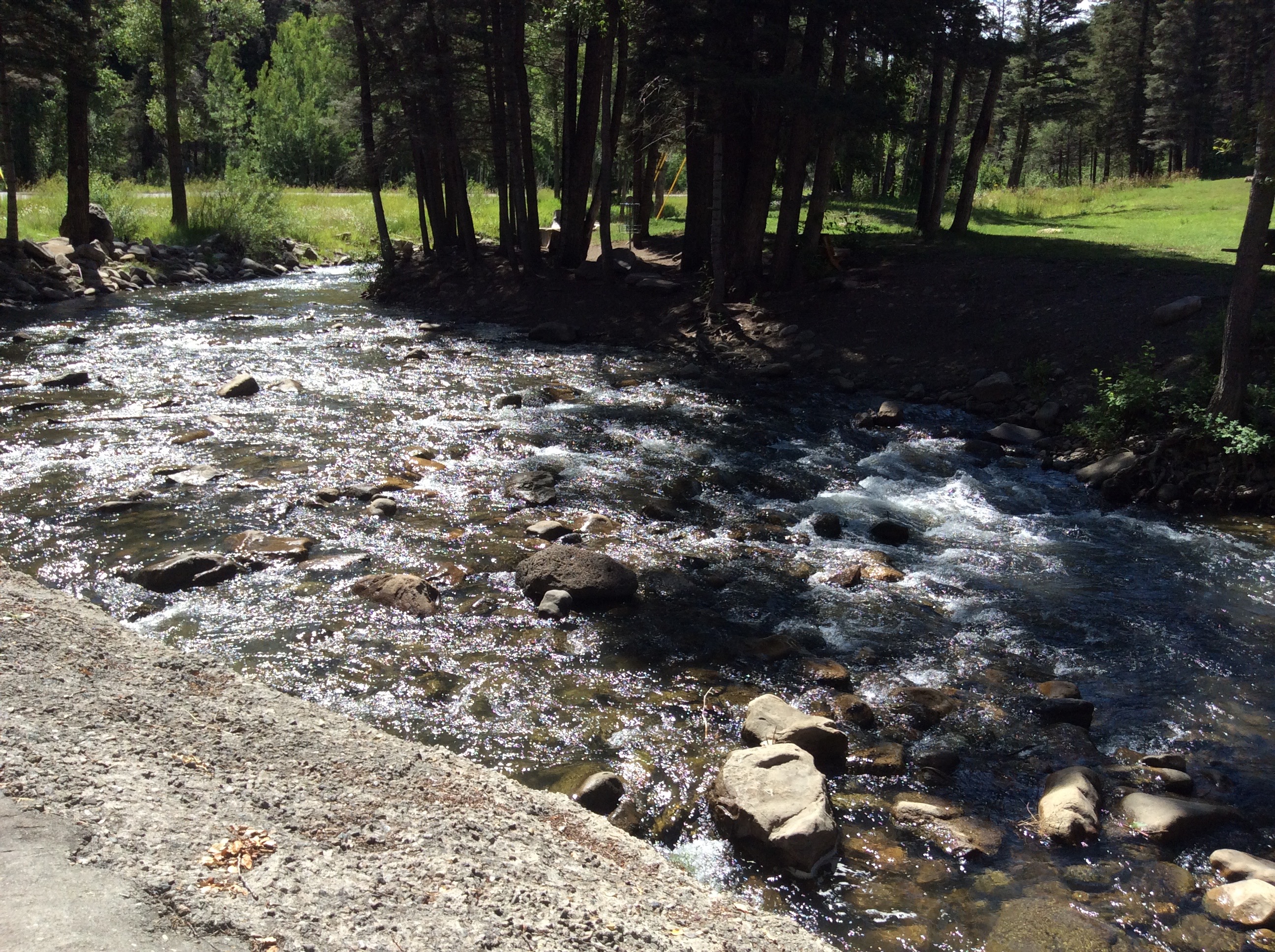
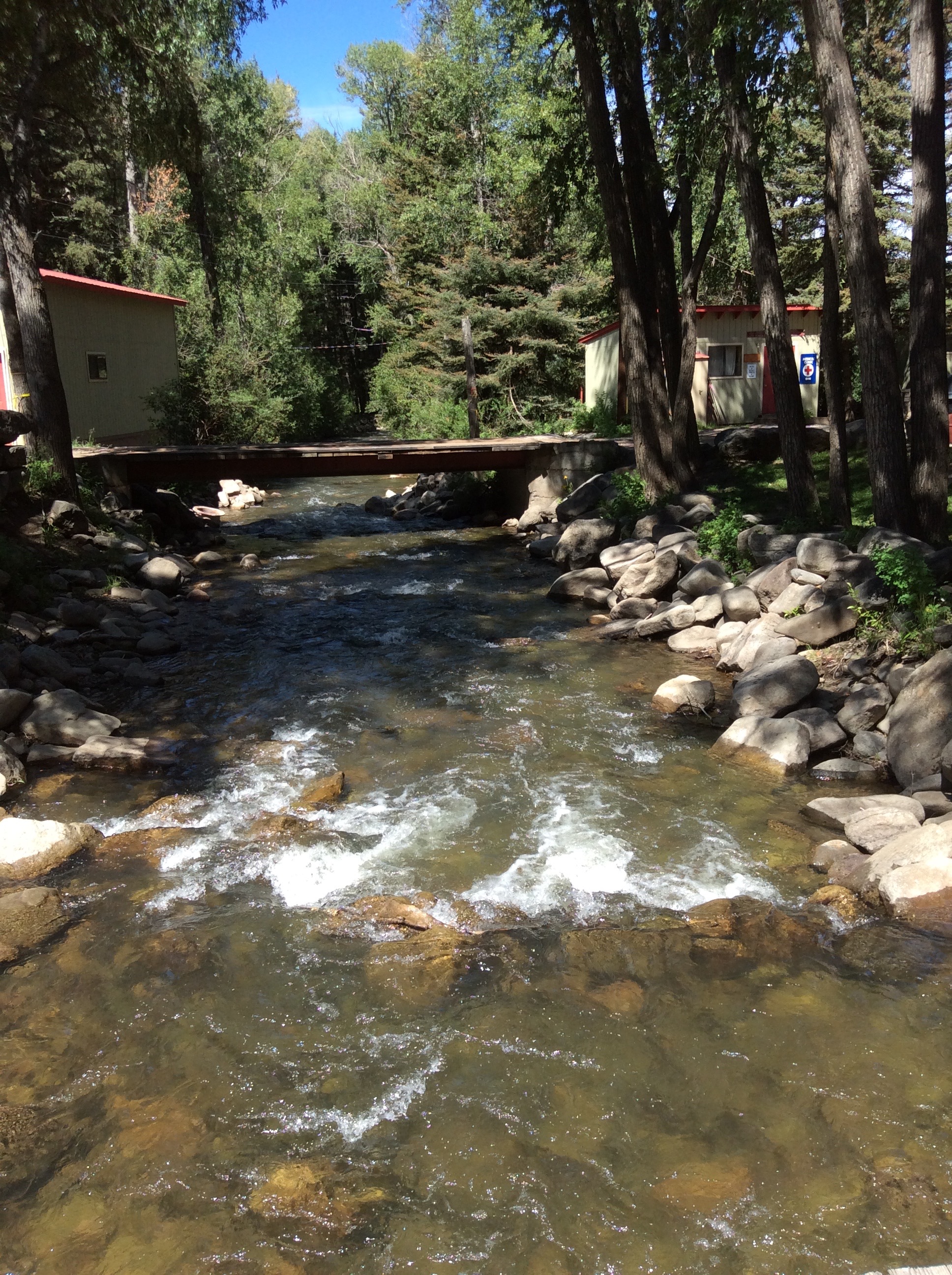

For lunch we stopped here at Sugar Nymphs, a tiny, quaint restaurant in Penasco, New Mexico. We entered the restaurant on the side looking down this simple street to a series of what appears to be residences.

Sugar Nymphs operates on laid back time. If you want to hurry, forget it. After lunch we headed to our first winery, my favorite, small, hidden, grapevines growing nearly to the door and up one side of the building.


The vintner was friendly, welcoming. I noticed grapes of which I had never heard. He explained that approximately 6000 different varieties of grapes are grown throughout the world. Only a minority remain suitable for wine making. Because of winters in this part of New Mexico, they grow varieties that can stand the cold, e.g. Dolcetto.

We dropped down altitude and arrived at Black Mesa Winery on a more heavily travelled road which goes to Taos. This colorful fence stands between the parking lot and the tasting room and wine making facilities there. It is a larger winery with so many people on a Saturday that we had to wait our turn.

I decided to look around and play photographer while waiting.

You can see tiny grapes ripening on this trellis.
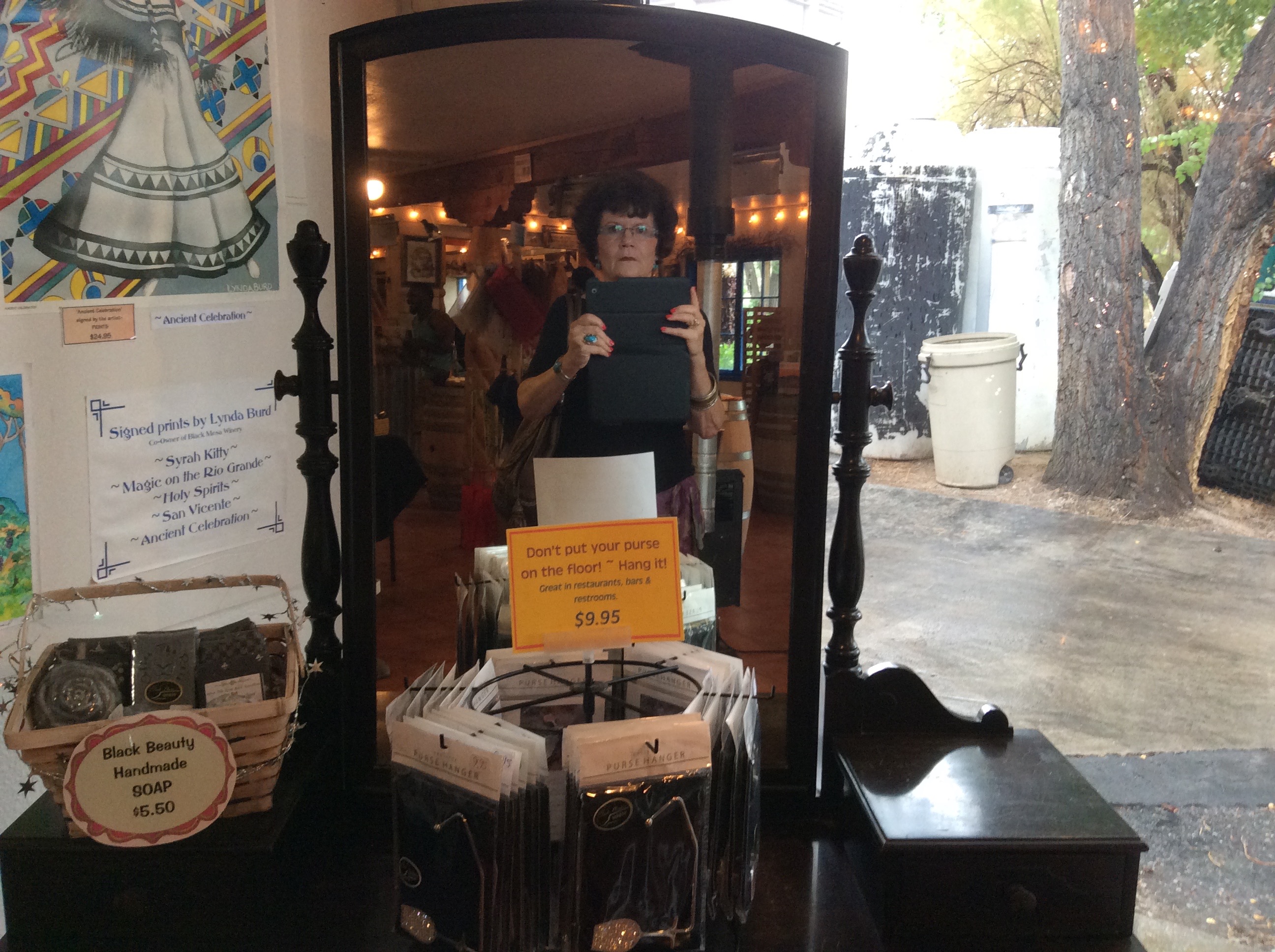
I selected my two bottles rather quickly and wasted time doing this while waiting on my two friends to pick theirs. We kept seeing rain clouds and I predicted we would get rained on. It rained while we were there.

Our wanderings took longer than we expected so we headed to our last winery of the day.

This particular winery has a sitting area outside and snacks to order. They sell local beers as well as wine. Since already running late, we made our choices and left.
Dramatic storm clouds and the smell of rain greeted us as we wandered home.
Khadijah is a fellow board member of the Story Circle Network, a group of women writers who encourage women to write their stories including through classes and publication. Take a look.
Most people in the USA where I live have no clue what is occurring in Greece or realize it will one way or another affect us all. Nowhere in the world today are economies isolated from each other. Another example of how our current world is ruled almost, if not, totally my money.
 Bas relief of Atropos, shears in hand, cutting the thread of life
In Greek myth, the Fates, the Moirai, are three sisters – Clotho, Lachesis, and Atropos – who spin, measure and cut the thread of life for every person born. Their rule is law; even the gods, so the legend has it, have no power to bargain with the one who cuts the thread and ends the life. Her name, Atropos, means ‘she who cannot be turned’.
In Greece today, others are making the life-or-death decisions. It is not the three sisters of ancient folklore, but a bunch of men in suits now wielding the power to uplift or cast down an entire nation and its millions of citizens. I would like to shine a little light on just two of these groups of (mainly) men who have had the most impact on the recent decisions to bring Greece to the brink of bankruptcy…
View original post 938 more words
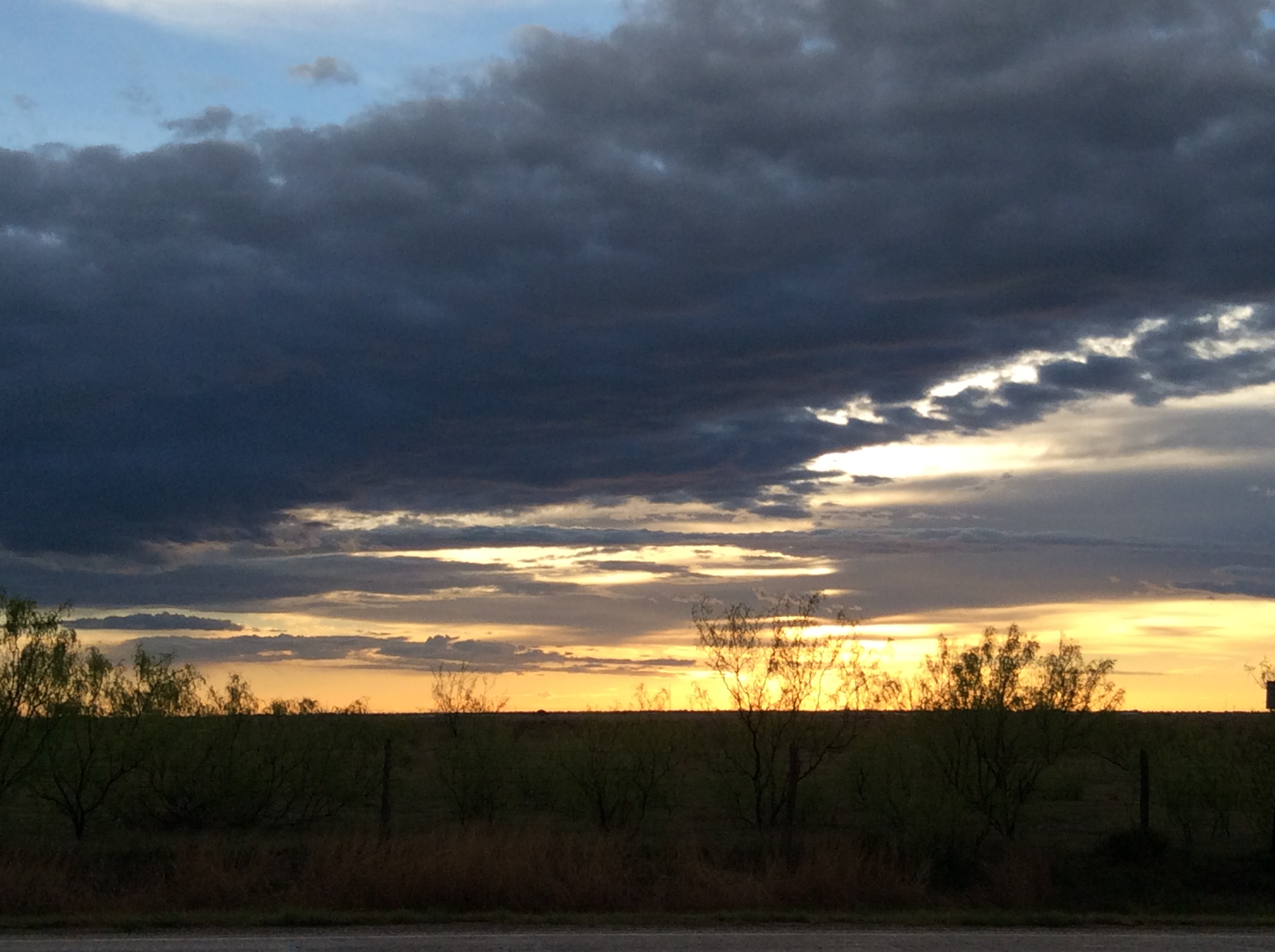
heat shimmers across the endless plains
black clouds rumble rain
coyote howls float in the electrified air
Travel the World 4 Less
A Glimpse into My Life & Passions
Ceto-Magoism, the Whale-guided Way of WE in S/HE
Exploring the F-word in religion at the intersection of scholarship, activism, and community.
ANCESTRAL FOOD. HERBAL WISDOM. MAGICAL COOKERY. SEASONAL CELEBRATION.
inesemjphotography
politics, engineering, parenting, relevant things over coffee.
Food is the best expression of every emotion. Explore through my reviews, recipes, events and more.
Smile! A Site for Friends Wherever You Are!
inspiring personal growth through poetry and writing
Combining atheism with whimsy. This is a Fair and Balanced blog based on opinion unencumbered by fact.
Odds and ends ~ My Life
Original poetry, commentary, and fiction. All copyrights reserved.
bripike@gmail.com
A wildlife filmmaker in Africa
A Geeky Feminist's Musings On Pop Culture
"5 minute walks"


 writingontherim