Pura Vida: 3, The Volcanos of Costa Rica


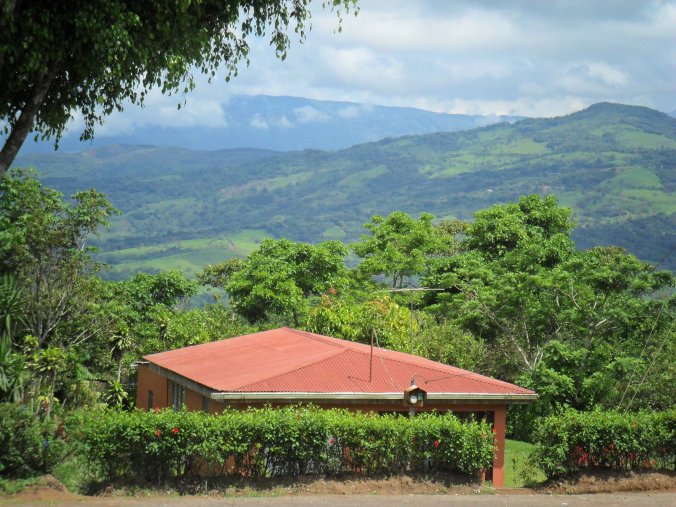
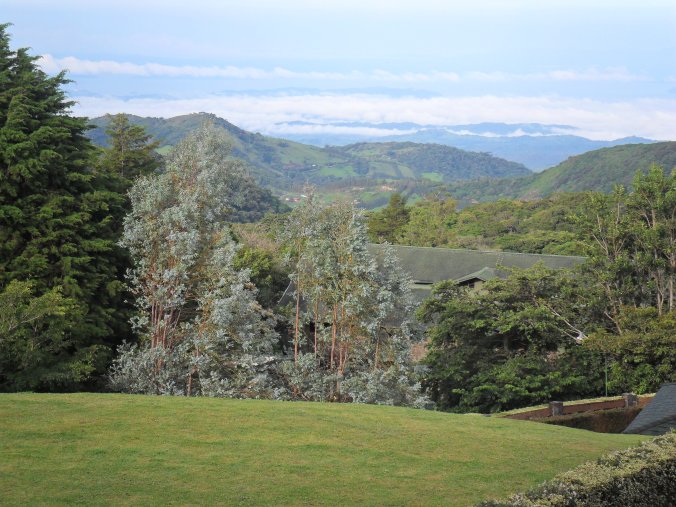
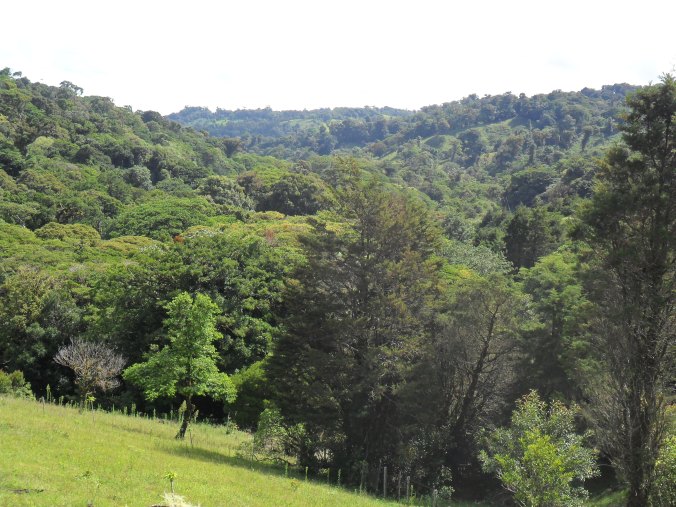
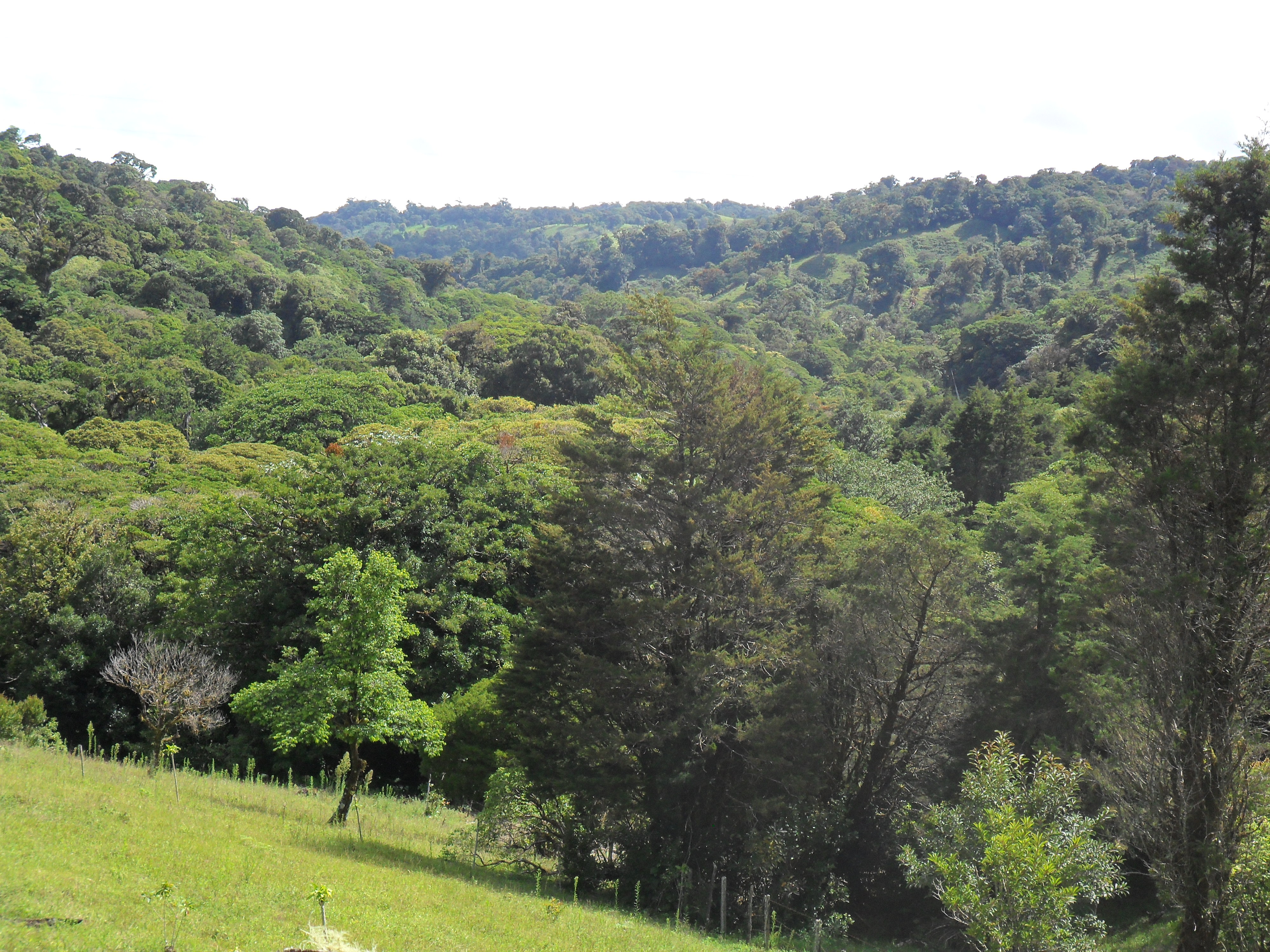
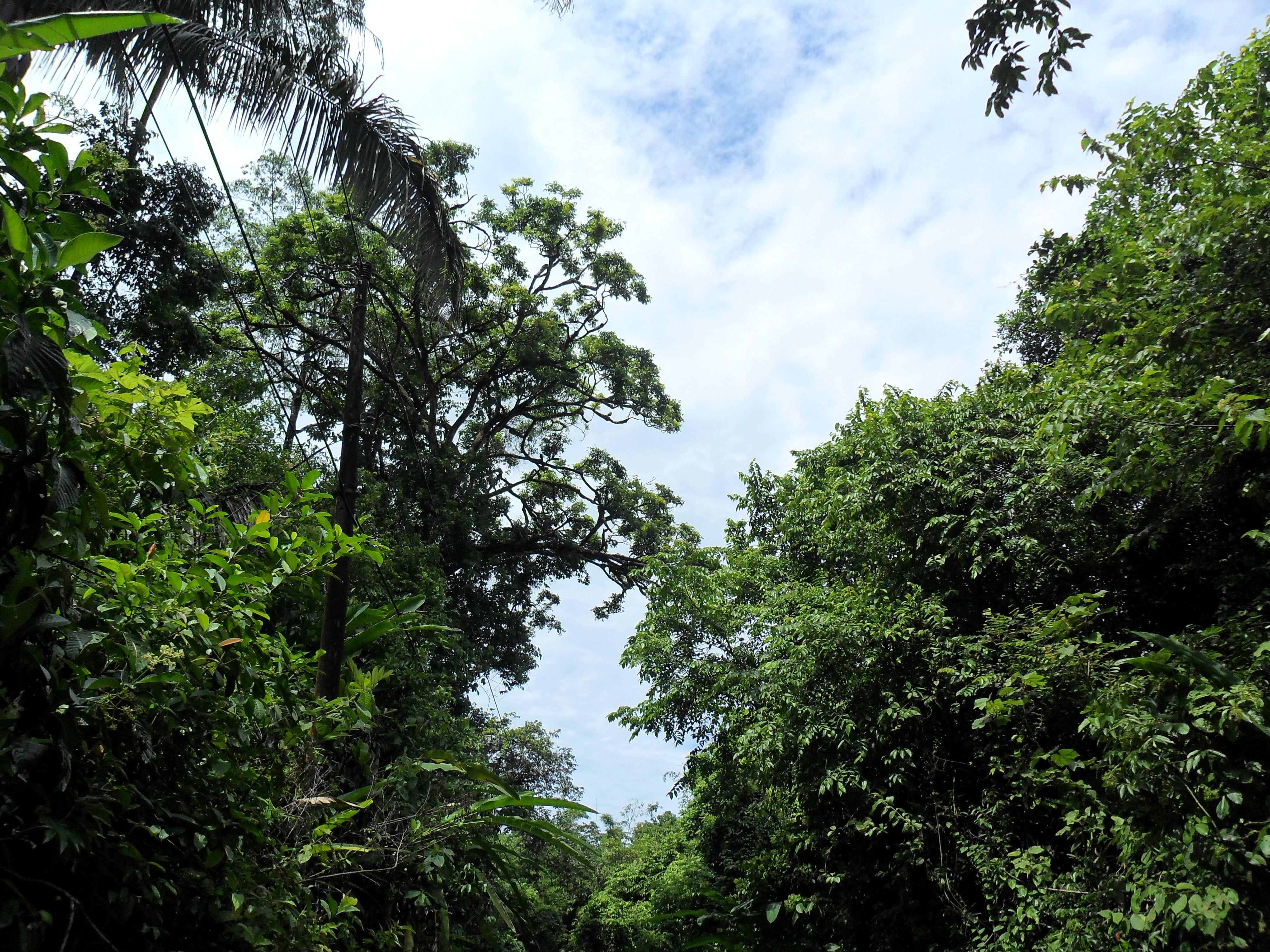
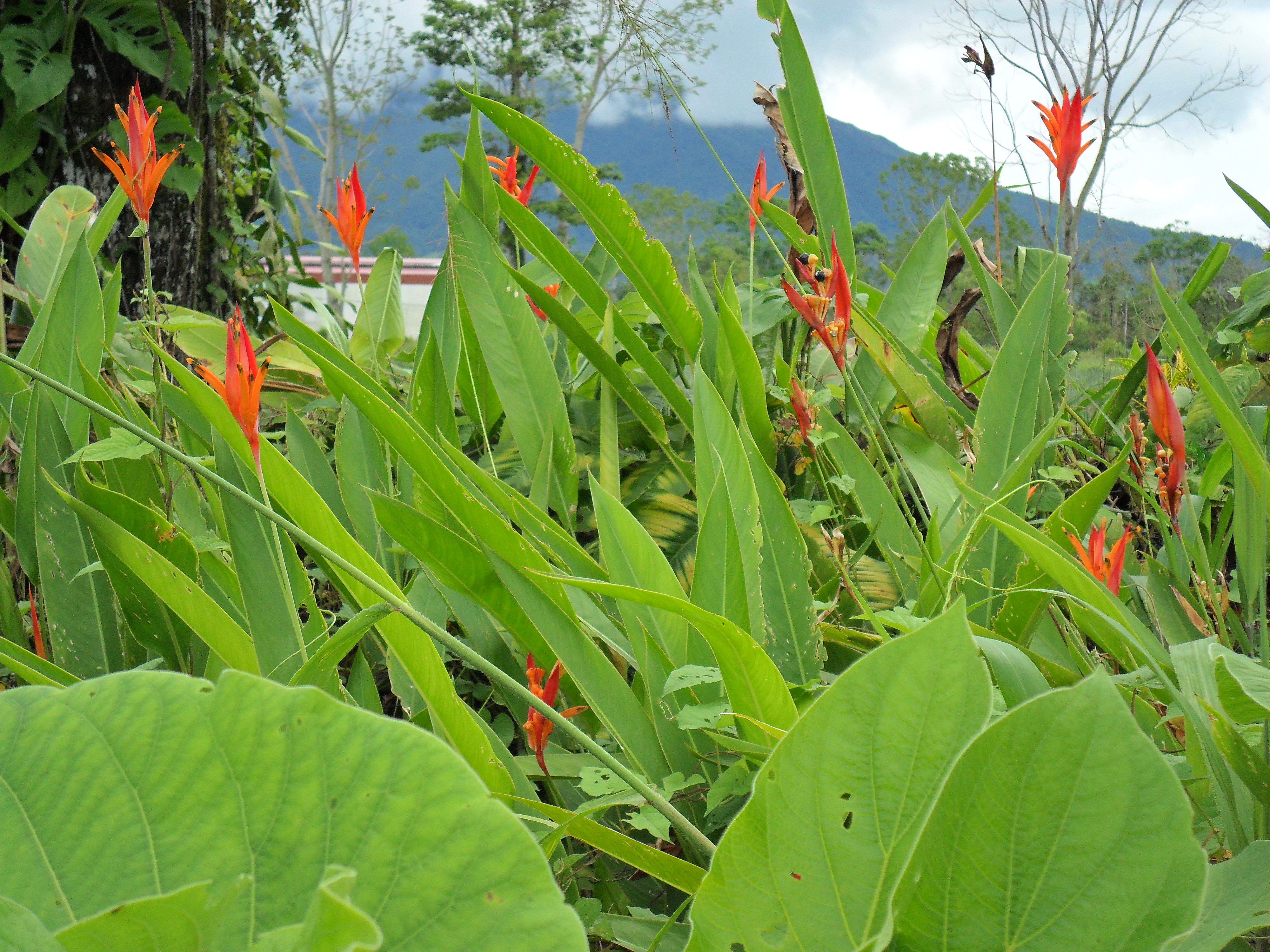
Of the six active volcanos in Costa Rica (61 are dormant), this month I visited two.  Poas, a caldera volcano about 1 1/2 hours from San Jose in the Central Highlands, rises  8, 885 feet and is one of the largest and most active.  Its crater contains water and rising steam. Lush rain forests surround the volcano.  It rained the entire time I was there.

Arenal rises 5, 437 feet above the surrounding forests and verdant hills.  It has been the country’s most active volcano for more than 40 years.  In 1968, a large explosion buried three villages and killed 87 people.  More recent eruptions have been much less severe.  Smoke drifts skyward daily.  Arenal is a strat0 volcano, tall and symmetrical.  The lake near Arenal is manmade and an excellent place for kayaking in relatively serene waters.  The lake provides 12 per cent of Costa Rica’s electric energy.

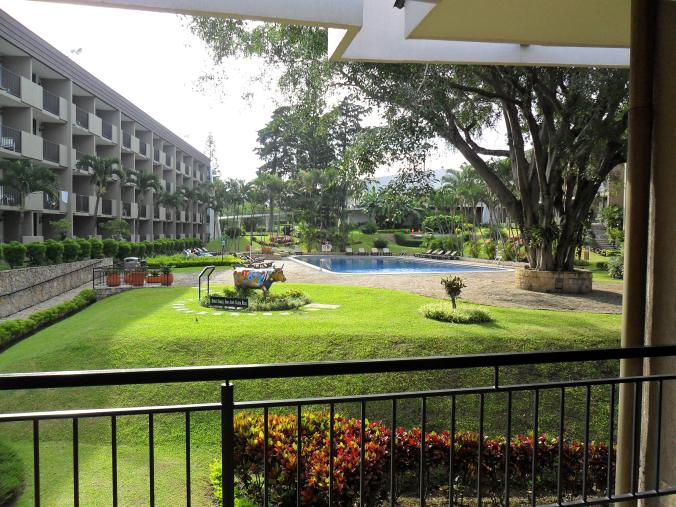
Due to Arenal’s geothermal activity, the surrounding area contains a number of hot spring resorts, one of which is El Tocano, where we stayed two nights.

This place is delightful and relaxing.  The bar tender made yummy margaritas.  If you want to drink wine, Costa Rica is not the place.  However, the national beer, Imperial, tastes quite good and I do not usually like beer.

Pura Vida: 2, Comida (Costa Rican food)


Costa Ricans appear to be very, very healthy.  Their food mainly consists of rice, black beans, salad, cooked vegetables, chicken or fish, fruit (usually pineapple, papaya, mangoes) and sometimes fried plantain.  In fact fried plantain was the only fried food, except occasionally cheese.  The food is plain with few spices, even though hot sauce, especially their version of tobasco,  is often available if you want it.  The national dish is gallo pinto:  left over white rice mixed nearly equally with black beans and sometimes a little chopped onion and bell peppers sautéed in oil.  This is a breakfast staple, but frequently served three times a day.  Sometimes, although black beans and rice are usually served at lunch and dinner, they are not mixed together then.  Often salad is their version of cole slaw, but tastes nothing like cole slaw here.  Usually both cabbage and carrots are very finely shredded and mixed together.  I never did quite figure out the dressing, in part because it varied greatly.  When the salad was with lettuce, it was also more finely chopped than we usually do here in the US and served with various dressings including olive oil.  The freshness of the salads stood out–no little bits of brown edges in Costa Rica.

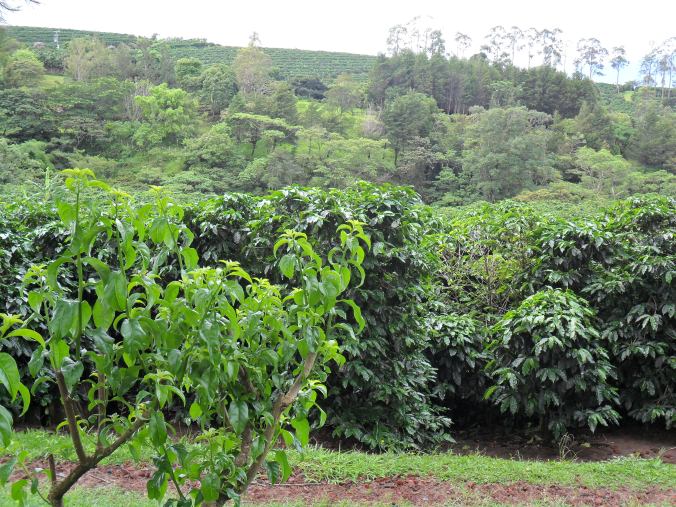
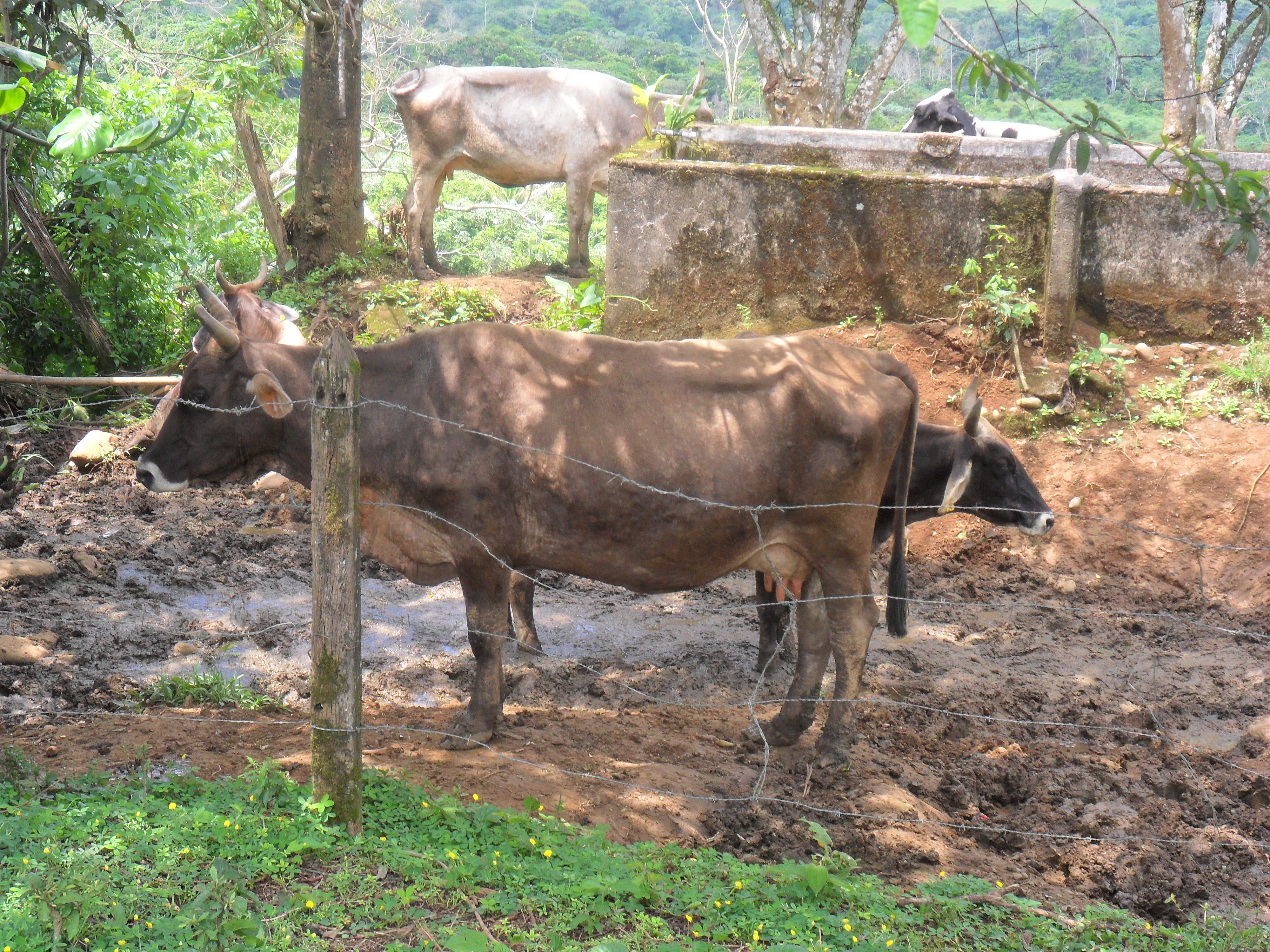
The coffee, well, just lets say, I miss it.  Pitchers of steaming, strong, mountain grown coffee served with pitchers of steaming, rich milk.  In the mountains everywhere Jersey, Guernsey, and Holstein cows roamed up to their tummies in grass.  Happy cows for sure, producing rich milk for coffee and rich white cheese, which is served for breakfast.  Yes, breakfast, sometimes plain and sometimes fried.  Oh, and I cannot forget the ice cream.  Beyond creamy and smooth and rich.

There are sweets, usually made as snacks with coconut especially.  This was my favorite.

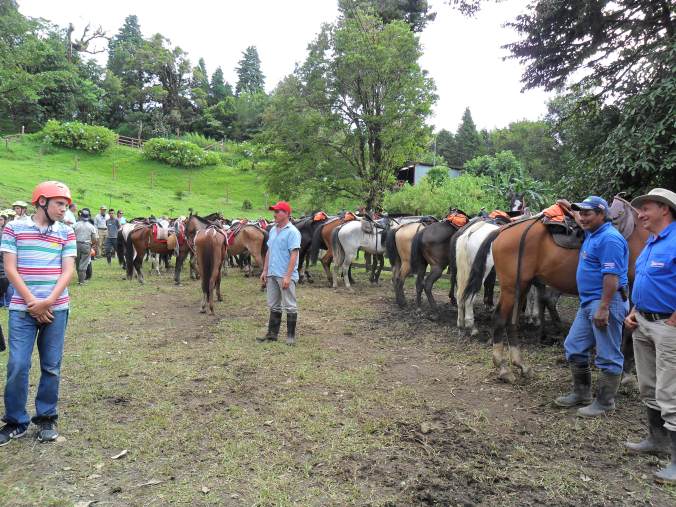
Obesity appeared to be non-existent.  I did see a few chubby people but no one really excessively over weight.  Perhaps diet is one reason, but they walk a lot even though most have cars.  They appear to drive them only if going some distance.  In the mountains I saw a lot of people riding horses.

The biggest food adventure for me occurred while waiting around near a little family owned restaurant at the top of a mountain.  All but four of us and the bus driver had gone river rafting.  We disembarked from the bus and walked around to kill time, chit chatting about this and that in Spanish.  Suddenly the restaurant owner came out with his grandson, unlocked the fence gate, and invited us in.  While sitting at the bar conversing with him and Hector, the bus driver, I noticed the menu posted on the wall.  It included huevo de tortuga.  Previous information given to us indicated that Costa Rican law protected turtles (tortugas).  I asked how he could serve this.  He told me it depended on the species of turtle and that he could acquire only a limited amount of them.  Suddenly, in front of me, Lisa, the other woman who did not go rafting and is pregnant, and Hector appeared three glasses that looked like giant, triple sized, shot glasses.  Each one contained a raw turtle egg immersed in red hot sauce the consistency of tobasco sauce.  Instructions and gestures indicated this was to be downed like a shot of tequila.  Lisa stuck her tongue in the sauce and said it was ok.  She downed hers first and said, “This is not all that bad.”  The restaurant owner told her it held great nutrition for her unborn baby.  I translated.  It became very clear to me that I had no choice but to down mine as well.  Hector downed his; then I mine.  Lisa’s assessment was correct; it was ok inspite of the turtle egg feeling like a rather solid but squishy mass as it slid down my throat.  The hot sauce made it possible.  Lisa downed a second one; Hector and I declined.  This experience remains one of the highlights of my trip:  relaxing in the middle of nowhere with a local family in their little restaurant.  Pura vida!!!!

Pura Vida


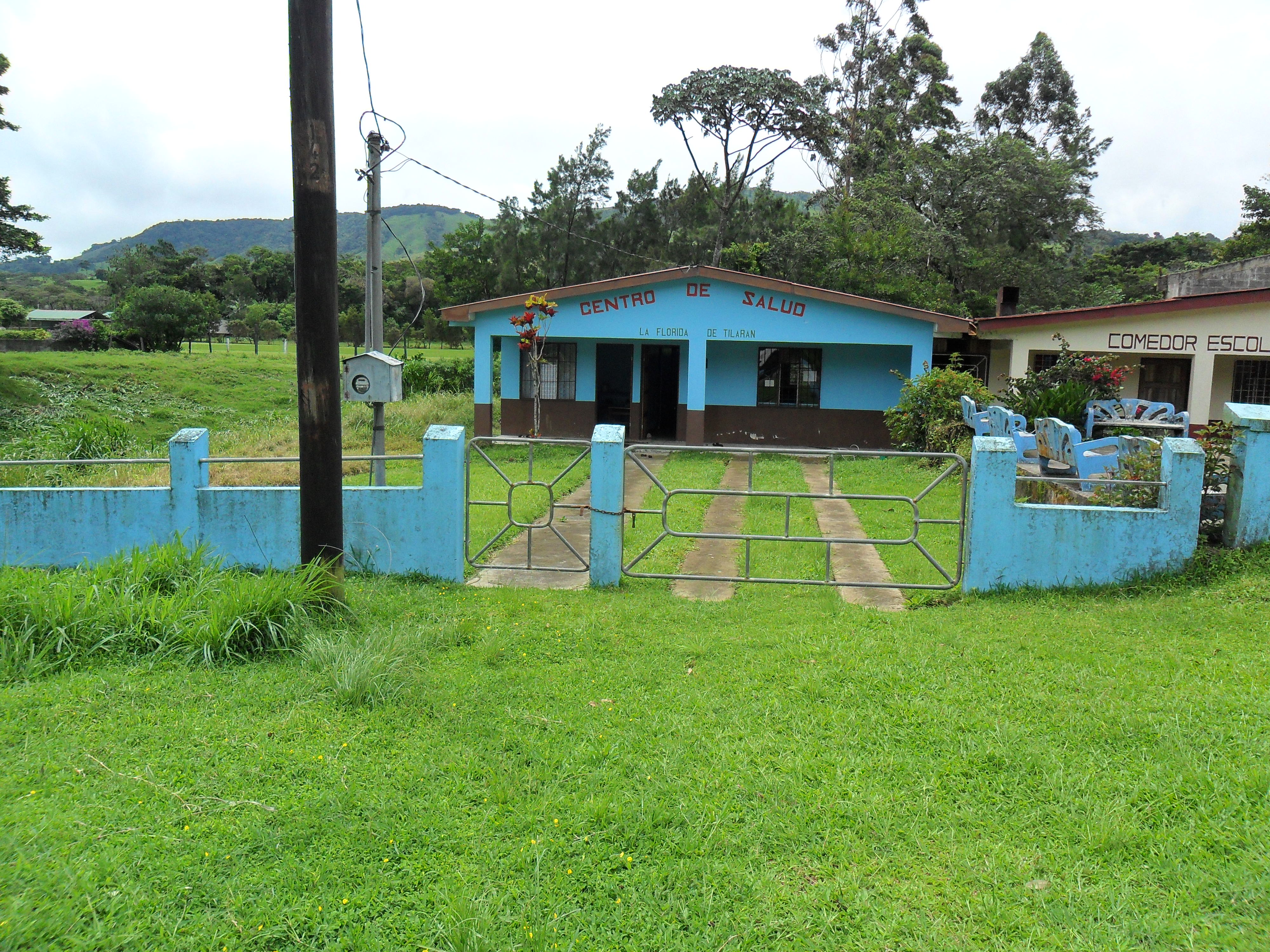
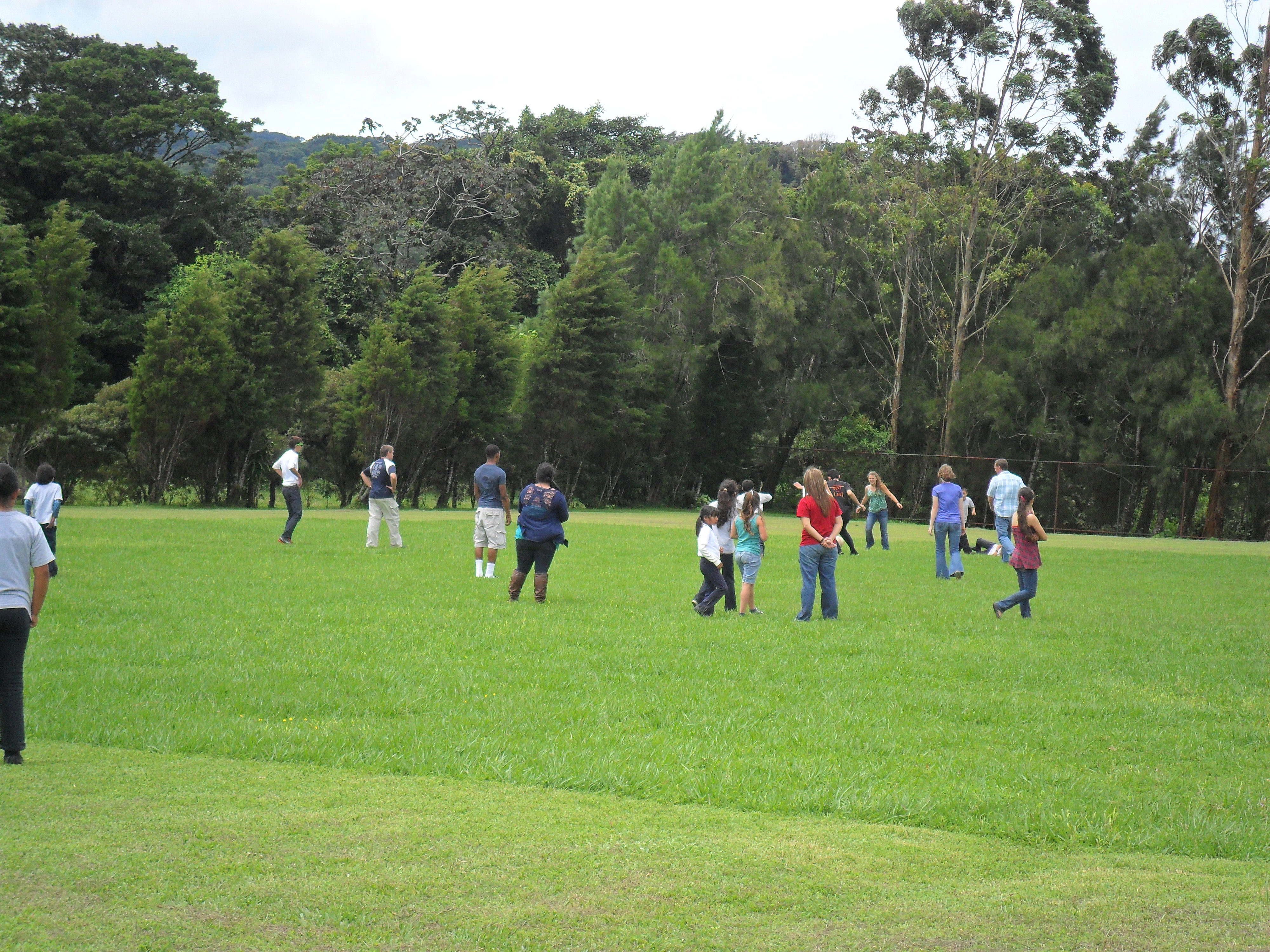
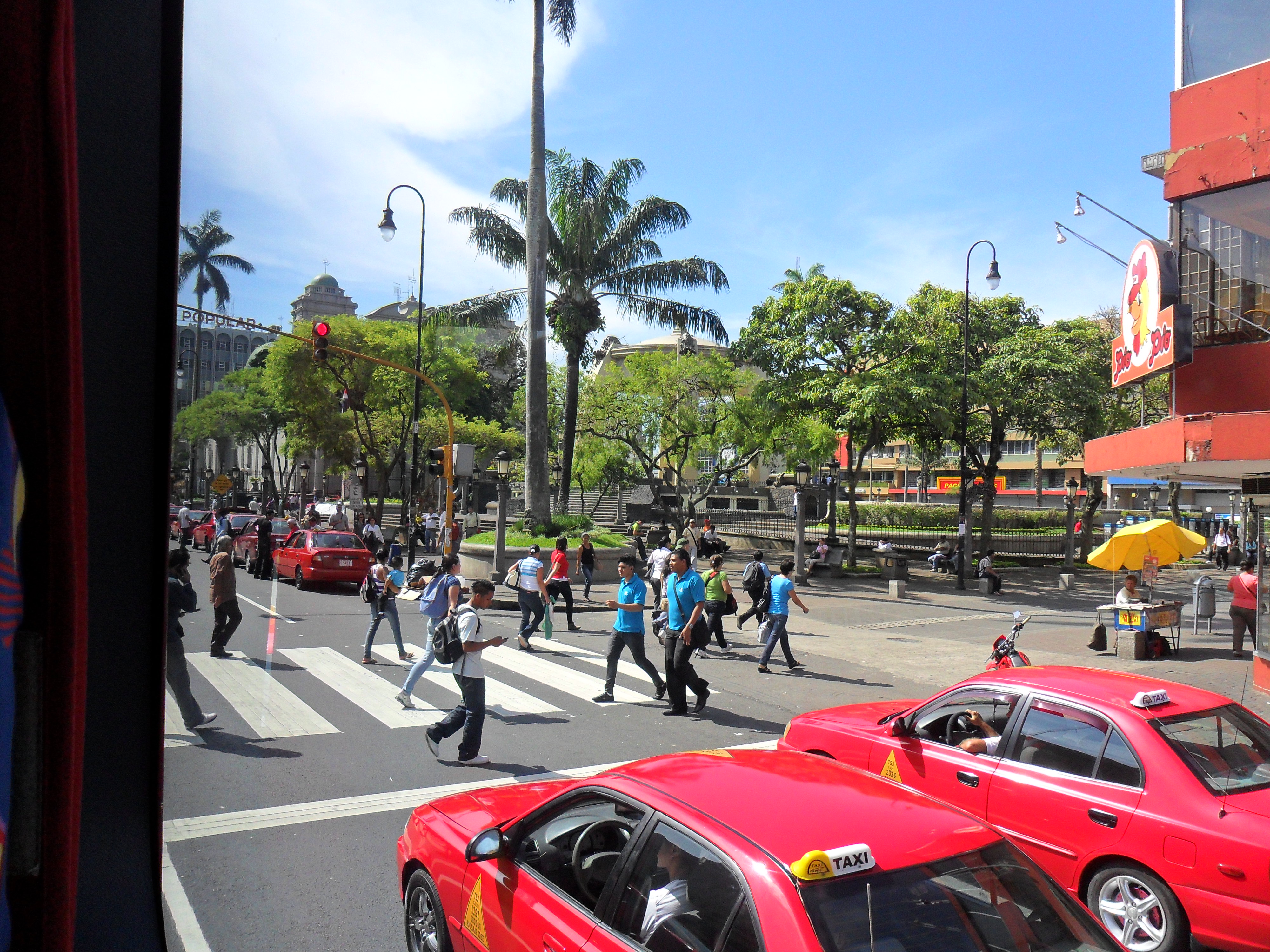
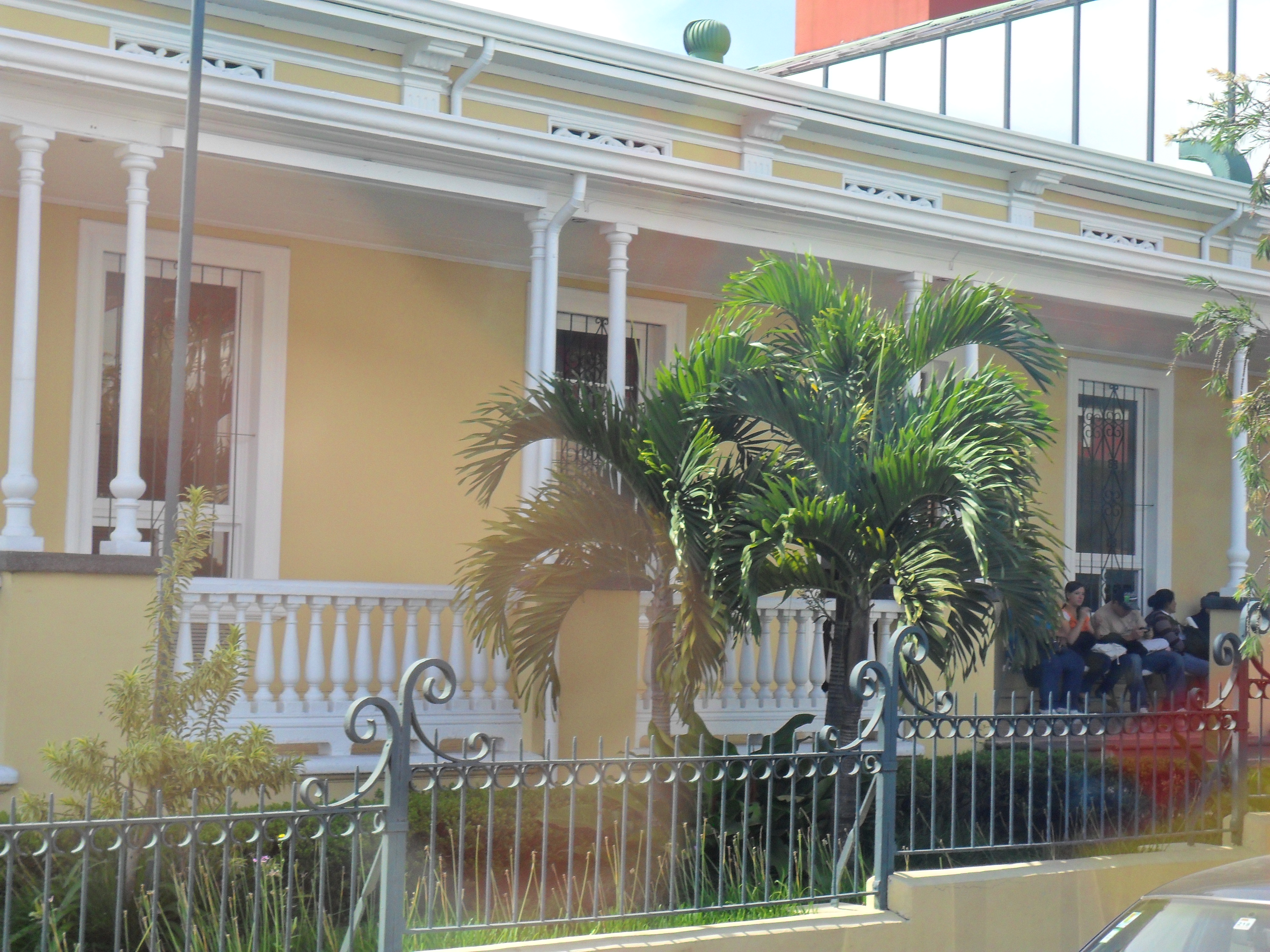
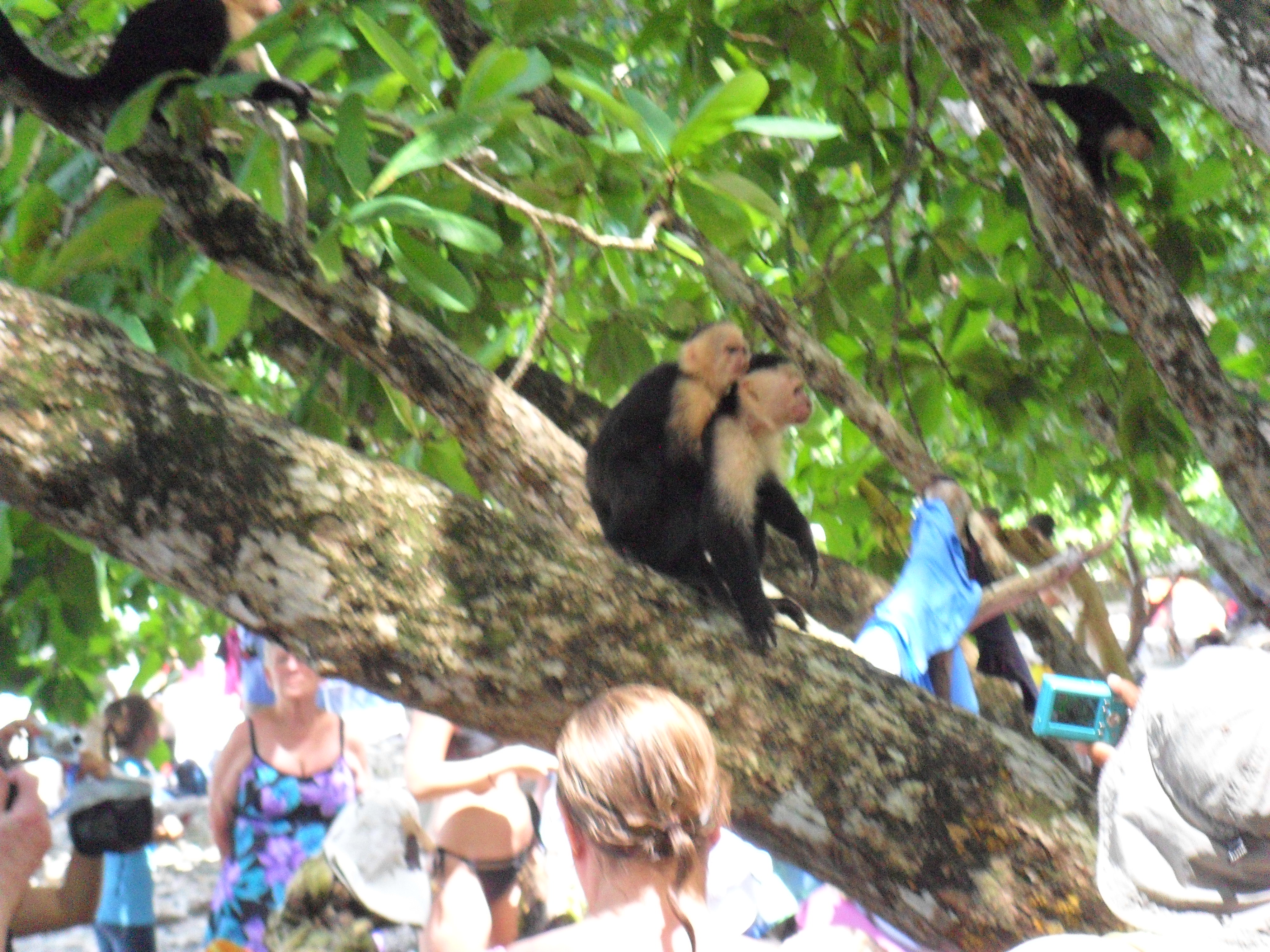
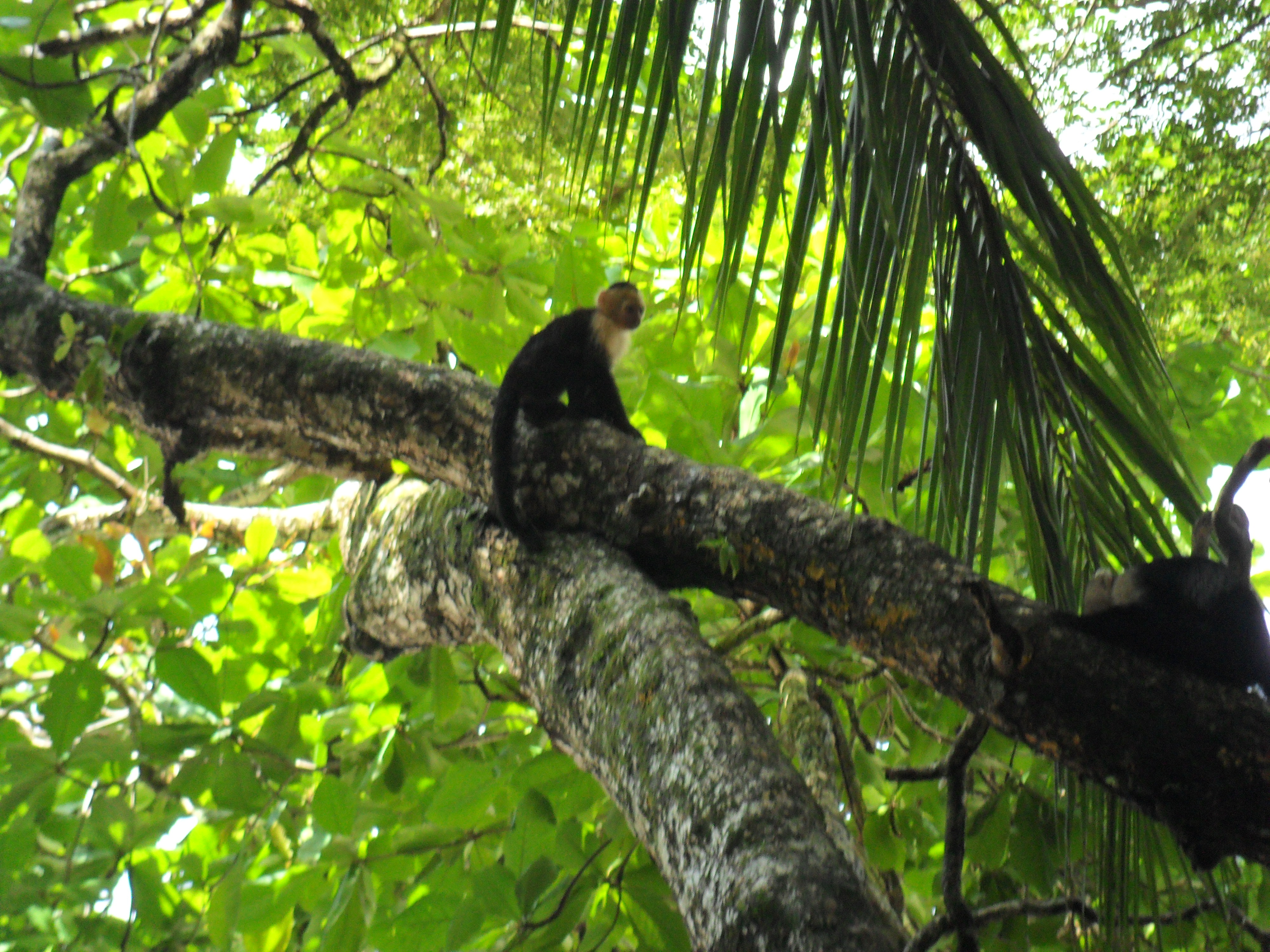
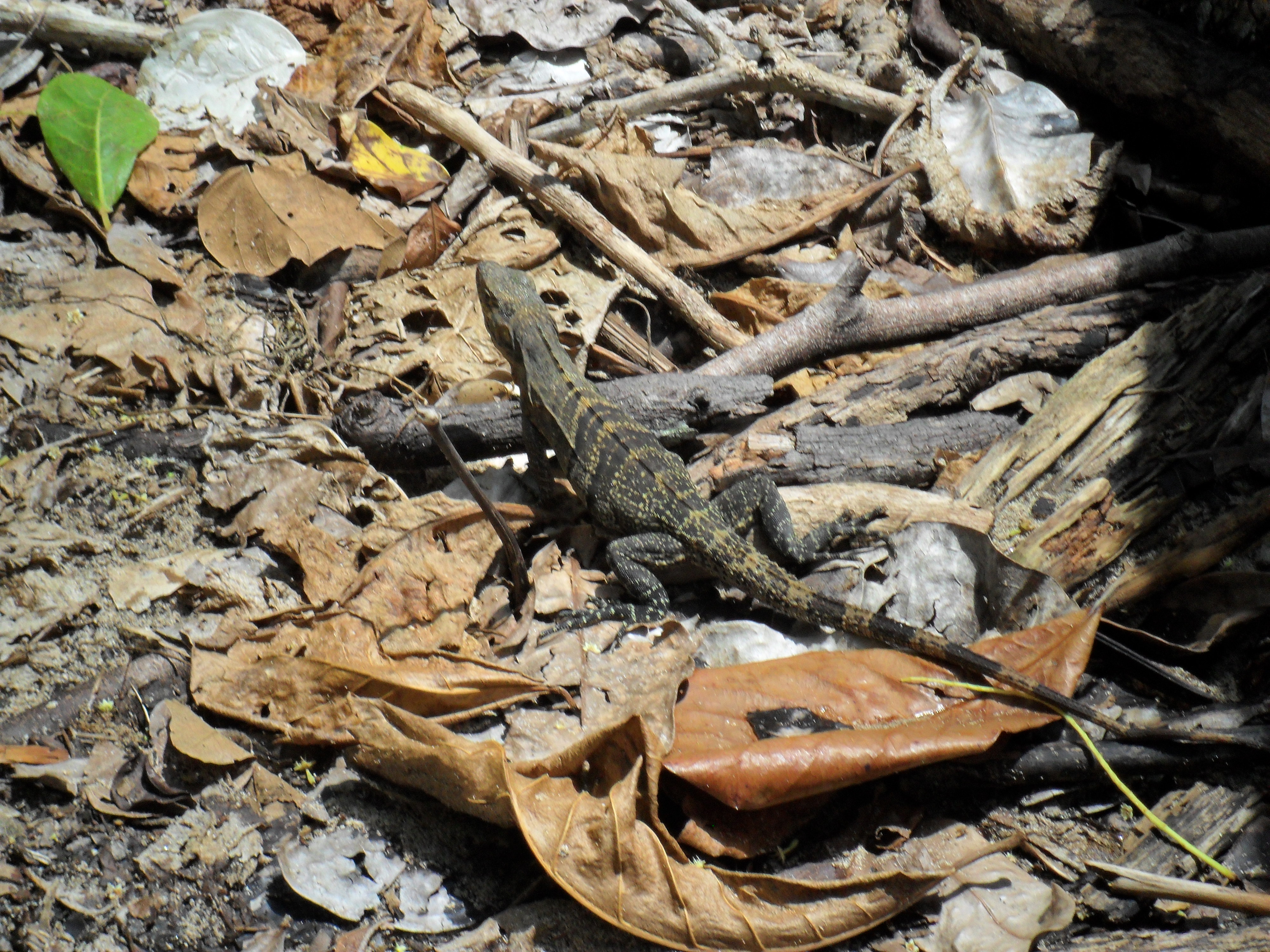
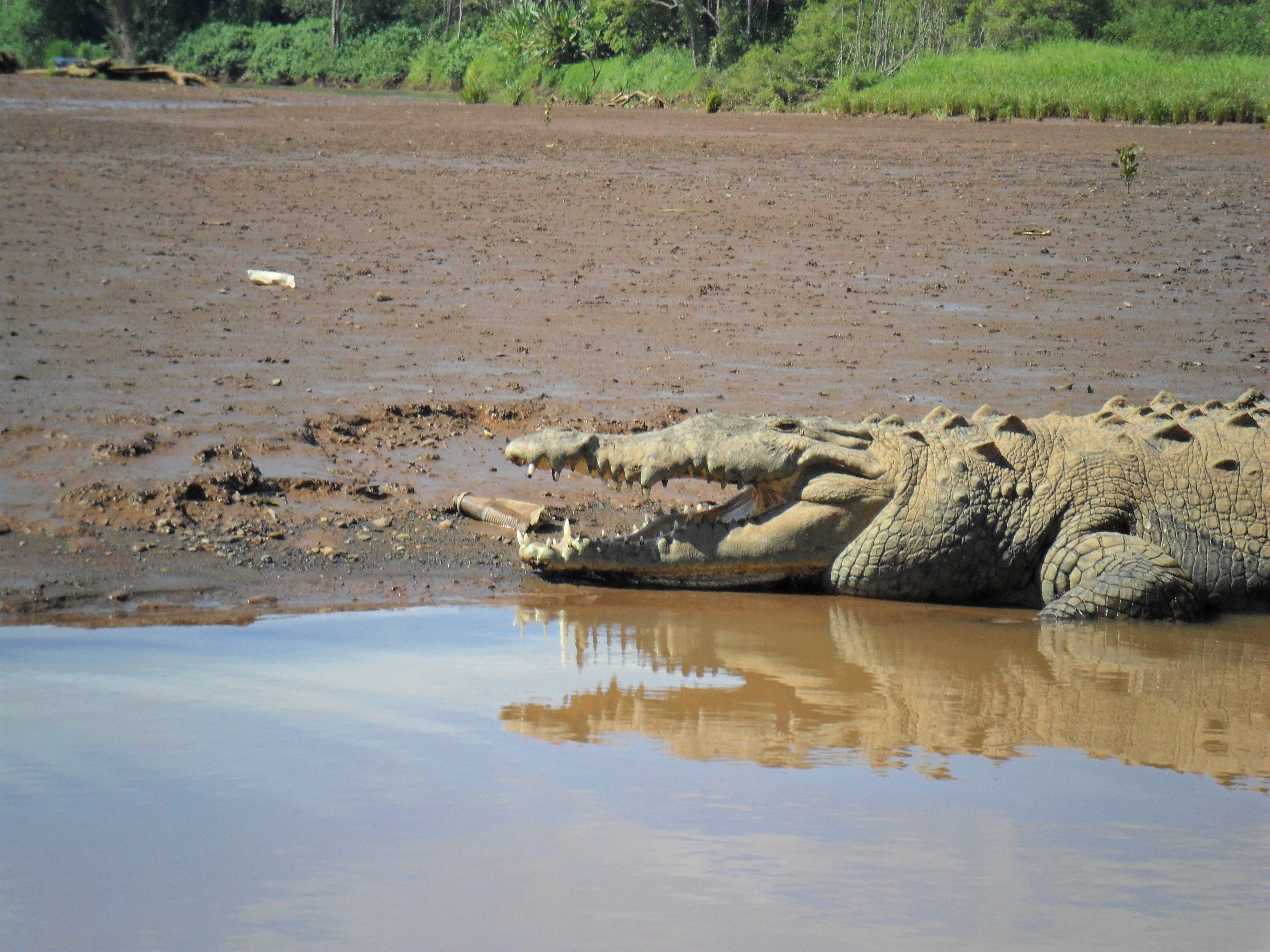
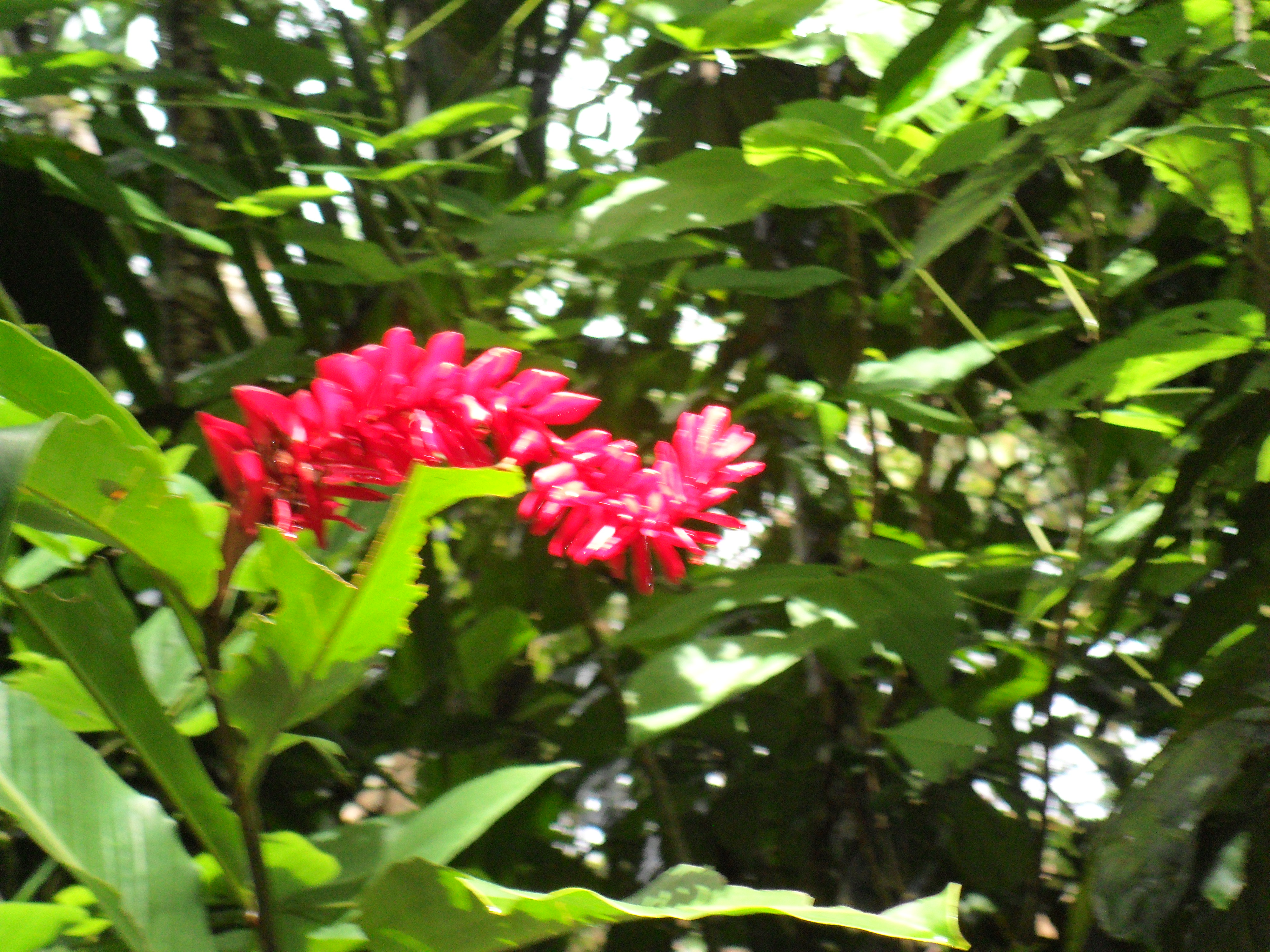
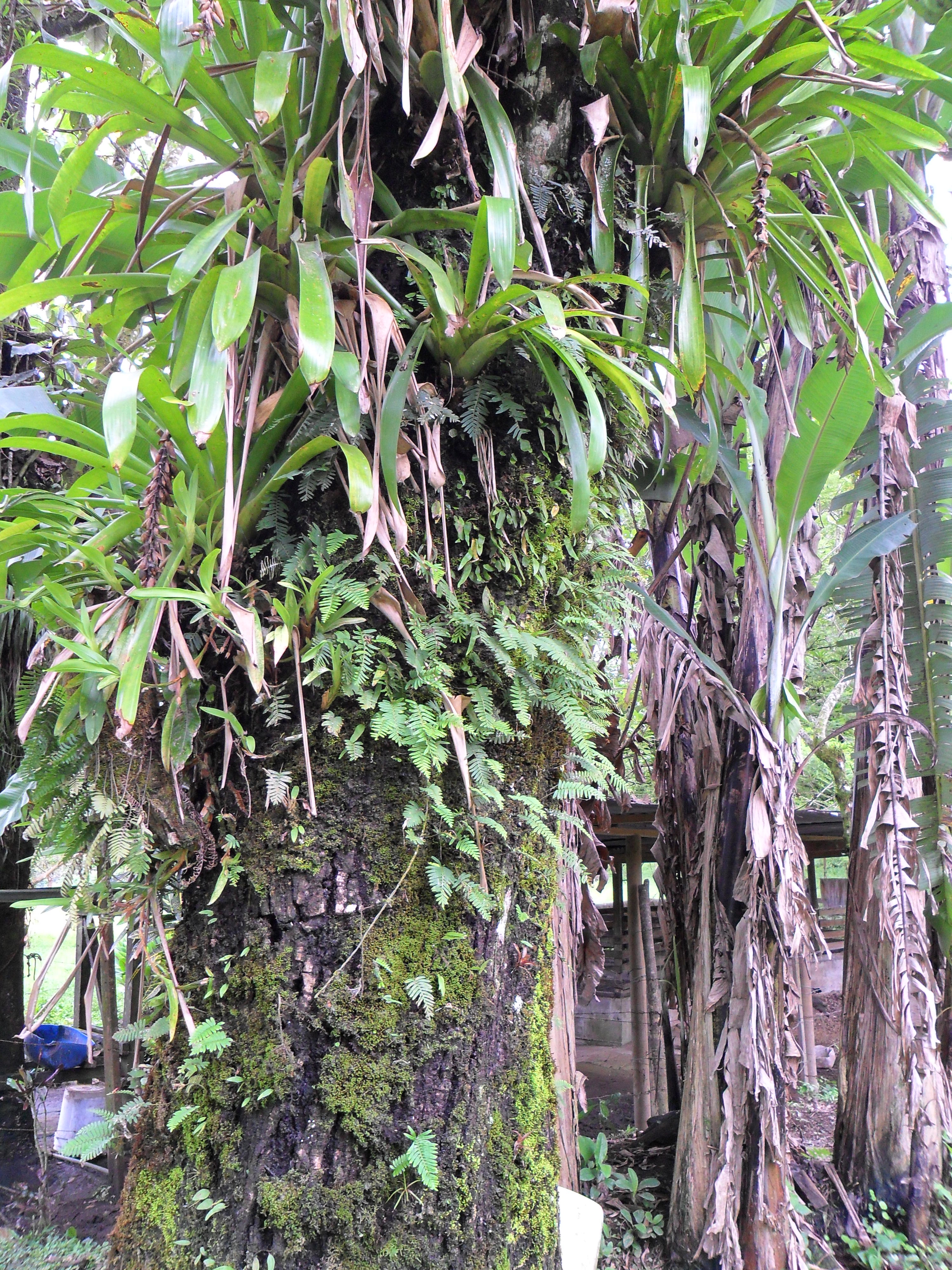
Everywhere in Costa Rica one hears Pura Vida.  It seems to be the national motto.  I have been here for a week.  This is the greenist, healthiest, cleanist, enviromentally conscious, most mountainous place I have ever been.  Few people smoke, there is no salt on the table anywhere, the food is mostly rice, black beans, fruit, and vegetables.  No hot peppers here unless they are on the Caribbean side where I have not gone yet.  When I return home later this week, I will post photos with written details, including some food photos and explanations.  Today I saw howler monkeys, iguanas, other lizards, numerous birds, white faced monkeys, sloths, and agoutis.  Tomorrow will start out by going to a place with lots of crocodiles and scarlet macaws.  This time of year it rains incessantly.  I have been soaked several times and nothing dries out. Even though I am not a lover of rain or being wet, it is impossible not to love this place.  Pura Vida.

Horses in Heaven


Heaven for horses seems a bit far fetched, especially for someone who lacks certainty about heaven  even for people.  Nevertheless, it remains a comforting concept.  Yesterday, I buried Starry Miracle, less than two, an orphan I bottle fed every 3-4 hours day and night when his  mother, Miracle, died.  He not only survived, he thrived.

Around 4:30 Wednesday, friends went to my place to ride Rosie, a chunky, red roan mare.  They found Star dead.  It appeared he had been playing, jumping, and rearing, and freakily caught his ankle in a space between the pipe gate and fence, broke it and ruptured his femoral artery, then bled to death.  When they called to tell me, disbelief set in.  As a horse owner for many years, I know the common causes of horse deaths, colic mainly, from which Miracle died three days after his birth.  I have inspected fences and corrals for safety many times.  The possibility of such an accident never even entered my mind.

His body stiff, distorted,  his coat, lusterless, bore no resemblance to his burnished copper body, glinting in the sun, following me, nipping if I ignored him.  Often, I thought he thought I was a horse or he a human.

The two surviving horses spent hours standing in the spot where he died, licking the pipe fence from which I had hosed off his blood, smelling the ground, neighing.  They even failed to rush to their hay when I fed them.  Eventually, I opened their gates.  They ran across the rugged canyon land constantly for fifteen minutes, dream horses running in the wind.


Miracle, Star’s mother, deceased, July 2010.  Rosie who “adopted” Star after Miracle died, and Cool, the other orphaned horse I raised.

Miracle and Star as a newbornRosie, who "adopted" Star after Miracle died.

The Journey versus the Destination


Until yesterday, I always thought I was a destination person.  Set goals, act, get it all done quickly and efficiently, achieve!!  Suddenly, while driving home from Austin, realization struck in  the form  of wild flowers.  Traveling to Austin, I oohed and awed so much over the blue bonnets, daisies, gaillardia, and others I did not recognize that my daughter finally exclaimed, “Mom, you have said that over and over, really!”  I asked, “Don’t you think they are beautiful?!”  I could hardly believe her response, “Yes, but they’re just flowers,”  Just flowers!!!!  I wanted to stop and look closely at them, to take photos, to touch them.  Instead I said to myself, “You can do that on then way home.” But I didn’t. From Austin to Marble Falls, the road was too winding with no adequate place to stop.  Besides my daughter slept blissfully beside me on the passenger side; I didn’t want to awaken her.  Furthermore, she had previously emphasized the point that we needed to get home buy a certain tine.  Tomorrow, my grandson had school and I had to go to work.  It was a nine hour drive. For hours from just east of Llano past San Angelo, I kept thinking I’d stop.  The flower species and colors changed.  I saw other people stopped, taking photos and touching the flowers.  As I drove it hit me:  my personally preferred form of travel involves wandering.  Yes, I know the destination, but I want to see the places, the people along the way, to stop, to explore what holds my interests.  It is the journey, the process, that truly enthralls me.  This is the reason, too, why without a lot of thought, I chose one route to Austin and another back.  Curiosity, a love of differences, of change, of variety. I never stopped. I kept driving until my daughter awakened just before Sterling City and we switched drivers.  By then the flowers were fewer and farther between. And it hit me that this too was my father’s preferred form of travel.  He lived on the same farm for 90 years and in the same house for 80, but he loved trips.  Every year we took at least one.  We always had a destination, well, sort of, but we stopped whenever and wherever we found something fascinating and wonderful.  As he would have put it, “You never know.  You might find something in an expected place and want to stay there longer.” Since I took no photos on this trip, I decided to share photos of the flowers I found blooming in my xeroscape garden at home when I arrived.  Yes, they are lovely and I love them, but I will wonder for weeks what I missed along the road.

This is how you…


In preschool I had a few duties I remember, well maybe not remember—this story is part of family lore so old I cannot remember whether I remember only the lore or the occurrence itself.  At four, one chore involved walking from the house, across the backyard, across the drive, past the rose garden, then on the path between the big white barn and the huge vegetable garden to the chicken house behind the barn.  Each evening I took this trip before dark and shut the hen house door so the raccoons, skunks, and possums could not get in and eat the hens.  One night I forgot.  The night was dark, moonless.  Dad ordered me to the hen house.  He handed me a flashlight.  I refused, terrified.  He tried talking; I refused.  He tried force; I refused.  My mom understood my terror and finally intervened.  She told Dad, “You had better never ever do anything like that again!”  He didn’t.

By twelve, the terror had changed to pleasure.  I knew how to walk through the woods in the dark without a flashlight.  I knew how to walk through the woods in the dark silently so I could hear the animal sounds.  I knew how to walk through the woods in the dark happy and alone, free.  I still like to walk in the dark.

At twelve, I knew how to load a 22 rifle, to shoot raccoons and rabbits on the run, to clean the rifle afterwards.

I knew how to practice the piano for two hours straight.

I knew how to sing in front of a crowd of people.

I knew how to sew blouses, skirts, and dresses all by myself even though my mom could only sew on buttons.

I knew how to make fancy bows for the Christmas presents.

I knew how to fry chicken almost as well as my mom:

-this is how to check for pin feathers

-this is how you fill the paper sack with flour and salt

-this is how you fill the skillet with just the right amount of oil

-this is how you take the pieces out of the sack and put them in the hot

oil

-this is when and how you turn the pieces

-this is how you know when they are done

-this is how you drain the pieces on paper towels so it won’t be too

greasy.

I have not made or eaten fried chicken in years.

From six until I earned my Ph.D., this is how you make straight A’s in school:

-get organized

-be determined

-fill your soul with drive.

It helps if you are smart.

This is how you meet your parents’ expectations:

-keep your room neat

-keep your room clean

-keep your room perfect

-complete chores on time

-complete chores perfectly

-complete chores cheerfully

-study hard

-complete all homework

-make perfect grades

-dress nicely

-dress modestly, but not too prim

-dress in clean underwear in case you get in a car wreck.

I still get straight A’s.  I still have an overdose of drive.  I still write, play the piano, cook, ride horses, and sing.

It helps if you are smart.

As a rancher years later, I learned how to work cattle without my father’s help:

-this is how you “cut” or “band” yearling bulls

-this is how you give shots

-this is how you brand

-this is how you drive cattle on horseback down a road full of traffic

-this is how you save a  newborn, freezing calf:

-be brave and get it away from its mother

-carry it into the house or pickup truck

-wipe it down with towels

-blow it dry with your hair dryer.

This is how you train a horse to send to the race track:

-teach it to lead as a baby

-handle it every day if possible

-pick up its feet repeatedly

-rub your hands all over its body, especially on sensitive spots

-brush and comb it

-after it is older, rub a saddle blanket all over it and flap it in the wind

-hang plastic bags on its corral

-jump around a lot and desensitize it

-when it is a long yearling, put a saddle on it

-put a bridle or hackamore on it

-get long lines

-string them through the stirrups and teach it to drive in a round pen

-teach it to stand still

-get a flat saddle

-get on and ride

-do not teach it to neck rein

-ride often but for short periods of time.

Today as a teacher:

-this is how you solve for X and Y

-this is how you solve quadratic equations

-this is how you solve exponent problems

-this is how you solve word problems

-this is how you rationalize radicals

-this is how you determine how many grams are in one mole of a

chemical compound

-this is how you balance chemical equations

-this is how you conjugate common Spanish verbs

-this is how you write a sentence in Spanish

-this is how you translate a Mexican folk tale

-this is the date of the Magna Carta, the….

-this is how you write an essay

-this is how you learn new words from the context

-this is how you read for layers of meaning

-this is how…

It helps if you are smart.

Writer’s Block


A wall of black, oozy, Missouri River mud looms in front of me,

sticky, impossible to even walk through.

When I push, it gives only a little.

Then it creeps into my nostrils, suffocating.

I back off, walk this way and that way, trying to find an entrance.

None!

I push again; the mud engulfs.

So I back off, play it safe, read a book, play the piano,

go boutique shopping, sing, hike, brush the horses.

I walk back; the mud wall looms still.

I write up to the mud wall.

It starts to ooze onto the paper, into my brain.

Wolves


I own a wolf dog.  I did not set out to get a wolf dog.  In 2004, I went to PetSmart to buy a fish for my grandson.  The Humane Society had puppies there.  My daughter said to me, “Mom, you just have to look at these puppies.  They are gorgeous.”  I looked; I was smitten.  Isabella is ¼ wolf.  She was seven weeks old when I took her home.  She is smart, loves people, guards my 15 or so acres, and was incredibly easy to train.  She weighs 80 pounds.  Sometimes people think she is a German Shepard, but she is taller and heavier even though she is also ¼ German Shepard.  Even people who do not like dogs love her.  When I first got her, I researched wolf dogs on the Internet.  The information seemed incredibly complex and sometimes contradictory.  I trained her the way that seemed right to me.  She will not live forever and on the rare occasions I think about this, I realize I will never be able to find another Isabella or even come close.

Isabella leads me to the topic of wolves.  One of my long term goals is to research and study why so many people feel such an intense hatred of wolves.  This intensity is lacking in the way people view other big predators in the US, e.g. pumas, bears.  Why wolves??  What is it that makes ranchers and hunters in states where wolves still exist so intent on destroying them?  As a one time rancher who raised cattle and horses and a person who still owns a farm and grew up on one, I know it is not only because wolves occasionally kill a calf or two.  Something else drives this hatred.  What is it??

Recently, I had the occasion to have a discussion on this topic with a biologist friend.  He said, “People hate wolves because they are so very human.  Wolves remind them of themselves, especially the willingness to kill, the survival instinct, the wild.”  He also told me that he had read a research article on ancient hunters and the domestication of wolves, the precursor to all dogs.  Some researchers believe that ancient humans and wolves hunted together to maximize their hunting success.

Strangely, I came home, opened a book of essays, and there lay Sherry Simpson’s essay, Killing Wolves.  I read it.  I read some of it twice.  I have reread parts a third time.  She says, “The unknowable wolf hunts along the edge of our vision, never allowing a clear view of himself.  Imagination, fear, and longing fulfill what experience cannot.  And so a wolf is no longer just a wolf.  It’s a vicious, wasteful predator.  Or it’s the poster child of the charismatic mammals, the creature that stands for all that’s noble, wild, and free.  A wolf is social, family-oriented, intelligent, and communicative—like humans.  A wolf kills because it can—like humans.  It’s either-or, the sacred or the profane.  Inevitably, the wolf becomes a distorted reflection of the human psyche, a heavy burden for one species to carry.  We can hardly bear the burden of being human ourselves.”

Spiders


Spiders crawled everywhere.  In my hair, on my arms, across my mouth.  Tiny, baby spiders.  I screamed, ran to the school restroom without permission.  In the mirror I could see them, running everywhere.  I washed my arms and hands,  shook my hair over and over and over, trying to get them out, tore my blouse, frantically brushing them off my body.  Still they crawled.  I ran to the teacher and begged to call  my mother.  She said, “No, just go back to the restroom and get them off the best you can.  Lunch is almost over.”  I started crying, trying hard not to become hysterical.  Baby spiders skittered everywhere across my arms, my belly, even my face.  I would think I had most of them off me and more appeared.

Sixth grade had not been too bad, at least not compared to the other years.  Often if I could convince the teacher, I stayed in at lunch to read because I did not want to swing and get sick or play softball.  As I quietly read, two boys, whose names I cannot recall, ran into the classroom with a bag that houses baby spiders, broke it open, and dumped it on my head.  They ran back outside, laughing, leaving the bag of baby spiders on my desk. Lunch ended, I sat at my desk, tried to be good and do my work.  Plop, another baby spider on the desk.  The day drug on, endless.

Still years later,  spiders cause goose bumps on my skin.  But I am getting braver.  Recently, I rescued a brown and black tarantula, using a long stick to lift her away from the road to safety.  When tarantulas appear on my patio, I brush them off with the broom. I kill black  widows even though I feel I shouldn’t.  I spray them from a distance.  Bullies from my childhood will not control me.


When I first posted this, apparently some people thought it was a joke, e.g. untrue.  This definitely happened to me; it is true, sadly.  However, it no longer affects my life very much, except perhaps for the fact that I could not bring myself to allow my grandson to keep a pet tarantula in my house.

Choose


Last night I planned to reblog this, my very first blog post from over three years ago.  However, a big lightning and hail storm arrived; I turned off my computer.  I did not want a lightning strike to ruin it.  Lightning struck my house twice in the six and one-half years I have lived here; once it destroyed my TV.

Abraham Lincoln said we choose–or do not choose–happiness.  When I was twenty something, I chose happiness, not the sappy, syrupy, cheery, but the deeper joy of cherishing the small, the unique, the everyday, smiling with sunsets, the song of the mockingbird in the spring, my horses running free, the nearly invisible bobcat climbing the canyon wall, the taste of fine coffee at the first wakeful moments in the morning, cooking for friends, taking a “property walk” with my grandson, laughing with the teenagers I teach.  I am driven to do very little; obsessions, compulsions do not run me.  I choose.  Choose life, choose joy or choose whining, choose lamenting.  But choose!!  Be who you want to be; do what you want to do.  Be YOU!!

Photograph is copyright of Anabel McMillen.