Rita Blanca National Grassland


Today, three of us drove up into the northwest corner of the Panhandle of Texas to visit this national grassland which adjoins the Kiowa National Grassland in New Mexico.  The two grasslands together equal more than 200,000 acres.  Originally, created after the Dust Bowl in an attempt by the government to mediate the destruction caused by the giant Dust Bowl storms, the grasslands are now managed by the US Forest Service.  The US acquired much of the land when its owners gave up and left the land owing money to banks.  As a consequence these national grasslands are interspersed with privately owned grassland.  Ranchers, some of whom refer to themselves as grass farmers, can lease this land and graze it along with their adjoining property.  Moderately grazed land often supports a more diverse wildlife and plant population than overgrazed or ungrazed land.

To reach the Rita Blanca we drove past Dalhart, Texas, and turned on a Farm to Market road which led to an area with camping and picnic tables plus restrooms.  Campers and picnickers must bring their own water.  The only trees are those deliberately planted in days long past.  We saw or heard many birds there, including orioles.  Below is the entrance to the Thompson Grove camping and picnic area.

IMG_2719

After a comprehensive briefing from the park ranger, a wildlife biologist, and a range specialist, we took a hike across the grassland.

IMG_2721

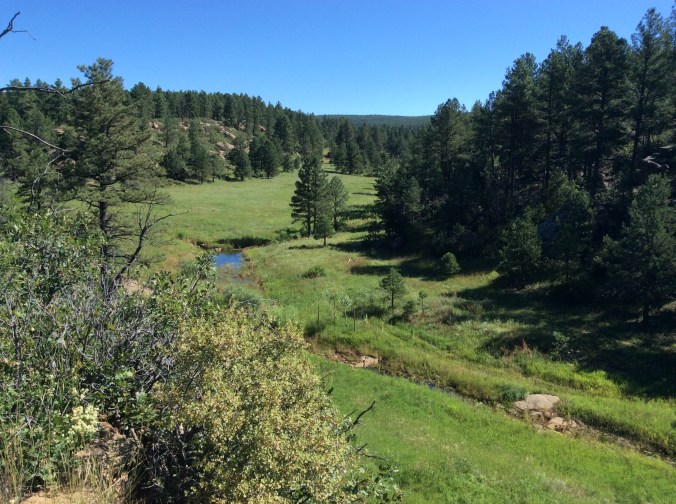
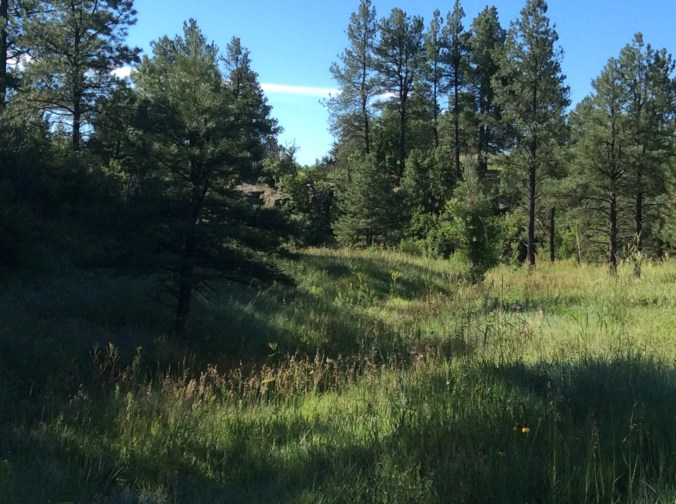
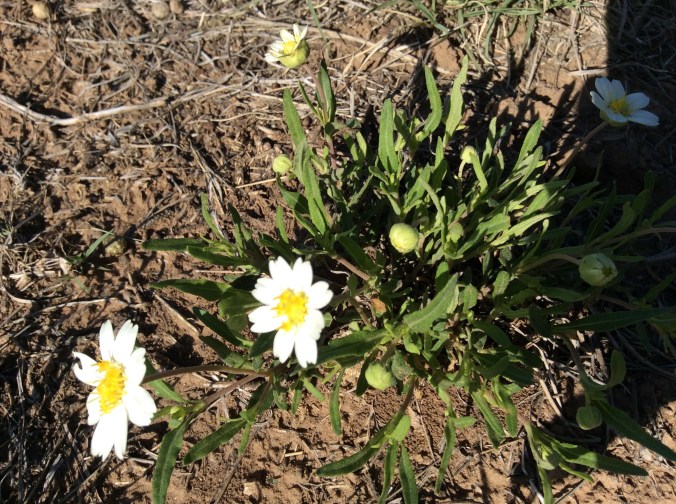
While this may look like a boring green sea to some, upon close inspection, this land teams with many species of grasses and flowers.  Flowers I saw today include Fineleaf Woolly-White, which is not white but bright yellow, Prairie Zinnia, Broomweed, Sundrops, Engelmann Daisy, Mexican Hat, Winecup, Tansey Aster, all of which I have at my own place an hour and 1/2 away.  However, I saw two flowers I have never seen before, White Pricklepoppy and a native Morning Glory which has huge hot pink flowers. While the Pricklepoppy has spectacular, large white flowers with gold centers, the plant looks like a very prickly grayish thistle.

Although I knew some of the species of grasses there, I could not identify the others.  However, the park ranger knew them all.  I might remember some with the help of a book.  Many I have around my land but still cannot identify all of them.  I do know blue grama, side oats grama, buffalo grass, and a few others.

Many grassland and wildlife research projects done there produce useful information.  One current project deals with seismic activity.

If you are driving cross country anywhere near Dalhart, Texas, or Clayton, New Mexico, take a short break and head to these grasslands.

IMG_2720


Celebrating Earth Day–Photos


I decided the best way I should share my reverence and love for nature and this precious planet on which we live is to share photos from various countries, states, and my own little piece of wonder.

IMG_2641

img_2445

img_2454

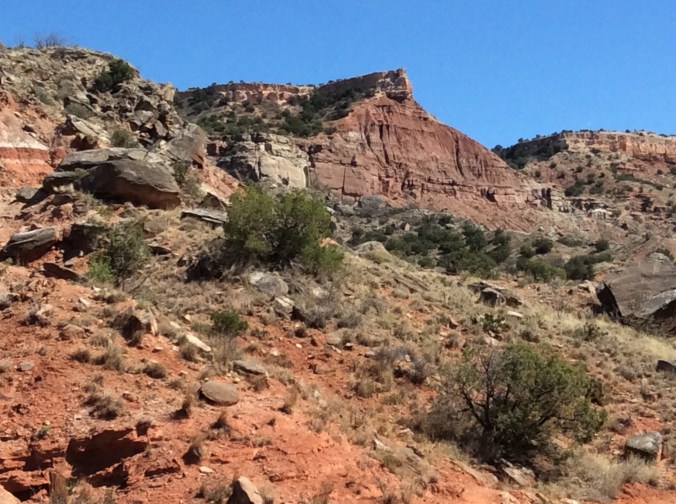
The three photos above were taken at Palo Duro Canyon State Park in Texas about ten minutes from where I live.

IMG_2617

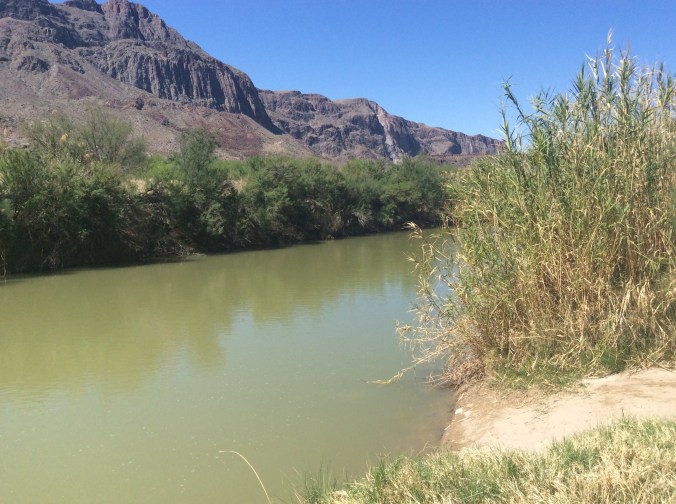
Above and below the Rio Grande looking into Mexico.

IMG_2607

image

image

image

image

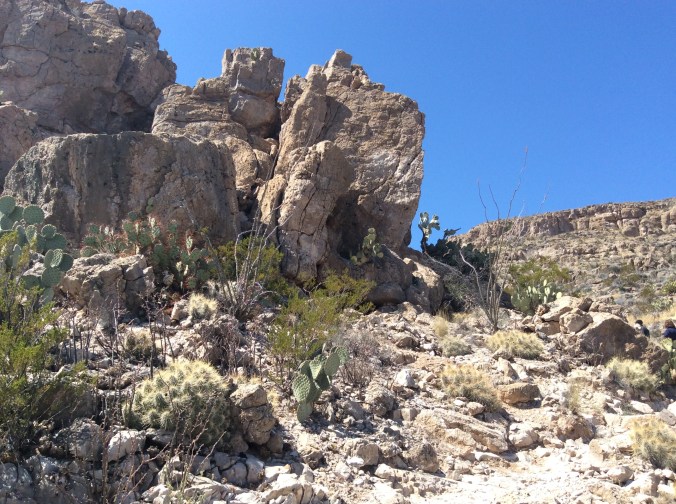
Four photos above — Big Bend National Park.

IMG_2604

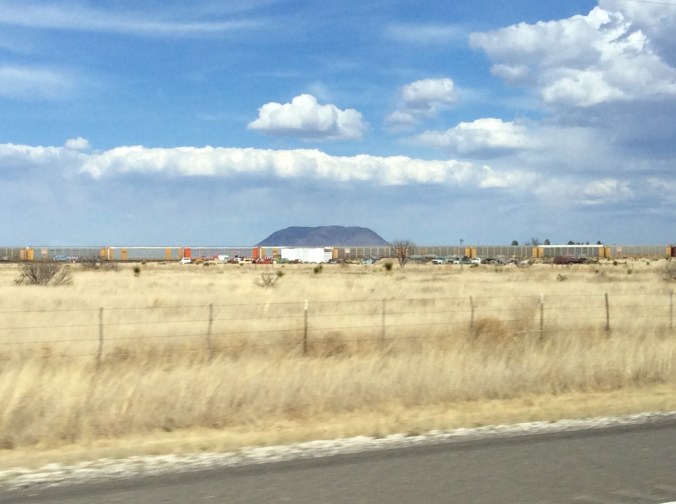
Between Marfa and Alpine, Texas.

IMG_2359

The Rio Grande north of Albuquerque on the Santa Ana Pueblo Nation.

IMG_0577

IMG_0592

IMG_0635IMG_0633

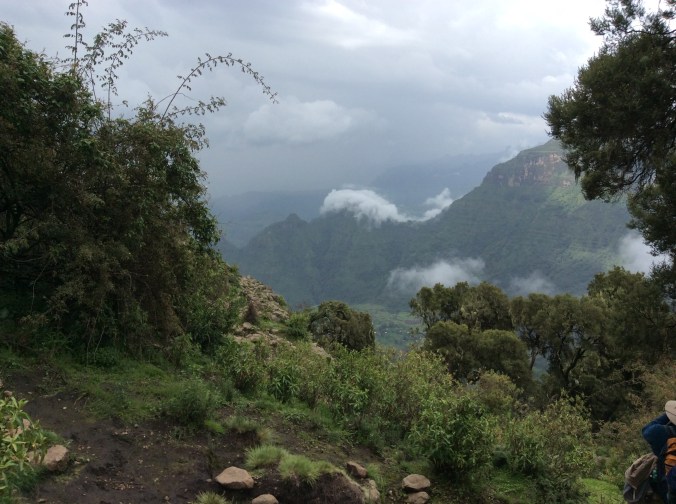
The above four photos taken in Simien Mountain National Park, Ethiopia.  The animals are gelada–the only surviving grass eating primates found solely in Ethiopia.  They actually “talk” to each other.

IMG_0266

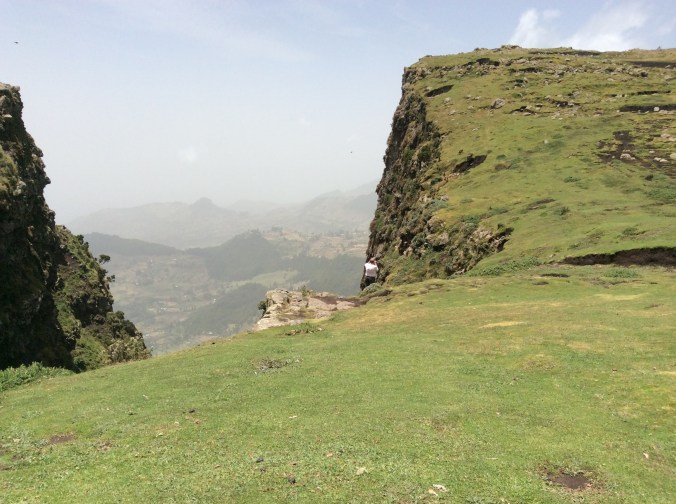
Menelik’s Window, Ethiopia

IMG_1144

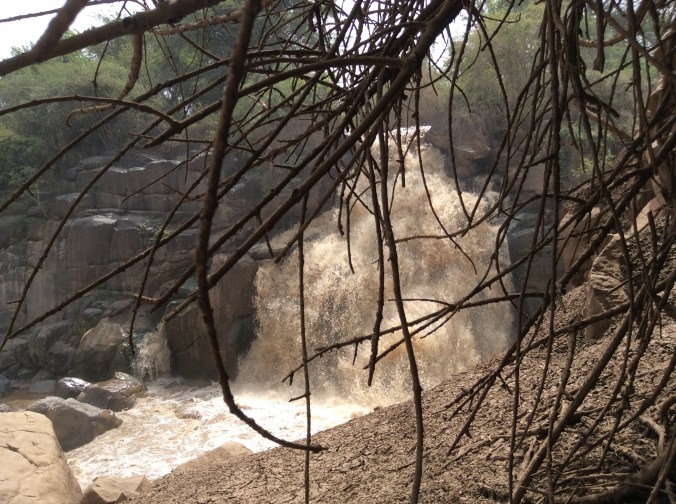
Awash Falls, Ethiopia

IMG_0849

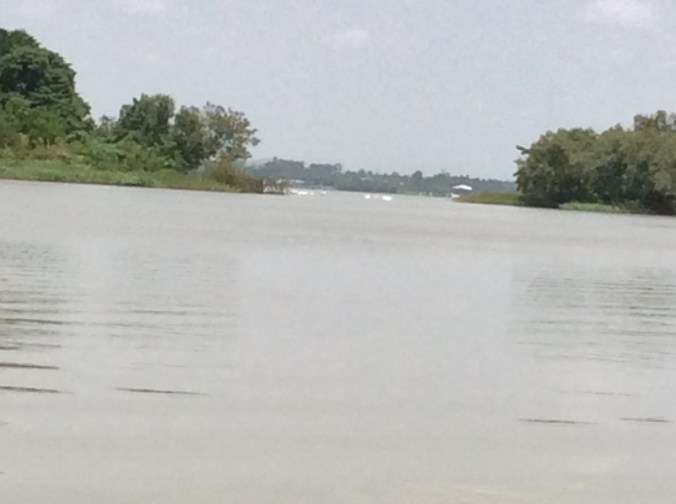
Where the Blue Nile begins draining from Lake Tana, Ethiopia

IMG_2024

IMG_2052

IMG_2070

IMG_1971

IMG_1927

The photos above were taken at various places in Costa Rica.

IMG_1730

IMG_1711

IMG_1718

Northern New Mexico

SAM_1195

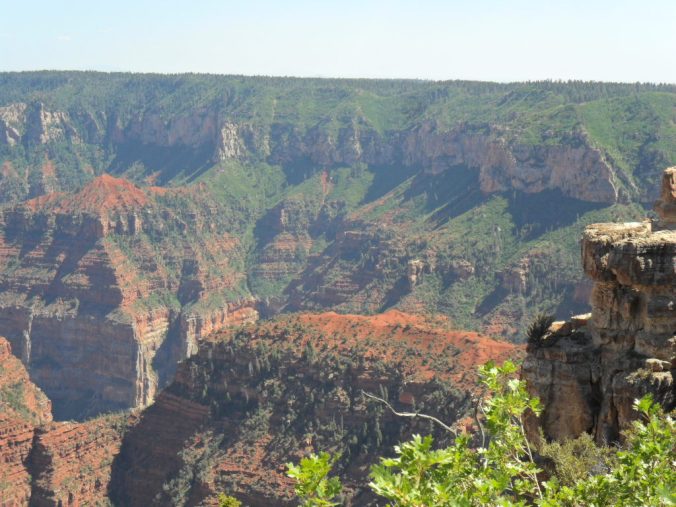
Grand Canyon North Rim

SAM_1139

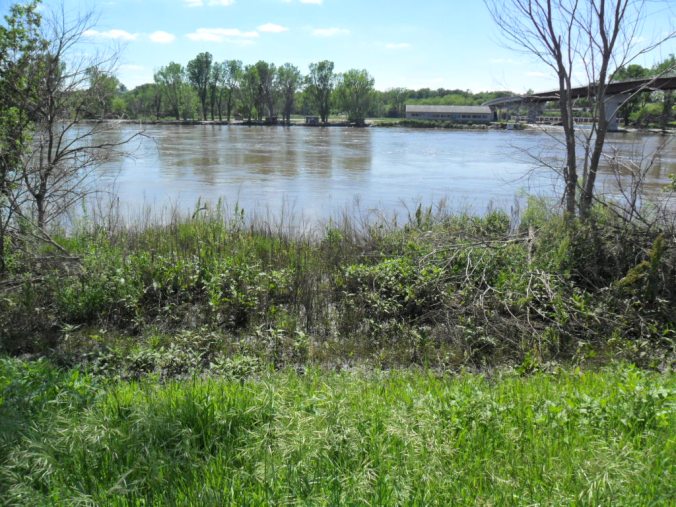
The Missouri River running full.

SAM_1218

California dropping down from Sequoia National Monument

SAM_1342

Near Lake Marvin, Texas

Sunday Sunrise ©Dawn Wink

IMG_1589

IMG_1419

SAM_0483

IMG_2304

IMG_2337

IMG_2323

The above photos were all taken within the last year on my little rim of wonder.

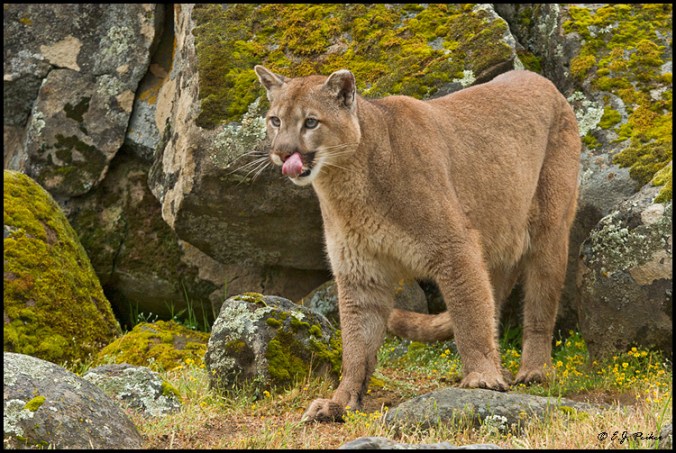
And finally below, my favorite animal.

CA_Cougar24

A Week of Wonder and Flowers


This past week was my birthday.  The wonder started a week ago when my friends came for dinner and my friend’s father, visiting from Mexico. brought me red roses.  I had not seen my friends in a long time and it was fun.  Then on Sunday, Roberto, the father, and I went hiking in Palo Duro Canyon on a new trail.  I never saw a name for it.

IMG_2638

We found this trail by starting at Chinaberry (for those who go to the Canyon), taking Comanche Trail up to this new trail.  When they intersect, we went north rather than south on Comanche.

IMG_2641

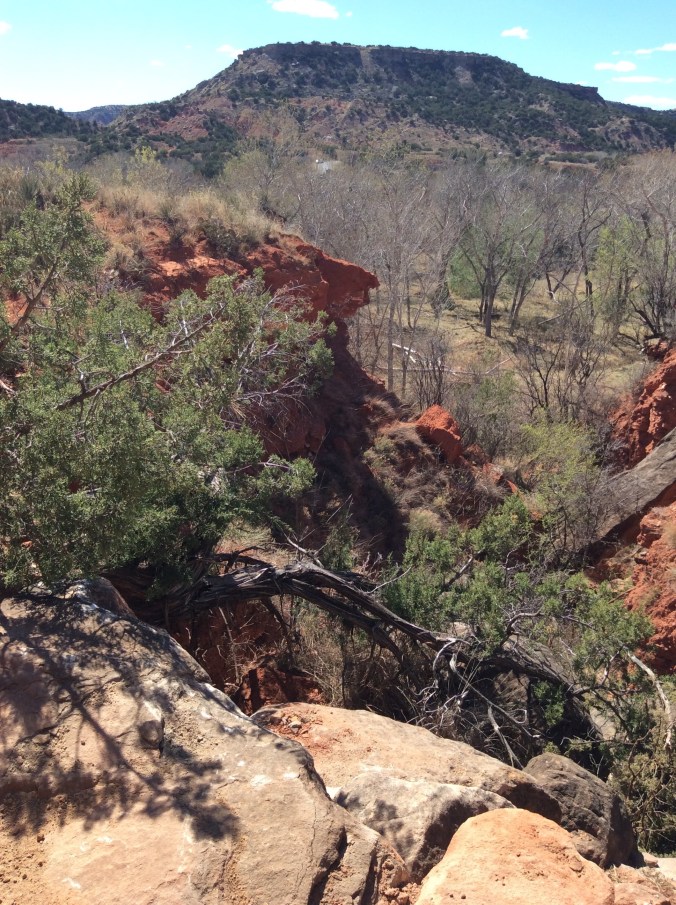
If you read the previous blog in December about hiking Comanche, you saw this peak but from the center and to the south.  This is a view from the north looking south.

IMG_2640

IMG_2642

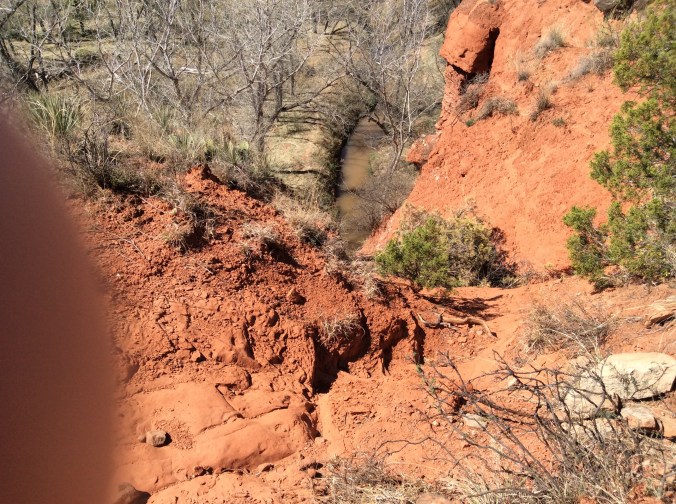
Eventually, after hiking up and down across an arroyo, you end up above the river which looks tiny here, but when a big rain comes, it can rise many feet in a few hours.  It was very sunny, I had a hard time focusing so occasionally a finger got in the way.

IMG_2643

Roberto has a funny sense of humor.  He could not resist pretending to hold up one of the many giant boulders along the trail.

IMG_2644

IMG_2646

This is not a difficult walk and not too long if you only have a few hours.  We came across a group of wild turkeys, but they moved so much, I was unable to get a good photo so gave up.

Wednesday was my birthday.  It began with my first period class–I teach senior high school English.  They showered the room with confetti, brought me a giant chocolate muffin with a candle in the middle, lit the candle and sang me Happy Birthday.  Then during second period, two of my students arrived with two bouquets of flowers.  The room smelled wonderful for three days.  I brought the flowers home yesterday in a big box.

IMG_2652

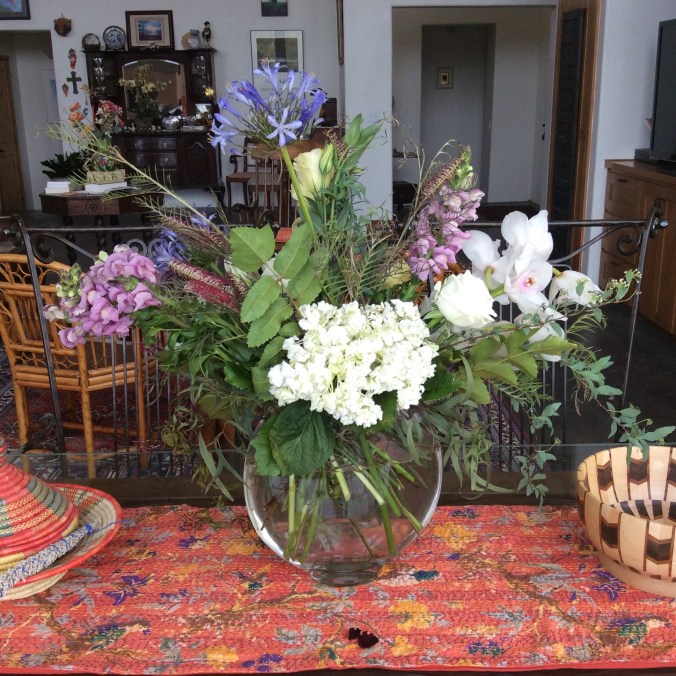
My grandson told the florist to make me a giant bouquet with exotic flowers.  This is one side of it.  Orchids, roses, hydrangeas, and some really unusual flowers which I cannot identify.

IMG_2653

This is the other side of the same bouquet.

This bouquet is from my son.  He knows my favorite color is orange and that I have a lot of that color in my house so….

IMG_2656

I am seriously nerdy and asked for an atlas for my birthday.  My daughter outdid herself and bought this one full of all sorts of information I never expected and maps.  I love maps.  When I read a book from Latin America, Africa, etc., I look up the places on maps.

Last night I sang songs, using the poems of Octavio Paz and Pablo Neruda among others, with the Amarillo Master Chorale in a church with perfect acoustics for choral music.  Tonight I will see friends at an opera party.  What a wonderful week!!

First Flowers on the Rim of Wonder


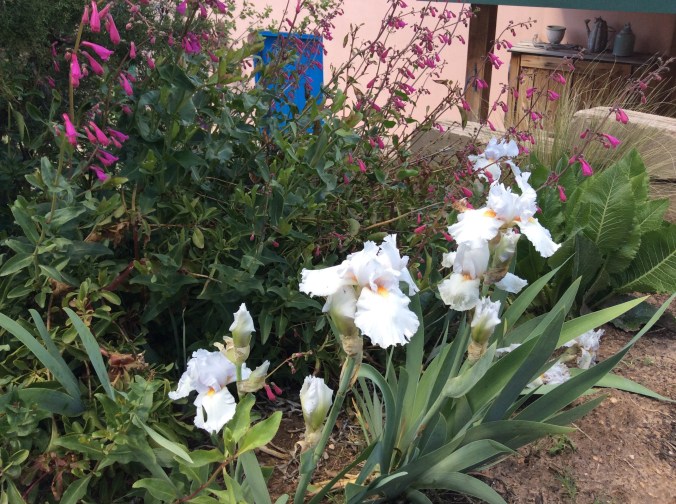
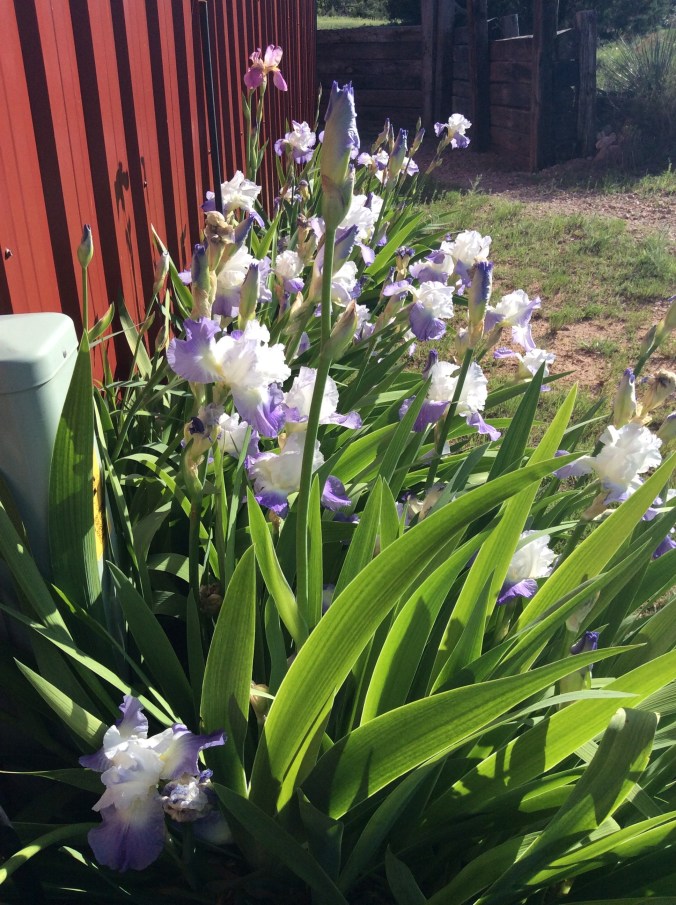
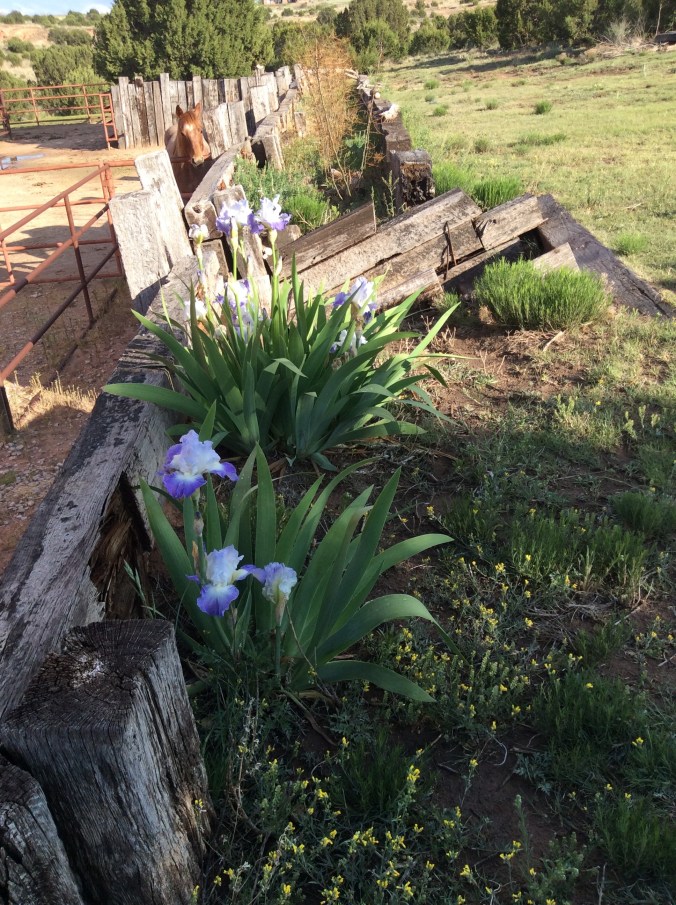
Spring comes several weeks later in the country compared to town.  The recent rains caused a sudden rush of beauty for wild flowers and iris which grow here almost as readily as the wild, native plants.  They seem to appreciate this high, semi-arid country.

IMG_2169

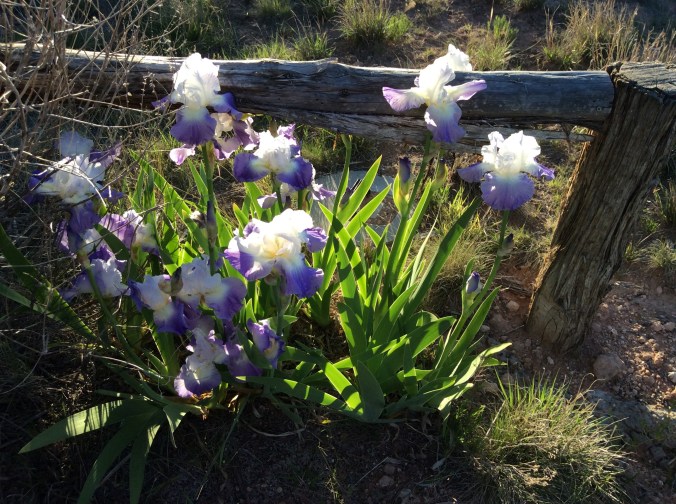
These iris thrive in spite of native, caliche soil, no extra water, nothing.  About 1 1/2 years ago, I simply planted them without soil amendment or fertilizer.  These are rebloomers.  They will bloom again in autumn.

IMG_2178

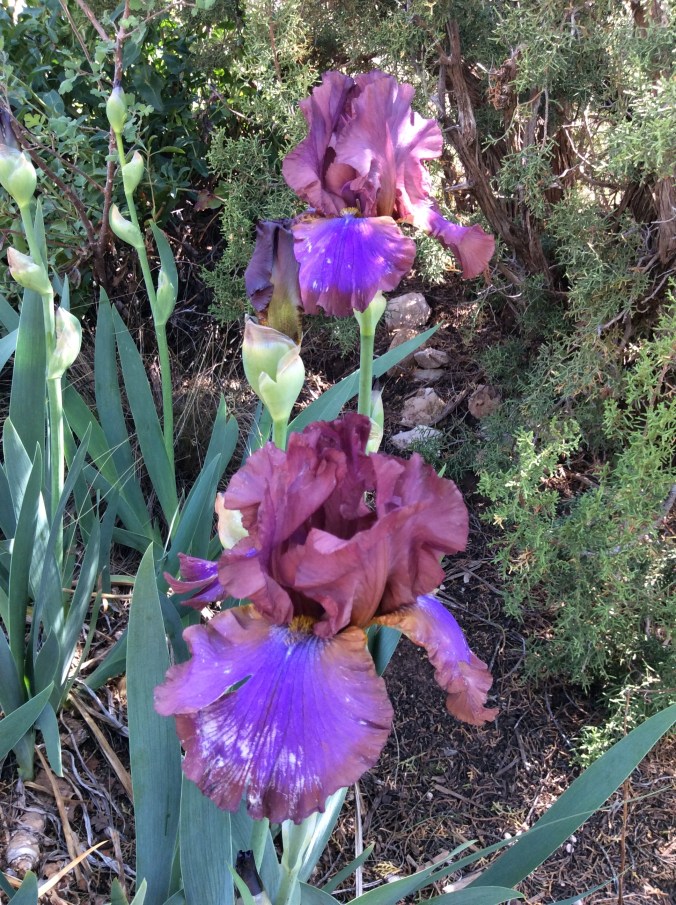
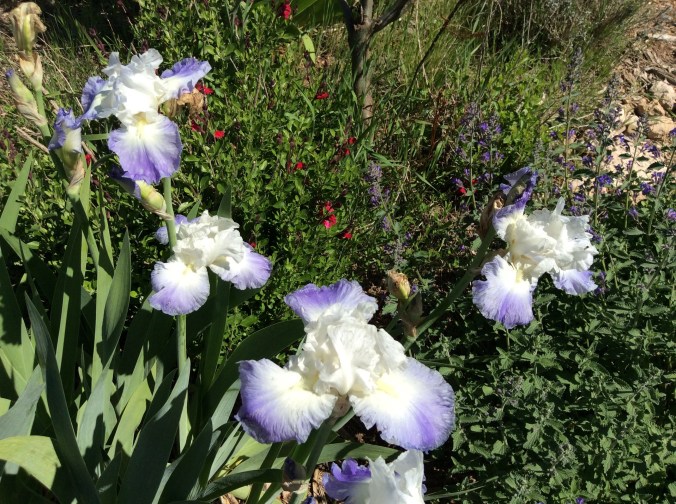
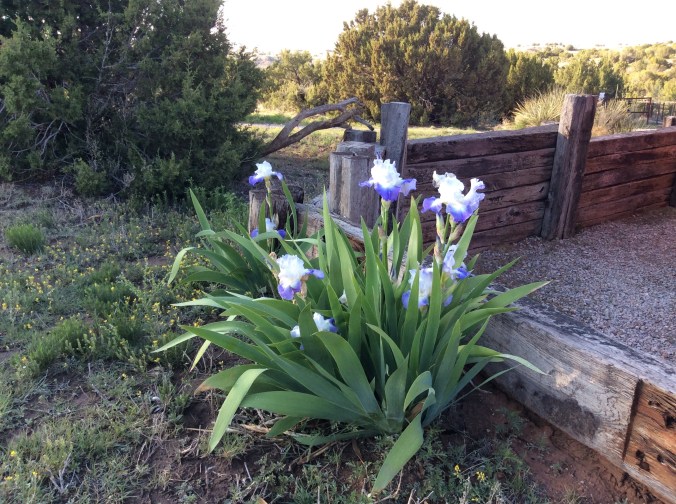
These I planted along side the barn.  Once again no soil amendment, nothing extra.  However, they receive extra water from rain running off the barn roof.

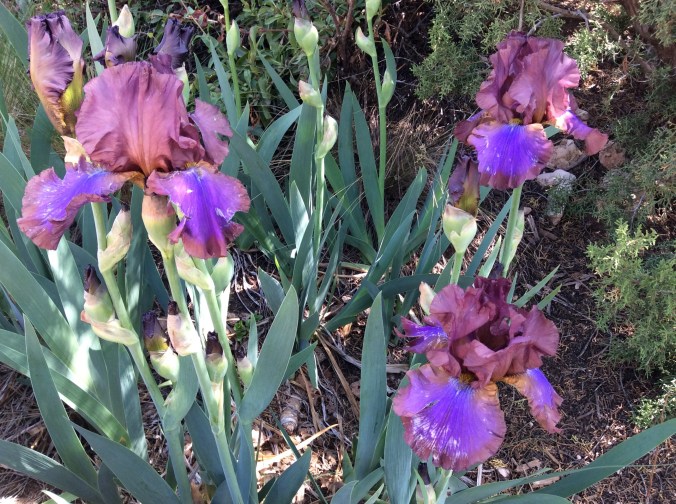
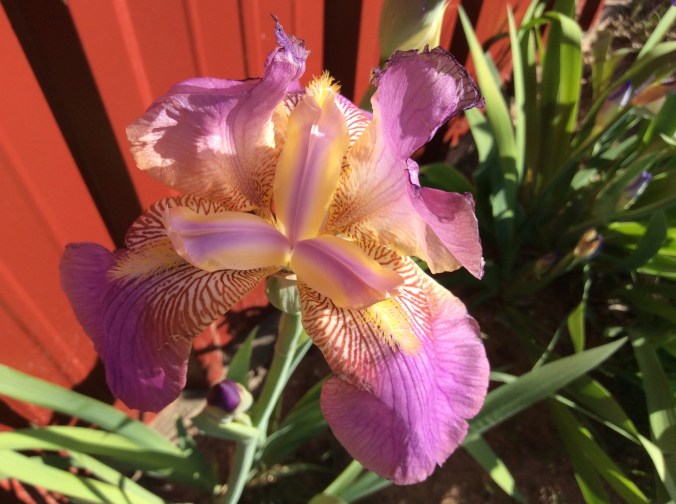
Notice, the tallest one.  I did not even know I had one that color until it bloomed.

IMG_2180

Here it is up close.  Now for the wild flowers I found just strolling around after letting my horse out to graze.

IMG_2168

After looking through a couple of native plant books, I gave up on identifying this one.  If someone who reads this knows, please tell me what it is.  I have also heard there is an app for my iPAD that identifies plants.  I have yet to find it.

IMG_2171

This grows by the retaining wall near the barn.  Although the flowers look like guara, the rest of the plant does not.  What is it?

IMG_2174

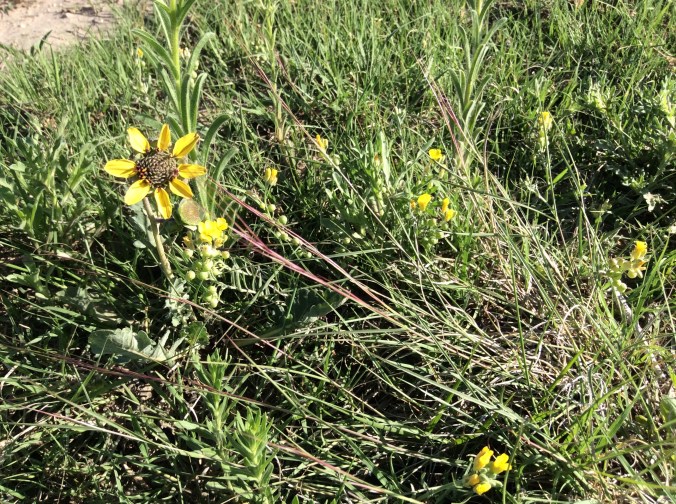
Chocolate flowers were in full bloom a few days ago.  Here is one still blooming with a few scrambled eggs (yes, the common name for the smaller flowers) here and there.

IMG_2175

These carpet large portions of the pasture.  Guessing they are some type of wild onion but not certain.

IMG_2176

The blackfoot daisies are just beginning to bloom.  They will cheer up the landscape all summer and into the fall.

As more flowers bloom, I will add photos of flowers living here on the rim of wonder.


First Iris


IMG_2165


First spring iris

early evening light glows

soft wind whispers


IMG_2167


Note:  for those interested in growing iris, these rebloom.  They will bloom at a minimum again in the autumn.  They are so prolific, that I separate them annually and throw them everywhere I have a blank space like here near the barn.  They will bloom for at least a month.


Costa Rica Adventure, Day Five–Hidden Treasures in the Rainforest


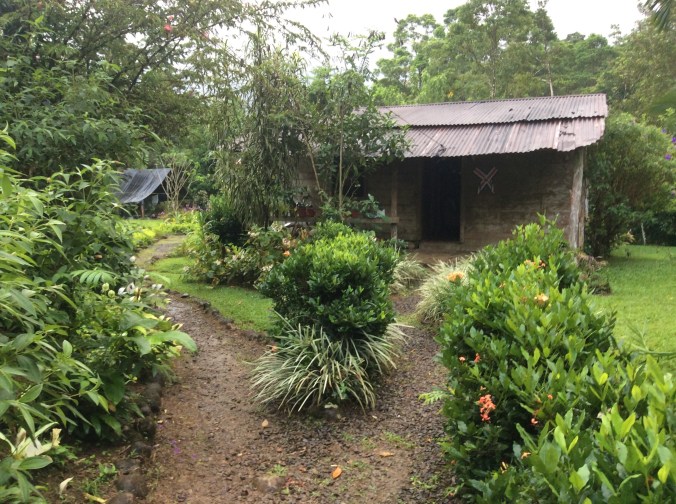
After we left the little village of Colonia Liberatad, we headed down another unpaved road to a tiny little building in a large garden for coffee and dessert.  Costa Rica is heaven for flower and plant lovers, a true botanists’ paradise.

IMG_2035

A pebbled path led from the road to the “restaurant”.  No one rushed; we were too enthralled with the flowers, the humidity, the total intenseness of the surroundings and atmosphere.

IMG_2036

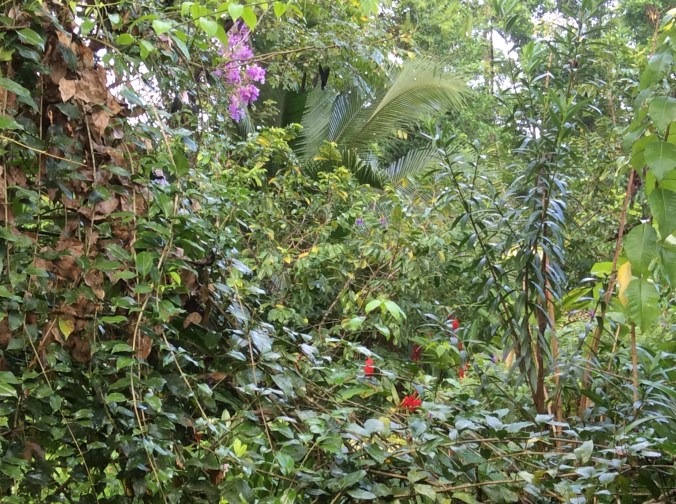
Although I have been to Costa Rica twice now, ten days each time, and love flowers, still I can only recall the names of a few.

IMG_2037

Hundreds, sometimes, thousands, of species reside within only a few square yards.

IMG_2038

IMG_2039

IMG_2040

Everyone stopped along the way to look.  Some of the children wanted to hunt for reptiles. They were warned because the deadly fear-de-lance lives here.  A few assured everyone they knew exactly what they look like.  Knowing them, it was probably true.

IMG_2041

A wood building is a rare sight anywhere I have been there–too much rain.  All roofs are either metal or tile for the same reason.  Other types of roofing rot.  Some have totally given up trying to add color because it disappears quickly apparently.  This area of Costa Rica on the Caribbean side of the mountains receives rain daily.  It rained off and on all day.

I have no idea the name of the dessert they served us with coffee.  It resembled Indian Fry Bread (from New Mexico and Arizona–I love the stuff), super crispy, soaked in honey.

IMG_2042

The road just outside this hidden gem.

Costa Rica Adventure, Day Three–Part One


After lunch at the National Theatre we headed to Monteverde, a small town with only one unpaved road in and out.  One big change since I was there three years ago is the road.  It has been widened considerably and apparently plans to pave it are in the works.  The original reason for not paving was to prevent hoards of tourists from invading.  Apparently, that failed; tourists came anyway.

This town’s origination grew out of Costa Rica’s decision to disband its military in 1948, a practice which continues today.  Quakers from Canada moved here for that reason and created Monteverde, now famous for its cheese and, of course, the nearby Cloud Forest.  The hotel, where I have now stayed twice, El Establo, is owned in part by Quakers and serves a favorite of mine, fried cheese.

SAM_0640

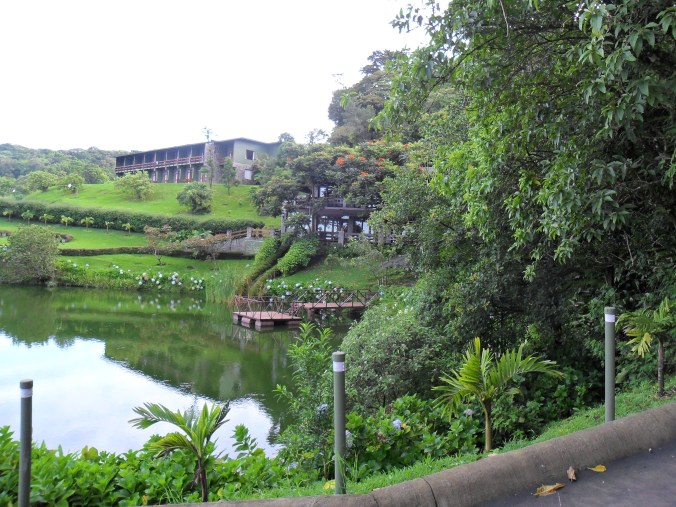
Nine buildings up and down the mountain house rooms.  Previously, I stayed in one of the lower buildings; this time we were near the top way above this lake.

SAM_0641

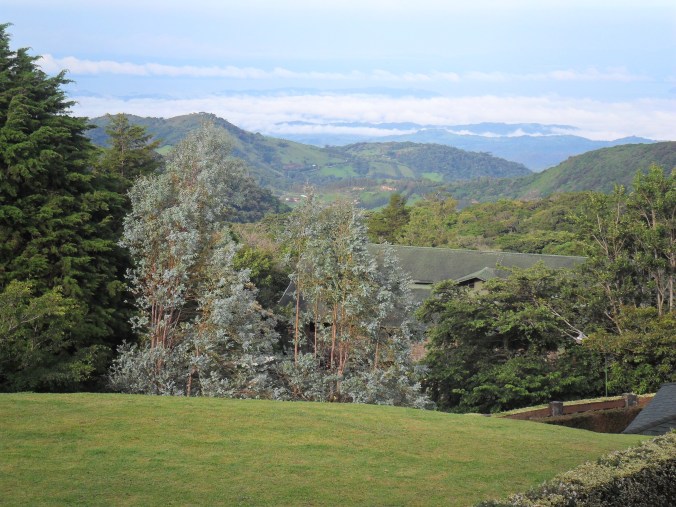
The views from all the rooms provide a vista all the way to Nocoya Bay.  After we put luggage in our rooms, we headed out for a night walk in the forest, the reason we had been instructed to bring flashlights on the tour.  We saw spiders, birds sleeping, a mouse, all sorts of insects, but nothing too exciting.  Probably some of the group members were too scared and too noisy.

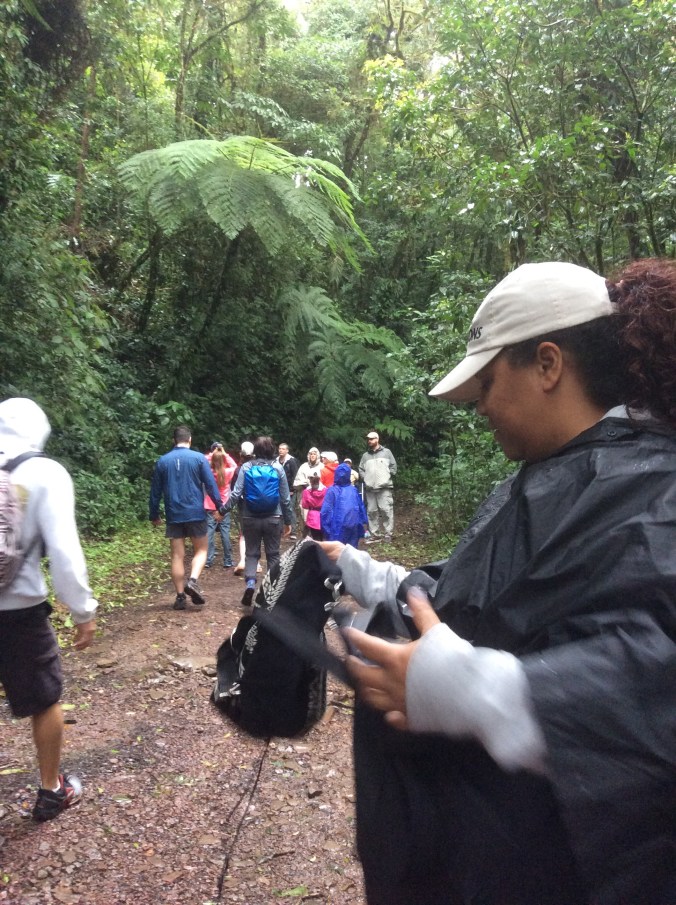
The next day breakfast occurred at 7 just before we took off for the Cloud Forest and a hike to the Continental Divide–all six miles or so.  I had hiked here before but on a different trail and in a huge downpour.  Luckily, it rained only a little.  However, if you are in the clouds, you get wet.

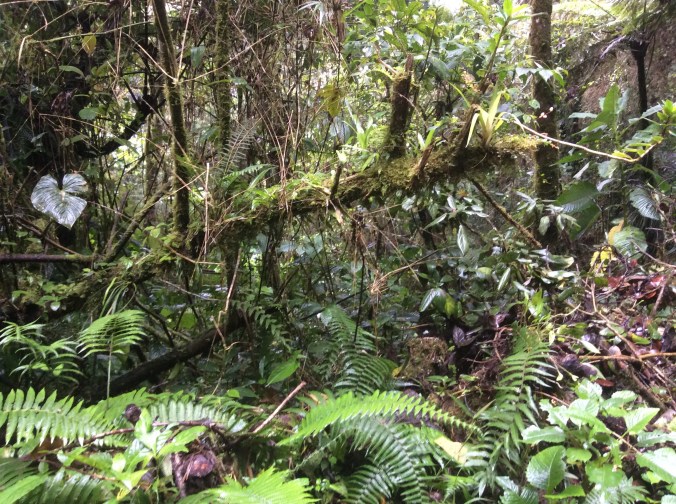
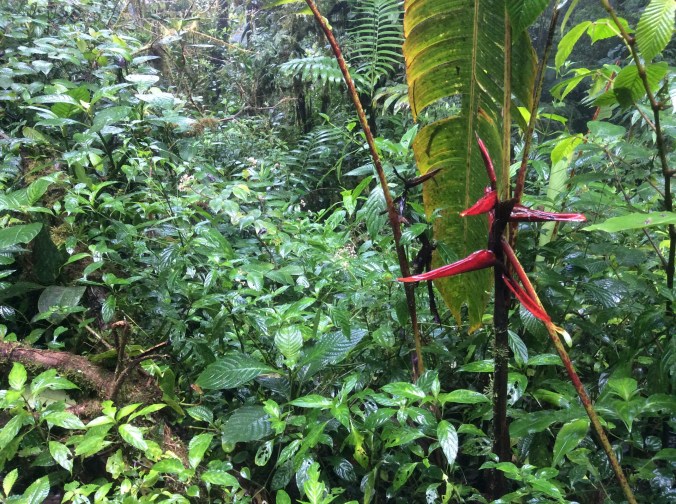
Lush does not even begin to describe the Cloud Forest, a huge reserve with numerous indigenous species of everything from hummingbirds to insects to all sort of plants that exist nowhere else on earth.

IMG_1923

Every tree, branch, every living things is covered with other living things.  This must be botanist heaven.

IMG_1924

IMG_1926

Looking up into the branches of a tree fern.  Yes, that is a fern. So much to see, it is hard to keep up with the guide, a native Quaker whose father was one of the founders of Monteverde.

IMG_1929

IMG_1927

It is difficult to know what photos to take; everything holds some kind of fascination and lots of beauty.

IMG_1931

Another tree fern right by the trail.

IMG_1934

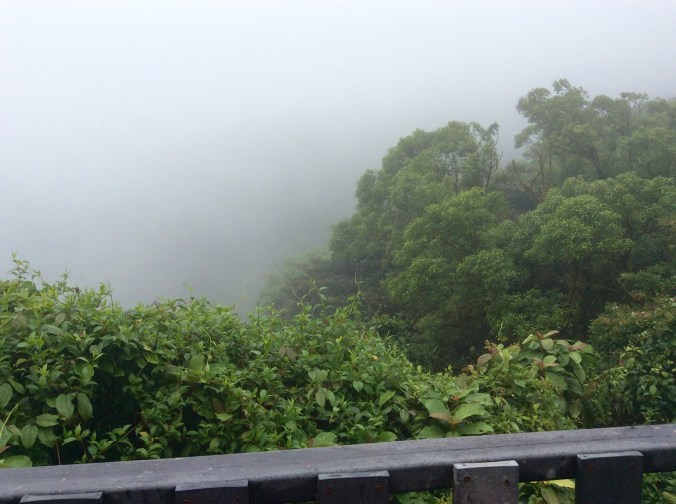
In the clouds at the Continental Divide it’s incredibly windy yet the clouds stay and you get wetter and wetter even though it is not raining.  Water dripped off my slicker, the trail oozed mud and water, it was hard to keep my footing on slopes.

IMG_1935

IMG_1936

On the way back we crossed several streams.  Everywhere in Costa Rica signs in both Spanish and English instruct people to save water.  They made me chuckle.  Streams run everywhere in much of the country, especially on the Caribbean side.  Here I live in a semi-arid environment where I see wasted water running down streets in town and in Costa Rica they conserve water and recycle things I did not even know were recyclable.  Hotels provide recycling bins and some even turn off lights automatically when you are not in the room.

IMG_1937

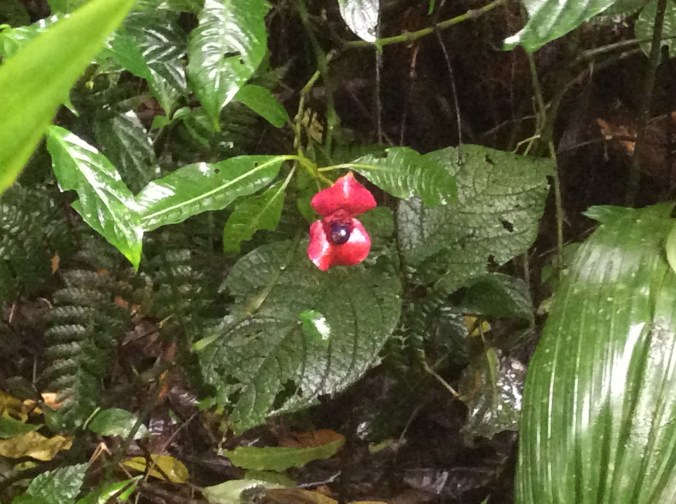
The name for this flower translates from Spanish as hot lips.

IMG_1938

This looks like a tree but it is not.  A giant, parasitic fig plant surrounded the tree, eventually killed it, and this is the result.

After we finished the hike, we walked over to a shop that feeds hummingbirds, hundreds of species of which live in Costa Rica, many only in the Cloud Forest. Took a video of them, but it refuses to upload here.  Some were incredibly iridescent and much larger than any I had ever previously seen.


Milkweed and Monarchs


IMG_0093


Because I belong to the local chapter of the Native Plant Society, I notice native plants more, try to learn their names, and even find out if they possess medicinal uses.  We decided to adopt a theme for the year  2014, milkweeds.  Why milkweeds?  They are the primary food for monarch butterflies which are in extreme decline.  Why the decline?  Pesticide and herbicide use plus overwhelming habitat loss, especially along bar ditches and in the area of Mexico to which they migrate annually.  This past winter instead of hundreds of trees in Mexico covered with monarchs, there were only twelve.  Yes, only twelve.  Why do herbicides cause a problem??  When the butterfly larvae eat milkweed sprayed with herbicide, they ingest that herbicide toxin.

Monarchs are an ancient species.  They have been around for over 50 million years.  Monarchs are the only insect species to migrate 2500 miles annually.  Monarchs go through four generations per year.  The first three generations hatch and live up to six weeks.  The fourth continues to live for six or eight months.  They taste with their feet.  Monarchs have special meaning for Mexicans because they arrive in Mexico at the same time as the Day of the Dead.

In the Panhandle of Texas, four common milkweeds grow:  Asclepias tuberosa, Asclepias asperula, Asclepias latifolia, and Asclepias verticillata.  The name Asclepios is derived from the Greek word, Asklepios, the Greek god of medicine and healing.  I find only two of these here where I live, latifolia and asperula.


IMG_0092


The top photo and the one immediately above are of asperula, more commonly called antelope horns.  They are important hosts for butterflies.  When discussing butterflies of any species, it is important to note that butterflies require two types of plants, host and nectar.  This plant provides important food for larvae.

At least where I live, the more common–by that I mean it grows anywhere and everywhere, even in the driest caliche soil–is latifolia.  However, I have never seen a monarch on either the blossoms or the leaves.  When in full bloom, latifolia attracts giant (as in several inches long) black and orange wasps which seem incredibly non-agressive.


IMG_0140


IMG_0142


IMG_0143


This poor latifolia specimen barely hangs on next to the hydrant by the barn.


If you want to try growing milkweed yourself and you live in the Panhandle, seeds and plants can be purchased from Canyon Edge Plants and Panhandle Greenhouses.  Obtain free seeds from Livemonarch.com.  Wildseed Farms in Fredericksburg, Texas, also sells seeds.  If you want butterflies, do not use pesticides and herbicides.  Contact me if you want me to publish the “Butterfly Attracting Plant List”.