Baja Trip-3


After visiting the winery in the previous trip post, we headed to another winery, Las Nubes (The Clouds), for more tasting and lunch. We did not visit the cellars here but the lunch view was spectacular as were the sandwiches. Like many other buildings at other wineries, a lot of the building material is local stone.

Taken from below the winery and restaurant area. Then off we went to winery three for the day, Clos de Tres Cantos. This winery is created with a philosophy dedicated to making natural wine, caring for Earth, and blending into nature. They also have deliberately grown varietals that can best withstand climate change. All the buildings are made from local materials and designed by a local architect.

A wall made from wine bottles.

A shrine to the Virgen de Guadalupe with wine aging to the side.

A natural roof of soil and flowers.

From here we drove through the countryside to La Laja restaurant for dinner. It is located way out in the country where they grow what they serve except for the fish which is locally caught in Ensenada area. It is rated as one of the top 50 restaurants in Latin America. We experienced a six course meal including two desserts, one of which was a slice of mango steeped in mescal.

Baja Trip-2


Day Two we visited several wineries and went to dinner at one of the top 50 restaurants in Latin America, La Laja. The following photos are from the first winery where we not only tasted various wines but also took a tour of their remarkable wine cellar dug deep into solid rock.

This is the name of the winery and each barrel is marked with varietal, date, etc.

The hills in some part of Valle de Guadalupe reminded me of the hills near Temecula, CA.

Here you can see how the cellar is dug out of the rock. The rock was oozing moisture due to the unusual amount of rain they received this winter.

I loved this message so much I had to take a photo of it.

I wish I could find a duplicate to hang outside on one of the empty sides of my house.

The wines here are all natural. Many of the wineries we visited do not use pesticides or herbicides.The sophistication of many of the wineries in Baja is very impressive.

One Book a Week-16, “The Promise”, Damon Galgut


Winner of the 2021 Booker Prize, this novel illustrates the dismal consequences of colonialism and racism. South Africa before and after apartheid comes alive in this story about an Afrikaner family whose matriarch dies young enough to leave her husband with three children, only one of whom is old enough to be on his own. In her dying, she returns to her Jewish roots much to the horror of her husband and many others. Her youngest daughter overhears her dying wish which her husband promises to fulfill even though he has no intention of doing so. This remains an underlying thread, the promise which this daughter never forgets.

The difficult, often prejudiced and unequal, relations between the races underpins the actions of most of the characters, leading a few to greater humanity and kindness, but most into lives of loss, disappointment, and anger.

The Murals at Mendez High School


Every Wednesday I visit Mendez High School in Boyle Heights near downtown LA. I volunteer as a college counselor for College Match LA. The school is named after the couple who, in 1946, sued for equal education for Mexican children and won.

This is the couple and the school mascot is the jaguar.

This explains the ruling that gave Mexican children equal educational rights.

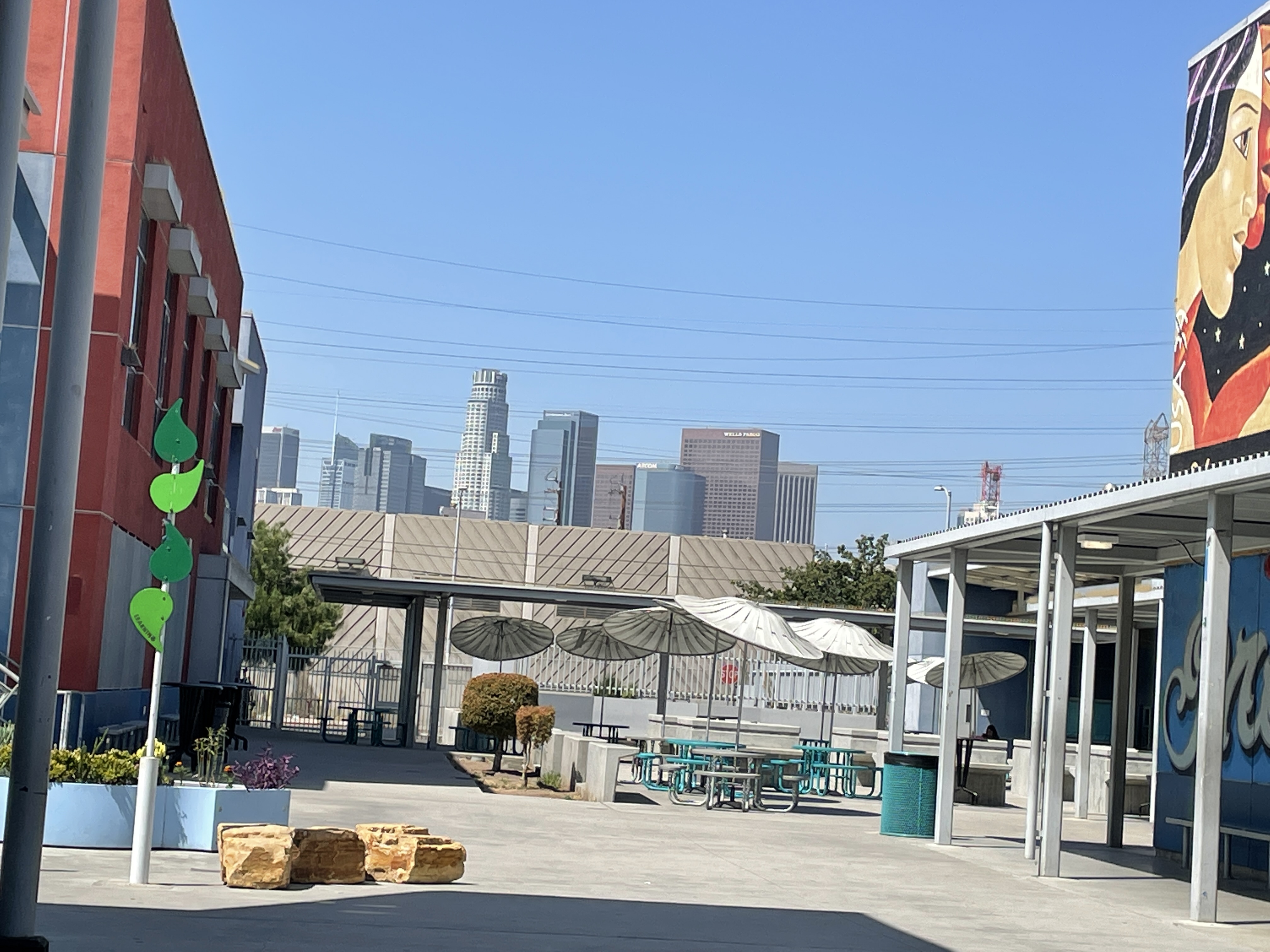
View of downtown from in front of the College Center area where students go to get help with college applications, learn from presentations by admissions officers from different colleges, and work on college and financial aid applications.

Thanks to the two guys sitting here chatting for giving me permission to take this photo.

When I asked who did the murals, I was told that students did them in conjunction with an art class several years ago.

On a Ranch Working Cattle


Today Martina, my exchange student from Milano, Italy, and I went with my students of the Wildorado Cattle Company to work cattle on a ranch west of Amarillo.   When I posted this on Facebook, a city friend asked what does working cattle mean.  These were calves of various sizes, both male and female, all Angus.

First, a person on horseback heels a calf (ropes it by its hind feet) and drags it to the branding area.  Then, depending on the size of the calf, a few persons flank it (hold it down) while a person gives it shots, e.g. vaccines, vitamins, another brands it with a hot iron, and someone else ear tags it.  If it is a male, its testicles are cut off. Having raised cattle, this was not new to me.  However, for a girl from Milano, it was the definitive Texas ranching experience.

I think we worked over a hundred calves during the morning which started at a chilly 47 with a strong West Texas wind.  Later, in the afternoon it warmed up about 30 degrees.  The wind just now finally quit; it is 8:54.  Here are a couple of photos of the day’s activities.

B3E1D974-C097-45CE-9AAA-F93493F547C5

2EB66CFB-0EED-4BE2-99CE-9E96DB3B24C5

Three people from the National Angus Association headquartered in St. Joesph, Missouri, were there making a documentary.  Although currently I live in the country in the Panhandle of Texas, I grew up on a farm about 30 miles from St. Joesph.  Small world.


Black Raspberries


Mom filled the white bowl with black raspberries.

I pour Bossie’s white milk over them,

watched it form a pattern,

flowing around the raspberries–

a design in deep purple and white.

I thought it almost too beautiful to eat.

I was seven.

Now I rarely find black raspberries.  Red ones won’t do.  They lack intensity, the beauty.  Every year we went to Hunt’s Orchard north of Amazonia, Missouri, to buy black raspberries, took them home, sorted to discard the imperfect ones, then threw them way behind the garden next to the timber–huge trees, oak and hickory.  Eventually, these imperfections transformed into thriving black raspberry bushes.  We had our own patch, created from the discarded, the imperfect.

Mom fed us fresh raspberries for a few days.  The rest she used to create her famous pies, froze a freezer full.  Baked, they transformed a winter kitchen into the warmth and sweetness of my mother’s family devotion.

I bake pies, many kinds of pies.  I have never made a black raspberry pie.


12193406_10204105678156113_6043720938154804167_n

Note:  this will be published in an upcoming publication by the Story Circle Network.  In July my daughter, grandson, and I went to Hunt’s Orchard–yes, it still exists.  I asked about black raspberries.  We were too late; the season was over.  The timber behind the garden area was to the right in this photo.  The person who bought the land years later bulldozed down all the big trees.

Missouri Roadtrip—the Missouri River Bottom


My mother grew up in Fortesque, Missouri, a once thriving town which now contains 32 inhabitants. Mom’s dad owned a farm right on the Missouri River near the Rulo, Nebraska bridge. Then eventually, it was my grandmother’s and then belonged to Mom and her two siblings. We went to visit and found the river really high.

IMG_3415

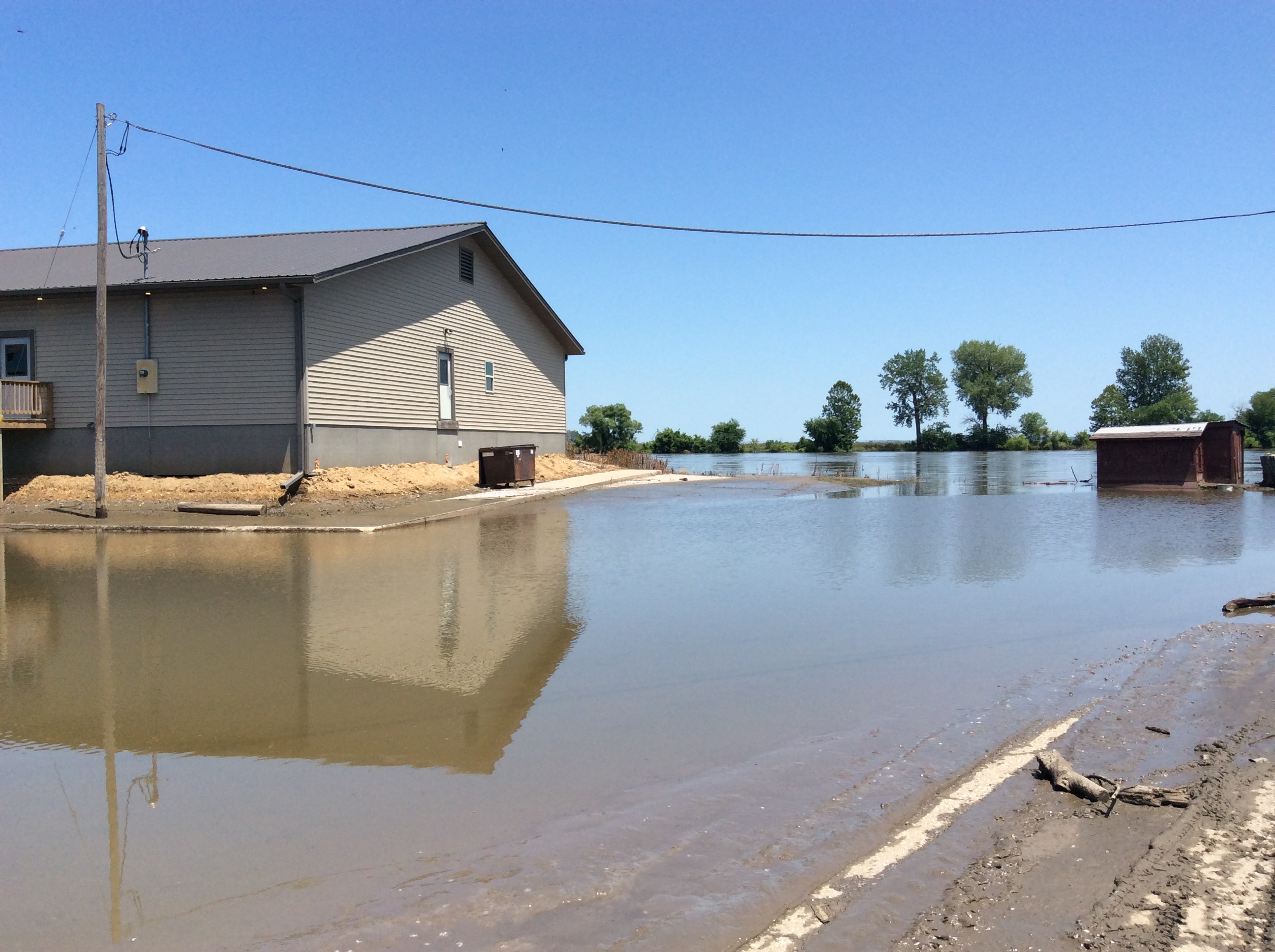
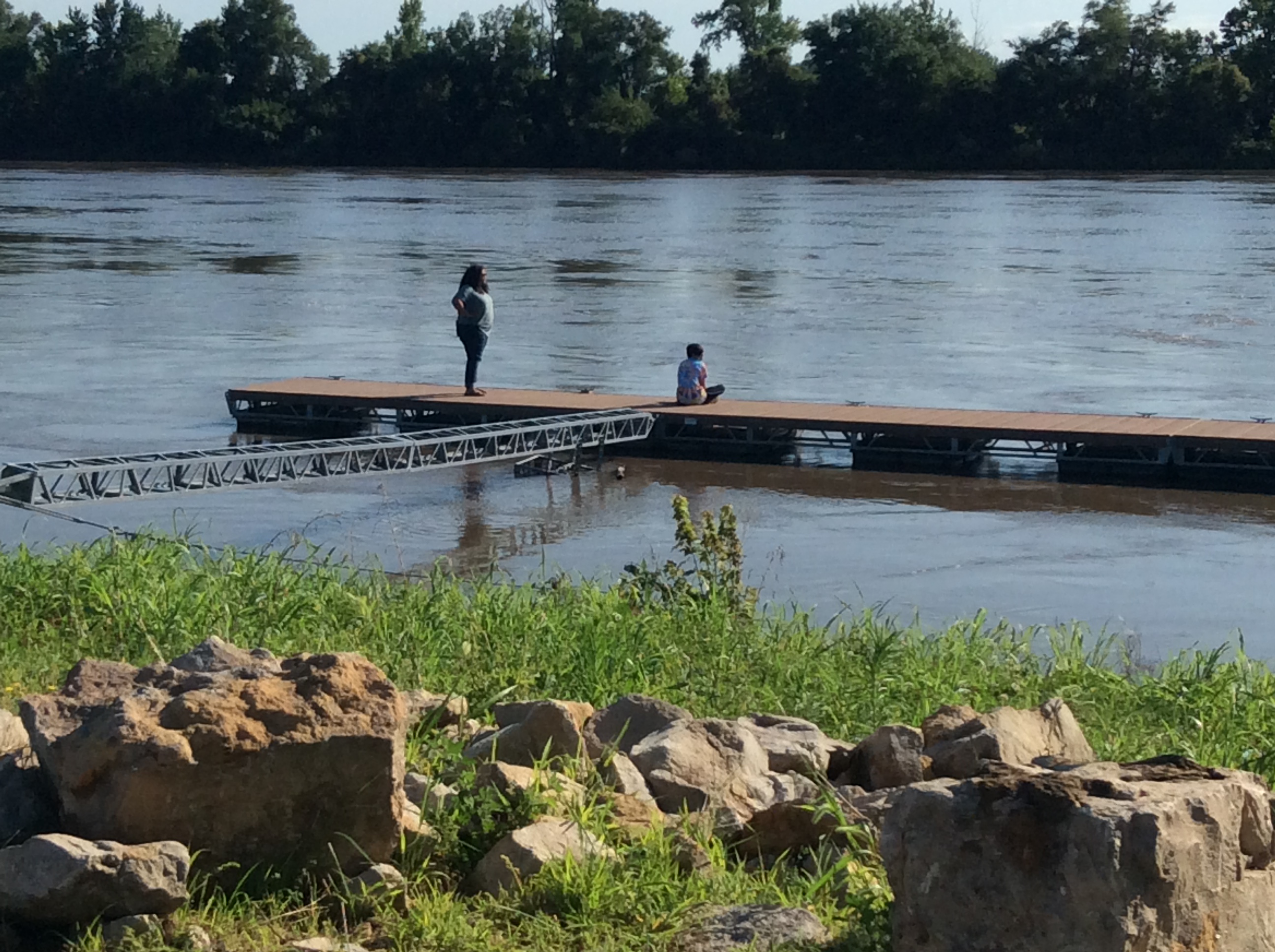
For years we crossed the Rulo, Nebraska, bridge and came to a restaurant at this site to eat catfish, carp, and all the trimmings.  A few years ago a really large flood destroyed it. This is the new building but obviously it is closed because of high water.

IMG_3421

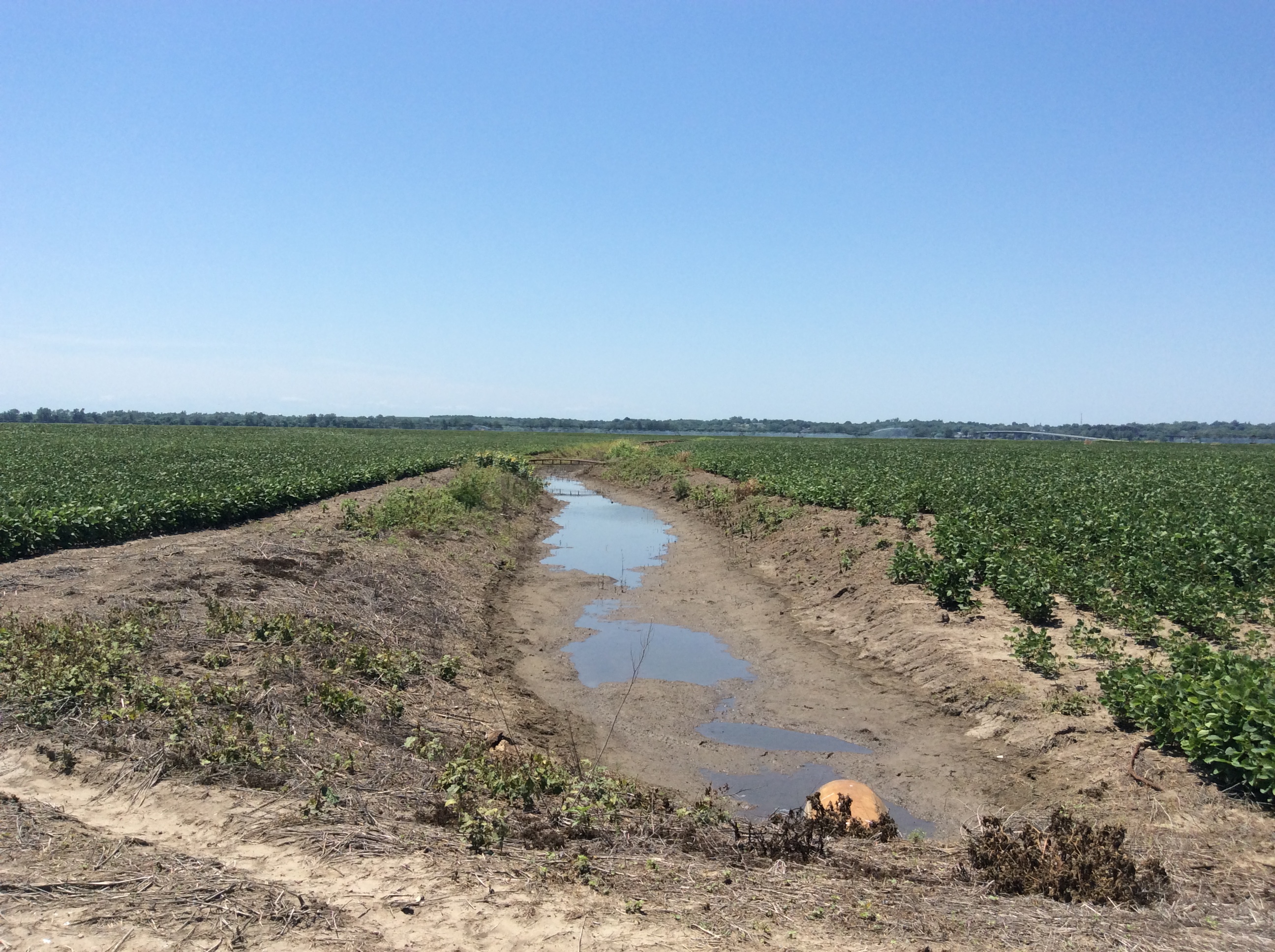
Back on the Missouri side looking across the soybean fields.  Strange sight to see irrigation proceeding at the same time the river is high.  The Corp of Engineers is releasing  water upstream where the river is really high. The bluffs in the distance are across the river in Kansas.

IMG_3417

Several times in my life I have seen water at least 15 feet deep from bluff to bluff.  A few years back I knew people who lived inside a big levee and for nearly three months had to go to and from their house in a boat.  Needless to say, that year no one raised a crop of anything.

IMG_3420

Without levees, the river would be over all the fields now.

IMG_3422

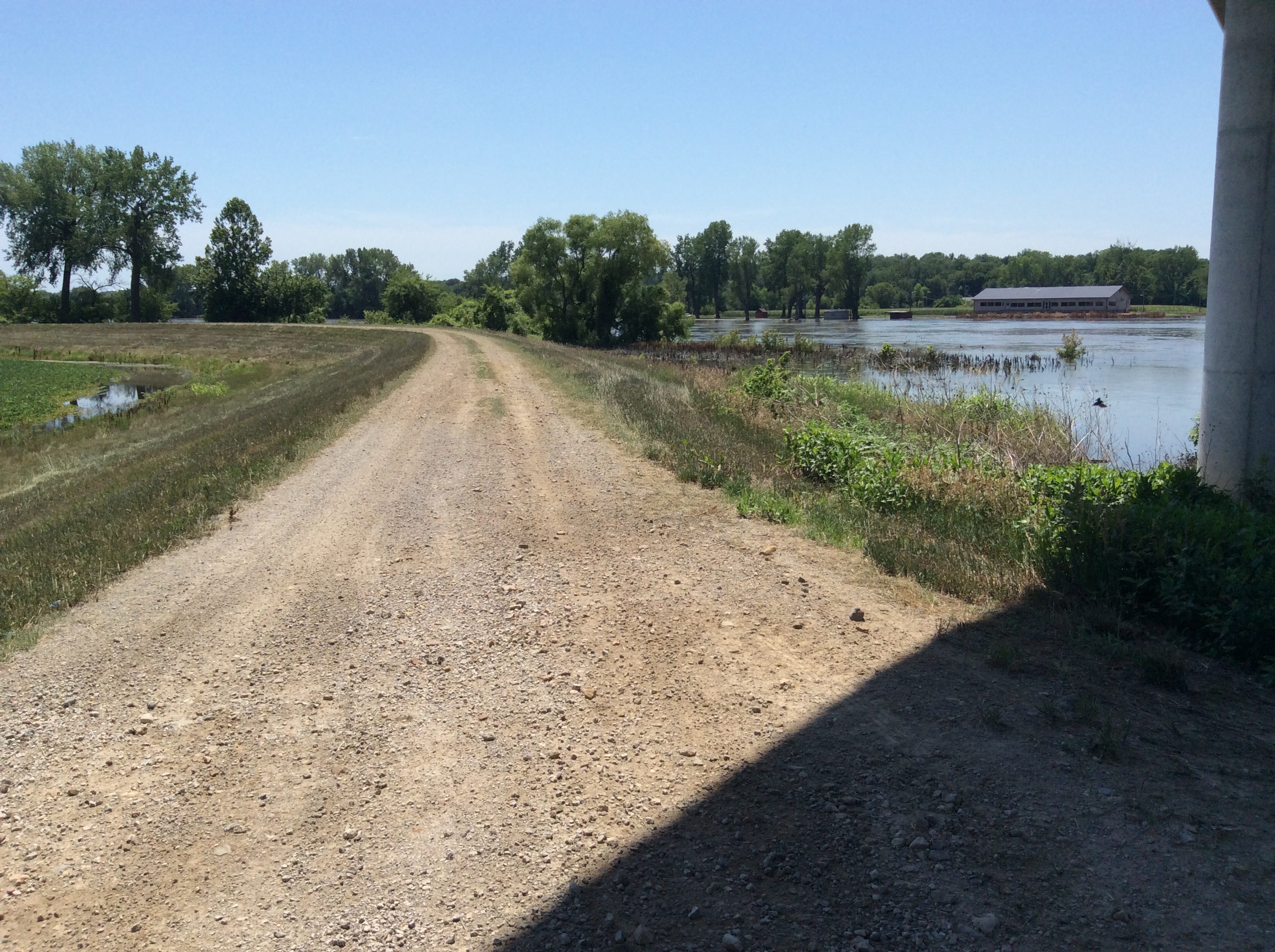
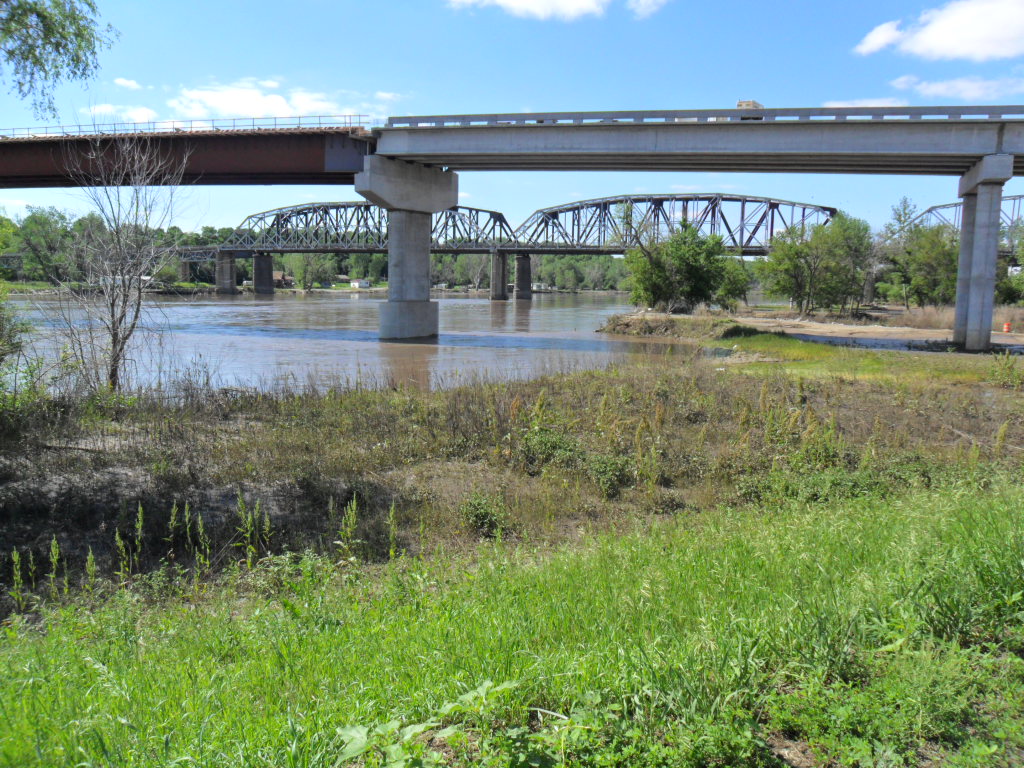
I walked down the main levee and took this photo under the Rulo, Nebraska, bridge.

IMG_3425

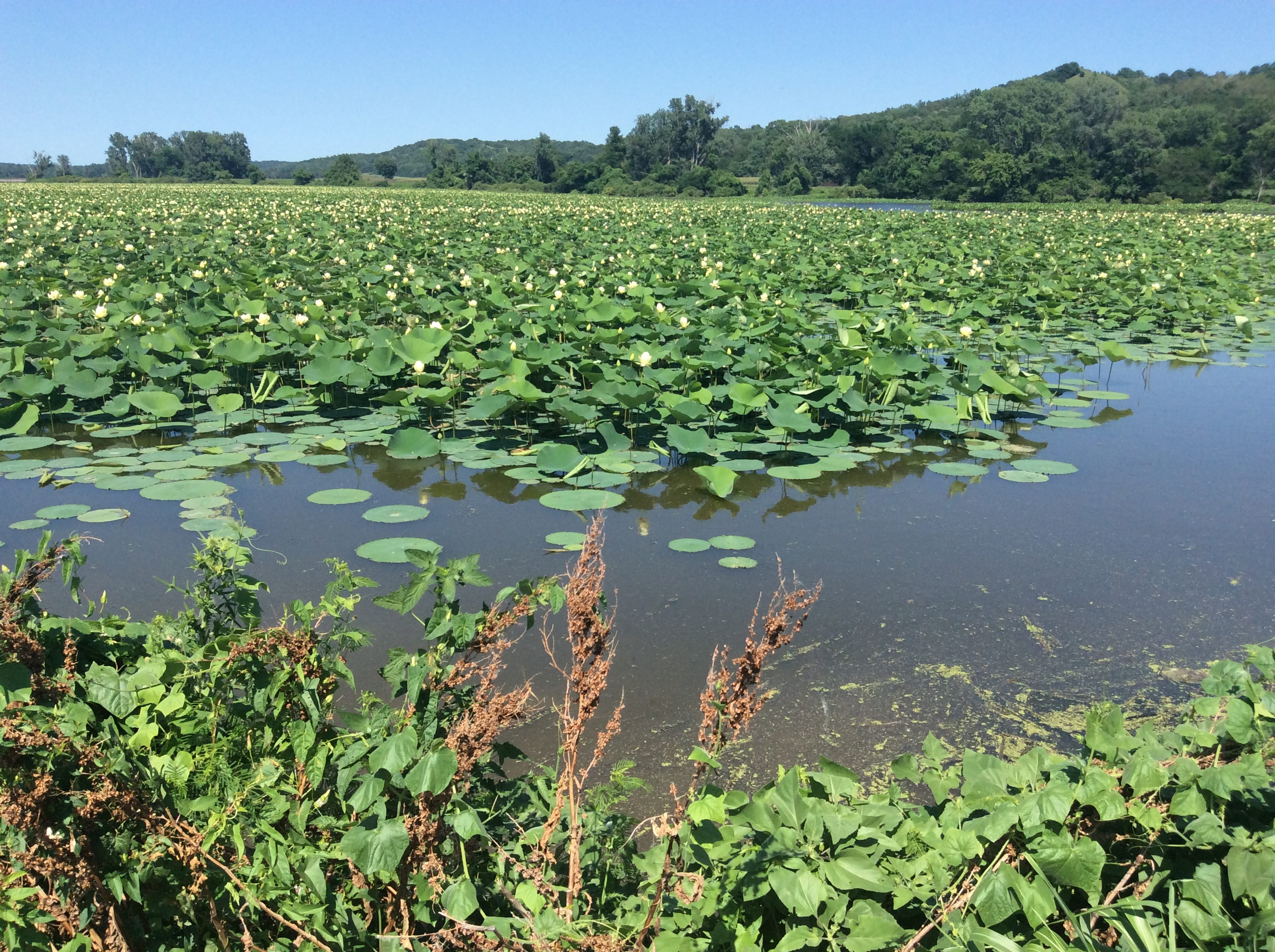
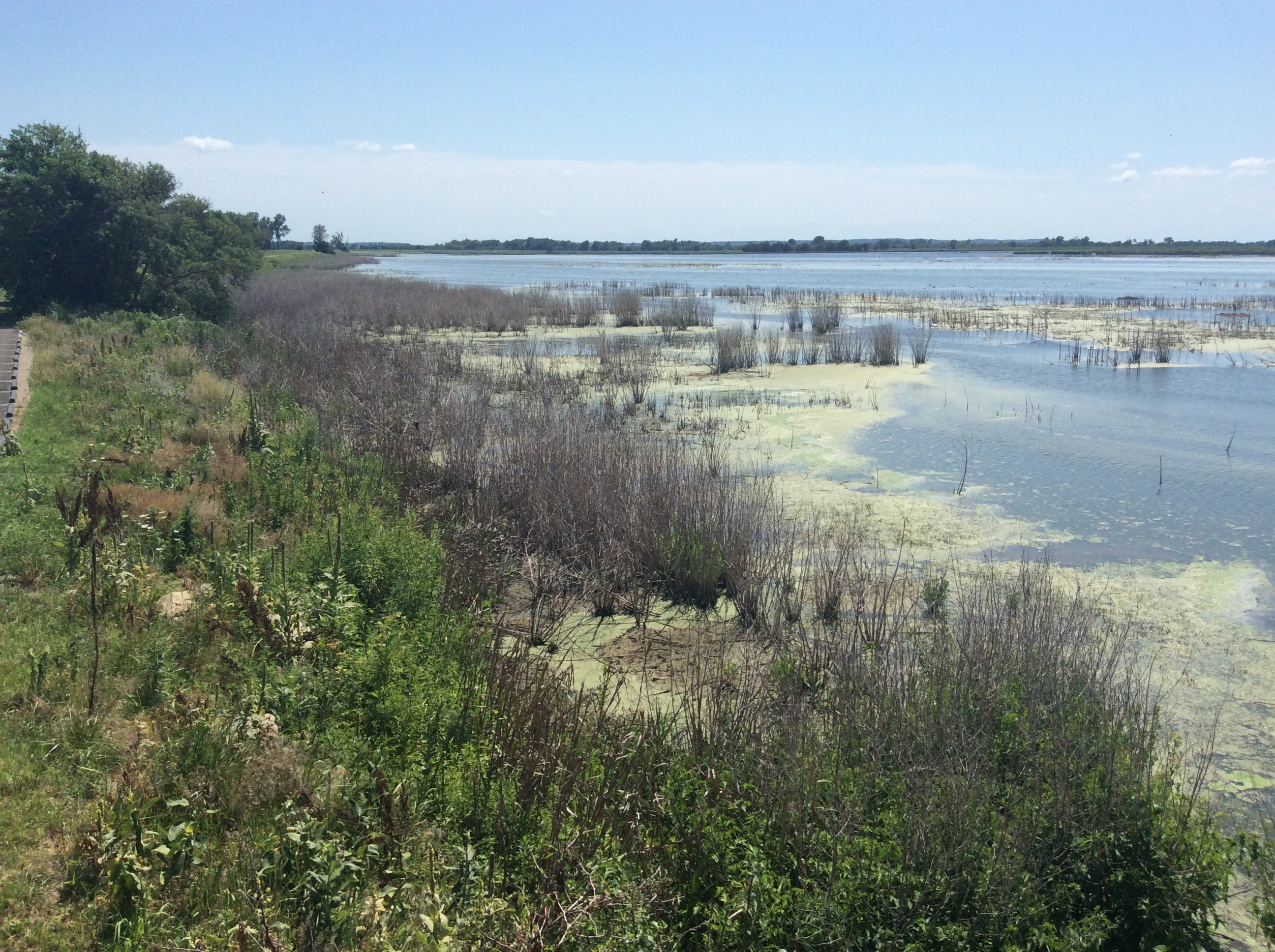
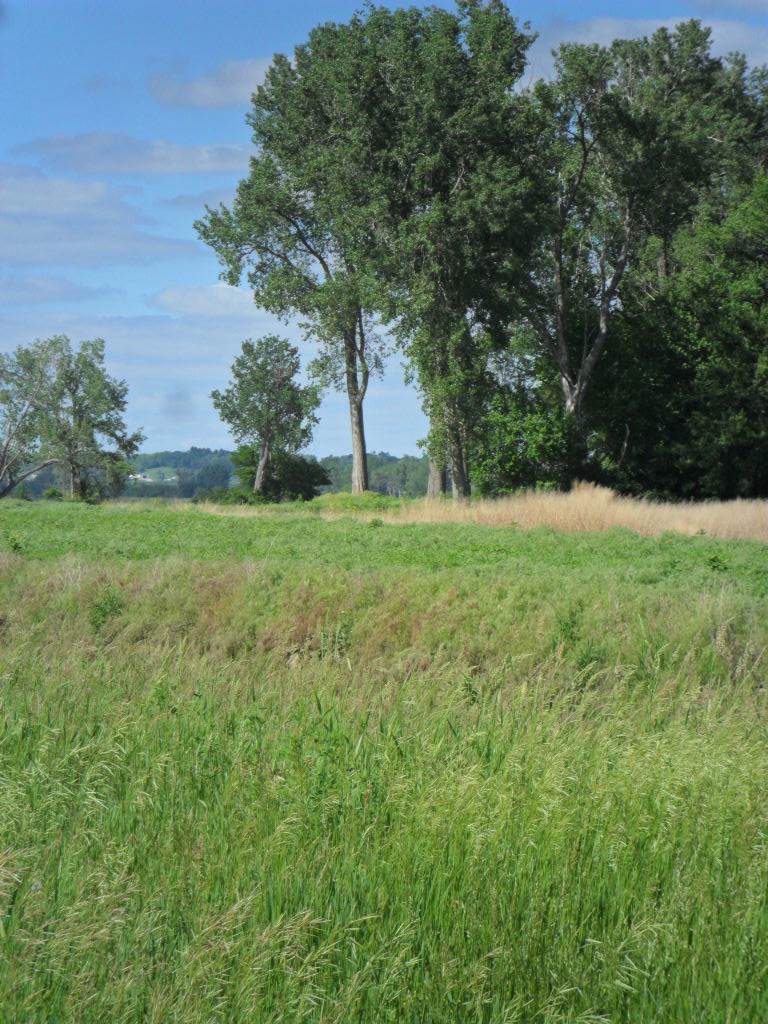
While in the river bottom we decided to take the loop drive through the Loess Bluffs National Wildlife Refuge.  The last time I was here five years ago, there was more water and fewer lilies.  The smell of their blooms permeated the air.

IMG_3428

Apparently, this is bull frog heaven because they were certainly actively croaking. In October and November approximately 400,000 geese and ducks migrate through here.

IMG_3424

IMG_3437

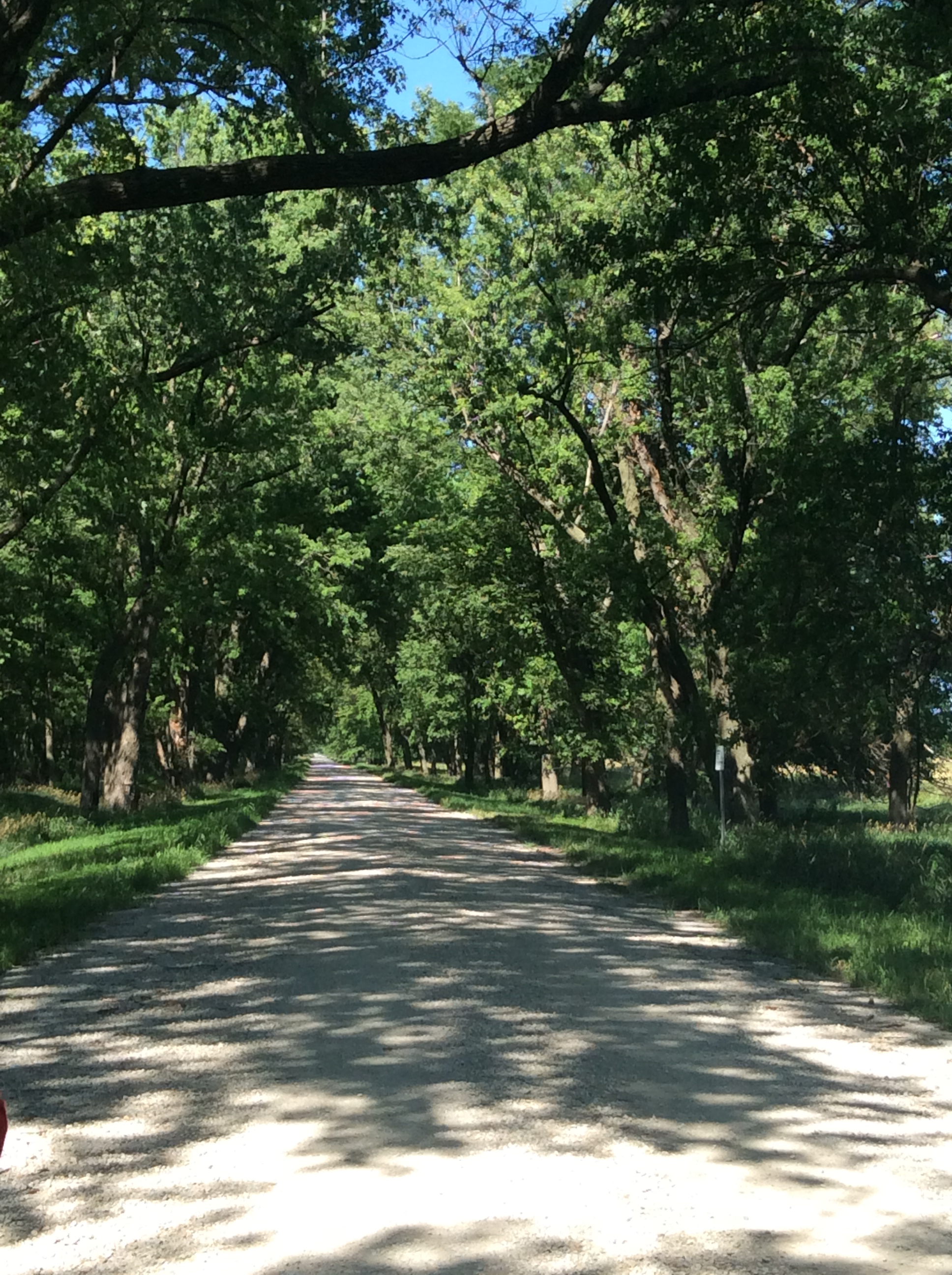
At the north end of the drive through the refugee this beautiful sight occurs.

IMG_3432

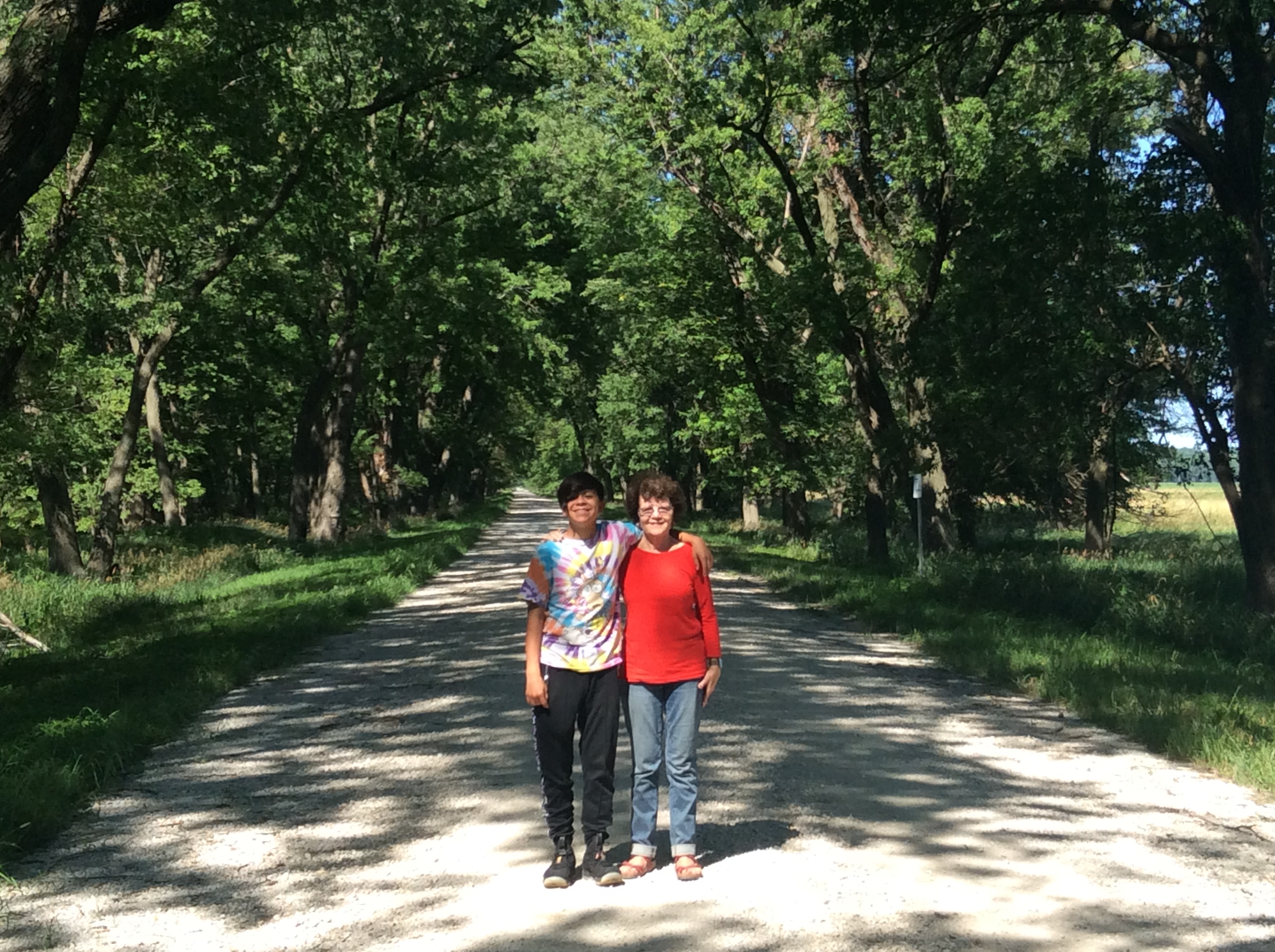
The tunnel between the trees continues for several miles.

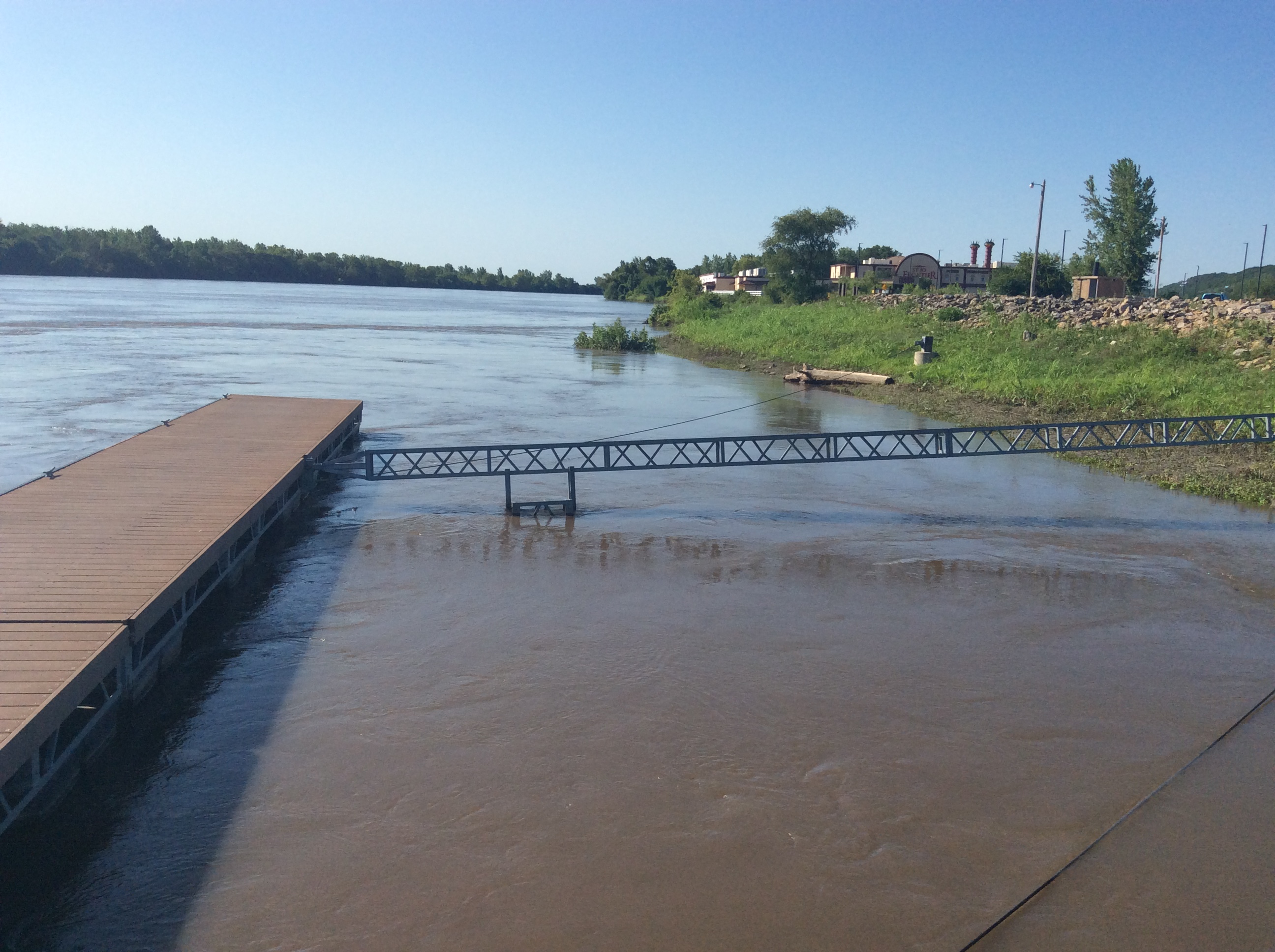
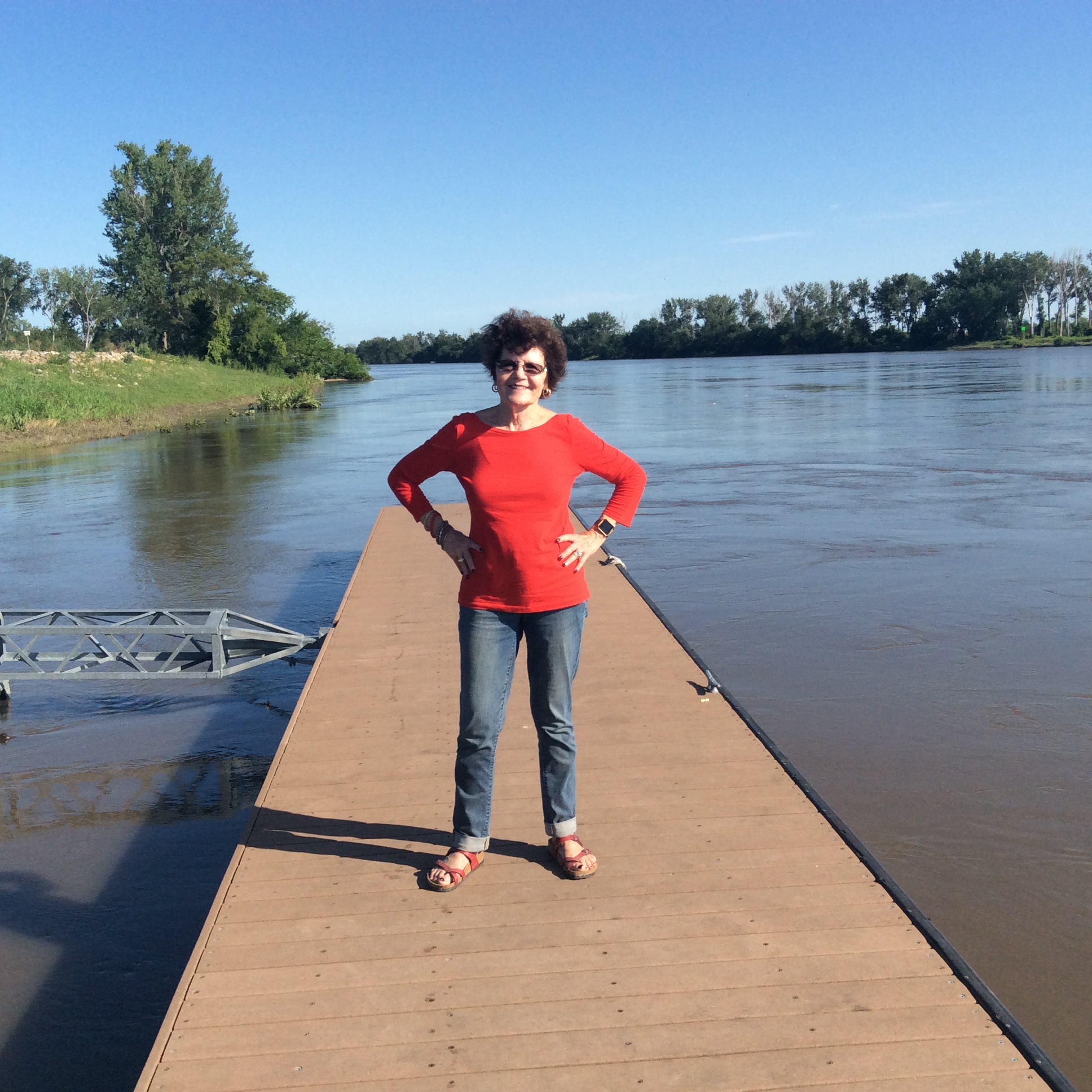
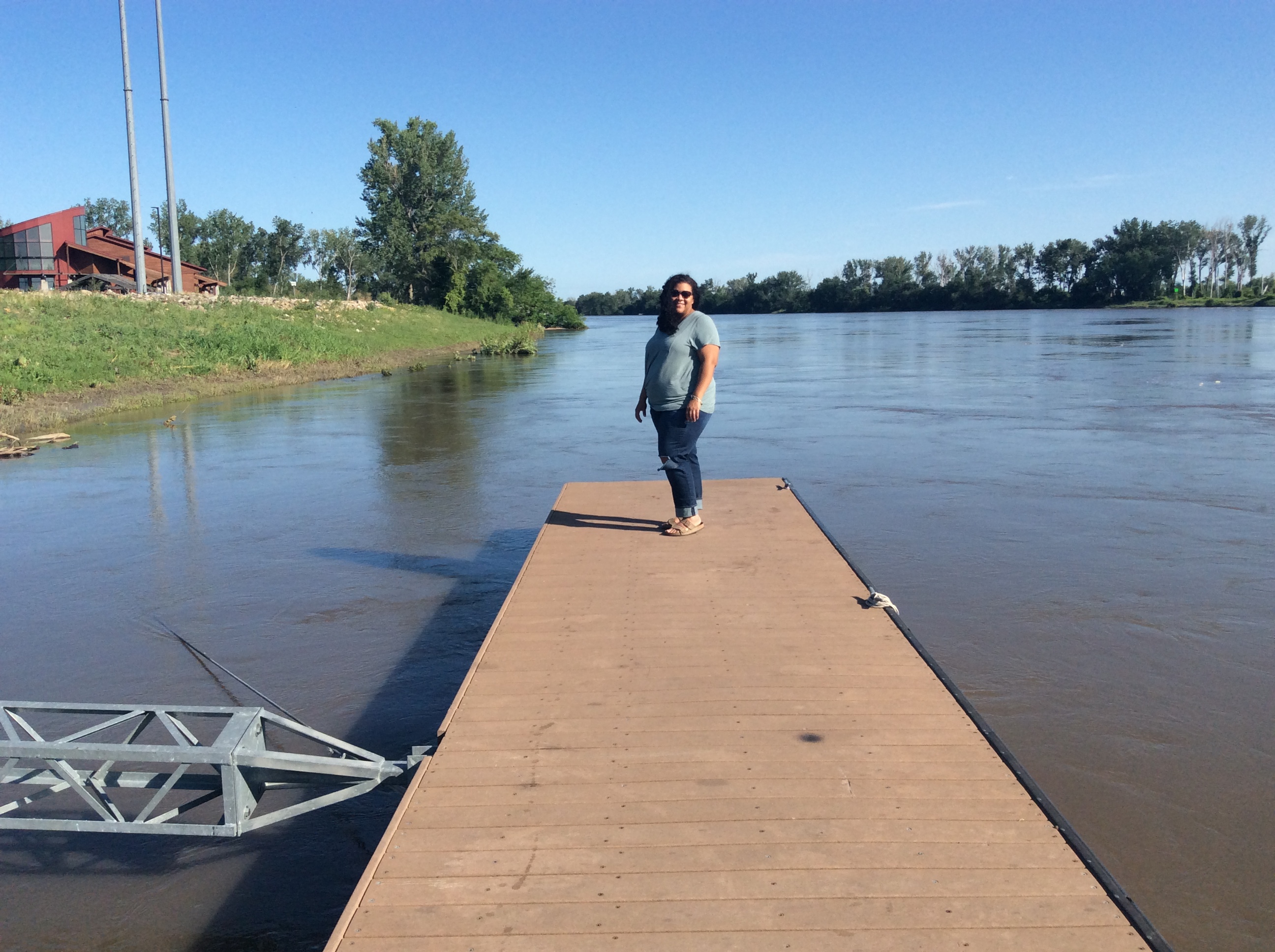
Later when we drove back to St. Joseph, we drove down to the nature center and the river’s edge there.

IMG_3440

No swimming in the Missouri River.  They warn people every year, but alas, people still try and drown.  The river moves fast and the undertow will pull even strong swimmers under.

IMG_3446


IMG_3444

I was not happy out here.  Ema, my daughter, insisted.  If a person fell in, there is no hope.  She, however, keep bouncing around and playing on it.

IMG_3443

Even though I grew up in this area, I am always amazed at just how green and wet it is there even when they have a dry spell like now.  Plus the humidity–not like here in the Panhandle of Texas–it does not cool off that much at night in Missouri.


Missouri Roadtrip-the Home Place


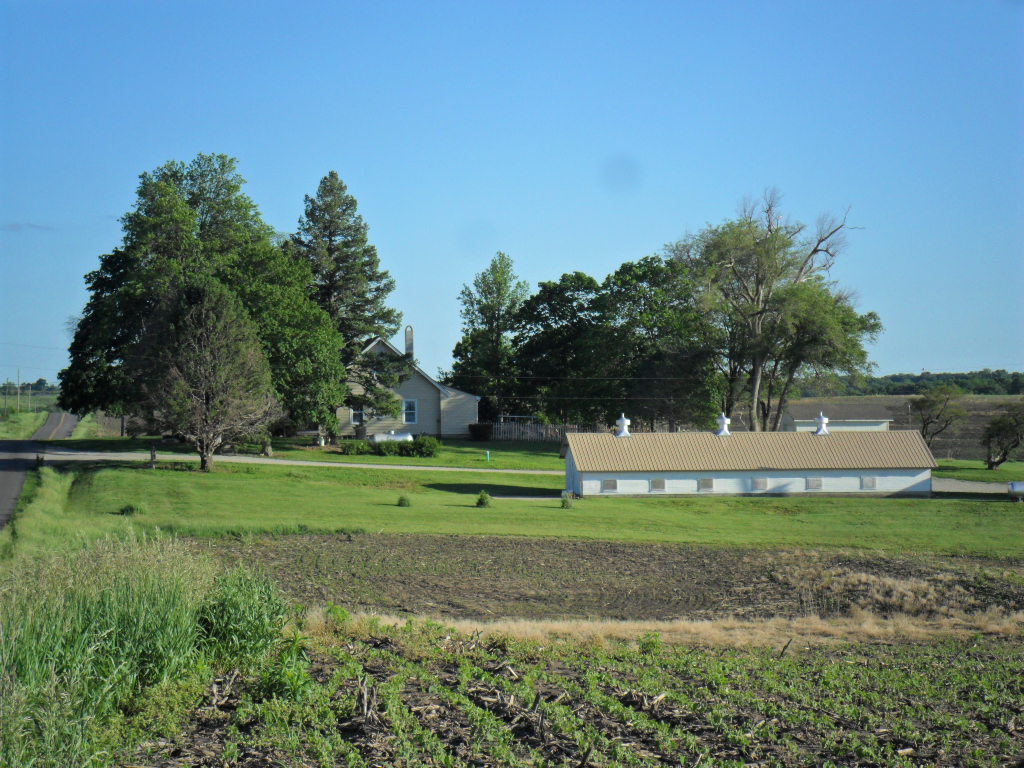
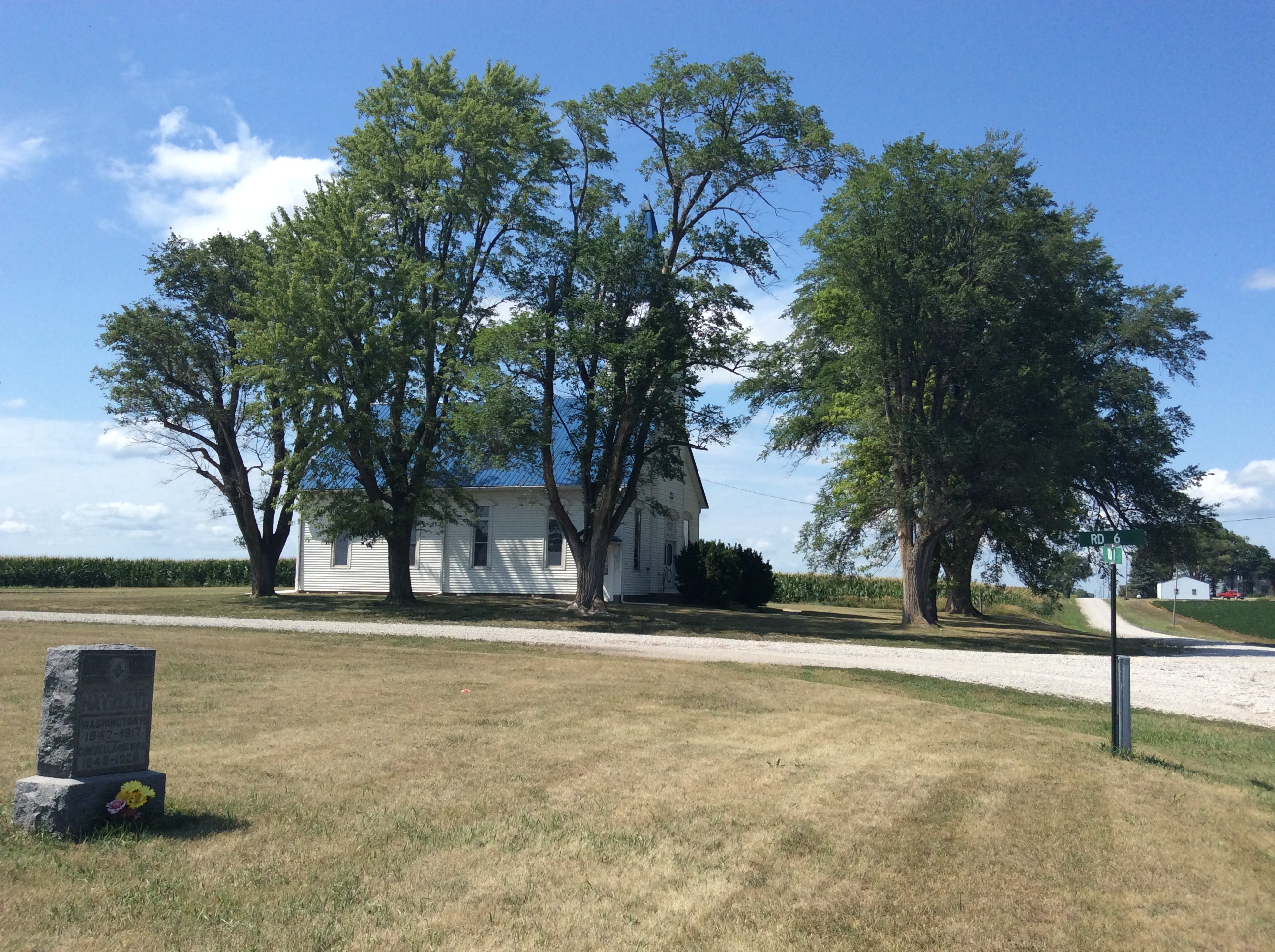
6CC097FA-6B1F-4C37-8170-6026A42B8C30This is he house where I grew up north of Fillmore, Missouri.  My dad lived here in this house from 10 year old to 90. He died in the month after his 90th birthday.  The house stands on the land my great grandfather established after he arrived from Switzerland in the mid 1800s.

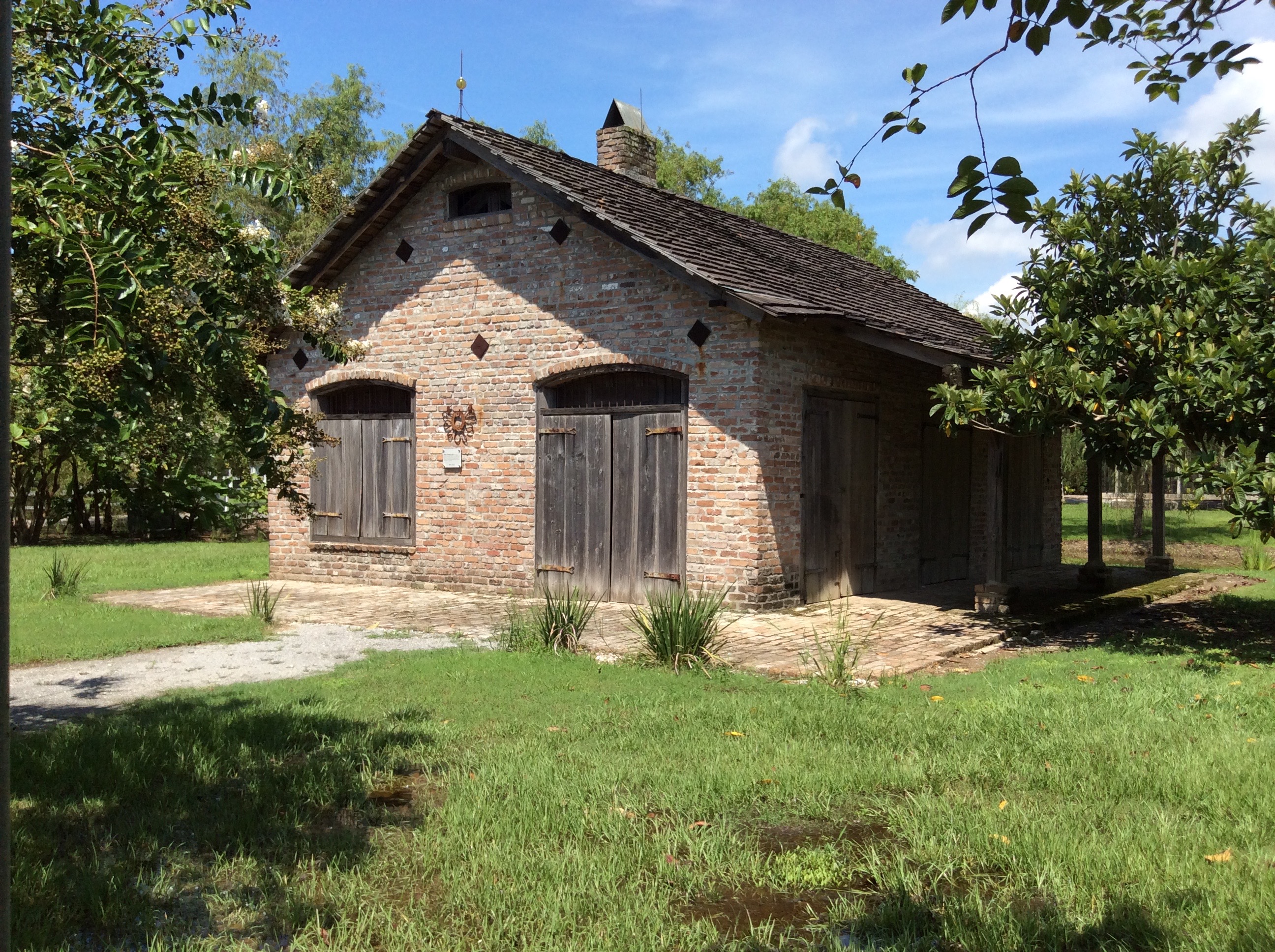
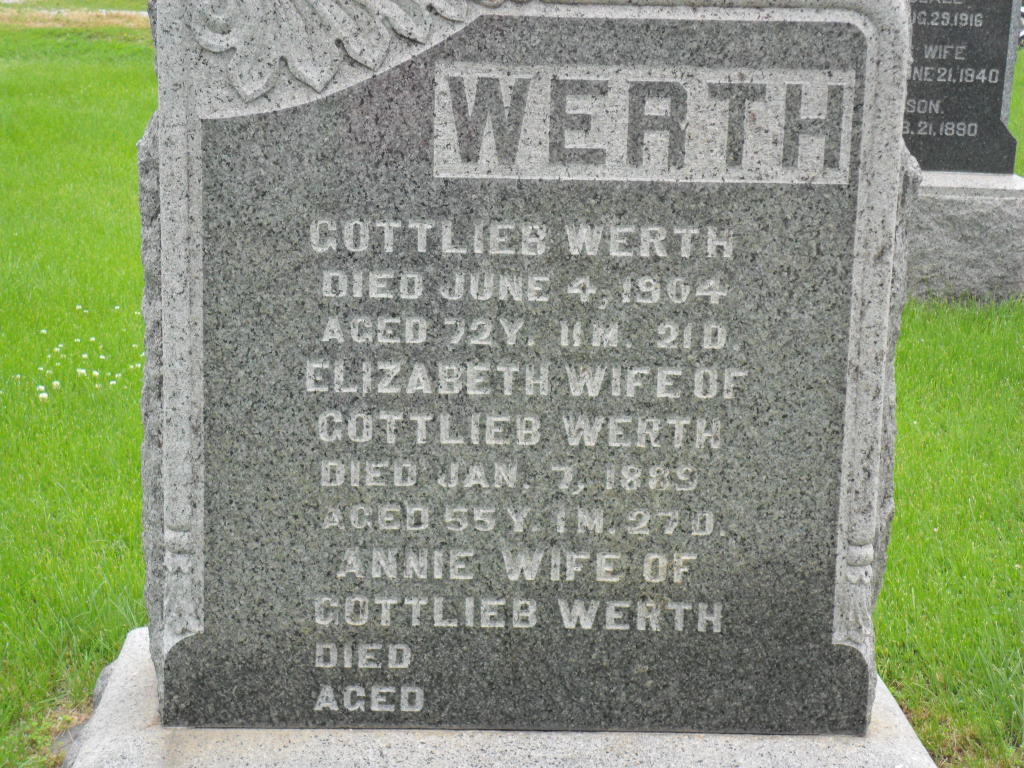
3A97C88F-30A5-4A32-99E3-5E4D8E1172F5This is the only building left at the site of my grandparents original house and barns.  It is an old carriage house.  In this photo my daughter and grandson are taking a look.  One of the original stained glass transome windows from the house hangs in my own house. My grandparents were Lilliebelle Werth and Pleasant Lightle.


D44A6726-4FF1-4FB0-9F89-47F7E7C98391When I was a child, this was once a chicken house but mostly the farrowing house for our registered Hampshire hogs.  Later I learned that when first built during Prohibition, Dad held dances here which the sheriff checked to make sure there was no alcohol.
5776CE1A-1C1F-4232-BFE4-50F8B1387533

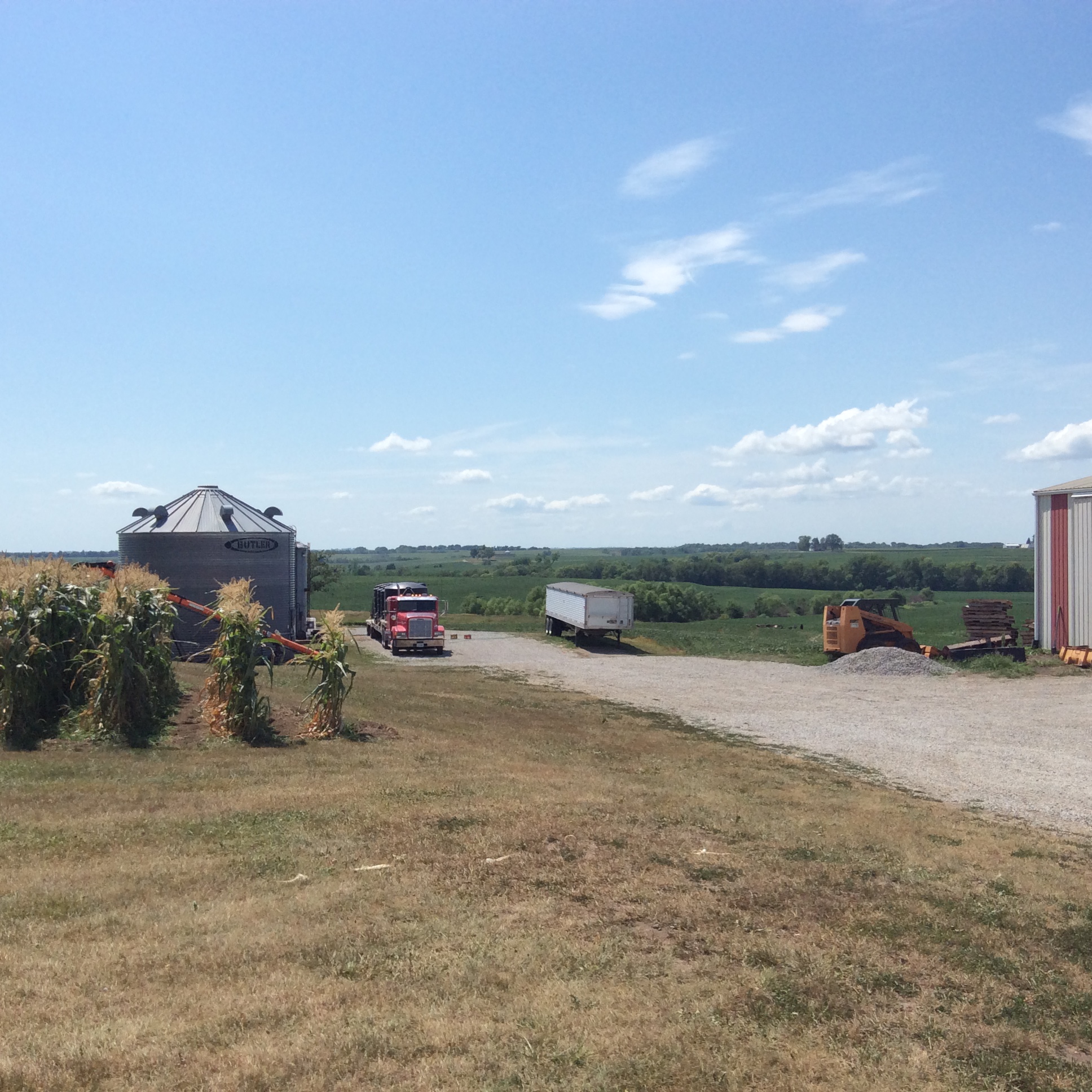
This is corn and soybean country. The view reaches across the land from the back of the home place.  We met the young couple who own the house now. They keep everything spic and span just like my parents did.  I am grateful.


050EC16C-195A-4404-8DF0-81DF5434F71E

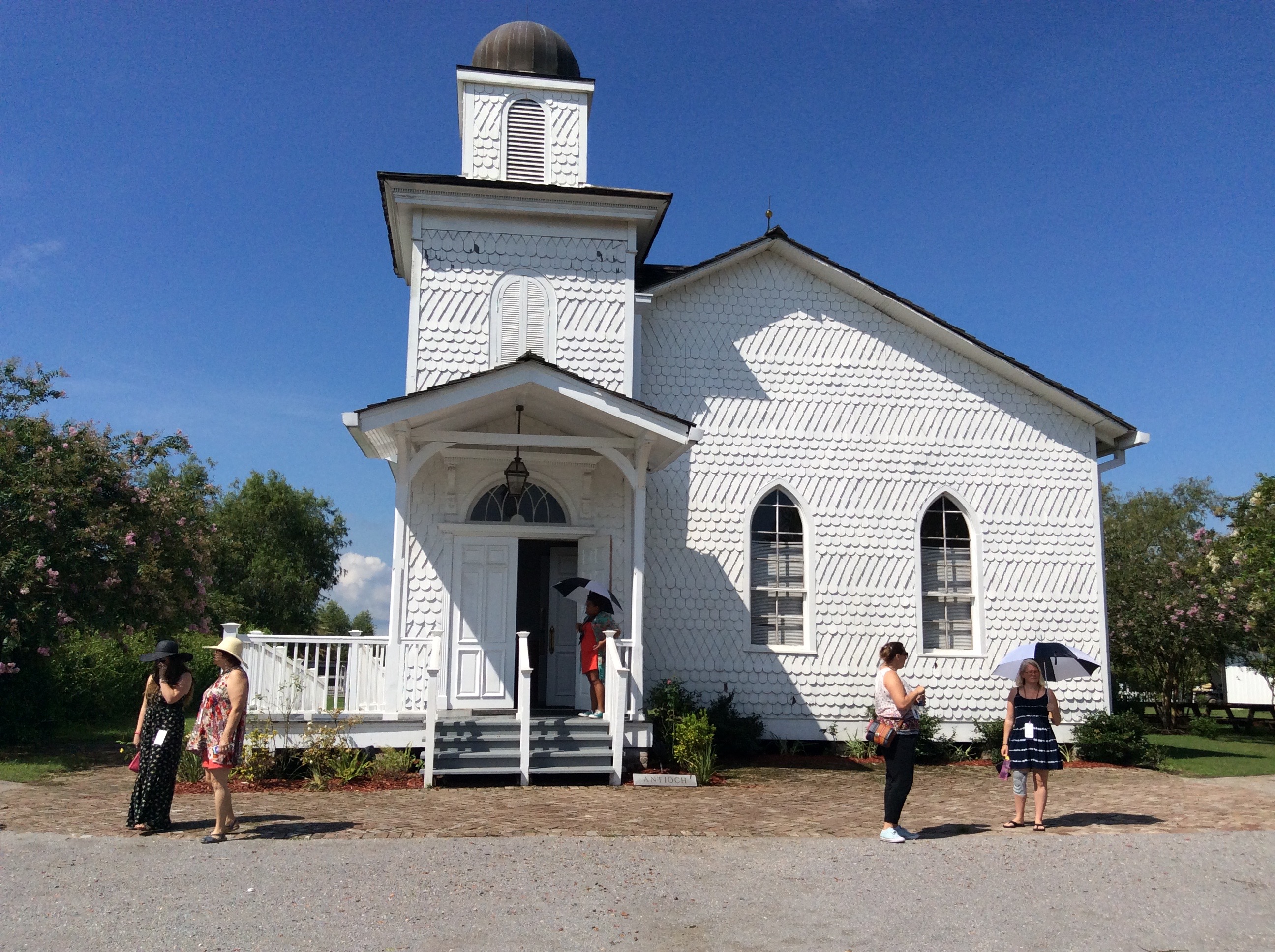
Antioch Christian Church where we attended church when I was a child.  My mom’s fruit pies were famous here.

Memorial Day–Memories


While I was growing up, my mom grew peonies by the side of the vegetable garden.  Red, pink, white, huge spectacular blooms that always arrived around this time of year just in time for Memorial Day.  We would pick many, put them in mason jars and take them to my father’s and her family’s cemetery plots.  She has created a metal apparatus to hold them so the wind would not blow them over.  We took water to fill the jars.  We did this every Memorial Day always.

No one lives close any more.  There is no one left to take flowers there.

My mother’s family members are buried in the Mound City, Missouri Cemetery.

SAM_1160

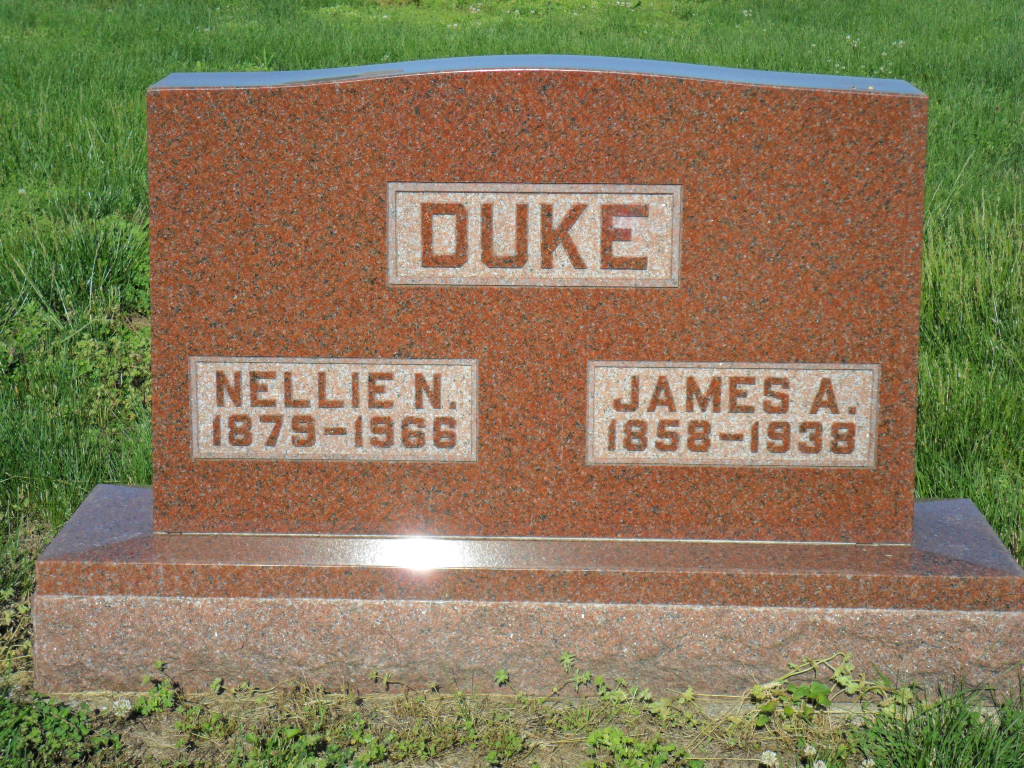
My mother’s parents’ gravestone.  She was Nellie Narcissus Kaiser before she married rather late for back then–in her late twenties.  I never knew my grandfather.  He was so much older than she that even though he lived to be 80, he died long before I was born. My great-grandfather Kaiser was born in Switzerland and brought here as a child.

SAM_1159

The gravestone of my mother’s grandmother.  I know she lived with my grandmother and grandfather a lot of the time from family photos, but I also know that she died in San Diego.  No one ever told me how she got there or why.

SAM_1161

The gravestone of Aunt Julia, Mother’s sister.  She never married, loved fancy antiques and china.  I frequently use some of what she left me.  She came to see me rather often and we visited antique stores when she visited.  To say she was an independent woman is an understatement.

SAM_1090

My parents’ gravestone is on the right and Dad’s parents’ on the left–in the cemetery in Fillmore, Missouri.  My grandfather, Pleasant Lightle, had walked from Illinois to Missouri as a child according to family stories.  My parents met dancing. I always smile when I see the peonies planted at their graves.

SAM_1094

This is the gravestone of my great-grandfather, Dad’s mother’s father, who came to the US from Switzerland when he was 18.  According to my dad, he did not want to be conscripted into the Swiss army because at that time Swiss soldiers were being hired out as mercenaries.  His mother stood on the roof of their house waving until she could see him no longer.  They never saw each other again.  I grew up on the land he homesteaded in Andrew County, Missouri.  Andrew County is filled with descendants of immigrants who came from Switzerland.

SAM_1097

The old carriage house near the house where Dad spent the first ten years or so of his 90 years.  It is all that is left standing.

SAM_1098

The house where Dad lived the last 80 years of his life and where I grew up.

SAM_1167

When I was a child, the building in the foreground was used at various times as a farrowing house, once for Rhode Island Red chickens, and to store various farm supplies.  When I went to visit Dad after Mom died and we were at the cemetery on Memorial Day, a man came up to Dad and asked if he was Doyle Lightle.  They started chatting and I learned that when Dad first built it during Prohibition times, he held dances there.  The sheriff would send deputies to watch and make sure no one was drinking.  I had lived there and visited there for decades and had never heard this story.

SAM_1134

I took this photo standing on the levee next to the Missouri River looking toward the Rulo, Nebraska bridge.  This is the land my mother’s family owned.  On some Sundays as a treat, we would cross the bridge to a restaurant on the Nebraska side.  It was famous for its fried catfish and carp.

SAM_1150

This is country with lots of water and trees.  This picture was taken near Squaw Creek National Wildlife Refuge.  Several times in my life, I have seen flooding from the bluffs on the Missouri side all the way to the bluffs on the Kansas and Nebraska side of the river.  When I was a child, my uncle and aunt lived on the river farm until a flood reached half way up the second story of their house.  They gave up and moved to town.

SAM_1145

When I was a child, there were trees like this in lots of places on Mom’s family’s farm.  About this time of year we would hunt for morels and often pick a bushel basket full.  Mom dipped them in egg and cornmeal, then fried them.  We practically lived on them for week or two.  I was shocked as an adult to go into a fancy market and discover that dried morels were 95 dollars a pound.


Like Tequila, Love Bats


Tequila is made from a specific species of agave plants that grow in certain areas of Mexico and Southwestern United States.  Did you know:  no bats, no tequila?

The Mexican long-nosed bat (Leptonycteris nivalis) remains crucial for tequila production because they pollinate tall, column-like cactuses and the blue agave from which tequila is made.  No bats, no agave, no tequila.

Every year these bats migrate from Central and Northern Mexico into the southern areas of Texas, Arizona, and New Mexico and they are endangered.  These bats have been listed as an endangered species since 1988 in the US and since 1991 in Mexico.  Researchers at New Mexico State in Las Cruces are part of a conservation network working with Mexican counterparts to save these bats.  And tequila.