Spicy Brisket for a Crowd


Originally, I had no intention of posting this.  I was simply making an easy dinner for ten guests on a hot summer day.  However, I received so many compliments that I decided to post it even though I took no pictures.  The only time I ever cook brisket occurs when quite a few people are coming over and I do not want much to do just before the food is served.  There is another rather odd reason I like to cook brisket in the summer:  I can use my electric roaster and plug it into the outlet on the patio and not heat up the house.  Since I do not particularly like barbecue, I try to do something different.

1 4-5 lb. brisket, trimmed of fat

1 large purple onion, coarsely chopped

Cumin, enough to completely cover the top of the brisket when sprinkled over it

2-3 Tbls. mild Mexican chili seasoning

1-2 tsp. coriander, ground  (optional)

Brown sugar

1 bottle cheap, dry, red wine

1 15 0z. can chopped, salt free tomatoes

4-5 jalapeño peppers (optional)

Place the brisket in a roaster fat side down and pour in the red wine to a depth of 1 1/2 inches.  Cover the top with the cumin and chili seasoning.  Evenly scatter the chopped onions over the top.  Bake at 325 for 2 hours.  Turn the brisket over so that the fat side is up.  Bake another 1-2 hours.  Turn the temperature down to 275 and turn over again so the the fat side is down.  Cover the top of the brisket with the tomatoes.  Sprinkle two small handfuls of brown sugar evenly over the top of the tomatoes.  If using the coriander, sprinkle it over the brown sugar.  Check to make sure the broth is not becoming too dry and add extra wine as needed. Bake another 1-2 hours.  If using the jalapeños, cut into halves and deseed. Add them about one hour before serving.  Usually, I cook brisket 6-7 hours.  I do not want it to become too dry, but I do want the broth to cook down so that it creates a natural sauce for the meat without using any thickening.  Just before serving, slice the brisket into pieces and stir around so the sauce covers all the pieces of meat.  I like to use the jalapeños this way because it does not increase the “heat” for those who do not like hot food, but there are tasty tidbit of hot for those who do.  Enjoy!
Costa Rica 5, Fauna


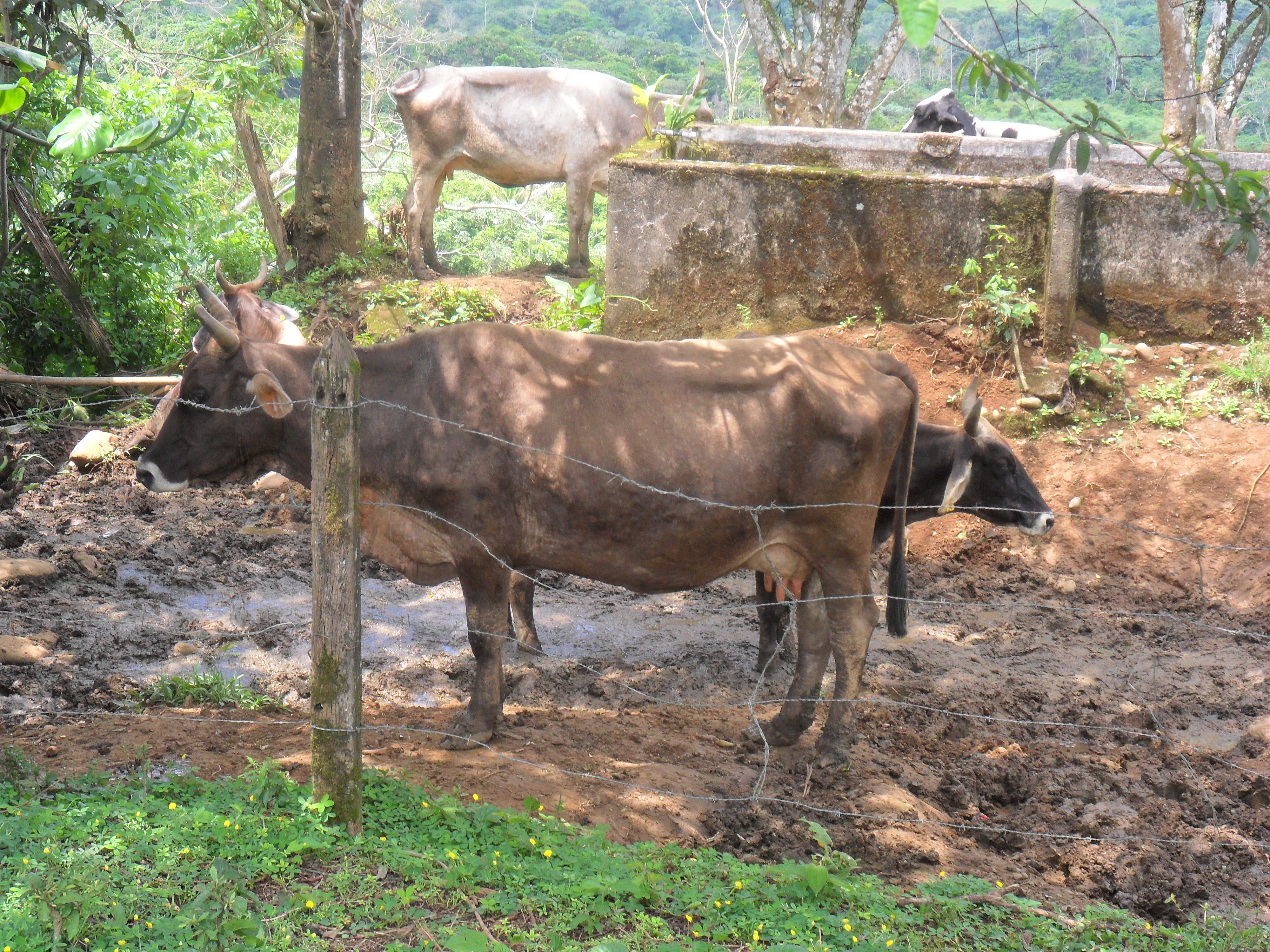
Costa Rica continued to surprise me.  I did expect some of the animals, photos of which are posted below,  but did not expect so many cattle, especially the dairy cattle, including Jerseys, Guernseys, and Holsteins,  that populated the steep mountain slopes.  They grazed everywhere up to their tummies in grass on even the steepest mountainsides.  I kept wondering how they learned to balance themselves and why they did not fall over, catapulting down the mountain.  Everyone in the group commented on the fat, happy cows.  Such abundance resulted in fabulous steaming milk for morning coffee, rich cheeses, and the creamiest ice cream imaginable.

A cow pen near the top of a mountain on the Caribbean side next to the restaurant that sold cheese and where I ate the raw turtle egg.  Most of the cows roamed free up and down the mountainsides.

In the lowlands on both the Pacific and Caribbean sides of the country, Brahma cattle relaxed or grazed in the lush grass.  It reminded me of the landscape near Veracruz, Mexico, where I lived many years ago.

The most common meat besides fish, most of which is talapia, is chicken.  Near the mountain top where the Jersey cow above was photographed, I saw a huge shed and when I asked about it, was told it was a chicken farm. However, pork is frequently served as well and occasionally beef.  I took the following photograph at a small place on a dirt road.  We stopped there to drink coconut water.  The spotted, pregnant pig was due soon.  However, the fate of the black pig remained less lovely–food.  Their girth resulted from eating coconuts; they constantly gorged themselves.

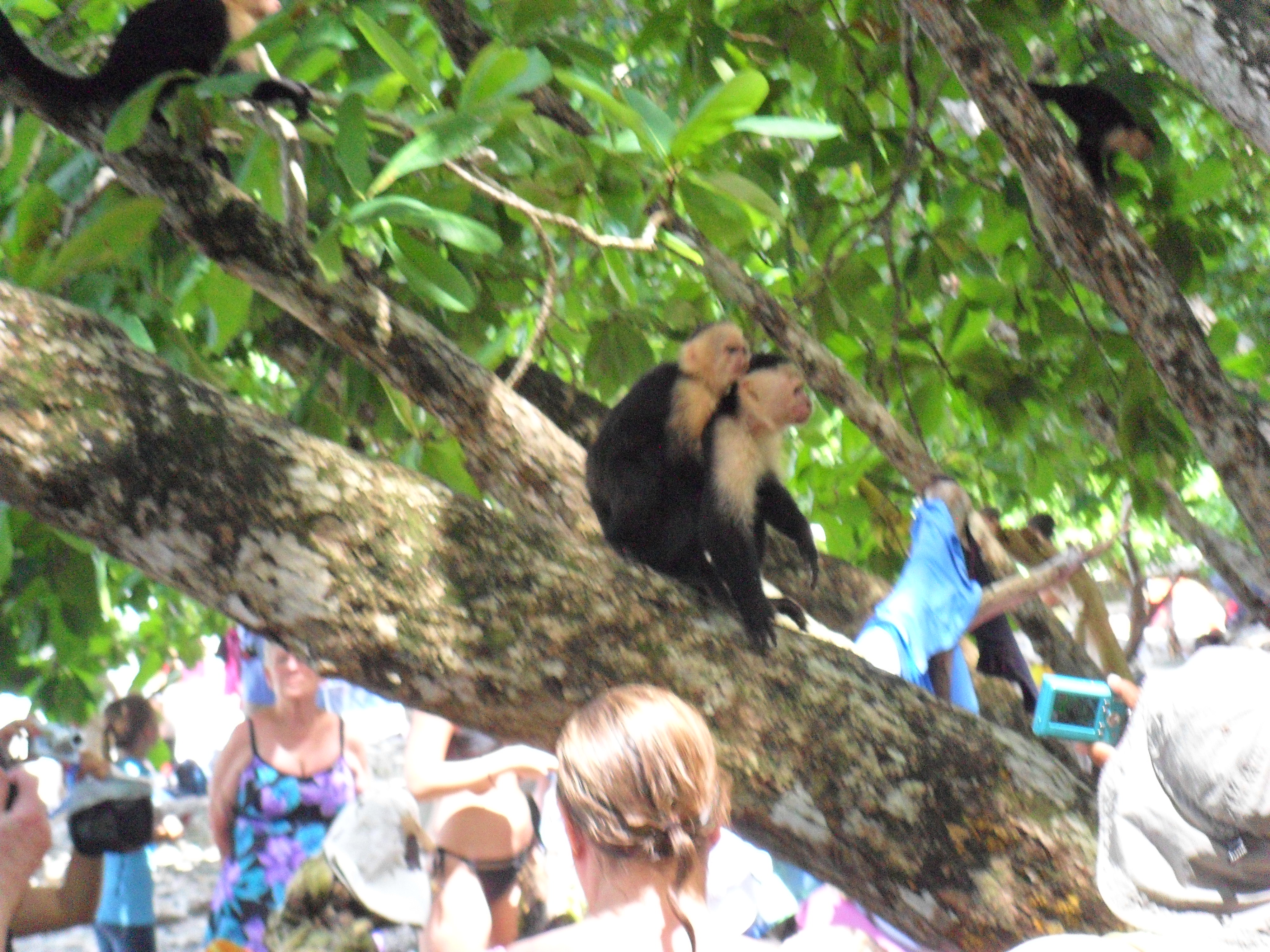
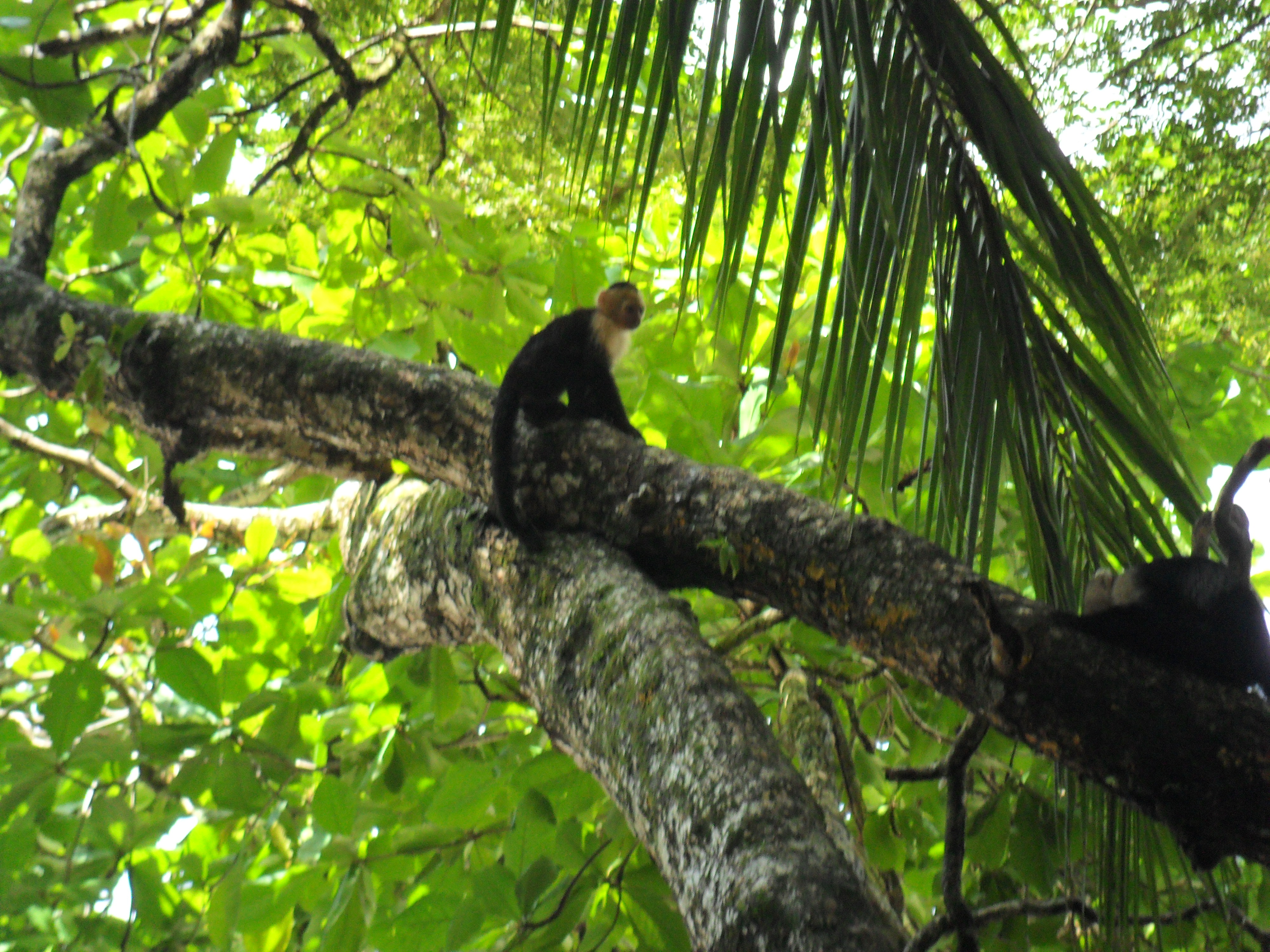
Birds abound, from the protected scarlet macaws on the Pacific Coast to tiny hummingbirds.  Hundreds of species I had never seen before and many I had seen rather often like various egrets and herons. And then there were the monkeys which I did expect to see but found difficult to photograph with my ordinary camera.

These white faced monkeys roamed everywhere near the beaches at Manual Antonio National Park, begging for food and if that did not work, actually stealing it.

While the white face monkeys remained highly visible, the howler monkeys could be heard easily but were much harder to locate because they tend to stay high in the tallest trees.  Without a good telescoping lens, this was the best I could do.

Look for the dark blob in the middle of the photo.  They also move fast so hard to locate and follow and even harder to photograph under those conditions.

Just as we arrived, walking, at the entrance to Manuel Antonio, a downpour began.  Not fond of drenchings, I stayed back, hoping it would stop, and suddenly saw a small sloth, the grey spot in the nearly leafless tree in the middle of this photo.

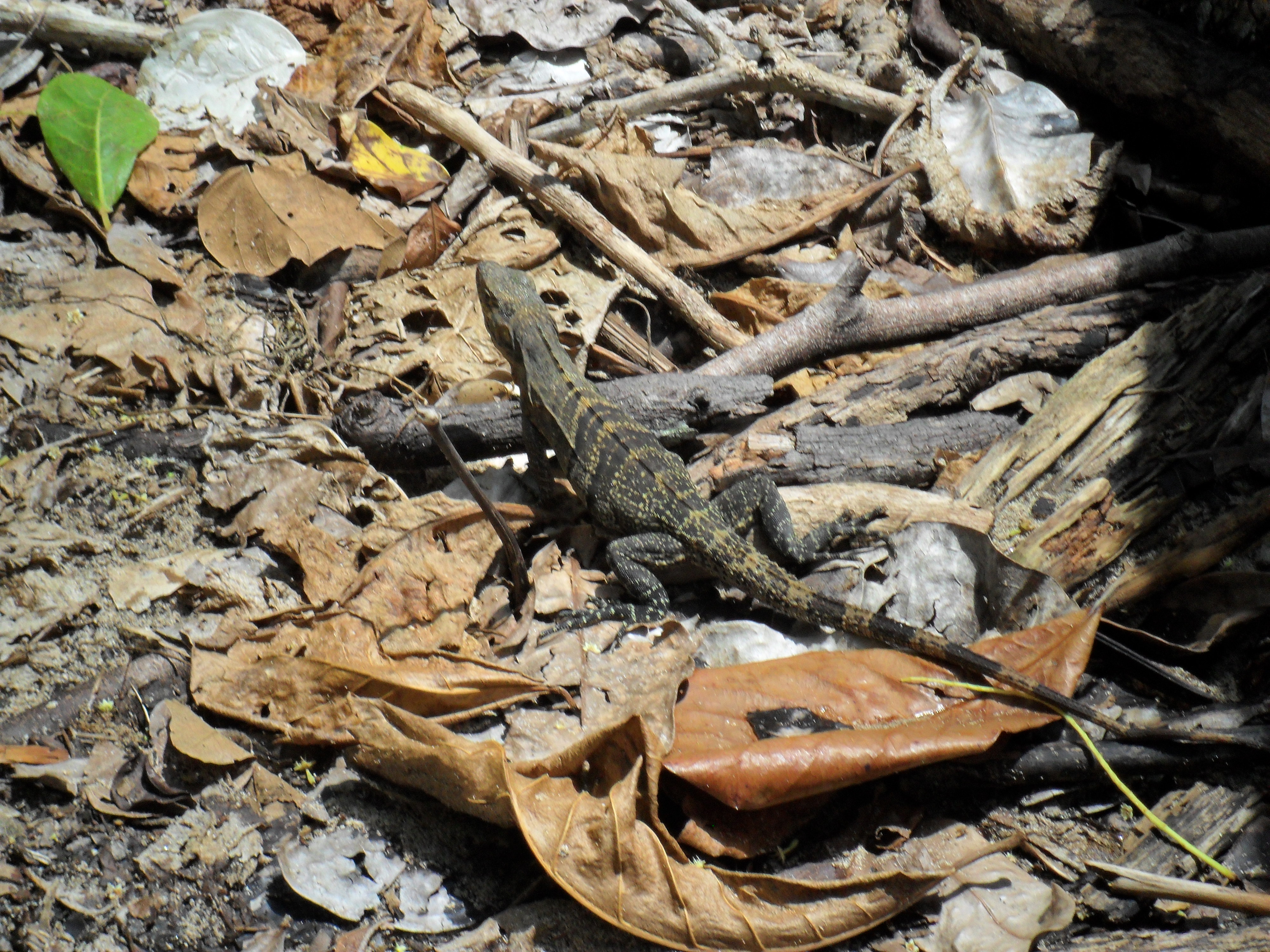
Lizards of many varieties abound.  The tree near my hotel room in Jaco contained four iguanas that appeared nearly lifeless since they never seemed to move.  Again, without a better lens I could not really photograph them.  However, at Manuel Antonio many other kinds of lizards ran here and there only slightly afraid and relatively easy to photograph.

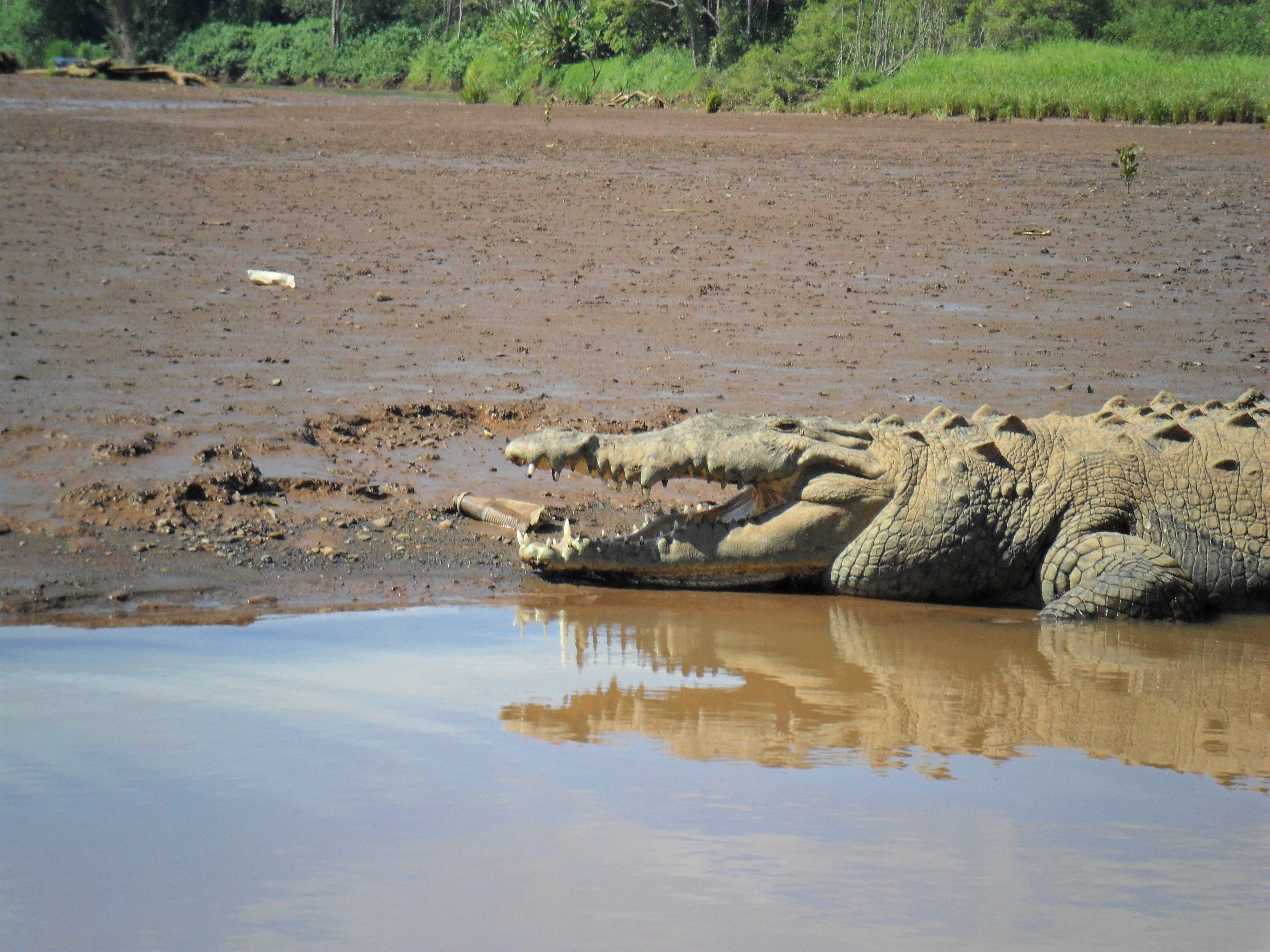
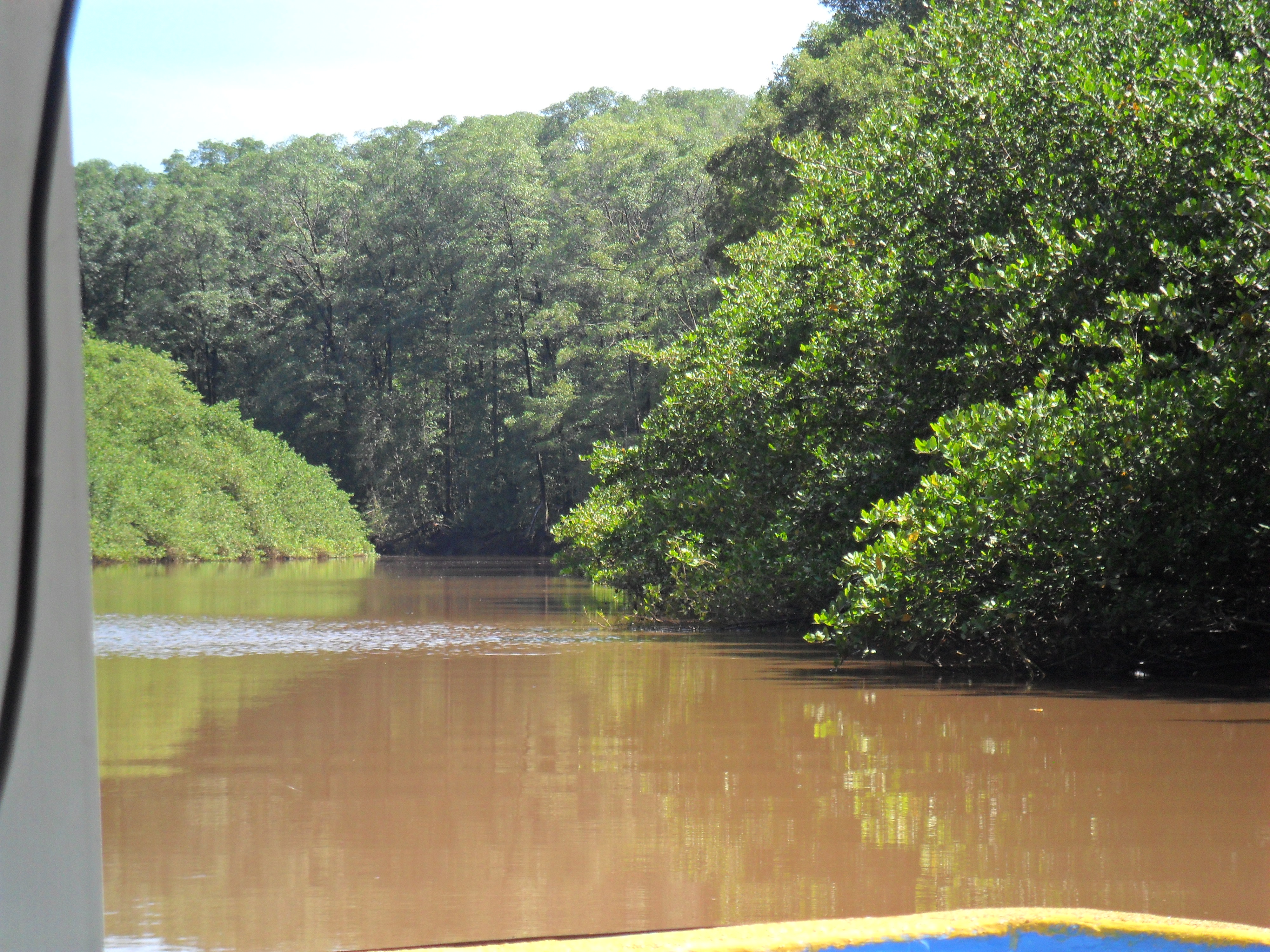
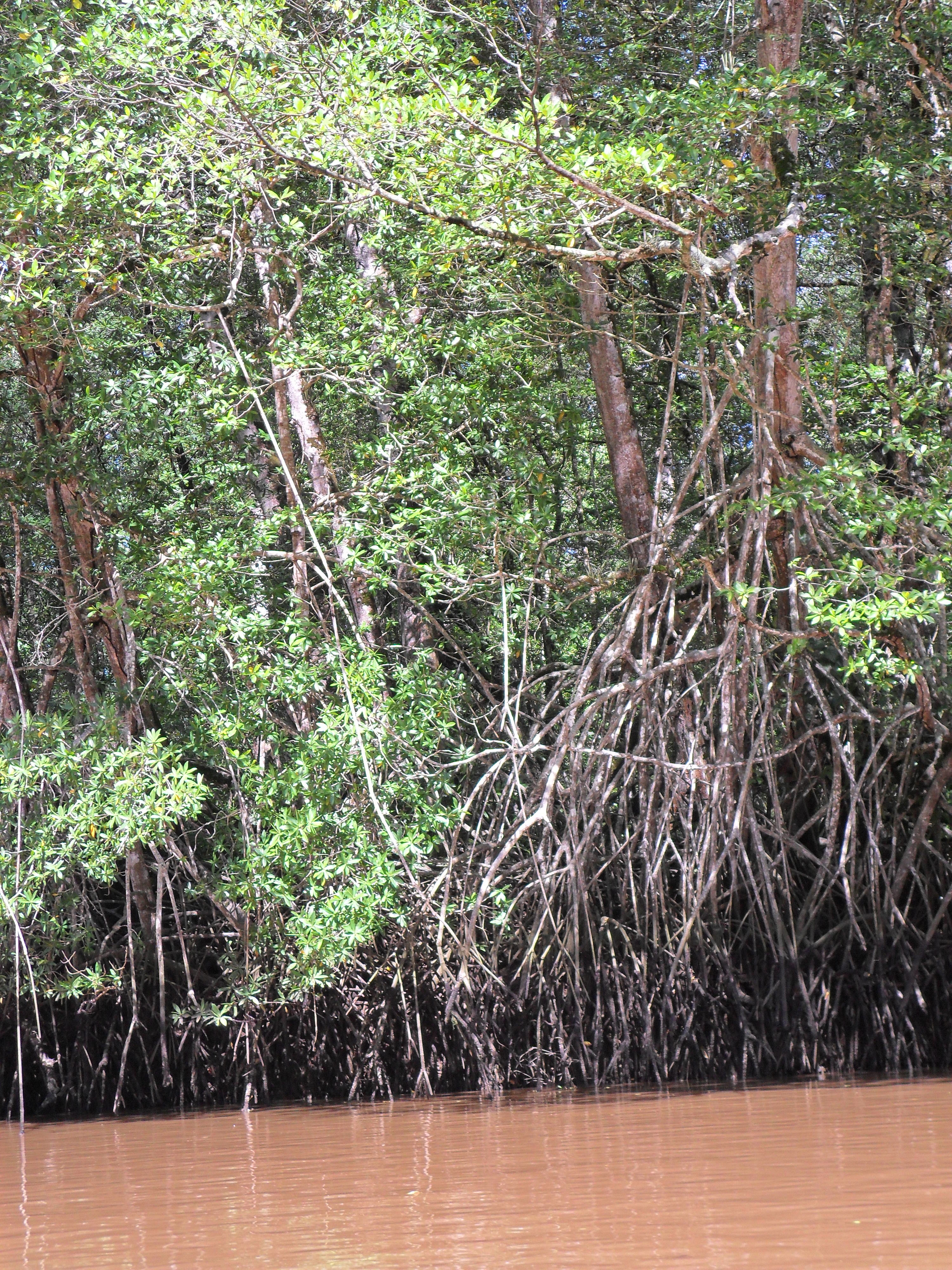
When I think back as to what I expected, it never occurred to me that huge, brackish (salt) water crocodiles existed in such abundance or even existed there at all.  Near Jaco, on the Rio Grande Tarcoles the Costa Ricans created a preserve to protect the endangered scarlet macaws and crocodiles.  We arrived early in the morning and floated around the river, into a mangrove swamp, watching birds and crocodiles.  The list of common birds included 58 species and we saw others that the guide referred to as “bonus birds”.  The following photos come from this lovely, relaxing river ride.  Truly, I loved this part of the trip.

Entering the mangrove swamp.

Two months old.

Where the Rio Grande Tarcoles enters the Pacific Ocean.

The boat captain feeding the crocodile in the mud barefoot.  I thought about touching this one he was so close until I was told they could swim as fast as 55 miles per hour.  It occurred to me that he could turn around really quickly and snap off my hand so…

Costa Rica: 4, Flora


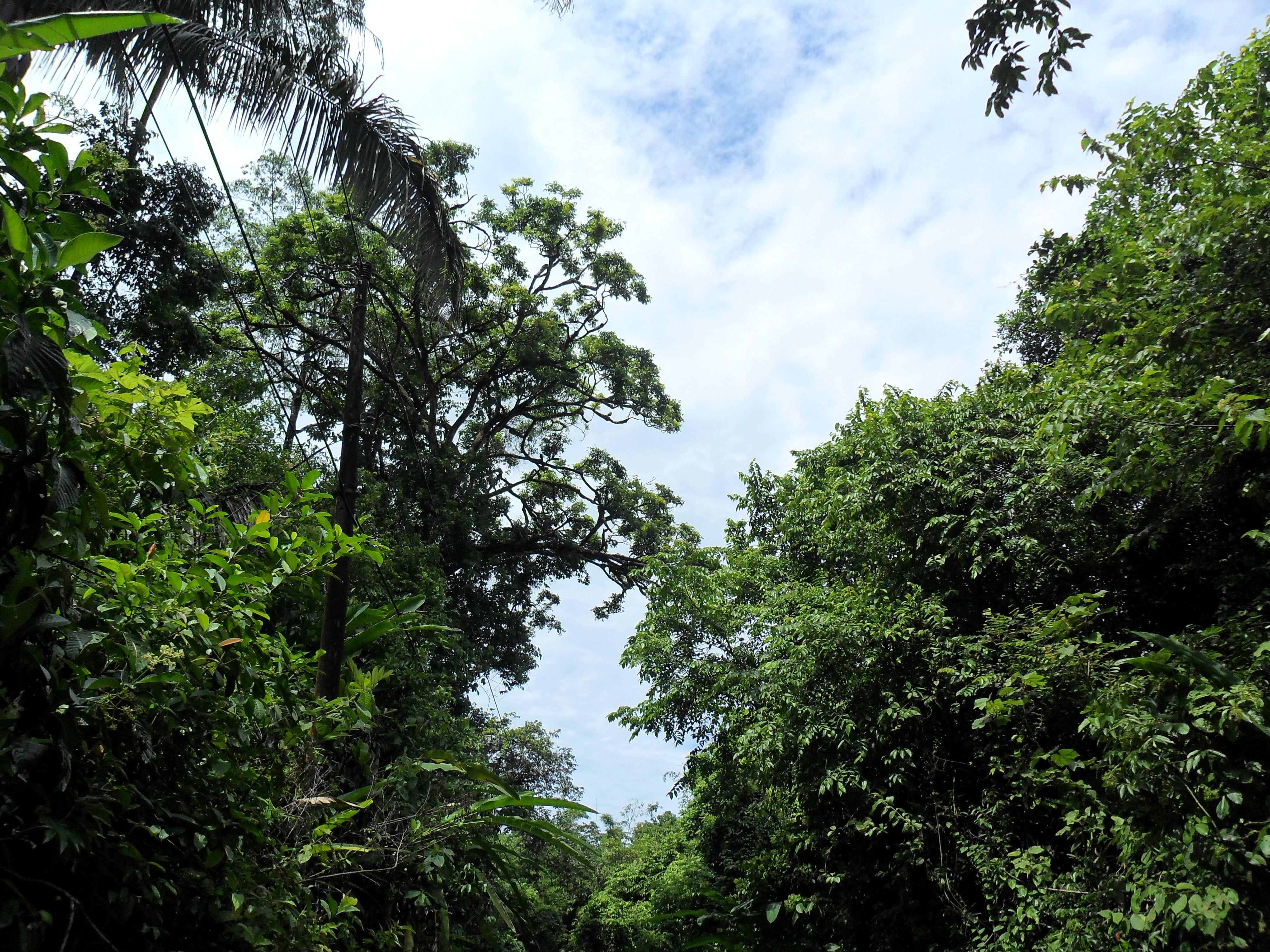
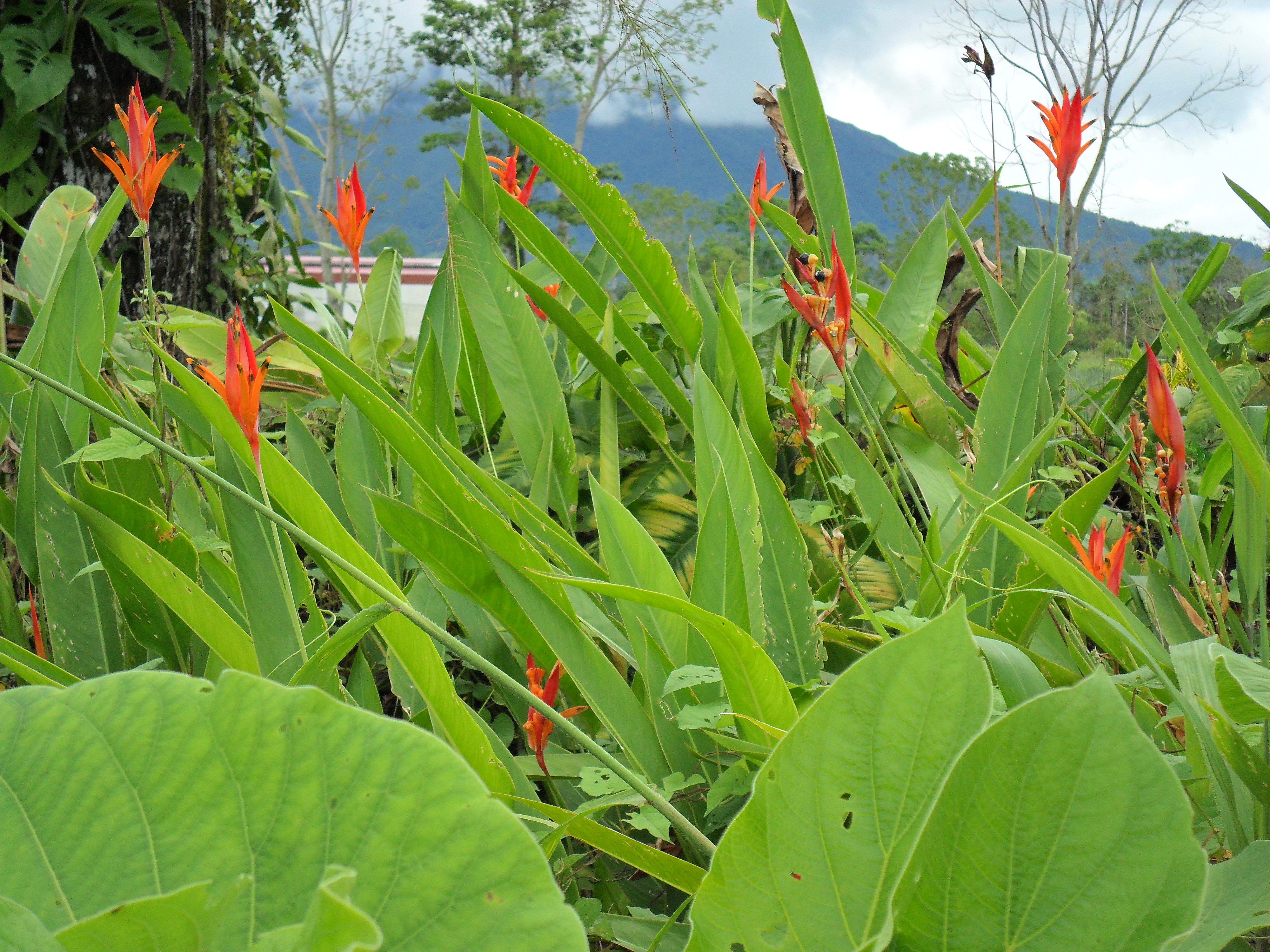
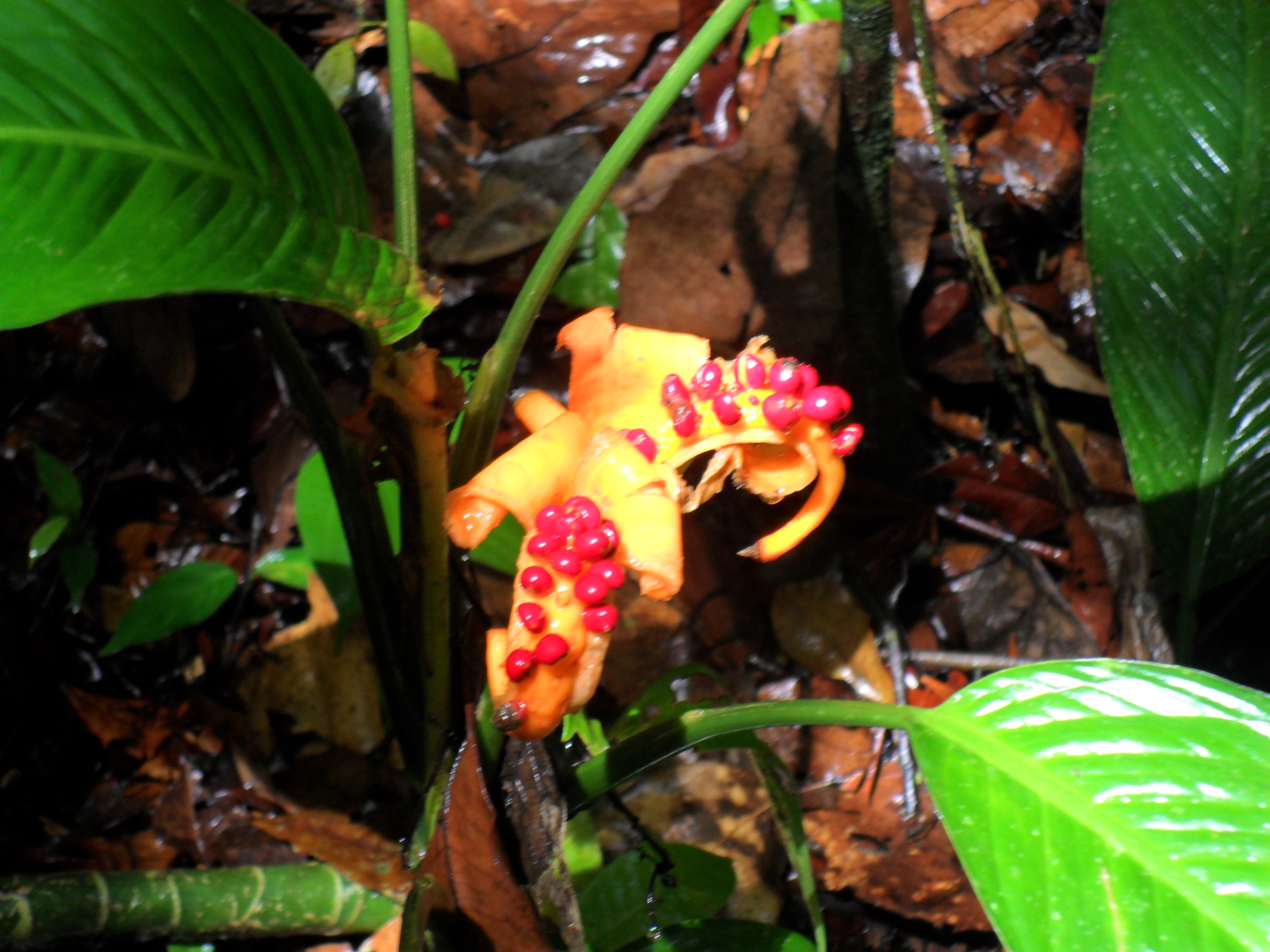
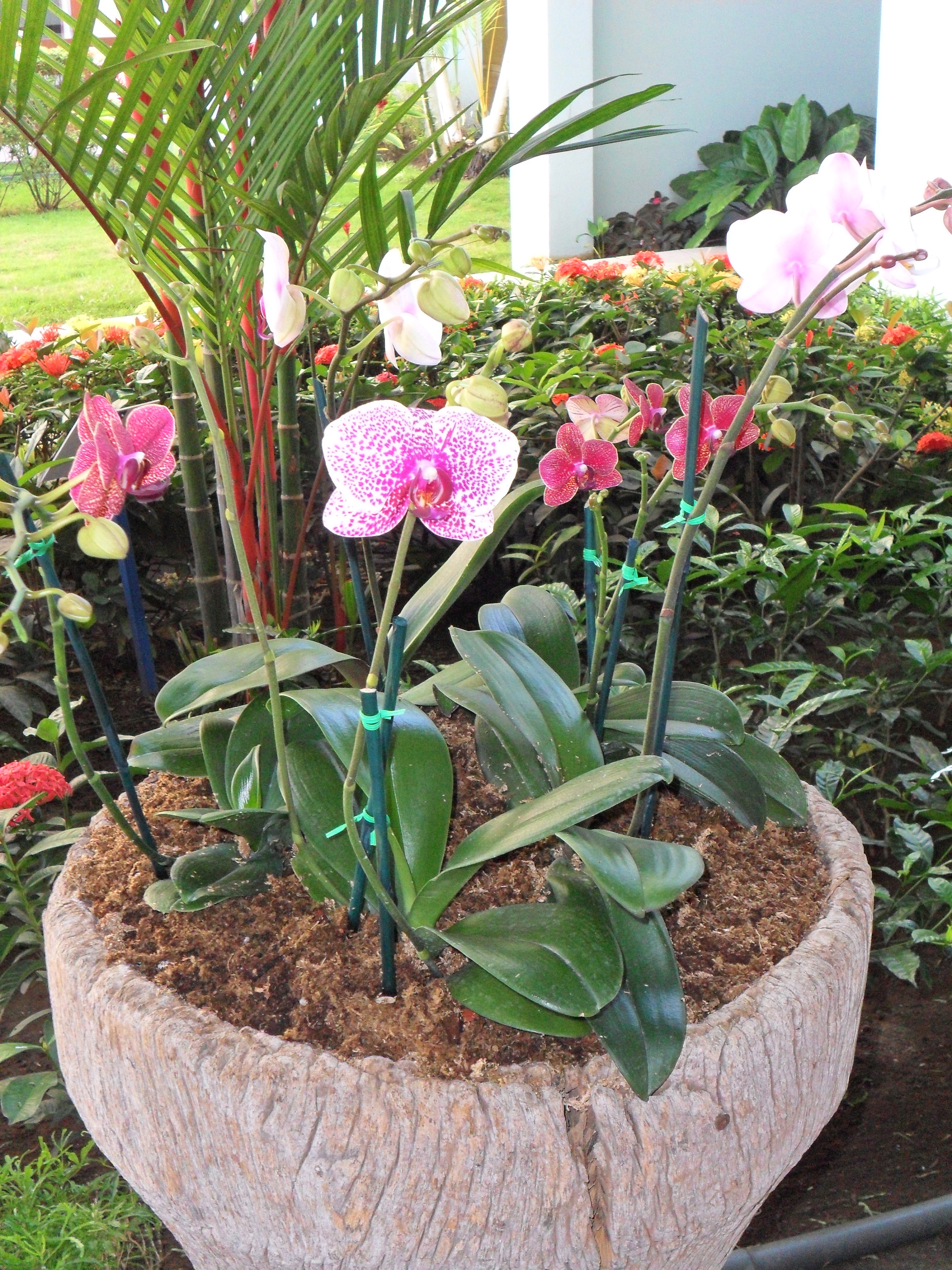
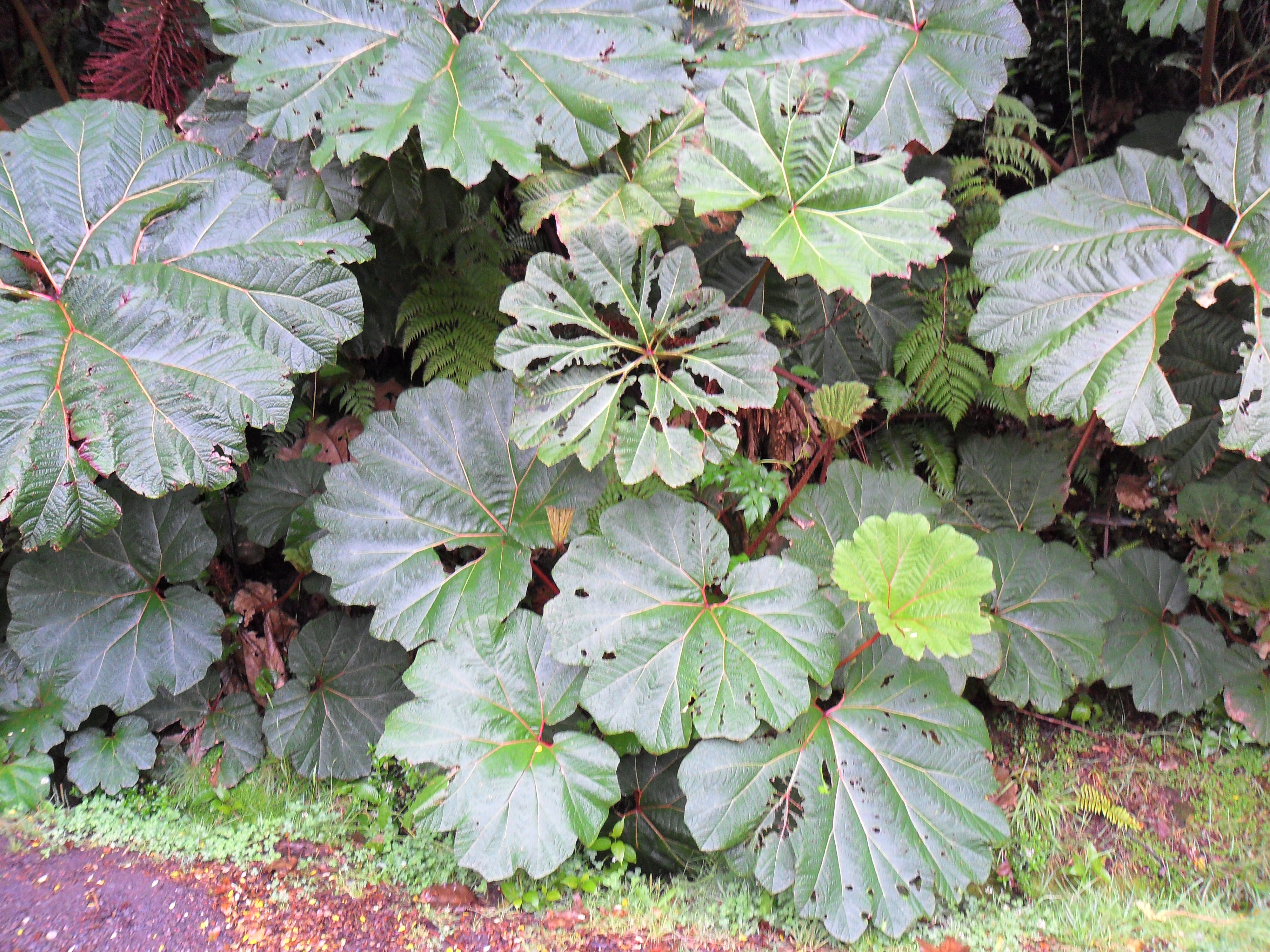
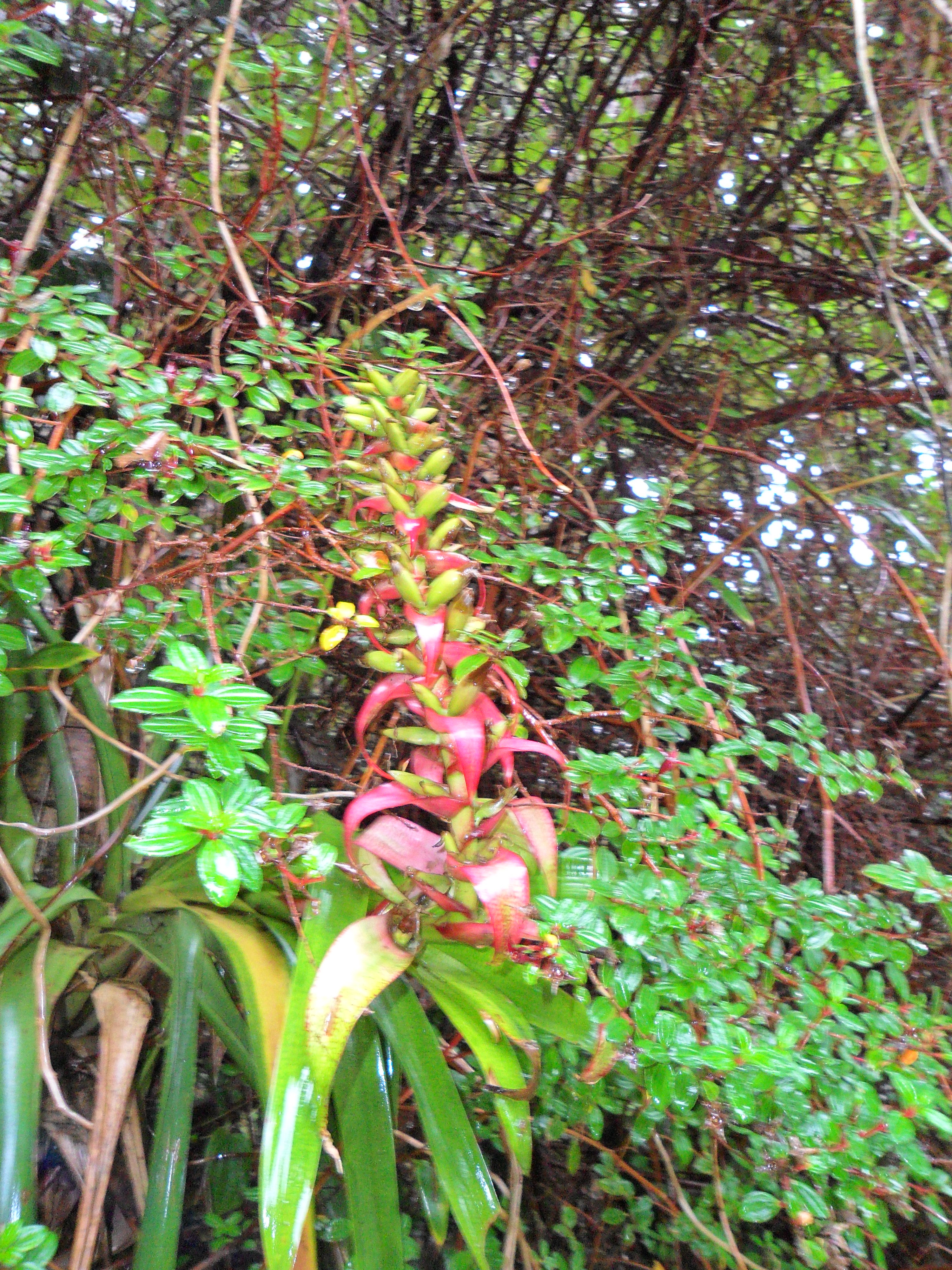
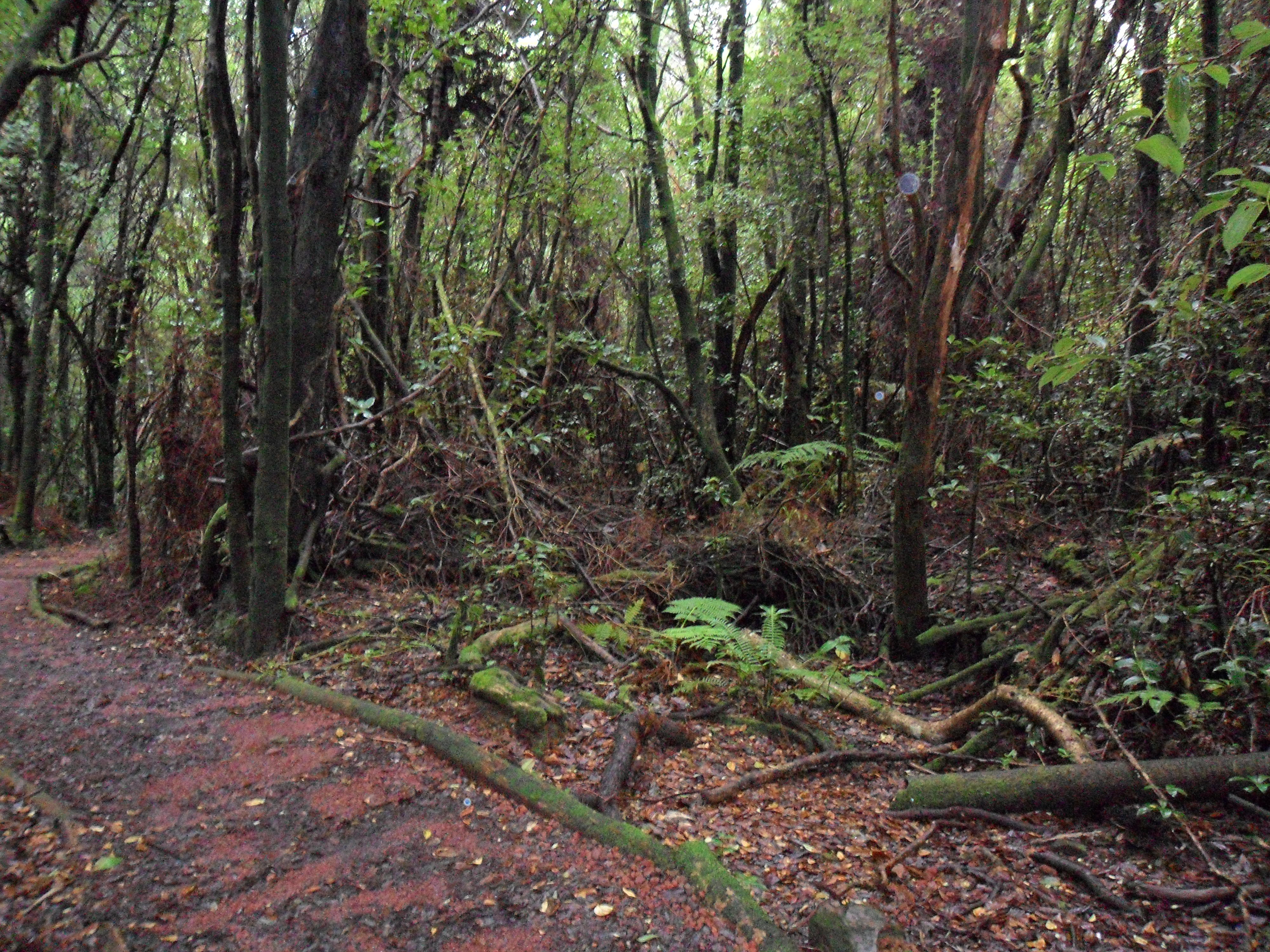
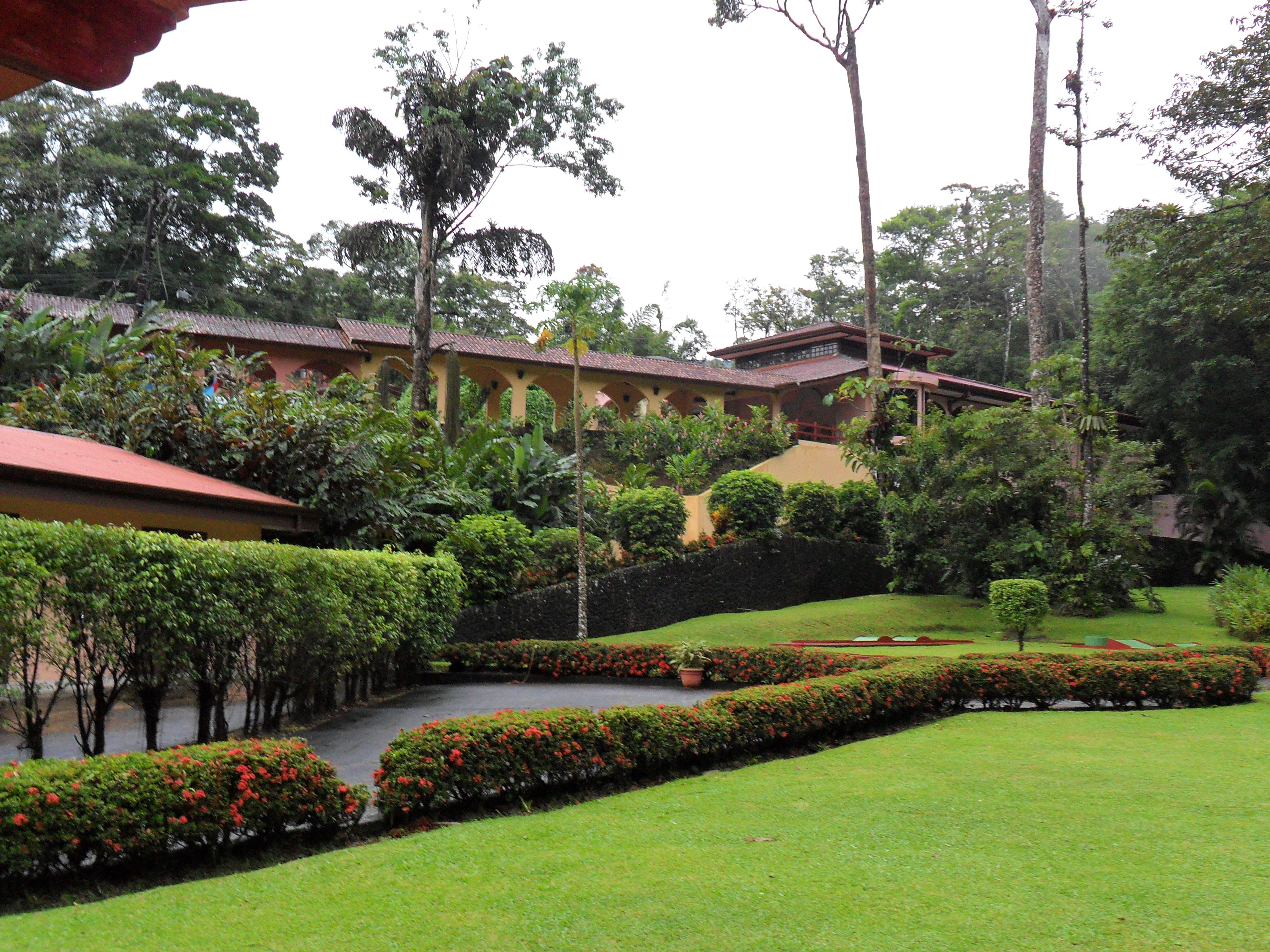
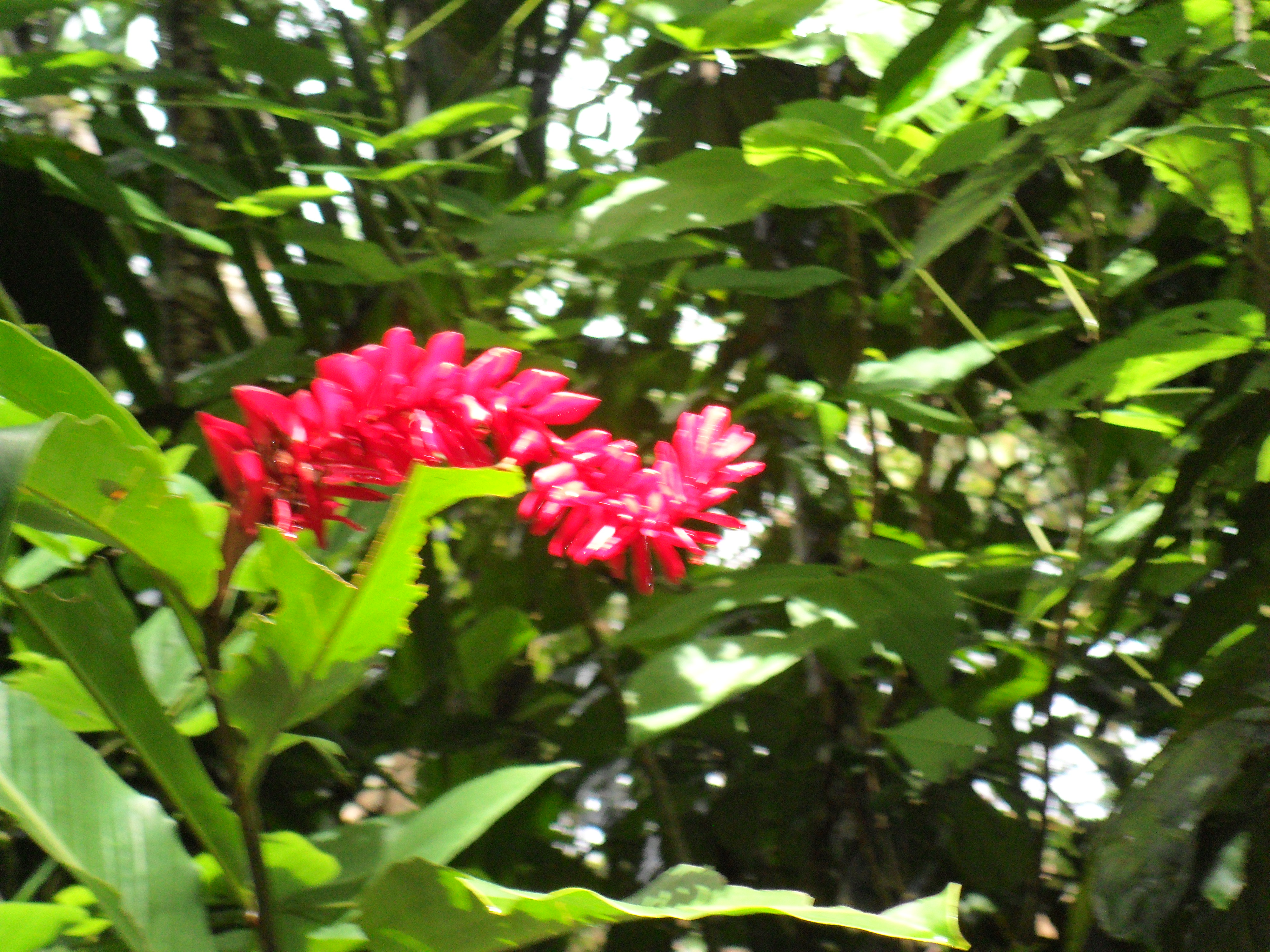
For a person who loves flowers (and I do), Costa Rica exemplifies a lush, green heaven.  This intense green makes the flowers show up more than they would in a duller landscape.  Whether in the high mountains near Monteverde or down in the coastal lowland jungles, flowers abound.  So many flowers everywhere made me want to photograph them all, but there are too many; I photographed a few.

My friend, Anabel McMillen, the professional photographer, just about went nuts there were so many spectacular things to photograph.  Last count I think she hit over 1000 photographs.

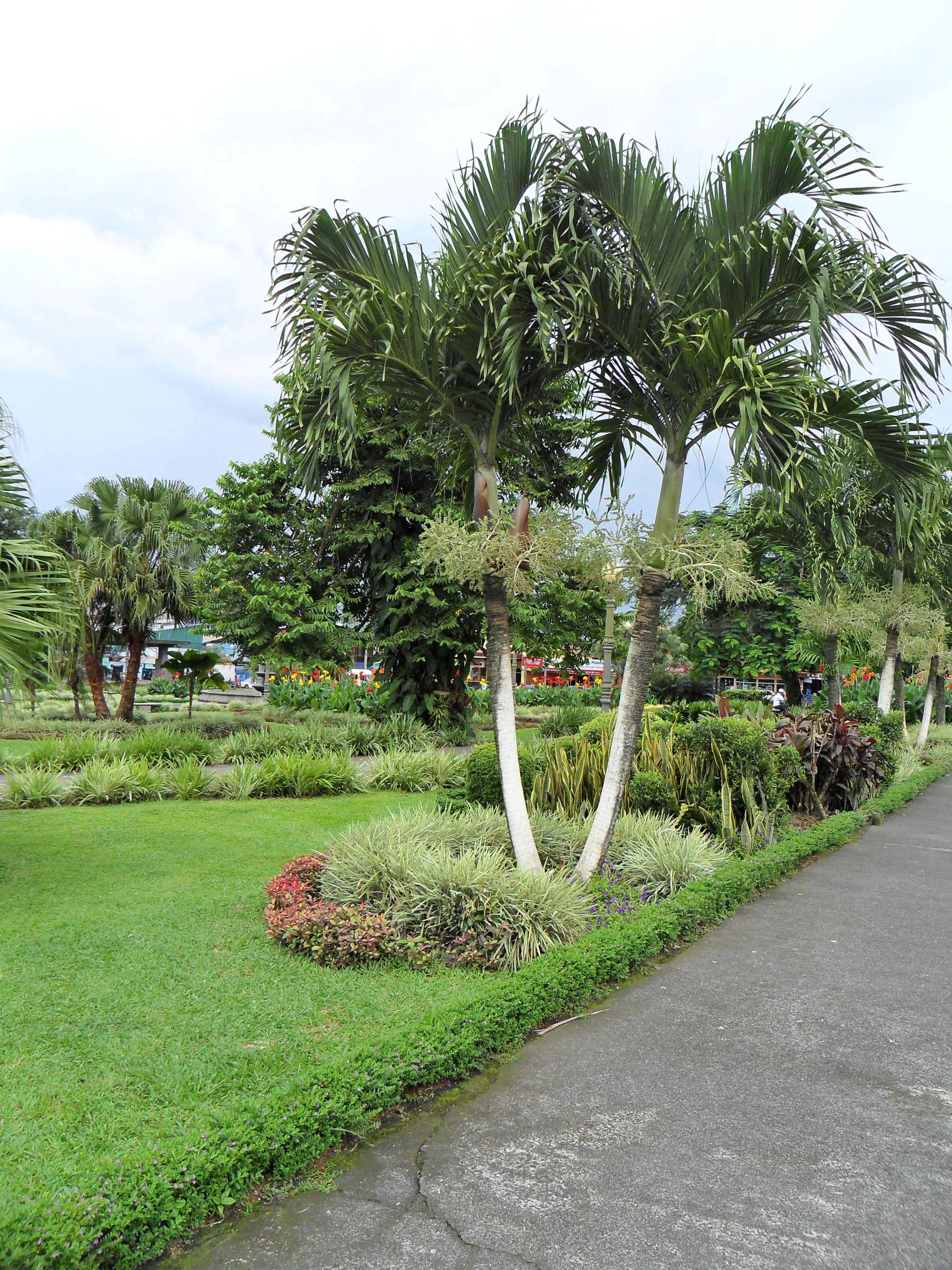
While wild flowers grow everywhere, the people also take great pride in both their personal and public gardens.  Even at the simplest country house, flowers and other plants could be found growing in profusion.  Almost all towns, like La Fortuna in the photo above and the one below near Arenal Volcano, create a public square with a church and gardens.

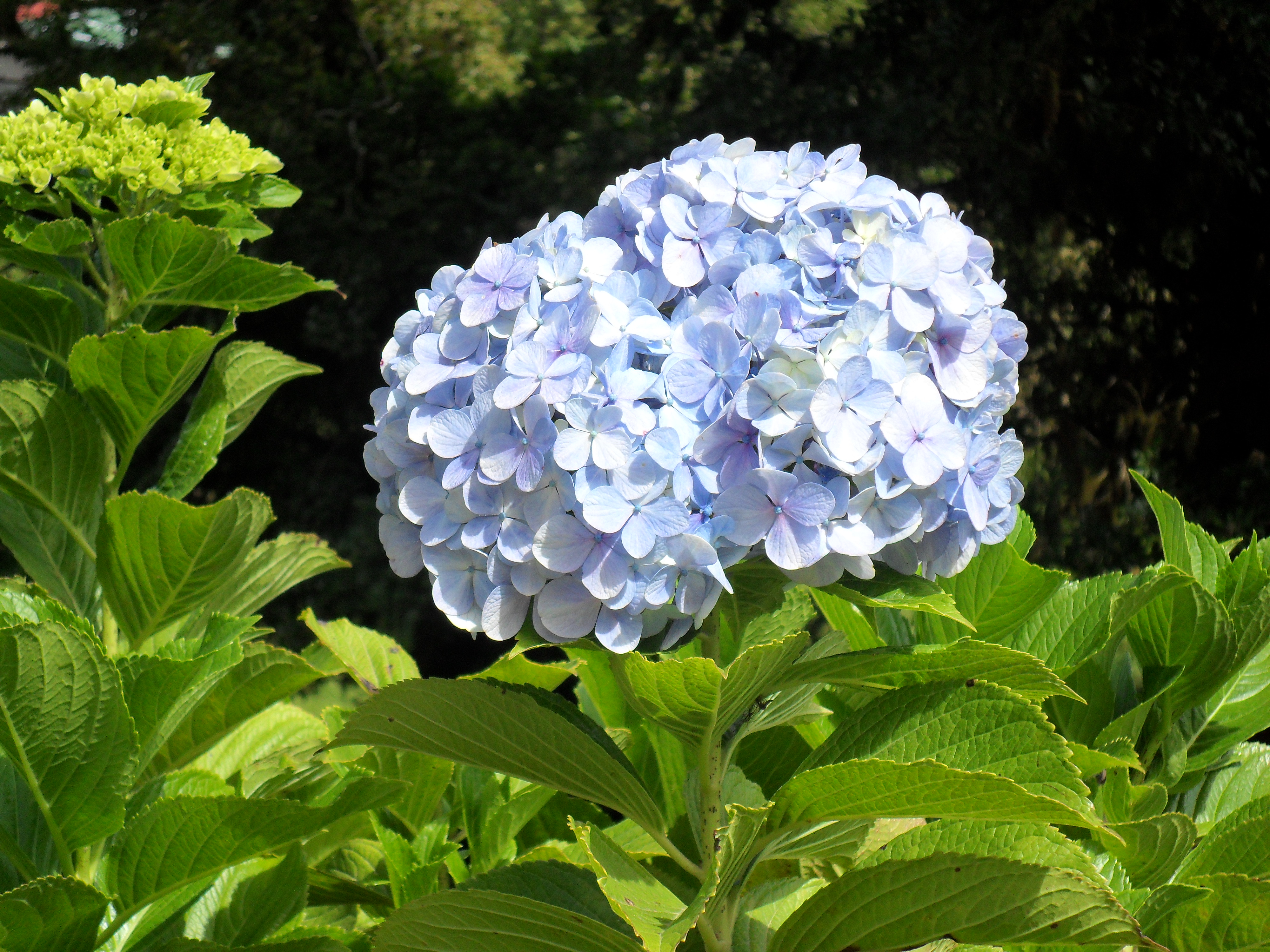
Hydrangeas like this one above grow along the roads everywhere near Monteverde.

Not only are the flowers frequently much larger than the same flowers grown here, but in the lowlands, in particular, many of the trees seem huge.  Costa Rica also cultivates flowers for export.  Net covered fields of ferns grow all over the steep mountain slopes.

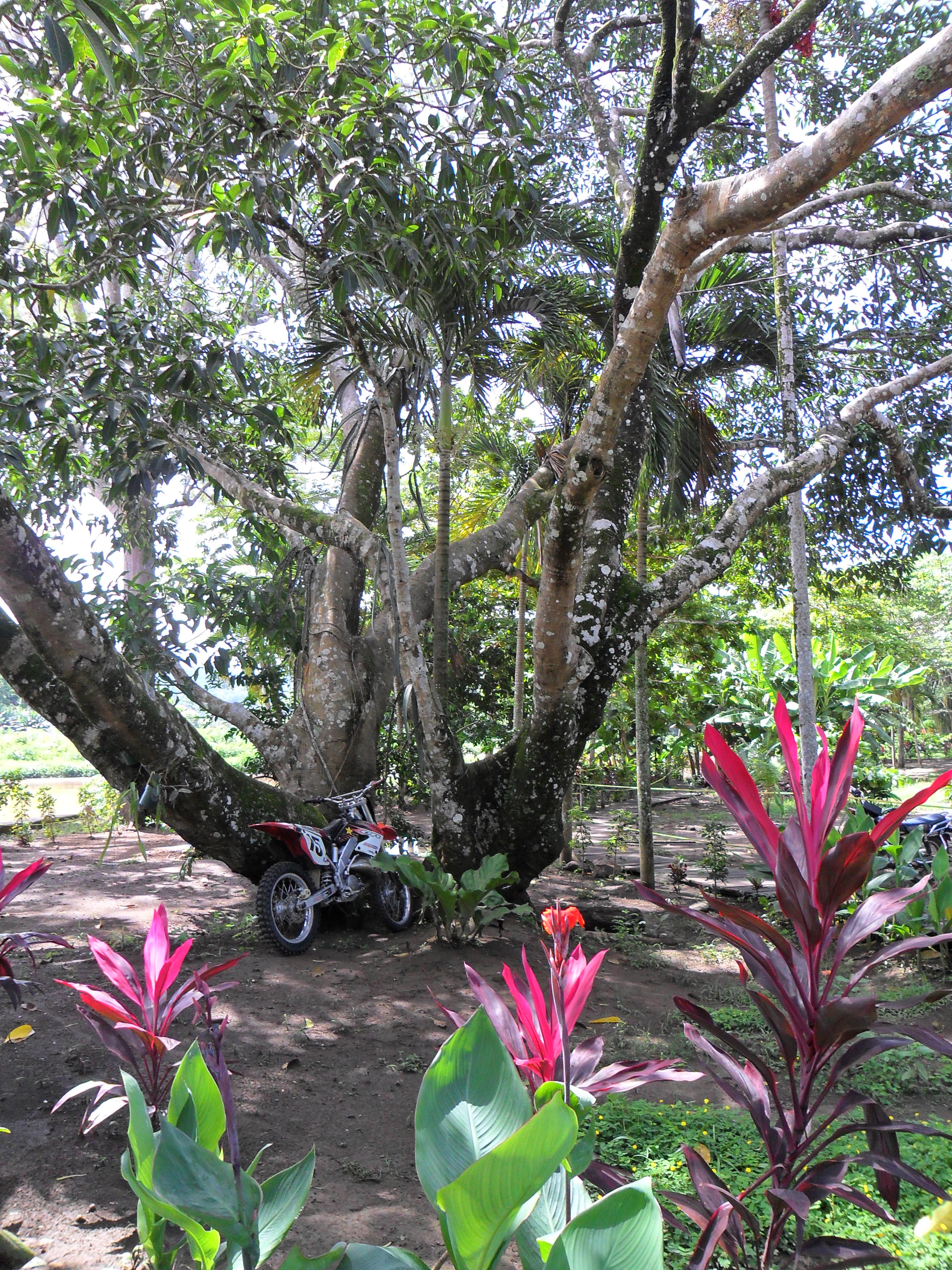
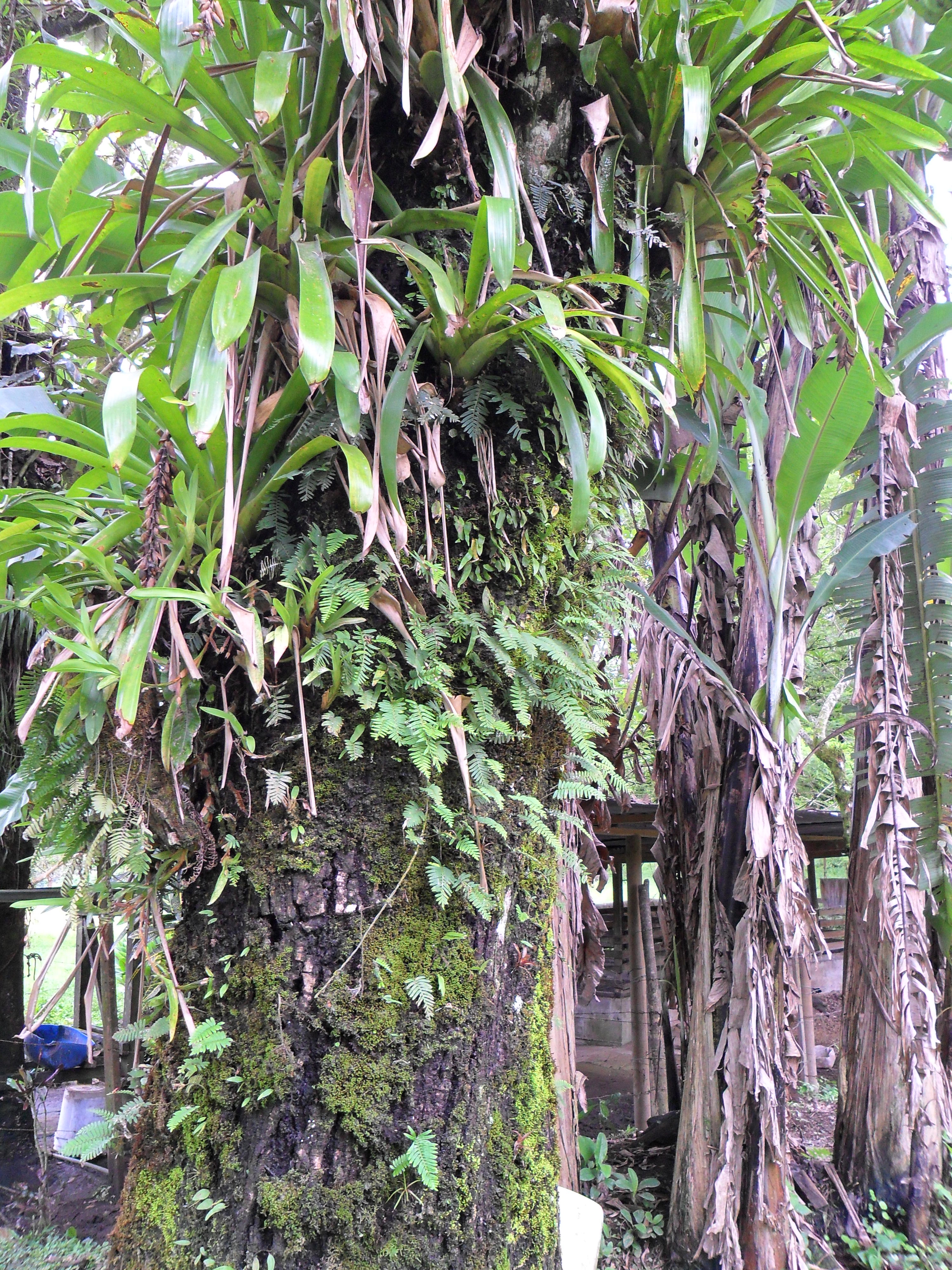
In the highlands near Monteverde more than one hundred species of plants can be found growing on the surface of one tree as shown in the photos below.

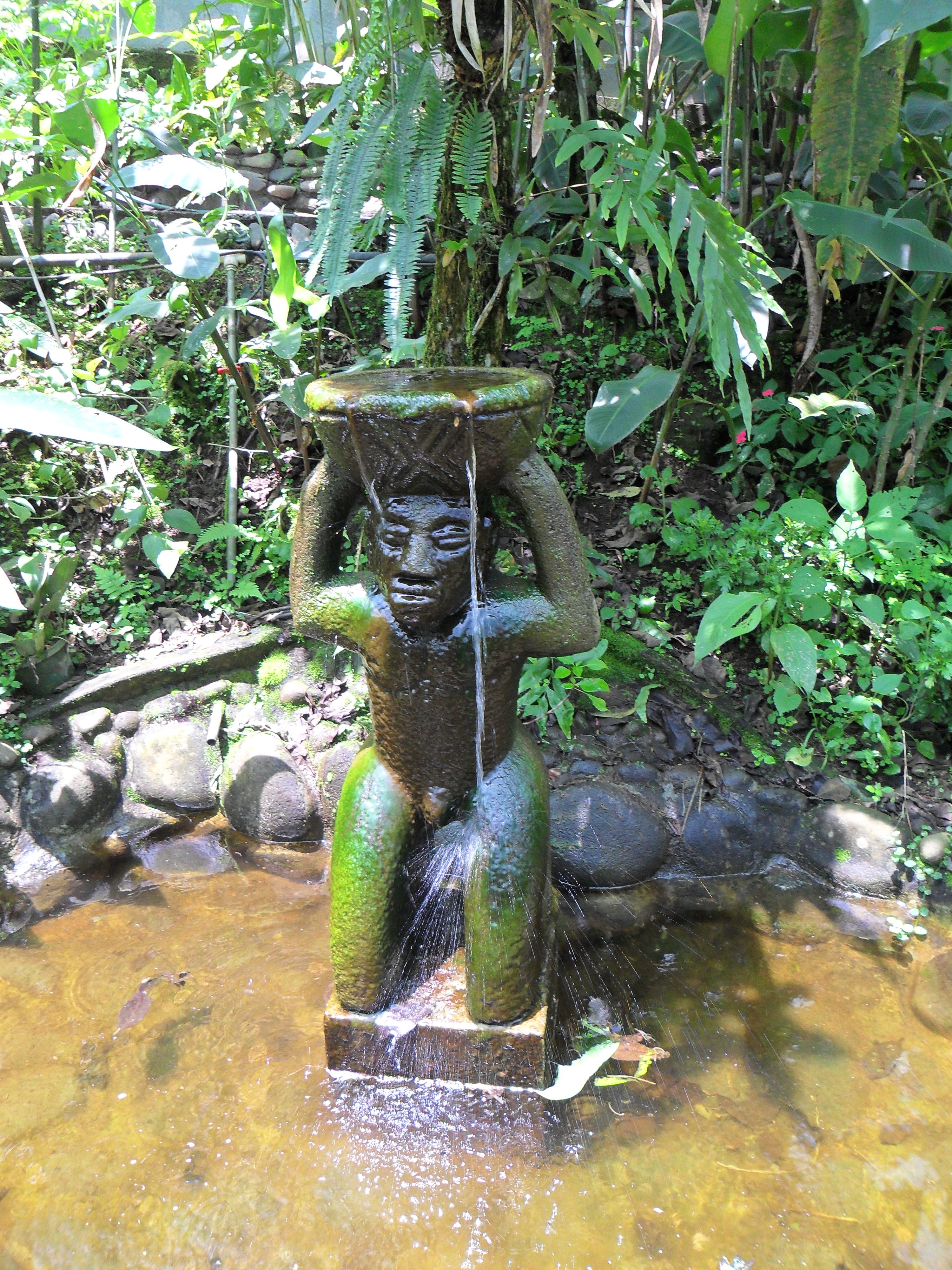
Twice we stopped at a place called El Jardin, once on the way to Monteverde and another on the way back to San Jose from the Pacific Coast town of Jaco.  In addition to their beautifully landscaped outdoor gardens, they possessed a small greenhouse filled with butterflies and a sculpture water fountain in an indigenous style seen throughout the country.

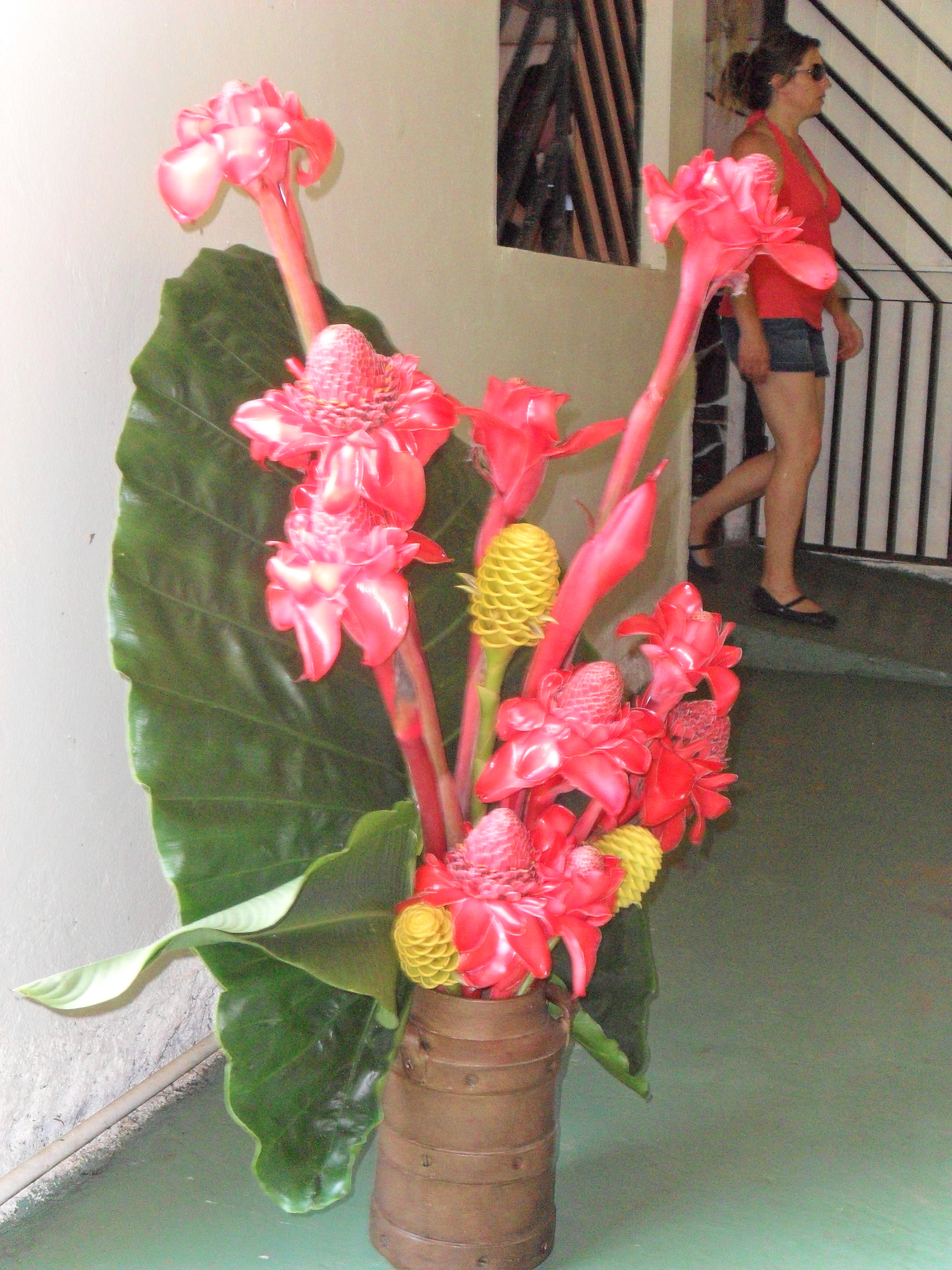
As I looked at the following bouquet where we ate lunch near the Sarapiqui River on the Caribbean side, I touched it because I remained unsure as to whether it could be real.  It was.

PURA VIDA!!
Pura Vida: 3, The Volcanos of Costa Rica


Of the six active volcanos in Costa Rica (61 are dormant), this month I visited two.  Poas, a caldera volcano about 1 1/2 hours from San Jose in the Central Highlands, rises  8, 885 feet and is one of the largest and most active.  Its crater contains water and rising steam. Lush rain forests surround the volcano.  It rained the entire time I was there.

Arenal rises 5, 437 feet above the surrounding forests and verdant hills.  It has been the country’s most active volcano for more than 40 years.  In 1968, a large explosion buried three villages and killed 87 people.  More recent eruptions have been much less severe.  Smoke drifts skyward daily.  Arenal is a strat0 volcano, tall and symmetrical.  The lake near Arenal is manmade and an excellent place for kayaking in relatively serene waters.  The lake provides 12 per cent of Costa Rica’s electric energy.

Due to Arenal’s geothermal activity, the surrounding area contains a number of hot spring resorts, one of which is El Tocano, where we stayed two nights.

This place is delightful and relaxing.  The bar tender made yummy margaritas.  If you want to drink wine, Costa Rica is not the place.  However, the national beer, Imperial, tastes quite good and I do not usually like beer.

Pura Vida: 2, Comida (Costa Rican food)


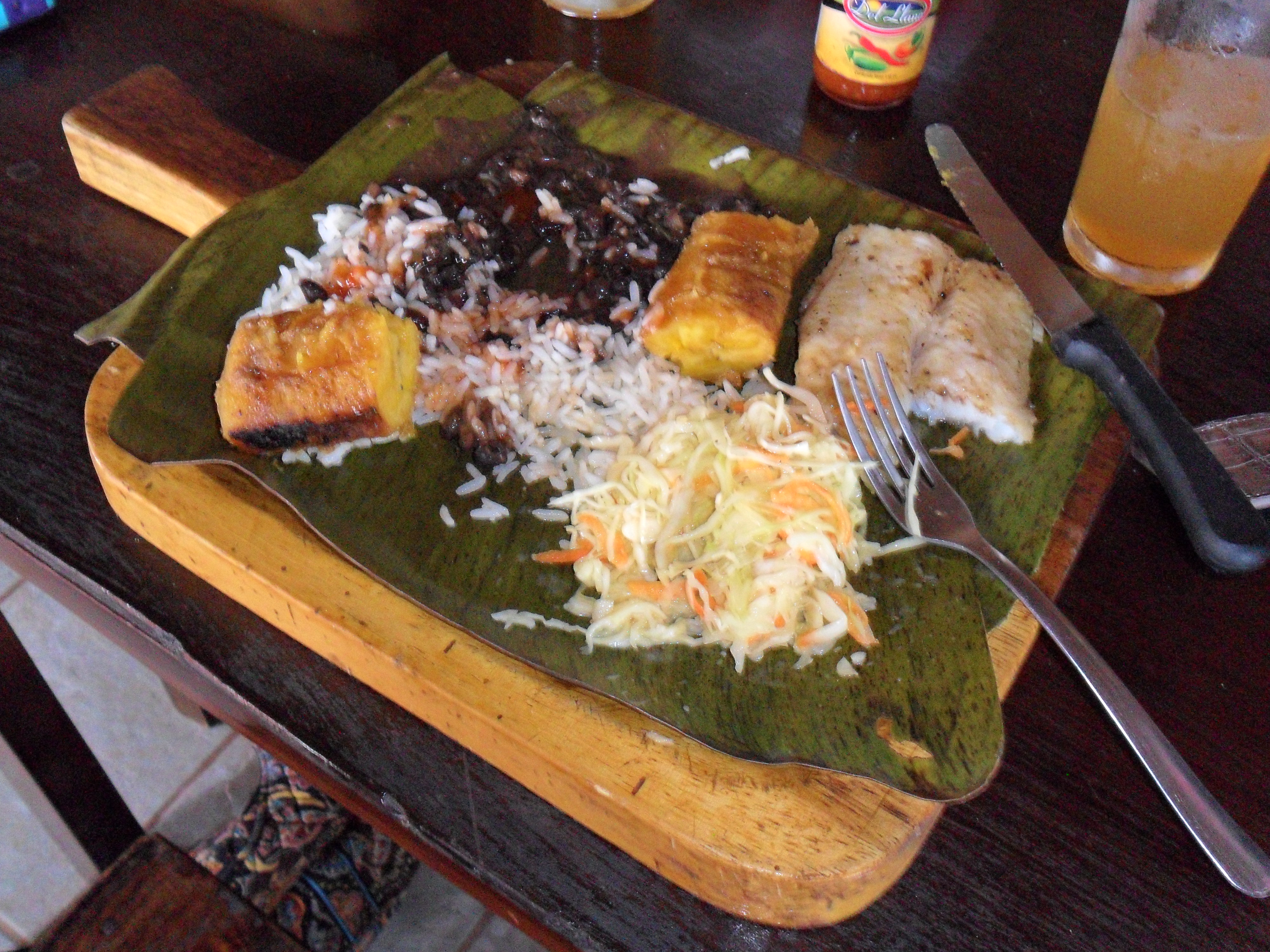
Costa Ricans appear to be very, very healthy.  Their food mainly consists of rice, black beans, salad, cooked vegetables, chicken or fish, fruit (usually pineapple, papaya, mangoes) and sometimes fried plantain.  In fact fried plantain was the only fried food, except occasionally cheese.  The food is plain with few spices, even though hot sauce, especially their version of tobasco,  is often available if you want it.  The national dish is gallo pinto:  left over white rice mixed nearly equally with black beans and sometimes a little chopped onion and bell peppers sautéed in oil.  This is a breakfast staple, but frequently served three times a day.  Sometimes, although black beans and rice are usually served at lunch and dinner, they are not mixed together then.  Often salad is their version of cole slaw, but tastes nothing like cole slaw here.  Usually both cabbage and carrots are very finely shredded and mixed together.  I never did quite figure out the dressing, in part because it varied greatly.  When the salad was with lettuce, it was also more finely chopped than we usually do here in the US and served with various dressings including olive oil.  The freshness of the salads stood out–no little bits of brown edges in Costa Rica.

The coffee, well, just lets say, I miss it.  Pitchers of steaming, strong, mountain grown coffee served with pitchers of steaming, rich milk.  In the mountains everywhere Jersey, Guernsey, and Holstein cows roamed up to their tummies in grass.  Happy cows for sure, producing rich milk for coffee and rich white cheese, which is served for breakfast.  Yes, breakfast, sometimes plain and sometimes fried.  Oh, and I cannot forget the ice cream.  Beyond creamy and smooth and rich.

There are sweets, usually made as snacks with coconut especially.  This was my favorite.

Obesity appeared to be non-existent.  I did see a few chubby people but no one really excessively over weight.  Perhaps diet is one reason, but they walk a lot even though most have cars.  They appear to drive them only if going some distance.  In the mountains I saw a lot of people riding horses.

The biggest food adventure for me occurred while waiting around near a little family owned restaurant at the top of a mountain.  All but four of us and the bus driver had gone river rafting.  We disembarked from the bus and walked around to kill time, chit chatting about this and that in Spanish.  Suddenly the restaurant owner came out with his grandson, unlocked the fence gate, and invited us in.  While sitting at the bar conversing with him and Hector, the bus driver, I noticed the menu posted on the wall.  It included huevo de tortuga.  Previous information given to us indicated that Costa Rican law protected turtles (tortugas).  I asked how he could serve this.  He told me it depended on the species of turtle and that he could acquire only a limited amount of them.  Suddenly, in front of me, Lisa, the other woman who did not go rafting and is pregnant, and Hector appeared three glasses that looked like giant, triple sized, shot glasses.  Each one contained a raw turtle egg immersed in red hot sauce the consistency of tobasco sauce.  Instructions and gestures indicated this was to be downed like a shot of tequila.  Lisa stuck her tongue in the sauce and said it was ok.  She downed hers first and said, “This is not all that bad.”  The restaurant owner told her it held great nutrition for her unborn baby.  I translated.  It became very clear to me that I had no choice but to down mine as well.  Hector downed his; then I mine.  Lisa’s assessment was correct; it was ok inspite of the turtle egg feeling like a rather solid but squishy mass as it slid down my throat.  The hot sauce made it possible.  Lisa downed a second one; Hector and I declined.  This experience remains one of the highlights of my trip:  relaxing in the middle of nowhere with a local family in their little restaurant.  Pura vida!!!!

Pura Vida


Everywhere in Costa Rica one hears Pura Vida.  It seems to be the national motto.  I have been here for a week.  This is the greenist, healthiest, cleanist, enviromentally conscious, most mountainous place I have ever been.  Few people smoke, there is no salt on the table anywhere, the food is mostly rice, black beans, fruit, and vegetables.  No hot peppers here unless they are on the Caribbean side where I have not gone yet.  When I return home later this week, I will post photos with written details, including some food photos and explanations.  Today I saw howler monkeys, iguanas, other lizards, numerous birds, white faced monkeys, sloths, and agoutis.  Tomorrow will start out by going to a place with lots of crocodiles and scarlet macaws.  This time of year it rains incessantly.  I have been soaked several times and nothing dries out. Even though I am not a lover of rain or being wet, it is impossible not to love this place.  Pura Vida.

Easy Thai Shrimp for Two


1/2 purple onion, chopped

1-2 red Mexican peppers, deseeded and cut crosswise into circles

1 large poblano pepper, deseeded and coarsely chopped

5 baby portabello mushrooms, sliced

20 medium cooked shirmp

garlic (optional), coarsely chopped

Olive oil

Thai sweet chili sauce

Pour enough olive oil in a skillet to cover the bottom.  Saute the onions and garlic until translucent.  Add mushrooms and sauté.  Add the shrimp and peppers.  Saute until peppers are cooked, but do not overcook.  Add sufficient Thai sweet chili sauce to make a thick sauce.  Serve over rice.  I combine red and Jasmine rice.  You may also use other types of peppers.  However, the dish is prettier if you combine the green of the poblanos with some type of red peppers.

The last time I made this for my Thai exchange student, I planned to take a good photo but somehow we became too distracted and had eaten most of our dinner before I remembered that I had not taken a photo so here it is fork and all.


DEATH


I was afraid of revealing me, the essence of me.  Who even, indeed, was I?  My mother told me, when I started dating, to hide the essence of me, boys wouldn’t like it.  Too smart; too aggressive; too full of myself; too intense; too serious; too burning inside strong; too adventuresome; too nasty a temper; too full of desire to feel, taste, see, learn; too much in love with a world of possibility.  I took her advice, married a genius scientist, safe, timid, disadventurous.  He liked me because I could shoot a bird off a wire hundreds of feet away.  I time, we all died, him, me, the bird.


This piece was a finalist in a flash memoir contest.

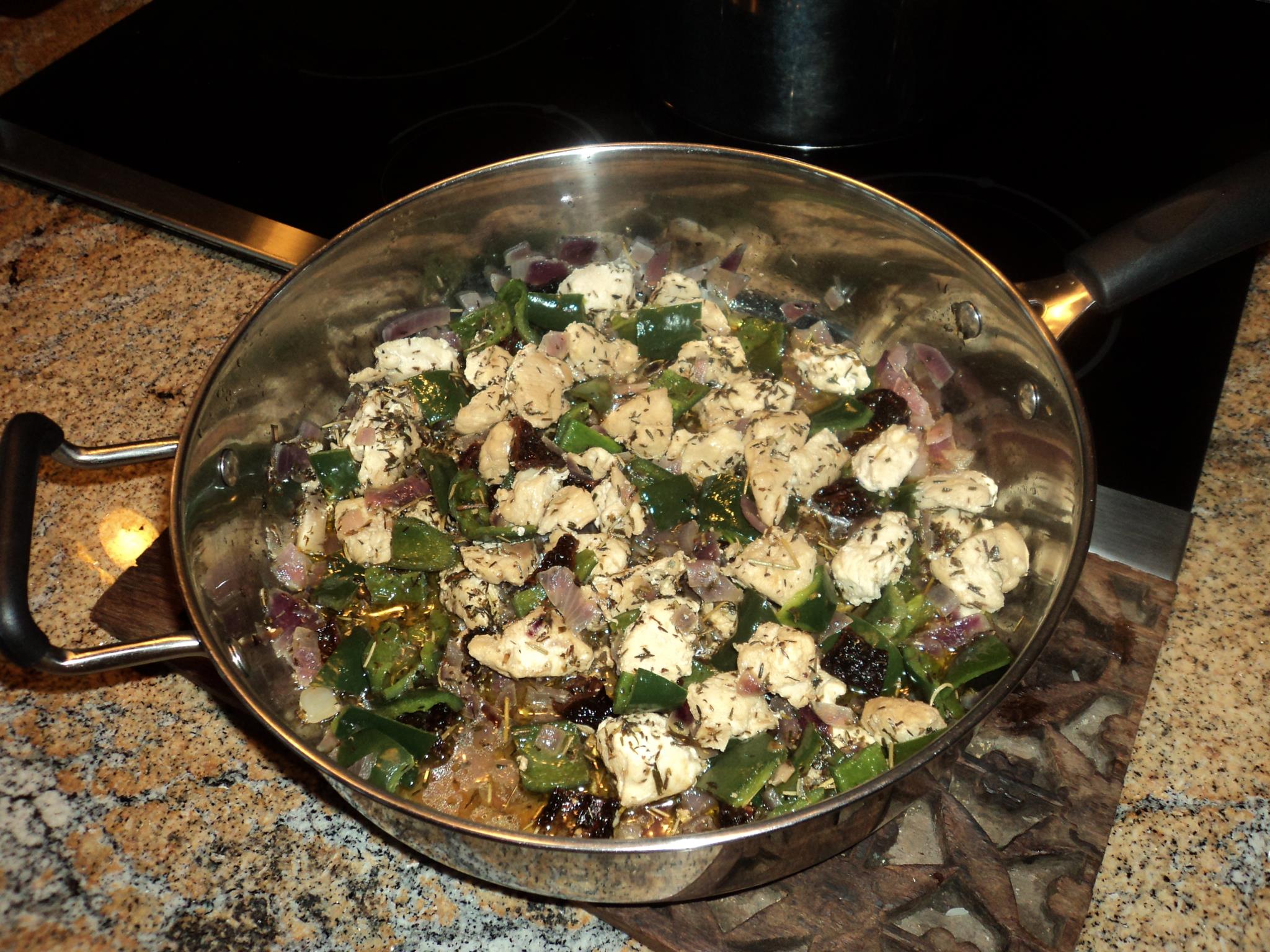
Chicken with poblano peppers, sun dried tomatoes and pasta


This recipe is posted as a tribute to Klara Kamper, from Austria.  Klara is an exchange student and nearly every week she has come over to ride my horse, Rosie.  After riding, I fix dinner.  Of all the different dinners I have fixed, this is Klara’s favorite.

4 pieces boneless chicken breasts, cut into bite sized pieces

2 large poblano peppers, deseeded and diced into bite sized pieces

1 large purple onion, chopped

5-6 pieces sun dried tomatoes, chopped into a large dice

Olive oil

Herbs de provence

Cover the bottom of a large skillet with olive oil.  Saute the onions until done.  Add chicken and more olive oil if necessary.  With your fingers sprinkle herbs de provence over the onion/chicken mixture.  When the chicken is nearly done, add the poblano peppers and sun dried tomatoes.  Saute until the poblano peppers are cooked but still a nice bright green.  You may also add mushrooms if you like.  Serve over your favorite pasta.  My daughter does not like herbs de provence so when I cook this for her, I use a  mixture of oregano, basil, and marjoram.

I am very, very picky about pasta.  My favorite is organic Montebello pasta produced by Monastero Di Montebello, Isola del Piano, Italy.  I especially like the conchiglie.  However, I use their spaghetti and other shapes as well.

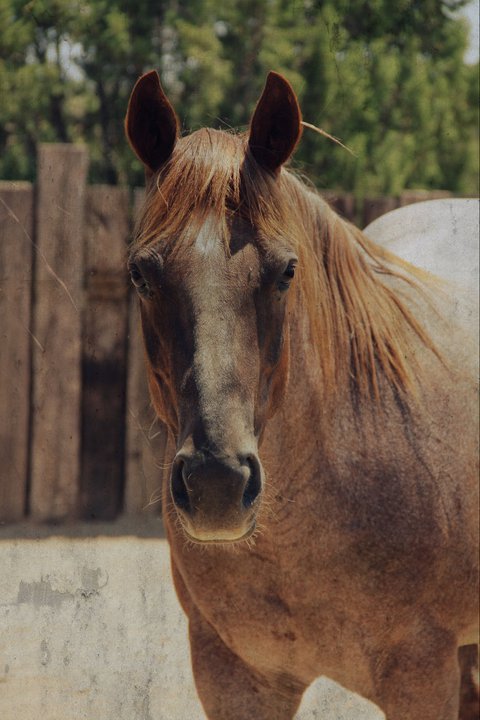
This is Rosie.  She will really miss Klara who leaves for home on June 25.


Rosie, who "adopted" Star after Miracle died.


A friend joined us to see the horses and for dinner.  Apparently, she took this photo just before I served dinner.

Ten Little White Indians, Final Volume! (Spoilers Already Spoiled!)


This post by a fellow blogger says a lot about what I think regarding certain movies in which American Indians are portrayed or in which they act. It also relates in some ways to my own previous posted poem, “Blood Quanturm”.

danielwalldammit's avatarnorthierthanthou

Bet y’all didn’t notice!

I am one short on my promise of 10 Little White Indians. Well, it turns out that my three-part series on White Indians has four parts, and there is surely a good Monty Python reference in there somewhere, but maybe we’ll save that for another day

***

Let us start with a brief consideration of the near misses.

WIND TALKERS (2002): I remember when this movie was on its way to the theaters, rumor had it that the flick was about the Navajo Code Talkers. Working as I did then on the Navajo Nation, I was (like a lot of my students and colleagues) really excited to see this part of American history portrayed on screen. My enthusiasm waned considerably when I realized it wasn’t about a Code Talker so much as a white guy who might have to kill a Code Talker if things took…

View original post 1,713 more words