Adventures in Argentina–Flora and Fauna Near Iguazu Falls


Across the highway from the helicopter business, we visited a surprisedly large bird sanctuary, recommended by our taxi driver/guide.  We did not expect anything as lovely as what we found. Most of the birds and flowers there are native to the area.  However, a few rarer species from other parts of the world exist there as well.

IMG_3052

IMG_3084

Surprised, I recalled seeing these exact same flowers on my two trips to Costa Rica.  In fact, I found another photo on an older blog post from one of my Costa Rica trips.

IMG_3082

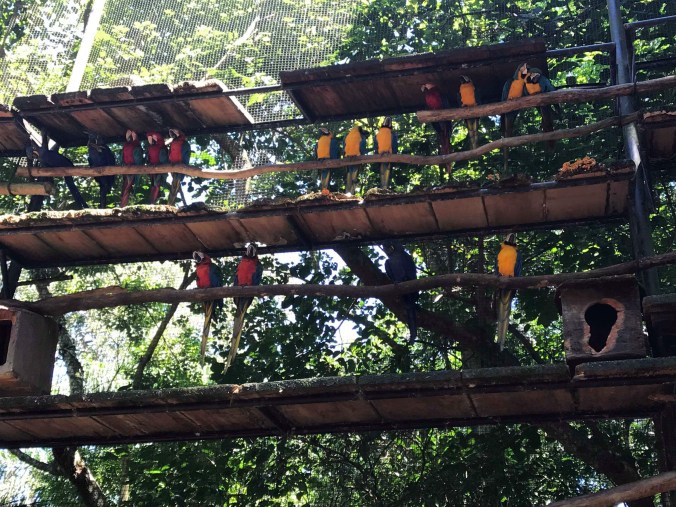
Endangered, many countries where these wonderful parrots live do everything they can to save them.  They pair for life–we found the evidence amusing and enchanting.

IMG_3081

Whenever we saw an uneven number together, we looked elsewhere and found the mate drinking or feeding.

IMG_3053

IMG_3088

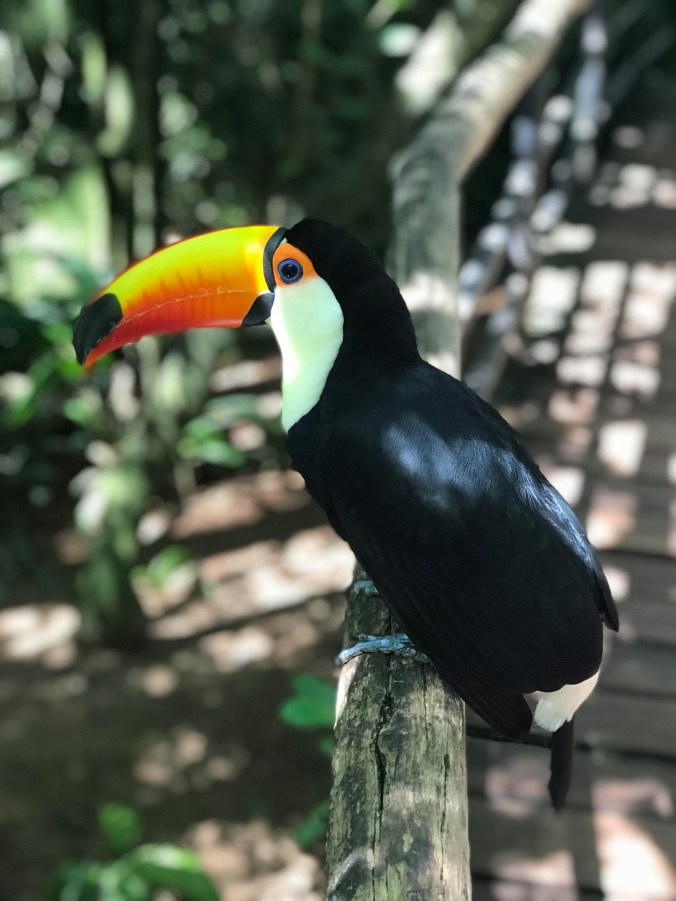
Of course, there has to be toucans.  Some even clowned for the tourists.  People clustered all around to watch their antics.

IMG_3085

IMG_3050

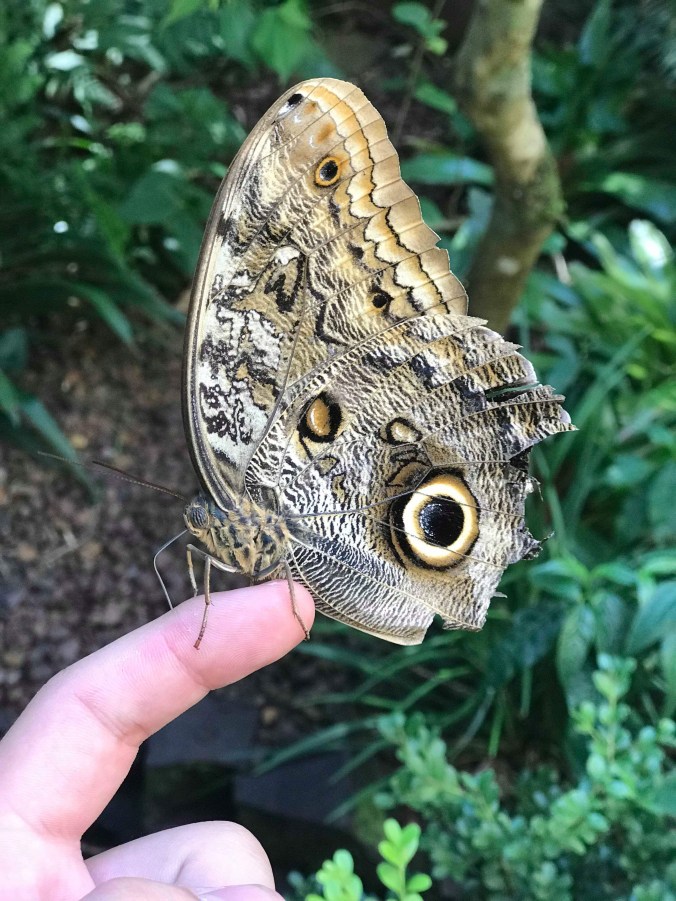
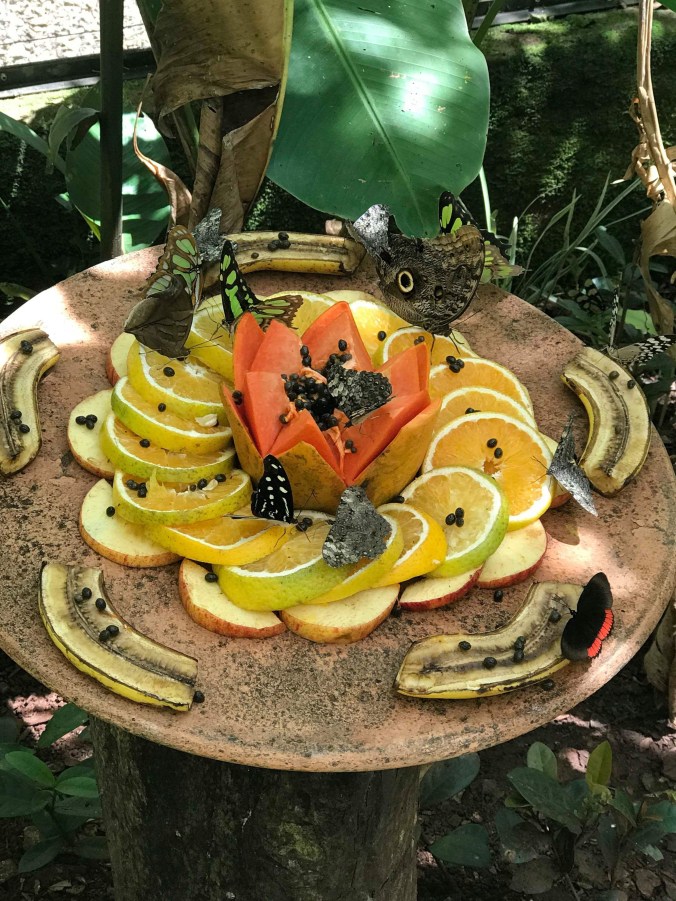
Where you have flowers you have butterflies.

IMG_3078

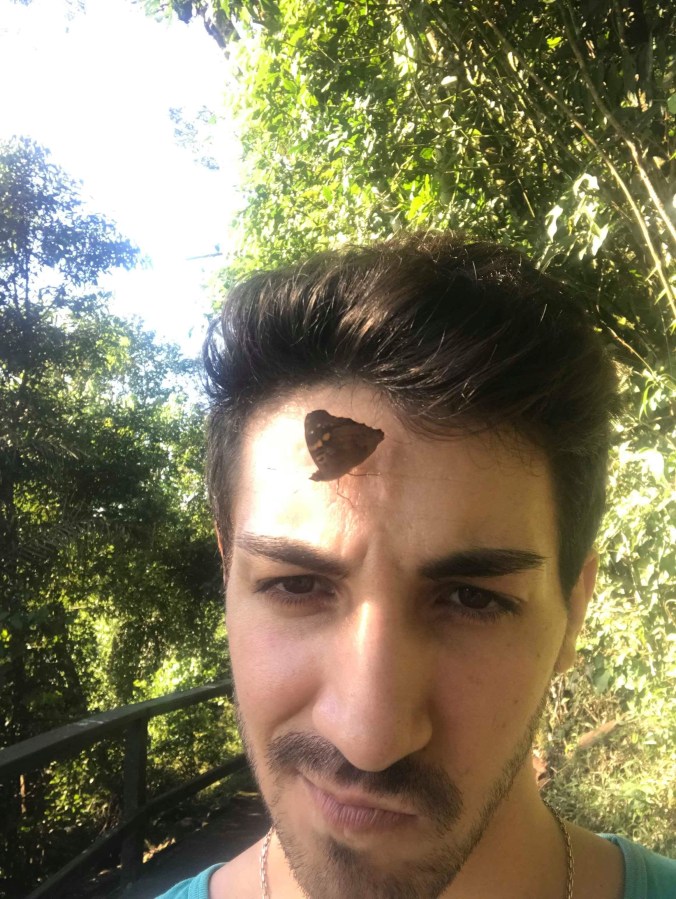
Butterflies love Gaston.

IMG_3031

They landed on him, flew to his fingers, let him pick them up without flying away.  I tried, but no luck.

IMG_3079

IMG_3048

A fabulous morning on the Brazilian side, starting with the helicopter ride and ending here with flowers, birds, and butterflies.


Adventures in Argentina-Buenos Aires Neighborhoods


Buenos Aires has many neighborhoods, areas with sometimes distinct character.  Our hotel in San Telmo made it easy to see a lot of the city by walking.  Other areas we strolled through include Centro and Recoleta. In the three days we stayed there, we walked 35 miles according to my Fitbit.

IMG_2962

This Starbucks was exactly one block from our hotel.  We went there the first morning for the typical Argentinian breakfast:  coffee and a biscuit (not like the ones here) or a small croissant with some sweet glaze on top.  Starbucks can be found throughout the city.

IMG_2967

Everywhere you see beautiful parks and people use them for strolling, dog walking, jogging, relaxing, picnicking, hanging out–you name it.  Plus the trees–on all major streets, on side streets, everywhere.  Of course, it was the end of summer.  Perhaps parks receive less use in winter.

IMG_2965

Even on main thorough fares, like this one which is claimed to be the longest street in the world, trees reside on the sides, in the middle, everywhere.
IMG_2959

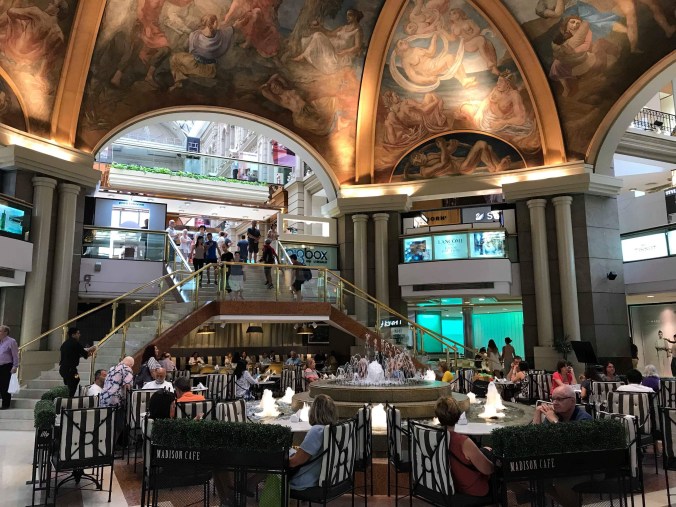
This is a mall, seriously.  We ate a delicious lunch here one day and came back the next day for a drink.  I had coffee; Gaston had a green drink with mint and ginger which was refreshing and delicious.  The ceiling is well–take a look!

IMG_2938

Hard to believe this is a mall.

One day we took the train to its end at the train station. The recently restored train station contains the fanciest Starbucks ever with incredible murals.

IMG_2987

The ceiling is beautiful too.

IMG_2985

From this station it is possible to take a train to various parts of the city but also trains go from here way out into the suburbs.  Reminded me of the subway and train system in New York City and its suburbs where I once lived.

IMG_2978

San Martin, the hero who freed southern South America from Spain, crossed the Andes with mules, not horses–Hugo, Gaston’s dad, gave me lots of history lessons.  However, when I saw this statue, I did not know all the history yet.  This park, filled with huge trees, borders several streets where, like much of Buenos Aires, modern and antique coexist.

IMG_2977

IMG_2982

Suddenly we notice men on horseback riding out of a military area next to San Martin Park.  We rushed across the park to watch, hoping they would ride around the park.  They did not; they headed down a street.

IMG_2973

We never discovered the purpose of this little parade of military personnel on horseback.

IMG_2984

The buildings around the park provide a perfect example of the traditional, the centuries old beside the modern.  The traditional building in the middle houses very exclusive apartments.

IMG_2983

The opposite side of the park from the statue of San Martin overlooks the English Tower, given to Argentina by the English before the little war over the Falkland Islands which both countries claimed.  The English won.

A friend told me to take tea at the Alvear Palace Hotel so we headed to Recoleta area.  We strolled around, did not take tea, but we did have lunch in one of the small restaurants inside the hotel area.

IMG_2989

Next to this restaurant resides a tea store, Tealosophy,  where they sell nothing but tea.  I quit counting at fifty different blends.  In Argentina International Women’s Day was highly celebrated. This tea shop created a special blend just for that event, Mujeres Power.  I bought some; it smells heavenly but have not tried it yet.

We walked down to another park near the famous cemetery where all the national heroes and important people have been buried for centuries.  Nearby we saw the largest tree I have ever seen.

IMG_2990

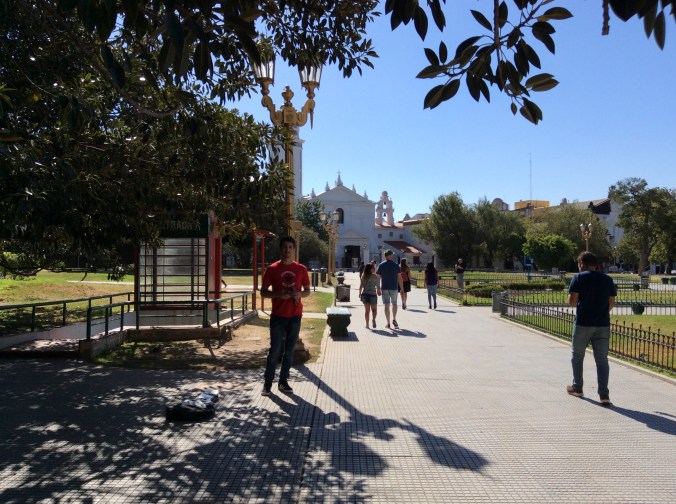
The branches, which were impossible to photo in one picture, extend far and are so heavy they are supported by cement or metal columns.
IMG_2993

The tree is to the left in this photo.  The walk leads to a monastery and the cemetery.

IMG_2994

The cemetery was full of people.

IMG_2995

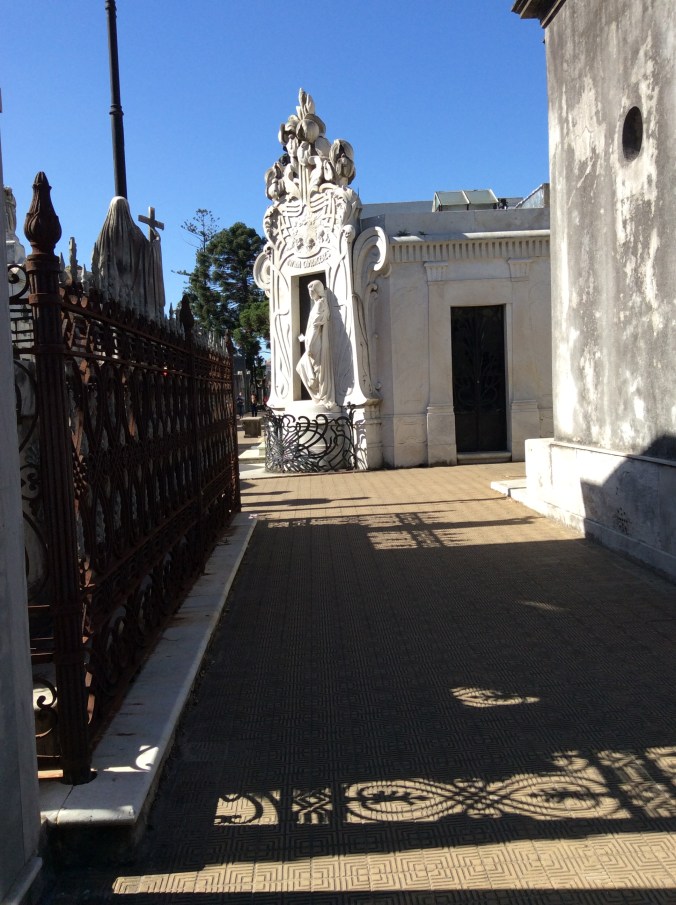
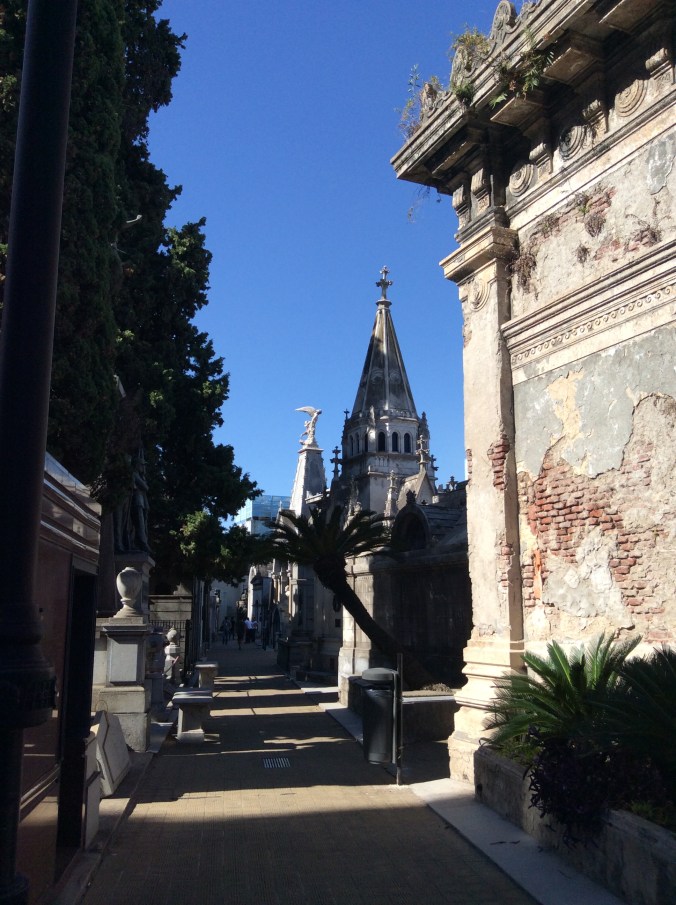
The artwork here speaks for itself.

IMG_2996

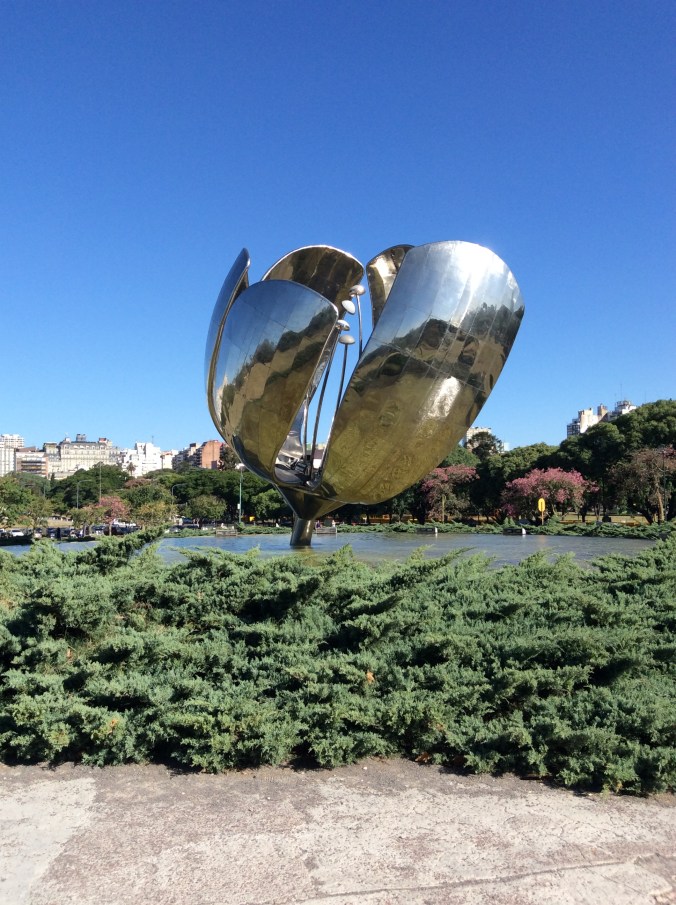
As we walked back we circled this famous piece–a tulip that opens and closes.
IMG_2998

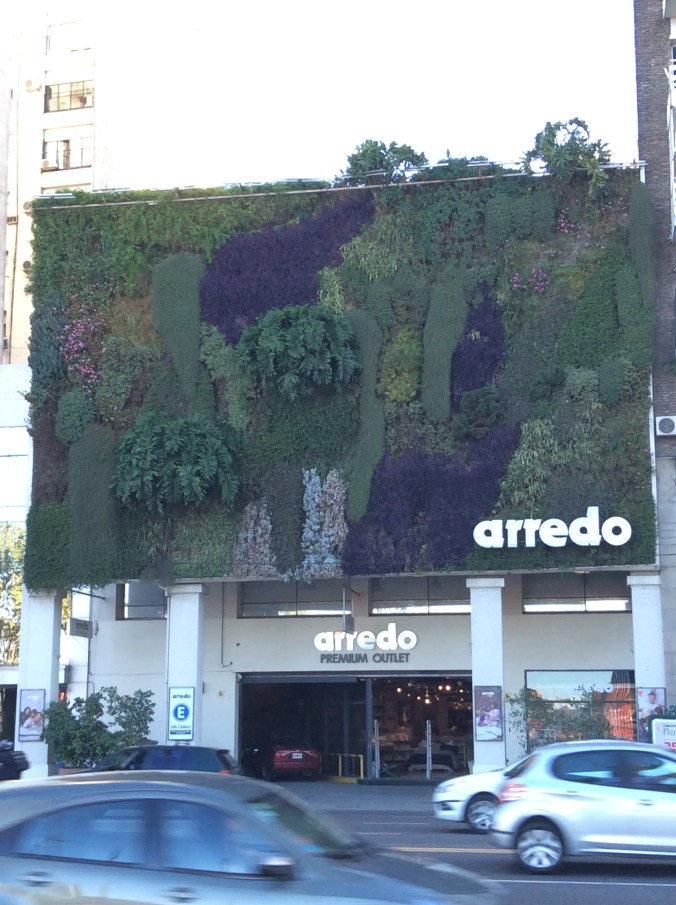
Then farther down the street which is close to the port–we could hear ship sounds, etc.–we saw this living wall.
IMG_3001

Yes, this wall is made of living plants.  I could not help but stop and stare.

IMG_E2972

The building which holds their equivalent of the US Congress.  I continue to wonder how I managed to walk past the Pink House–like US White House–several times and never take a photo.  Perhaps I was distracted by the protesters.  Argentina is used to protests which appear to be legally protected.  In the one we saw one evening, the protestors carried banners of Che Guevara.
IMG_2937

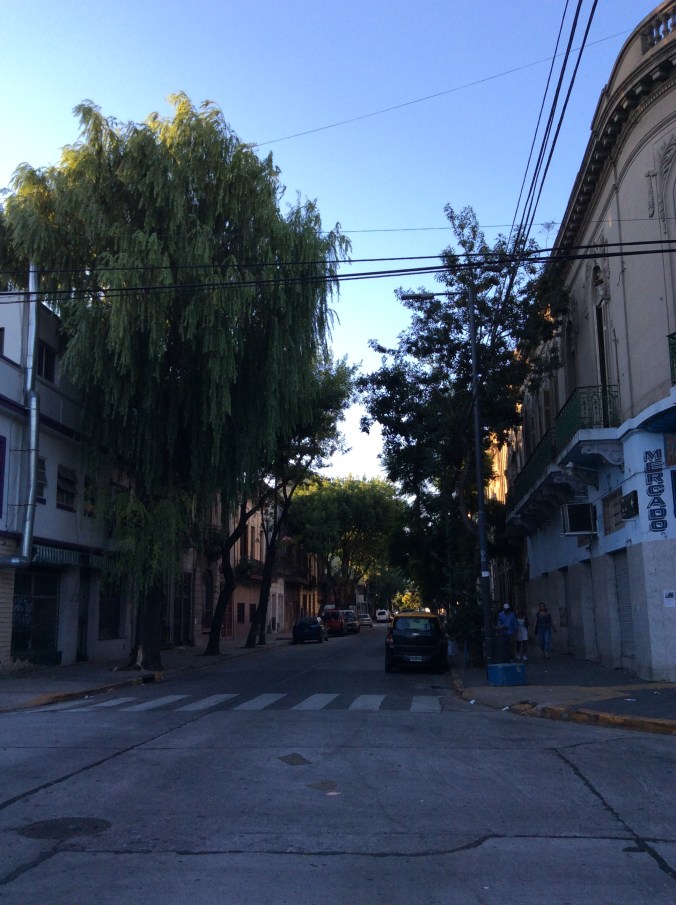
And finally some typical views, this one along a side street.

IMG_2966


Adventure in Argentina–Buenos Aires


On March 4, a little before noon, I arrived in Buenos Aires EZE airport.  Customs was relatively organized, straight forward, and simple.  Once I acquired my luggage, I headed out.  There stood Gaston waiting for me, the reverse of when he came to live with me a little more than eight years ago and I waited for him at the Amarillo airport. One thing remained the same–hugs.  We hailed a cab, loaded my luggage, and headed for the hotel which his dad, Hugo, had arranged.  In spite of the fact that neither of us had managed much sleep the night before (mine was sleep on a ten hour red eye flight and his was a night in the bus from Cordoba), we headed out to find some lunch and explore.
IMG_2923

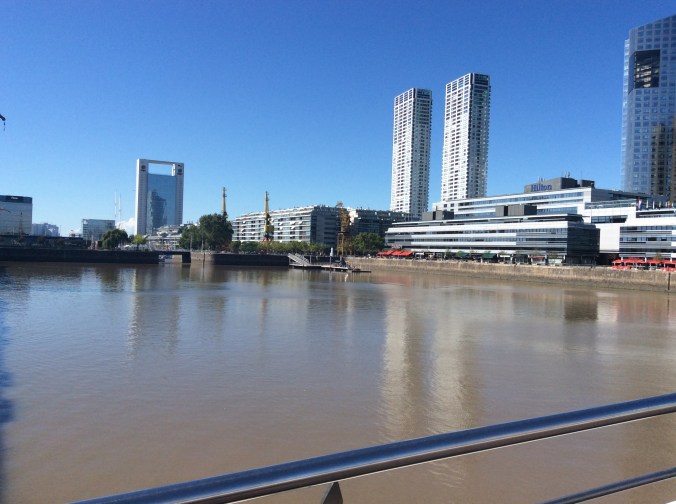
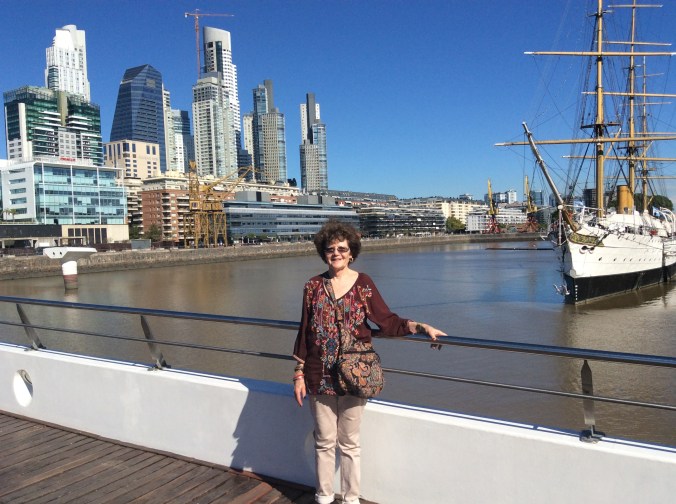
After a long walk (I have a Fitbit and we walked 35 miles in 2 1/2 days before we left Buenos Aires), we arrived here at this very modern business district on the right.  The tall building in the distance is a Chinese bank.

IMG_2925

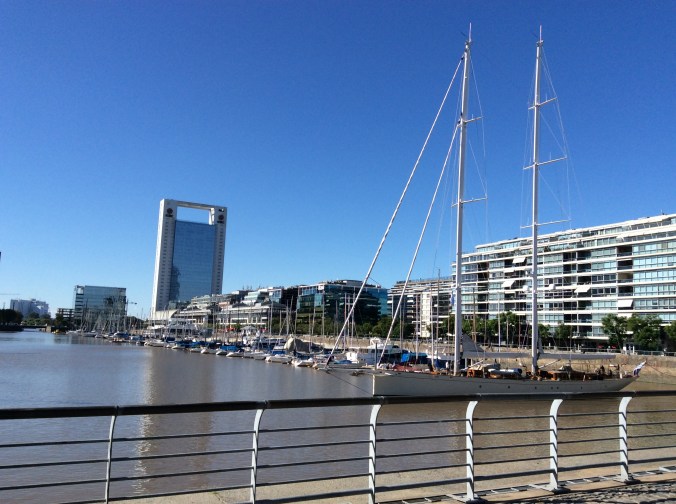
To the left are many old warehouses which have been converted into apartment buildings, restaurants, and shops.  It has become a fashionable place to live.  Several of these sailing vessels floated in the water.  Some could be boarded for a tour.  We just strolled around and enjoyed the views, the weather.

IMG_2931

We crossed the bridge and explored a rather exclusive area.  Buenos Aries is an old city which combines the old and the new.  Many of the sidewalks and streets have not changed in hundreds of years–the original cut stones remain.

We did have to laugh at our first lunch experience.  Although the restaurant appeared to be quite traditional and Argentinian on the outside, the menu was mostly Tex-Mex food.

IMG_2965

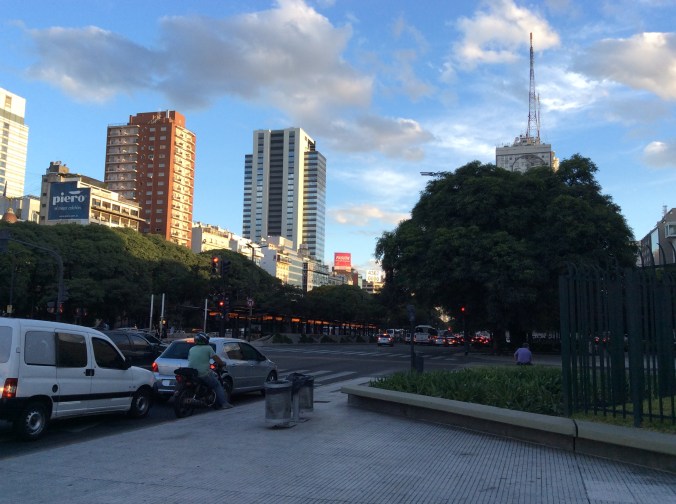
One of the longest streets in the world, this one goes from one end of the city to the other.  Note the trees!  Every city I visited contained an astonishing amount of trees.  Except for the most narrow streets, trees lined them.  Later I learned about an Argentinian saying:  there are three things you must do in life, plant a tree, write a book, have a child.  I feel grateful because I have done all three.

IMG_2967

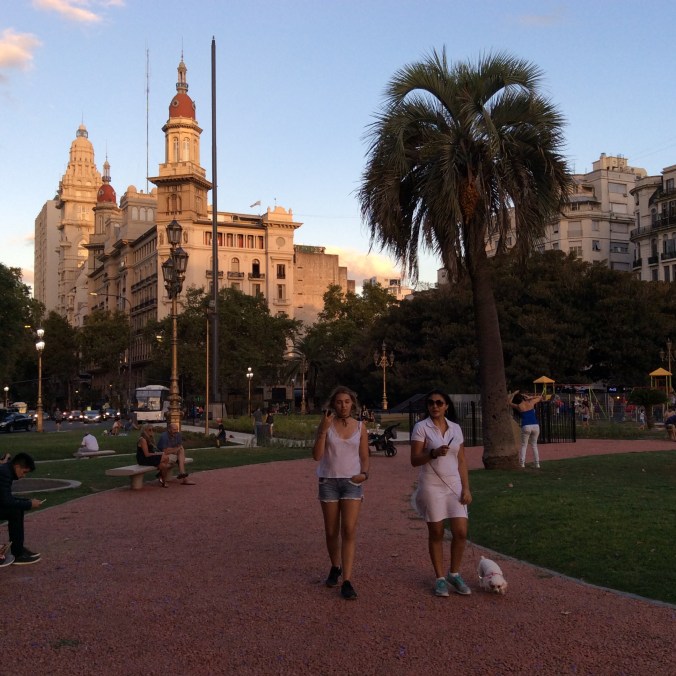
Parks, parks, and more parks–they are everywhere and people use them–children playing, dog walkers, runners exercising, people relaxing on park benches, chatting.

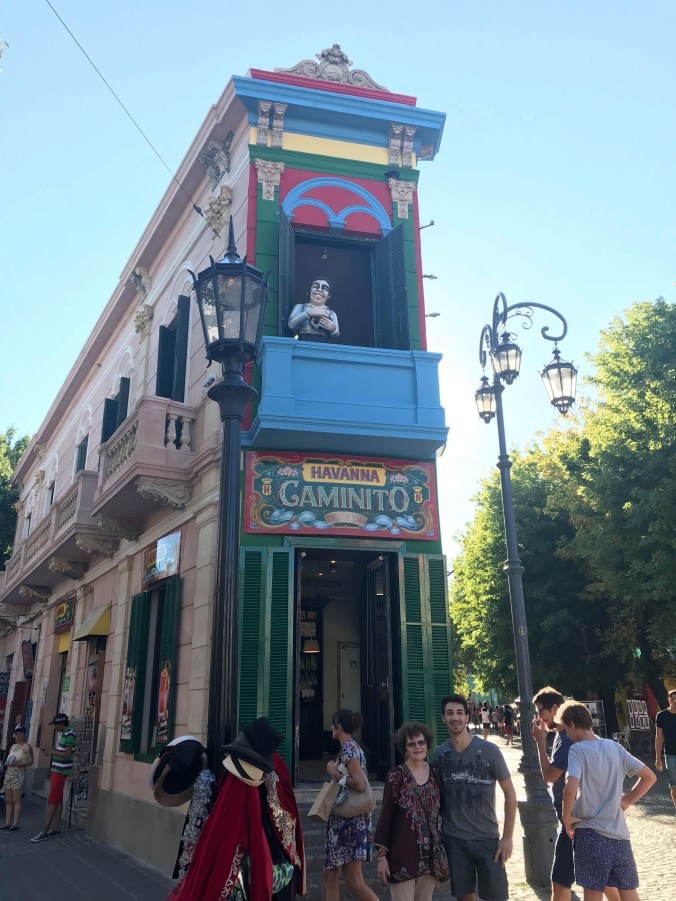
Hugo had given Gaston a list of some places to visit, one of which is an old area with colorful buildings, traditional dancing, e.g. tango, and lots of tourists.  Many of the restaurants this time year–end of summer there–are open air, filled with people enjoying summer’s end.

IMG_2961

We had a coffee (we drank quite a lot of coffee–for breakfast and after dinner almost every day), watched tango and traditional country dancers.  Tango is a Buenos Aires dance tradition.  People in other parts of the country dance the traditional dances, not tango.  We watched while a woman in her 80s left her table and danced perfectly with a young man dressed in traditional clothes–everyone cheered.  People there eat dinner late, 9-10 at night.  One day in Buenos Aires we somehow sort of forgot lunch and were hungry so we went to this special restaurant (they have a very unique way of making a potato dish which Gaston likes) about eight.  The waiters looked at us as if we were crazy.  No one else arrived at the restaurant before nine and most even later.  This suited me fine.  I much rather eat late than early.

IMG_2936


A Tribute to My Dad, Doyle Lightle


Dad lived his entire life, 90 years, on the farm which my great grandfather, Gottlieb Werth, homesteaded in the middle 1800s.  Gottlieb Werth came to the United States from Switzerland when he was 18.  Even though Dad lived in the same place all his life, he liked road trips.  The first occurred when I was three.  He drove us all the way from Northwest Missouri to Monterey, Mexico.  I still have photos of us wading in the Gulf in Texas before we crossed into Mexico.  Thereafter, we almost never missed at least one road trip a year between wheat harvest and the start of school.  Sometimes instead of a summer trip we took one around Christmas, like the year we went to Florida when I was in elementary school.  I skipped school a couple of weeks, took my work along, and came home ahead because the flu, which I missed, put everything behind.

By the time I was six, I had probably covered half the continental United States and, of course, been to Mexico.  I do not remember some of those first trips but the later ones I remember well, like the summer we spent in Crested Butte, Colorado, when it was still a mining town, and another in Placerville, Colorado, down the road from Telluride.  Then it was just a nowhere place, filled with the Victorian houses of its mining heyday.  Dad joked later that he should have bought one of those houses when it was cheap.

One year, the year between my junior and senior year in high school, we took a one month trip and drove 6,000 miles, from home to the Black Hills, where we had relatives, to Vancouver, to Vancouver Island and then to Victoria.  We visited every national park along the way,  Grand Tetons, Yellowstone, Glacier, Olympic, then drove up the Columbia and cut back across Rocky Mountain National Park and through Colorado. On an earlier trip we went to every park in Utah and Northern Arizona and Mesa Verde.

Dad’s interest in and curiosity about everything seemed endless.  He tried the latest agricultural methods in his farming, was an avid conservationist, wanted to check everything out on these trips, talked to people about what they were doing.  At home he read National Geographic and Scientific American and endless books.

Because of these trips, his sense of wonder, his propensity for intellectual activity, my friends in college were always shocked to find out he was a farmer.  They often thought, originally, that he was a college professor.

He moved into this house where I grew up when he was ten.  After Mom died, Dad and I were at her grave on Memorial Day when a man came up and starting talking with Dad.  I learned that the building in the foreground of this photo, before it was used for livestock and storage, was used for dancing during the Depression. The sheriff would send out deputies to make sure no illegal alcohol was consumed. I took this photo four years ago when I took a trip back.

12193406_10204105678156113_6043720938154804167_n

There used to be woods to the right of this photo but someone bought the land and bulldozed down all the huge oak trees.  The tall douglas fir tree in the middle was tiny when we brought it home on one of our trips out West.

I will forever be thankful to Dad for instilling in me a love of exploration, wonder, and curiosity.


Weekend Adventure


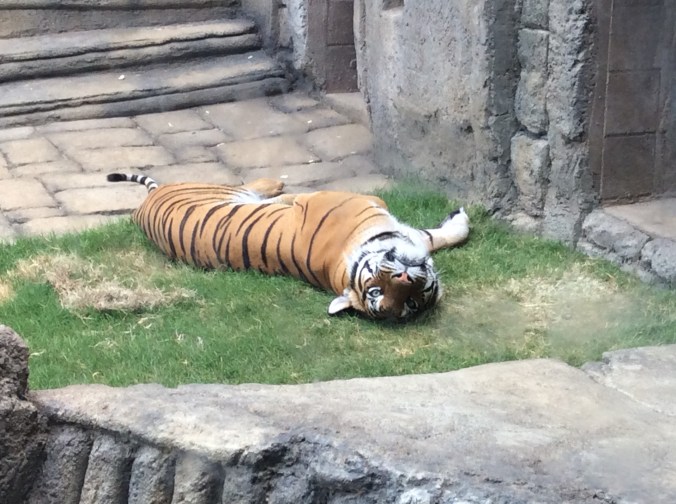
This past weekend my family had to return to Tulsa, Oklahoma, to finish some family business.  While there, we decided to explore as well.  After completing what we needed to accomplish on Friday, we decided to check out the Tulsa Zoo located in Mohawk Park.  Tulsa Zoo contains lots of green, open spaces, and some extremely interesting architecture.  For example the Malayan tigers live in an area made to look like ancient, abandoned temples.

IMG_2682

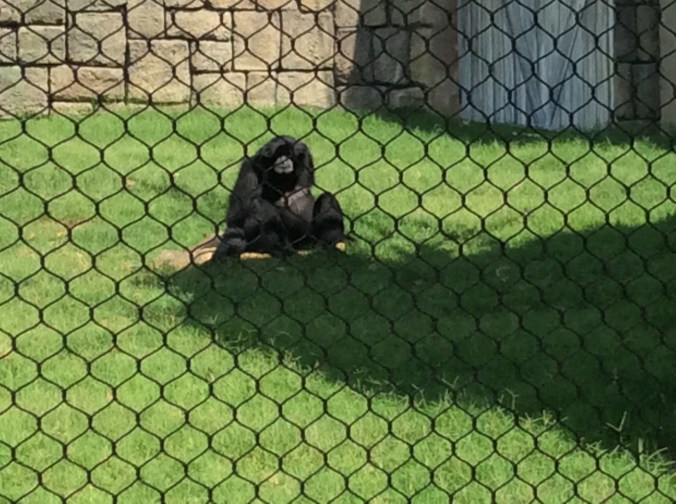
Then there are animals I have never even heard of before like the siamangs.

IMG_2686

I was surprised to see komodo dragons.

IMG_2681

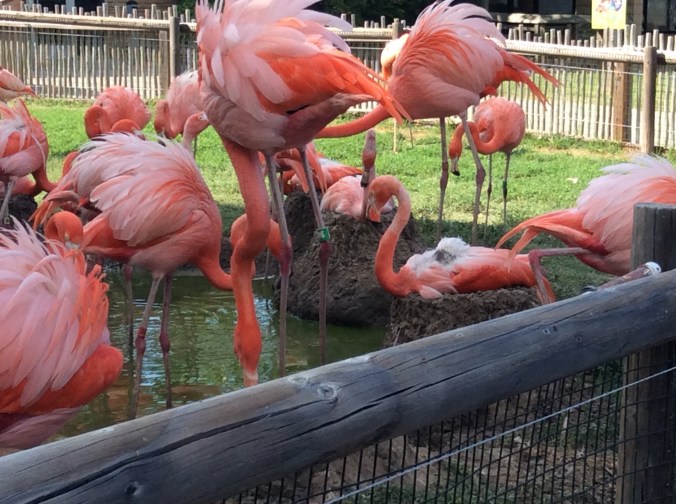
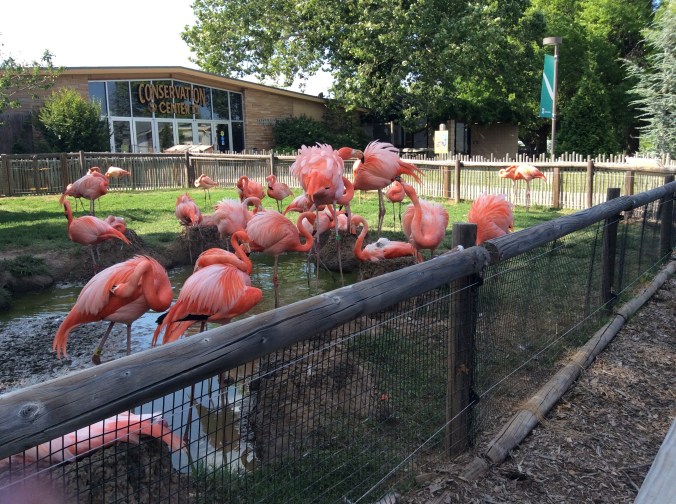
The intensity of the colors in the American flamingoes never cease to amaze.

IMG_2690

IMG_2691

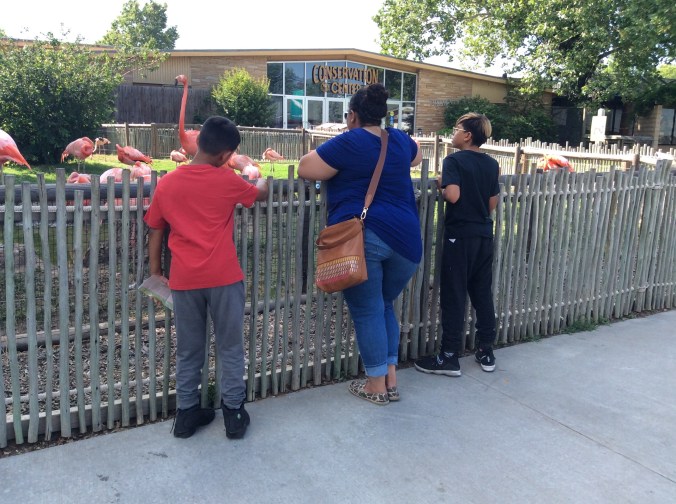
Apparently, the rest of my family liked them as well.

IMG_2689

The next day, Saturday, we decided to head east through the Cheyenne Nation to visit Natural Falls State Park. If we had known what it is really like, we would have taken a picnic.

IMG_2693

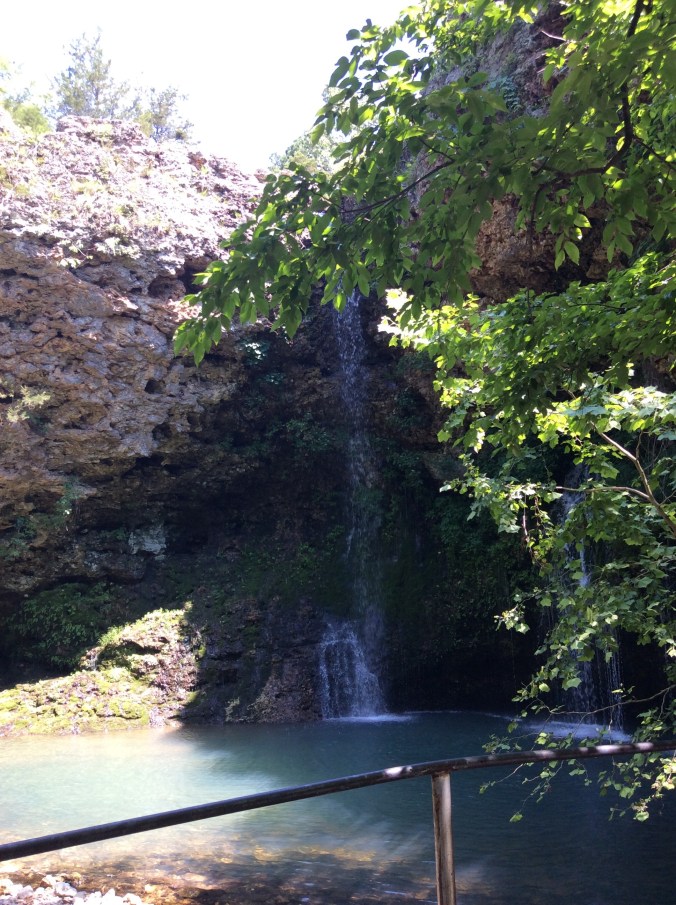
The area above where the falls drop off.

IMG_2697

IMG_2698

Dripping Springs

IMG_2700

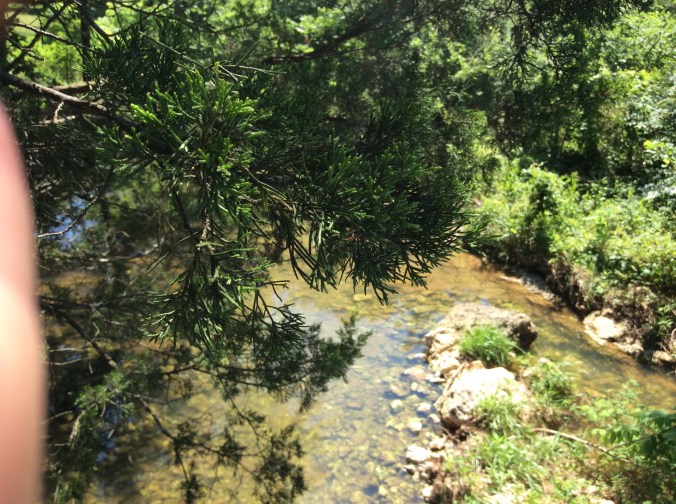
Just below the falls another stream enters and then flows down to a lake.

IMG_2709

The lake becomes larger as it flows farther.  It is a moderate to difficult hike getting to the lake.  Fishing is permitted here.  This park is also a good place to camp.

While gone, a giant thunderstorm arrived at my house with 8 inches of hail and three inches of rain in a short period.  Although the juniper trees look close to normal, most of the deciduous plants were denuded.  I have no idea whether they will recover.  A few of the small native flowers appear normal.  Luckily, my house was not damaged. However, this evening with my grandson’s help I will tackle the drive which is full of about 8 inches, in some places, of dirt, rocks, and gravel.  Luckily, after removing the larger rocks, I will get most of it with the tractor bucket and move it back to where it belongs.

San Jose, Costa Rica


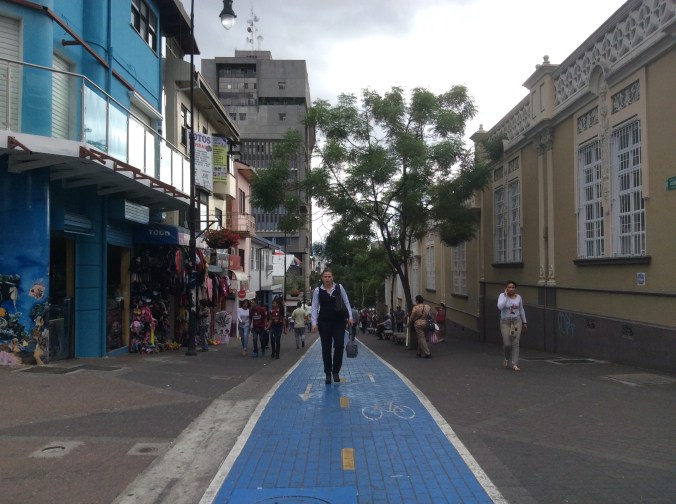
Two friends are headed to Costa Rica this summer.  While they will join a tour, they have a couple of days in San Jose before the tour begins.  I promised them I would suggest a few places they might enjoy, El Mercado, the downtown market,  the National Theatre, and the precolonial museum which is full of pre-Columbian gold and other ancient artifacts.  It remains my favorite but security there is tight.  To get in, you must surrender just about everything but your clothes.  You get a locker in which to place your valuables; the key to the locker is about all you can take with you.  As a consequence, no photos.  They do have a gift shop with quality items of all sorts including copies of many of the artifacts and jewelry.

Much of the downtown area is foot traffic only.  Vendors sell various goods on the street, you can wander El Mercado, in which various stalls for goods and food are located, and tour the National Theatre.  Inside the National Theatre next to the main lobby area is a lovely little restaurant, the perfect place for lunch.  The following are photos I took  in the National Theatre about one and one-half years ago.

IMG_1915

IMG_1914

IMG_1921

IMG_1919

IMG_1911

The first photo below is the highway from the airport into San Jose and the second shows a typical downtown pedestrian only area.

IMG_1904

IMG_1912

I have been to Costa Rica in what in the US is summer and also at Christmastime.  Summer here is their rainy season so if you go then, be prepared for rain, sometimes a lot of it.  It is sort of a joke that on the east side of the main mountain chain, it is always the rainy season.  However, I have been there when it did not rain.  Take a sturdy, easy to lug around slicker with a hood because sooner or later it will rain.

The huge advantages of going this time of year are a lot fewer tourists and it is considerably cheaper.


Two Kinds of People


The novel I finished yesterday described one of the characters as “the kind of man who would find his place anywhere because of how he interpreted the world.”  He was the kind of man who saw the world not as a system of barriers but rather a place of common ground, a man with an openness to the world, an openness to the unfamiliar, a man who welcomed the unknown.

This made me think of people I know and how they react, to where they want to travel, if at all, to what they desire to explore, to know.  Many of my friends travel little and rarely, if ever, outside the United States.  Others, like me, desire to visit places and cultures totally different, unfamiliar, to “know” the unknown.

This lead me to question how these two different types of people come to be.  In my case perhaps it started with family road trips, the earliest of which occurred when I was three and my dad drove from northwest Missouri all the way to Monterey, Mexico, and back.  I still love road trips.

Which kind of person are you?  Why?  Is it upbringing, heredity, environment?


Celebrating Earth Day–Photos


I decided the best way I should share my reverence and love for nature and this precious planet on which we live is to share photos from various countries, states, and my own little piece of wonder.

IMG_2641

img_2445

img_2454

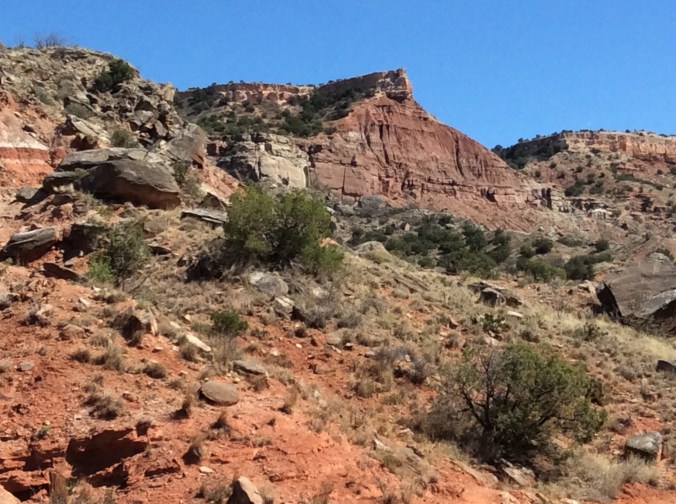
The three photos above were taken at Palo Duro Canyon State Park in Texas about ten minutes from where I live.

IMG_2617

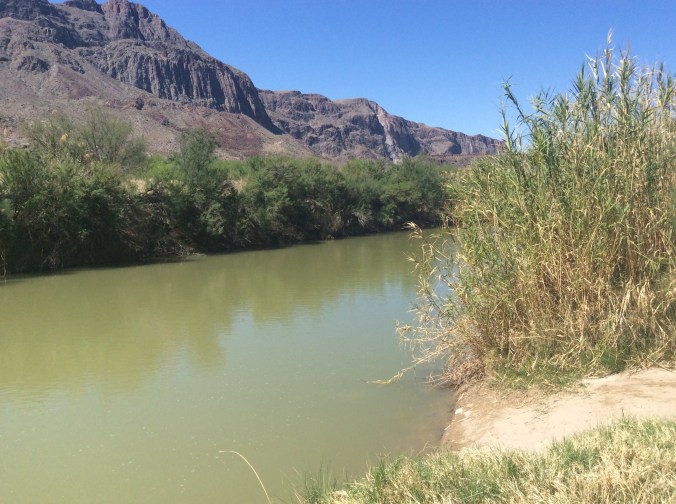
Above and below the Rio Grande looking into Mexico.

IMG_2607

image

image

image

image

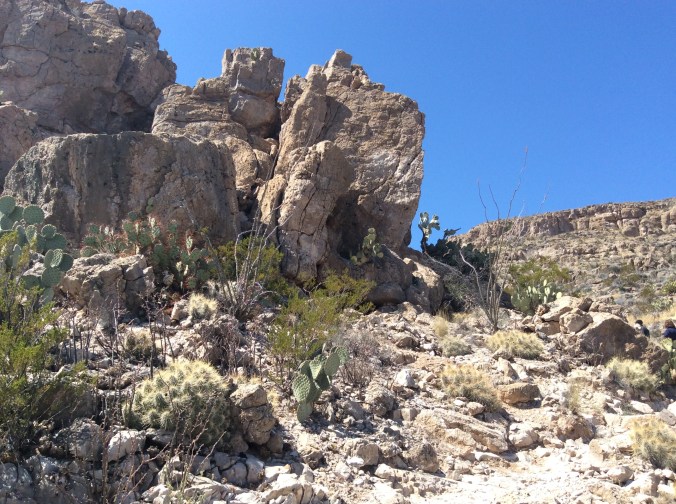
Four photos above — Big Bend National Park.

IMG_2604

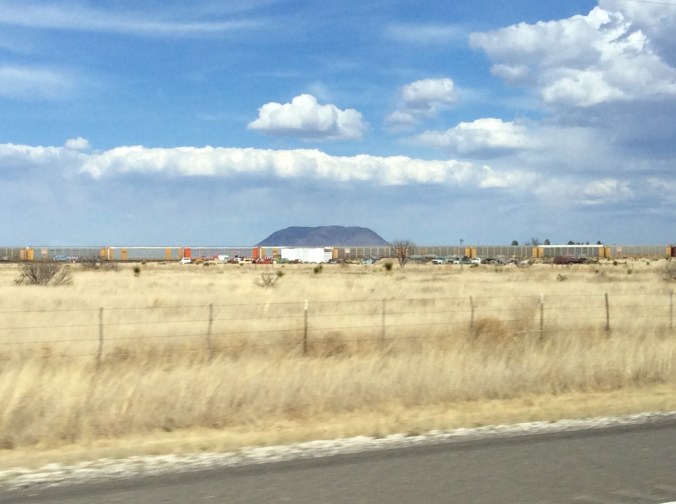
Between Marfa and Alpine, Texas.

IMG_2359

The Rio Grande north of Albuquerque on the Santa Ana Pueblo Nation.

IMG_0577

IMG_0592

IMG_0635IMG_0633

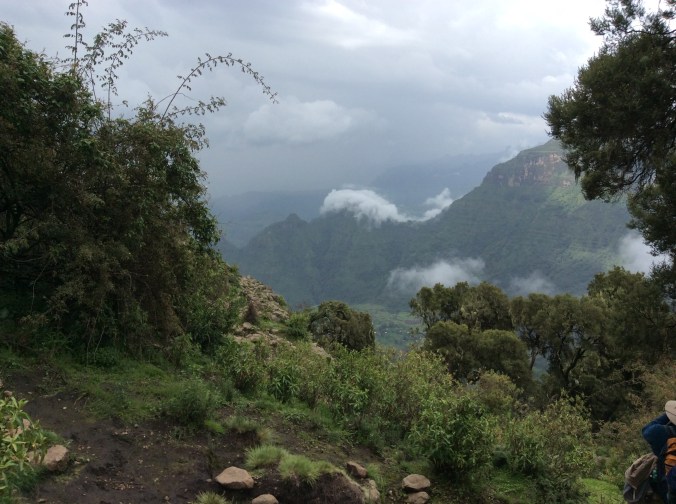
The above four photos taken in Simien Mountain National Park, Ethiopia.  The animals are gelada–the only surviving grass eating primates found solely in Ethiopia.  They actually “talk” to each other.

IMG_0266

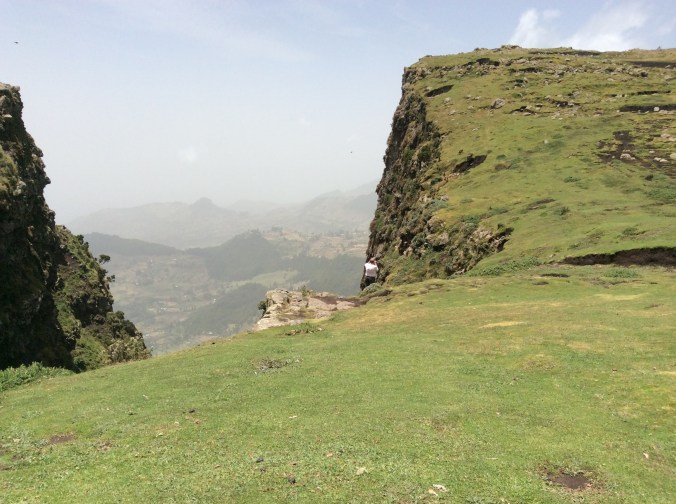
Menelik’s Window, Ethiopia

IMG_1144

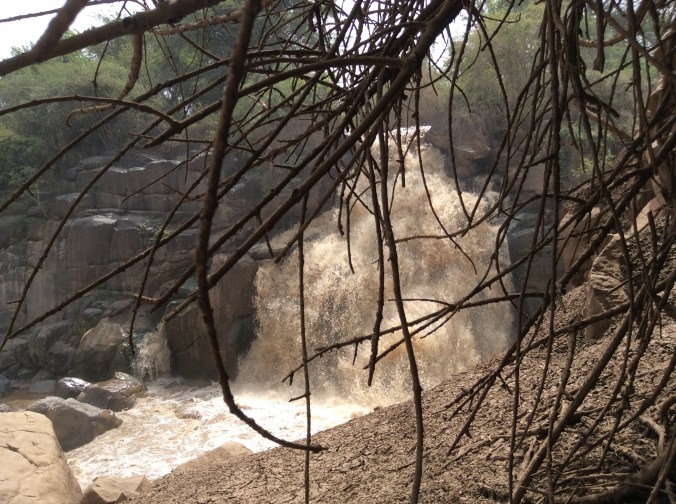
Awash Falls, Ethiopia

IMG_0849

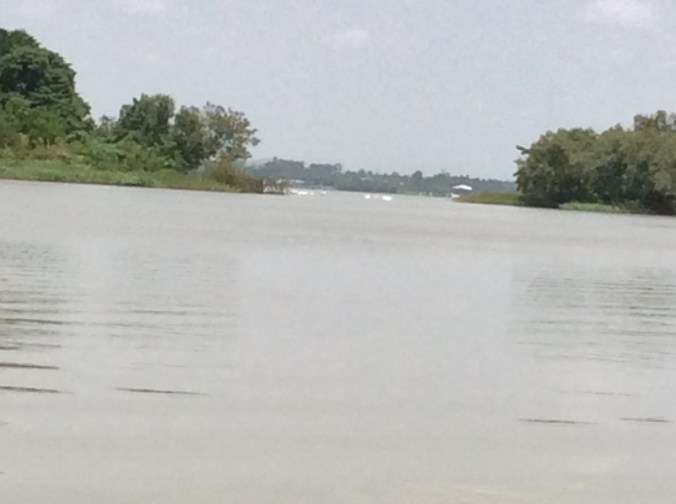
Where the Blue Nile begins draining from Lake Tana, Ethiopia

IMG_2024

IMG_2052

IMG_2070

IMG_1971

IMG_1927

The photos above were taken at various places in Costa Rica.

IMG_1730

IMG_1711

IMG_1718

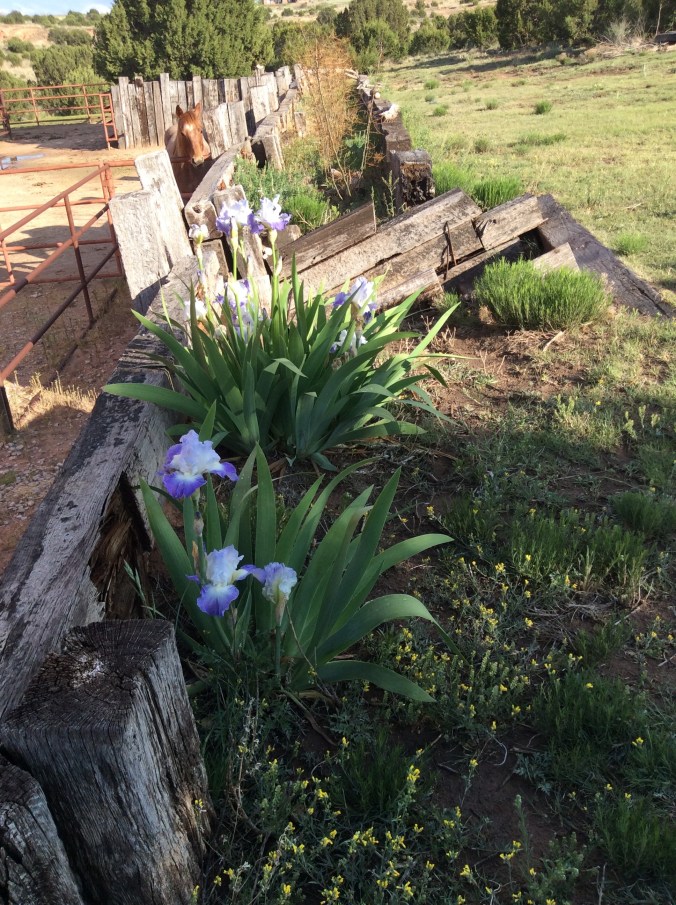
Northern New Mexico

SAM_1195

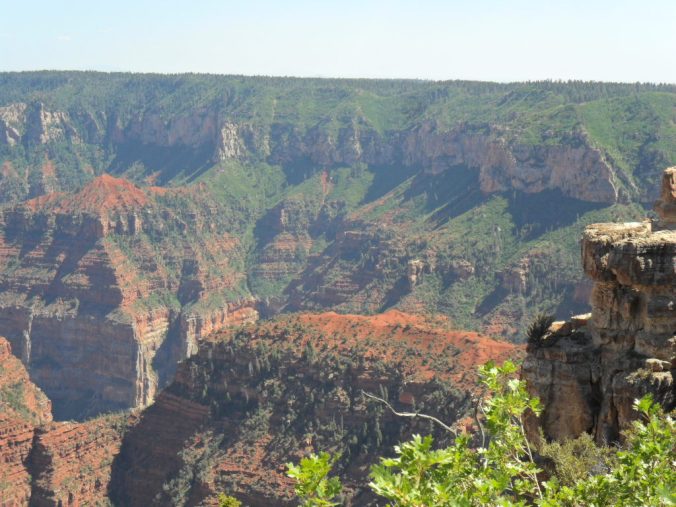
Grand Canyon North Rim

SAM_1139

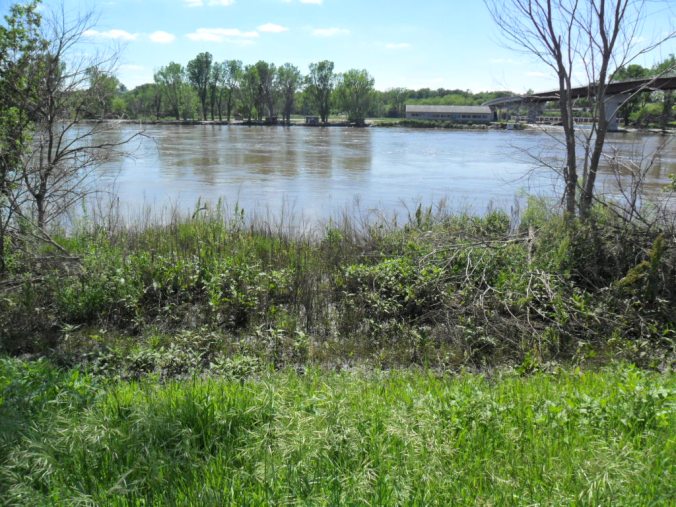
The Missouri River running full.

SAM_1218

California dropping down from Sequoia National Monument

SAM_1342

Near Lake Marvin, Texas

Sunday Sunrise ©Dawn Wink

IMG_1589

IMG_1419

SAM_0483

IMG_2304

IMG_2337

IMG_2323

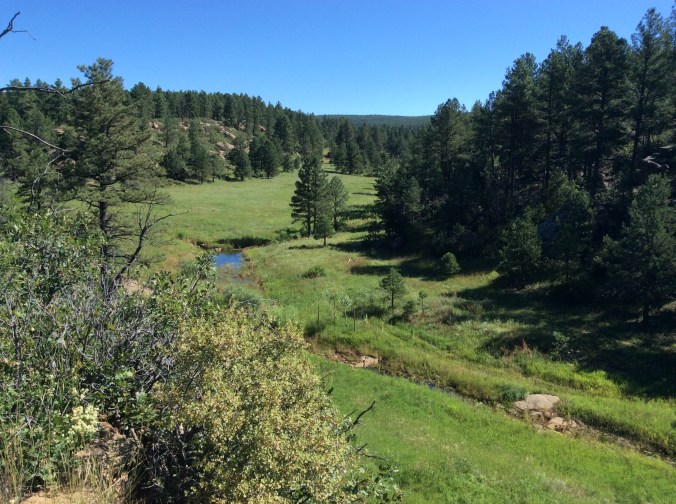
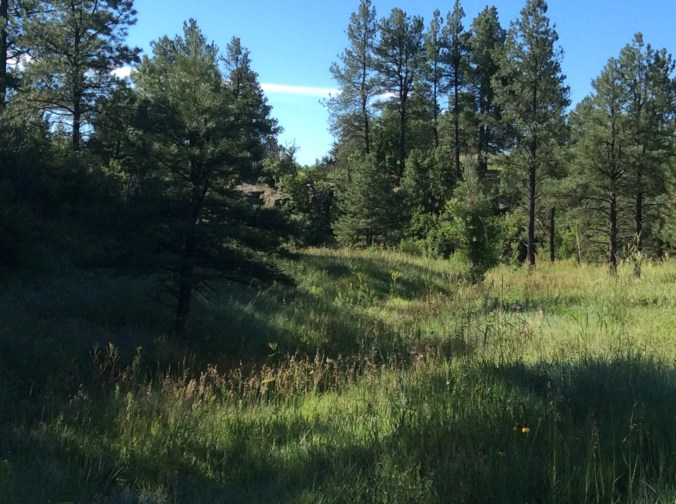
The above photos were all taken within the last year on my little rim of wonder.

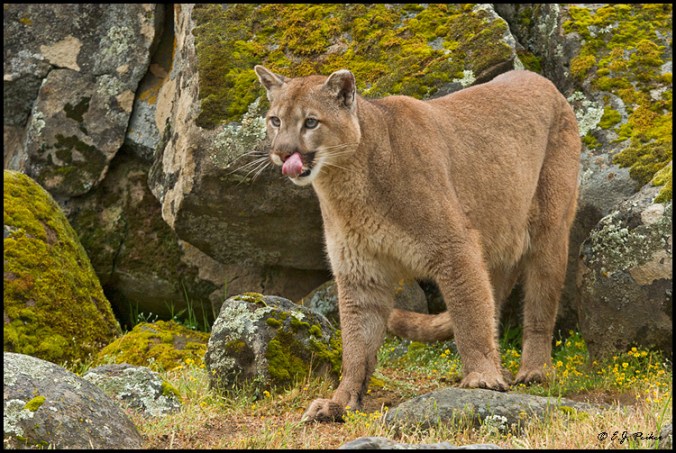
And finally below, my favorite animal.

CA_Cougar24

Gratitude


Thanksgiving brings so many thoughts, including thoughts about the divisive political discourse in the country now.  However, it seems more productive and in keeping with the day to focus on gratitude.  As I write this I think of both personal and broader things for which I am grateful, one of which is that I live in a country where divisive political discourse can actually and legally occur.  Now to the more personal (even though I think the personal is political, I will not focus on that)–here is my starter list:

-my family–daugher, son, and grandson; daughter and grandson will join me shortly to prepare a traditional Thanksgiving dinner.

-my mother’s pumpkin pie recipe which my grandson will help me prepare when he arrives; he says it is the only pumpkin pie he really likes.

-my job which I truly love–teaching public high school; my students frequently make my day.

-where I live in beauty truly on the Rim of Wonder.

IMG_2376

IMG_2373

IMG_2323

IMG_2165

IMG_1645

IMG_1584

IMG_1807

IMG_1596

IMG_1580

IMG_1589

IMG_1419

-my health

-my friends

-my ability to travel to all sorts of fascinating places

IMG_0592

IMG_0577

IMG_0169

IMG_0198

IMG_2069


IMG_2040

IMG_1966

-a life I love


Ethiopian Journey–From Addis Ababa to Debre Birhan


Addis is the second highest capital in the world.  Only La Paz, Bolivia, is higher.  To a large extent, altitude determines climate in Ethiopia.  Addis and the surrounding area, much of which is high altitude farmland, receives a lot of rain this time of year and looks totally unlike what a lot of people think of when they hear the word Ethiopia–not desert but rather miles and miles of green.

IMG_0248

IMG_0249

We had not driven far from Addis when we crossed a river, an area of which is considered healing.  Many people had come for priests to bless them and to experience the healing power of the water.

IMG_0246

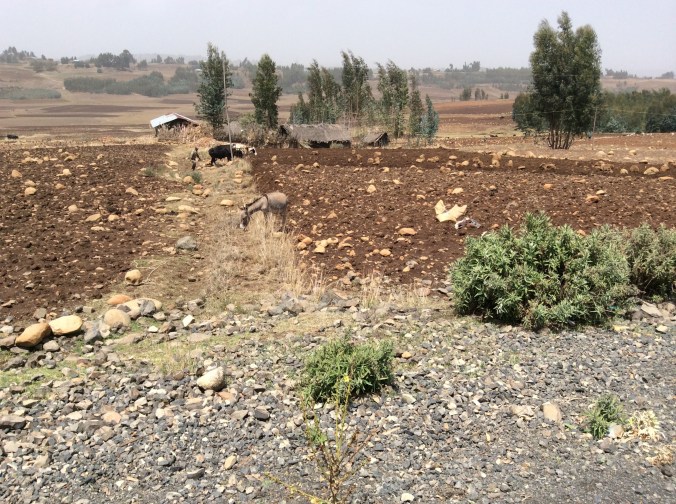
I saw only three tractors in ten days of criss crossing farmland.  Why so few?  One reason is rocks.  Many of the fields remain rather full of rocks in spite of many having been removed.

IMG_0258

Therefore, they farm the “old fashioned” way; horses or cattle pulling plows with a human behind.

IMG_0251

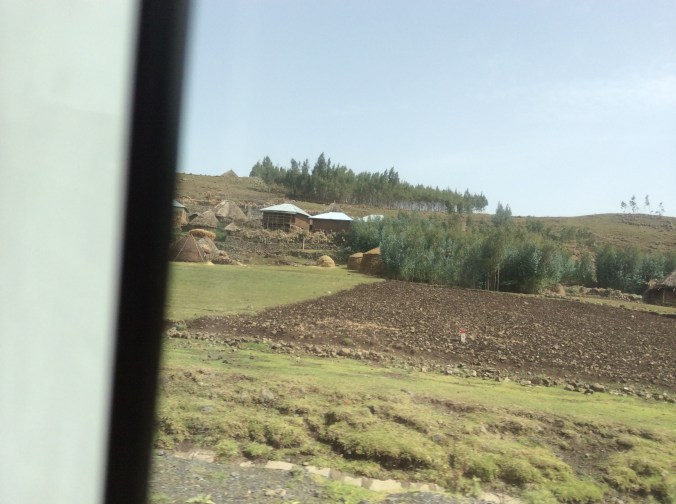
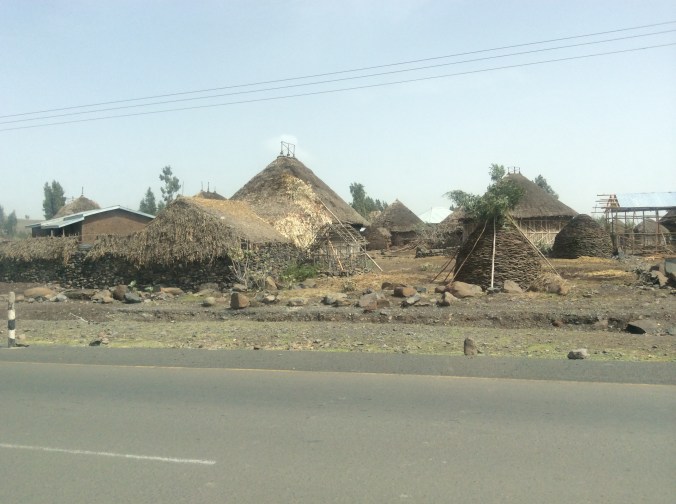
Houses in the villages in the farming areas demonstrate old ways alongside new.

IMG_0257

IMG_0259

Winnowing the way we did in the USA a century ago.

IMG_0253

IMG_0261

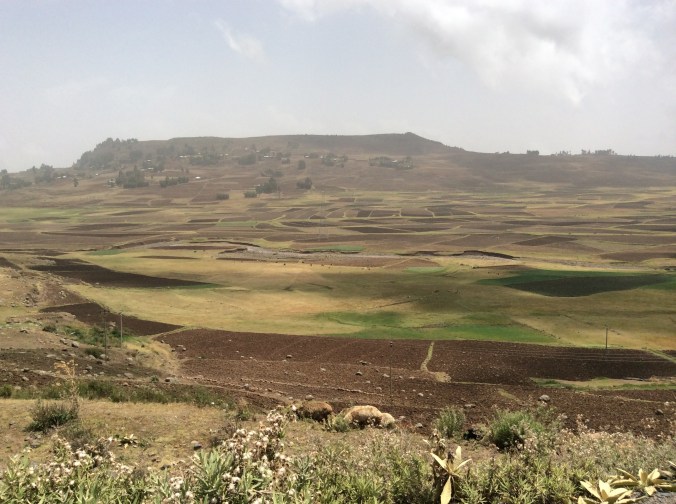
Much of the farmland is a picturesque patchwork quilt of browns and greens.

IMG_0266

Before dropping down to lower country, we drove by Menelik’s Window.   The drop off here is steep and far.  I did not go near it–I had not yet become used to the endless drop-offs or even realized that I would need to do so.  This is one of four places in Ethiopian where you can see gelada baboons.  They are extinct elsewhere. Menelik was an Ethiopian emperor.  This “window” allows one to look from the high country for miles and miles to the landscape beyond.

IMG_0262

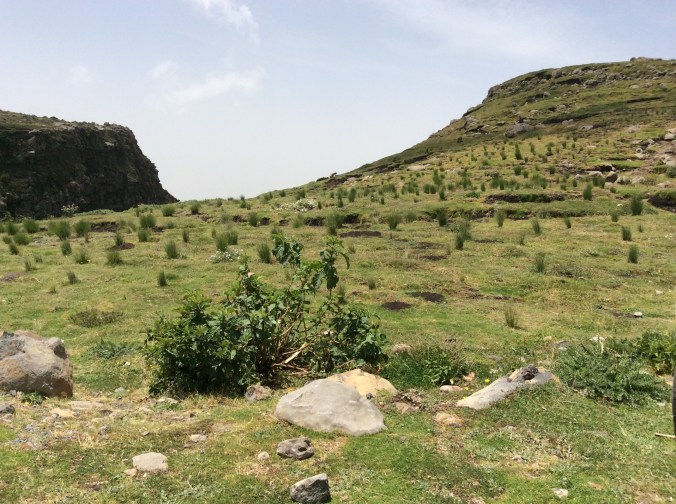
The large tufts of grass provide food for the gelada which are grass eating herbivores, the last of the grass eating primates.  All others are extinct.  This same grass is used by the locals for roofing material so boys stay in these areas all day chasing off the baboons.

IMG_0264

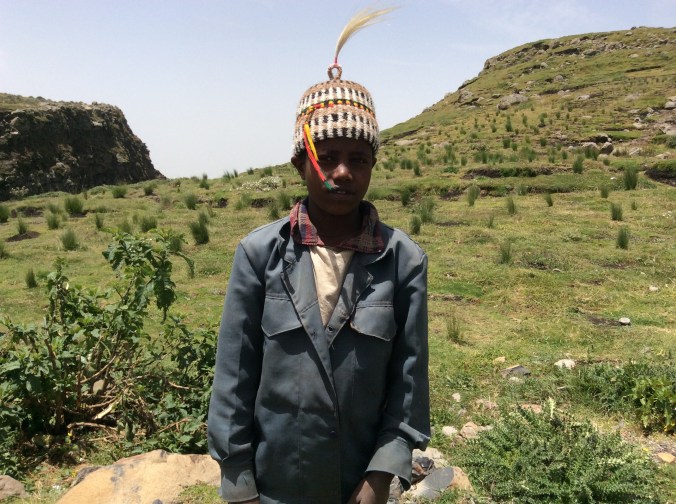
To keep themselves busy they weave woolen baskets and hats to sell which they display in the grass.

IMG_0267

This ten year old boy happily donned the hat he had made.  I bought it for my grandson who was the same age when I took the trip.

IMG_0268

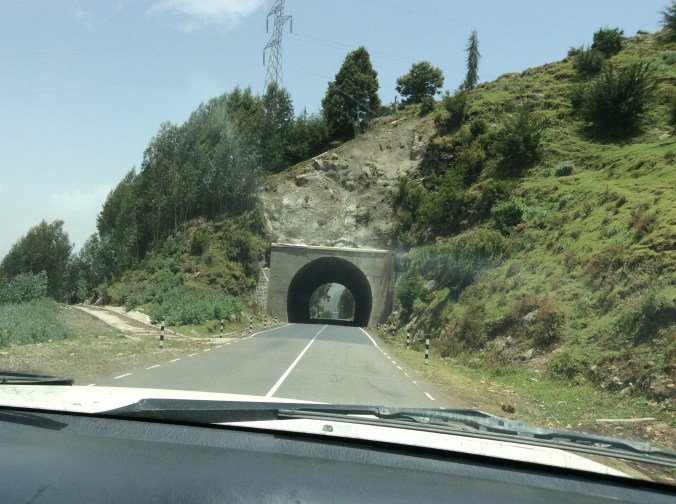
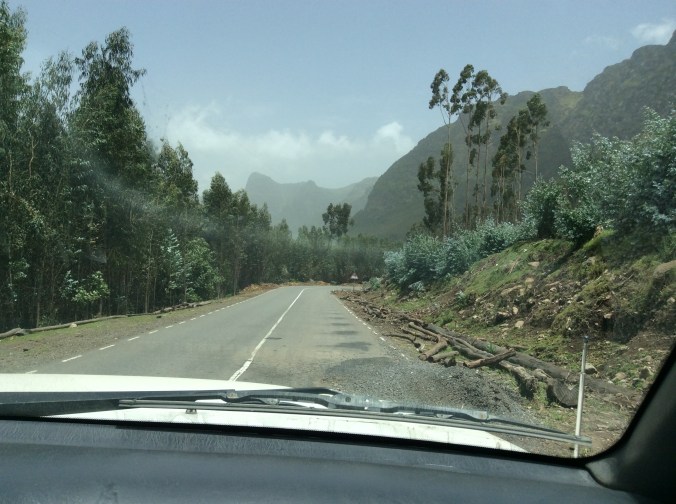
Except for the different vegetation, driving down the mountain looked a lot like driving through Colorado.

IMG_0271

IMG_0272

IMG_0276

Down from the mountain the landscape appears quite different and considerably drier.  We drove through several smaller towns on our way to Debre Birhan where we stayed the first night.

IMG_0279

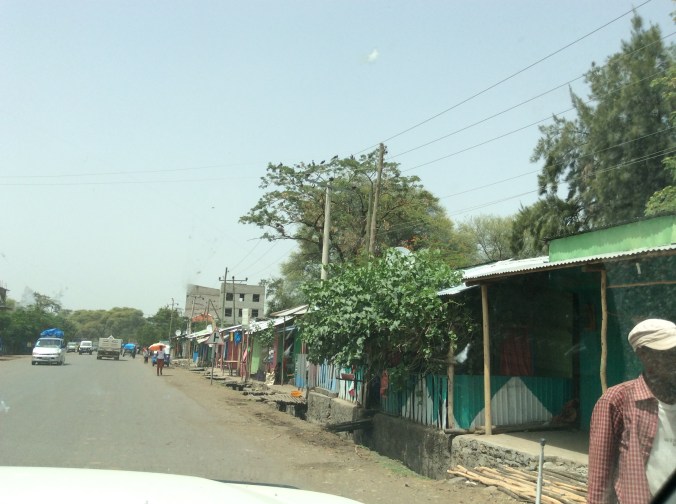
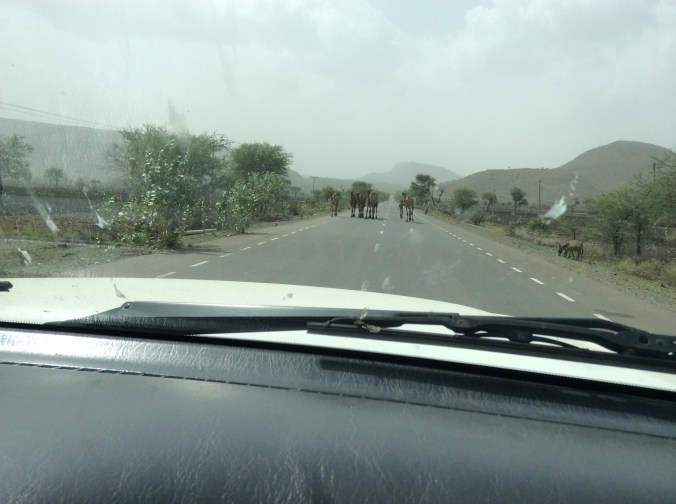
Driving in Ethiopia requires navigating around animals.  Everyone drives their cattle, camels, horses, all livestock down the road whenever possible.  The roads are generally very good.  Many, built by the Italians, have stood the test of decades.

IMG_0282

Along the road we saw many of these “apples”.  My friend told us how they played with them as a child.  However, the adults all warned the children not to touch their eyes when they did–it will make you blind.  They are called Apples of Sodom–so many things in Ethiopia have symbolic meaning.

IMG_0283

These fruit could be seen all along the road and even on the road.  After driving through this drier area we rose above a huge valley with miles and miles of grass.

IMG_0285

A semi-nomadic group brings their immense herds of cattle here in the rainy season to graze.  When we drove further on above the valley, I saw the first tractor working a field as big as this grazing land.