Hey poets, be good literary citizens. No more excuses.


This post reiterates advice I would give myself. Additionally, I would add something I wish I had known a year ago before my book of poetry was published. No one told me that most writing contests require unpublished work. If you want to enter poetry contests, enter before you publish. Many contests even include work published in blogs as previously published. I continue to hunt for contests that allow previously published work. It seems few exist. If any of you writers out there know about such a contest, please let me know.

bripike's avatarBrianna Pike

With AWP (Association of Writers & Writing Programs) and National Poetry Month just around the corner, I’ve been thinking a lot about what it means to be a working poet. I’ve got a couple of projects in the works for the month of April (updates to come soon) but I keep coming back to a piece of advice I’m always giving my students, which is that poetry doesn’t occur in a vacuum. Poetry is about the poet but it’s also about the community where the poet lives and works.

Admittedly, the idea of community is constantly evolving. Your community can be your workplace, the local bookstore or coffee shop you frequent or your local library. However, community can also mean something much bigger, especially in the wake  Facebook, Twitter and Instagram. I’ve blogged about my love affair with social media and the poetry world. This love centers around the fact that Facebook…

View original post 606 more words
Favorite Authors and Books


The blogging 101 assignment today told me to use a prompt of some sort.  I scrolled through the various suggestions and came up with this one.

My all time favorite author is Leslie Marmon Silko from Laguna Pueblo.  Although her novel, Ceremony, is the most famous of her books, I prefer Storyteller.  The title comes from the long American Indian tradition of story telling plus it is also the title of one of the short stories in the book.  Storyteller contains a compilation of family photos, poems, anecdotes, and short stories, including my all time favorite short story, Yellow Woman.  By now I have probably read that story at least fifty times.  I jokingly refer to my occasional need to read it as getting my Yellow Woman Fix.  Every time I read it, I ask myself why I love this story so much?  Honestly, I have no clue, none at all.  The story speaks to me in a way like no other and I cannot figure out exactly why.  Perhaps some friend out there in blogging land or even a stranger may tell me.  Who knows?

Another of my favorite books is Moonlight on the Avenue of Faith by Gina Nahai, an Iranian Jewish woman who now lives in California.  This book reminds me of all the Latin American magical realism books I also enjoy.  The heroine of this book is not an ordinary woman.  For one thing, she flies. Often, I have asked myself why some Iranian novels remind me of Latin American novels and short stories.  If I were to go back to graduate school to study literature, I think I would explore this further.  For now, however, I simply wonder about this similarity and possible causes.  For those interested in Iranian history, and more particulary about the history of the Jewish people in Iran, I always recommend Cry of the Peacock by Nahai.  It traces the history of a Jewish family there for seven generations.

Other favorite authors include Julia Alvarez, Isabelle Allende, Louise Erdrich, M. Scott Momaday, and Gabriel Garcia Marquez.  Although he is most famous for One Hundred Years of Solitude, my favorite book of Marquez’s is The General in His Labyrinth about the life and death of Simon Bolivar, the liberator of much of South America from Spanish rule.

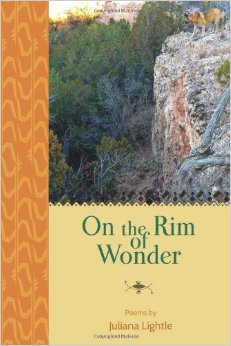
As for poetry, Storyteller is the only book listed above that contains poetry.  When I ask myself about favorite poets, I think of William Butler Yeats, Joy Harjo, Sherman Alexie–who inspired one of the poems in my book, and, of course, Silko.  A unique poetry book, Carver, my Marilyn Nelson gives a biography of George Washington Carver in poems.  I learned a lot reading that book, especially since I am always looking for new ideas on writing poems for my own writing practice.

Finally, I hope some of those who read this respond with their favorites.

51yW0RGMMvL._SY344_BO1,204,203,200_

Haiku Adventure-Part Seven


This rather short adventure was an experiment soon to end.  Since my haiku posts generated so many positive responses, I may consider its continuance.  My most recent adventure, however, is to take Word Press’ Blogging 101 in spite of the fact that I have been blogging for more than three years.  I feel certain I can learn something new.  For now here is another haiku.

Three large purple onions

waiting

mother’s old stoneware bowl.

Haiku Adventure-Part Six


Last week the following fit the circumstances:

French doors open in February

waiting

only rocks and barren trees

Then this week occurred:

Yesterday, I frolicked in a summer sun

Today, ice and snow blast from the northeast

bipolar weather

IMG_1419

Haiku Adventure–Part Five


Since I spend the majority of my waking hours with high school students…

innuendo filled room

young males

too much testosterone

For nearly as long as I can recall, meditation has been a daily routine.  Birds of all sorts live out here in the country with me.

slowly breathe in

breathe out

a hoot owl echo invades

Haiku Adventure–Part Four


I teach British literature to high school seniors.  This past Wed. essays were due.  Since day one, I warned them about cheating and plagiarism. “I will catch you.”  Here is what occurred:

copy word for word for word

plagiarism

I did’t think you’d catch me.

Haiku Adventure–Part Three


What I learned from these poems:  what is usually considered good writing for other types of poems may or may not apply to haiku.  Alliteration provides an example.  Generally, in poetry alliteration merits a plus.  Not in haiku.  Regardless, I decided to leave the alliteration in this poem.  When I eliminated the alliteration, the effect I wanted disappeared.

red roan horse runs

rain roars

deep depression in mud

252154_10150250709710868_549391_n-2

Generally, I teach senior English–British literature.  However, one short class twice a week contains all freshmen.  My assignment:  teach them what they need to know to pass the state STAAR for ELA.  This poem illustrates what occurred during the class this past week.

teaching freshmen English class

What is a pronoun?

they stare; no one knows.

Haiku Adventure–Part Two


After receiving positive feedback on the following three poems, I learned that two of them cannot be haiku.  Why?  They instruct, give directions.  Such teaching is forbidden in haiku.  Regardless, I decided to post them anyway.  At least the Meditations will illustrate what not to do if you want to write real haiku.


Meditations

shut your eyes, be still

listen to the wind, rain, thunder

shut your eyes, be still


open your eyes, be still

watch coyote and bobcat climb

open yours eyes, be still


There are several other reasons why these two poems cannot be haiku–more than one image and a contrasting image in a single poem–forbidden.  I knew there must be some reason I had never previously seriously attempted haiku.  Too many rules.


This one, however, meets modern haiku standards or so I have been told.  I will eventually get this.  Learning, challenging oneself, remains a positive experience.


Night

big dipper illuminates

clouds race

darkness suddenly descends


IMG_1322

Rain


image


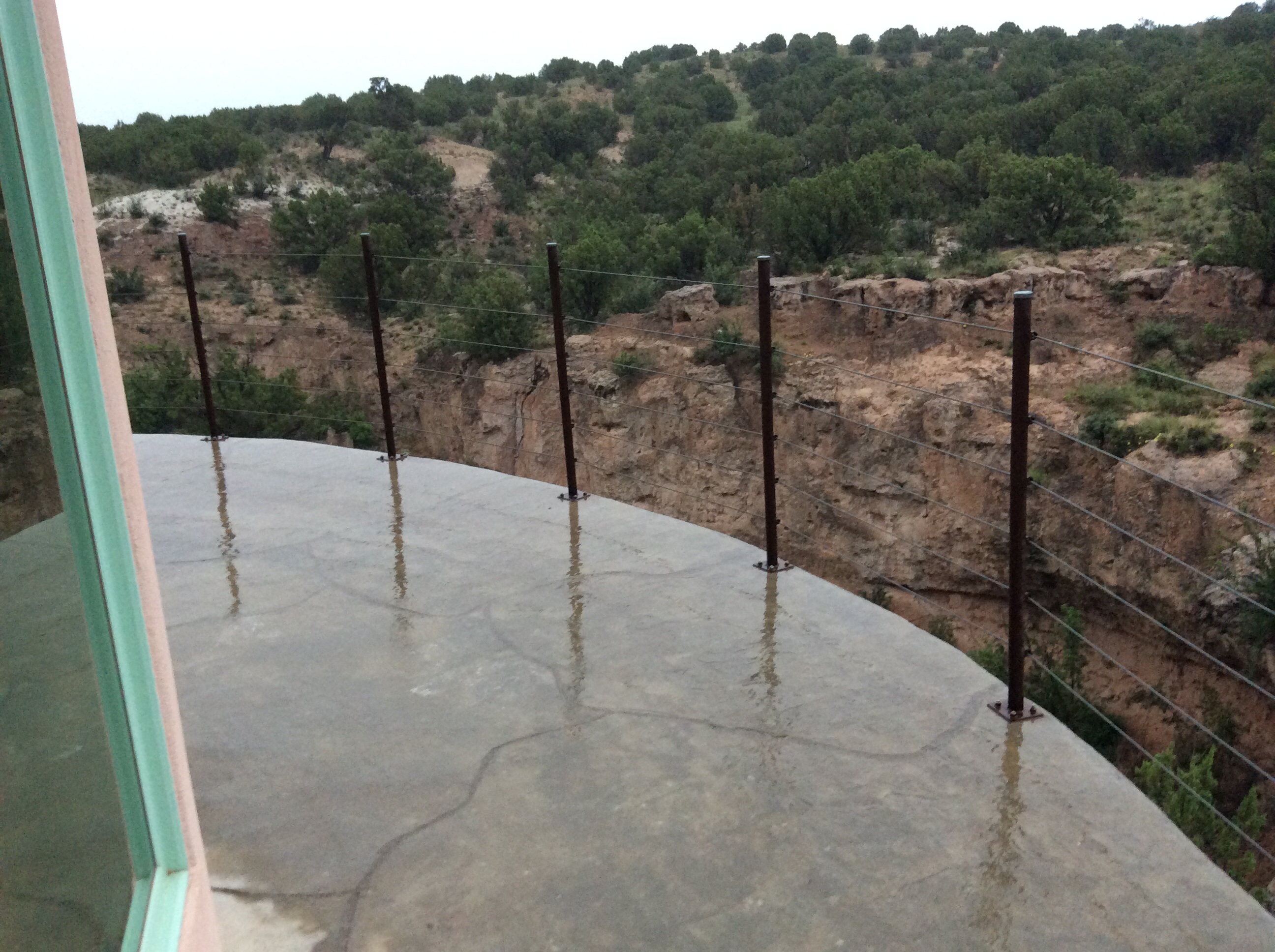
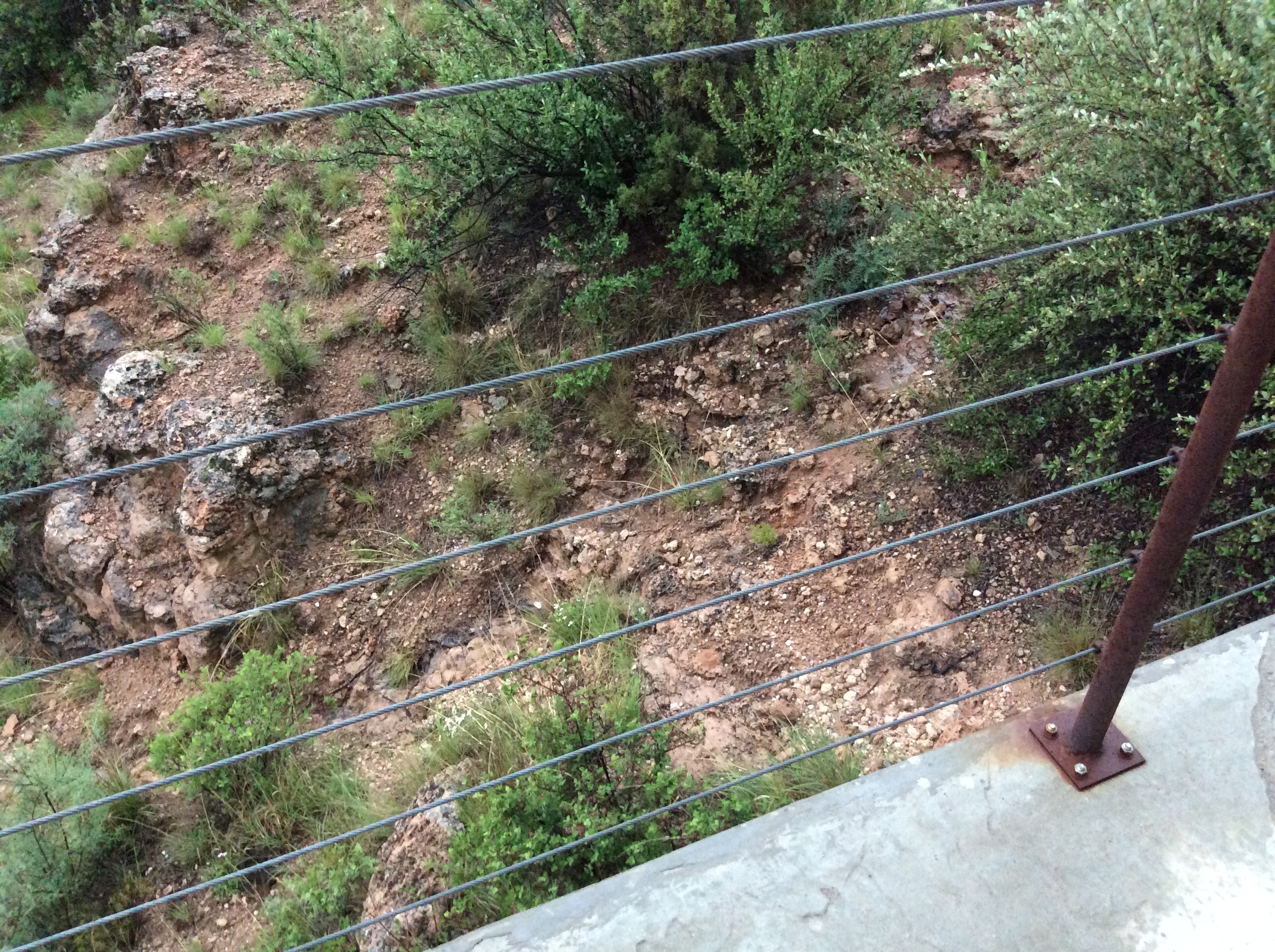
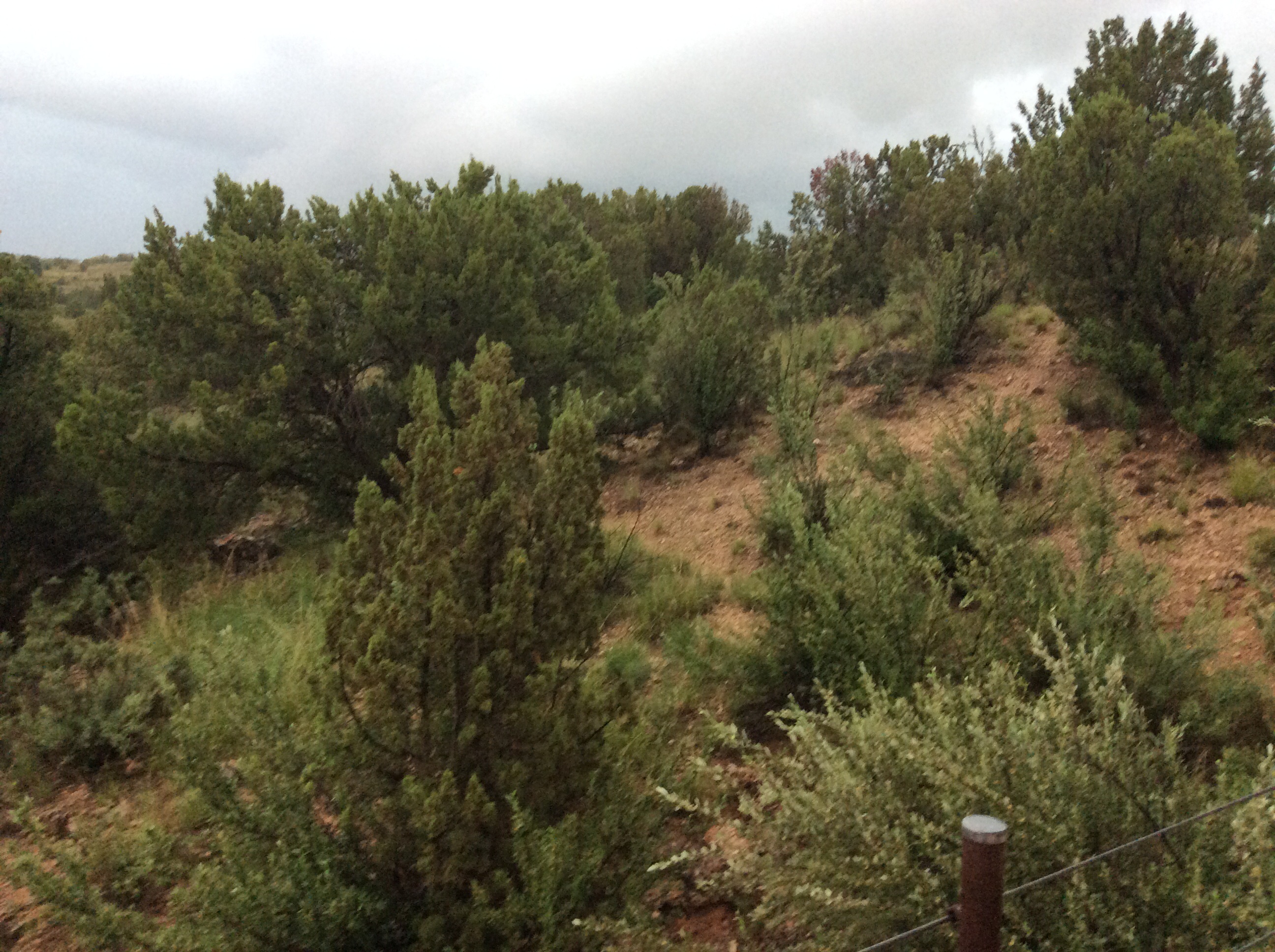
Early, in that land between wakefulness and dreams, it started to rain.  It rarely rains here in the morning; I thought I was dreaming.  Several hours later it is still raining.  Last night the weather forecaster said we are actually a little ahead of normal for the year, an unheard of event in recent years when endless drought reigned.  Because I am thinking none of  you who read my blog posts will believe it is really raining that much after reading numerous posts about drought, I decided to take some photos of the cloudiness and wet.


image


image


image


The following poem was written when it had not rained in a long time like this spring when it had not rained for months.  Now that is has started raining, it cannot seem to stop, certainly a better situation than several months ago when 50 houses in a nearby town burned down because of a giant wildfire.


It’s raining!  It’s raining!

It has not rained in more than a month.

I run out the door,

spreading my arms skyward.

I laugh out loud, dancing in the rain.

A smile smears joyfully across my face.

I run across the patio,

rain drops pelleting my face, my arms.

I laugh out loud, dancing in the rain.

My dog stands, rivulets of rain running off her.

Usually she hates rain.

Lightning explodes, thunder booms bass,

the steel roof plays staccato music.

I laugh out loud, dancing in the rain.