Ovid


This is poem two for National Poetry Month. A friend wrote a poem following the prompt to write a poem about a book the writer has not read for a long time. She wrote about The Scarlet Letter. My poem is about the book, An Imaginary Life.

The Roman Emperor Augustus saw Ovid’s poetry as subversive,

a power threat. He exiled Ovid to a remote corner of the Empire,

somewhere over by the Black Sea, the Carpathian Mountains,

among the destitute, the superstitious, people who did even know

how to read or write. They believed in witches, feared ghosts, saw

evil in everything and everyone different. Different equaled

death.

Paid to host Ovid, the village leader teaches him to ride horses

bareback, hunt, become stronger. Ovid transforms from a weak

revolutionary who hates this place to one who sees the barren

beauty, wanders in the forests, plants a wildflower garden,

survives.

While hunting, they see barefoot tracks in snow, tracks

of a feral child, a boy. Ovid fears for him, finds him,

rescues him. An accident occurs. The villagers blame

the boy, want to kill him. He and Ovid escape,

wander far into the northern wilds, into

infinity.

Book 14 for 2024: “The Invisible Hour”, Alice Hoffman


This is a book for those who believe in the power of books to transform life, who are fans of Alice Hoffman, and who like time travel. It also about how a charismatic man can ruin the lives of many, especially women, by controlling everything around him through fear and coercion. In his Community books and contact with the rest of the world are banned. Mia is a young woman who sneaks into a local library and finds Hawthorne’s “The Scarlet Letter”. She realizes the life she is living in the Community is like the lives in the book. Through this book she manages to attain the courage to escape such a man, the man who destroyed her mother, Ivy. She makes her way back in time to the period in the book, has a love affair with Hawthorne, and finally escapes the horrible man who tracks her everywhere she goes.

Book Seven for 2024: “After Eden, A Short History of the World”, John Charles Chasteen


Want to learn a lot in less than 400 pages? Read this book. Published this year, it is the most recent book by a prominent Latin American scholar and historian. After humans learned agriculture and built cities, most of the population of the world became increasingly patriarchal and warlike. The divide between rich and poor increased. Egalitarian foragers and wandering hunters existed only in more remote areas. A few still exist in those remote and less modern corners of the world, often places where few others want to even go. This quote says a lot about the current state of affairs:

“Our civilization has thousands of years practice making war. We have almost NO practice making global peace, but without it we are doomed. Today’s pervasive nationalism and rearmament is unlikely to help us make global peace.”

And a page later:

“Only a true unanimous global effort has any chance to preserve our common home.”

He notes that saving Earth will take huge social transformations, including curbing the excessive consumer capitalism that currently pervades plus overcoming a world wide history where half of humanity mistreated the other half, a practice that still continues.

One Book a Week-53: “The Last Ride of the Pony Express”, Will Grant


Since I was born in St. Joseph, MO, and grew up 30 miles from there, the Pony Express is something I have heard about my entire life. Therefore, when I saw this book at the local library, I decided to read it. What a fun and informative book!! In 2019, Will Grant, who lives in Santa Fe, NM, decided to locate the right horses, transport them to St. Joseph, and ride the route of the Pony Express from there to Sacramento, CA, the other end of the trail. After the sheriff’s department escorted him across the bridge to Kansas, he managed to avoid cities for the most of the 2000 mile trip. This book is his account of the old Pony Express Stations, ranchers, farmers, historians, businessmen, ordinary people, and wild horses he encounters on his 142 day adventure. Although many have written books about the Pony Express, he is the only person who has followed the entire route on horseback.

One Book a Week-47: “A Pipe for February”, Charles H. Red Corn


If you have read “Killers of the Flower Moon” and/or seen the movie, this is a must read. Published in 2002, this Osage novel details the daily life of John Grayeagle from his viewpoint. A young, oil wealthy Osage man at the time he tells his story, John was raised by his grandfather because his parents, like many other Osage, were killed under strange circumstances, in his parents’ case an odd car wreck. He is the cousin of Molly, a main character in “Killers of the Flower Moon”. Although he received a college education, spent months traveling in Europe, lives in an elegant house, and drives an expensive car, he still follows many of the Osage traditions, which he details as he talks about his life throughout the novel. The novel describes the murders (which officials usually claimed were accidents or suicides) from the Osage point of view. They knew something was going wrong but were having difficulty determining what they could do about it. They were suspicious of the guardians assigned them by the US government who thought they were too stupid to manage their oil wealth, yet were often stymied when they tried to gain control of their own affairs. This is their story.

The author, who died in 2017, was a prominent member of the Osage Nation, a member of the Peace Clan as is the novel’s main character. The novel’s Foreward is written by Martin Scorsese, who cowrote the screenplay for “Killers of the Flower Moon” and coproduced and directed the movie.

One Book a Week-5: The Importance of Paris by Cynthia F. Davidson


This memoir take place when the author decides to move to Paris in order to address certain “issues” related to her childhood and young adult years. She grew up in Saudi Arabia before the oil boom and went to high school and lived in Beirut when it was considered one of the best cities in the world. She had to leave when Lebanon became war torn, her dad was kidnapped, and her sister shot. Her return to the US proved traumatizing even though she is not genetically of Middle Eastern descent. Paris was filled with Lebanese refugees so she moves there in an attempt to understand what happened to her beloved Lebanon and why.

This is not an ordinary memoir. I could not stop reading it; I wanted to know what happens next and why. It includes a graphic honesty not found in most memoirs I’ve read. In addition, it contains political and historical explanations for the events that transpired during the time period of the book.

Want to learn more about the background to current events in the Middle East? Want to read about a remarkable life? Then read this memoir.

Wandering the World–Italy, Part Two


It is an hour or so boat ride from Sorrento to Capri. Although not very crowded in November, apparently it is tourist heaven in the summer. The lower town contains many of the world’s major high end stores. This time of year most remained closed. Even though I am not a big fan of touristy destinations, I thoroughly enjoyed our day on Capri. I doubt I would like it so much in high season.

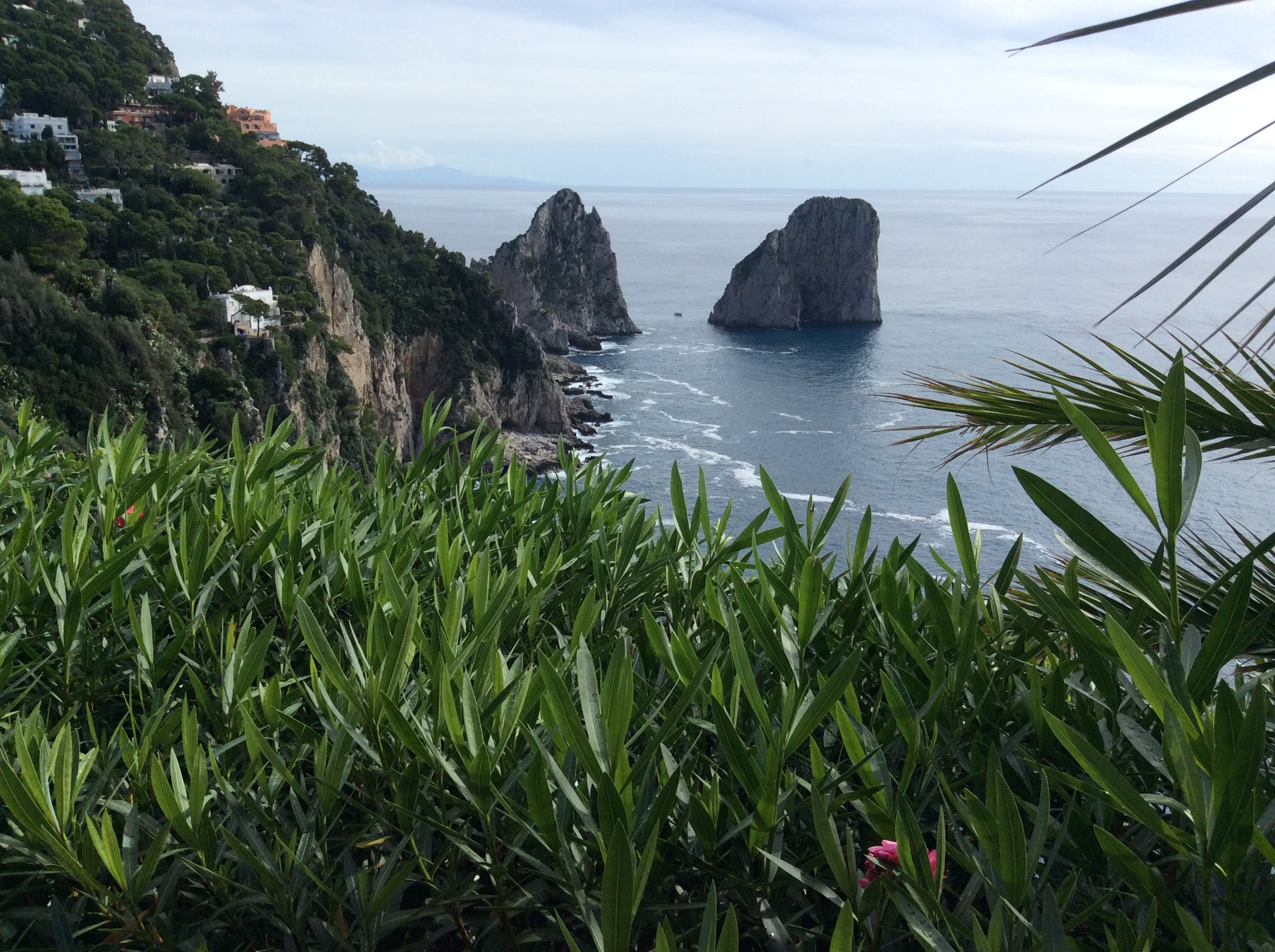
Looking down on the lower, main town from the town high on the island, Ana Capri. At the far point one can hike to the remains of Tiberius’ villa, where he hid the last ten years of his reign as Emperor of Rome. If he did not like you, off the cliff you went. I was standing on a trail with over 900 steps, carved by the Greeks even before the Roman times, that lead down to the lower town.
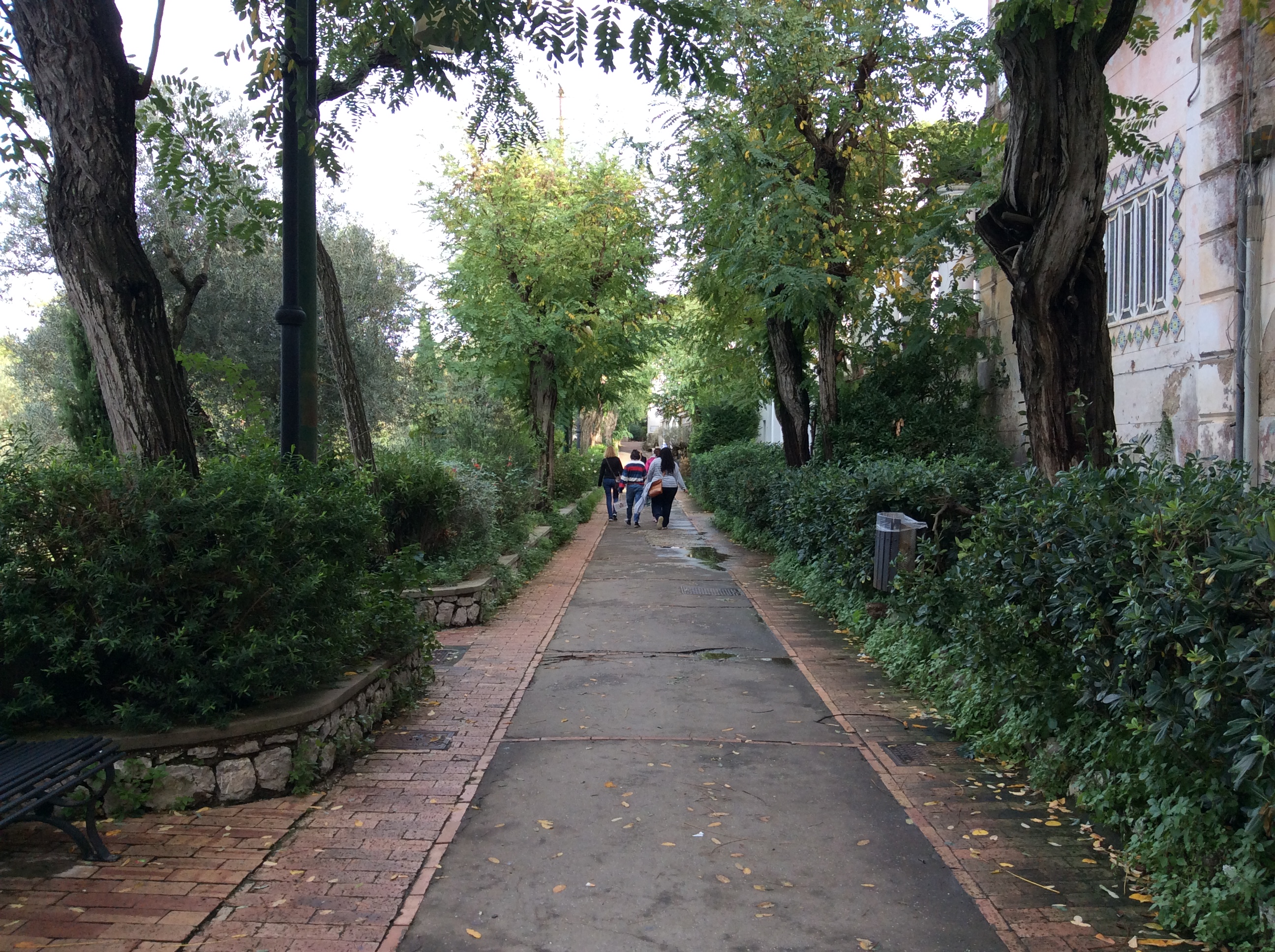
This walkway leads to the path mentioned in the previous photo. This time of year Capri is lush, relaxing, and peaceful.
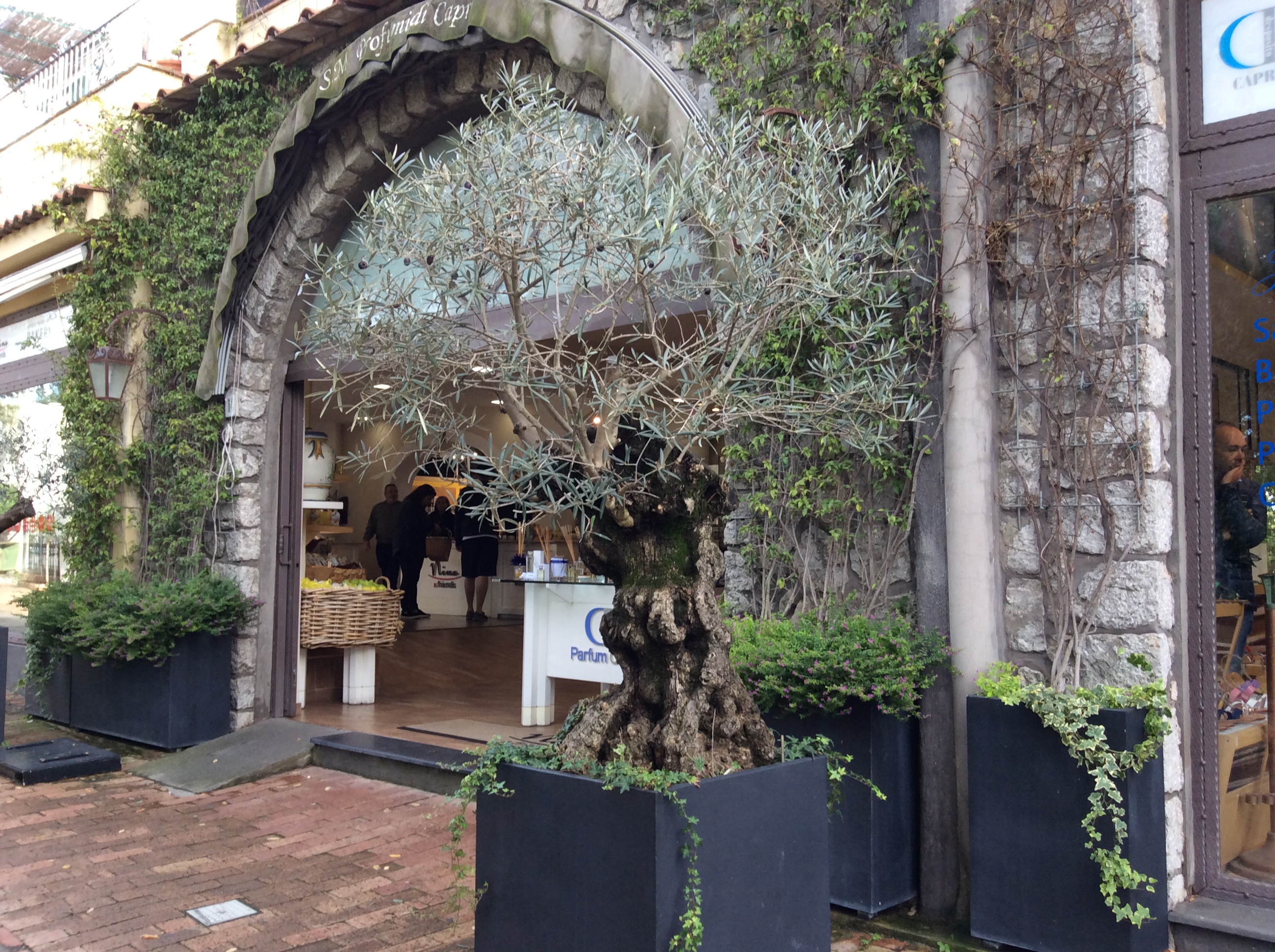
This shop, among the few that were open, sold all sorts of chocolates with various limoncello products. The combination of chocolate, limoncello, and almonds is a taste of heaven.

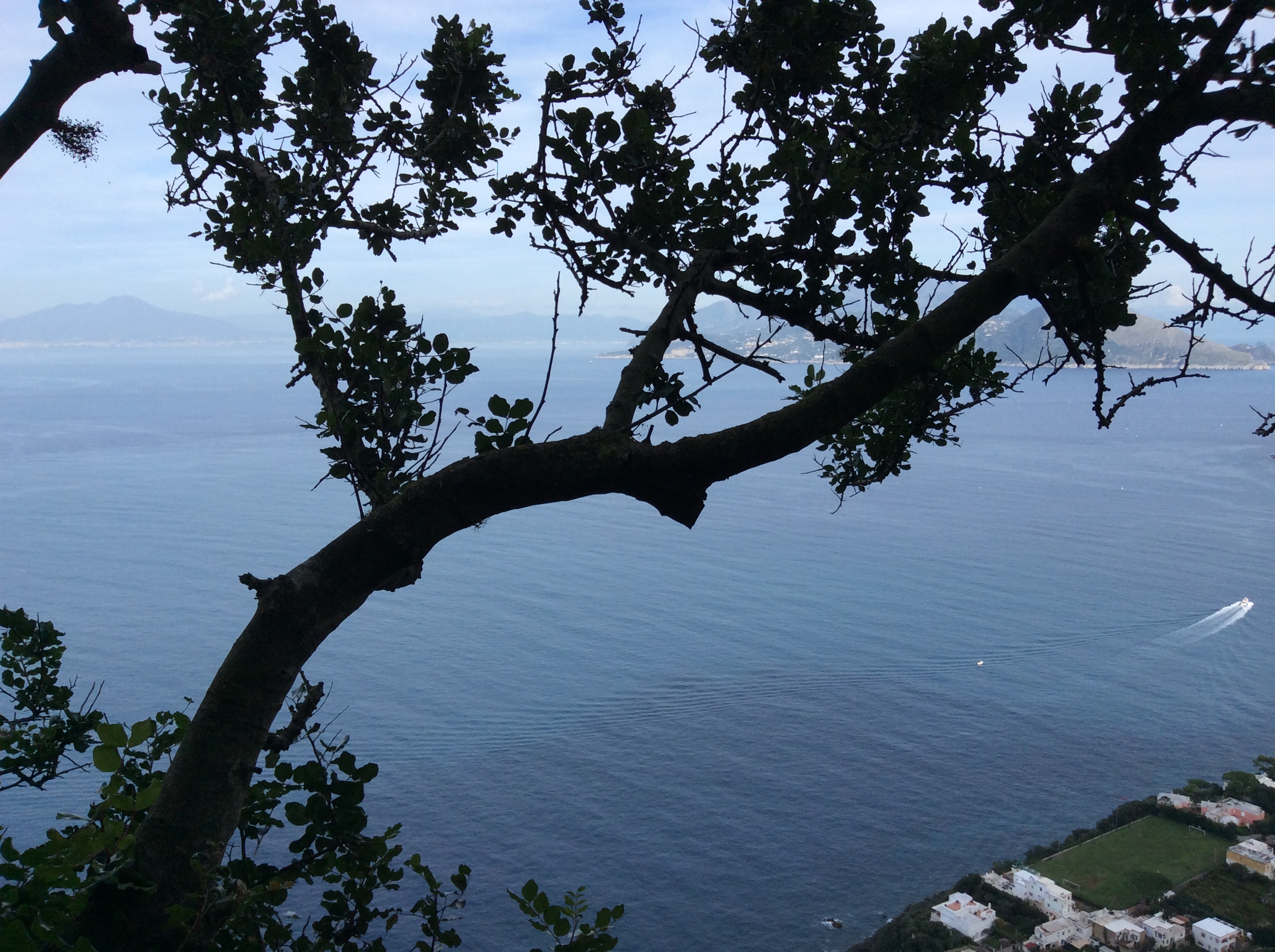
I took all the above photos while strolling along the walkway shown in the third photo. Beauty lay everywhere I looked.

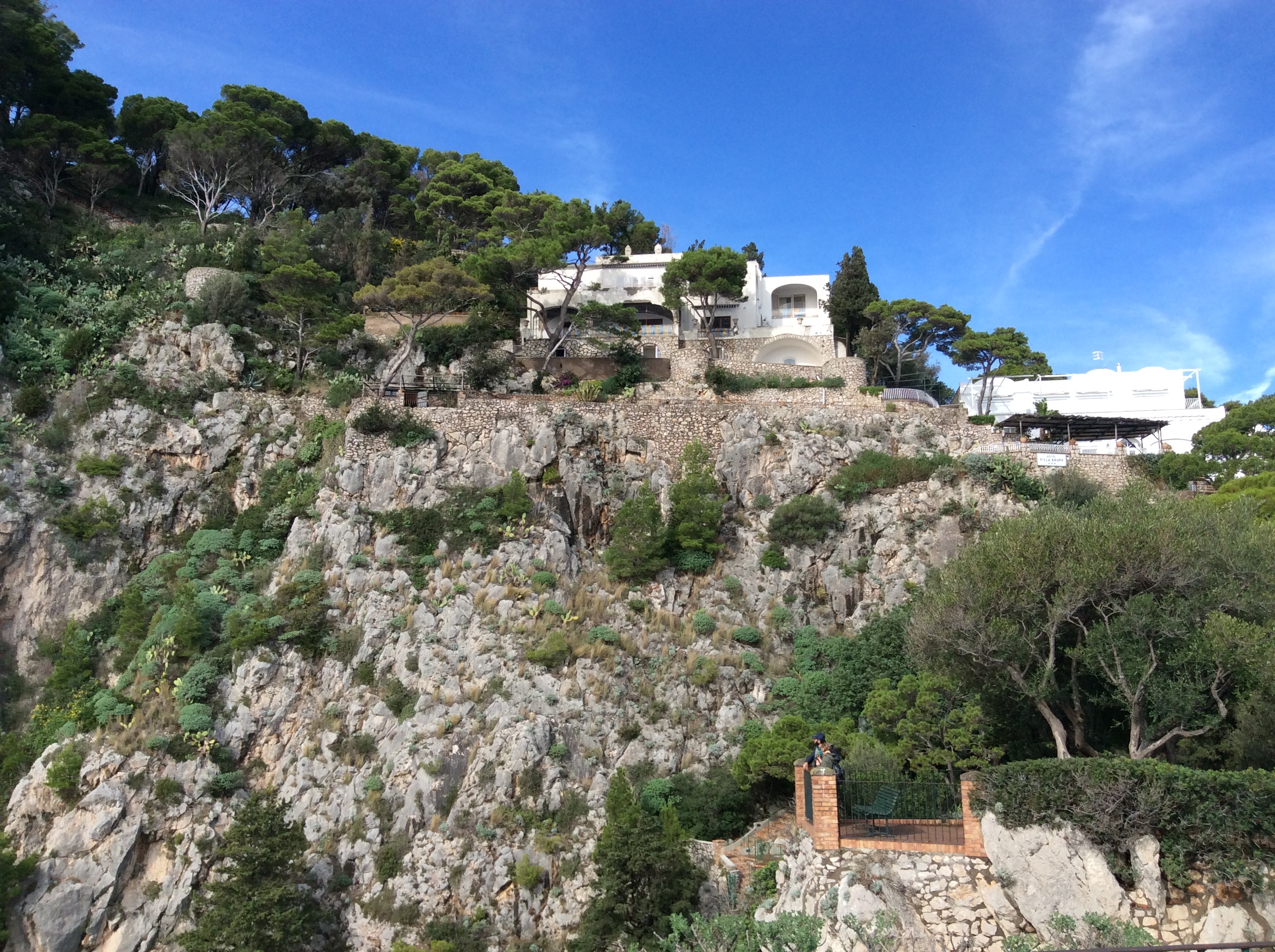
Capri is rugged. Houses hang off cliff edges, steep roads climb up and down near the sea’s edge. We strolled, went to a garden, found a little place to sit on steps and drink cappuccino .

The Churches of Lalibela


Last night part of 60 Minutes featured these churches.  Several years ago I went with friends from Ethiopia to see them.  We spent almost an entire day hiking through around and up and down all eleven of them. I decided to travel back a few years and relive my experiences there and share it here.

IMG_0397

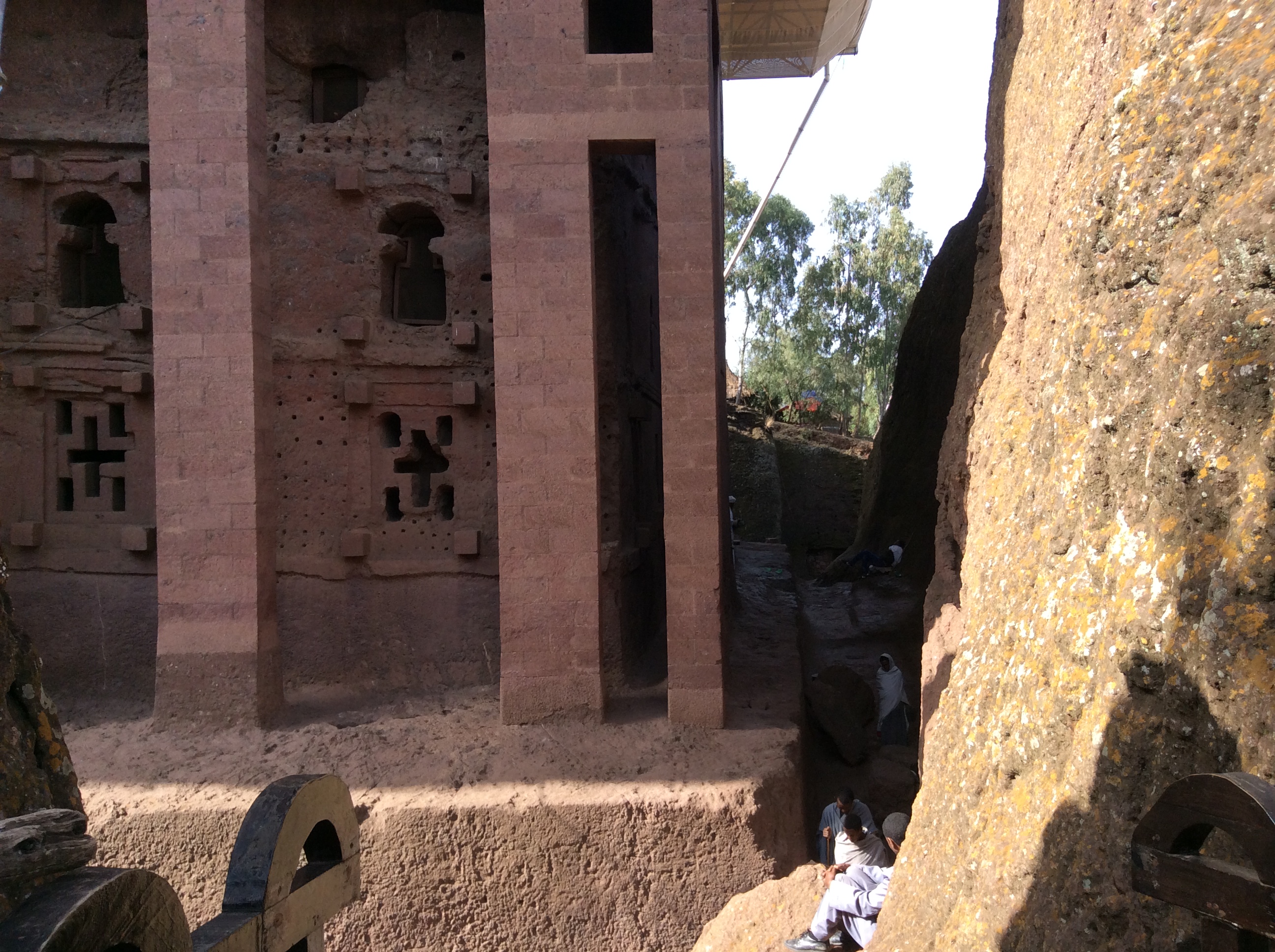
800 years ago these churches were carved from the top down out of solid stone. They dug a trench deep all around what is now each church and then worked from there.  Everything is stone, including the interior columns and spaces.

IMG_0400

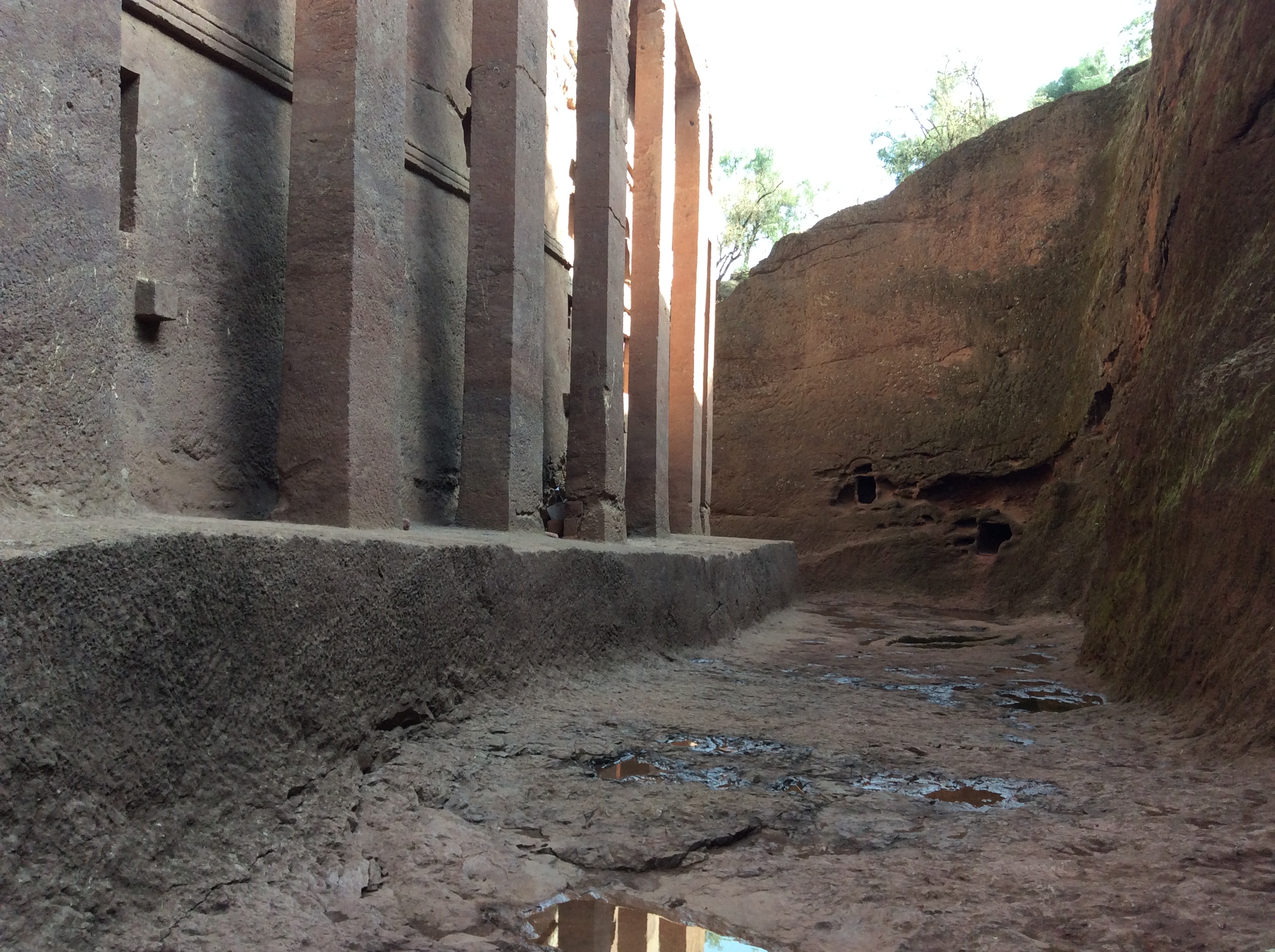
There are areas around all the churches and drainage canals so they do not flood in the rainy season.

IMG_0412

The inside of each church is decorated with carvings, frescoes, and wall hangings.

IMG_0417

Because 800 years of wear and tear and especially rain was beginning to take its toll, they covered them several years ago.  Now, according the the architect on 60 Minutes, they are experiencing the opposite problem.  The stone is getting too dry and contracting. They are teaching local people how to preserve the stone so it will last hundreds more years.

IMG_0420

Dino, my Ethiopia friend, and the guide, in white.

IMG_0442

IMG_0444

Why the ridiculous looking socks?  Fleas are a problem.  Many of the churches have old carpet on the floors, thousands of people still workshop in them regularly.  We were told to spray our ankles, tuck our pants inside out socks, spray our socks. It worked.

IMG_0448

IMG_0427

And here is probably the most photographed of them from up above. Yes, you do get to climb all the way down there if you want to go inside.  We did. The story goes that the king went to Jerusalem and wanted to create an Ethiopian Jerusalem.  There is a river nearby which they call the River Jordan. As you tour, they explain every detail and how they match passages and stories from the Biblical Jerusalem.  How did they build all of these out of solid stone?  With the help of angels.


Reflections on Independence Day


IMG_3636

When I was a child, we lived on a farm where it rains around 40 inches annually.  On the Fourth of July, Dad always shot off a few Roman candles, and we had small firecrackers and sparklers, nothing fancy, just fun.  Even then I knew about the Declaration of Independence, revered its message.  Still do.

Now I live where it is hot and dry.  The neighbor’s fireworks display rivaled those found in cities–beautiful but dangerous in brown grass country.  I wonder if they give any thought to the history, to why anyone celebrates this day.

For the first time in the decades of my life, I did not celebrate Independence Day.  Why?

Born decades ago, I originally went to college in Virginia where I experienced the shock of real segregation; I had not grown up where it was like that. I was horrified, lasted only one semester, then transferred.  Later I attended a college which shut down in protest over the Viet Nam War, I supported The Civil Rights Movement, I helped create one of the first intercollegiate groups to advocate for abused women, and with an ethnically diverse group I taught diversity classes for teachers.

Now in 2020, I feel that even with all that hard, determined work, progress has been too limited.  It is as if I have been transported back to 40 years ago.  People need to learn from the history most do not even know:

-Cotton Mather, the leading intellectual and Puritan minister in the colonial era, actually helped butcher King Phillip (Metacomet) like an animal.  What did he do to deserve this?  He tried to save his Native people.  Cotton Mather later writes about tearing Metacomet’s jaw from his skull.

-In 1676, when poor whites joined enslaved Africans to rebel for a better life and decent living conditions, fighting for justice against the wealthy planters, those rich planters realized they had to get poor whites to hate Blacks.  They took land owned by Blacks and gave it to poor white people and then paid them to hunt down and abuse, even kill, people of African descent.

-Later, the same Cotton Mather mentioned above, learned from his slave that in Africa, Africans had been taking pus from a smallpox infected person and inoculating others with it to prevent smallpox from spreading.  He refused to believe any African  could be so smart even though he inoculated himself and his family after learning this.  Later, he wrote this about his African slave who had told him the story that may have saved his life: “…brokenly and blunderingly and like Idiots they tell the Story.”

-Of course, we all know that the intellectual giant, Thomas Jefferson, held the deed to the woman who would later bear him numerous children while he proclaimed those famous words that all people are created equal.

The history of racial and ethnic hatred goes back to the inception of this country.  It continues to poison progress and hope.  It never seems to end.  I am tired of it.  Enough is enough.


Italy–a day in Naples


Naples is big; it is old; it contains stark extremes.  How old?  The New Castle was built in the 13th century; yes, that one is the new one.  Coming from Sorrento one first sees the ship yards, huge apartment complexes where the less fortunate dwell, industrial areas.

IMG_4500

IMG_4502

Some said they thought it looked dingy.  I laughed to myself.  These buildings are old and near the sea.  Will anything built in the US last this long?

IMG_4503

IMG_4505Then we drove up higher and higher into another part of Naples.  You can see Mt. Vesuvius in the background.

IMG_4506

IMG_4510

IMG_4516

The island to the right in the distance is Capri. More on Capri in a later post. In this part of Naples it is obvious that some people live very well there.

IMG_4522

IMG_4523

IMG_4524

Then we went lower again driving along the seafront and parked where we could walk to the oldest part of Naples.

IMG_4525

A very old cathedral in the background to the left.  We wanted to go in but it was closed until later in the day.  To the right of this photo, a large group of protestors were shouting slogans, etc. through loud speakers. Military were evident in the square.

IMG_4526

A city government building.  The statues are of various famous people in the history of Naples.

IMG_4528

Looking across the square from the church steps.

IMG_4529

The oldest opera house is in Naples.  Operas are still performed here.

IMG_4530

We walked to another area and went inside this building which is filled with restaurants and shops, many with very high end clothing.

IMG_4532As we left, I noticed the bay was filled with tiny sailboats.  It was very windy and I thought they were very brave.  Later, I learned that these tiny boats are training boats, the ones you use when you are first learning to sail.  It looks daunting to me. I have only sailed on boats much bigger.

Why do so many people still live so near a non-dormant volcano?  Someone asked this question.  The response was:  Why do people live in Florida, Houston where there are hurricanes rather often.  Why do people live where there are tornadoes, earthquakes, mudslides? At least Vesuvius provides a beautiful backdrop.