Why
and
What
draws me
to witches
herbal secrets
moonlight
ancient ruins
archaic codes.
It is the goddess blood I carry,
remembrance of a past
when women ruled
when peace reigned
and
All were healed.
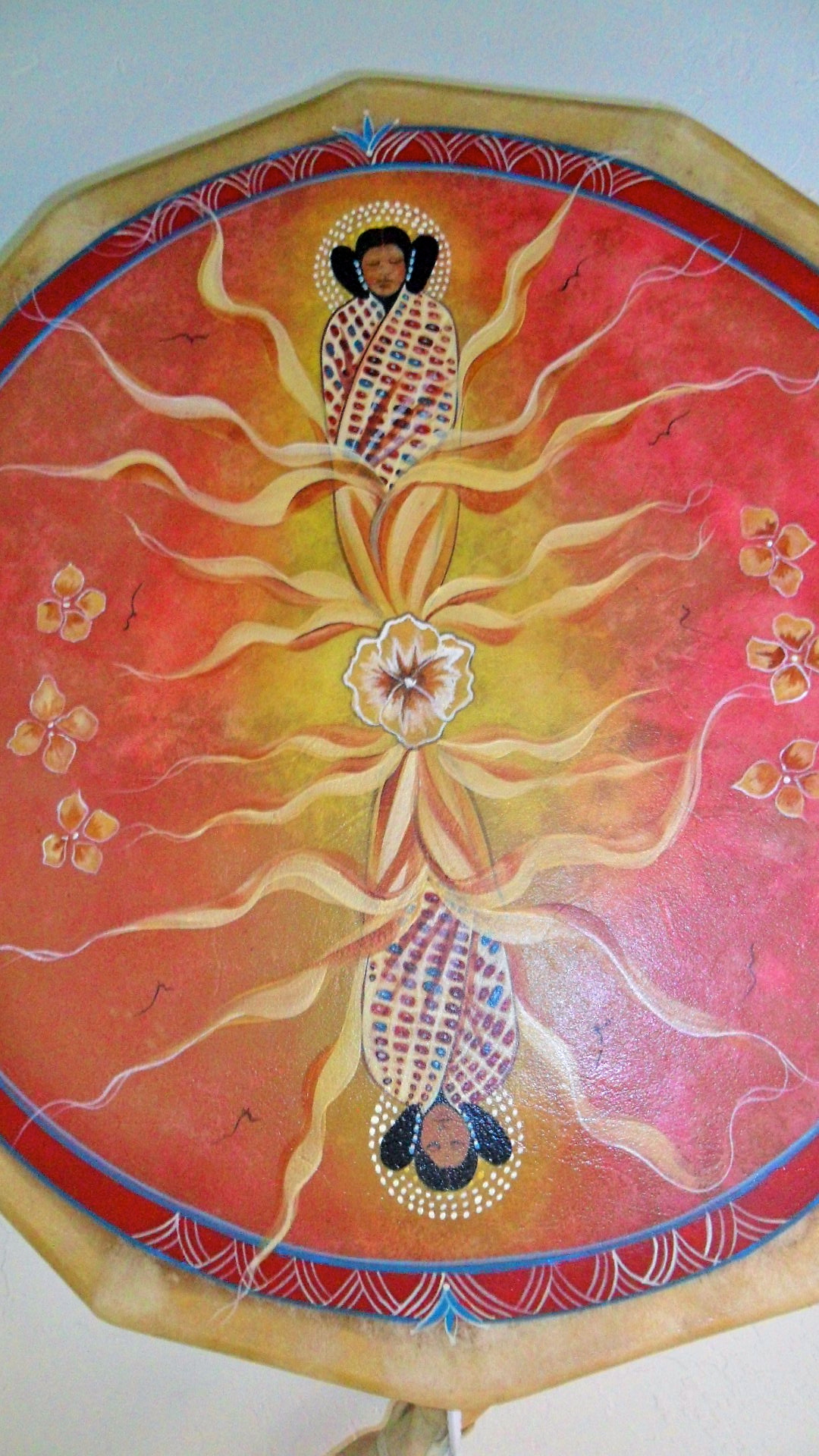
Why
and
What
draws me
to witches
herbal secrets
moonlight
ancient ruins
archaic codes.
It is the goddess blood I carry,
remembrance of a past
when women ruled
when peace reigned
and
All were healed.
Women: wondrous, wild,
daughters of the moon,
mysterious, magnificent, molten,
fierce secret keepers,
possessors of the universal key.

Lahib Jaddo painted this; it hangs in my house. This poem was inspired by the poet, Lucille Clifton, who is the featured poet this week in my poetry class.
Depression, sad days, melancholy.
Gone!!
At 26, I said, “To hell with this!
You control your life; live it!!
I tried forbidden liaisons, trained horses,
Went around the world, a cobra wrapped around my neck,
Walked the Shalimar Gardens in Kashmir,
Watched the Taj Mahal reflected in still waters,
Stood before the Jama Masjid in Old Delhi,
Strolled the streets of Katmandu,
Talked with monks at the Shwedagon Pagoda,
Bargained with sticks in dirt, math our only common language,
Downed raw turtle eggs in Costa Rica,
Danced on table tops, sang “Adonai”,
Roamed empty roads across the Navaho Nation,
Raised two charming children,
Married, divorced four times.
I have lived, running on the rim of wonder.
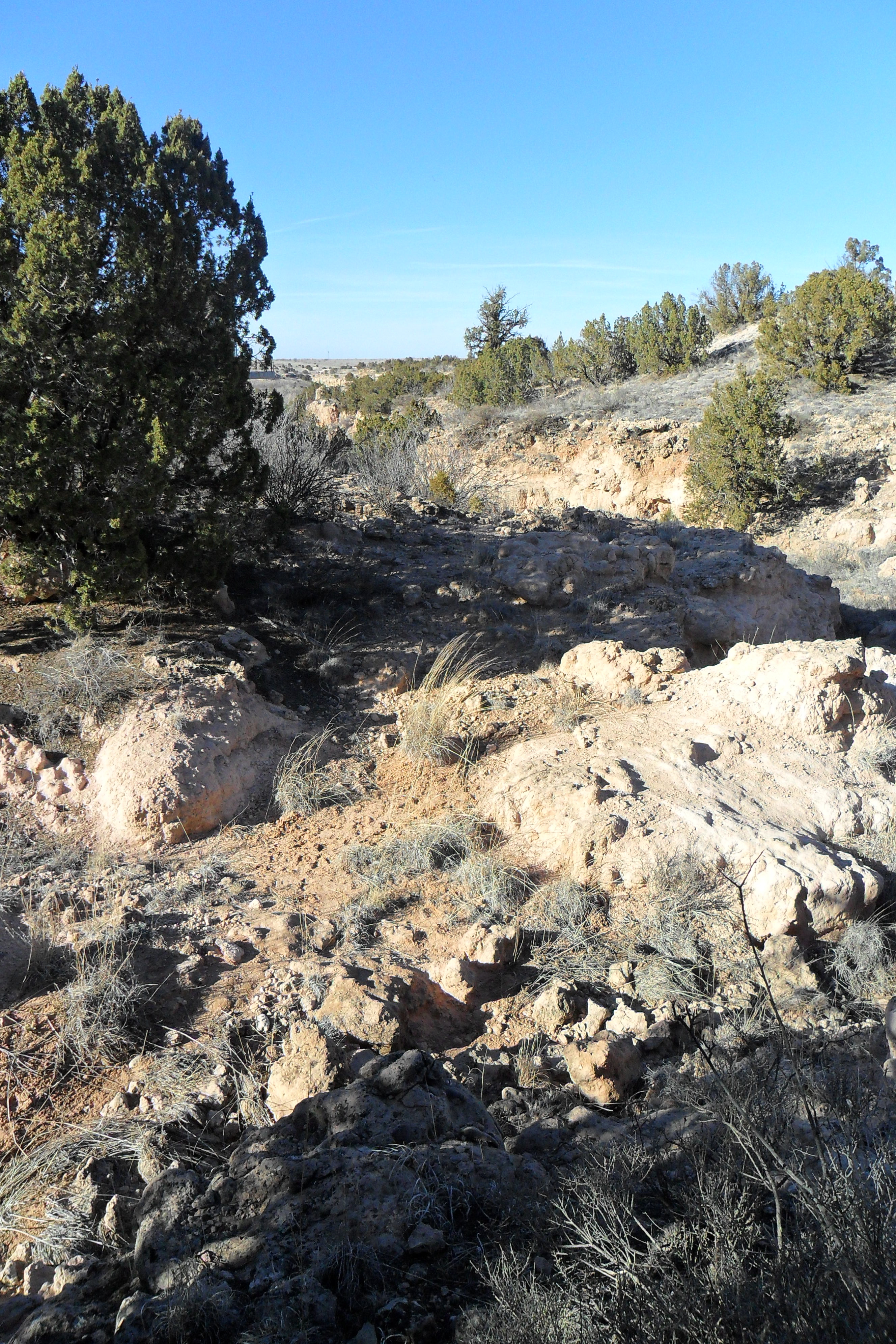
This poem is a response to another Mary Oliver assignment for the SCN poetry class. The prompt was to write about how we might have lived differently or made different choices. On the whole I possess few to no regrets, have been to places never dreamed of, met astonishing people all over the world, and live exactly as I want to live. I feel blessed.
This post continues the saga of my writing for the SCN poetry class. One of our first assignments included reading Mary Oliver’s poem about why she writes and then write one of our own about why we write. Unlike many writers, discipline frequently escapes me. I write when I feel like it or get inspired or have something special I want to say. What do I care about? Why do I write and about what?
I want to write about
beauty and life,
wind and flowers,
riding and writing on the rim,
sleeping in the moonlight.
I want to write to
make a difference,
challenge the status quo,
instill a love of wonder,
change the world
even if only for one minuscule moment
in one tiny corner.
I want to write so that when I die, they will say,
“She mattered!”
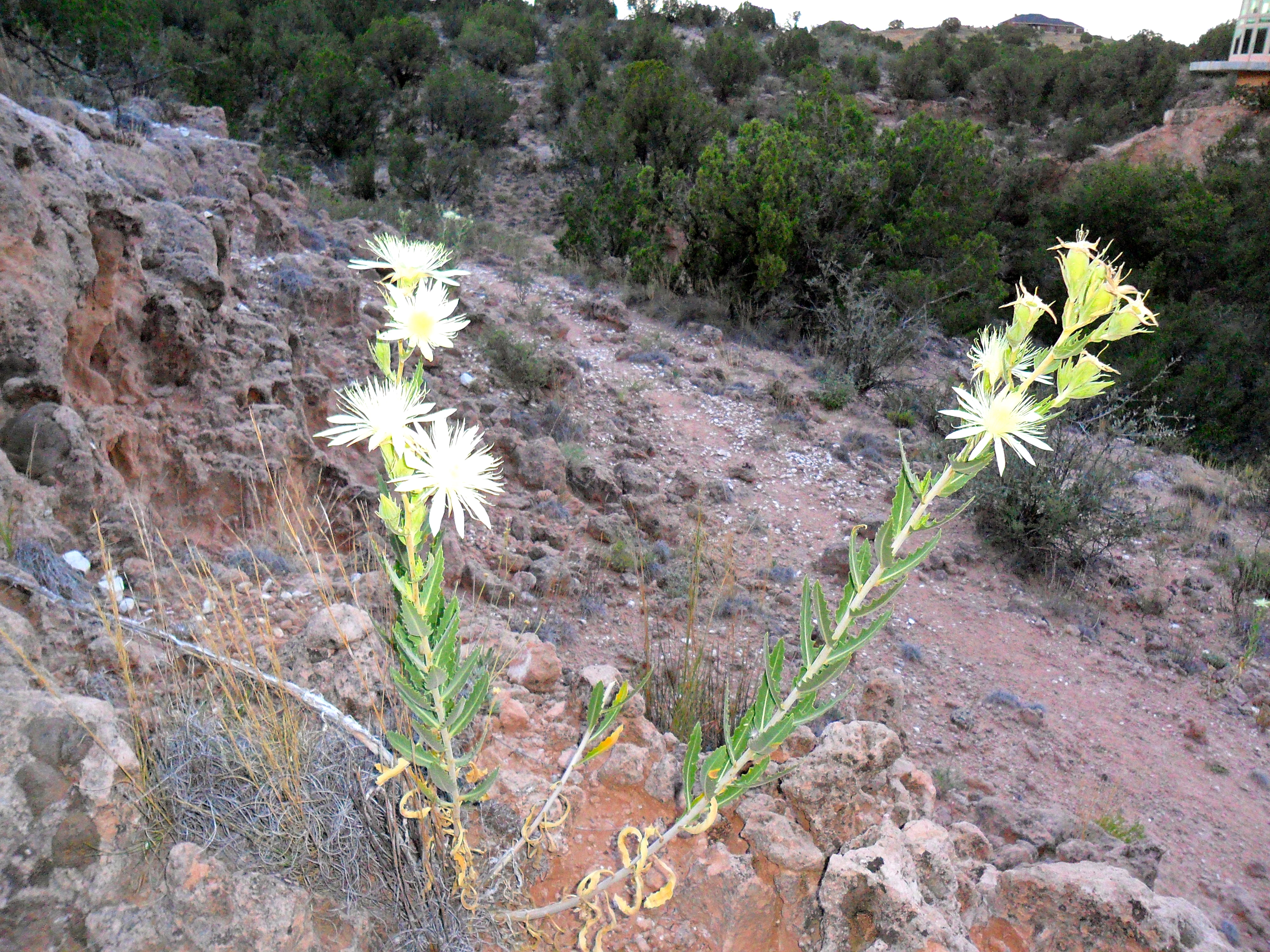
It’s raining! It’s raining!
It has not rained in more than a month.
I run out the door,
spreading my arms skyward.
I laugh out loud, dancing in the rain.
A smile smears joyfully across my face.
I run across the patio,
rain drops pelleting my face, my arms.
I laugh out loud, dancing in the rain.
My dog stands, rain running off her.
Usually, she hates the rain.
Lightning flashes, thunder echoes,
the steel roof plays staccato music.
I laugh out loud, dancing in the rain.
It’s raining! It’s raining!

Yesterday, I started an online poetry class with the Story Circle Network. The teacher is Lorraine Mejia-Green. This week we are focusing on the poetry of Mary Oliver. While I was reading her poems and the assignments associated with them, it began to rain. I became so excited I forgot all about my assignments and enjoyed the rain. I even posted my excitement on Facebook and called my daughter. She laughed and said, “You are a dork!”
 This is a quick, simple recipe. I served it with a very basic green salad of red lettuce, orange and red bell peppers, and a goat feta cheese. Rice would make a nice addition as would fried ripe plantains.
6 small (petite) potatoes, diced
6 oz. (1 large link) soy chorizo (I used Soyrizo which is also vegan)
1/2 medium red onion, chopped
1 can black beans
Olive oil
Saute the onion and potatoes in the olive oil until tender. Remove the chorizo from the package and crumble into the skillet with the onion and potatoes. Stir into the onion and potato mixture. Rinse the canned black beans and drain. Add to the mixture and stir. When black beans are heated, serve.
The portions in this recipe are easy to multiply to serve more people.

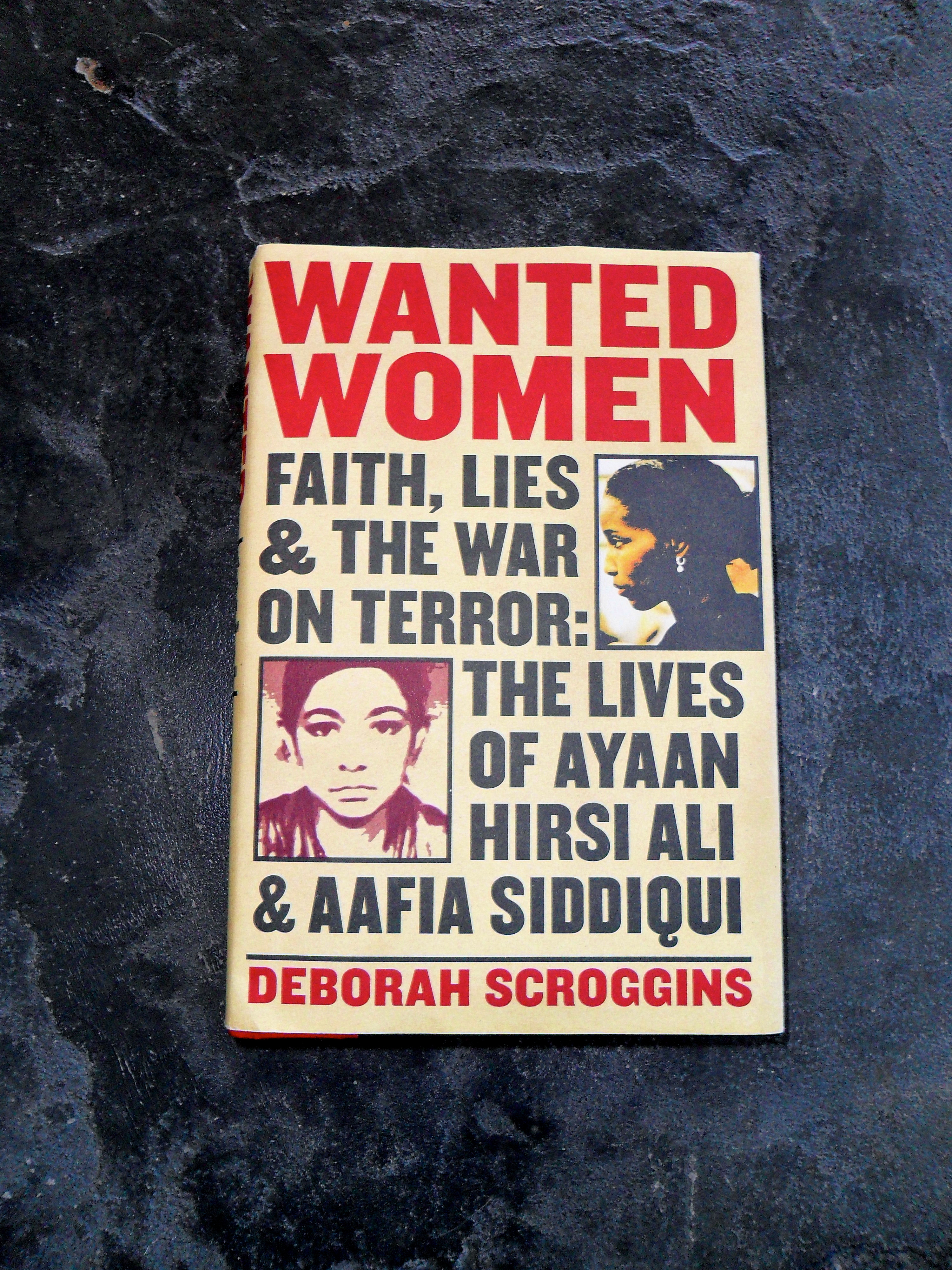 This blog began as a vehicle to “make” me write more and share my writings, e.g. poetry, flash memoir, essays, with others and to learn from reader responses. Along the way, it morphed into my recipes—starting with friends requesting them, my travels and adventures, inspirations, and thoughts. This post will morph me into something I fear may be far more controversial, but also feel I must explore. Several years ago, a couple of friends and I enrolled as continuing education students in a course about Islamic thought and literature. Our hope was to learn more about exactly what the title indicated. Although I had already read quite a lot of Middle Eastern literature, especially Iranian, and also some Turkish novels as well as memoirs and nonfiction books, I had no one with whom to discuss my readings and thoughts. This presented an ideal opportunity. After a couple of weeks, it became quite clear that the teacher had a definite agenda. Although she never overtly discussed her own religious beliefs, she generally chose parts of readings to discuss to promote a certain, anti-Islamic bias. We read the Quran (in translation because none of us spoke or read Arabic—mine was a Pakistani translation), Ayaan Hirsi Ali—various works including Infidel, Benazir Bhutto’s autobiography, and short stories by Iranian, Palestinian, and other Middle Eastern authors. None were from Southeast Asia where the majority of the world’s Muslims live. None were from India. When we discussed the Quran, she chose very specific passages that zeroed in on what she perceived to be Islam’s oppression of women and promotion of violence and war. When the rest of us tried to also discuss passages about ones duty to the oppressed, the orphans, the poor, she would channel the discussion back to her chosen agenda. Some dropped out. The rest of us decided to stay because we wanted to read and discuss the writings in spite of the situation. Over time, our insistence on a broader based view seemed to affect her strong bias slightly. In the end, she even showed the Iranian movie, “Children of Heaven”, which presents the plight of a poor Iranian family in a very sympathetic light. The father overtly loves his wife and struggles valiantly to help her and his family in any way he can. This class has led me to further pursue my readings of literature from Iran, Egypt, Turkey, Pakistan, India, etc., both fiction and non-fiction and to learn as much as I can about the past and present as it relates to issues in these parts of the world. Since then, I have also experienced the privilege of hosting exchange students from Thailand, Brazil, and Argentina. One of my closest friends grew up Muslim in Indonesia. I also have Christian, Jewish, Muslim, Buddhist, Pagan and atheist friends from many parts of the world, and some who have little interest in religion. Recently, the librarian where I teach asked me to read Wanted Women, Faith, Lies, and the War on Terror: The Lives of Ayaan Hirsi Ali and Aafia Siddiqui. I finished it recently and highly recommend reading this book. The author, Deborah Scroggins, spent six years following the lives of these two women, including interviewing their colleagues, family members, self proclaimed jihadists, and government officials from several countries. She delineates an incredible amount of information and data. If you care about the political and spiritual future of this planet and the ongoing controversies surrounding Islam, Christianity, and Judaism, this book provides an excellent opportunity to explore history and the events of the last 20-30 years, and then to develop your own insights. My hope is that this post will encourage others to explore new avenues of knowledge and open wider venues of thought that encourage a better, kinder world in which we respect and value each others’ differences.
Recommended additional readings: 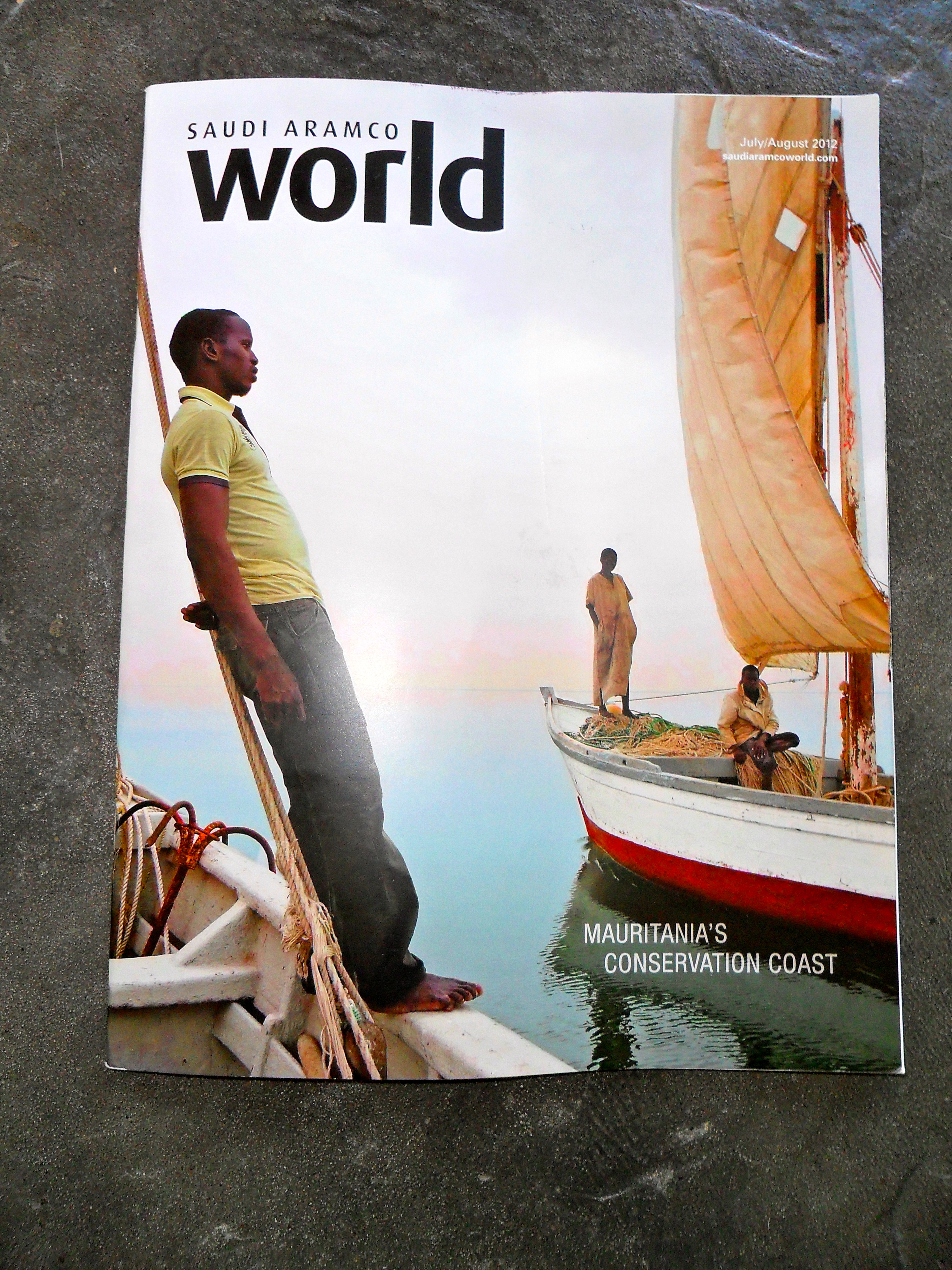 This is one of my favorite magazines. It is free and covers art, cuisine, nature, history, literature, geography, just about everything imaginable. For teachers, they have suggested uses and additional materials at the back. It comes out six times per year.

If you are unfamiliar with literature from the Arab world, this is a good place to start. Mahfouz won the Nobel prize for literature. Although his novels take place in Egypt, the themes are universal.

In spite of the word jihad in the title, this is more of a “fun” read. The Iranian American author, a journalist, decided to go to the Iran of her roots and work and live there for a while. This book describes her adventures as a journalist in Iran.
Other books I recommend are Moonlight on the Avenue of Faith by Gina B. Nahai (this is one of my all time favorite books), No God but God by Reza Aslan, another Iranian journalist, The Forty Rules of Love by Elif Shafak (this book is a novel about Rumi, whose beliefs Islamists do not find acceptable), and Shattering the Stereotypes: Muslim Women Speak Out edited by Afzal-Khan.
Another source of information about events, literature, art, etc. in the Middle East is a blog entitled “Sugar Street Review”. One of their latest blog posts, Top Five Female Arab Writers provides a list of these women with photos, brief bios, and some critique.
July 27 – Summer.This was published yesterday by the Story Circle Network on One Woman’s Day.
In the United States firearms kill approximately 15,000 individuals per year. In Britain, Australia, and Canada, the average is 350 per year. Spain’s rate is even lower. In Germany, it is less than 800. A young person here dies about every 4 ½ hours, shot dead. The US murder rate is 19.5, nearly 20 times higher that the next 22 richest countries. In the 23 richest countries combined, 80 percent of all gun related deaths are in the US; 87 percent of children killed are shot by guns here. In the last 45 years, bullets killed more than one million people in the US.
Gun sales are big money. More than a dozen hand guns are sold per minute. One survey indicates that one out of every four US homes possess a gun; another survey says 39 percent. However, most guns are owned by only a small proportion of the population, gun “collectors” who own an average of seven weapons per person. Guns are cheap here and bullets even cheaper, about 50 cents each. The Mexican government contends that our cheap guns help fuel the dreadful violence there which then overflows to here.
In spite of all this, the US murder rate is the lowest in more than 45 years. The NRA claims more guns equal less violent crime. The NRA contends that the lower crime rate is the result of less strict gun laws and more people owning guns. Nevertheless, mass murder occurs on a regular basis. We mourn, we lament, but nothing changes.
Eventually, another mass murder occurs and the cycle repeats itself. Why? Who or what is responsible? What can be done? Will more restrictive gun laws help or hinder? Debates continue; opposing views and answers abound, but the cycle continues. Will it ever change?
I wrote the above after the last mass murder event. Nothing changed. Now the conversation appears more strident, more active. Apparently, the mass killing of children is more heinous, more scary than the mass murder of adults even if the adults are young. The NRA advocates armed guards at schools. How will that prevent mass killings at movie theaters, at malls, at churches, on the street, e.g. the three murders this week in Pennsylvania?
Australia was another country in love with guns, but after a mass killing there, they changed their collective mind. They enacted strict gun control laws for assault weapons and ammunition. Could that work here? I think not. This is a country in love with guns because the right to own a gun symbolizes what is perceived as individual rights. This is a country where personal liberty remains far more important than community safety and social justice. Until that changes, mass murders will continue.

The red chard leaves, chopped.

Just after adding the salmon.
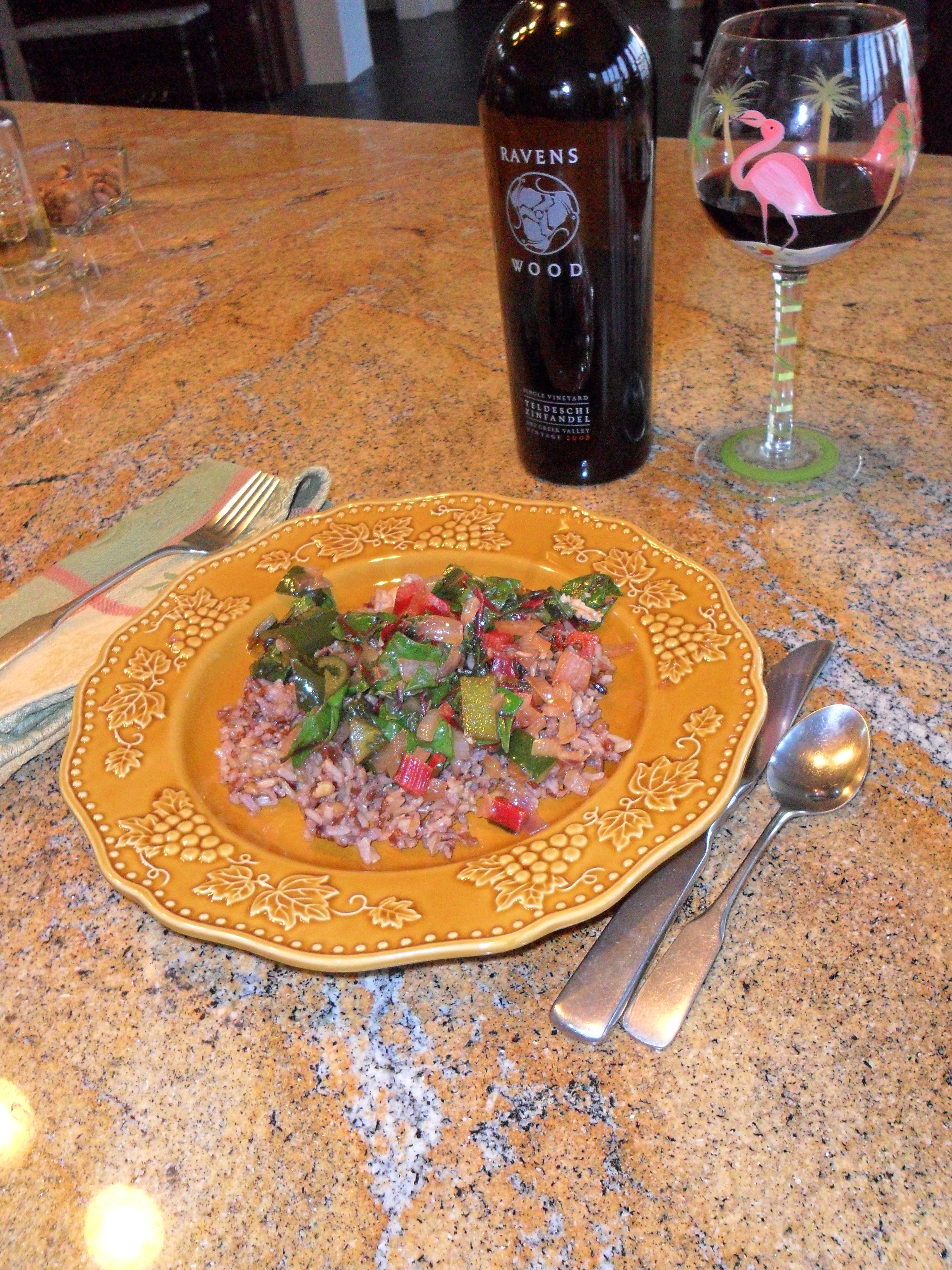
The finished product.
2 6 oz. servings of wild salmon
1/2 medium red (purple) onion, chopped
1/2 large poblano pepper, seeded and coarsely chopped
2 large red chard leaves and stems
1/2 to 1 tsp. cassia cinnamon
1/8 cup teriyaki sauce mixed with 1/8 cup Worcestershire sauce
Olive oil
Marinate the salmon in the teriyaki/Worcestershire sauce while you prepare the rest. Using a sharp knife, destem and devein the red chard. Coarsely chop the stems and veins. Chop the leaves into pieces as indicated in the photo above. Cover the bottom of a medium sized skillet with olive oil. I love extra virgin olive oil and use a lot of it, but not absolutely necessary. Saute chopped onions in the olive oil until translucent. Add the poblano pepper and red stems of the chard. When the peppers and chard stems are slightly cooked, add the salmon and marinade and sauté for about 2 minutes. Turn the salmon and place the chard leaves on top. Scatter the cinnamon on top of the chard leaves. Saute until the chard leaves are wilted.
Serve with mixed grain rice (khao-pa-som in Thai) which can be found at Asian markets. It is a mixture of brown, black, and red rice with various grains including what appears to be barley. I cook it exactly like rice: sauté in olive oil with finely chopped garlic for a minute or so, add water, and stir in 1 tsp. concentrated bouillon. Turn heat to low, cover pan with several layers of paper towels, and put on lid. This, like red and brown rice, takes about twice as long to cook as white rice. It is more nutritious than white rice. If you want the health benefits of cinnamon, it is necessary to use cassia cinnamon, not Ceylon cinnamon.
Travel the World 4 Less
A Glimpse into My Life & Passions
Ceto-Magoism, the Whale-guided Way of WE in S/HE
Exploring the F-word in religion at the intersection of scholarship, activism, and community.
ANCESTRAL FOOD. HERBAL WISDOM. MAGICAL COOKERY. SEASONAL CELEBRATION.
inesemjphotography
politics, engineering, parenting, relevant things over coffee.
Food is the best expression of every emotion. Explore through my reviews, recipes, events and more.
Smile! A Site for Friends Wherever You Are!
inspiring personal growth through poetry and writing
Combining atheism with whimsy. This is a Fair and Balanced blog based on opinion unencumbered by fact.
Odds and ends ~ My Life
Original poetry, commentary, and fiction. All copyrights reserved.
bripike@gmail.com
A wildlife filmmaker in Africa
A Geeky Feminist's Musings On Pop Culture
"5 minute walks"

