The Boy From Honduras


My current writing endeavor is part of a challenge to write 20 minutes per day six days a week. The story I am going to relate now was written as part of that project. The brief introduction here was part of something I wrote the day before I wrote about the boy.

I watched “60 Minutes” on Sunday about German Jewish Americans who volunteered to go behind enemy lines before and after the end of WWII to either spy on or interrogate Nazis, often officers of higher rank. One of them related that he never met a Nazi who had any remorse for atrocities he had committed, who thought what they had done was wrong. How horrifying, to hate anyone, any group so much over religion, ethnicity, sexual preference, status, remains to a great degree beyond my comprehension. Although I may view people like the Nazis as my moral enemies, to hate anyone so much as to torture and murder them seems incomprehensible.

These views also affect my attitude toward immigration. People rarely leave their countries because they want to, they leave because they need or have to in order to survive. Often it is a matter of life or death. Now I will tell you about the boy from Honduras.

Short, straight black hair, obsidian eyes, skin the color of café con leche, he showed up at high school one day absent any knowledge of the English language. His brother, married to a US citizen, lived across the street from the high school secretary. The assistant principal brought him to me. By Texas state law he had to spend at least one period of the day with a certified ESL teacher, me. He came often even from his other classes because everything except Spanish class was in English. Written Spanish helped him only somewhat. In Honduras poor country students only attended school for a few years. The more advanced middle and high schools were in cities and required fees paid.

The counselor claimed he had not been to school at all. I knew better; he knew things that a kid only learns if he or she has gone to school. When I did not understand his Spanish, I asked him to write it down. It took me a while to figure out some of his written Spanish. He sounded it out and so instead of writing habla (h is silent in Spanish), he would write abla. When I really could not understand, I went to the Spanish teachers from Mexico; they could not always understand him either. One, who had travelled all over Mexico, said he spoke a dialect she had never heard. Over time, I learned he had started school at six, attended for four years, then went to work on a coffee plantation. He was 15 when I met him. After I showed him a photo of me picking coffee in Costa Rica, he became very excited.

His father had been murdered; his mother feared for his life so she sent him to his brother in the US. He was cheery, always smiling, played soccer at lunch with the other students, missed home. He told me his family was working with an immigration lawyer so occasionally he traveled to Dallas to meet the lawyer. Then one day he disappeared. We never saw him again. Later one of the Spanish teachers told me he had come, smuggled in a shipping container, had survived this for days. And now he was gone.

Students asked about him; we had no answers. Some who had ranted about illegal immigrants stopped ranting. It was someone they knew, liked, who had left with no answers. He was a kind, funny kid whom everyone liked. Is he in hiding? Is he safe? Is he alive? Who knows?

An Old Bowl and the Silver Spoon


My Aunt Julia, Mom’s sister, lived to 94. She loved fine antique china, linens, and French furniture. The ordinary bowl in this photo defies those inclinations, its origins a mystery. How did she acquire such a plain bowl and why? I will never know. In spite of its age, cracks, dull finish, I have used it every morning for decades. It is my breakfast bowl, filled with yogurt or cottage cheese with dried blueberries and a handful of walnuts, or, occasionally, oatmeal.

The spoon, on the other hand, is not ordinary, but rather good silver from the set Dad gave Mom on their first wedding anniversary. Unlike Mom, who saved her good silver for holidays and special occasions, I use these spoons daily and think of her unconditional love, strong will, determination, and love for beauty.

Fuerte


An “exercise” to write a poem about ones origins with the words I am from… inspired me to write this poem.

I am from the dark side of the moon, blood born, secretly shining.

Fuerte

I am from puma, stalking your memories, invading your minds,.

Fuerte

I am from Gottlieb, who left Swiss mountains 150 years ago at 18 to avoid

becoming a mercenary, moved to Missouri, created a farm. His cultivator

sets in my front garden.

Fuerte

I am from persons Gujarati, Bengali, Punjabi, who sailed seas, met strangers, loved.

Fuerte

I am from Esan, a Nigerian tribe about which I knew nothing until a DNA test revealed,

ancient, black, beautiful.

Fuerte

I am from Latin America, Colombian, Peruvian, Puerto Rican–wanderers, explorers.

Fuerte

I am from Slavic peoples. Byzantine, Macedonian, Alexander the Great.

Fuerte

I am from brave wandering ancestors–Asian, Latin, Toscani Italian, French, German, Swiss, Slavic, Iberian.

Fuerte

I am from J haploid group, people who left the northern Middle East 7000 years ago,

wandered, explored, populated Western Europe.

Fuerte

I am from farmers, Doyle and Barbara, who grew corn, wheat, soybeans, Hereford and Charolaise cattle

to whom I carried salt blocks as a child.

Fuerte

I am from Sacred Corn, the nourisher, singing on hot summers, growing.

Fuerte

I am from the sweet smell of Jasmine, Roses, Honeysuckle, winding up walls, overgrowing gardens,

giving people hope.

Fuerte

I am from lemons, figs, dates, pomegranates, golden, dark, red, tropical, lingering.

Fuerte

I am from Stars, universal child, born on sacred ground, singing infinite songs.

Fuerte

In Memory of Mother’s Roses


Mother’s rose garden

flowers for the family table

all my childhood summers.

Red, pinks, snowy.

No roses for decades

except those given, bouquets,

mostly red.

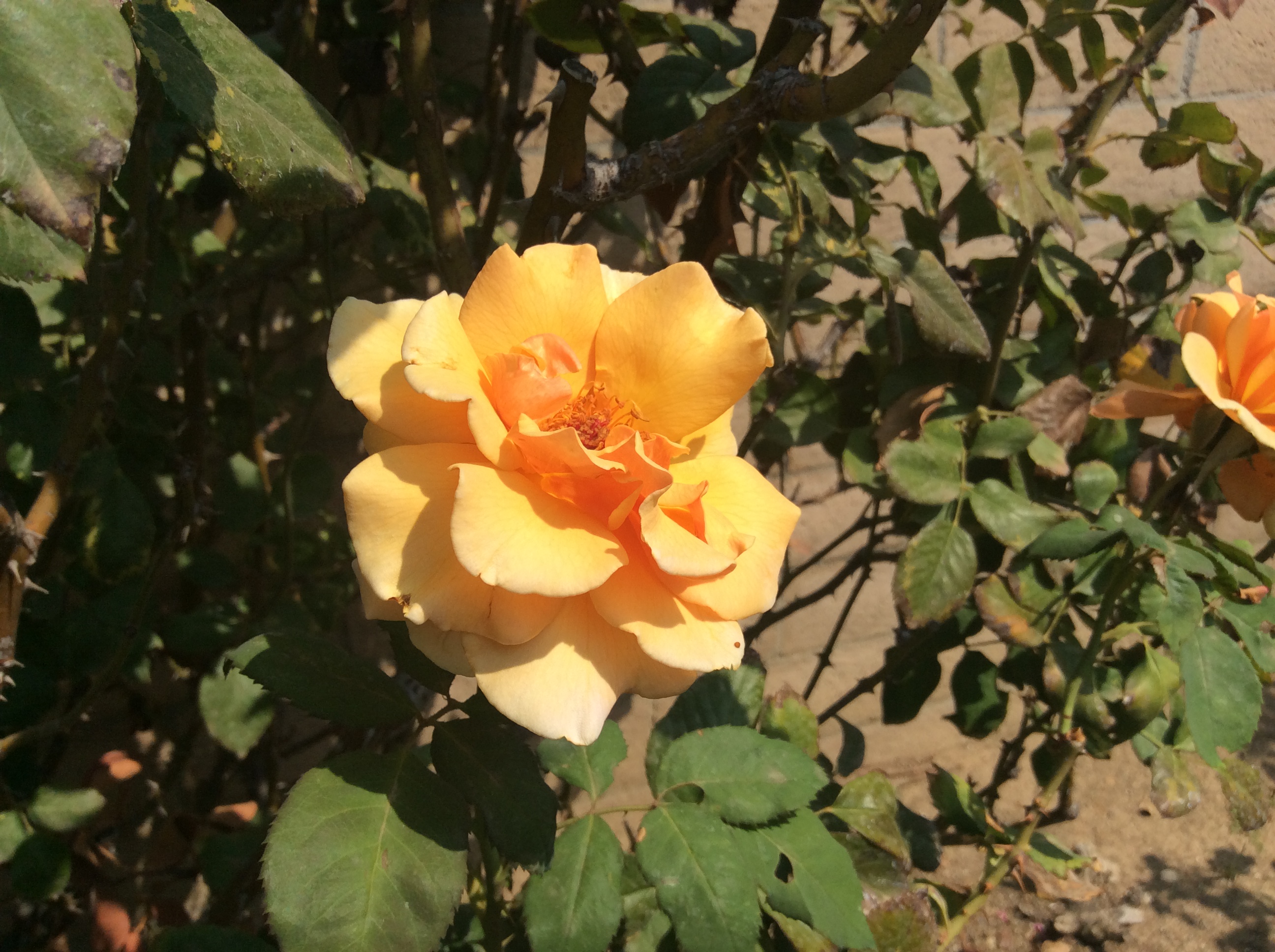
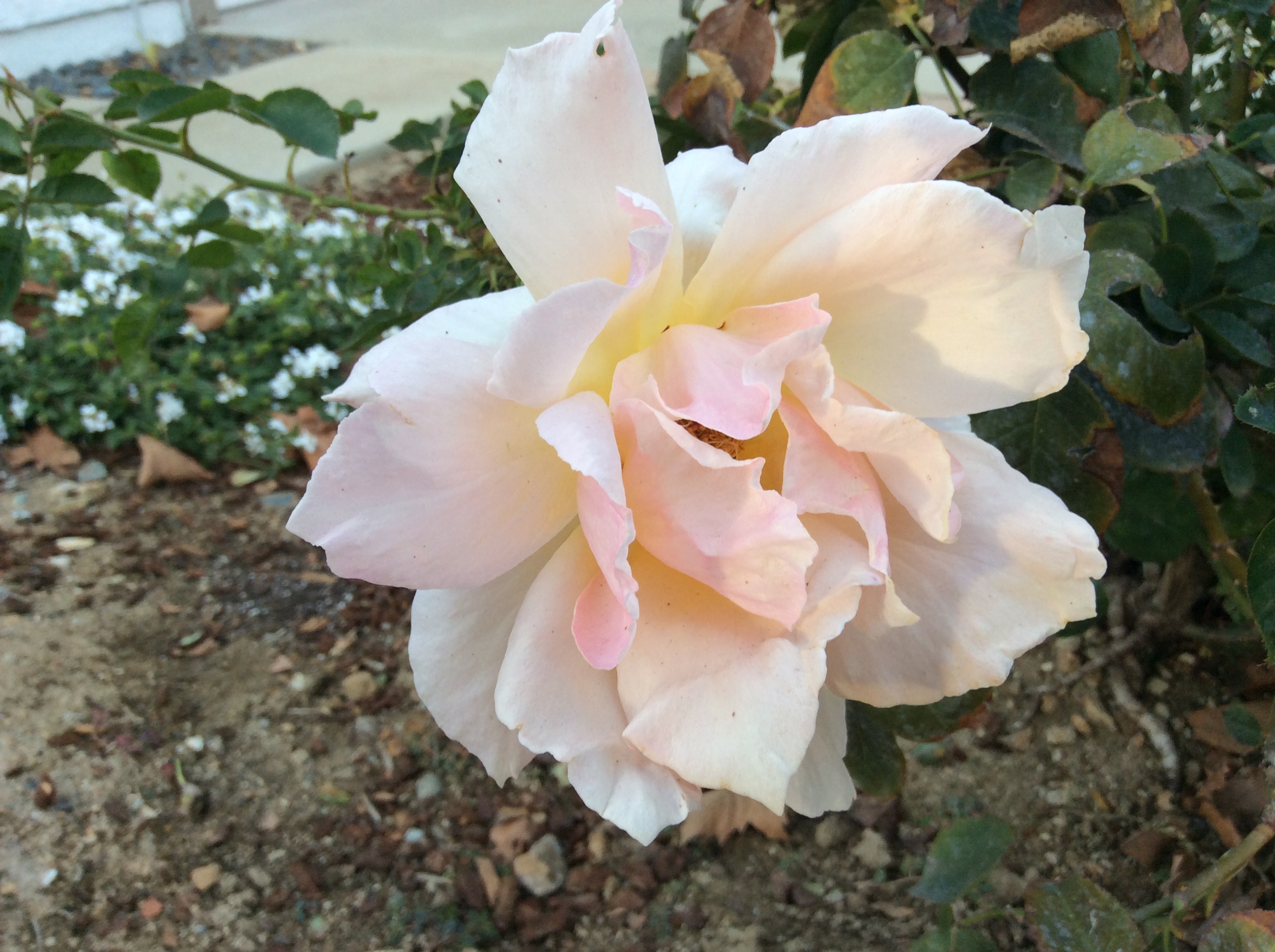
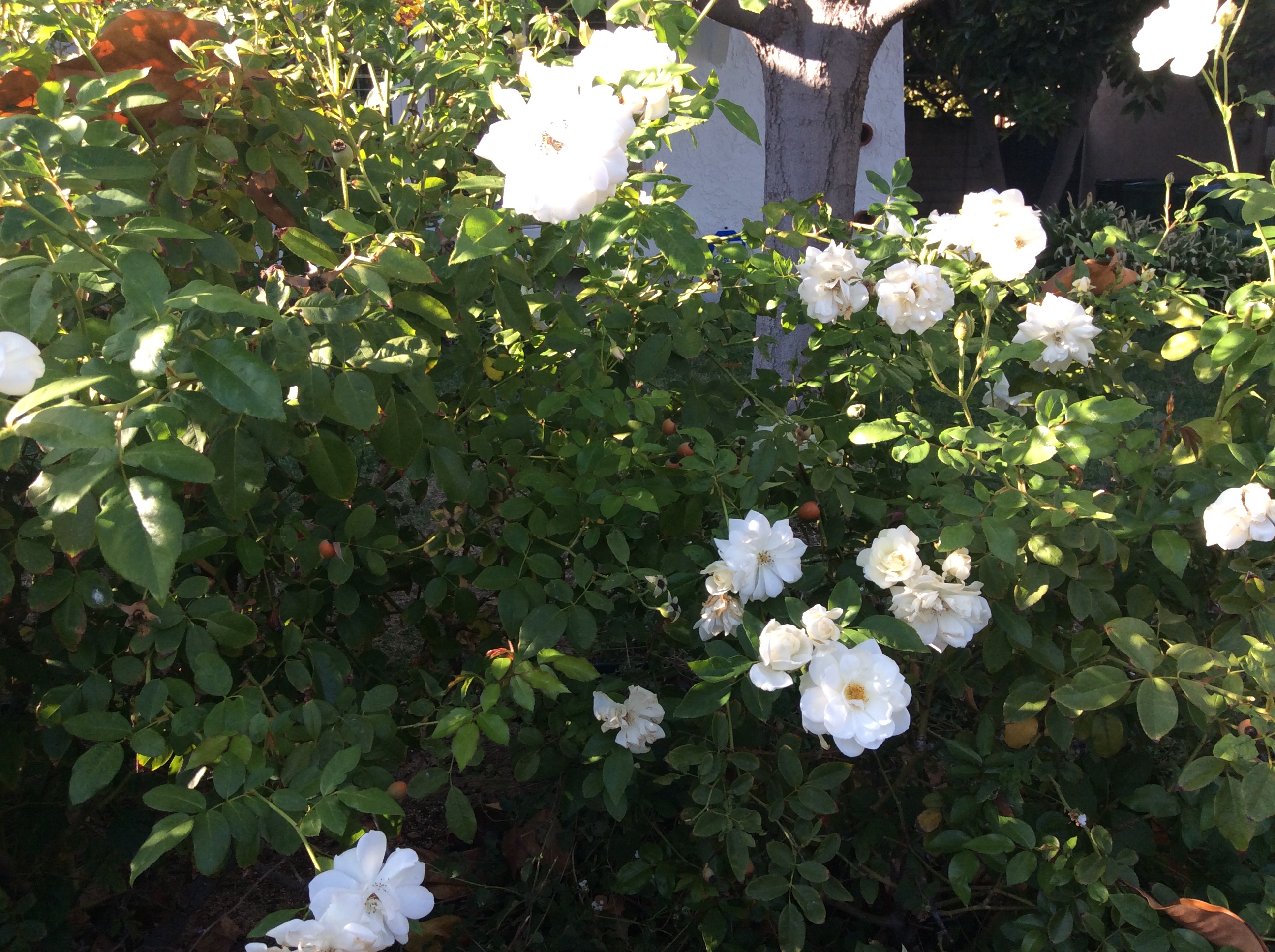
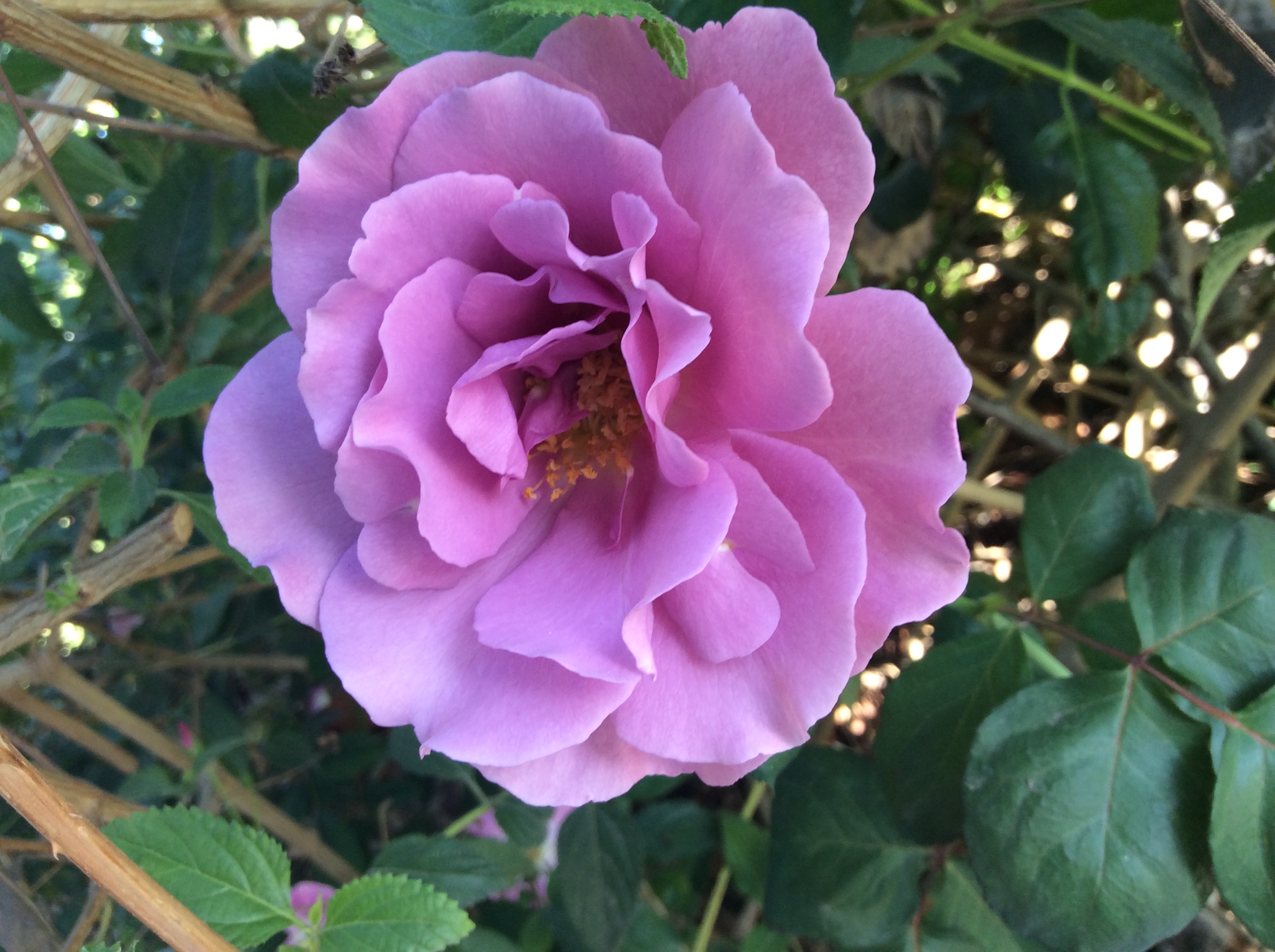
Now, I look out every window, roses

Pinks, reds, orange, lavender, yellow, snowy.

I love them, cut them,

And remember my mother.

Heat


110

I look at the weather station.

watch hot wind bend juniper, mesquite.

Off and on clicks electricity, then off.

15 minutes, 20 minutes, 25,30,35.

Slowly, interior temperature rises.

I find the coolest place, read, worry

about refrigerated food.

40 minutes, 45.

Switch flips, ceiling fans whir.

I think:  how could anyone live

in this heat without air conditioning.

One happy plant resides outside,

from somewhere in East Africa.

Everything else–wilted.

IMG_4701

Reflections on Independence Day


IMG_3636

When I was a child, we lived on a farm where it rains around 40 inches annually.  On the Fourth of July, Dad always shot off a few Roman candles, and we had small firecrackers and sparklers, nothing fancy, just fun.  Even then I knew about the Declaration of Independence, revered its message.  Still do.

Now I live where it is hot and dry.  The neighbor’s fireworks display rivaled those found in cities–beautiful but dangerous in brown grass country.  I wonder if they give any thought to the history, to why anyone celebrates this day.

For the first time in the decades of my life, I did not celebrate Independence Day.  Why?

Born decades ago, I originally went to college in Virginia where I experienced the shock of real segregation; I had not grown up where it was like that. I was horrified, lasted only one semester, then transferred.  Later I attended a college which shut down in protest over the Viet Nam War, I supported The Civil Rights Movement, I helped create one of the first intercollegiate groups to advocate for abused women, and with an ethnically diverse group I taught diversity classes for teachers.

Now in 2020, I feel that even with all that hard, determined work, progress has been too limited.  It is as if I have been transported back to 40 years ago.  People need to learn from the history most do not even know:

-Cotton Mather, the leading intellectual and Puritan minister in the colonial era, actually helped butcher King Phillip (Metacomet) like an animal.  What did he do to deserve this?  He tried to save his Native people.  Cotton Mather later writes about tearing Metacomet’s jaw from his skull.

-In 1676, when poor whites joined enslaved Africans to rebel for a better life and decent living conditions, fighting for justice against the wealthy planters, those rich planters realized they had to get poor whites to hate Blacks.  They took land owned by Blacks and gave it to poor white people and then paid them to hunt down and abuse, even kill, people of African descent.

-Later, the same Cotton Mather mentioned above, learned from his slave that in Africa, Africans had been taking pus from a smallpox infected person and inoculating others with it to prevent smallpox from spreading.  He refused to believe any African  could be so smart even though he inoculated himself and his family after learning this.  Later, he wrote this about his African slave who had told him the story that may have saved his life: “…brokenly and blunderingly and like Idiots they tell the Story.”

-Of course, we all know that the intellectual giant, Thomas Jefferson, held the deed to the woman who would later bear him numerous children while he proclaimed those famous words that all people are created equal.

The history of racial and ethnic hatred goes back to the inception of this country.  It continues to poison progress and hope.  It never seems to end.  I am tired of it.  Enough is enough.


Covid19-5-Spring Beauty


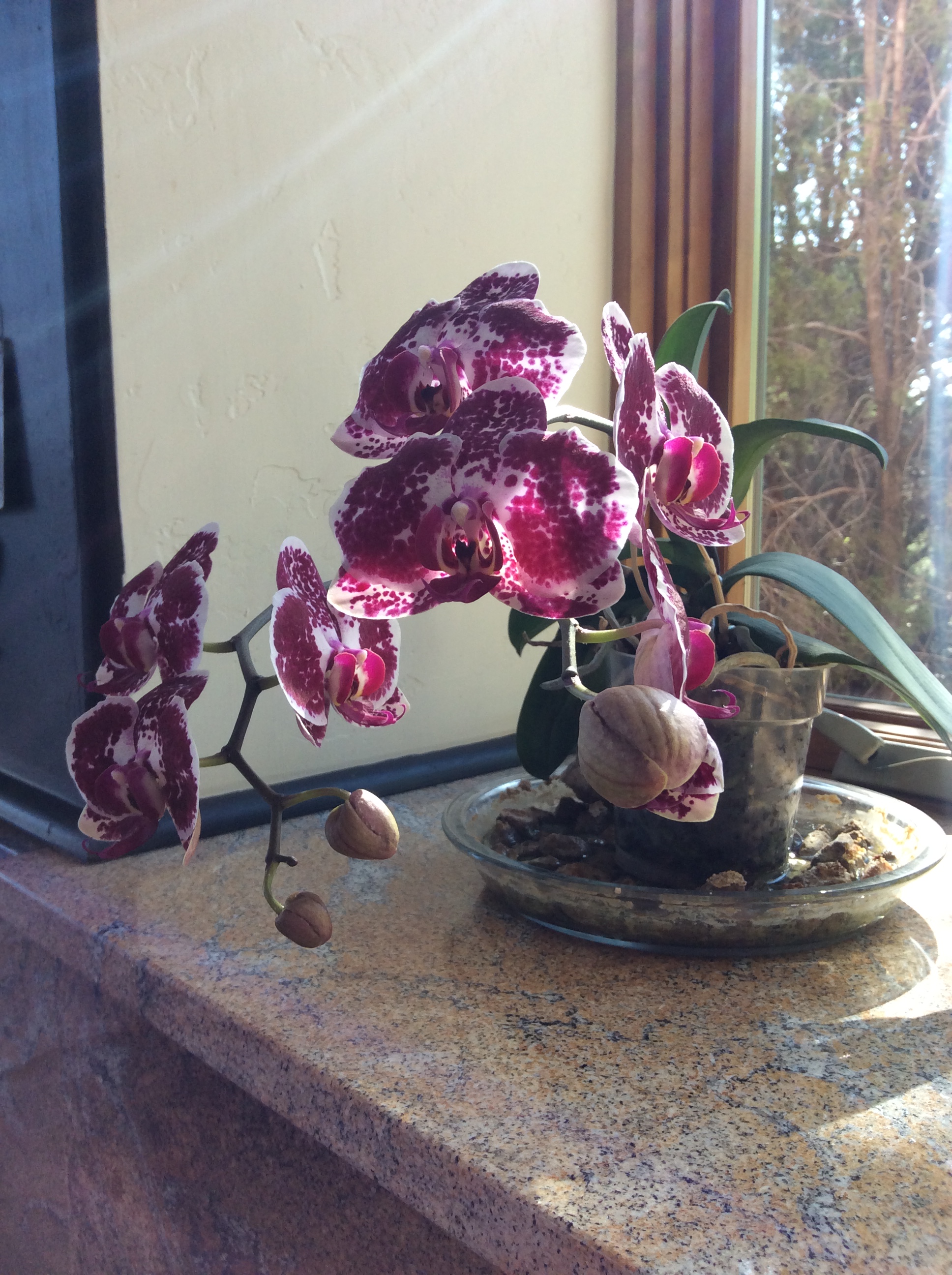
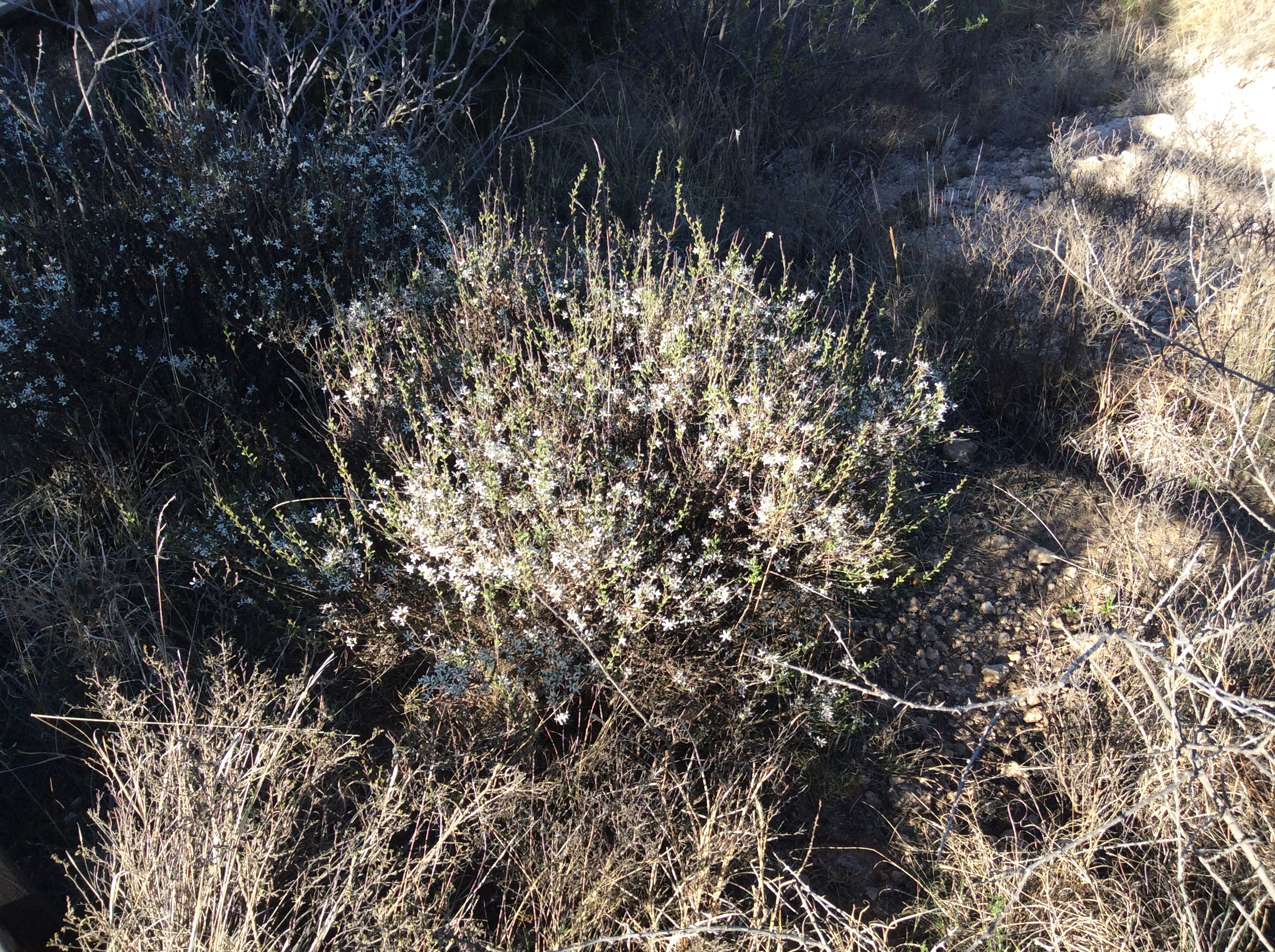
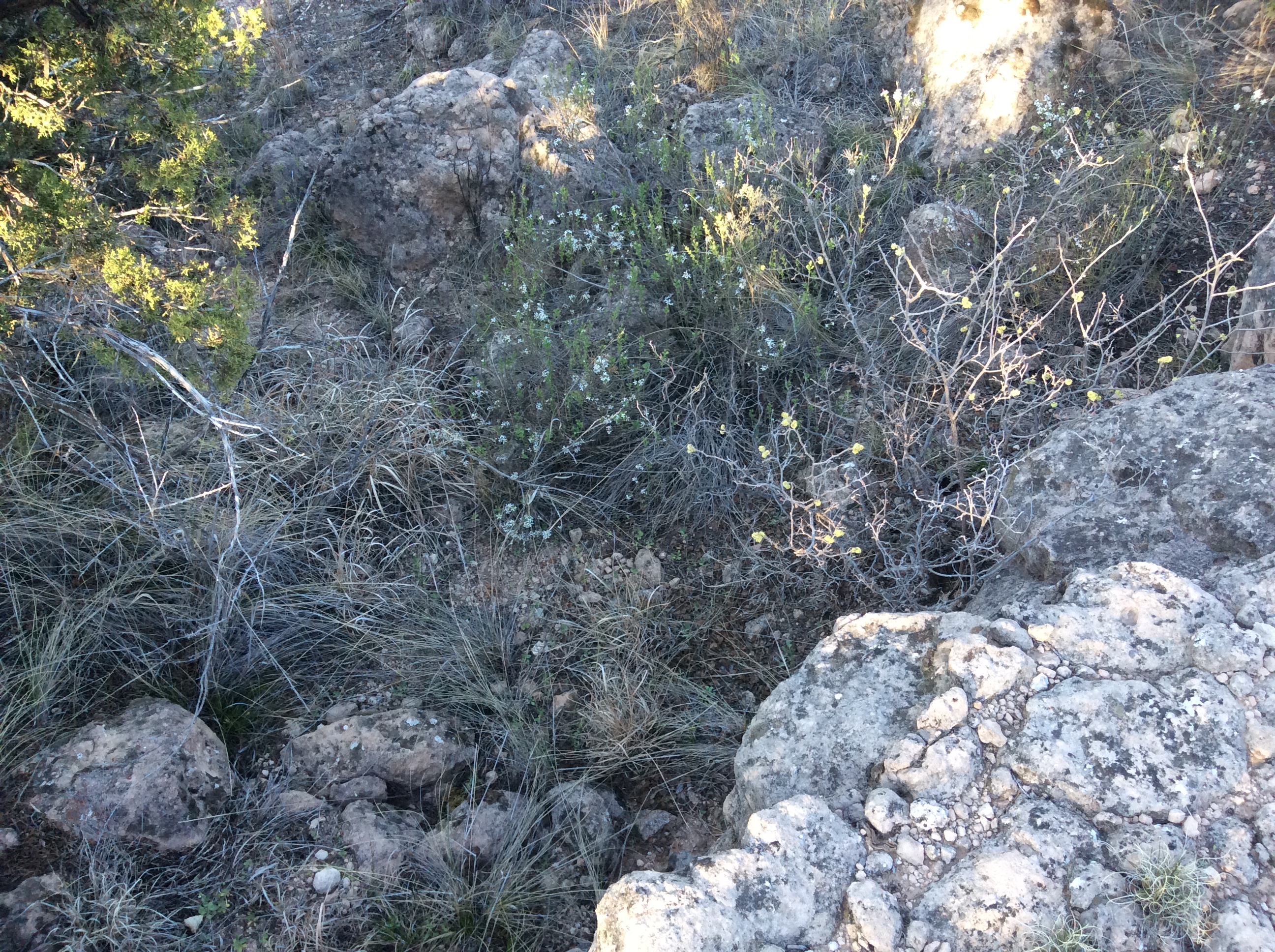
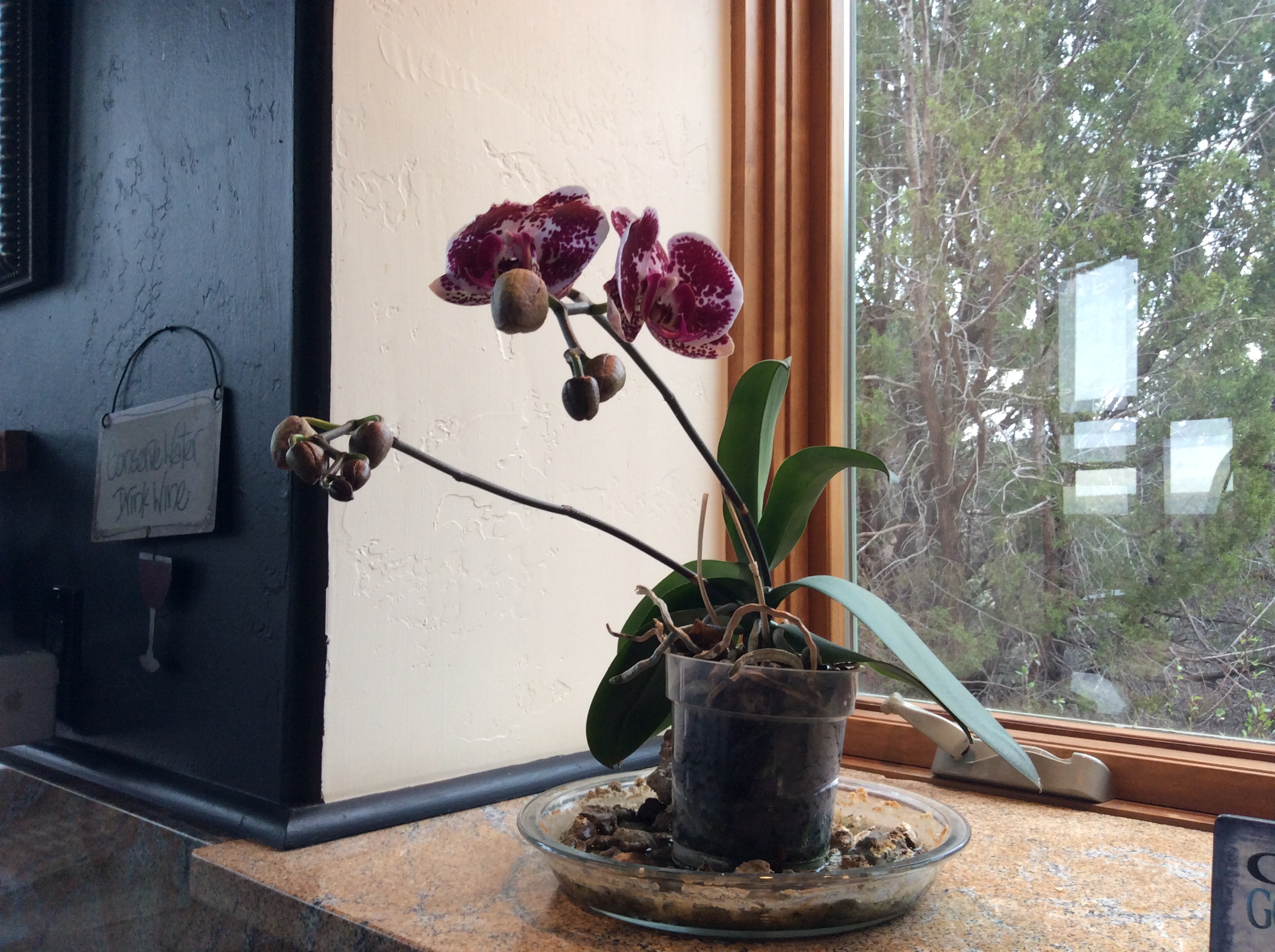
In the midst of being home for about a month now, it is spring most of the time.  Saturday was 80 something. Now it is snowing.  When it was 80 plus, I walked around outside and took photos of some of the wild flowers and the orchids blooming in the window above my kitchen sink.

I had planned to post several days ago, but I am so busy teaching English and Spanish online, I hardly have time to do much else. I did mow for several hours Saturday morning, did some gardening, cleaned horse runs, let them out to run. My students are studying the works of John Steinbeck, reading Animal Farm, The Odyssey, and Oedipus Rex–I teach four different levels of English.  Designing lessons they can do online with little assistance takes forethought and planning.  I thought I would hate it, but there are some things I really like and when we go back to class, I probably will continue.  In the meantime, I will read, think, garden, care for my horses, hike my canyon, teach, write, and dream.  Take care.  Be safe.

IMG_4588

IMG_4590

IMG_4591

Covid19–4


The cases and deaths rise; yet I see positives in all this mess. People are posting photos of food they are cooking at home for the first time in years, families sitting down and eating together.  Neighbors are keeping their distance but talking to each other.  People call friends to check on them.  Others are using the Internet to communicate with friends they rarely see or cannot see now, in some cases people they are too busy to connect with on a regular basis.  Some work on the stack of books they never had time to read before.  Several of my musician friends are posting concerts online.

Many of us who teach may be learning new skills like using all aspects of Google Classroom, searching the Internet for innovative ideas to use in our online classrooms. I used to play the piano daily, even competed in high school.  Then I quit.  My current goal is to relearn a piece, Fuer Elise, that only ten years ago I could play from memory effortlessly.  The music I am using is the same I used in high school, decades ago.  It is discolored, edges torn.

I do know how to sew but rarely do. This weekend I will get out the sewing machine my parents gave me more than four decades ago and make a mask.  I printed out a page of directions yesterday.  To be safe, I work from home, rarely leave my property except to go to the mailbox at the end of a long drive.  Luckily, I live in the country, have horses, and a lot of space.  It is easy for me to get out and exercise. Added to that I joined an online Zumba class with an invitation from someone I met years ago, a horn player in a mariachi band in San Antonio–I love mariachi.

Going to and from work took 1.5 hours each day so now I have all that extra time.  In the last three weeks I have read two books and started a third, caught up with magazine reading, and started FaceTime with my college roommate and her husband in California and also my daughter and grandson who live nearby but I cannot visit now. I have gardened, mowed, hiked, and photographed spring flowers and sunsets.

IMG_2861

IMG_3486

Yes, living in the country with space makes this easier I rather imagine, but I feel confident if people really search, they can find new and interesting adventures inside themselves and around them.

Be safe, take care, dream.


Covid19–3


Internet and modern technology make quarantining easier. Today is my birthday and for the first time in my life I am alone on this day.  It could have been a lonely, sad day I suppose but it has been good; modern technology has enabled me to FaceTime with my college roommate and her husband in California, to exchange messages with three of my former exchange students scattered across the world, France, Italy, Thailand, receive birthday wishes on Facebook from around 80 people I know from everywhere, and message family and friends.  Some of them and I have exchanged little conversations, catching up on who is doing what where.

This morning I almost finished all the work I need for Google Classroom this week.  This afternoon I have spent a sizable chunk of time outside watering, fertilizing bushes, chopping down some weeds.  After I finish writing this, I will go back out and complete the watering.  Mostly I have plants for our dry climate and water only what is necessary.

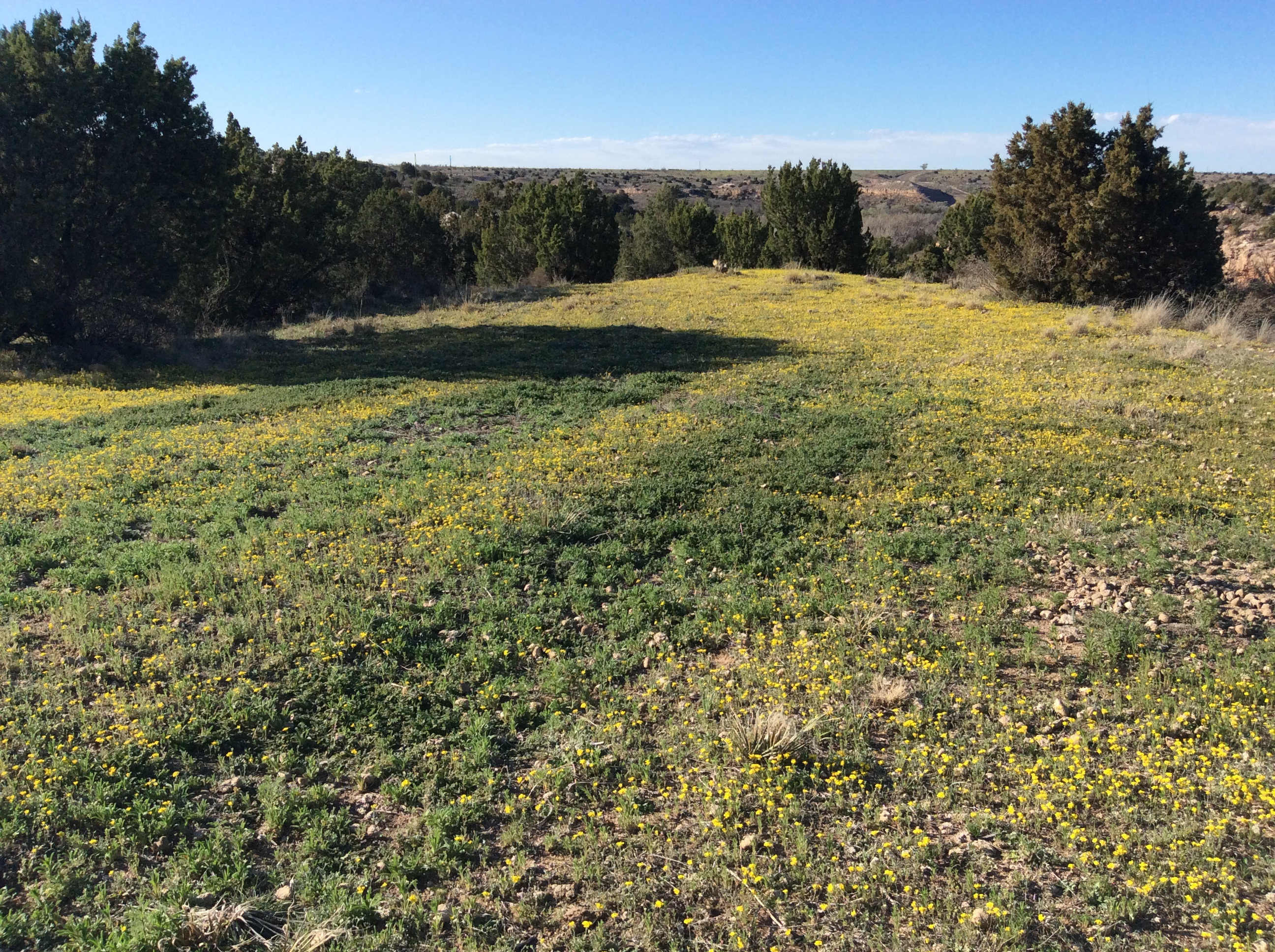
Yesterday was the perfect sunny weather for taking some wild flower photos.  Everywhere yellow flowers carpet the land. Here and there white ones appear as well.

IMG_4565

IMG_4568

IMG_4564

IMG_4575

Inside an orchid that resisted blooming for two years has changed its mind and several other plants are in full flower.  All this beauty makes hanging out at home so much easier.

IMG_4562

IMG_4558

IMG_4559

Stay home.  Be safe.