
Most of us think minimally about our food, where it comes from, the seed. With a rapidly growing world population the genetic diversity of the seed from which we grow food becomes increasingly crucial.
The United States contains 20 gene banks: three in California, one in each of the following states, Oregon, Washington, Idaho, Colorado, Hawaii, Texas, Iowa, Arkansas, Illinois, Wisconsin, Georgia, Ohio, New York, Maryland, Florida, and Puerto Rico and Washington D.C. This system holds about 600,000 varieties. The seed bank in Ames, Iowa, contains 53,000 genetic lines of maize (corn) and other crop seeds–1400 species. The Illinois bank grows more than 2000 varieties of seeds per year.
Maintaining genetic integrity can be difficult. Some crops like corn are particularly difficult because corn easily cross pollinates. Researchers use these seeds to develop certain types of new varieties, e.g. varieties more resistant to disease, to drought.
Gene banks remain crucial to the future of agriculture and food even with the current controversies over GMO. Some farmers note that any hybrid whether deliberate or by accident is genetically modified. These modifications have existed since the beginning of agriculture.
A possibly more dire issue is the lack of wild relatives of key crops. Global gene banks lack many of these. The online journal, “Nature Plants” notes 1076 wild relatives of 81 crops were insufficiently safe-guarded. Up to 300 species could not be located in any gene bank. The lack of tropical crops in gene banks is particularly worrisome. This is important for the future of agriculture and the world food supply. Seed banks create safety nets for the future.
Perhaps the most remote and “safe” bank lies in Norway 800 miles from the North Pole. The Svalbard Global Seed Vault can store seed for 25 years without power. This vault stores seeds at -18 C and contains 825,000 crop varieties.
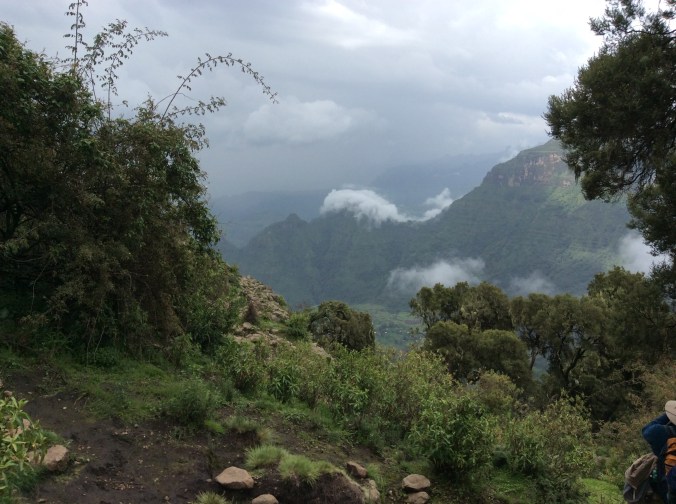
Note: the photo is corn close to the Nile Falls near Bahir Dahr, Ethiopia



 The world at large might view artists and writers as free spirits rocking la vie bohème, but creative people know that it’s much more complicated than that, especially if we’re striving to earn even a modest living from our work. As a writer, I often fall into the trap of measuring my success or failure on factors completely beyond my control, such as the ups and downs of a fickle book buying market.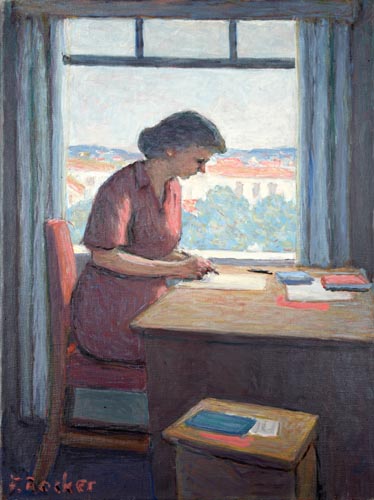


 Recently I have come across several stories of women’s fringe spiritual movements or practices. This made me think about the role of outsiders’ or minority views in religions and society.
 writingontherim