Argentinian Adventure–La Finca


After sitting in the airport in Iguazu for four hours because the plane was delayed over and over, we finally arrived in Cordoba around midnight and rushed to La Finca, the family place out in the country, for dinner.  Yes, dinner.  Gaston’s family, including his 92 year old grandfather, uncles, cousins, aunts, everyone had actually stayed up and waited to meet us.  I could hardly believe it.

I know Argentinians are the biggest consumers of beef in the world.  We did not have beef; we had leg of lamb grilled over the special grill his father and uncles had built–a separate house just for grilling and eating.  It was a warm night and we ate outside. It is a family ritual for everyone to congregate on weekends, but especially Sunday afternoons at La Finca to eat and socialize.  Gaston and I went there both Saturday and Sunday.
IMG_3100

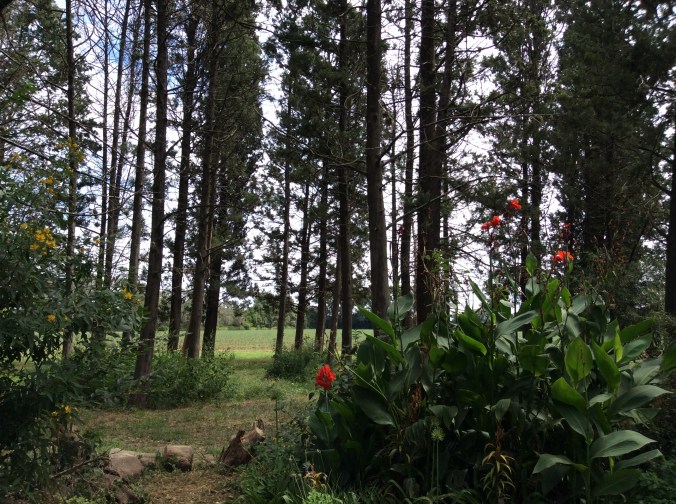
It was the end of summer (Southern Hemisphere in March).  The crop in the distance beyond the trees is potatoes.  Gaston’s grandfather, who is 92 now,  bought this land, planted the trees, created this peaceful get away in the country.  Gaston’s uncle and aunt now live there with their college age children.
IMG_3104

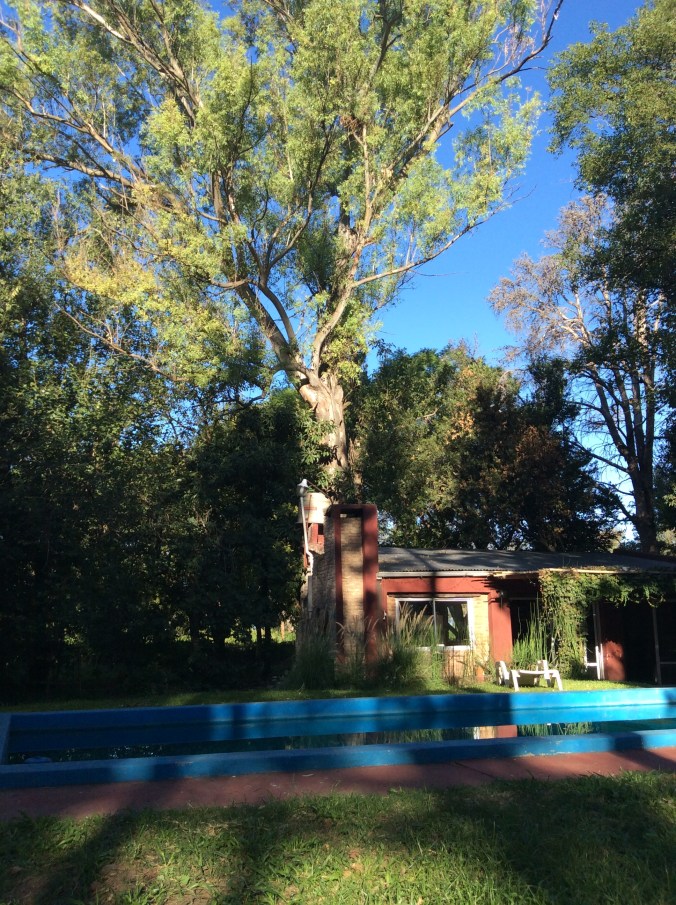
The building in the background houses the grill–chimney on the left–and the dining area I mentioned earlier.  We ate inside once around the table that must sit at least twenty.  The rest of the time they hauled the tables outside and we ate under the trees.

IMG_3095.JPG

Gaston’s grandfather and I standing before the trees he planted decades ago.

IMG_3110.JPG

The same trees upclose.  Yes, those are very sharp protuberances sticking out all over the tree.  You see these trees in cities too, but there they have cut off all the sharp pieces so people cannot get hurt on them.  I could just imagine what would happen if a person pushed another person against one of these.
IMG_3108

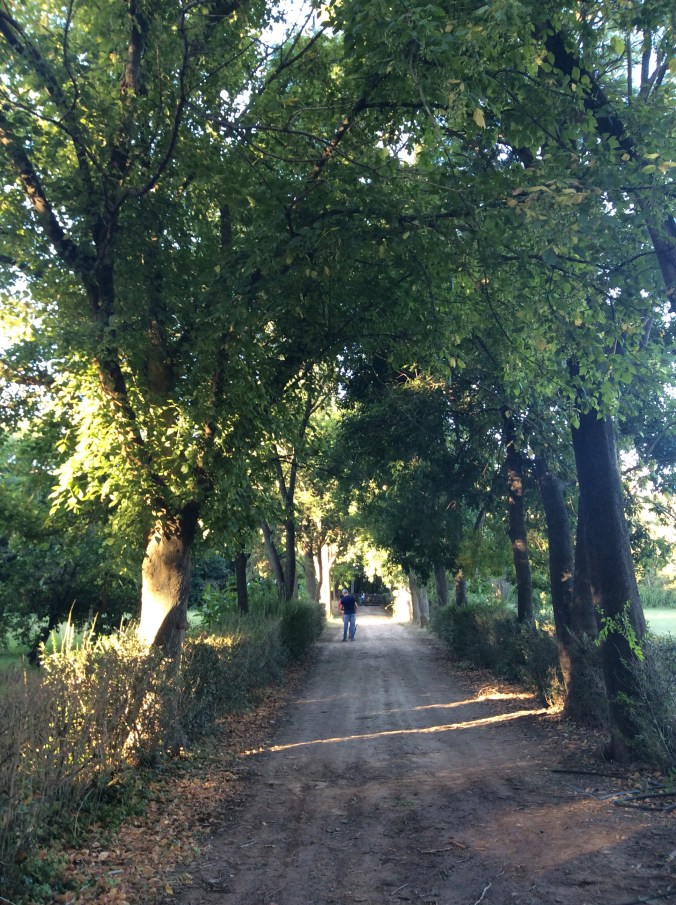
The drive from the main road to La Finca.  Sunday afternoon Gaston’s mom and I strolled up and down this drive while Gaston with his dad and uncle and a cousin installed a drip line to water the bushes on each side.  Like here, they are suffering a drought.  They did not want years of work to die.
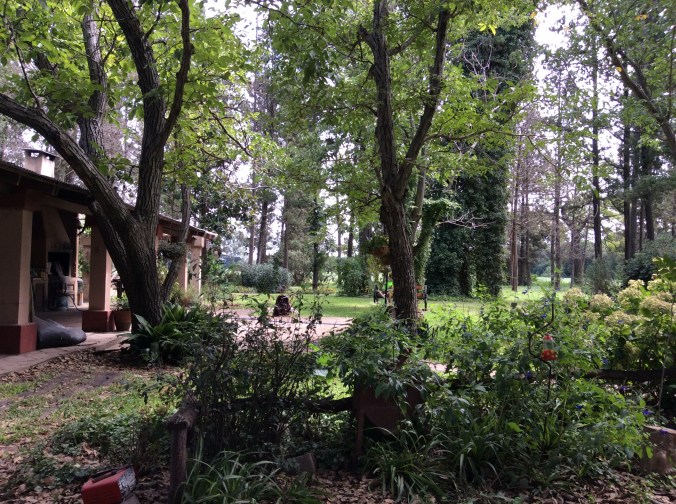
IMG_3093

The original house where Gaston’s uncle and his family live is on the left.  I loved it here and felt very privileged to spend a weekend with the family doing whatever they do on weekends.  On Saturday, the men all went to help someone move while I sat with Gaston’s aunt, her friend, some cousins.  We chit chatted, drank mate, took naps, ate pear tart and other desserts, and whiled away an afternoon.
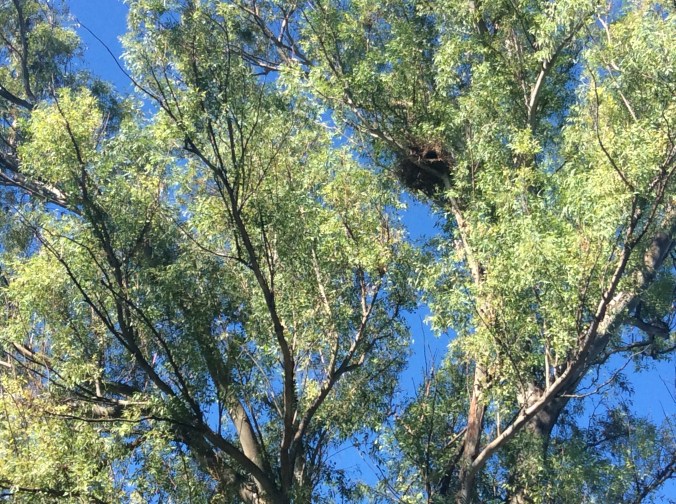
IMG_3101

Occasionally the peace was disturbed by the raucous chatter of parakeets.  The huge nest in this tree is shared by many parakeets.  They do not build individual nests.  When they get going, they are really loud.
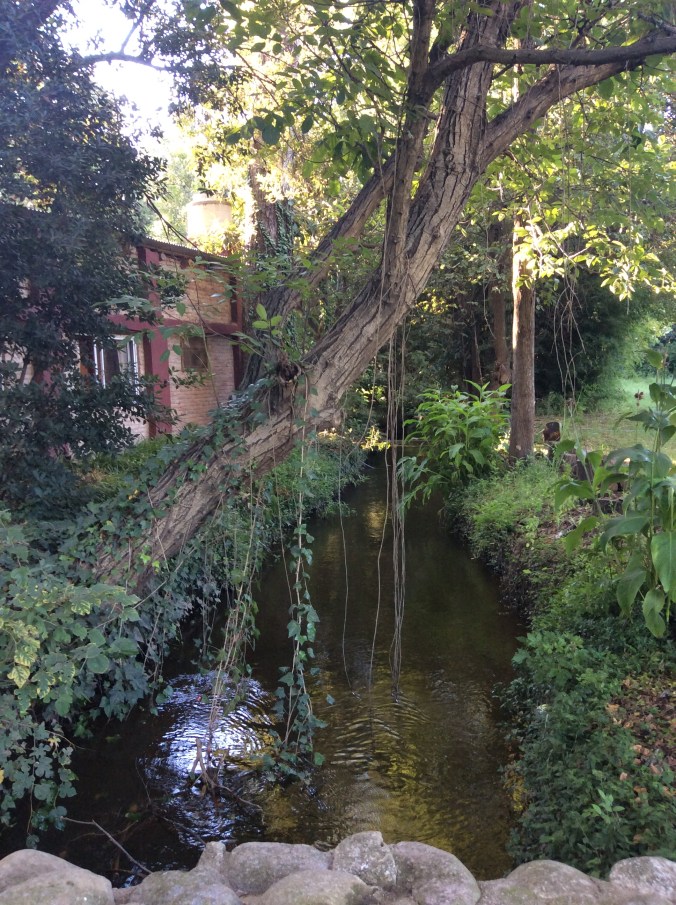
IMG_3107

Just as in New Mexico in the US, water comes through acequias.  The drive goes over this little bridge in the foreground.
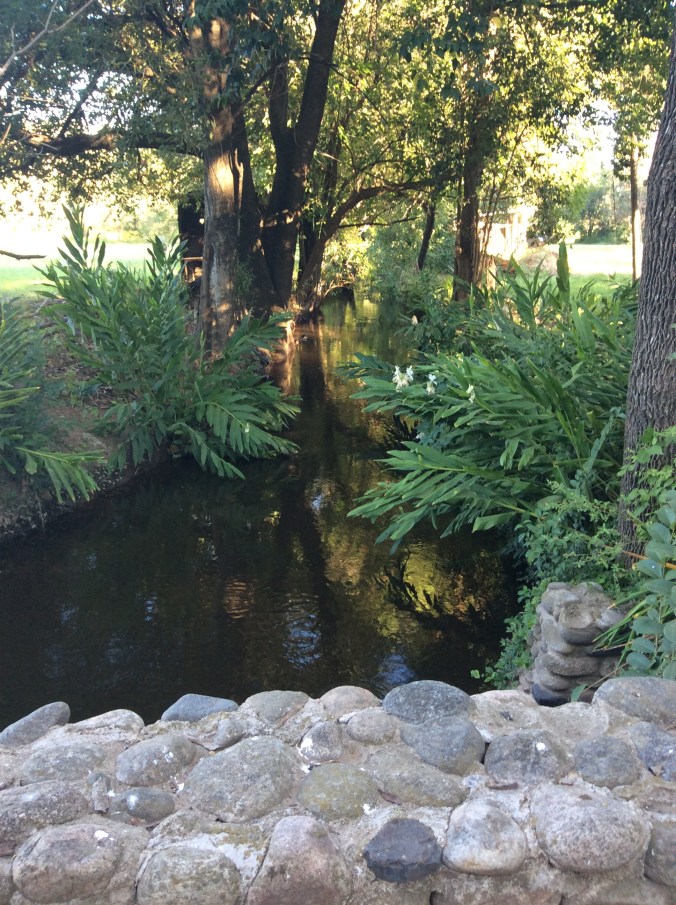
IMG_3106

Near this acequia the family grows lemon trees, vegetables, flowers, and other delectables for family use.
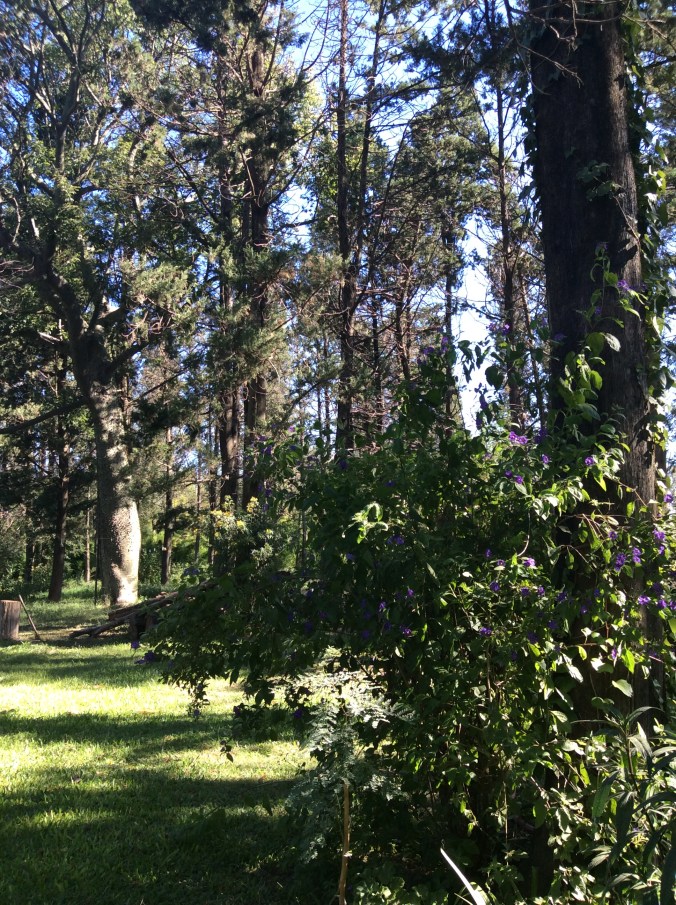
IMG_3103

It was so lovely and peaceful here, I did not want to leave.
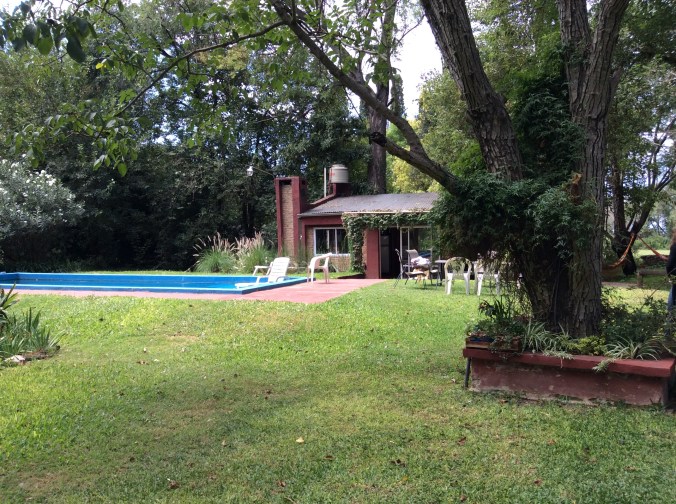
IMG_3094

IMG_3099

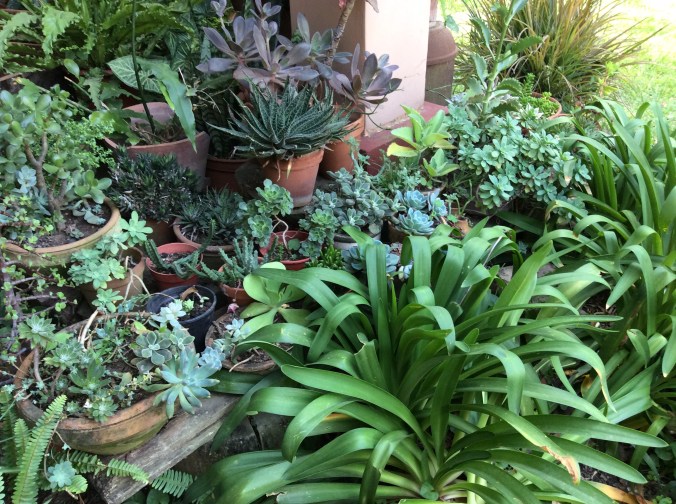
Gaston’s aunt and mother love succulents and flowers.  This is only a tiny portion of the plant collection growing everywhere around Gaston’s aunt and uncle’s house. His aunt is very proud of her plant collection. Many of her plants were familiar.  Some even have the same names in English and Spanish probably due to their Latin origins.


Argentinian Adventure–Iguazu Falls, The Argentinian Side


The largest park is a national park on the Argentinian side.  There are upper and lower hiking trails with an ecologically friendly train that takes you to where the trails begin.  For those who want to hike more, you can forget the train and hike through the forest/jungle to where the main trails begin.  We took the train.

IMG_3076

On the upper trail you can cross a portion of the river, cross just above the top of several of the individual falls, and get wet.

IMG_3069

The trails on the Argentinian side are impressive feats of engineering.  I kept wondering how they built them in some of the very daunting places, e.g. over tops of large falls, over the rushing river.

IMG_3075

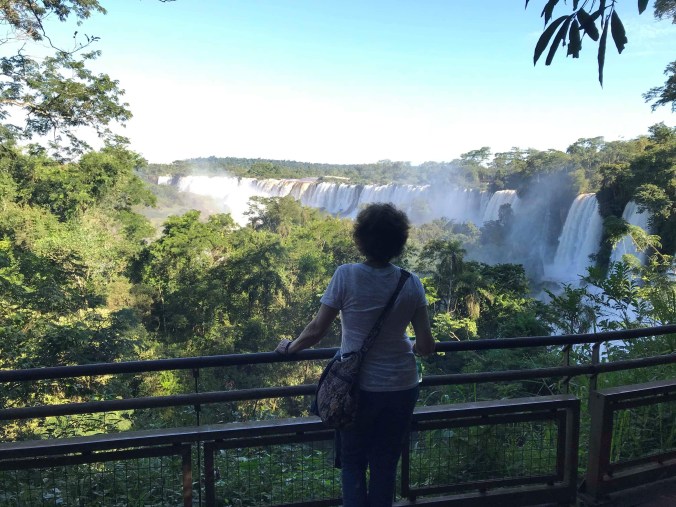
I am standing in the middle of the “bridge” with the same distance over the river in both directions.

IMG_3063

IMG_3070

You cannot stay in this location very long without getting quite wet.  The falls are so huge and the spray so extensive, a fine mist floats everywhere.  Talking normally means no one can hear you because of the roar.

IMG_3041

The land to the left is an island.  Because it constantly receives a fine mist, the plants look lush, glistening with water droplets.  Gaston said it reminded him of the movie Avatar.

IMG_3074

IMG_3067

After all this hiking we decided to go to the hotel near the falls for a drink.  A man and a woman were teaching people how to tango.  Before I knew it, the guy had me dancing.

IMG_3027

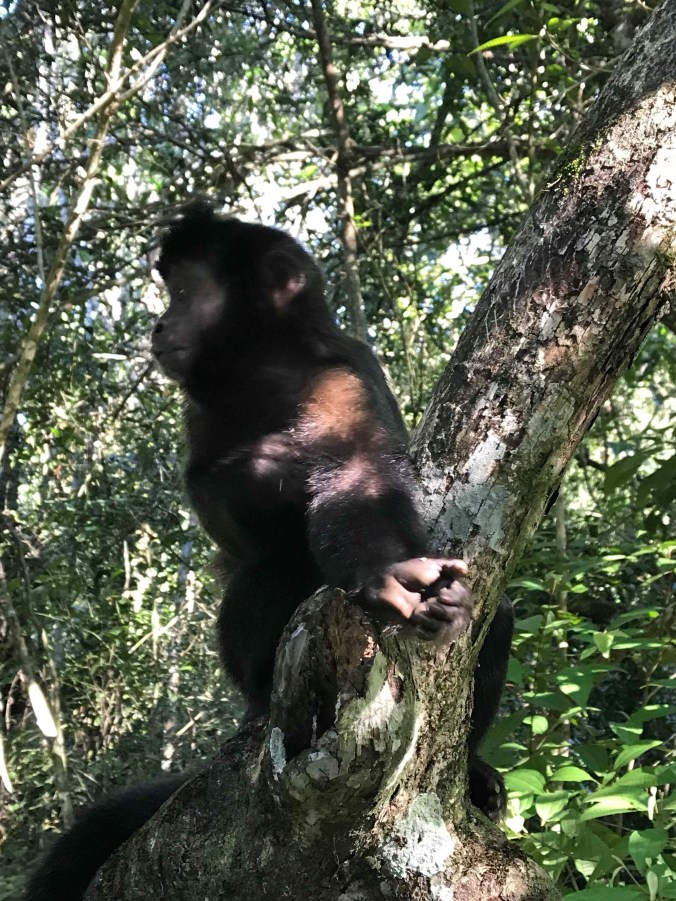
The next day we took the lower trail.  One of the first things we saw was a group of monkeys.  Although there are signs along the road to please watch out for jaguars because too many get killed at night on the road, we did not see any.  It occurred to me several times one could have been 50 feet from me near a trail and I would never have guessed–the jungle is too dense.

IMG_3072

IMG_3049

As you can see to the right in this photo, in many places the trail is right at the edge of the falls and sometimes the trail goes over the top so you are walking over where the falls drop to the gorge below.

IMG_3023

IMG_3066

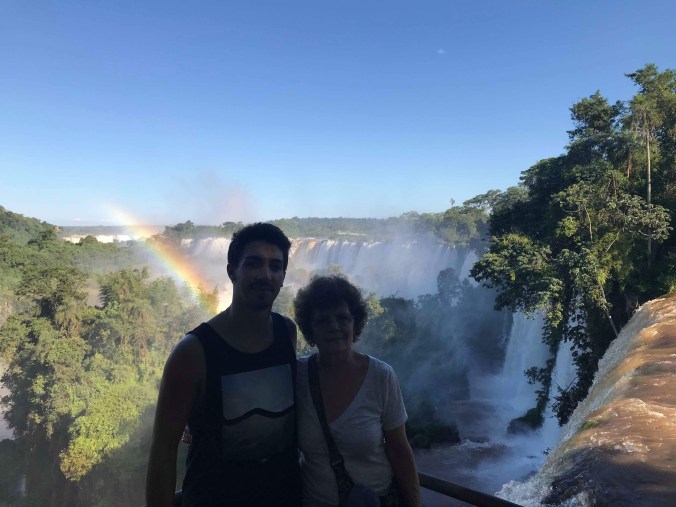
The immensity of the falls, the roar and power of the water, the lush jungle–a magical place which filled us with wonder.


Note:  There are several ways to spell the name of the falls, depending on the language.  I have used two of the ways.  The river which makes the falls is the Parana with an accent over the last a.


Adventures in Argentina–Flora and Fauna Near Iguazu Falls


Across the highway from the helicopter business, we visited a surprisedly large bird sanctuary, recommended by our taxi driver/guide.  We did not expect anything as lovely as what we found. Most of the birds and flowers there are native to the area.  However, a few rarer species from other parts of the world exist there as well.

IMG_3052

IMG_3084

Surprised, I recalled seeing these exact same flowers on my two trips to Costa Rica.  In fact, I found another photo on an older blog post from one of my Costa Rica trips.

IMG_3082

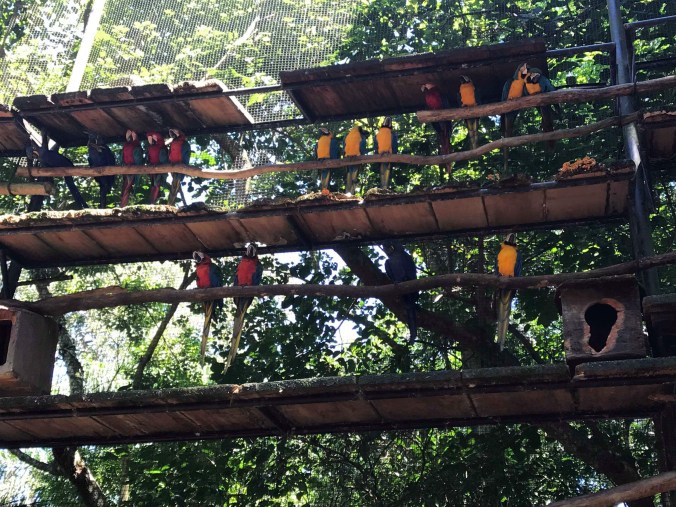
Endangered, many countries where these wonderful parrots live do everything they can to save them.  They pair for life–we found the evidence amusing and enchanting.

IMG_3081

Whenever we saw an uneven number together, we looked elsewhere and found the mate drinking or feeding.

IMG_3053

IMG_3088

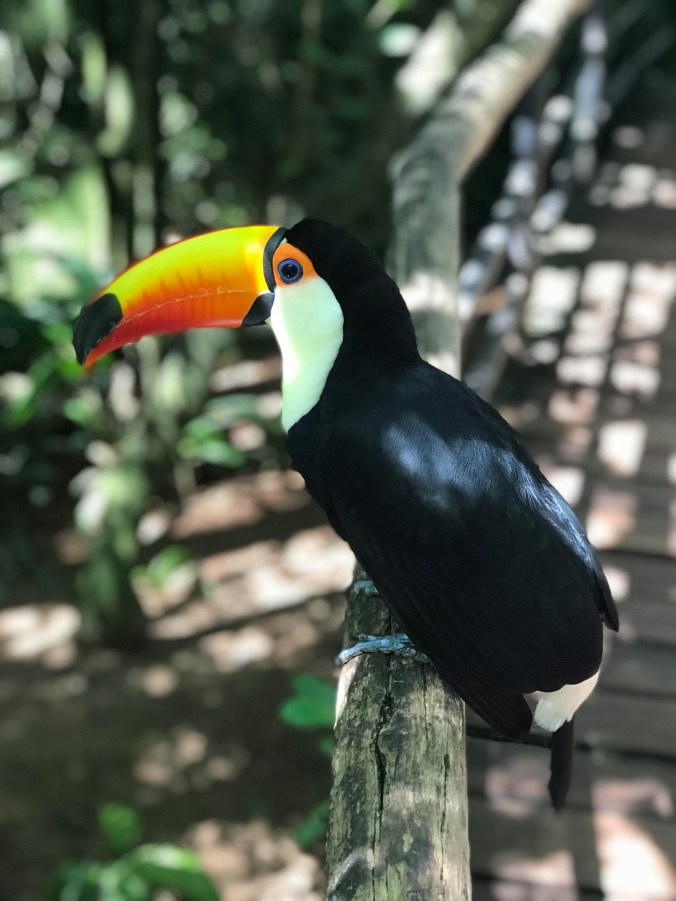
Of course, there has to be toucans.  Some even clowned for the tourists.  People clustered all around to watch their antics.

IMG_3085

IMG_3050

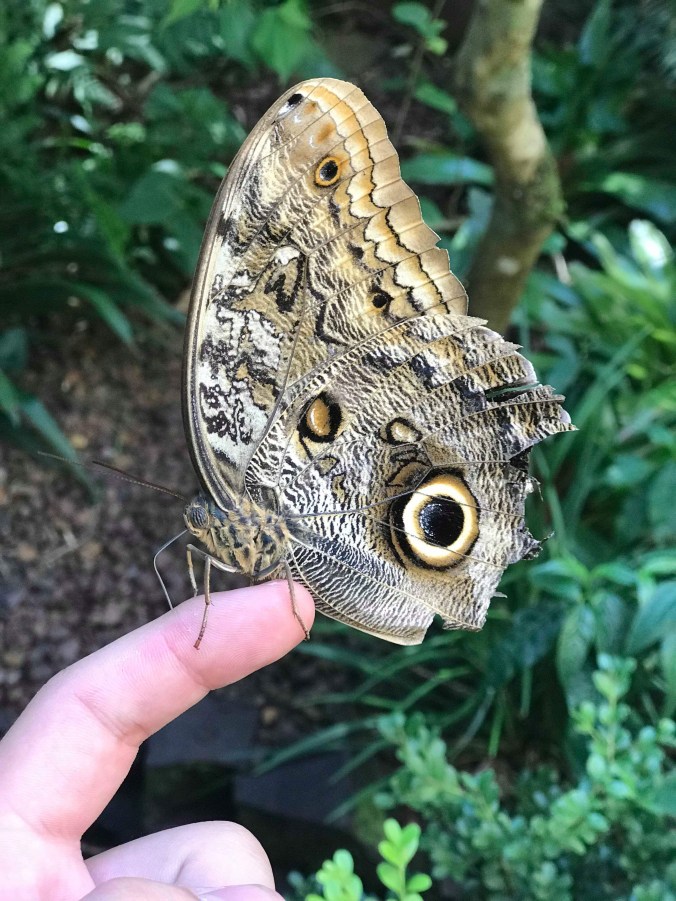
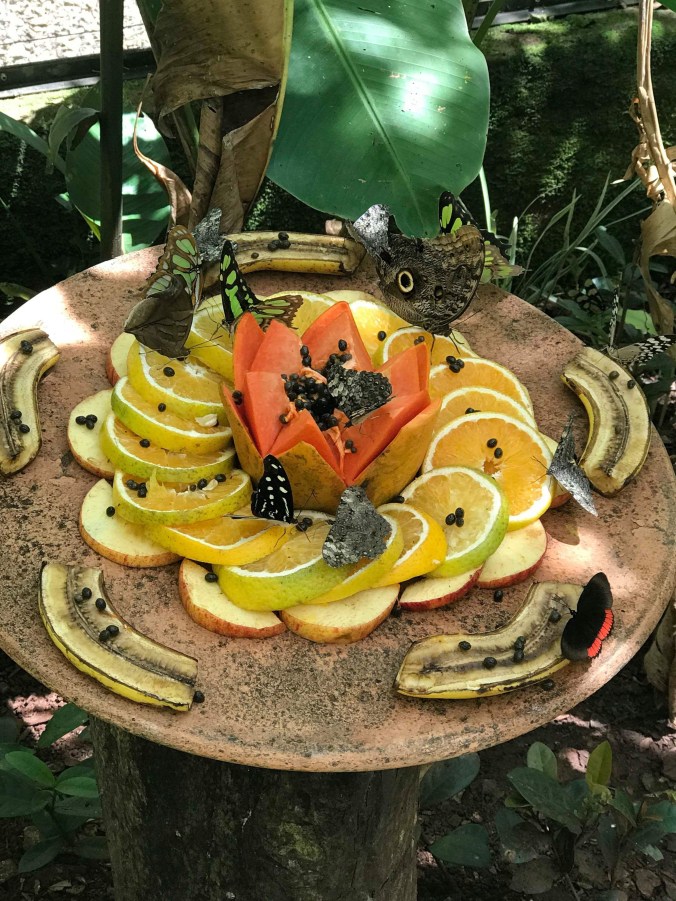
Where you have flowers you have butterflies.

IMG_3078

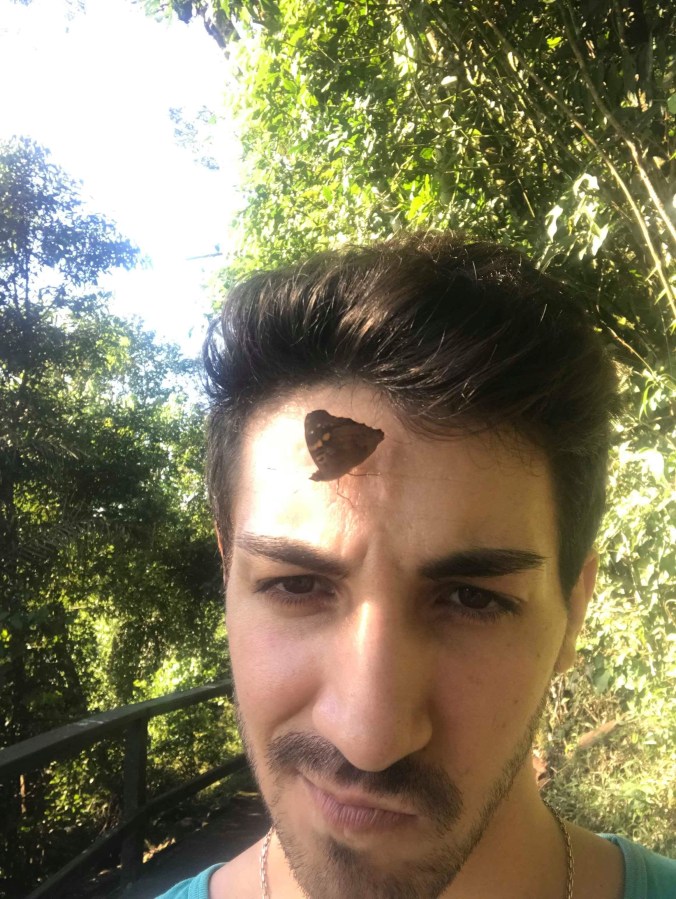
Butterflies love Gaston.

IMG_3031

They landed on him, flew to his fingers, let him pick them up without flying away.  I tried, but no luck.

IMG_3079

IMG_3048

A fabulous morning on the Brazilian side, starting with the helicopter ride and ending here with flowers, birds, and butterflies.


Adventure in Argentina–Iguazu Falls, Day One


IMG_3006

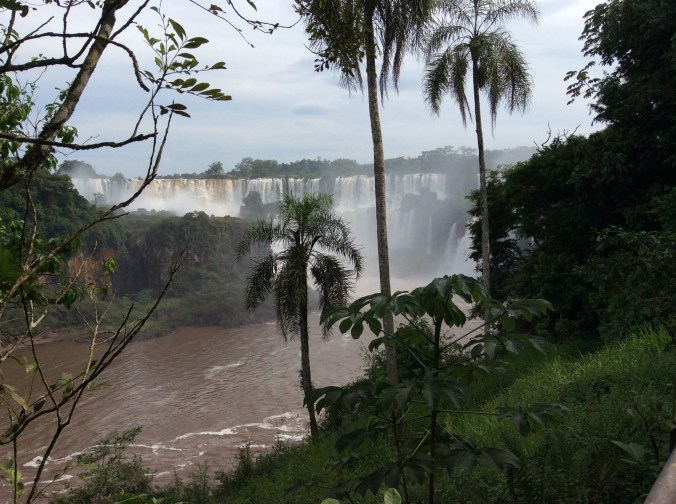
We landed at the jungle airport near the down of Iguazu, found a taxi (the taxi to our hotel was only 5 dollars more than the bus), and continued our adventure.  Gaston and I felt lucky; the lady taxi driver gave us excellent service and advice for our three day sojourn at Iguazu.  She suggested we head to the Brazilian side of the falls first because the trails are fewer and it was later in the day.  All you have to do is provide your passport, roll down your window so they can look at your face, and proceed.  At the Brazilian park headquarters everyone has to wait for a bus, which can drop visitors off at various points along hiking trails.  The above was one of my first views of the falls.

IMG_3005

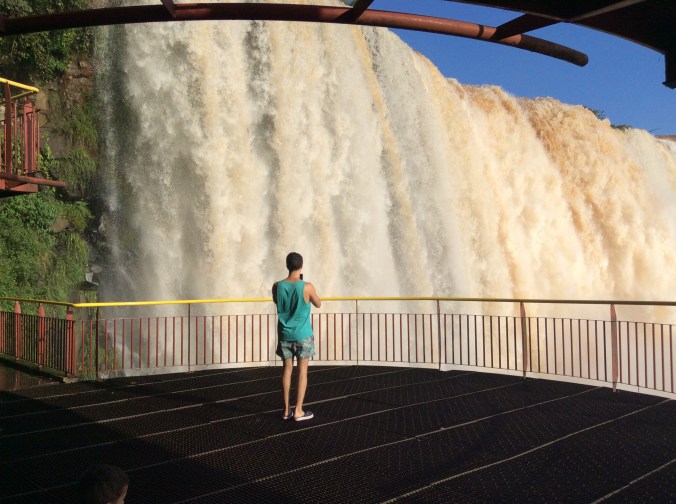
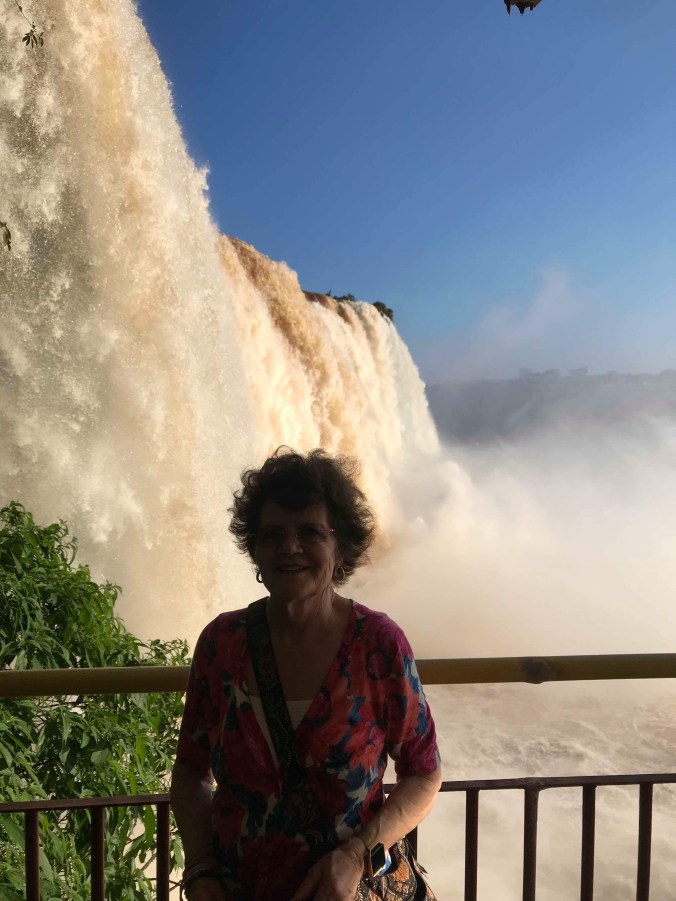
It became clear almost immediately that it would be impossible to see all the falls from any single place; they are immense to the point of unbelievable, overwhelming.  You hear the roar long before you see the cause. At this vantage point, I am standing on Brazilian soil looking across to the Argentinian side.  The center of river which causes the falls provides the boundary between Brazil and Argentina.

IMG_3011

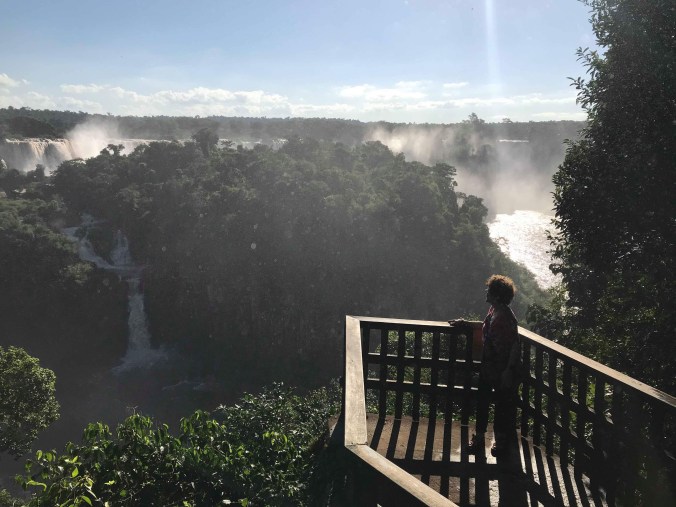
To reach this vantage point, the trail winds down a rather steep incline.  Everything is wet from the mist which is so extensive, it is impossible to be anywhere near and not become somewhat wet. A trail proceeds from here below the falls out over a part of the river where it is like being in your bathroom shower. Gaston took many photos here. The roar of the falls is so loud it is impossible to carry on a conversation.

IMG_3008

Coatimundis are everywhere. On the Brazil side in particular huge signs are posted with a person displaying bleeding, serious injuries inflicted by these seemingly harmless creatures.  The instructions tell visitors not to feed them, try to pet them, anything.  The result may not be good if you do.

IMG_3013

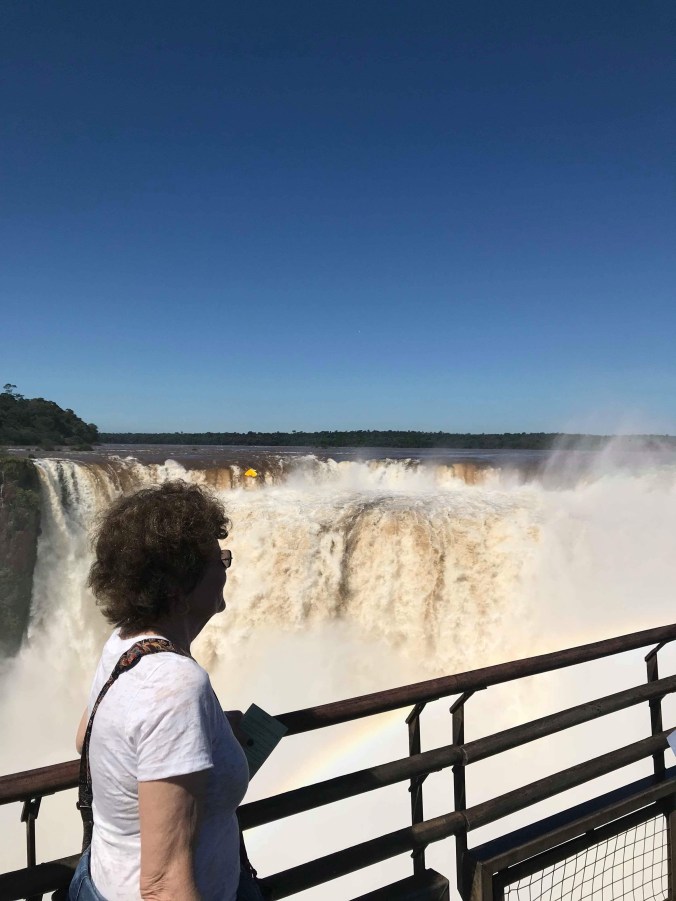
The roar, the immensity, overtakes ones emotions.  The power of water a millionfold, displayed in all its grandeur overwhelms.

IMG_3015

IMG_3033

In Brazil looking across to Argentina.


Adventures in Argentina-Buenos Aires Neighborhoods


Buenos Aires has many neighborhoods, areas with sometimes distinct character.  Our hotel in San Telmo made it easy to see a lot of the city by walking.  Other areas we strolled through include Centro and Recoleta. In the three days we stayed there, we walked 35 miles according to my Fitbit.

IMG_2962

This Starbucks was exactly one block from our hotel.  We went there the first morning for the typical Argentinian breakfast:  coffee and a biscuit (not like the ones here) or a small croissant with some sweet glaze on top.  Starbucks can be found throughout the city.

IMG_2967

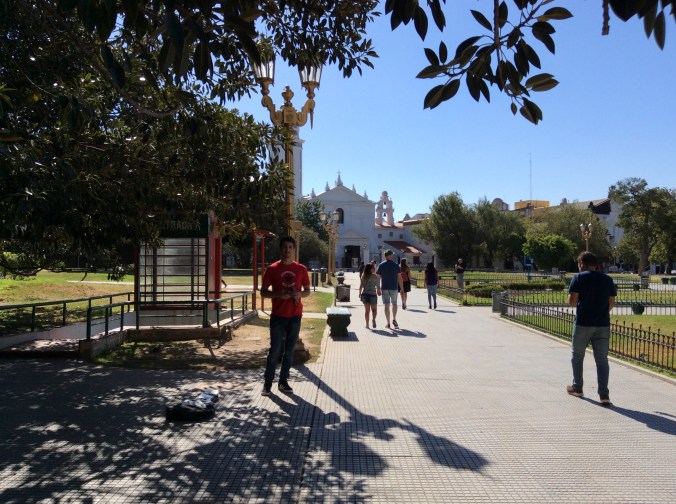
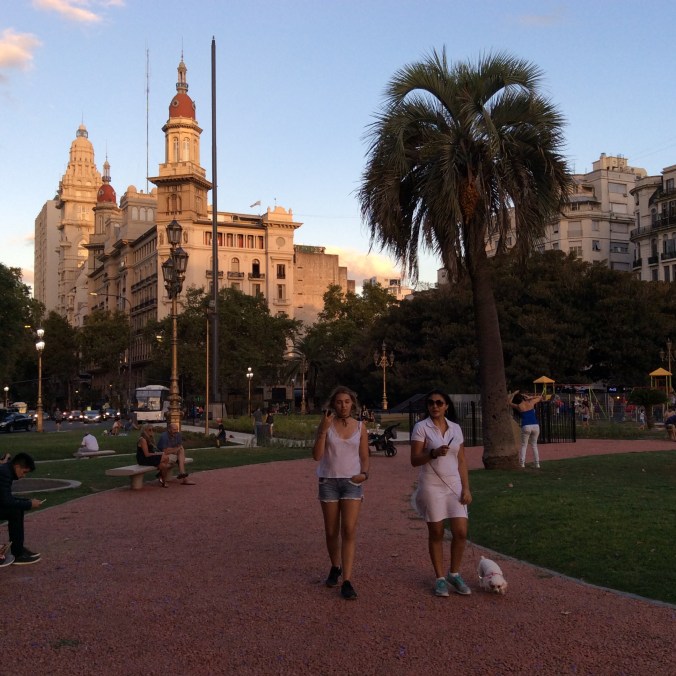
Everywhere you see beautiful parks and people use them for strolling, dog walking, jogging, relaxing, picnicking, hanging out–you name it.  Plus the trees–on all major streets, on side streets, everywhere.  Of course, it was the end of summer.  Perhaps parks receive less use in winter.

IMG_2965

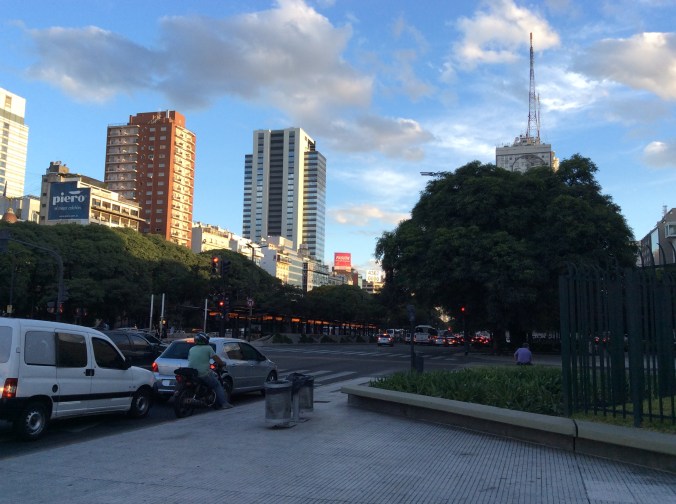
Even on main thorough fares, like this one which is claimed to be the longest street in the world, trees reside on the sides, in the middle, everywhere.

IMG_2959

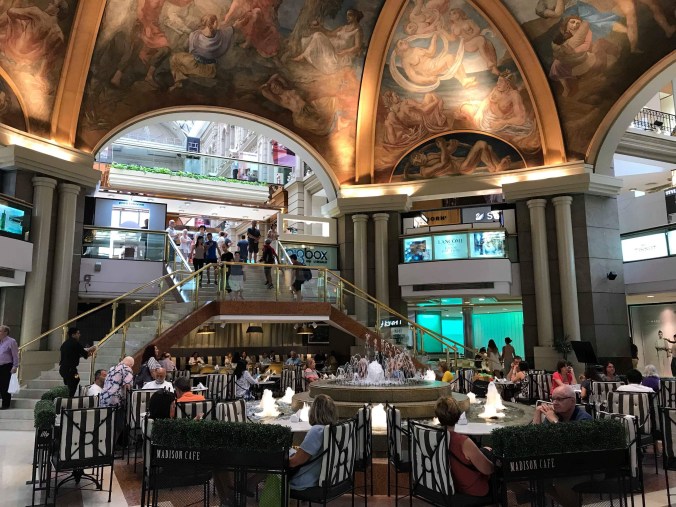
This is a mall, seriously.  We ate a delicious lunch here one day and came back the next day for a drink.  I had coffee; Gaston had a green drink with mint and ginger which was refreshing and delicious.  The ceiling is well–take a look!

IMG_2938

Hard to believe this is a mall.

One day we took the train to its end at the train station. The recently restored train station contains the fanciest Starbucks ever with incredible murals.

IMG_2987

The ceiling is beautiful too.

IMG_2985

From this station it is possible to take a train to various parts of the city but also trains go from here way out into the suburbs.  Reminded me of the subway and train system in New York City and its suburbs where I once lived.

IMG_2978

San Martin, the hero who freed southern South America from Spain, crossed the Andes with mules, not horses–Hugo, Gaston’s dad, gave me lots of history lessons.  However, when I saw this statue, I did not know all the history yet.  This park, filled with huge trees, borders several streets where, like much of Buenos Aires, modern and antique coexist.

IMG_2977

IMG_2982

Suddenly we notice men on horseback riding out of a military area next to San Martin Park.  We rushed across the park to watch, hoping they would ride around the park.  They did not; they headed down a street.

IMG_2973

We never discovered the purpose of this little parade of military personnel on horseback.

IMG_2984

The buildings around the park provide a perfect example of the traditional, the centuries old beside the modern.  The traditional building in the middle houses very exclusive apartments.

IMG_2983

The opposite side of the park from the statue of San Martin overlooks the English Tower, given to Argentina by the English before the little war over the Falkland Islands which both countries claimed.  The English won.

A friend told me to take tea at the Alvear Palace Hotel so we headed to Recoleta area.  We strolled around, did not take tea, but we did have lunch in one of the small restaurants inside the hotel area.

IMG_2989

Next to this restaurant resides a tea store, Tealosophy,  where they sell nothing but tea.  I quit counting at fifty different blends.  In Argentina International Women’s Day was highly celebrated. This tea shop created a special blend just for that event, Mujeres Power.  I bought some; it smells heavenly but have not tried it yet.

We walked down to another park near the famous cemetery where all the national heroes and important people have been buried for centuries.  Nearby we saw the largest tree I have ever seen.

IMG_2990

The branches, which were impossible to photo in one picture, extend far and are so heavy they are supported by cement or metal columns.

IMG_2993

The tree is to the left in this photo.  The walk leads to a monastery and the cemetery.

IMG_2994

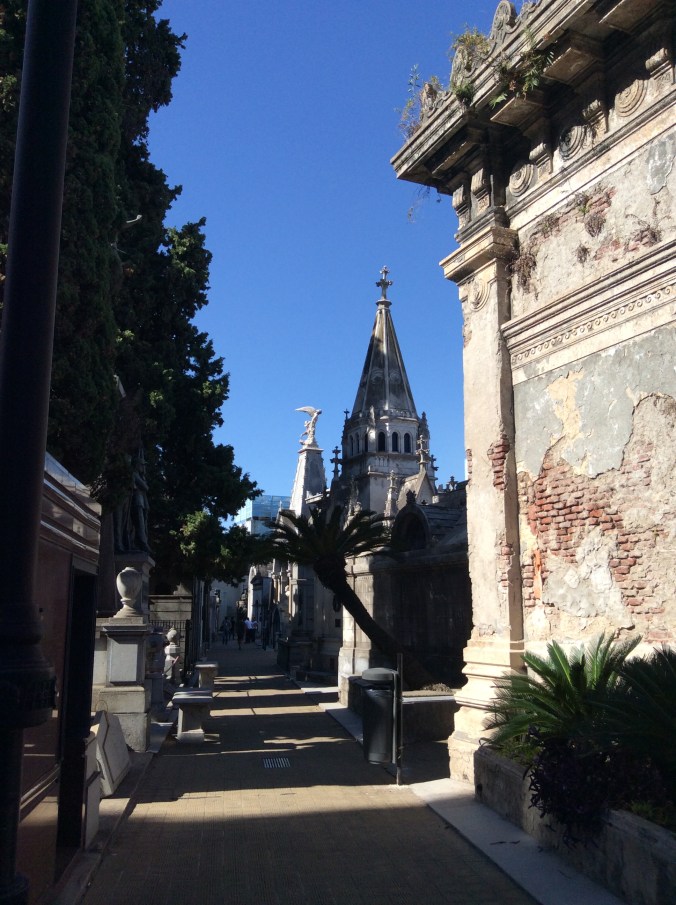
The cemetery was full of people.

IMG_2995

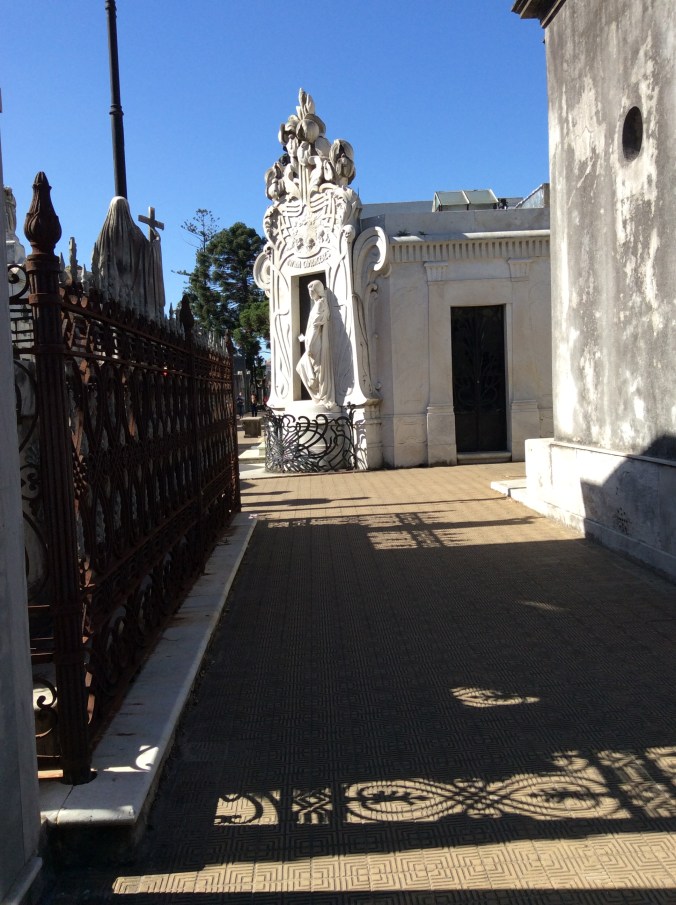
The artwork here speaks for itself.

IMG_2996

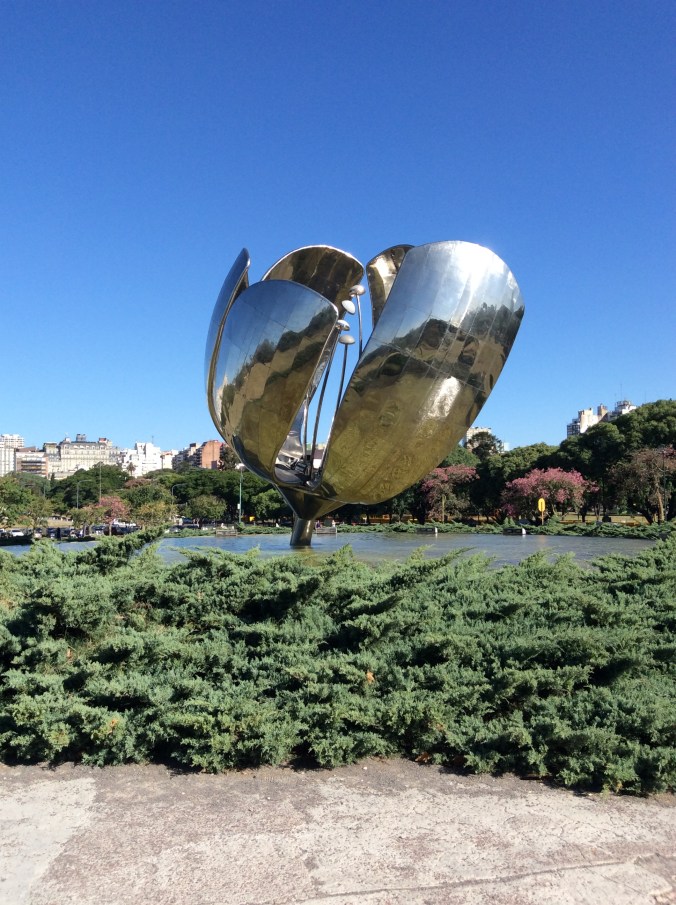
As we walked back we circled this famous piece–a tulip that opens and closes.

IMG_2998

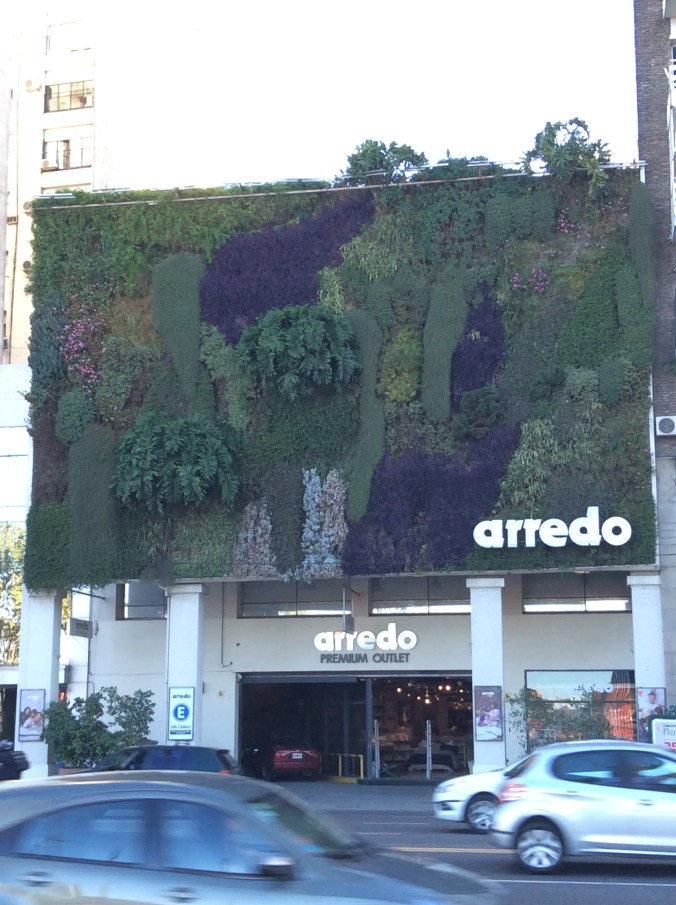
Then farther down the street which is close to the port–we could hear ship sounds, etc.–we saw this living wall.

IMG_3001

Yes, this wall is made of living plants.  I could not help but stop and stare.

IMG_E2972

The building which holds their equivalent of the US Congress.  I continue to wonder how I managed to walk past the Pink House–like US White House–several times and never take a photo.  Perhaps I was distracted by the protesters.  Argentina is used to protests which appear to be legally protected.  In the one we saw one evening, the protestors carried banners of Che Guevara.

IMG_2937

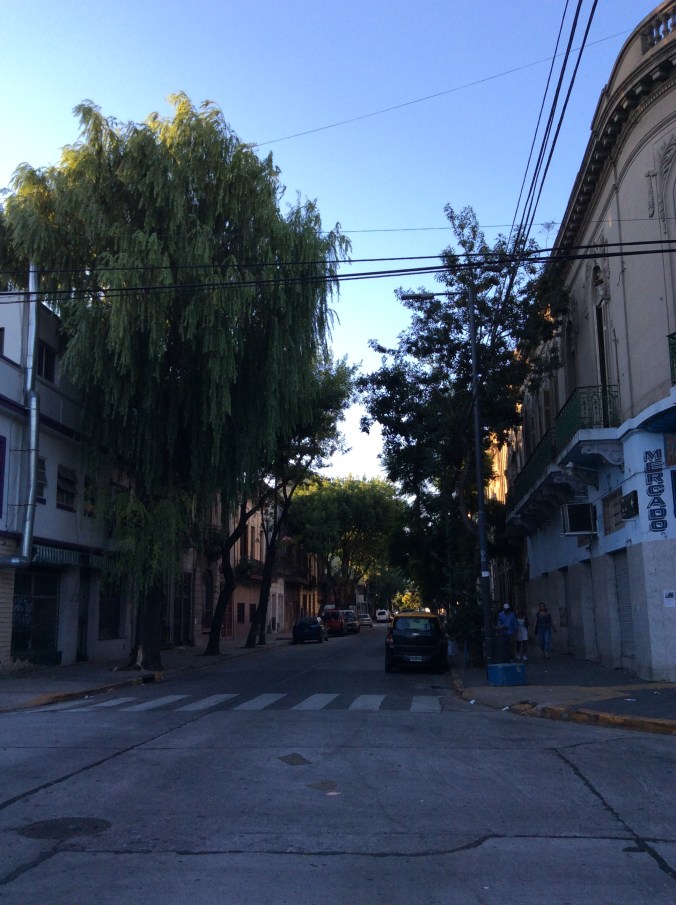
And finally some typical views, this one along a side street.

IMG_2966


Adventure in Argentina–Buenos Aires


On March 4, a little before noon, I arrived in Buenos Aires EZE airport.  Customs was relatively organized, straight forward, and simple.  Once I acquired my luggage, I headed out.  There stood Gaston waiting for me, the reverse of when he came to live with me a little more than eight years ago and I waited for him at the Amarillo airport. One thing remained the same–hugs.  We hailed a cab, loaded my luggage, and headed for the hotel which his dad, Hugo, had arranged.  In spite of the fact that neither of us had managed much sleep the night before (mine was sleep on a ten hour red eye flight and his was a night in the bus from Cordoba), we headed out to find some lunch and explore.

IMG_2923

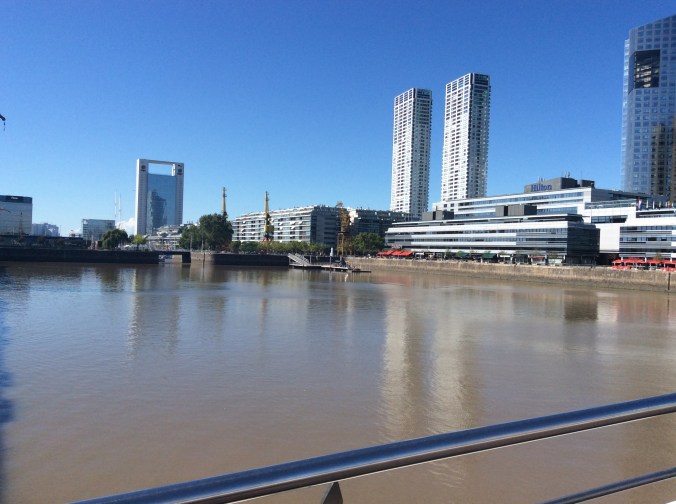
After a long walk (I have a Fitbit and we walked 35 miles in 2 1/2 days before we left Buenos Aires), we arrived here at this very modern business district on the right.  The tall building in the distance is a Chinese bank.

IMG_2925

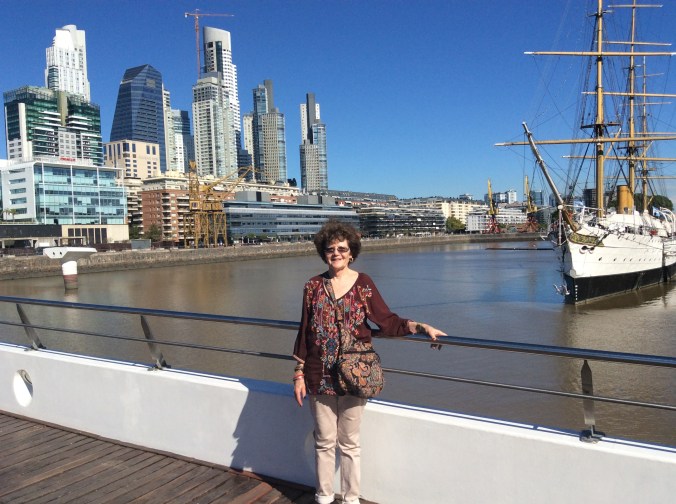
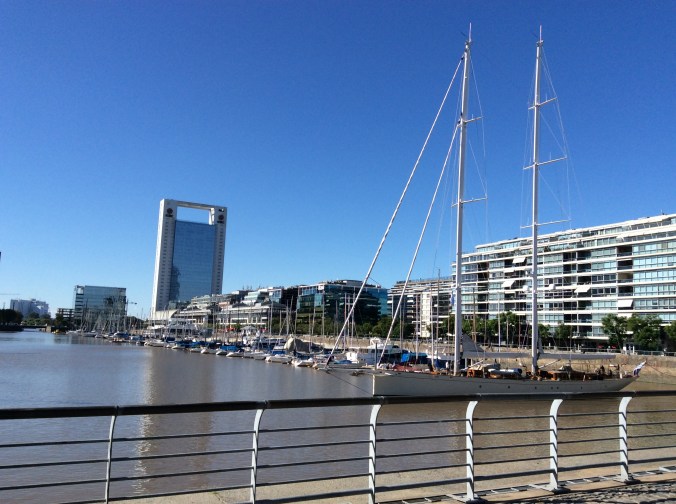
To the left are many old warehouses which have been converted into apartment buildings, restaurants, and shops.  It has become a fashionable place to live.  Several of these sailing vessels floated in the water.  Some could be boarded for a tour.  We just strolled around and enjoyed the views, the weather.

IMG_2931

We crossed the bridge and explored a rather exclusive area.  Buenos Aries is an old city which combines the old and the new.  Many of the sidewalks and streets have not changed in hundreds of years–the original cut stones remain.

We did have to laugh at our first lunch experience.  Although the restaurant appeared to be quite traditional and Argentinian on the outside, the menu was mostly Tex-Mex food.

IMG_2965

One of the longest streets in the world, this one goes from one end of the city to the other.  Note the trees!  Every city I visited contained an astonishing amount of trees.  Except for the most narrow streets, trees lined them.  Later I learned about an Argentinian saying:  there are three things you must do in life, plant a tree, write a book, have a child.  I feel grateful because I have done all three.

IMG_2967

Parks, parks, and more parks–they are everywhere and people use them–children playing, dog walkers, runners exercising, people relaxing on park benches, chatting.

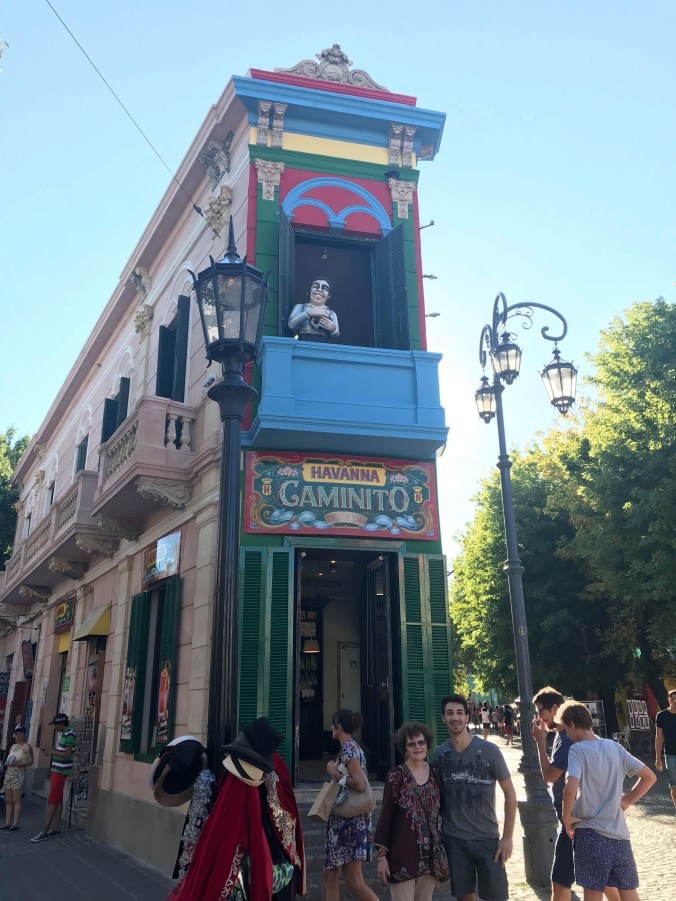
Hugo had given Gaston a list of some places to visit, one of which is an old area with colorful buildings, traditional dancing, e.g. tango, and lots of tourists.  Many of the restaurants this time year–end of summer there–are open air, filled with people enjoying summer’s end.

IMG_2961

We had a coffee (we drank quite a lot of coffee–for breakfast and after dinner almost every day), watched tango and traditional country dancers.  Tango is a Buenos Aires dance tradition.  People in other parts of the country dance the traditional dances, not tango.  We watched while a woman in her 80s left her table and danced perfectly with a young man dressed in traditional clothes–everyone cheered.  People there eat dinner late, 9-10 at night.  One day in Buenos Aires we somehow sort of forgot lunch and were hungry so we went to this special restaurant (they have a very unique way of making a potato dish which Gaston likes) about eight.  The waiters looked at us as if we were crazy.  No one else arrived at the restaurant before nine and most even later.  This suited me fine.  I much rather eat late than early.

IMG_2936


Trip to Honey Island Swamp


On our third day in New Orleans, we headed to Slidell, LA, to visit the swamp.  Many swamp tours exist in the area and some in Lafayette as well.  After reading extensively online about the various tours, I decided to take Dr. Wagner’s Honey Island tour early in the morning.  Depending on traffic, it is about a 3/4 to one hour drive from downtown New Orleans.  For at least half this time, you are driving on a bridge across Lake Pontchartrain.

IMG_2773

This little swampy area is right next to the small cabin where they sell alligator souvenirs and you pick up your ticket.  This place requires cash.

IMG_2747

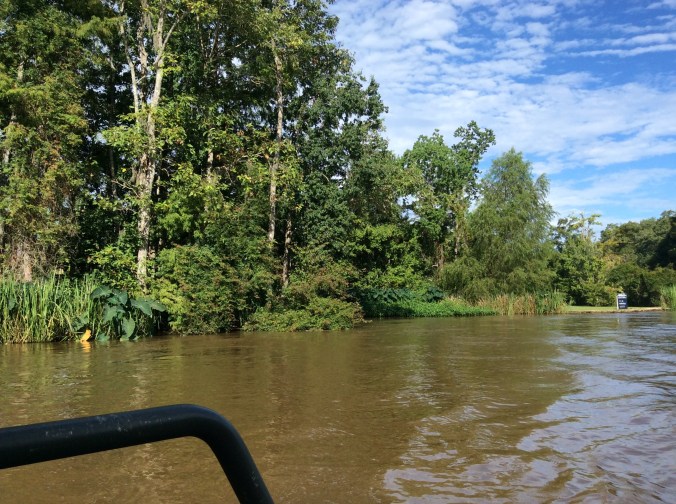
After boarding the boat which holds about 20 passengers, we headed down the Pearl River.  This view looks upriver.

IMG_2748

Many expensive houses rise above the river banks.  You can see the for sale sign.  According to the boat captain, the fancier ones cost about one million.  However, for all the elegant houses, there are more just the opposite and close by.

IMG_2750

Like this one which appears boarded up.  Some appeared abandoned, some in decent repair, some recently used.  When we asked how high the water rose during Katrina, we were told that it would be above the roof of a house like this.  The tours were abandoned for over a year after the hurricane except for the occasional hurricane cleanup crew who wanted a tour.

IMG_2749

This is one of the nice houses along the river, modern, large, well kept.

IMG_2751

We saw a large blue heron, wings outstretched, sunning itself on a large tree stump.  When the captain tried to get closer, it slowly lifted off and flew away before I could get a photo.

IMG_2757

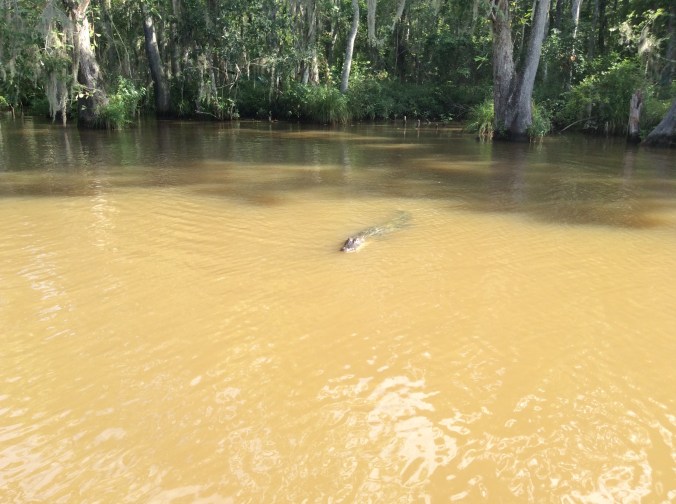
We turned to the right off the river and began to see alligators of all sizes.  Because of harvesting for skins, meat, etc., few really large ones remain.  More common is 8-10 footers.

IMG_2762

Even the boat captain was astonished at the number of alligators we saw.  They seemed to be everywhere and one exceedingly large male followed us deeper into the swamp.

IMG_2764

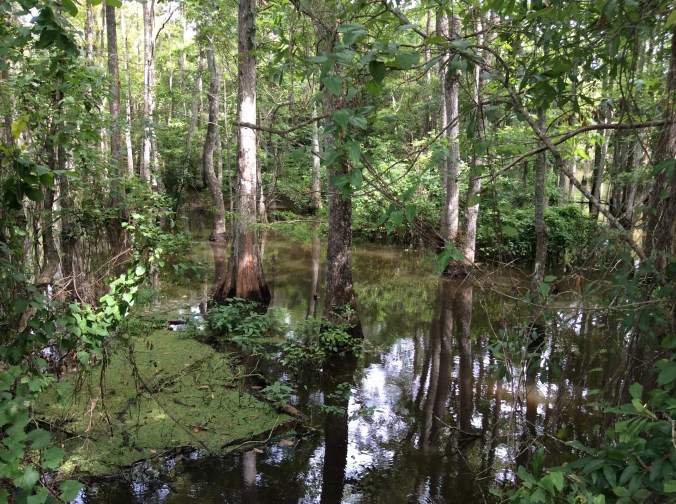
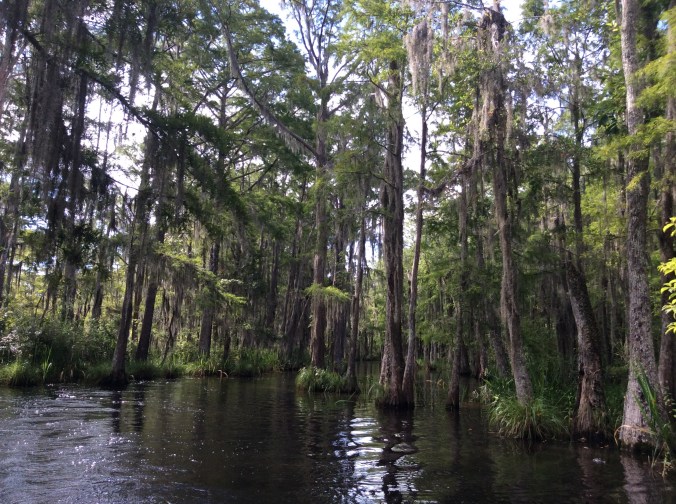
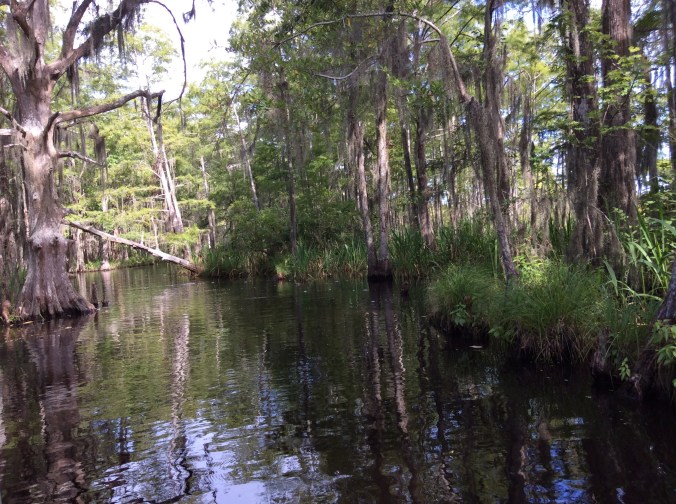
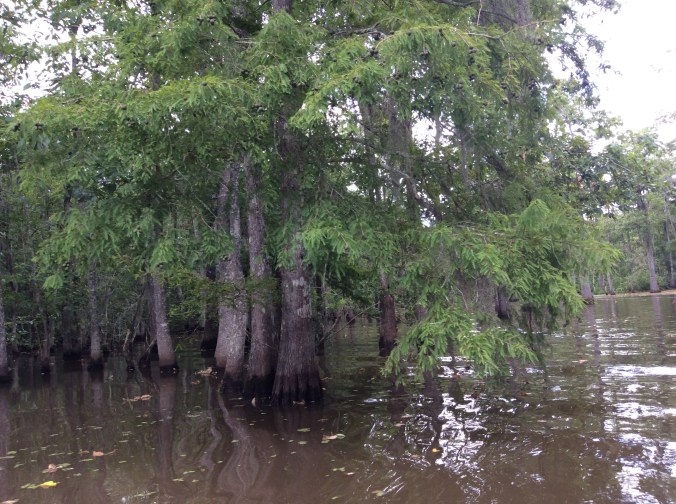
Although the water flows rather rapidly on the river, once in the swamp, the water is very quiet.  Many different types of trees live here including cypress.  Most of the trees are deciduous and lose their leaves in the winter.  I was extremely surprised to learn how cold it can get here, below freezing, sometimes even down in the teens.  However, the captain said it always rises above freezing during the day.

IMG_2765

IMG_2766

Most of the really large cypress have been cut down in the past for lumber.  Now this is a reserve.  The tree on the left is really large and a lot of moss hangs from it.

IMG_2767

Hogs, like these, are not native anywhere in the Western Hemisphere.  It seems feral hogs can live anywhere.  We also saw raccoons.  The trees and other vegetation are so dense during the summer, wildlife could be a few feet away and remain unseen.

IMG_2769

IMG_2772

The swamp possesses a wild, magical beauty.


San Jose, Costa Rica


Two friends are headed to Costa Rica this summer.  While they will join a tour, they have a couple of days in San Jose before the tour begins.  I promised them I would suggest a few places they might enjoy, El Mercado, the downtown market,  the National Theatre, and the precolonial museum which is full of pre-Columbian gold and other ancient artifacts.  It remains my favorite but security there is tight.  To get in, you must surrender just about everything but your clothes.  You get a locker in which to place your valuables; the key to the locker is about all you can take with you.  As a consequence, no photos.  They do have a gift shop with quality items of all sorts including copies of many of the artifacts and jewelry.

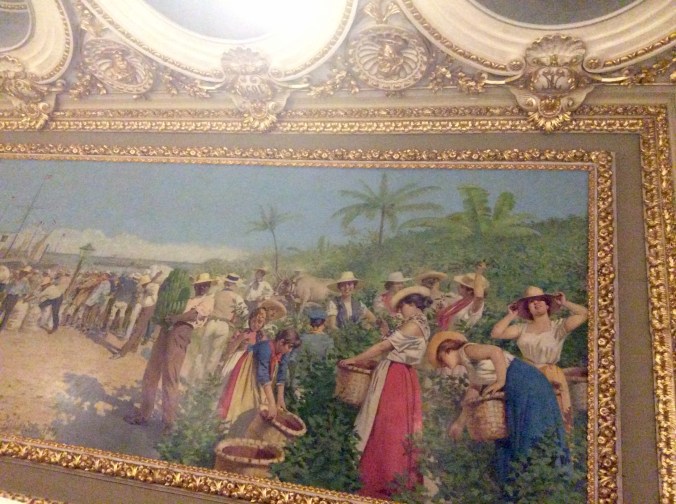
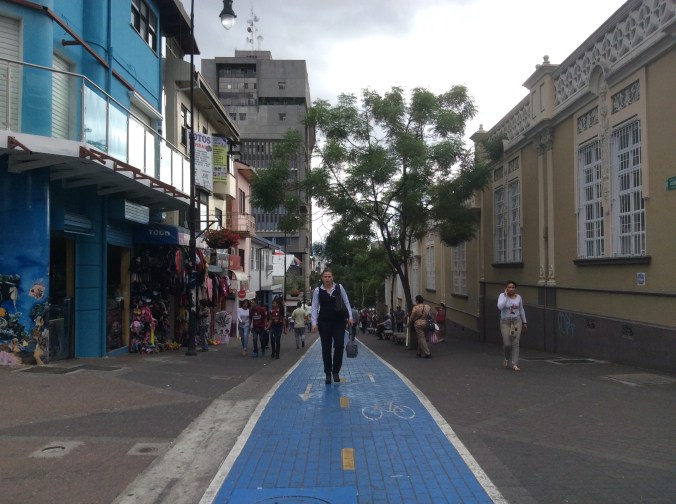
Much of the downtown area is foot traffic only.  Vendors sell various goods on the street, you can wander El Mercado, in which various stalls for goods and food are located, and tour the National Theatre.  Inside the National Theatre next to the main lobby area is a lovely little restaurant, the perfect place for lunch.  The following are photos I took  in the National Theatre about one and one-half years ago.

IMG_1915

IMG_1914

IMG_1921

IMG_1919

IMG_1911

The first photo below is the highway from the airport into San Jose and the second shows a typical downtown pedestrian only area.

IMG_1904

IMG_1912

I have been to Costa Rica in what in the US is summer and also at Christmastime.  Summer here is their rainy season so if you go then, be prepared for rain, sometimes a lot of it.  It is sort of a joke that on the east side of the main mountain chain, it is always the rainy season.  However, I have been there when it did not rain.  Take a sturdy, easy to lug around slicker with a hood because sooner or later it will rain.

The huge advantages of going this time of year are a lot fewer tourists and it is considerably cheaper.


Two Kinds of People


The novel I finished yesterday described one of the characters as “the kind of man who would find his place anywhere because of how he interpreted the world.”  He was the kind of man who saw the world not as a system of barriers but rather a place of common ground, a man with an openness to the world, an openness to the unfamiliar, a man who welcomed the unknown.

This made me think of people I know and how they react, to where they want to travel, if at all, to what they desire to explore, to know.  Many of my friends travel little and rarely, if ever, outside the United States.  Others, like me, desire to visit places and cultures totally different, unfamiliar, to “know” the unknown.

This lead me to question how these two different types of people come to be.  In my case perhaps it started with family road trips, the earliest of which occurred when I was three and my dad drove from northwest Missouri all the way to Monterey, Mexico, and back.  I still love road trips.

Which kind of person are you?  Why?  Is it upbringing, heredity, environment?


Celebrating Earth Day–Photos


I decided the best way I should share my reverence and love for nature and this precious planet on which we live is to share photos from various countries, states, and my own little piece of wonder.

IMG_2641

img_2445

img_2454

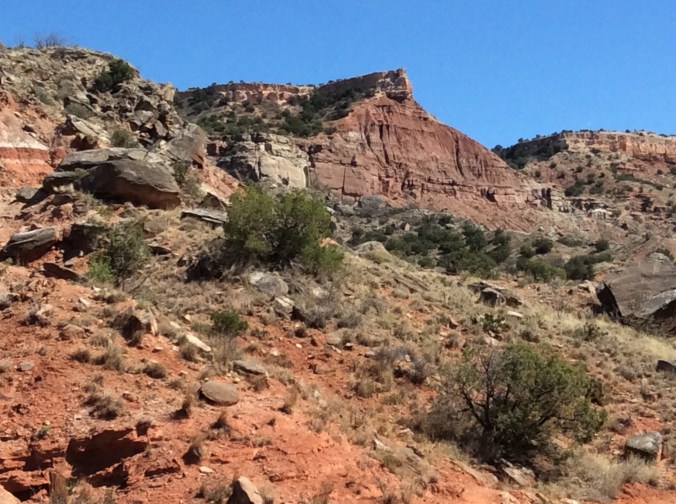
The three photos above were taken at Palo Duro Canyon State Park in Texas about ten minutes from where I live.

IMG_2617

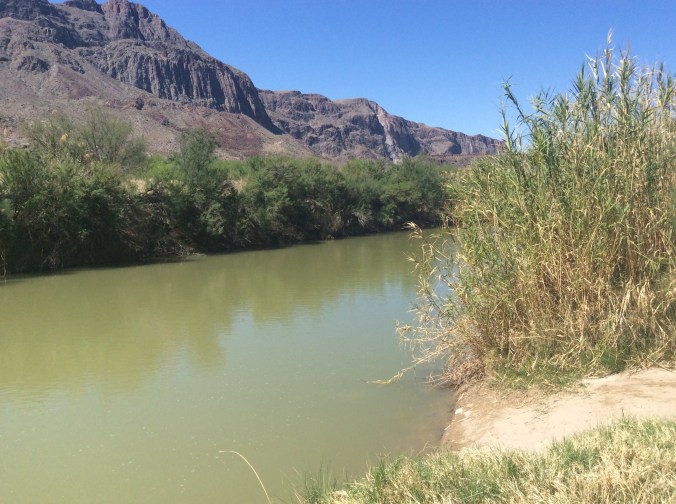
Above and below the Rio Grande looking into Mexico.

IMG_2607

image

image

image

image

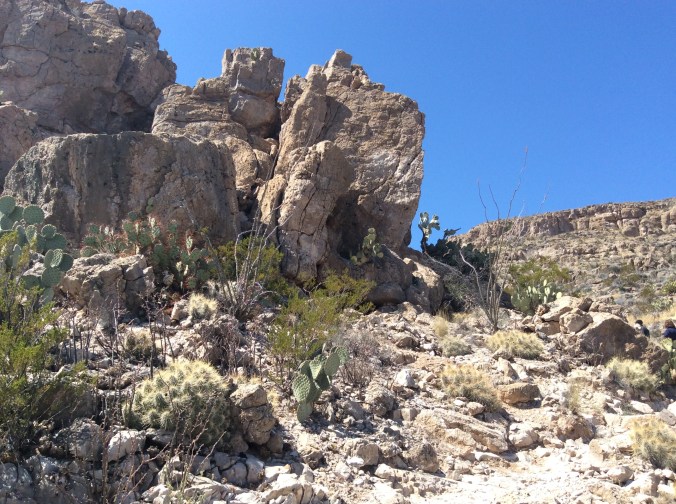
Four photos above — Big Bend National Park.

IMG_2604

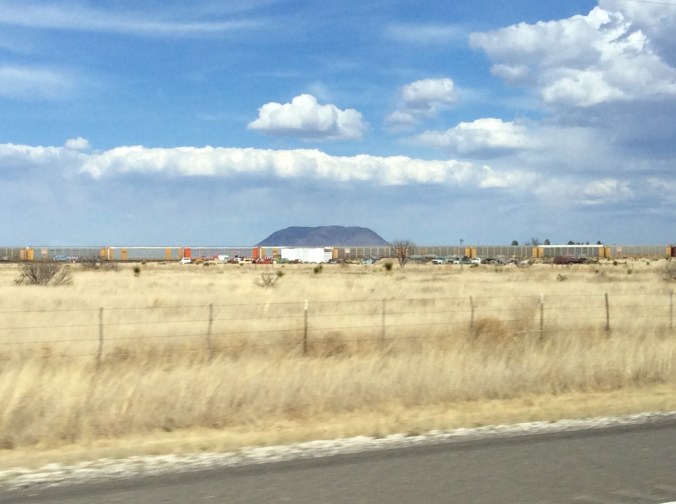
Between Marfa and Alpine, Texas.

IMG_2359

The Rio Grande north of Albuquerque on the Santa Ana Pueblo Nation.

IMG_0577

IMG_0592

IMG_0635IMG_0633

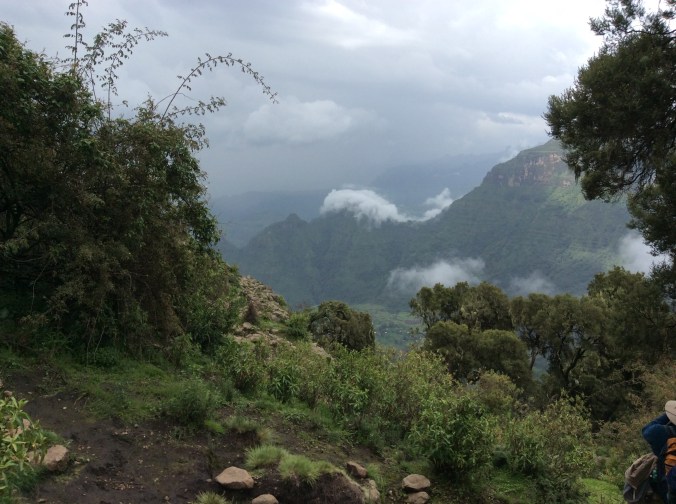
The above four photos taken in Simien Mountain National Park, Ethiopia.  The animals are gelada–the only surviving grass eating primates found solely in Ethiopia.  They actually “talk” to each other.

IMG_0266

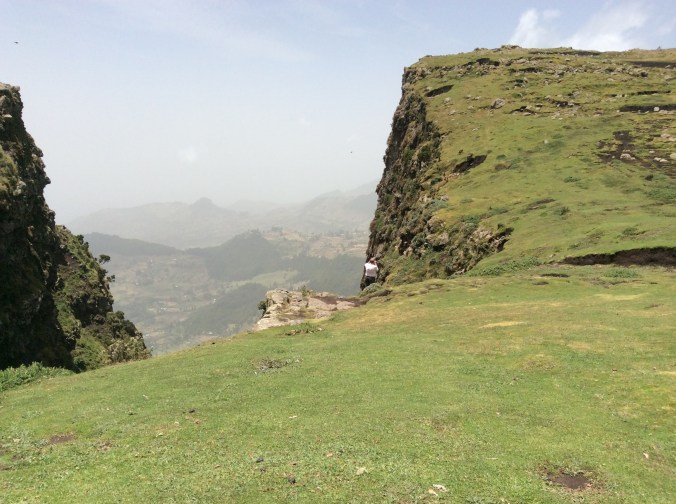
Menelik’s Window, Ethiopia

IMG_1144

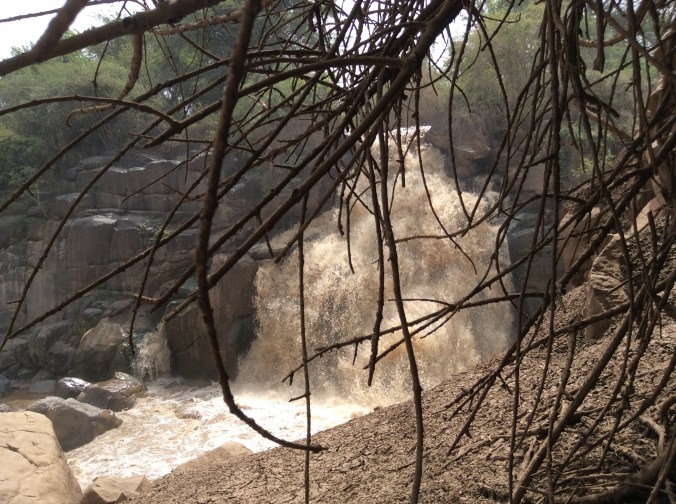
Awash Falls, Ethiopia

IMG_0849

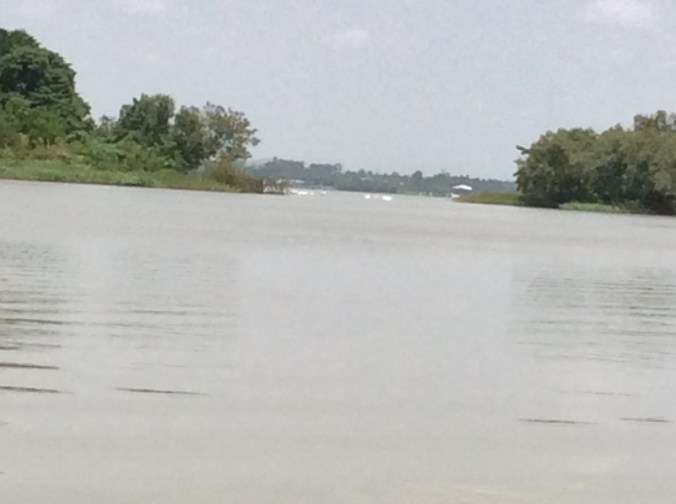
Where the Blue Nile begins draining from Lake Tana, Ethiopia

IMG_2024

IMG_2052

IMG_2070

IMG_1971

IMG_1927

The photos above were taken at various places in Costa Rica.

IMG_1730

IMG_1711

IMG_1718

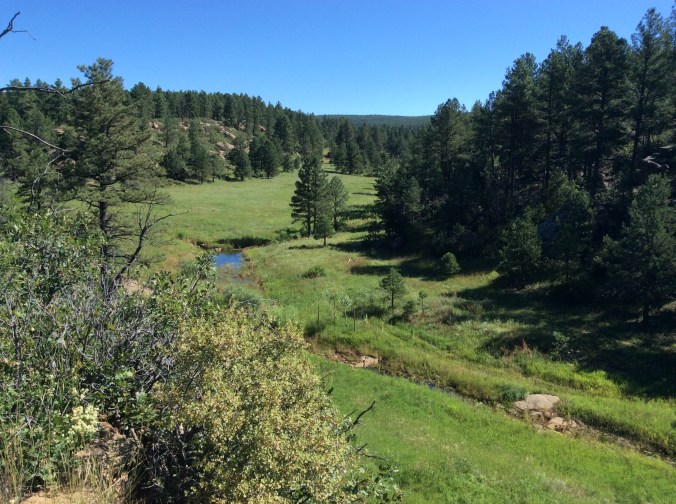
Northern New Mexico

SAM_1195

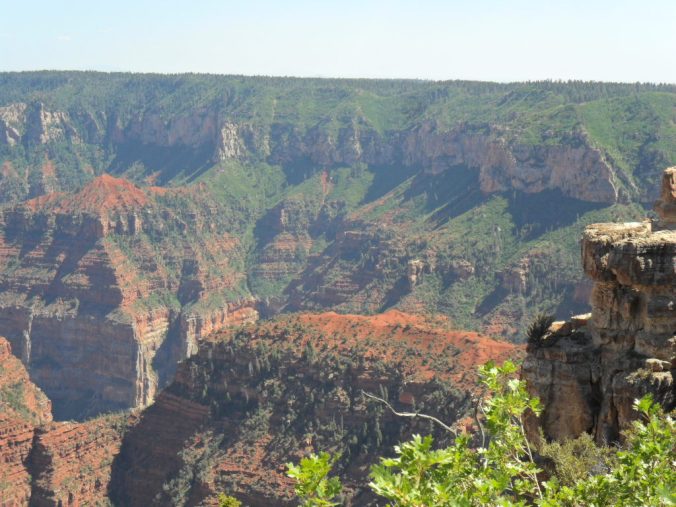
Grand Canyon North Rim

SAM_1139

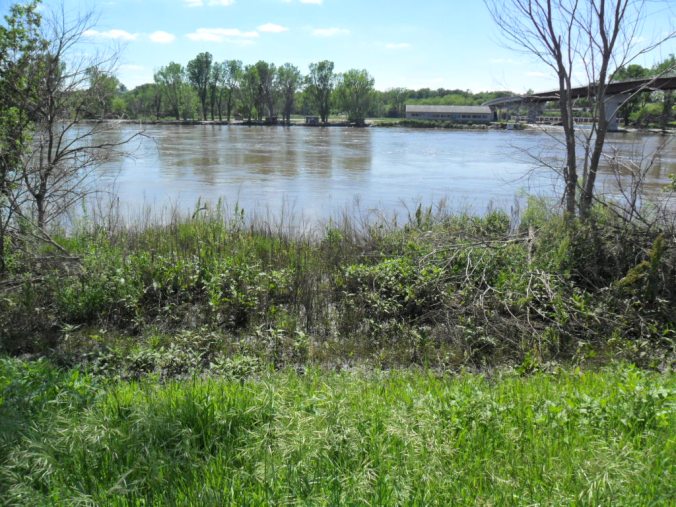
The Missouri River running full.

SAM_1218

California dropping down from Sequoia National Monument

SAM_1342

Near Lake Marvin, Texas

Sunday Sunrise ©Dawn Wink

IMG_1589

IMG_1419

SAM_0483

IMG_2304

IMG_2337

IMG_2323

The above photos were all taken within the last year on my little rim of wonder.

And finally below, my favorite animal.

CA_Cougar24