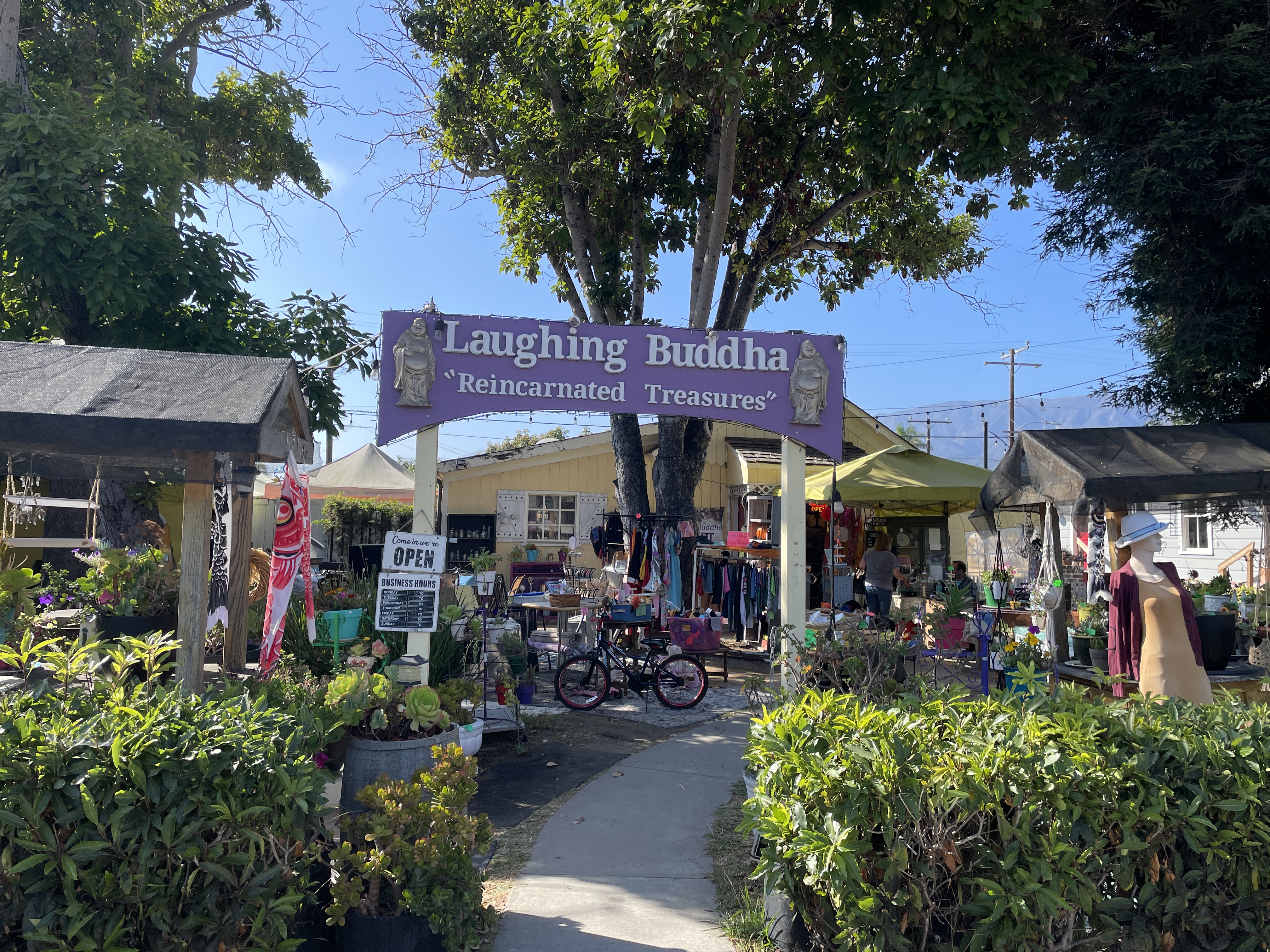
Laid back beach town
Families eating ice cream
Main street organic market
Ocean breezes ruffling hair




Laid back beach town
Families eating ice cream
Main street organic market
Ocean breezes ruffling hair
If you do not want to read history books but want to know some history, many of Isabel Allende’s novels will be perfect for you. The title of this one comes from Pablo Neruda; it is what he called his native land, Chile. Each chapter begins with a quote from several of his poems. The novel begins during the Spanish Civil War; one of the main characters, Victor Dalmau, is a medic for the Republican side. He and Roser, a pregnant young widow who was married to Victor’s brother who is killed, have to escape Spain to save themselves. The novel details their struggles crossing into France, how they are forced to marry in order to board the SSWinnipeg, a ship commissioned by Pablo Neruda to help Spanish refugees emigrate to Chile. With 2000 other passengers they arrive in Chile and make the best of their new life. World War II breaks out and their hope of returning to Spain diminishes.
Victor becomes a successful doctor, their lives become intertwined with that of a prominent Chilean family, Roser becomes a famous musician, traveling back and forth to Venezuela, and the socialist government of Salvador Allende is overthrown in a military coup with the aide of the US. Then Pinochet’s reign of terror comes, once again civil unrest affecting their lives.
The novel demonstrates how little control people sometimes have over what happens to them, how some are better at dealing with adversity than others, and how lies are eventually discovered. It is also a testament to personal character and strength.

Note: Isabel Allende’s father was a distant cousin to Salvatore Allende.
Breezes caress
Scents of jasmine, roses
Rainbow colors



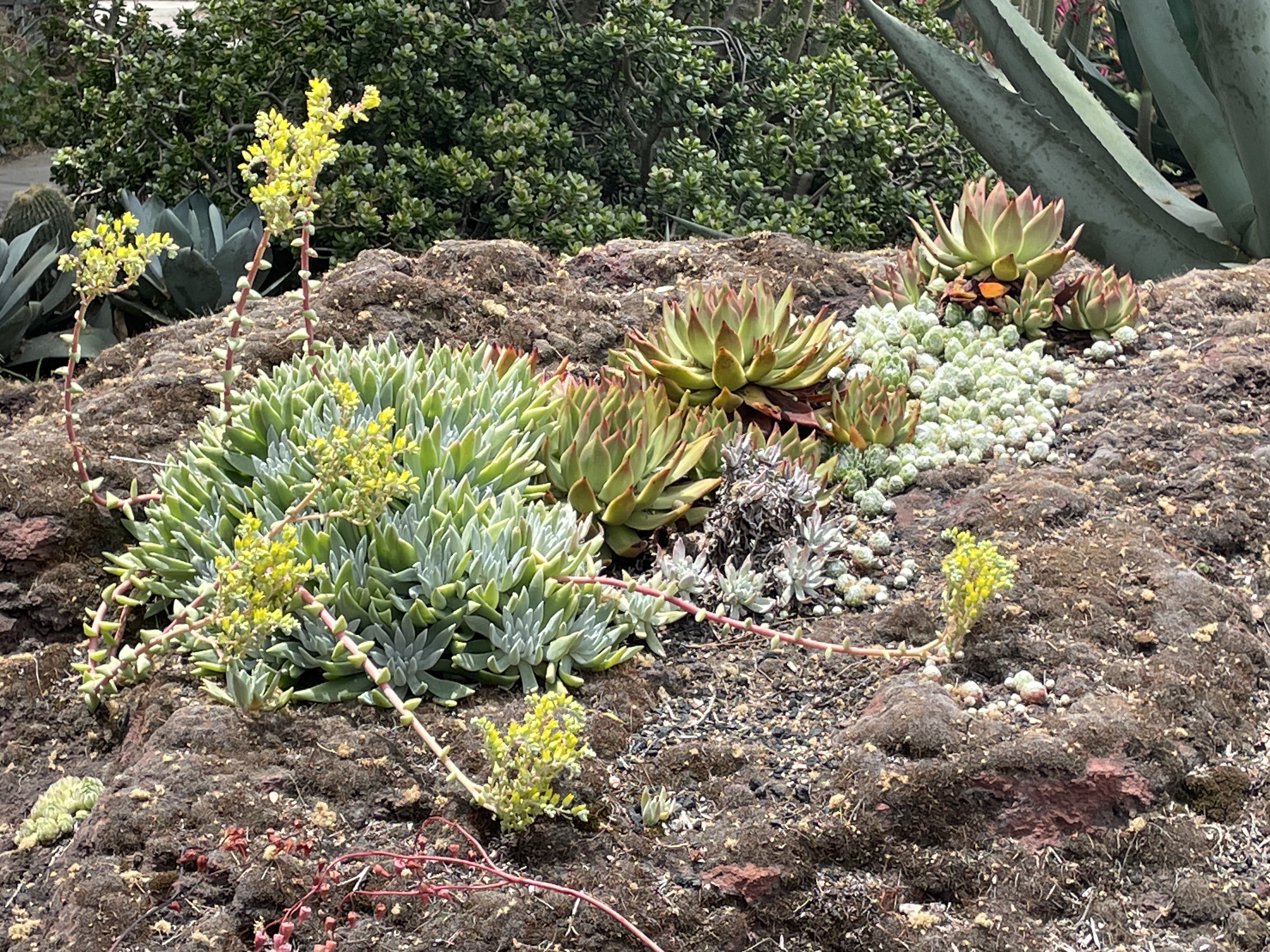
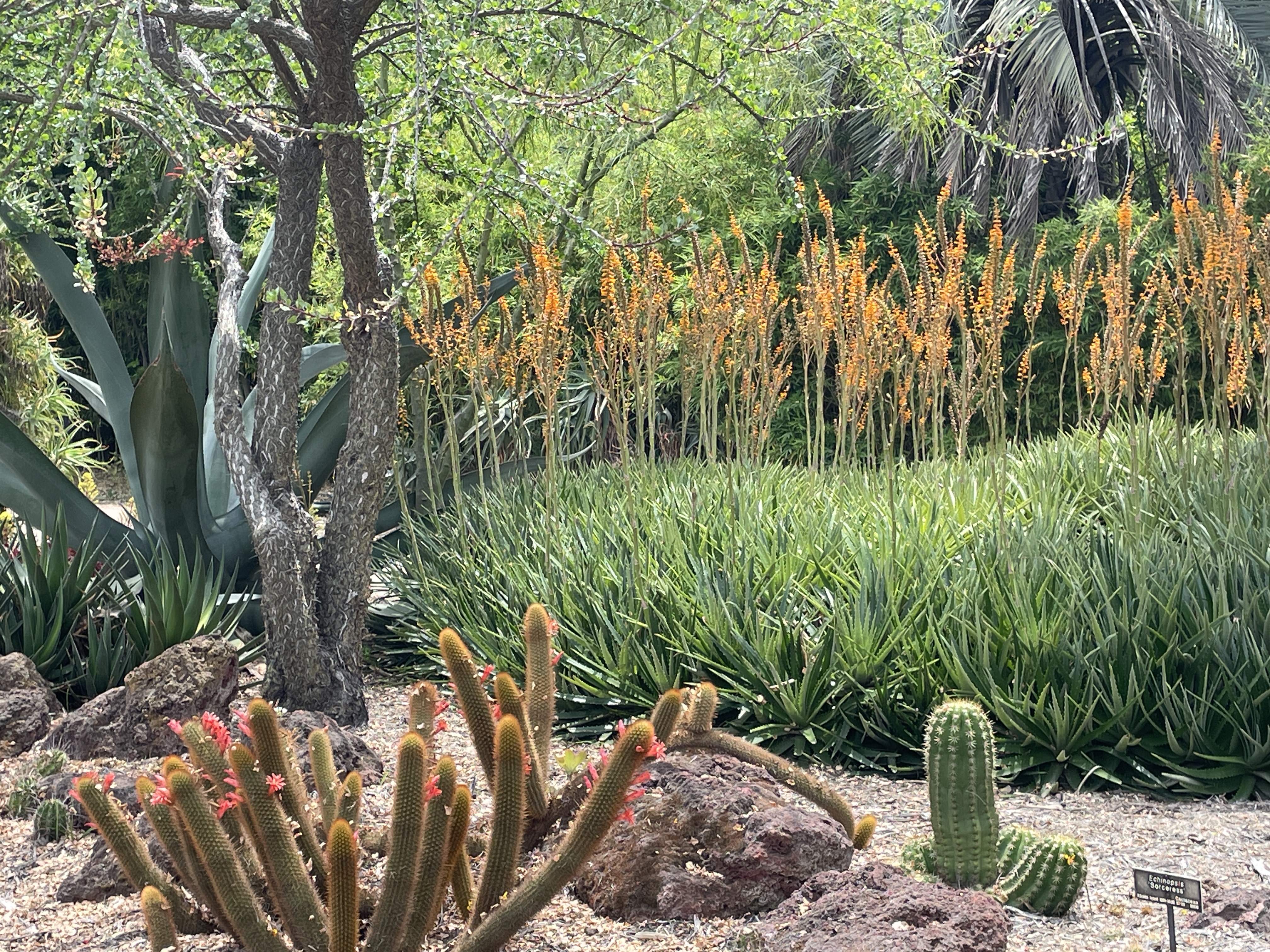
These are growing on a large rock.


Barbara Lewis Duke, pretty, petite, blue-eyed and blond, my
mother, one fearless, controlling woman. Long after Mom’s
death, Dad said, “Barbara was afraid of absolutely on one
and nothing.” They married late, 34 & 38. He adored her
unconditionally. She filled my life with horses, music, love,
cornfields, hay rides, books, and ambition. Whatever she felt she
had missed, my sister and I were going to possess: books,
piano lessons, a college education. Her father, who died long
before I was born, loved fancy, fast horses. So did she. During
my preschool, croupy years, she quieted my hysterical night
coughing with stories of run away horses pulling her in a wagon.
With less than one hundred pounds and lots of determination,
she stopped them, a tiny Barbie Doll flying across the Missouri
River Bottom, strong, willful, free.
Note: This was first published in an anthology and later in my poetry memoir, “On the Rim of Wonder.” My mom loved the color pink and roses, had a rose garden. In the summer there were always crystal bowls on the dining table with roses floating. Today I have roses floating in two stemmed crystal bowls in my kitchen.

Last year I read her novel “Gilead” which takes place in fictional, small, Iowa town in which the main character is the father of the main character in this novel, “Jack”. John Ames Boughton, Jack, is the wayward son of a Presbyterian minister. Previously, he has been wrongly imprisoned for a theft he did not commit. He loves literature, especially poetry. He lives off of odd jobs, drinks too much, smokes, and is somewhat of a lost soul who continuously philosophizes about live, religion, and societal rules. One day he sees a woman walking in the rain. When she drops her bundles on the sidewalk, he helps her. She thinks he is a preacher because of the way he is dressed and invites him in for tea. She is Della Miles, a teacher and the daughter of a Black Methodist minister. This is the story of interracial love when it was still illegal in the US, the lengths they go to resist and hide it, and the reactions of her family. Reading this, one realizes how it was not that long ago that most of the US was not only segregated, but sometimes even talking to someone on the sidewalk from another race could get a person into trouble with the police.

This Omani author has won prizes for his fiction. Only a few of his books have been translated into English. This one takes the reader into the remote villages and mountain regions of the interior of Oman. Azzan, the main character, had received highest honors as a child and teen for his academic excellence but fails to win a coveted scholarship to travel abroad for college. His father, who is mainly absent during his growing up, berates him, and Azzan turns to alcohol and addiction. Eventually, he saves himself by becoming a beekeeper. He finds solace in the more remote, wild regions rather than the narrow confines of village life which is controlled by gossip and tradition.
In these wild areas he meets two other men. Although they do not keep domestic bees, they go camping together in the far mountain areas hunting for the prized honey from wild bees. One of these men is a Bedouin who trains prized racing camels. Through him and his wife and friends, he learns how much freer Bedouin culture is compared to that of the settled villages. He learns to dance and talk more freely with women. While in one remote area, he meets a woman, Thamna, who too has escaped the traditional village life and roams the wadis and mountains with her herd of goats always looking for better pasture. He becomes obsessed with her, always on the outlook as he keeps his bees and roams the interior of Oman hunting bees.
This story is not only about Azzan, but also his friends, traditional Omani village life, bee culture, and Bedouin life. For those interested in bee keeping, the author provides detailed descriptions of bee keeping. The language is poetic and infinitely descriptive. I could feel the wind, smell the different wild flowers and the taste of the honey created from them, see the Bedouin dancing, and feel Azzan’s heartbreak when disaster hits.
Although this novel describes a culture far different from that of the US and Europe, I found some things not all that dissimilar: the strict rules of small town life, the greater freedom found in nature, how people develop and lose interpersonal relationships. The language used makes the reader feel there in the moment being described. Plus I learned that bee keeping is very labor intensive and wrought with many things that can go wrong. I eat honey daily and now will have a greater appreciation of what goes into its production and harvesting.
Hope is the delusion of the oppressed.
It is buzzards watching, waiting in the trees,
laughing.

Taste the honey on your tongue
avocado, dark brown
clover, golden
so many shades, textures
sweetness
pleasure
Feel the breeze caress your cheeks
bringing scents
honeysuckle
lilacs
peach blossoms
pleasure
Touch the silken fabric of your scarf
wind softness around you
midnight and snow
rainbows
desert sunsets
pleasure
Listen to the birds outside your window
mockingbird love songs
a rapture’s scream
the whir of hummingbird wings
emerald, indigo, grey
pleasure
Look at flowers blooming everywhere
crimson bougainvillea
roses, sunshine colors
pale pink, vermillion
beauty
pleasure
Sing a song of Gratitude

I am a bit behind so decided to share three poems I wrote more than ten years ago about my favorite animal obsession, pumas. These poems were first published in my poetry memoir, On the Rim of Wonder, which is available on Amazon and Barnes and Noble.
I
My neighbor walked out her door
found a puma lying in the lawn.
Puma rose, stretched, disappeared.
At night when I open my gate
I wonder if she lurks
behind the cedar trees,
Pounce ready.
My daughter dreams puma dreams:
a puma chases her up a tree.
There are no trees here big enough to climb.
A Zuni puma fetish guards my sleep.
I run with puma
Night wild
Free.
I scream and howl
Moonstruck
Bloodborn.
I hike the canyon,
stroll around my house,
look for puma tracks.
I see none.
I would rather die by puma
than in a car wreck.
II
I watch for eyes, blue changing to amber and back.
I put my palm, fingers stretched to measure, into the footprint.
Too small, bobcat.
No puma.
My thin body squeezes between the rocks,
climbing quietly down the cliff.
Watching, listening, searching.
No puma.
Pale amber rushes across my vision line.
My heart quakes.
I watch; I wait.
It is Isabella, a golden whir chasing rabbits.
No puma.
At sunrise, I walk the rim,
watching.
At sunset, I walk the rim,
waiting.
At night, I walk the rim,
dreaming.
No puma, not yet.
III
I want
to walk
with you
in my dreams
scream your screams
feel your blood
rushing
your heartbeat
mine
soft golden fur
wound in my hair
your amber eyes
glowing
through my brown
death defying
together walking
moonlit
wild
free

Note: My puma obsession continues. This painting and several others of pumas hang in my house. I now have two puma Zuni fetishes. I hike in the mountains hoping to see one in the wild.
If you have ever felt enchanted by a trip to Rome, you will find this memoir delightful and informative. It made me want to return just to stay a while, wander around, visit the more obscure places Doerr describes, people watch, eat, and drink local wine.
In 2007, Anthony Doerr, the 2015 Pulitzer Price Winner, won the Rome Prize to become a fellow at the American Academy in Rome. He and his wife, Shauna, moved to Rome with their newborn twins, Owen and Henry. This memoir memorializes the four seasons they spent living there. They learn to care for babies; wander throughout Rome visiting tourist sites, local restaurants, the butcher, the baker, the toy store; learn enough Italian to acknowledge all the Italians who stop to admire the babies; and attend the vigil for the dying Pope John Paul II.
While there intending to write his later novel (the one that eventually won the Pulitzer) and failing to do so, he does manage to write a short story which I have read in one of his collections and to read everything by Pliny the Elder. His discussions about his readings makes me want to read some of Pliny the Elder myself. As in his short stories and novels, Doerr’s descriptions, language, and observations delight and enchant. This is a wondrous book about one of the world’s oldest and most fascinating cities which he calls, “a Metropolitan Museum of Art the size of Manhattan with no roof, no display cases…

Travel the World 4 Less
A Glimpse into My Life & Passions
Ceto-Magoism, the Whale-guided Way of WE in S/HE
Exploring the F-word in religion at the intersection of scholarship, activism, and community.
ANCESTRAL FOOD. HERBAL WISDOM. MAGICAL COOKERY. SEASONAL CELEBRATION.
inesemjphotography
politics, engineering, parenting, relevant things over coffee.
Food is the best expression of every emotion. Explore through my reviews, recipes, events and more.
Smile! A Site for Friends Wherever You Are!
inspiring personal growth through poetry and writing
Combining atheism with whimsy. This is a Fair and Balanced blog based on opinion unencumbered by fact.
Odds and ends ~ My Life
Original poetry, commentary, and fiction. All copyrights reserved.
bripike@gmail.com
A wildlife filmmaker in Africa
A Geeky Feminist's Musings On Pop Culture
"5 minute walks"
 writingontherim