I Live in Beauty on the Rim


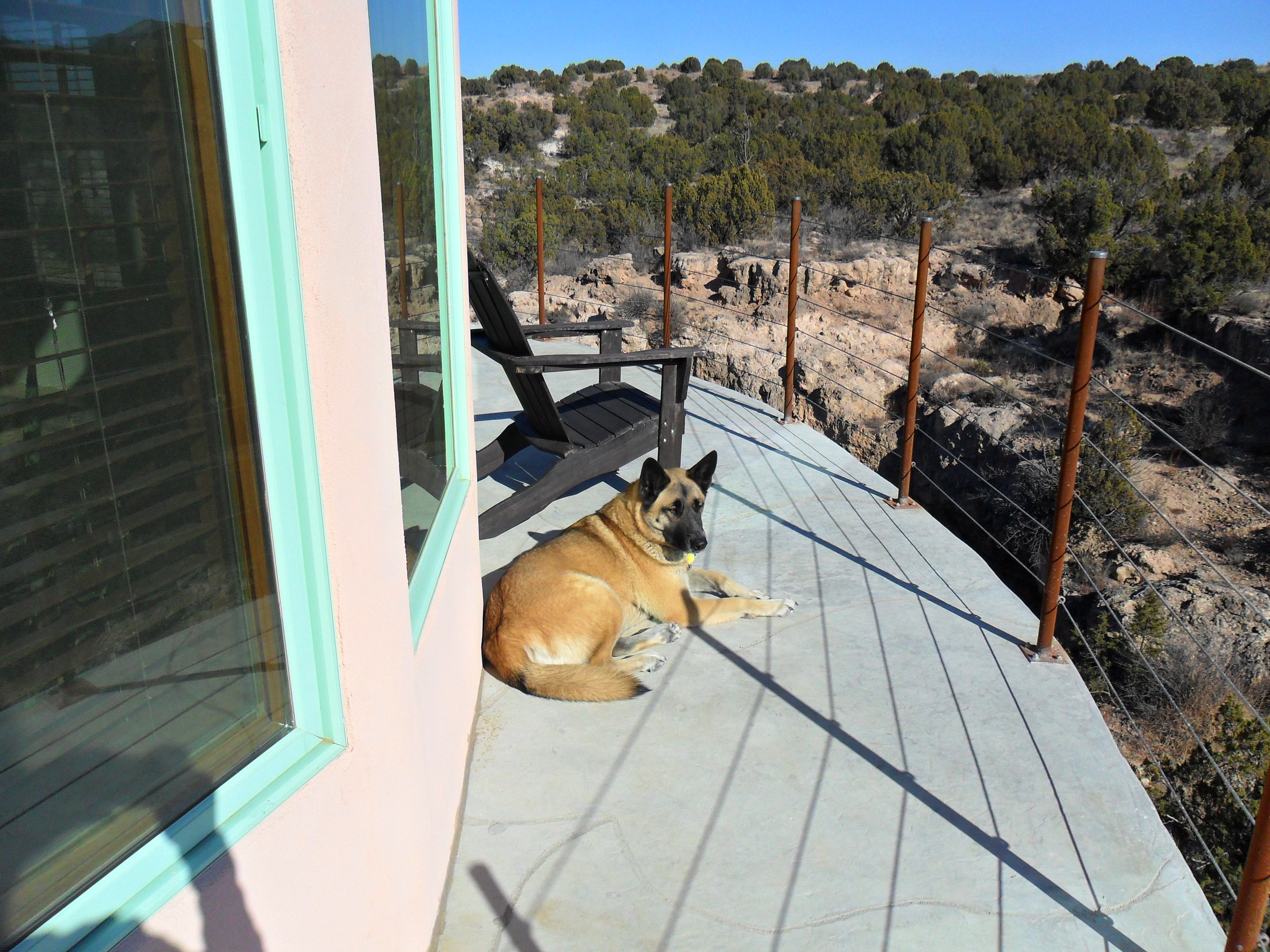
A number of years ago I lived on a canyon rim in the Panhandle of Texas, a side canyon to Palo Duro Canyon, the second largest canyon in the country. I wrote this poem when I lived there.

The canyon edge looms out my bedroom windows,

pale adobe, stark.

Fall to death or serious injury.

I will not fall; I love living on the edge.

Rain brings a one hundred foot deluge,

roar of water, red adobe, cascading, screaming.

Someone said my house is pink; it is not pink.

Color of canyon, worldwide color,

Moroccan, Pueblo, Saudi, Mali, Navaho, Timbuktu,

desert alive and lovely.

Everywhere.

Three bucks watch me through my bedroom windows.

They see me move; they stare.

Isabella stands, rigid, watching…what?

I kneel to her level, follow her eyes.

Bobcat casually climbs the canyon wall, impervious.

He marks the juniper tree, walks a deer path,

disappears, secretive, rarely seen.

The huge hoot owl’s voice echoes down the canyon,

drifting into my dreams.

A young roadrunner calls, scratchy voice,

running across the patio–on the edge.

In spring the mocking bird sings all night,

“This is my territory.”

I sing all year, full of joy!

Too Many Names


They have spoken to me of Venezuelas,

Of Chilies and Paraguays;

I have no idea what they are saying

I know only the skin of the earth

and I know it is without a name.

Pablo Neruda

Book 33 for 2026: “The Stationery Shop”, Marjan Kamali


I said I was going to read all her novels. This one is the middle novel but they are not a series. The time span in this one goes from 1913 to 2013. The political events are more detailed in this novel, including how the toppling of Mossadegh by the Shah’s forces and Britain and US, the later revolution, and the Iran-Iraq War affects various characters and their families. The novel’s title comes from the stationery shop owned by Mr. Fakhri where the other two main characters in the novel meet when both are 17. They love books and fall in love via their visits to this shop. Then the events of 1953 occur, family’s histories create havoc, and people’s pasts catch up with them in unexpected ways.

This novel also goes into greater depth about how Persian traditions affect lives, how much social class matters, arranged versus love matches, modern families versus more traditional families and how all these issues affect individual lives for better or worse. As in the others, the reader learns a lot about Persian food with some details as to how to make various dishes–no recipes, just descriptions. My reaction to the events and characters in this novel were stronger than for the others. I would even call this novel a sort of tear jerker if you are inclined to react emotionally to what you read.

Note: I recommend all three of her novels. They are entertaining, well written, and an excellent way to learn a lot about the last 80 or so years of Iranian history that still affects all of us.

Delights 6


Redwood tree absorbs the mist.

Jasmine fragrance fills th air.

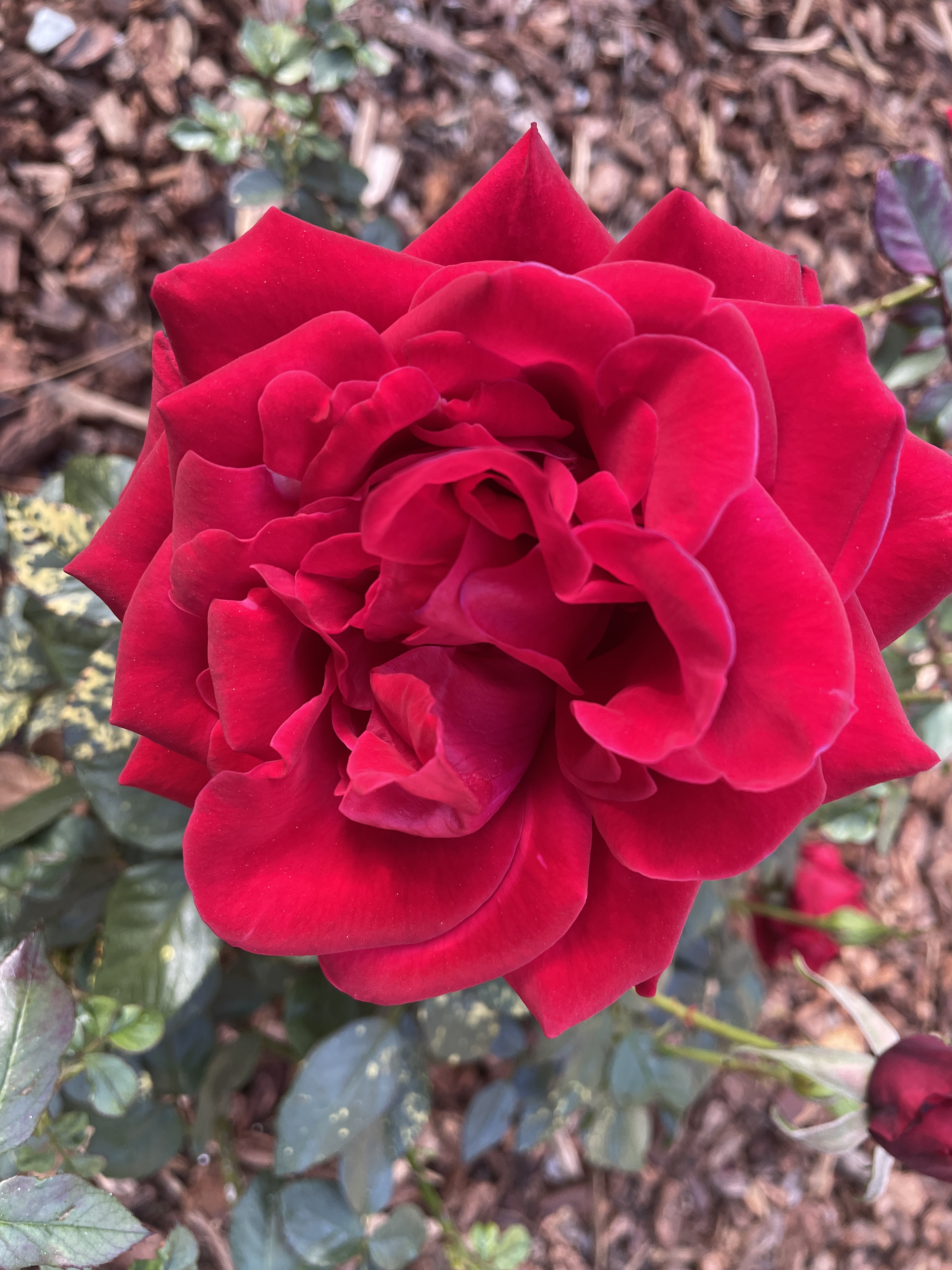
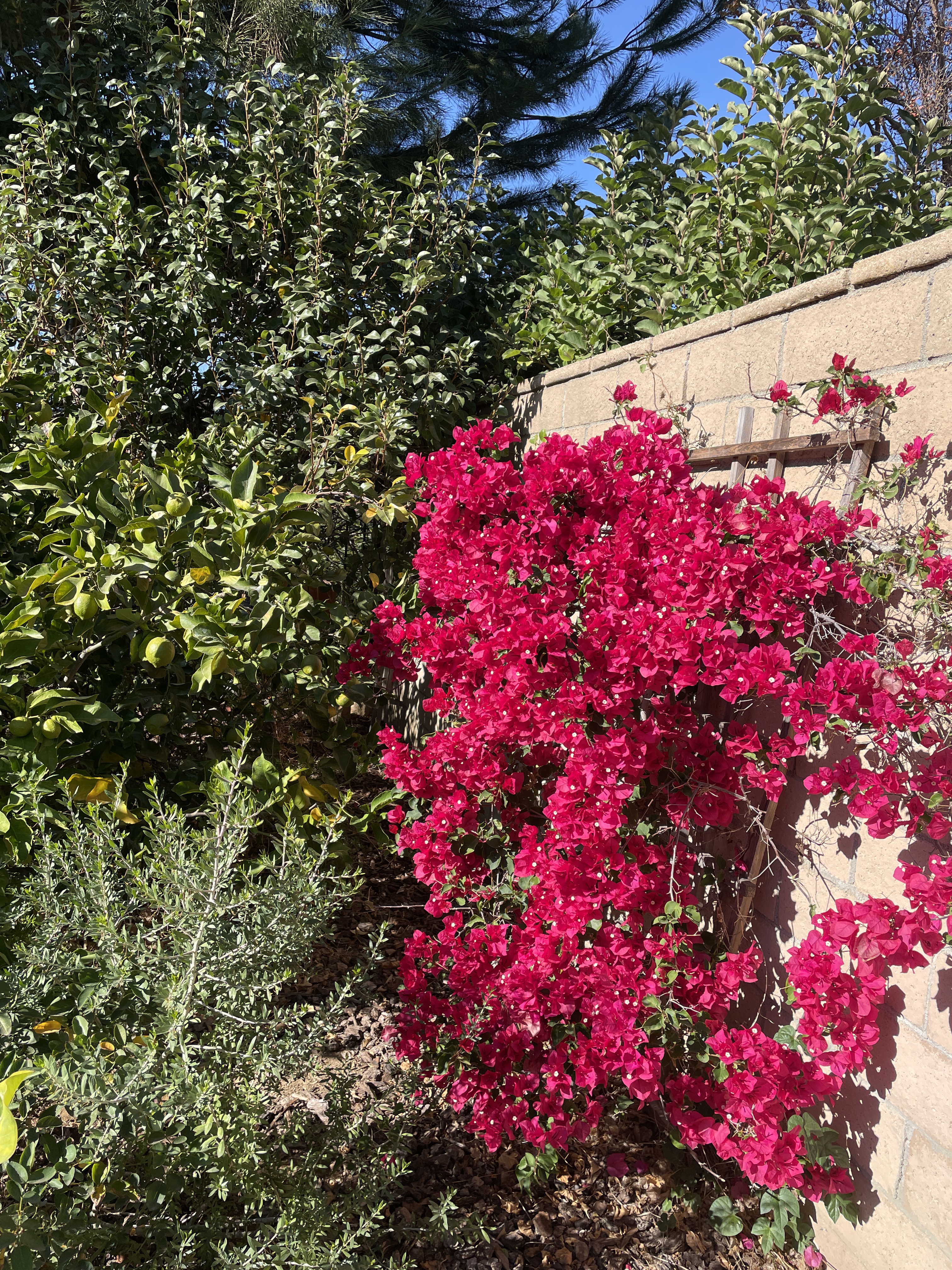
Scarlet, hot pink, peach, orange and multicolored

rose blooms grace the garden wall.

Hummingbirds drink nectar from the feeder

in the lilac bush.

Morning joy.

Delights – 5


reading,

listening to birds

the gurgling of water,

looking up to watch

four hummingbirds challenge

each other at the feeder, and

I notice I’m surrounded by flowers

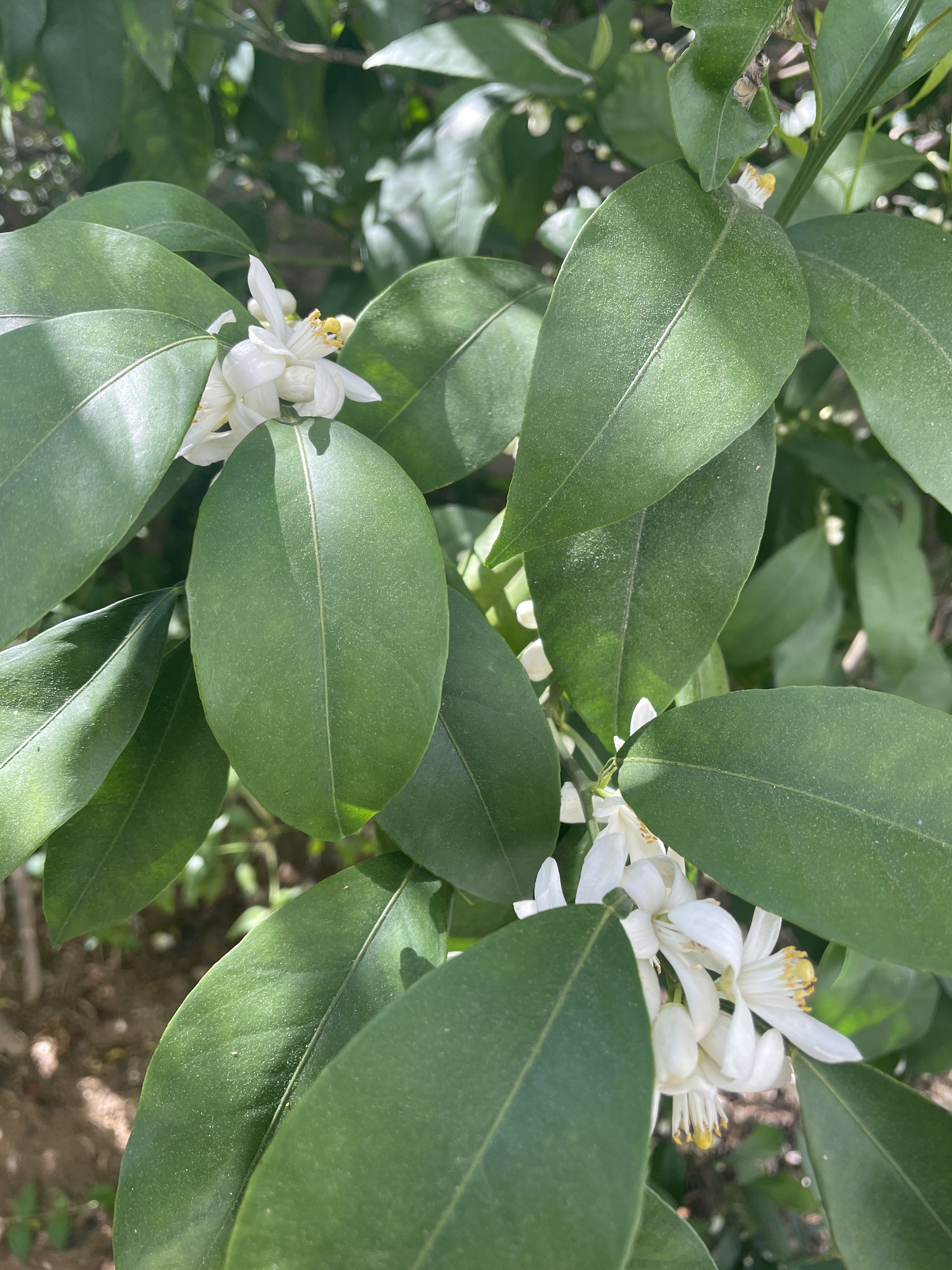
and the scent of orange blossoms.

Book Six for 2026: “THE BOOK OF (MORE) DELIGHTS,” Ross Gay


As I mentioned in a previous post, his books on delights were mentioned to me by two different people in two totally different settings so I decided to stay sane in all the seriousness of my life, reading something lighter might be a good thing to do. I guess I was thinking delights like flowers, food, etc. but this is more like a series of short essays about life all written in the span of one year–his gardening, experiences strolling around his neighborhood and favorite coffee shops, food, his parents, his wife, some personal history, his experience as a college professor, children. However, he also addresses serious issues–his meeting a homeless veteran just out from a stint in a mental facility and how he was compelled to help out after first driving off, racism he has experienced, his issues with the government and social media, family death, and life in general. And above all, what it means to him to identify as a poet.

Delights–2


As a person who works with high school students mostly non-white, many of whom have family members who are undocumented, I worry and need to find daily delights to stay sane. I decided to make a list of some of the past week’s delights:

-afternoons 70 degrees, sunny, no wind

-hummingbirds sipping nectar from both flowers and the two feeders

-singing a song the lyrics of which come from a poem by Langston Hughes where he dreams a world with no racism

-sitting on the back patio, listening to birdsong while I read a book about delights

-learning that all the rains have eliminated drought in California

-appreciating all the colors of the flowers blooming in my yard

Book Four for 2026: “Playground”, Richard Powers


Another intriguing novel by an author who has won both the Pulitzer and the National Book Award. Initially the four main characters do not seem to have any interactions with each other. 12 year old Evie’s life is changed forever when her father, the inventor of the first aqualung, makes her submerge in a pool to prove it works. She becomes one of the world’s most famous divers and oceanographers. Ina, an artist, grew up in US naval bases all over the South Pacific and eventually finds herself at a university in Illinois. Rafi, a genius black child, is pushed by his dad to apply to a private Jesuit high school where he meets Todd, a rich kid whose whose family provides scholarships to the school. The two become best friends in spite of different interests. Rafi loves literature and Todd loves computers. They bond over a thousands of years old Chinese game with which they become obsessed. They become roommates at the same university where Ina is a student. The three become best friends.

Decades later all these lives become intertwined on an island in the South Pacific–Makatea in French Polynesia, an island where the harvesting of giant phosphorus deposits nearly ruined it while furnishing the rest of the world with fuel to make planets grows faster and better and feed the world. Because of Evie’s obsession with the sea, I learned enormous amounts about the ocean and the varied animals that live there, some of which I had never heard of before. Because of Todd’s obsession with computers and his invention of an AI game, I learned a lot about how gaming works and how people become addicted. For Rafi, the agony and anger of often being the one left out, the one seen as the smart Black kid, and the only one in many circumstances affect how he views the world and himself and where life eventually takes him. From his character I learned new things about literature and how books and writing affect people and their relationships.

I could not stop reading this book. Years ago, when it first came out, I read the author’s novel, “The Overstay”. While the topics and characters are totally different, in some ways this novel reminded me of that story, of how our lives are often intertwined in all sorts of ways we never expected.