
horses, running, bucking
storms coming
later, calmly graze together
a lesson


horses, running, bucking
storms coming
later, calmly graze together
a lesson
w
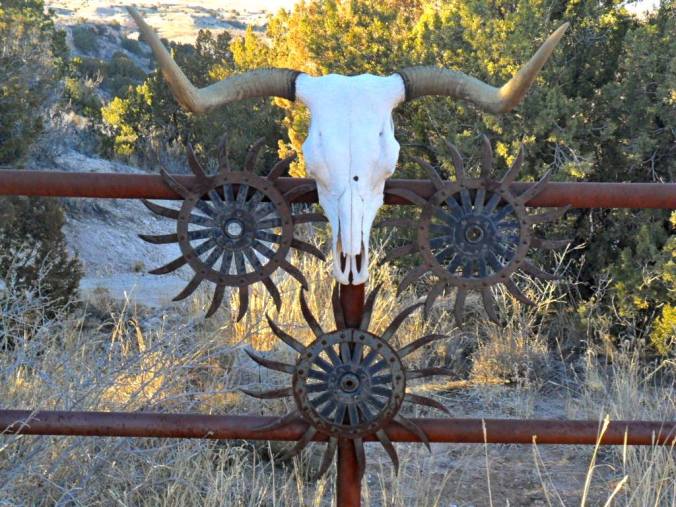
Years of bones piled up. Cattle–calves, yearlings, the old–heaped 100 yards
northeast of the ranch house, upwind from the summer, southwest prevailing
winds. Mostly black baldies, a few Charolais. Old bones bleached white,
disintegrated. Some new bloated bodies rotting, nauseating. Others just sundried
hide stretched over skeletons. Drug here by tractor, the dead. Shipping fever, parasites,
drought, extreme weather.
A ranch’s history written in bones.
listen to birdsong
walk to barn
feed Rosie
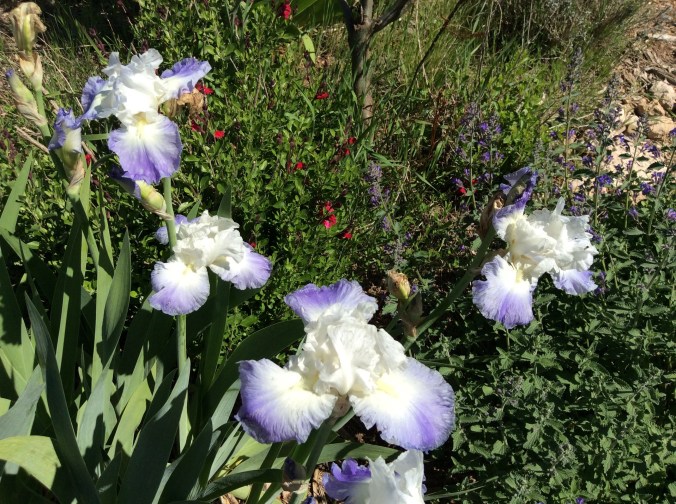
photograph flowers


desert birds of paradise
lavender, catmint, Mexican hats, feather grass
early summer Joy

Slaves today outnumber all the past,
more than thirty million.
Eleven year old girls,
locked in motel rooms, never see light,
told you’re a whore, worthless, until
they believe it.
Respectable hotels, brothels in disguise.
Senegalese boys chained in hovels, fake
madrassas, sent to beg on streets.
Texas parents of three daughters, forcing them
into prostitution for drugs. Everyone knows;
no one can catch them.
Famous men running sex slave rings, immune
from prosecution.
Young women who think all men watch
pornography; it’s normal.
Innocence promised, endlessly betrayed.
People as commodities.
Warm summer raindrops on my face
Crimson cardinal drinking in blue birdbath
Feather grass waving in the wind
Last lavender and white iris before first frost
Cups of coffee from Chiapas at 6 in the morning
The sunning rattlesnake lying by my feet
Horses running wild and free
Facebook messages from friends far away
Waterfall’s roar after the thunderstorm
Night songs–coyote, cricket, nighthawk, frogs, hoot owl
Life

This poem praises my mother. It is page 17 of my memoir in poems, “On the Rim of Wonder”. It seems appropriate to republish it here for Mother’s Day.
Barbara Lewis Duke, pretty, petite, blue-eyed, and blond, my mother,
one fearless, controlling woman. Long after Mom’s death, Dad said,
“Barbara was afraid of absolutely no one and nothing.” They married
late: 34 and 38. He adored her unconditionally. She filled my life
with horses, music, love, cornfields, hay rides, books, ambition. Whatever
she felt she had missed, I was going to possess: books, piano lessons, a
college education. Her father, who died long before I was born, loved fancy,
fast horses. So did she. During my preschool, croupy years, she quieted my
hysterical night coughing with stories of run away horses pulling her
in a wagon. With less than 100 pounds and lots of determination, she
stopped them, a tiny Barbie Doll flying across the Missouri River Bottom,
strong, willful, free.
Who would think that a Mexican woman who wrote poetry more than three hundred years ago would have anything applicable to today’s political arena? About one and one half years ago, my daughter returned from a business trip with a little gift, a translation of Sor Juana’s work. It is not the sort of literature I sit down and read all the way through. It is deep, questioning, the sort of literature you savor here and there. A few minutes ago I opened the book once again to read one of her ballads–typically referred to as romances. However, this is not exactly a romance. It reads:
“One who is sad criticizes
the happy man as frivolous;
and one who is happy derides
the sad man and his suffering.
The two philosophers of Greece
offered perfect proofs of this truth;
for what caused laughter in one man
occasioned tears in another.
The contradiction has been framed
for centuries beyond number,
yet which of the two ways was correct
has so far not been determined;
instead, into two factions
all people have been recruited,
temperament dictating which
band each person will adhere to.”
This is only a small portion of the ballad. It is ballad 2 in the translation by Edith Grossman. The introduction to the book is by one of my favorite authors (I have read all her books published to date), Julia Alvarez.
touch sky
reach stars
sing to moon
dance in rain
whirl with wind
be bold, brave
make life matter

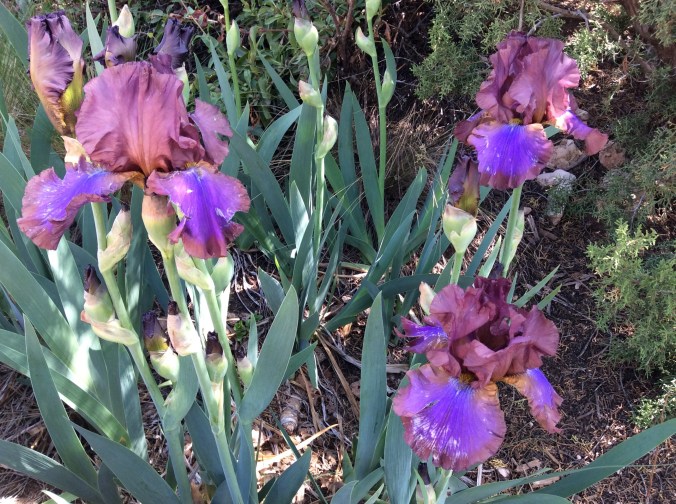
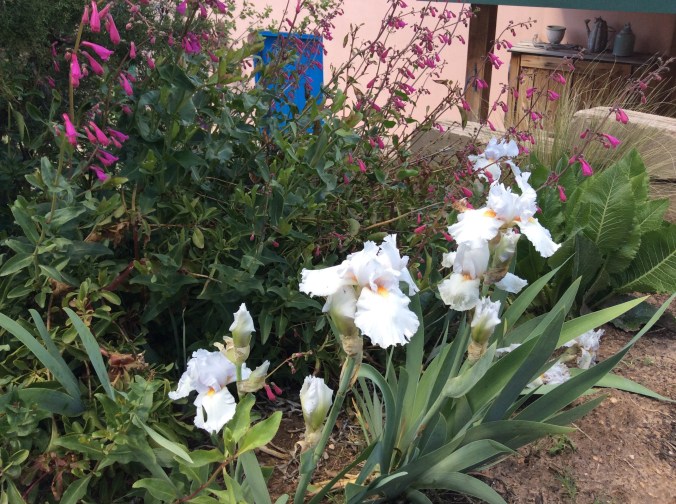
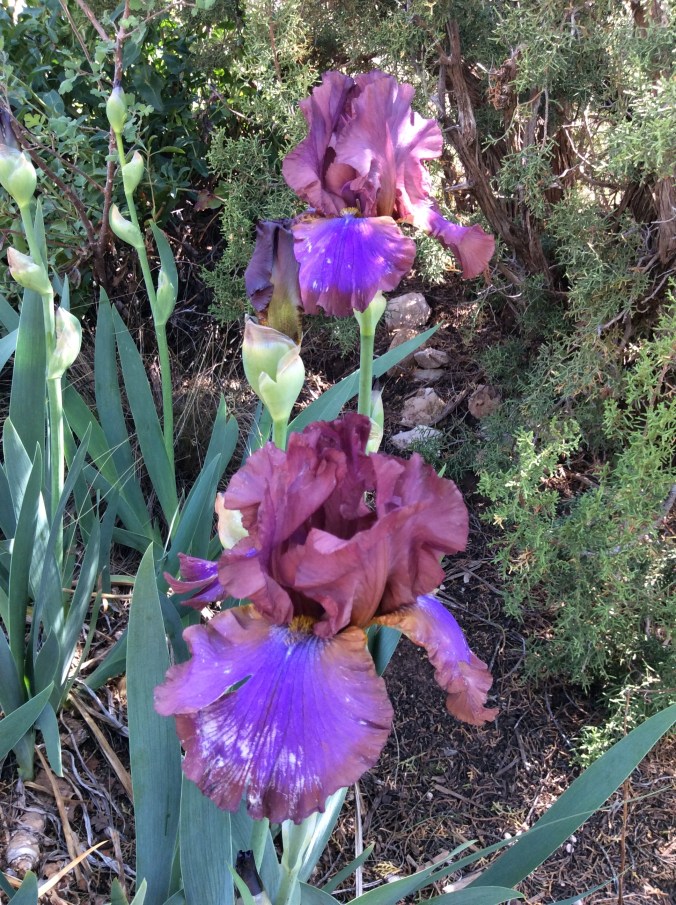
Iris
barely buried by the barn
caliche covered at drive’s end
along the retaining wall



Travel the World 4 Less
A Glimpse into My Life & Passions
Ceto-Magoism, the Whale-guided Way of WE in S/HE
Exploring the F-word in religion at the intersection of scholarship, activism, and community.
ANCESTRAL FOOD. HERBAL WISDOM. MAGICAL COOKERY. SEASONAL CELEBRATION.
inesemjphotography
politics, engineering, parenting, relevant things over coffee.
Food is the best expression of every emotion. Explore through my reviews, recipes, events and more.
Smile! A Site for Friends Wherever You Are!
inspiring personal growth through poetry and writing
Combining atheism with whimsy. This is a Fair and Balanced blog based on opinion unencumbered by fact.
Odds and ends ~ My Life
Original poetry, commentary, and fiction. All copyrights reserved.
bripike@gmail.com
A wildlife filmmaker in Africa
A Geeky Feminist's Musings On Pop Culture
"5 minute walks"
 writingontherim