Sacred


Warm summer raindrops on my face

Crimson cardinal drinking in blue birdbath

Feather grass waving in the wind

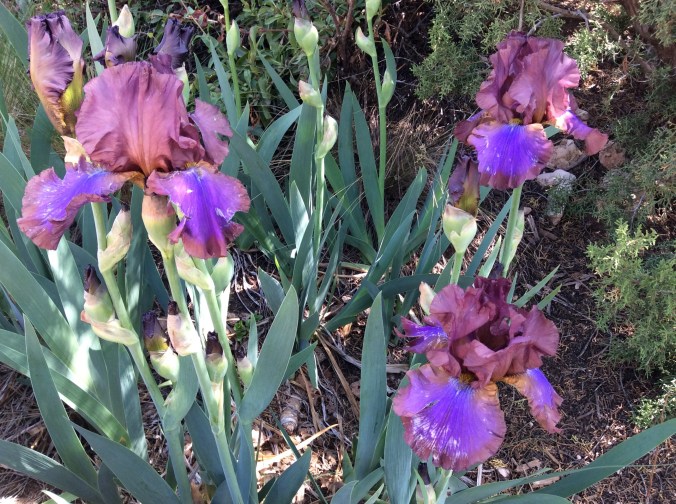
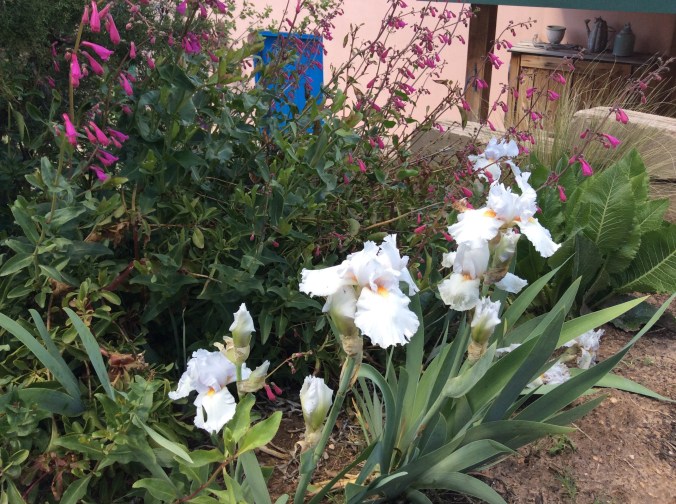
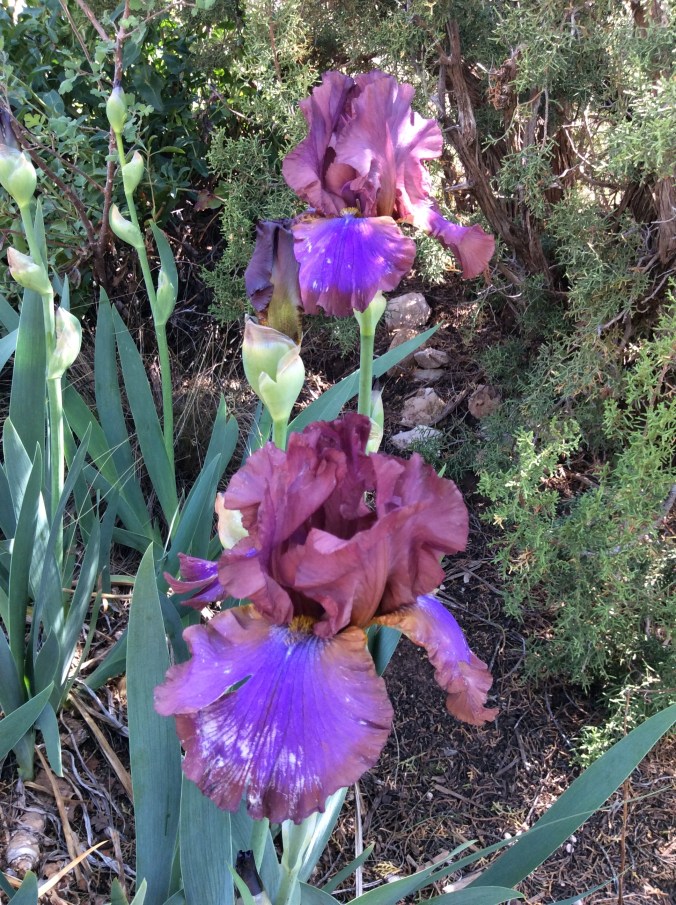
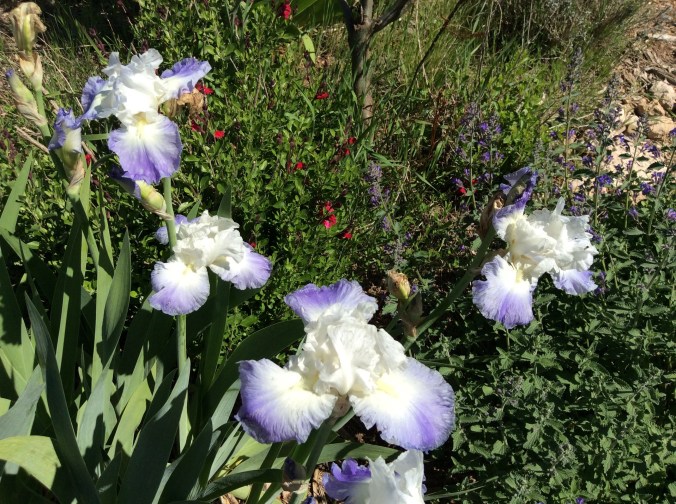
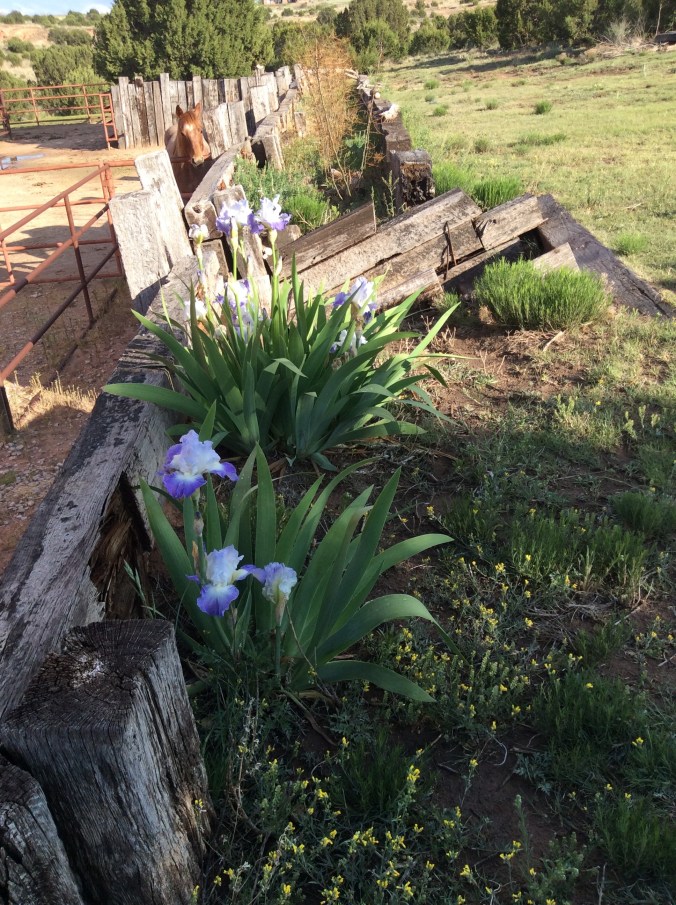
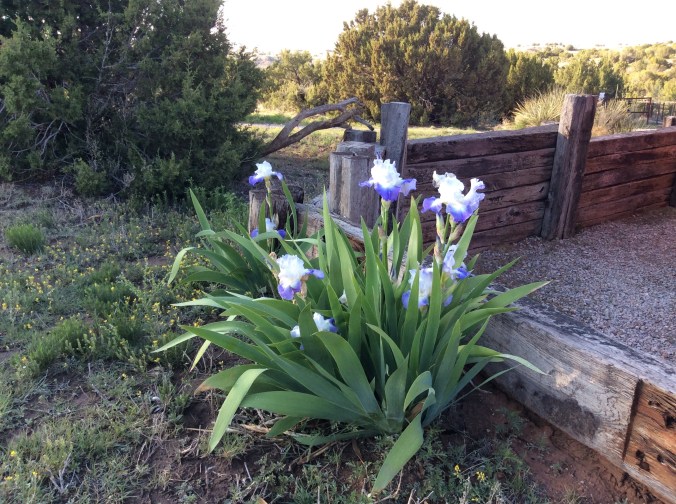
Last lavender and white iris before first frost

Cups of coffee from Chiapas at 6 in the morning

The sunning rattlesnake lying by my feet

Horses running wild and free

Facebook messages from friends far away

Waterfall’s roar after the thunderstorm

Night songs–coyote, cricket, nighthawk, frogs, hoot owl

Life

Sunday Sunrise ©Dawn Wink


Barbie Doll


This poem praises my mother.  It is page 17 of my memoir in poems, “On the Rim of Wonder”.  It seems appropriate to republish it here for Mother’s Day.


Barbara Lewis Duke, pretty, petite, blue-eyed, and blond, my mother,

one fearless, controlling woman.  Long after Mom’s death, Dad said,

“Barbara was afraid of absolutely no one and nothing.”  They married

late:  34 and 38.  He adored her unconditionally.  She filled my life

with horses, music, love, cornfields, hay rides, books, ambition.  Whatever

she felt she had missed, I was going to possess:  books, piano lessons, a

college education.  Her father, who died long before I was born, loved fancy,

fast horses.  So did she.  During my preschool, croupy years, she quieted my

hysterical night coughing with stories of run away horses pulling her

in a wagon.  With less than 100 pounds and lots of determination, she

stopped them, a tiny Barbie Doll flying across the Missouri River Bottom,

strong, willful, free.

Modern Politics and Sor Juana Ines de la Cruz


Who would think that a Mexican woman who wrote poetry more than three hundred years ago would have anything applicable to today’s political arena?  About one and one half years ago, my daughter returned from a business trip with a little gift, a translation of Sor Juana’s work.  It is not the sort of literature I sit down and read all the way through.  It is deep, questioning, the sort of literature you savor here and there.  A few minutes ago I opened the book once again to read one of her ballads–typically referred to as romances.   However, this is not exactly a romance.  It reads:

“One who is sad criticizes

the happy man as frivolous;

and one who is happy derides

the sad man and his suffering.


The two philosophers of Greece

offered perfect proofs of this truth;

for what caused laughter in one man

occasioned tears in another.


The contradiction has been framed

for centuries beyond number,

yet which of the two ways was correct

has so far not been determined;


instead, into two factions

all people have been recruited,

temperament dictating which

band each person will adhere to.”


This is only a small portion of the ballad.  It is ballad 2 in the translation by Edith Grossman.  The introduction to the book is by one of my favorite authors (I have read all her books published to date), Julia Alvarez.


Saturday Night


Read two pages,

“Ghana Must Go”.

The wife’s Nigerian,

Yoruba, Igbo.

She sells flowers,

not in Nigeria.

The author’s name

Ethiopian?

Sip zinfandel

flowered glass.

Take a bite

chocolate filled

peppermint,

lick peppermint

fingers.

Read two pages:

“Africans…the indifference of the abundantly blessed…

who can’t accept, even with evidence, that anything native,

occurring in abundance, is exceptional without effort,

has value.”

Does anyone?


IMG_1584


First Iris


IMG_2165


First spring iris

early evening light glows

soft wind whispers


IMG_2167


Note:  for those interested in growing iris, these rebloom.  They will bloom at a minimum again in the autumn.  They are so prolific, that I separate them annually and throw them everywhere I have a blank space like here near the barn.  They will bloom for at least a month.


Poem for Today


Inspired by a friend’s poem, I decided to take a look at some of my book stacks and write a poem from their titles–in honor of National Poetry Month.

IMG_2140

Now Is the Time to Open Your Hearts

the tongue’s blood does not run dry

The Mambo Kings Play Songs of Love

A Simple Havana Melody

Alejandro Blue

The Spirit of Indian Women

Still Life With Bread Crumbs

Ring of Fire

Gardens in the Dunes

Daughters of Fortune

The Way to Paradise

The Bingo Palace

Uppity Women

How We Became Human

Close Range

Native Guard

Things Fall Apart

Gone Home


Rewriting Religion: the radical poetry of Aemilia Bassano Lanier by Mary Sharratt


This illustrates how recently in history English speaking women have gained the right to openly display their talents, how hard won these gains have been. These rights can just be as easily be lost unless we remain vigilant.

Mary Sharratt's avatarFeminism and Religion

Sharratt_DarkLady-hi

Aemilia Bassano Lanier (also spelled Lanyer) is the heroine of my new novel The Dark Lady’s Mask.  Born in 1569, she was the highly educated daughter of an Italian court musician—a man thought to have been a Marrano, a secret Jew living under the guise of a Christian convert. She may have also been the mysterious, musical Dark Lady of Shakespeare’s sonnets, although most academic scholars dispute this. What we do know for a fact and what really matters is that she was the first woman in England to pursue a career as a published poet.

In Italy women such as Isabella Andreini published plays and poetry on a wide variety of secular subjects, but in England Lanier effectively had only one option—to write devotional Protestant verse. Her English literary predecessors, Anne Locke and Mary Sidney, wrote poetic meditations on the Psalms.

But Lanier turned this…

View original post 636 more words