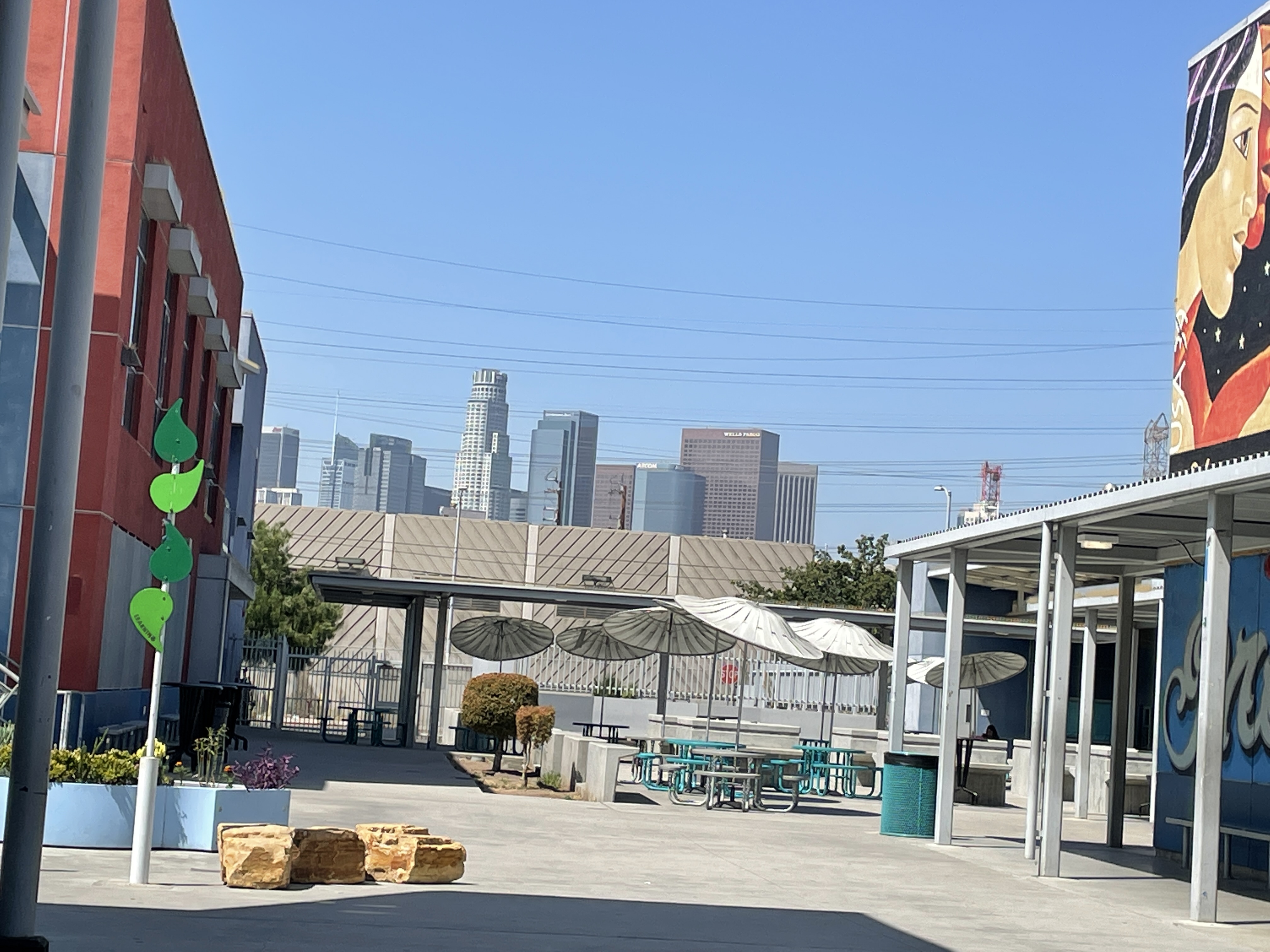
Every Wednesday I visit Mendez High School in Boyle Heights near downtown LA. I volunteer as a college counselor for College Match LA. The school is named after the couple who, in 1946, sued for equal education for Mexican children and won.
This is the couple and the school mascot is the jaguar.This explains the ruling that gave Mexican children equal educational rights.
View of downtown from in front of the College Center area where students go to get help with college applications, learn from presentations by admissions officers from different colleges, and work on college and financial aid applications.
Thanks to the two guys sitting here chatting for giving me permission to take this photo.
When I asked who did the murals, I was told that students did them in conjunction with an art class several years ago.
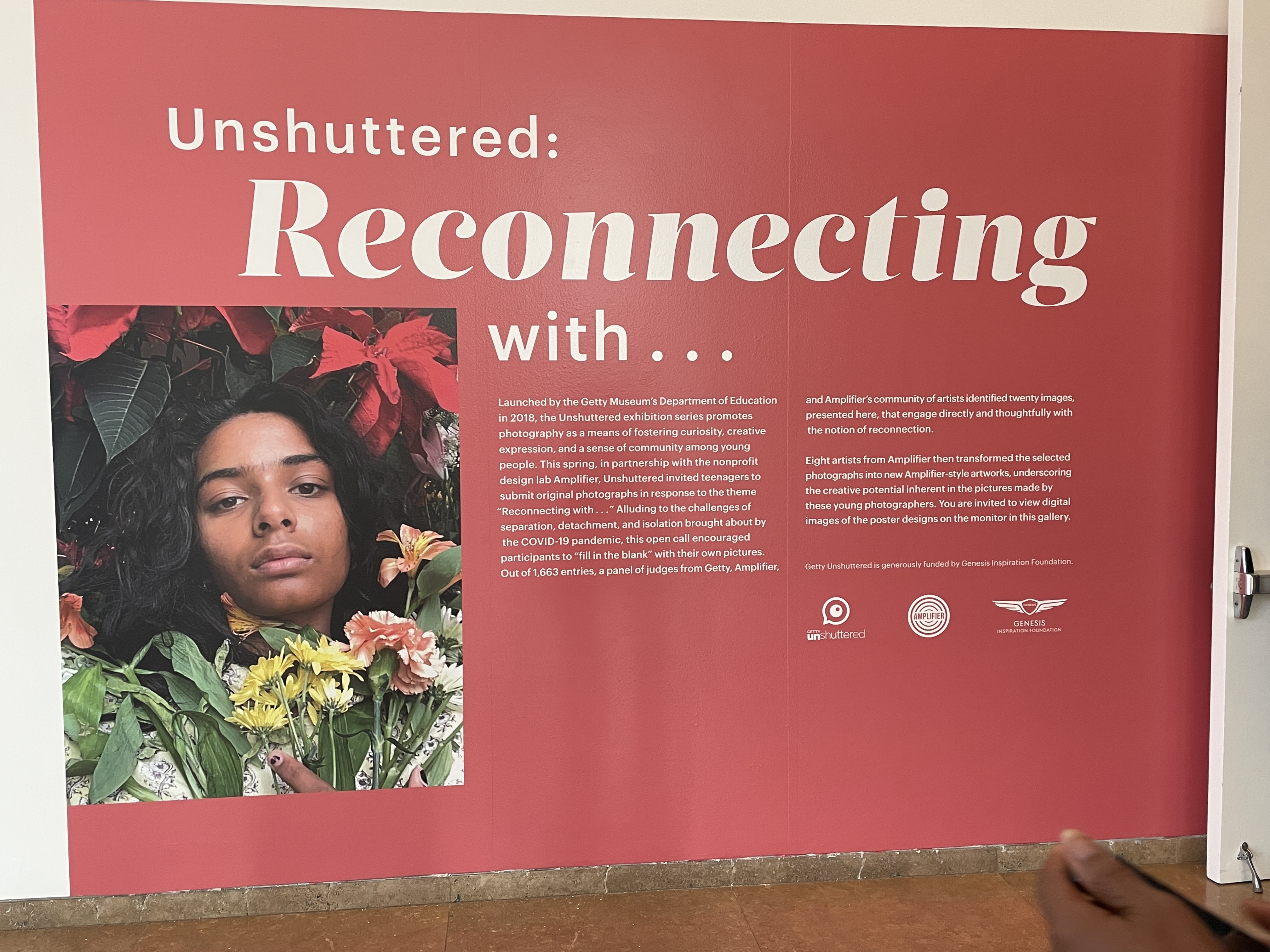
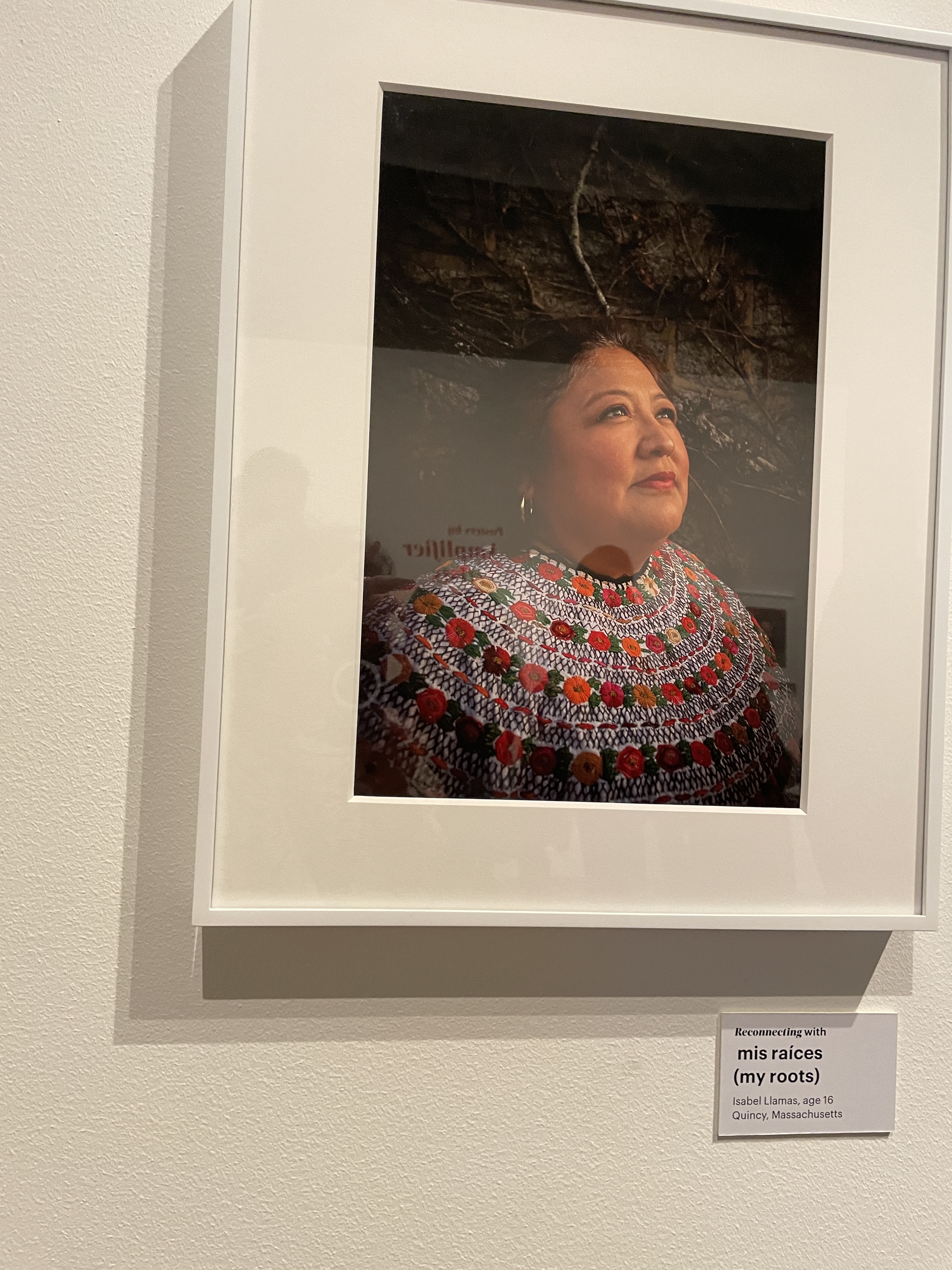
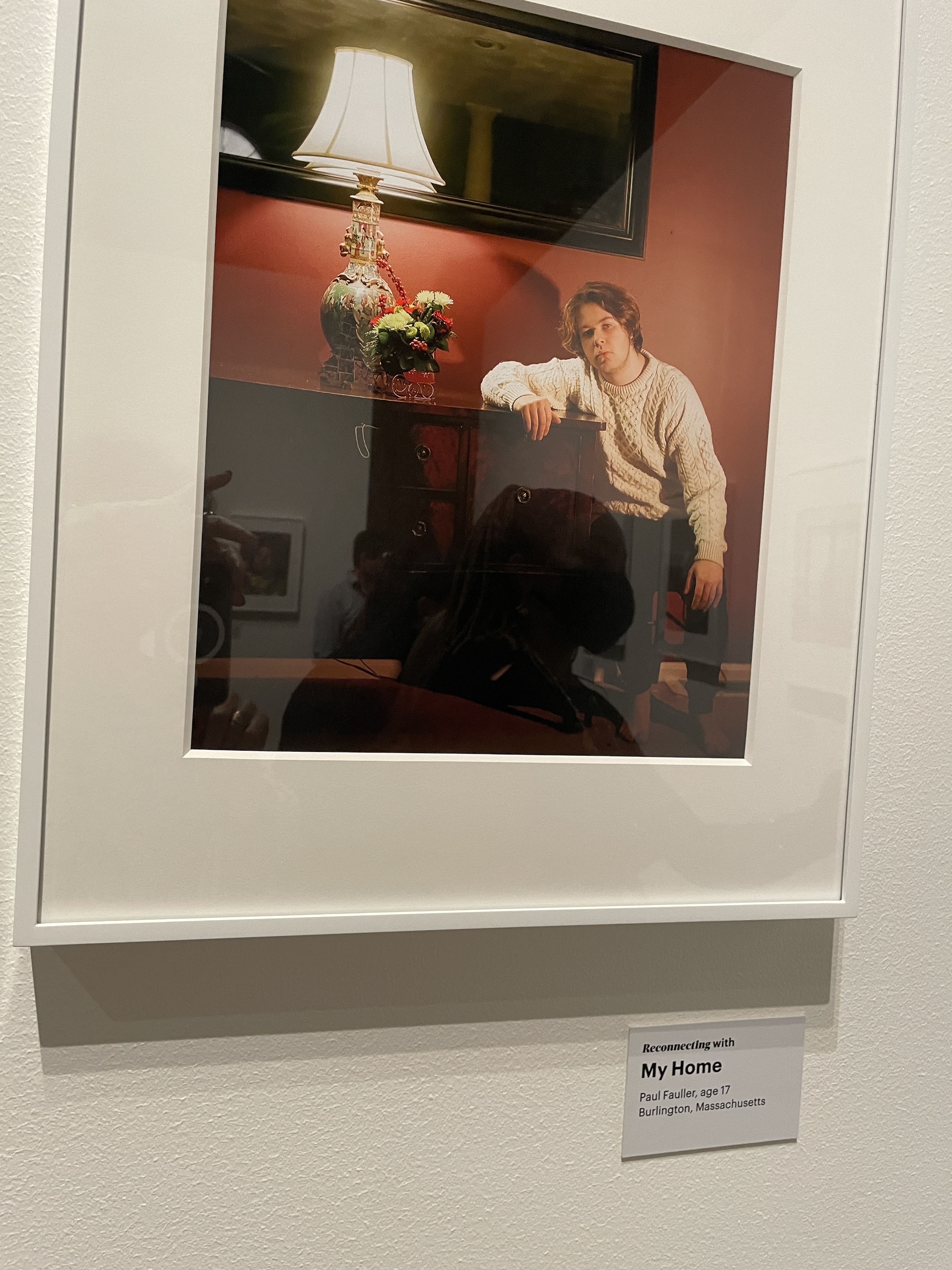
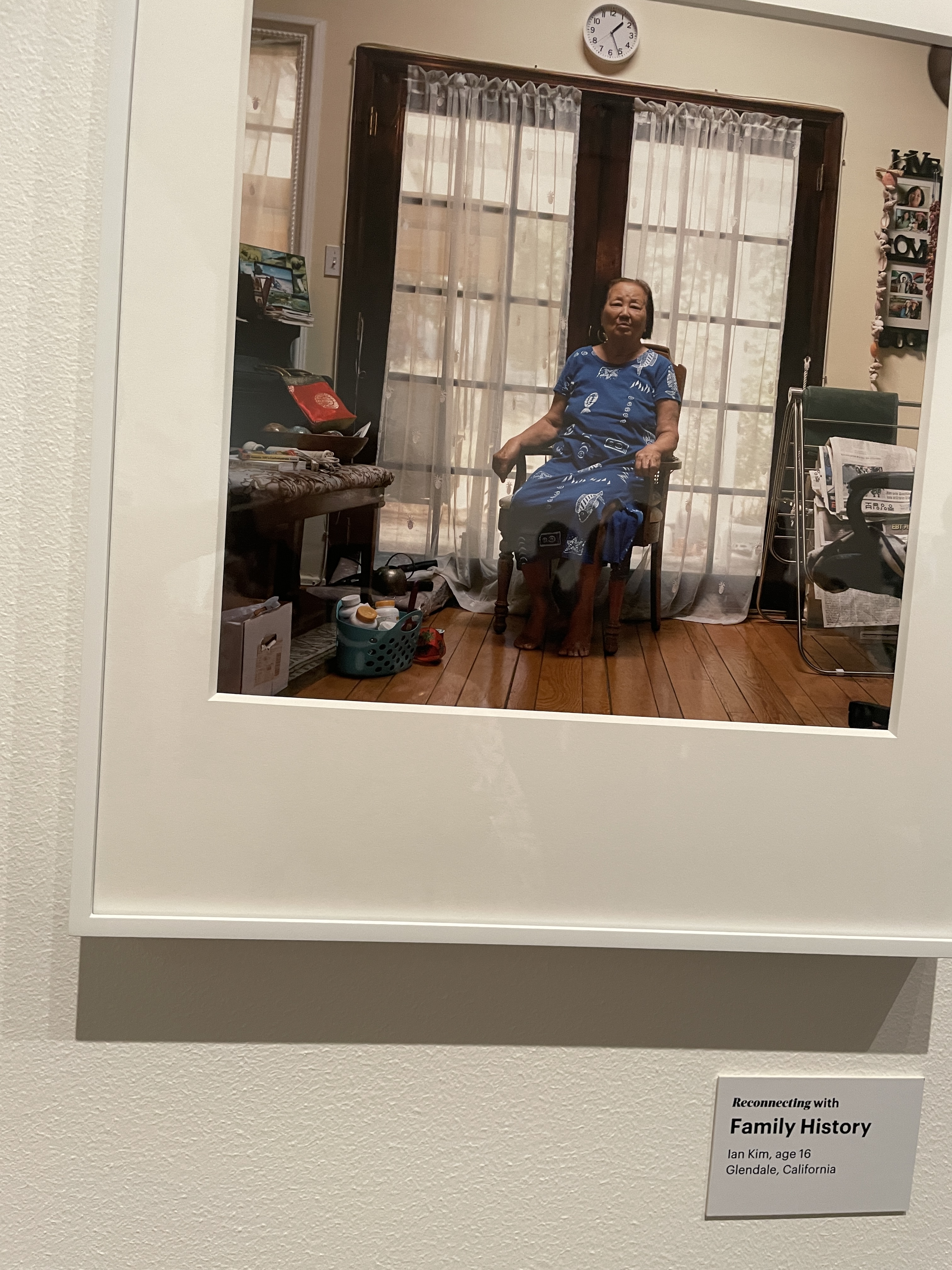
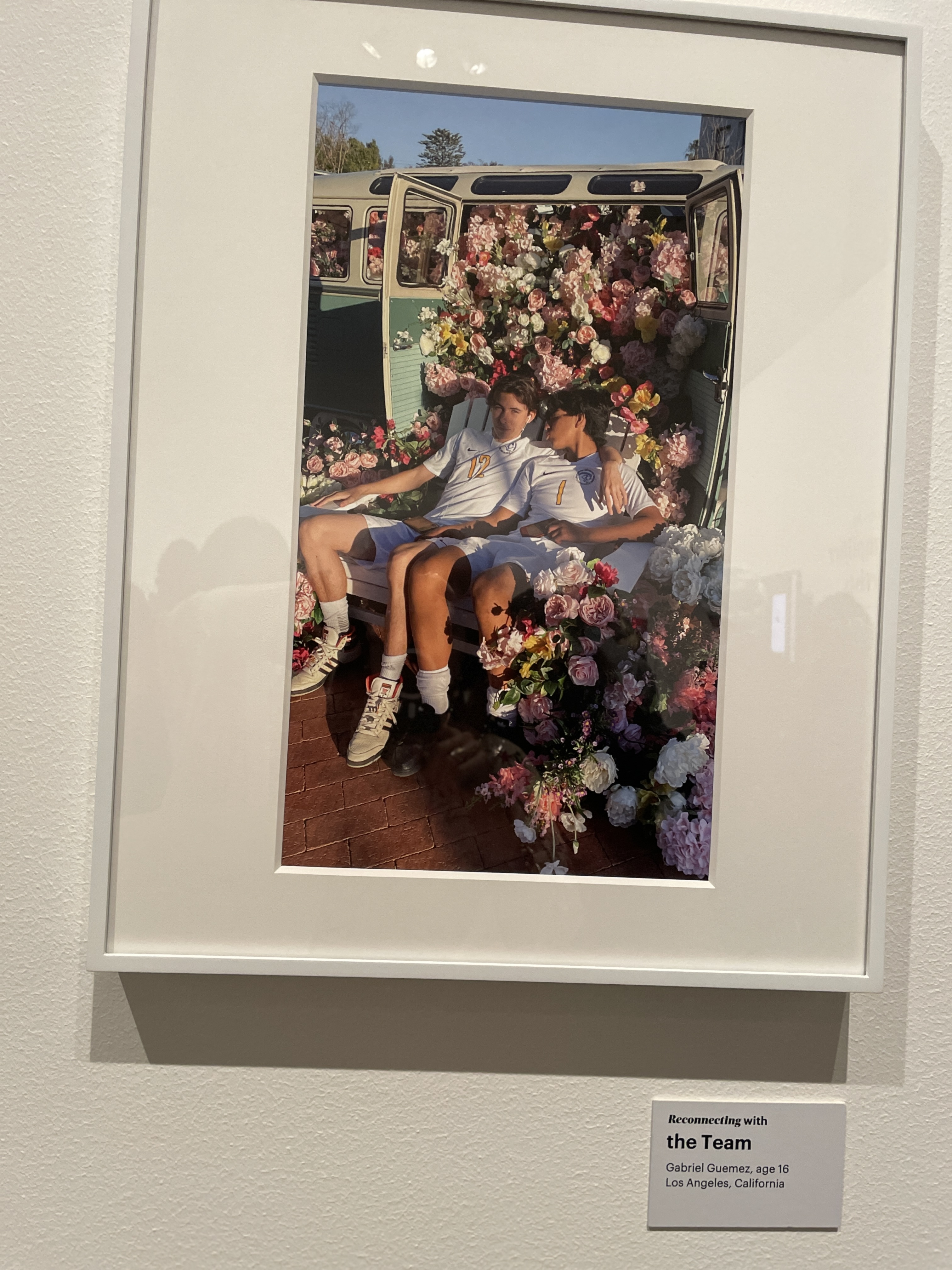
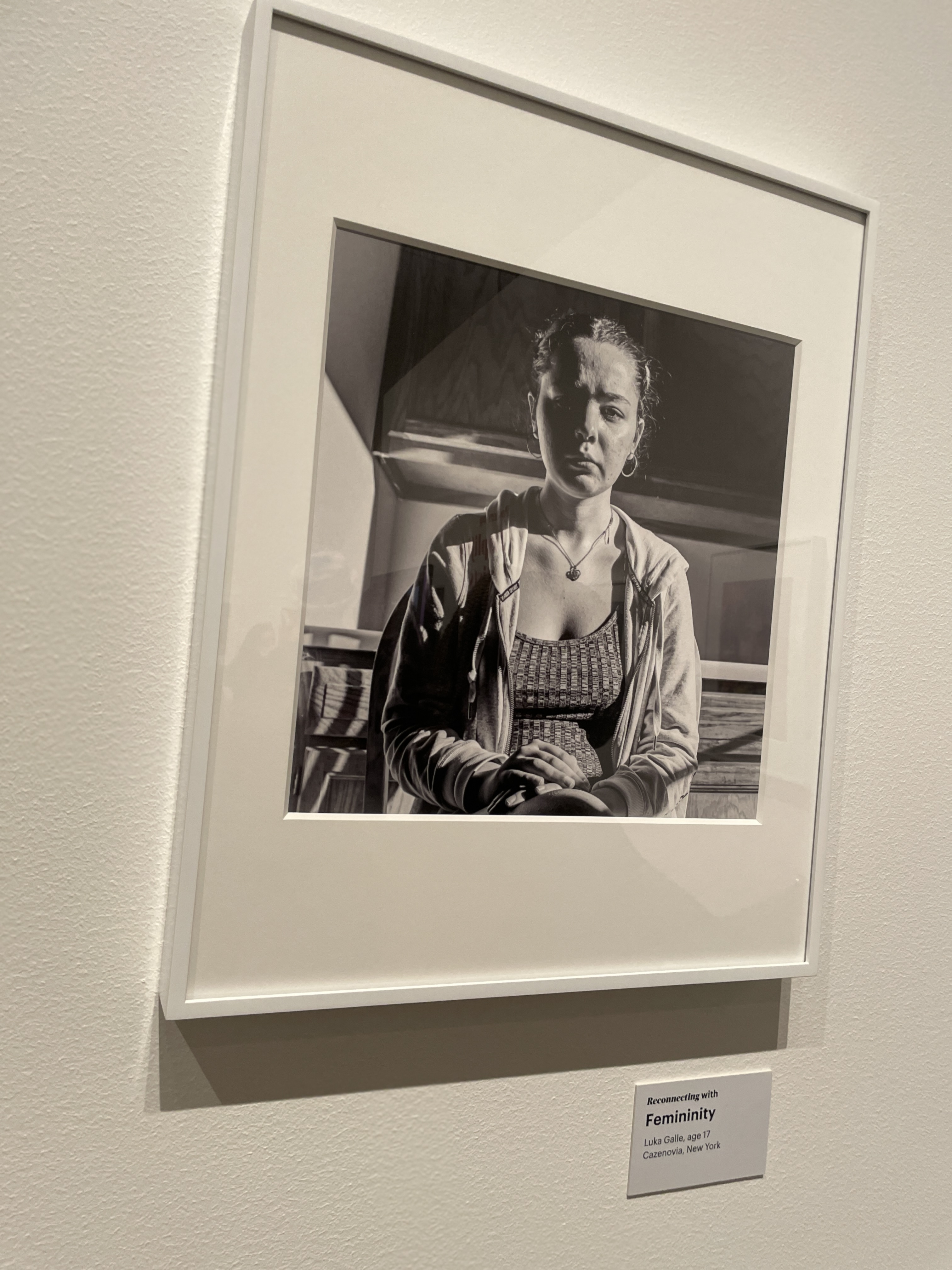
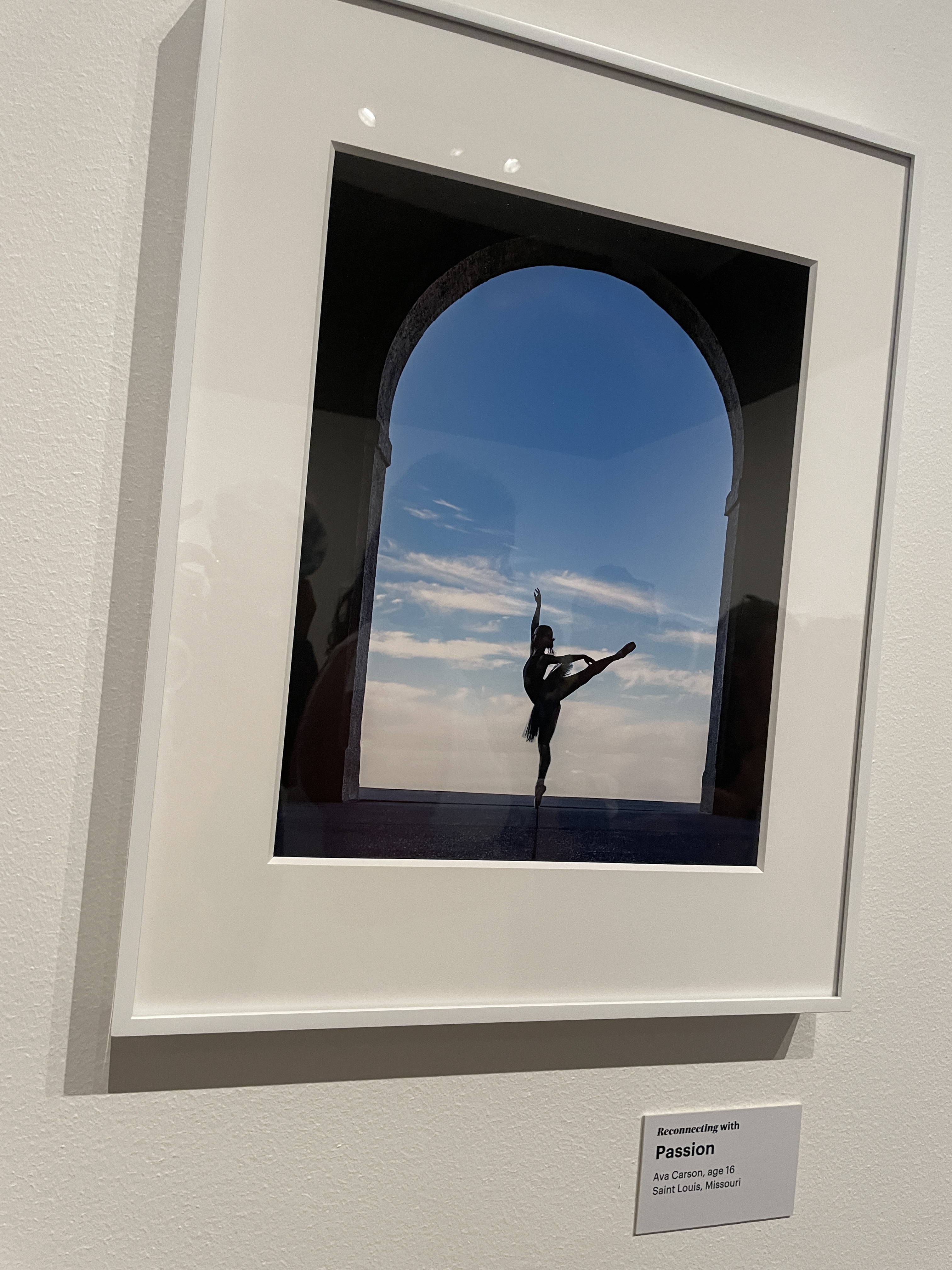
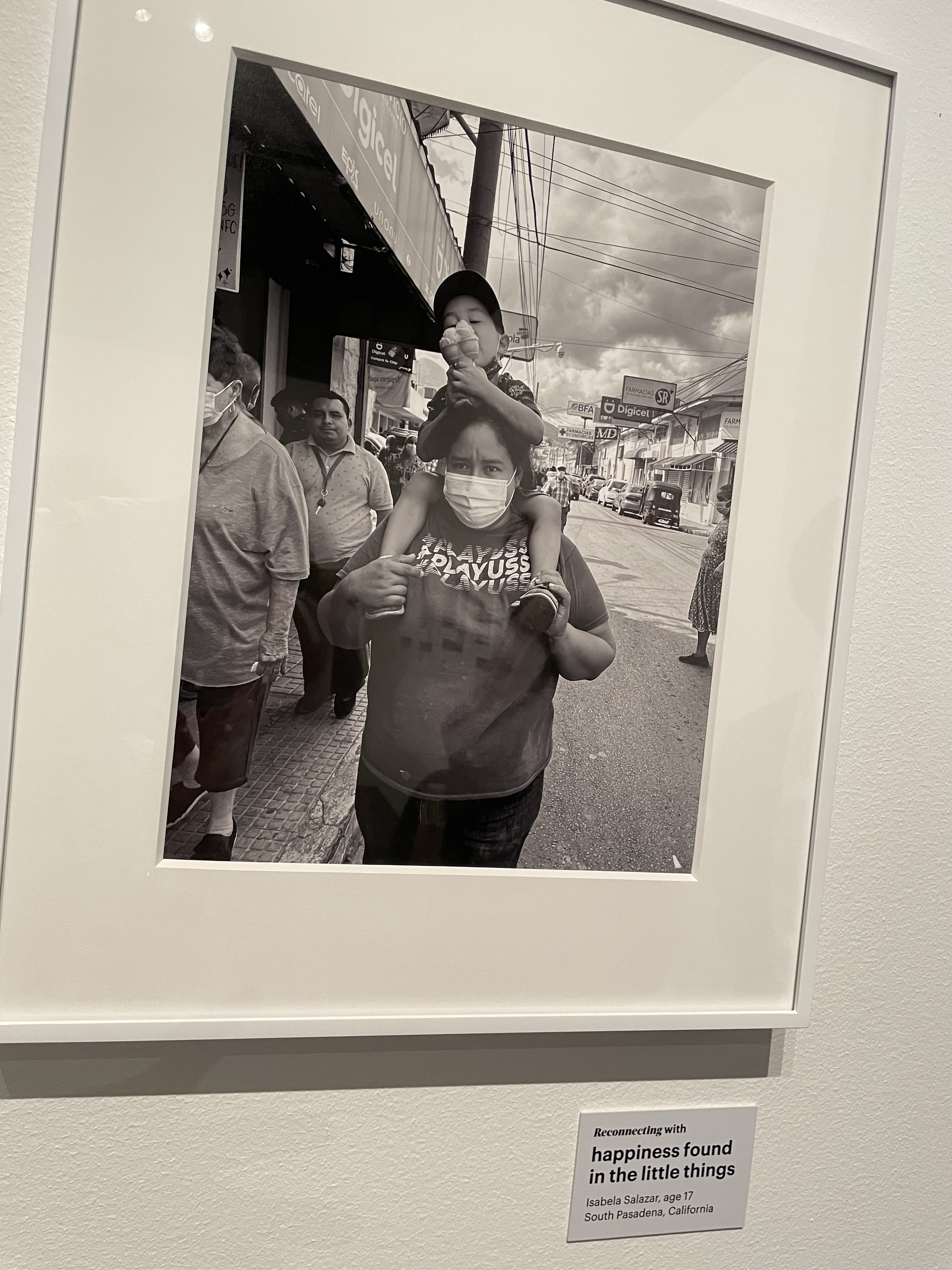
Monday evening I attended a private reception at The Getty for photographs taken by teens to reflect their reactions to the pandemic and the shut downs. This first photo explains the exhibit.
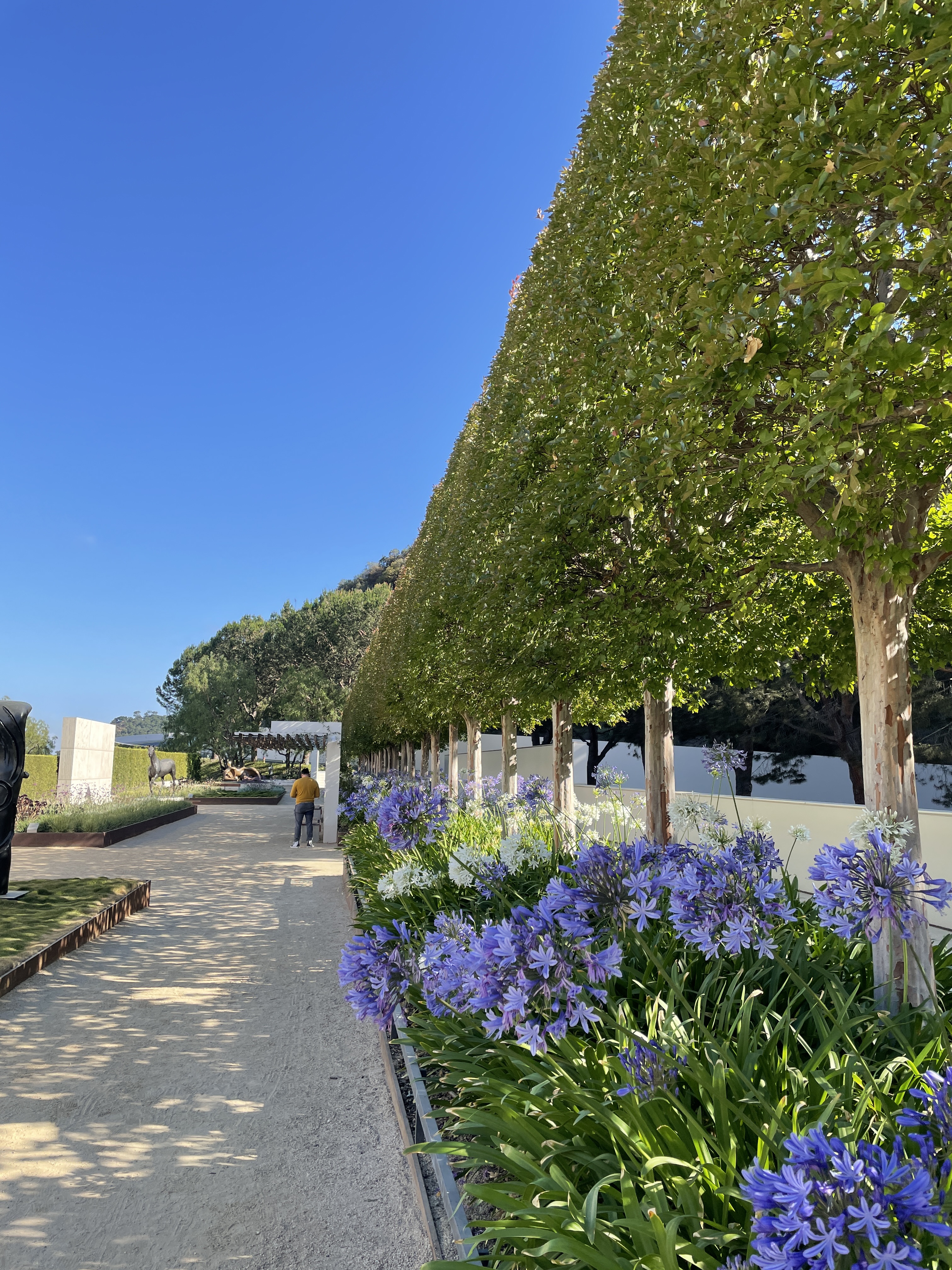
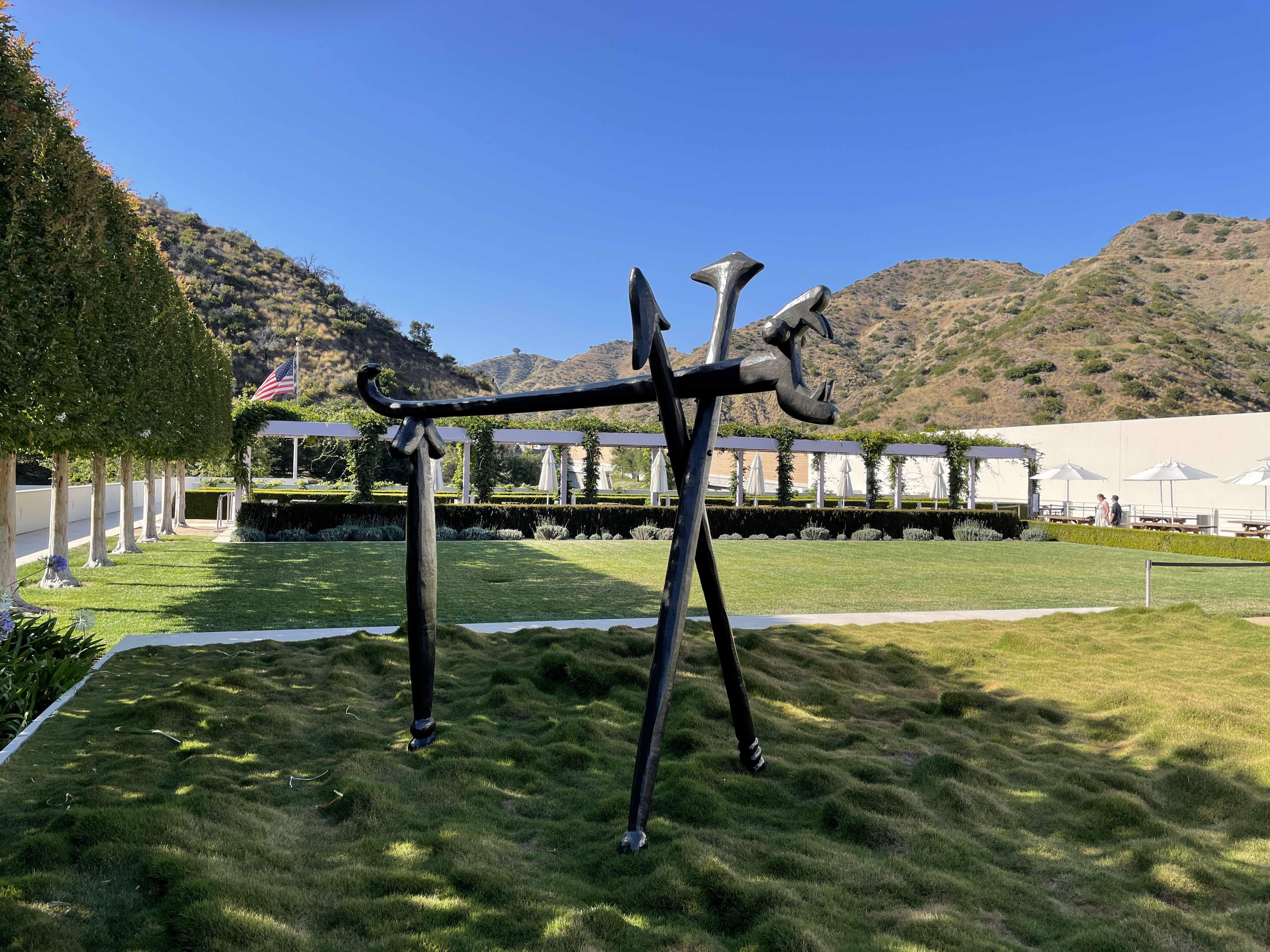
I was able to attend because Faith Mowoe invited me. She is my daughter’s cousin and teaches English at a high school here in California. Usually The Getty is closed on Monday. We arrived early hoping to be able to walk around a bit, but they did not allow anyone to enter until 5:30 so we strolled around the gardens near the parking lot. You cannot drive up to The Getty. You have to park in the parking area which costs 20 dollars and take a shuttle to The Getty which is otherwise free. This and the next few photos were taken at the gardens near the parking lot.The Getty sets on a hill overlooking portions of LA in all directions. The red on top of the mushroom like pillars in the this photo is bougainvillea. The amount of stone in the buildings is huge. The Getty comprises several different buildings including several filled with art, others for research, and a theatre.This photos shows one of the teen photographers. This one is from Ohio. The following photos illustrate the teens who were chosen out of the more than 1600 entries.We briefly met the young lady in this photo. Many of the students who took the photos were present and honored by the sponsors of the exhibit.After eating–the reception provided all sorts of delicious treats, wine, beer, water, and various others drinks–we strolled into the gardens.
Posters have been made from the teen photographs and will be available for purchase.
The Getty is astonishing. I was able to see only a tiny portion of it. Definitely a place to see if you come to Los Angeles.
April is National Poetry Month. While emptying one of the boxes still stacked in the garage after the move, I found the book in which Missouri high school student’s poems were published. The following includes a photo of the book and my first published poem included in it.
Since this is National Poetry Month, I have decided to post a few of my poems from my book “On the Rim of Wonder” which can be found on Amazon. This particular poem has been one of the more popular poems.
The day I met Tom
my toenails were pink.
A big mistake!
He called me the lady with the hot
pink toenails.
I am not a hot
pink person.
They should have been red
or orange.
I am orange person–
mixed with lot of red.
It took me two weeks
of looking at those hot
pink toe nails
to paint them red.
Am I happier now?
Not really
but I know
it is the real me,
my own toes when I
look down.
When she painted them pink
the woman said,
“Old ladies want red toenails.”
Will I be able to look
at my toenails and not
think “old lady”?
Will I have to find
a new color?
Probably.
Maybe orange marmalade or cinnamon spice or burnt sienna.
My current writing endeavor is part of a challenge to write 20 minutes per day six days a week. The story I am going to relate now was written as part of that project. The brief introduction here was part of something I wrote the day before I wrote about the boy.
I watched “60 Minutes” on Sunday about German Jewish Americans who volunteered to go behind enemy lines before and after the end of WWII to either spy on or interrogate Nazis, often officers of higher rank. One of them related that he never met a Nazi who had any remorse for atrocities he had committed, who thought what they had done was wrong. How horrifying, to hate anyone, any group so much over religion, ethnicity, sexual preference, status, remains to a great degree beyond my comprehension. Although I may view people like the Nazis as my moral enemies, to hate anyone so much as to torture and murder them seems incomprehensible.
These views also affect my attitude toward immigration. People rarely leave their countries because they want to, they leave because they need or have to in order to survive. Often it is a matter of life or death. Now I will tell you about the boy from Honduras.
Short, straight black hair, obsidian eyes, skin the color of café con leche, he showed up at high school one day absent any knowledge of the English language. His brother, married to a US citizen, lived across the street from the high school secretary. The assistant principal brought him to me. By Texas state law he had to spend at least one period of the day with a certified ESL teacher, me. He came often even from his other classes because everything except Spanish class was in English. Written Spanish helped him only somewhat. In Honduras poor country students only attended school for a few years. The more advanced middle and high schools were in cities and required fees paid.
The counselor claimed he had not been to school at all. I knew better; he knew things that a kid only learns if he or she has gone to school. When I did not understand his Spanish, I asked him to write it down. It took me a while to figure out some of his written Spanish. He sounded it out and so instead of writing habla (h is silent in Spanish), he would write abla. When I really could not understand, I went to the Spanish teachers from Mexico; they could not always understand him either. One, who had travelled all over Mexico, said he spoke a dialect she had never heard. Over time, I learned he had started school at six, attended for four years, then went to work on a coffee plantation. He was 15 when I met him. After I showed him a photo of me picking coffee in Costa Rica, he became very excited.
His father had been murdered; his mother feared for his life so she sent him to his brother in the US. He was cheery, always smiling, played soccer at lunch with the other students, missed home. He told me his family was working with an immigration lawyer so occasionally he traveled to Dallas to meet the lawyer. Then one day he disappeared. We never saw him again. Later one of the Spanish teachers told me he had come, smuggled in a shipping container, had survived this for days. And now he was gone.
Students asked about him; we had no answers. Some who had ranted about illegal immigrants stopped ranting. It was someone they knew, liked, who had left with no answers. He was a kind, funny kid whom everyone liked. Is he in hiding? Is he safe? Is he alive? Who knows?