Ethiopia–Lake Tana and the Blue Nile


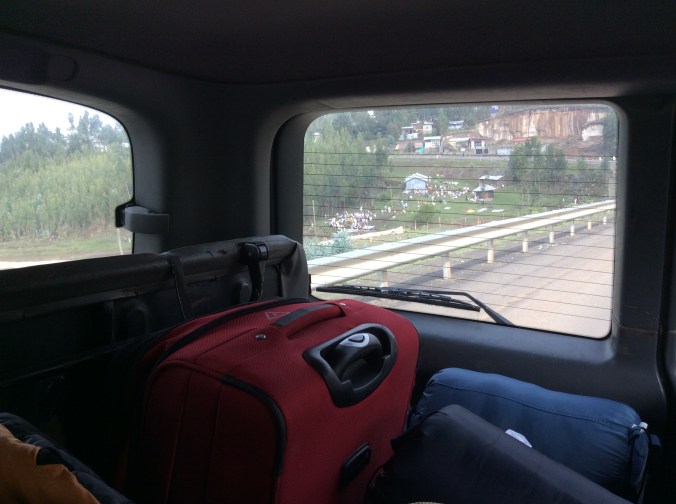
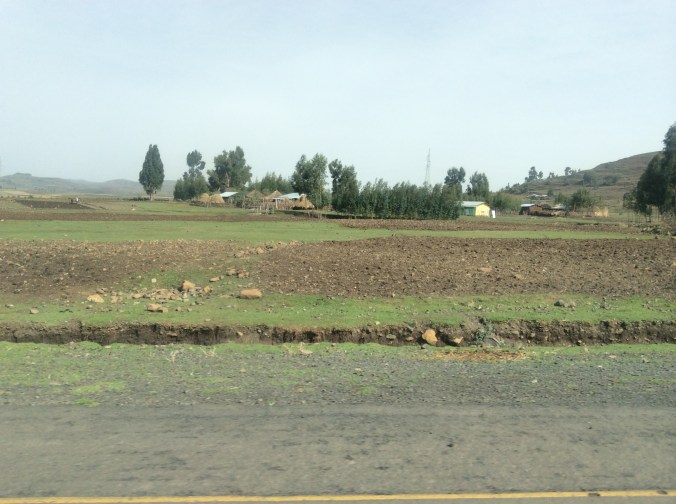
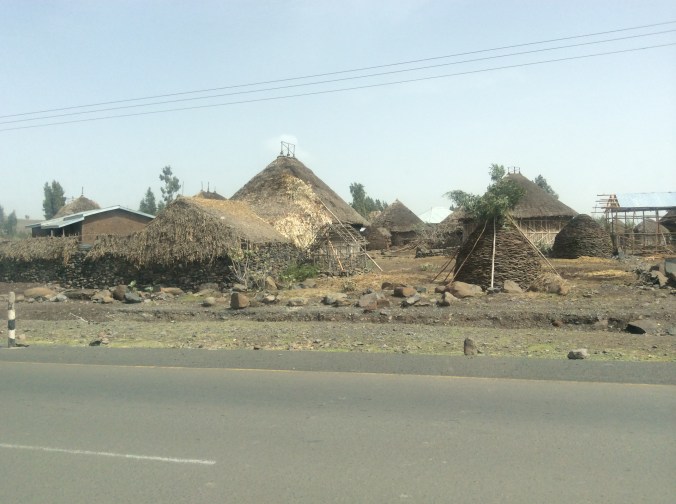
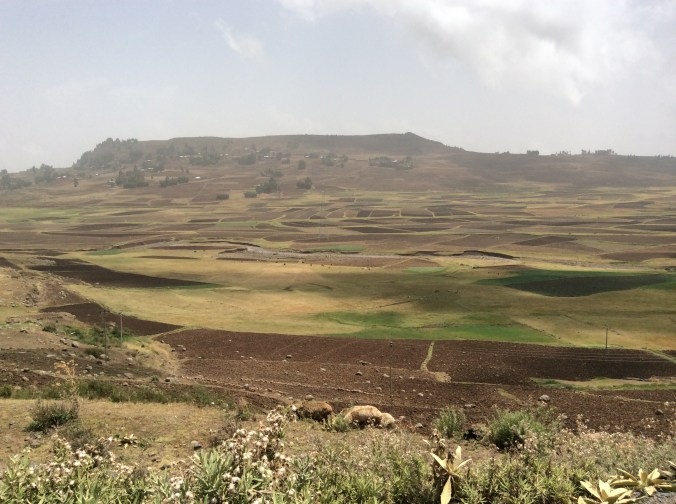
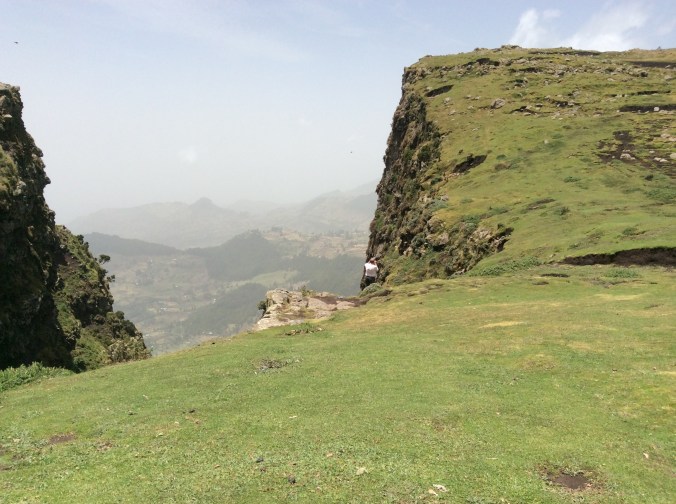
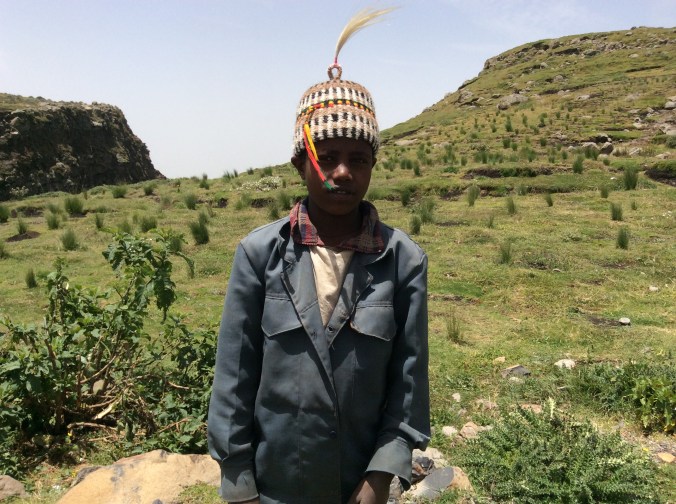
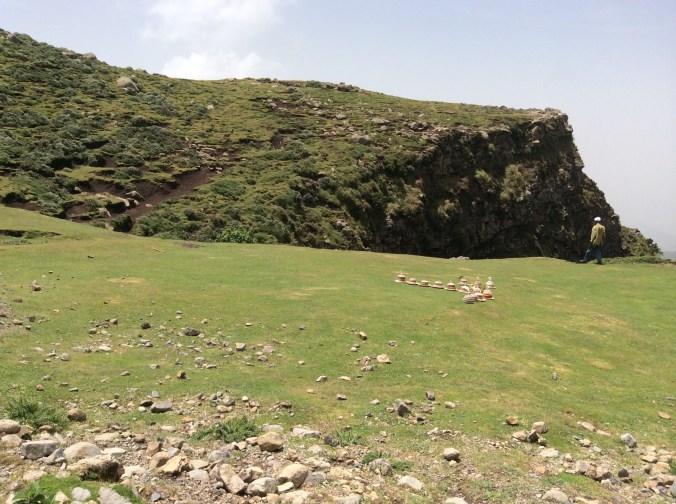
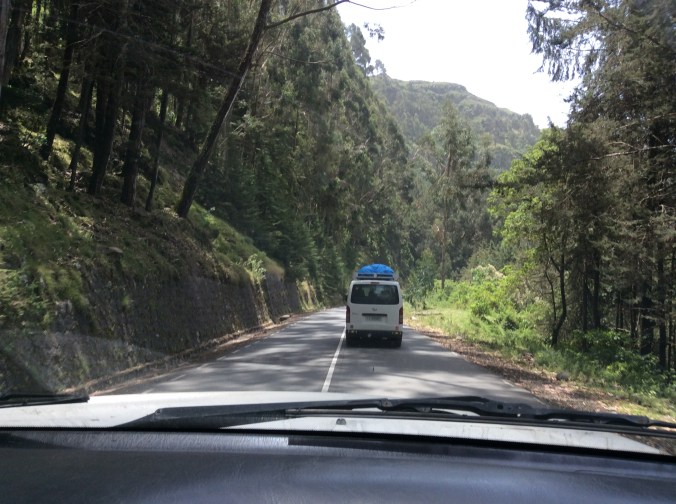
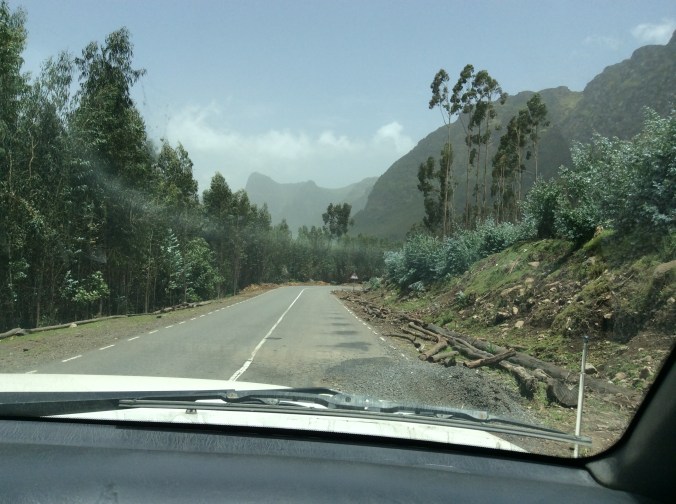
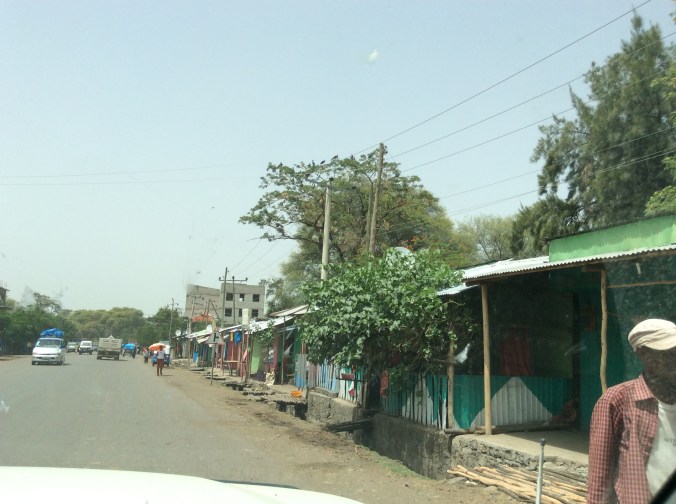
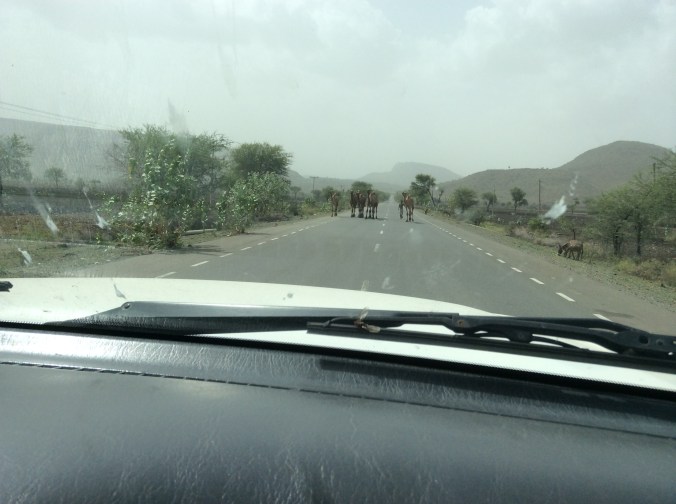
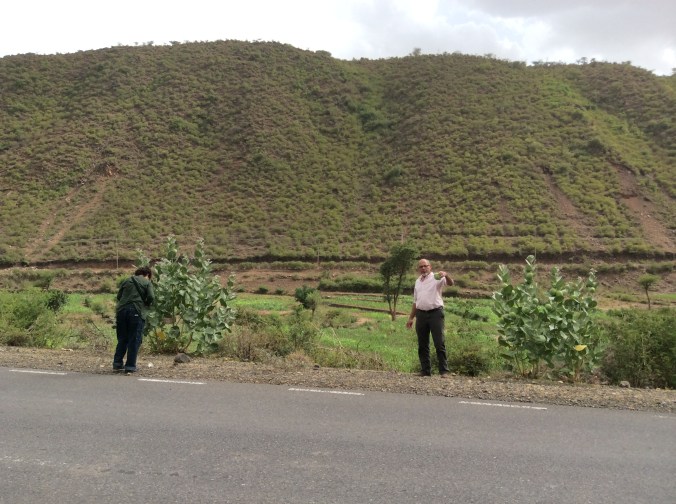
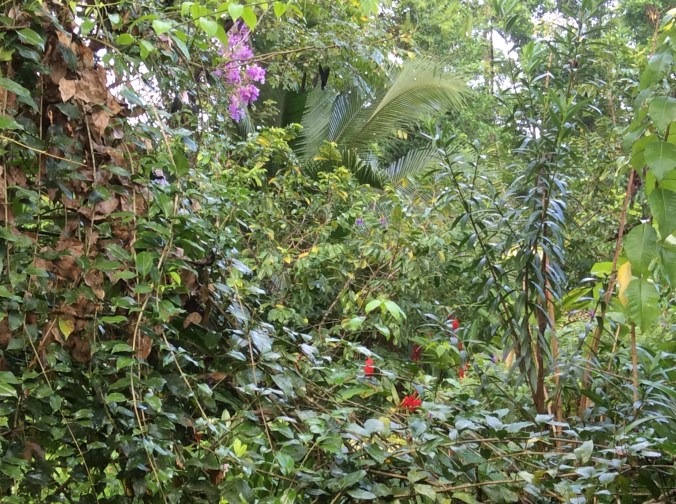
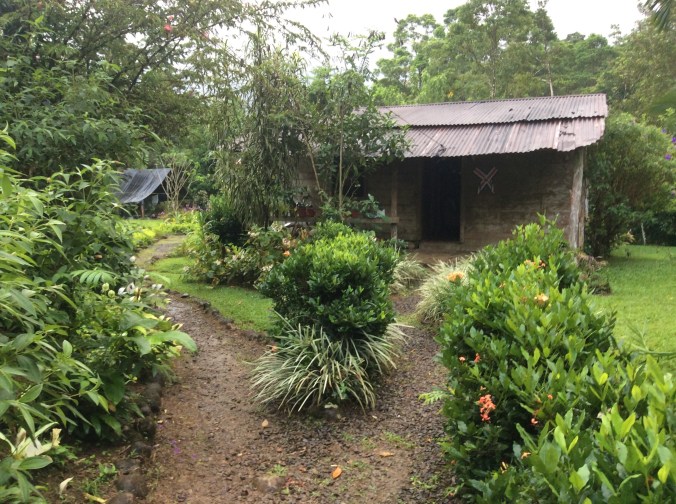
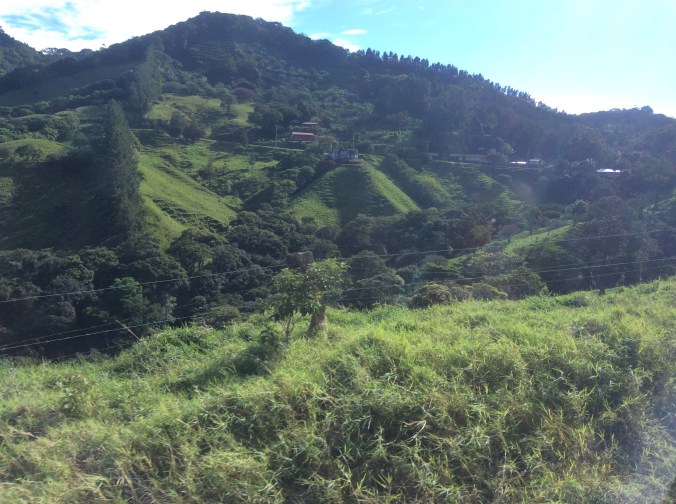
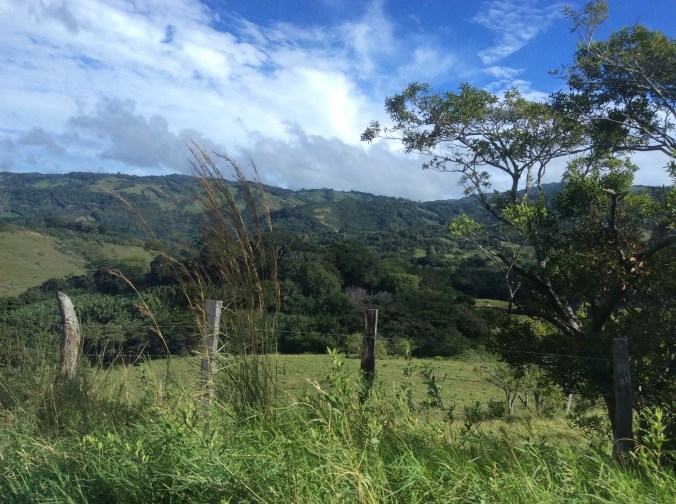
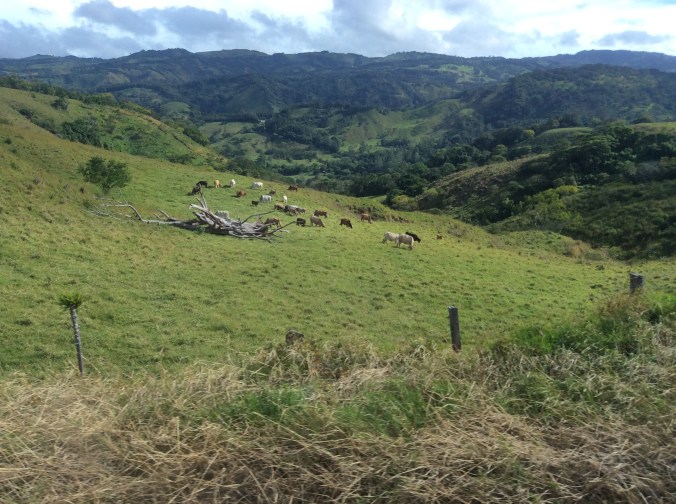
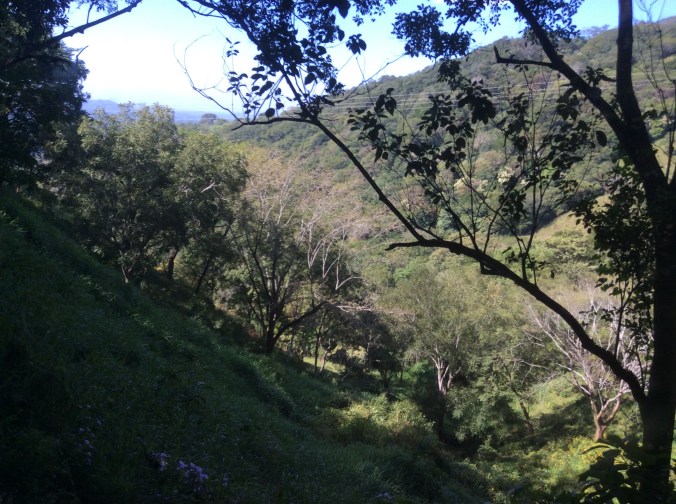
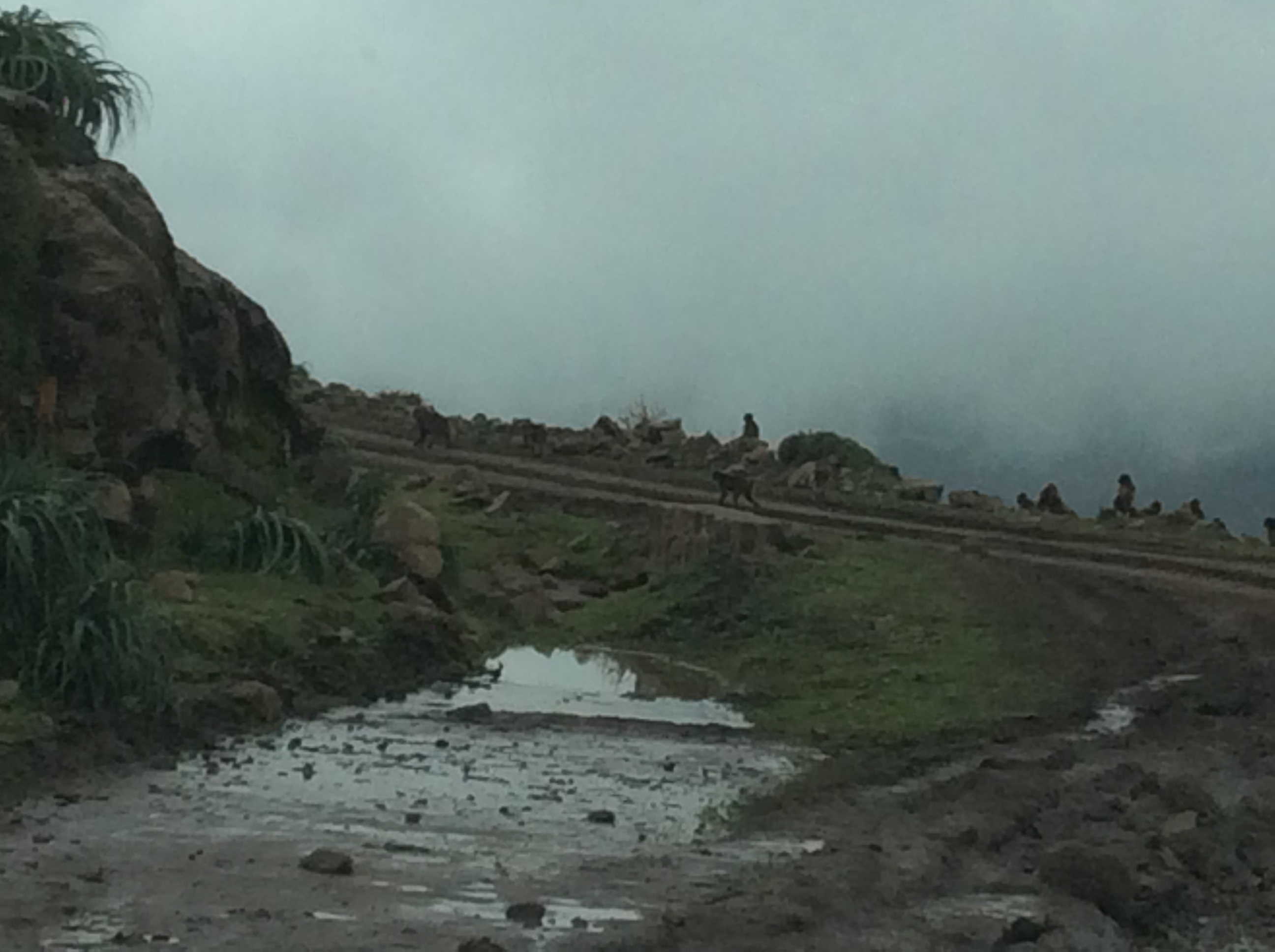
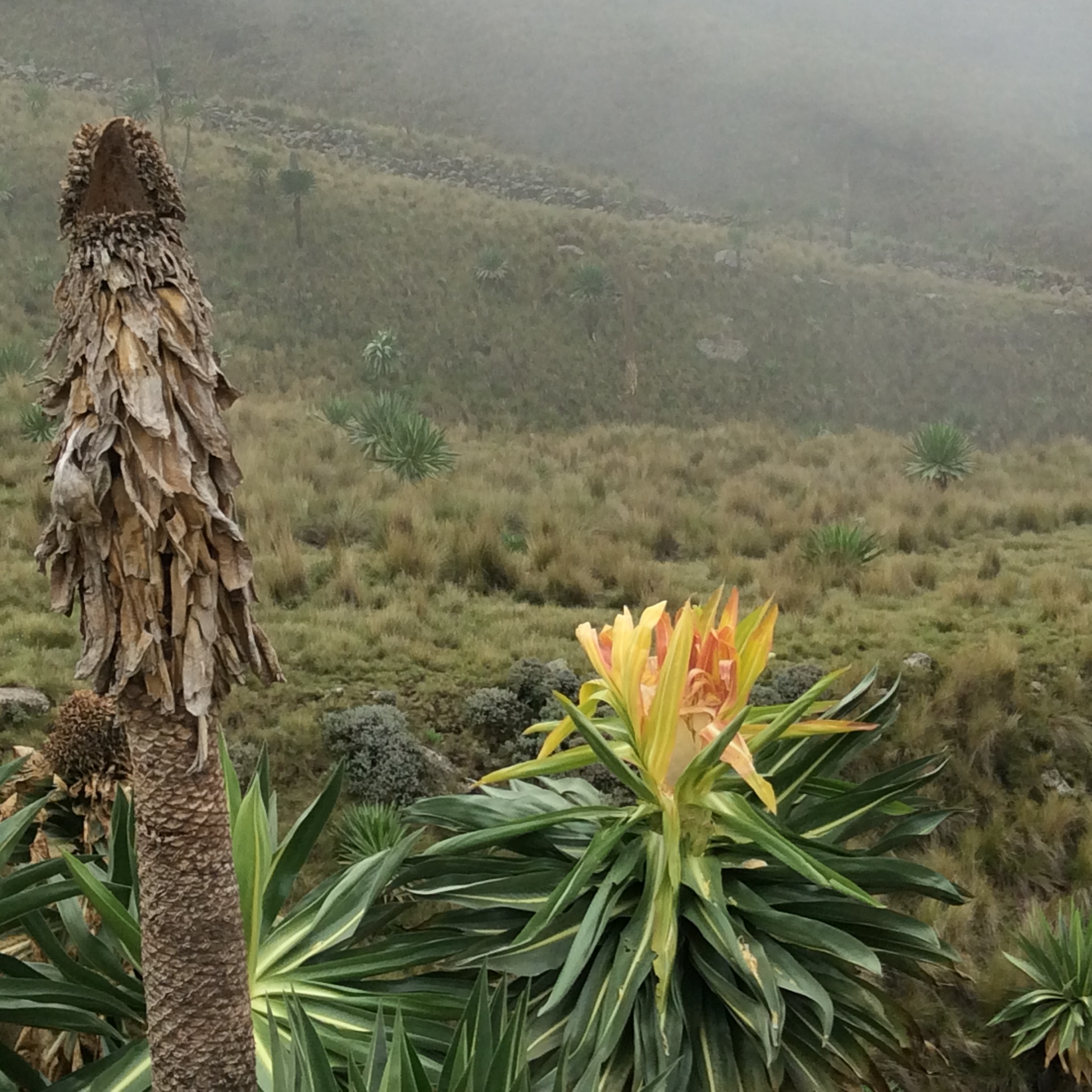
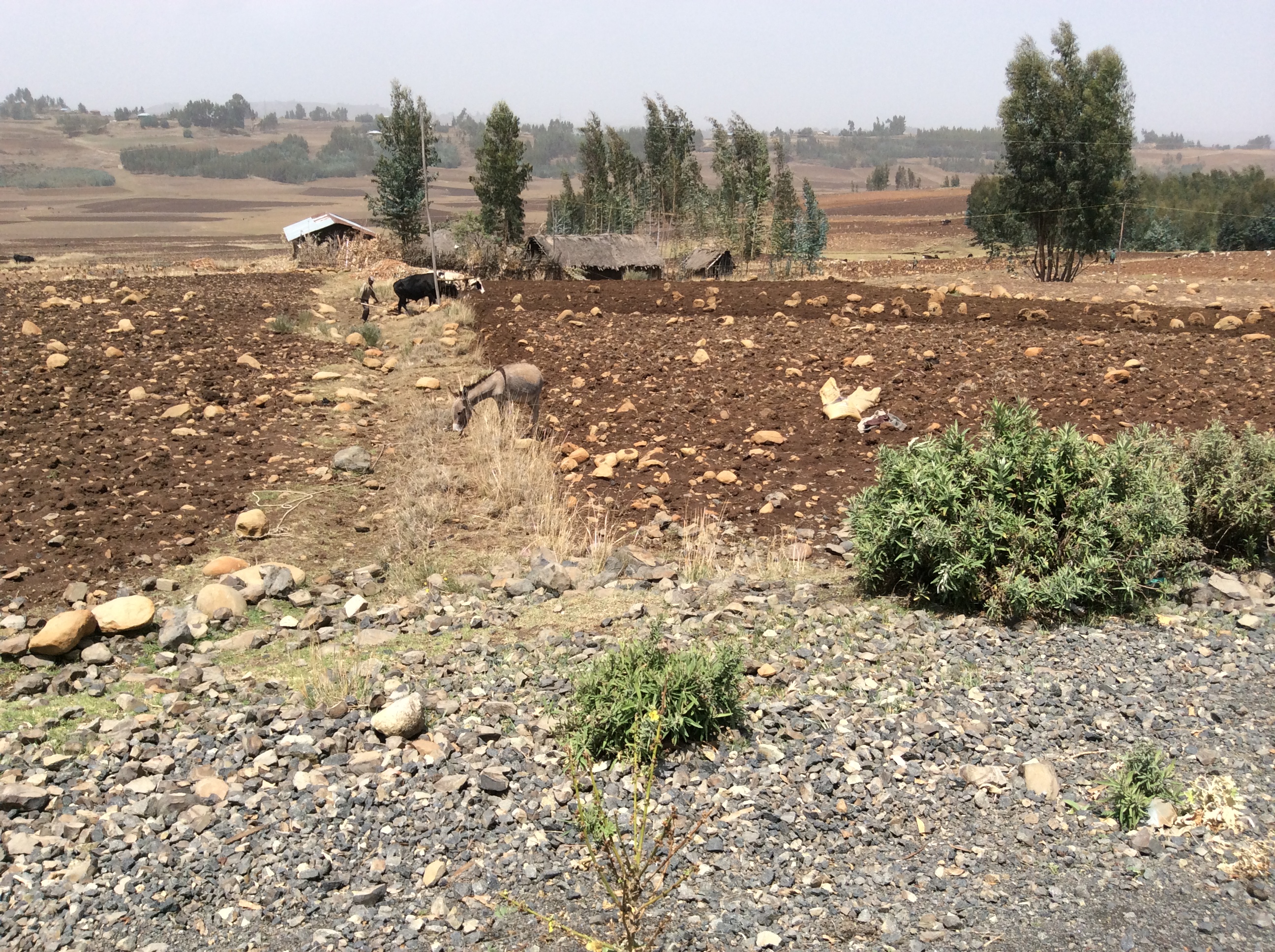
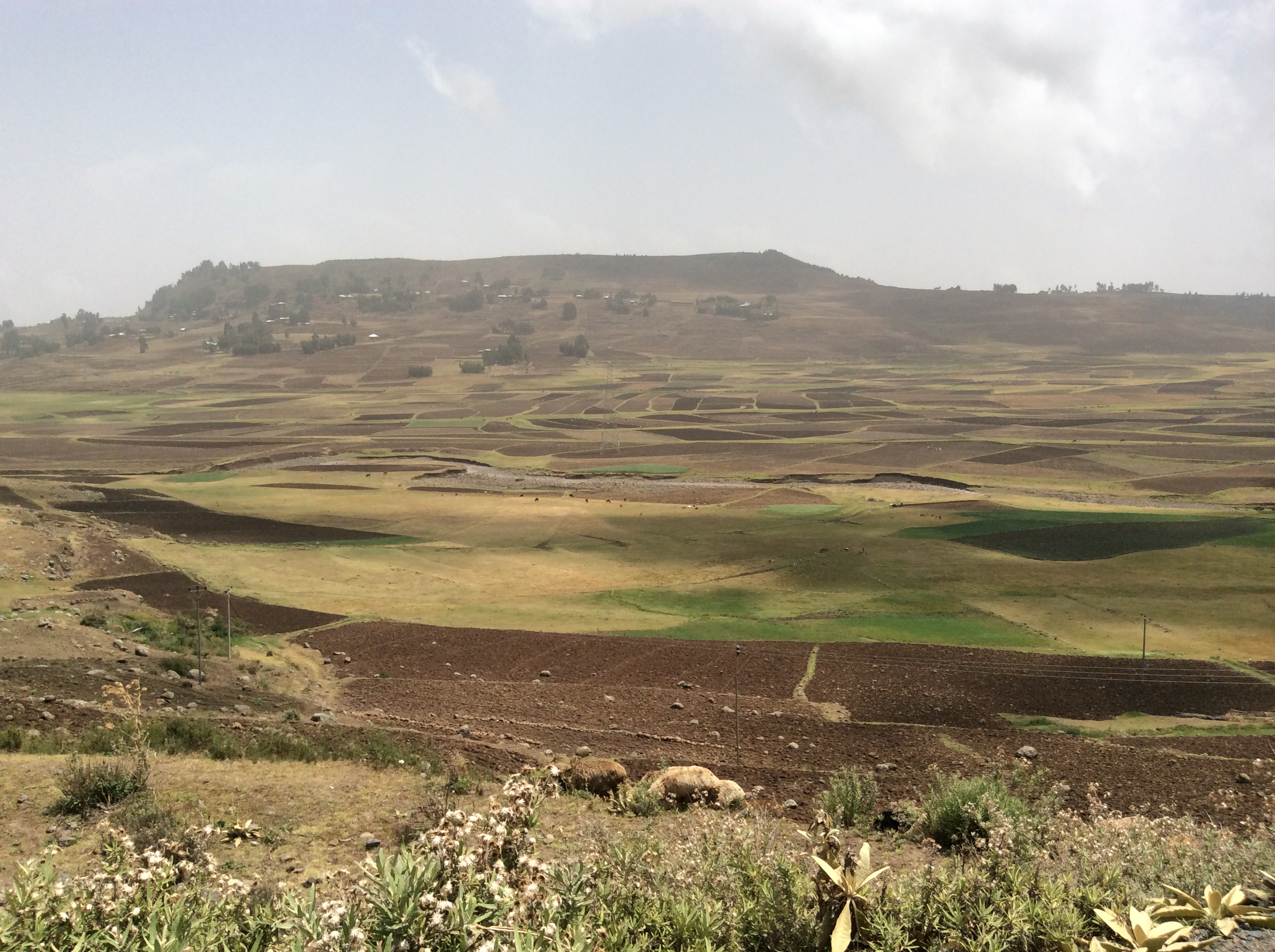
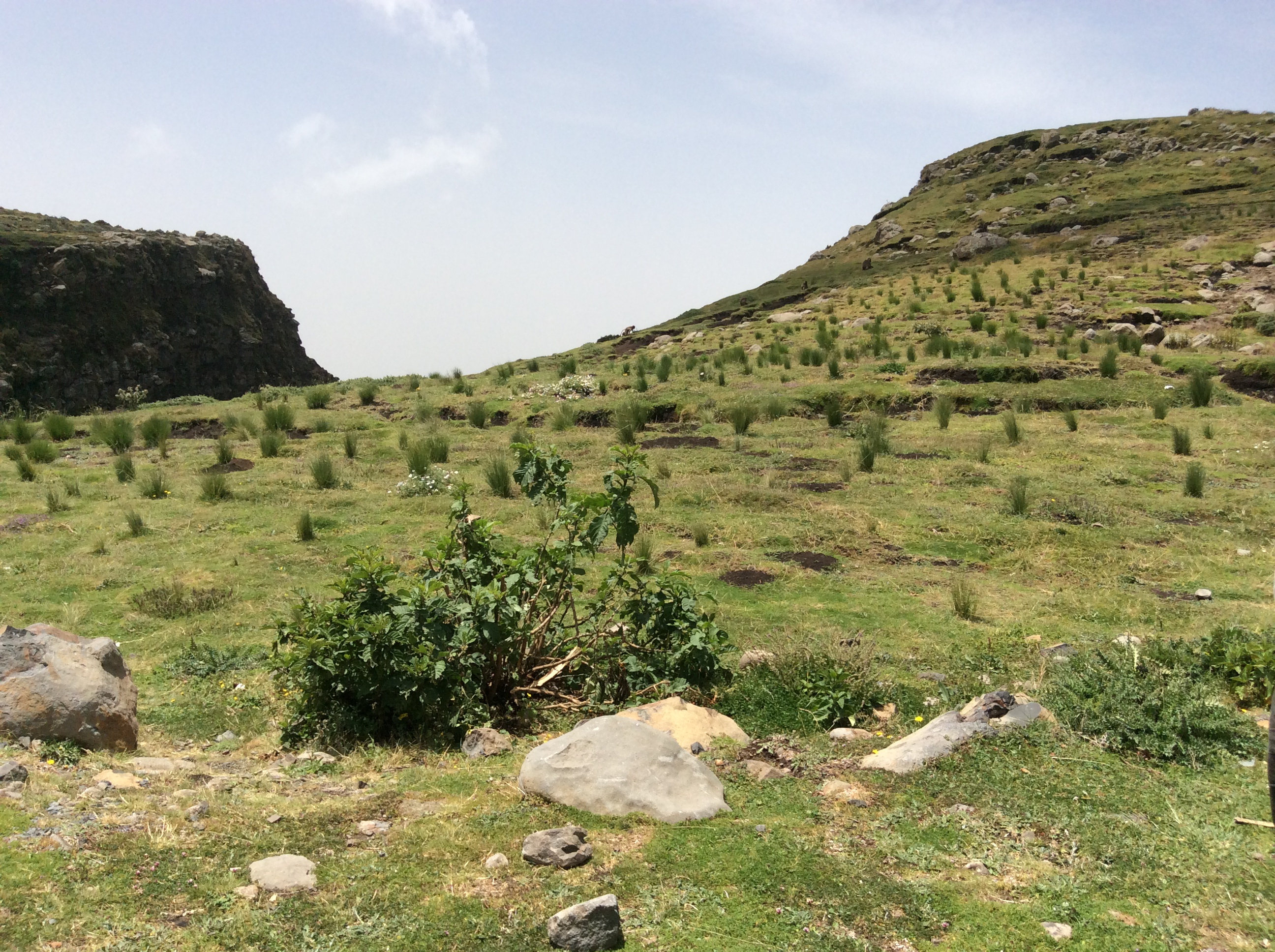
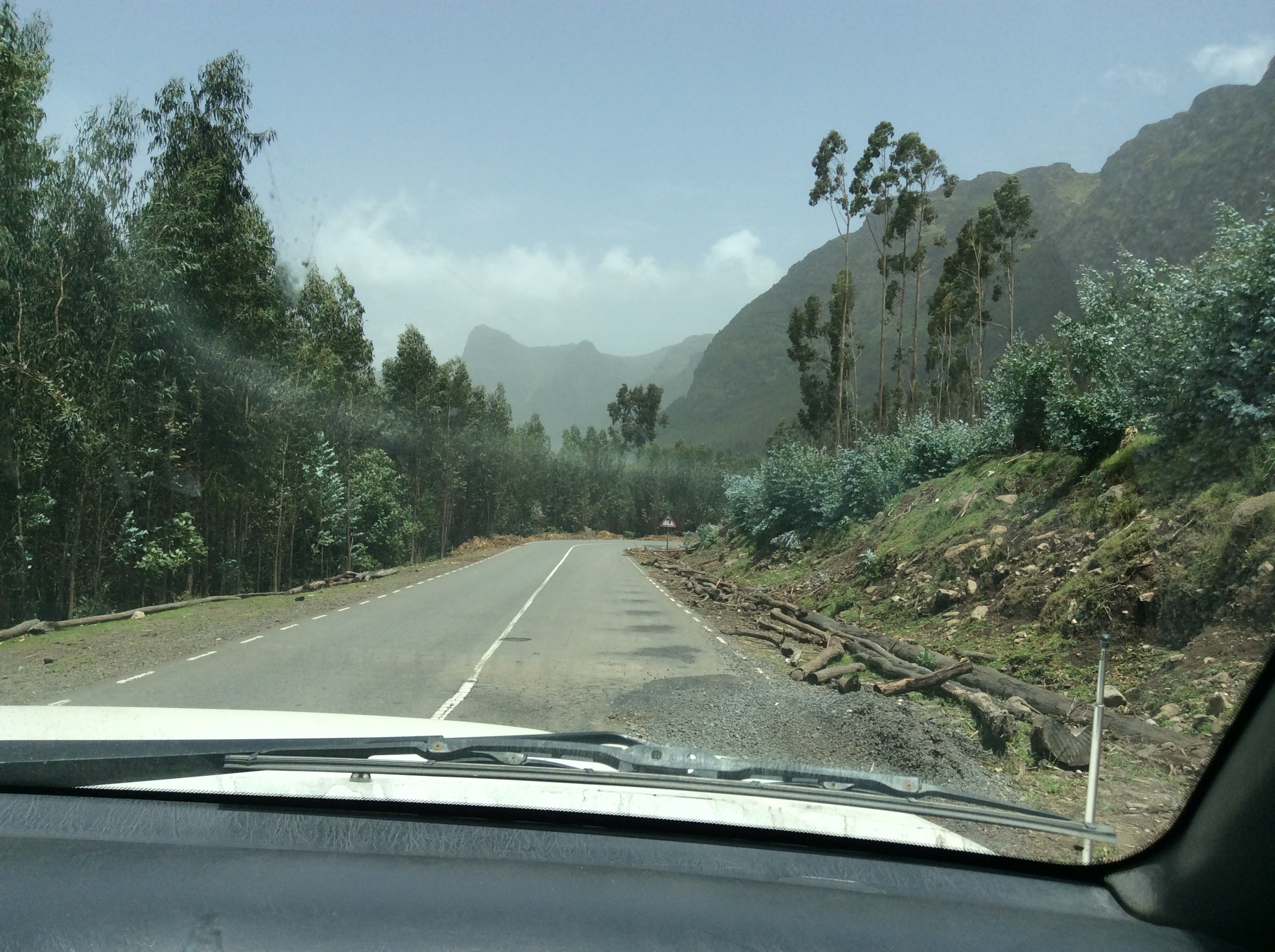
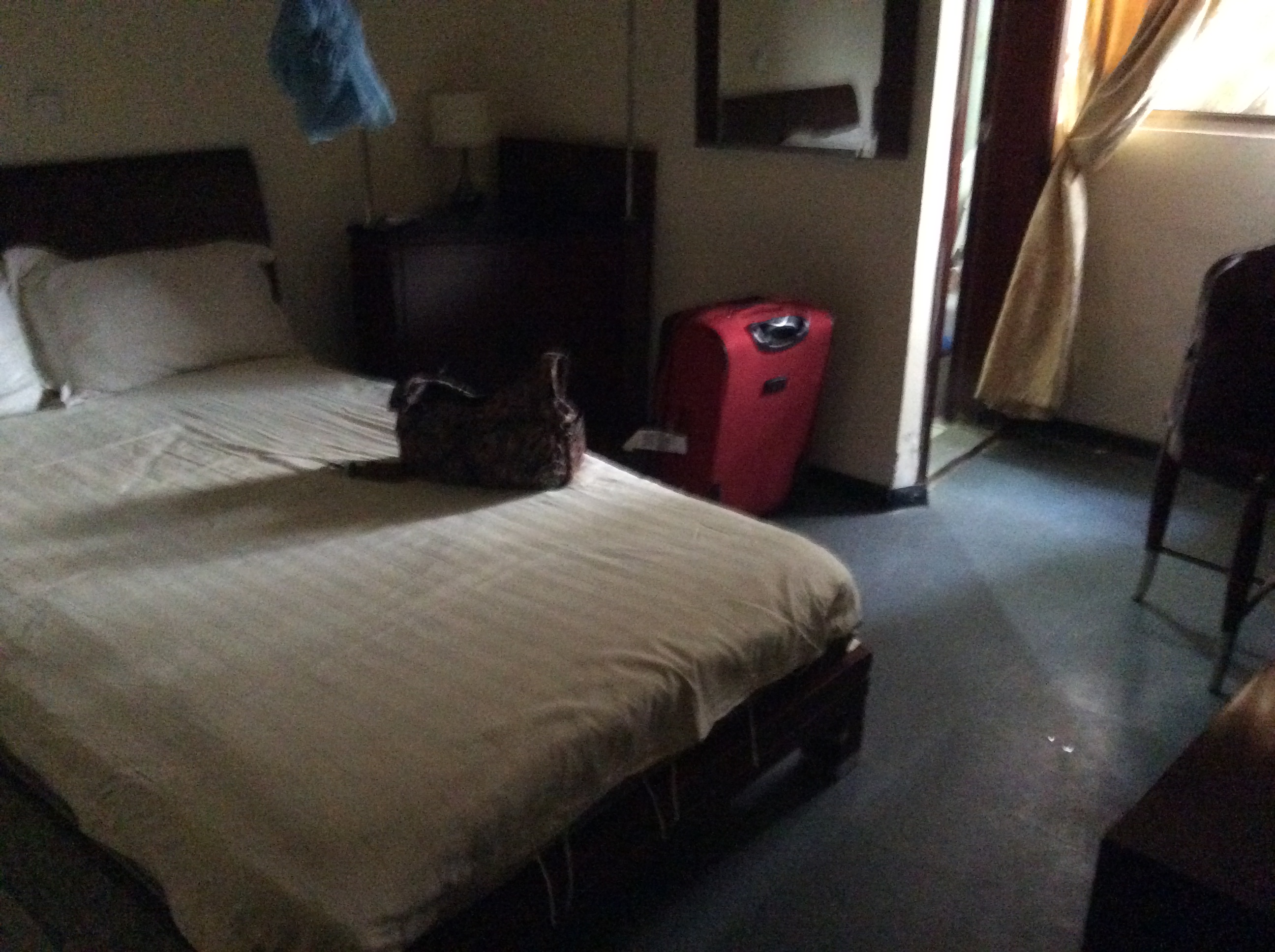
I spent yesterday evening and today here in Bahir Dar, Ethiopia, looking at, riding across or around on Lake Tana and the Blue Nile.  The out flow of Lake Tana is the beginning of the Blue Nile, the world’s longest river.  I crossed the Nile three times today in a relatively small motor boat.  Due to a diversion of water for hydroelectric power, the Nile falls are only a fraction of what they used to be.  Fishermen still fish Lake Tana in boats made from papyrus, scarves are still woven on hand looms, and corn, beans, and sugar cane are cultivated by hand, The following photos were all taken today, including the exquisite gardens at the restaurant where we ate lunch.


imageimageimageimageimageimageimageimageimageimageimageimageimageimageimage
image

Rain


image


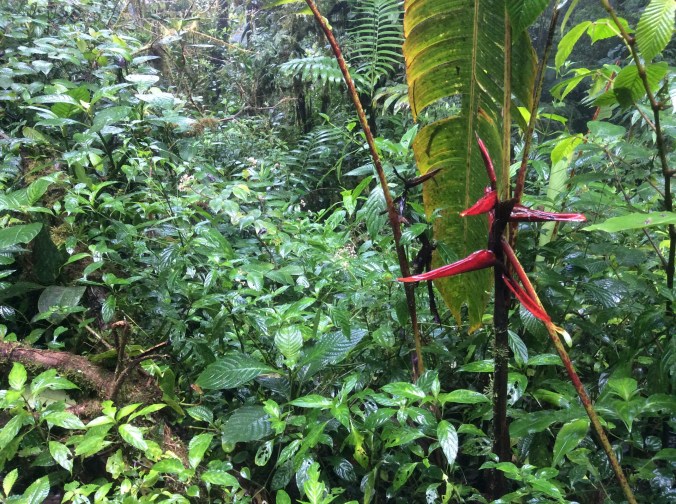
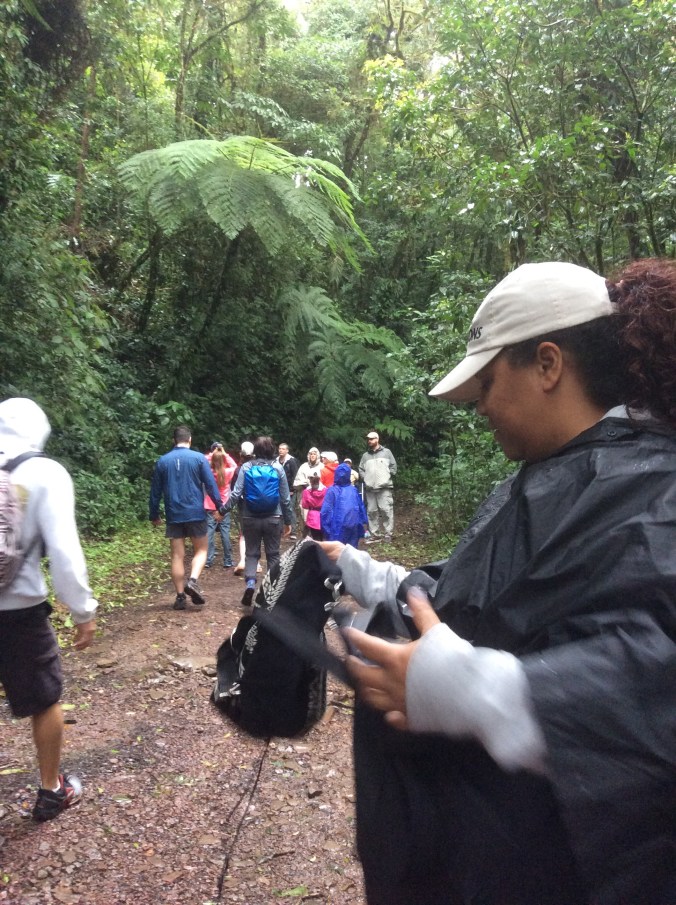
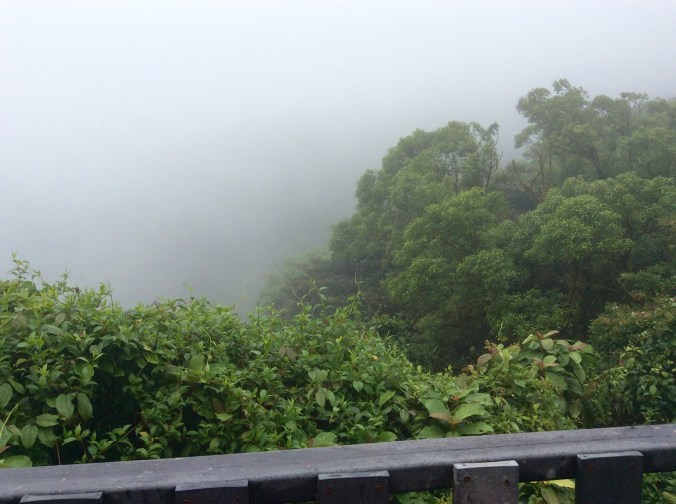
Early, in that land between wakefulness and dreams, it started to rain.  It rarely rains here in the morning; I thought I was dreaming.  Several hours later it is still raining.  Last night the weather forecaster said we are actually a little ahead of normal for the year, an unheard of event in recent years when endless drought reigned.  Because I am thinking none of  you who read my blog posts will believe it is really raining that much after reading numerous posts about drought, I decided to take some photos of the cloudiness and wet.


image


image


image


The following poem was written when it had not rained in a long time like this spring when it had not rained for months.  Now that is has started raining, it cannot seem to stop, certainly a better situation than several months ago when 50 houses in a nearby town burned down because of a giant wildfire.


It’s raining!  It’s raining!

It has not rained in more than a month.

I run out the door,

spreading my arms skyward.

I laugh out loud, dancing in the rain.

A smile smears joyfully across my face.

I run across the patio,

rain drops pelleting my face, my arms.

I laugh out loud, dancing in the rain.

My dog stands, rivulets of rain running off her.

Usually she hates rain.

Lightning explodes, thunder booms bass,

the steel roof plays staccato music.

I laugh out loud, dancing in the rain.

The Sixth Mass Extinction


Off and on the last month, I’ve posted about various issues on climate change and related topics.  Today, Life Science published an article entitled “Extinction Rates Soar to 1,000 Times Normal (But There’s Hope)”.  What causes this enormous spike?  You guessed it.  Humans.

Before recently, the extinction rate was one per every ten million annually.  Now it is 100-1000 every million.  Where do researchers and scientists find hope in this adverse increase?  Let’s look at Earth’s history for a moment before answering that question.  Since life began on our planet, five mass extinctions have occurred, leaving only half of living organisms each time.  Reasons for these extinctions vary from Earth’s shifting axis to asteroids–see previous posts related to effects of changes in the Earth’s axis.  The big question:  how do humans affect the current extinction?       Yes, we caused the demise of the passenger pigeon, the Tasmanian tiger, and the dodo bird.  And human poaching and habitat destruction now endanger elephants, rhinos, and all subspecies of tigers, among others.  One problem in accurately determining human effects is that new species are discovered annually so we are not even sure how many species currently exist.  Using what we do know about current species, DNA, and some rather sophisticated techniques, scientists come up extinction rates.

Where is the hope?  The most endangered species tend to range in small areas in poorer countries lacking resources to protect them.  Modern technology can help, using satellite imagery, biodiversity mapping, as well as other methods.  Drones have been used in Africa to track both animals and poachers.  We can focus efforts on the areas where the most endangered species live.

How can you help?  Become a citizen scientist.  Use your smartphone camera and report your findings to scientific conservation groups.  A site called iNaturalist allows ordinary individuals to upload photos of plants and animals, tagging date, location, etc.  This site links to an international organization that tracks endangered and threatened species.

What else can you do:  don’t buy anything with ivory in it, don’t buy anything with the fur or body parts of endangered animals.  Spread the word.  Become more informed, read articles and books related to these topics.  Care.  This is the only Earth; help save it.


Wine tastings and a few favorite things


Arrived home from work and fed Rosie.  Looked at the dry native grass around my house and decided to water a bit of it even though I loathe wasting water.  Green is probably safer than winter brown.  The recent giant wildfire raised my concerns about the fire danger in this drought.  I cannot remember when it rained and the next ten days show no rain in sight.  As soon as I finish writing this or shortly thereafter, I get to run back to town and join probably 100 plus other people at friends’ house to taste the wine and food brought by Market Street.  These friends run a bed and breakfast with a spectacular garden complete with koi pond and just about every kind of flower you can grow in this area.  It’s cool, nearly froze last night, so I will wear the black turtle neck and slacks I wore to work.  It’s hard to believe that it was just above freezing last night and is supposed to hit 100 next Monday–the desert has now reached here apparently.

Thinking about this leads me to think about some of my favorites, especially when it comes to wine:  zinfandels, especially from Lodi, California.  The moderately priced one I buy most often is OVZ.  It frequently goes on sale here which is even better.  I also like  Seven Deadly Zins–unfortunately I have never seen it on sale.  Basically, I love red wines and almost never drink white.  A moderately priced nice blend is Apothic Red.  Market Street had a super sale so I bought several–ten percent off if you buy six at a time.  The best malbec I ever drank came directly in baggage from Argentina, a present to me from my Argentinian exchange student when he arrived.  You can’t get it here and when his mom tried to ship me some, she was not allowed.

The students at school  kept commenting on my black attire today.  They asked if I was going to a funeral or something.  I laughed.  I like black; I look good in black.  It also shows off my turquoise jewelry.  My most favorite color is orange. Turquoise looks good with it too.  Red and green are ok.  Finally after decades I have learned to like hot pink, but really I am not a pink person–see my poem about Hot Pink Toenails–on an old blog.  It remains one of my blog posts that people look at most–I have no clue why.  The one color I really do not like is blue, especially pale blue. Perhaps tomorrow I will post about favorite books.  I really would like readers to comment about their favorites.  It fascinates me what people perceive and feel about this and that.  Often I am the only person I know who reads what I read.

Off to taste some new wines and maybe find a new favorite.

Apocalyptic Planet-Part Seven: Species Vanish


We all know extinction occurs.  Nearly everyone knows different species of dinosaurs at varied times roamed the earth for millennia.  Bones of all sorts of animals and various hominids are dug up off and on.  Scientists study them, determine their age, where and how they lived.  Scientists and sometimes even average persons develop theories about why they went extinct.  Regardless of which theory a person decides is accurate, these ancient extinctions generally took thousands of years. Recent extinctions are different, e.g. carrier pigeons.  Millions existed a couple of hundreds of years ago; now they are gone.  Why?  Humans.

Various causes exist for the extinctions of ancient species.  A major cause is the climate change caused my the changing tilt of the earth’s axis.  These changes occur over thousands and thousands of years.  What is different now?  Let’s take corn.  Native Americans cultivated rainbow colors of corn in small, frequently irrigated fields.  Where is most corn grown now?  Giant fields of GMO corn grow from horizon to horizon in the Midwest.  And if Monsanto had its way, no other corn would continue to exist for long.   Iowa is a good example.  Wherever this corn is grown, native grasses and other native plants totally disappear, in part due to cultivation.  A bigger issue is herbicides–to have clean fields, nothing and I mean nothing but corn must grow there.  A farmer’s expertise as a farmer is measured my just how super clean his fields are.  The only way to get these totally weedless fields is to use herbicides.  Biodiversity is a key to environmental health.  Little biodiversity exists in giant fields of crops like corn and soybeans.  Fertilizers to obtain huge yields wash downstream and in the Midwest eventually end in the Gulf of Mexico and cause giant marine algae blooms which pulls oxygen from the water to create a dead zone where no marine animals or fish can live.

Perhaps readers have heard of the plight of monarch butterflies.  Compared to just ten years ago, the population has dropped dramatically.  What happened to them?  Roundup.  Over 100,000 tons of Roundup and other brands of glyphosate herbicides are annually applied to crops in the US.  What do monarchs eat?  Milkweed.  Since 1999, 58 per cent of the milkweed has disappeared.  Recently, monarchs experienced a 30 per cent reduction in their numbers in one year.  Are we headed toward a mass extinction?  Some scientists think so.  These scientists are not talking about tigers, elephants, and rhinos being killed at an ever increasing rate for their body parts, but rather about the less noticeable extinctions of various plants and less obvious animals like frogs.  And then there is the problem with bees.  Bees are disappearing at an ever increasing rate due to not only diseases but due to herbicides and pesticides.  Without bees to pollinate the giant fields of almonds and various fruits in California, for example, those foods won’t exist.  See a previous post for more discussion on the importance of bees.  So why care about frogs?  Scientists consider frogs and amphibians in general an indicator of the health of an ecosystem.  Certain more tropical species of frogs are especially subject to the effects of climate change and they are disappearing.

Where I live big bluestem, blue grama, buffalo grass, and other native species grew from horizon to horizon.  This is the high plains.  Root systems of some plants grow twelve feet deep.  It has not rained in over a month.  Where the native grass once grew, crops are now grown.  This time of year finds open fields. Without rain, with the recent endless high winds, dust fills the sky.  To safely return home from town Sunday, I had to turn on the car lights to see.  The dryness fuels wildfires.  Earlier this week, over one hundred homes burned down in a wildfire north of Amarillo.  Drought.

Many human inventions are wonderful and make many lives better, but for some of them, I cannot help but wonder at what cost.


Random Thoughts at the End of a Rather Long Day


When I realized the time and know 5:30 tomorrow morning will come sooner than I may prefer, I decided I had to write something here to fulfill my commitment to write daily for at least one month–three weeks down and one to go.  Will I continue?  Don’t know yet.  Pluses:  I have gained quite a few new followers, at least ten, maybe more–have not taken an exact count; it proves that if you stick to something, there are pay offs; and it forces me to think about some things I’ve read or experienced in a way that I might not if I were not going to blog about it.

What are some of those things I am thinking about?  First, the weather.  We desperately need rain and this statement comes from someone not all that fond of rain.  I like the green results but do not like to be out in the rain normally.  It is a wonder I love Costa Rica because it rains almost daily at least it did when I was there two summers ago.  Fire warnings are even currently posted on overhead flashing signs on the interstates–not daily, but every time the wind rises which here is almost daily.  Second, when I think about the destruction of volcanoes–from reading another chapter in Apocalyptic Planet last night, I keep wondering what would happen today if another explosion like Krakatoa in the 1800s occurred.  Mass famine I imagine and a bunch of certain types of religious people claiming the end of the world.  Third, after spending two boring mornings giving STAAR tests–the state standardized tests in Texas, and another morning left to go, wondering exactly why I still think standardized tests are good.  Fourth, wondering how to turn this blog into a sort of website where people who want a signed copy of my new book, On the Rim of Wonder, can order it directly from me on this blog/website (I have had requests already which is, of course, a wonderful thing since book marketing is not all that easy).  Fifth, well this will have to wait until another day when my mind is really sharp and we can have a discussion about the effects of poverty and why it is so difficult to escape.

In the meantime, while I was out watering around my house–to keep my xeroscape garden alive (even drought resistant flowers need some) and to, I hope, make my house safer in case of a wildfire, I thought about all the lovely flowers blooming in spite of the dry weather.  Here they are in all their enduring beauty.


SAM_1081


SAM_1074


SAM_1078


SAM_0461


SAM_0161


SAM_0160

Amazon


His milk chocolate, heavy lidded eyes stare at me from the

front of the magazine.

His cheeks display charcoal tattoos, a criss cross

design, tiny Xs on top, stopping where his nostrils flare.

His straight hair barely touches his shoulders.

not the black I expected, but the color of mahogany.

His eyebrows grow thin and wide,

no visible eyelashes.

His skin, color of morning coffee with two teaspoons of milk,

looks clear, smooth.

His full lips only slightly darker than his skin

do not smile.

He, a Kayapo Indian, continues staring.

He lives in Kayapo Territory, Brazil, land the size of

Great Britain and Ireland.

He plans to save it from the rest of us.

He plans to save us from our own worst selves.


SAM_1502


The Kayapo and other indigenous Amerindians have lived in the rainforest for millennia.  They and most environmentalists view their rainforest as a priceless haven for biodiversity.  Their Amazon remains a major defense in the fight against global warming and habitat destruction.  Fifteen per cent of greenhouse emissions, more than all the trucks, cars, buses, and planes combined, come from deforestation.  Although Brazil has slowed the deforestation rate by 70 per cent in the last nine years, last year saw a reversal with an sudden increase of 30 per cent.  Brazil also began construction of a network of canals, dams, and a huge hydroelectric project on the Xingu River in the middle of Kayapo territory.  The Kayapo and other Amerindians defeated a larger project in the 1990s. They intend to defeat this one.

The chief of the Kayapo, Megaron, knows what is at stake, not only for his tribe, but also for the rest of us, long term survival.  One  National Geographic article noted, “It is one of the richest ironies of the Amazon that the supposedly civilized outsiders who spent five centuries evangelizing, exploiting, and exterminating aboriginal people are now turning to them to save ecosystems recognized as critical to the health of the planet–to defend essential tracts of land from the outside world’s insatiable appetite.”

Kayapo success can be attributed to their ability to embrace some of the best of the modern world while retaining a strong sense of identity, culture, and traditions, all of which come from the forest.  As Megaron notes, “Before the white man, we were always fighting other tribes.  Not anymore.  We stopped hitting each other over the head and united against a bigger threat.”  For our own long term health and success, we can support them and hope they succeed.


If Antarctica Thaws


Recently, my posts discuss a lot about Ice Ages, climatology,  and global warming. Most of it focused on the Arctic.  Apparently researchers in Norway and Germany think another vulnerable area is East Antarctica specifically the Wilkes Basin.  It stretches over 600 miles (1,000 km) inland and is vulnerable to thawing because only a tiny rim of ice on bedrock holds it in place.  If oceans warm and this rim of ice melts, the Wilkes Basin could break lose and melt.  Because the Wilkes Basin slants and this small rim of ice lays below sea level, once unplugged, it cannot reverse.
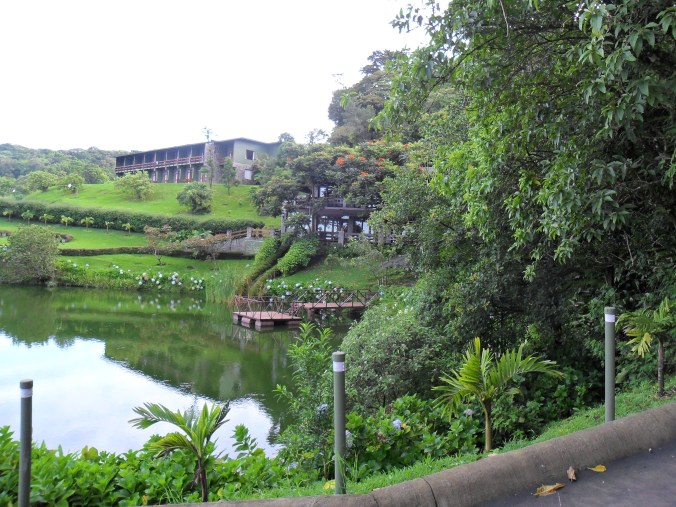
Antarctica is the size of the United States and Mexico combined.  If it ever melts, sea levels would rise 188 feet (57 meters).  Do not worry.  It will take 200 years for this plug to the Wilkes Basin to melt.  Those of us alive now won’t have to worry about seas rising that high.  However, it does not take much sea level rise to decimate many of our current large cities.  Already, in recent years New York City, Miami, and New Orleans have experienced immense economic flood costs.  Even if the seas rise a little more than seven inches by 2050, the following cities are expected to suffer huge economic losses:  Havana, Houston, Santo Domingo, Port au Prince, Baranquilla, Mumbai, Kolkata, Marseille, Istanbul, Athens, Beirut, Tel Aviv, Naples, Alexandria, Athens, Algiers, and five cities in China, including Shanghai.  The latter may explain why suddenly China has taken an increased interest in global warming and how to curtail it.

Commitments, Hosting Benefits, and What We Take for Granted


Shortness of post is necessitated by the time.  Why bother?  Nearly three weeks ago, I committed to writing daily.  Blogging seemed like a logical means to accomplish this.  I expect others and myself to follow through on commitments.  So here I am writing in the middle of the night.
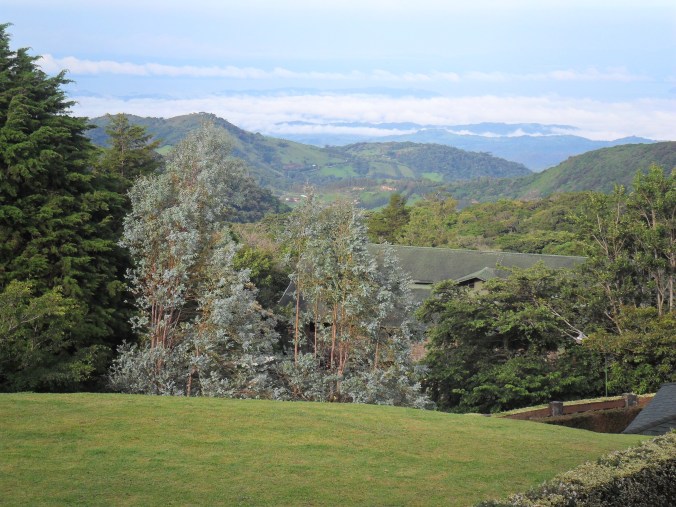
Tonight I hosted a fund raiser for the Hilltop Senior Center here in Amarillo.  We tried to sell tickets in advance but not all that many sold.  The Director of the Center and I became a bit worried, but continued with planning, hoping some would show up even if at the last minute.  They did.  We had great Mexican food donated by Braceros on Sixth Avenue, wine, my wonderful well water, cheeses, fruit, and cakes.  Even the silent auction proved to be a great success.  However, nature became the real star of the event, nature and my dog Isabella.  Unlike earlier in the week when the wind shrieked to 6o miles an hour creating several days of endless dust, today the wind laid low, the sun shone, and it was hot.  This morning the heat went on and this afternoon the air conditioning as it rose to past 90.  Thirty degrees difference between night and day is rather typical here and some days, like to day, this difference increases to nearly forty.

At dark the stars seem so much brighter out here in the country.  Many of the guests walked back and forth on the patio, looking for different constellations.  People came inside for a while only to go back out and look at the stars and the crescent moon.  What I take for granted daily, became a wonder for my company.  As I write this, I think about all the things each of us take for granted, things we eat, experience, feel daily.  How often do we really take the time to appreciate these things, to realize that although they may be ordinary for us, for others they would be incomparable blessings.  So now as I finish this, get ready for bed, and snuggle into my cool sheets, I will meditate and give thanks to the universe for the wonder of the stars.