
wind stills, an unusual calm settles
geese fly so low, the whir of wings floats earthward
two hoot owls call, haunting echoes in the canyon
cerise, vermillion, amber encompass the land
a chill creeps slowly through ancient junipers
wind stills, an unusual calm settles
geese fly so low, the whir of wings floats earthward
two hoot owls call, haunting echoes in the canyon
cerise, vermillion, amber encompass the land
a chill creeps slowly through ancient junipers
Since the election results, I have become increasingly concerned not only about the plight of Standing Rock, but also about water safety throughout the USA. President-elect Trump has major interests in the company building the pipeline. North Dakota seems determined to go to extreme policing to make sure their fracking results get into this pipeline. This state has a long history of mistreatment of its native people.
 I wrote this letter to President Obama on November 18, the morning after I returned from a few days at Standing Rock. I am not an activist by temperament. I went to Standing Rock to support a friend who felt strongly called to go, as well as, to support the cause. I did not participate in direct action, because I did not fully grasp till I was there the preparations I would need to make in terms of clearing my calendar for jail time and a return to North Dakota for a trial. Gratitude and respect for those who are taking this risk and dedicating their lives to this cause.
One thing this letter below does not address is how to donate to the Water Protectors at Standing Rock. Given the overwhelming donations of food and clothing that are still pouring in, financial donation is more practical now. Here’s a…
View original post 752 more words
As a person more than a bit obsessed with pumas, I just had to share this with others.
I’ve become fascinated by cougars. Maybe because they are elusive, secretive, more akin to a ghost than an animal of flesh and blood. Which of course, begs the question: How do you get people to care about and protect an animal that they never see, nor probably will never see in their lifetime?
 Mom and six month old kitten
Visitors to Yellowstone National Park can be almost guaranteed, if they are persistent and patient, to view wolves and bears, elk, bison, and bighorn sheep. But only the rare individual will have the opportunity to see a cougar in the Park. They’ve been spotted at Calcite Springs, hanging on the basalt walls and occasionally through a scope from the Hellroaring overlook. Usually the Park sightings are called in by wolf watchers. Once radioed around, tourists hear about it through the airwaves, then flock to those locations. Sometimes the cat might be hanging…
View original post 678 more words
Thanksgiving brings so many thoughts, including thoughts about the divisive political discourse in the country now. However, it seems more productive and in keeping with the day to focus on gratitude. As I write this I think of both personal and broader things for which I am grateful, one of which is that I live in a country where divisive political discourse can actually and legally occur. Now to the more personal (even though I think the personal is political, I will not focus on that)–here is my starter list:
-my family–daugher, son, and grandson; daughter and grandson will join me shortly to prepare a traditional Thanksgiving dinner.
-my mother’s pumpkin pie recipe which my grandson will help me prepare when he arrives; he says it is the only pumpkin pie he really likes.
-my job which I truly love–teaching public high school; my students frequently make my day.
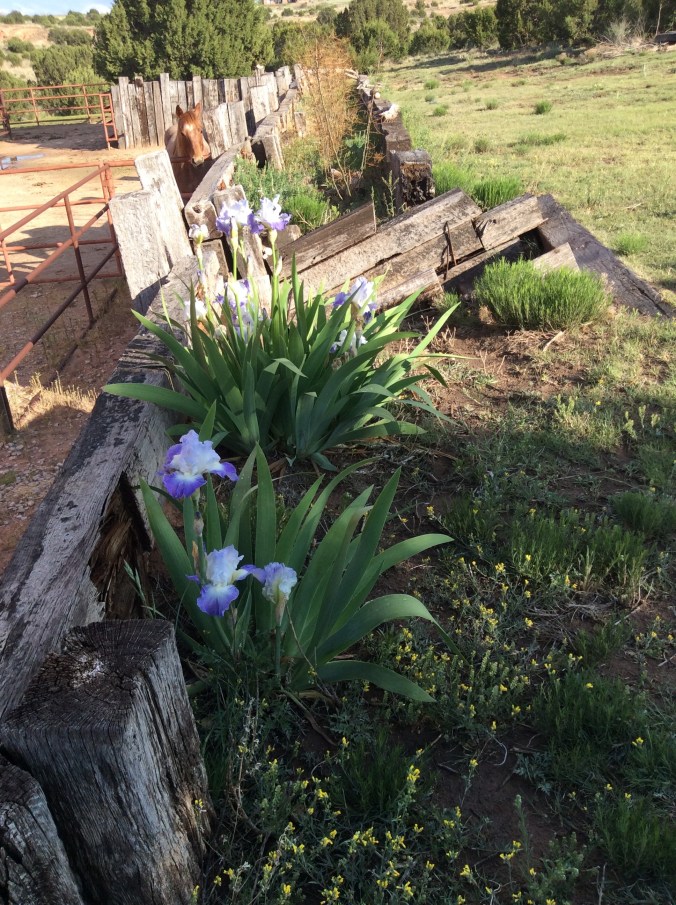
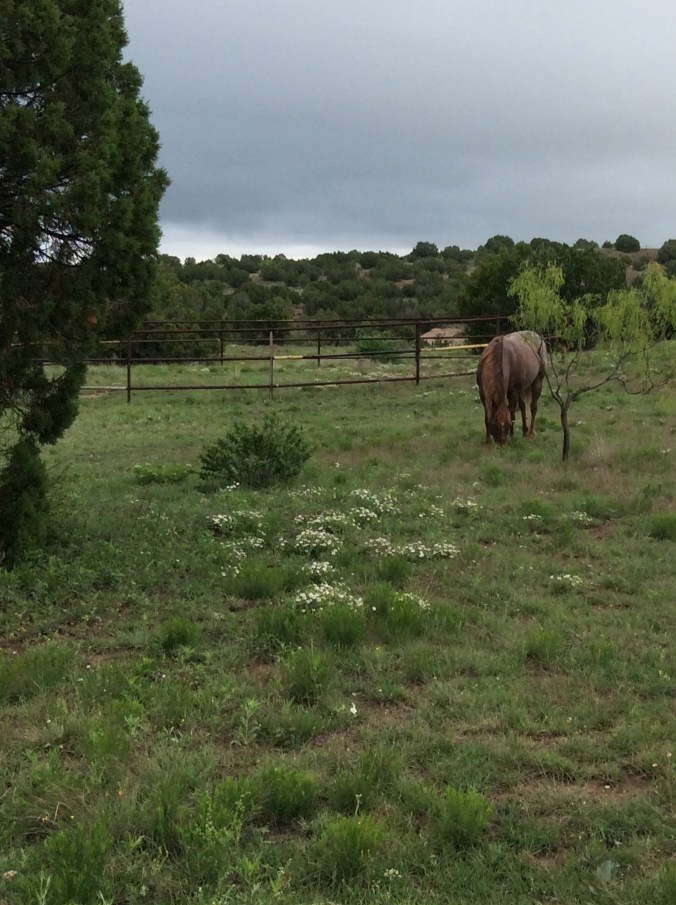
-where I live in beauty truly on the Rim of Wonder.






-my health
-my friends
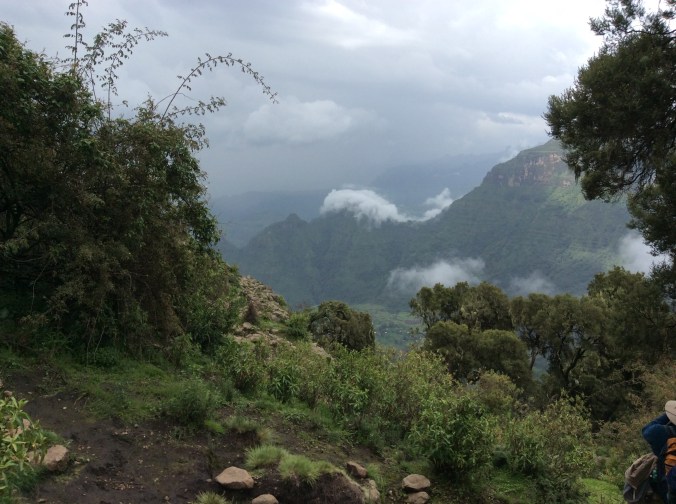
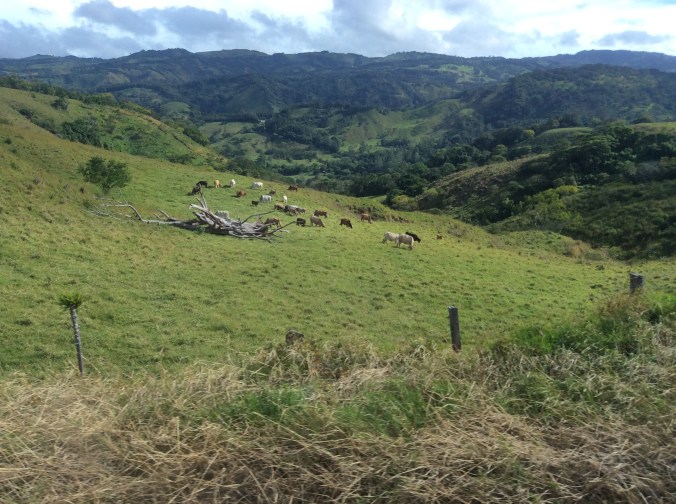
-my ability to travel to all sorts of fascinating places



-a life I love
After grading 45 essays this weekend, it remains a wonder that I learned anything new. I did, sadly, once again find a few plagiarizers, but I also read some good essays on which students had obviously spent time.
As a person extremely interested environmental issues, I belong to several environmental organizations and read a lot about related issues. Here are some of the things I have learned either recently or in the last few days:
-June and July were the warmest June and July on record and the 14th and 15th straight months in which such records have been set.
-Thawing permafrost near the Alaskan Highway has caused it to sink in places.
-In Siberia the same thawing has caused the release of deadly bacteria–anthrax to be specific.
-This past summer, toxic algae affected waterways in states as diverse as California and Utah. It does not smell all that wonderful either.
-In Alaska so many wolves have been killed that naturalists can no longer research them in their natural state.
-The Republican Platform claims coal is a clean source of energy.
-Hot summers have caused Douglas fir trees to quit growing.
October 03, 2016 Source
“Millennia of humans have gathered around fires to hear words that transferred hard-won wisdom and allowed dreams of unlimited possibilities. In a modern world that limits wisdom to ‘facts,’ and women’s access even to those, Dr. Estes has restored the fire-for us all.” Gloria Steinem, author of Revolution from Within.
All strong women who believe the Spirit heals.. who believe in spirituality, myth and medicine of the soul, should read this amazing work. It is a truly profound spiritual testimony to the Wild Wolf Woman within!
….Selkywolf…
A healthy woman is much like a wolf – strong life force, life-giving, territorily aware, intuitive and loyal. Yet separation from her wildish nature causes a woman to become meager, anxious, and fearful.
With the wild nature as ally and teacher, we see not through two eyes only, but through the many eyes of intuition. With intuition we…
View original post 313 more words
For those following the fate of one of sub-species with few left in the wild.
October 18,2016 By SUSAN MONTOYA BRYAN, ASSOCIATED PRESS

Federal wildlife officials are now under a court order to update a decades-old recovery plan for the endangered Mexican gray wolf, a predator that has struggled to regain a foothold in the American Southwest despite millions of dollars of investment in reintroduction efforts.
An Arizona judge on Tuesday dismissed the concerns of ranchers and others and signed off on a settlement between environmental groups and the U.S. Fish and Wildlife Service.
Under the agreement, the federal agency must update the recovery plan by November 2017 while providing the court and other parties in the case with regular updates on the planning process.
Environmentalists have long argued that the agency had a legal obligation to adopt a recovery plan that spells out specific goals and milestones for returning the wolves to their historic range.
There are currently about 100 wolves in the wild…
View original post 385 more words
owl hoots, perches atop a dead juniper
fire and cerise sunsets
autumn chill floats through the air

October 5, 2016 Source
Unexpected move reverses a trend that has seen increasing numbers of large carnivores shot by hunters each year since Romania’s accession to the European Union.
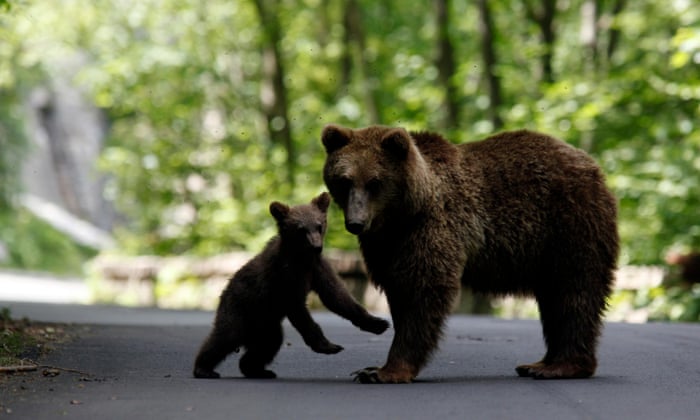 In 2016, the largest hunting quotas yet gave hunters the mandate to shoot 550 bears, 600 wolves and 500 big cats over 12 months. Photograph: Radu Sigheti/Reuters
Romania has banned all trophy hunting of brown bears, wolves, lynx and wild cats in a surprise decision that gives Europe’s largest population of large carnivores a reprieve from its most severe and immediate threat.
The move on Tuesday reverses a trend which has seen the number of large carnivores being shot by hunters grow year on year since Romania’s accession into the European Union in 2007. In 2016, the largest hunting quotas yet gave hunters the mandate to shoot 550 bears, 600 wolves and 500 big cats over 12 months.
Over the…
View original post 771 more words
It has always puzzled me why wolves are hated more than other predators. Wolves are a lot like humans. Do we project our worse traits on them? They kill few livestock when compared to deaths due to disease, weather, etc. I am interested in feedback regarding this question.
September 21, 2016 Source
There aren’t many wolves left in the Norwegian wilderness Just 68, in fact.
But Norway’s government has decided even that’s too many. Authorities announced plans this month to kill 47 wolves, or about two-thirds of the remaining population.
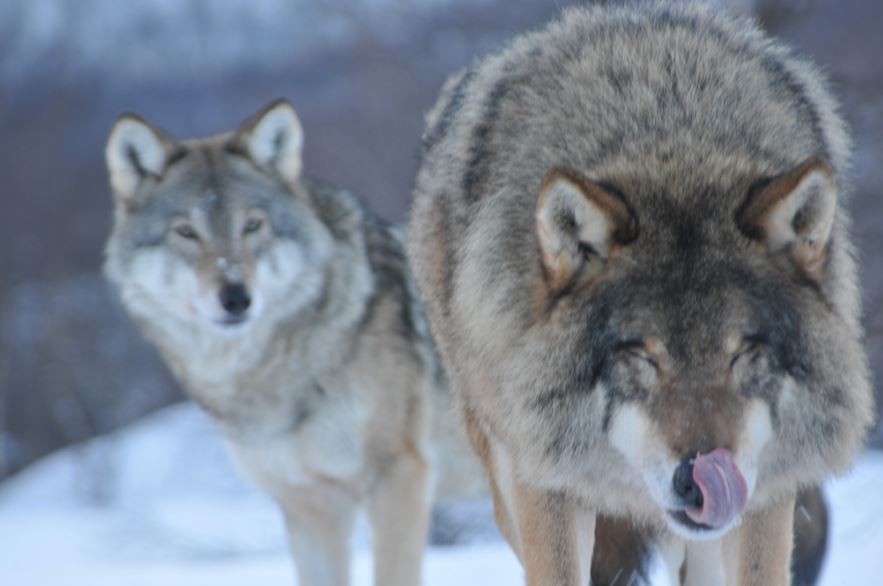
The move has sparked both intense criticism and praise. Farmers welcome the cull, claiming wolves threaten their livestock, and therefore their livelihood. Conservationists, on the other hand, condemn the move as an attack on a species that’s already on unsteady ground.
“The wolf population is already very small and critically endangered,” Silje Lundberg, a prominent Norwegian environmentalist, told the U.K.’s Express. “To eradicate 70 percent of such a vulnerable species is shocking.”
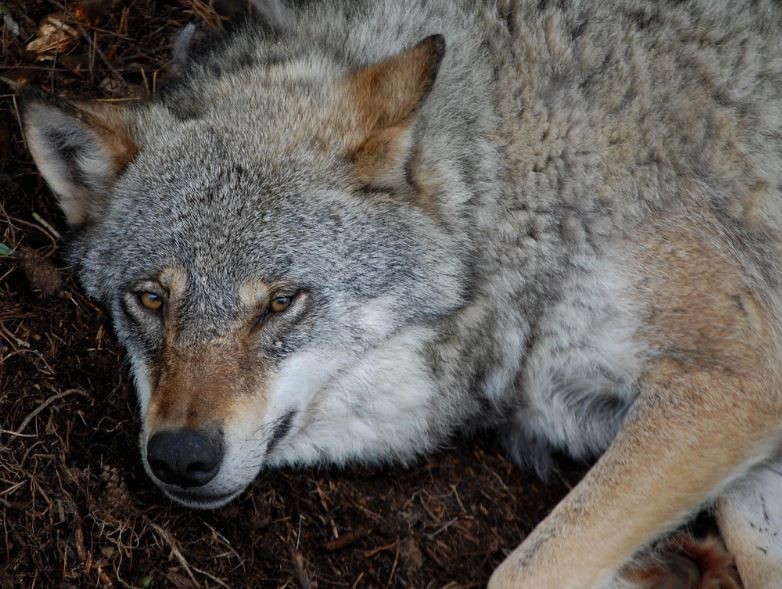
In Europe today, there are an estimated 12,000 wolves — a population that has surged in recent years. But only in Norway is the species listed as…
View original post 341 more words
Travel the World 4 Less
A Glimpse into My Life & Passions
Ceto-Magoism, the Whale-guided Way of WE in S/HE
Exploring the F-word in religion at the intersection of scholarship, activism, and community.
ANCESTRAL FOOD. HERBAL WISDOM. MAGICAL COOKERY. SEASONAL CELEBRATION.
inesemjphotography
politics, engineering, parenting, relevant things over coffee.
Food is the best expression of every emotion. Explore through my reviews, recipes, events and more.
Smile! A Site for Friends Wherever You Are!
inspiring personal growth through poetry and writing
Combining atheism with whimsy. This is a Fair and Balanced blog based on opinion unencumbered by fact.
Odds and ends ~ My Life
Original poetry, commentary, and fiction. All copyrights reserved.
bripike@gmail.com
A wildlife filmmaker in Africa
A Geeky Feminist's Musings On Pop Culture
"5 minute walks"


 writingontherim