Book 29 for 2026: “The God of Small Things”, Arundhati Roy


The Booker Prize winner from decades ago, I decided to reread it (I read it when it was first published) after reading the author’s recent memoir. It is1969 in the southern Indian state of Kerala where a substantial proportion of the population belong to the Syrian Christian church. Does this keep them from adhering to the Indian caste system? No. Caste, wealth, social status, property–they all still matter.

The main characters are one family: Ammu and her twin children who love the wrong man according to their society, the blind grandmother who plays Handel on her violin, their uncle who was a Rhodes Scholar at Oxford and married and then divorced an English woman, their child, and an ex-nun grandaunt who is not a nice person and cannot get over her love for a priest. And then there are their servants and the man, an Untouchable, who is the brilliant carpenter, mechanic, fixer of everything. When the half English child and her mother come to visit after her new husband’s untimely death, everything changes in a day.

Even though written decades ago, the novel is definitely worth the read. Although the details and cultural representations are true to one particular area of India and its culture, the novel’s themes ring true for all cultures and countries, themes of Love, Joy, Hate, Prejudice, Hope.

Note: I also decided to research how much the caste system has changed life in the decades since it was written. In urban areas with new laws there is more leniency regarding rights especially for work and education, but people still usually marry those from the same caste. Rural areas have not changed much to the point that many villages still have a specific area where the Dalits (Untouchables) have to live.

Book 28 for 2026: “One Amazing Thing”, Chitra Banerjee Divakaruni


One afternoon nine people are in a passport and visa office in a US city–a teenager and her Chinese grandmother, an elderly white couple, an African American with a military past, a young Muslim still struggling with the aftermath of 9/11, a young Indian graduate student. Suddenly, an earthquake traps them together with two workers from this office. There is little water and little food. They argue about what is the best strategy to survive. The two young men almost come to blows. Finally, they agree on some strategies on how to share the meager supplies. After a bit they notice a water leak and that the water is slowly rising. They stack chairs on tables as the water rises higher and higher. As tensions increase, the graduate student suggests they tell one amazing thing from their lives to distract them as the water keeps rising.

The novel then relates each person’s story and the reactions of the others to the stories. Some stories are quite heart wrenching of cruel families, others endearing and joyful. The stories enable them to quit most of the bickering and work on their survival

Book 26 for 2026: “The Loneliness of Sonia and Sunny”, Kiran Desai


By an author whose previous novel won the Booker Prize, this novel was long listed for the most recent Booker Prize. Although 670 pages long, it did not take me as long as I expected to read this because I found I kept going because I wanted to know what was going to occur. It is the tale of two families and two young people, both of whom have studied and lived in the United States. The background city for both families is the Indian city of Allahabad. The two, retired, family patriarchs get together frequently to play chess even though their families are sometimes rivals for status and influence.. The two do not live far apart and all the older family members know each other, including those who have moved away to Delhi and other places. The youngest members do not know each other and accidentally meet on an overnight train. At that point they do not know that their two grandparents had tried to match make them in an arranged marriage. Later, this becomes an embarrassment.

Sonia wants to become a novelist and is attending college at a small liberal arts college in New England where she becomes involved with a famous but cruel artist who becomes obsessed with her and whose influence she has become unable to escape, initially literally and later psychologically. Sunny lives and wants to stay in NYC to escape the overbearing influence of his mother and the violence between her and the two brothers of her deceased husband.

Not wanting to reveal all the complexities of the lives of these two young people who come to love each other but whose lives keep tearing them apart and the challenges they face as they try to make sense of their lives, I will simply say this is a novel I recommend. The reader learns a lot of about Indian culture and its variances, about the huge differences among different parts of India, e.g. Goa and Delhi, but also how universal family and personal struggles really are.

Book 24 for 2026: “Glory Be”, Danielle Arceneaux


This is a murder mystery set in Lafayette, Louisiana. The main character is an older Black lady who spends Sunday afternoons after church at the local coffee shop helping gamblers with their sports betting. While there, she learns that her best friend, a nun, has been found dead in her apartment. The police insist it is a suicide, but Glory knows that cannot be and sets out to find out what really occurred and who the murderer is. Her daughter, a classy NYC attorney, is visiting. She is very reluctant to join her mother’s quest but eventually agrees to help. Together they begin to investigate. After Glory is bitten by a pit bull under scary circumstances. receives a package full of bees which sting her and send her to the hospital, and other unexpected occurrences, Glory’s daughter realizes her mother may be correct about this being a murder, not a suicide. Their investigation leads them to the trailer house of a priestess, the grounds of a notorious drug dealer, etc.

Glory has grown up during segregation and is used to being overlooked and dismissed. Although she is in many ways a very traditional woman with traditional values, she is determined to do right by her friend. This leads her to places she would never n normally go and encounter people she would normally avoid.

I rarely read murder mysteries but since this is a book in a book club to which I belong, I read it anyway. It was an enjoyable read, sometimes funny, and certainly a glimpse into bayou culture about which I know little. I think there is a sequel so might look for it since I enjoyed Glory’s spunk and determination.

Book 22 for 2026: “A Guardian and a Thief”, Megha Majumdar


In the not too distant future the city of Kolkata in India is besieged with floods and famine. Ma, her elderly father, and two year old daughter are preparing to emigrate to the US where her husband has a good professional job. This is one of the families in the story. The other is a poor family from the Sundarban struggling to stay alive while the oldest son, Boomba, has gone to Kolkata to try to earn enough to save his family.

In the two weeks time of this novel, Boomba, driven to desperation and holding a secret about Ma, breaks into Ma’s house and steals her purse which contains the passports for her, her father, and her child. Both her actions previous to his, her current actions, and Boomba’s lead both down paths they could never have previously dreamed with dire consequences for all.

Due to the flooding and famine, everyone in the city is desperate except for the one billionaire who has stayed. Their desperation leads some to behave in undesirable ways, but the main “lesson” of this novel illustrates how just one action by one person can lead to dire consequences for two entire families and possibly others as well–actions have consequences you can never begin to imagine. Be careful.

Book 21 for 2026: “Hurricane Season”, Fernanda Melchor


The inside of the front cover informs the potential reader that this is a novel about a world steeped in mythology and violence, set in a small town in rural southeastern Mexico. The violence part is extreme, the kind of violence that only sometimes pervades a lot of small, rural, poverty ridden towns everywhere in the world. Written in a style reminiscent of Faulkner (I read a translation from the Spanish), each chapter tells the main story from a different perspective, the story leading up to and the death of the Witch who is found floating in the water of a canal. She is called the Witch but no one for sure seems to know her gender, where she attained the money to build such a huge house, and how she manages to entertain with lavish abandon. People both avoid her and are drawn to her.

There is the grandmother who thinks her wayward grandson can do no wrong while blaming her daughter ( the child’s mother) for everything and anything, there is his friend whom he both loves and hates, their is the poor girl he aids and loves who has been groomed and impregnated by her stepfather and has run away because of it, the engineer who loves boys and men, the woman who makes her living as a fancy prostitute to support her disabled husband and on and on it goes–people harming each other out of anger and frustration with their dire circumstances. For some of the characters, the writing is first person so the reader learns the interworkings of those mentally harmed by their life’s poverty and environment from which there appears to be no escape.

This is not a novel for the faint of heart.

Delights 6


Redwood tree absorbs the mist.

Jasmine fragrance fills th air.

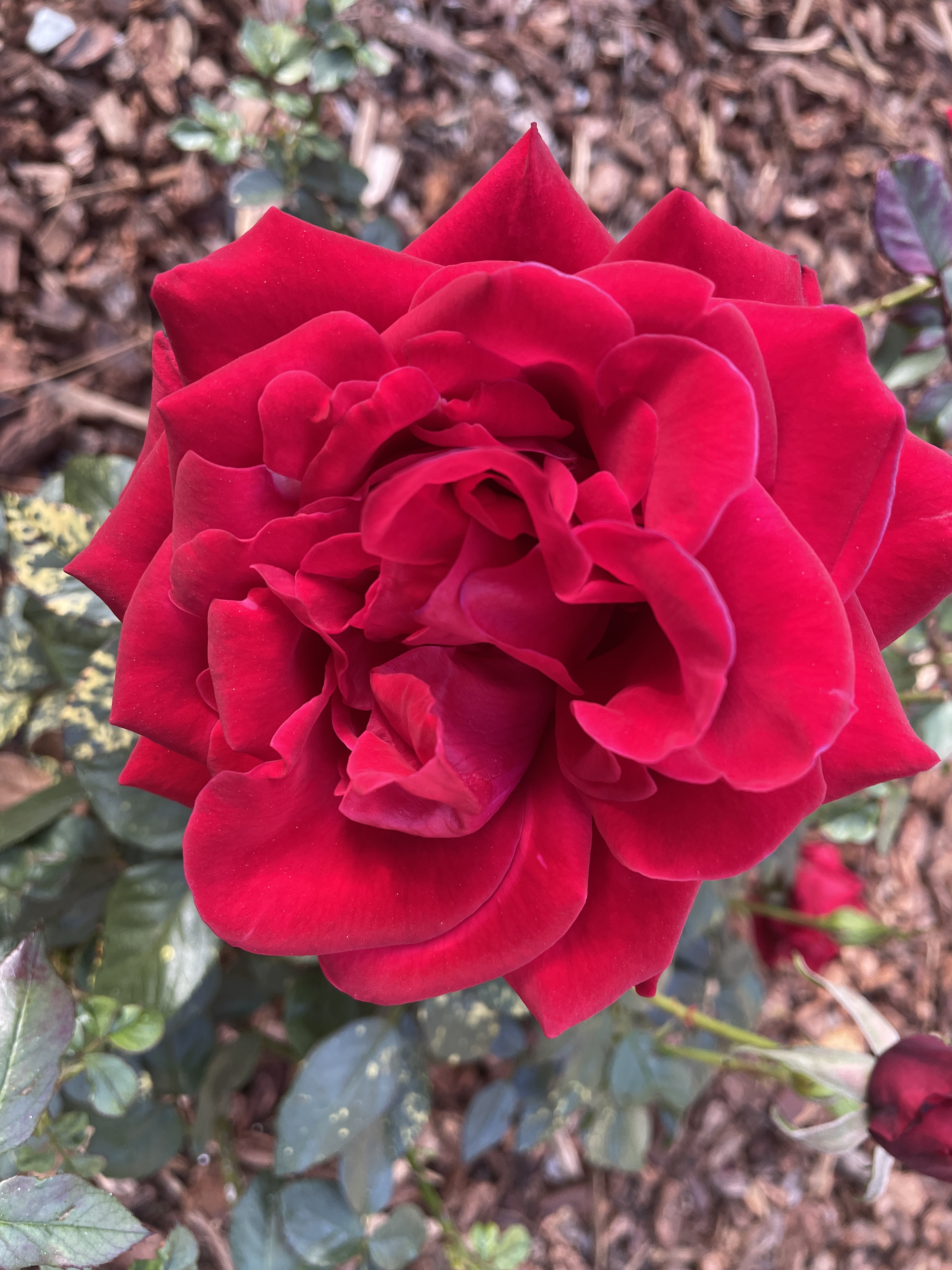
Scarlet, hot pink, peach, orange and multicolored

rose blooms grace the garden wall.

Hummingbirds drink nectar from the feeder

in the lilac bush.

Morning joy.

California Adventure 2


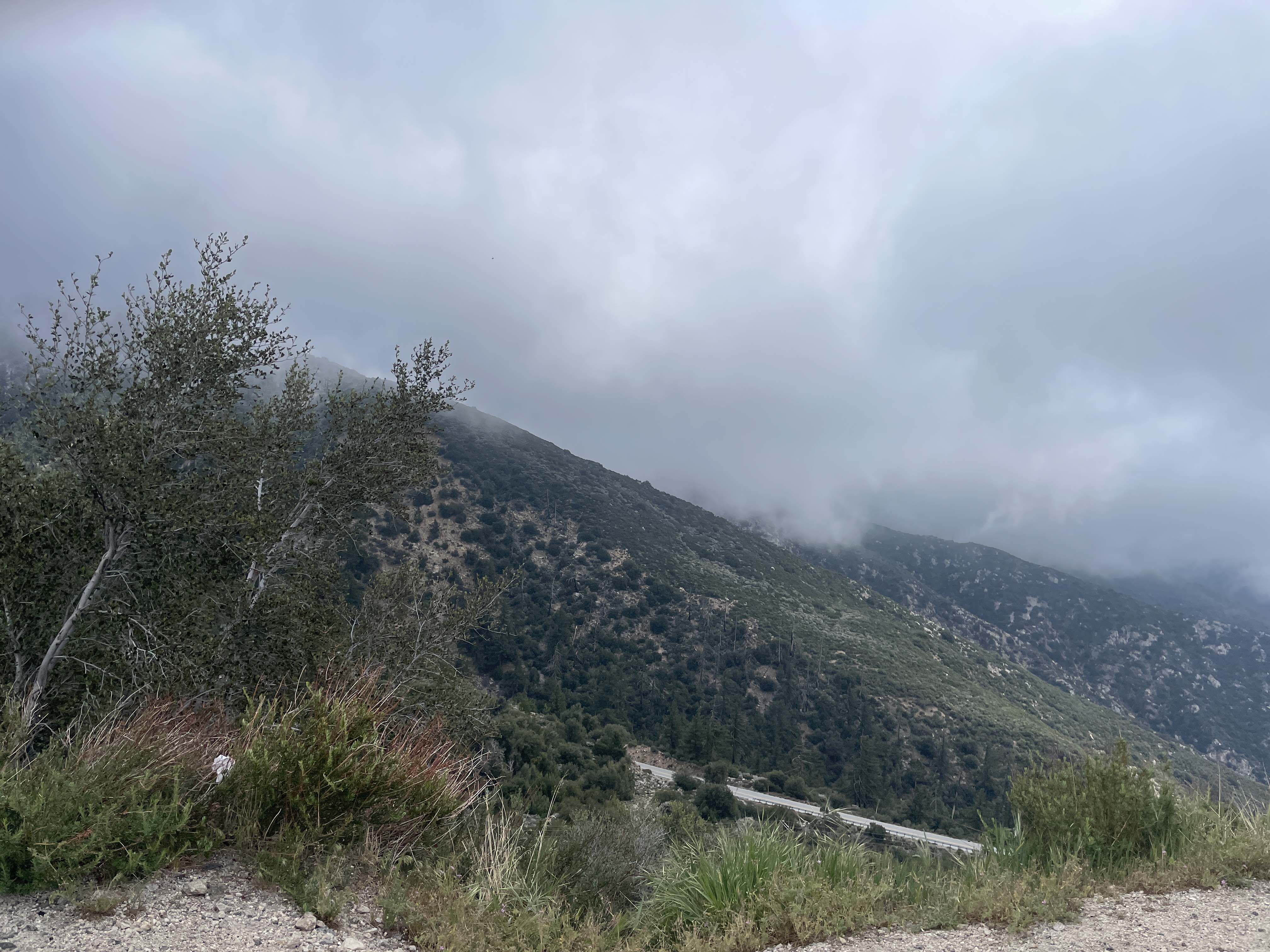
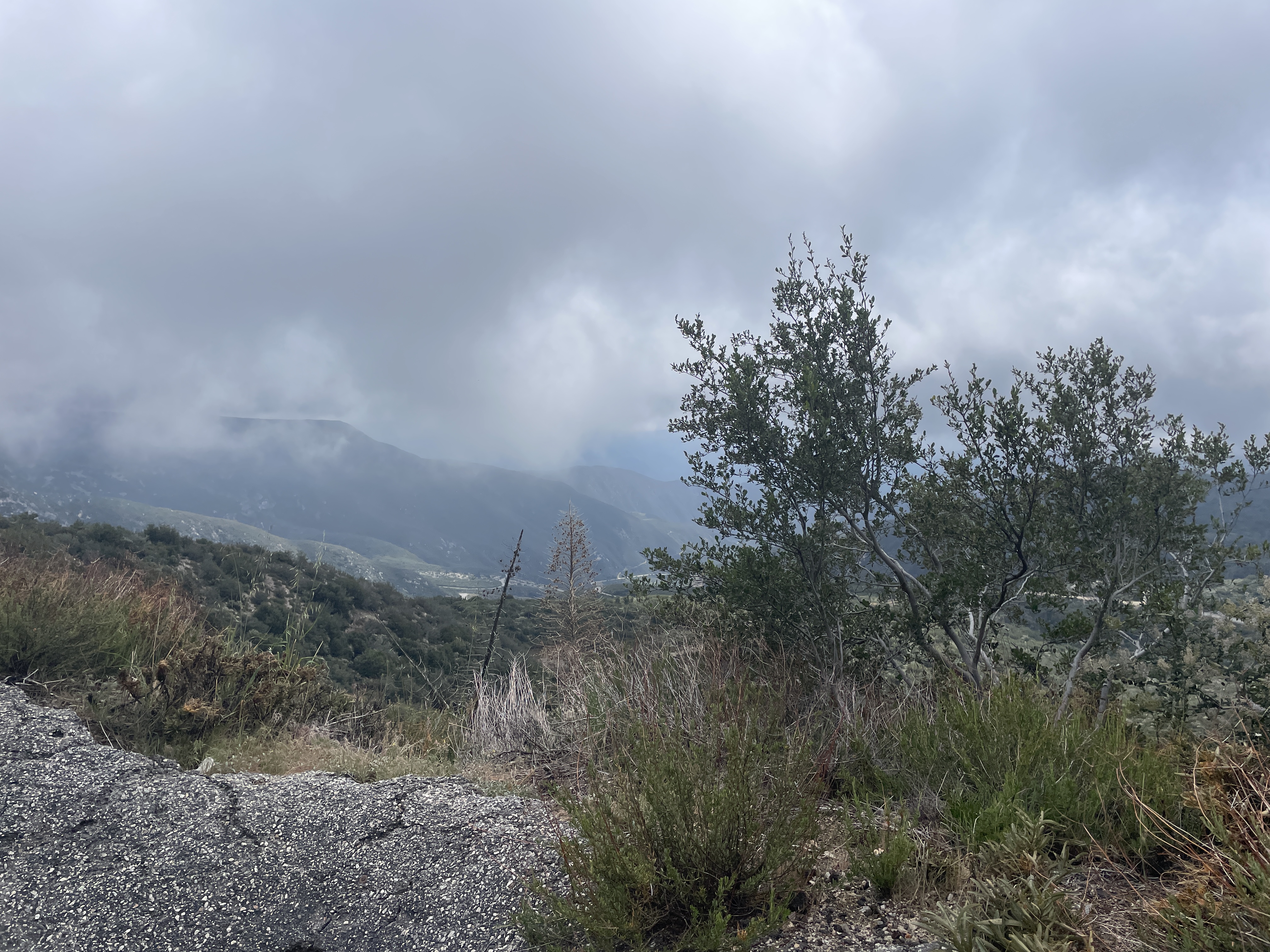
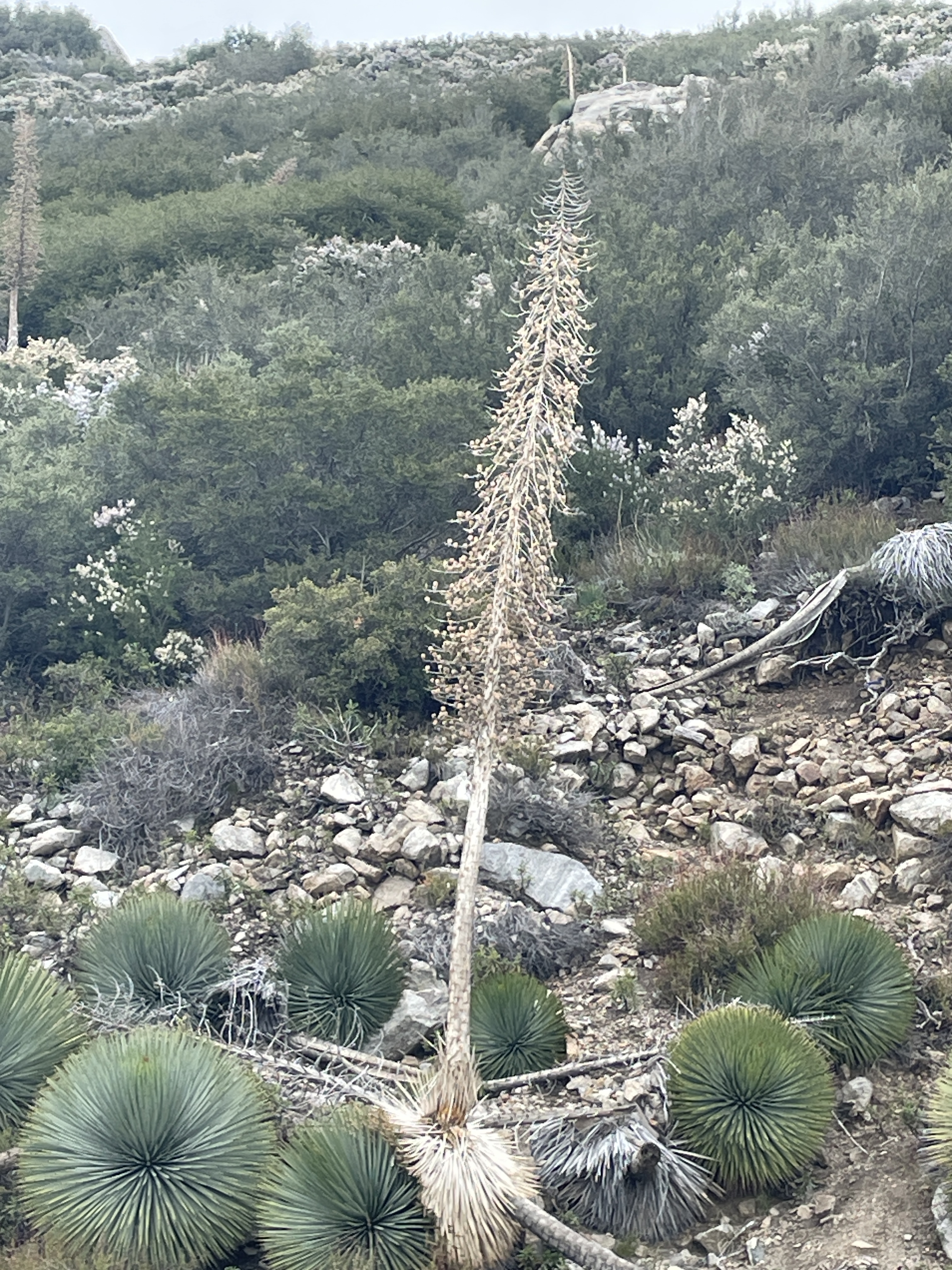
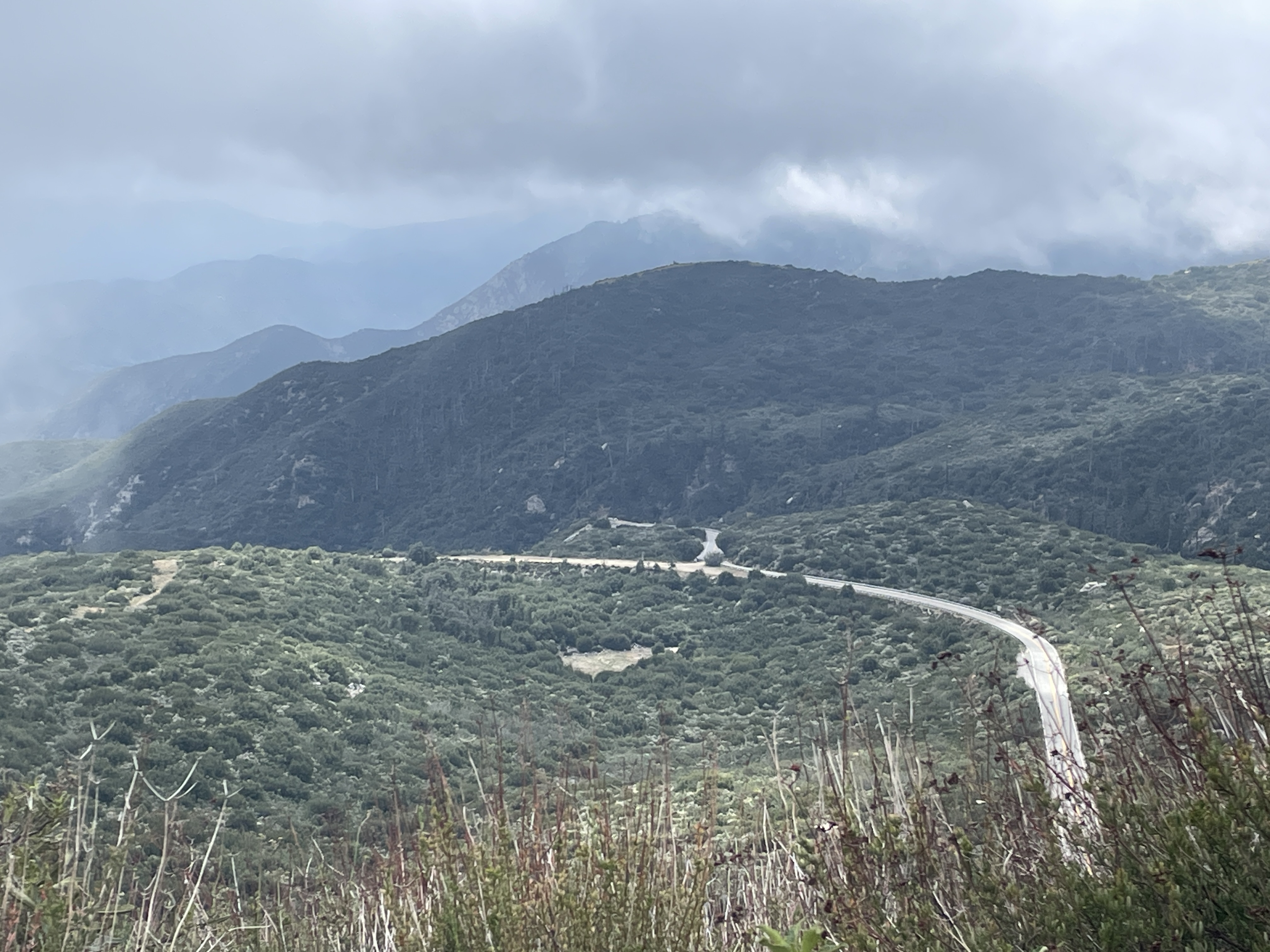
Although my son had been here a couple of times previously, he had never been up Mt. Baldy so we decided to drive a way I had never gone before, the Glendora Mountain Highway. It begins in the mountains above the town of Glendora, CA, and goes approximately 22 miles east where it intersects the highway going up Mt. Baldy at the Mt. Baldy Village. This road is not for the faint of heart. Although in good condition and well paved and two lanes wide, it is narrow and windy and without guard rails. Unfortunately, we did not stop and I was so busy driving, I could not see all the views. Unlike most of the highways and roads up toward the mountains all of which have views to the south, this highway crosses over to the other side so that many of views reveal all the rugged mountains to the north. I will attempt this adventure again, but not alone. For most of the trip we saw no other cars, and there is no cell phone reception up this way so best to have someone along with you if you decide to drive this.

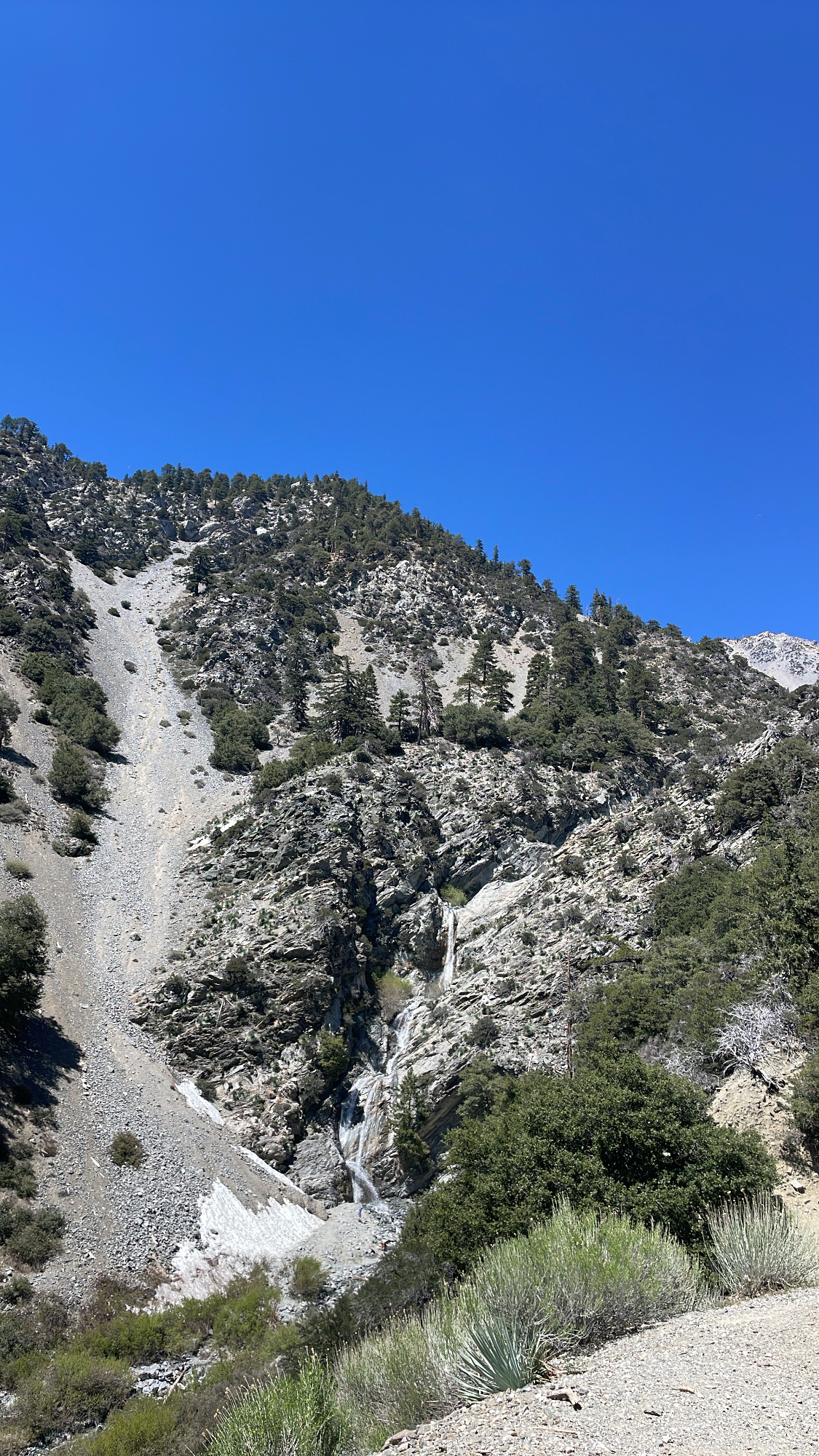
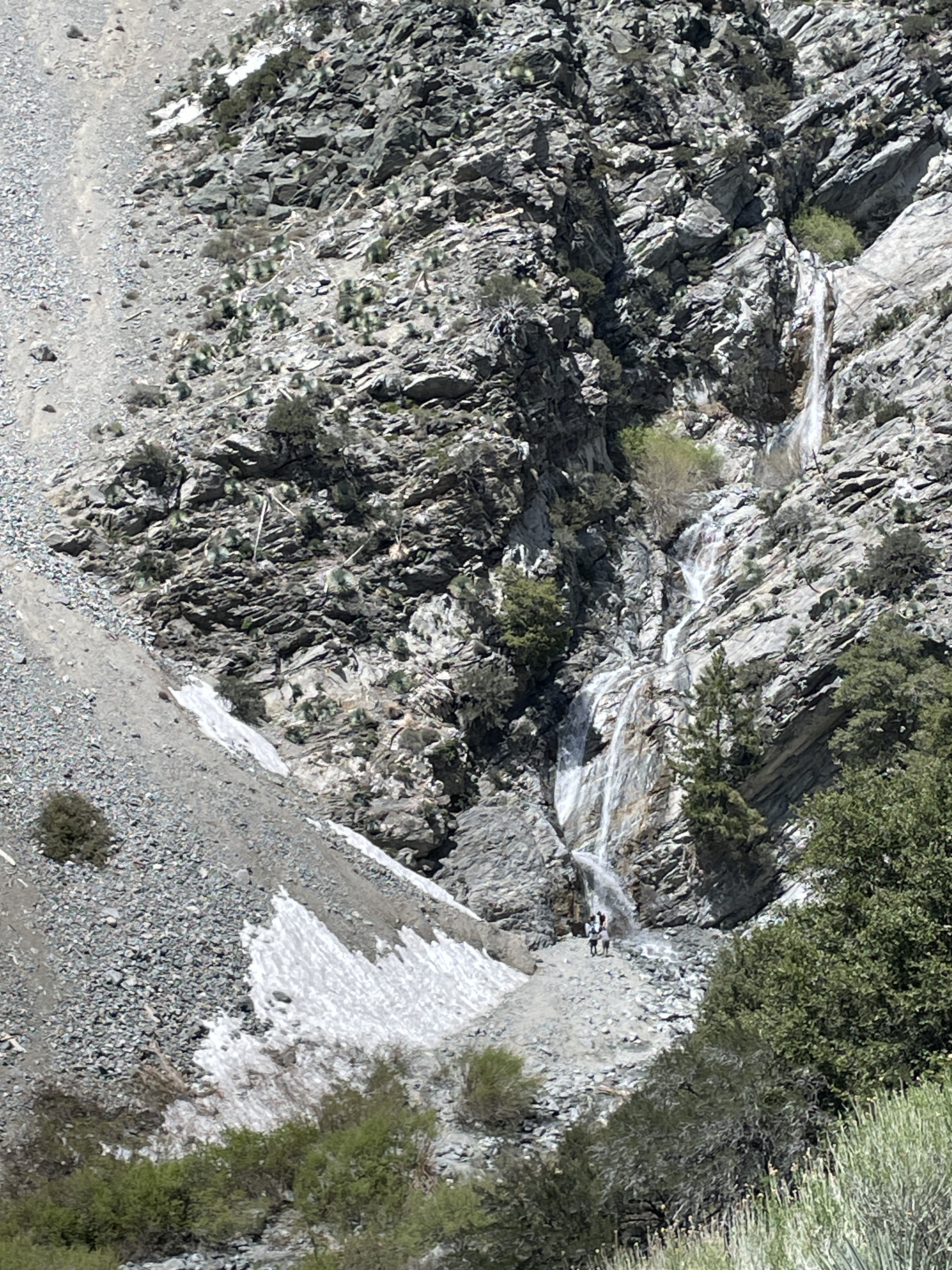
After we intersected the main road, we drove to the top but the very top is blocked off so we turned around and parked to hike to Angel Falls. The following photos were taken on this hike. Most of it is paved, but the very last part up to the falls is steep and gravel and necessitates crossing the stream below the falls. We decided to hike farther up a gravel road that climbs up the mountain where the paved part stops. Angel Falls can be heard long before you can see it. This is a relatively easy hike. Even on a Monday, there were quite a few people headed to the Falls so if you do not want crowds, go on a weekday.

Yes, that is snow on the left side.

California Adventure 1


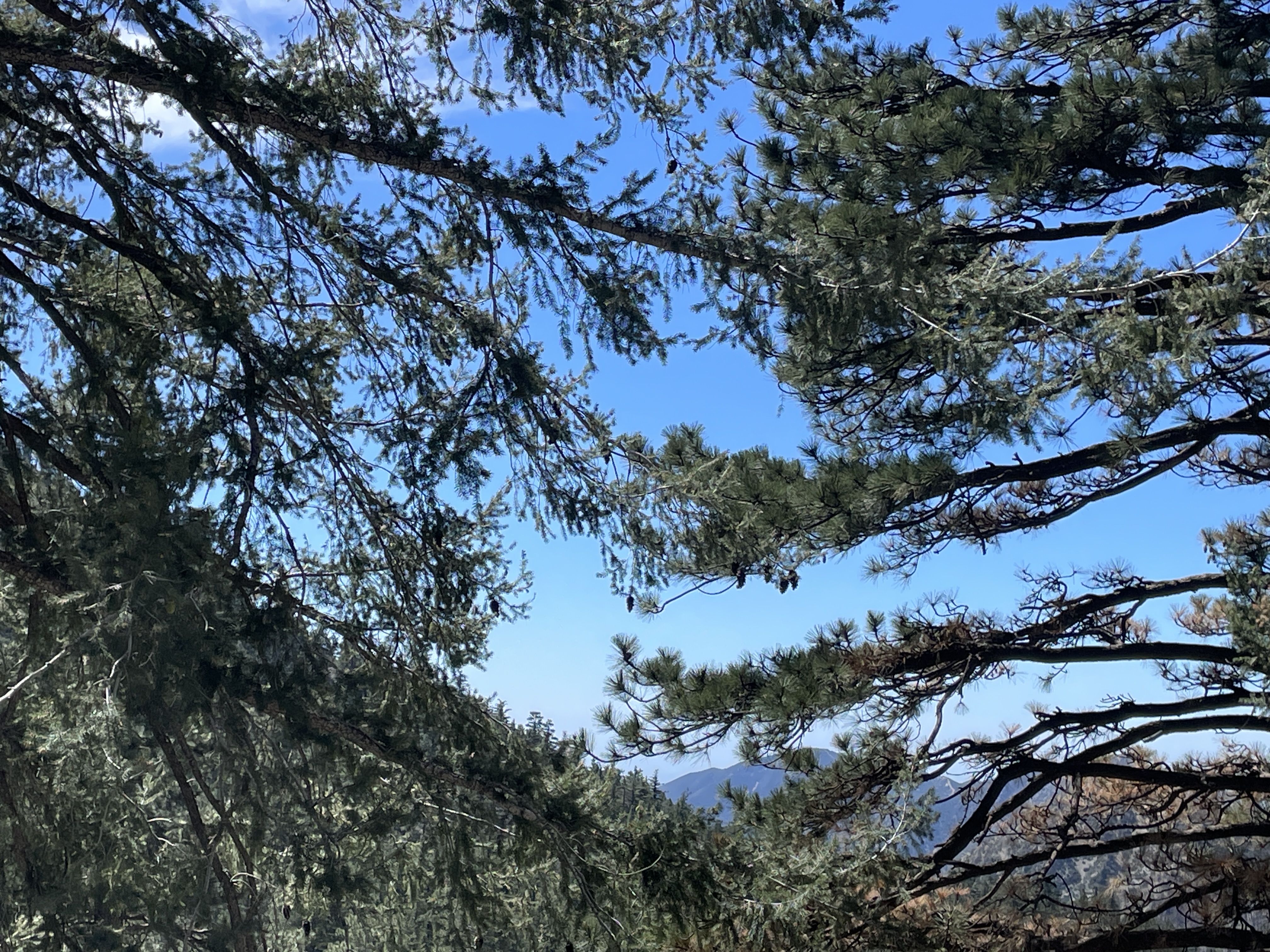
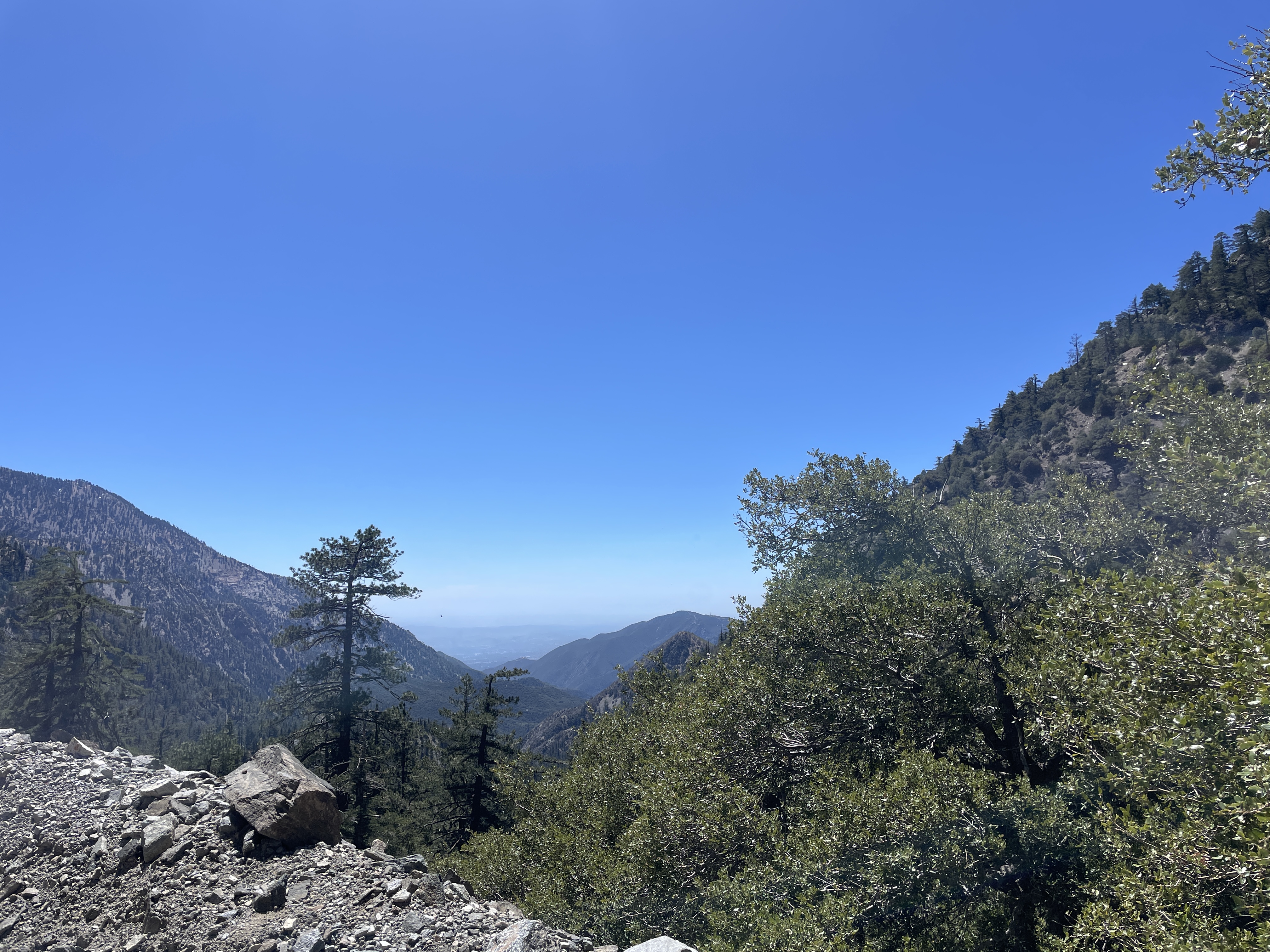
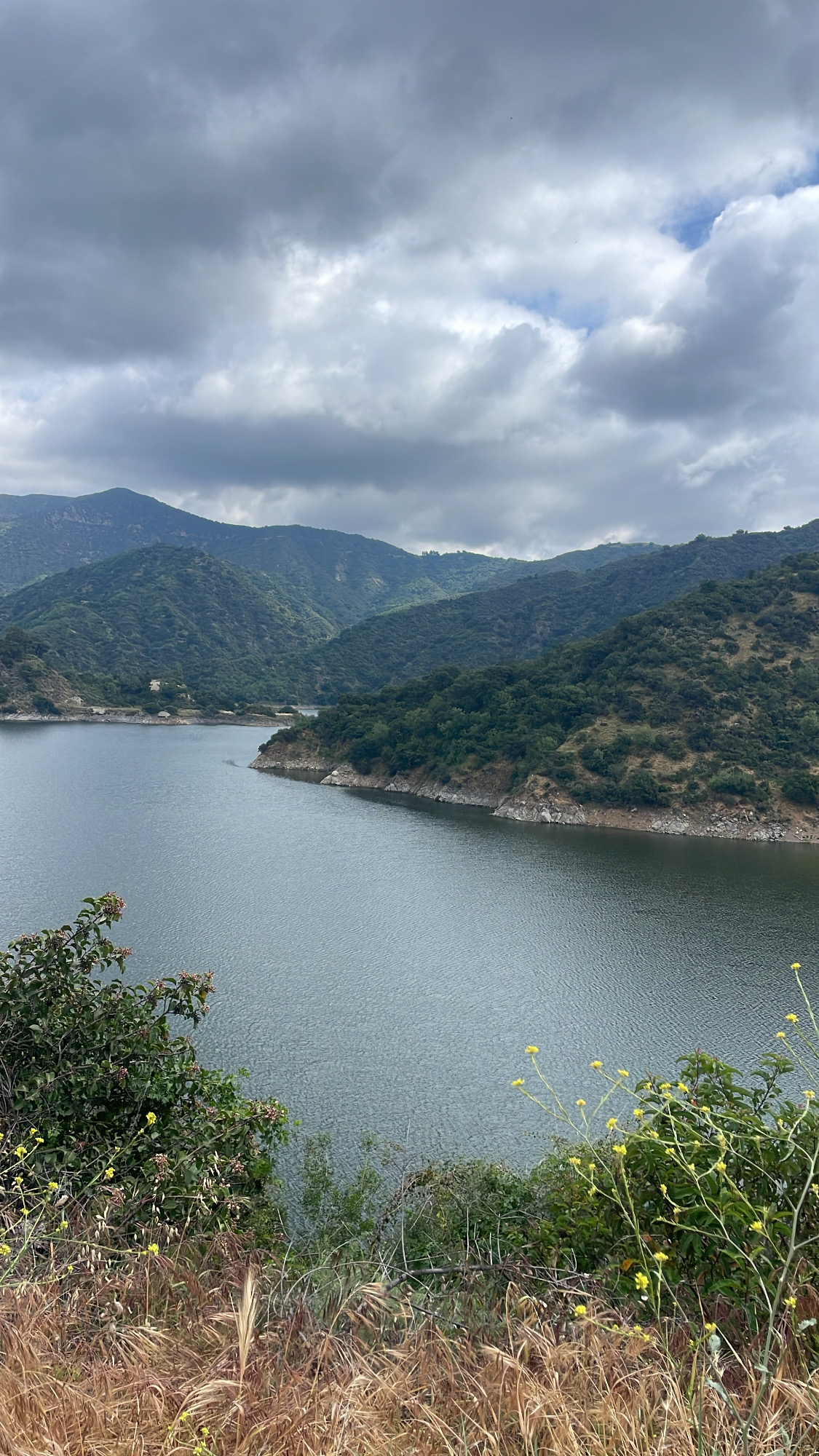
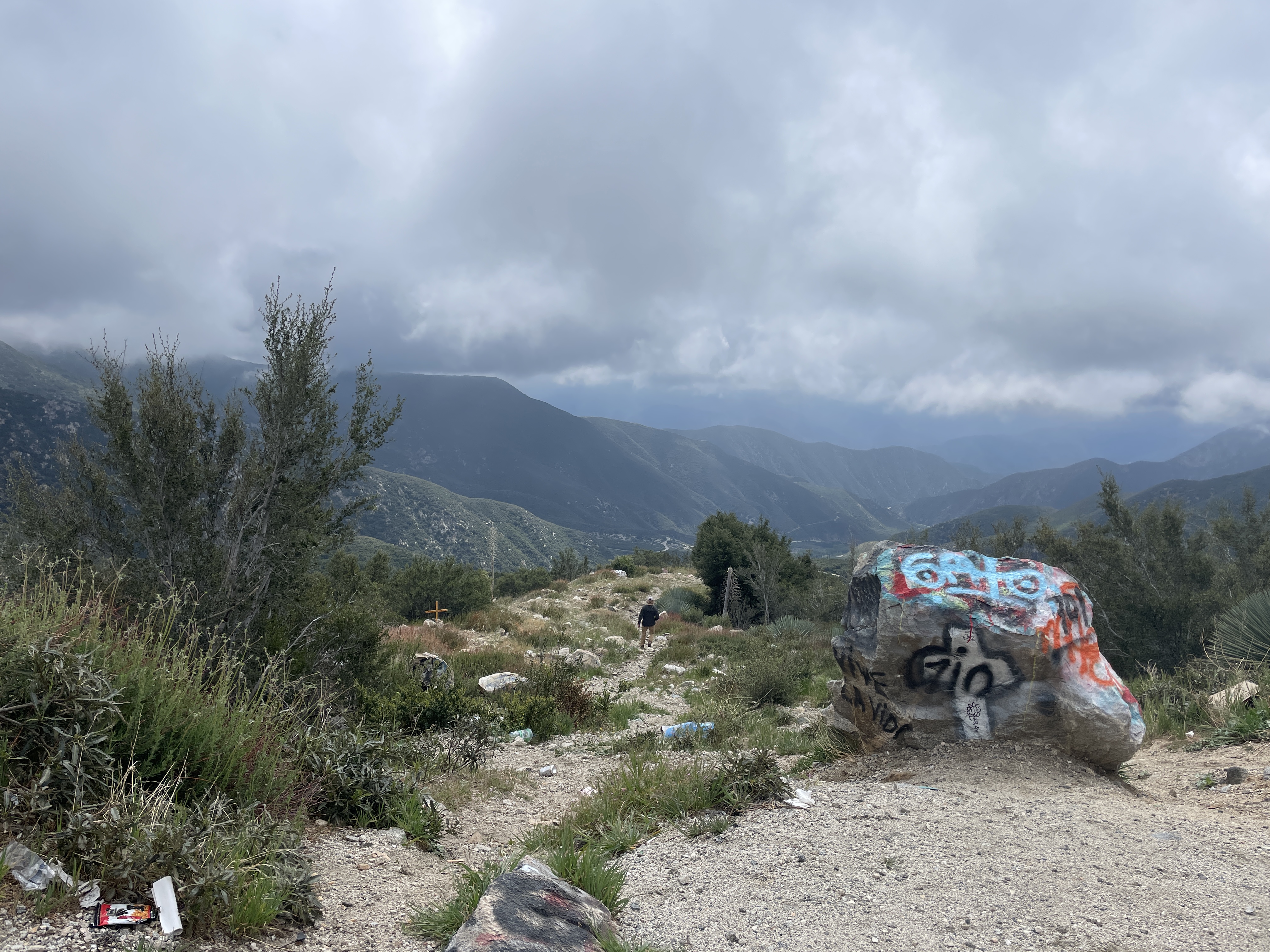
My son was visiting from Ohio and we decided to go on an adventure. Highway 39 used to go up through the mountains north of Azusa and connect with Highway 2. However, due to rockslides the last 4 or so miles, those 4 miles of the highway have been closed for years. We decided to drive as far as we could. You can go around the barrier and continue by hiking farther up over a sort of pass. Although my son did go partway, we did not hike to the top. These are photos along the way where you pass two reservoirs that are now used only for flood control. It is not a difficult drive and a fun activity going up into Los Angeles National Forest–an easy day adventure.

Book 14 for 2026: “Forgotten Landscapes: How Native Americans Created Pre-Columbian North America and What Can We Learn From It”, Stanley A. Rice


The title of this non-fiction book explains what this book is about. The author is emeritus professor of biological science at Southeastern Oklahoma State University and of Cherokee heritage. He cites all the historical findings and current research regarding how natives used fire to control forests and grasslands, the numerous large native cities found both in US and Latin America using lidar technology, and how the colonists were totally mistaken when they thought they had found a land that lacked the influence of humans regarding forestry, farming, orchard keeping, etc.

He notes that the way the indigenous people in the US farmed and maintained orchards was not like those of the Europeans so they thought no one was doing anything and they were incorrect. He also goes into a lot of the history about how European diseases especially brought about the demise (genocide) of millions of native peoples even often those who had not themselves seen Europeans. Many European diseases spread from domesticated animals to humans (he provides a long list) and natives had no immunity. He cites of only one Western Hemisphere disease (syphilis) that went from the Americas to Europe. He claims that there were so few native diseases in this hemisphere because there were no large animals to domesticate.

The way Native Americans farmed, maintained forests, established orchards, etc. was so different from the European way that Europeans thought no one was doing anything productive with the land. To the contrary, they were affecting the land greatly but in ways that were more sustainable. Currently, he notes in the US forest management people have begun to recognize Native American forestry expertise and use it in many places.