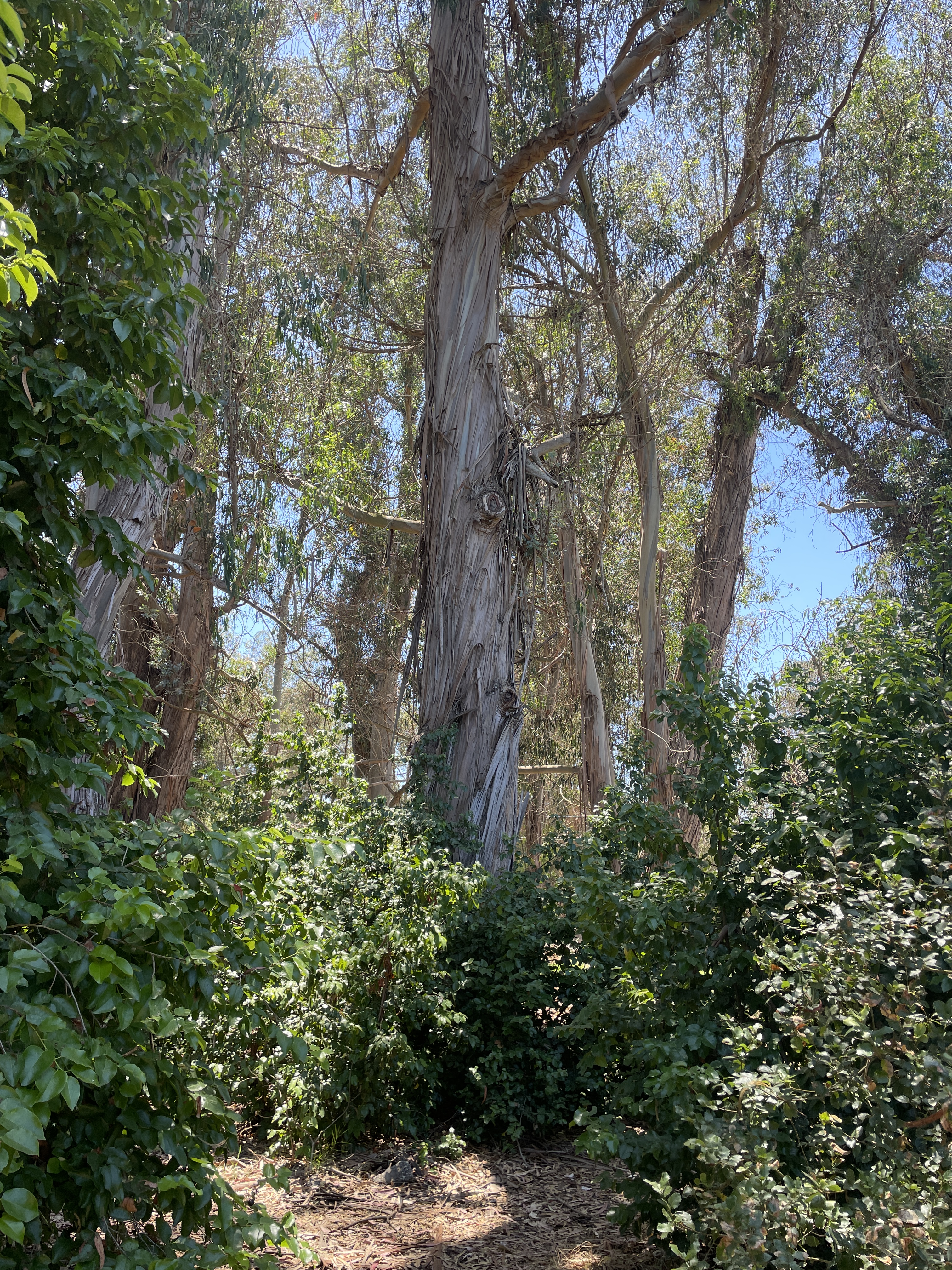
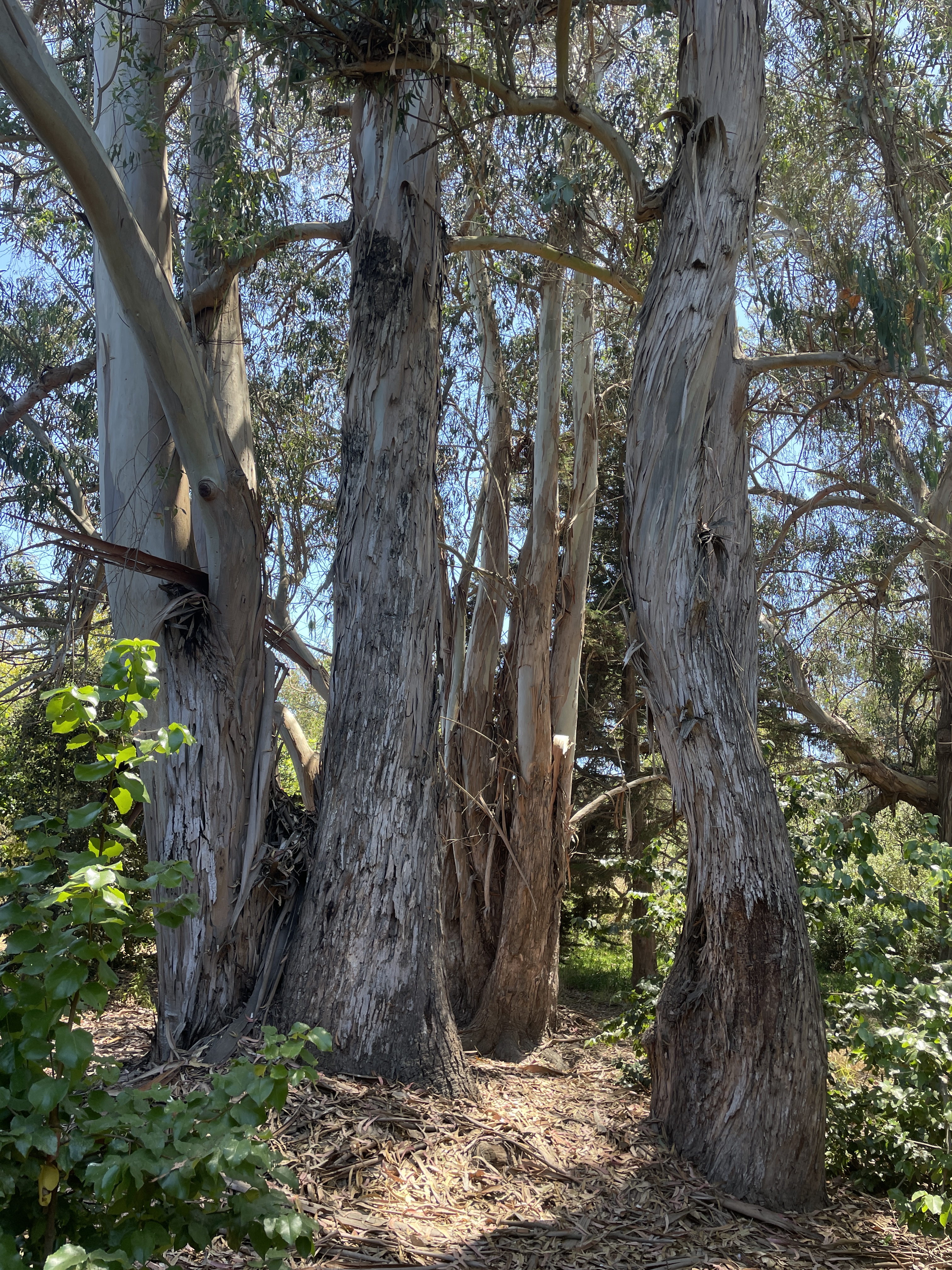
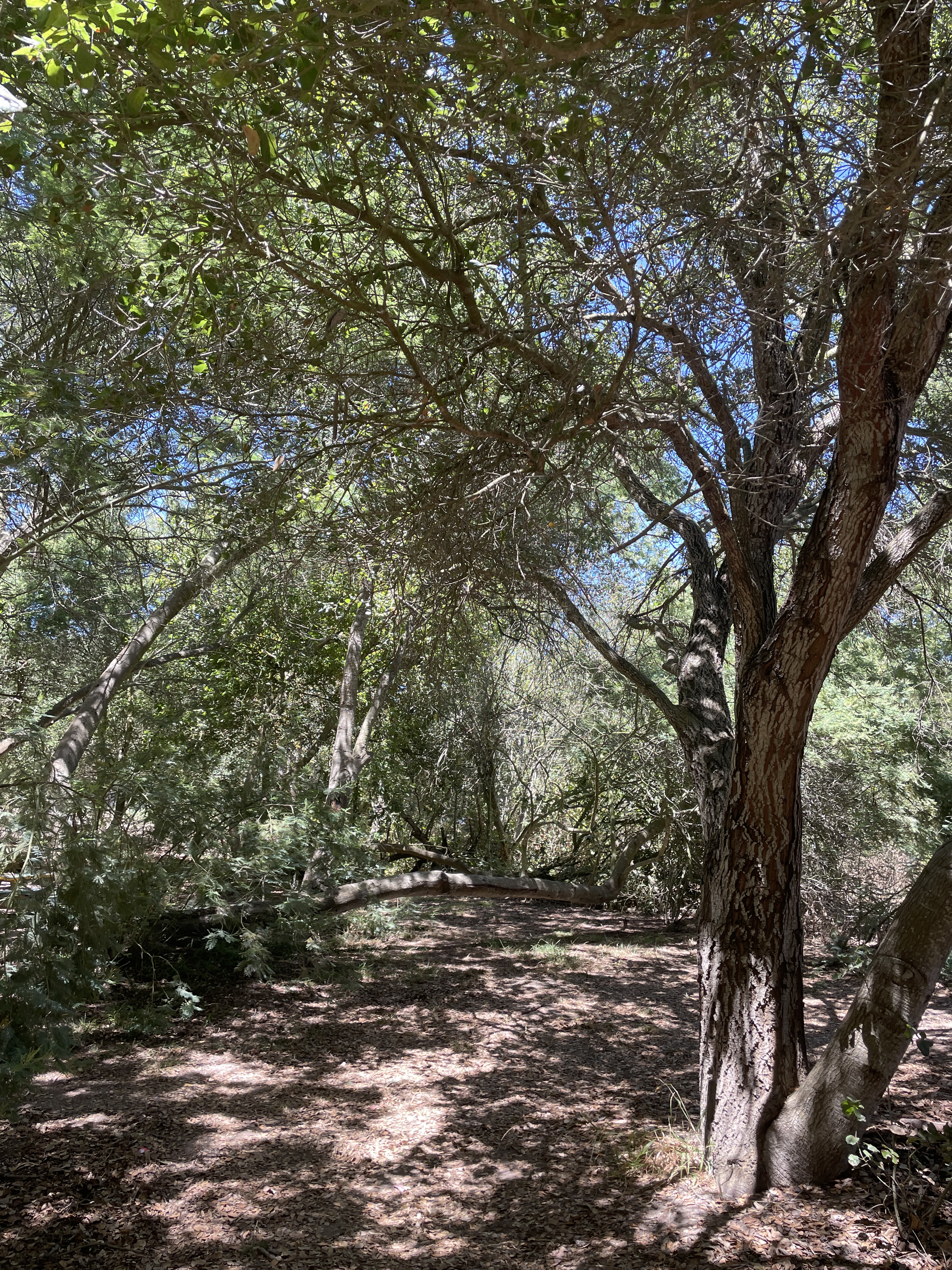
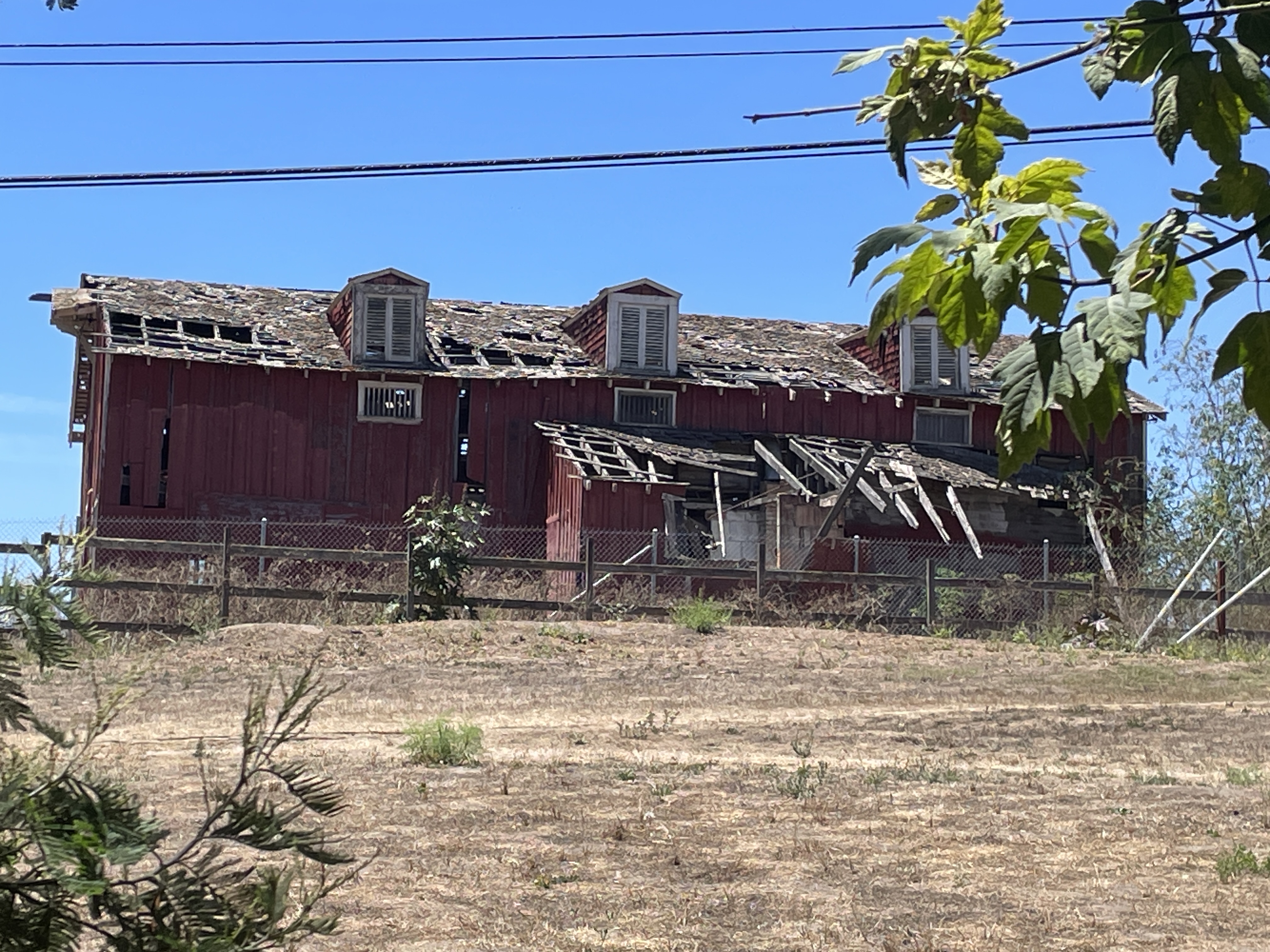
California Adventure 2


Although my son had been here a couple of times previously, he had never been up Mt. Baldy so we decided to drive a way I had never gone before, the Glendora Mountain Highway. It begins in the mountains above the town of Glendora, CA, and goes approximately 22 miles east where it intersects the highway going up Mt. Baldy at the Mt. Baldy Village. This road is not for the faint of heart. Although in good condition and well paved and two lanes wide, it is narrow and windy and without guard rails. Unfortunately, we did not stop and I was so busy driving, I could not see all the views. Unlike most of the highways and roads up toward the mountains all of which have views to the south, this highway crosses over to the other side so that many of views reveal all the rugged mountains to the north. I will attempt this adventure again, but not alone. For most of the trip we saw no other cars, and there is no cell phone reception up this way so best to have someone along with you if you decide to drive this.

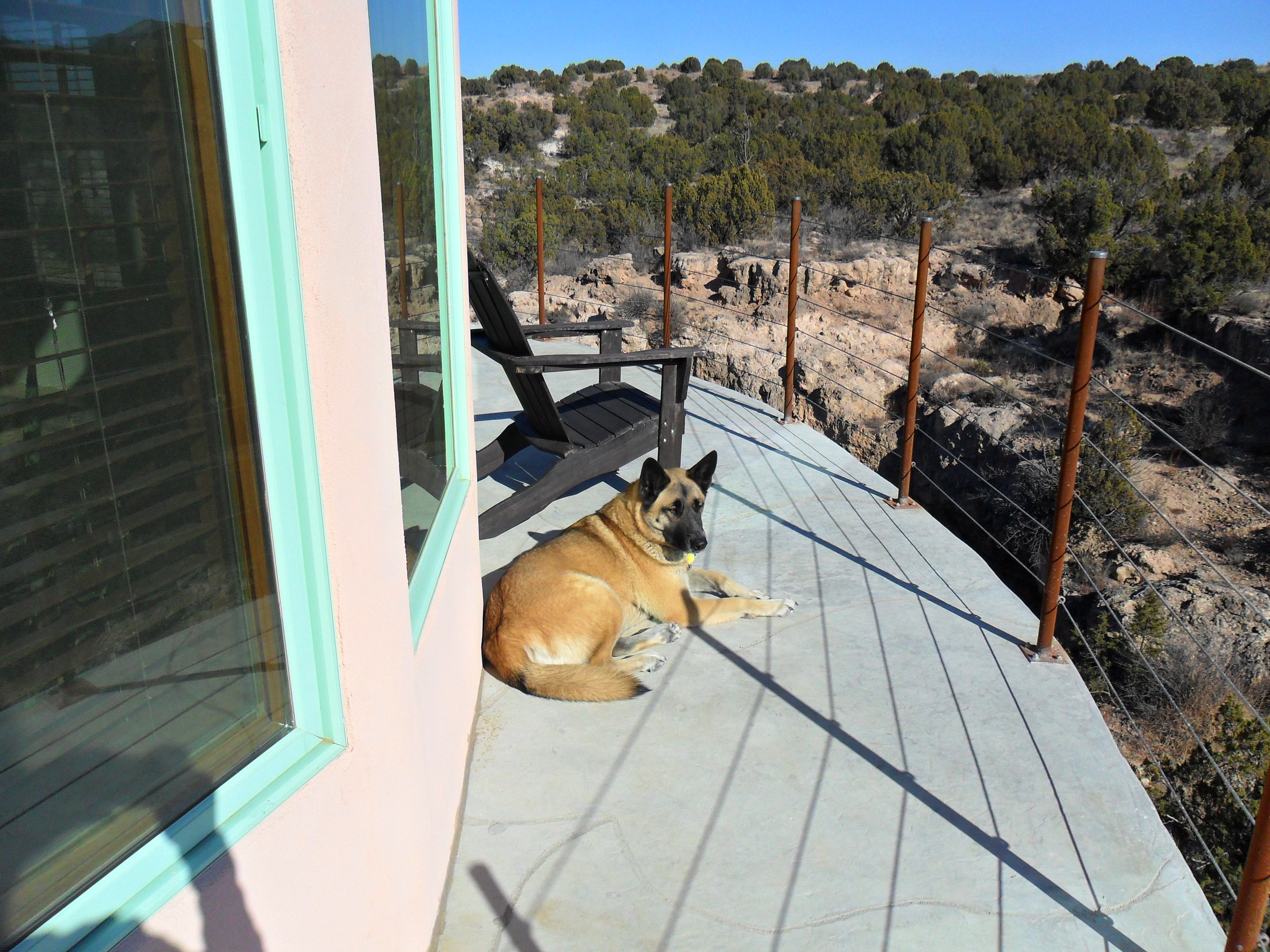
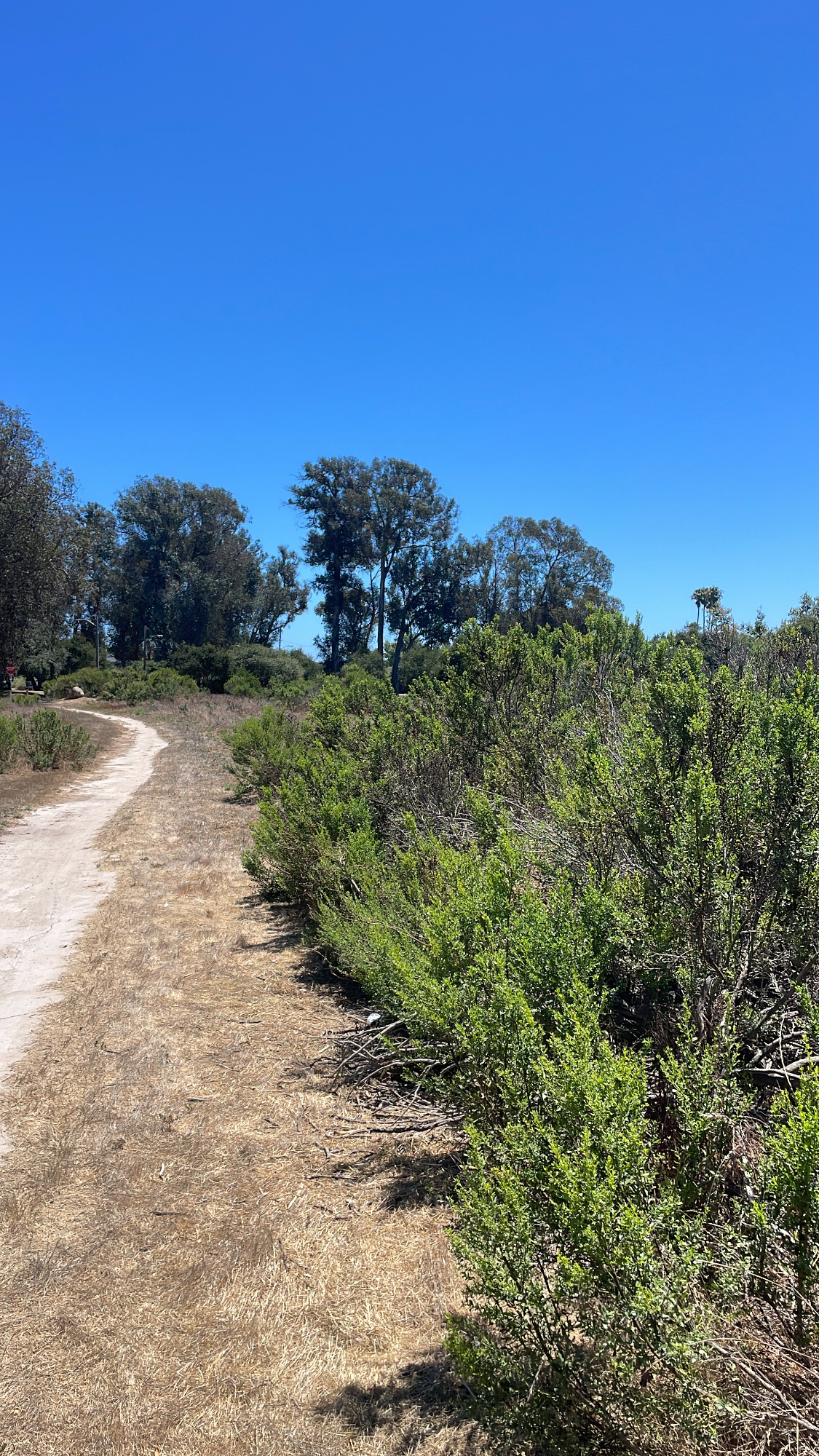
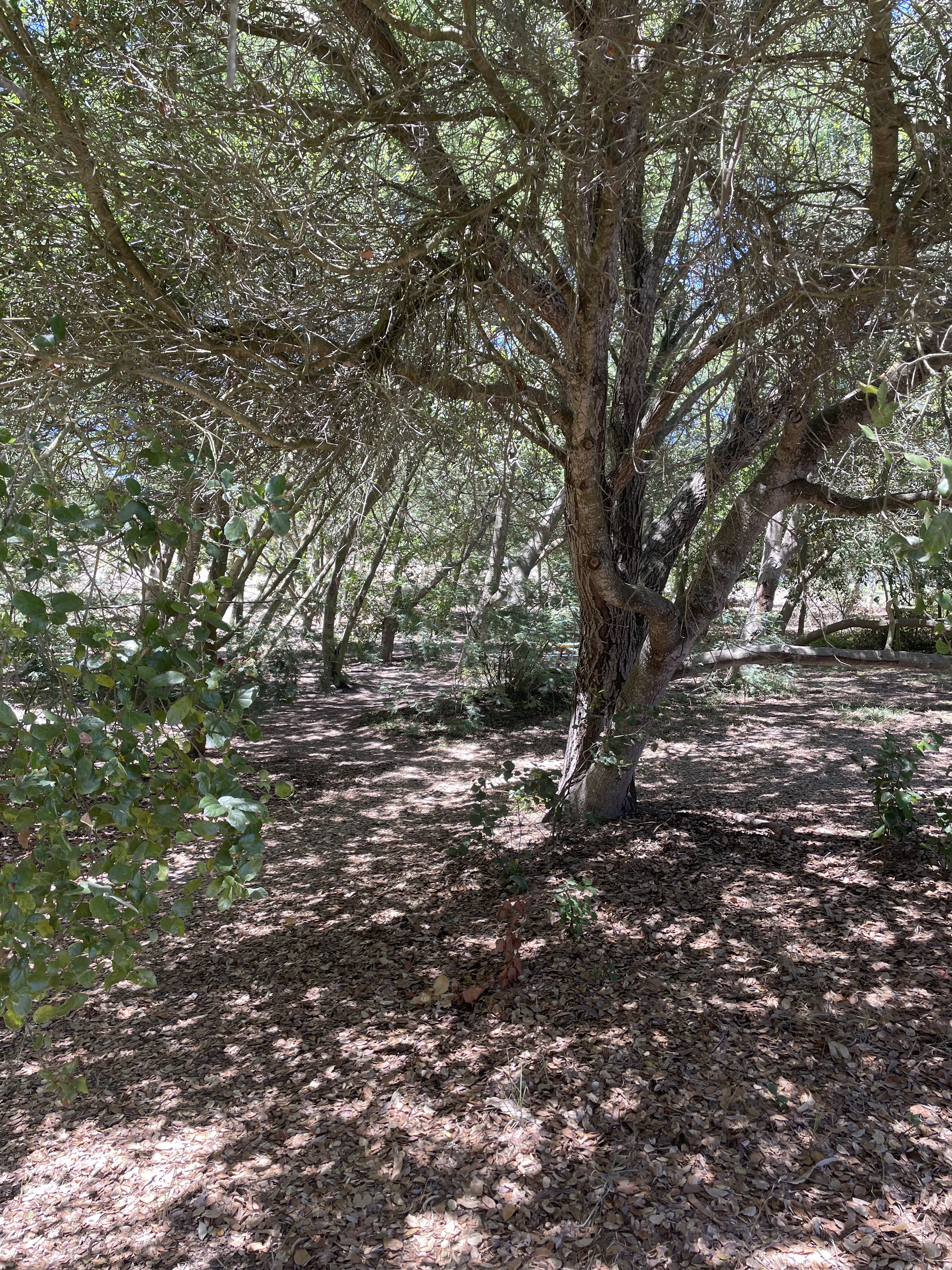
After we intersected the main road, we drove to the top but the very top is blocked off so we turned around and parked to hike to Angel Falls. The following photos were taken on this hike. Most of it is paved, but the very last part up to the falls is steep and gravel and necessitates crossing the stream below the falls. We decided to hike farther up a gravel road that climbs up the mountain where the paved part stops. Angel Falls can be heard long before you can see it. This is a relatively easy hike. Even on a Monday, there were quite a few people headed to the Falls so if you do not want crowds, go on a weekday.

Yes, that is snow on the left side.

California Adventure 1


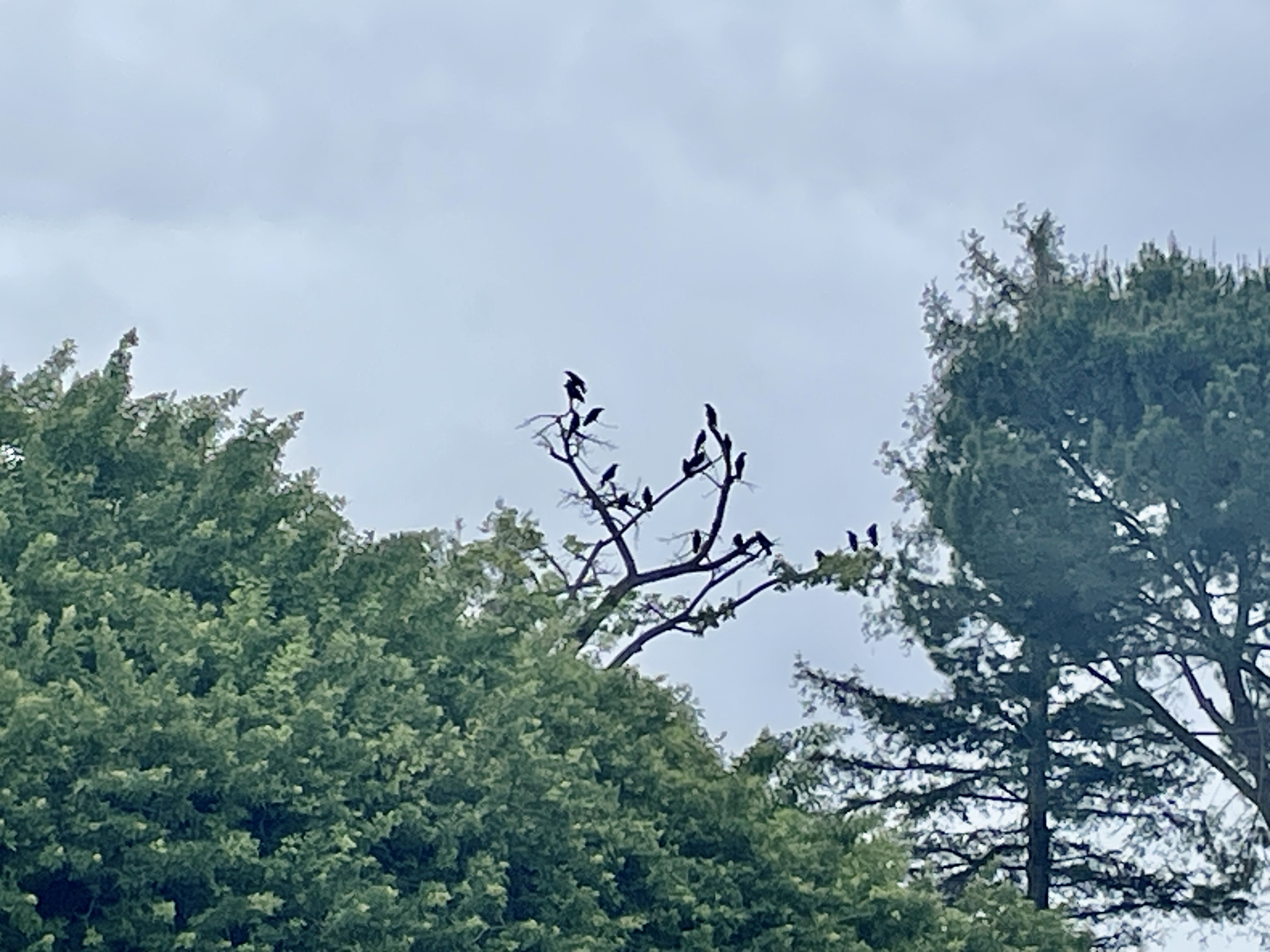
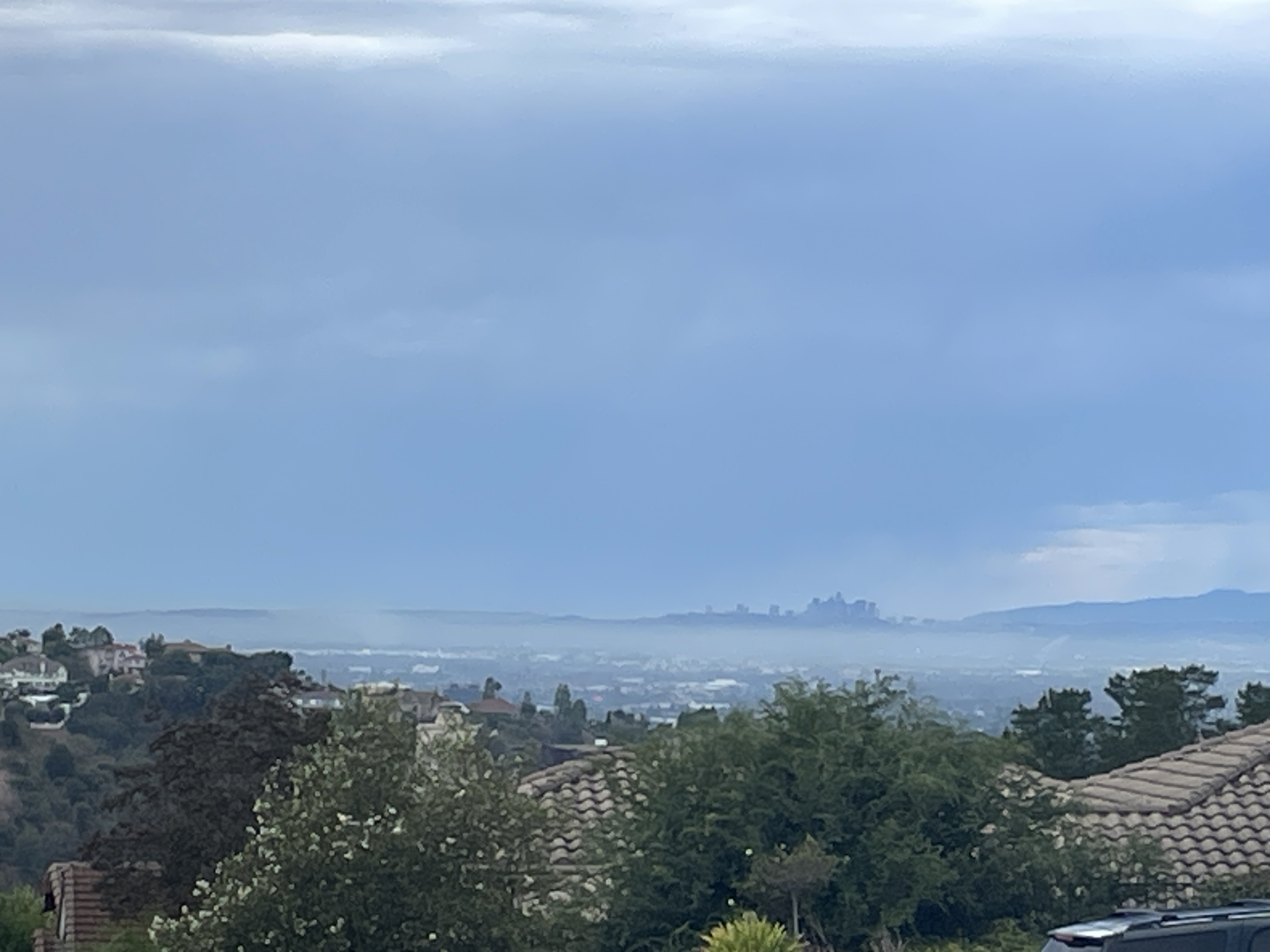
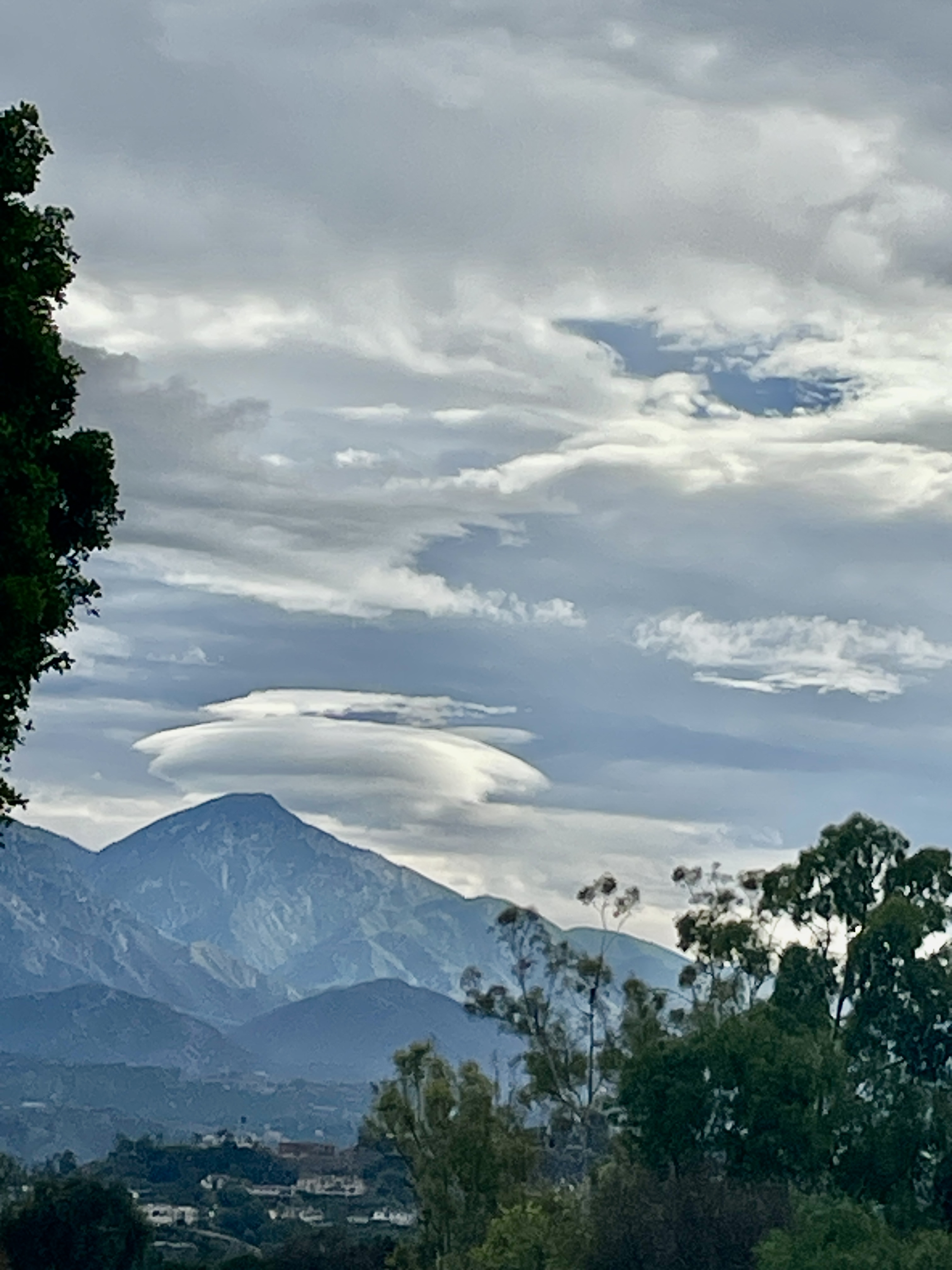
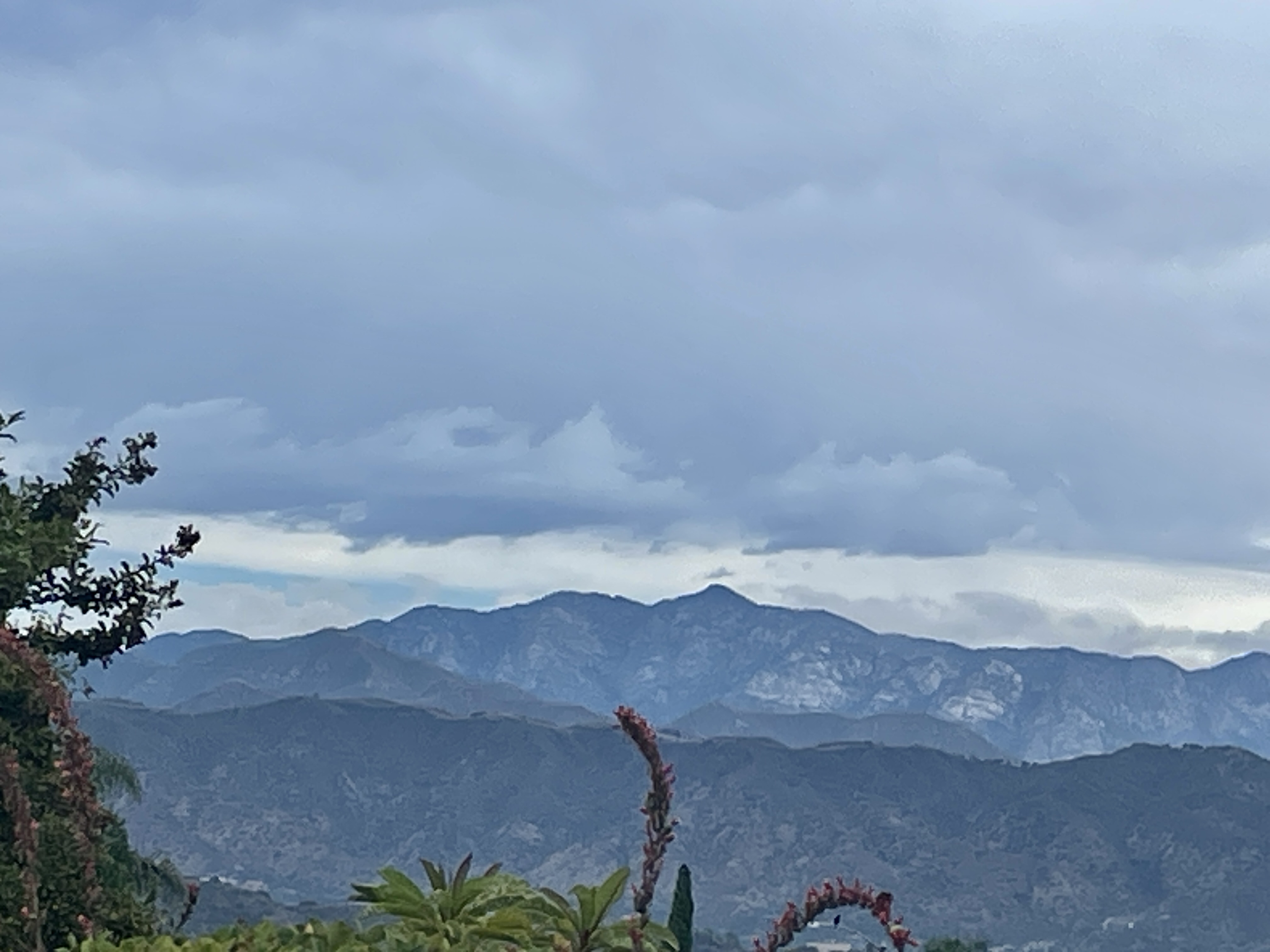
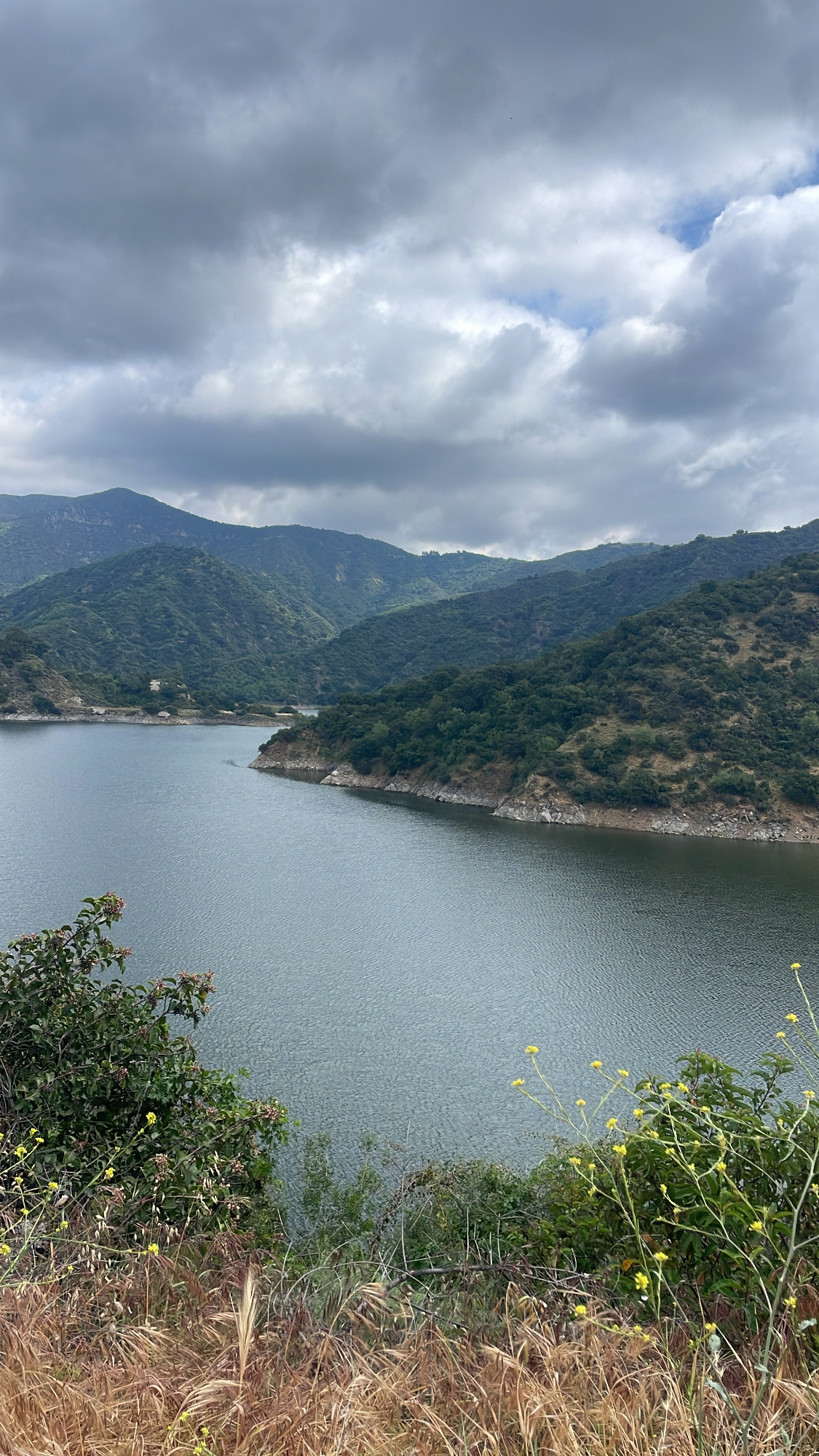
My son was visiting from Ohio and we decided to go on an adventure. Highway 39 used to go up through the mountains north of Azusa and connect with Highway 2. However, due to rockslides the last 4 or so miles, those 4 miles of the highway have been closed for years. We decided to drive as far as we could. You can go around the barrier and continue by hiking farther up over a sort of pass. Although my son did go partway, we did not hike to the top. These are photos along the way where you pass two reservoirs that are now used only for flood control. It is not a difficult drive and a fun activity going up into Los Angeles National Forest–an easy day adventure.

Book 14 for 2026: “Forgotten Landscapes: How Native Americans Created Pre-Columbian North America and What Can We Learn From It”, Stanley A. Rice


The title of this non-fiction book explains what this book is about. The author is emeritus professor of biological science at Southeastern Oklahoma State University and of Cherokee heritage. He cites all the historical findings and current research regarding how natives used fire to control forests and grasslands, the numerous large native cities found both in US and Latin America using lidar technology, and how the colonists were totally mistaken when they thought they had found a land that lacked the influence of humans regarding forestry, farming, orchard keeping, etc.

He notes that the way the indigenous people in the US farmed and maintained orchards was not like those of the Europeans so they thought no one was doing anything and they were incorrect. He also goes into a lot of the history about how European diseases especially brought about the demise (genocide) of millions of native peoples even often those who had not themselves seen Europeans. Many European diseases spread from domesticated animals to humans (he provides a long list) and natives had no immunity. He cites of only one Western Hemisphere disease (syphilis) that went from the Americas to Europe. He claims that there were so few native diseases in this hemisphere because there were no large animals to domesticate.

The way Native Americans farmed, maintained forests, established orchards, etc. was so different from the European way that Europeans thought no one was doing anything productive with the land. To the contrary, they were affecting the land greatly but in ways that were more sustainable. Currently, he notes in the US forest management people have begun to recognize Native American forestry expertise and use it in many places.

Delights – 5


reading,

listening to birds

the gurgling of water,

looking up to watch

four hummingbirds challenge

each other at the feeder, and

I notice I’m surrounded by flowers

and the scent of orange blossoms.

Delights–Three


There is nothing like meeting a goal while enjoying it to bring a sense of delight as well as accomplishment. I walk daily–today I arrived at day 707 without ever missing a day–looking at the flowers, visiting with all the other walkers. I live in a walking neighborhood with friendly walkers who at a minimum wave. Some stop to chat and some check on me if they have not seen me out walking in a while because of the different routes we take or different times we walk. One particular person who checks on me taught me how to make some of her native food–India. Another lady several blocks away prefers to walk with others, not alone, so if she sees me out, we join together in the company of her little dog, June, whom I have never seen actually walking. June rides in a baby carriage.

Now, as I write this, I’m enjoying another late afternoon of delight in my backyard. The hibiscus is full of ruby flowers. Freeway daisies, bright white and purple, pop up everywhere. Four different colors of bougainvillea sport their joy. One nasturtium–they are popping in places I never even planted–is sporting the same color of ruby as the hibiscus. The lemon tree is full of almost ripe lemons some of which I have promised to friends and neighbors. One woman cannot eat all these lemons. Meanwhile, I listen to different birds singing their varied songs and to the gurgle of the water fountain by the Nile Blue French doors and watch the hummingbird who is watching me.

I feel grateful to be surrounded in beauty and quiet joy.

Book 7 for 2026: “Never Let Me Go”, Kazuo Ishiguro


Categorized as science fiction, this novel relates a story so possible, it no longer seems like science fiction. Because it is so possible, I found it one of the most disturbing stories I have ever read. The first person narrator relates her personal story, the story of two of her best friends, and that of several other students at the boarding school where they have lived all their lives until they turn 16. Her feelings, her relationships with the other students and with the guardians who run the school are described in great detail and always from her point of view. At the age of 16, they are all sent to various places called Cottages where they experience their first interactions with anything beyond the perimeter of the boarding school where they have always lived and begin the training for the rest of their lives.

As I read this novel, I kept thinking of Epstein and his international ring which seemed to be out of the public eye until recently. If he could do this for decades without the general public knowing, I kept wondering if something like what occurs in this novel is actually occurring internationally and we just do not know it. I do know there is a black market for what occurs in the novel and that little to nothing is done about it. And given how little reaction officially overall has occurred regarding the Epstein files, would the general public accept what occurs in this novel if they felt it would benefit them personally. I do not want to say too much because it might ruin the novel for those who might want to read it and find out.

Book Six for 2026: “THE BOOK OF (MORE) DELIGHTS,” Ross Gay


As I mentioned in a previous post, his books on delights were mentioned to me by two different people in two totally different settings so I decided to stay sane in all the seriousness of my life, reading something lighter might be a good thing to do. I guess I was thinking delights like flowers, food, etc. but this is more like a series of short essays about life all written in the span of one year–his gardening, experiences strolling around his neighborhood and favorite coffee shops, food, his parents, his wife, some personal history, his experience as a college professor, children. However, he also addresses serious issues–his meeting a homeless veteran just out from a stint in a mental facility and how he was compelled to help out after first driving off, racism he has experienced, his issues with the government and social media, family death, and life in general. And above all, what it means to him to identify as a poet.

Delights–2


As a person who works with high school students mostly non-white, many of whom have family members who are undocumented, I worry and need to find daily delights to stay sane. I decided to make a list of some of the past week’s delights:

-afternoons 70 degrees, sunny, no wind

-hummingbirds sipping nectar from both flowers and the two feeders

-singing a song the lyrics of which come from a poem by Langston Hughes where he dreams a world with no racism

-sitting on the back patio, listening to birdsong while I read a book about delights

-learning that all the rains have eliminated drought in California

-appreciating all the colors of the flowers blooming in my yard

Book Four for 2026: “Playground”, Richard Powers


Another intriguing novel by an author who has won both the Pulitzer and the National Book Award. Initially the four main characters do not seem to have any interactions with each other. 12 year old Evie’s life is changed forever when her father, the inventor of the first aqualung, makes her submerge in a pool to prove it works. She becomes one of the world’s most famous divers and oceanographers. Ina, an artist, grew up in US naval bases all over the South Pacific and eventually finds herself at a university in Illinois. Rafi, a genius black child, is pushed by his dad to apply to a private Jesuit high school where he meets Todd, a rich kid whose whose family provides scholarships to the school. The two become best friends in spite of different interests. Rafi loves literature and Todd loves computers. They bond over a thousands of years old Chinese game with which they become obsessed. They become roommates at the same university where Ina is a student. The three become best friends.

Decades later all these lives become intertwined on an island in the South Pacific–Makatea in French Polynesia, an island where the harvesting of giant phosphorus deposits nearly ruined it while furnishing the rest of the world with fuel to make planets grows faster and better and feed the world. Because of Evie’s obsession with the sea, I learned enormous amounts about the ocean and the varied animals that live there, some of which I had never heard of before. Because of Todd’s obsession with computers and his invention of an AI game, I learned a lot about how gaming works and how people become addicted. For Rafi, the agony and anger of often being the one left out, the one seen as the smart Black kid, and the only one in many circumstances affect how he views the world and himself and where life eventually takes him. From his character I learned new things about literature and how books and writing affect people and their relationships.

I could not stop reading this book. Years ago, when it first came out, I read the author’s novel, “The Overstay”. While the topics and characters are totally different, in some ways this novel reminded me of that story, of how our lives are often intertwined in all sorts of ways we never expected.