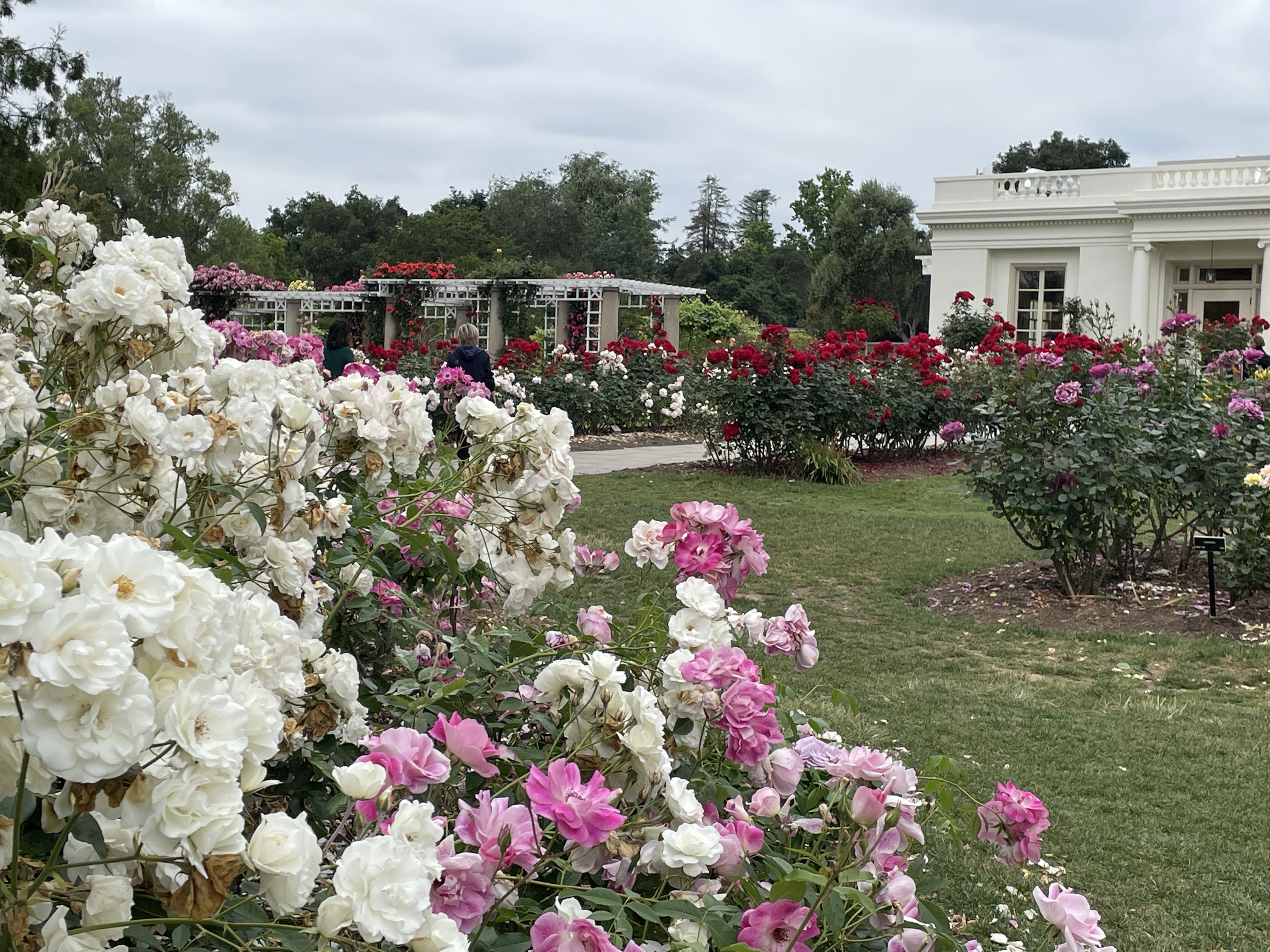
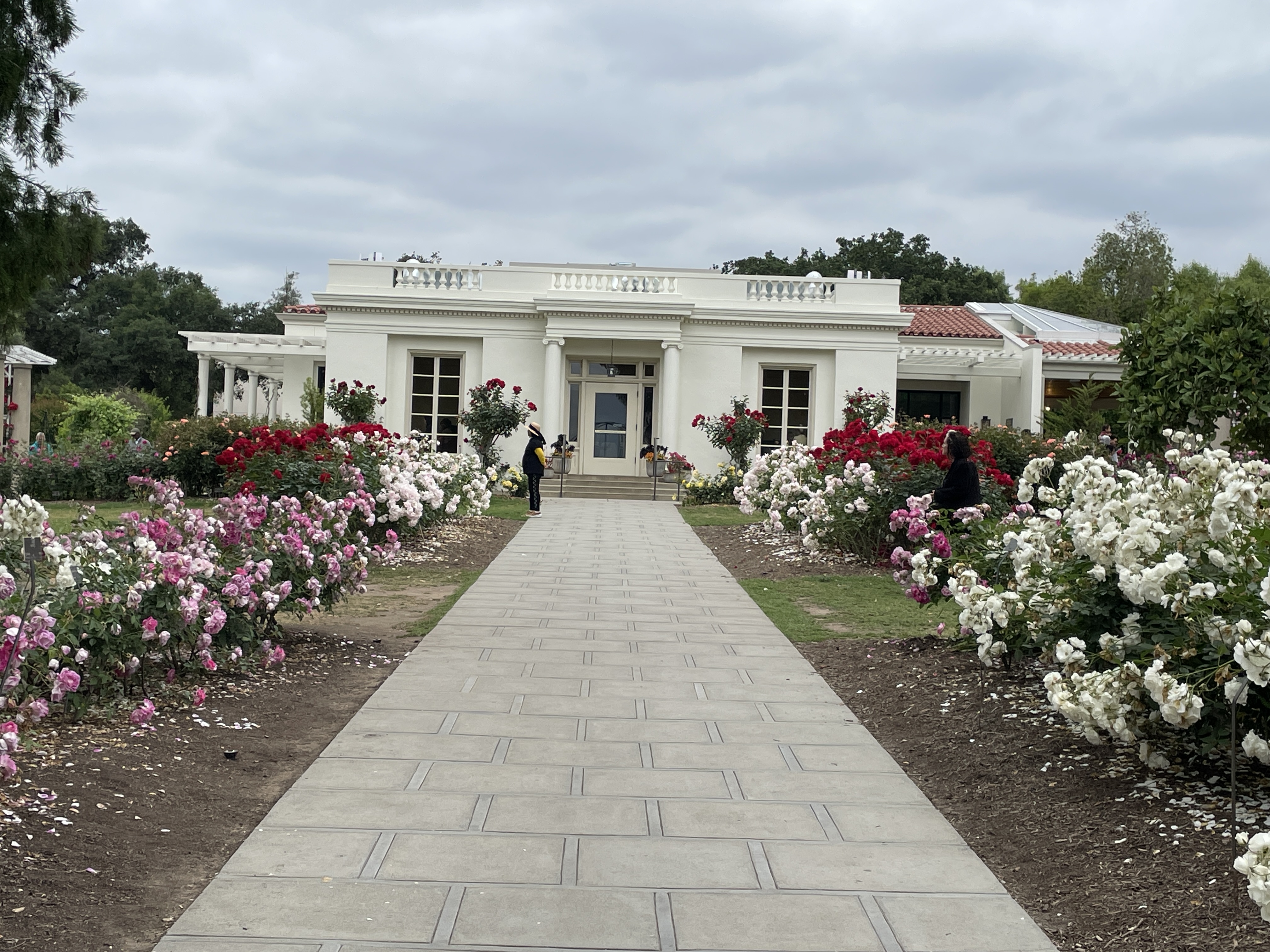
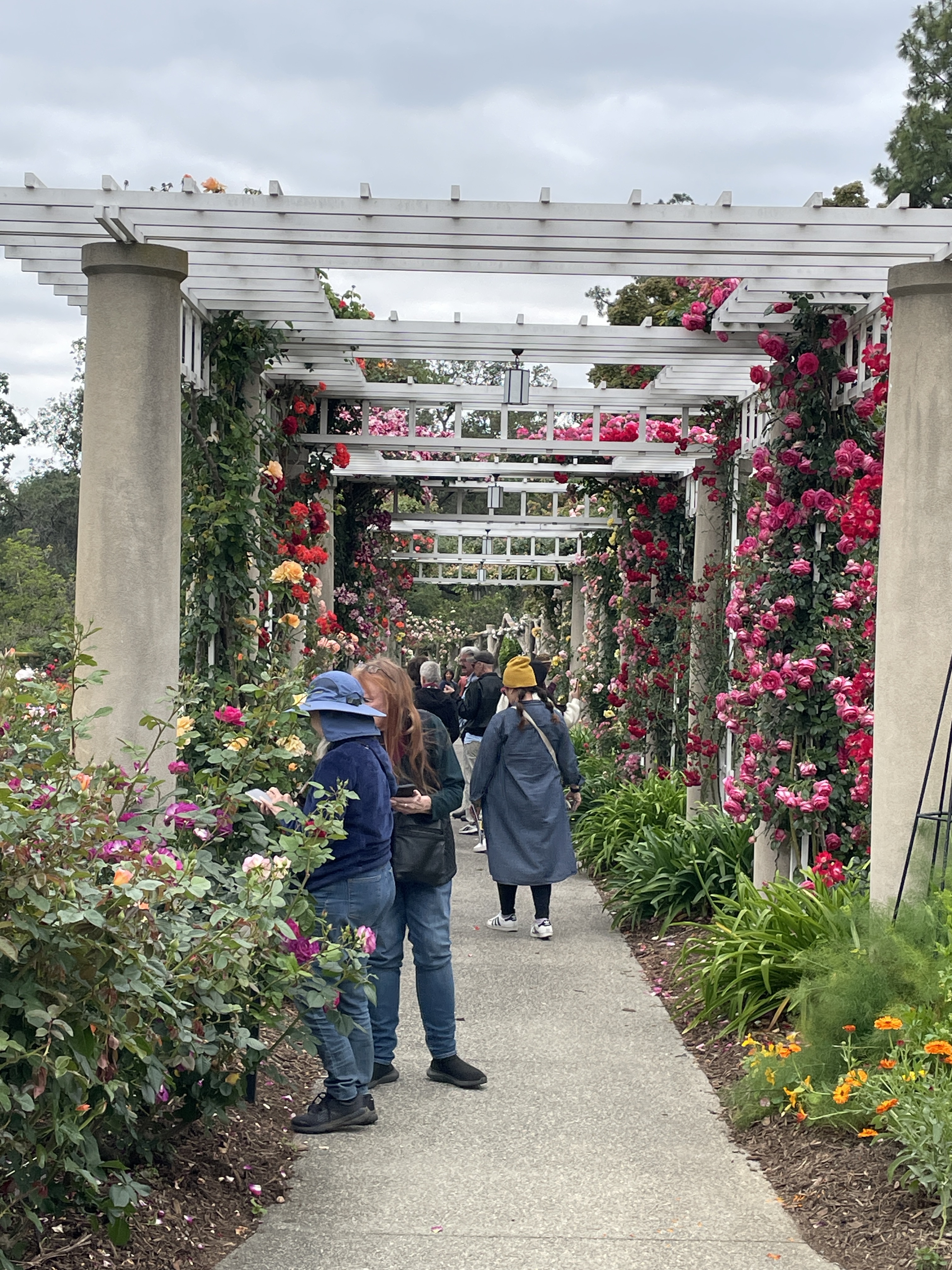
Friday, I decided to look around at parts of The Huntington since I had not been there in a while. For one thing, I knew the roses would be in full bloom, and even though I had been there a number of times, I had never looked around the rose garden. They did not disappoint.
Find the bird among the roses.
The building is the newly reopened Tea Room.
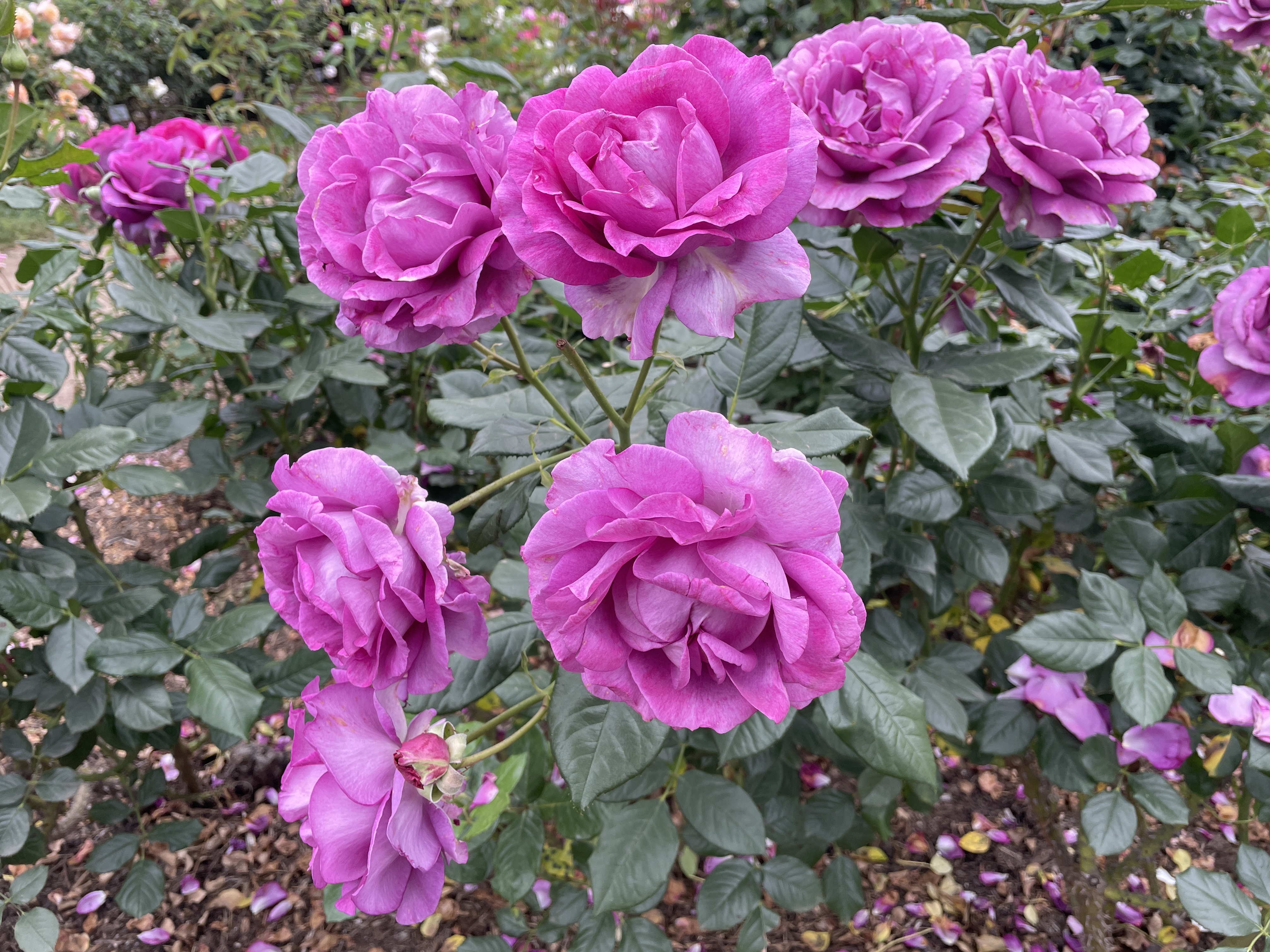
This rose has perfume as part of its name and smells divine.
I left the rose area and strolled in the herb garden seen above. Then I found a new kind of artichoke, Opera Artichoke. See below.
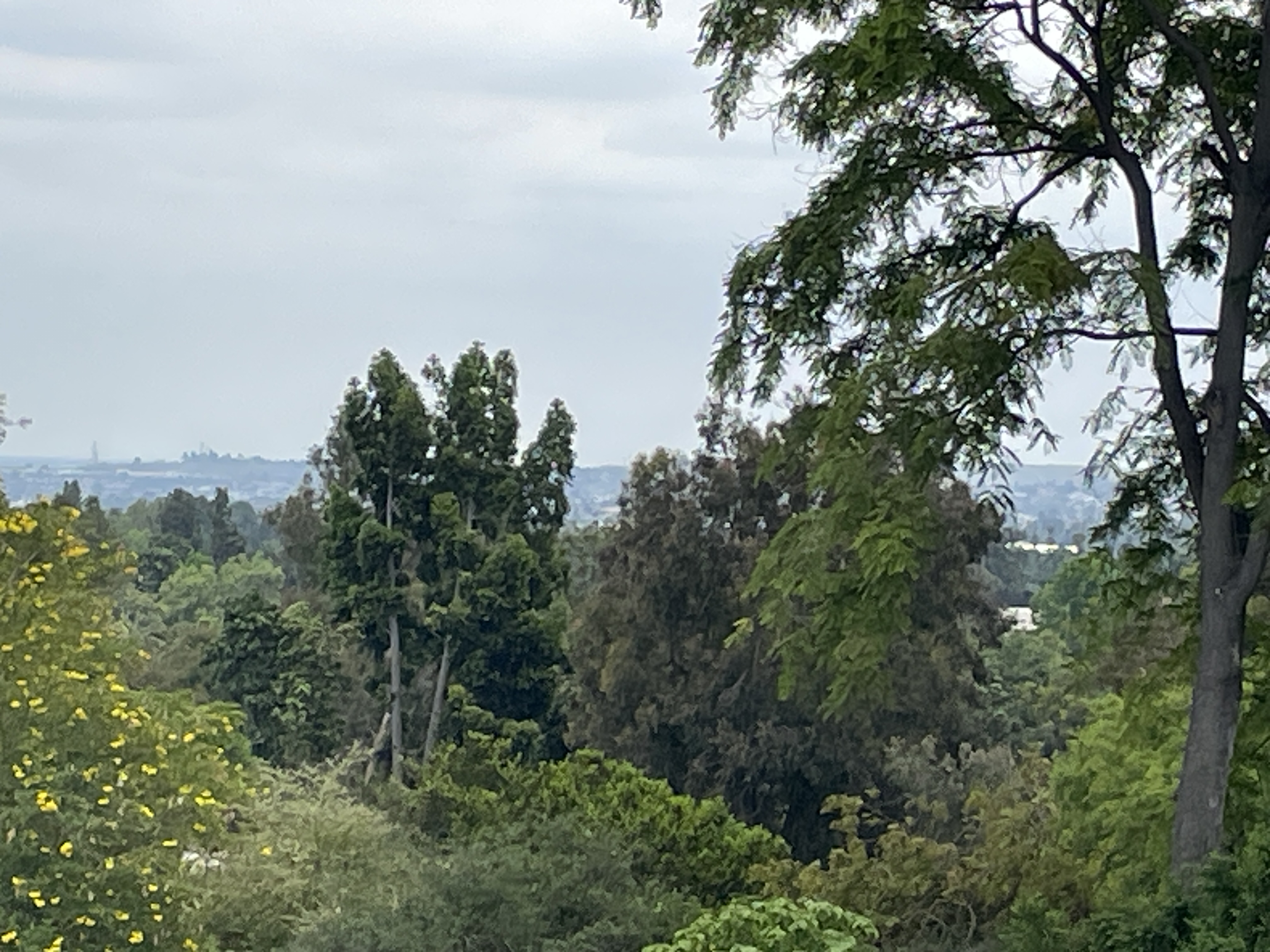
Facing away from the rose garden I could see all the way to downtown Los Angeles.
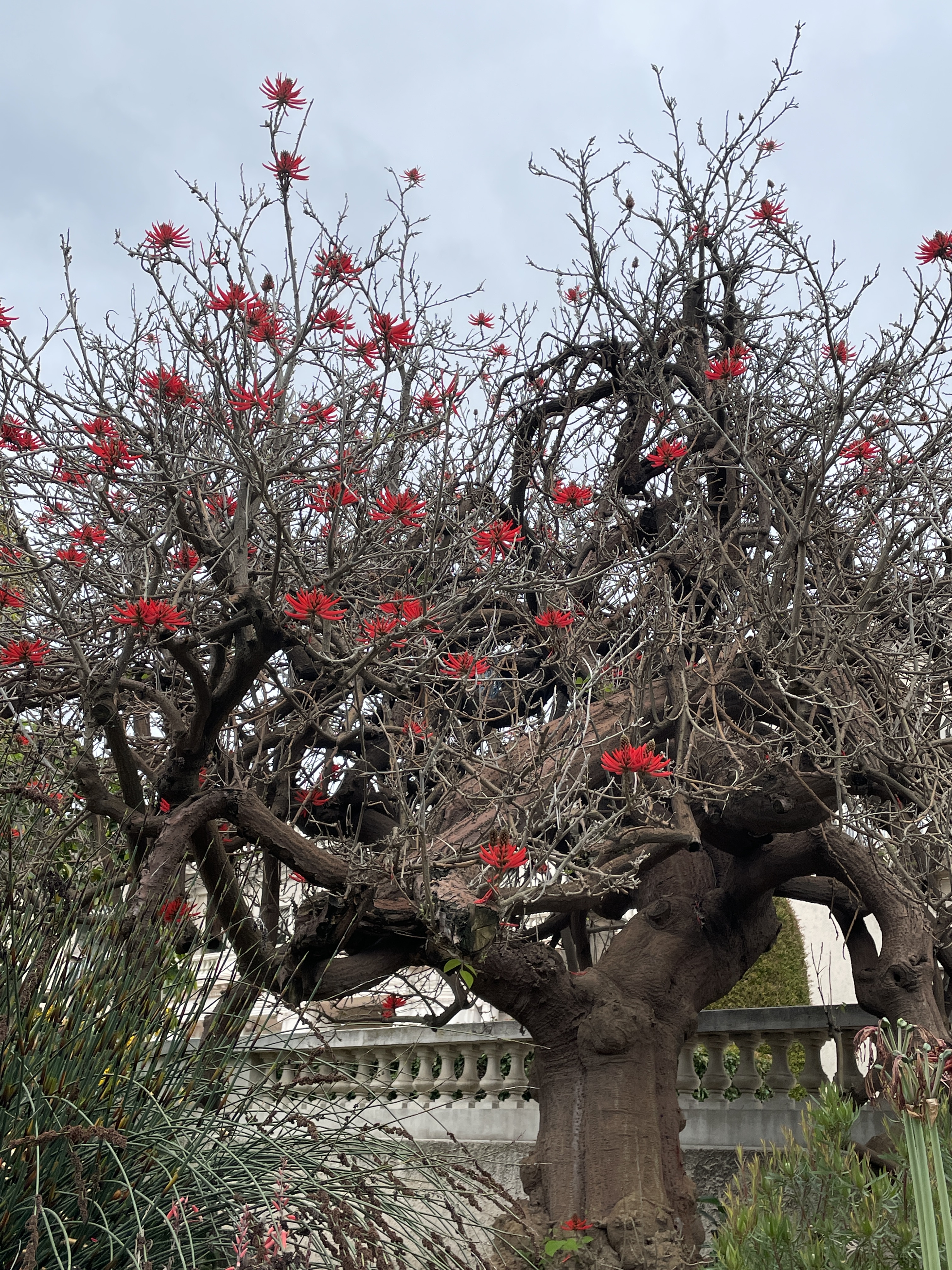
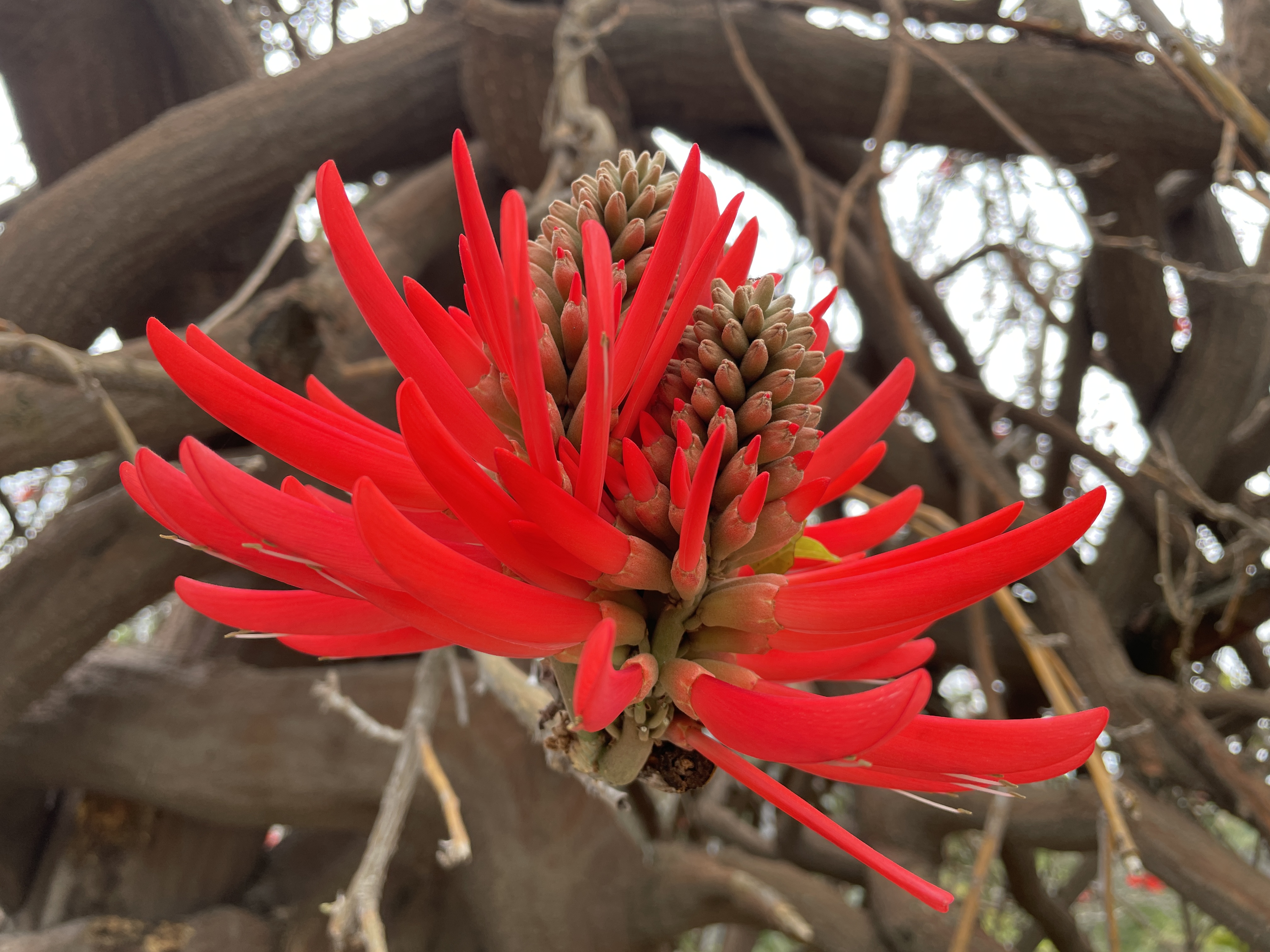
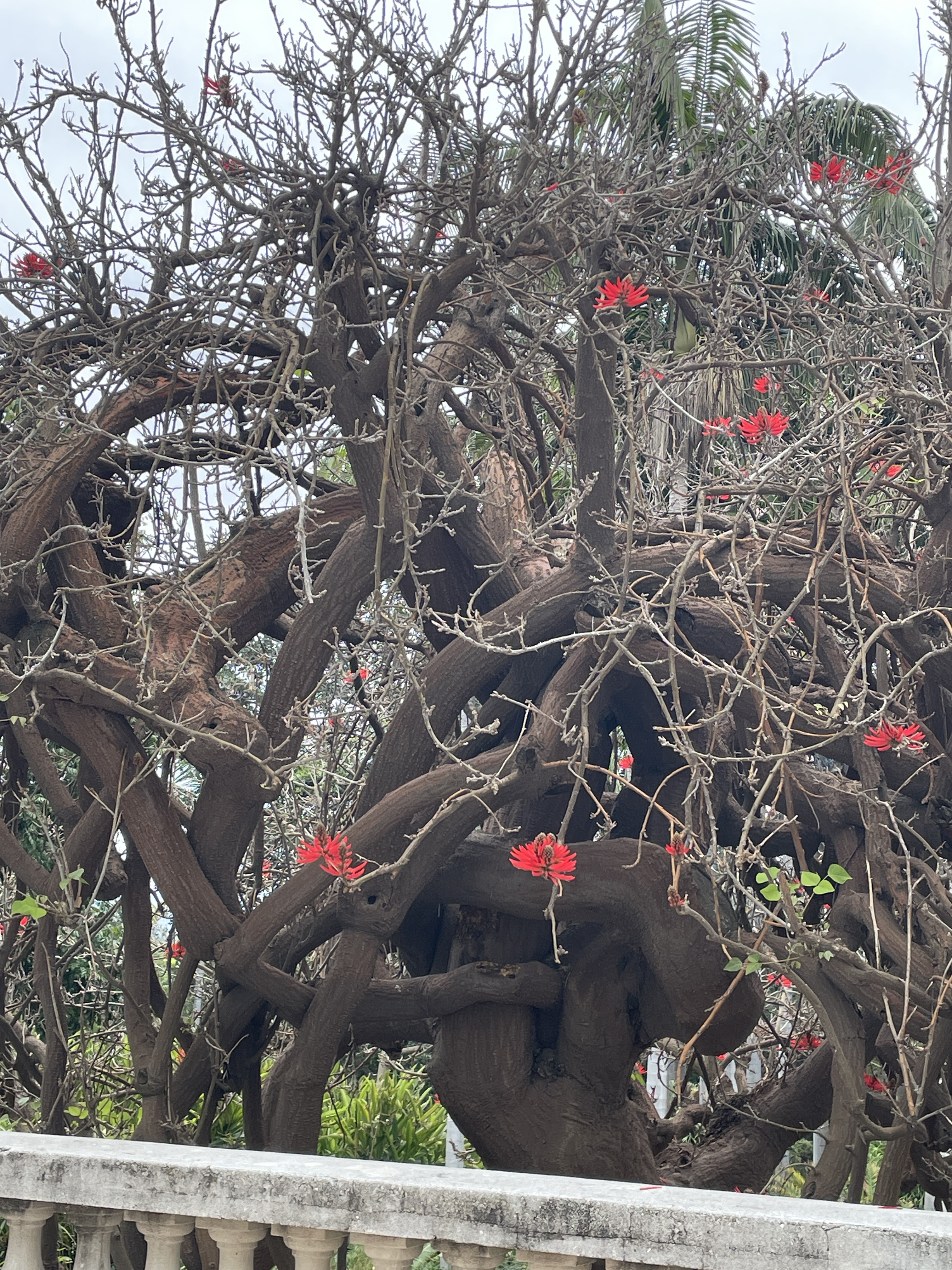
This tree is labeled Naked Coral.
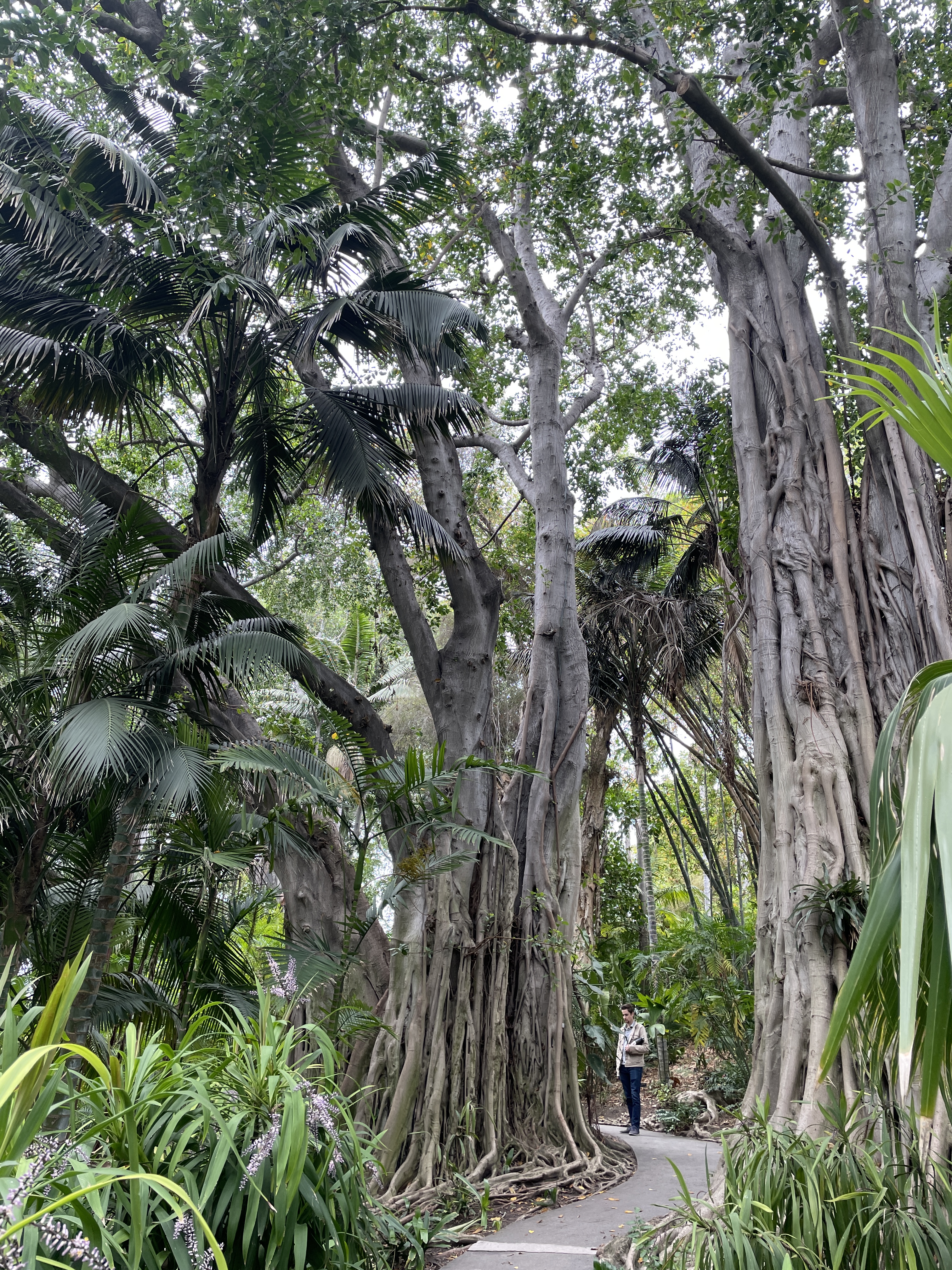
Then I strolled through the tropical garden area.
Fig trees.
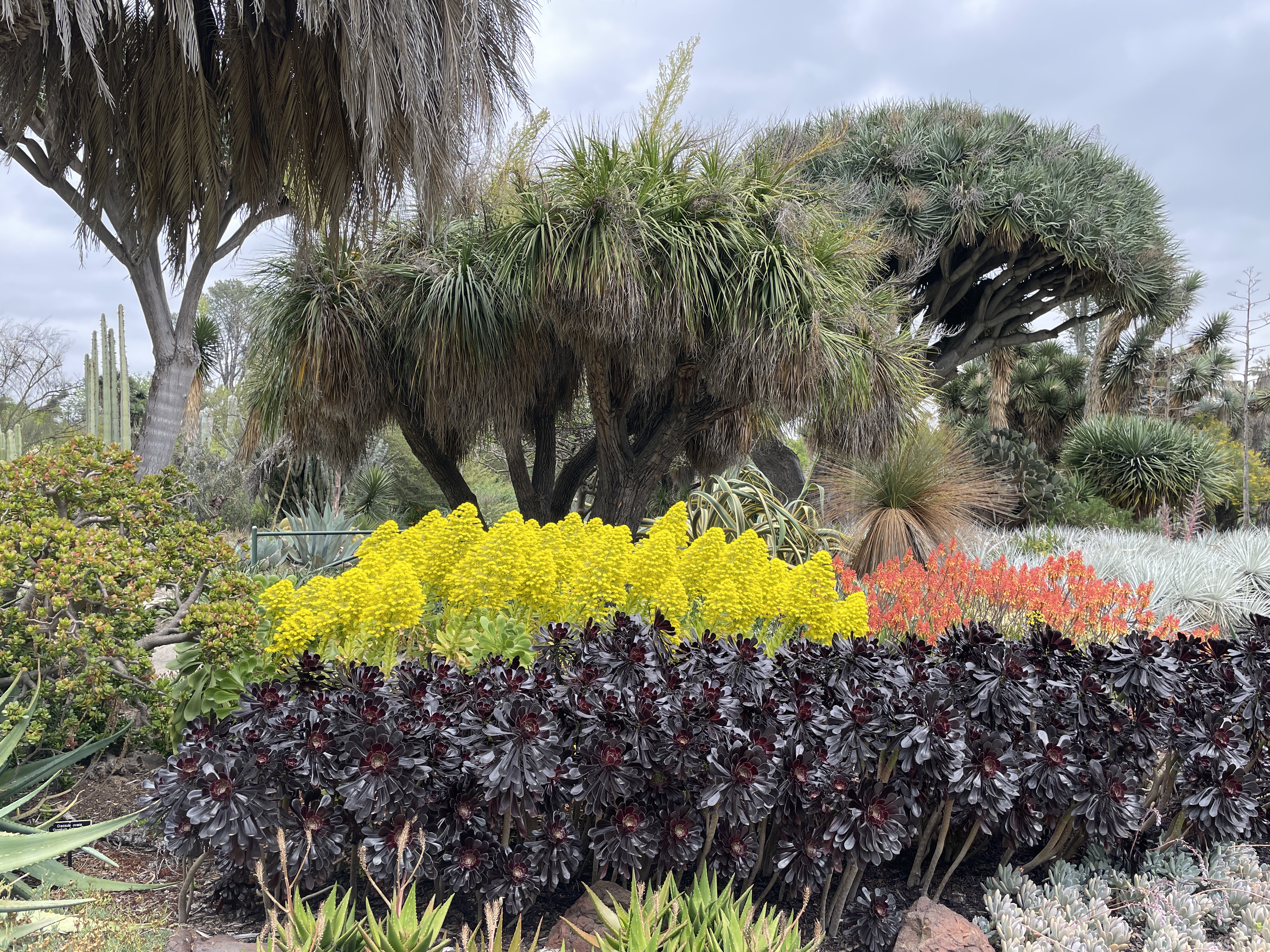
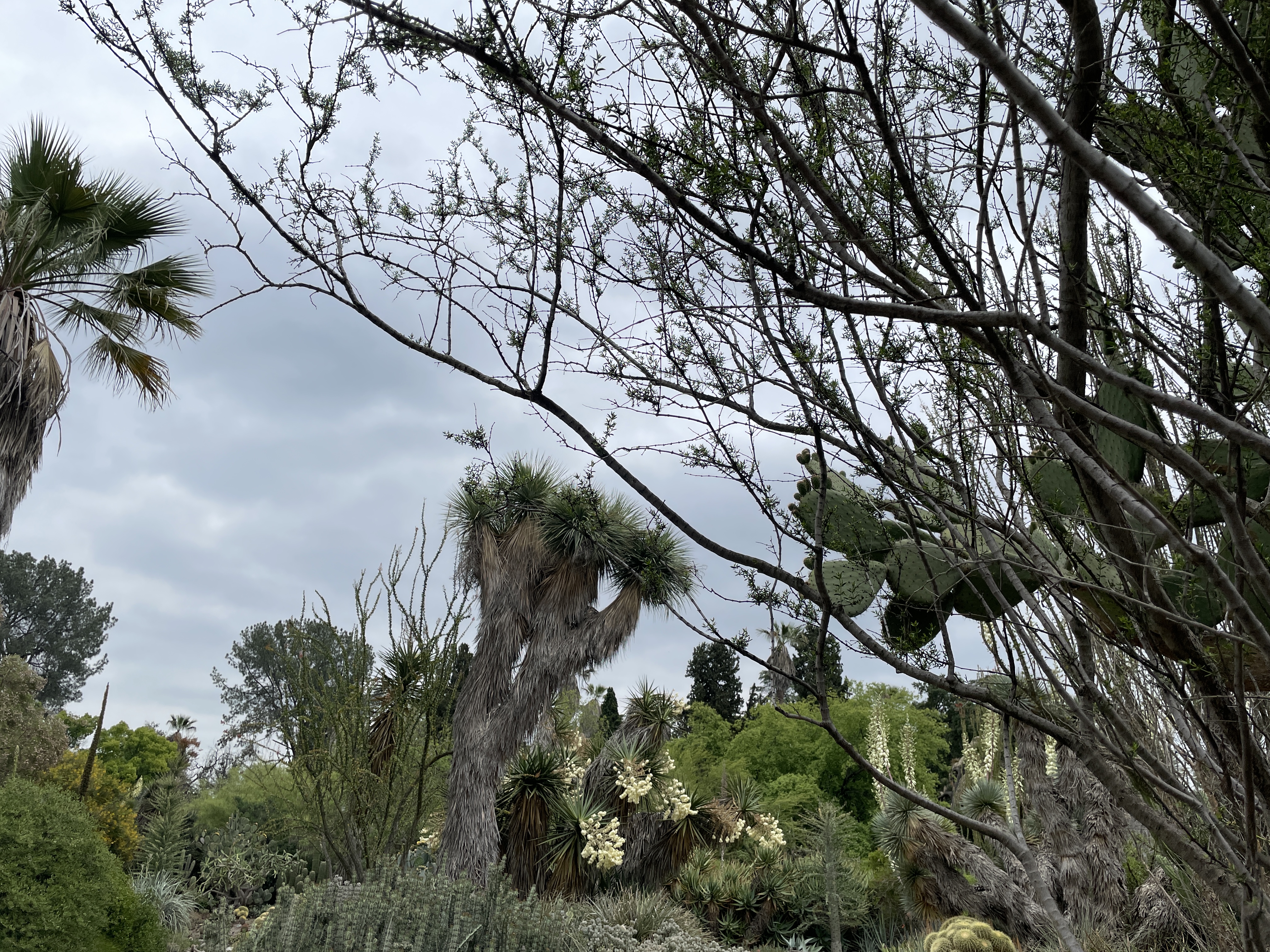
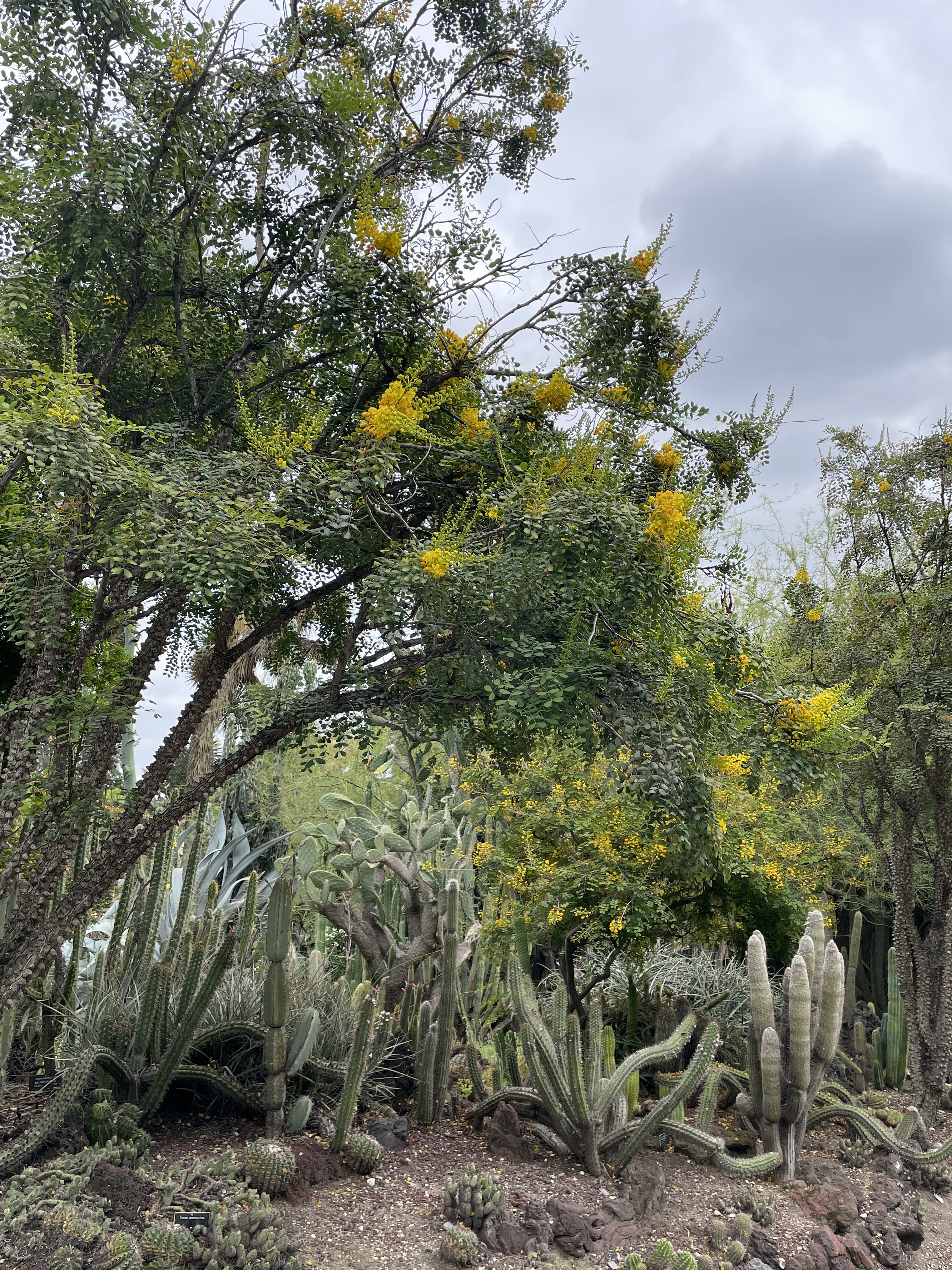
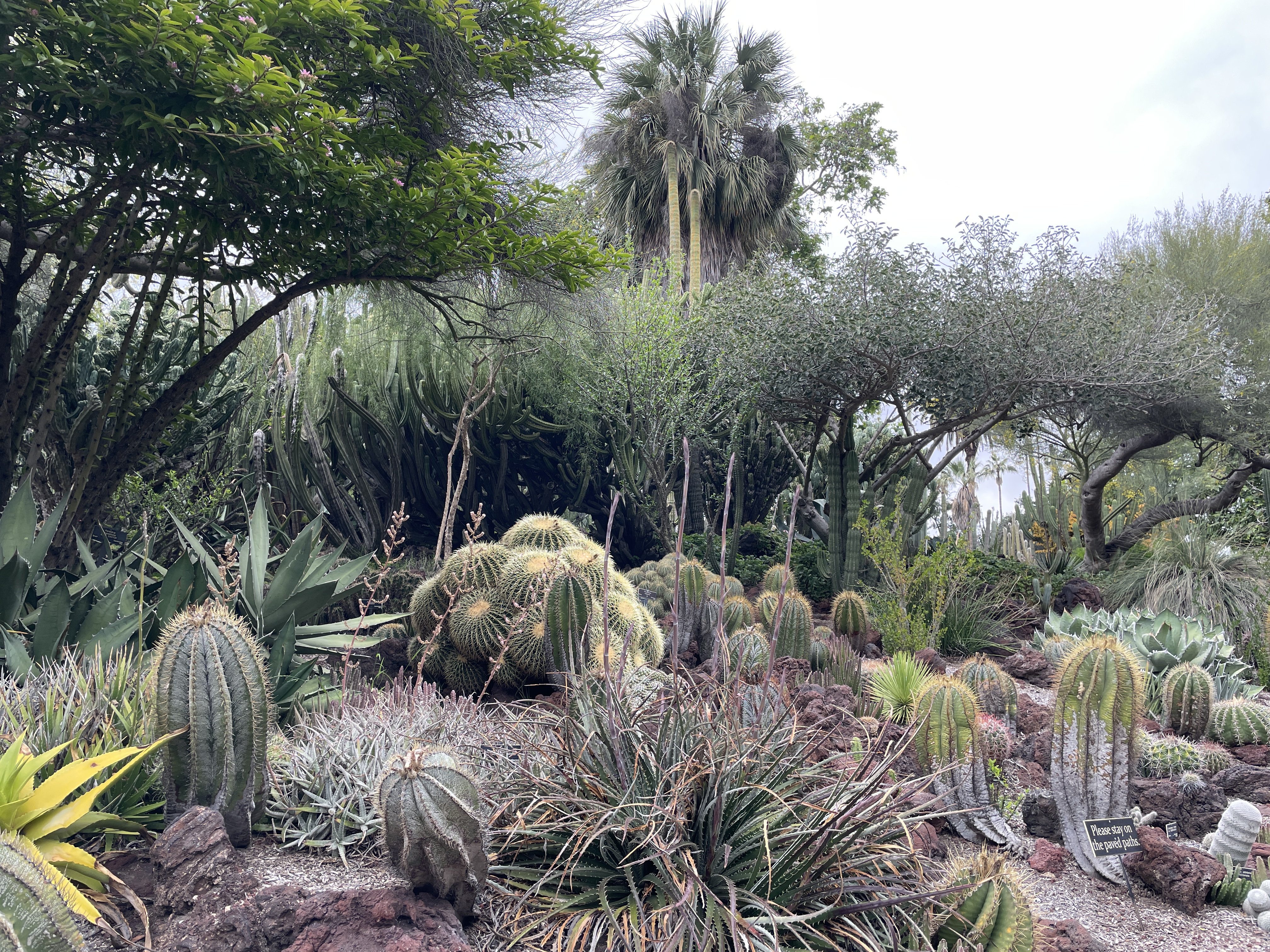
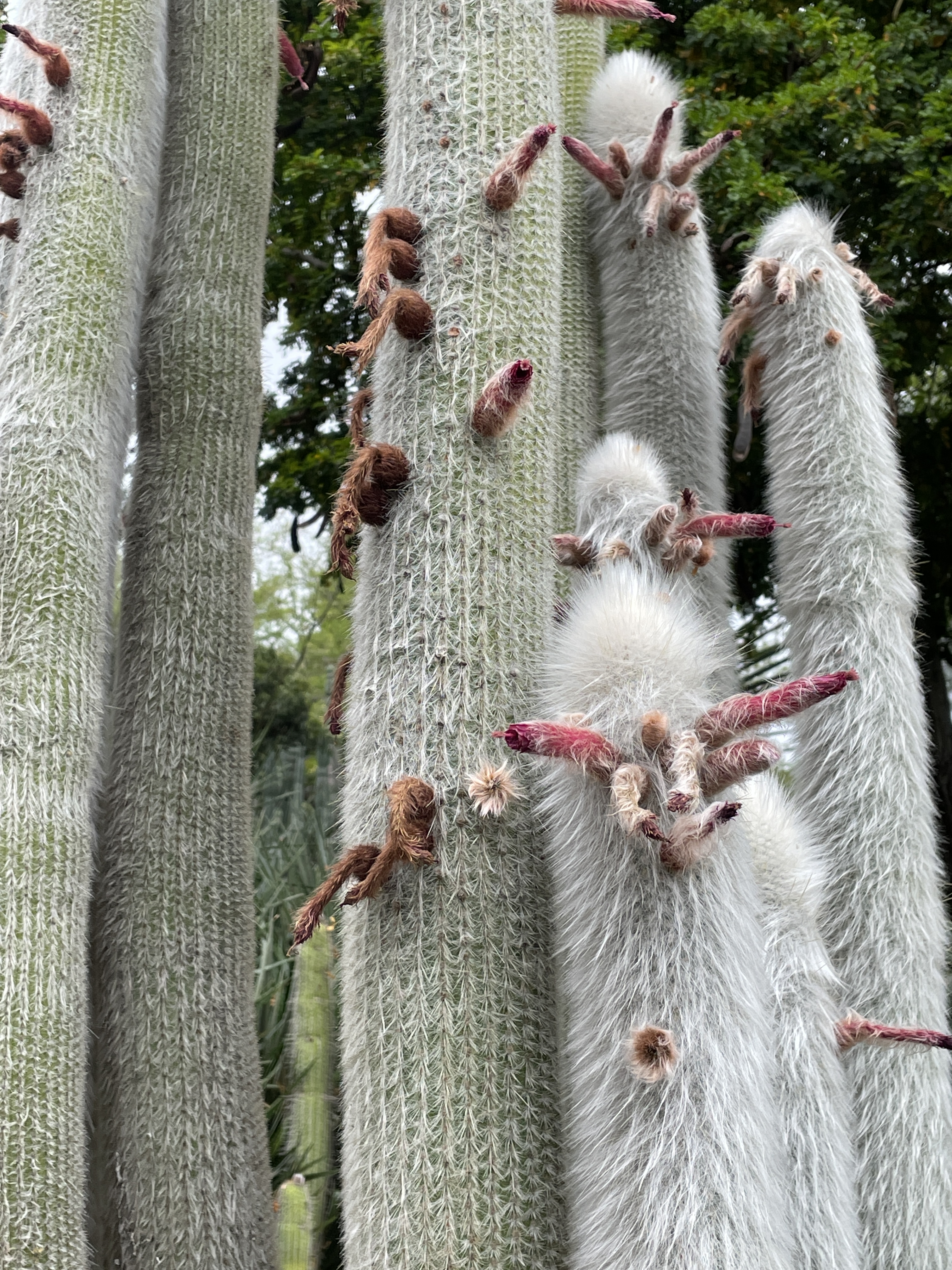
After leaving the tropical area, I wandered around cactus and succulent gardens.
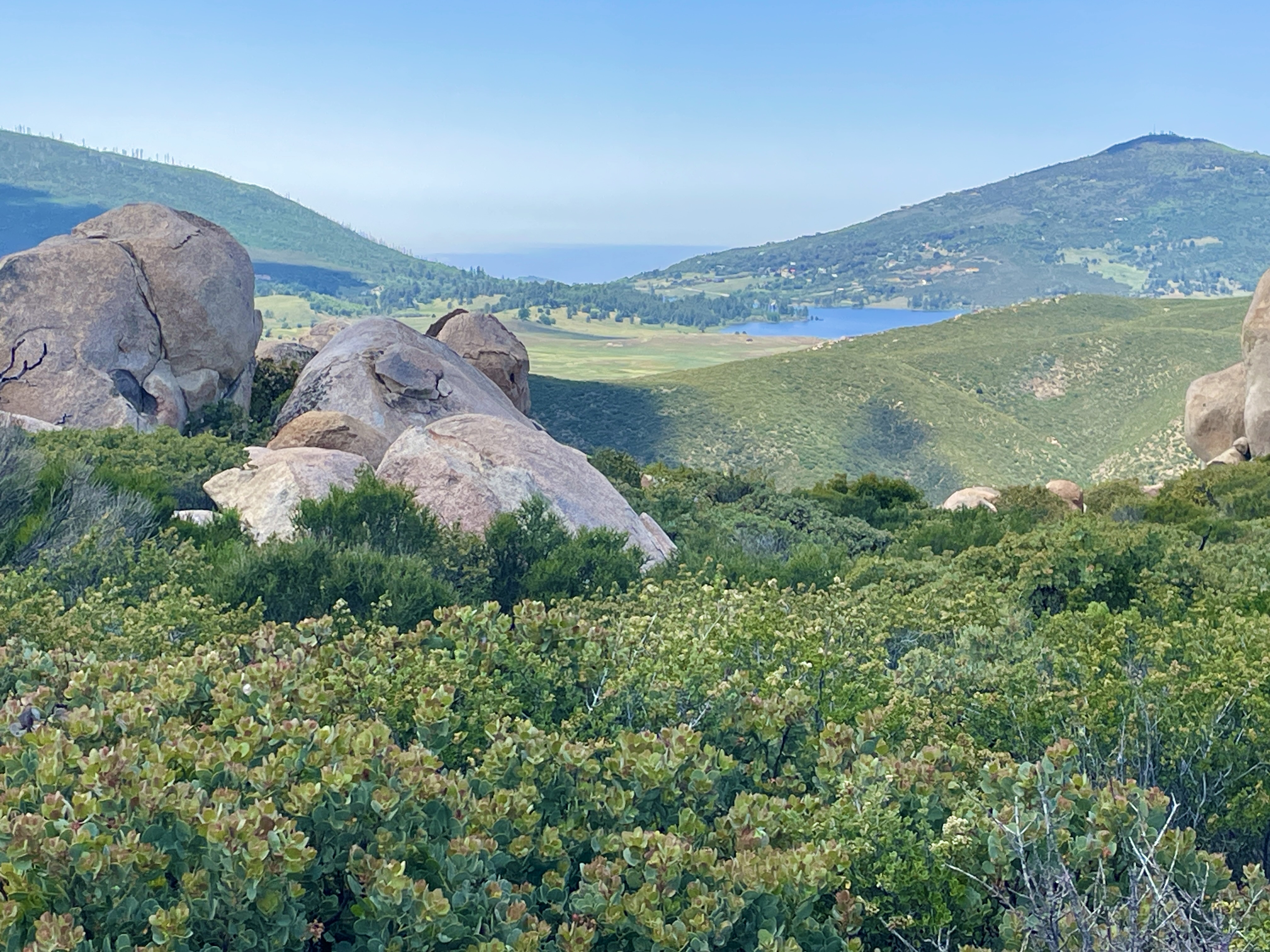
Yesterday I drove to this place about six miles south of Julian, CA, a small, touristy, mountain town east of San Diego. Owned by the Nature Conservancy, the ranch abuts Anza-Borrega Desert Park, but this area is not desert. On the way, I drove through at least four Indian Reservations on Highway 76. California has more Native American residents than any other state.
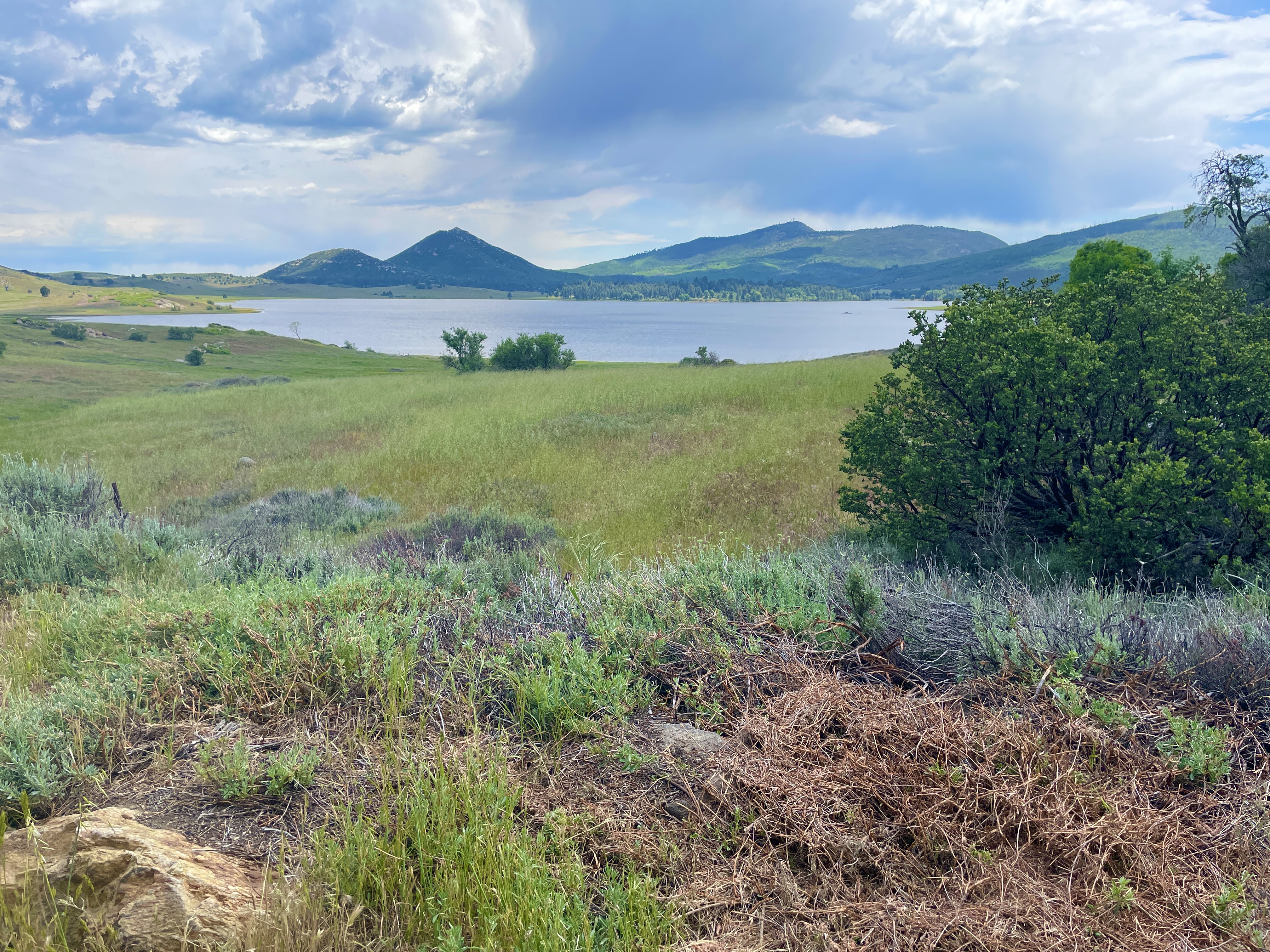
This is Lake Henshaw on Highway 76 on the way to Julian. It is so full now that tops of trees stick out of the water. People told me that last year it was more like a big puddle.
The three mile hike was not long but quite strenuous as we climbed approximately 800 – 1000 ft. in altitude on the hike.
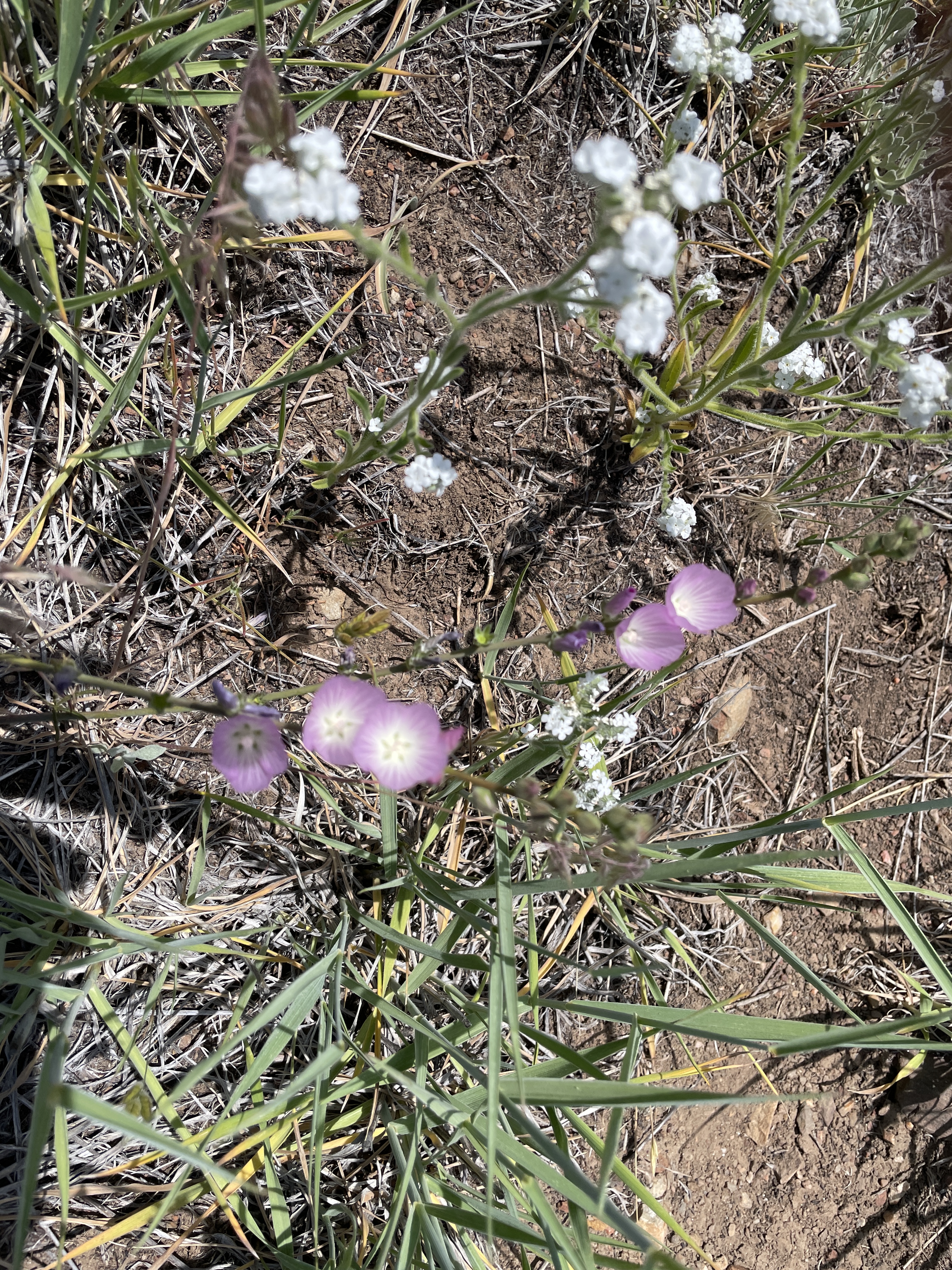
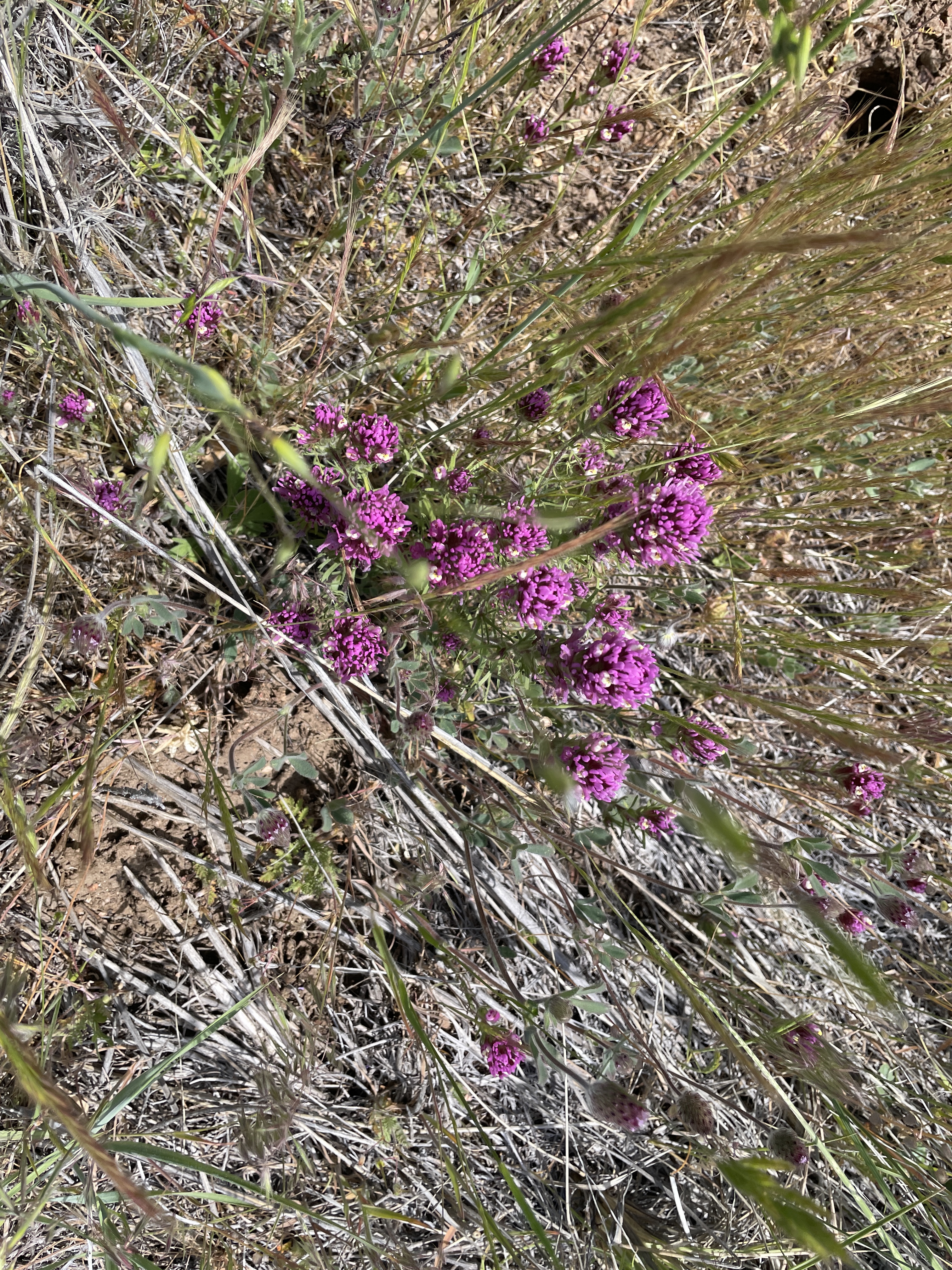
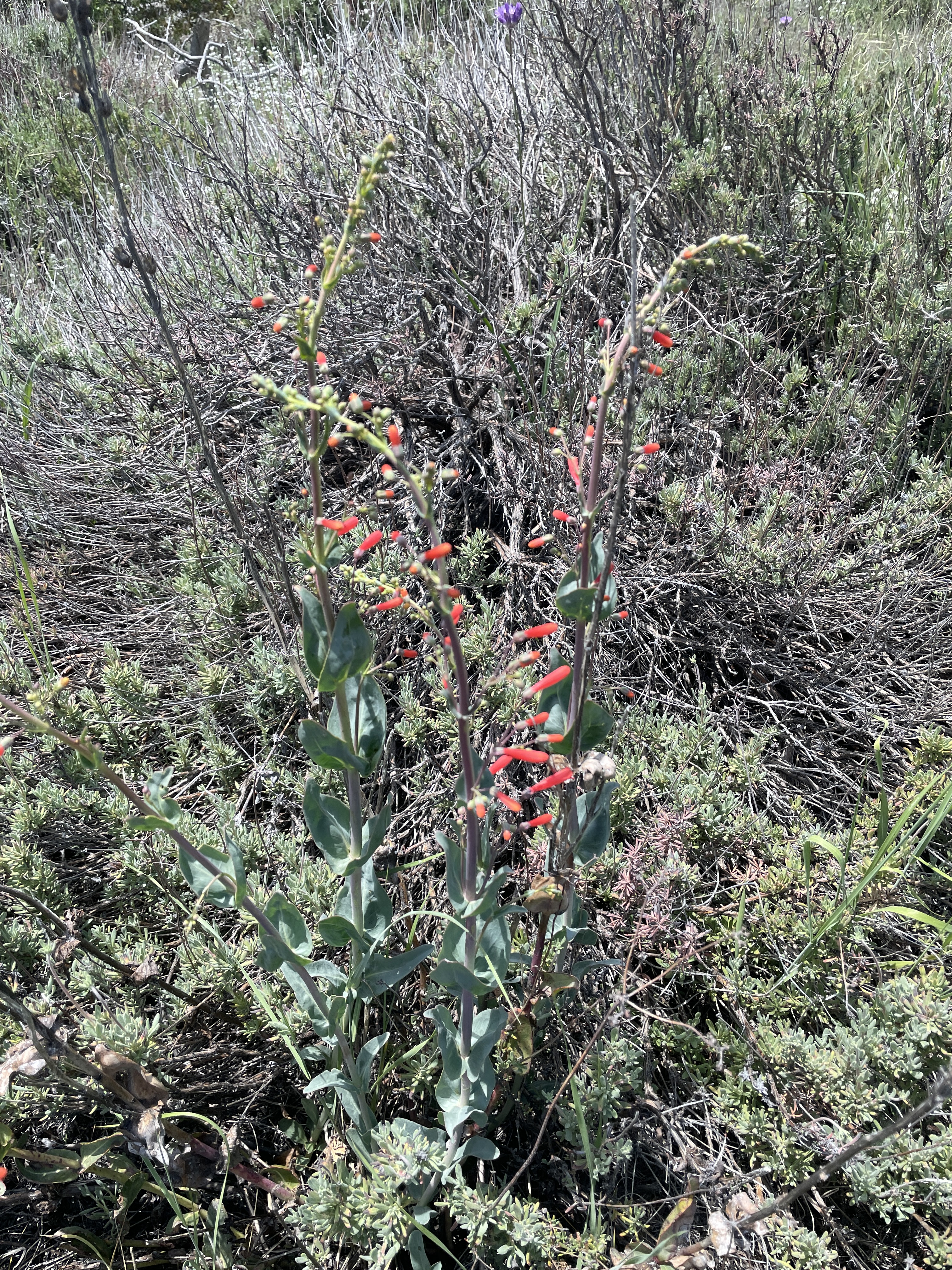
Lots of wild flowers everywhere due to abundant rain this year. We had to find parts of the trail because it had not been used since before Covid and was overgrown.
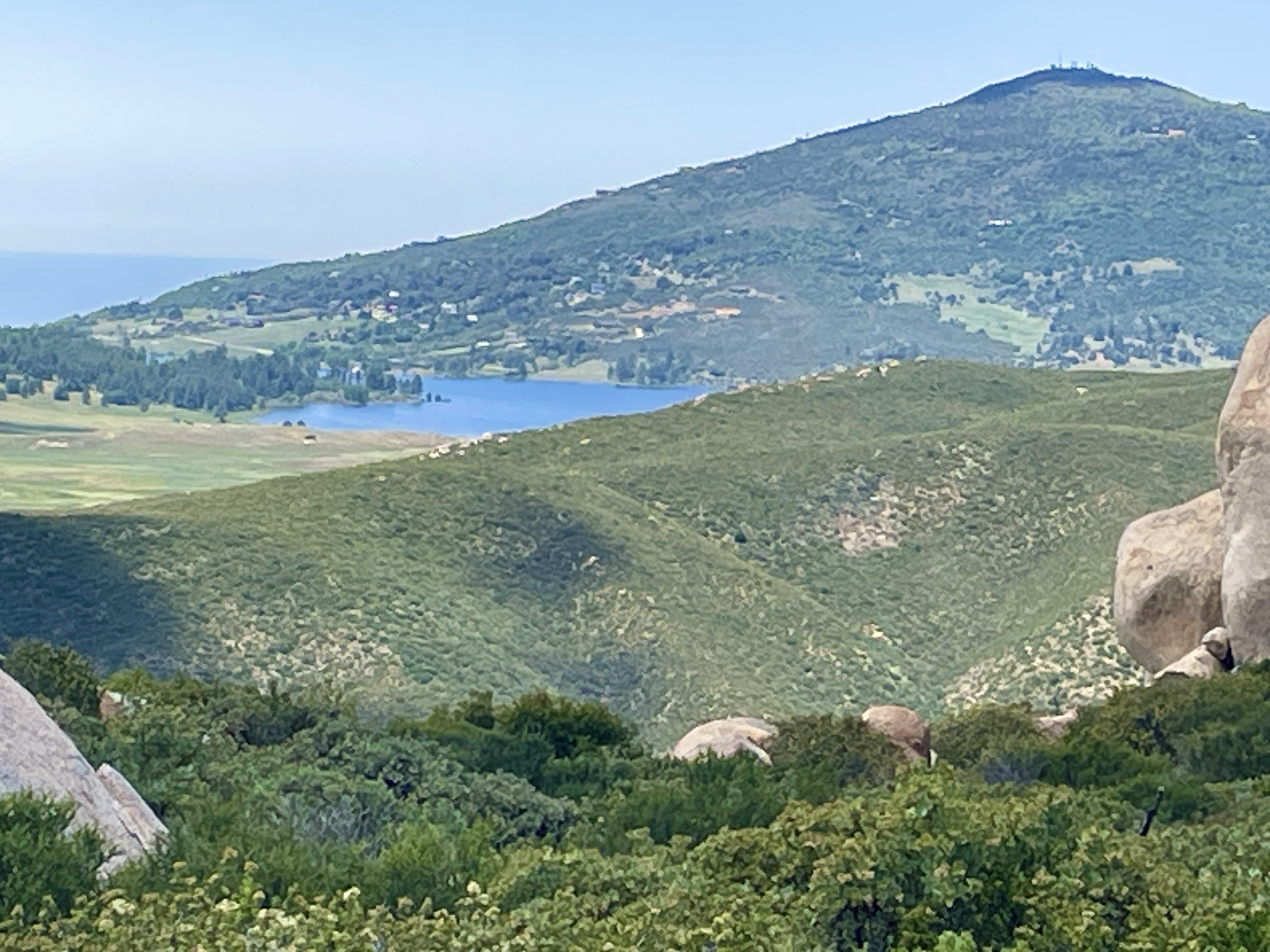
Views of Lake Cuyamaca which we could see in the distance as we climbed up and down.
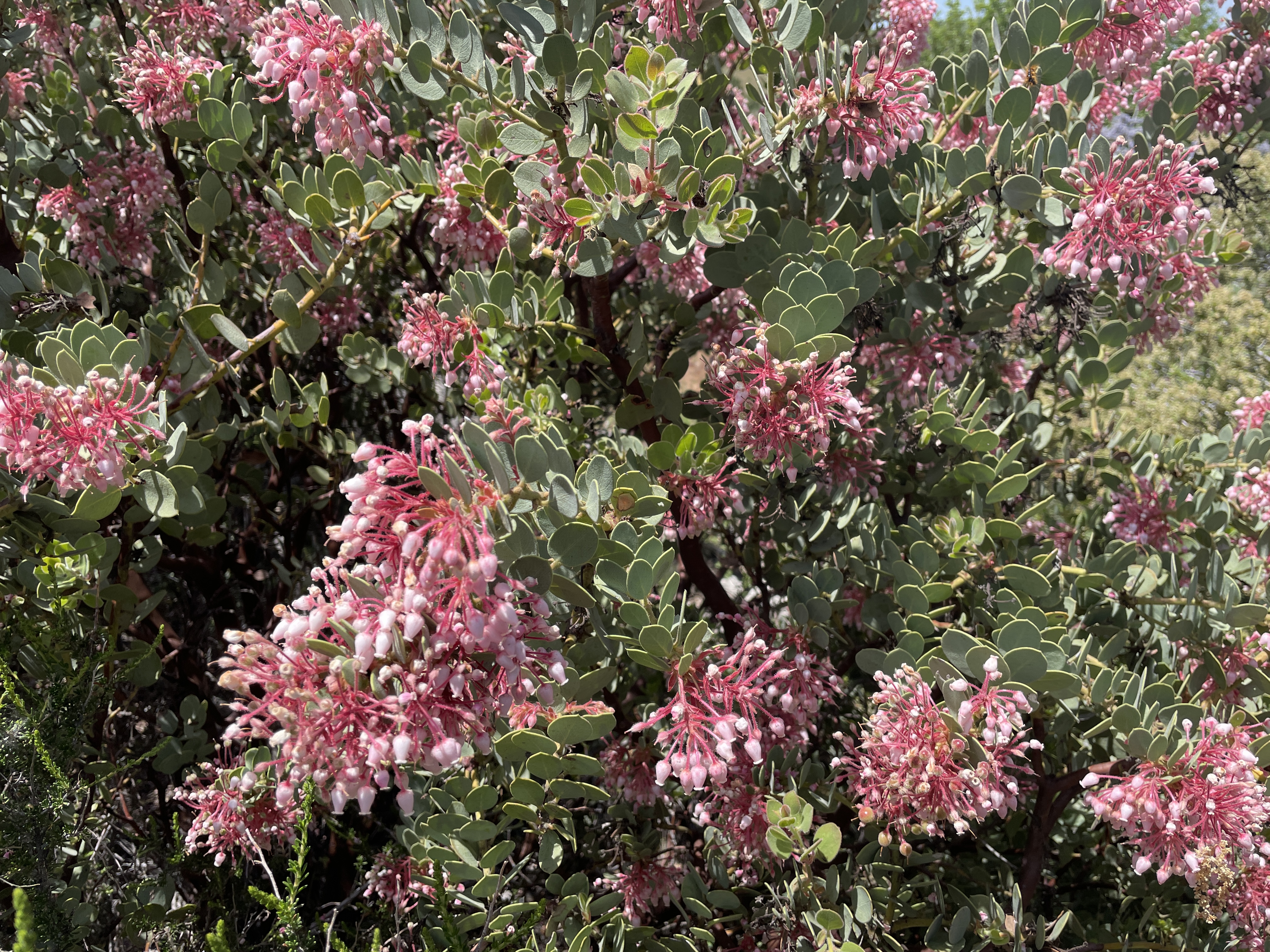
The manzanita are in full bloom and luxurious this year. There were other flower the names none of us knew.
Lupine.
We kept climbing up steep slopes higher and higher. The climb was more difficult because lots of loose, little rocks and gravel in many places.
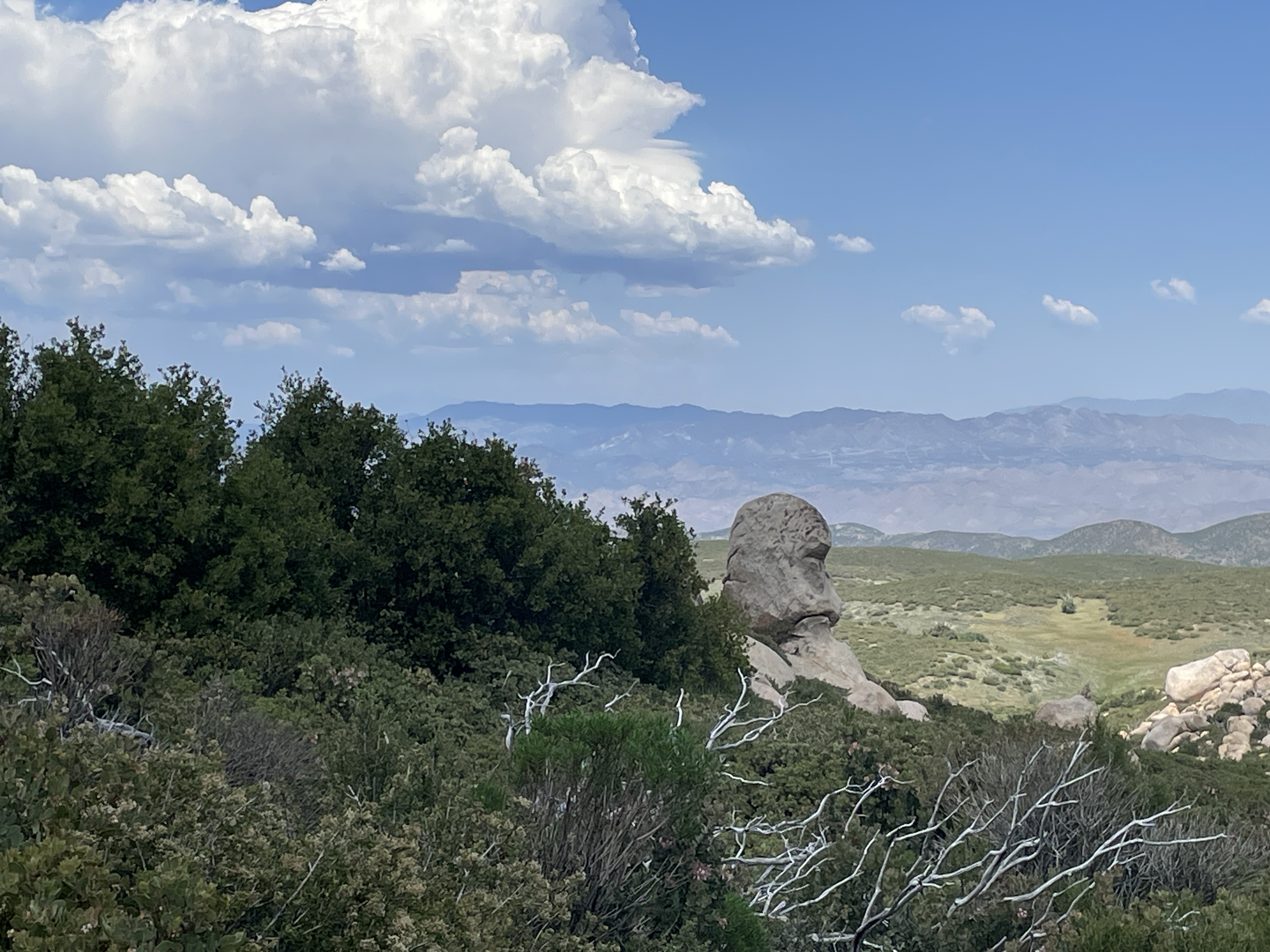
Where we ate lunch at the top which is slightly over a mile high. There are these dead, bleached out branches everywhere, the result of a big fire in 2003 which killed a lot of plants and some of it has never recovered.
Lunch up high among the rocks.
A different type of yucca than grows everywhere in the many other places where I have previously lived.
On the way down from the top. Everything is still quite green here and there were storm clouds in the distance.
Some people call this California lilac. It grows everywhere here and is in full bloom glory.
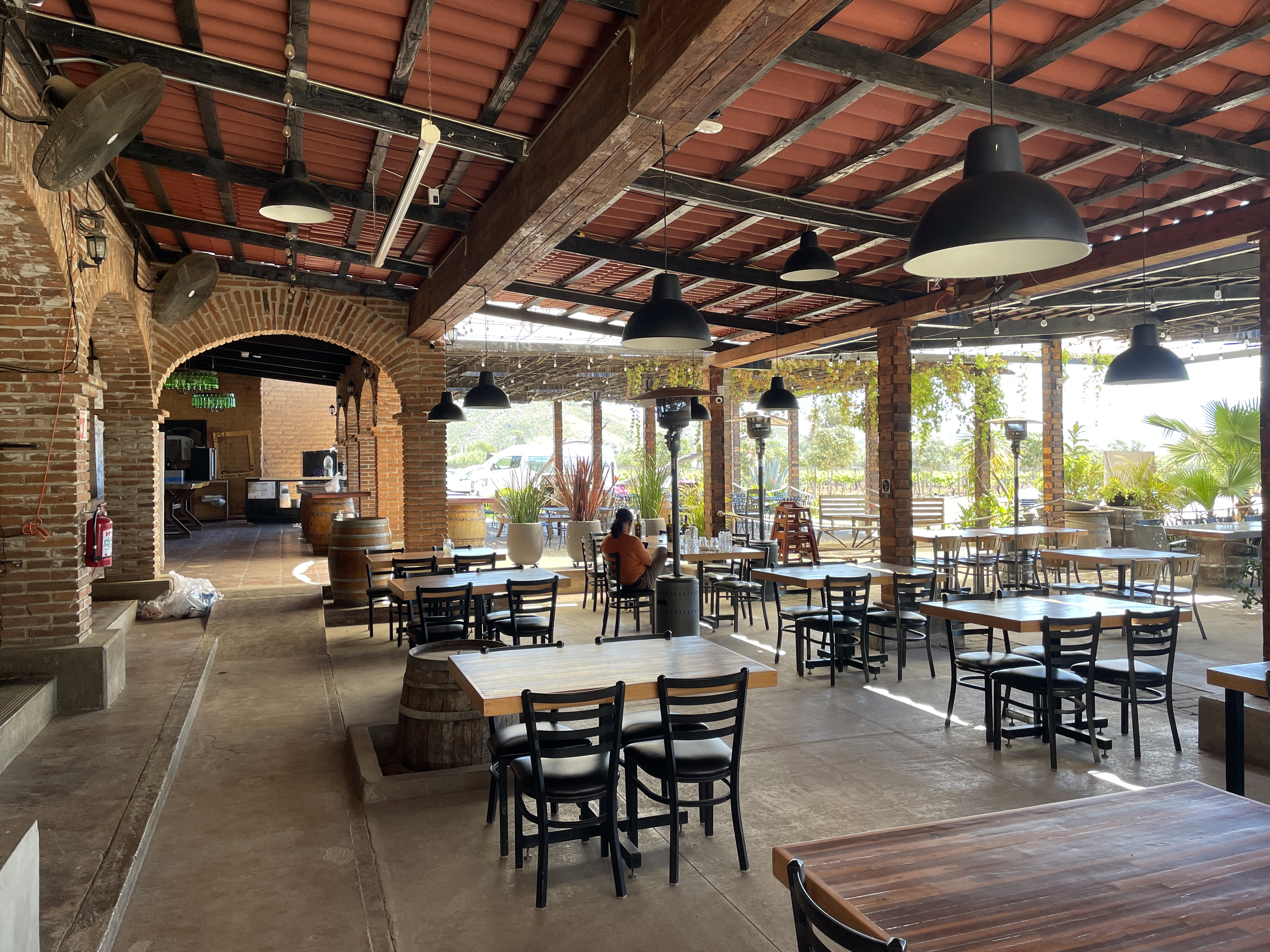
Originally started by three women–see the name, this woman is the only one of the three left as owner. She said she has been doing this for 20 years. The vineyards keep healthy without the use of toxic herbicides or pesticides. She says the breezes from the ocean help with keeping the vines healthy. She also has olive trees and gardens and a small restaurant–outside. The vegetables, flowers, etc. used in the restaurant are grown there. Below is the salad we had for lunch.
Lunch under the trees.
Wine tasting underground. What you notice when you drink all natural wines is that at the bottom of the bottle there is usually a residue.
The path in and out of the tasting room.
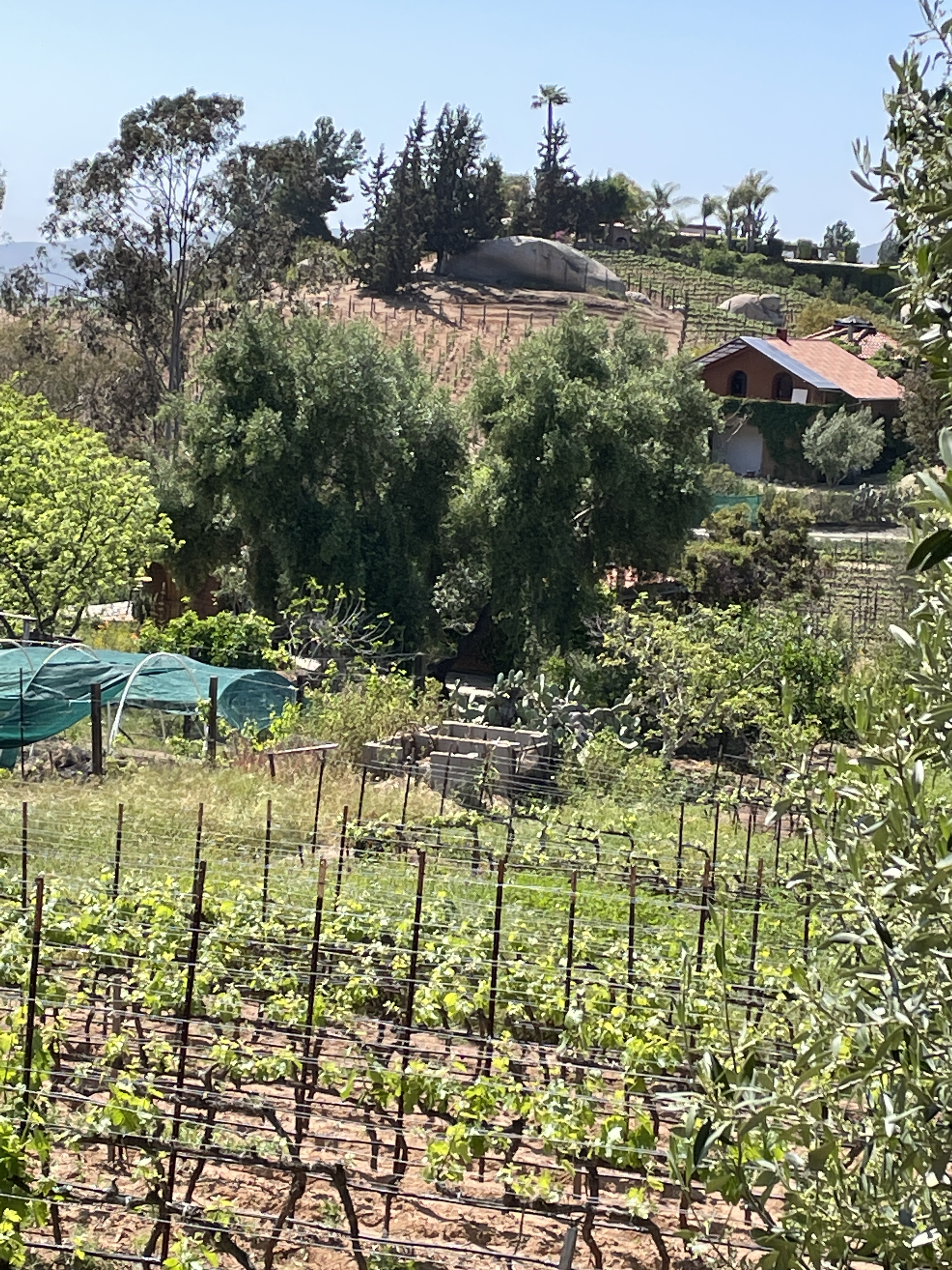
Buildings and fences made of local stone and flowers everywhere.
Stones, some quite large, show up everywhere in this part of Valle de Guadalupe. Some buildings, restaurants, other wineries, houses are build around the rocks with rocks as part of the architecture. I took the following photos from Tres Mujeres.
A lot of Valle de Guadalupe reminded me of parts of New Mexico and also the rocky hills around Temecula, California.
Not only are there over 100 vineyards in this valley but also endless olive groves. Locally pressed olive oil can also be purchased at many of the wineries. The other specialty is cheese. We stopped at one shop, the Cremeria Los Globos where they specialized in many cheeses filled with chipotle, black pepper, you name it. Honey is also produced locally and for sale at many wineries. For the most part, everything is all natural.
Off to another winery, Santo Tomas, after visiting the fish market where I glanced at all the fish and saw fish I could not begin to identify. This winery is in a different valley, Santo Tomas Valley, and the second oldest winery in Mexico. Although their official sign says it is 130 years old, it is actually older and originated years before that to produce wine for communion and the Catholic Church.
Rather than have the wine tasting in a building or patio, here they put us on a wagon pulled by an old tractor and transported us to the vineyards where they drove around then stopped to give us various wines to try while we sat on the wagon. Our guides brought along cheese and other goodies for snacks as we tasted the wine.
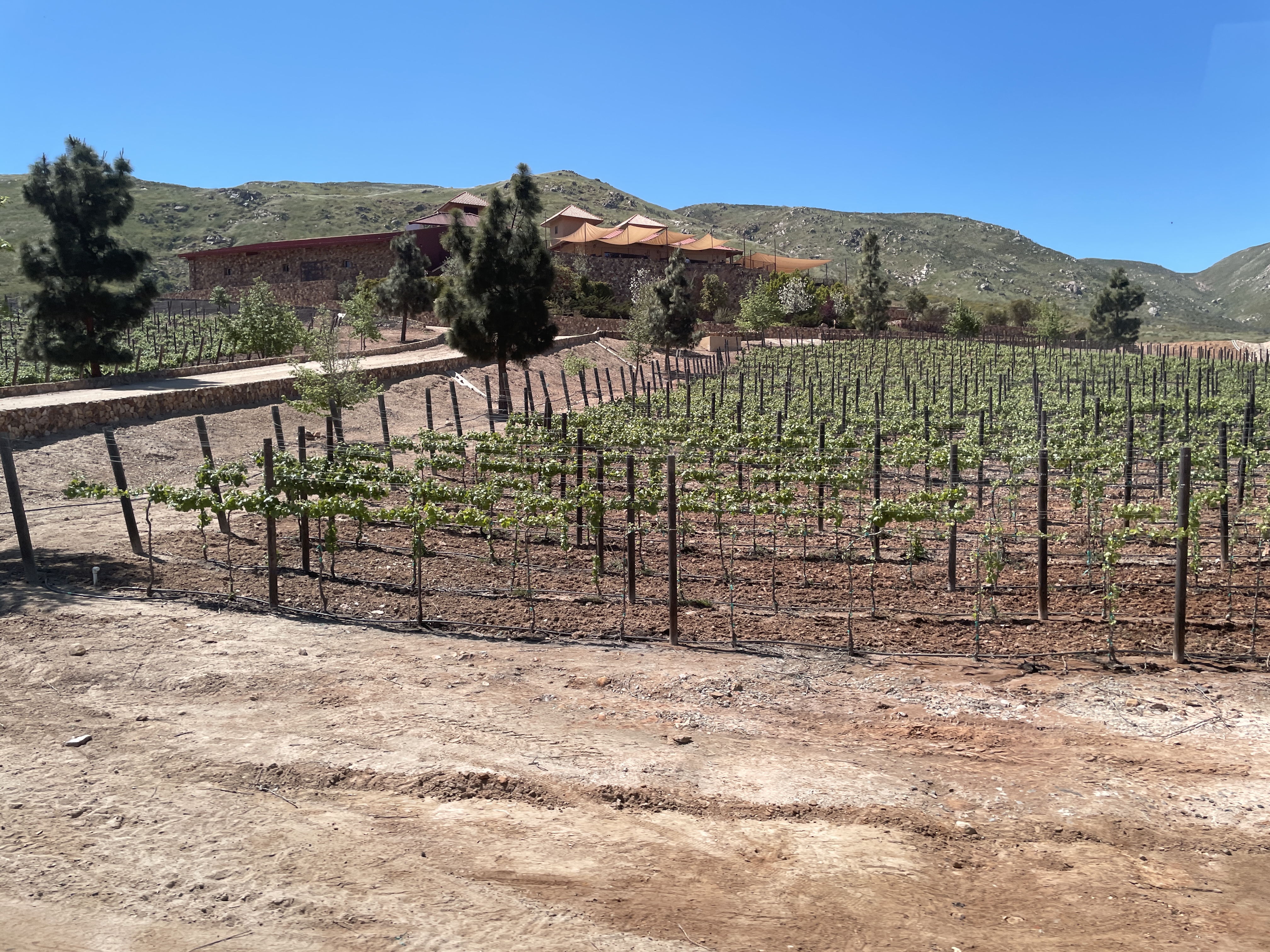
The main building for production.
Vineyards for miles. They have 800 acres of vineyards mostly in this valley but a few in another area we did not visit.
After visiting the winery in the previous trip post, we headed to another winery, Las Nubes (The Clouds), for more tasting and lunch. We did not visit the cellars here but the lunch view was spectacular as were the sandwiches. Like many other buildings at other wineries, a lot of the building material is local stone.
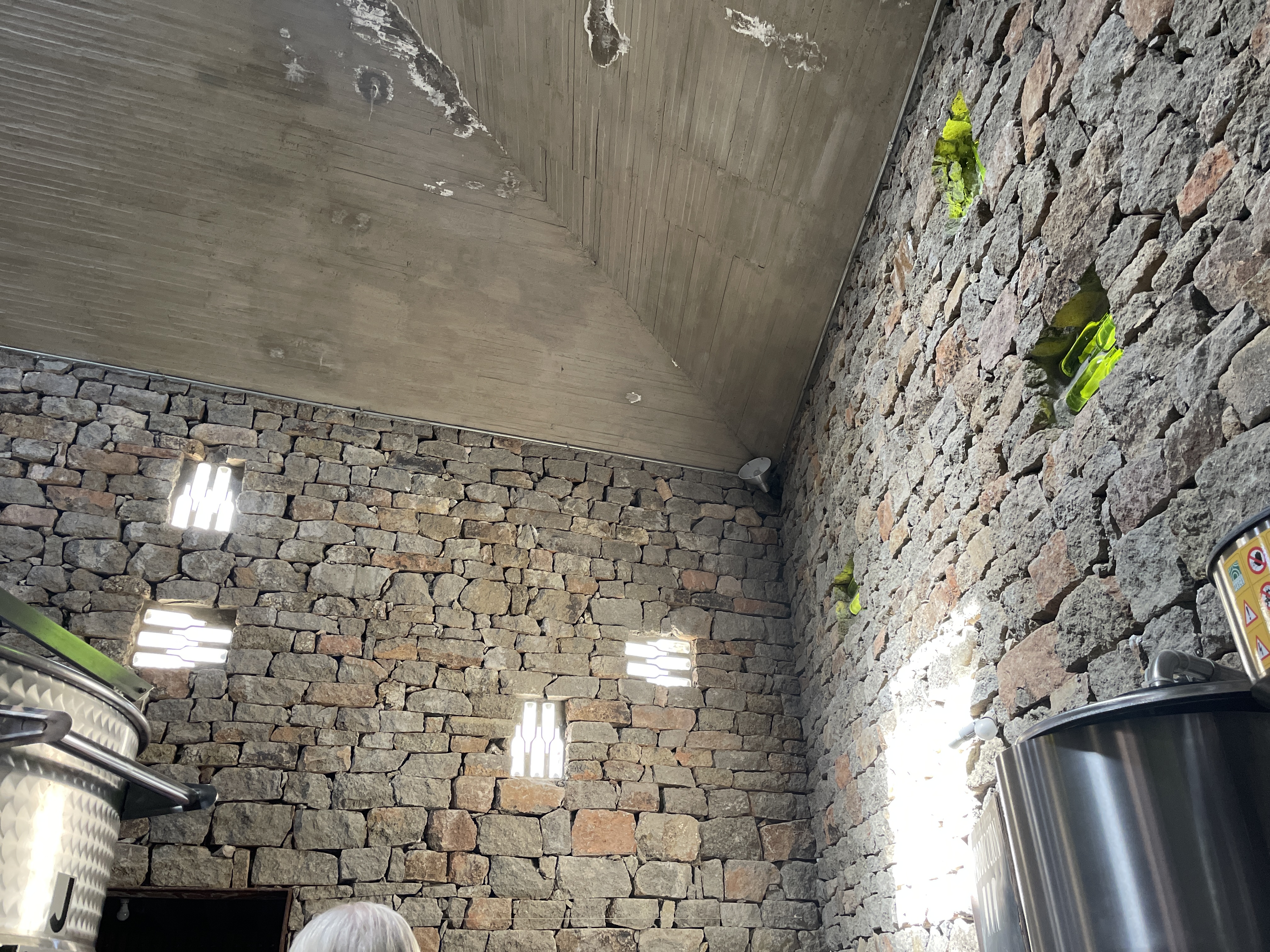
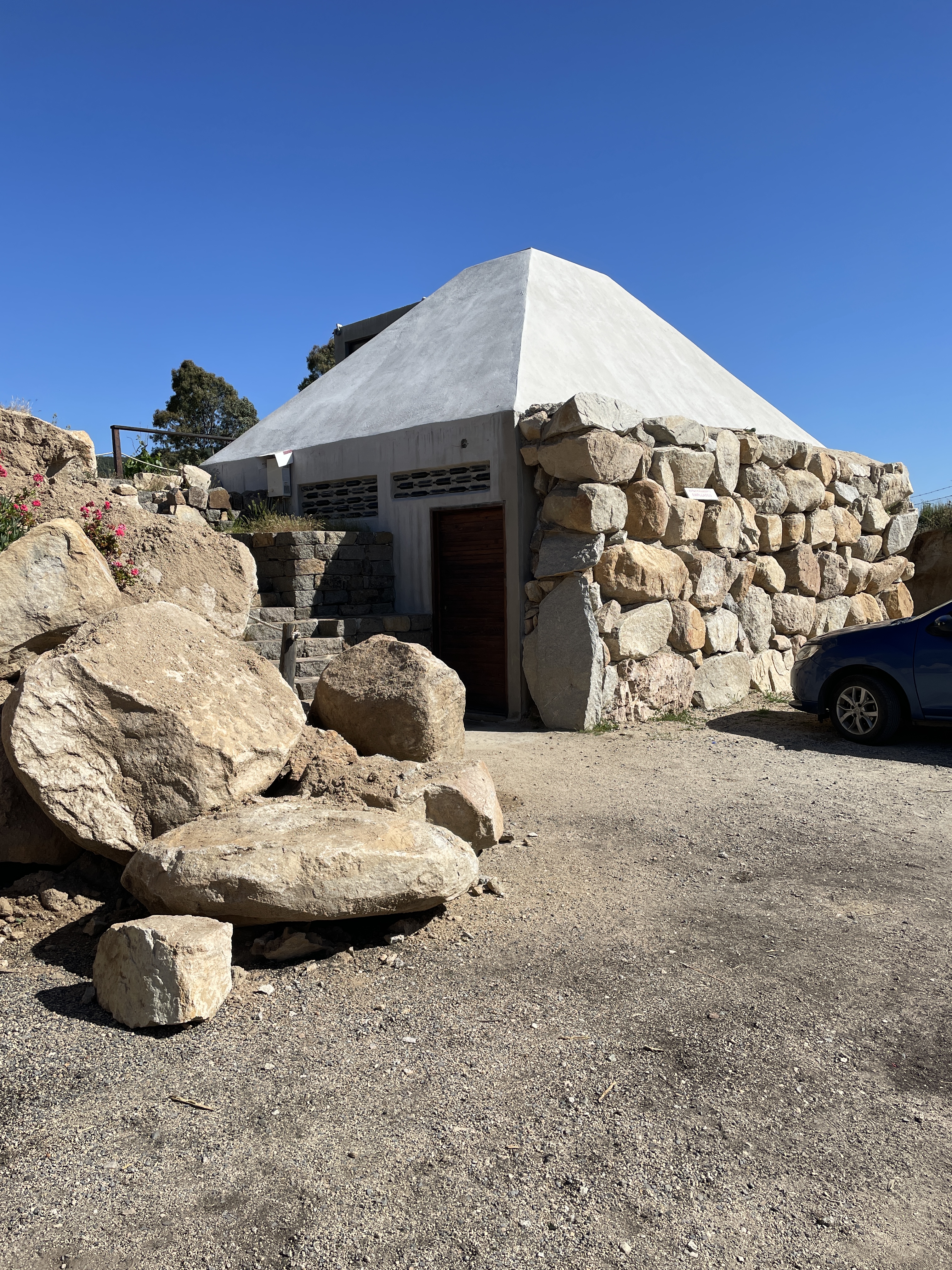
Taken from below the winery and restaurant area. Then off we went to winery three for the day, Clos de Tres Cantos. This winery is created with a philosophy dedicated to making natural wine, caring for Earth, and blending into nature. They also have deliberately grown varietals that can best withstand climate change. All the buildings are made from local materials and designed by a local architect.
A wall made from wine bottles.
A shrine to the Virgen de Guadalupe with wine aging to the side.
A natural roof of soil and flowers.
From here we drove through the countryside to La Laja restaurant for dinner. It is located way out in the country where they grow what they serve except for the fish which is locally caught in Ensenada area. It is rated as one of the top 50 restaurants in Latin America. We experienced a six course meal including two desserts, one of which was a slice of mango steeped in mescal.
Day Two we visited several wineries and went to dinner at one of the top 50 restaurants in Latin America, La Laja. The following photos are from the first winery where we not only tasted various wines but also took a tour of their remarkable wine cellar dug deep into solid rock.
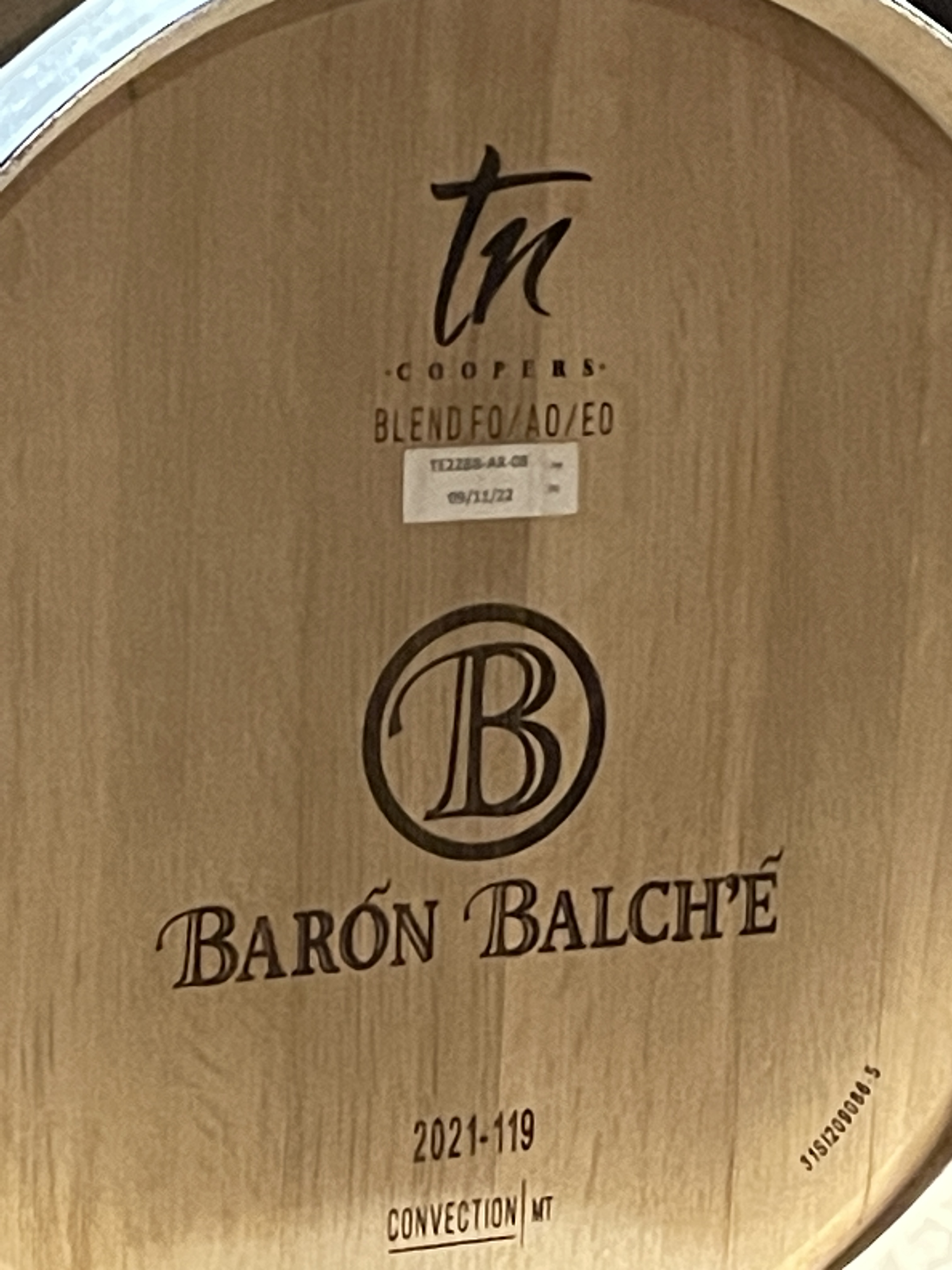
This is the name of the winery and each barrel is marked with varietal, date, etc.
The hills in some part of Valle de Guadalupe reminded me of the hills near Temecula, CA.
Here you can see how the cellar is dug out of the rock. The rock was oozing moisture due to the unusual amount of rain they received this winter.
I loved this message so much I had to take a photo of it.
I wish I could find a duplicate to hang outside on one of the empty sides of my house.
The wines here are all natural. Many of the wineries we visited do not use pesticides or herbicides.The sophistication of many of the wineries in Baja is very impressive.
The immeasurable horrors of slavery and the immediate years after come excruciatingly alive in this novel. Decent white people help recently freed brothers but at a terrible price. A “forbidden” romance between two Confederate soldiers highlights the destructiveness of class and hatred. Yet, in spite of the despair and cruelty, resilience, decency, and tenderness prevail in the end. Long listed for the Booker Prize, this detailed and beautifully written novel remains true to some of the most painful parts of US history.
The perfect book for those who love suspense, Montana, wildlife, wildlife conservation, Alice Cooper, the protagonist, is a young, wildlife biologist who spends most of her life going from one remote research site to another. Here she’s located in a remote area of the high country in Montana, 26 miles from Bitterroot, studying wolverine populations for a wildlife conservancy/trust which now owns a defunct ski resort. While a few of the locals support her work and the conservancy, many more see the trust and her as endangering their way of life, and they are willing to kill anyone who gets in their way.
Filled with suspense, reading this page turner will also inform readers about wildlife biology and research, wolverine study, and life in the northern high country.
If you are looking for a fun read where you actually also learn something, this book is the perfect fit.
Note: This is one of three books I have read this month so far. I will post about the other two in the next few days.