The perfect book for those who love suspense, Montana, wildlife, wildlife conservation, Alice Cooper, the protagonist, is a young, wildlife biologist who spends most of her life going from one remote research site to another. Here she’s located in a remote area of the high country in Montana, 26 miles from Bitterroot, studying wolverine populations for a wildlife conservancy/trust which now owns a defunct ski resort. While a few of the locals support her work and the conservancy, many more see the trust and her as endangering their way of life, and they are willing to kill anyone who gets in their way.
Filled with suspense, reading this page turner will also inform readers about wildlife biology and research, wolverine study, and life in the northern high country.
If you are looking for a fun read where you actually also learn something, this book is the perfect fit.
Note: This is one of three books I have read this month so far. I will post about the other two in the next few days.
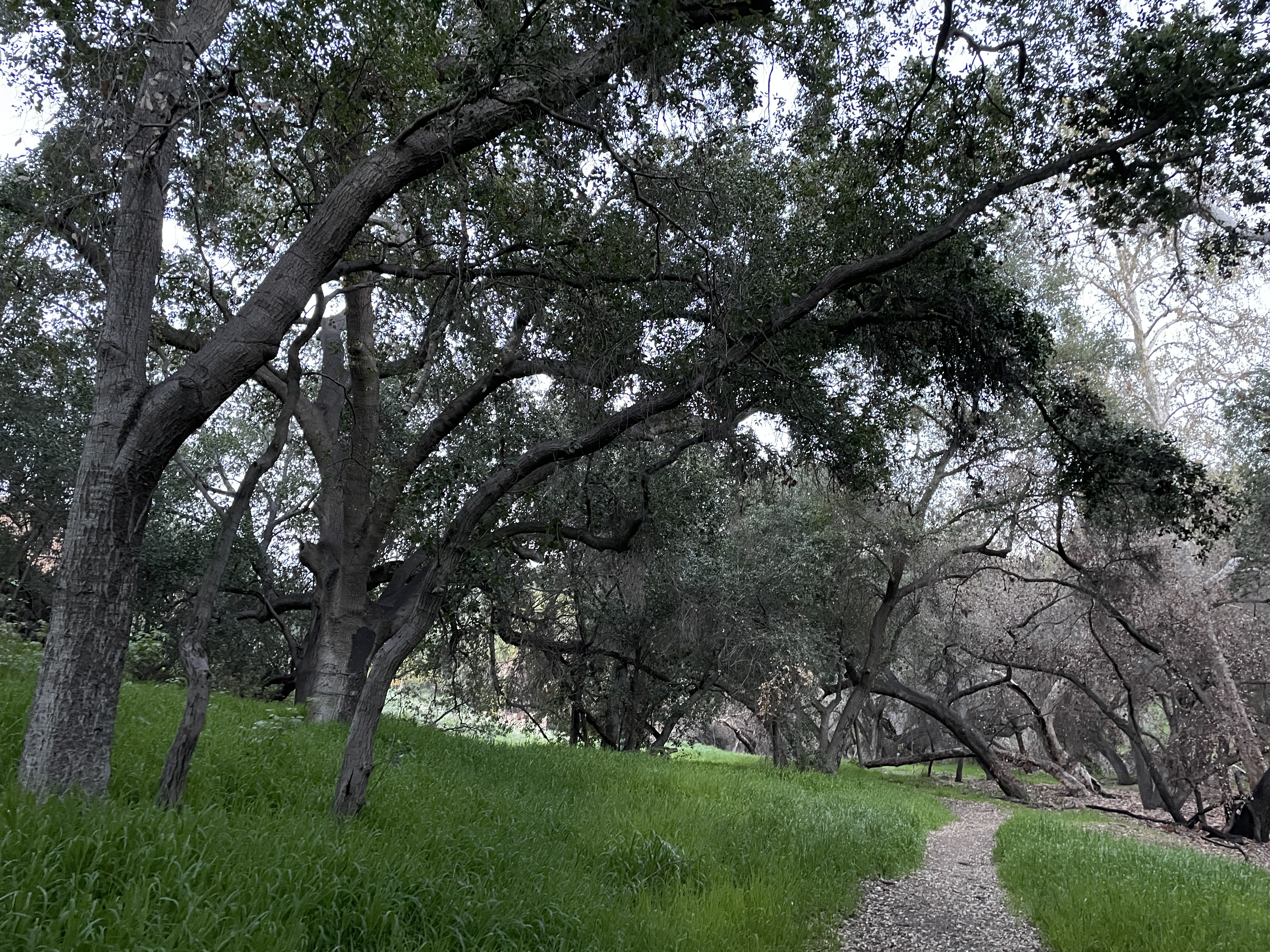
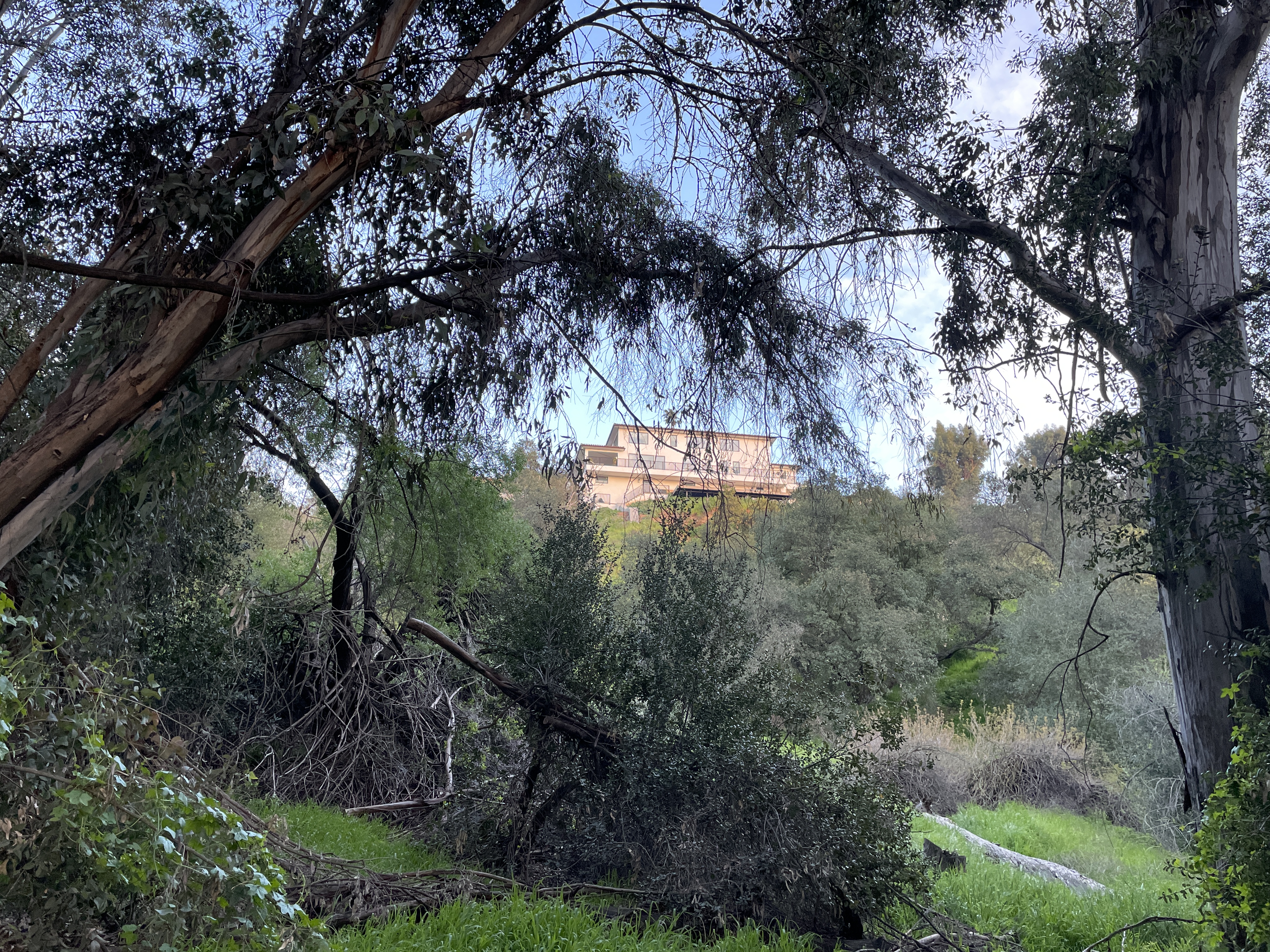
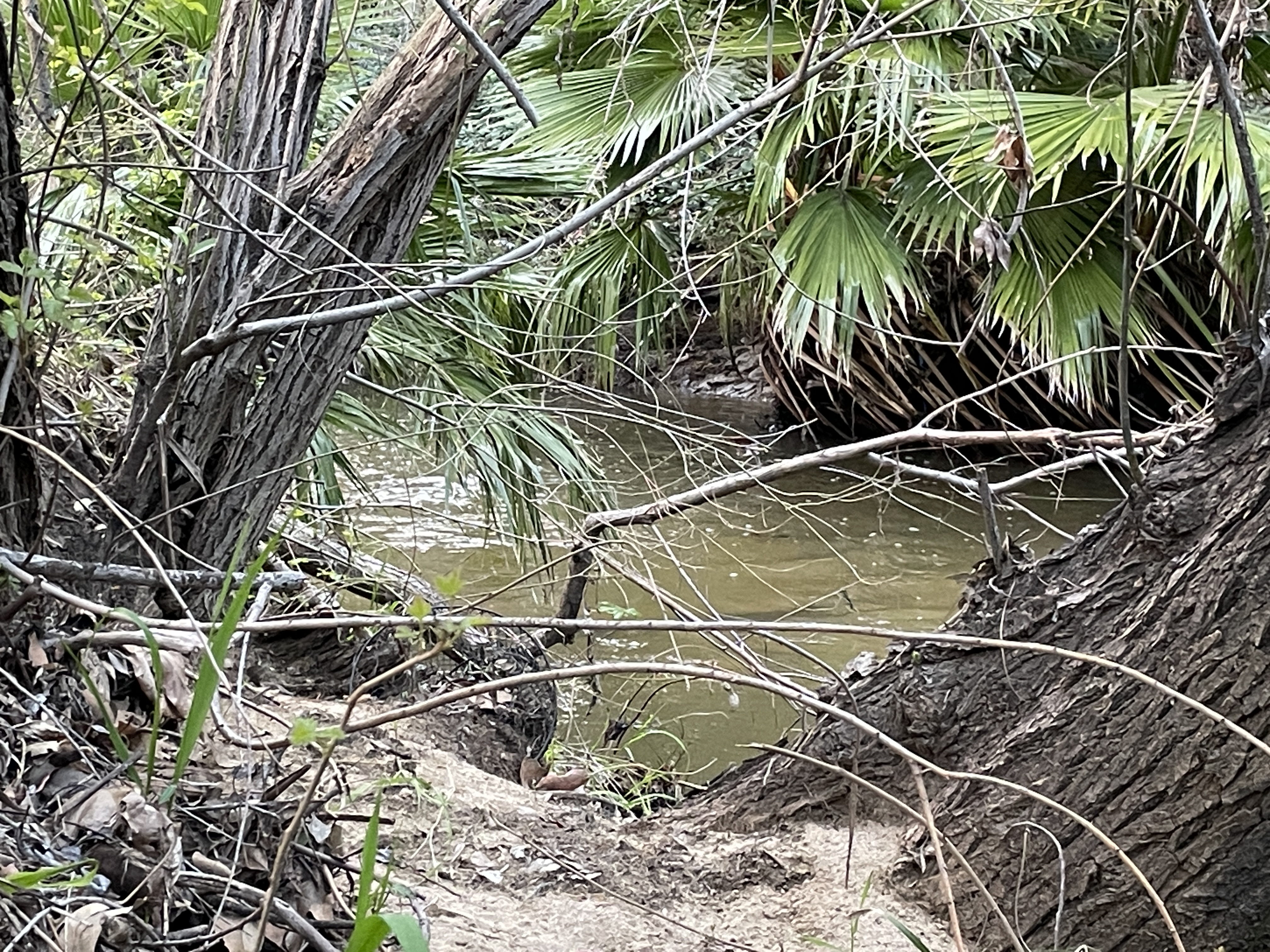
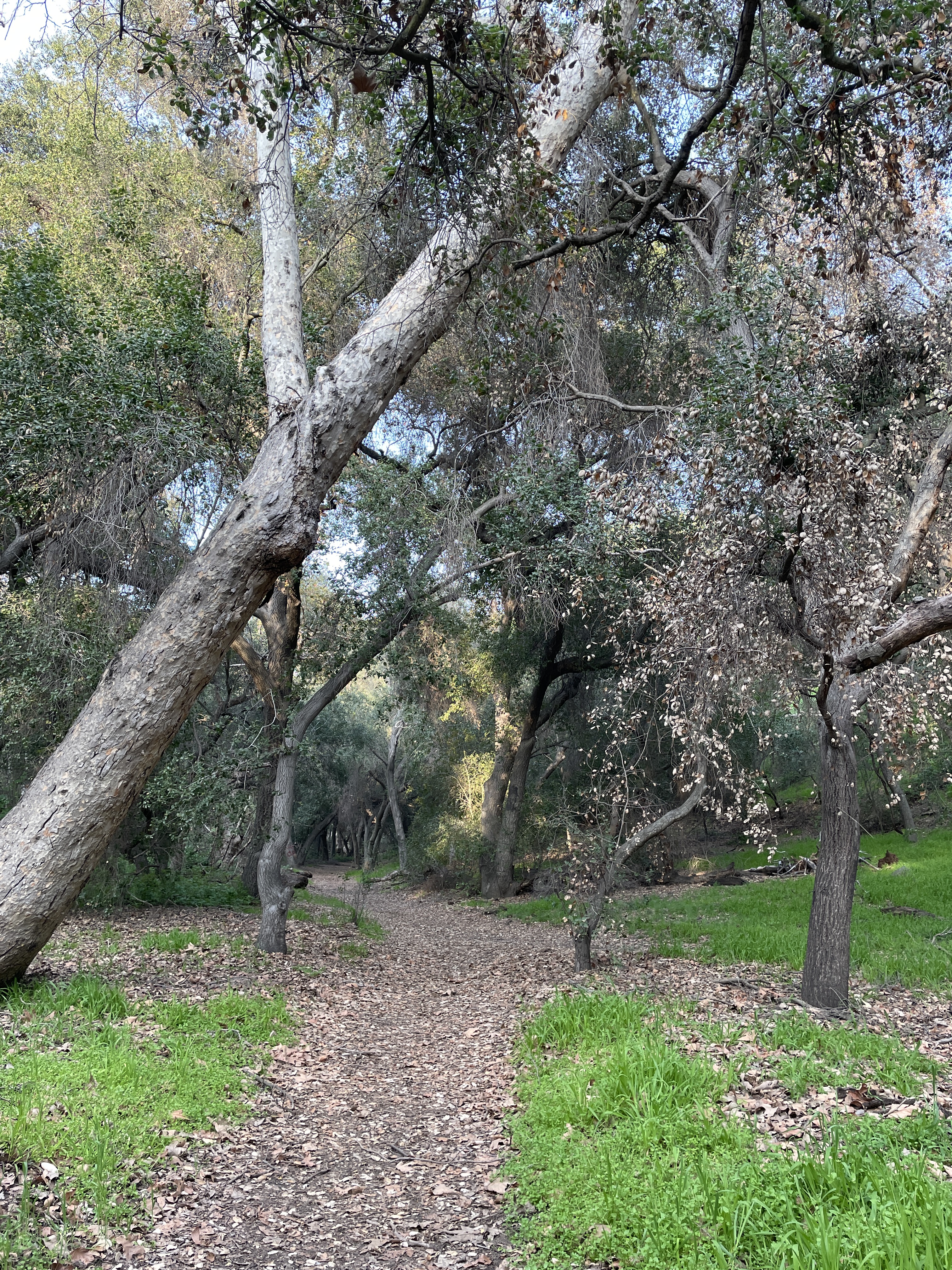
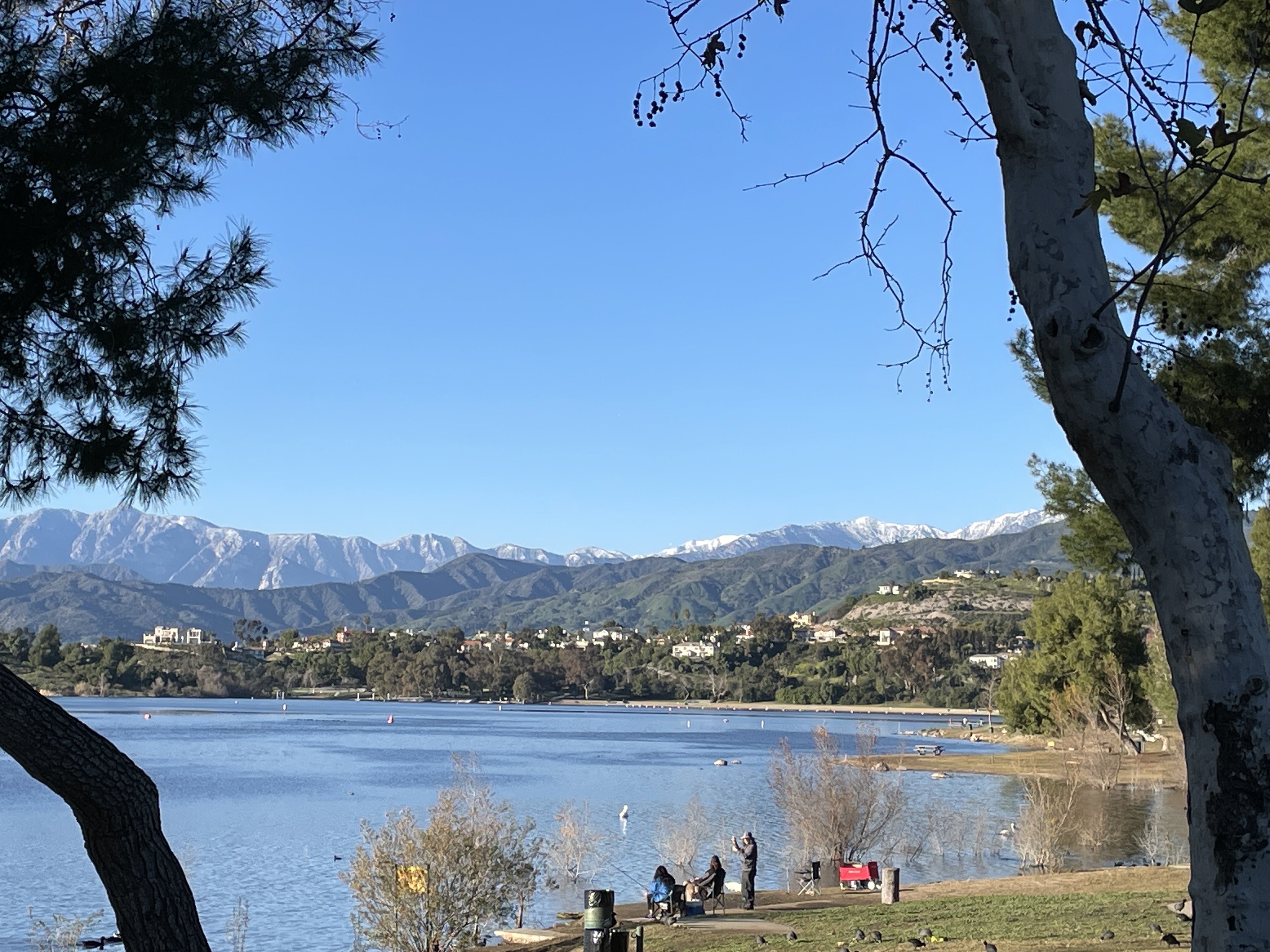
Los Angeles County contains many well maintained trails. This one includes Walnut Creek along which a hiker can walk many miles when water is low and easily cross the water crossings. Not this spring. Unless you are on horseback or have tall waders, it is impossible to cross the meandering creek crossings. Along the train in one area is a bridge and a round pen for horses.
Even though I try to keep up-to-date on Nobel Prize authors, I was unfamiliar with this one until I saw this book on a table at Barnes and Noble. First, the title intrigued me; then the blurb added more mystery. I bought it–so glad I did. Once I started, there was no stopping–fascinated.
Written in first person, it is contains the thoughts and experiences as related by an older woman. Once a bridge engineer, she now resides in the Polish countryside near the Czech border. Winters are harsh; most of the people who live there live there only in summer. She stays and cares for the houses of the summer people while they are gone all winter. She also teaches English part-time to children at the local school. Her passions are animals and astrology. Even though a science type, she is totally convinced that astrology contains life’s secrets even to the point of predicting the time and events of a person’s death. The book is also a murder mystery with an ending totally different from what I expected.
Now I am going to purchase the author’s book, Flights, which won the Mann Booker prize in 2018.
When it first came out in 2018, I read The Overstory by Richard Powell. Finding the Mother Tree: Discovering the Wisdom of the Forest by Suzanne Simard appears to contain the endless years of detailed research and life story behind one of the characters in Powell’s novel. In fact, in her Acknowledgements, Simard thanks Powell for helping to make her life’s research more accessible to the general populace.
Simard’s book is part memoir, part detailed scientific explanations of her research and how a forest works and lives, and part how difficult it is to be taken seriously in the science world if you are female and your research contradicts the norm. She grew up in Canada. Her family made a living cutting down trees. Her family and life was and is intricately interwoven with nature. Even as a child, she was obsessed with tree roots, crawled around on the forest floor to see what lived there. A specific fascination was all the types and colors of fungi that grew just under the surface. Why were they there? What purpose did they serve? Later this became her life’s work, leading her to discover how trees of varying species use these fungi to communicate with and nurture each other. Of special significance are the “mother trees”, older, larger trees who provide nurturance to all the younger trees around them, recognize their kin, favoring them as they nurture all the other trees as well.
Traditionally, loggers and timber companies clear cut, then replanted with seedlings of all the same species of evergreen. It took Simard decades of research to convince them that it was not only the poorest way to grow new trees but also the least economical. For decades they saw her as some nutty woman, laughed at her research, laughed at her, even using epithets to her face. Ultimately, however, her work led to changes in how forestry is practiced.
This book relates her long struggle to save the forests. For those who are science minded, the final pages of the book contain 32 pages of Critical Sources. If you are interest in learning more about “mother trees”, go to http://mothertreeproject.org. It defines the term “mother tree” and explains how trees communicate. It also contains videos.
While wandering around Barnes and Noble looking for something new to read, I read the blurb for An Imaginary Life by David Malouf, an Australian writer. I bought it. Of course, I had heard of Ovid, seen parts of Metamorphosis, his most famous work, but knew little about him. Emperor Augustus exiled him to the remote regions near the Black Sea for reasons not totally known but perhaps due to the nature of Ovid’s erotic poetry which was very popular. Written in the first person, this book relates Ovid’s experiences, thoughts, and feelings while in exile. The urbane and educated Ovid now has to learn to live with superstitious, illiterate, poverty stricken people whose language he does not know, who possess none of amenities to which he is accustomed, who live in a bare survival mode. They find a “wild child” and Ovid becomes determined to catch him and teach him. The Child has lived with the animals and speaks their language, seems immune to weather even though naked, knows nothing of humans. As Ovid lives with and teaches the Child, he begins to question what it means to be human, to be civilized, to be different. What is the true meaning of life?
Note: If you look up Ovid, you will find a birthdate but no date of death. No one knows exactly when or where he died or where he was buried.















 writingontherim