Book Six for 2026: “THE BOOK OF (MORE) DELIGHTS,” Ross Gay


As I mentioned in a previous post, his books on delights were mentioned to me by two different people in two totally different settings so I decided to stay sane in all the seriousness of my life, reading something lighter might be a good thing to do. I guess I was thinking delights like flowers, food, etc. but this is more like a series of short essays about life all written in the span of one year–his gardening, experiences strolling around his neighborhood and favorite coffee shops, food, his parents, his wife, some personal history, his experience as a college professor, children. However, he also addresses serious issues–his meeting a homeless veteran just out from a stint in a mental facility and how he was compelled to help out after first driving off, racism he has experienced, his issues with the government and social media, family death, and life in general. And above all, what it means to him to identify as a poet.

Delights–2


As a person who works with high school students mostly non-white, many of whom have family members who are undocumented, I worry and need to find daily delights to stay sane. I decided to make a list of some of the past week’s delights:

-afternoons 70 degrees, sunny, no wind

-hummingbirds sipping nectar from both flowers and the two feeders

-singing a song the lyrics of which come from a poem by Langston Hughes where he dreams a world with no racism

-sitting on the back patio, listening to birdsong while I read a book about delights

-learning that all the rains have eliminated drought in California

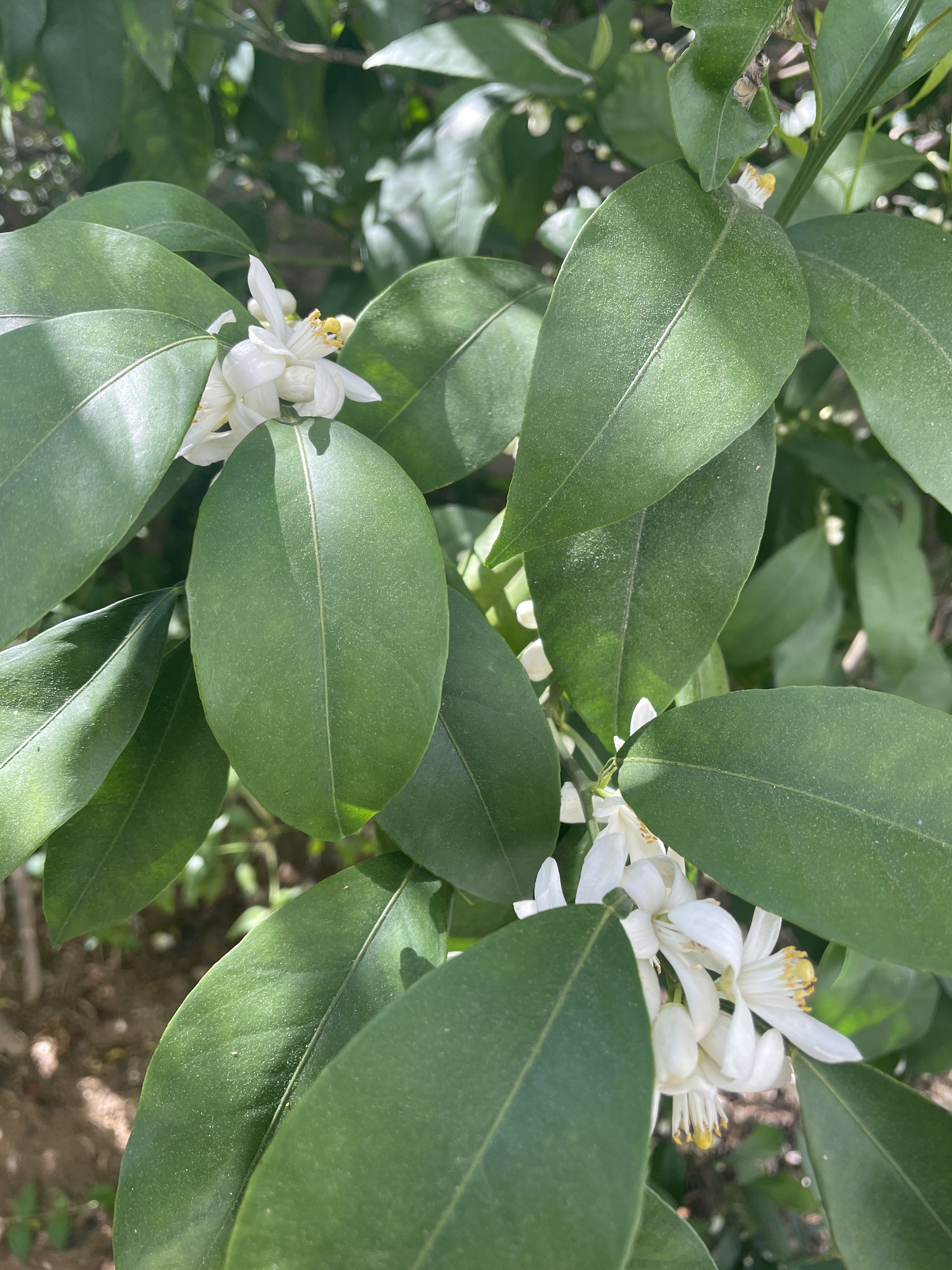
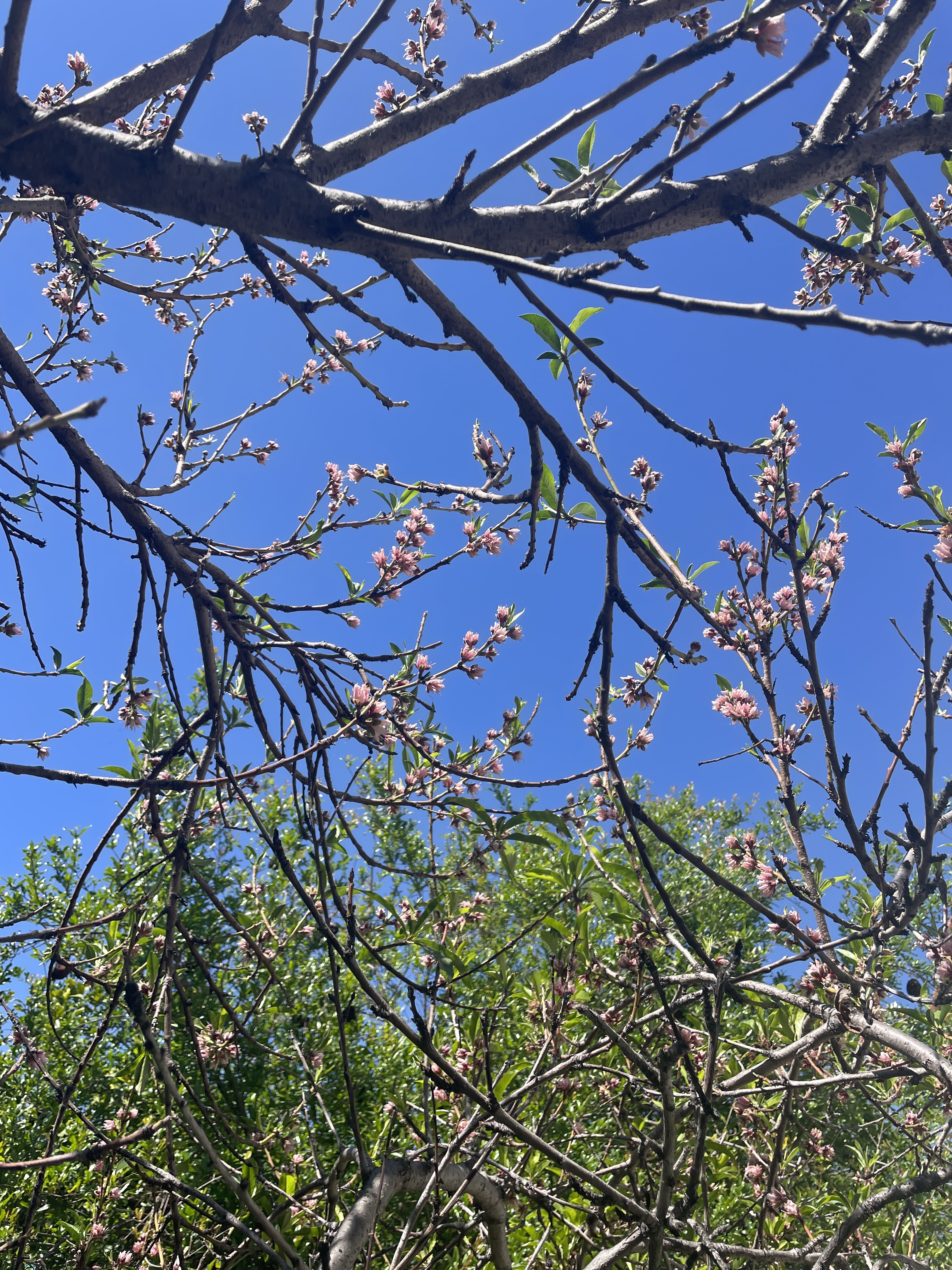
-appreciating all the colors of the flowers blooming in my yard

Book Four for 2026: “Playground”, Richard Powers


Another intriguing novel by an author who has won both the Pulitzer and the National Book Award. Initially the four main characters do not seem to have any interactions with each other. 12 year old Evie’s life is changed forever when her father, the inventor of the first aqualung, makes her submerge in a pool to prove it works. She becomes one of the world’s most famous divers and oceanographers. Ina, an artist, grew up in US naval bases all over the South Pacific and eventually finds herself at a university in Illinois. Rafi, a genius black child, is pushed by his dad to apply to a private Jesuit high school where he meets Todd, a rich kid whose whose family provides scholarships to the school. The two become best friends in spite of different interests. Rafi loves literature and Todd loves computers. They bond over a thousands of years old Chinese game with which they become obsessed. They become roommates at the same university where Ina is a student. The three become best friends.

Decades later all these lives become intertwined on an island in the South Pacific–Makatea in French Polynesia, an island where the harvesting of giant phosphorus deposits nearly ruined it while furnishing the rest of the world with fuel to make planets grows faster and better and feed the world. Because of Evie’s obsession with the sea, I learned enormous amounts about the ocean and the varied animals that live there, some of which I had never heard of before. Because of Todd’s obsession with computers and his invention of an AI game, I learned a lot about how gaming works and how people become addicted. For Rafi, the agony and anger of often being the one left out, the one seen as the smart Black kid, and the only one in many circumstances affect how he views the world and himself and where life eventually takes him. From his character I learned new things about literature and how books and writing affect people and their relationships.

I could not stop reading this book. Years ago, when it first came out, I read the author’s novel, “The Overstay”. While the topics and characters are totally different, in some ways this novel reminded me of that story, of how our lives are often intertwined in all sorts of ways we never expected.

Book Three for 2026: “Memoirs: Confieso que he vivido”, Pablo Neruda


Neftali Ricardo Reyes Basoalto, a country boy who grew up in a remote, rainy, forested area in southern Chile, an area called Araucania, an indigenous name, became Pablo Neruda, a name he created so he could publish poetry without his father’s knowledge. His father and mother, who died less than a month after his birth, originally came from the wine country of central Chile. His father became a conductor for a ballast train in this southern region. His descriptions of his childhood are of a shy boy who loved nature in all its forms and books. Later, he wrote letters to girls for his friends. Yet, he says he wrote his first poem when he had barely learned to read. Overcome with emotion, he wrote a poem to his stepmother, the only mother he knew. When he showed it to his father, his father asked to know what he had copied it from.

Later, he moves to Santiago to attend university, always poor, always wearing black, always carrying books. He joins a Student Federation and becomes acquainted with other young poets. He writes, “I saw a refuge in poetry with the intensity of someone timid.” After he struggled paying for the printing of his first book, he wrote, “…the writer’s task…must be a personal effort for the benefit of all.”

He wins a literary prize at school, his books are popular, and he finds himself acquiring a job at a Chilean consul in Rangoon but to get there he and a friend end up in France and Portugal, then Japan, then Singapore, before finally arriving at his destination. Thus, began his life as a consul official in places all over the world, including Spain just before and at the beginning of Franco’s rise to power.

After witnessing so much poverty, so many conflicts benefiting the rich, he becomes an avid supporter of the Chilean Communist Party–a form of communism unlike what most think of when they think of communism. The communism he and his friends support includes working on behalf of the poor, the common laborer, the disenfranchised against the wealthy elite who controlled most Latin American countries during his lifetime and in many cases still do.

He states, “I want to live in a world where beings are only human with no other title but that, without worrying their heads about rules, a word, a label…I want the great majority, the only majority, everyone, to be able to speak out, read, listen, thrive…I have taken a road because I believe that road leads us all to a lasting brotherhood…an inexhaustible goodness…”

Later, he chose to live at Isla Negra, a sort of hideout especially in winter where he could write. Then he returned to Chile. He helped his friend Salvatore Allende campaign for the presidency of Chile. After Allende became president, he appointed Neruda to be ambassador to France. In 1971, Neruda won the Nobel Prize. In 1972, the US blockaded Chile and Neruda returned and completed the final edit of his memoirs. He was welcomed back with a ceremony at the National Stadium in Santiago with a huge crowd in attendance. In 1973, a military coup, supported by the US, overturned the government and assassinated Allende. Less than one month later, Neruda died. Shortly thereafter, news spread worldwide that his two houses in different parts of Chile had been ransacked and vandalized by the new government and its forces.

Book Two for 2026: “The Hounding”, Xenobe Purvis


This recently published book is one of the latest in a bookclub to which my grandson belongs. Although an historical novel based on the reporting of an actual event in 1701, much of it applies to today’s world. In 1701, Dr. John Friend reported to the the Royal Society of England about a “rumuor spread” which discussed a report that young girls in the Oxfordshire country side had “been seized with frequent barking in the manner of dogs.”

Five sisters live with their grandfather on an affluent farm in the country. Due to the recent death of their grandmother, they go around dressed in black as was the custom. Because they stay to themselves a lot, roam freer than most girls, they are often looked upon with suspicion by the villagers. One man, who ferries everyone to and fro over the nearby river, has issues with women and loathes these girls because he thinks they are too independent and views them as defiant and thinks they ridicule him because they do not chat with him when they use the ferry. He also has a severe drinking problem and spends all of his free time in the village pub. He is about to be married to a local woman but has severe anxiety over this because he thinks his new wife might try to boss him around.

Most of the men in the village spend their evenings drinking in the pub and often resort of fights and various forms of violence when issues arise. They see this as manly behavior. They view with suspicion any man who does not behave as they do. The woman, Temperance, who serves them hates alcohol and goes so far as to wear leather gloves so the alcohol will not touch her hands. She is one of few in the village who does not believe in rumors and supports rational behavior.

Everything goes awry when during a severe drought, the river dries up, the heat overcomes everyone, and Pete, the ferryman, insists he has seen the five sisters bark and turn into dogs and incites fear in many in the village. It seems to matter little that the two young men who work for the girls’ grandfather, proclaim that the girls are perfectly normal and none of this is true.

This novel raises various issues that continue as issues hundreds of years after the above incident:

-What does it take to make a man? What characteristics define real manhood? Is manhood defined by violence or kindness and compassion?

-How much freedom is okay for women? How much independence and who determines this?

-When is drinking ok and how much? Should people stop people who become violent when drunk?

-What happens to a neighborhood, a society, when people start to believe all sorts of stuff that is not true? Can it be stopped and how?

Garden of Delights


A garden of delights

my my new goal.

Why do I/we need

such a garden?

Sanity, yours and mine.

Genocide in Gaza, Sudan,

eastern Congo, probably

even in other places where

there’s no news.

Poverty here in the richest

nation on Earth.

Poverty my neighbor seems

shocked when I tell her.

People living in condemned

trailers, no heat, no water–

It’s freezing inside.

People surviving, barely.

Malnourished children, big

hungry eyes, staring.

A garden of delights

my new goal.

Why do I/we need

such a garden?

Masked men and some women

attacking people in the streets,

in their homes,

knocking down doors.

smashing windows.

You’d think I’m describing

Russia, Nazi Germany

but no, I’m describing

happenings in my own

county and

across the US.

A garden of delights

my new goal.

Sanity = Delights

I look out my window

purple mountains loom

in crystalline air.

Recent rains create

emerald hills,

blooming freeway daisies,

roses in my garden,

pink, sunset colors, snow.

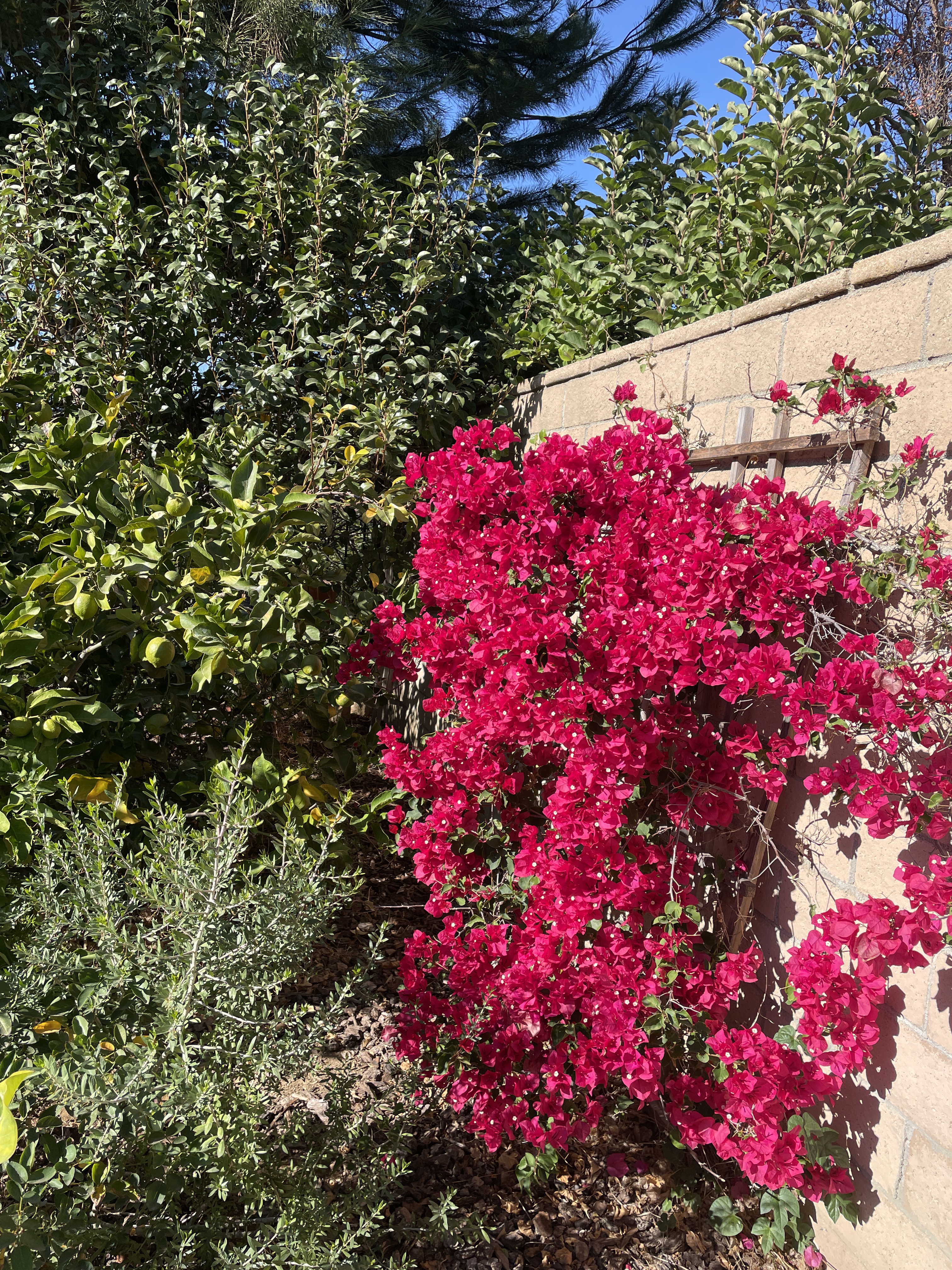
Bougainvillea the color of blood

climbs my garden wall.

The turquoise fountain gurgles.

Photo of daughter and grandson

make me smile.

Symbols, sacred corn grace

walls and make me

remember cornfields in summer

when on a hot day

I could hear corn grow.

Three different pine trees whisper,

the Soleri bell rings in wind.

Ah, yes, I live in a garden,

a garden of delights.

And I remain sane

for at least one

more day.


A Surprising Find at the Library


Two days ago I drove to the local library to return “The Historian” and inquire about a book an acquaintance had recommended. The library houses a used book section at its front hall entrance. I usually only glance at it because mostly it contains books in which I have zero interest. I glanced once again. There in nonfiction I saw NERUDA painted in big, bold bright colors-blue, red, green, purple–across the top half of a book cover. Just below this was a parade of flowers marching across the middle of the cover in the same bold, bright colors. Finally, at the bottom painted in bright red on a black background in capital letters it read, “MEMOIRS.” Inside the O is printed in the same red these words,”confieso que he vivido.” I snatched it up. The little sign said 25 cents. Although I’ve read Neruda poems mostly translated into English, I had no idea he had written anything about his own life. I knew I had to read this. I knew some things about his fascinating life. I wanted to know more. I dug around in my wallet, found a quarter, and deposited in the little brown box one of the librarians had indicated.

Later at home, I read the beginning, his brief introduction, explaining there are gaps here and there. He also explains, “What the memoir writer remembers is not the same as what the poet remembers.” He goes on to explain this. I will need to contemplate this more. Then in the beginning of the first chapter, “The Country Boy”, he describes “The Chilean Forest”. It starts, “Under the volcanoes, beside the snow-capped mountains, among the huge lakes, the fragrant, the silent, the tangled Chilean forest…” What continues is a prose poem describing this forest with intense sensory detail so clear the reader can see the details, the mystery, the lushness. He ends with this poem with the words, “Anyone who hasn’t been in the Chilean forest does not know this planet. I have come out of this landscape, that mud, that silence to roam, to go singing through the world.” Reading this beginning instantly linked me to his poetry I had read, to its sensory detail, to its lyricism.

They say we are all products of the environment in which we grew up whether we like it or not. Reading this is making me view this truism in a new light.

Determination


People tell me I have a lot of determination. If they know about it, they use this example: I just finished my 659th day of walking at least 10,000 steps per day never missing a day. My average is over 13,000 but it was higher until the rain came. It forced me to dance, jog, and run in place inside my house, not exactly a fun endeavor.

Three years ago as part of a Story Circle Network class, I read about book written by a woman who read a book per day for a year in order to help her deal with her grief over the loss of young family member who died too soon. I figured if she could read a book a day, surely I could read a book per week. First year I made it, second I fell one short, and in 2025 I read 53 and reviewed them all on my blog.

Today, I finished book one off 2026: “We Are Green and Trembling” by the Argentinian writer Gabriela Cabezon Camara. It won the National Book Award for translated literature. A sort of fantastical, historical novel, it portrays the life of a real person, Antonio de Erauso. Now identifying as a man, he writes letters to his aunt who is the prioress of a Basque convent. When a small girl, his parents placed her in the convent hoping she would someday replace the aunt as head of the convent. To flee the narrow confines of such a life, she escapes and disguises herself as a man. Through his narration and letters to his aunt, he tells of all his adventures, including working as a mule skinner, then becoming a conquistador in South America among other endeavors. At the time of the novel, he has escaped the military captain for whom he fought and rescued two native Guarini girls from enslavement along with two monkeys. The smallest girl and the monkeys were in cages and near starvation when he rescued them. Pursued by the military they escaped, they now reside deep in the jungle aided by the natives who live there.

Through this novel, the author manages to criticize colonialism, the tyranny of strict religious beliefs, the treatment of women, and the horrors inflicted on native peoples.

The Dates You Never Heard Of


After reading about the nutritional value of dates for the brain, I headed to the nearby farmer’s market where they sell everything you can imagine from the Middle East as well as other international foods. At the dried fruit section, I studied the different kinds of dates. Medjool and deglet were familiar. Then I saw a box with three kinds of dates I had never heard of: piarom, zahedi, rabbi. They even looked a bit different. Tired of the same ole stuff to eat, I bought the box then went home and decided to research the origin and characteristics of each one.

Unlike medjool dates which are considered wet, these three are considered semi-dry. The piarom are grown primarily in southern Iran. Some depending on exact origin and harvest are one of the most expensive dates in the world. They are longer and thinner and a dark chocolate color so often referred to as chocolate dates due to both color and flavor. Another common name for them is maryami. The pits are smaller and so there is more flesh per date. They contain less sugar (lower glycemic) than the wet dates like medjool.

Zahedi dates even look really different. They are shorter, a bit fatter, and golden colored. The pit is easier to remove than most dates too. They have less sugar content than most other dates and therefore can be eaten in moderation by diabetics. They are primarily grown in Iraq and Iran but some are grown in certain areas of North Africa and Asia.

Although the majority of rabbi dates are grown in Pakistan, their origin is Iran. They too contain less sugar than wet dates like medjool. They are reddish brown and usually a bit fatter than piarom dates. Their flavor depends on the soil and the weather conditions under which they are grown. Generally their flavor tends to be caramel-like and nutty.

Like most dates, these support gut health and provide electrolyte balance due to high levels of potassium and magnesium. One big advantage is their lower sugar levels. In addition to the above, like all dates they contain high levels of polyphenols. I will buy them again.

On the left is piarom, then zahedi, and finally rabbi. Some of the zahedi are very light colored.

Book 52 for 2025: “The City And Its Uncertain Walls, Haruki Murakami


This is my fourth Murakami book in the past couple of months and his latest work. In the Afterword he notes that the core of this long novel is a novella published in 1980 in a literary magazine. He was never satisfied with it and never allowed it to be republished in book form. Yet he knew “this contained something vital for me.” Like his other works I have read, the settings include young people, libraries, and strange events many of which are akin to what is called magical realism. The boundaries between reality and the imagination are blurred and questions who we are and what is real.

It begins with a young couple, 17 and 16, in love. The girl tells the boy about this strange walled town and tells him her real self resides there. She describes it in detail and tells him he could go there and become the Dream Reader in the library in this town which has no books, just old dreams that need to be read and where the main animal form is unicorns who often die in mass during the harsh winters there. One day with no warning, she disappears. In one form or another he spends the rest of his life searching for her. Somehow he ends up in this bizarre town where he has to give up his shadow to remain. He has substantial issues with this as he watches his shadow become ill and nearly die.

Later, after a successful career as a book dealer for a large corporation, he suddenly retires and decides to apply for a head library position in a small town in the remote mountains. He meets the previous head librarian whose life is full of mystery and where the reality of this real place and the bizarre town seem blurred. He meets a strange teenager who practically lives in the library reading books with great rapidity day after day. His relationship with the boy develops and he sees what he has been seeking his entire life.

This book takes a look at what is reality, the subconscious, and life’s meaning. It is also an ode to libraries and books and love.