Pumas–III


This is the third in a series of poems entitled Pumas.  If you have not yet read the first two, I suggest you scroll down and read those first.

I want

to walk with you

in my dreams

scream your screams

feel your blood

rushing

your heart beat

mine

soft golden fur

wound in my hair

your amber eyes

glowing

through my brown

death defying

together walking

moonlit

wild

free

Hot Pink Toenails


The day I met Tom my toenails were hot pink.

A big mistake!

He called me the lady with the hot pink toenails.

I am not a hot pink person.

They should have been red or orange.

I am an orange person

mixed with lots of red.


It took me two weeks of looking

at those hot pink toenails

to paint them red.

Am I happier now?

Not really

but  I know

it is the real me,

my own toes when I look down.


When she painted them pink

the woman said,

“Old ladies want red toenails.”

Will I be able to look at my red toenails

even though I like them and

not think “old lady”?

Will I have to find a new color?

Probably.

Maybe orange marmelade or cinnamon spice or burnt sienna.


These toenails are painted Cajun Shrimp.

I Have Lived


Depression, sad days, melancholy.

Gone!!

At 26, I said, “To hell with this!

You control your life; live it!!


I tried forbidden liaisons, trained horses,

Went around the world, a cobra wrapped around my neck,

Walked the Shalimar Gardens in Kashmir,

Watched the Taj Mahal reflected in still waters,

Stood before the Jama Masjid in Old Delhi,

Strolled the streets of Katmandu,

Talked with monks at the Shwedagon Pagoda,

Bargained with sticks in dirt, math our only common language,

Downed raw turtle eggs in Costa Rica,

Danced on table tops, sang “Adonai”,

Roamed empty roads across the Navaho Nation,

Raised two charming children,

Married, divorced four times.


I have lived, running on the rim of wonder.


This poem is a response to another Mary Oliver assignment for the SCN poetry class.  The prompt was to write about how we might have lived differently or made different choices.  On the whole I possess few to no regrets, have been to places never dreamed of, met astonishing people all over the world, and live exactly as I want to live.  I feel blessed.


Why I Write


This post continues the saga of my writing for the SCN poetry class.  One of our first assignments included reading Mary Oliver’s poem about why she writes and then write one of our own about why we write.  Unlike many writers, discipline frequently escapes me.  I write when I feel like it or get inspired or have something special I want to say.  What do I care about?  Why do I write and about what?

I want to write about

beauty and life,

wind and flowers,

riding and writing on the rim,

sleeping in the moonlight.

I want to write to

make a difference,

challenge the status quo,

instill a love of wonder,

change the world

even if only for one minuscule moment

in one tiny corner.

I want to write so that when I die, they will say,

“She mattered!”

Rain


It’s raining!  It’s raining!

It has not rained in more than a month.

I run out the door,

spreading my arms skyward.

I laugh out loud, dancing in the rain.

A smile smears joyfully across my face.

I run across the patio,

rain drops pelleting my face, my arms.

I laugh out loud, dancing in the rain.

My dog stands, rain running off her.

Usually, she hates the rain.

Lightning flashes, thunder echoes,

the steel roof plays staccato music.

I laugh out loud, dancing in the rain.

It’s raining!  It’s raining!

Yesterday, I started an online poetry class with the Story Circle Network.  The teacher is Lorraine Mejia-Green.  This week we are focusing on the poetry of Mary Oliver.  While I was reading her poems and the assignments associated with them, it began to rain.  I became so excited I forgot all about my assignments and enjoyed the rain.  I even posted my excitement on Facebook and called my daughter.  She laughed and said, “You are a dork!”

Costa Rica 6: Adventures and Views


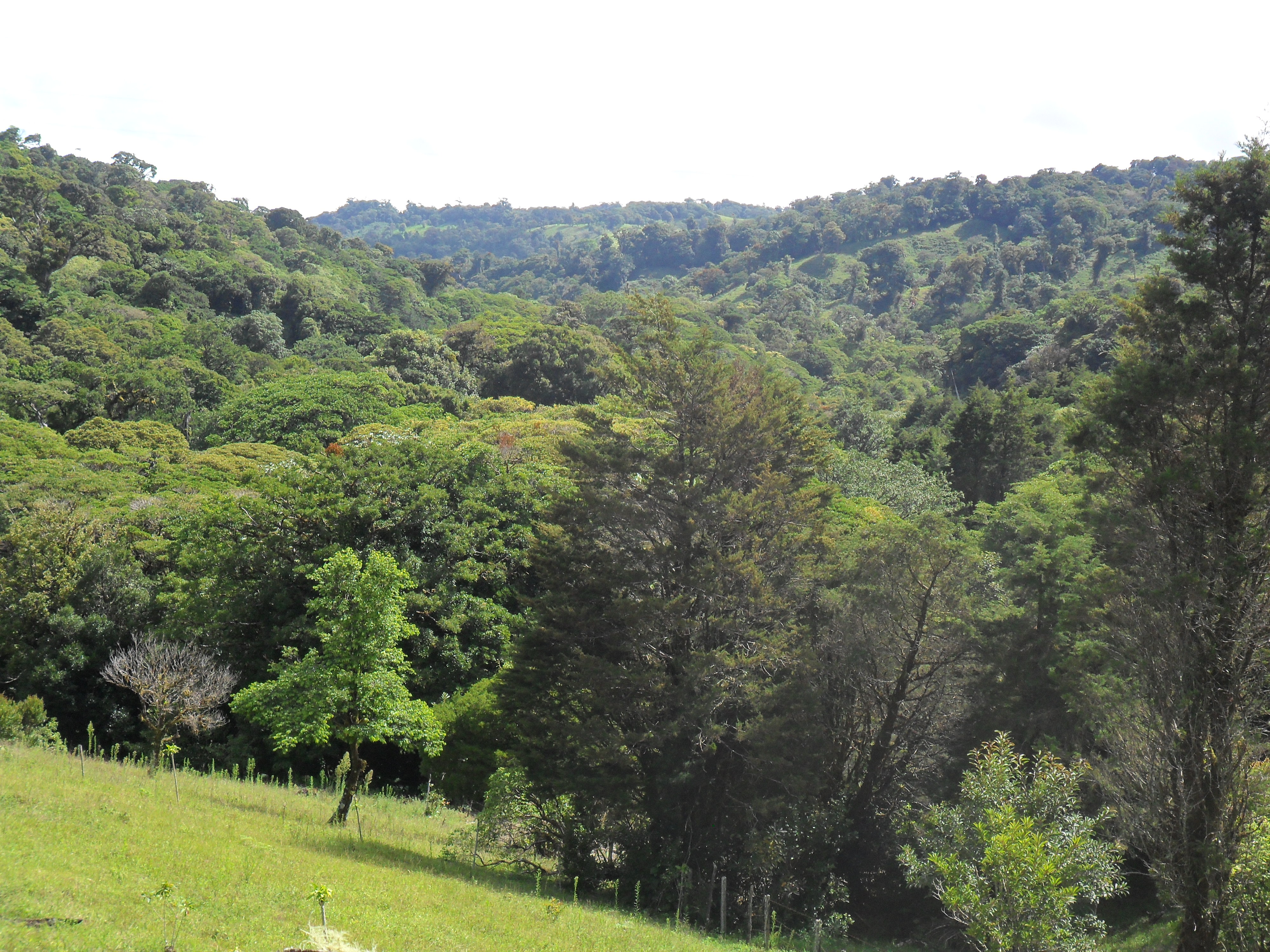
Without a doubt Costa Rica holds my vote for most photogenic and greenest country.  From the Caribbean and Pacific rain forests to the high mountain town of Monteverde, the words lush, exotic, verdant do not even begin to describe how incredibly rich the landscape is.  One of the first spectacular views lay before me across the parking lot from a combination restaurant and souvenir shop where we stopped for snacks.
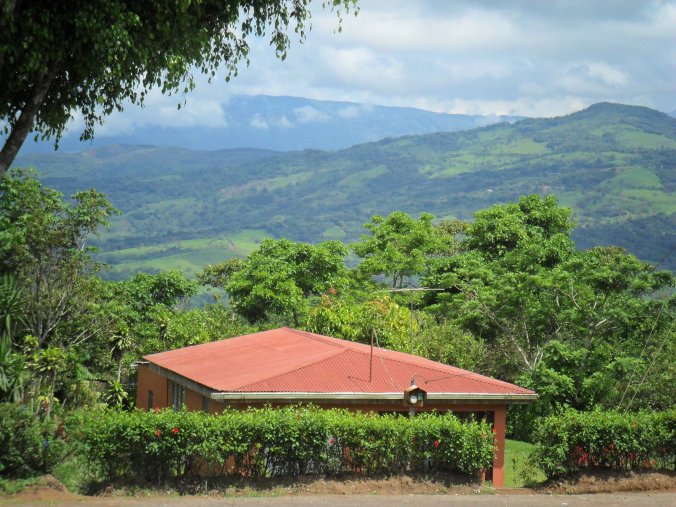
I did not expect to see multiple mountain streams like in the Rockies, but it seemed we were crossing one nearly constantly.  This abundance of water explains their nearly total dependence on hydroelectric power with a little help from wind and thermal energy.

Several of my traveling companions decided to raft this river with class 4 rapids. Something told me I should not do this.  After flipping over several times, banged up and bruised, they decided to hike out.  In  the meantime, I experienced my own adventure, eating a raw turtle egg in salsa at a family restaurant on the top of a nearby mountain.

Beautiful mountain scenery seems endless.  I kept 00hing and awing.
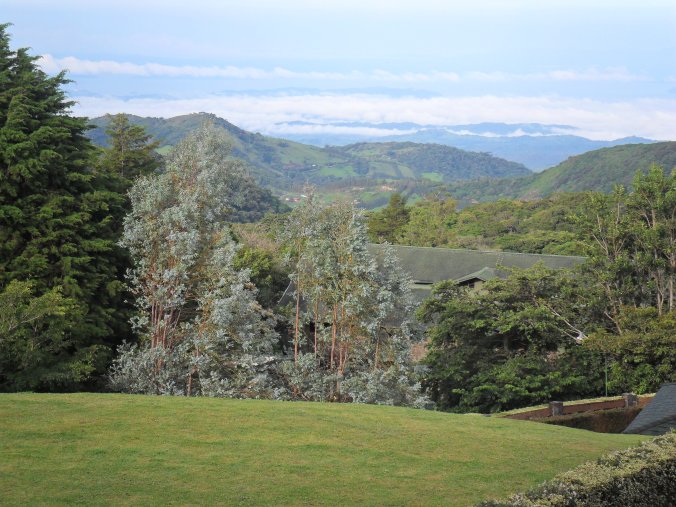
This view shows the Bay of Nicoya in the distance from my hotel room in Monteverde.  The following photos all show views in the mountains near this little remote town.  There is only one road in and out and it is not paved and it is narrow.  The town was originally settled by Quakers from Canada who still believe a paved road will ruin the peaceful lifestyle.  Both the Quakers and the town are famous for their cheese which was served both plain and fried for breakfast.

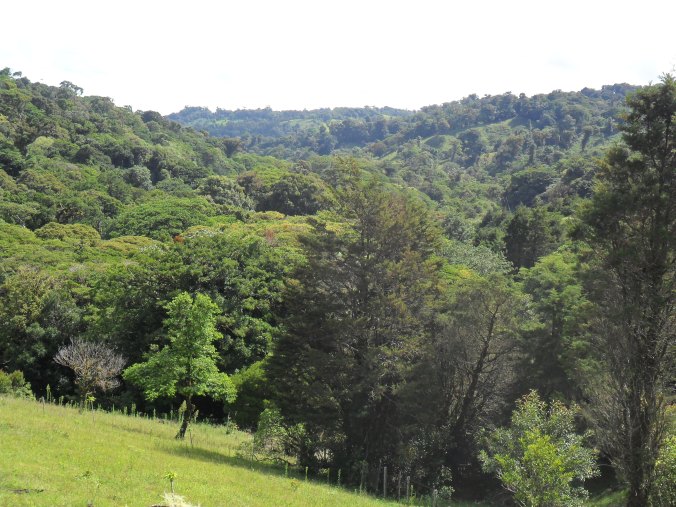
This area provides both zip lining and horseback riding for tourists.  I elected to ride.  However, these horses did not seem well fed and certainly did not want to go very fast.  Although I saw a lot of horses in Costa Rica, these were by far the thinest.
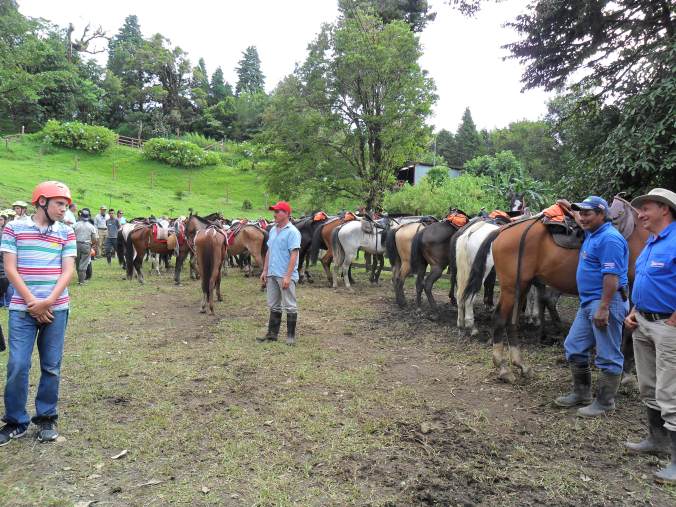
The guy who lead us did not ride one of these.  He was riding a fancy, prancing, grey Paso Fino.

Look closely and you can see someone zip lining across the forested canyon hundreds of feet below.
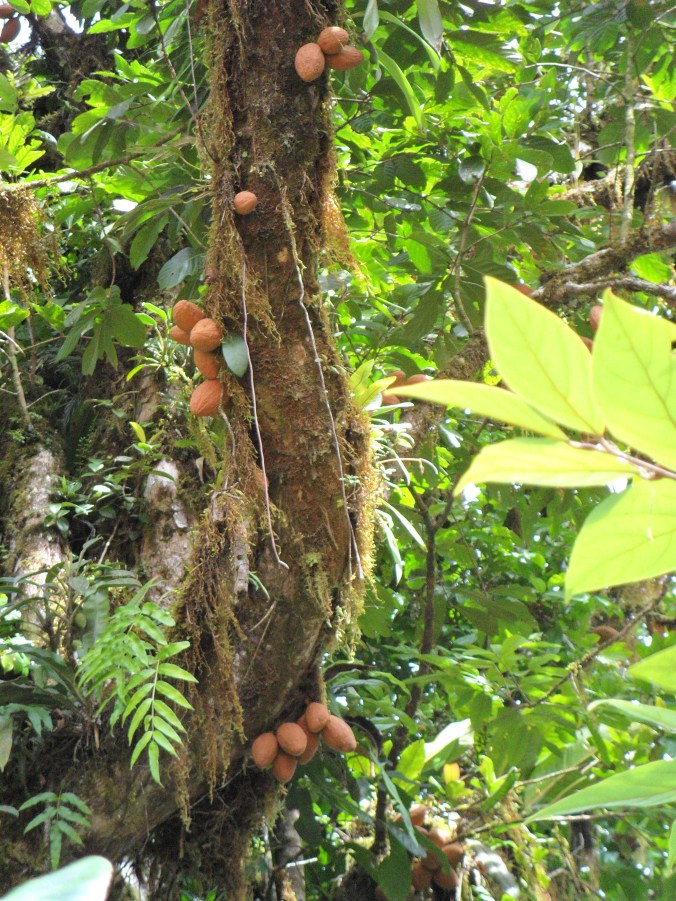
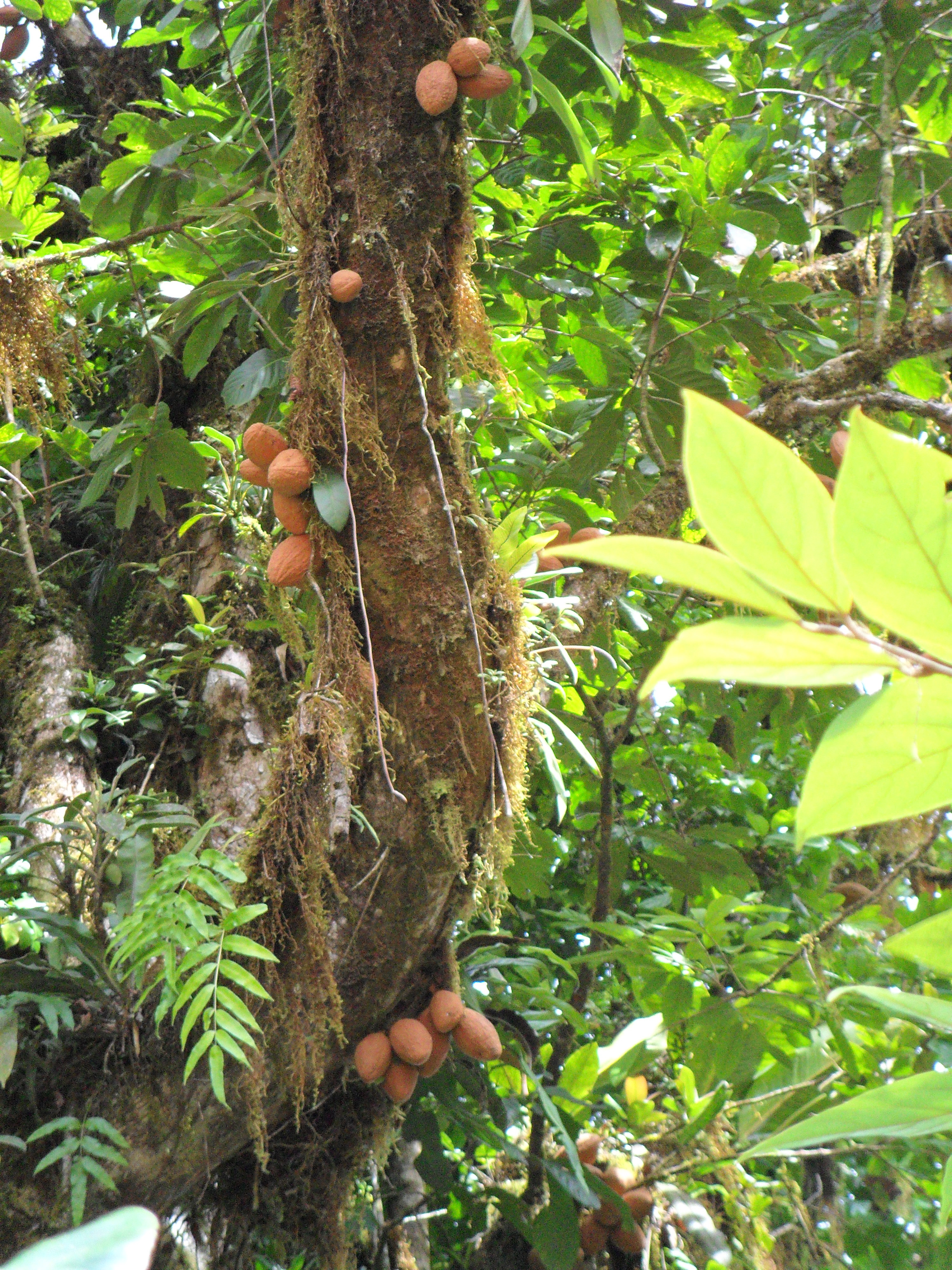
When I asked about this tree, I was told it is related to cacao, but not eaten, not by humans anyway.
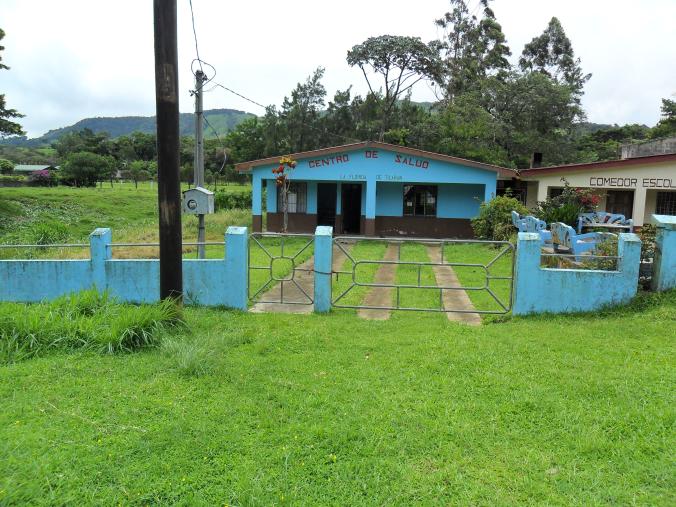
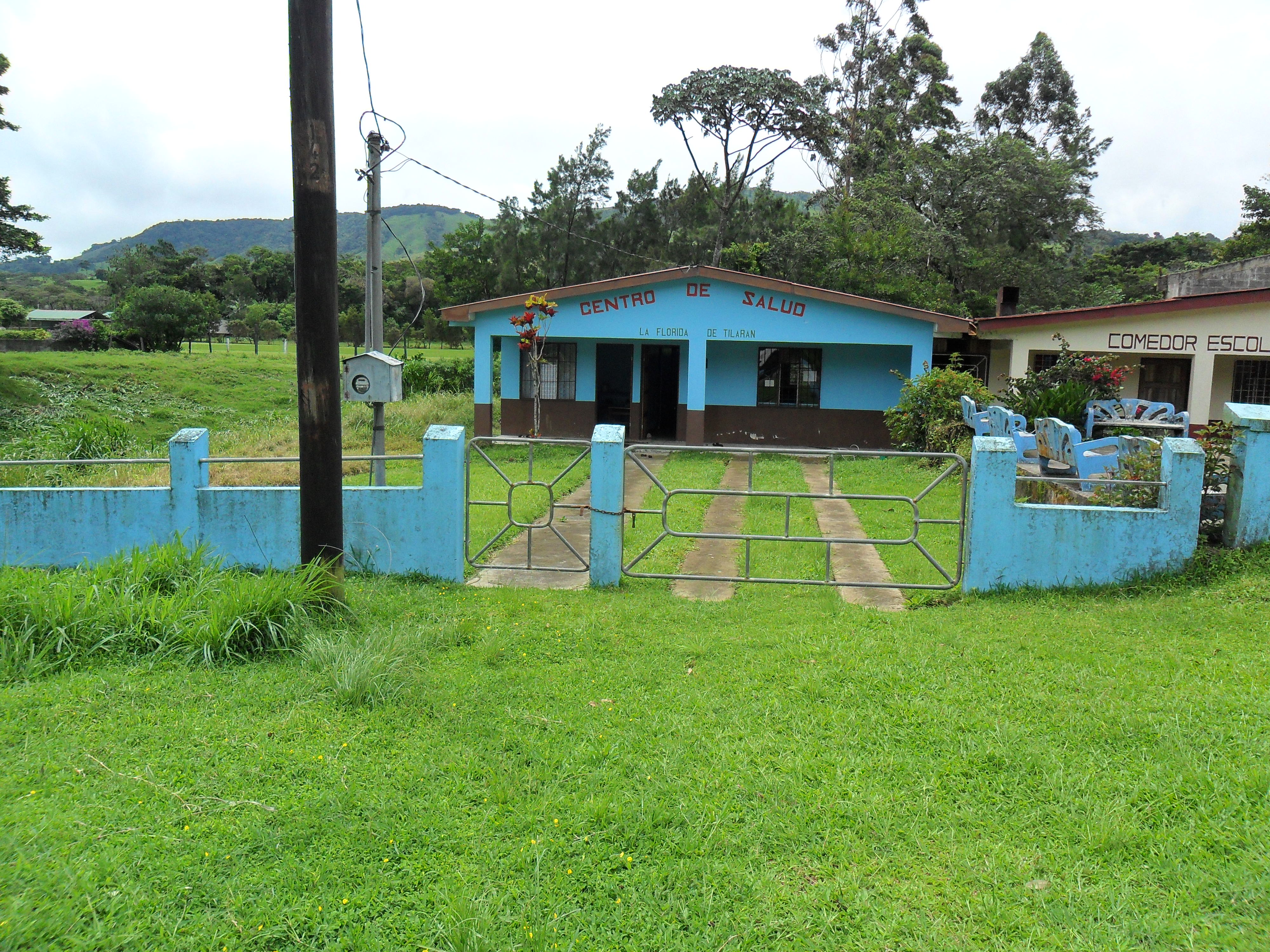
We traveled down the mountain on another dirt road to visit this elementary school.  It housed grades 1-6 with one teacher who is also the principal.  The literacy rate in Costa Rica is 98.5.
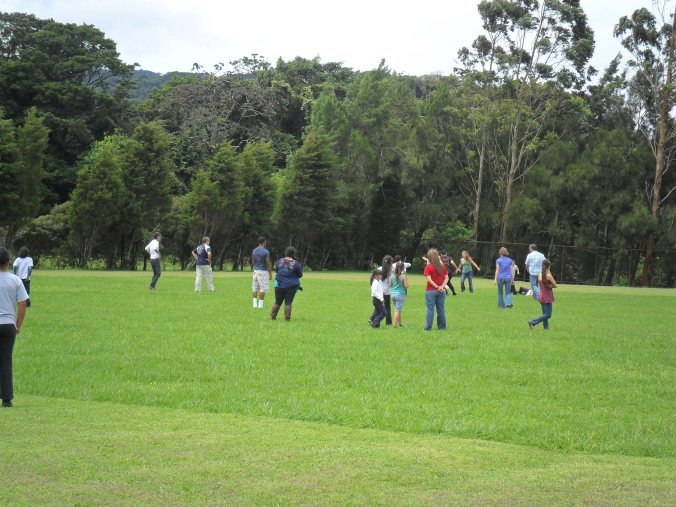
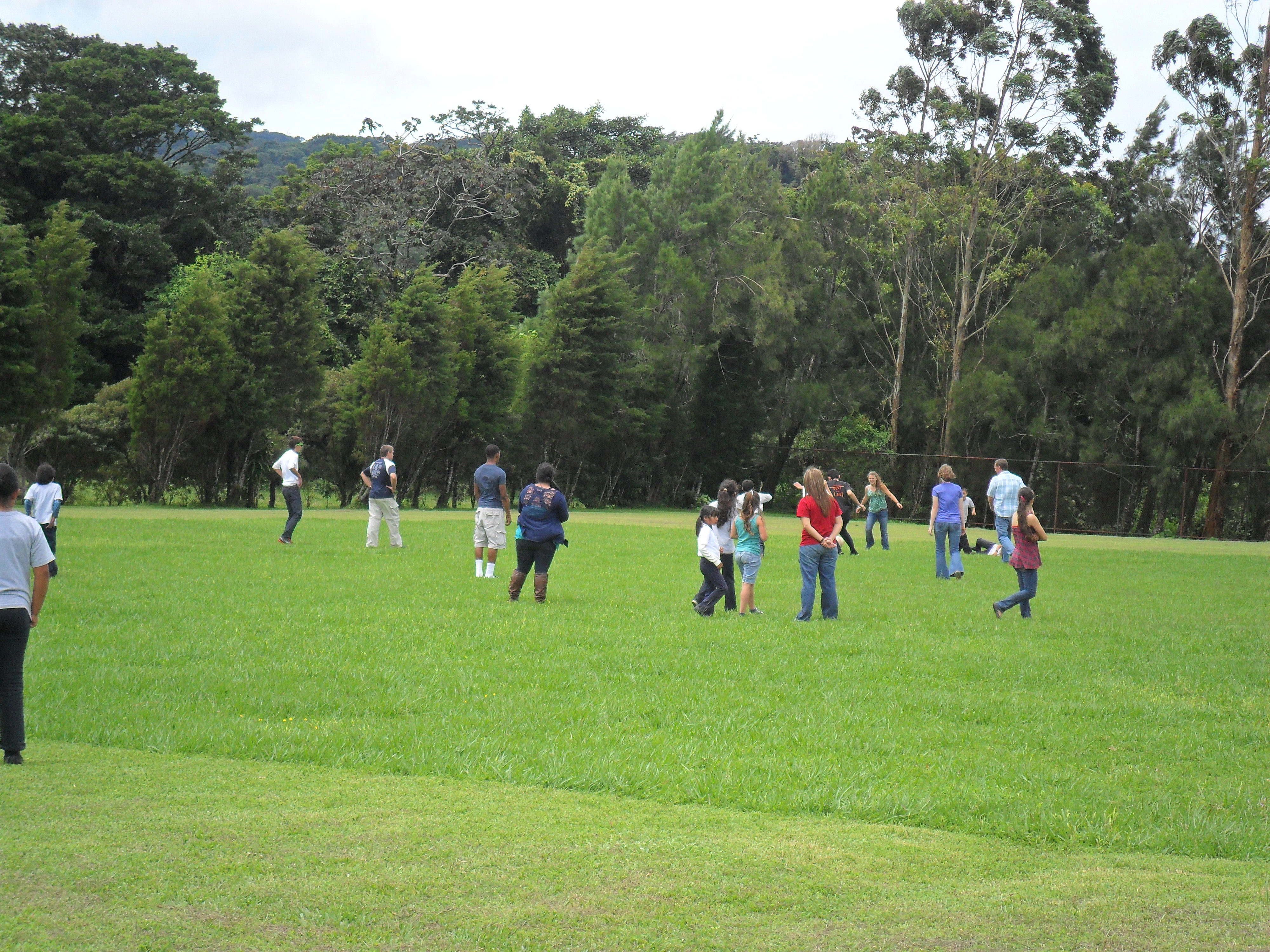
Playing soccer with the students.

A port on the Pacific on the way to the surfing town of Jaco.  Costa Rica exports many agricultural products from both its Pacific and Caribbean ports.  This includes bananas, pineapples, hearts of palms, and many tropical flowers.

While many beaches remain unsafe for swimming due to a strong undertow, the beaches at Manuel Antonio National Park are perfect.
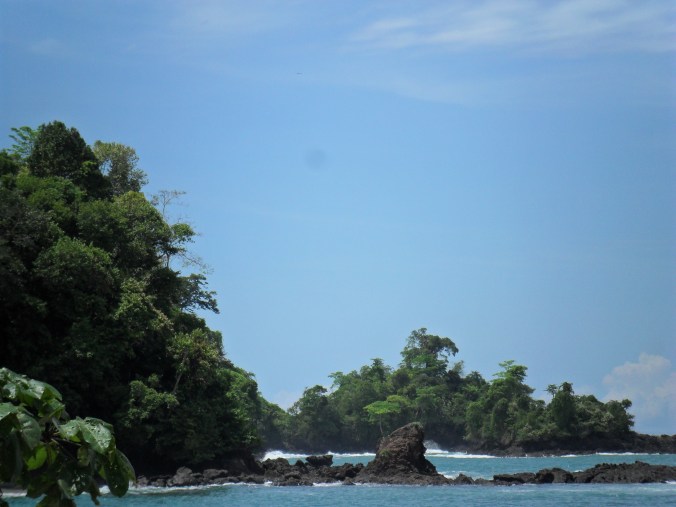
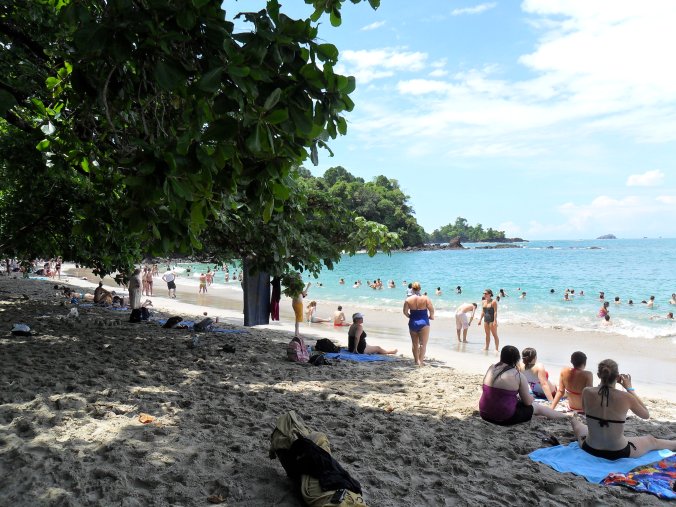
To get into Manuel Antonio you have to walk and no parking exists really close.  Hiking out we crossed an area where the water rushed around our knees and the sign said, “No Swimming, Crocodiles”.

As a farmer, I like to look at and photograph crops.  With all the rain and heat, Costa Rica is the perfect climate for many tropical fruits and rice.  On the way back from Manuel Antonio we passed miles of rice fields and Aftican palms which produce palm oil.
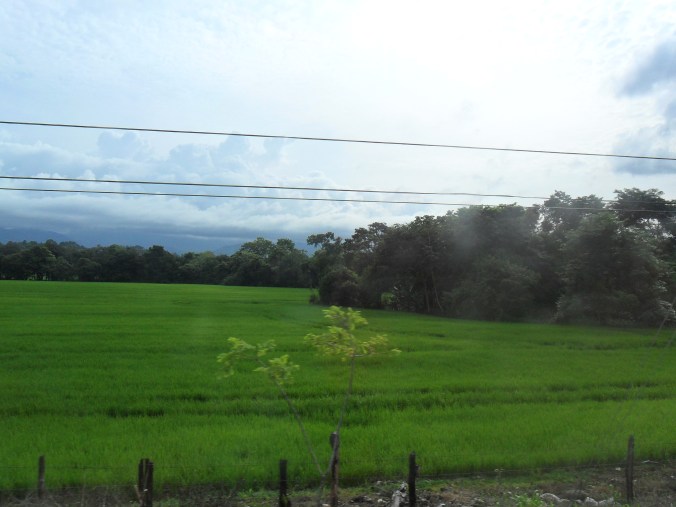
Rice.
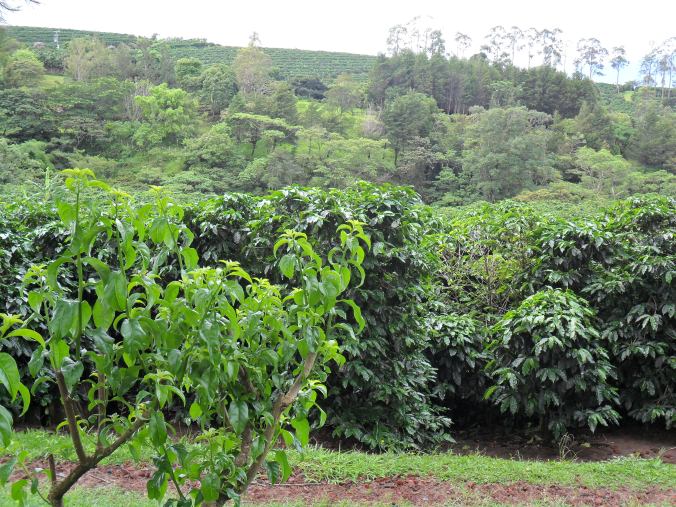
Coffee, the main export of Costa Rica.  In the highlands, coffee grows everywhere even along the berms in places so steep I wondered how the person picking the beans did not fall over.  Of course, I wondered the same thing about the dairy cattle grazing on the mountain slopes.

We did stop in Sarchi, the town famous for its furniture and oxcart industry.  Oxcarts remain the national symbol of Costa Rica.  Because of the mountainous terrain, when Costa Rican coffee initially became famous and its most successful crop, the only way to get the coffee to the coasts for export was to use oxcarts.

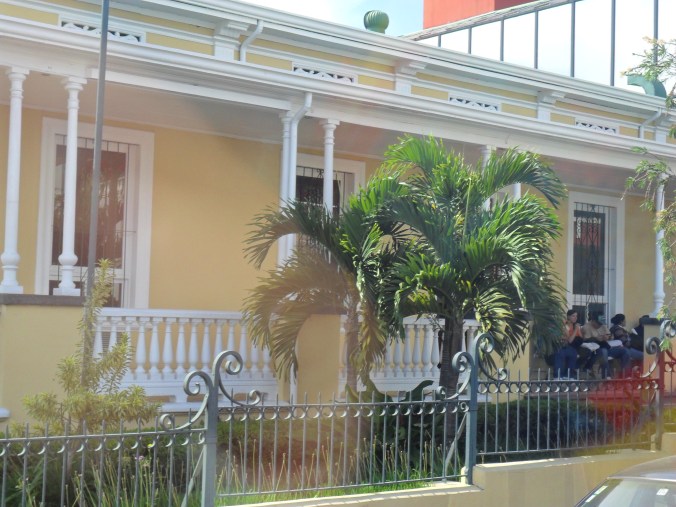
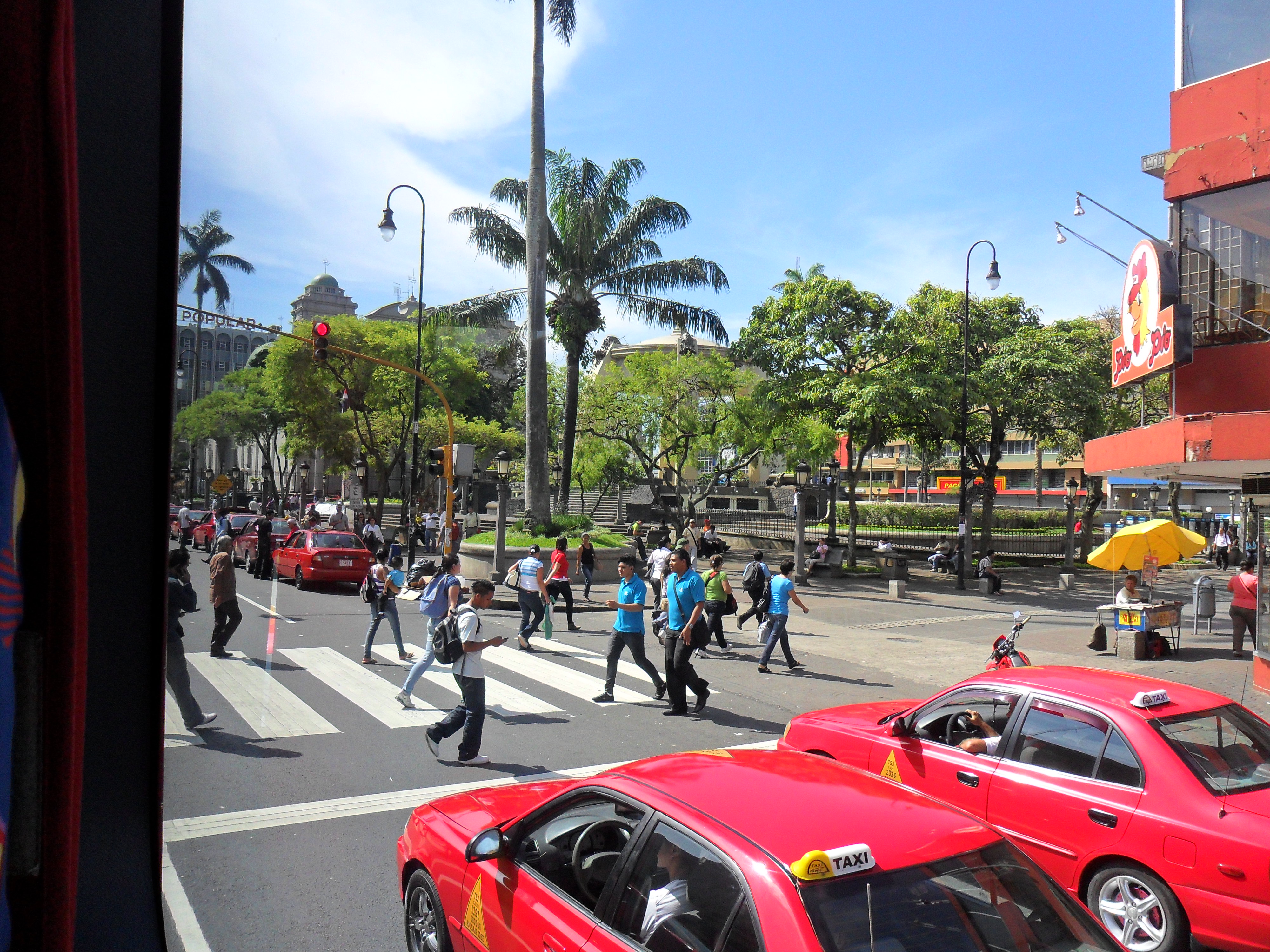
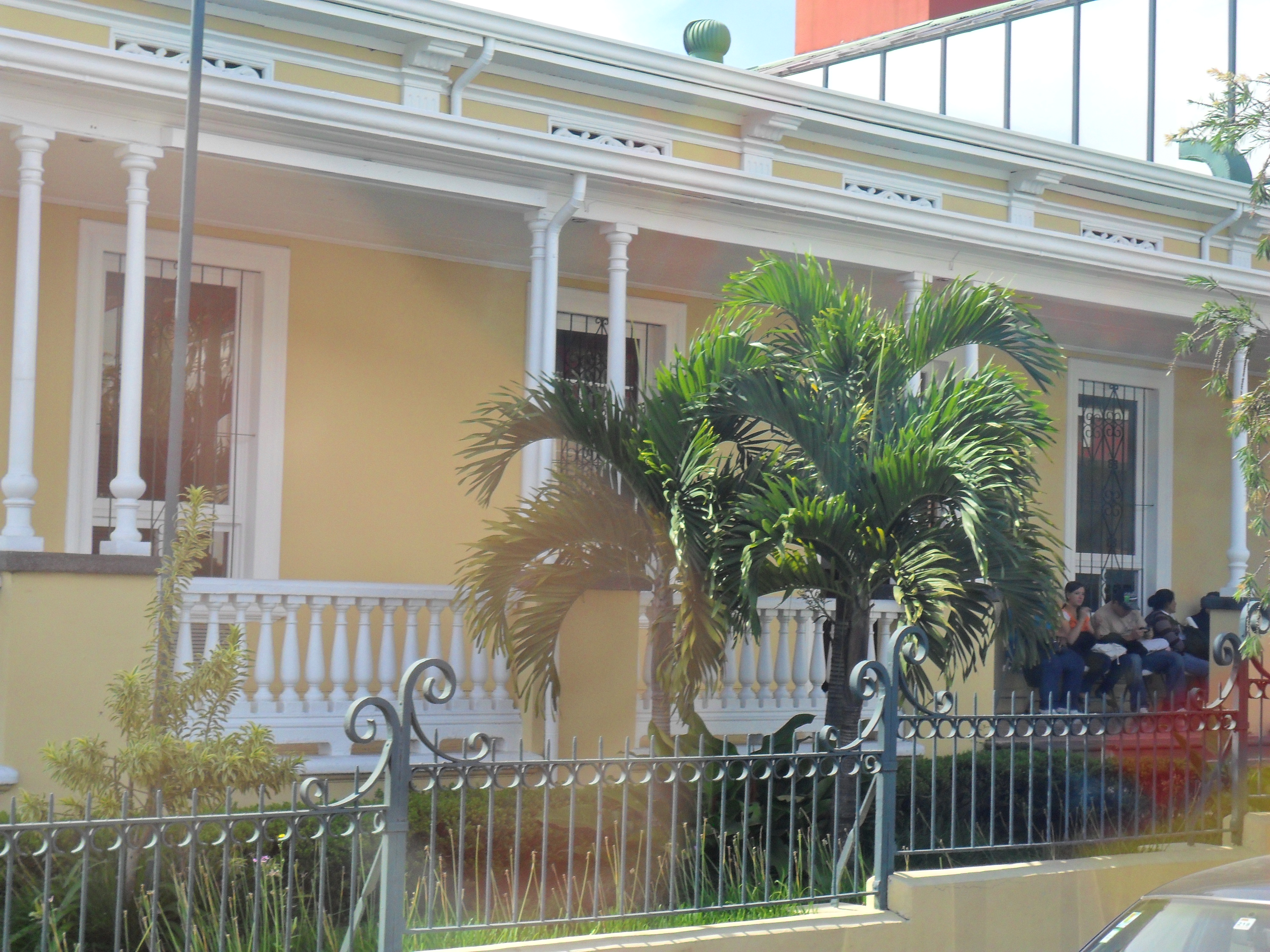
We spent very little time in cities.  However, as we left San Jose near the end of the trip and headed for the Caribbean side, I took some hurried photographs out the window.

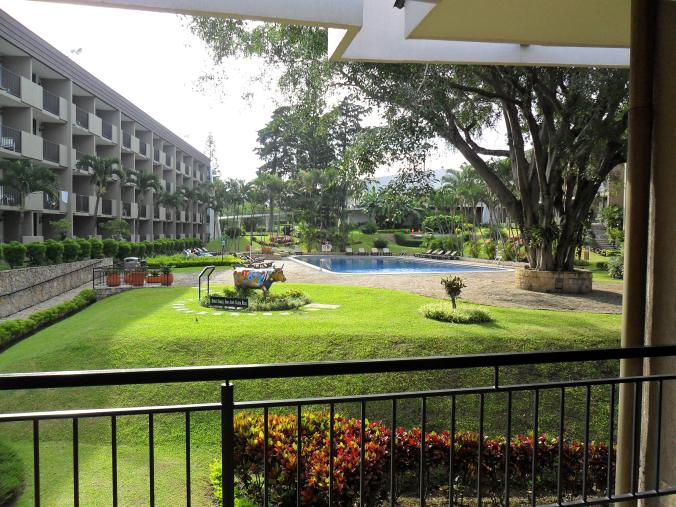
My first and last hotel window view in San Jose included these stately coconut palms.

PURA VIDA
Migraine


Since I was a child, my only health issue has been headaches.  When younger, sometimes they were little ones and sometimes nearly incapacitating.  As an adult I could count on having at least one a month, sometimes more.  Weather seems to be the main culprit now.  If certain weather patterns occur, a series may hit me for several days in a row and then blissfully nothing for a couple of months.  My daughter has migraines also; she must have inherited this from me, sadly.  Tuesday this week, I awakened with a doozy and suddenly recalled that I had to attend this class for work.  I took my medication and hoped.  While waiting for the class to start, I decided to write down exactly how these migraines make me feel.


Poised above my head,

the hammer ball strikes the ten inch nail.

It drives through my right frontal lobe,

the nail point jutting out just below my right cheek, shiny, bloodless.

The hammer flips, the nail pulled out.

Pain pulses, excruciating.

Poised above my head, the hammer strikes again and again.

Endless hours the hammer strikes and pulls.

I hold my head in my hands, rocking back and forth.

Endlessly.

Spicy Brisket for a Crowd


Originally, I had no intention of posting this.  I was simply making an easy dinner for ten guests on a hot summer day.  However, I received so many compliments that I decided to post it even though I took no pictures.  The only time I ever cook brisket occurs when quite a few people are coming over and I do not want much to do just before the food is served.  There is another rather odd reason I like to cook brisket in the summer:  I can use my electric roaster and plug it into the outlet on the patio and not heat up the house.  Since I do not particularly like barbecue, I try to do something different.

1 4-5 lb. brisket, trimmed of fat

1 large purple onion, coarsely chopped

Cumin, enough to completely cover the top of the brisket when sprinkled over it

2-3 Tbls. mild Mexican chili seasoning

1-2 tsp. coriander, ground  (optional)

Brown sugar

1 bottle cheap, dry, red wine

1 15 0z. can chopped, salt free tomatoes

4-5 jalapeño peppers (optional)

Place the brisket in a roaster fat side down and pour in the red wine to a depth of 1 1/2 inches.  Cover the top with the cumin and chili seasoning.  Evenly scatter the chopped onions over the top.  Bake at 325 for 2 hours.  Turn the brisket over so that the fat side is up.  Bake another 1-2 hours.  Turn the temperature down to 275 and turn over again so the the fat side is down.  Cover the top of the brisket with the tomatoes.  Sprinkle two small handfuls of brown sugar evenly over the top of the tomatoes.  If using the coriander, sprinkle it over the brown sugar.  Check to make sure the broth is not becoming too dry and add extra wine as needed. Bake another 1-2 hours.  If using the jalapeños, cut into halves and deseed. Add them about one hour before serving.  Usually, I cook brisket 6-7 hours.  I do not want it to become too dry, but I do want the broth to cook down so that it creates a natural sauce for the meat without using any thickening.  Just before serving, slice the brisket into pieces and stir around so the sauce covers all the pieces of meat.  I like to use the jalapeños this way because it does not increase the “heat” for those who do not like hot food, but there are tasty tidbit of hot for those who do.  Enjoy!

Costa Rica 5, Fauna


Costa Rica continued to surprise me.  I did expect some of the animals, photos of which are posted below,  but did not expect so many cattle, especially the dairy cattle, including Jerseys, Guernseys, and Holsteins,  that populated the steep mountain slopes.  They grazed everywhere up to their tummies in grass on even the steepest mountainsides.  I kept wondering how they learned to balance themselves and why they did not fall over, catapulting down the mountain.  Everyone in the group commented on the fat, happy cows.  Such abundance resulted in fabulous steaming milk for morning coffee, rich cheeses, and the creamiest ice cream imaginable.

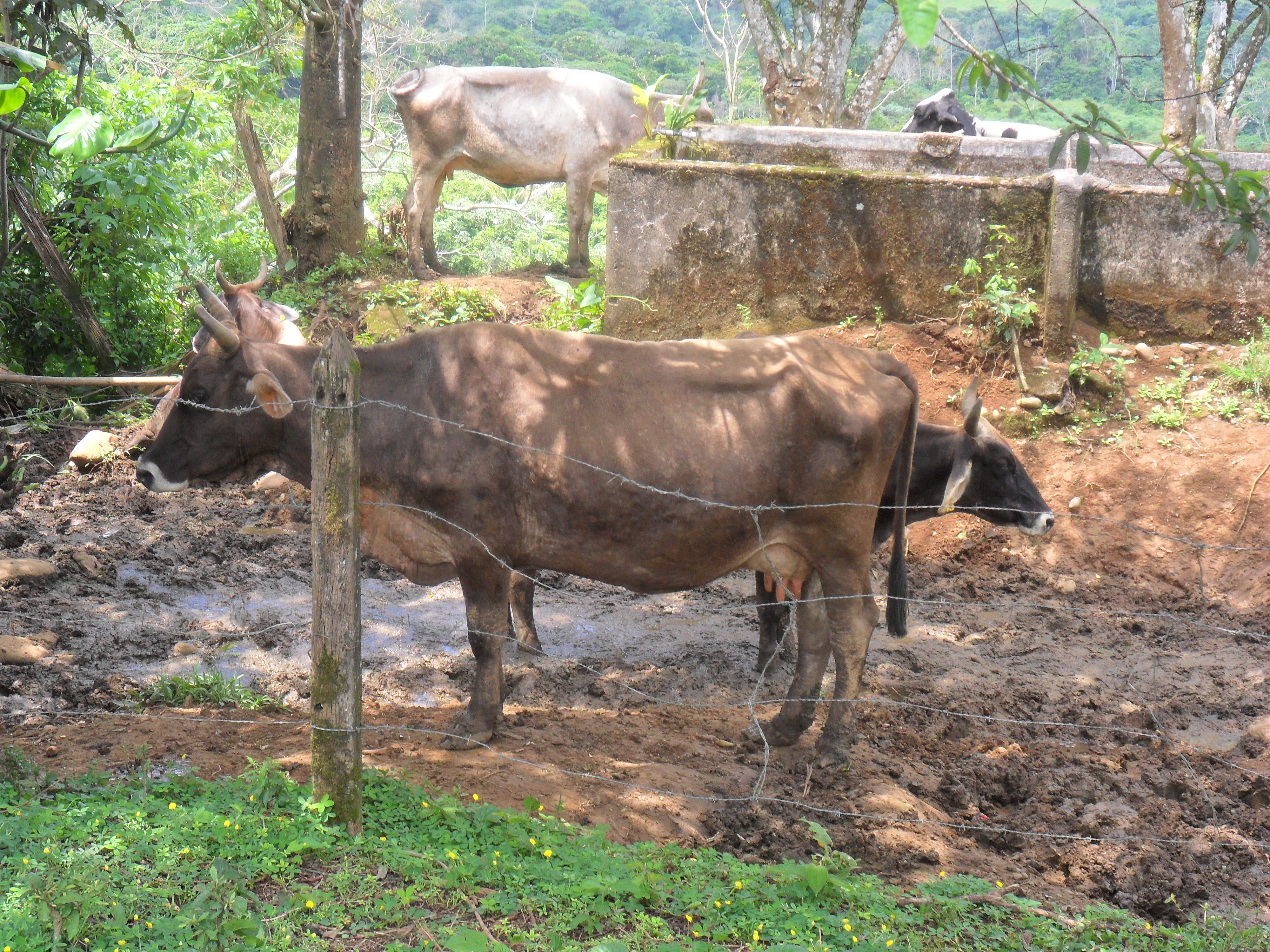
A cow pen near the top of a mountain on the Caribbean side next to the restaurant that sold cheese and where I ate the raw turtle egg.  Most of the cows roamed free up and down the mountainsides.
In the lowlands on both the Pacific and Caribbean sides of the country, Brahma cattle relaxed or grazed in the lush grass.  It reminded me of the landscape near Veracruz, Mexico, where I lived many years ago.

The most common meat besides fish, most of which is talapia, is chicken.  Near the mountain top where the Jersey cow above was photographed, I saw a huge shed and when I asked about it, was told it was a chicken farm. However, pork is frequently served as well and occasionally beef.  I took the following photograph at a small place on a dirt road.  We stopped there to drink coconut water.  The spotted, pregnant pig was due soon.  However, the fate of the black pig remained less lovely–food.  Their girth resulted from eating coconuts; they constantly gorged themselves.

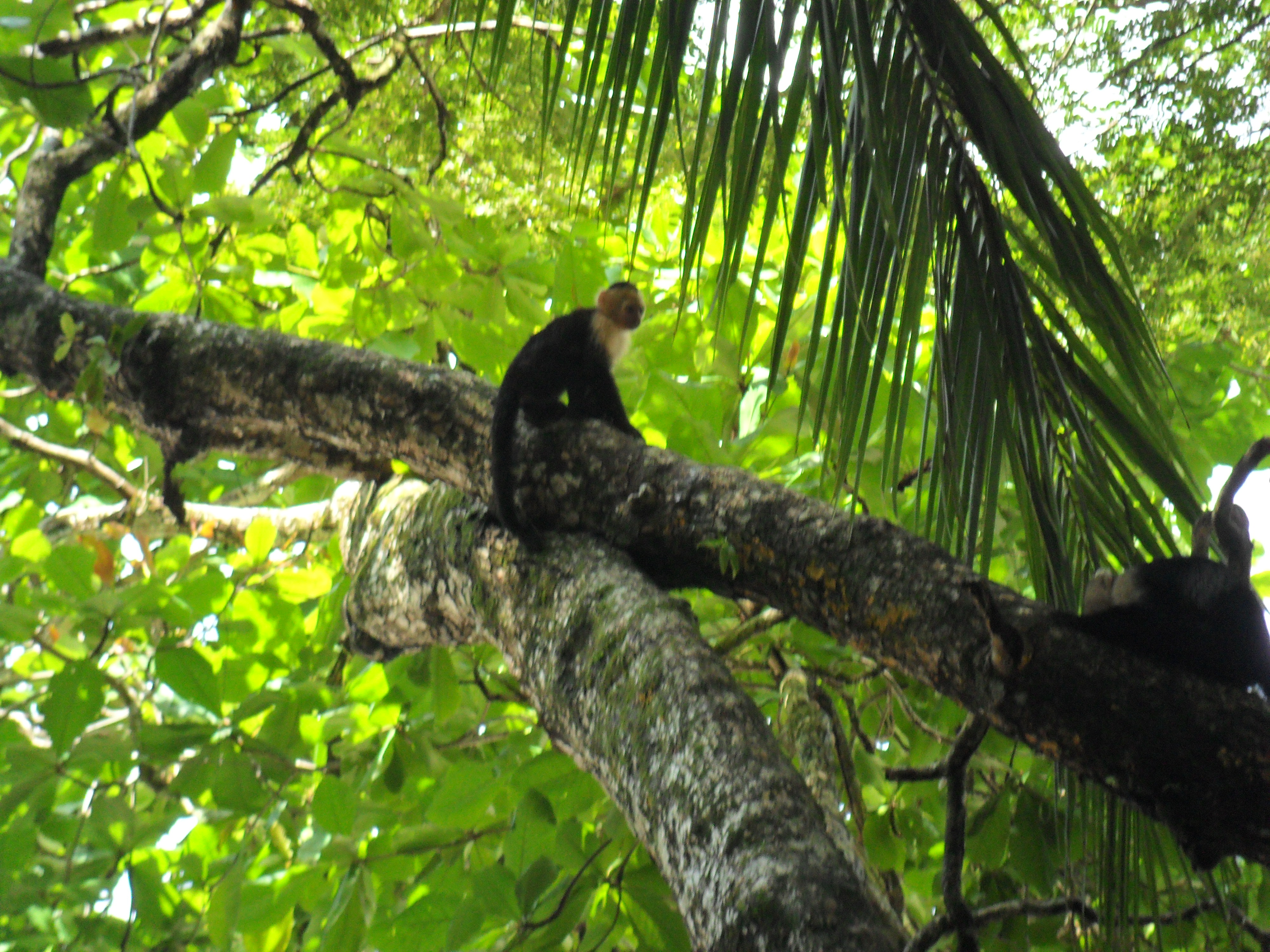
Birds abound, from the protected scarlet macaws on the Pacific Coast to tiny hummingbirds.  Hundreds of species I had never seen before and many I had seen rather often like various egrets and herons. And then there were the monkeys which I did expect to see but found difficult to photograph with my ordinary camera.

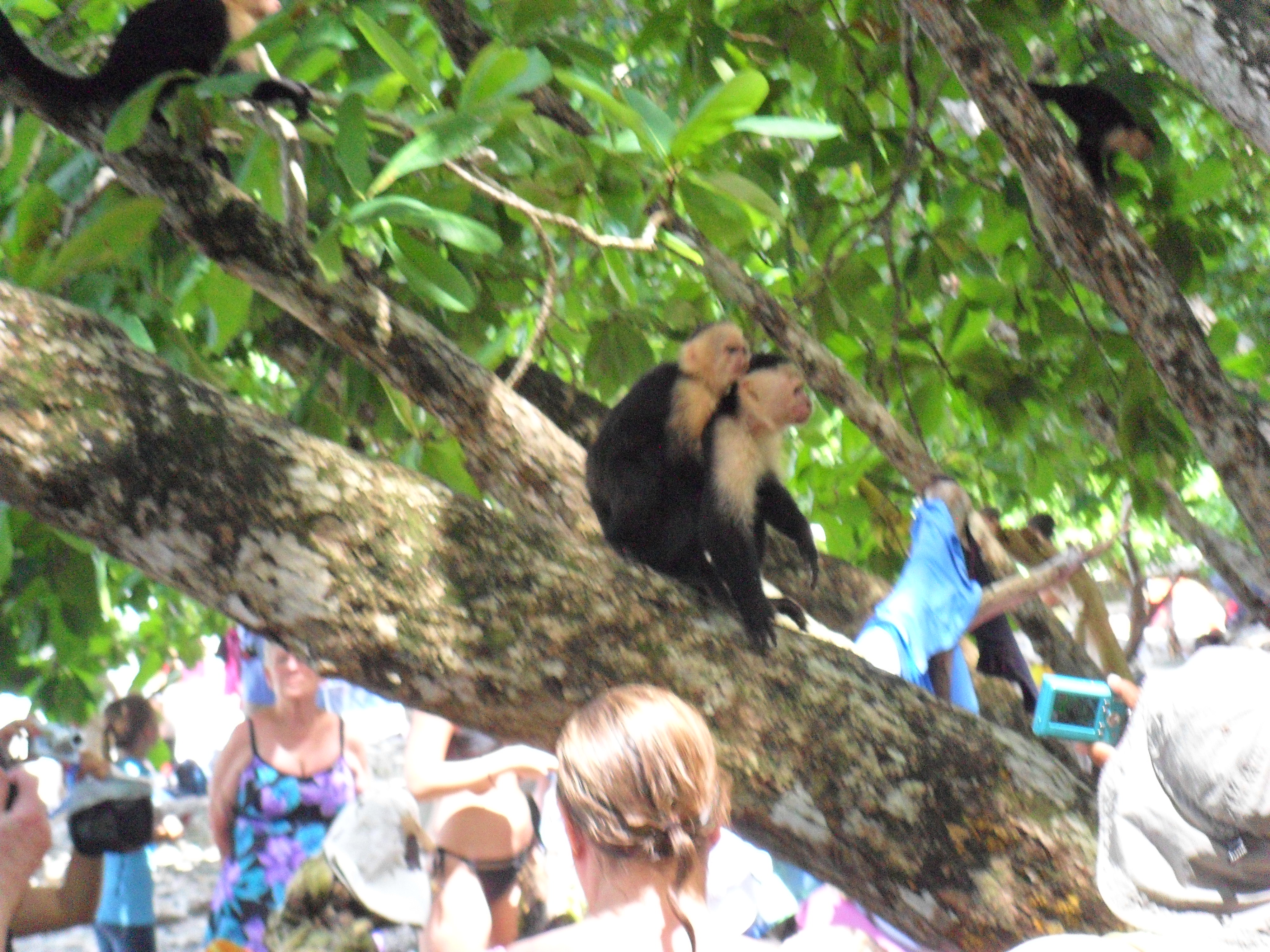
These white faced monkeys roamed everywhere near the beaches at Manual Antonio National Park, begging for food and if that did not work, actually stealing it.

While the white face monkeys remained highly visible, the howler monkeys could be heard easily but were much harder to locate because they tend to stay high in the tallest trees.  Without a good telescoping lens, this was the best I could do.

Look for the dark blob in the middle of the photo.  They also move fast so hard to locate and follow and even harder to photograph under those conditions.

Just as we arrived, walking, at the entrance to Manuel Antonio, a downpour began.  Not fond of drenchings, I stayed back, hoping it would stop, and suddenly saw a small sloth, the grey spot in the nearly leafless tree in the middle of this photo.

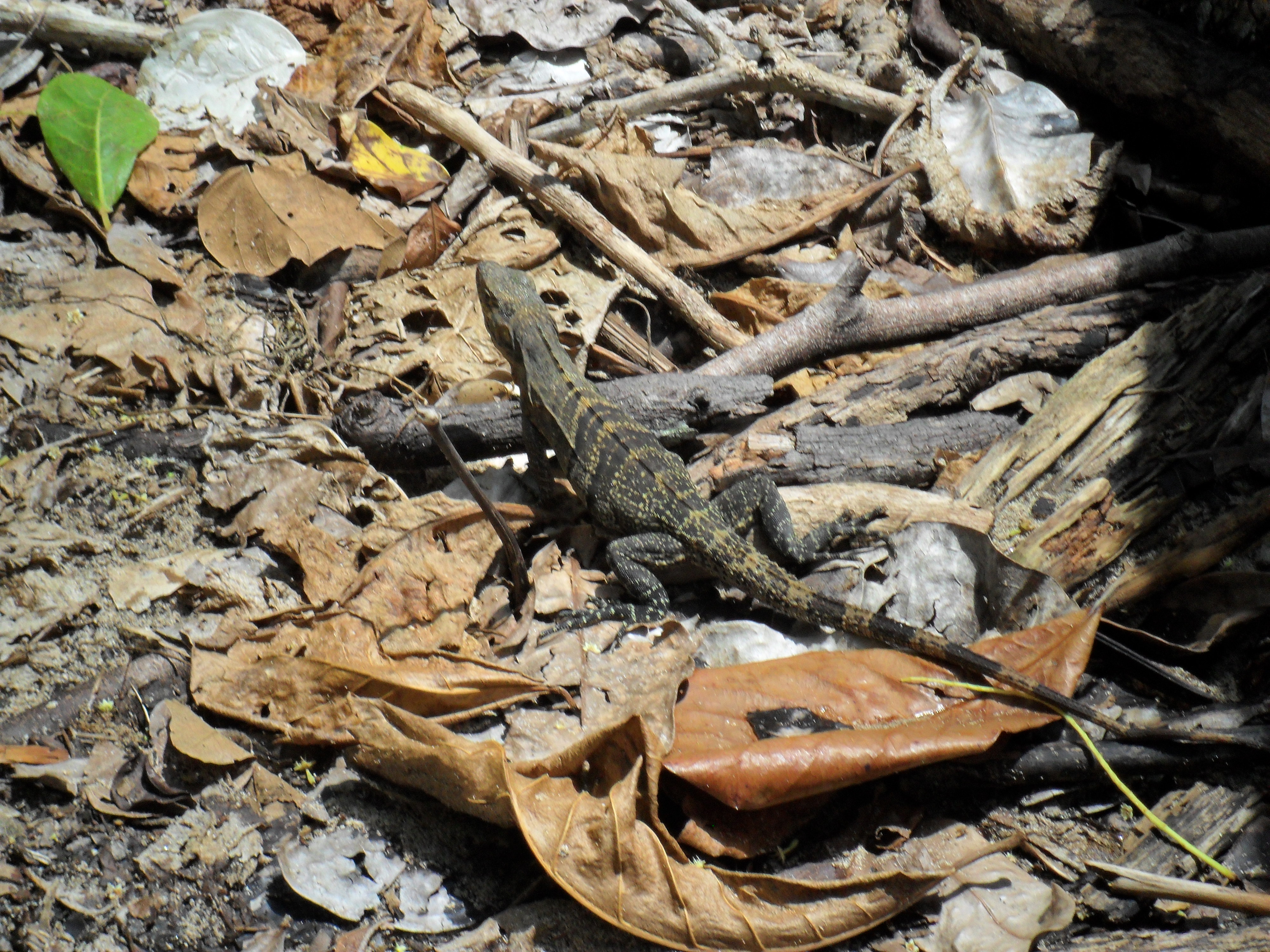
Lizards of many varieties abound.  The tree near my hotel room in Jaco contained four iguanas that appeared nearly lifeless since they never seemed to move.  Again, without a better lens I could not really photograph them.  However, at Manuel Antonio many other kinds of lizards ran here and there only slightly afraid and relatively easy to photograph.

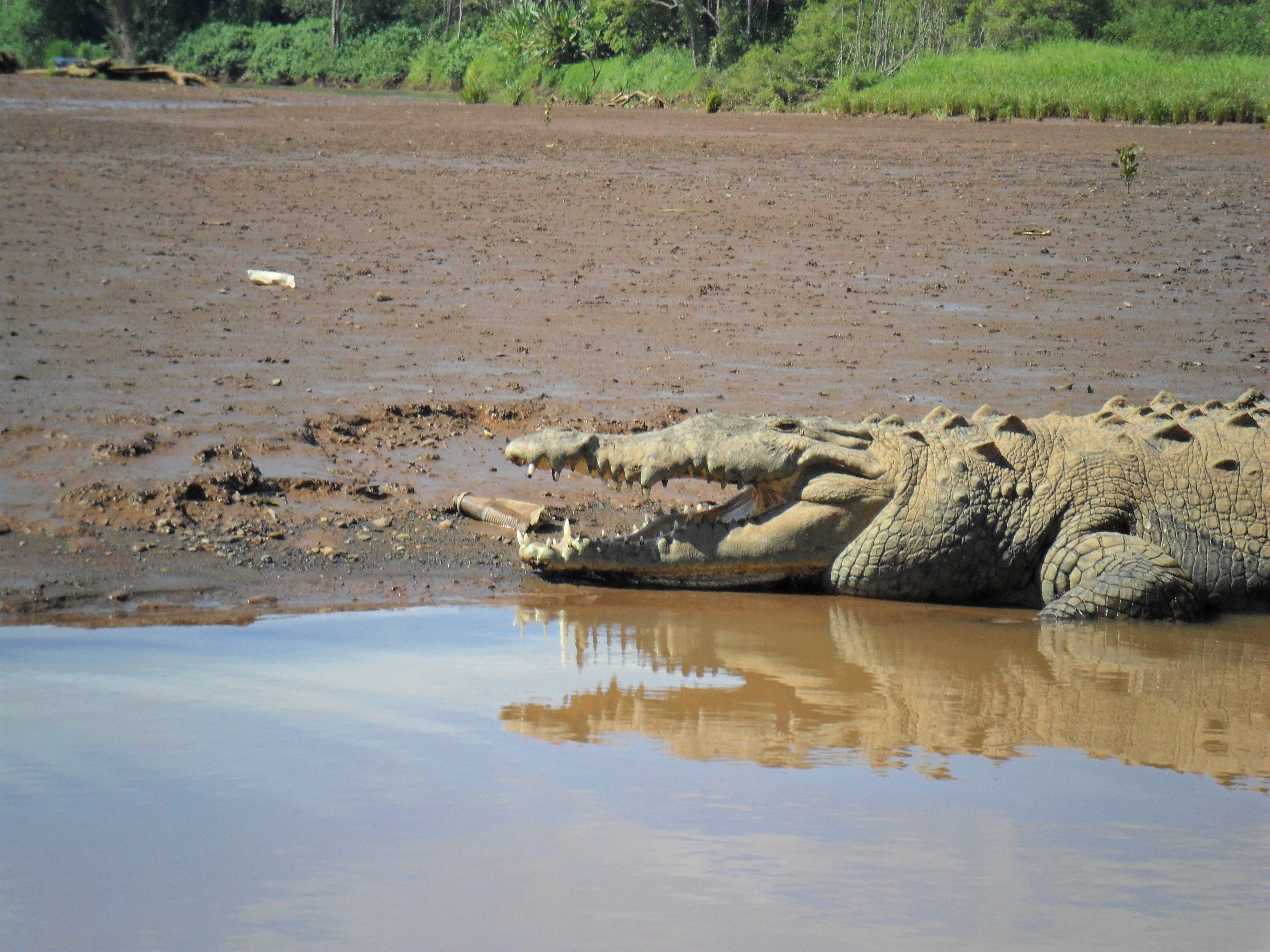
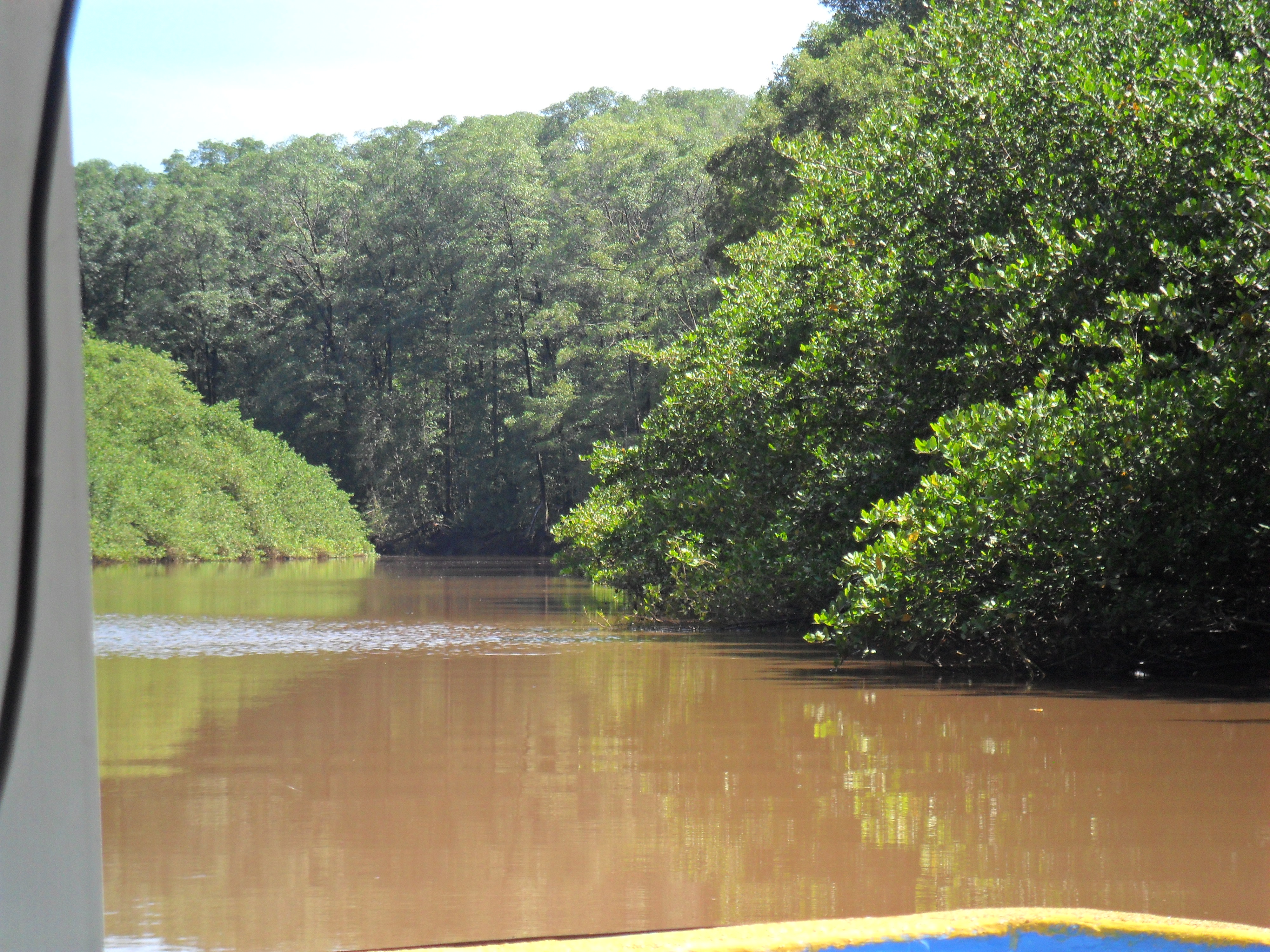
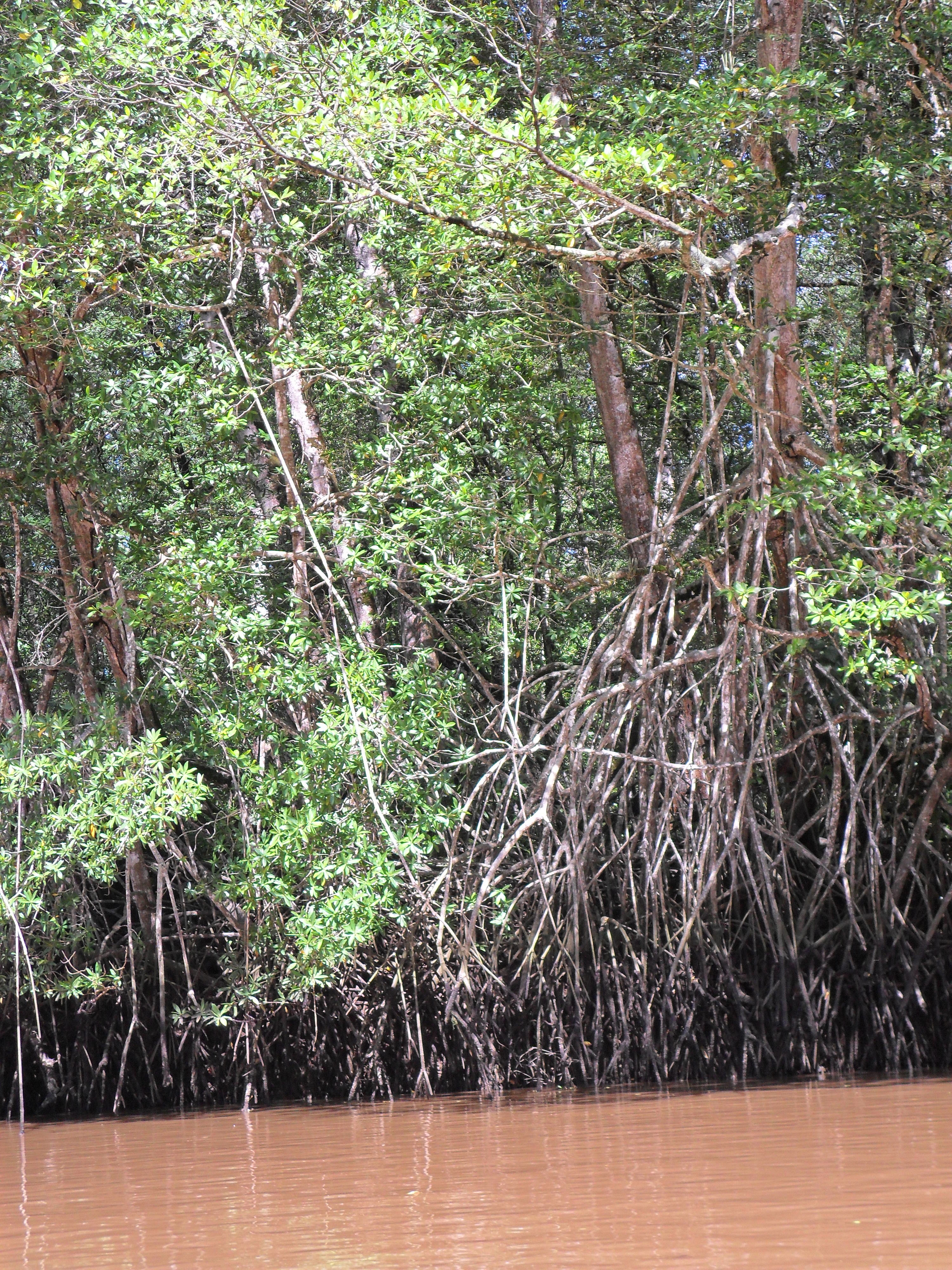
When I think back as to what I expected, it never occurred to me that huge, brackish (salt) water crocodiles existed in such abundance or even existed there at all.  Near Jaco, on the Rio Grande Tarcoles the Costa Ricans created a preserve to protect the endangered scarlet macaws and crocodiles.  We arrived early in the morning and floated around the river, into a mangrove swamp, watching birds and crocodiles.  The list of common birds included 58 species and we saw others that the guide referred to as “bonus birds”.  The following photos come from this lovely, relaxing river ride.  Truly, I loved this part of the trip.

Entering the mangrove swamp.

Two months old.

Where the Rio Grande Tarcoles enters the Pacific Ocean.

The boat captain feeding the crocodile in the mud barefoot.  I thought about touching this one he was so close until I was told they could swim as fast as 55 miles per hour.  It occurred to me that he could turn around really quickly and snap off my hand so…