Migraine


Since I was a child, my only health issue has been headaches.  When younger, sometimes they were little ones and sometimes nearly incapacitating.  As an adult I could count on having at least one a month, sometimes more.  Weather seems to be the main culprit now.  If certain weather patterns occur, a series may hit me for several days in a row and then blissfully nothing for a couple of months.  My daughter has migraines also; she must have inherited this from me, sadly.  Tuesday this week, I awakened with a doozy and suddenly recalled that I had to attend this class for work.  I took my medication and hoped.  While waiting for the class to start, I decided to write down exactly how these migraines make me feel.


Poised above my head,

the hammer ball strikes the ten inch nail.

It drives through my right frontal lobe,

the nail point jutting out just below my right cheek, shiny, bloodless.

The hammer flips, the nail pulled out.

Pain pulses, excruciating.

Poised above my head, the hammer strikes again and again.

Endless hours the hammer strikes and pulls.

I hold my head in my hands, rocking back and forth.

Endlessly.

Costa Rica 5, Fauna


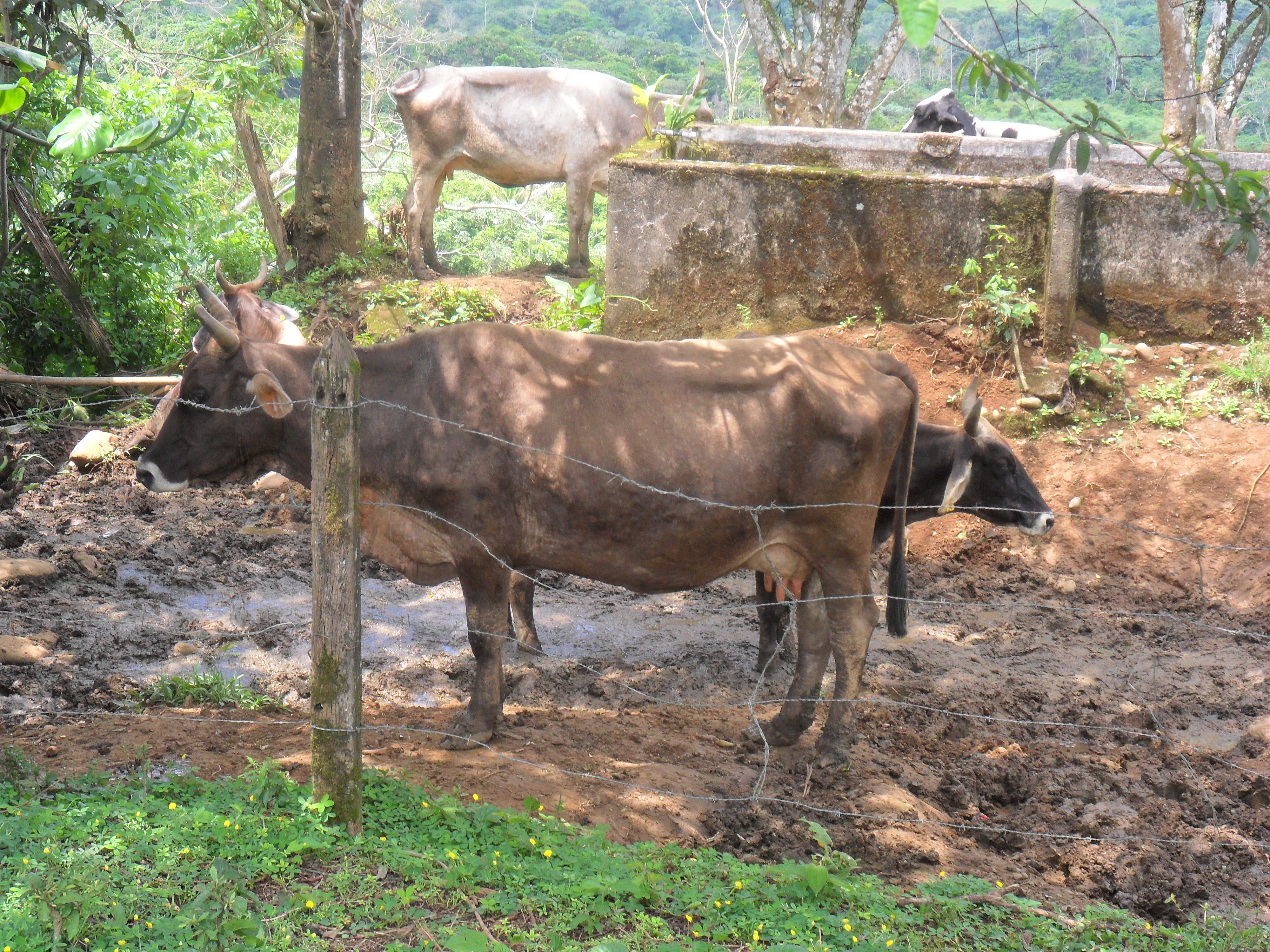
Costa Rica continued to surprise me.  I did expect some of the animals, photos of which are posted below,  but did not expect so many cattle, especially the dairy cattle, including Jerseys, Guernseys, and Holsteins,  that populated the steep mountain slopes.  They grazed everywhere up to their tummies in grass on even the steepest mountainsides.  I kept wondering how they learned to balance themselves and why they did not fall over, catapulting down the mountain.  Everyone in the group commented on the fat, happy cows.  Such abundance resulted in fabulous steaming milk for morning coffee, rich cheeses, and the creamiest ice cream imaginable.

A cow pen near the top of a mountain on the Caribbean side next to the restaurant that sold cheese and where I ate the raw turtle egg.  Most of the cows roamed free up and down the mountainsides.

In the lowlands on both the Pacific and Caribbean sides of the country, Brahma cattle relaxed or grazed in the lush grass.  It reminded me of the landscape near Veracruz, Mexico, where I lived many years ago.

The most common meat besides fish, most of which is talapia, is chicken.  Near the mountain top where the Jersey cow above was photographed, I saw a huge shed and when I asked about it, was told it was a chicken farm. However, pork is frequently served as well and occasionally beef.  I took the following photograph at a small place on a dirt road.  We stopped there to drink coconut water.  The spotted, pregnant pig was due soon.  However, the fate of the black pig remained less lovely–food.  Their girth resulted from eating coconuts; they constantly gorged themselves.

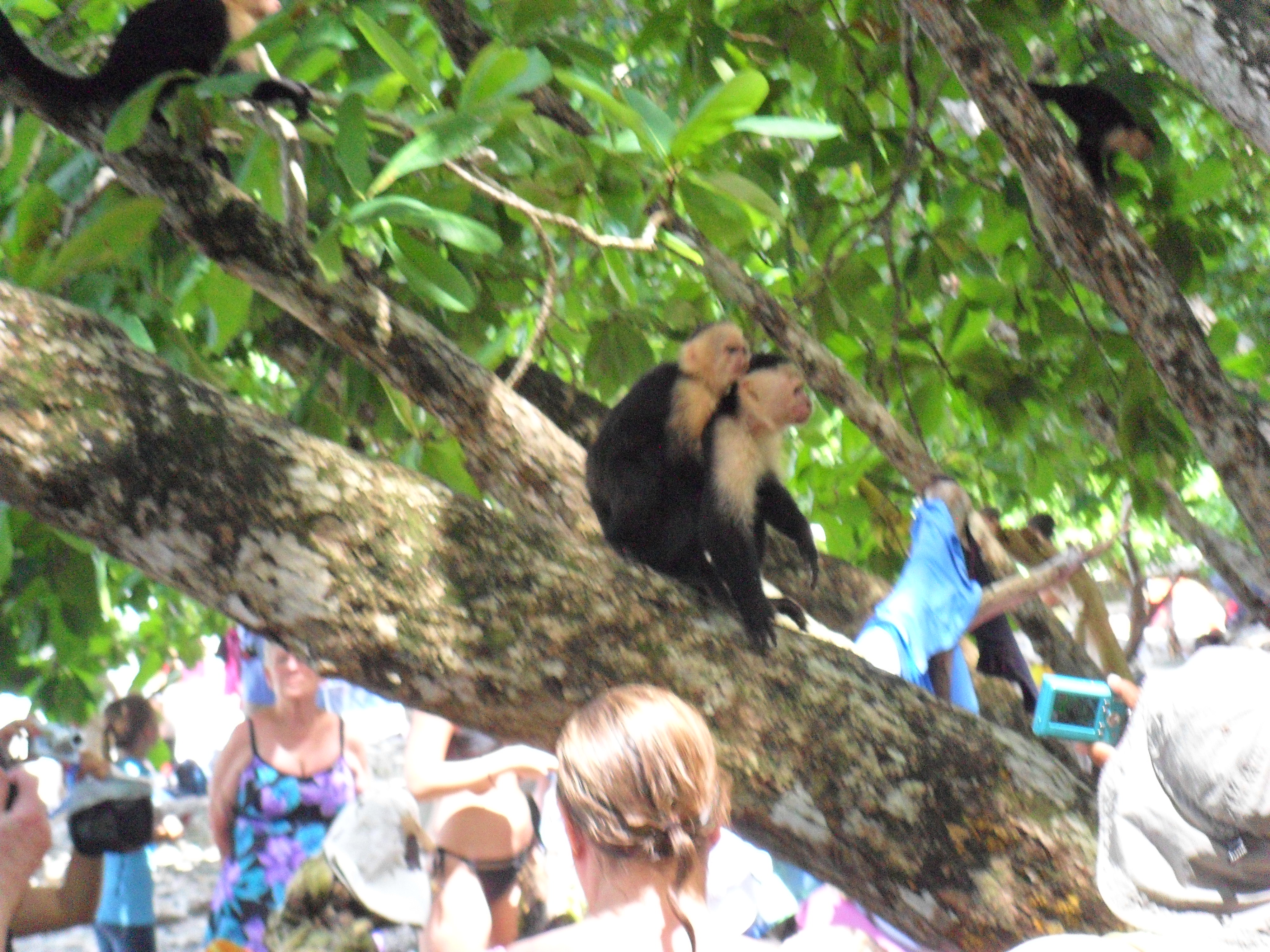
Birds abound, from the protected scarlet macaws on the Pacific Coast to tiny hummingbirds.  Hundreds of species I had never seen before and many I had seen rather often like various egrets and herons. And then there were the monkeys which I did expect to see but found difficult to photograph with my ordinary camera.

These white faced monkeys roamed everywhere near the beaches at Manual Antonio National Park, begging for food and if that did not work, actually stealing it.

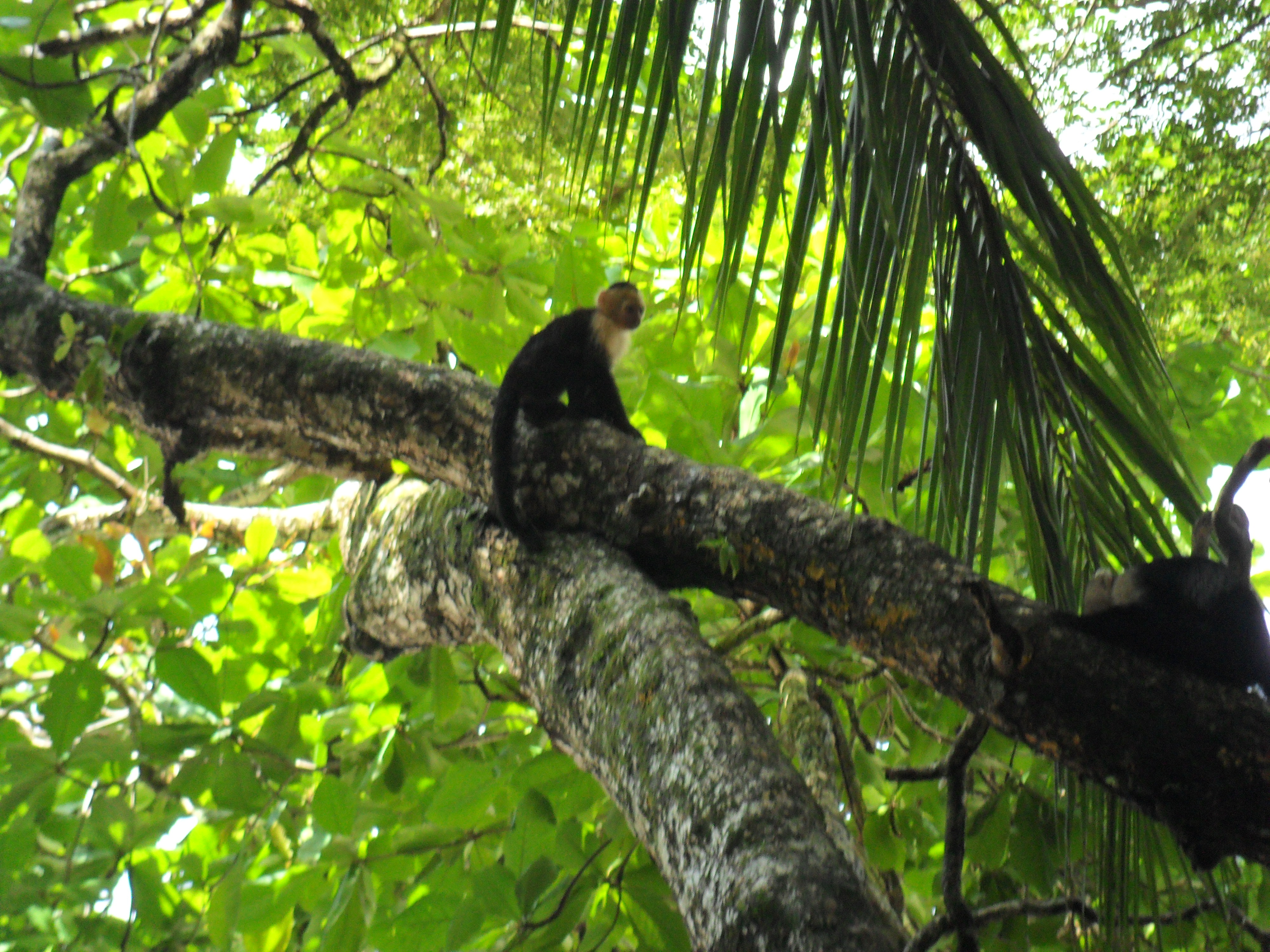
While the white face monkeys remained highly visible, the howler monkeys could be heard easily but were much harder to locate because they tend to stay high in the tallest trees.  Without a good telescoping lens, this was the best I could do.

Look for the dark blob in the middle of the photo.  They also move fast so hard to locate and follow and even harder to photograph under those conditions.

Just as we arrived, walking, at the entrance to Manuel Antonio, a downpour began.  Not fond of drenchings, I stayed back, hoping it would stop, and suddenly saw a small sloth, the grey spot in the nearly leafless tree in the middle of this photo.

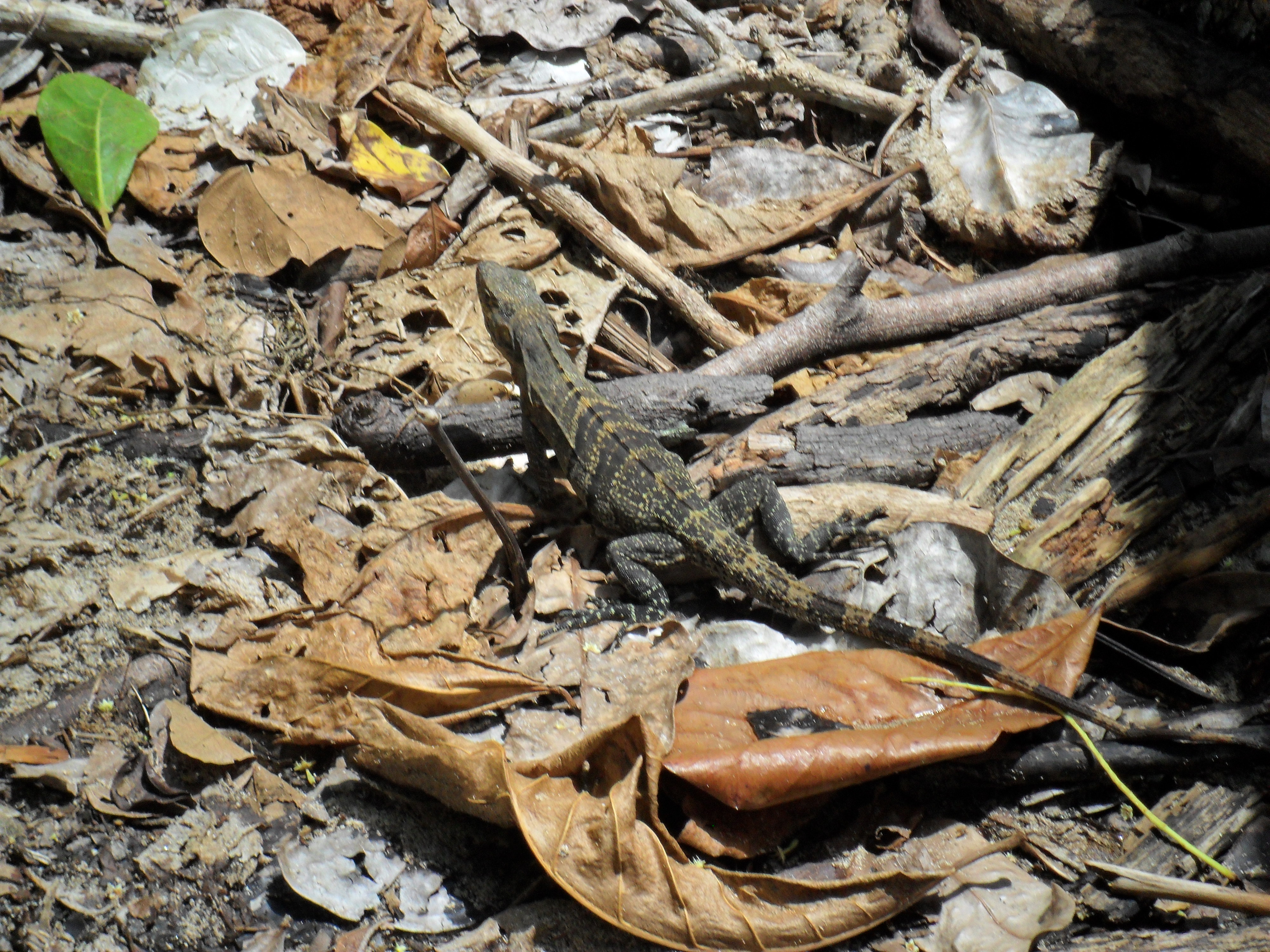
Lizards of many varieties abound.  The tree near my hotel room in Jaco contained four iguanas that appeared nearly lifeless since they never seemed to move.  Again, without a better lens I could not really photograph them.  However, at Manuel Antonio many other kinds of lizards ran here and there only slightly afraid and relatively easy to photograph.

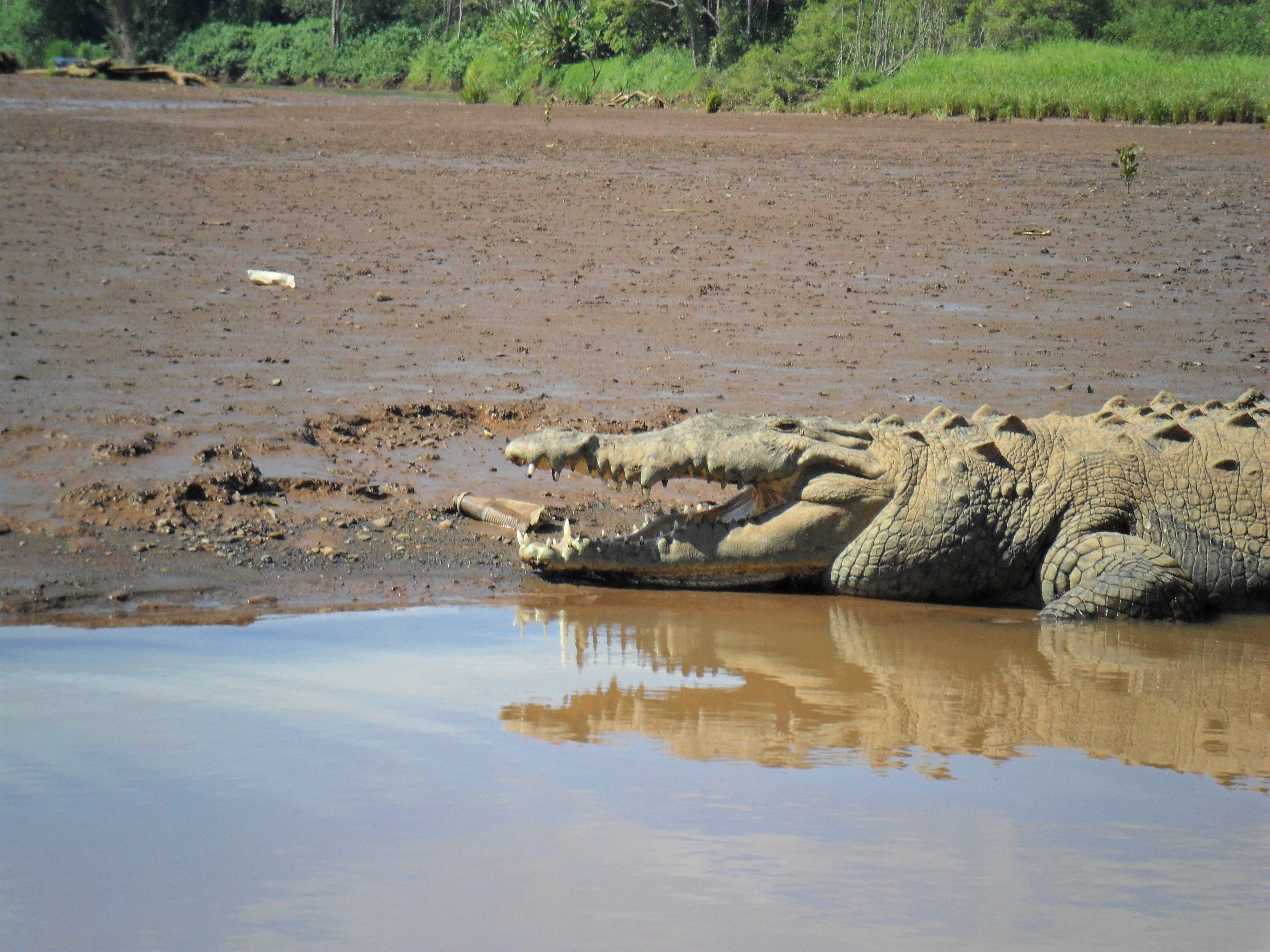
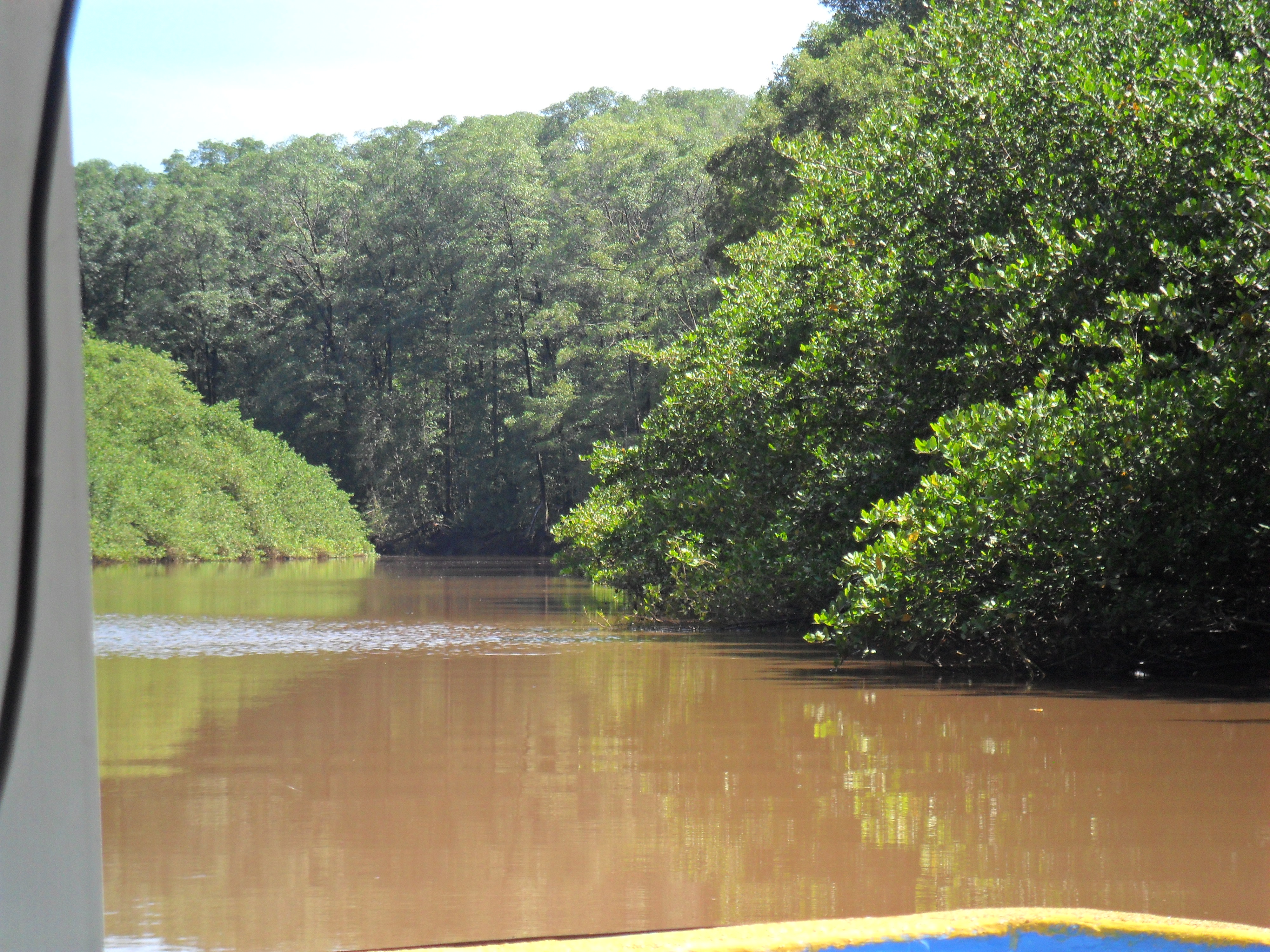
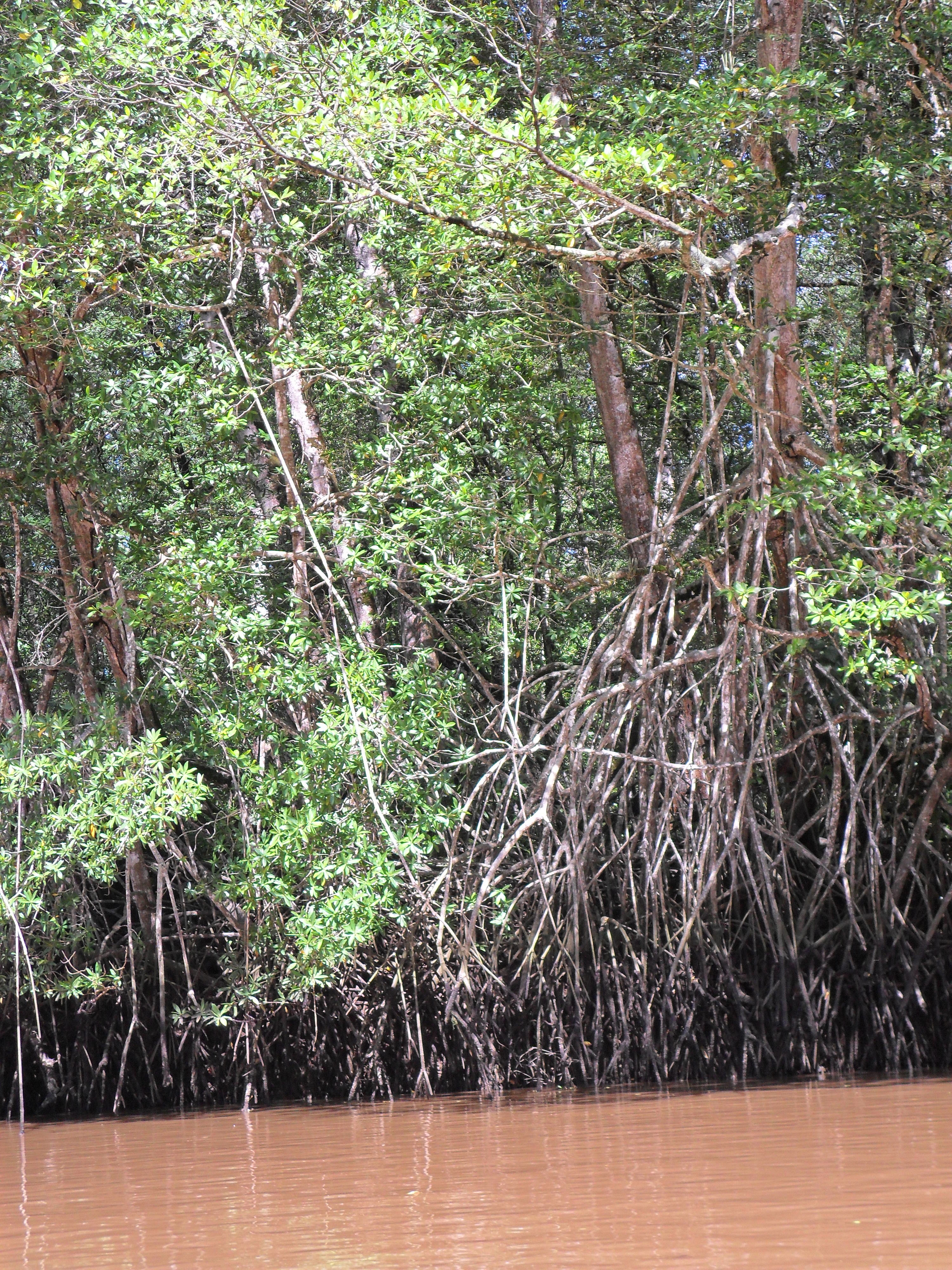
When I think back as to what I expected, it never occurred to me that huge, brackish (salt) water crocodiles existed in such abundance or even existed there at all.  Near Jaco, on the Rio Grande Tarcoles the Costa Ricans created a preserve to protect the endangered scarlet macaws and crocodiles.  We arrived early in the morning and floated around the river, into a mangrove swamp, watching birds and crocodiles.  The list of common birds included 58 species and we saw others that the guide referred to as “bonus birds”.  The following photos come from this lovely, relaxing river ride.  Truly, I loved this part of the trip.

Entering the mangrove swamp.

Two months old.

Where the Rio Grande Tarcoles enters the Pacific Ocean.

The boat captain feeding the crocodile in the mud barefoot.  I thought about touching this one he was so close until I was told they could swim as fast as 55 miles per hour.  It occurred to me that he could turn around really quickly and snap off my hand so…

Costa Rica: 4, Flora


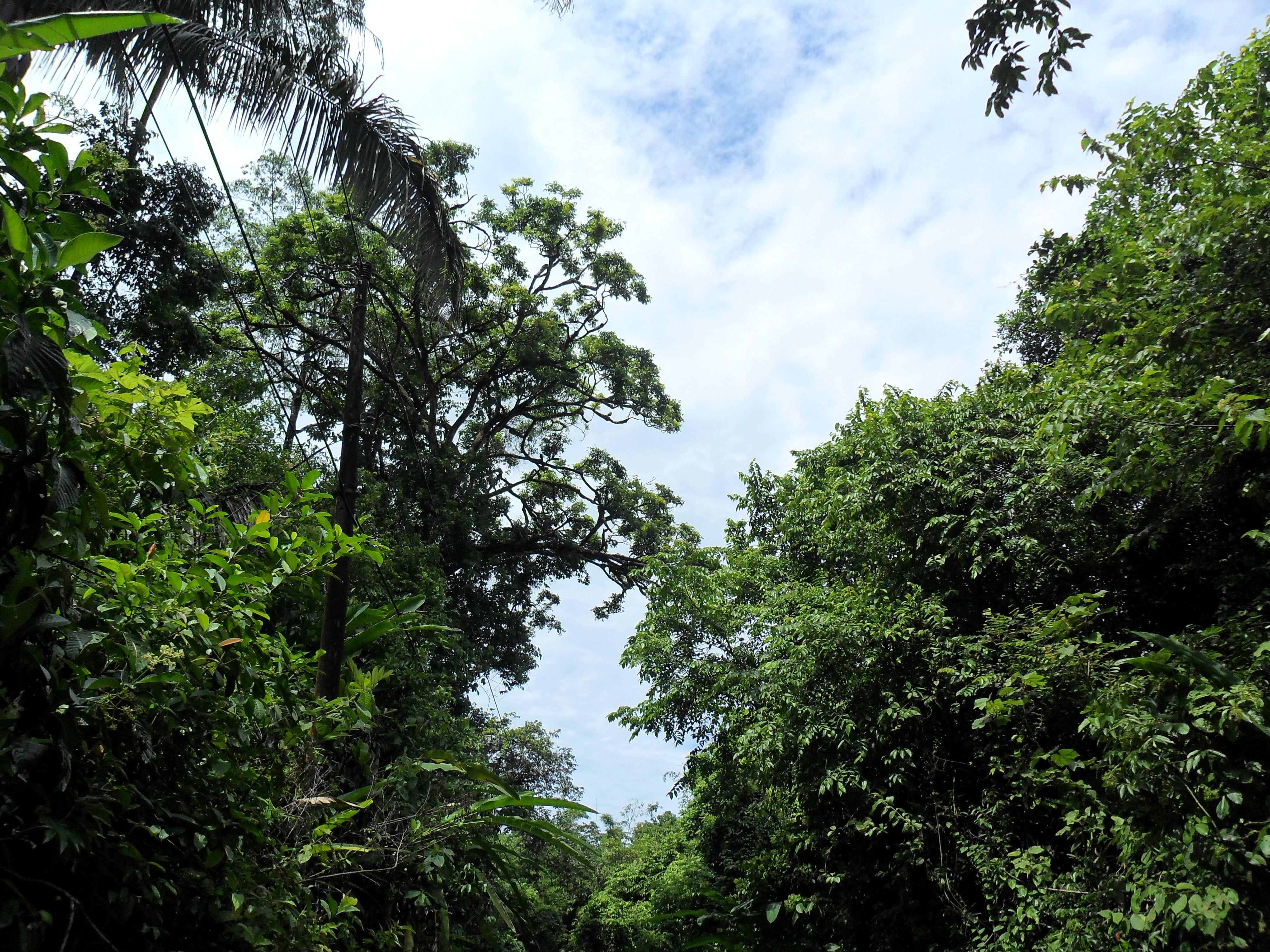
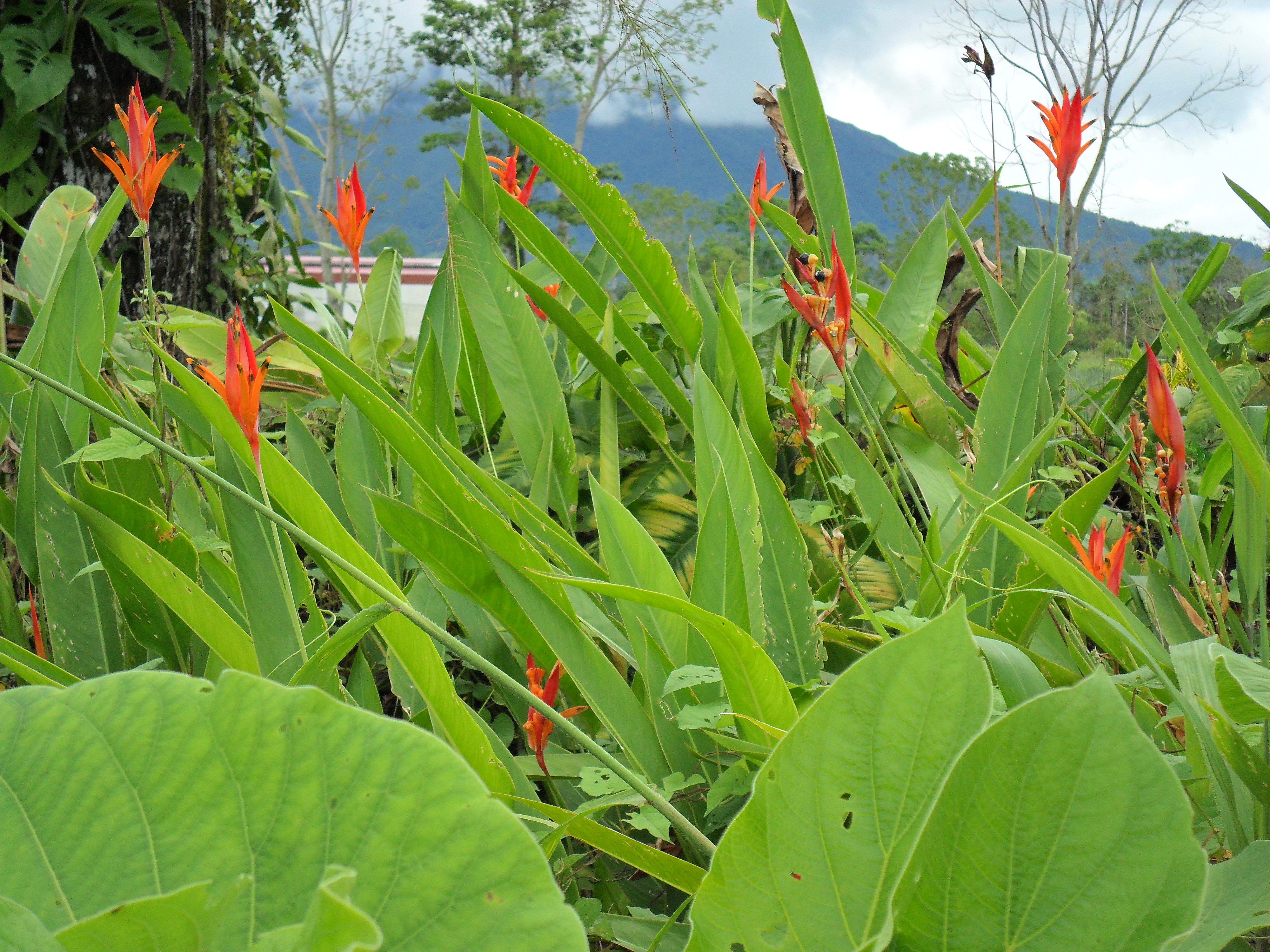
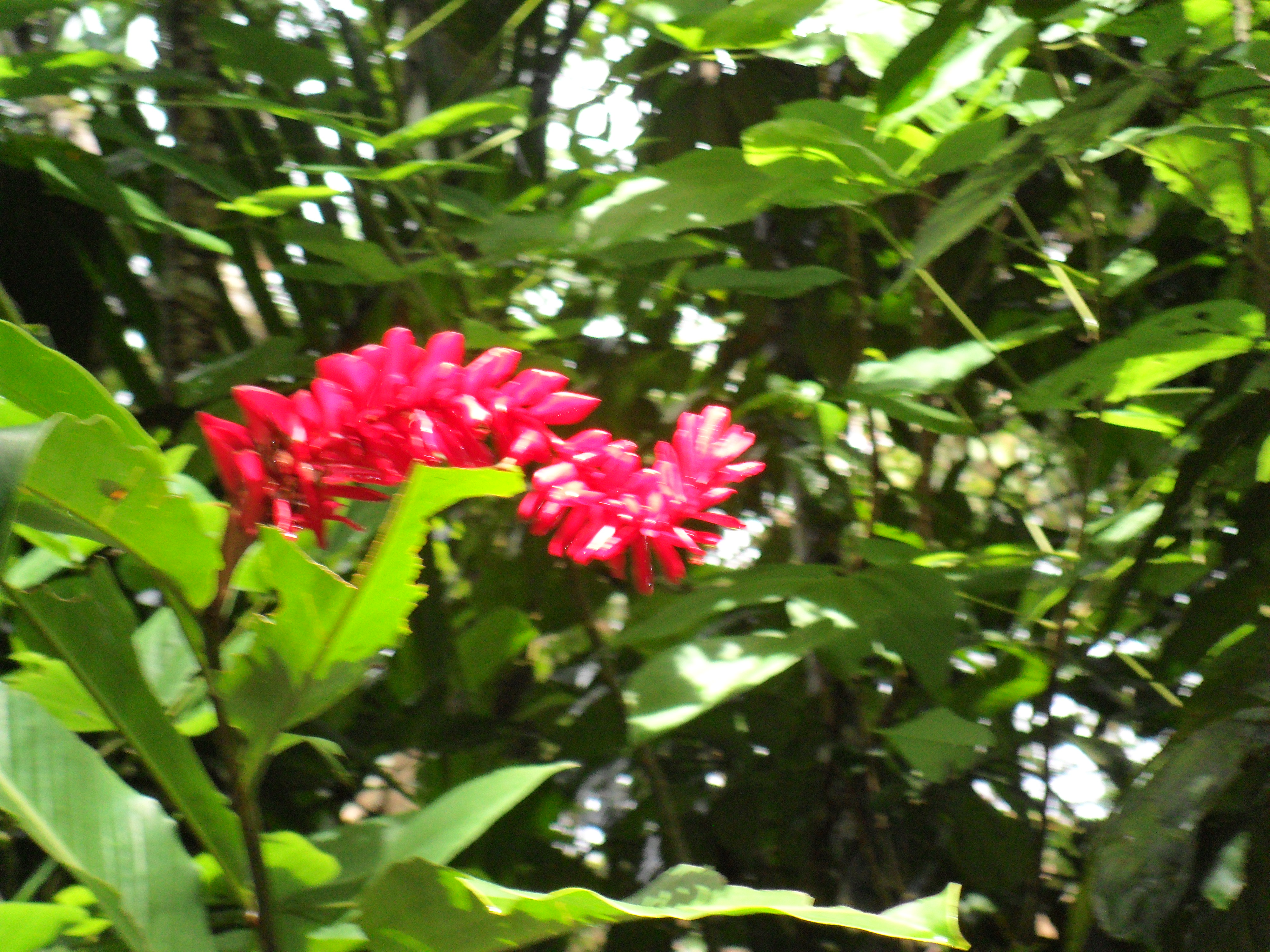
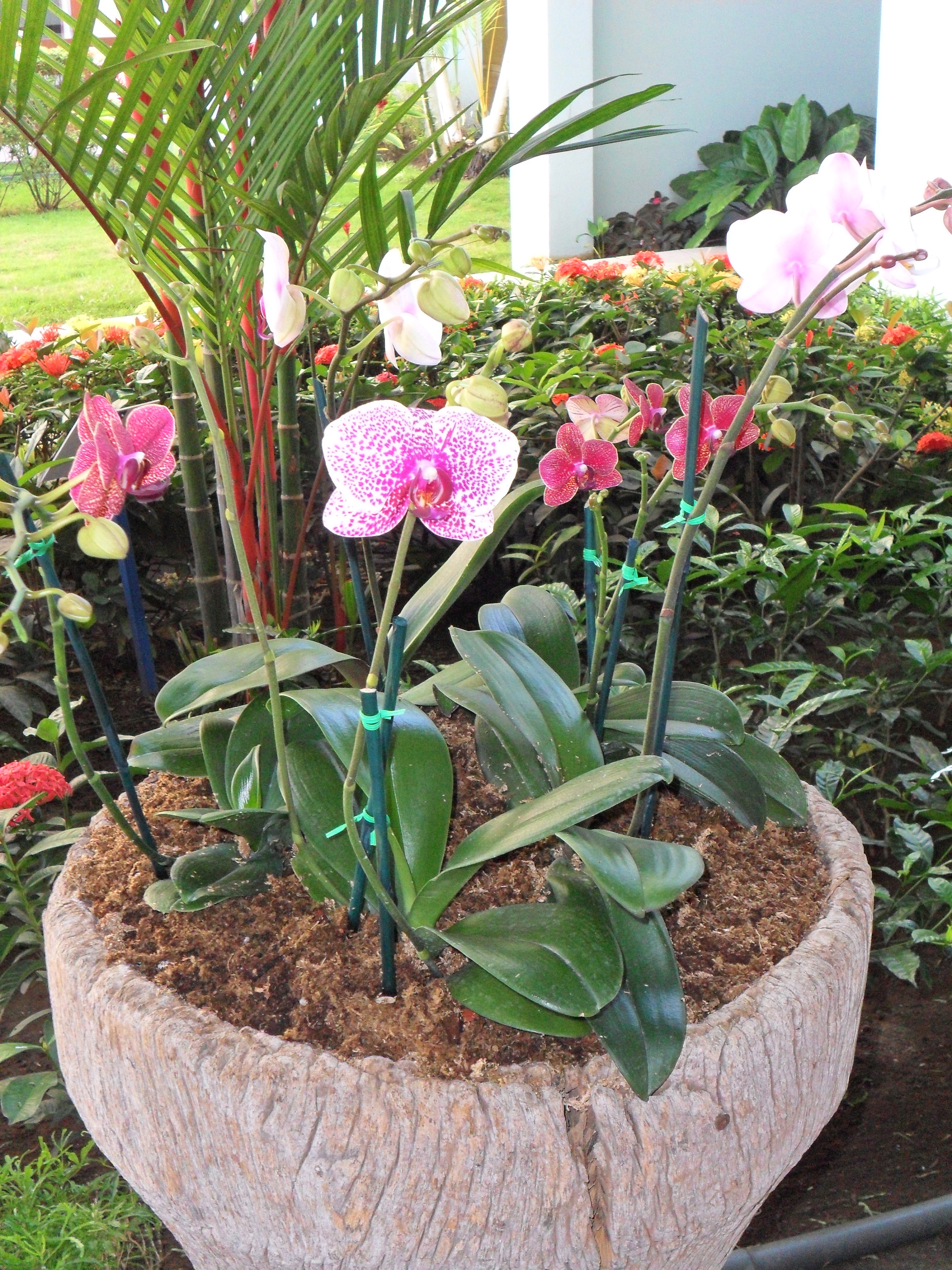
For a person who loves flowers (and I do), Costa Rica exemplifies a lush, green heaven.  This intense green makes the flowers show up more than they would in a duller landscape.  Whether in the high mountains near Monteverde or down in the coastal lowland jungles, flowers abound.  So many flowers everywhere made me want to photograph them all, but there are too many; I photographed a few.

My friend, Anabel McMillen, the professional photographer, just about went nuts there were so many spectacular things to photograph.  Last count I think she hit over 1000 photographs.

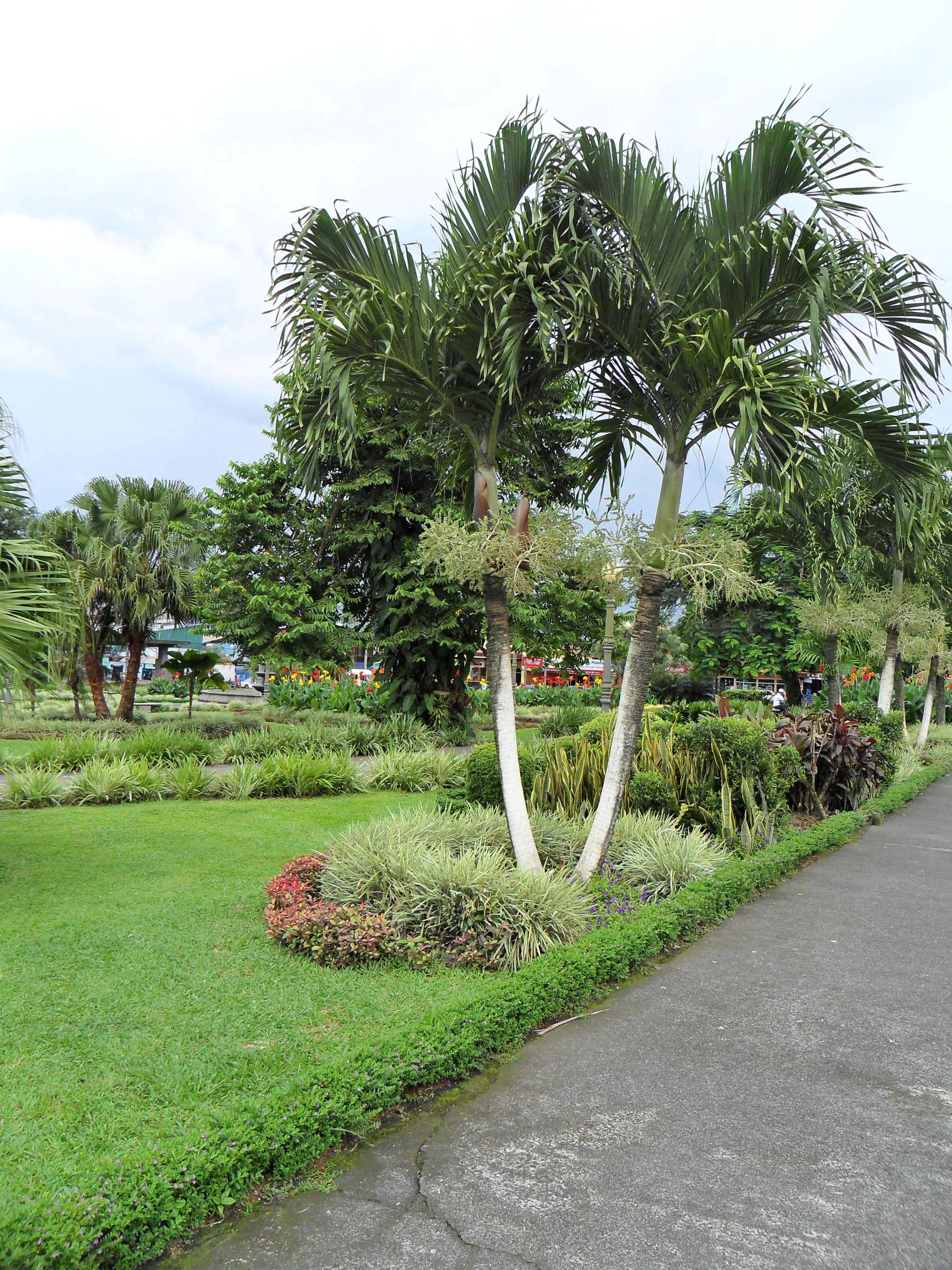
While wild flowers grow everywhere, the people also take great pride in both their personal and public gardens.  Even at the simplest country house, flowers and other plants could be found growing in profusion.  Almost all towns, like La Fortuna in the photo above and the one below near Arenal Volcano, create a public square with a church and gardens.

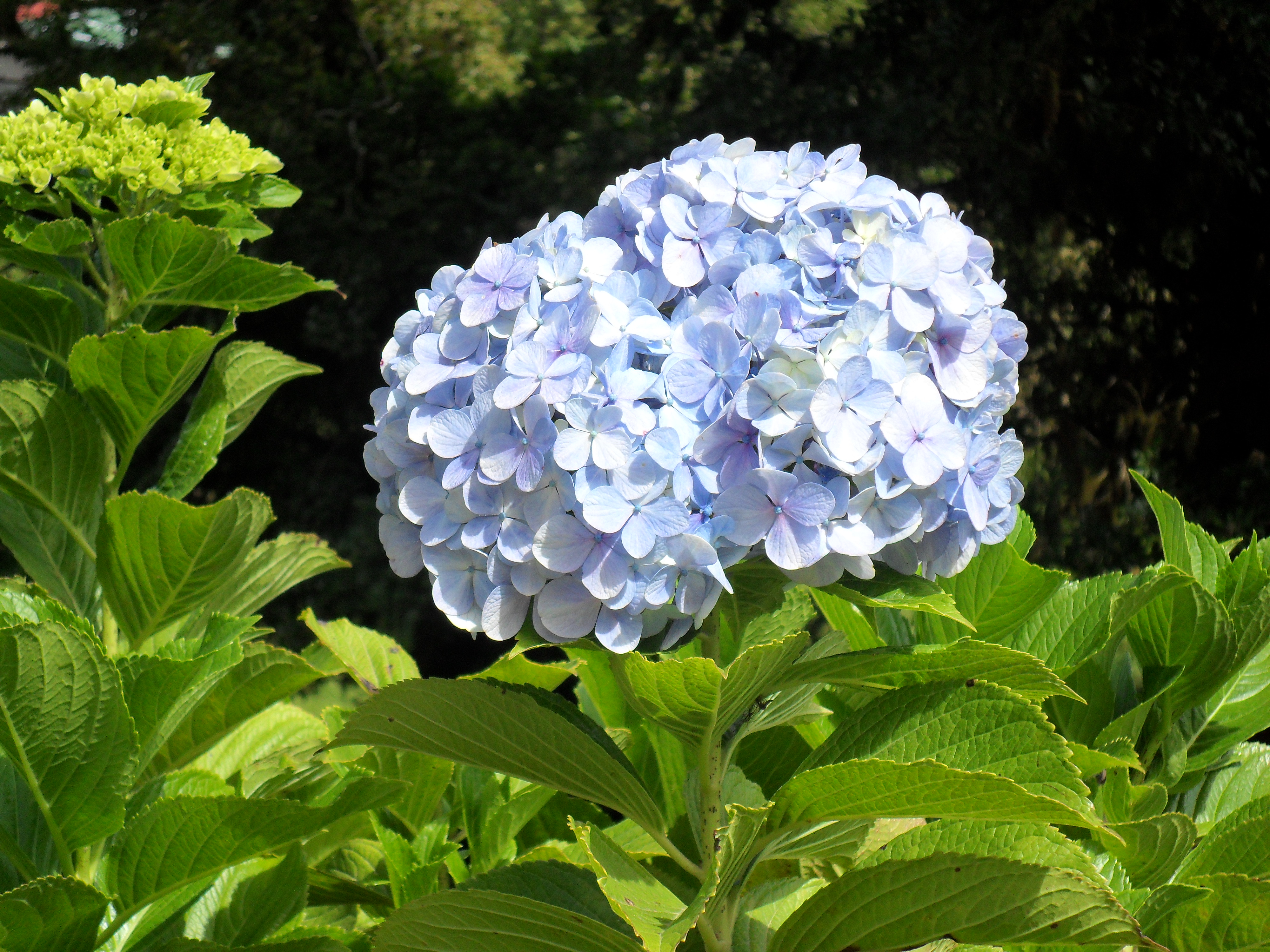
Hydrangeas like this one above grow along the roads everywhere near Monteverde.

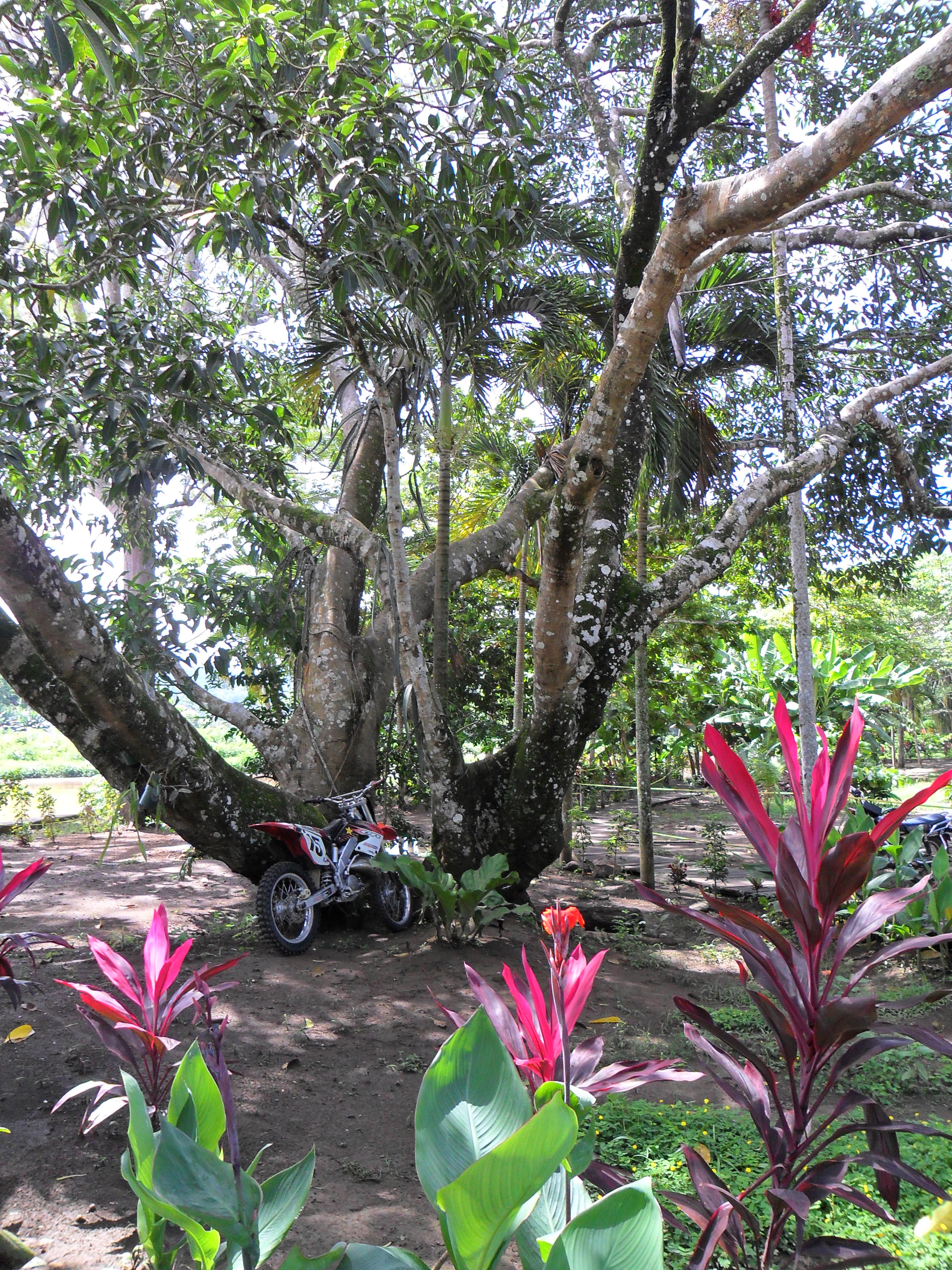
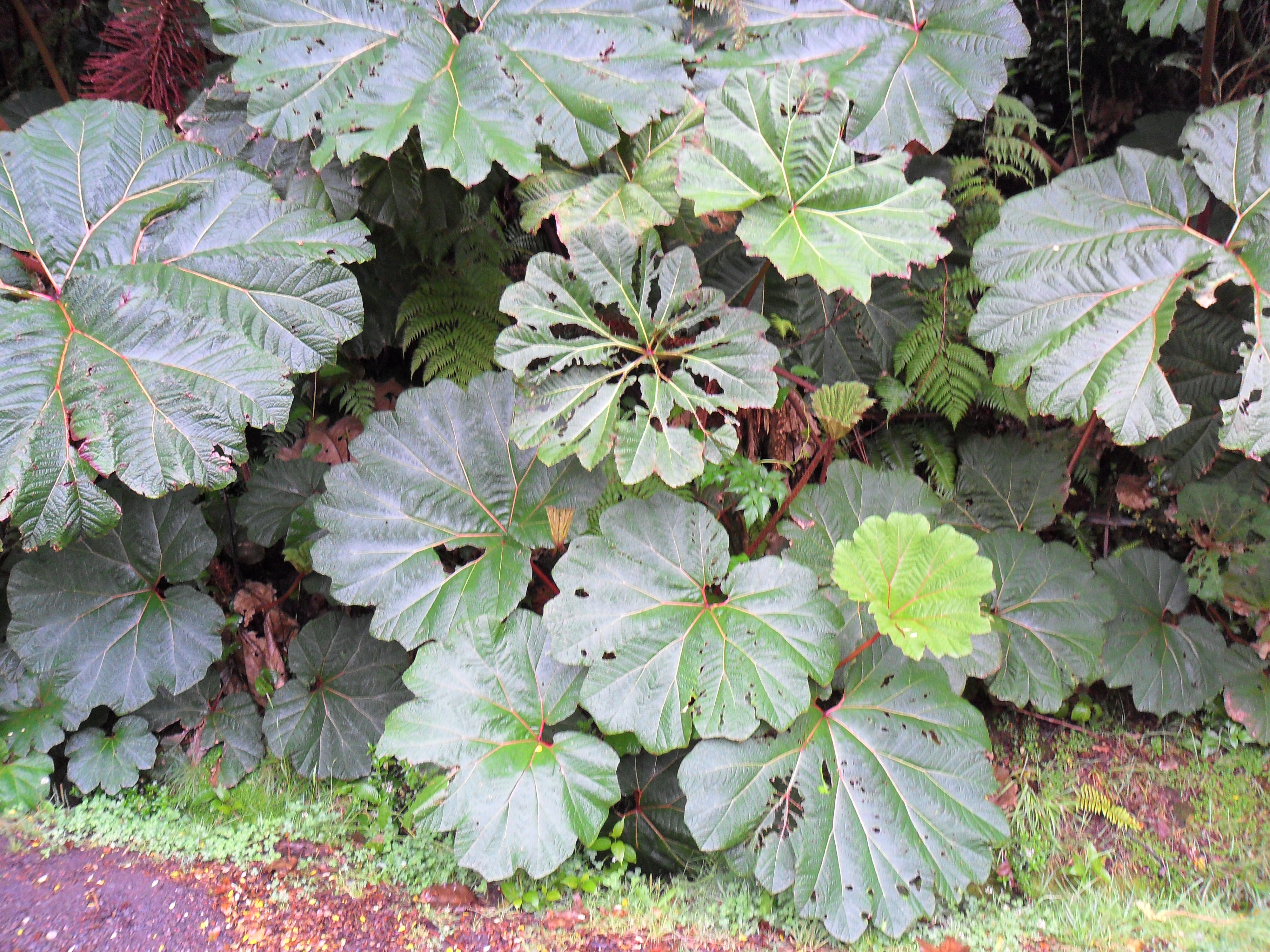
Not only are the flowers frequently much larger than the same flowers grown here, but in the lowlands, in particular, many of the trees seem huge.  Costa Rica also cultivates flowers for export.  Net covered fields of ferns grow all over the steep mountain slopes.

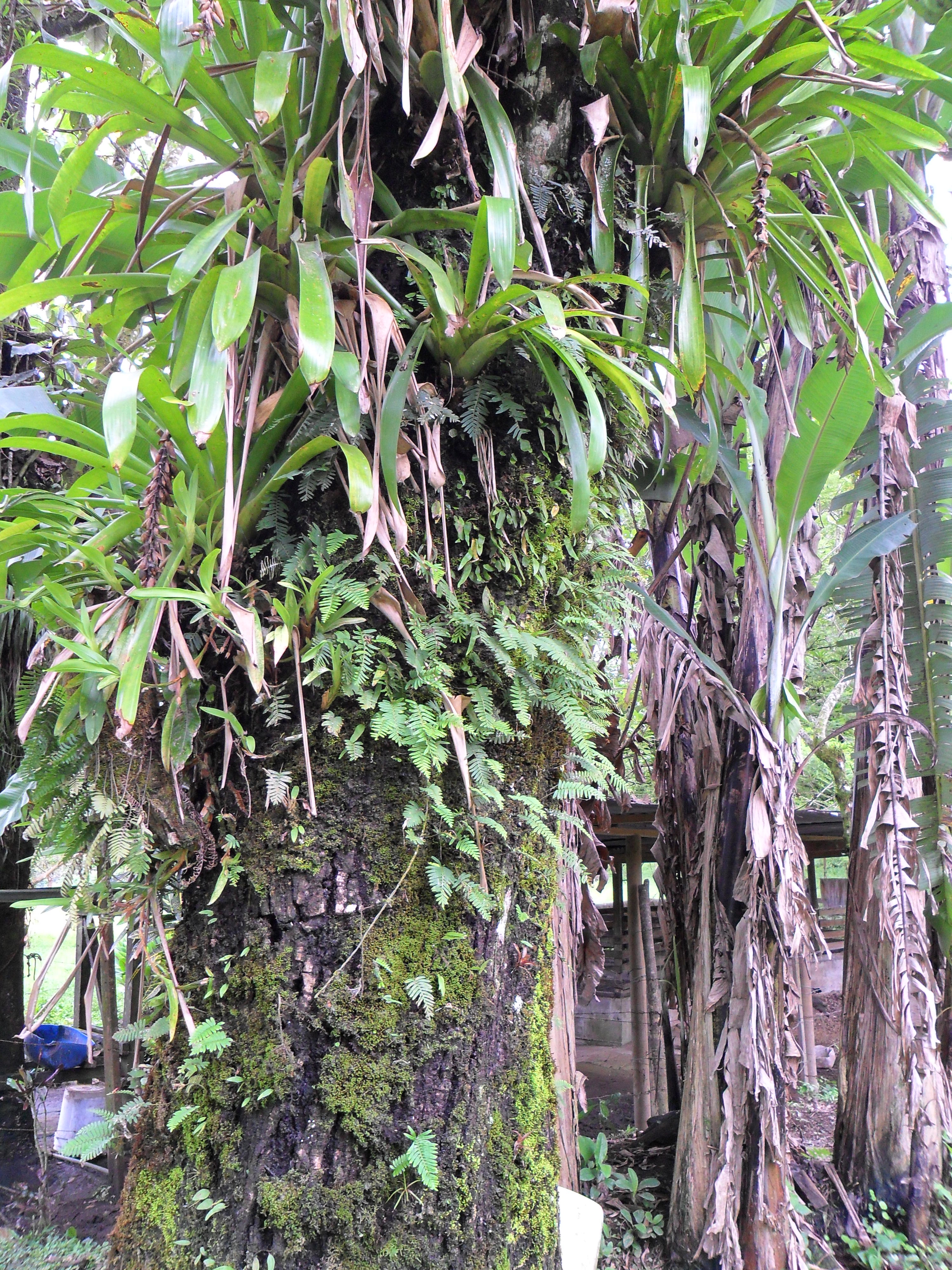
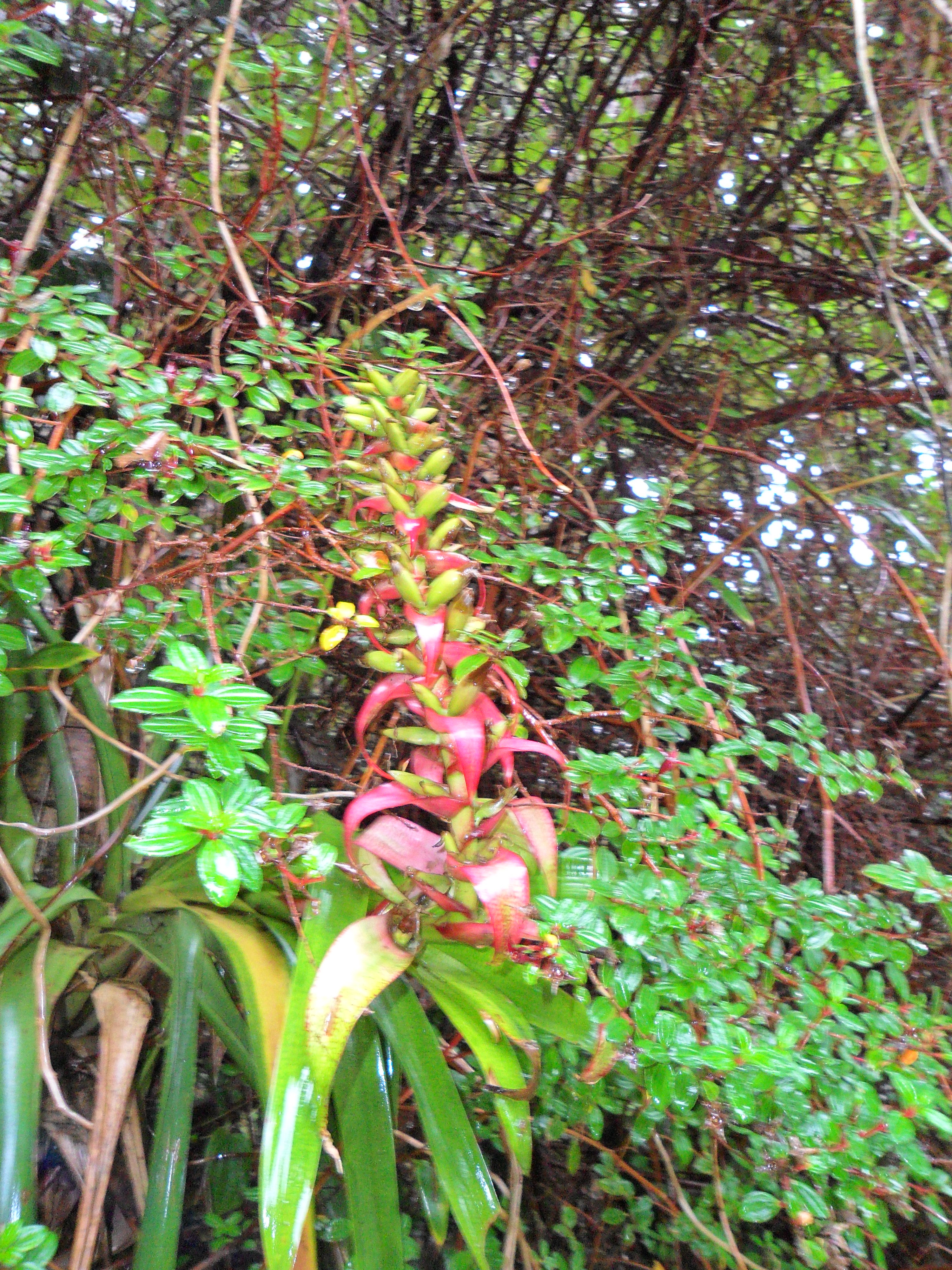
In the highlands near Monteverde more than one hundred species of plants can be found growing on the surface of one tree as shown in the photos below.

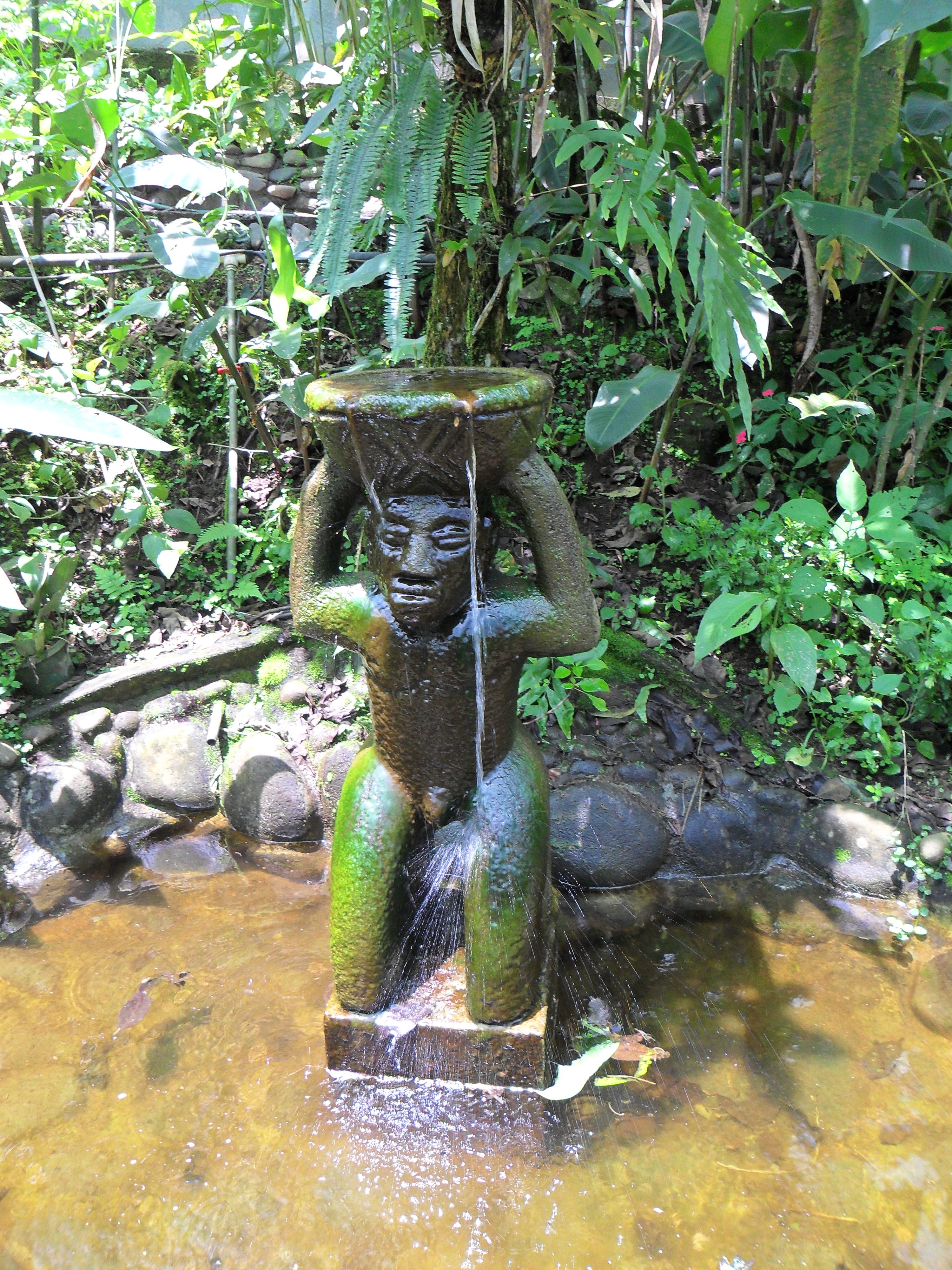
Twice we stopped at a place called El Jardin, once on the way to Monteverde and another on the way back to San Jose from the Pacific Coast town of Jaco.  In addition to their beautifully landscaped outdoor gardens, they possessed a small greenhouse filled with butterflies and a sculpture water fountain in an indigenous style seen throughout the country.

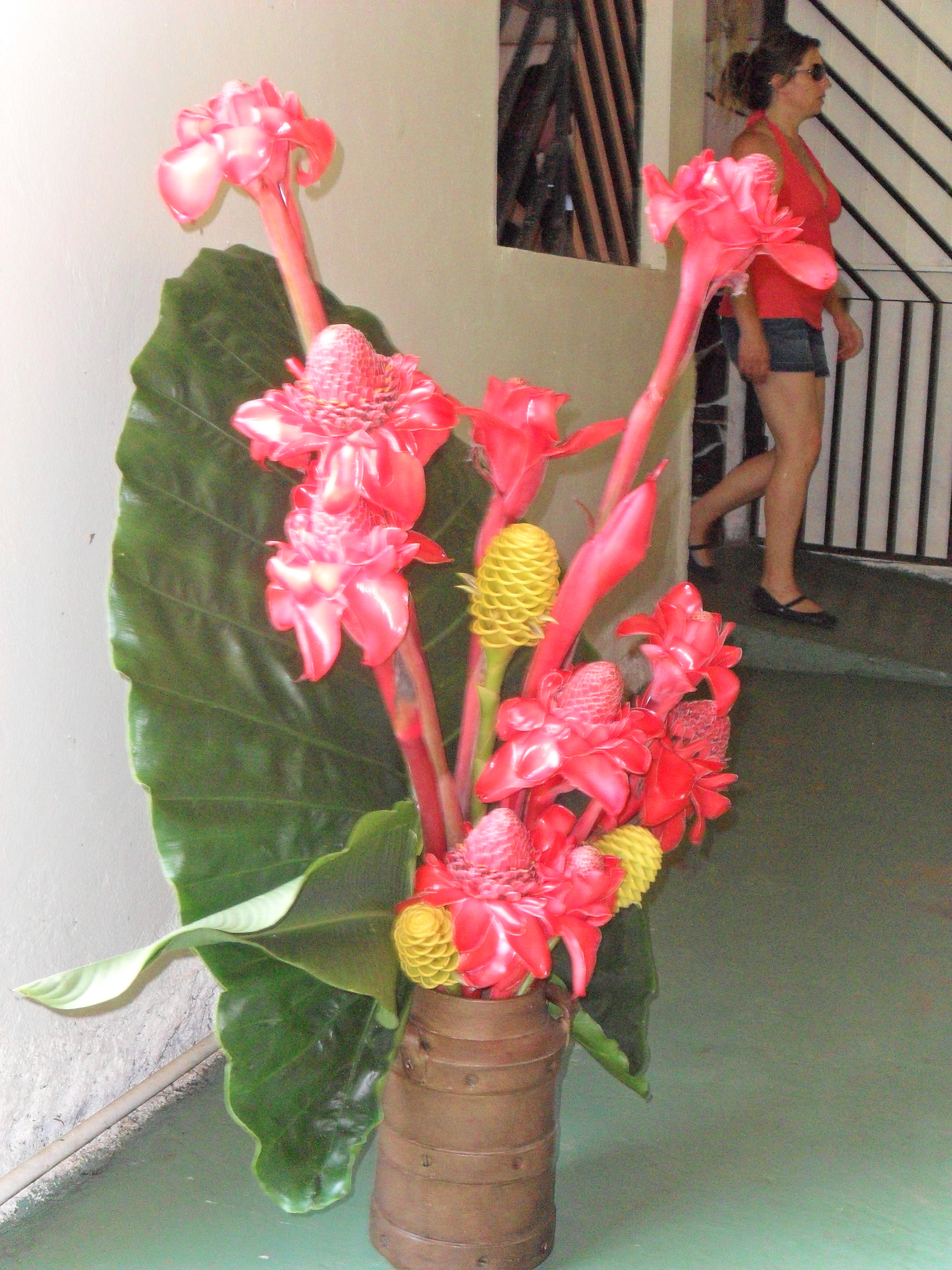
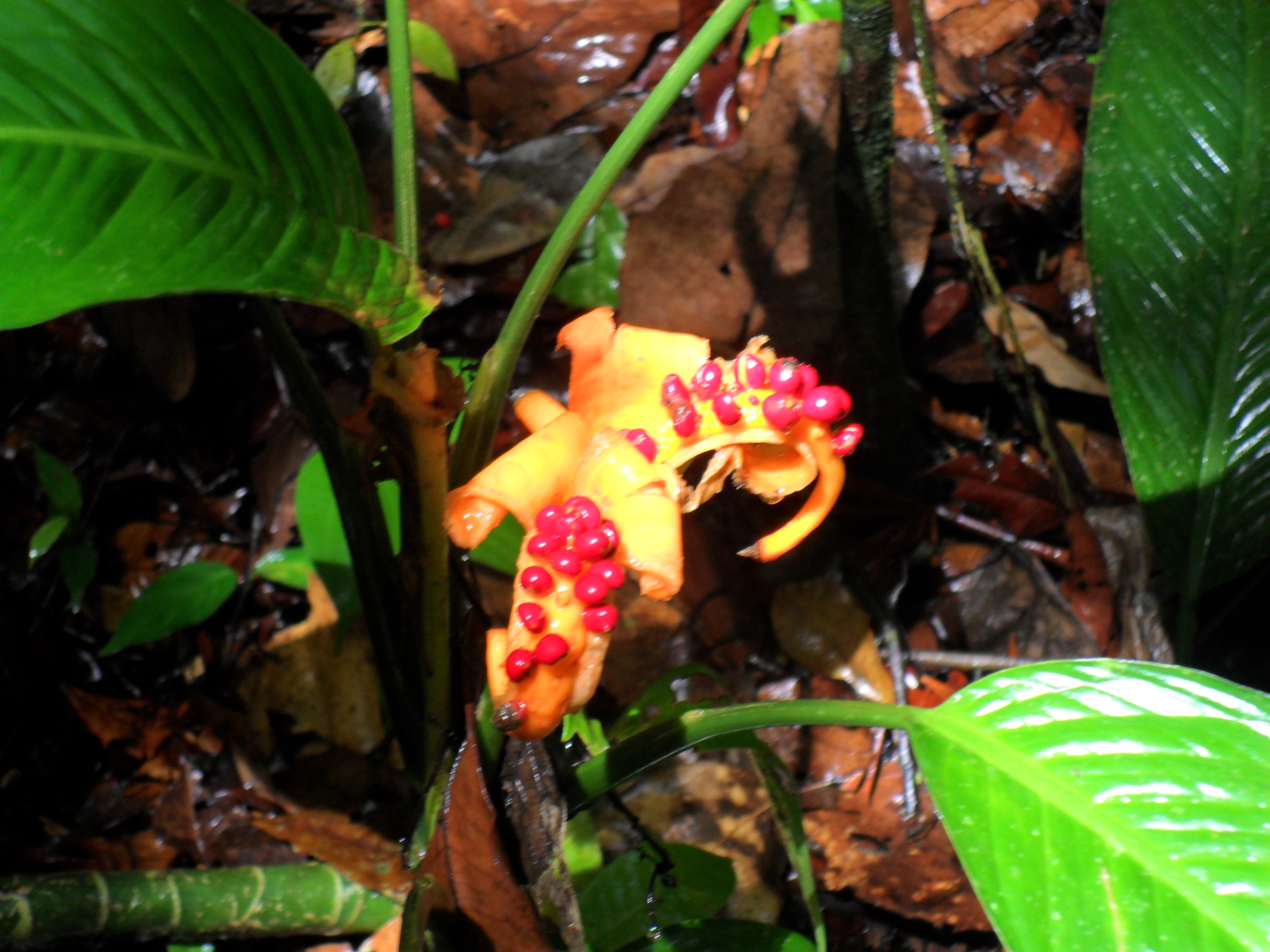
As I looked at the following bouquet where we ate lunch near the Sarapiqui River on the Caribbean side, I touched it because I remained unsure as to whether it could be real.  It was.

PURA VIDA!!
Pura Vida: 3, The Volcanos of Costa Rica


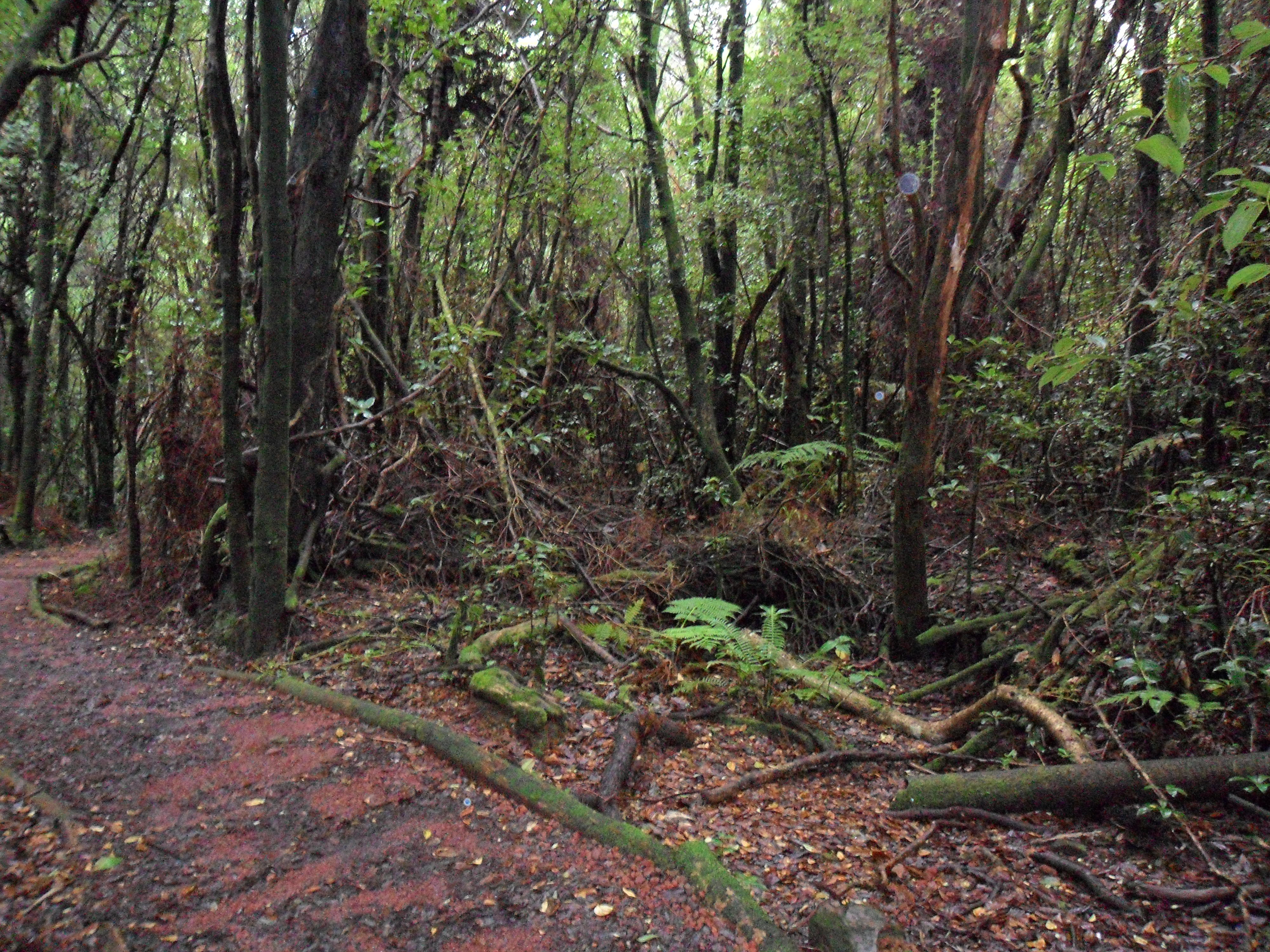
Of the six active volcanos in Costa Rica (61 are dormant), this month I visited two.  Poas, a caldera volcano about 1 1/2 hours from San Jose in the Central Highlands, rises  8, 885 feet and is one of the largest and most active.  Its crater contains water and rising steam. Lush rain forests surround the volcano.  It rained the entire time I was there.

Arenal rises 5, 437 feet above the surrounding forests and verdant hills.  It has been the country’s most active volcano for more than 40 years.  In 1968, a large explosion buried three villages and killed 87 people.  More recent eruptions have been much less severe.  Smoke drifts skyward daily.  Arenal is a strat0 volcano, tall and symmetrical.  The lake near Arenal is manmade and an excellent place for kayaking in relatively serene waters.  The lake provides 12 per cent of Costa Rica’s electric energy.

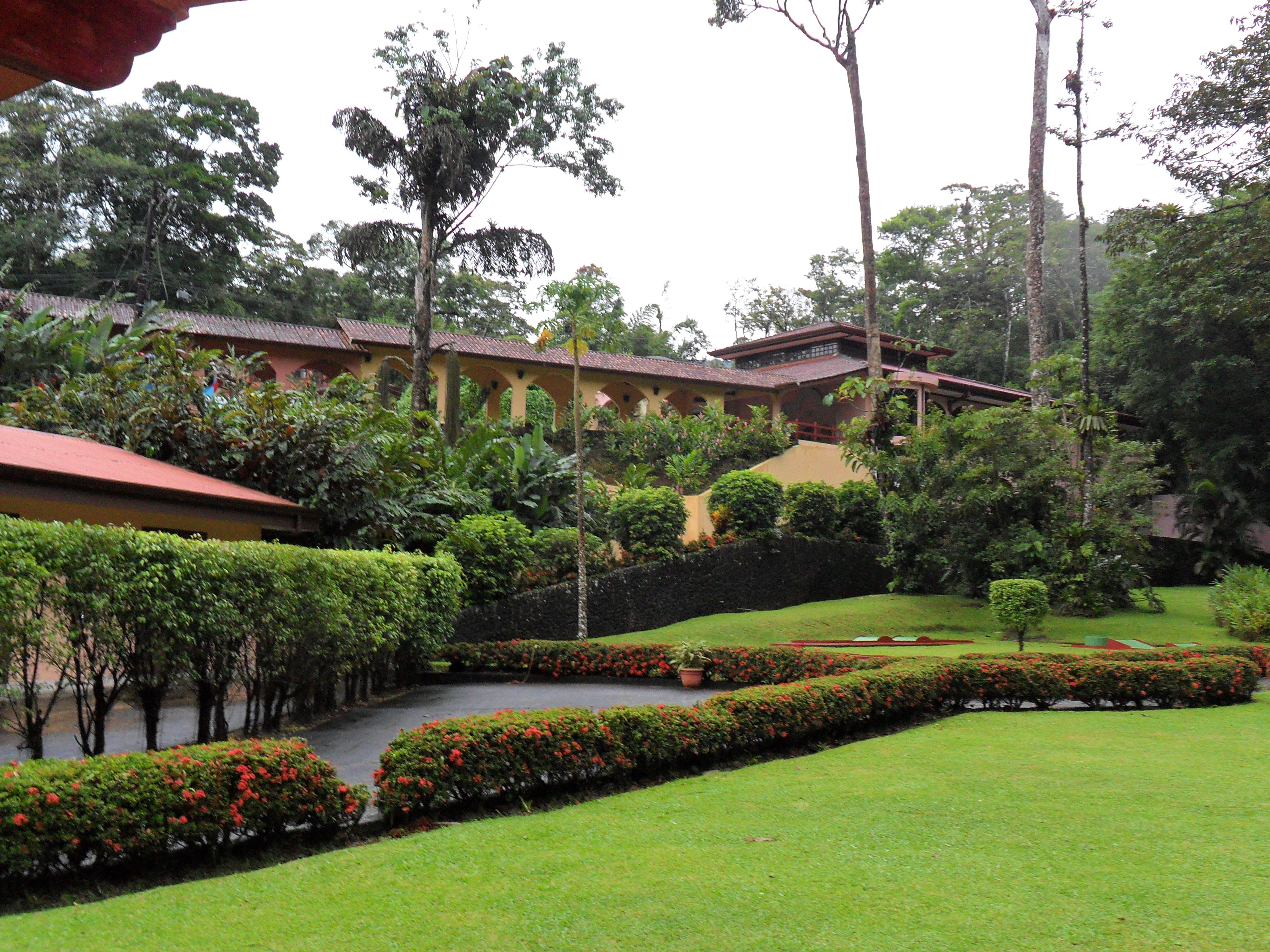
Due to Arenal’s geothermal activity, the surrounding area contains a number of hot spring resorts, one of which is El Tocano, where we stayed two nights.

This place is delightful and relaxing.  The bar tender made yummy margaritas.  If you want to drink wine, Costa Rica is not the place.  However, the national beer, Imperial, tastes quite good and I do not usually like beer.

Pura Vida


Everywhere in Costa Rica one hears Pura Vida.  It seems to be the national motto.  I have been here for a week.  This is the greenist, healthiest, cleanist, enviromentally conscious, most mountainous place I have ever been.  Few people smoke, there is no salt on the table anywhere, the food is mostly rice, black beans, fruit, and vegetables.  No hot peppers here unless they are on the Caribbean side where I have not gone yet.  When I return home later this week, I will post photos with written details, including some food photos and explanations.  Today I saw howler monkeys, iguanas, other lizards, numerous birds, white faced monkeys, sloths, and agoutis.  Tomorrow will start out by going to a place with lots of crocodiles and scarlet macaws.  This time of year it rains incessantly.  I have been soaked several times and nothing dries out. Even though I am not a lover of rain or being wet, it is impossible not to love this place.  Pura Vida.

DEATH


I was afraid of revealing me, the essence of me.  Who even, indeed, was I?  My mother told me, when I started dating, to hide the essence of me, boys wouldn’t like it.  Too smart; too aggressive; too full of myself; too intense; too serious; too burning inside strong; too adventuresome; too nasty a temper; too full of desire to feel, taste, see, learn; too much in love with a world of possibility.  I took her advice, married a genius scientist, safe, timid, disadventurous.  He liked me because I could shoot a bird off a wire hundreds of feet away.  I time, we all died, him, me, the bird.


This piece was a finalist in a flash memoir contest.

Chicken with poblano peppers, sun dried tomatoes and pasta


This recipe is posted as a tribute to Klara Kamper, from Austria.  Klara is an exchange student and nearly every week she has come over to ride my horse, Rosie.  After riding, I fix dinner.  Of all the different dinners I have fixed, this is Klara’s favorite.

4 pieces boneless chicken breasts, cut into bite sized pieces

2 large poblano peppers, deseeded and diced into bite sized pieces

1 large purple onion, chopped

5-6 pieces sun dried tomatoes, chopped into a large dice

Olive oil

Herbs de provence

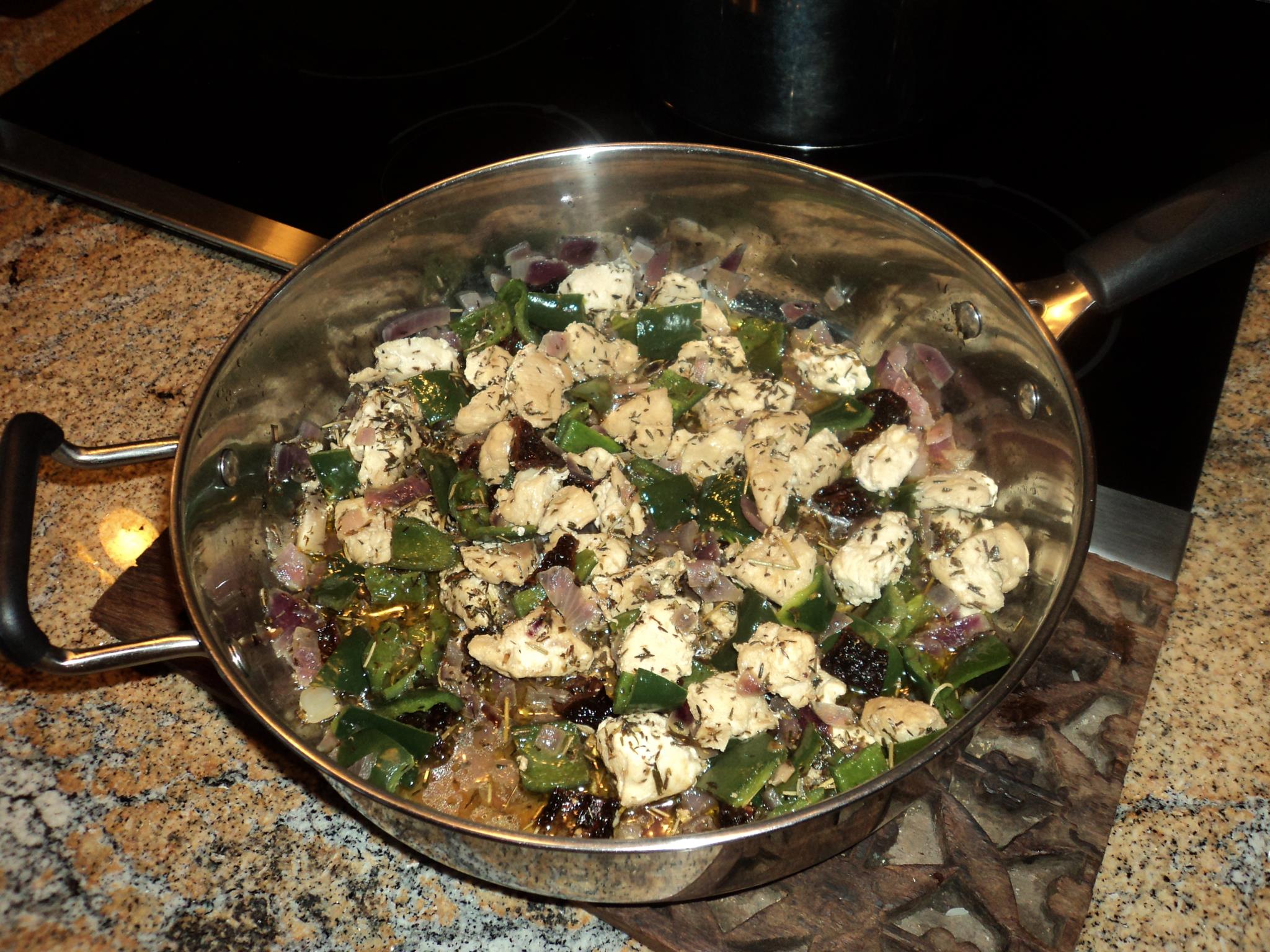
Cover the bottom of a large skillet with olive oil.  Saute the onions until done.  Add chicken and more olive oil if necessary.  With your fingers sprinkle herbs de provence over the onion/chicken mixture.  When the chicken is nearly done, add the poblano peppers and sun dried tomatoes.  Saute until the poblano peppers are cooked but still a nice bright green.  You may also add mushrooms if you like.  Serve over your favorite pasta.  My daughter does not like herbs de provence so when I cook this for her, I use a  mixture of oregano, basil, and marjoram.

I am very, very picky about pasta.  My favorite is organic Montebello pasta produced by Monastero Di Montebello, Isola del Piano, Italy.  I especially like the conchiglie.  However, I use their spaghetti and other shapes as well.

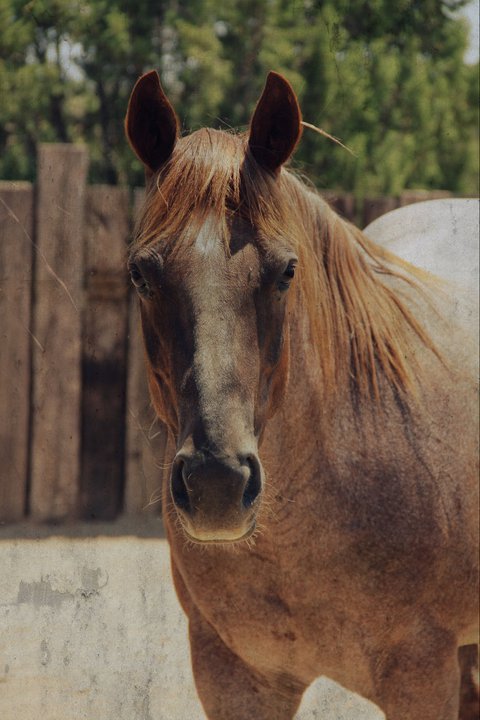
This is Rosie.  She will really miss Klara who leaves for home on June 25.


Rosie, who "adopted" Star after Miracle died.


A friend joined us to see the horses and for dinner.  Apparently, she took this photo just before I served dinner.

Marriage


The following poem was chosen to be published in the Story Circle Network’s annual Anthology this past autumn.   I submitted two flash memoir pieces, including the Spiders story on a previous post,  as well as this poem.  I was very surprised that this was the one chosen.

Marriage

                                               I remember the time he touched my face, melting me.

                                               I married him; my face slowly, inexorably froze.

Horses in Heaven


Heaven for horses seems a bit far fetched, especially for someone who lacks certainty about heaven  even for people.  Nevertheless, it remains a comforting concept.  Yesterday, I buried Starry Miracle, less than two, an orphan I bottle fed every 3-4 hours day and night when his  mother, Miracle, died.  He not only survived, he thrived.

Around 4:30 Wednesday, friends went to my place to ride Rosie, a chunky, red roan mare.  They found Star dead.  It appeared he had been playing, jumping, and rearing, and freakily caught his ankle in a space between the pipe gate and fence, broke it and ruptured his femoral artery, then bled to death.  When they called to tell me, disbelief set in.  As a horse owner for many years, I know the common causes of horse deaths, colic mainly, from which Miracle died three days after his birth.  I have inspected fences and corrals for safety many times.  The possibility of such an accident never even entered my mind.

His body stiff, distorted,  his coat, lusterless, bore no resemblance to his burnished copper body, glinting in the sun, following me, nipping if I ignored him.  Often, I thought he thought I was a horse or he a human.

The two surviving horses spent hours standing in the spot where he died, licking the pipe fence from which I had hosed off his blood, smelling the ground, neighing.  They even failed to rush to their hay when I fed them.  Eventually, I opened their gates.  They ran across the rugged canyon land constantly for fifteen minutes, dream horses running in the wind.


Miracle, Star’s mother, deceased, July 2010.  Rosie who “adopted” Star after Miracle died, and Cool, the other orphaned horse I raised.

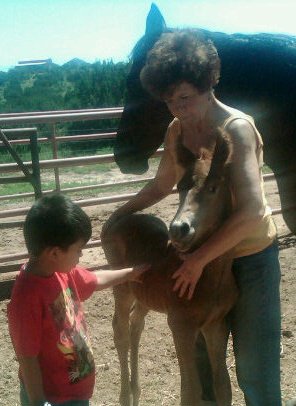
Miracle and Star as a newbornRosie, who "adopted" Star after Miracle died.

Pie: A Story of Mothers and Daughters


My mother usually viewed the world from a black and white perspective.  She had a lot of guidelines for how to live a productive and “good” life.   Neighbors and friends saw her as a “good” woman who cared for and did “good” in the rural community in which we lived.  Above all she was a good cook!!

I rarely think about her “rules” for life.  Suddenly I realize I actually “follow” a substantial number of these rules and have passed many on to my own daughter:

This is how you make butter with an electric mixer.

This is how you make a cake:

-grease and flour the cake pan(s)

-cut our circles of waxed paper to put on top of the greased and floured surface–you

do not want the cake to stick

-sift the flour

-soften the butter

-mix the ingredients in exactly this order.

This is what you wear.  You want to look presentable!!

-clean underwear in case you are in a car wreck

-matched clothes

-polished shoes

-purse and shoes that match

-no white anything before May 1 or after September 1.

This is how you present yourself to the world:

-well groomed

-clean fingernails

-self assured

-nice, but not too nice

-polite

-brushed teeth

-lotioned body

-clean hair.

This is how you wash your clothes:

-separate whites and colored items–you want the whites to stay white.

This is how you ride your pony:

-keep your heels down

-don’t lean too far back.

This is how you neck rein.

This is how you hold the reins.

This is how you get your pony to trot.

This is how you get your pony to canter.

This is how you get your pony to stop.

This is how you clean the house:

-vacuum first, dust second

-if you don’t do it right the first time, you will have to do it over.

This is how you work:

-hard

-persistent–never ever give up

-smart.

This is how you breathe to sing

This is how you practice well.

My mom could barely sew and only could play the piano by ear–two lifelong regrets.  I had to learn these things no matter what.  I do not like to sew much, but still play the piano and I love, love, love to sing!

She could cook, especially pie.  Her crusts were tasty works of art.  At potlucks people would get her pie first to make sure they got some.  At potlucks now, people get my pie first to make sure they get some.  My daughter does not even eat pie, but people love her pie and get a piece to make sure they get some.

Raisin Walnut Pie

This is not my mother’s recipe.  She mostly made black raspberry and other fruit pies and coconut chiffon pies.  This is the pie I make every time there is a potluck.  If I do not make it, people ask me about it so I gave up and just usually bring this pie.

3 eggs

3/4 cup corn syrup

1/2 cup brown sugar

1/4 cup butter or margarine, melted

1 tsp. vanilla

3/4 cup raisins, golden or dark

3/4 cup walnuts, broken

1 unbaked pie shell

Stir corn syrup and brown sugar into melted butter.  Beat eggs slightly and stir into the butter/sugar mixture.  Add vanilla.  Mix raisins and walnuts and sprinkle into the pie shell.  Pour the butter/sugar mixture over the walnuts and raisins.  Bake at 350 degrees for 45 minutes or until pie crust is golden and mixture is set.  Cool.

If you goof and do not have vanilla, stir in 1 tsp. of cinnamon instead.

Enjoy!!