One Book a Week-3


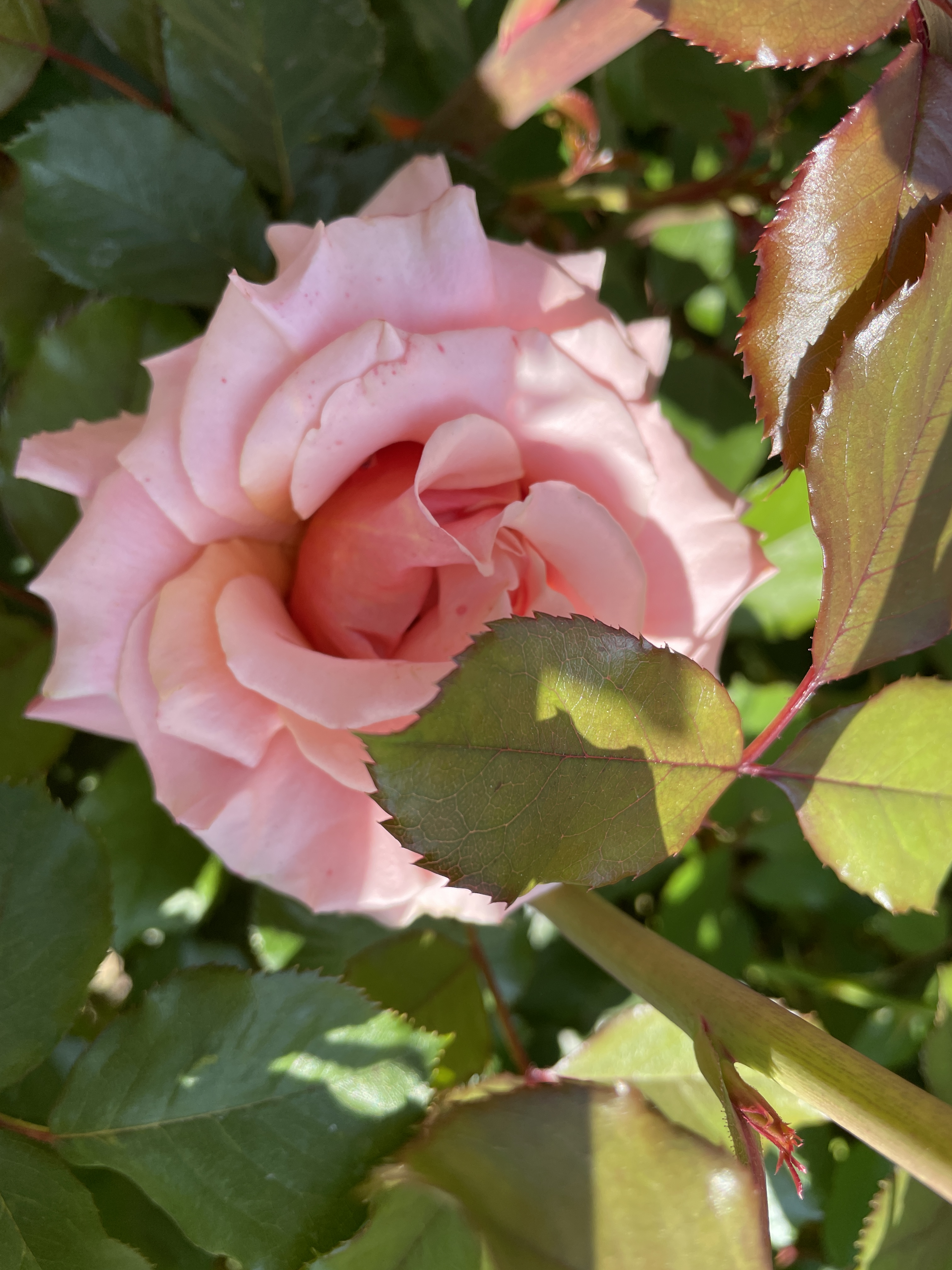
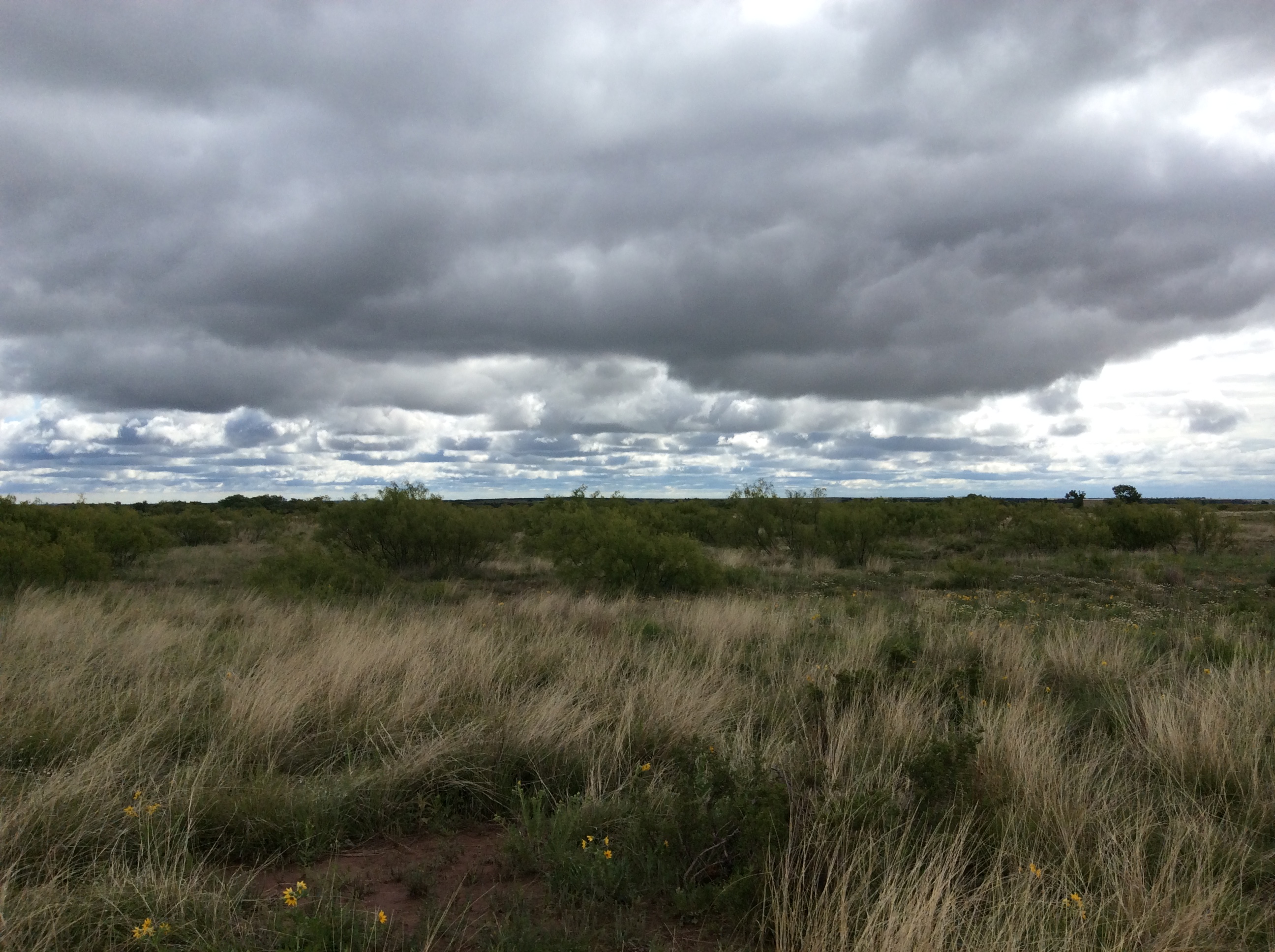
While wandering around Barnes and Noble looking for something new to read, I read the blurb for An Imaginary Life by David Malouf, an Australian writer. I bought it. Of course, I had heard of Ovid, seen parts of Metamorphosis, his most famous work, but knew little about him. Emperor Augustus exiled him to the remote regions near the Black Sea for reasons not totally known but perhaps due to the nature of Ovid’s erotic poetry which was very popular. Written in the first person, this book relates Ovid’s experiences, thoughts, and feelings while in exile. The urbane and educated Ovid now has to learn to live with superstitious, illiterate, poverty stricken people whose language he does not know, who possess none of amenities to which he is accustomed, who live in a bare survival mode. They find a “wild child” and Ovid becomes determined to catch him and teach him. The Child has lived with the animals and speaks their language, seems immune to weather even though naked, knows nothing of humans. As Ovid lives with and teaches the Child, he begins to question what it means to be human, to be civilized, to be different. What is the true meaning of life?

Note: If you look up Ovid, you will find a birthdate but no date of death. No one knows exactly when or where he died or where he was buried.

One Book a Week-1


After finishing Tolstoy and the Purple Chair, by Nina Sankovitch, who sets out to read a book each day for a year in order to alleviate her grief over her sister’s death, I decided to commit to reading a minimum of one book a week for a year. As of today, I have already read three, the first of which was The Sea of Tranquility by Emily St. John Mandel. Previously I had read my last Octavia Butler novel, Parable of the Talents in which the main character creates a religion with the ultimate goal of establishing human colonies in “the stars”. Then I discover that the title of The Sea of Tranquility refers to a specific area of the Moon where in this book there are two human colonies. Additionally, there are other colonies, the Far Colonies. Their specific location is never cited.

What is the likelihood that I would pick up a book at the library where the goal of the main character in the last book I read is fulfilled in the second book? Coincidence? Serendipity?

And, by the way, a pandemic occurs in both novels. Butler’s book, written in the 1990s, contains a number of prophetic statements and events which sound like today’s news. More about that in the next post.

An Afternoon at the Cheech Museum – 2


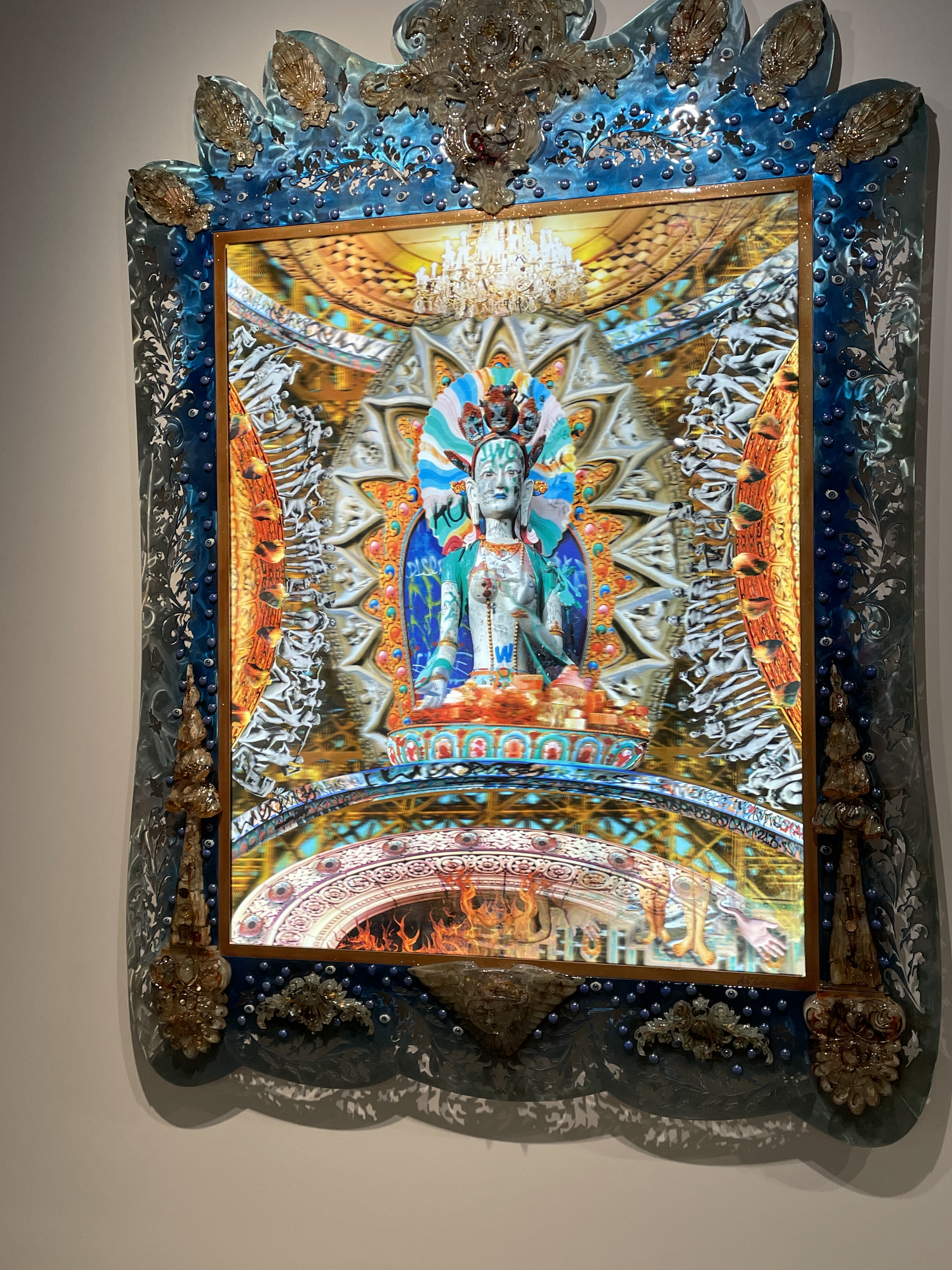
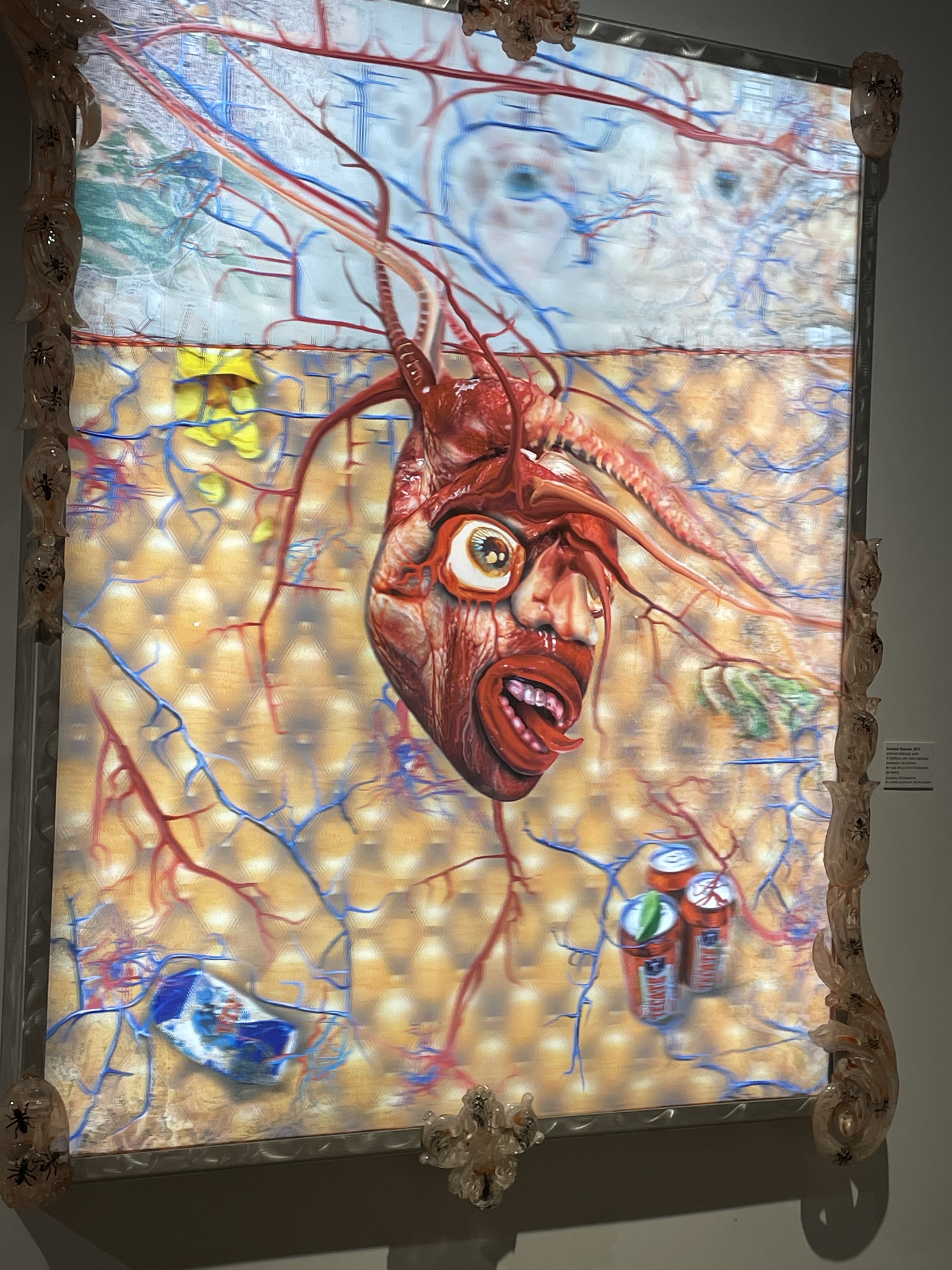
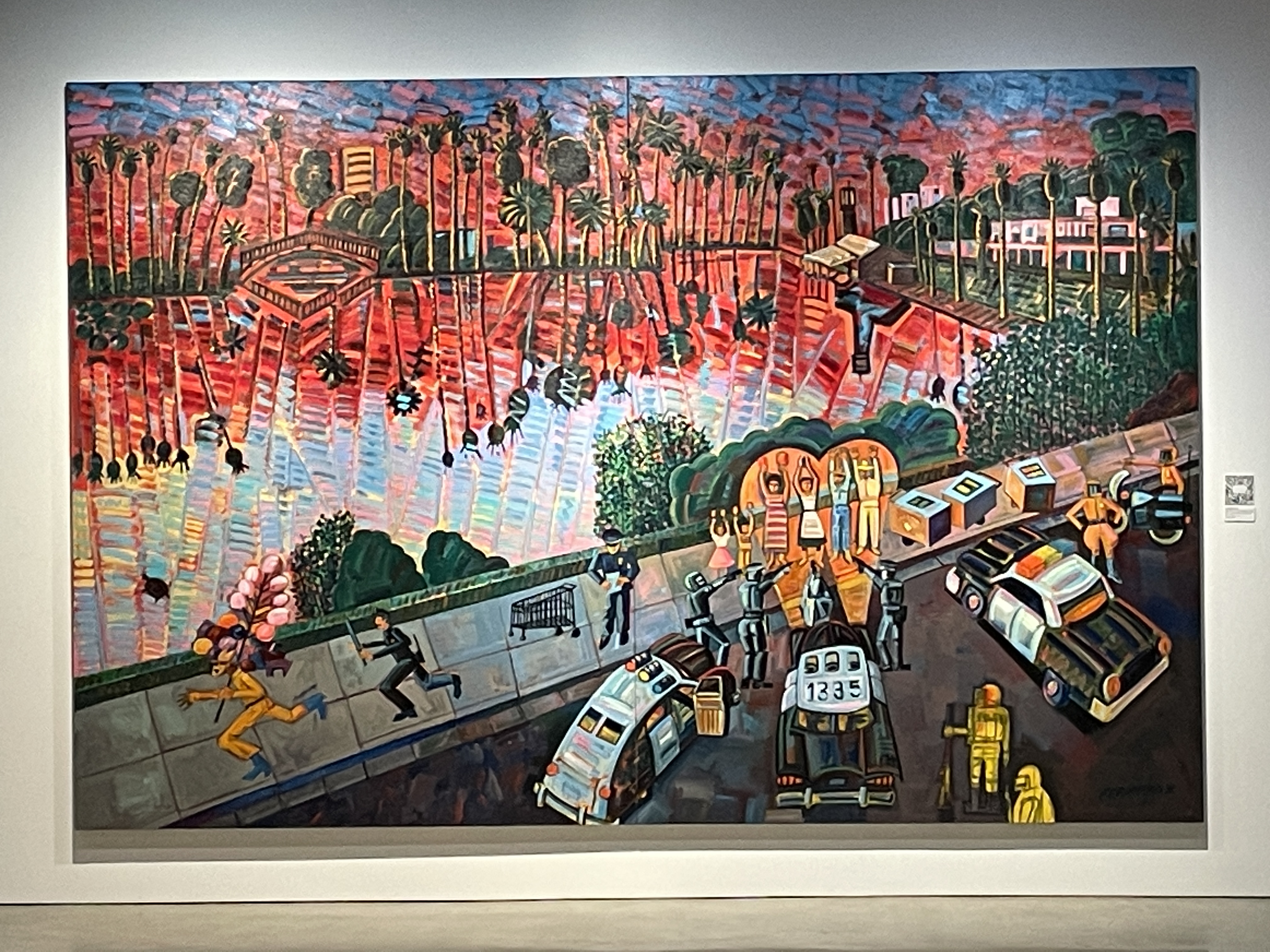
The second floor of the Cheech contains even more astonishing art including more multidimensional pieces except smaller than the giant one you see when you enter the building.

Depending where you stand in front, to either side, what you see is quite different. I kept thinking some old Flemish art or Hieronymus Bosch meets modern technology.

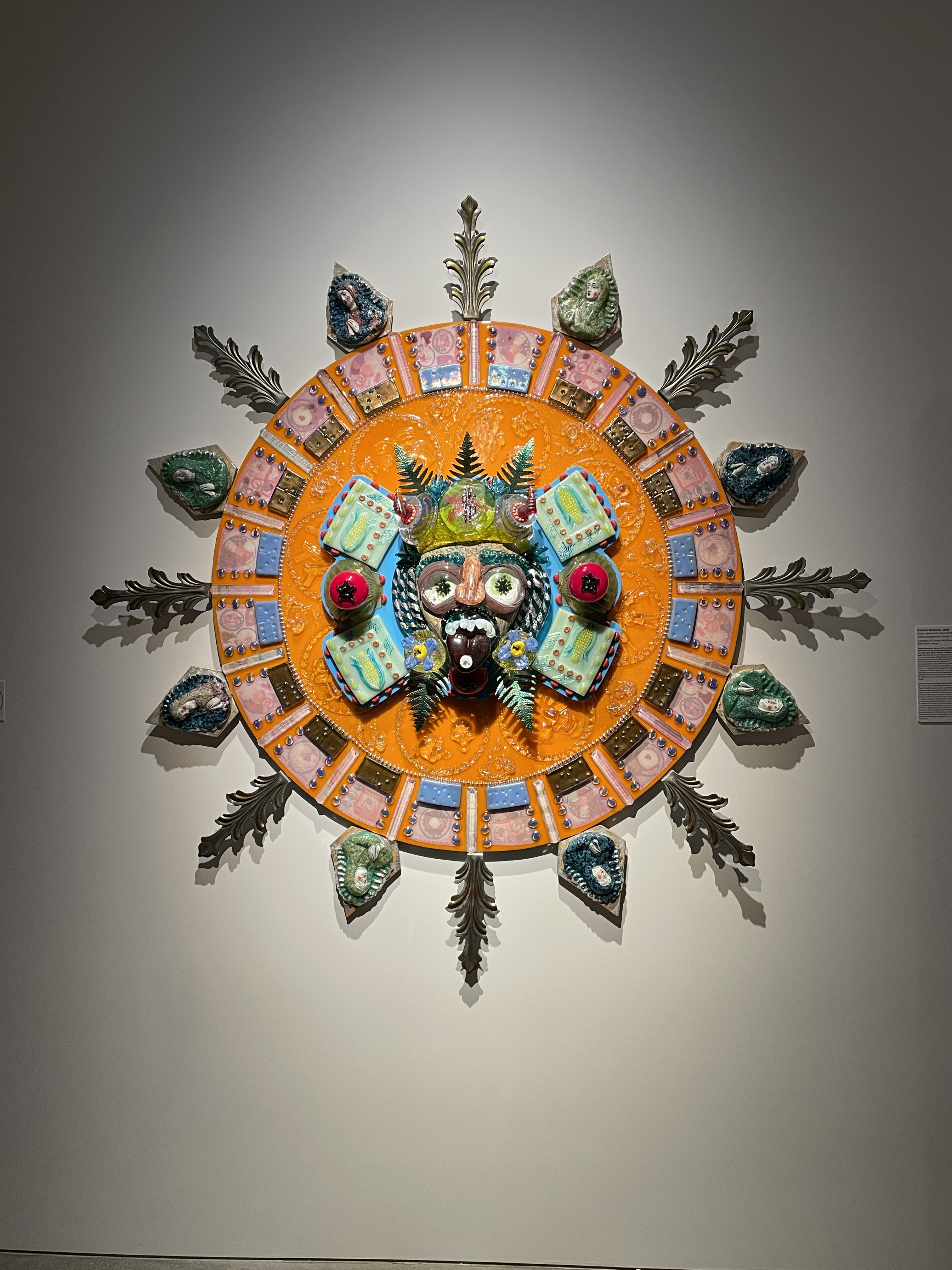
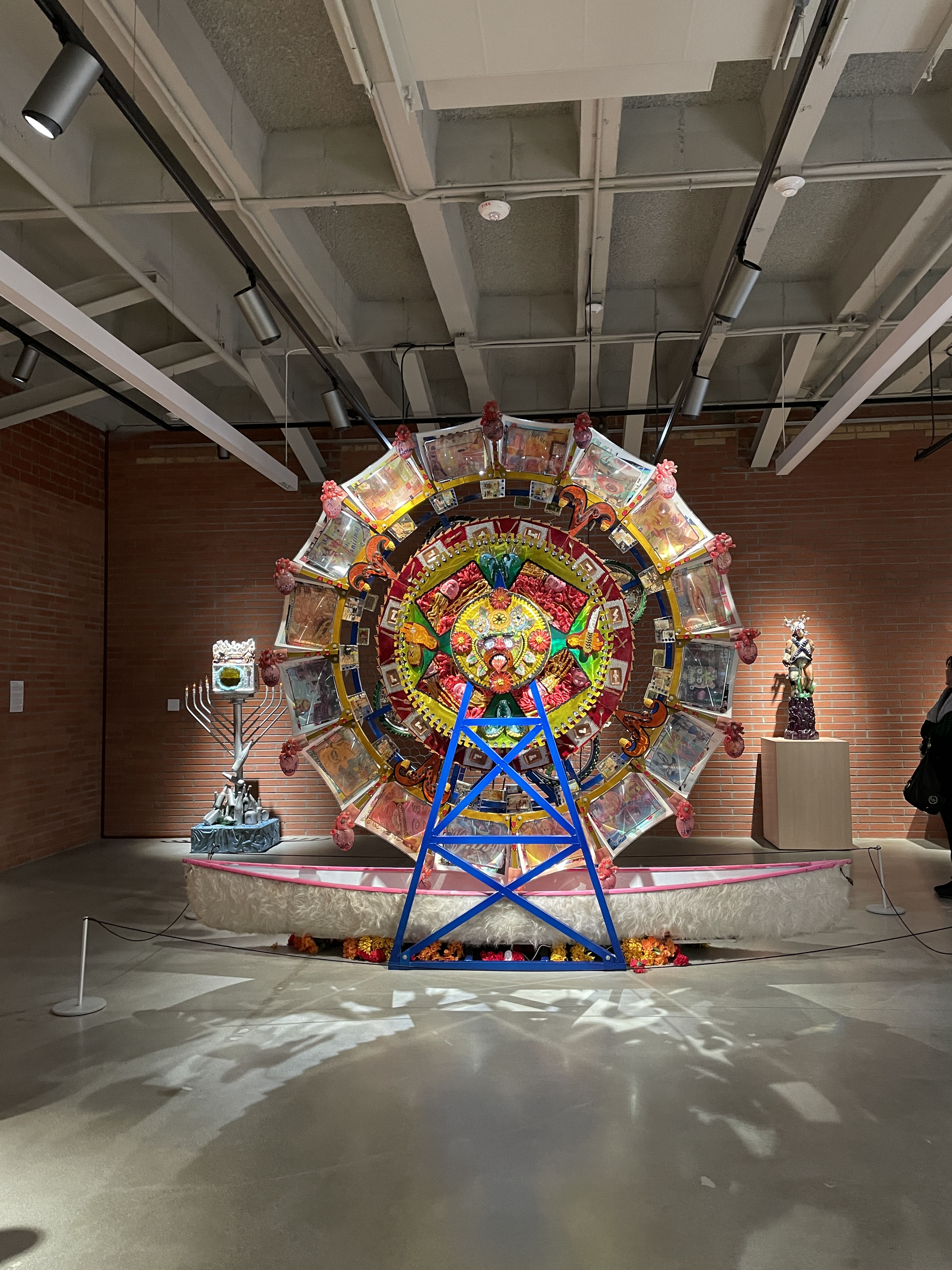
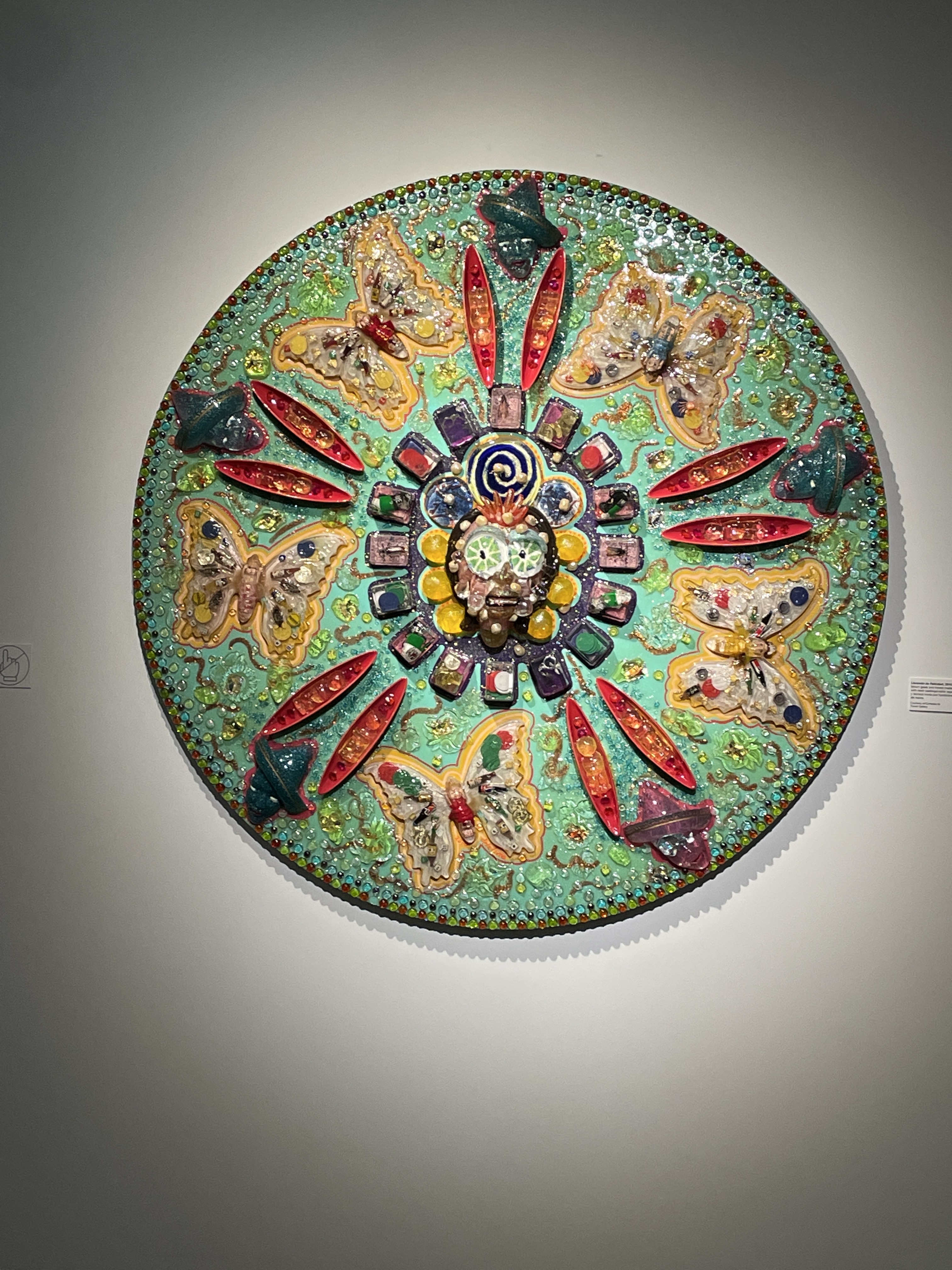
Much of the art makes a social or political statement especially about colonization, culture, poverty.

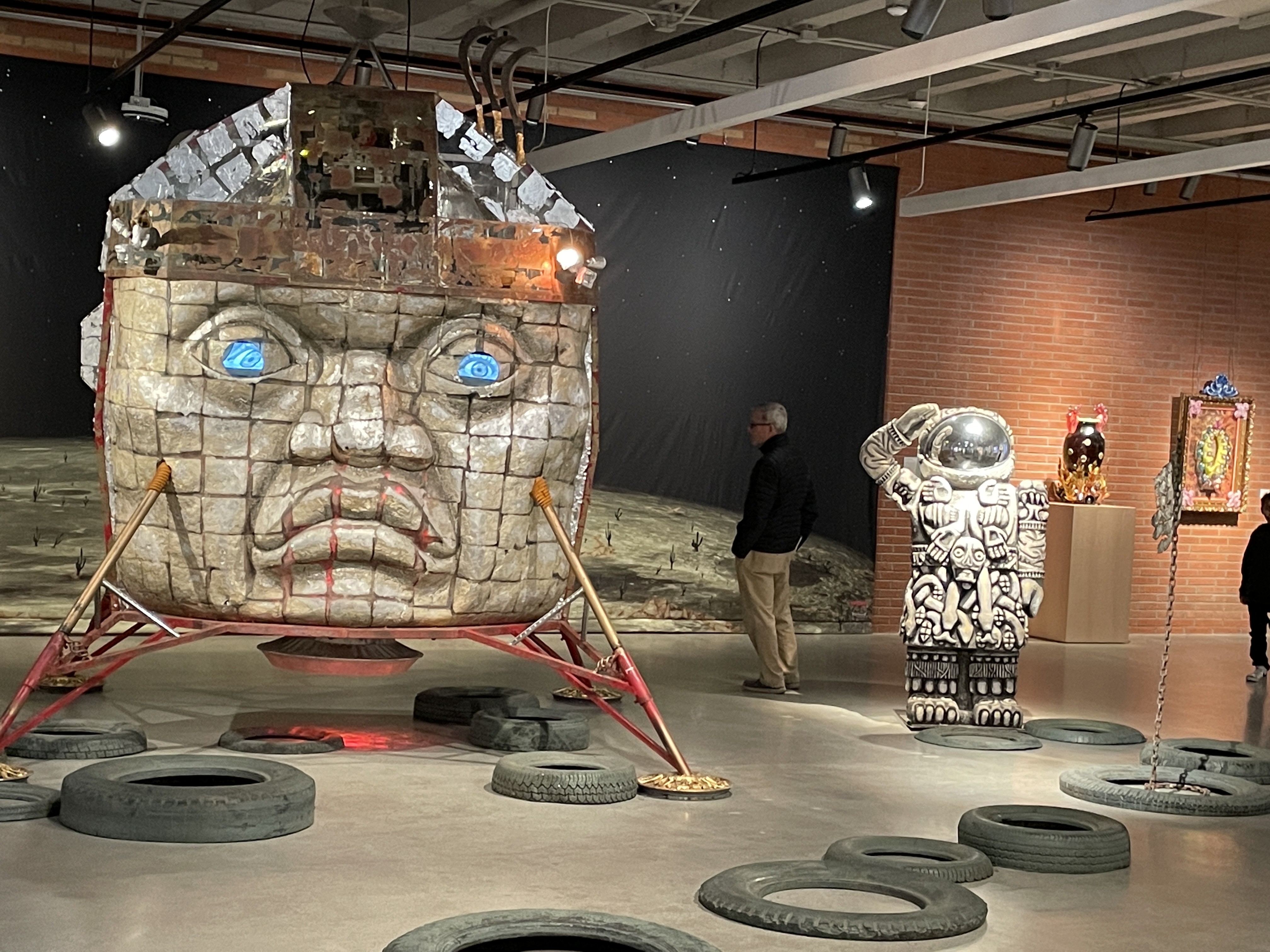
Some of the art is reminiscent of Mayan and Aztec calendars.

Hearts appear in many of the paintings.

And of course Frida.

This is a space ship with changing eyes. If you walk around the back there is a creature inside watching everything with monitors.

An Afternoon at the Cheech–1


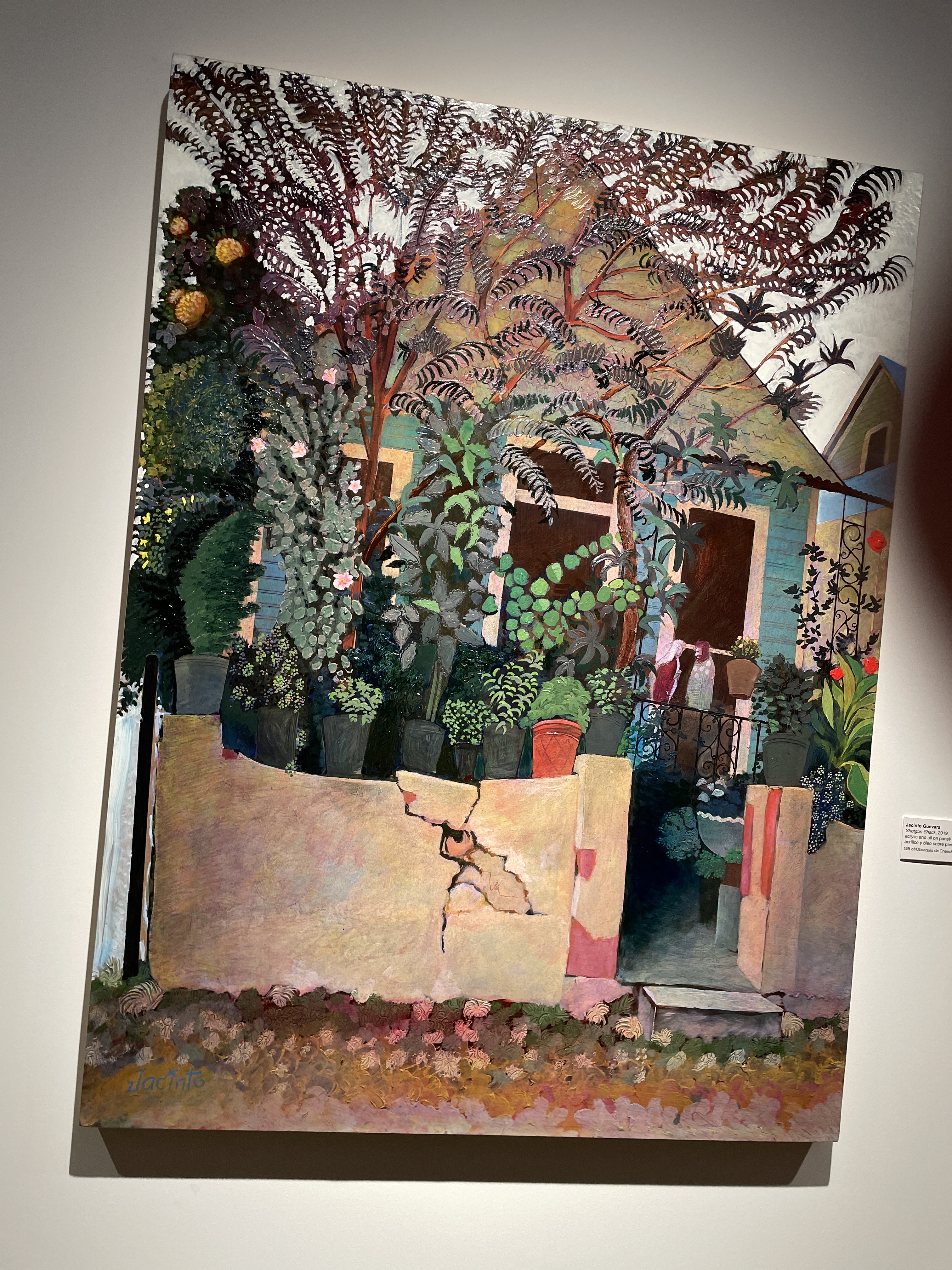
Some of you may remember the comedy duo Cheech and Chong way back in the day. Cheech has spent his life collecting Chicano and Chicana art. This year he gave a lot of his art collection to open a new museum in Riverside, California. Earlier this week my grandson, his girlfriend and I went to visit the museum. Photos and videos are allowed without flash. The following is the first set of photos I took. Please note that you need to see this art for yourself. Photos do not do it justice. Much of it is multidimensional and looks very different depending on where the viewer stands.

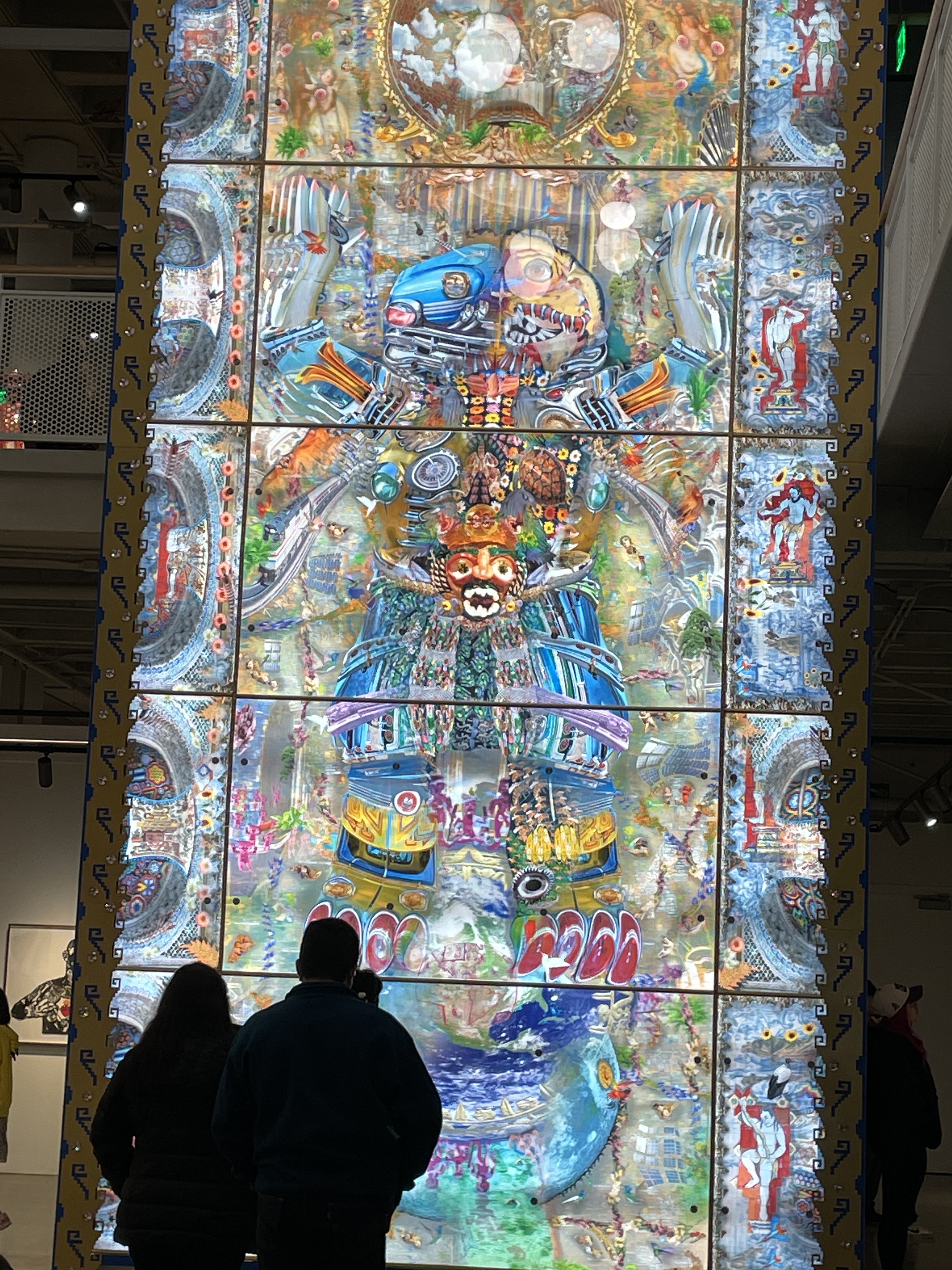
This is what you see when you enter the door; it is two stories high and multidimensional. Look how different the next photo of it looks from this one.

Walk farther to the side and it looks totally different again.

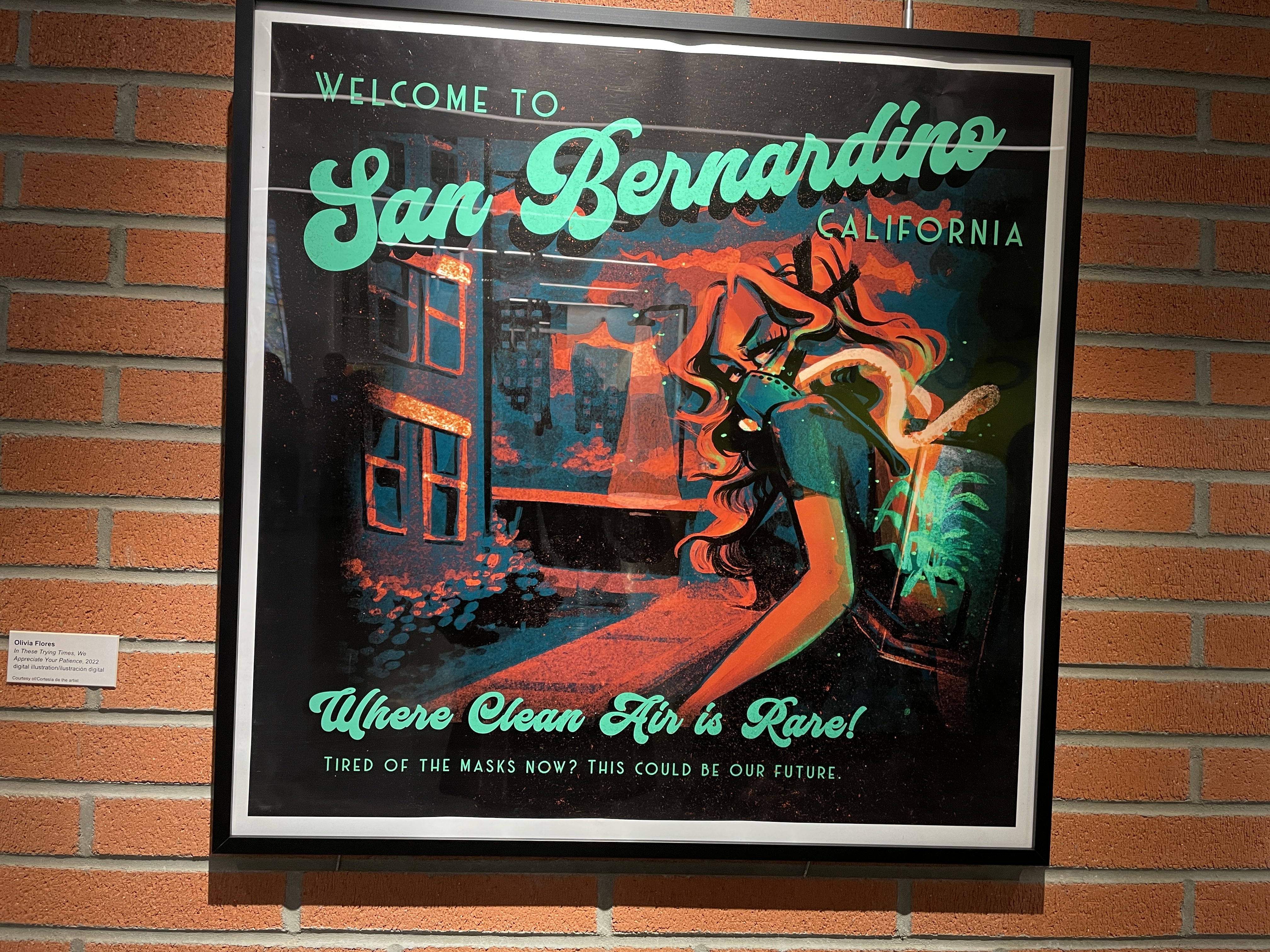
This speaks for itself. Right now where I live the air is clean enough that unless it is foggy, I can see all the way to downtown LA 30 plus miles away.

All the art at this museum has a message; much of it illustrates the ills of society.

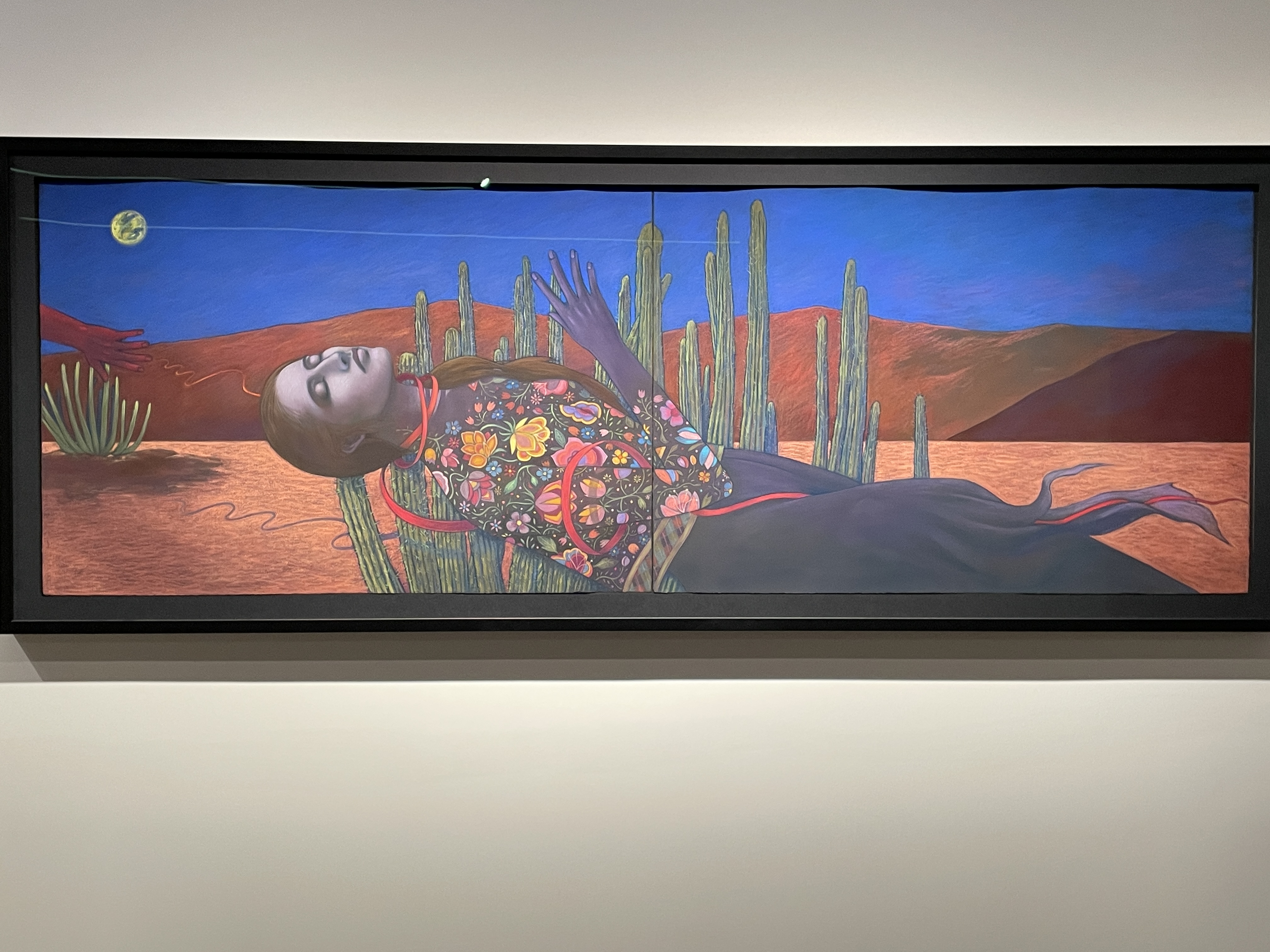
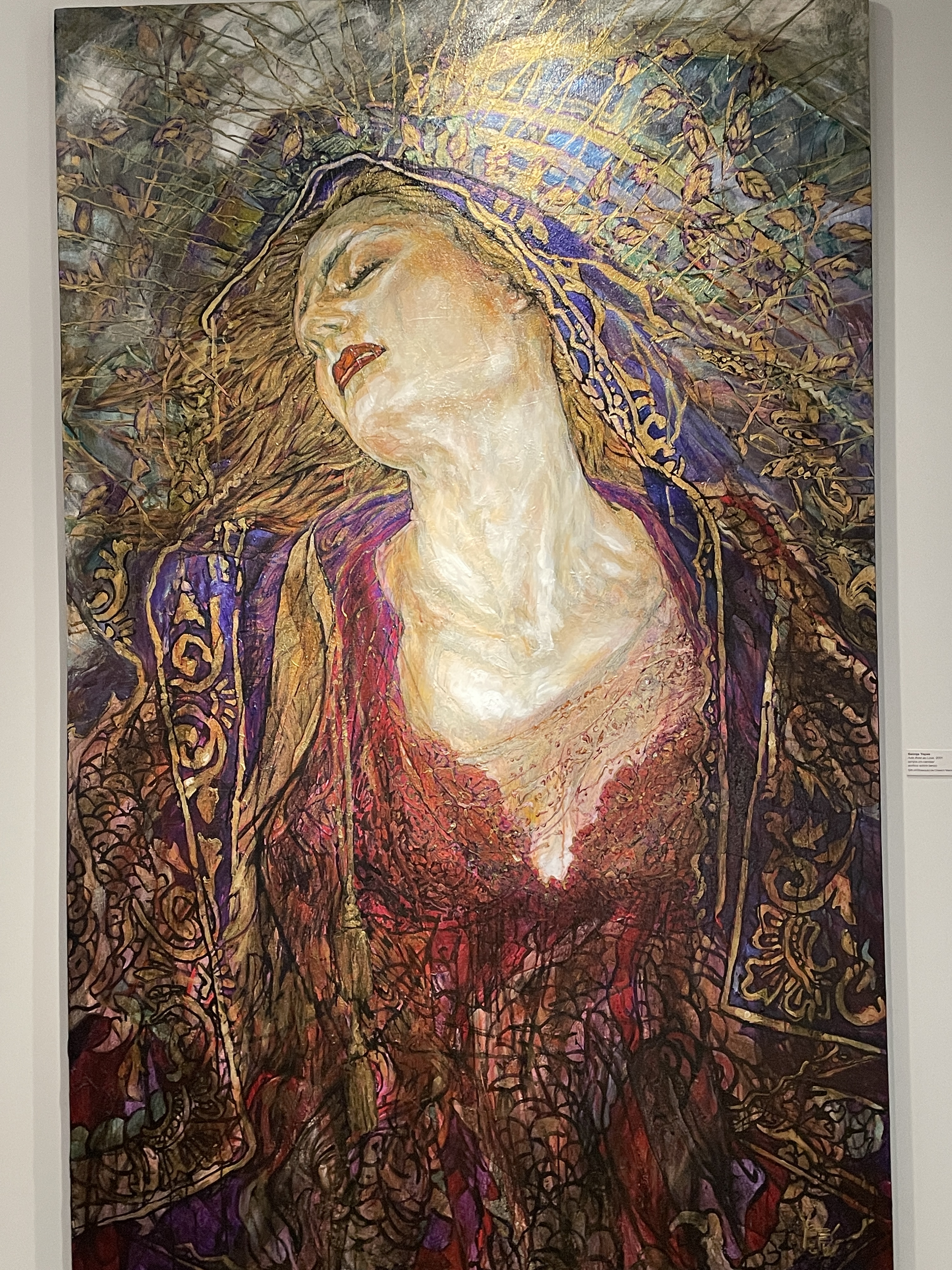
The influence of indigenous art, e.g. Aztec, Mayan, can be seem in much of the art and the statements the art makes.

The woman above and the woman below hang next to each other.

One Million Dead–We Must Remember


I see you, the dead, the too often forgotten,

you who lost your lives to Covid,

1,000,000 gone.

This is like wiping out the entire population of

Columbus, Ohio,

wiping out all the people who live in

Montana.

More of you died than live in the entire

states of

Wyoming or

North Dakota or

South Dakota or

Alaska.

This is like wiping out 1/2 the people in

New Mexico.

Lest you who read this forget,

pretend all are dead in Columbus,

no one is left in Montana.

All dead.

Envision the magnitude of

our loss.


Grieve for them, their friends,

their families.

Do Not Forget.

I post these flowers in remembrance.

The Boy From Honduras


My current writing endeavor is part of a challenge to write 20 minutes per day six days a week. The story I am going to relate now was written as part of that project. The brief introduction here was part of something I wrote the day before I wrote about the boy.

I watched “60 Minutes” on Sunday about German Jewish Americans who volunteered to go behind enemy lines before and after the end of WWII to either spy on or interrogate Nazis, often officers of higher rank. One of them related that he never met a Nazi who had any remorse for atrocities he had committed, who thought what they had done was wrong. How horrifying, to hate anyone, any group so much over religion, ethnicity, sexual preference, status, remains to a great degree beyond my comprehension. Although I may view people like the Nazis as my moral enemies, to hate anyone so much as to torture and murder them seems incomprehensible.

These views also affect my attitude toward immigration. People rarely leave their countries because they want to, they leave because they need or have to in order to survive. Often it is a matter of life or death. Now I will tell you about the boy from Honduras.

Short, straight black hair, obsidian eyes, skin the color of café con leche, he showed up at high school one day absent any knowledge of the English language. His brother, married to a US citizen, lived across the street from the high school secretary. The assistant principal brought him to me. By Texas state law he had to spend at least one period of the day with a certified ESL teacher, me. He came often even from his other classes because everything except Spanish class was in English. Written Spanish helped him only somewhat. In Honduras poor country students only attended school for a few years. The more advanced middle and high schools were in cities and required fees paid.

The counselor claimed he had not been to school at all. I knew better; he knew things that a kid only learns if he or she has gone to school. When I did not understand his Spanish, I asked him to write it down. It took me a while to figure out some of his written Spanish. He sounded it out and so instead of writing habla (h is silent in Spanish), he would write abla. When I really could not understand, I went to the Spanish teachers from Mexico; they could not always understand him either. One, who had travelled all over Mexico, said he spoke a dialect she had never heard. Over time, I learned he had started school at six, attended for four years, then went to work on a coffee plantation. He was 15 when I met him. After I showed him a photo of me picking coffee in Costa Rica, he became very excited.

His father had been murdered; his mother feared for his life so she sent him to his brother in the US. He was cheery, always smiling, played soccer at lunch with the other students, missed home. He told me his family was working with an immigration lawyer so occasionally he traveled to Dallas to meet the lawyer. Then one day he disappeared. We never saw him again. Later one of the Spanish teachers told me he had come, smuggled in a shipping container, had survived this for days. And now he was gone.

Students asked about him; we had no answers. Some who had ranted about illegal immigrants stopped ranting. It was someone they knew, liked, who had left with no answers. He was a kind, funny kid whom everyone liked. Is he in hiding? Is he safe? Is he alive? Who knows?

Reflections–Old Year, New Year


Most 2020 goodbyes ring with epithets on the horrors of 2020. I object. 2020 brought bad, yes, mainly due to Covid 19’s effects on the lives of masses. It also enlightened us:

-staying home makes cleaner air.

-staying home increases home gardening and thus healthier eating.

-staying home leads to a slower, more thoughtful life, to extra time with family.

-staying home reconnects us with ourselves.

2020 lead to positives that have nothing to do with Covid 19:

-increased awareness and concern for the lives of others different from ourselves.

-increased awareness that discrimination and brutality among our police exists and we need to fix it.

-increased awareness of the ever growing income gaps in our society.

Covid 19 did bring:

-an increased awareness of the impacts of any pandemic and that we must prepare ourselves because there will be more.

-an increased appreciation of essential workers and their roles in our everyday lives.

-an increased appreciation for nurses and doctors and other health care workers.

Spring will come,

flowers will bloom,

birds will sing.

Yesterday, I heard Bishop Michael Curry speak on national news. I will close with one sentence which remains with me:

“Love is a commitment to the Common Good.”

Reflections on Independence Day


IMG_3636

When I was a child, we lived on a farm where it rains around 40 inches annually.  On the Fourth of July, Dad always shot off a few Roman candles, and we had small firecrackers and sparklers, nothing fancy, just fun.  Even then I knew about the Declaration of Independence, revered its message.  Still do.

Now I live where it is hot and dry.  The neighbor’s fireworks display rivaled those found in cities–beautiful but dangerous in brown grass country.  I wonder if they give any thought to the history, to why anyone celebrates this day.

For the first time in the decades of my life, I did not celebrate Independence Day.  Why?

Born decades ago, I originally went to college in Virginia where I experienced the shock of real segregation; I had not grown up where it was like that. I was horrified, lasted only one semester, then transferred.  Later I attended a college which shut down in protest over the Viet Nam War, I supported The Civil Rights Movement, I helped create one of the first intercollegiate groups to advocate for abused women, and with an ethnically diverse group I taught diversity classes for teachers.

Now in 2020, I feel that even with all that hard, determined work, progress has been too limited.  It is as if I have been transported back to 40 years ago.  People need to learn from the history most do not even know:

-Cotton Mather, the leading intellectual and Puritan minister in the colonial era, actually helped butcher King Phillip (Metacomet) like an animal.  What did he do to deserve this?  He tried to save his Native people.  Cotton Mather later writes about tearing Metacomet’s jaw from his skull.

-In 1676, when poor whites joined enslaved Africans to rebel for a better life and decent living conditions, fighting for justice against the wealthy planters, those rich planters realized they had to get poor whites to hate Blacks.  They took land owned by Blacks and gave it to poor white people and then paid them to hunt down and abuse, even kill, people of African descent.

-Later, the same Cotton Mather mentioned above, learned from his slave that in Africa, Africans had been taking pus from a smallpox infected person and inoculating others with it to prevent smallpox from spreading.  He refused to believe any African  could be so smart even though he inoculated himself and his family after learning this.  Later, he wrote this about his African slave who had told him the story that may have saved his life: “…brokenly and blunderingly and like Idiots they tell the Story.”

-Of course, we all know that the intellectual giant, Thomas Jefferson, held the deed to the woman who would later bear him numerous children while he proclaimed those famous words that all people are created equal.

The history of racial and ethnic hatred goes back to the inception of this country.  It continues to poison progress and hope.  It never seems to end.  I am tired of it.  Enough is enough.


Thoughts on New Year’s Day


16 degrees, windchill 2, flurries.

Keep warm, reflect, remember, don’t relive,

forgive, move on.

Work hard to become the change you want to see worldwide:

-Empathy

-Kindness

-Love

-Patience

-Understanding


IMG_2908

A Letter to the Man I Loved the Most


Today is your birthday, June 6.  I cannot wish you Happy Birthday because you fell into a coma a year and 1/2 ago and died several months later.  Our daughter came over and over to see you, unconscious, eyes staring into empty space.  She drove the five hours back and forth repeatedly.  Sometimes I came with her.

What happened to you?  Your mahogany hands and arms looked as they did when I first met you decades ago.  I looked at the signs of aging on my own; yours seemed so young, ageless.  But not your face.  I wonder if I would have recognized you on the street.  I remember the first time I saw you, sitting on a sofa–fancy, engraved silver tipped cowboy boots, shirt open half way down your chest, and your smile radiating across the room.  I knew immediately I had to have you.

What happened to you?  How could I have guessed I could be so wrong, decades of believing you just left, no explanation, nothing.  Then after you are comatose and I cannot talk to you, I learn a far different truth, a truth that never leaves me, a truth from which I will never totally recover.

What happened to you?  Charming, laughing, the man so many loved.  That you.  Did the other you finally dominate–the sad, disappointed, angry you?  The you few knew, the hidden you, the one I often held, tried to protect. Now I talk to your cousin, the one you forbade to tell me the truth I never knew, the friend I thought I had lost forever.  Yesterday we talked.  Today she left me a message.  She and I will never be the same, she filled with irreparable loss, your company, your mutual love, and I with a hole in my heart that can never be filled because I cannot talk to you.

What happened to you?  A decade ago when you came to see our daughter, it was like I had seen you only yesterday, in so many ways as if we had never been apart.  It haunted me.  You could have told me then, the truth.  But no, I had to learn it by accident from our daughter.  She thought I knew, that you had told me.

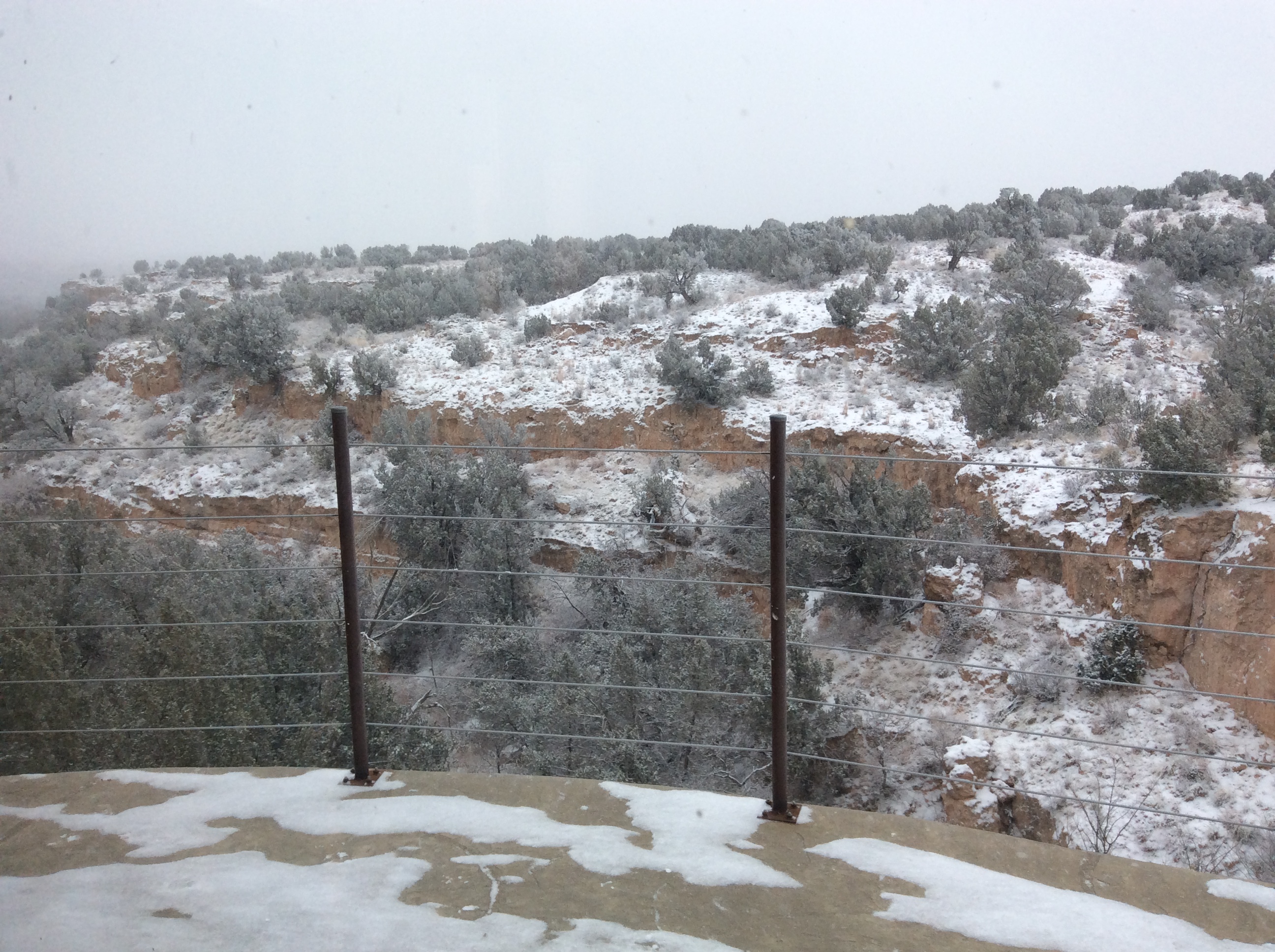
What happened to you?  I look at photos of us, young, filled with hope and love and promise, smiling brightly toward a camera.  I wonder how different my life might have been.  I will never know.