One Book a Week-8:”The Seven Moons of Maali Almeida”, Shehan Karunatilaka


The Booker (previously Mann-Booker) Prize winner in 2022, this book is filled with gruesome events and dark, graveyard humor. Since if takes place in Sri Lanka, if you know little about Sri Lanka history in the last 50 years, you might want to do a quick review so you know about the civil unrest and the various Sri Lankan ethnicities, e.g. Tamil, Sinhalese, Burgher. Written from the viewpoint of the title character, a war photographer, after being murdered, he resides in a sort of celestial purgatory while he tries to save his two best friends and male lover who are still alive and discover the identity of his murderer. He is given seven moons in which to accomplish this task. Not a book for the faint of heart, it contains gruesome war and torture details but frequently is also quite funny and filled with “truths”. In an interview the author explained, “Sri Lankans specialize in gallows humor; it is our coping mechanism.” As I read, I underlined passages I found especially meaningful, profound, or fascinating. Here are some of them:

“-There are only two gods worth worshipping. Chance and electricity.

-Hell is all around us and it is in session as we speak.

-Evil is not what we should fear. Creatures with power acting in their own best interests; that is what should make us shudder.

-There has never been an era of peace in all recorded history.

-Interest in fair play and democracy are not always the same thing.

-I have a superb name for God. Whoever.

-Laws are needed because made-up religions are not enough.

-The universe is nothing but mathematics and probabilities…we are nothing more than accidents of our births.

-They say the only thing worse than being talked about is not being talked about.

-Your race, your school, your family will dictate how the dice of life will fall for you.

-All religions keep the poor docile and the rich in their castles.

-People are ok if bad things happen to people who are not them.

-Do not be afraid of demons; it is the living we should fear.

-I have thought long and there are no answers. There is only this. There is only now.

-We must all find a pointless cause to fight for, or why bother with breath?

-The kindest thing you can say about life. It’s not for nothing.

-I cannot understand why humans destroy when they can create. Such a waste.”

One Book a Week-7: “Memorial Drive, A Daughter’s Memoir” by Natasha Trethewey


Published in 2020, and a must read for anyone who cares about abused women, their rights, and how law enforcement often fails them, this book by Trethewey, 2007 Pulitzer Poetry Price winner for “Native Guard”, voices her struggle to deal with her mother’s untimely death. When Trethewey was nineteen and in college, her mother was shot and killed by her step-father after the police officer assigned to protect her mother left his post early. Additionally, the memoir details the effects of the racism she experienced as the child of a white father and black mother (married when it was illegal where they lived) in Mississippi and later in Atlanta in the 1970s and 80s before her mother’s murder in 1985. The book gets its title from the street on which her mother lived when she was murdered. Through this memoir Trethewey discusses how her parent’s divorce, her mother’s remarriage to an angry, abusive man, and her mother’s murder has informed her life and affected the enduring love she holds for her mother.

One Book a Week-6: Drive Your Plow Over the Bones of the Dead by Olga Tokarczuk


Even though I try to keep up-to-date on Nobel Prize authors, I was unfamiliar with this one until I saw this book on a table at Barnes and Noble. First, the title intrigued me; then the blurb added more mystery. I bought it–so glad I did. Once I started, there was no stopping–fascinated.

Written in first person, it is contains the thoughts and experiences as related by an older woman. Once a bridge engineer, she now resides in the Polish countryside near the Czech border. Winters are harsh; most of the people who live there live there only in summer. She stays and cares for the houses of the summer people while they are gone all winter. She also teaches English part-time to children at the local school. Her passions are animals and astrology. Even though a science type, she is totally convinced that astrology contains life’s secrets even to the point of predicting the time and events of a person’s death. The book is also a murder mystery with an ending totally different from what I expected.

Now I am going to purchase the author’s book, Flights, which won the Mann Booker prize in 2018.

One Book a Week-3


While wandering around Barnes and Noble looking for something new to read, I read the blurb for An Imaginary Life by David Malouf, an Australian writer. I bought it. Of course, I had heard of Ovid, seen parts of Metamorphosis, his most famous work, but knew little about him. Emperor Augustus exiled him to the remote regions near the Black Sea for reasons not totally known but perhaps due to the nature of Ovid’s erotic poetry which was very popular. Written in the first person, this book relates Ovid’s experiences, thoughts, and feelings while in exile. The urbane and educated Ovid now has to learn to live with superstitious, illiterate, poverty stricken people whose language he does not know, who possess none of amenities to which he is accustomed, who live in a bare survival mode. They find a “wild child” and Ovid becomes determined to catch him and teach him. The Child has lived with the animals and speaks their language, seems immune to weather even though naked, knows nothing of humans. As Ovid lives with and teaches the Child, he begins to question what it means to be human, to be civilized, to be different. What is the true meaning of life?

Note: If you look up Ovid, you will find a birthdate but no date of death. No one knows exactly when or where he died or where he was buried.

An Afternoon at the Cheech Museum – 2


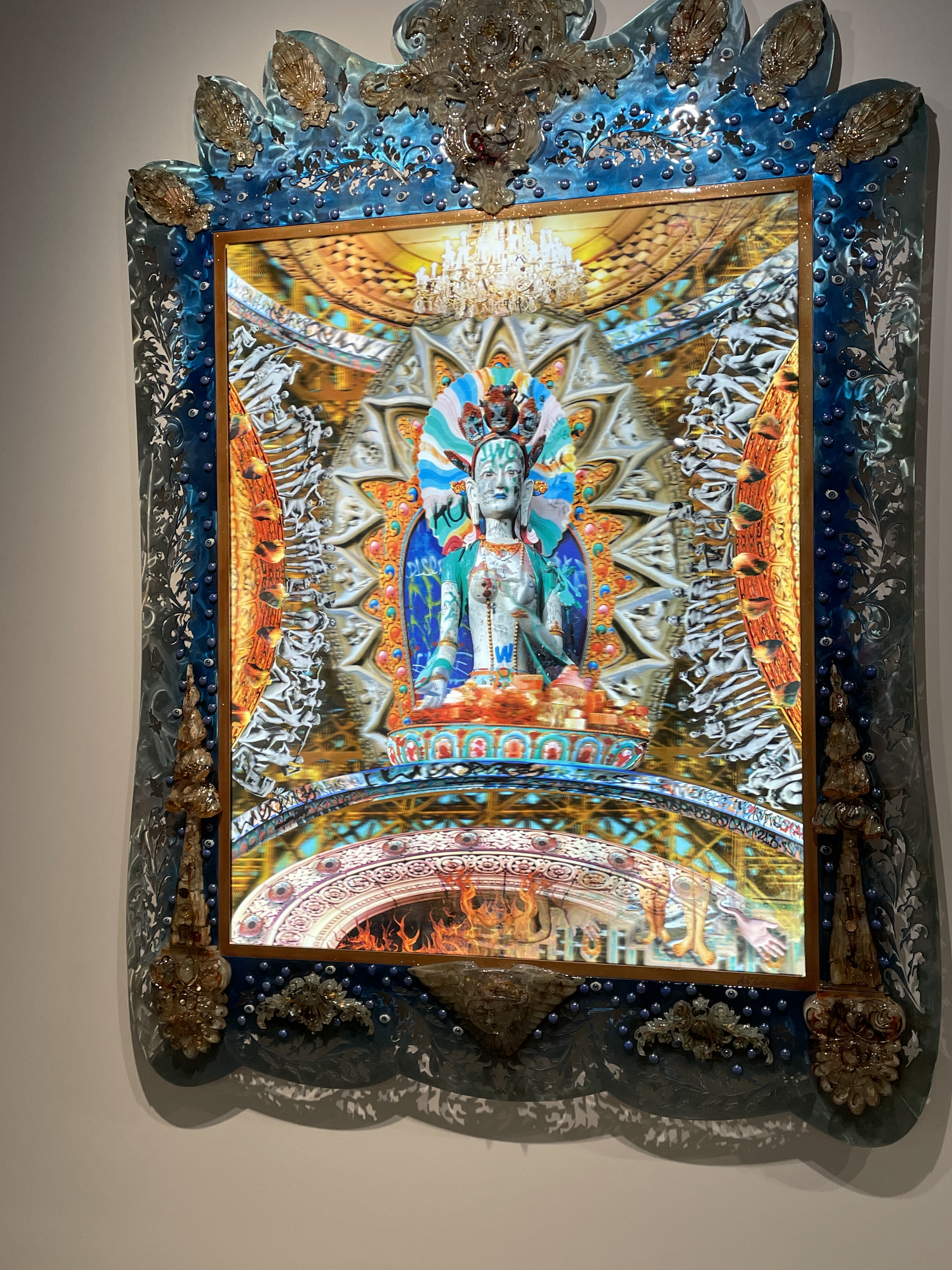
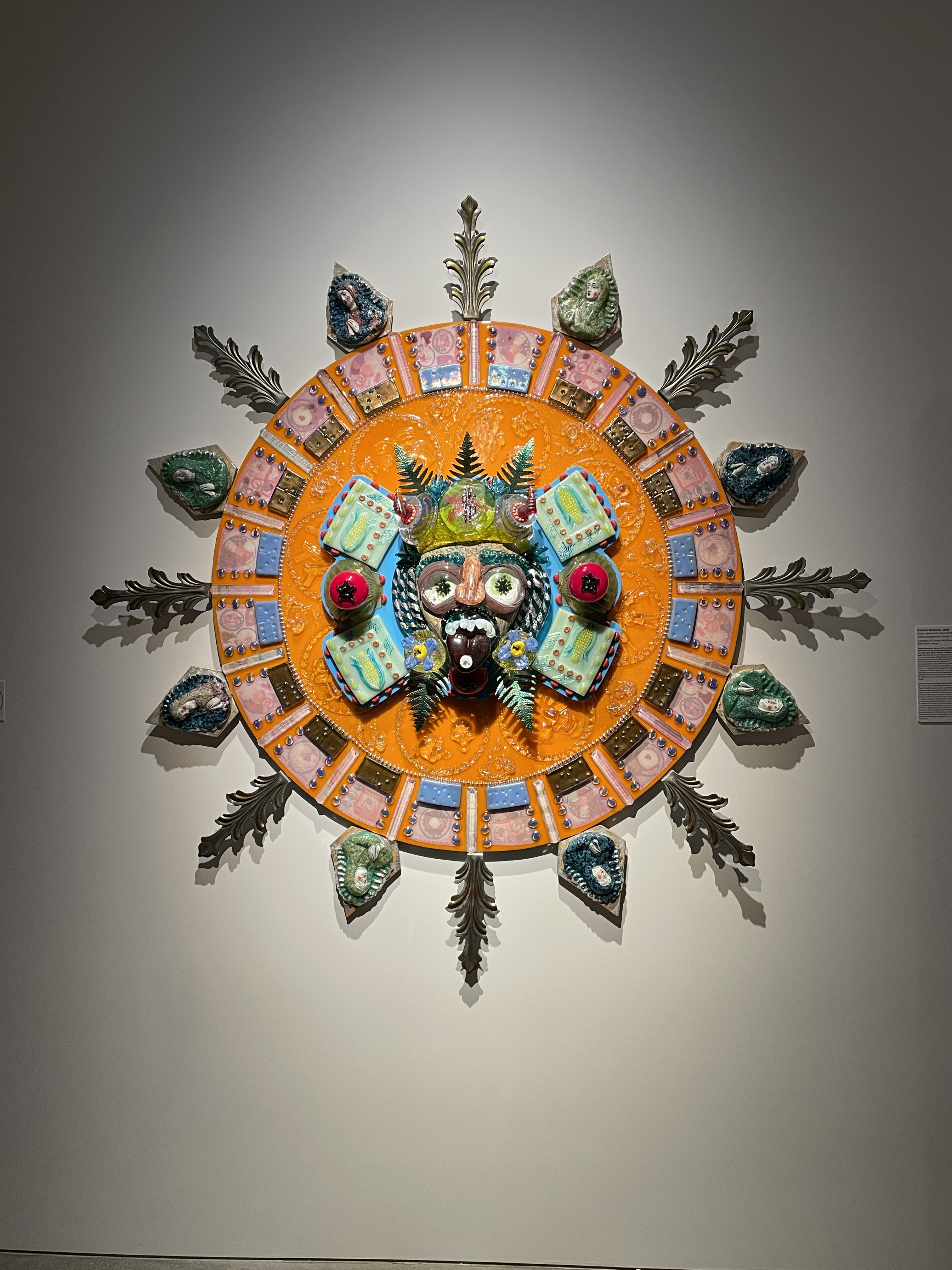
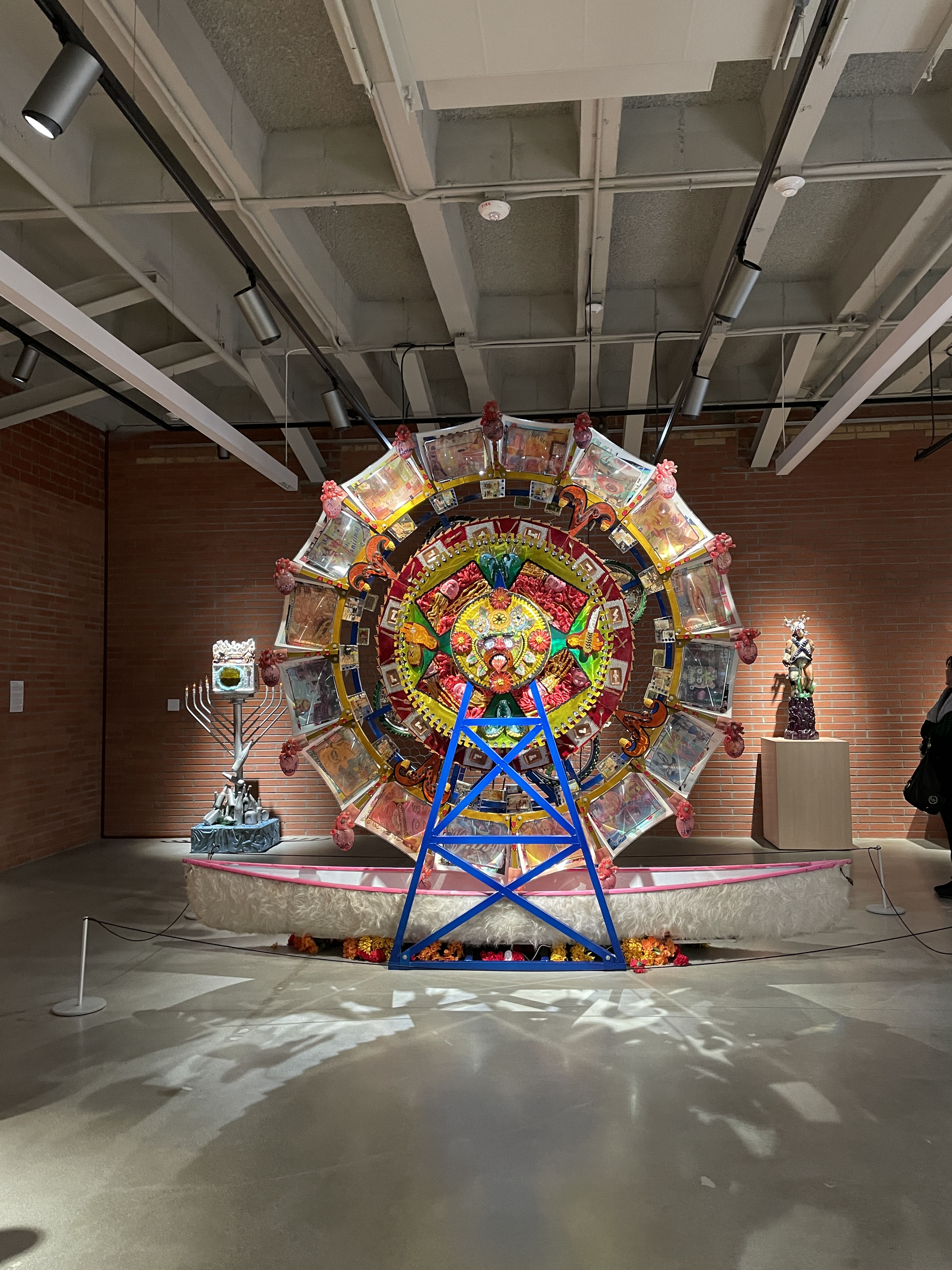
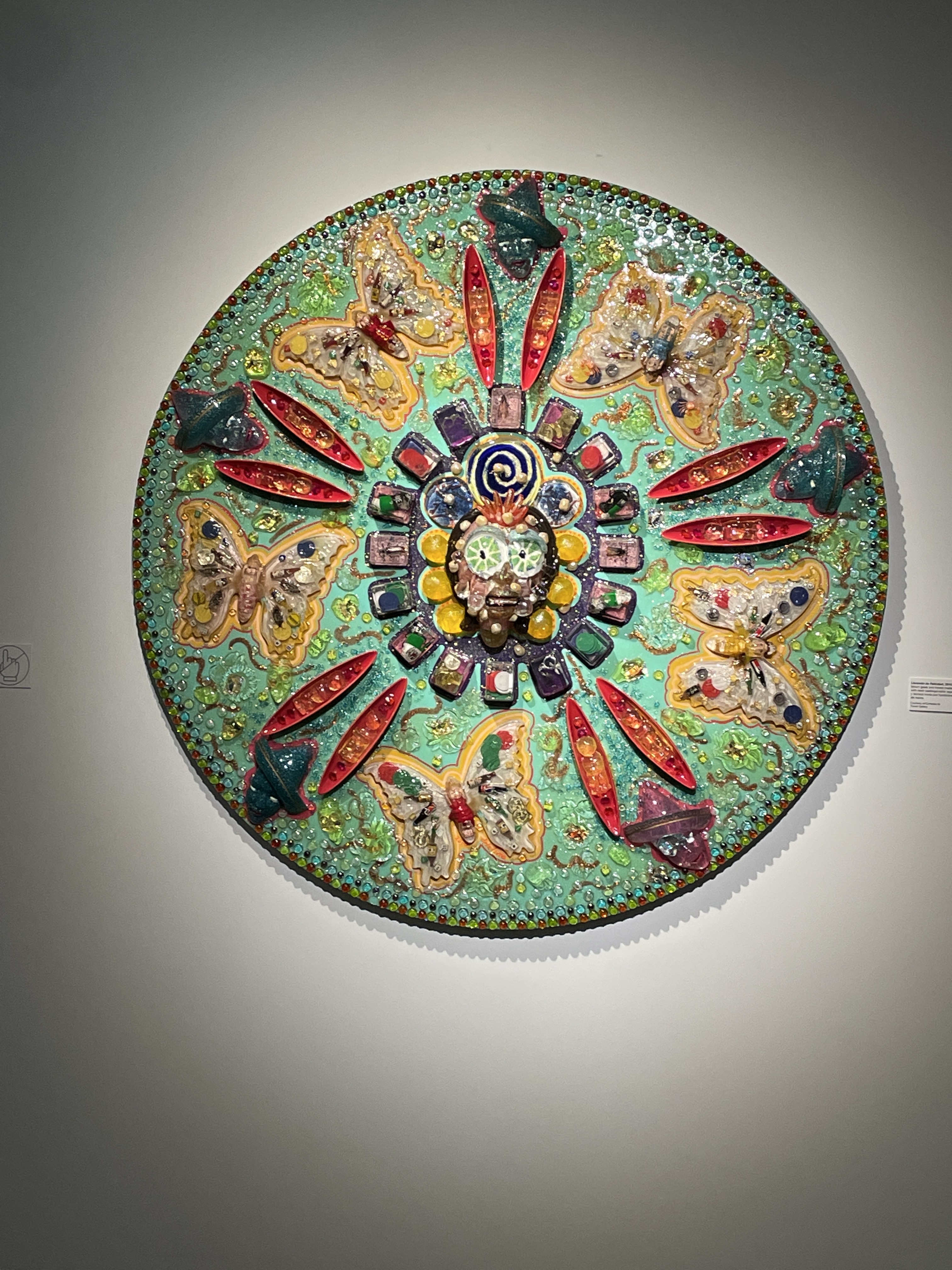
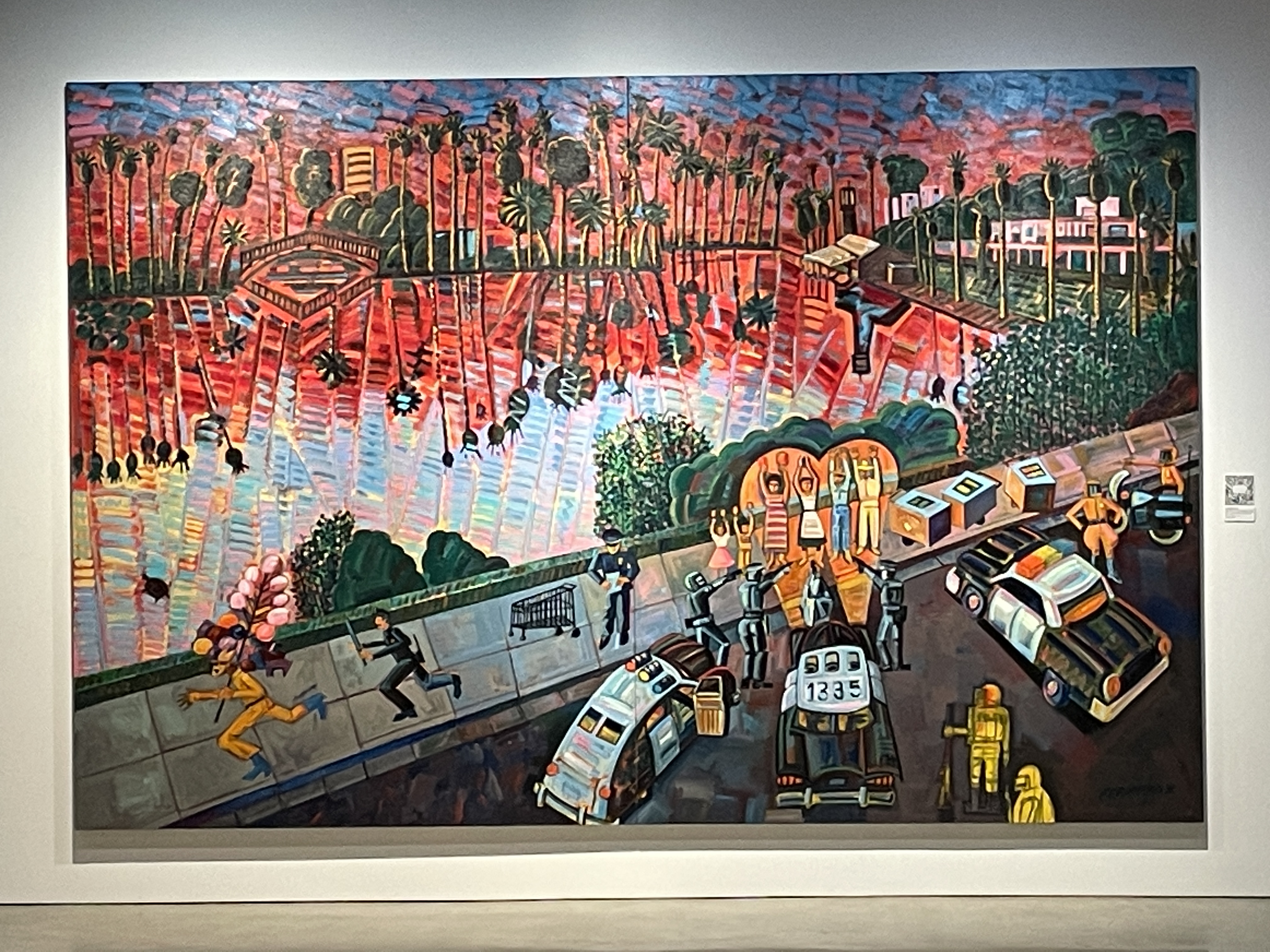
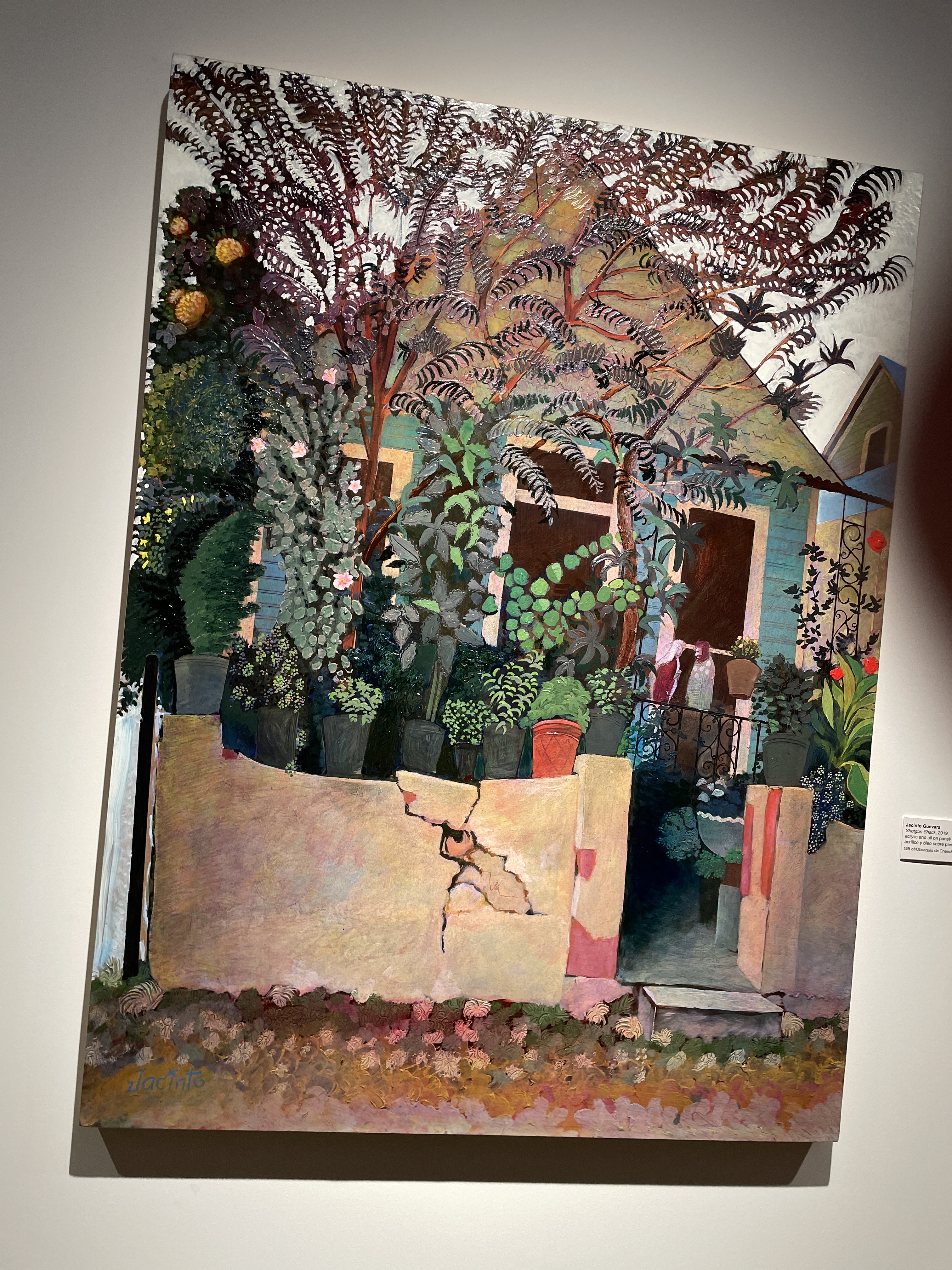
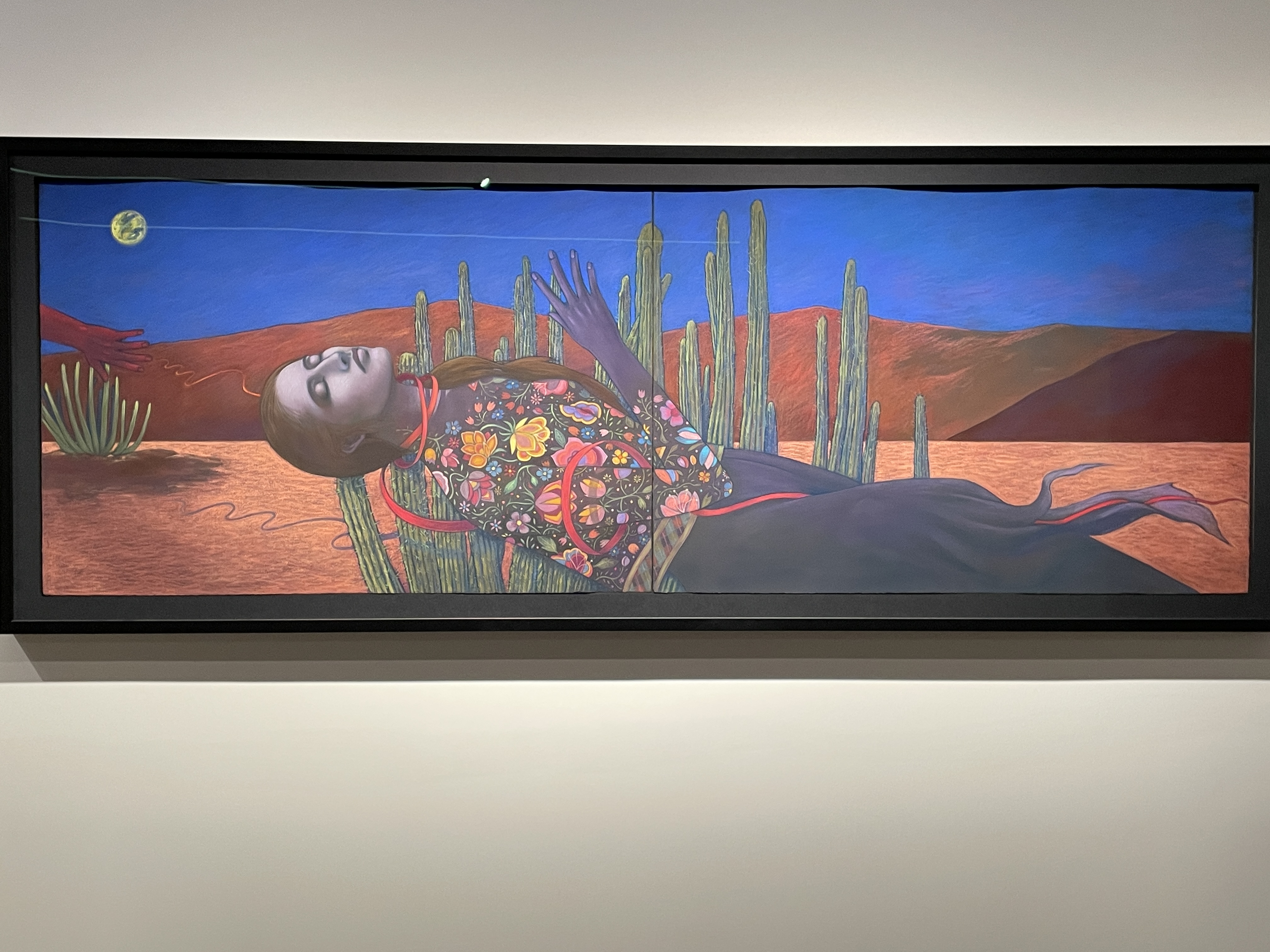
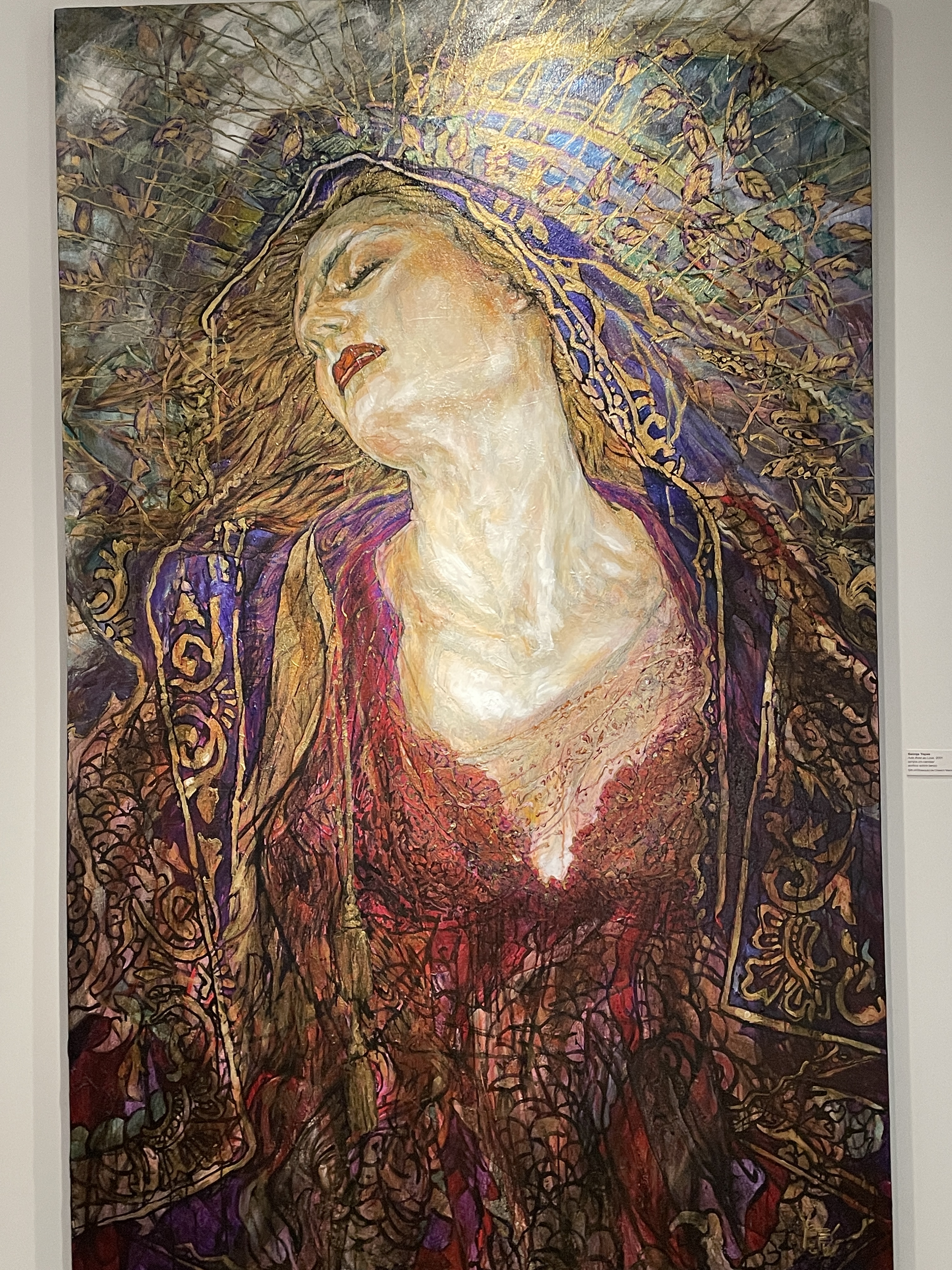
The second floor of the Cheech contains even more astonishing art including more multidimensional pieces except smaller than the giant one you see when you enter the building.

Depending where you stand in front, to either side, what you see is quite different. I kept thinking some old Flemish art or Hieronymus Bosch meets modern technology.

Much of the art makes a social or political statement especially about colonization, culture, poverty.

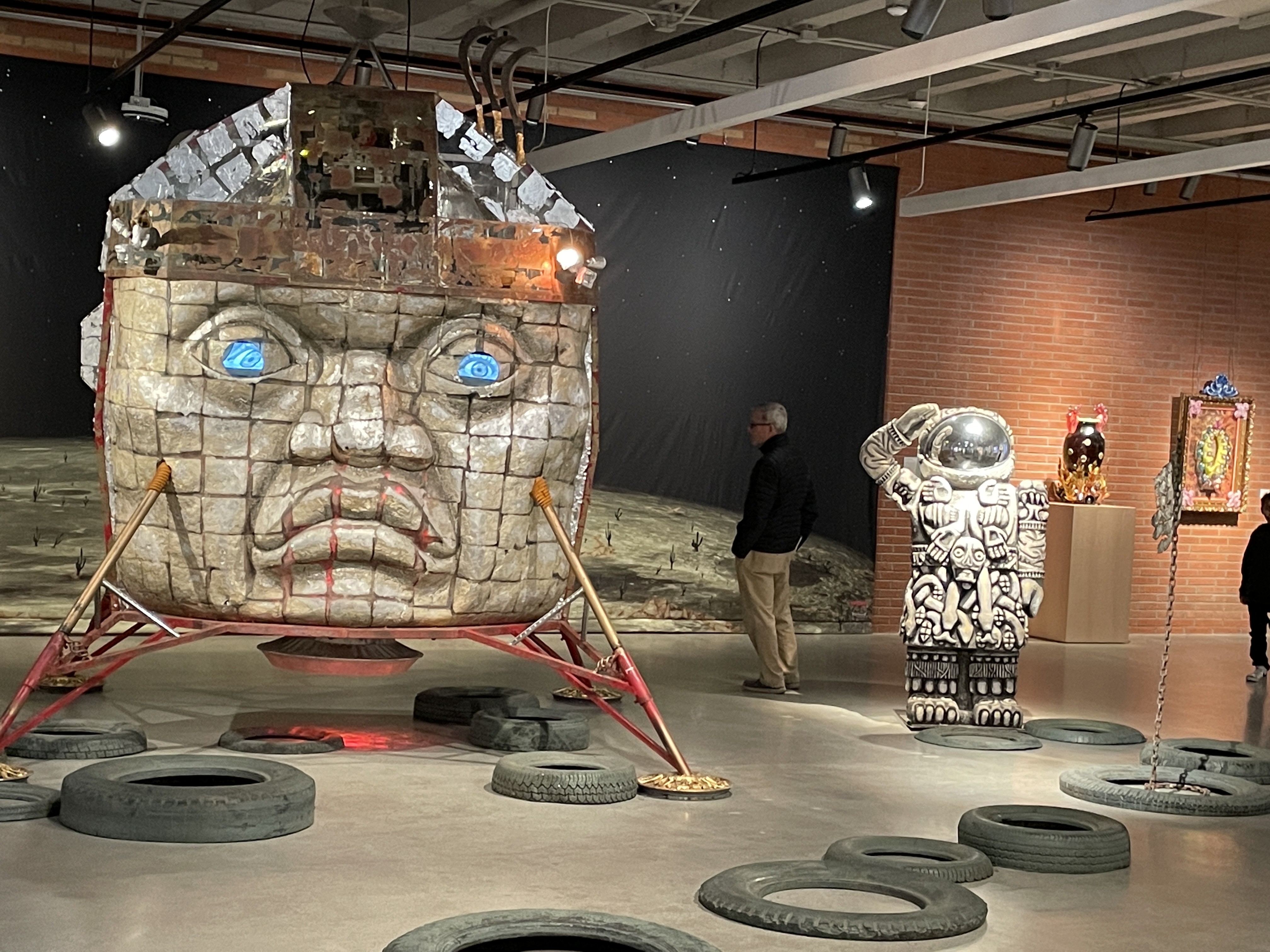
Some of the art is reminiscent of Mayan and Aztec calendars.

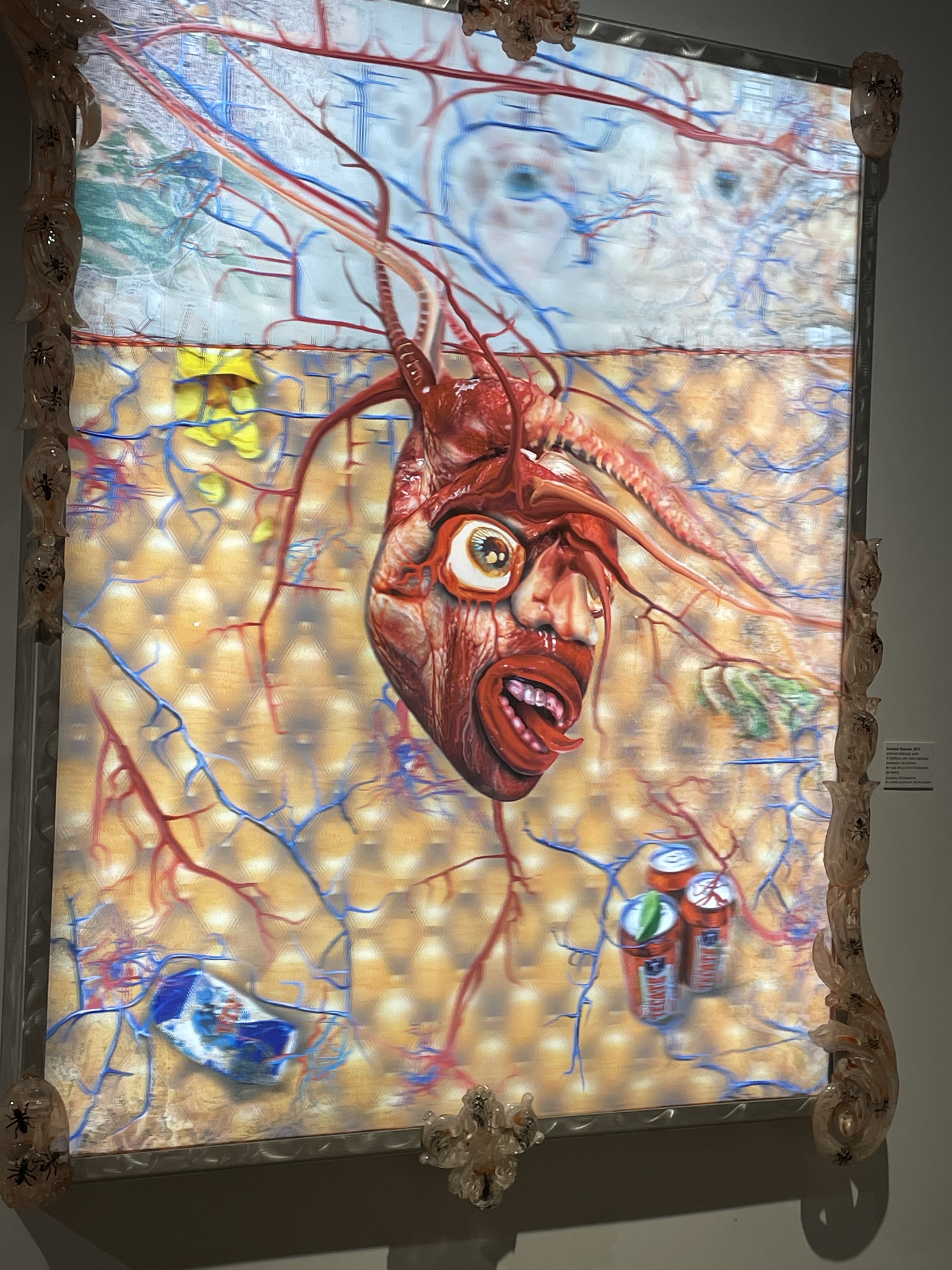
Hearts appear in many of the paintings.

And of course Frida.

This is a space ship with changing eyes. If you walk around the back there is a creature inside watching everything with monitors.

An Afternoon at the Cheech–1


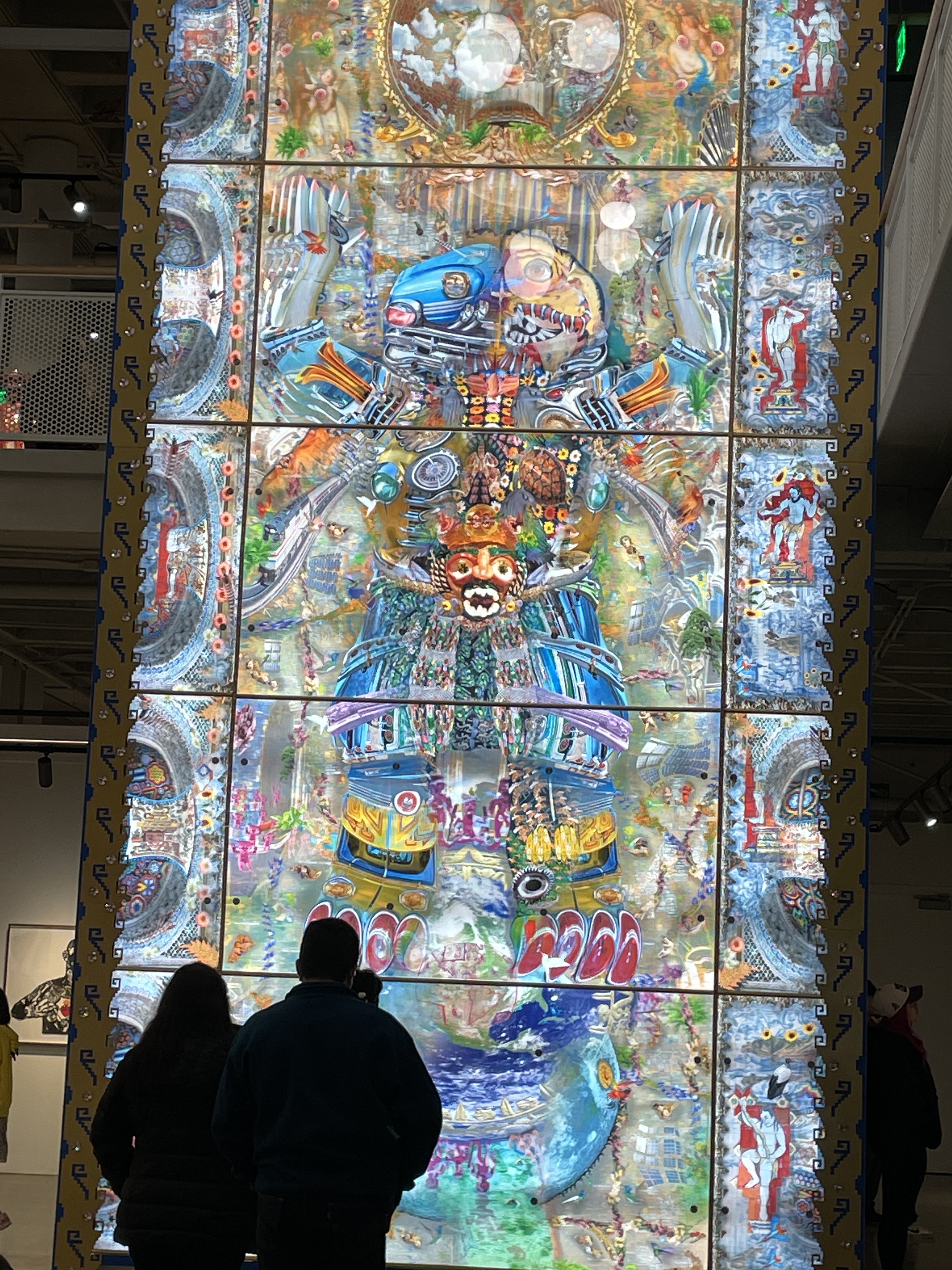
Some of you may remember the comedy duo Cheech and Chong way back in the day. Cheech has spent his life collecting Chicano and Chicana art. This year he gave a lot of his art collection to open a new museum in Riverside, California. Earlier this week my grandson, his girlfriend and I went to visit the museum. Photos and videos are allowed without flash. The following is the first set of photos I took. Please note that you need to see this art for yourself. Photos do not do it justice. Much of it is multidimensional and looks very different depending on where the viewer stands.

This is what you see when you enter the door; it is two stories high and multidimensional. Look how different the next photo of it looks from this one.

Walk farther to the side and it looks totally different again.

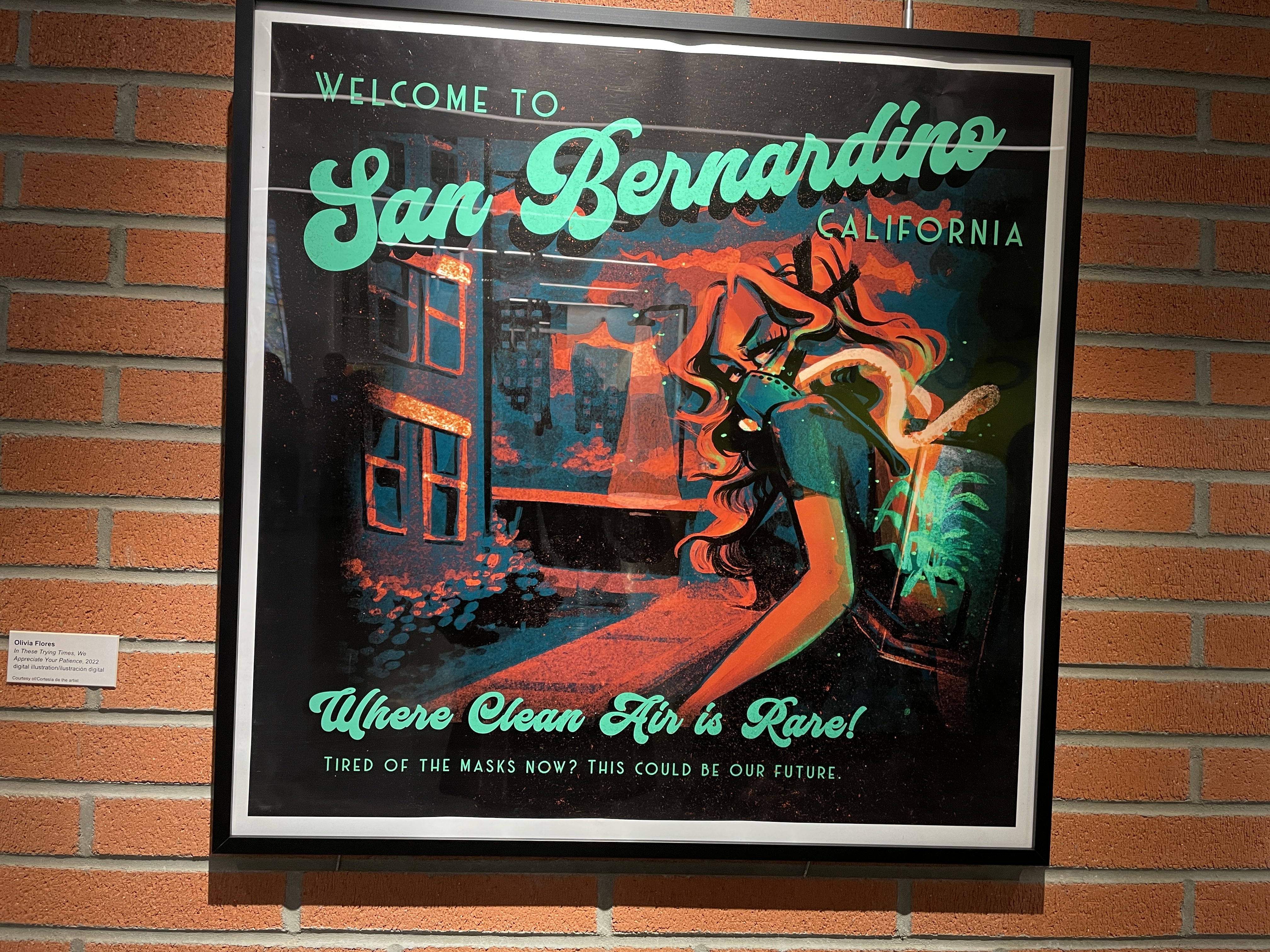
This speaks for itself. Right now where I live the air is clean enough that unless it is foggy, I can see all the way to downtown LA 30 plus miles away.

All the art at this museum has a message; much of it illustrates the ills of society.

The influence of indigenous art, e.g. Aztec, Mayan, can be seem in much of the art and the statements the art makes.

The woman above and the woman below hang next to each other.

One Million Dead–We Must Remember


I see you, the dead, the too often forgotten,

you who lost your lives to Covid,

1,000,000 gone.

This is like wiping out the entire population of

Columbus, Ohio,

wiping out all the people who live in

Montana.

More of you died than live in the entire

states of

Wyoming or

North Dakota or

South Dakota or

Alaska.

This is like wiping out 1/2 the people in

New Mexico.

Lest you who read this forget,

pretend all are dead in Columbus,

no one is left in Montana.

All dead.

Envision the magnitude of

our loss.


Grieve for them, their friends,

their families.

Do Not Forget.

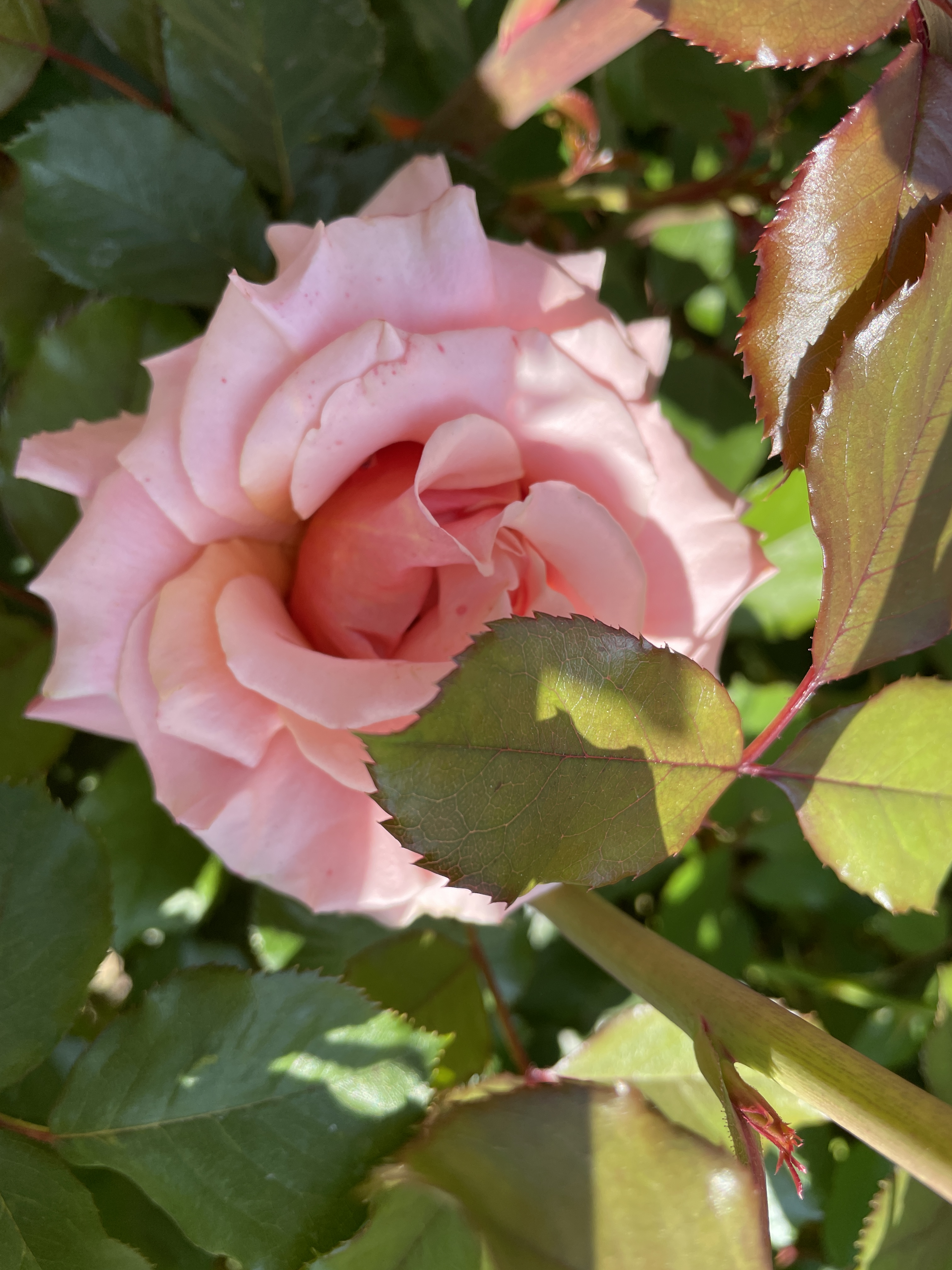
I post these flowers in remembrance.

The Boy From Honduras


My current writing endeavor is part of a challenge to write 20 minutes per day six days a week. The story I am going to relate now was written as part of that project. The brief introduction here was part of something I wrote the day before I wrote about the boy.

I watched “60 Minutes” on Sunday about German Jewish Americans who volunteered to go behind enemy lines before and after the end of WWII to either spy on or interrogate Nazis, often officers of higher rank. One of them related that he never met a Nazi who had any remorse for atrocities he had committed, who thought what they had done was wrong. How horrifying, to hate anyone, any group so much over religion, ethnicity, sexual preference, status, remains to a great degree beyond my comprehension. Although I may view people like the Nazis as my moral enemies, to hate anyone so much as to torture and murder them seems incomprehensible.

These views also affect my attitude toward immigration. People rarely leave their countries because they want to, they leave because they need or have to in order to survive. Often it is a matter of life or death. Now I will tell you about the boy from Honduras.

Short, straight black hair, obsidian eyes, skin the color of café con leche, he showed up at high school one day absent any knowledge of the English language. His brother, married to a US citizen, lived across the street from the high school secretary. The assistant principal brought him to me. By Texas state law he had to spend at least one period of the day with a certified ESL teacher, me. He came often even from his other classes because everything except Spanish class was in English. Written Spanish helped him only somewhat. In Honduras poor country students only attended school for a few years. The more advanced middle and high schools were in cities and required fees paid.

The counselor claimed he had not been to school at all. I knew better; he knew things that a kid only learns if he or she has gone to school. When I did not understand his Spanish, I asked him to write it down. It took me a while to figure out some of his written Spanish. He sounded it out and so instead of writing habla (h is silent in Spanish), he would write abla. When I really could not understand, I went to the Spanish teachers from Mexico; they could not always understand him either. One, who had travelled all over Mexico, said he spoke a dialect she had never heard. Over time, I learned he had started school at six, attended for four years, then went to work on a coffee plantation. He was 15 when I met him. After I showed him a photo of me picking coffee in Costa Rica, he became very excited.

His father had been murdered; his mother feared for his life so she sent him to his brother in the US. He was cheery, always smiling, played soccer at lunch with the other students, missed home. He told me his family was working with an immigration lawyer so occasionally he traveled to Dallas to meet the lawyer. Then one day he disappeared. We never saw him again. Later one of the Spanish teachers told me he had come, smuggled in a shipping container, had survived this for days. And now he was gone.

Students asked about him; we had no answers. Some who had ranted about illegal immigrants stopped ranting. It was someone they knew, liked, who had left with no answers. He was a kind, funny kid whom everyone liked. Is he in hiding? Is he safe? Is he alive? Who knows?

Covid19–2


The saga of staying sane, learning new skills, keeping occupied continues.  When I posted Covid19–1 a couple of days ago, the Panhandle of Texas had two cases, now we have ten, one of whom, at the age of 39, has died.  Another 30 something is in critical condition.  A case was announced this morning at Cannon Air Force Base just across the state line.

Yet, I can think of positives arriving from this:  people at home reading, spending more time with family, cooking, playing games, relearning old skills.

What have I done recently?  I teach high school English and Spanish.  Starting Monday, we will be teaching online using Google Classroom.  I have used it before but not for over a year.  Probably overkill, but yesterday I spent something like four hours taking a class on how to use it and relearning.  More to come today.  I have the English lessons hand written, all planned out.  Now I have to convert them to Google Classroom. Perhaps with Spanish I will change course totally and use Duo Lingo for many of the lessons.  Did that last year, but not this one.

Luckily, living out in country, having horses, having lots of gardening to accomplish makes this quite a bit easier.  Horses have to be fed and cared for, weeds require hoeing or mulching, dead wood must be cut out of woody plants, the tasks seem endless.  Since we are having a heatwave and temperatures are considerably above normal, I can hike, walk the long drive to the mailbox, eat lunch on the patio as I did yesterday.  The mustard weeds out by the barn suddenly grew more than two feet tall; it was driving me nuts–I cannot stand mustard weeds.  Yesterday afternoon, I got out the tractor and mowed.  They are tough.  When I fed the horses this morning, I saw a few had regenerated themselves and were sticking up again. I might have to do this over.

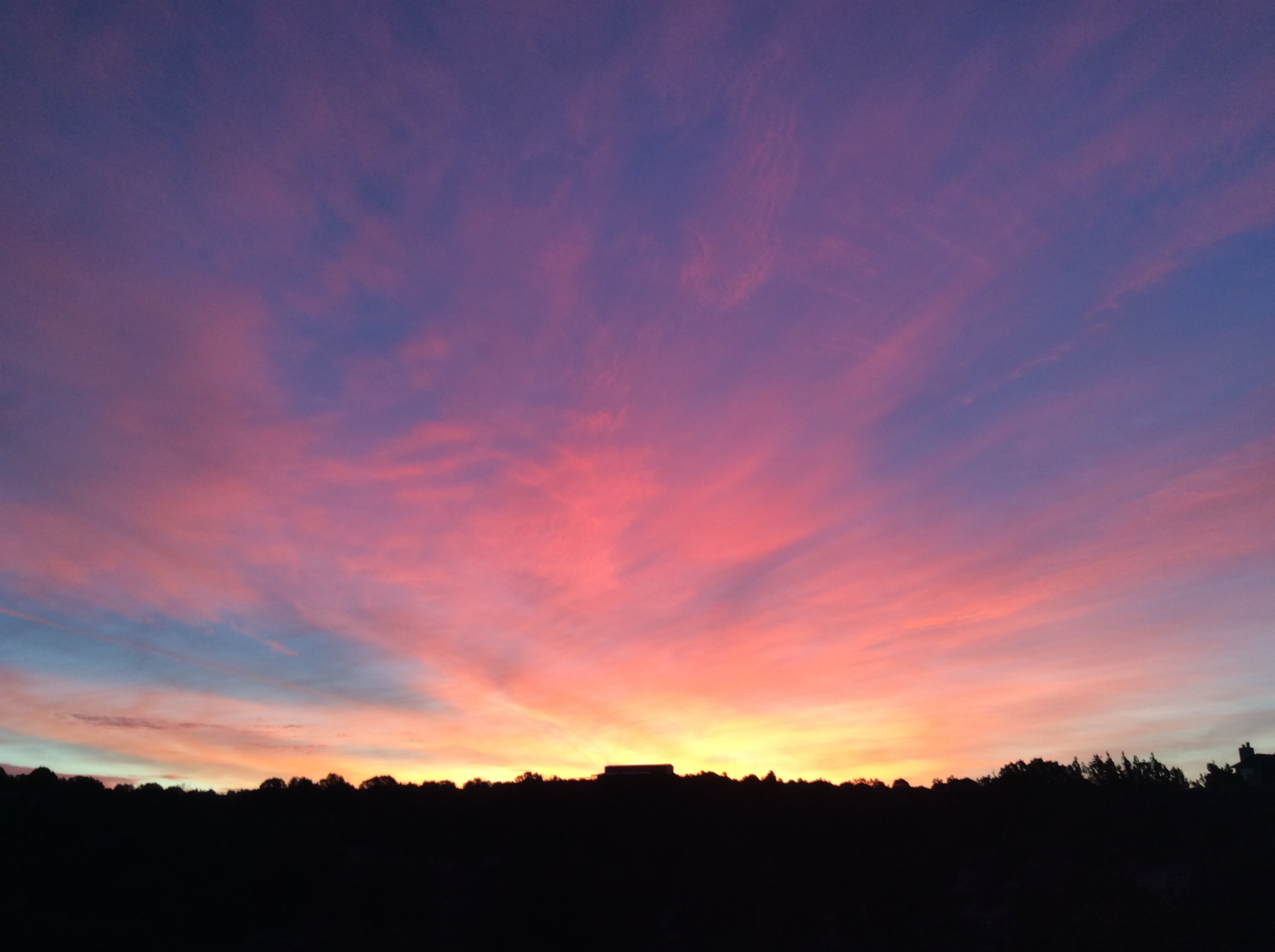
In the midst of this crisis, I have noticed far too many people around here seem not to take this seriously.  It appears, looking at the news, that this is a problem in many parts of the country.  Do we want to be like Italy?  I received a message from Martina there.  More and more dying and no end in site.  When I stepped out on the patio this morning to take the photo that appears below, the traffic on the main road was as loud as it is when nothing is happening, when people are not asked to stay home.  Is no one complying?  Why?

Meanwhile I will take advantage of all the positive things I can find in this–communicate with friends and family all over the world, garden, cook, learn more Google Classroom, relearn some pieces on the piano, water before the predicted wind for tomorrow occurs, brush the shedding hair off my horses, read, and perhaps join the online Zumba class in San Antonio at 4.  Life, even in times of crisis, is what you make of it.

Be safe!  Learn something new!  Laugh out loud!

IMG_4557

Covid19–1


Will many record their experiences during this difficult time?  I have no idea.  However, a thought came to me yesterday that I should–not sure why, just that this is something I should do.  Interesting because I am not really into “shoulds.”

Because Martina, the exchange student who lived with me this time last year, lives n Milano, I have realized the seriousness of this for weeks.  She and her family have been quarantined for so long that I have lost track of just how long.  A couple of days ago her mother had to go to the grocery.  It took her four hours to get through the line.  She has a grandfather over 90; they worry about him; he is scared.

Yet, here in the Panhandle of Texas, many fail to realize just how awful this can get.  Until yesterday, when they had no choice due to the statewide mandate, they went out to eat, exercised at the gym, congregated in mass at bars, you name it. Now schools are closed until April 3 when the situation will be re-evaluated.

In the last ten days the only places I have gone are the grocery, the doctor’s office–for an awful allergy attack.  Luckily, I live out in the country, have horses.  They have to be fed twice a day, their runs cleaned.  Today it is 70, the patio doors are open; I might even take a little hike later.  Just me and Athena, my black, standard poodle.

Luckily, it has been spring break so I have had plenty of time to think about what to do with myself as I keep myself quarantined–I am not even going to my daughter and grandson’s house–I really miss seeing them.  What do I do:  have read two books, almost finished crocheting a poncho, worked one warm day in the garden, graded all the papers I brought home and posted them, cared for the horses, cooked, communicated with friends worldwide–Covid19 is everywhere, watched some TV, mostly news and documentaries.  One thing I will do every day is act as if I am actually going somewhere, put on my makeup, get dressed, have a plan for the day.

This morning I went to the grocery.  What did I do when I returned home?  I left the bag outside to air–will disinfect it shortly, I took off my clothes in the laundry room and put them to wash.  Then I took a hot shower.  Why all this you ask?  The virus can stay in your clothes for 24 hours.  There were more people in the store in the morning than I expected.  Are they healthy, virus free?  No idea.  In the county where I live, there have been two cases already.  I do not want to risk it.  Although I am healthy, I am in one of the higher risk categories due to my age.  I do not mind dying, but who wants to die from this?  I don’t.

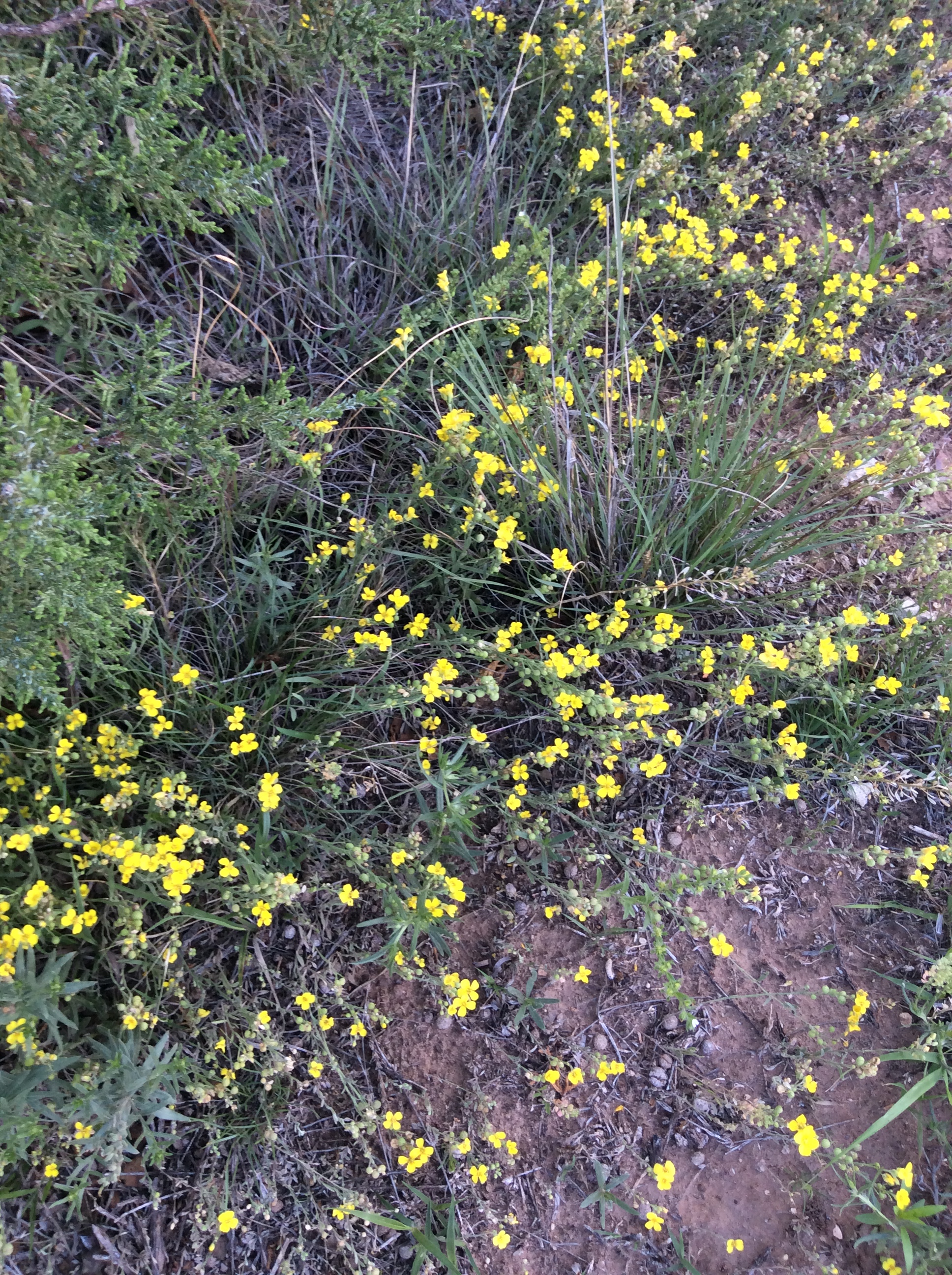
It is a nice spring day outside, the wild flowers are starting to bloom, and I need to relearn how to use Google Classroom because that is how I will be teaching English and Spanish until who knows exactly when.  I have used it before over a year ago.  I need to refresh myself.

Here are a few pictures of the wild flowers around my house.  After this, review Google Classroom and maybe play the piano for a bit.

Take care of yourselves.  Be safe. Be wise.


IMG_3630

IMG_3340