After several trips to the gardens, about which I have already blogged, and one to the two art galleries, earlier this week I went with Faith Mowoe to The Huntington Library. The photos are somewhat self explanatory.
It is possible for scholars to see some of the many documents not on display.The second floor is full of books and documents, but regular visitors are only allowed on the first floor.Chaucer.Cicero works copied in the mid 1400s see above.Sir Isaac NewtonNewton was interested in astrology–this surprised me.I learned that Newton was quite interested in astrology. Hence the photo previous to this one.More on Newton’s interest in astrology.The Gutenberg Bible.A little known play by Shakespeare as it was published during his lifetime.The above two photos are original copies and drafts of Joyce’s most famous work.This book is extremely large and contains original Audubon pictures.Octavia Butler was a California native. I am a big fan of her work and am currently in the middle of her Patternist series. Last year I taught one of her short stories about a pandemic.
The library is also full of old maps from all over the world. They compare maps to novels and how the plot of a novel is a map in words. Here is an example of a map from Don Quixote. Many modern fantasy novels have maps of the locations of places in the novel.
My current writing endeavor is part of a challenge to write 20 minutes per day six days a week. The story I am going to relate now was written as part of that project. The brief introduction here was part of something I wrote the day before I wrote about the boy.
I watched “60 Minutes” on Sunday about German Jewish Americans who volunteered to go behind enemy lines before and after the end of WWII to either spy on or interrogate Nazis, often officers of higher rank. One of them related that he never met a Nazi who had any remorse for atrocities he had committed, who thought what they had done was wrong. How horrifying, to hate anyone, any group so much over religion, ethnicity, sexual preference, status, remains to a great degree beyond my comprehension. Although I may view people like the Nazis as my moral enemies, to hate anyone so much as to torture and murder them seems incomprehensible.
These views also affect my attitude toward immigration. People rarely leave their countries because they want to, they leave because they need or have to in order to survive. Often it is a matter of life or death. Now I will tell you about the boy from Honduras.
Short, straight black hair, obsidian eyes, skin the color of café con leche, he showed up at high school one day absent any knowledge of the English language. His brother, married to a US citizen, lived across the street from the high school secretary. The assistant principal brought him to me. By Texas state law he had to spend at least one period of the day with a certified ESL teacher, me. He came often even from his other classes because everything except Spanish class was in English. Written Spanish helped him only somewhat. In Honduras poor country students only attended school for a few years. The more advanced middle and high schools were in cities and required fees paid.
The counselor claimed he had not been to school at all. I knew better; he knew things that a kid only learns if he or she has gone to school. When I did not understand his Spanish, I asked him to write it down. It took me a while to figure out some of his written Spanish. He sounded it out and so instead of writing habla (h is silent in Spanish), he would write abla. When I really could not understand, I went to the Spanish teachers from Mexico; they could not always understand him either. One, who had travelled all over Mexico, said he spoke a dialect she had never heard. Over time, I learned he had started school at six, attended for four years, then went to work on a coffee plantation. He was 15 when I met him. After I showed him a photo of me picking coffee in Costa Rica, he became very excited.
His father had been murdered; his mother feared for his life so she sent him to his brother in the US. He was cheery, always smiling, played soccer at lunch with the other students, missed home. He told me his family was working with an immigration lawyer so occasionally he traveled to Dallas to meet the lawyer. Then one day he disappeared. We never saw him again. Later one of the Spanish teachers told me he had come, smuggled in a shipping container, had survived this for days. And now he was gone.
Students asked about him; we had no answers. Some who had ranted about illegal immigrants stopped ranting. It was someone they knew, liked, who had left with no answers. He was a kind, funny kid whom everyone liked. Is he in hiding? Is he safe? Is he alive? Who knows?
Most 2020 goodbyes ring with epithets on the horrors of 2020. I object. 2020 brought bad, yes, mainly due to Covid 19’s effects on the lives of masses. It also enlightened us:
-staying home makes cleaner air.
-staying home increases home gardening and thus healthier eating.
-staying home leads to a slower, more thoughtful life, to extra time with family.
-staying home reconnects us with ourselves.
2020 lead to positives that have nothing to do with Covid 19:
-increased awareness and concern for the lives of others different from ourselves.
-increased awareness that discrimination and brutality among our police exists and we need to fix it.
-increased awareness of the ever growing income gaps in our society.
Covid 19 did bring:
-an increased awareness of the impacts of any pandemic and that we must prepare ourselves because there will be more.
-an increased appreciation of essential workers and their roles in our everyday lives.
-an increased appreciation for nurses and doctors and other health care workers.
Spring will come,
flowers will bloom,
birds will sing.
Yesterday, I heard Bishop Michael Curry speak on national news. I will close with one sentence which remains with me:
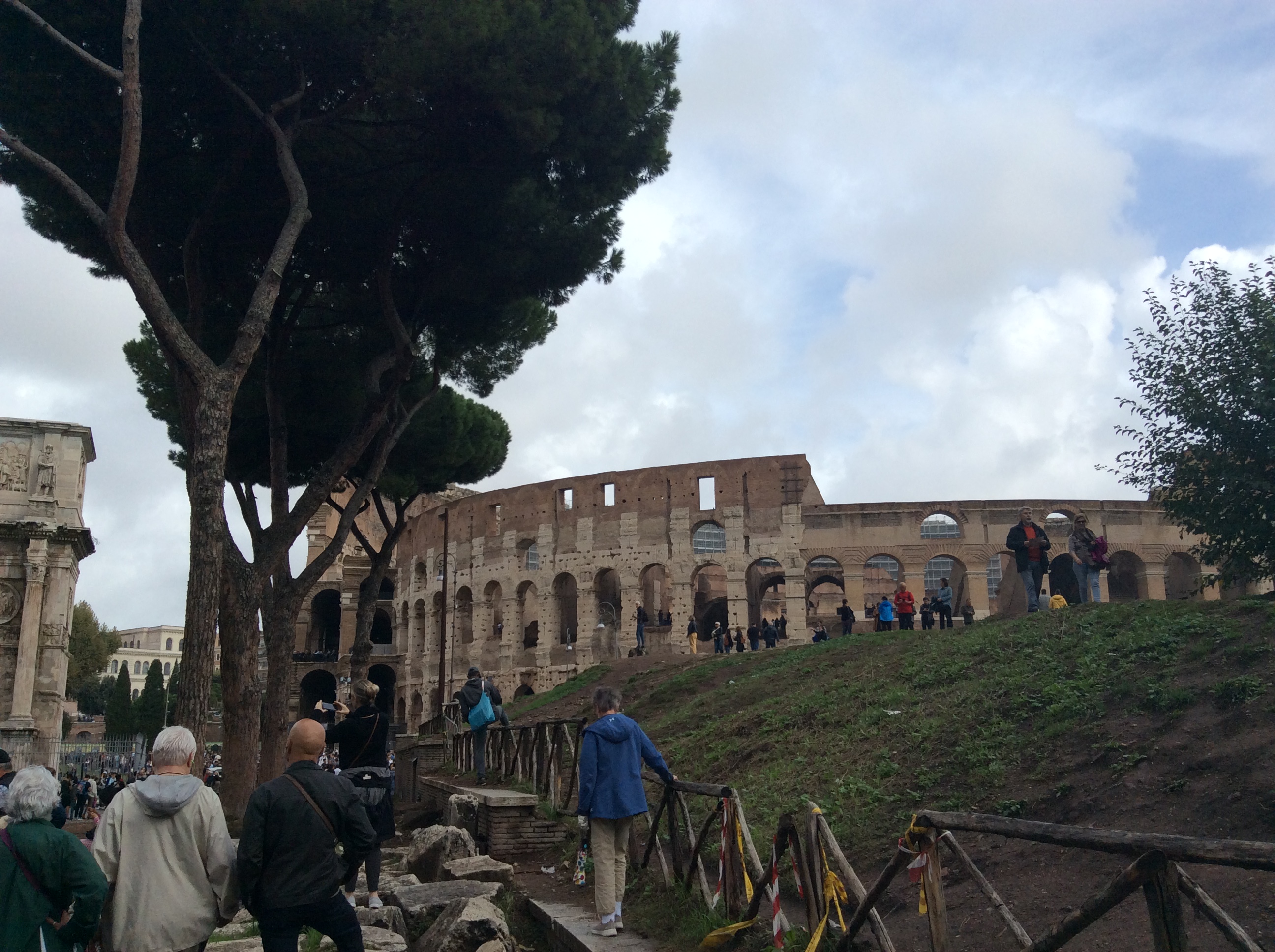
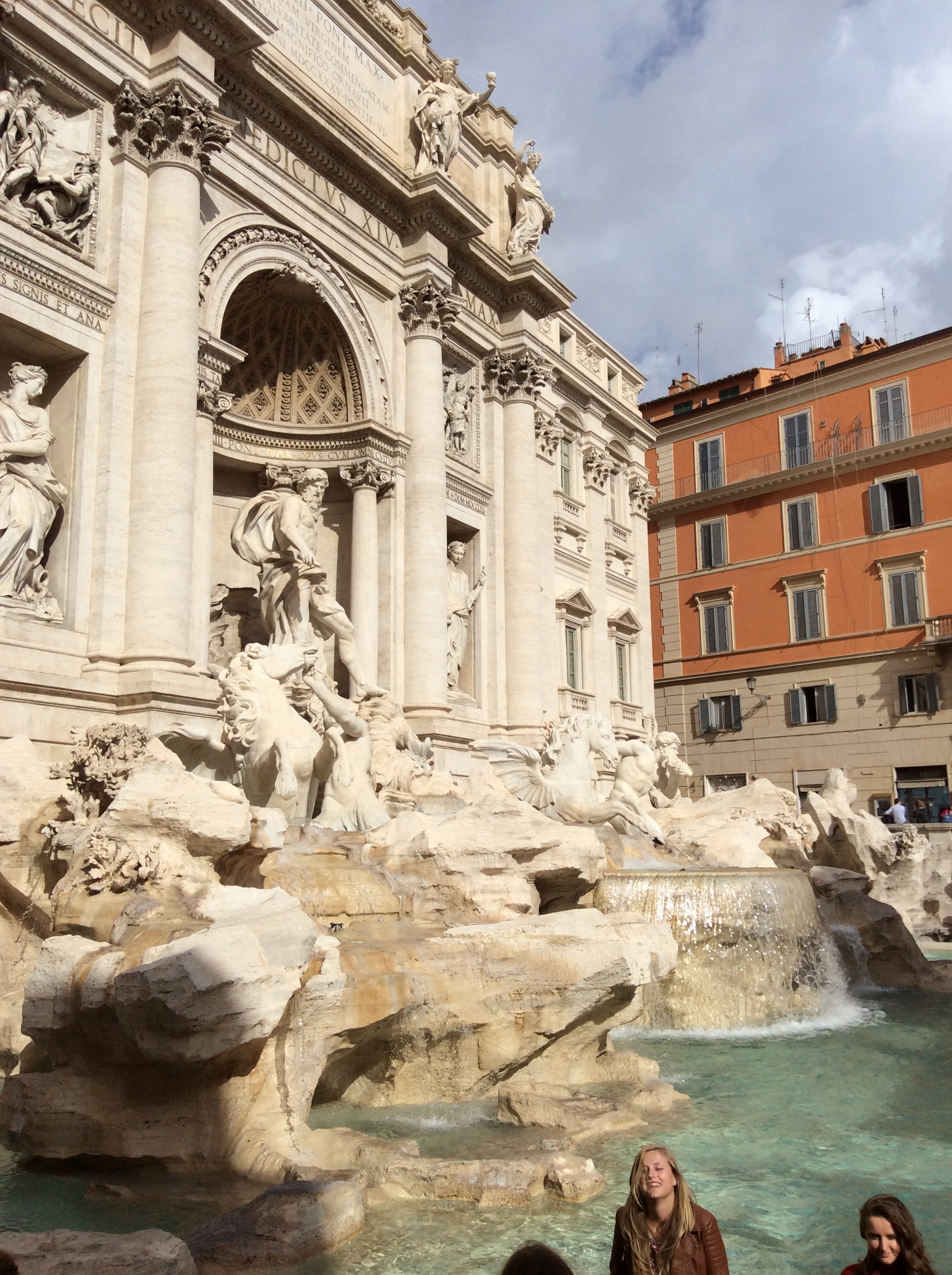
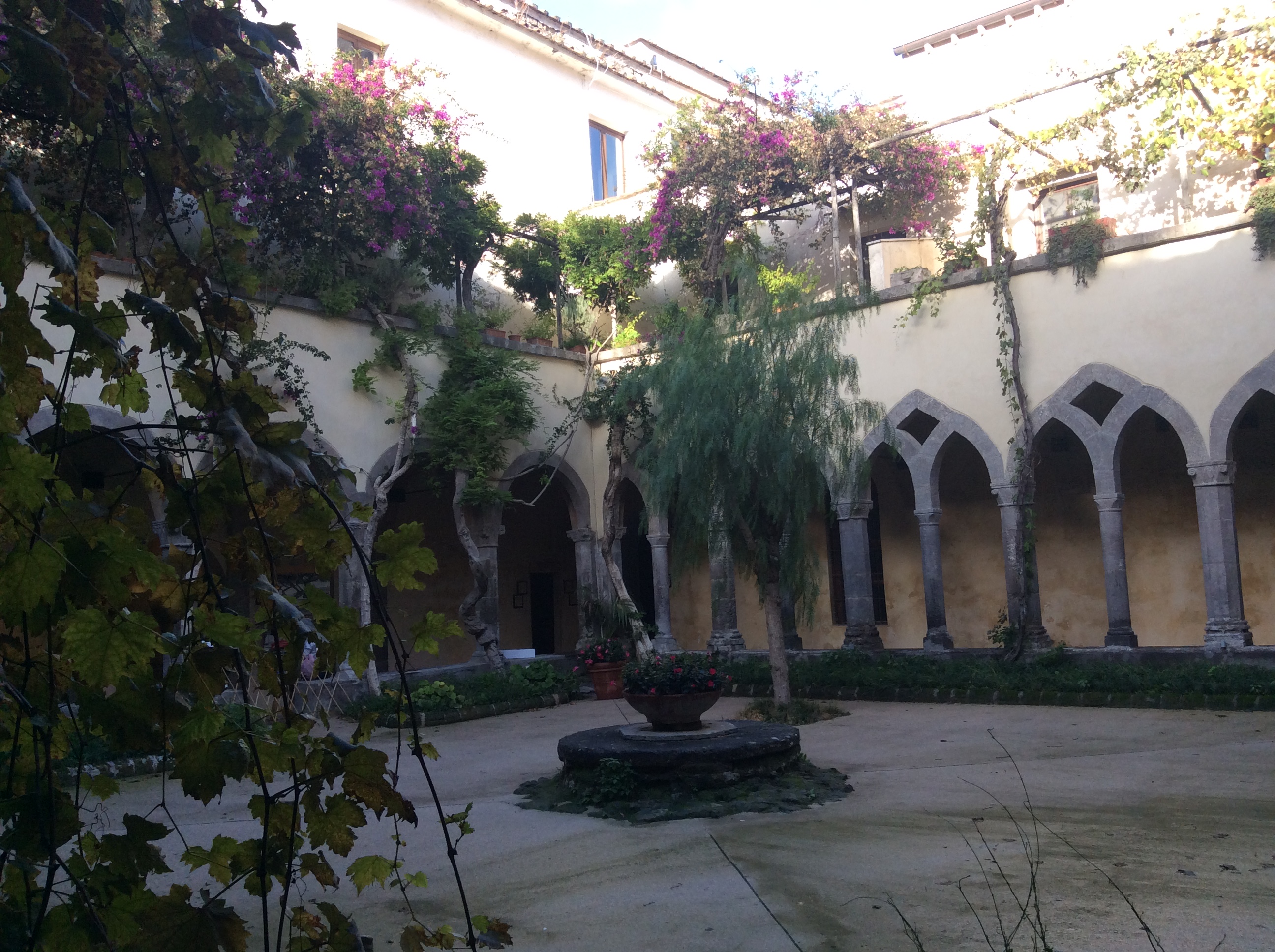
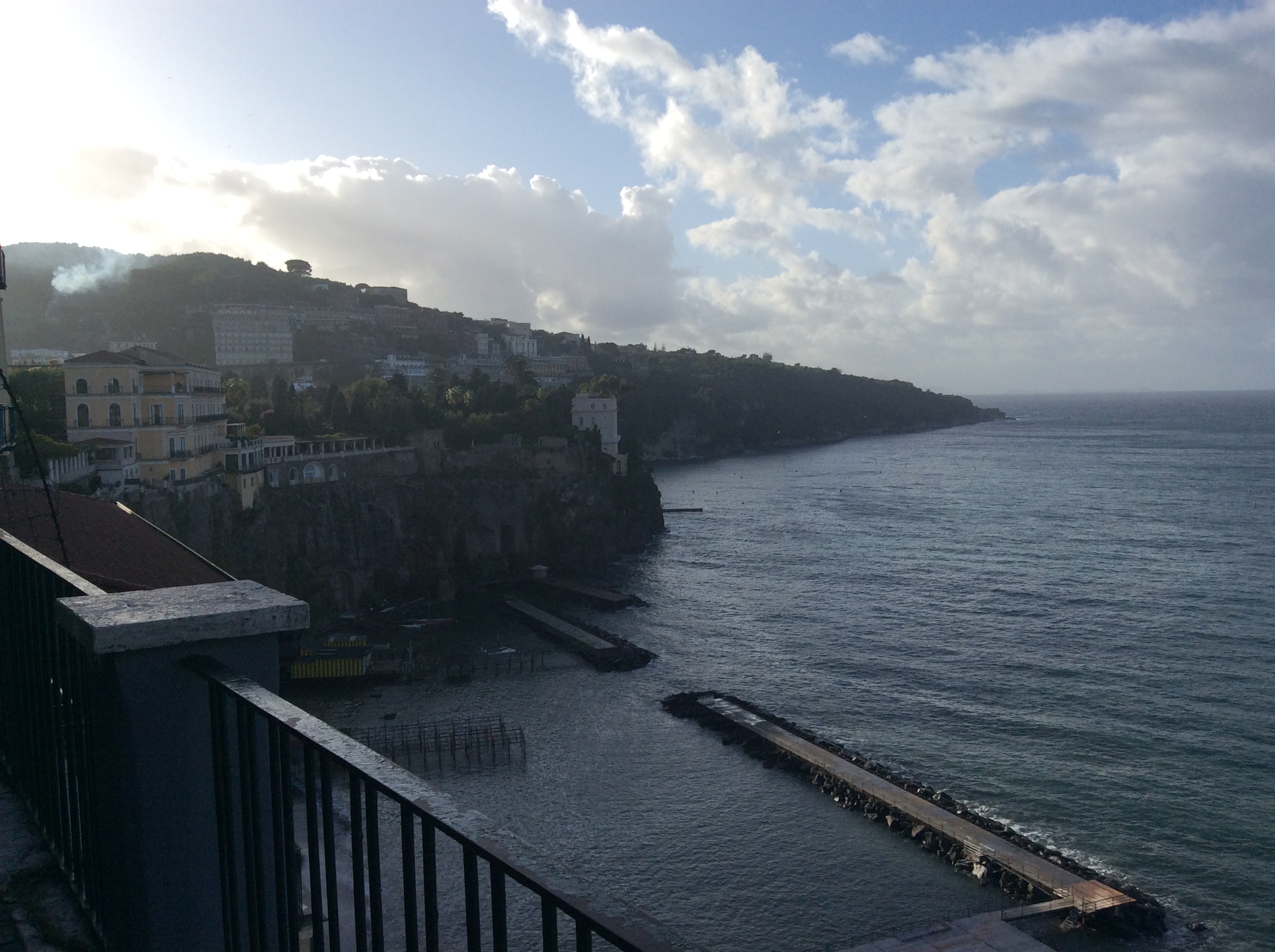
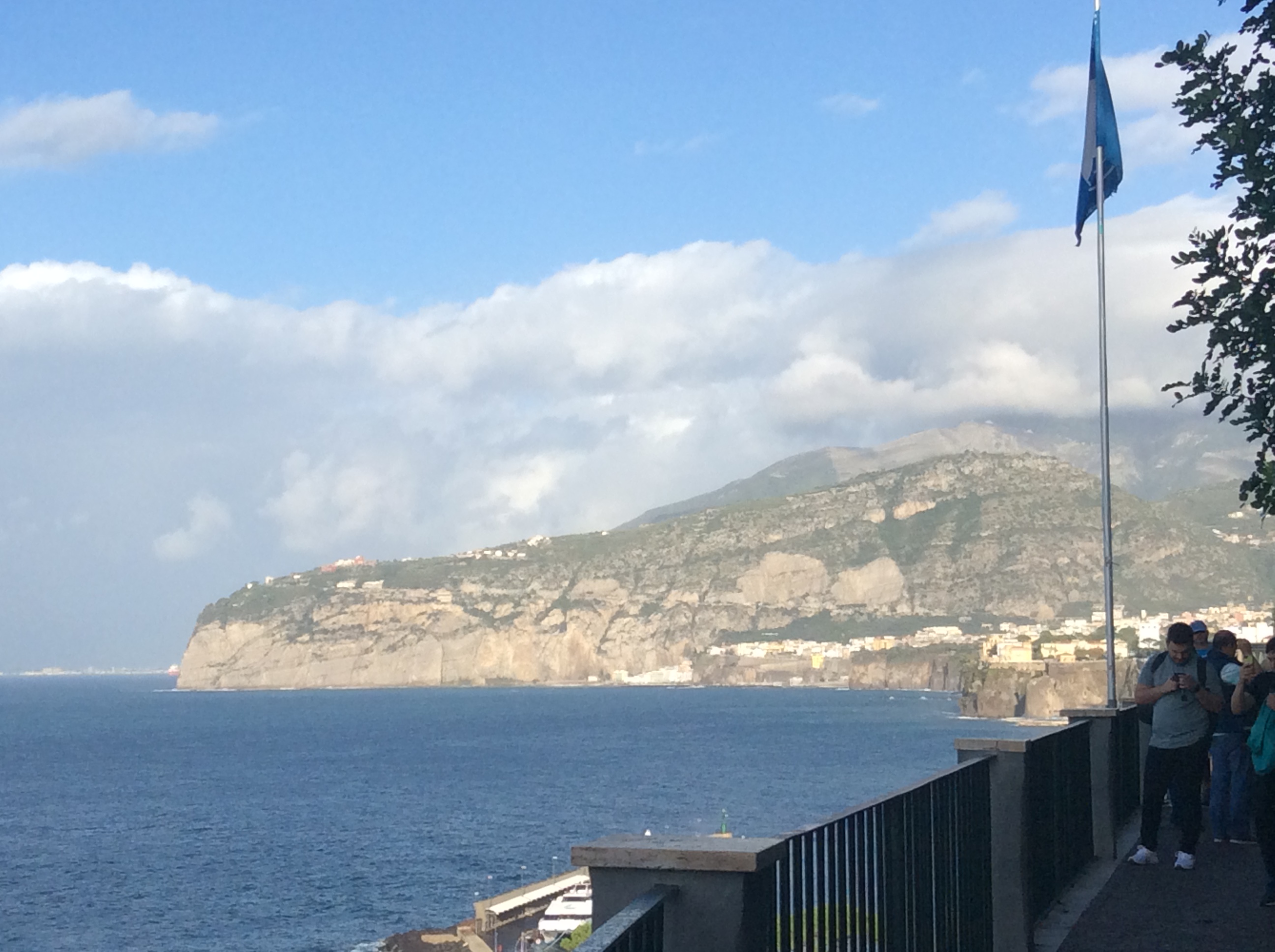
Last November I spent a little over a week in Italy. We spent only 1/2 day in Rome then drove to Sorrento where we stayed for a week. From there we wandered down the Amalfi Coast, over to Naples, Pompeii, and Capri. Want to avoid the summer heat and crowds? Go in November. Yes, it is chilly and sometimes rainy with big storms at night. Nevertheless, you can really see what people do who live there and avoid masses of tourists. Here are some of my favorite photos:
The above photos taken in Rome. The following were taken in Sorrento.
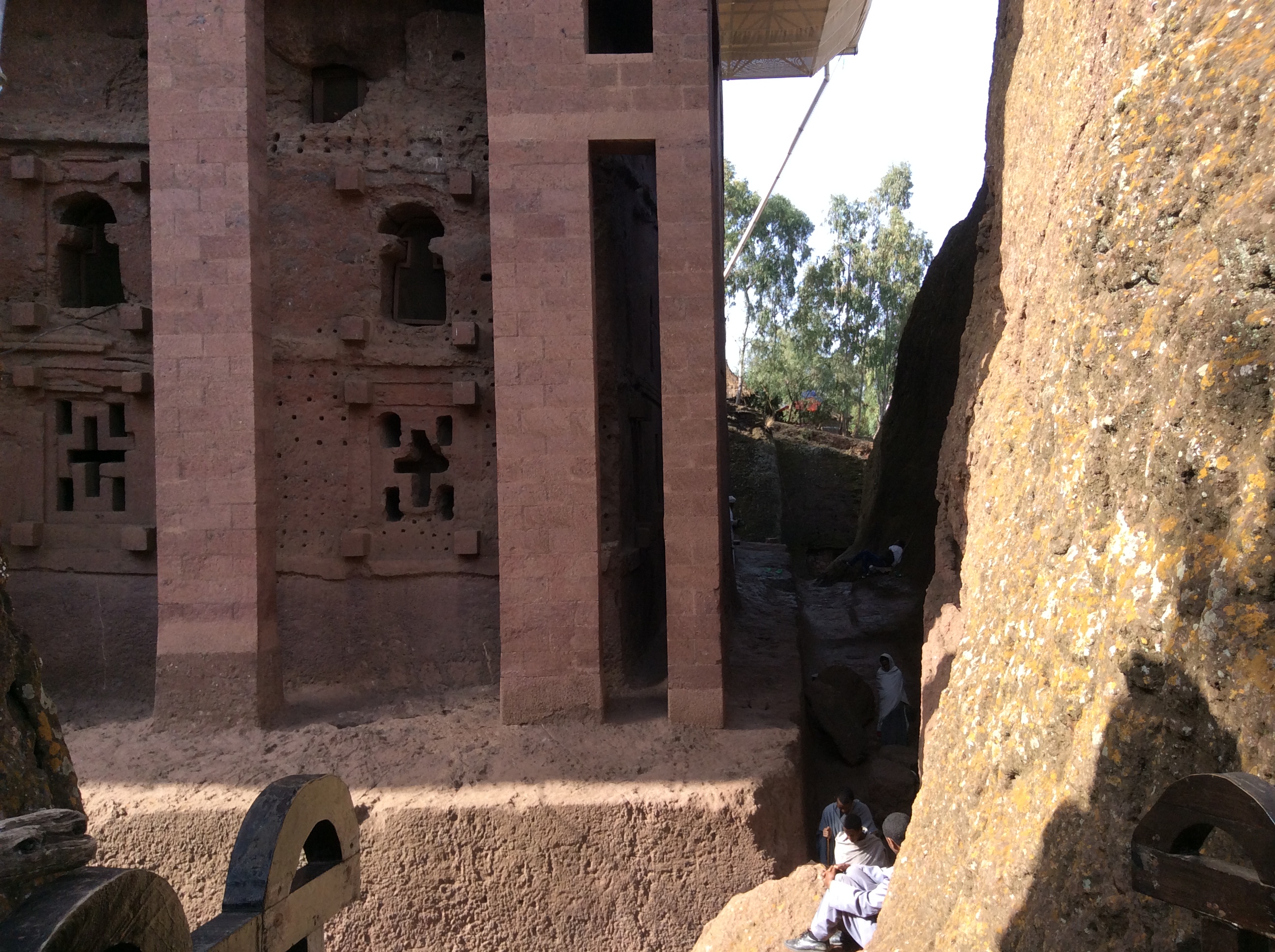
Last night part of 60 Minutes featured these churches. Several years ago I went with friends from Ethiopia to see them. We spent almost an entire day hiking through around and up and down all eleven of them. I decided to travel back a few years and relive my experiences there and share it here.
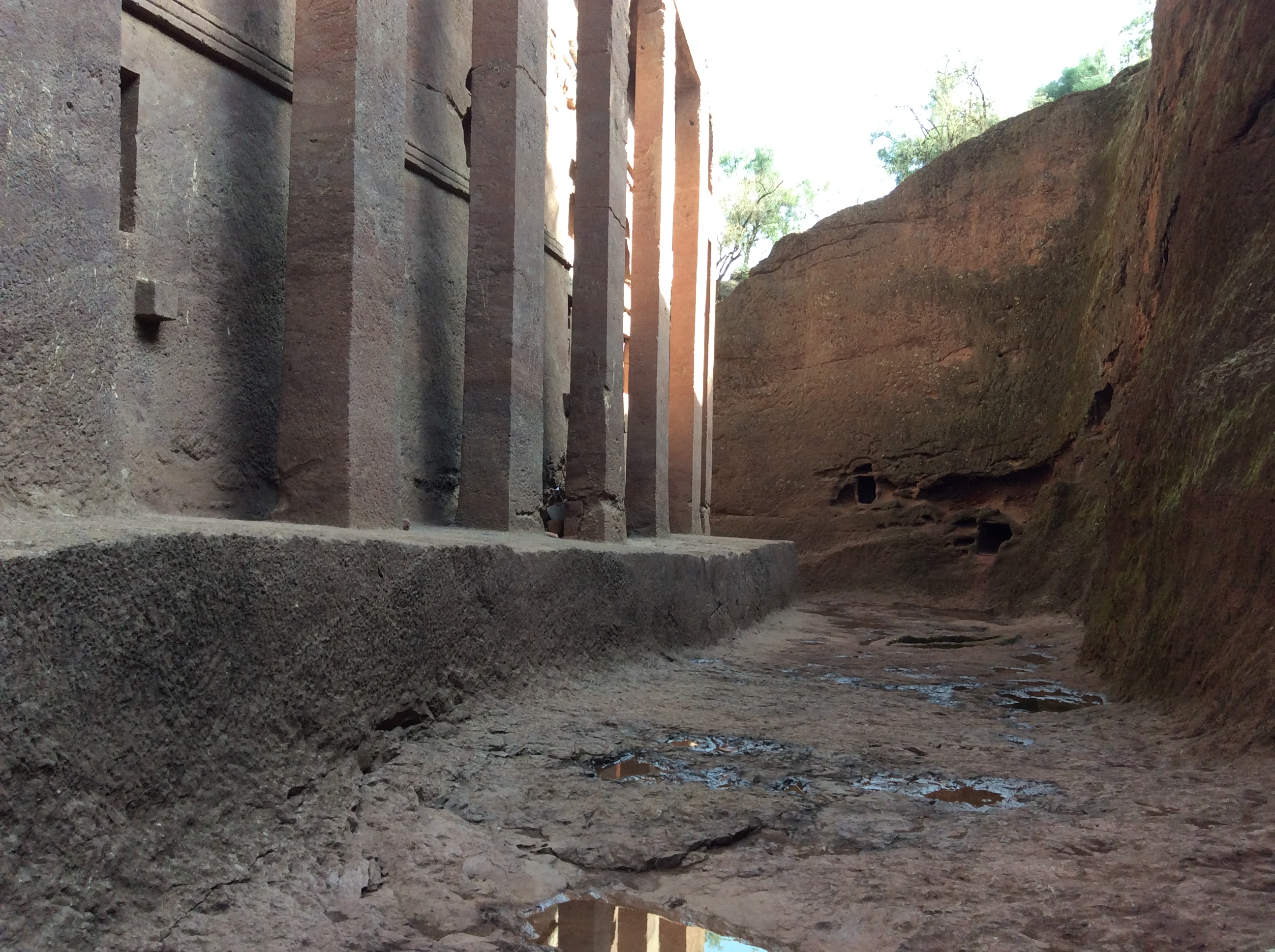
800 years ago these churches were carved from the top down out of solid stone. They dug a trench deep all around what is now each church and then worked from there. Everything is stone, including the interior columns and spaces.
There are areas around all the churches and drainage canals so they do not flood in the rainy season.
The inside of each church is decorated with carvings, frescoes, and wall hangings.
Because 800 years of wear and tear and especially rain was beginning to take its toll, they covered them several years ago. Now, according the the architect on 60 Minutes, they are experiencing the opposite problem. The stone is getting too dry and contracting. They are teaching local people how to preserve the stone so it will last hundreds more years.
Dino, my Ethiopia friend, and the guide, in white.
Why the ridiculous looking socks? Fleas are a problem. Many of the churches have old carpet on the floors, thousands of people still workshop in them regularly. We were told to spray our ankles, tuck our pants inside out socks, spray our socks. It worked.
And here is probably the most photographed of them from up above. Yes, you do get to climb all the way down there if you want to go inside. We did. The story goes that the king went to Jerusalem and wanted to create an Ethiopian Jerusalem. There is a river nearby which they call the River Jordan. As you tour, they explain every detail and how they match passages and stories from the Biblical Jerusalem. How did they build all of these out of solid stone? With the help of angels.
This is my new book, published last month. It is filled with stories, poems, and recipes–healthy food for vegans, vegetarians, pescatarians, and meat eaters with photos and detailed instructions. Currently, it can be purchased at Burrowing Owl bookstores in Canyon and Amarillo, Texas, and online at http://www.dreamcatcherbooks.com, Angel editions.
When I was a child, we lived on a farm where it rains around 40 inches annually. On the Fourth of July, Dad always shot off a few Roman candles, and we had small firecrackers and sparklers, nothing fancy, just fun. Even then I knew about the Declaration of Independence, revered its message. Still do.
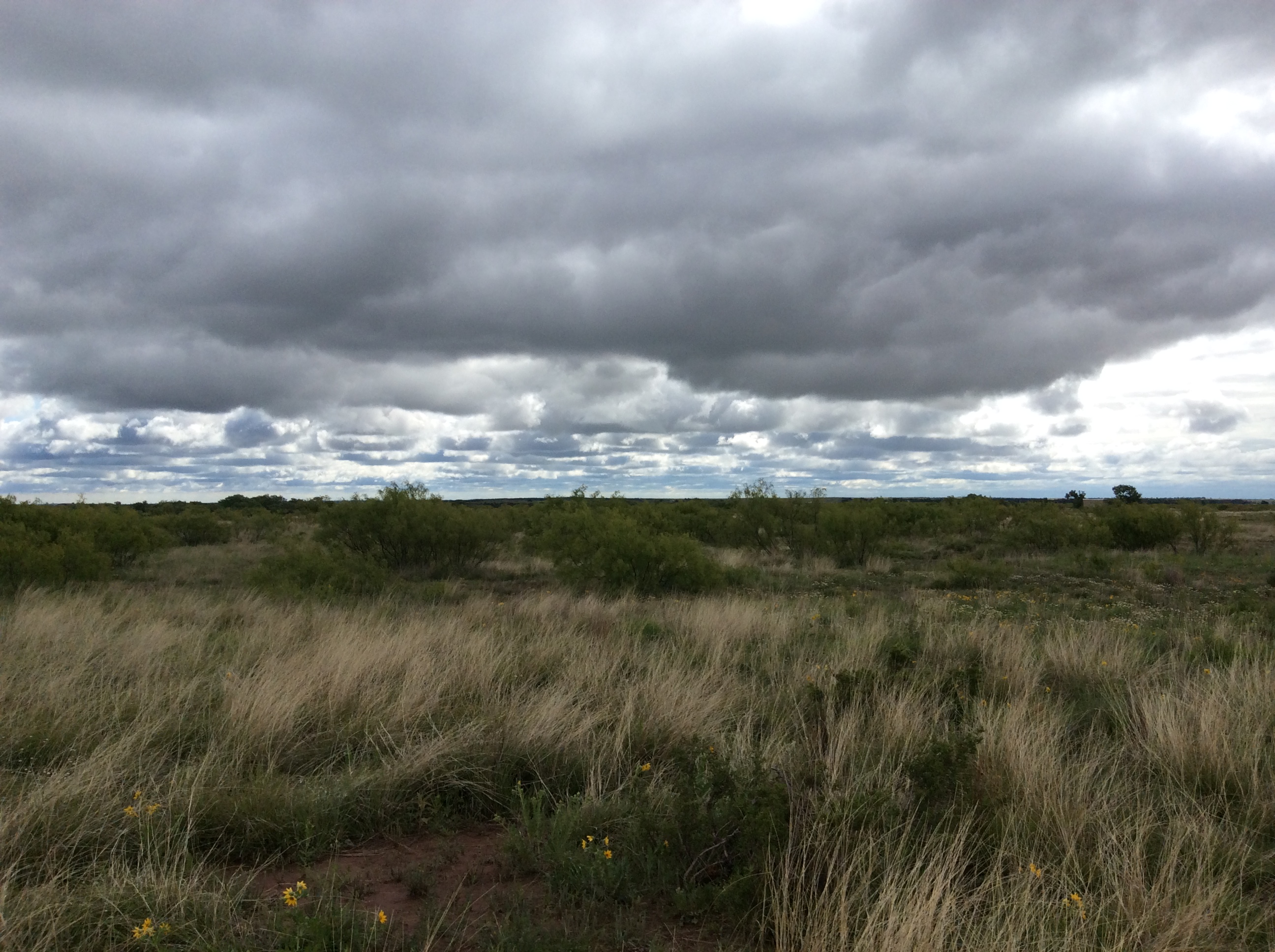
Now I live where it is hot and dry. The neighbor’s fireworks display rivaled those found in cities–beautiful but dangerous in brown grass country. I wonder if they give any thought to the history, to why anyone celebrates this day.
For the first time in the decades of my life, I did not celebrate Independence Day. Why?
Born decades ago, I originally went to college in Virginia where I experienced the shock of real segregation; I had not grown up where it was like that. I was horrified, lasted only one semester, then transferred. Later I attended a college which shut down in protest over the Viet Nam War, I supported The Civil Rights Movement, I helped create one of the first intercollegiate groups to advocate for abused women, and with an ethnically diverse group I taught diversity classes for teachers.
Now in 2020, I feel that even with all that hard, determined work, progress has been too limited. It is as if I have been transported back to 40 years ago. People need to learn from the history most do not even know:
-Cotton Mather, the leading intellectual and Puritan minister in the colonial era, actually helped butcher King Phillip (Metacomet) like an animal. What did he do to deserve this? He tried to save his Native people. Cotton Mather later writes about tearing Metacomet’s jaw from his skull.
-In 1676, when poor whites joined enslaved Africans to rebel for a better life and decent living conditions, fighting for justice against the wealthy planters, those rich planters realized they had to get poor whites to hate Blacks. They took land owned by Blacks and gave it to poor white people and then paid them to hunt down and abuse, even kill, people of African descent.
-Later, the same Cotton Mather mentioned above, learned from his slave that in Africa, Africans had been taking pus from a smallpox infected person and inoculating others with it to prevent smallpox from spreading. He refused to believe any African could be so smart even though he inoculated himself and his family after learning this. Later, he wrote this about his African slave who had told him the story that may have saved his life: “…brokenly and blunderingly and like Idiots they tell the Story.”
-Of course, we all know that the intellectual giant, Thomas Jefferson, held the deed to the woman who would later bear him numerous children while he proclaimed those famous words that all people are created equal.
The history of racial and ethnic hatred goes back to the inception of this country. It continues to poison progress and hope. It never seems to end. I am tired of it. Enough is enough.