Baja Trip-2


Day Two we visited several wineries and went to dinner at one of the top 50 restaurants in Latin America, La Laja. The following photos are from the first winery where we not only tasted various wines but also took a tour of their remarkable wine cellar dug deep into solid rock.

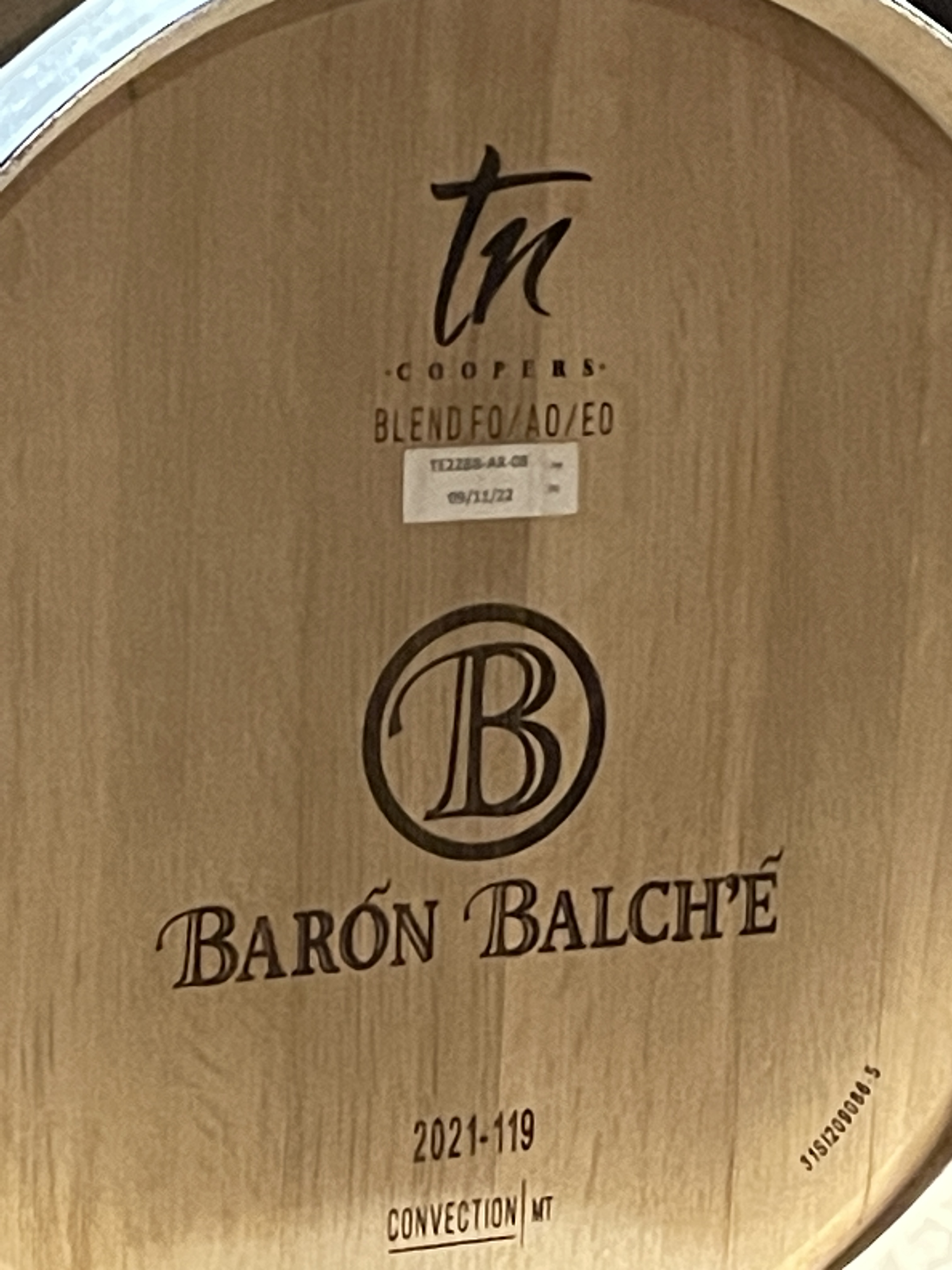
This is the name of the winery and each barrel is marked with varietal, date, etc.

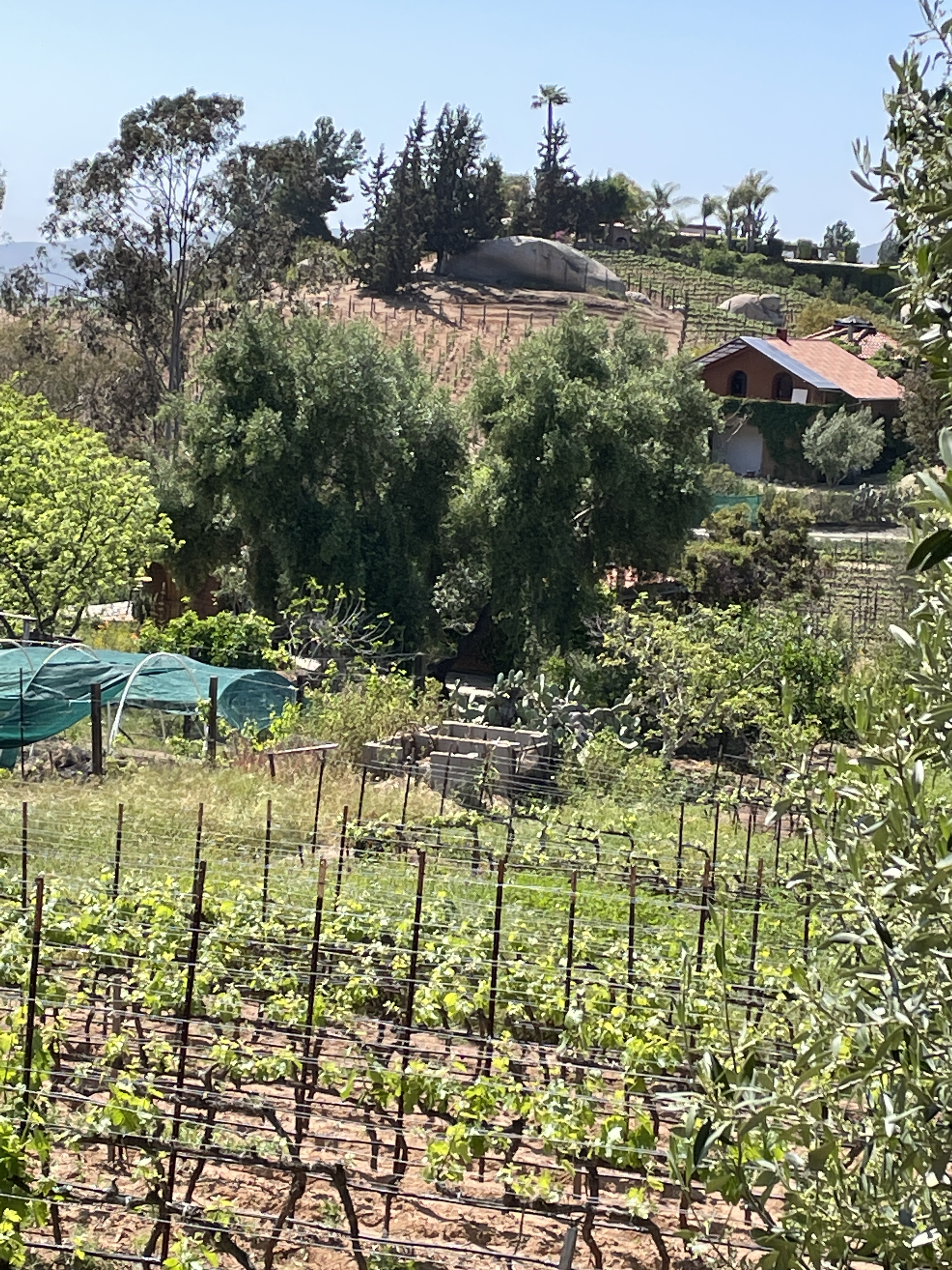
The hills in some part of Valle de Guadalupe reminded me of the hills near Temecula, CA.

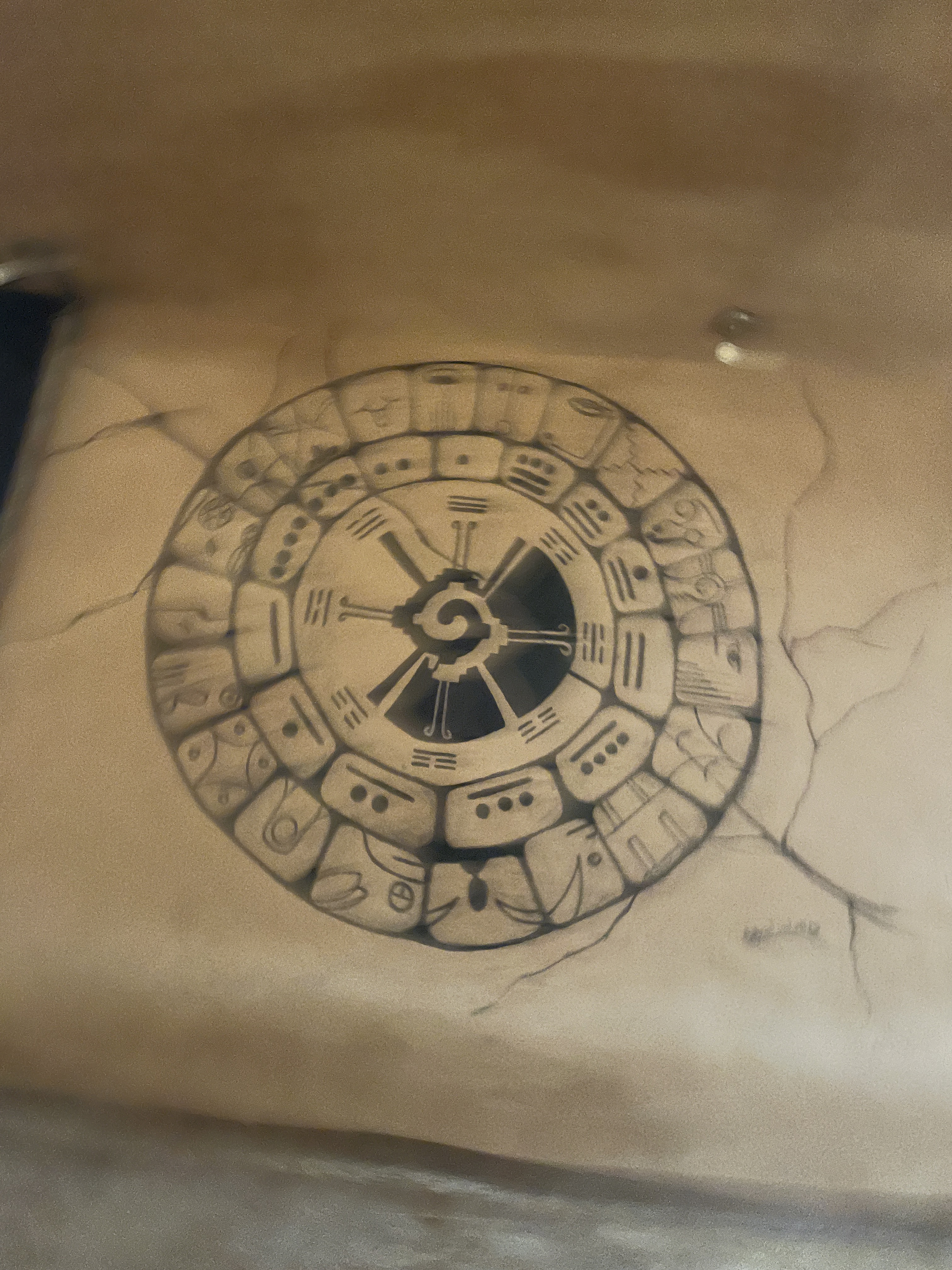
Here you can see how the cellar is dug out of the rock. The rock was oozing moisture due to the unusual amount of rain they received this winter.

I loved this message so much I had to take a photo of it.

I wish I could find a duplicate to hang outside on one of the empty sides of my house.
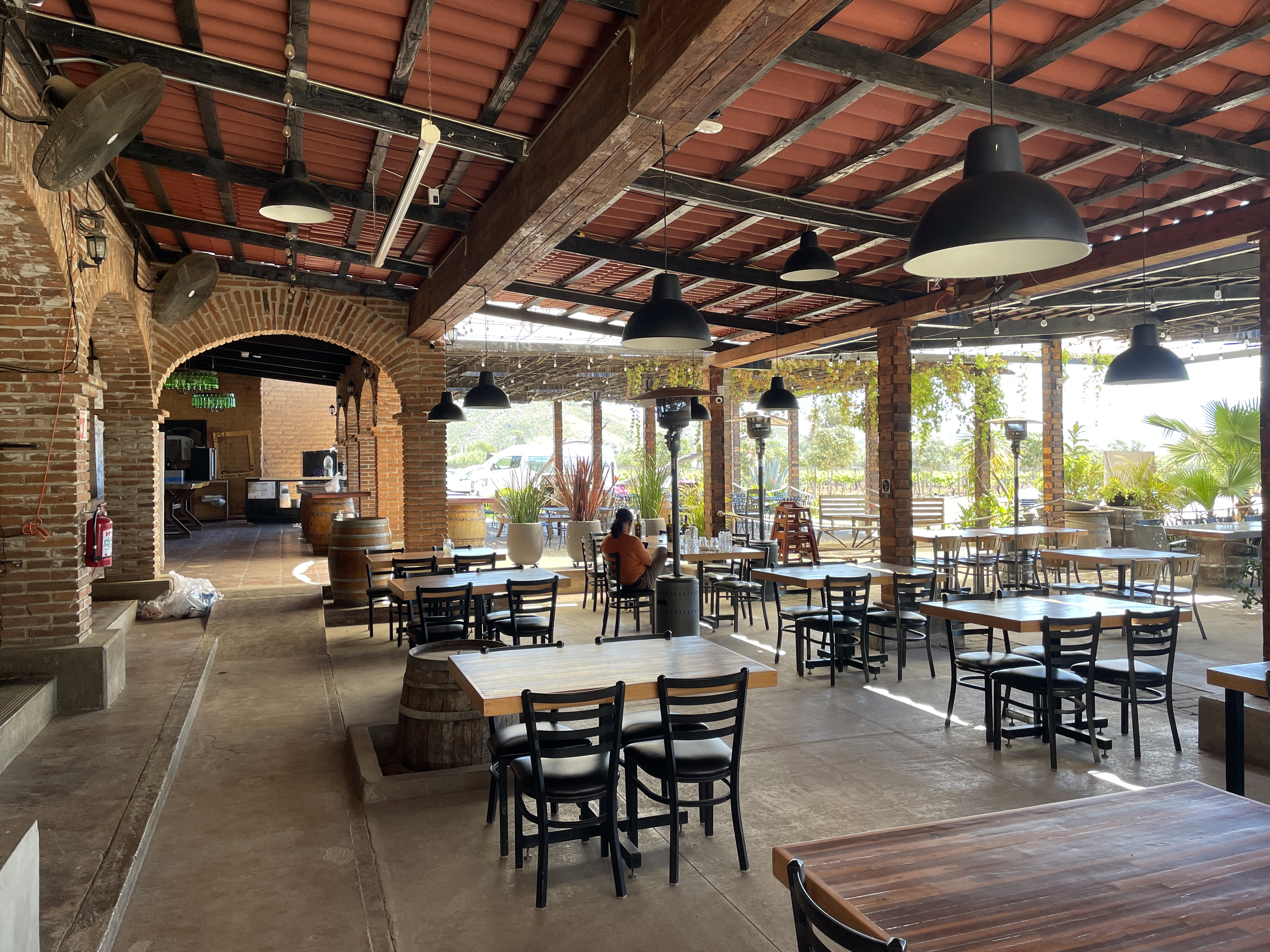
The wines here are all natural. Many of the wineries we visited do not use pesticides or herbicides.The sophistication of many of the wineries in Baja is very impressive.
Baja Trip-1


Day one we drove across border to Tijuana where we visited the incredible La Caja Art Gallery. We viewed a variety of art works, drank delicious Mexican chocolate, and had a sensory experience blind-folded.

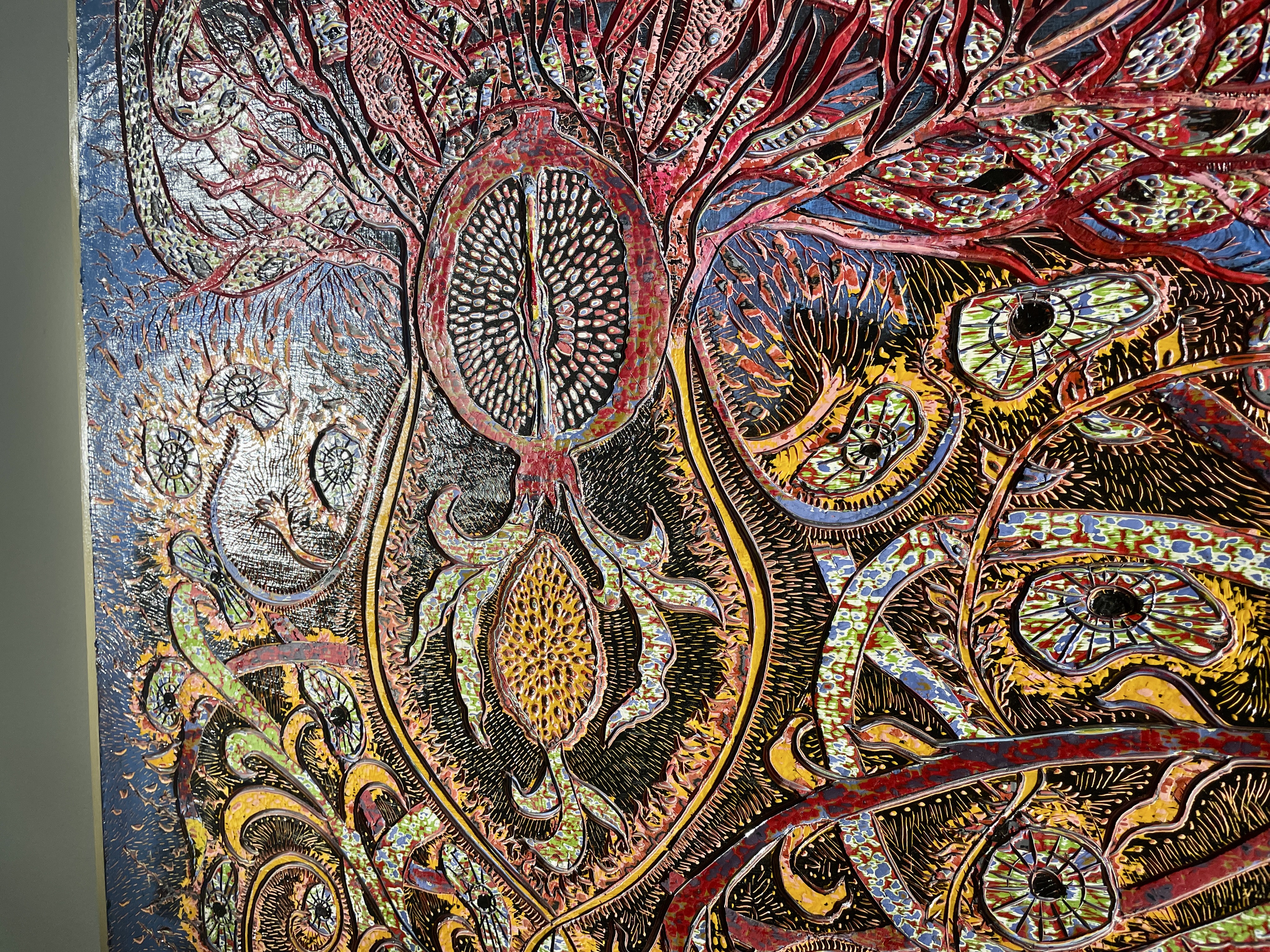
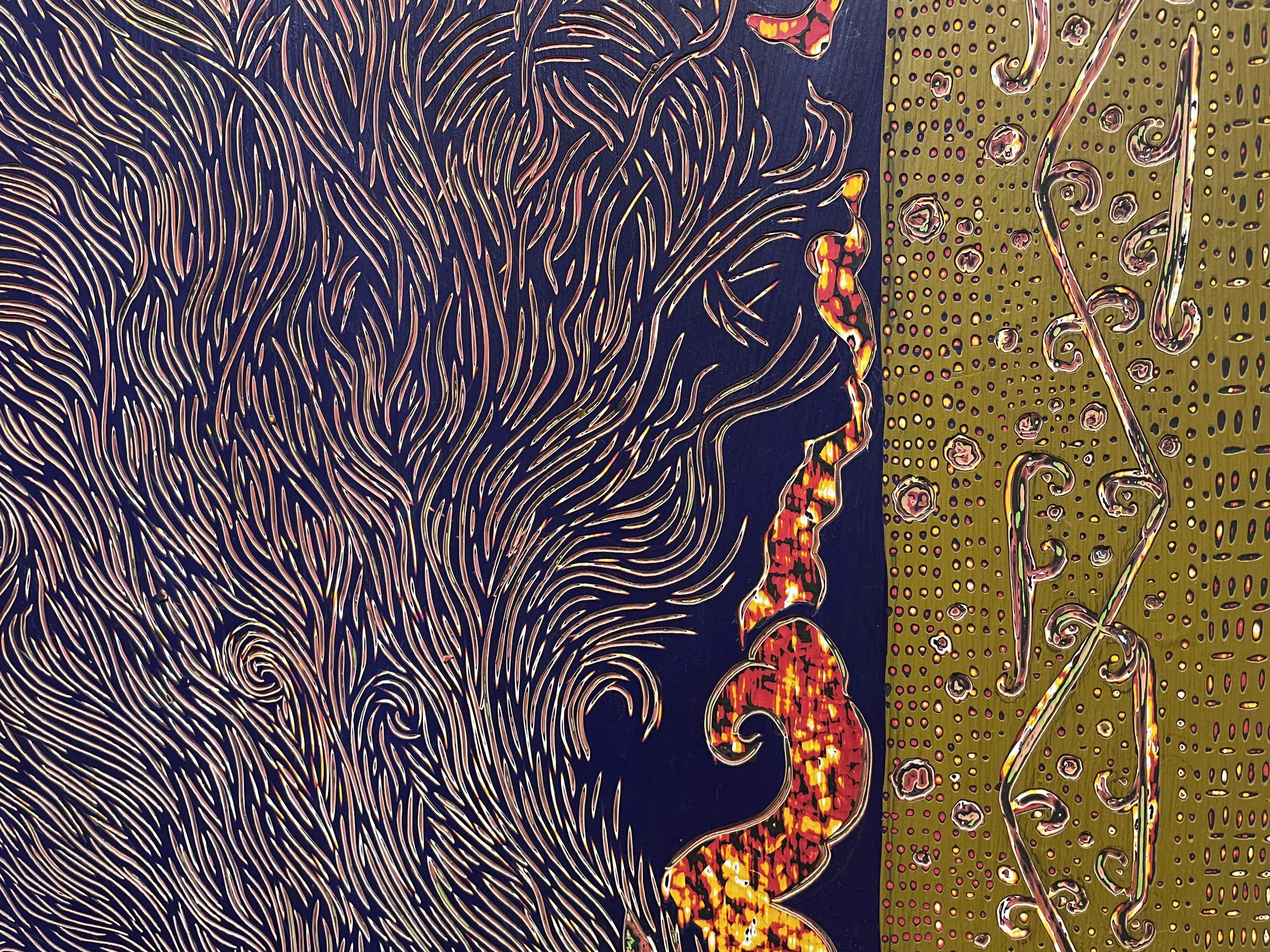
A close up of the previous painting. It consists of not only layers of paint but also carving into the surface.

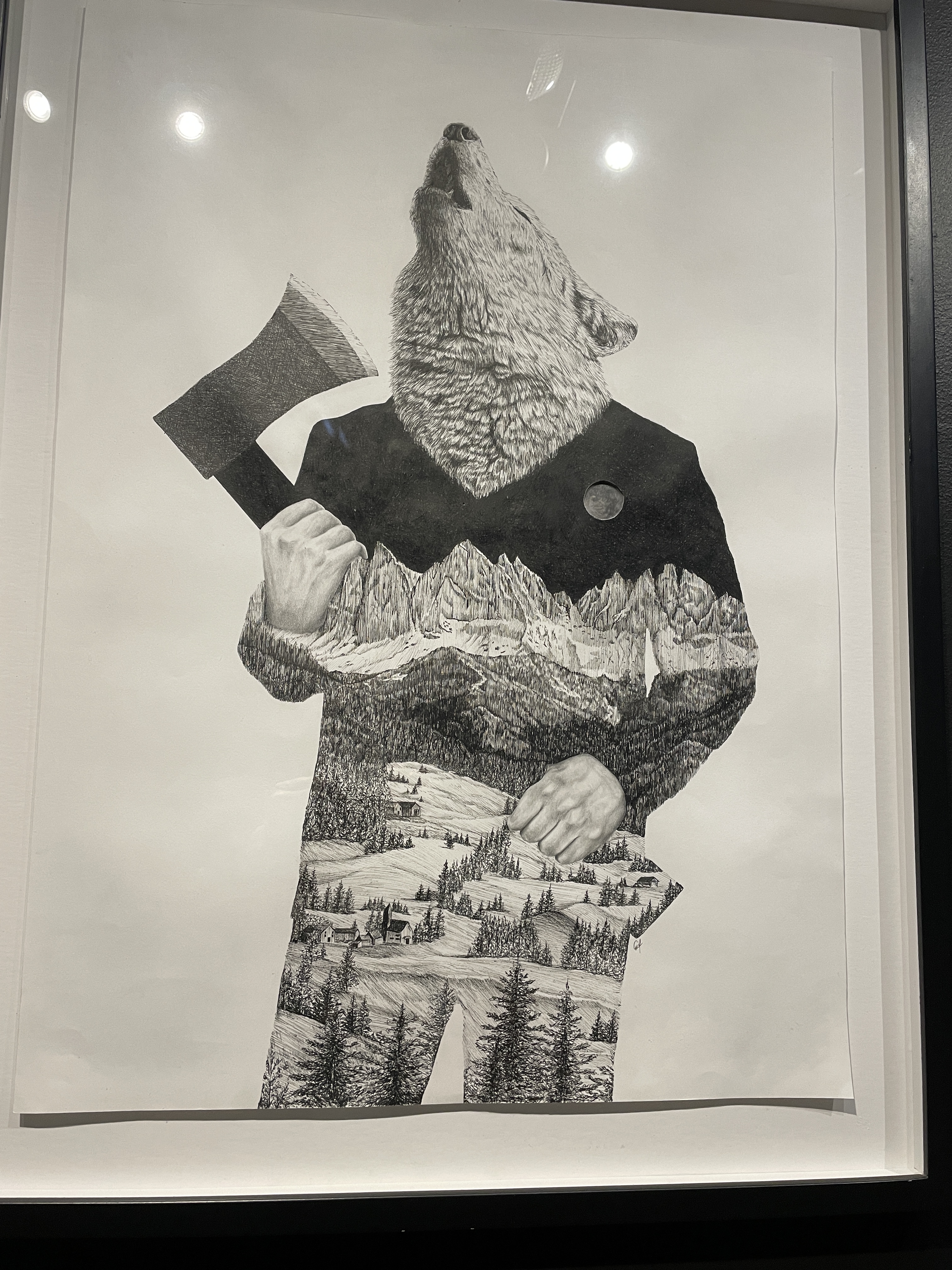
Food for thought.

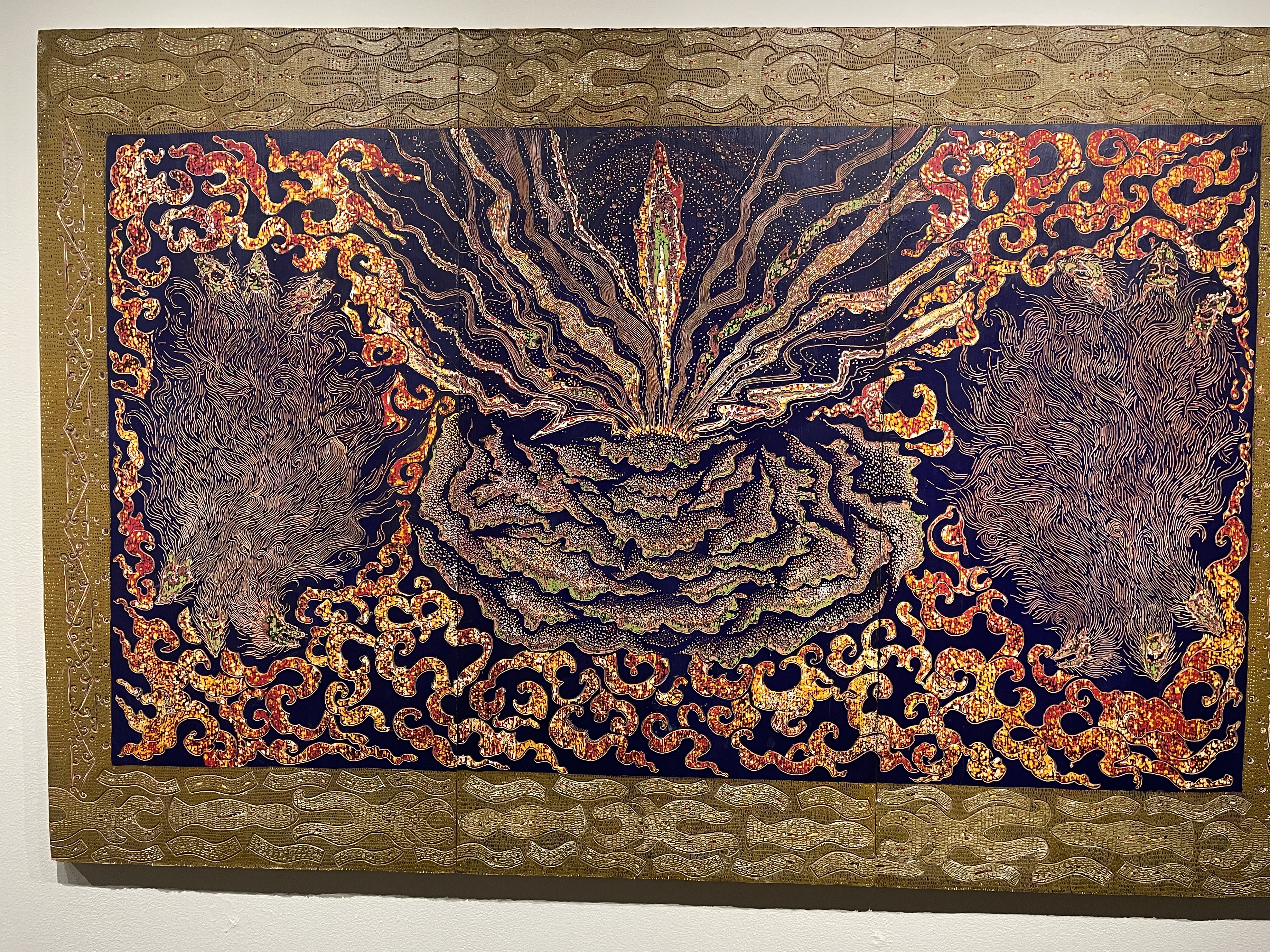
A different artist for the above and the following.

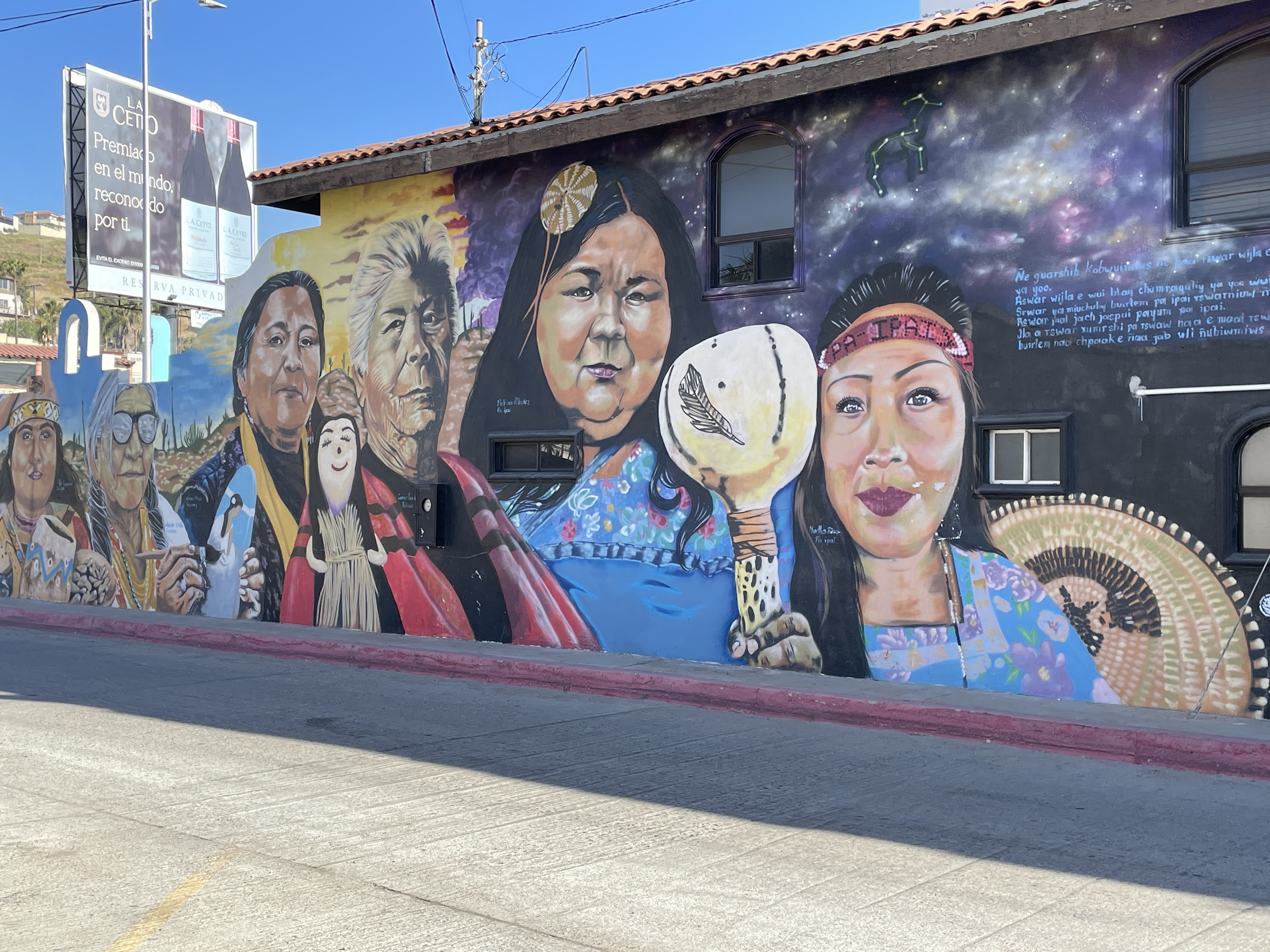
This one was painted directly onto the wall.

Later we experienced lunch at Caesar’s where supposedly (this is contested by some other places in Mexico) the original Caesar Salad was created.

National Poetry Month: 1: The Kingdom of Trees


An essence within the heart of trees

allows them to communicate

with other trees to

-aid each other when disturbed

-send secret signals, warnings to other trees

-express pain, sympathy.

The kingdom of trees now cries

worldwide in pain,

watching each other’s murders.

land laid naked, nature destroyed.

Note: I wrote this poem last year. It is published in the anthology, “Writing Through The Apocalypse, Pandemic Poetry and Prose”,

Editor: Marcia Meier

One Book a Week-5: The Importance of Paris by Cynthia F. Davidson


This memoir take place when the author decides to move to Paris in order to address certain “issues” related to her childhood and young adult years. She grew up in Saudi Arabia before the oil boom and went to high school and lived in Beirut when it was considered one of the best cities in the world. She had to leave when Lebanon became war torn, her dad was kidnapped, and her sister shot. Her return to the US proved traumatizing even though she is not genetically of Middle Eastern descent. Paris was filled with Lebanese refugees so she moves there in an attempt to understand what happened to her beloved Lebanon and why.

This is not an ordinary memoir. I could not stop reading it; I wanted to know what happens next and why. It includes a graphic honesty not found in most memoirs I’ve read. In addition, it contains political and historical explanations for the events that transpired during the time period of the book.

Want to learn more about the background to current events in the Middle East? Want to read about a remarkable life? Then read this memoir.

An Afternoon at the Cheech Museum – 2


The second floor of the Cheech contains even more astonishing art including more multidimensional pieces except smaller than the giant one you see when you enter the building.

Depending where you stand in front, to either side, what you see is quite different. I kept thinking some old Flemish art or Hieronymus Bosch meets modern technology.

Much of the art makes a social or political statement especially about colonization, culture, poverty.

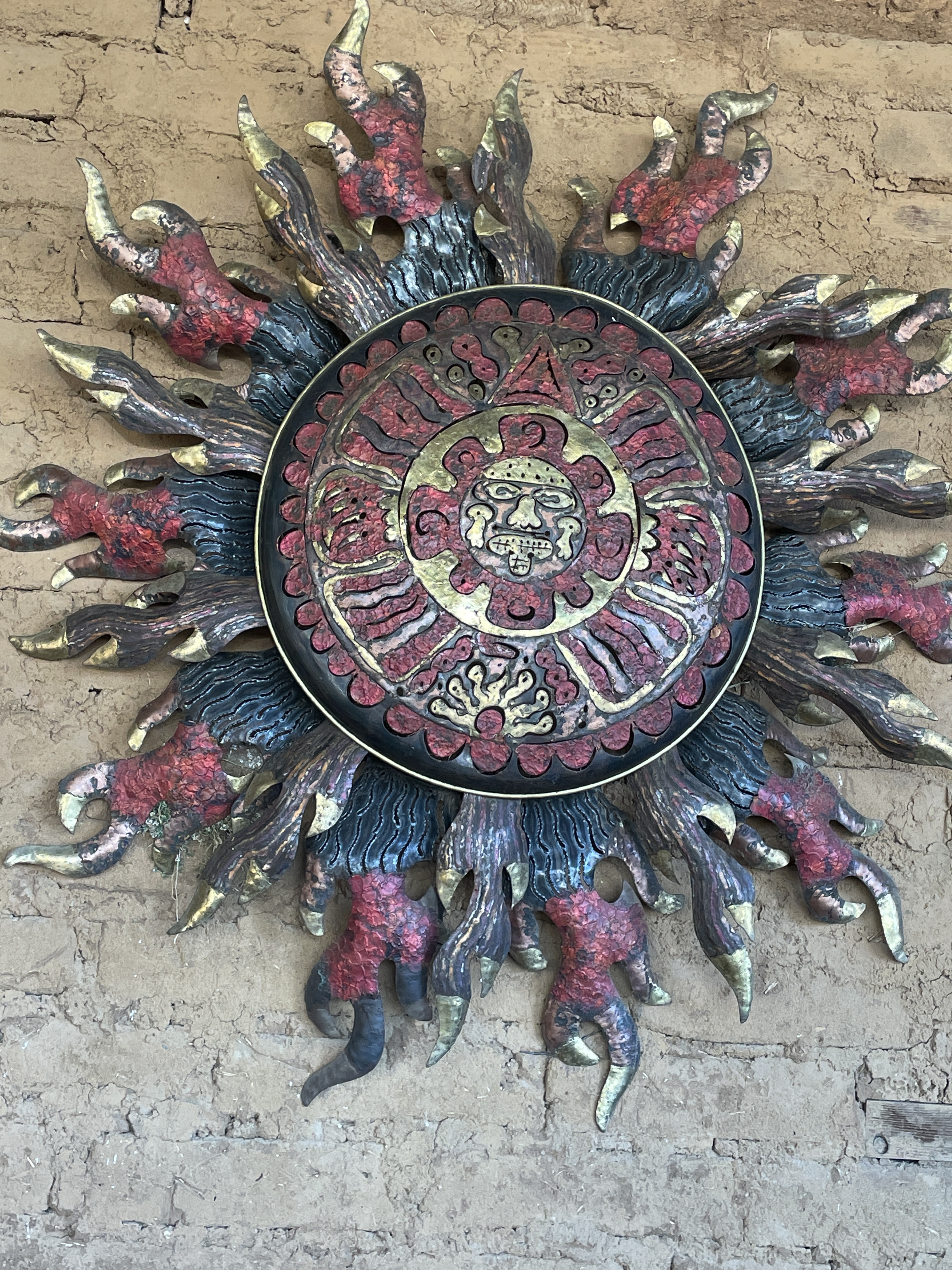
Some of the art is reminiscent of Mayan and Aztec calendars.

Hearts appear in many of the paintings.

And of course Frida.

This is a space ship with changing eyes. If you walk around the back there is a creature inside watching everything with monitors.

An Afternoon at the Cheech–1


Some of you may remember the comedy duo Cheech and Chong way back in the day. Cheech has spent his life collecting Chicano and Chicana art. This year he gave a lot of his art collection to open a new museum in Riverside, California. Earlier this week my grandson, his girlfriend and I went to visit the museum. Photos and videos are allowed without flash. The following is the first set of photos I took. Please note that you need to see this art for yourself. Photos do not do it justice. Much of it is multidimensional and looks very different depending on where the viewer stands.

This is what you see when you enter the door; it is two stories high and multidimensional. Look how different the next photo of it looks from this one.

Walk farther to the side and it looks totally different again.

This speaks for itself. Right now where I live the air is clean enough that unless it is foggy, I can see all the way to downtown LA 30 plus miles away.

All the art at this museum has a message; much of it illustrates the ills of society.

The influence of indigenous art, e.g. Aztec, Mayan, can be seem in much of the art and the statements the art makes.

The woman above and the woman below hang next to each other.

The Riverside Art Museum


On January 2, my grandson, D’mitri, his girlfriend, Landri, and I went to The Riverside Art Museum and the Cheech in Riverside, California. This post includes what we saw at this museum. Later I will share photos of the art at the Cheech.

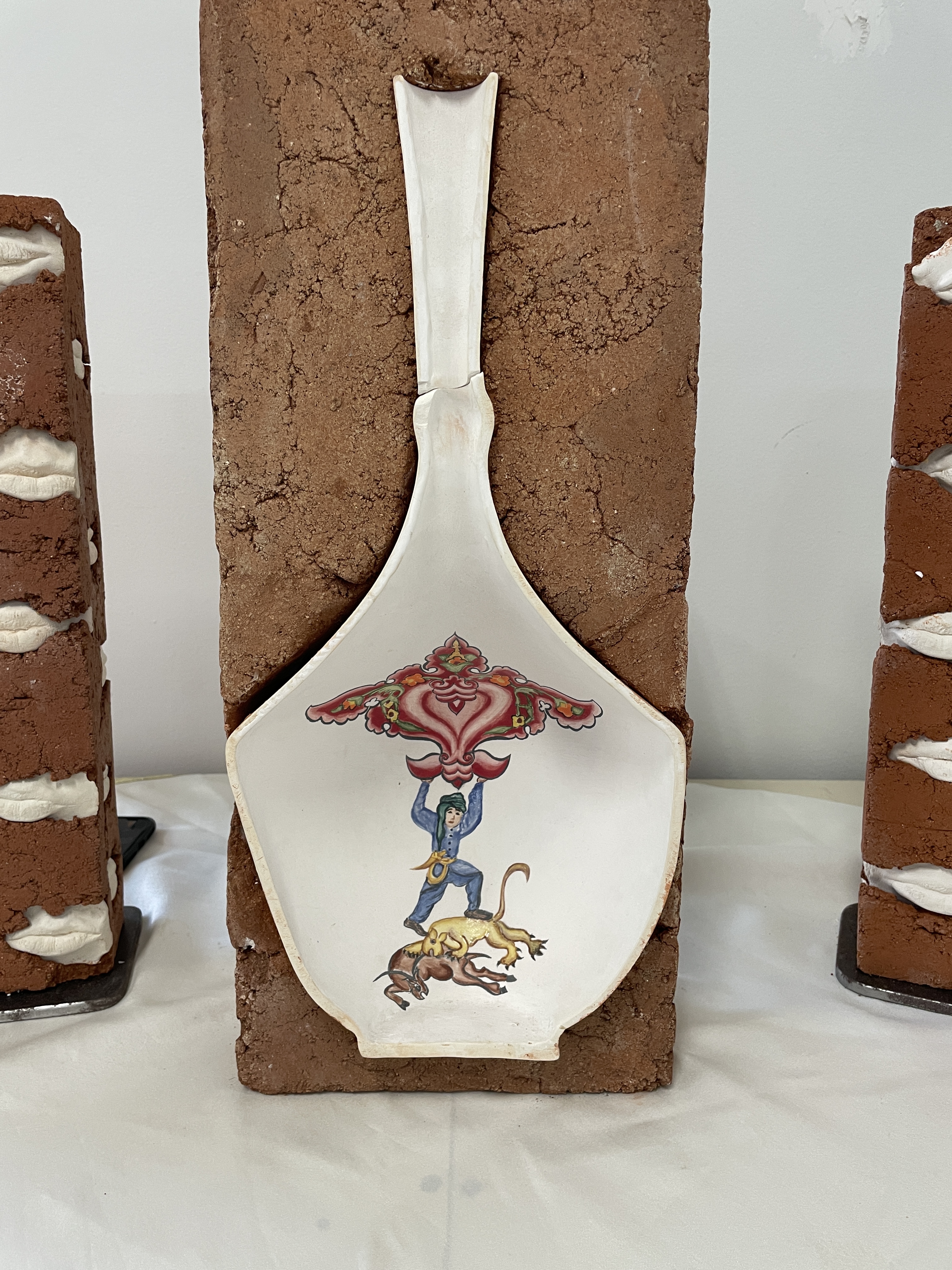
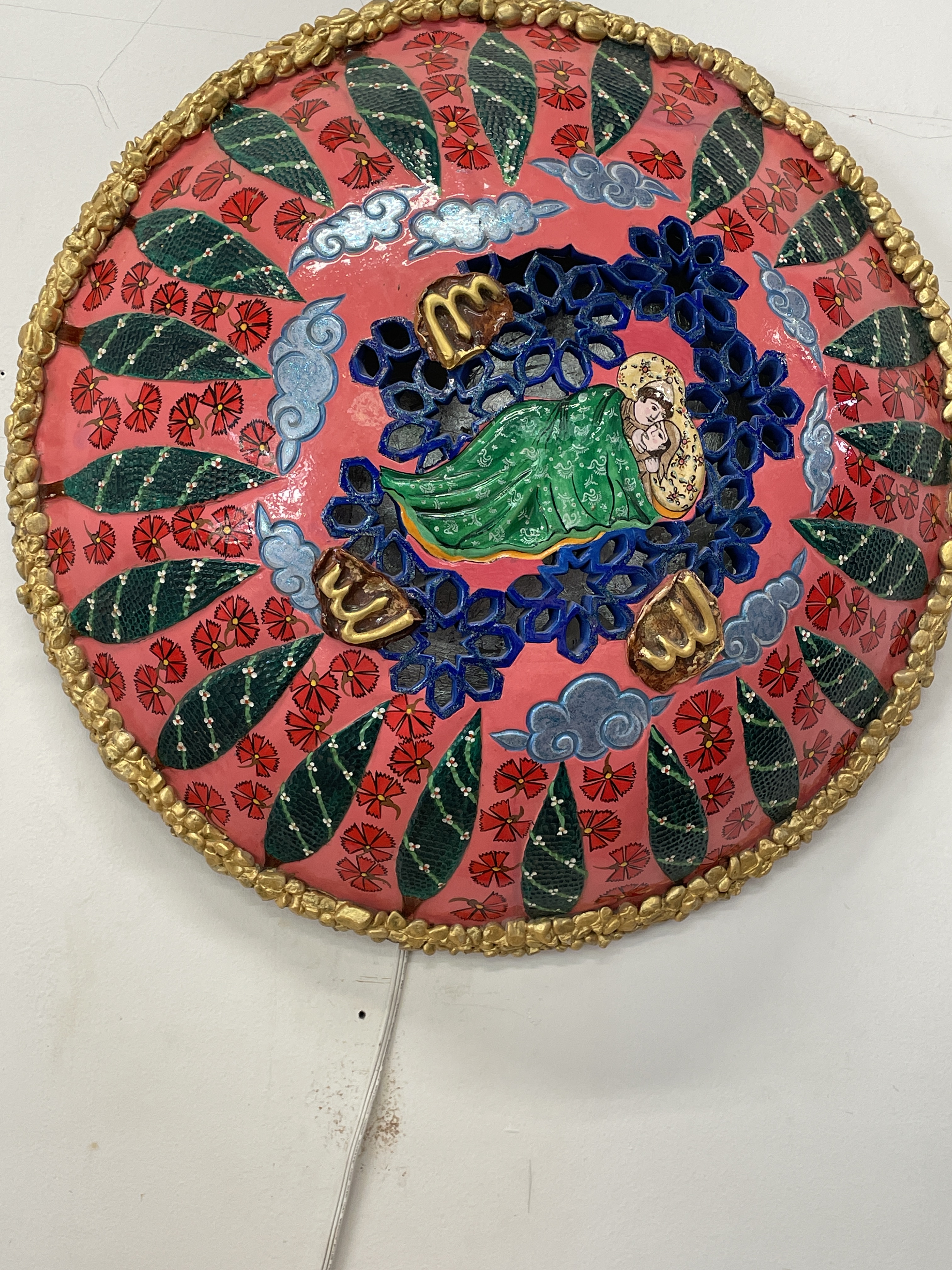
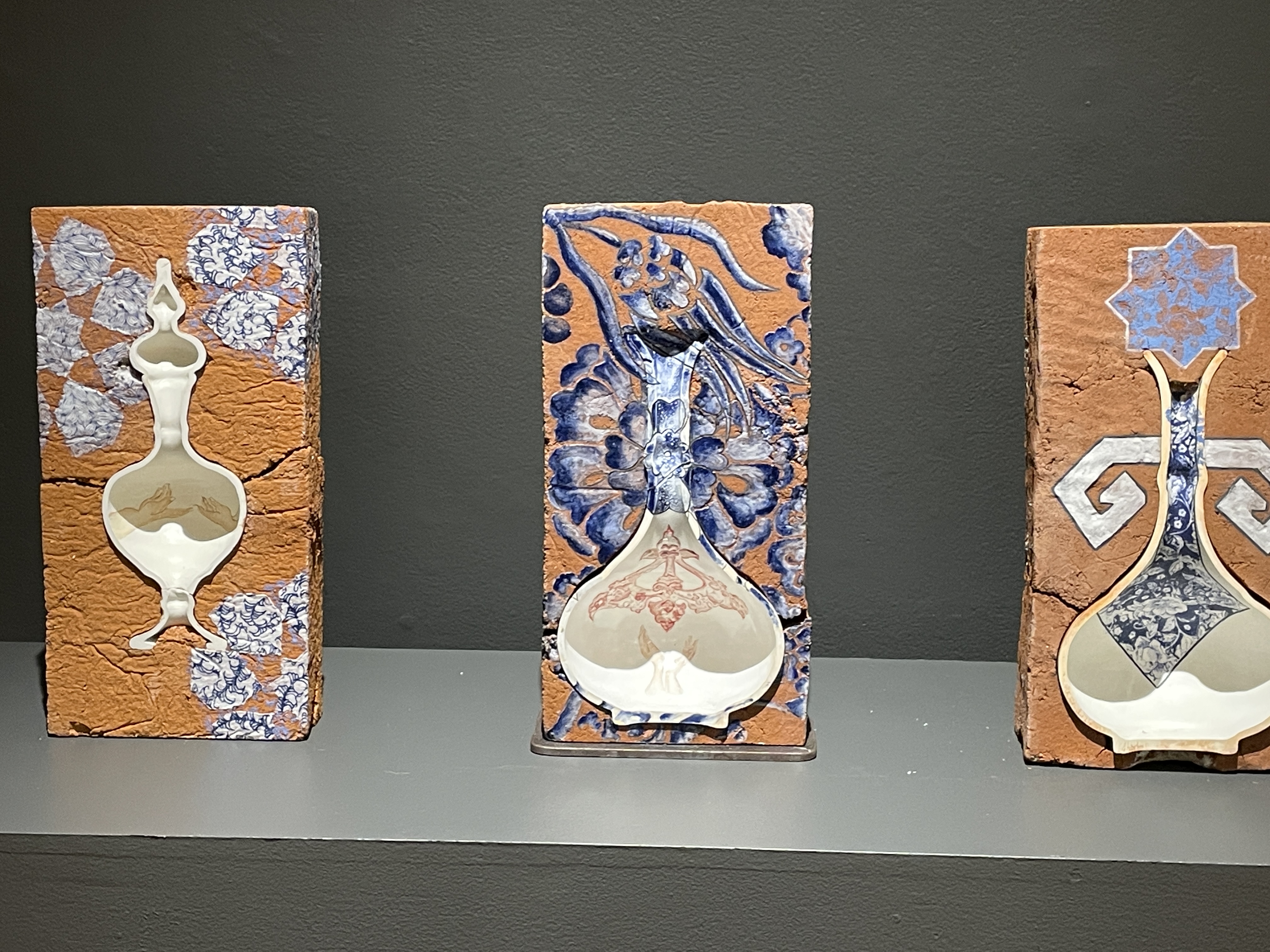
All the art seen in these first photos is by this Turkish-Mexican American artist. Here she explains how and why she interweaves the various parts of her heritage.

The next gallery room contained hundreds of photos from the 1970s in LA and surrounding areas. Although LA certainly is not the perfect place, improvements since that time are evident in the photographs. Here is a photo about that exhibit.

The next gallery contained art of the Joshua trees. The paper used was made of Joshua trees.

The following photos were taken in a hallway above the patio garden and in a smaller adjoining gallery.

The title of this one is The Future.

The galleries are all arranged around this patio.

Reading Octavia Butler-1


In a recent post I mentioned walking in her footsteps. This is the rainy season so we have not been able to go on that walk yet.. However, this morning I finished reading the last novel of hers that I had not read–Parable of the Talents. It is the sequel to Parable of the Sower. Now I have read all of them. She is buried at Mountain View Cemetery in Altadena, CA, Eagles View Lot 4517. The inscription on her gravestone is the theme of both the books above:

All that you touch You Change.

All that you Change Changes you.

The only lasting truth is Change.

God

Is Change.

Octavia Butler’s Pasadena–Part One


As part of a bookclub I co-host, we read Octavia Butler’s novel Kindred, a science fiction story which takes places in California and in the Old South. Since many of the bookclub members live in or near Pasadena, we decided we would do “Experience Butler’s Pasadena on Foot”, a walking loop of about 2.5 miles. We had planned to take the walk earlier in December but were rained out. We will reschedule early next year. I decided to do a dry run in November and took these photos along one of the streets where she often walked.

Butler lived most of her life in Pasadena but never owned a car. She either walked or took public transportation.

For those unfamiliar with her, she became famous as the first African American to win multiple Hugo and other science fiction awards. Born in 1947, she died in 2006, and is buried in a cemetery in Altadena, CA, just north of Pasadena. Many of her manuscripts are on display at The Huntington Library.

The last Octavia Butler book I read is the one illustrated in this photo taken at The Huntington Library. I am currently reading the sequel, Parable of the Talents. When I finish that one, I will have read all of her novels. She is one of my favorite authors.

An Afternoon at The Getty Center


Yesterday my daughter and I drove to The Getty Center to wander around, look at the art, eat at the restaurant, enjoy the views which are quite spectacular.

Two views of the Pacific Ocean from different vantage points. The Getty Center is on top of a hill with spectacular views in almost every direction.

Looking in the opposite direction is a view of a lot of Los Angeles.

In the distance loom the snow capped mountains close to where I live in the San Gabriel Valley.

Across the 405 freeway are large houses and vineyards.

Currently, one entire section of The Getty Center features a Mayan codex, a few pages of one of the oldest ever found.

The view from where I took several photos back through an open area. The Getty Center is huge, made mostly out of limestone.

Much of the art currently on view is about the Virgin of Guadalupe and religious paintings related to the birth of Jesus.