National Poetry Month-2: Butter Love


Is it inherited?

Six year old me watched Grandmother

look around, take silver knife, cut into pale

yellow rectangular prism, plop a chunk into

her mouth, close her eyes,

smile.

In Aunt Julia’s presence, this never occurred,

Was it our shared secret,

Grandmother and me?

Yesterday, I told the cafeteria lady,

“Please bring me biscuits, extra butter.”

Less courageous than Grandmother,

I use blue corn pancakes, homemade bread, pasta,

excuses to eat butter, lots of golden, melted

butter.

Who eats butter on conchiglie?

I do, scooping out a tablespoon

from the butter bowl, watch it melt

in hot, drained Italian pasta from a

six-hundred-year-old monastery,

sprinkle on some sea salt, plop

a spoonful in my mouth, close my eyes,

smile.

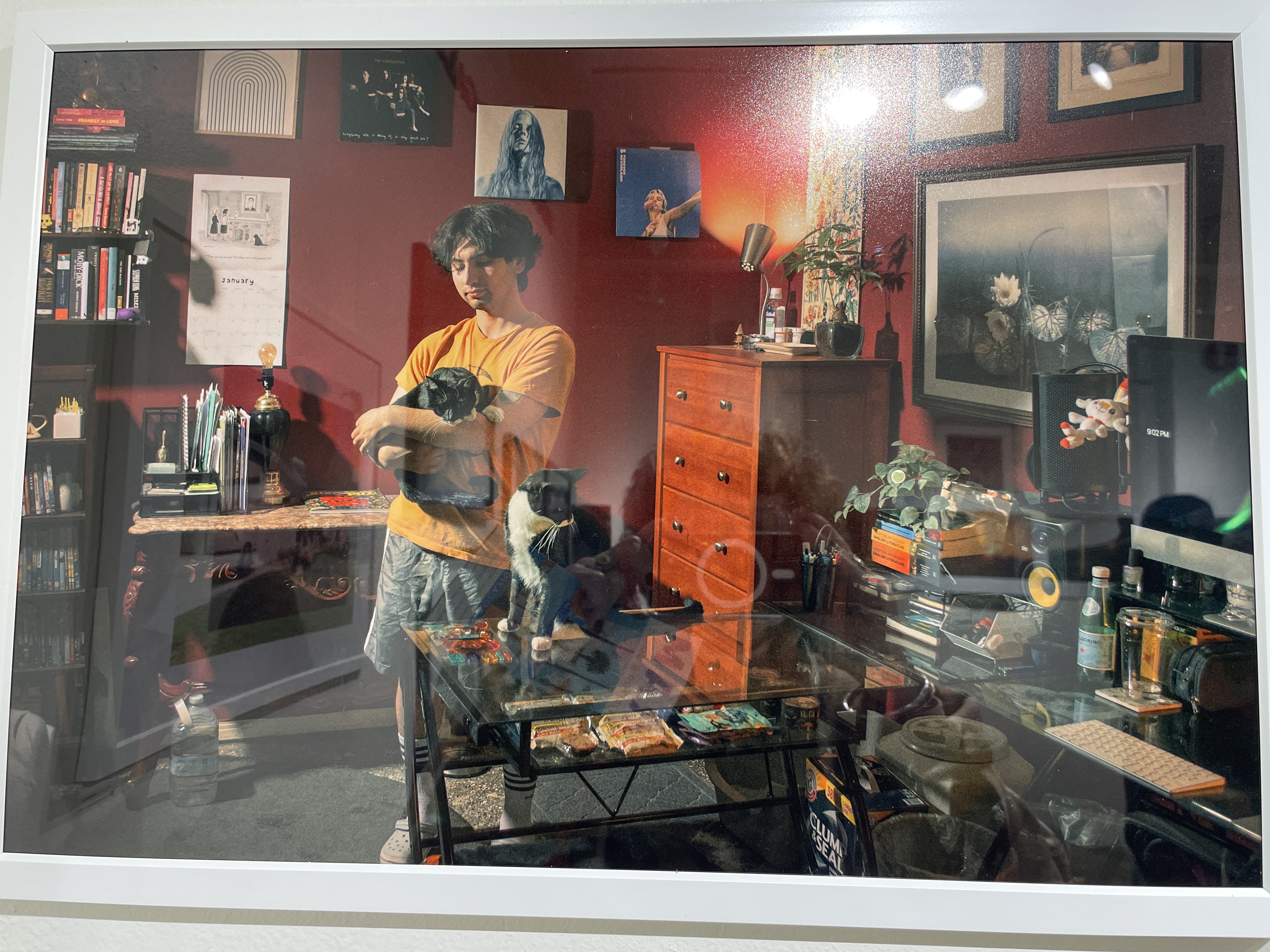
Note: This poem is published in my book “You’re Gonna Eat That? Adventures with Food, Family, and Friends”. My grandmother, Mom’s mom, rarely smiled. When Mom went to the hospital to have my sister, the family story is that Grandmother fed me so many bread, butter, and sugar sandwiches, I became fat. I was two. I remember a mint patch in her backyard. She’d gather mint, boil water, and make mint tea with cream and sugar. I liked it. When Aunt Julia traveled out of town, I remember seeing Grandmother eat butter and smile. This is Grandmother’s wedding photo.

One Book a Week-13: Blue Desert, Celia Jeffries


As an ardent reader who prefers what are usually referred to as literary novels and serious non-fiction, few books impact me deeply and emotionally like this one has. As soon as I finished it, I reread parts of it several times, then sat silently stunned.

After her family moves to North Africa for her father’s work, an 18 year old British girl, rescued by a Taureg leader, is believed dead by her family until she resurfaces years later at a Catholic “home” run by nuns in North Africa. She re-enters British society, marries, leads a relatively “normal” life while keeping a secret for decades. When she receives a telegram, “Abu is dead”, everything changes. Her past comes rushing back in unexpected ways.

One Book a Week-11: The Vanishing Half, Brit Bennett


This unusual novel features identical twin sisters, inseparable as children, living in a small town in rural Louisiana. The town’s founder, a light skinned Black man, insisted on maintaining a certain character for the town–only light skinned Black people should live there. At sixteen the sisters run away to New Orleans where they ultimately choose diametrically opposed lives, one passing as white, marrying a wealthy white man who knows nothing of her true past. In spite of the deception and lies, years later their lives become intertwined in unexpected ways. The novel not only addresses themes of race but also sexual identity and who we are as individuals and a country.

One Book a Week-9: “Flights”, Olga Tokarczuk


How to describe this unusual novel? Here’s a possible list:

-No over all plot.

-Several stories about individuals scattered throughout, e.g. read about a person and event, then many pages later back to that person and the consequences of the event(s).

-Short philosophical musings/vignettes interspersed here and there. One reviewer counted 116.

-One common theme relates to the title, Flights, in that in most of the “stories” people are traveling or have traveled on quests for “meaning” or escape from a cumbersome reality.

I learned the following from reading this book:

-Per his request Chopin’s heart was taken from his body. His body was buried in Paris but his sister secretly transported his heart in a jar of special preservation liquid back to Poland, the land of his birth.

-A Dutch anatomist discovered the Achilles tendon after dissecting his own amputated leg.

-Plastination is the method used in anatomy to preserve bodies and body parts. Several characters in the book make their living or are obsessed with this process.

This is not a book for those who prefer relaxing reading or for the “faint of heart”.

Note: The author won the Nobel Prize in literature in 2018. This book won the Mann Booker for translated literature from all over earth in 2018. I plan to read another of her books–have now read two of them–but since the other one in English is 1000 pages long rather guess it might take more than a week for me to read it. This is actually the 11th book I have read to date in 2023 but did not start blogging about them so two are missing in the blog posts,

One Book a Week-5: The Importance of Paris by Cynthia F. Davidson


This memoir take place when the author decides to move to Paris in order to address certain “issues” related to her childhood and young adult years. She grew up in Saudi Arabia before the oil boom and went to high school and lived in Beirut when it was considered one of the best cities in the world. She had to leave when Lebanon became war torn, her dad was kidnapped, and her sister shot. Her return to the US proved traumatizing even though she is not genetically of Middle Eastern descent. Paris was filled with Lebanese refugees so she moves there in an attempt to understand what happened to her beloved Lebanon and why.

This is not an ordinary memoir. I could not stop reading it; I wanted to know what happens next and why. It includes a graphic honesty not found in most memoirs I’ve read. In addition, it contains political and historical explanations for the events that transpired during the time period of the book.

Want to learn more about the background to current events in the Middle East? Want to read about a remarkable life? Then read this memoir.

An Afternoon at the Cheech Museum – 2


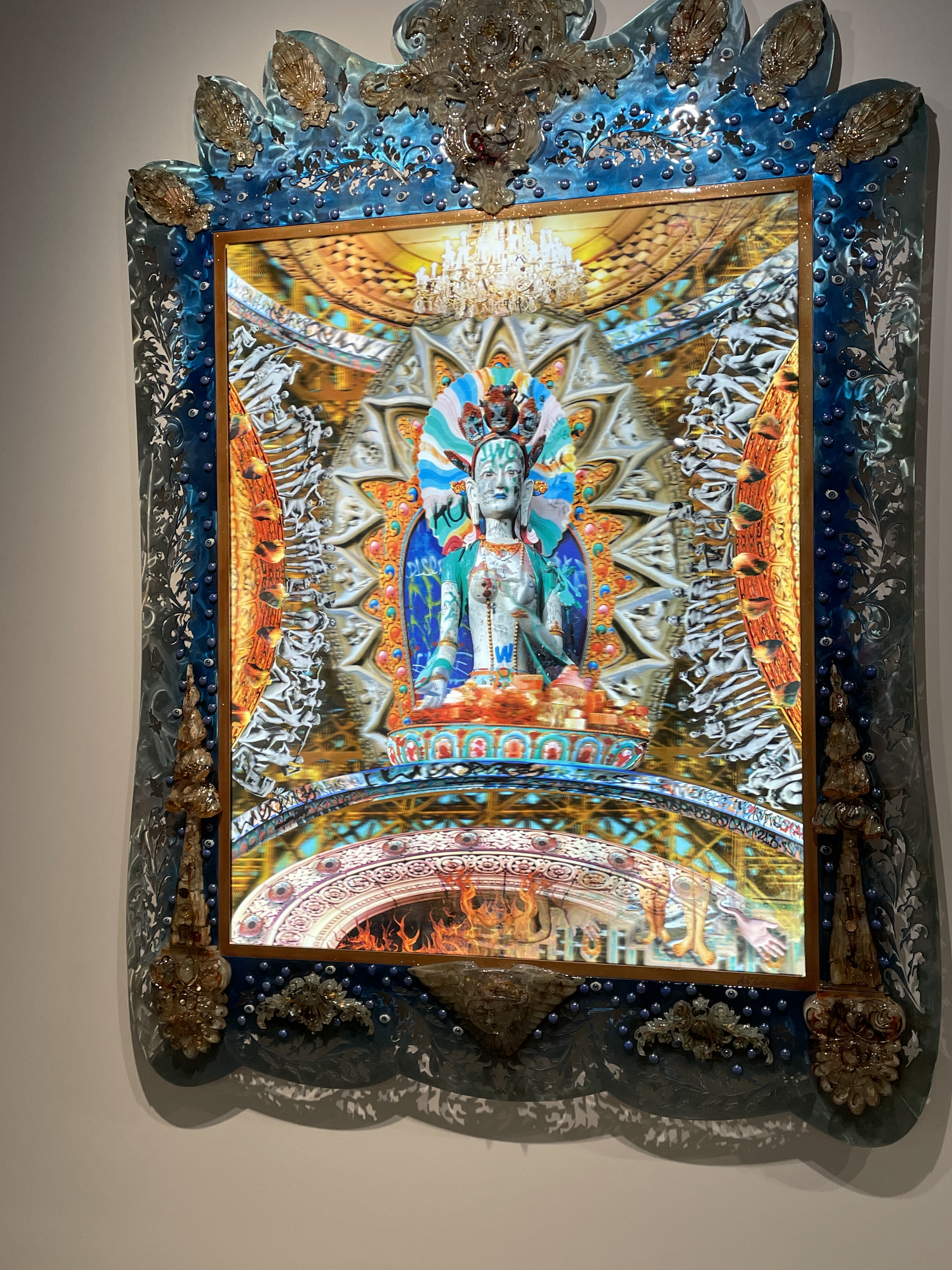
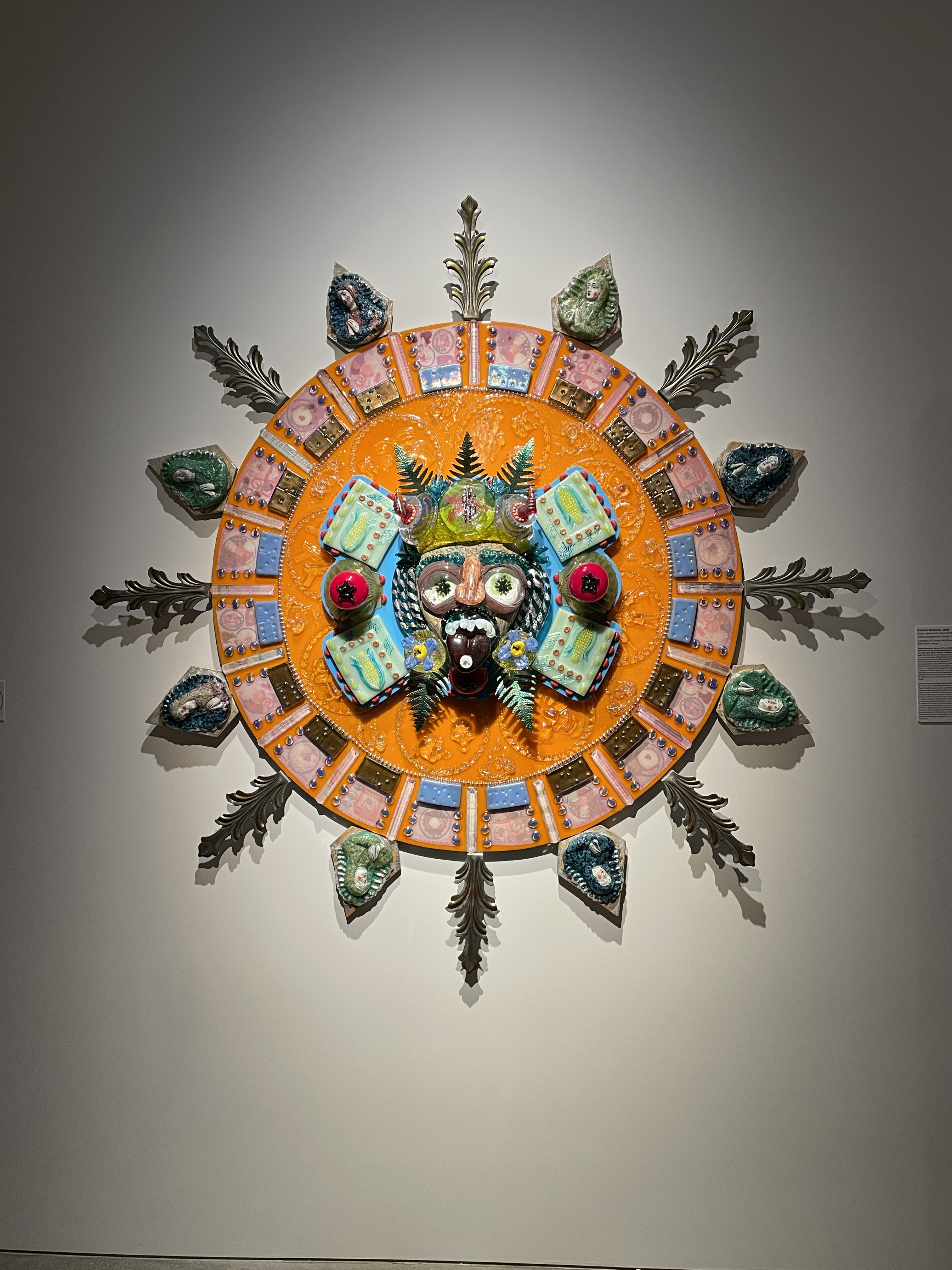
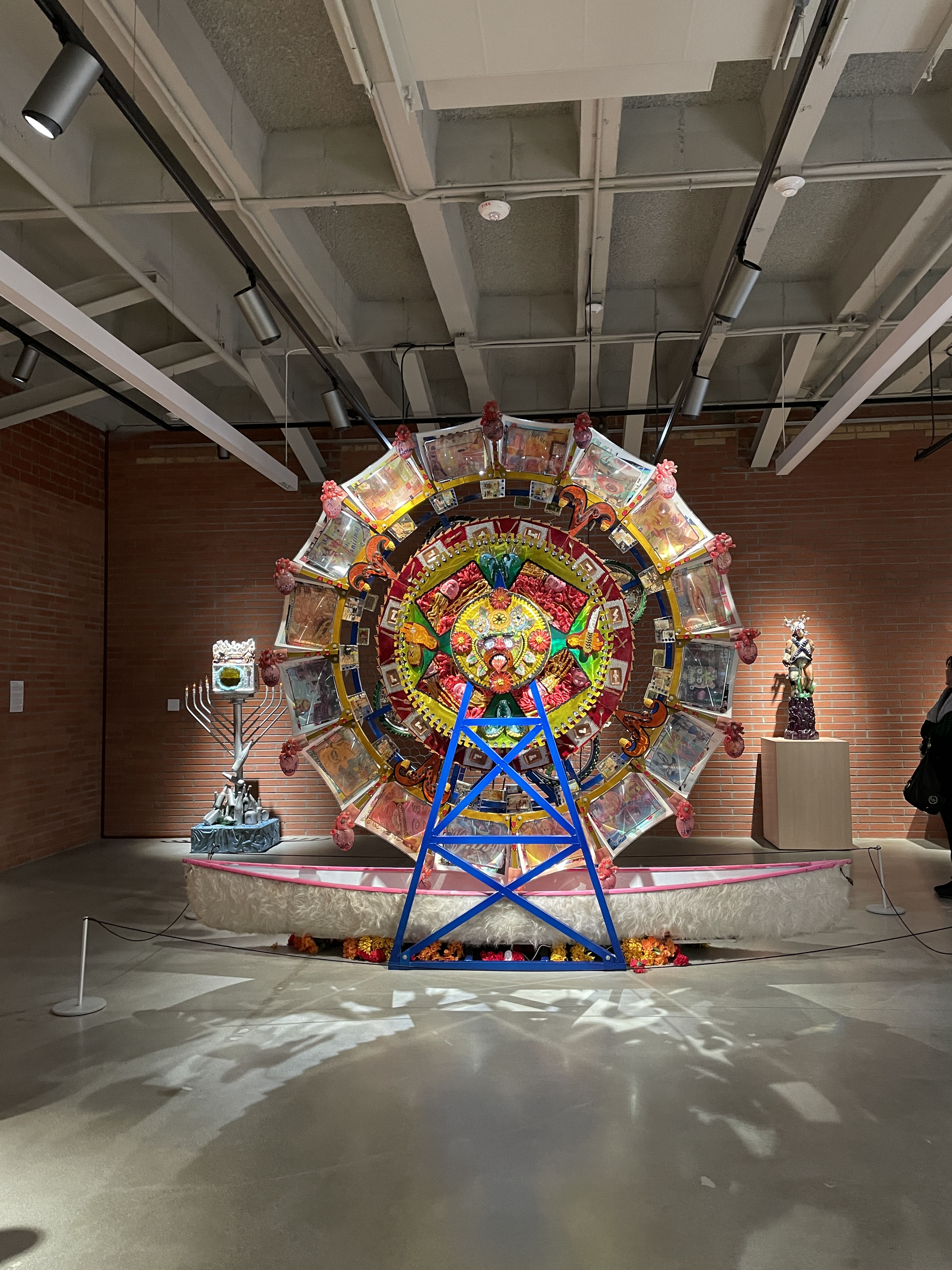
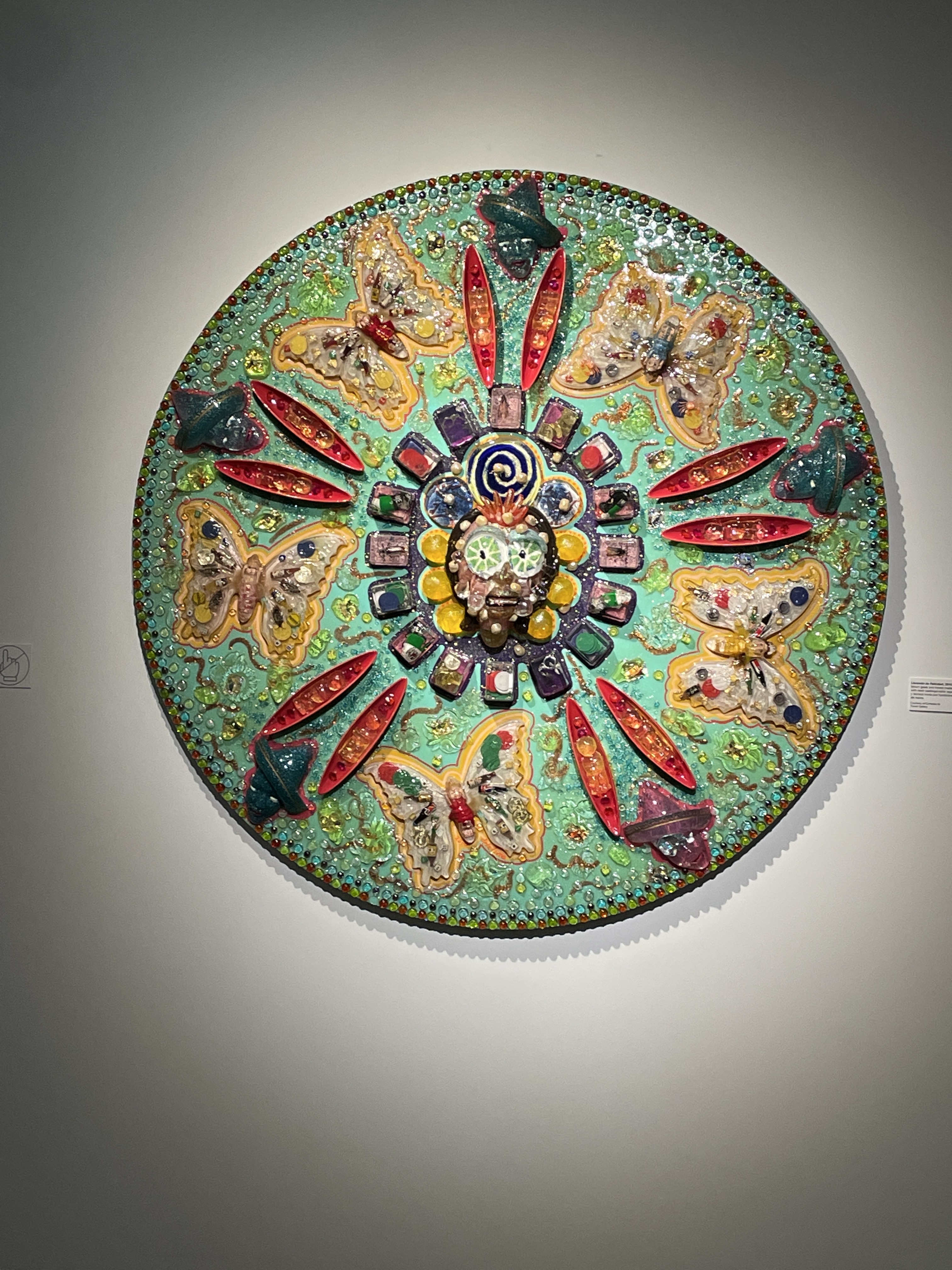
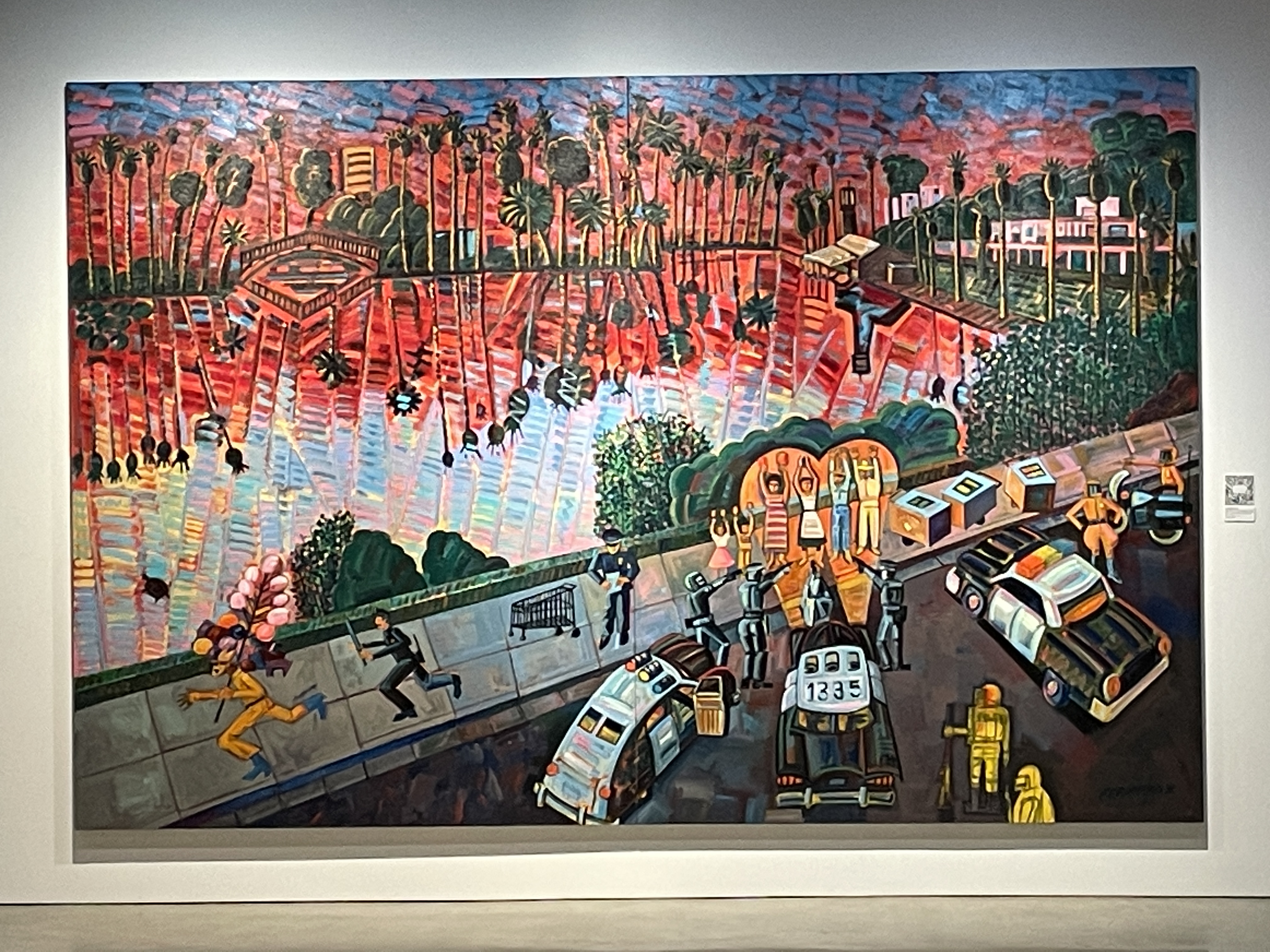
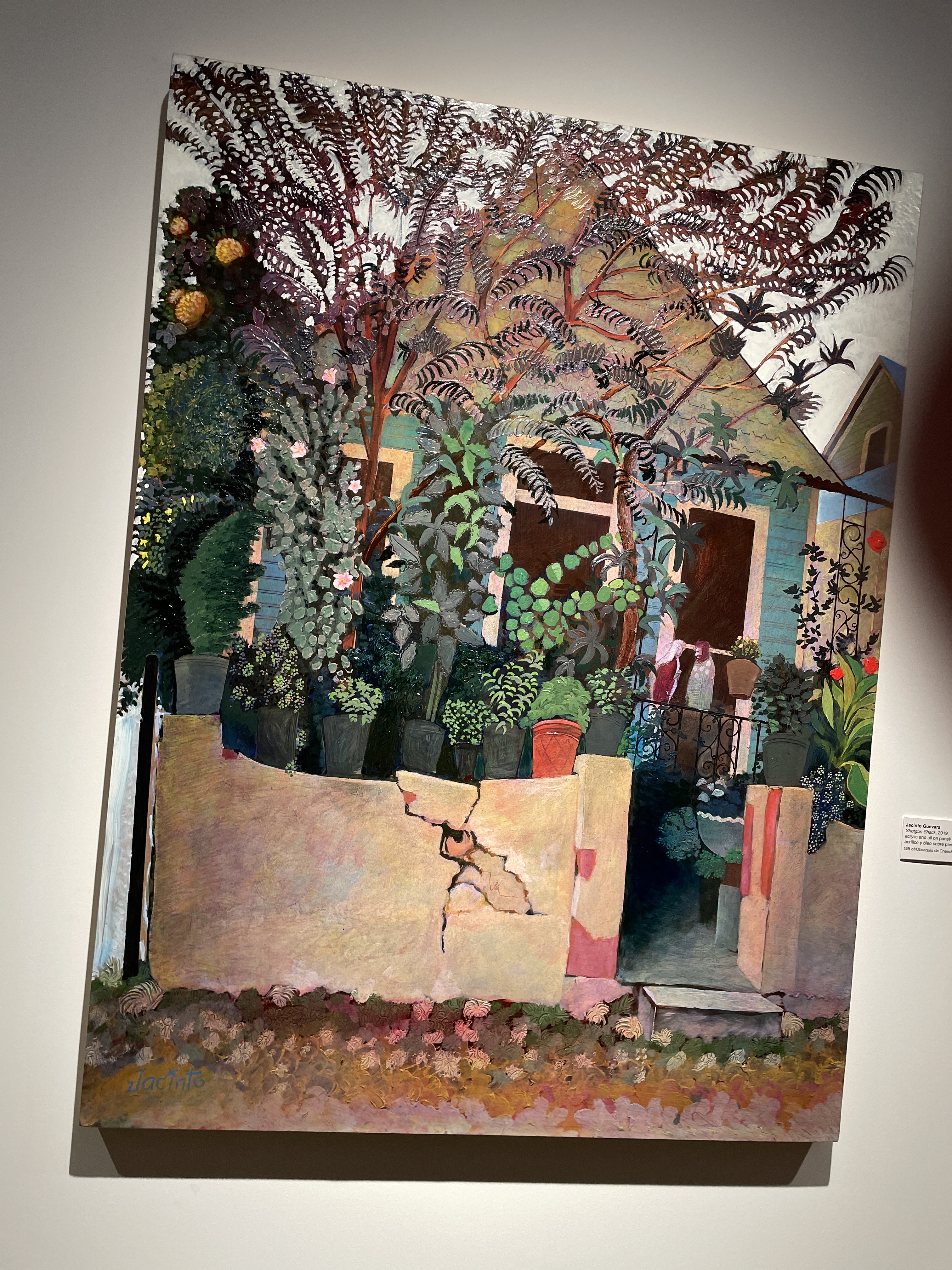
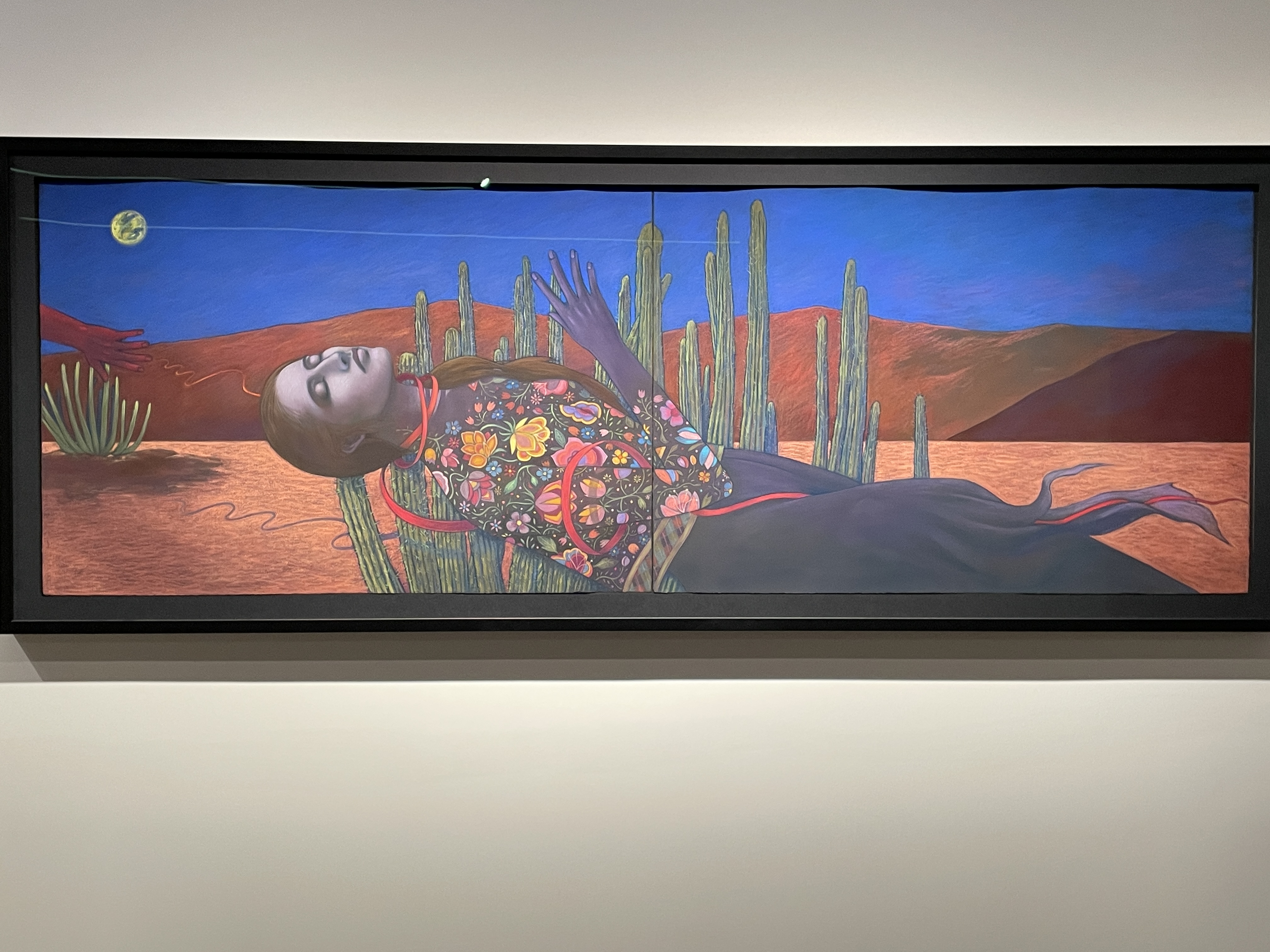
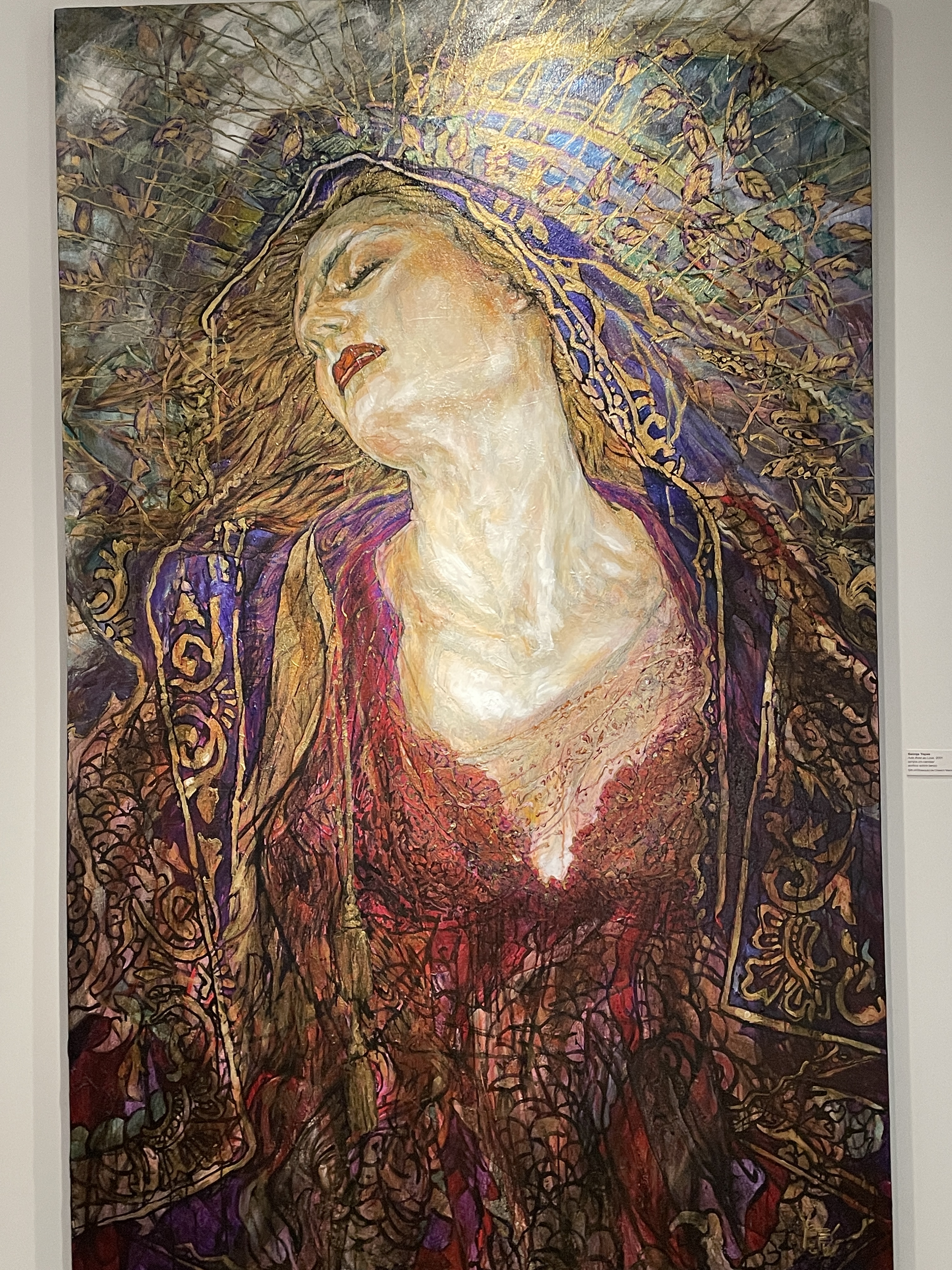
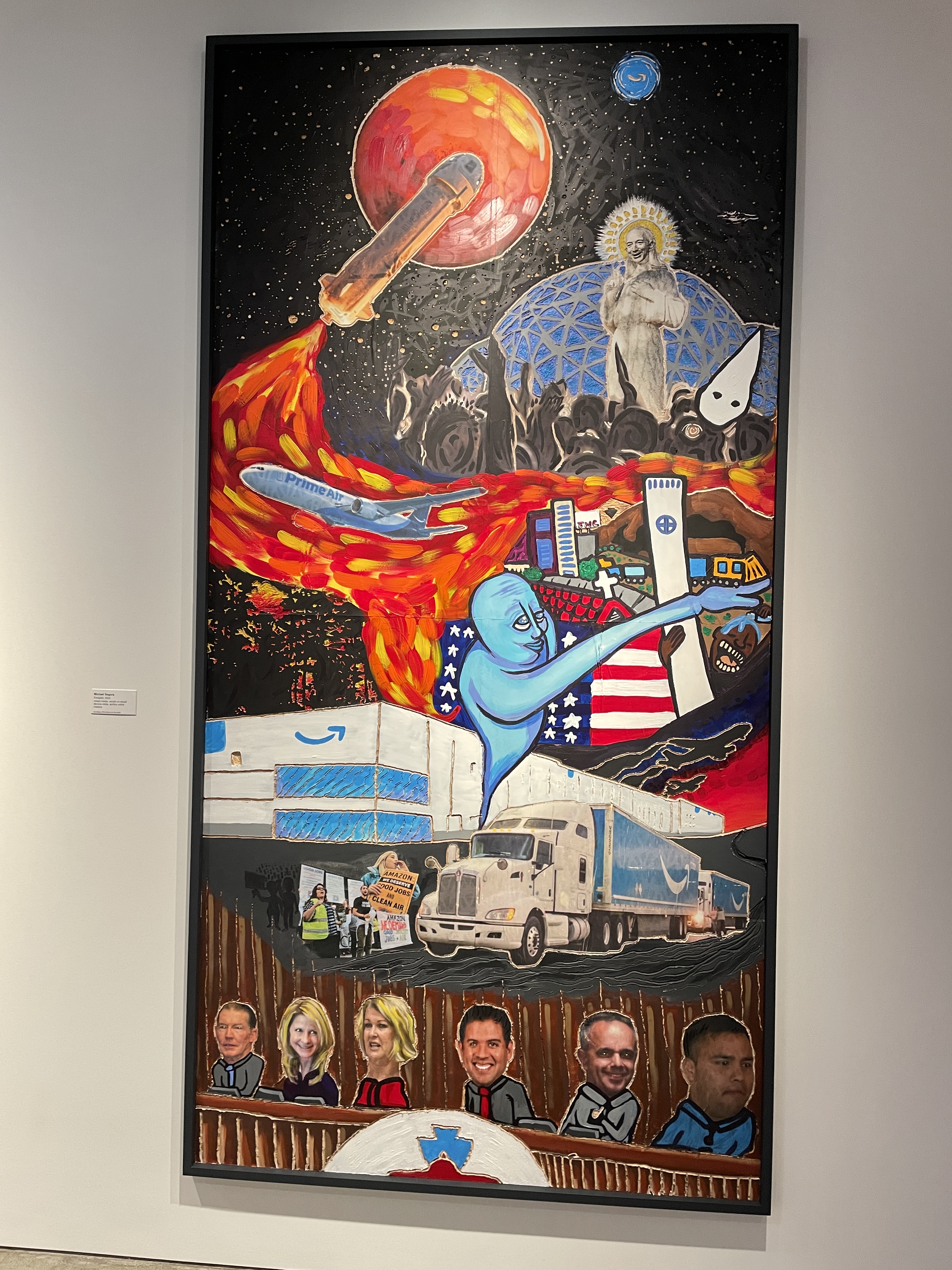
The second floor of the Cheech contains even more astonishing art including more multidimensional pieces except smaller than the giant one you see when you enter the building.

Depending where you stand in front, to either side, what you see is quite different. I kept thinking some old Flemish art or Hieronymus Bosch meets modern technology.

Much of the art makes a social or political statement especially about colonization, culture, poverty.

Some of the art is reminiscent of Mayan and Aztec calendars.

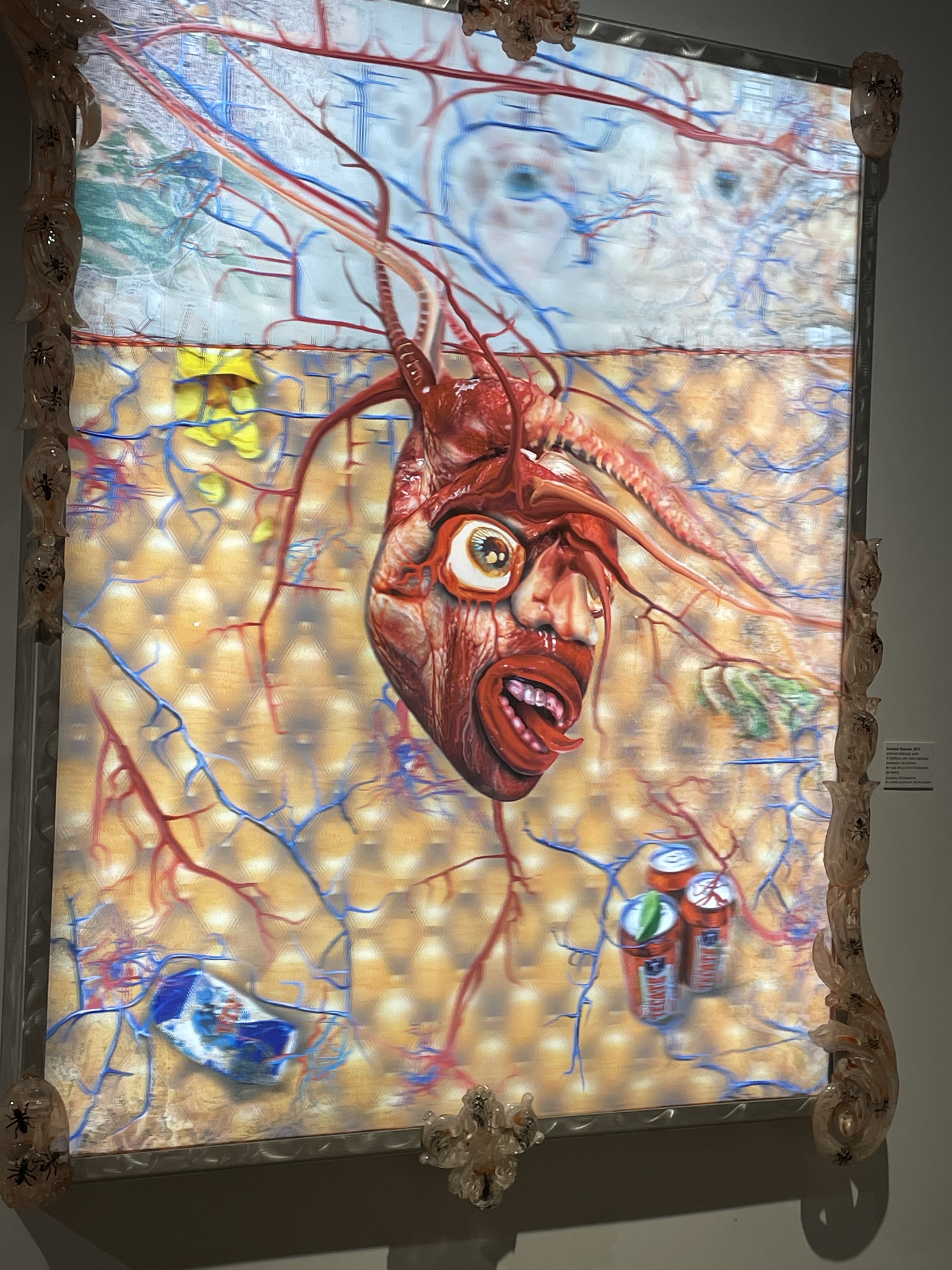
Hearts appear in many of the paintings.

And of course Frida.

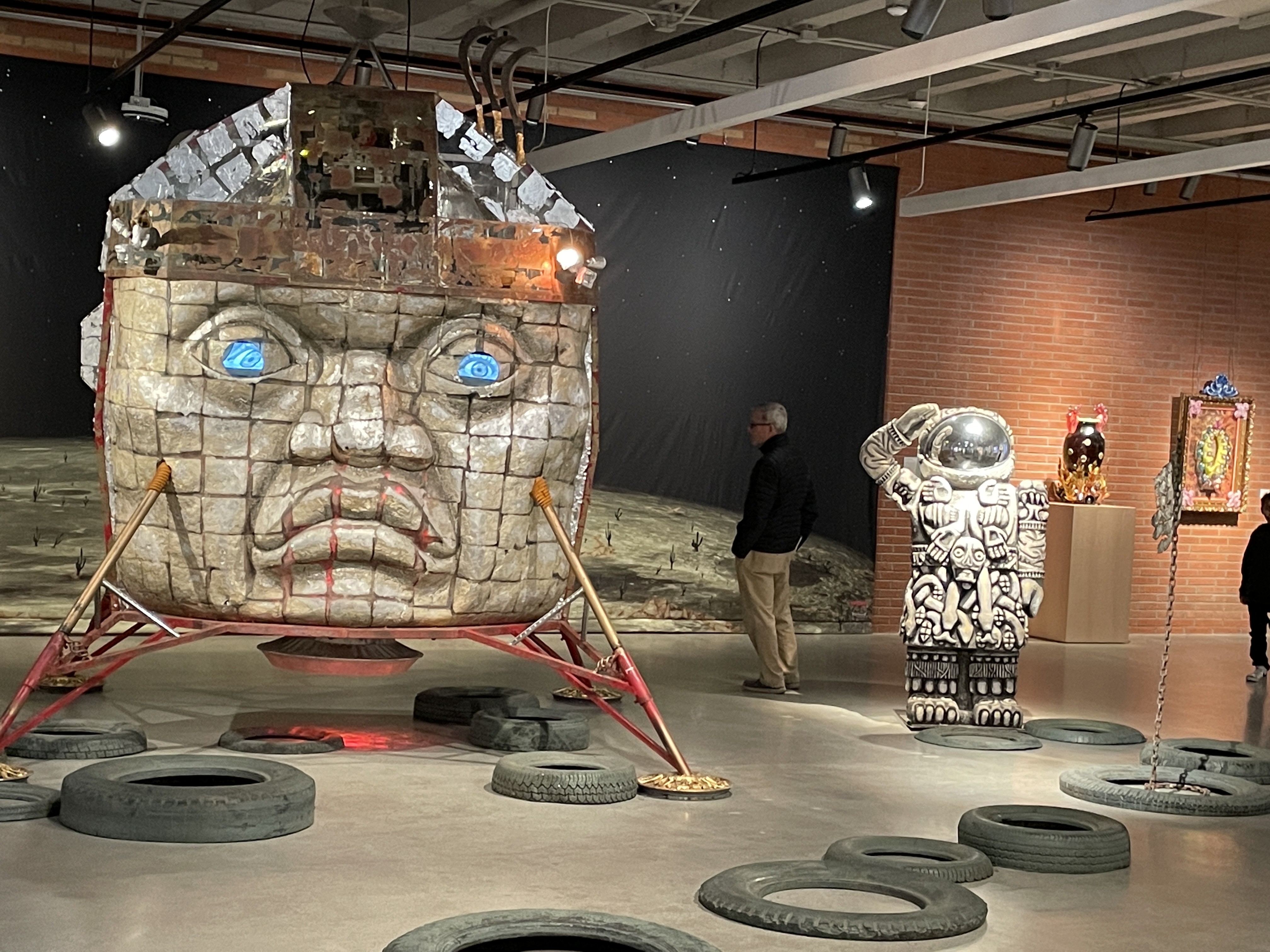
This is a space ship with changing eyes. If you walk around the back there is a creature inside watching everything with monitors.

An Afternoon at the Cheech–1


Some of you may remember the comedy duo Cheech and Chong way back in the day. Cheech has spent his life collecting Chicano and Chicana art. This year he gave a lot of his art collection to open a new museum in Riverside, California. Earlier this week my grandson, his girlfriend and I went to visit the museum. Photos and videos are allowed without flash. The following is the first set of photos I took. Please note that you need to see this art for yourself. Photos do not do it justice. Much of it is multidimensional and looks very different depending on where the viewer stands.

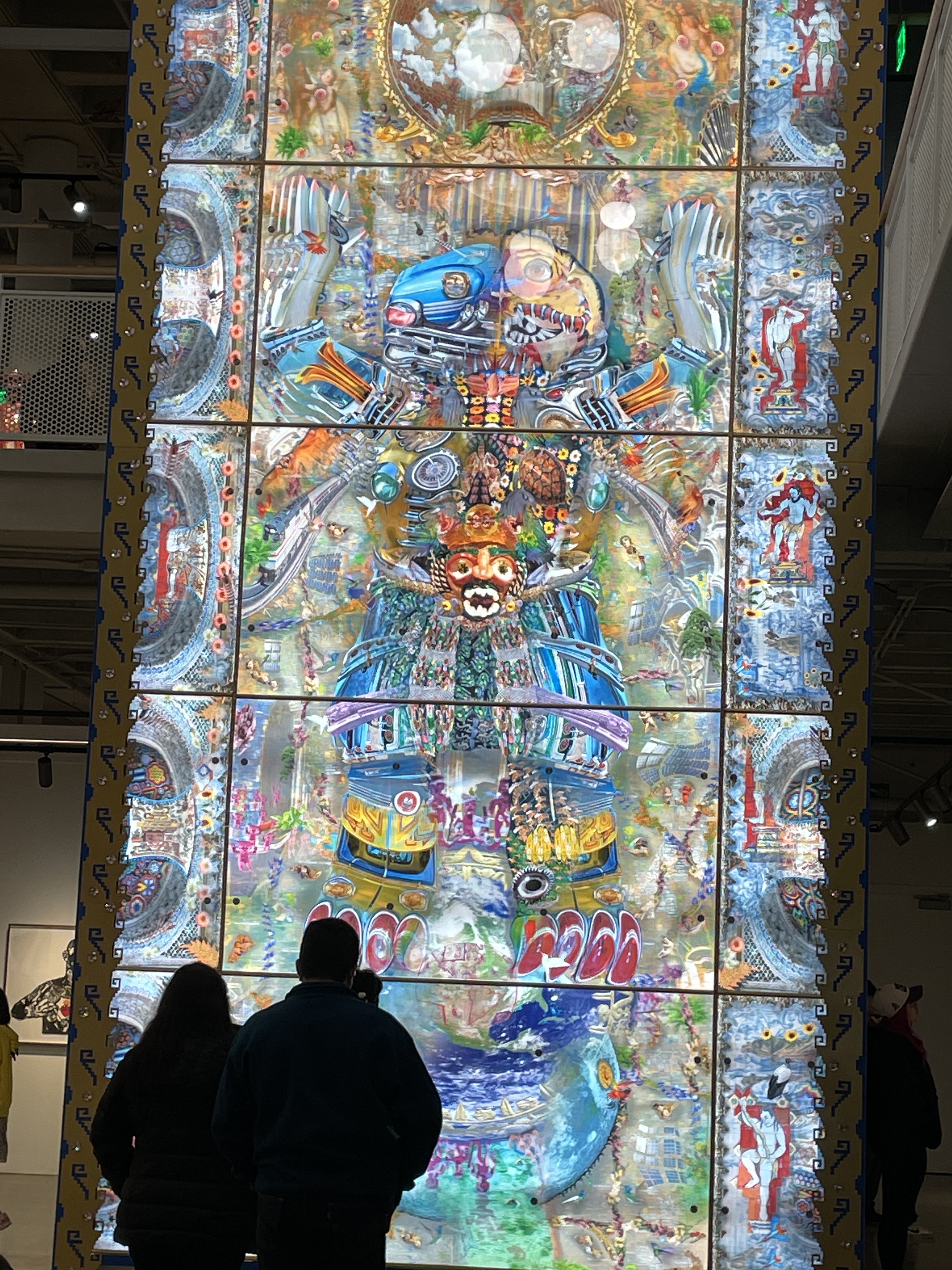
This is what you see when you enter the door; it is two stories high and multidimensional. Look how different the next photo of it looks from this one.

Walk farther to the side and it looks totally different again.

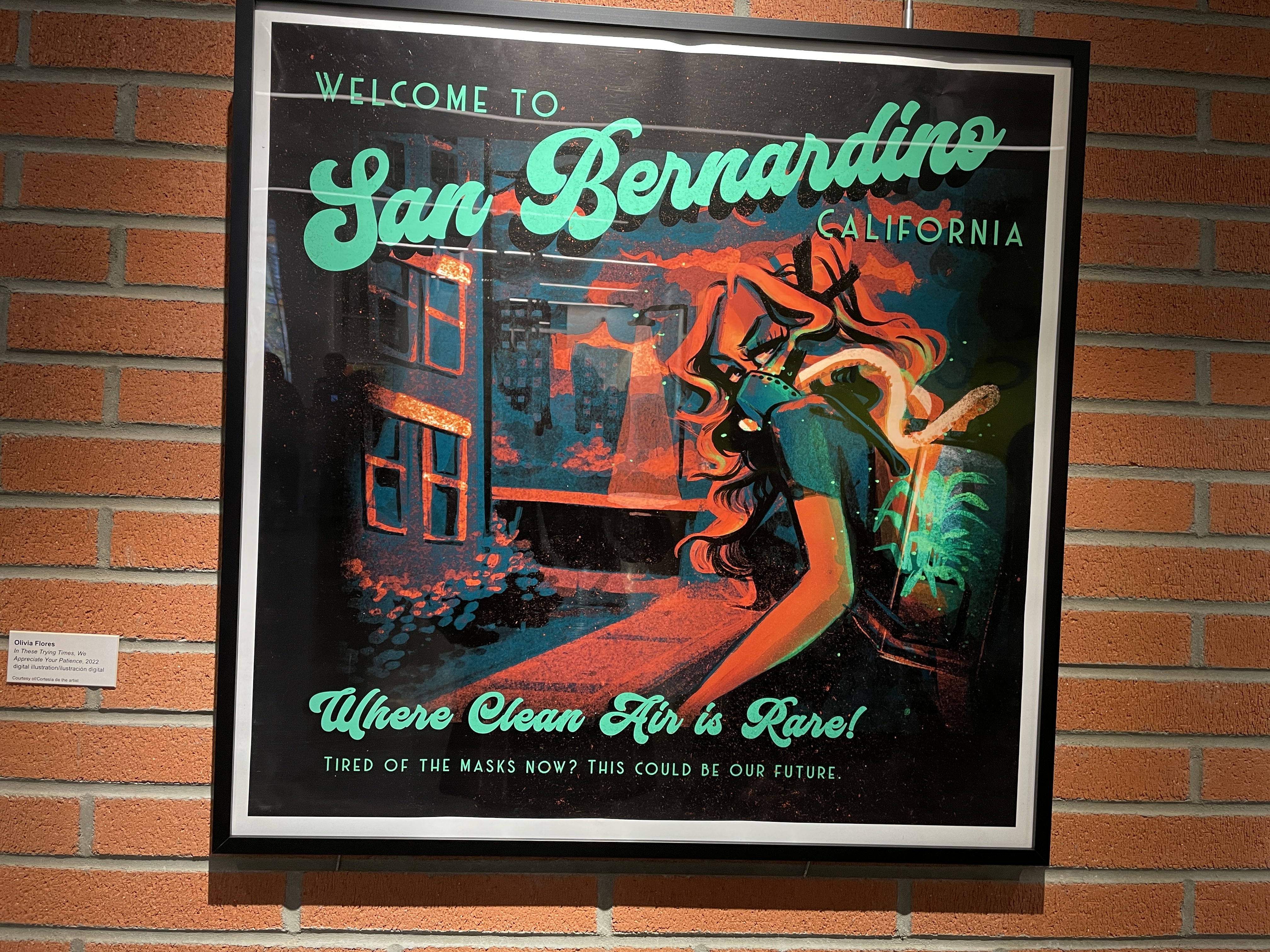
This speaks for itself. Right now where I live the air is clean enough that unless it is foggy, I can see all the way to downtown LA 30 plus miles away.

All the art at this museum has a message; much of it illustrates the ills of society.

The influence of indigenous art, e.g. Aztec, Mayan, can be seem in much of the art and the statements the art makes.

The woman above and the woman below hang next to each other.

The Riverside Art Museum


On January 2, my grandson, D’mitri, his girlfriend, Landri, and I went to The Riverside Art Museum and the Cheech in Riverside, California. This post includes what we saw at this museum. Later I will share photos of the art at the Cheech.

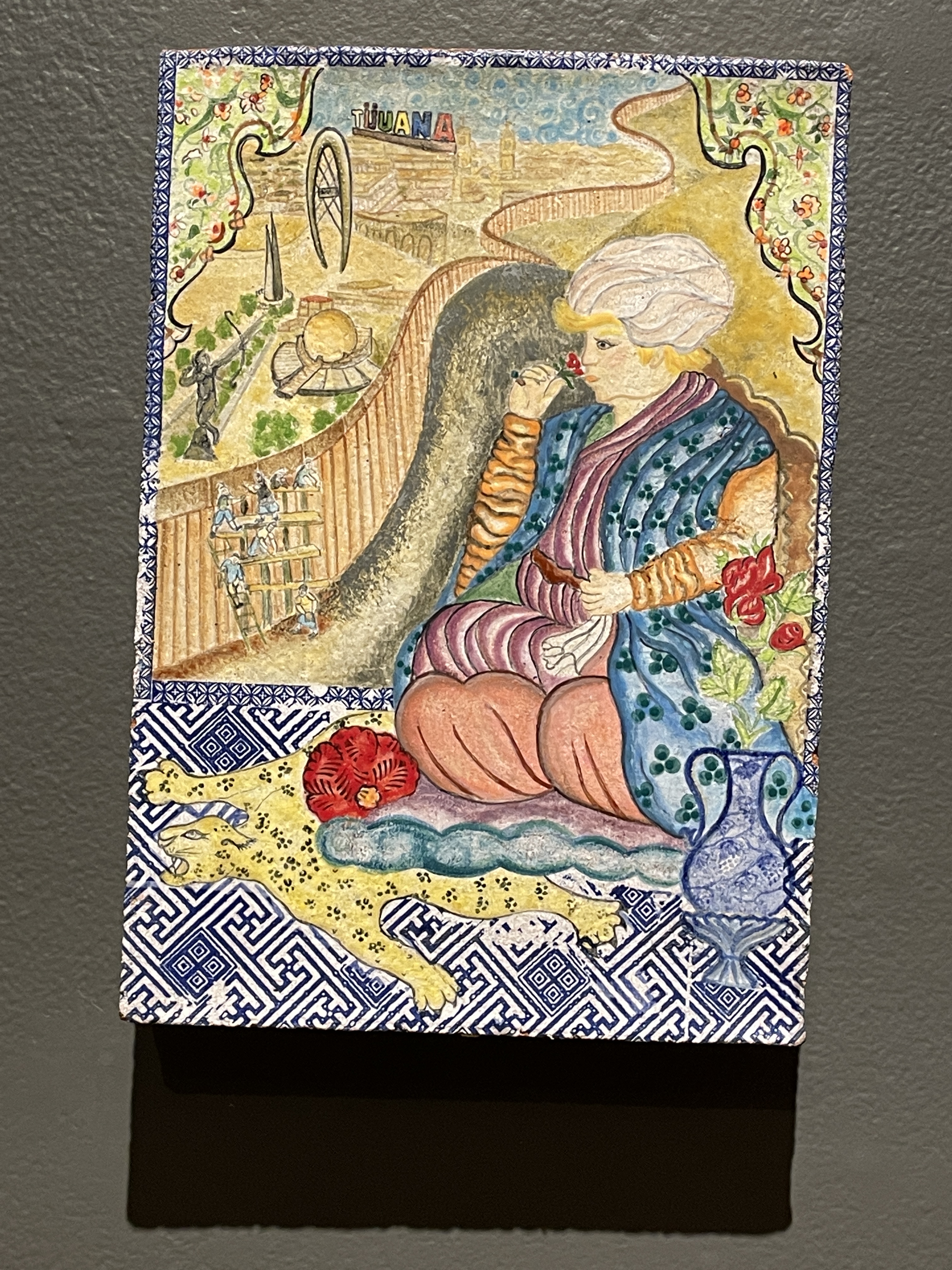
All the art seen in these first photos is by this Turkish-Mexican American artist. Here she explains how and why she interweaves the various parts of her heritage.

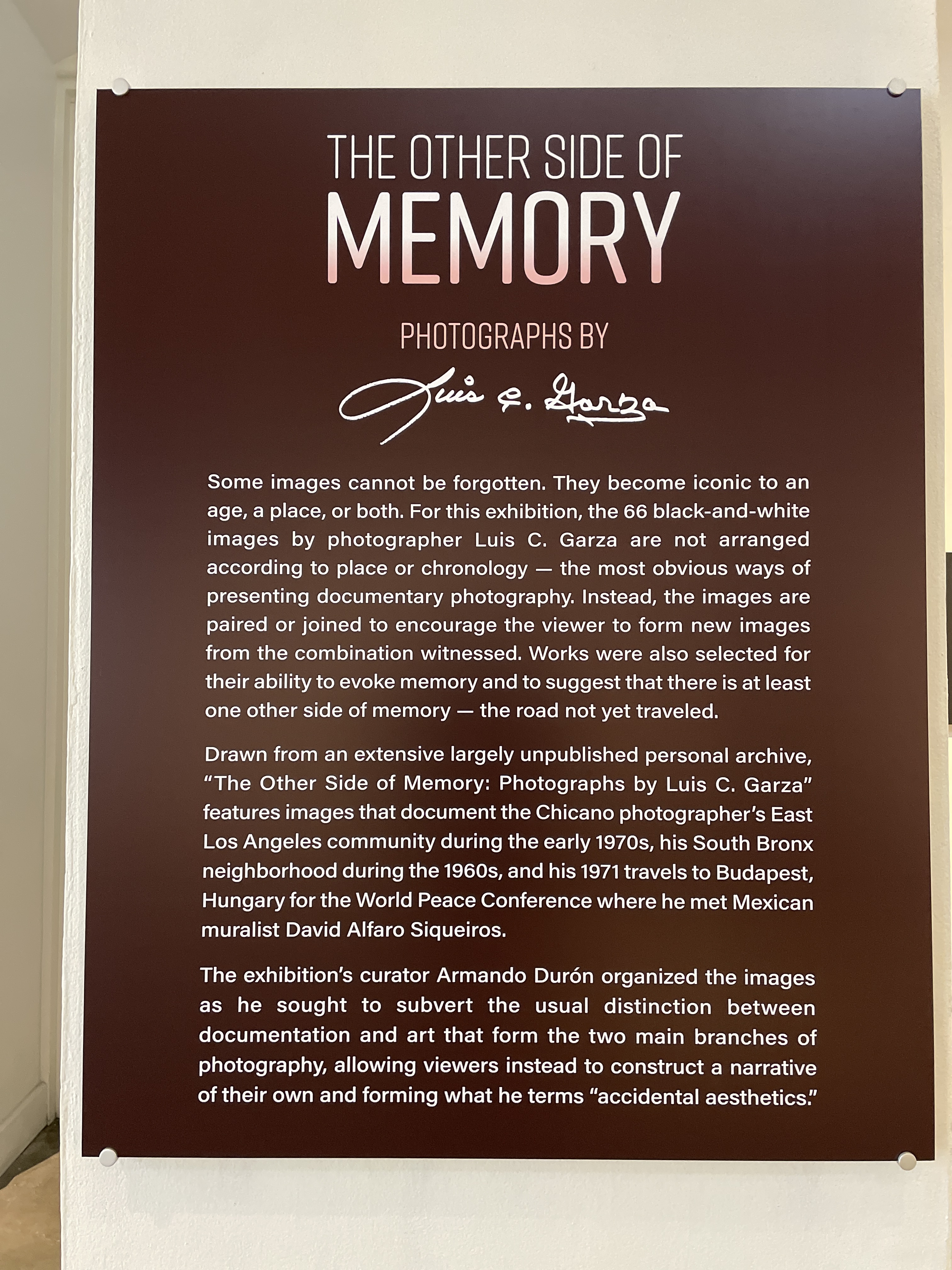
The next gallery room contained hundreds of photos from the 1970s in LA and surrounding areas. Although LA certainly is not the perfect place, improvements since that time are evident in the photographs. Here is a photo about that exhibit.

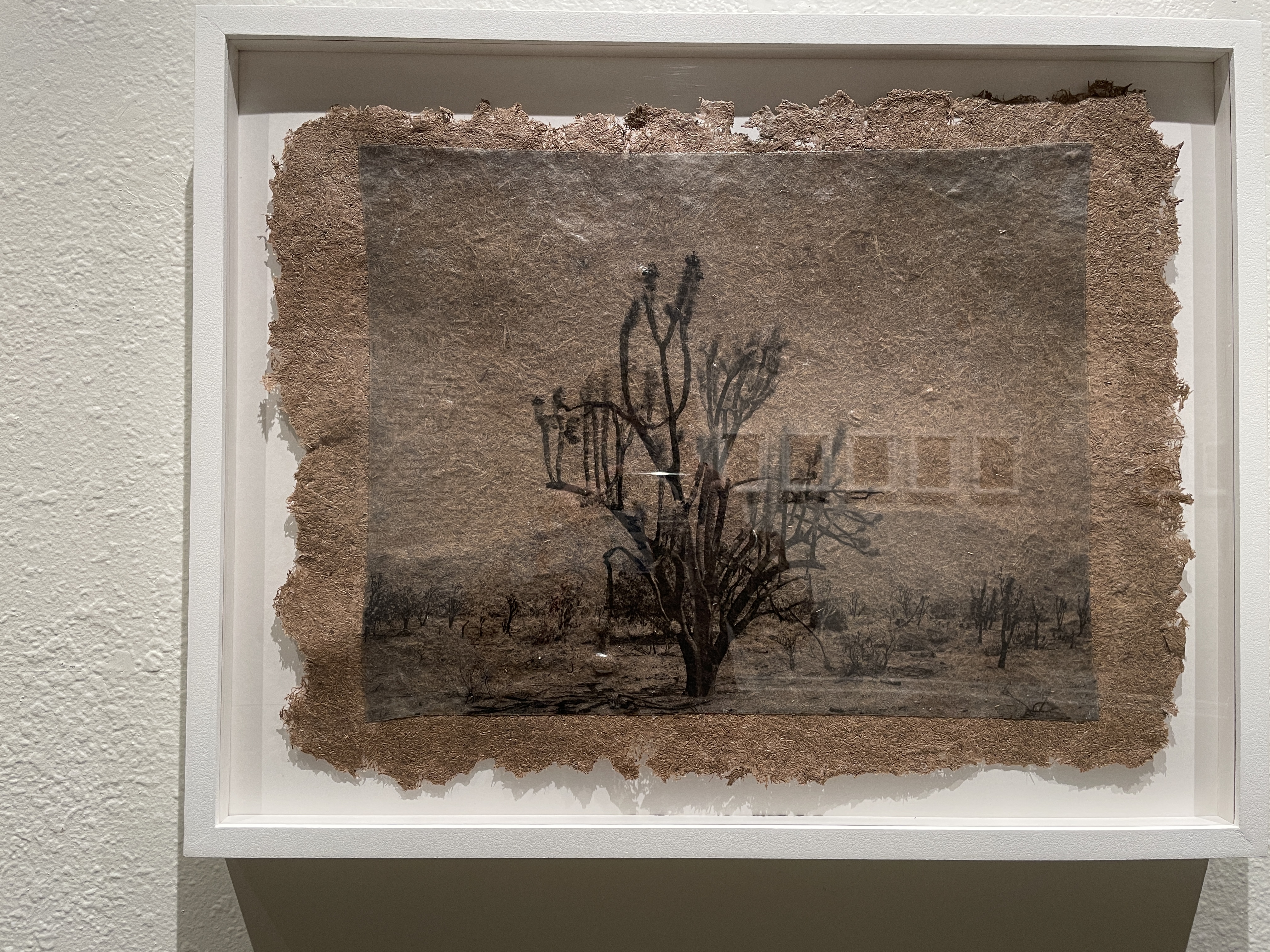
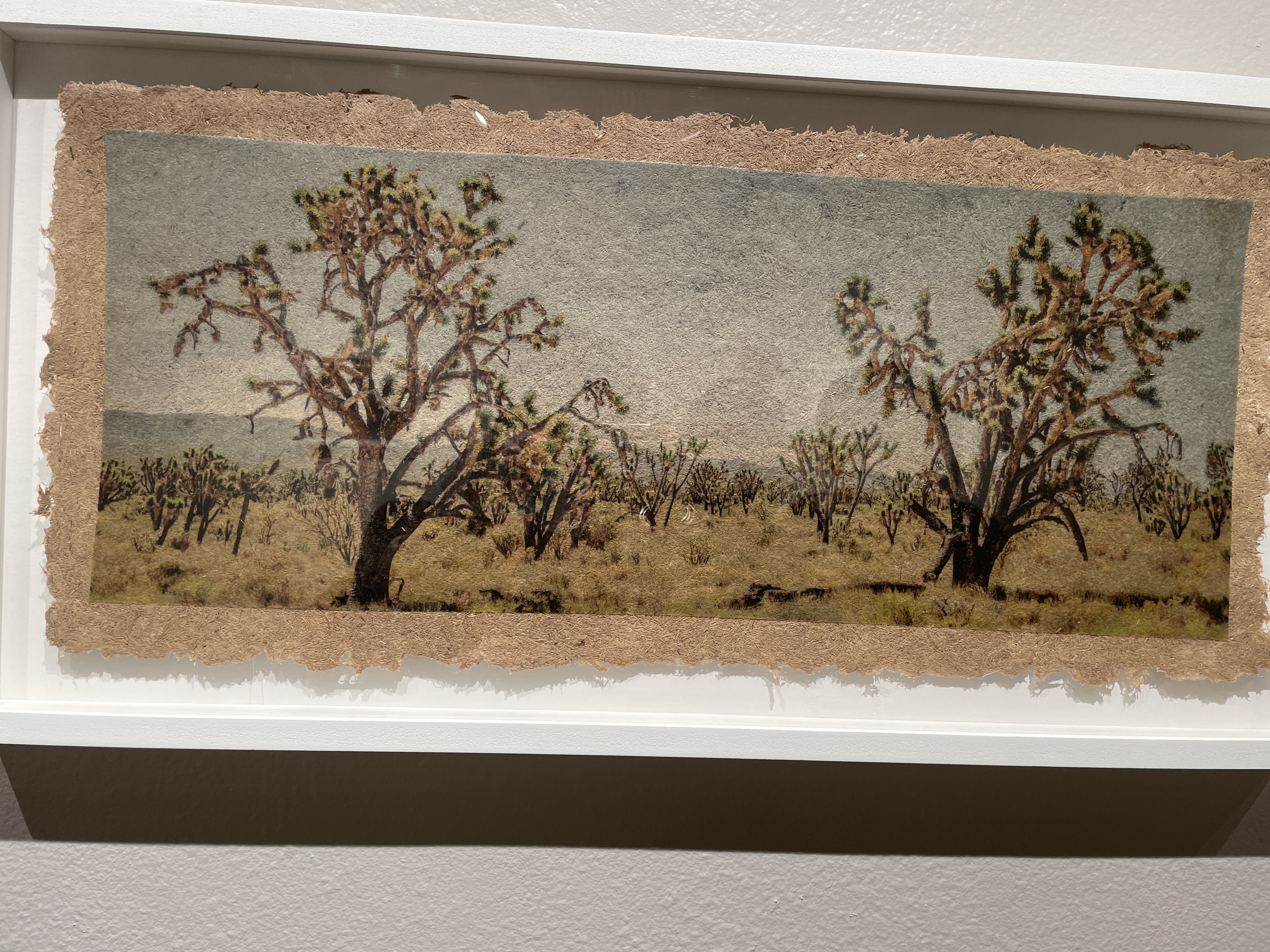
The next gallery contained art of the Joshua trees. The paper used was made of Joshua trees.

The following photos were taken in a hallway above the patio garden and in a smaller adjoining gallery.

The title of this one is The Future.

The galleries are all arranged around this patio.

Blackwater Draw


I walk the mile long trail down into the depths,

caliche, gravel, larger rocks strewn by millennia.

The ancients–Clovis, Folsom, Portales

Man–hunted here at the shores of a lake

nearly 12,000 years ago. In 1929, an amateur

archeologist discovered a spear point lodged in bone.

Scattered cottonwoods whisper in the wind,

timeless voices call me, beckoning.

Who were these people? What did they

look like? Where did they come

from? In whose gods, goddesses, did

they believe? Doubtless hunger

drove them to this place of water

and plenty. Columbia mammoths, giant

sloths, dire wolves, saber toothed cats.

I walk this long path, read signs

that tell what diggers found at specific

spots along the trail: bison horns

spanning seven feet, mammoths twice

the size of elephants. I stand in the shade

of the cottonwoods. They whisper to me.

They tell me ancient tales of hunger, strife,

beauty, love, endurance, woe, war, weaponry,

courage and community. How did they overcome

danger, fear? My skin tingles strangely

in the summer heat. Now this land is dry,

desert, the water that sustained teeming life

evaporated in the crystalline air.

Twelve thousand years from now who will stand here?

Will this place exist? Will someone wonder the meaning

of our bones, who we were, what we believed?

An Old Bowl and the Silver Spoon


My Aunt Julia, Mom’s sister, lived to 94. She loved fine antique china, linens, and French furniture. The ordinary bowl in this photo defies those inclinations, its origins a mystery. How did she acquire such a plain bowl and why? I will never know. In spite of its age, cracks, dull finish, I have used it every morning for decades. It is my breakfast bowl, filled with yogurt or cottage cheese with dried blueberries and a handful of walnuts, or, occasionally, oatmeal.

The spoon, on the other hand, is not ordinary, but rather good silver from the set Dad gave Mom on their first wedding anniversary. Unlike Mom, who saved her good silver for holidays and special occasions, I use these spoons daily and think of her unconditional love, strong will, determination, and love for beauty.