My Ethiopian Adventure–on the Road from Lalibela to Gonder


Since there is only one road in and out of Lalibela, we headed back to the main road after an 8:00 breakfast.  By this time, after three times on this road, the heights hardly bothered me.

IMG_0491

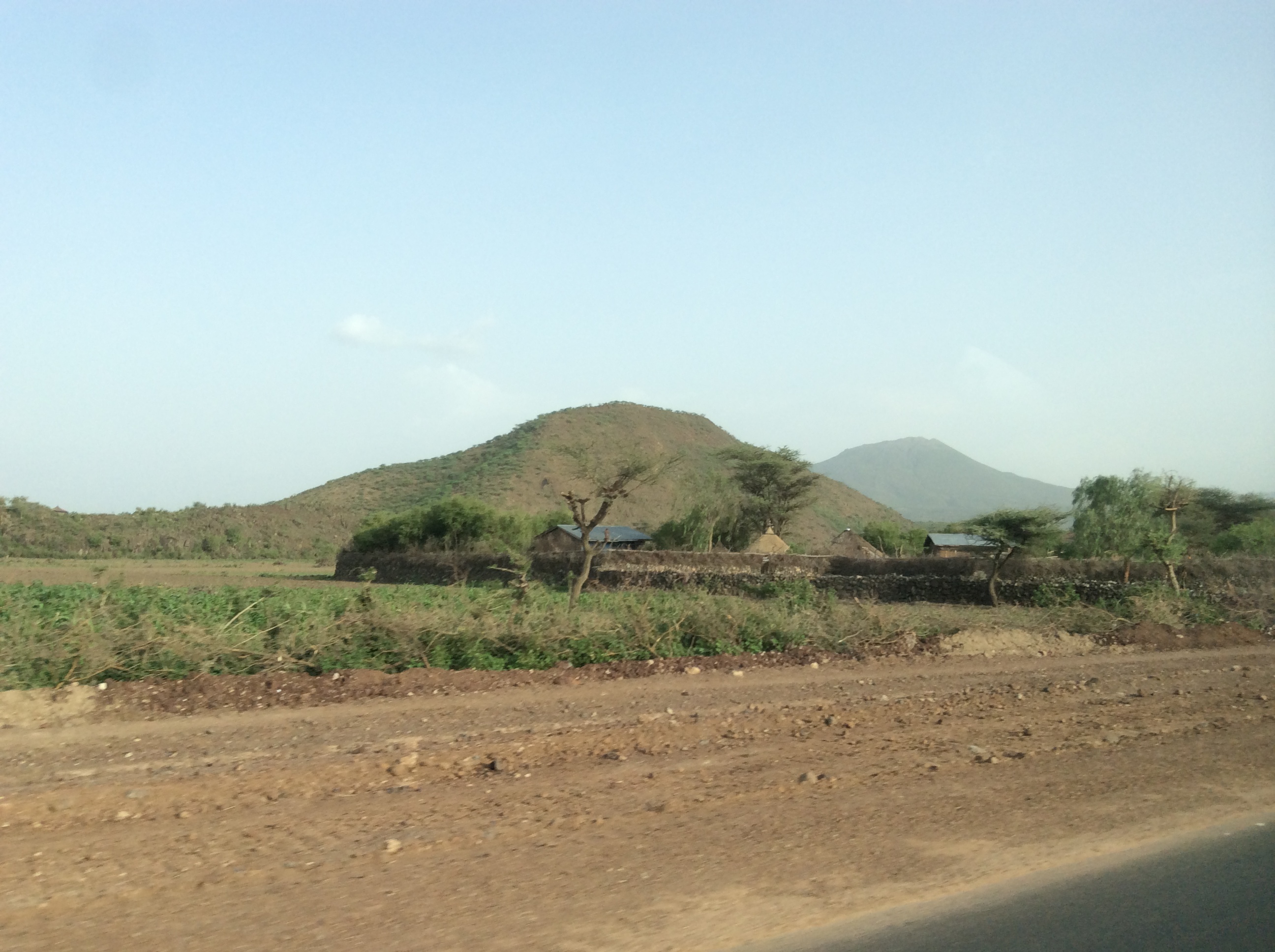
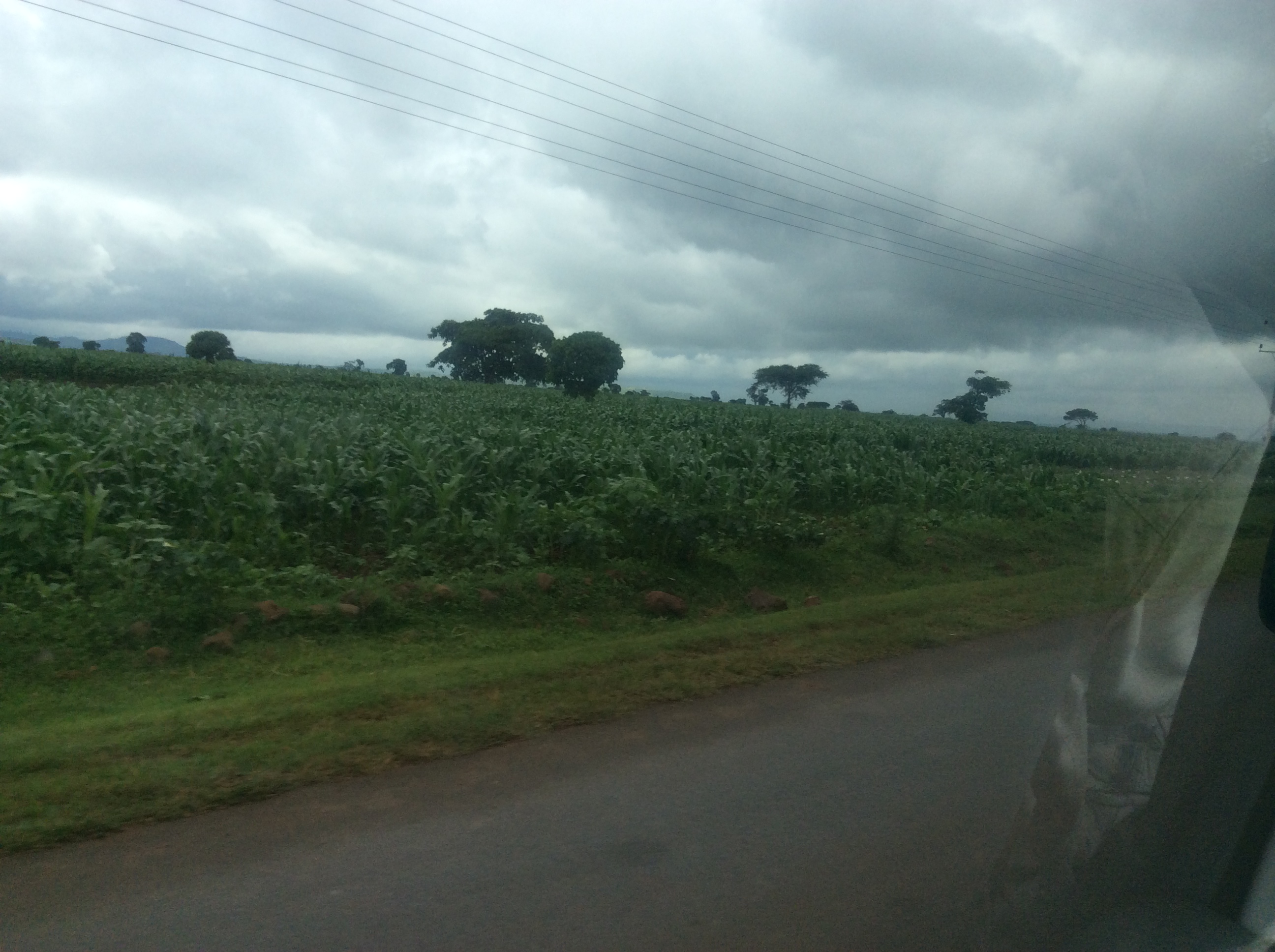
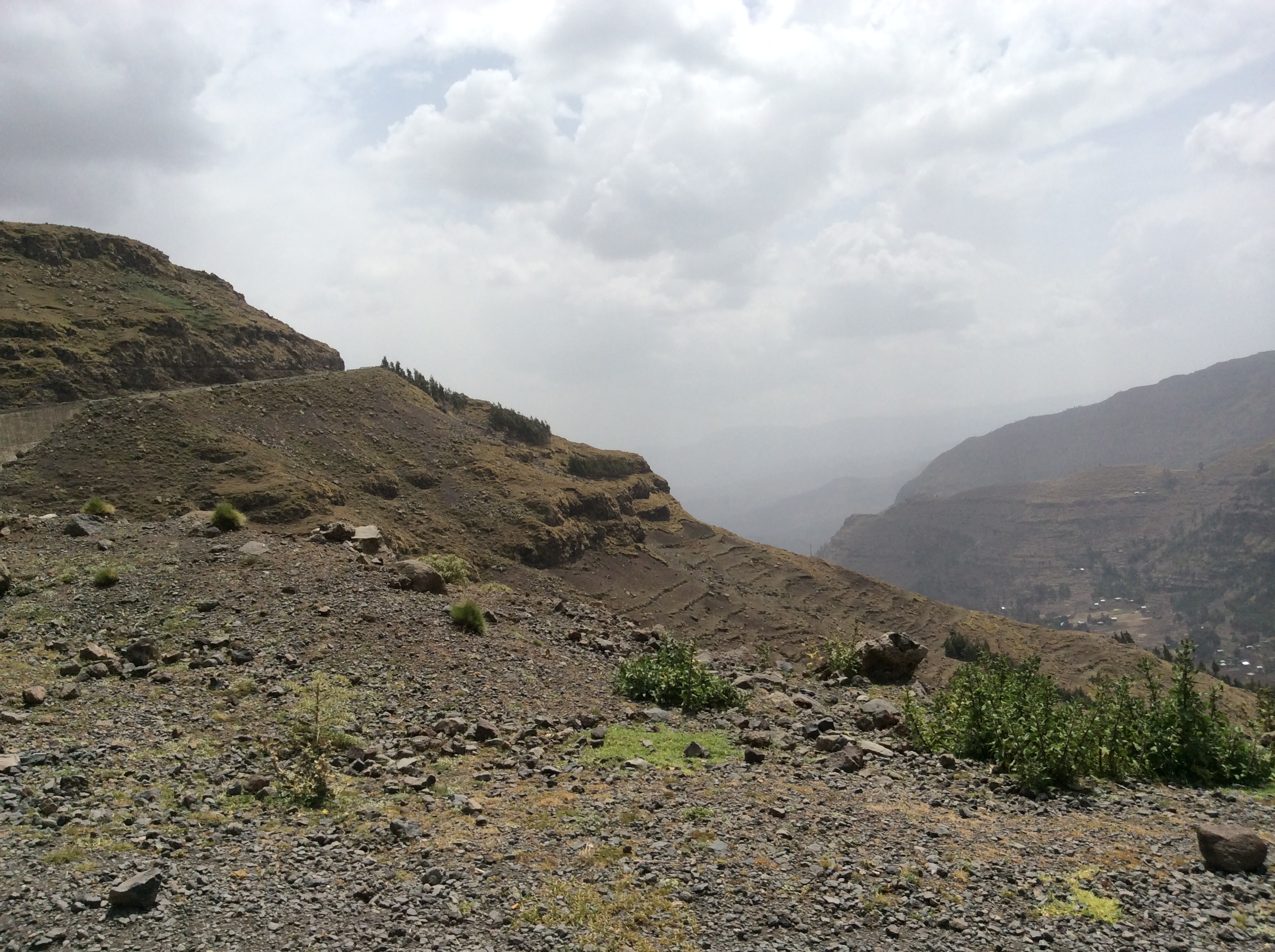
We drove through mountains a large part of the day, through the large towns of Nesfas Mawcha, Debre Tabor, and turned north at Wereta. By this time, I had become accustomed to seeing endless beautiful scenery, hardly knowing when to take photos.

IMG_0501

IMG_0502

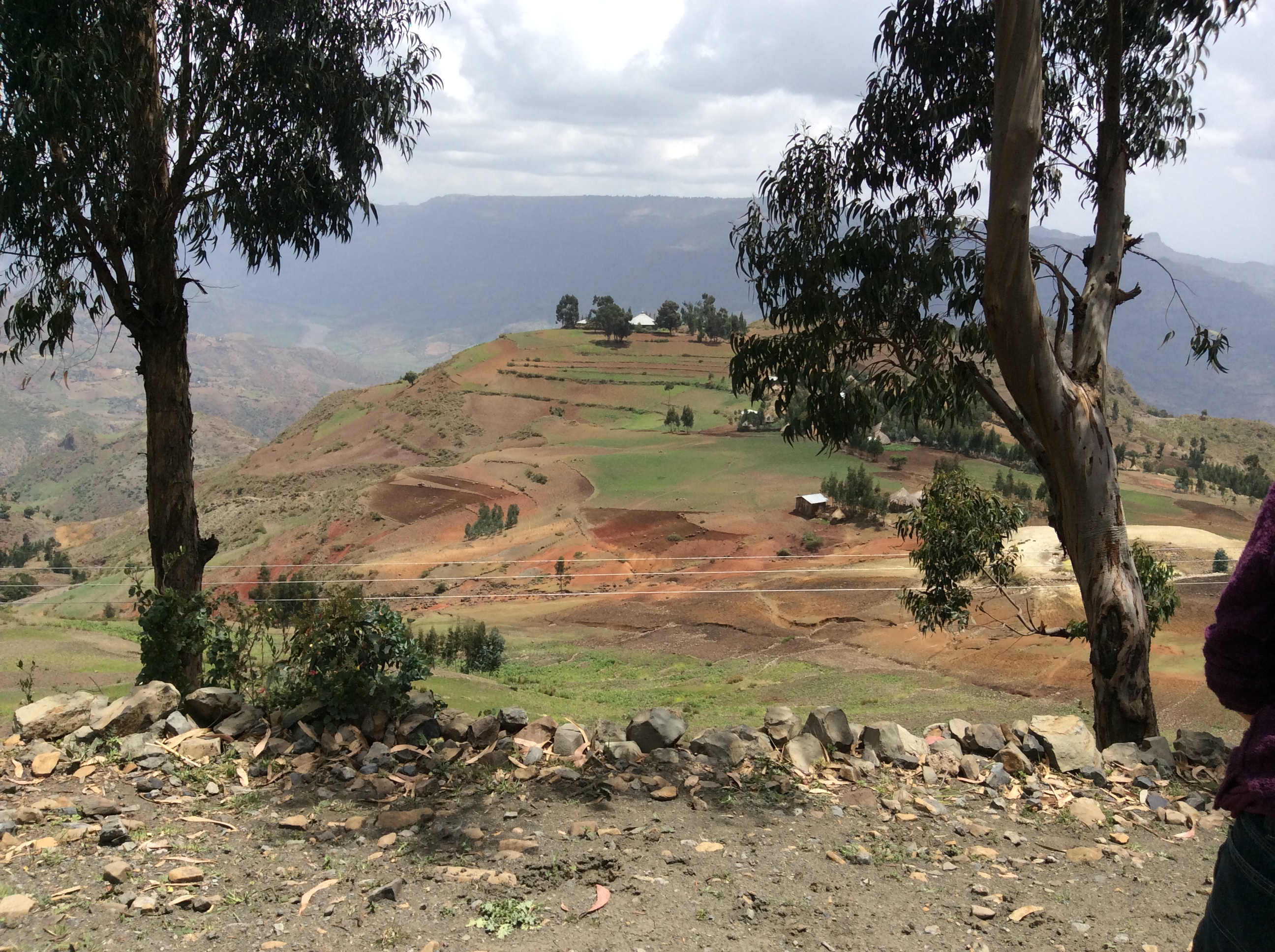
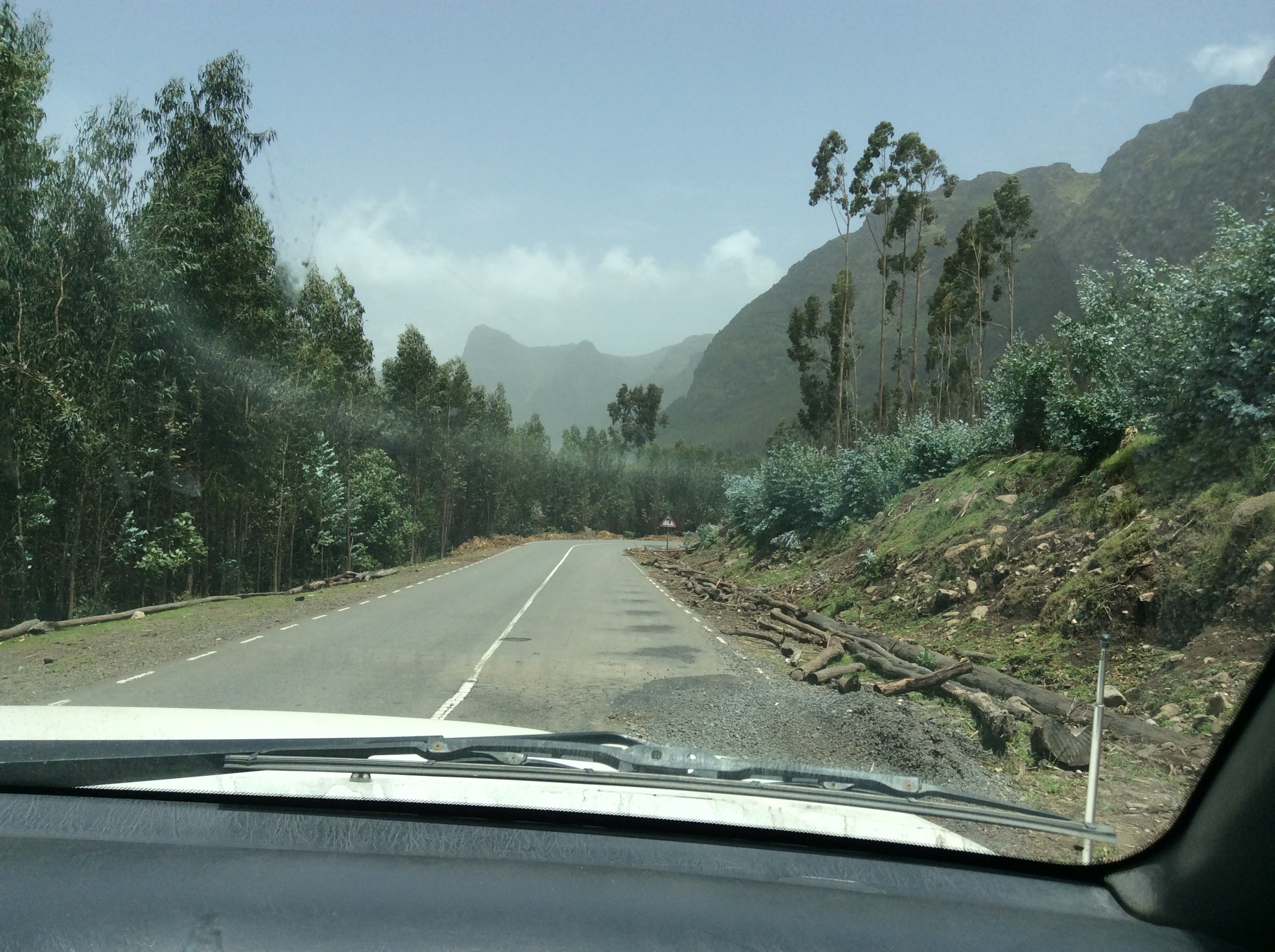
The invasive eucalyptus trees and pastoral mountain villages show up everywhere.

IMG_0503

IMG_0505

Most villages have their own church.  The building with the round roof in the distant middle is one such little church.

IMG_0507

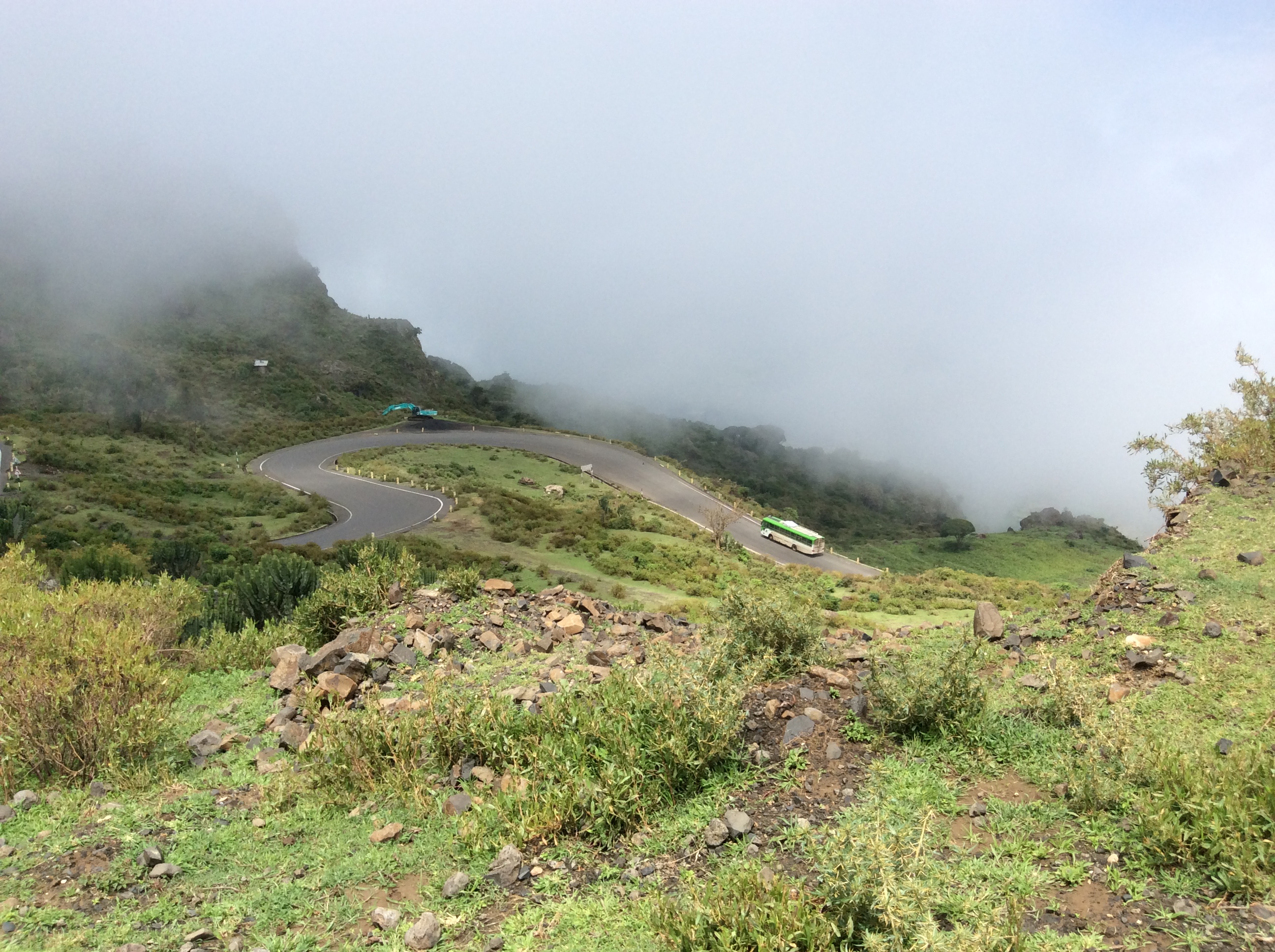
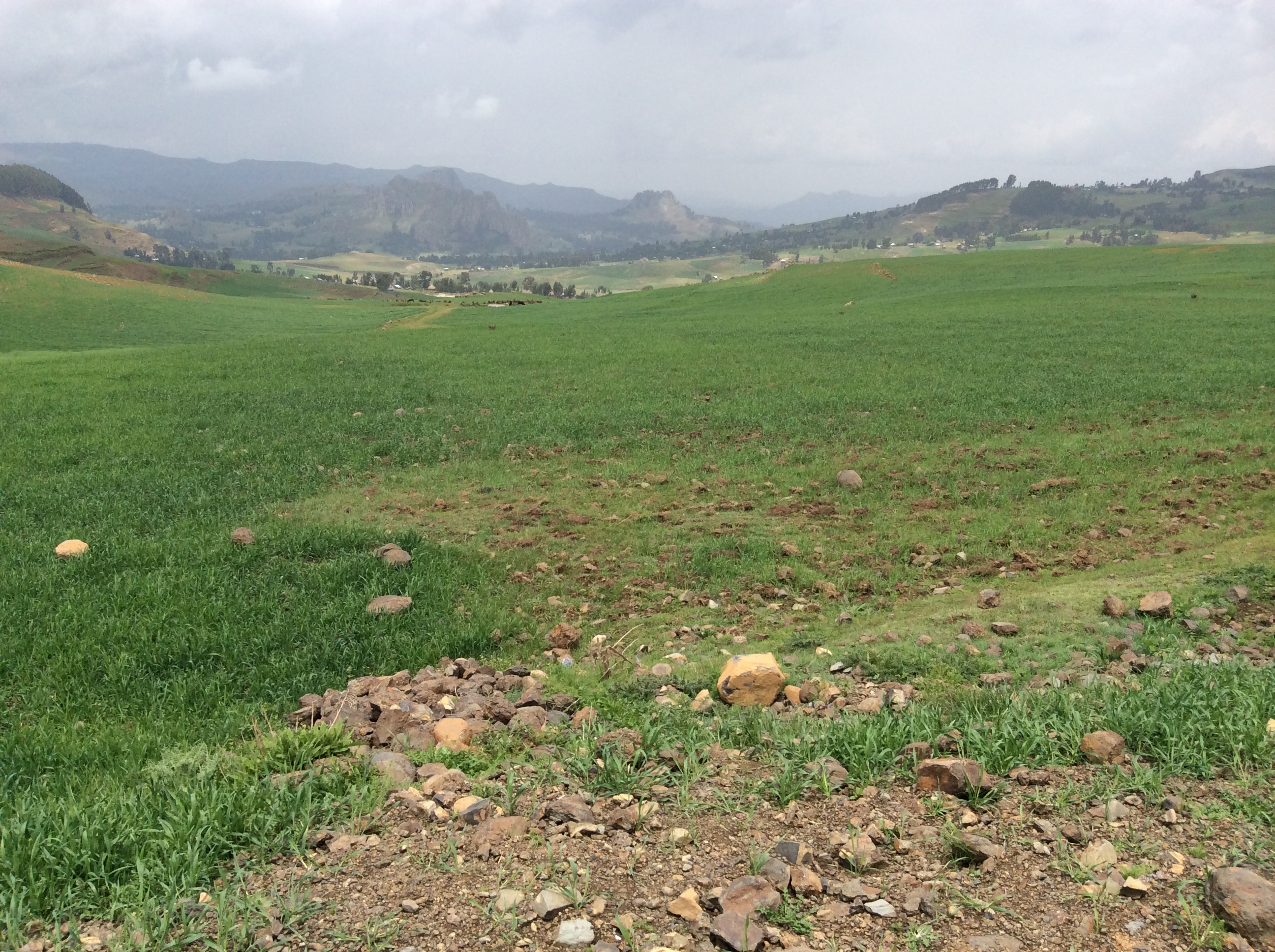
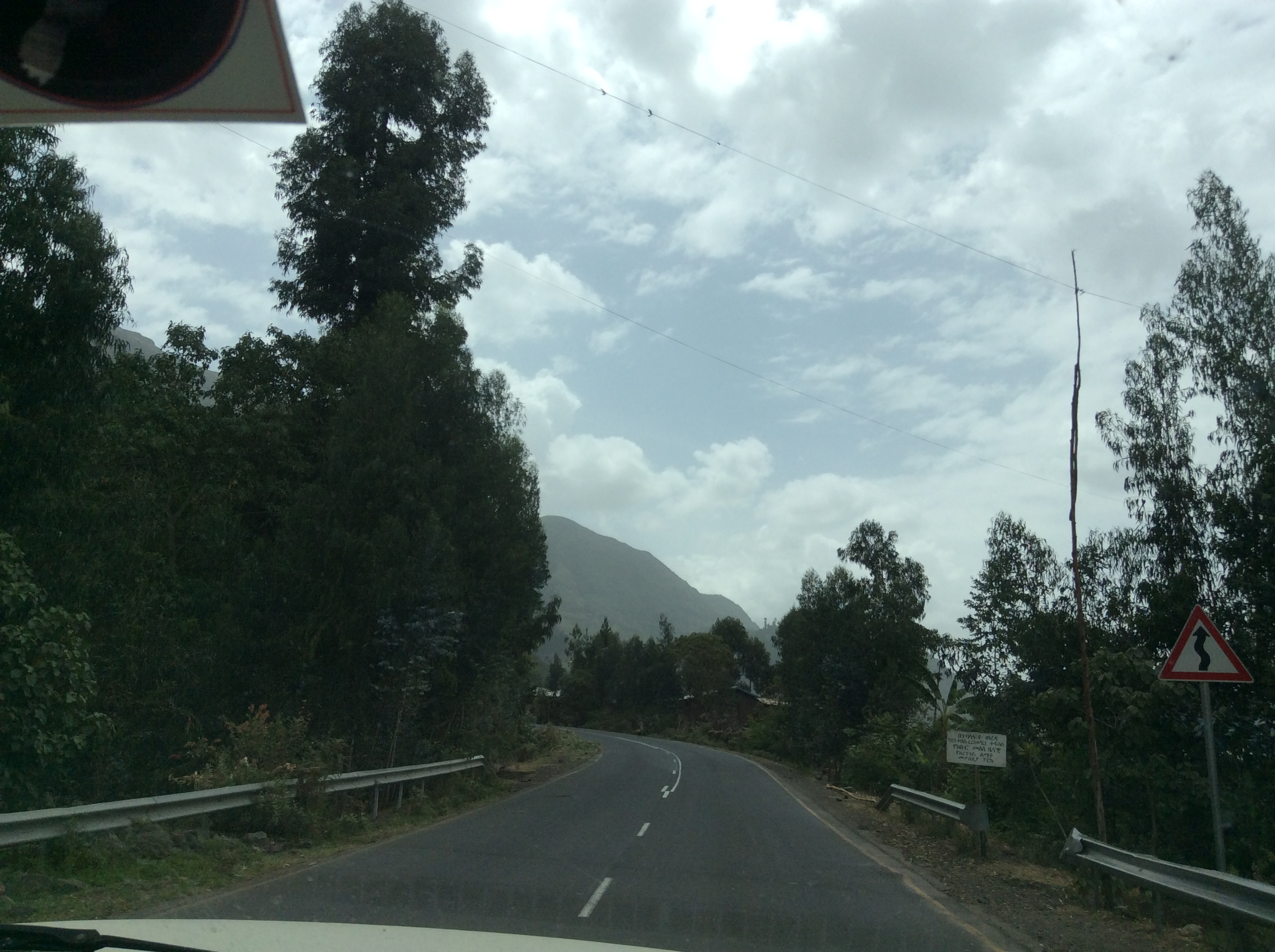
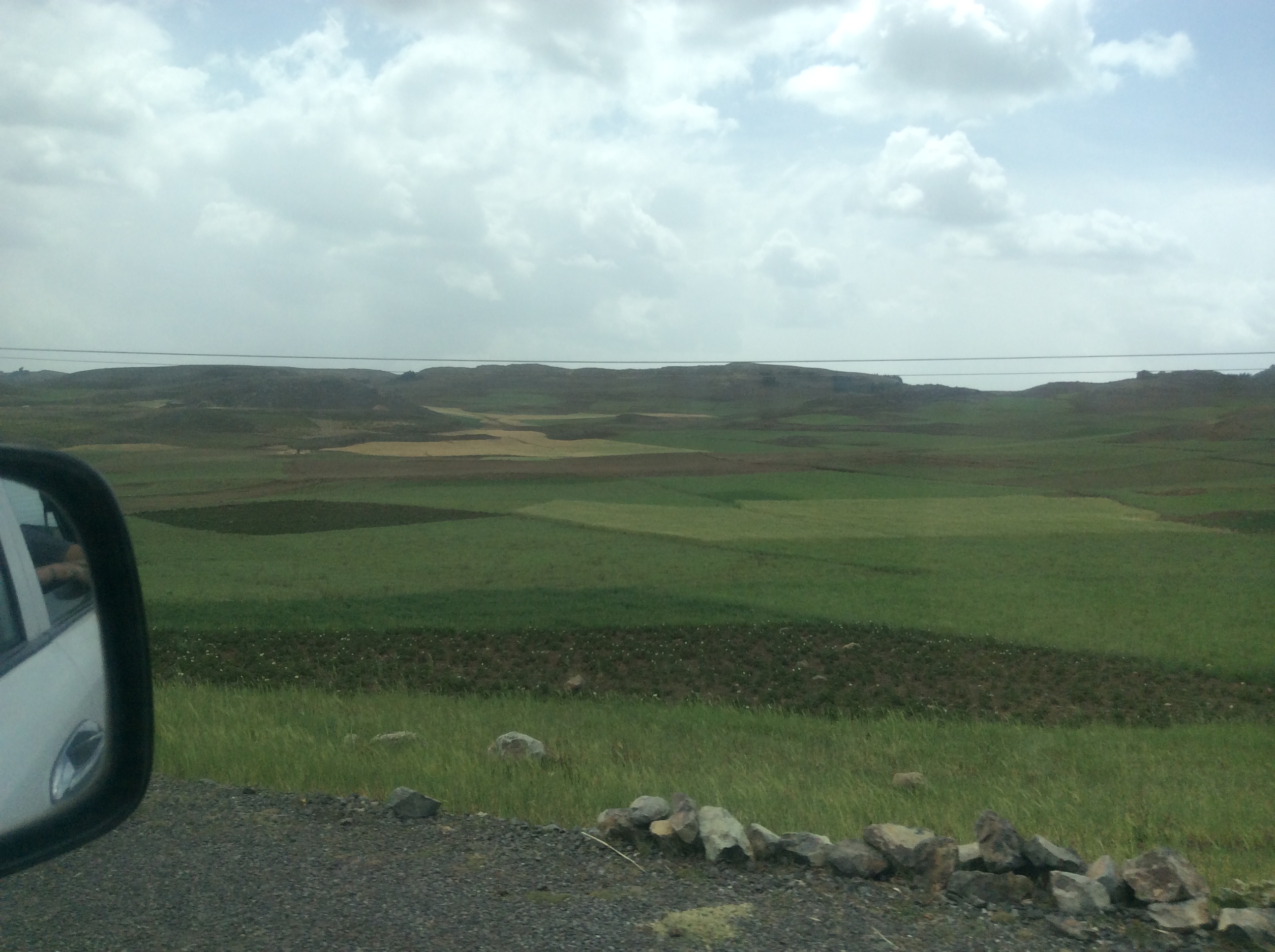
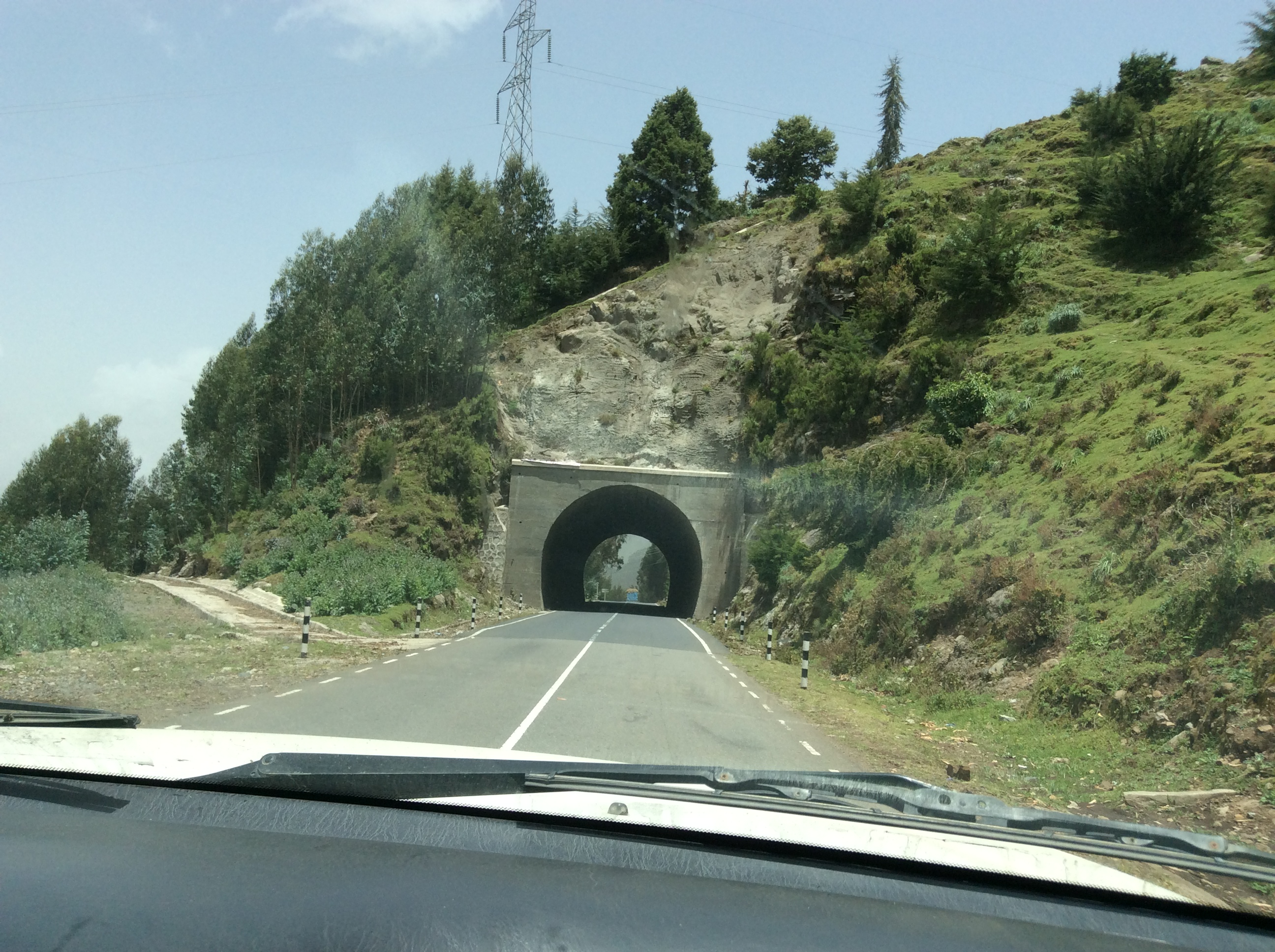
Excellent roads, mostly built by the Italians years ago,  crisscross this part of the country. Some newer roads have been built by the Chinese.  Many Ethiopians made jokes about this, implying they do not expect them to last  long.  After reaching a high plateau, we drove through endless pastures and fields of green.

IMG_0508

IMG_0509

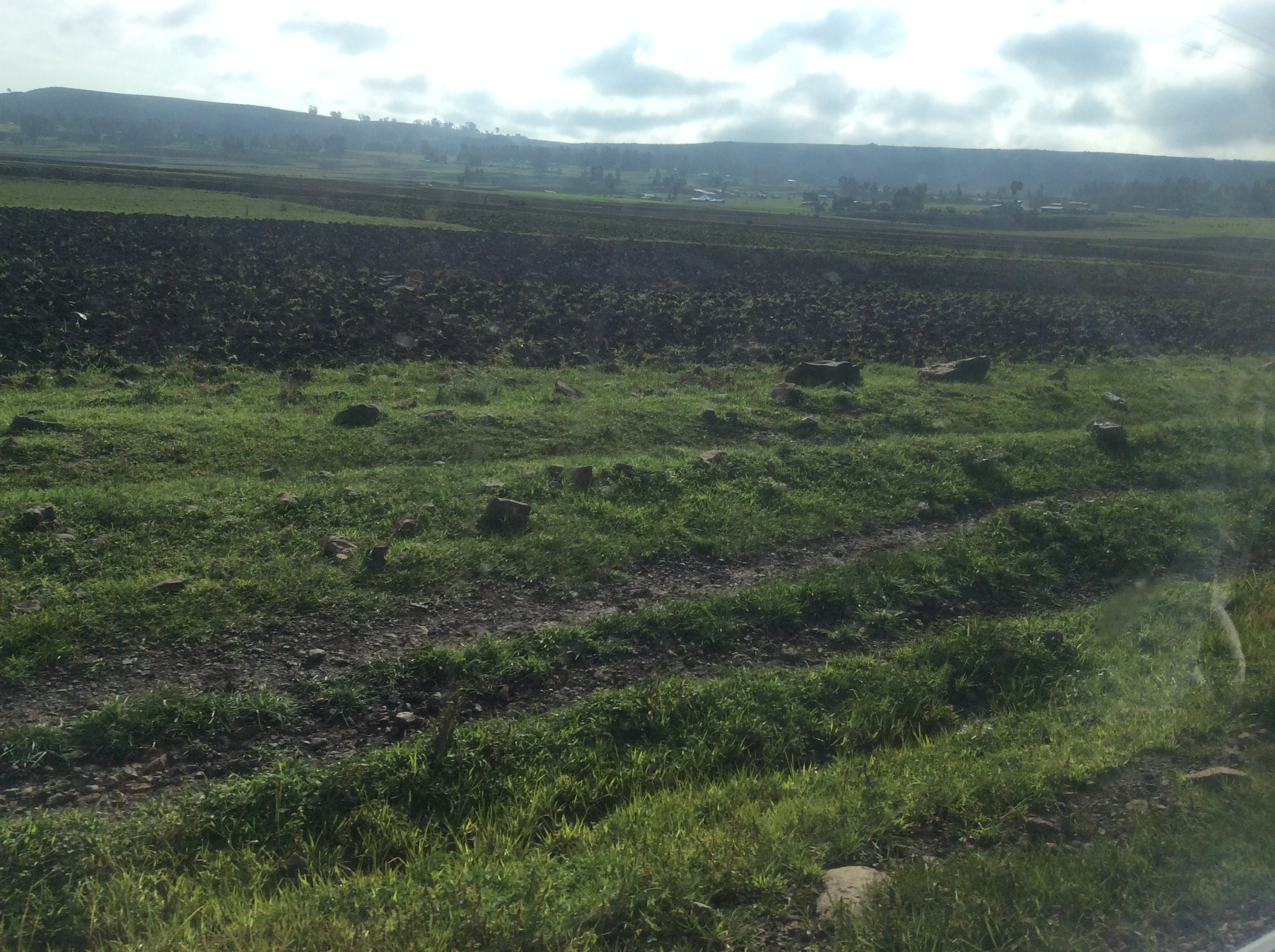
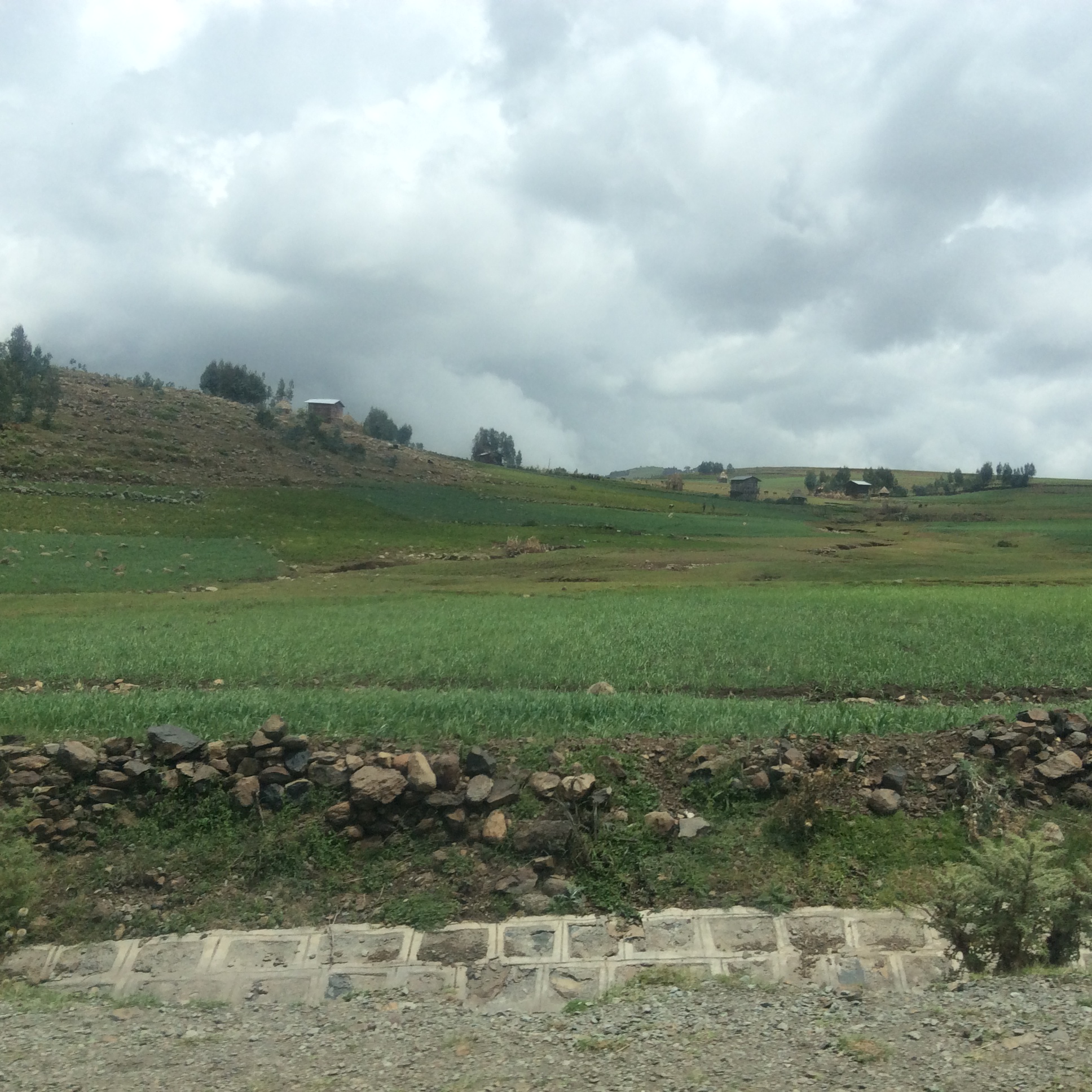
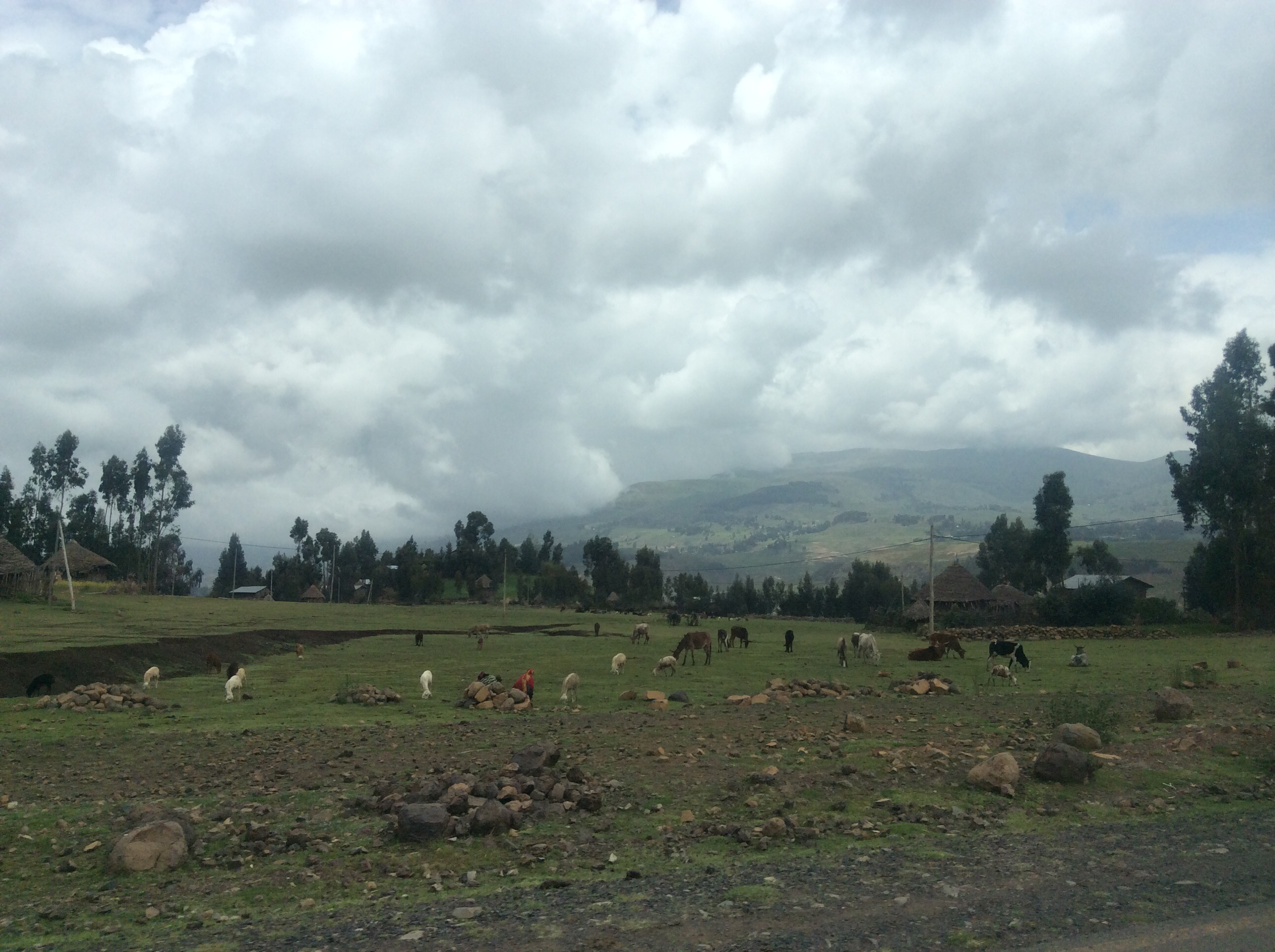
Up in this high country, farmers grow wheat, barley, and oats.  Horses and cattle graze in large pastures.

IMG_0510

IMG_0512

IMG_0514

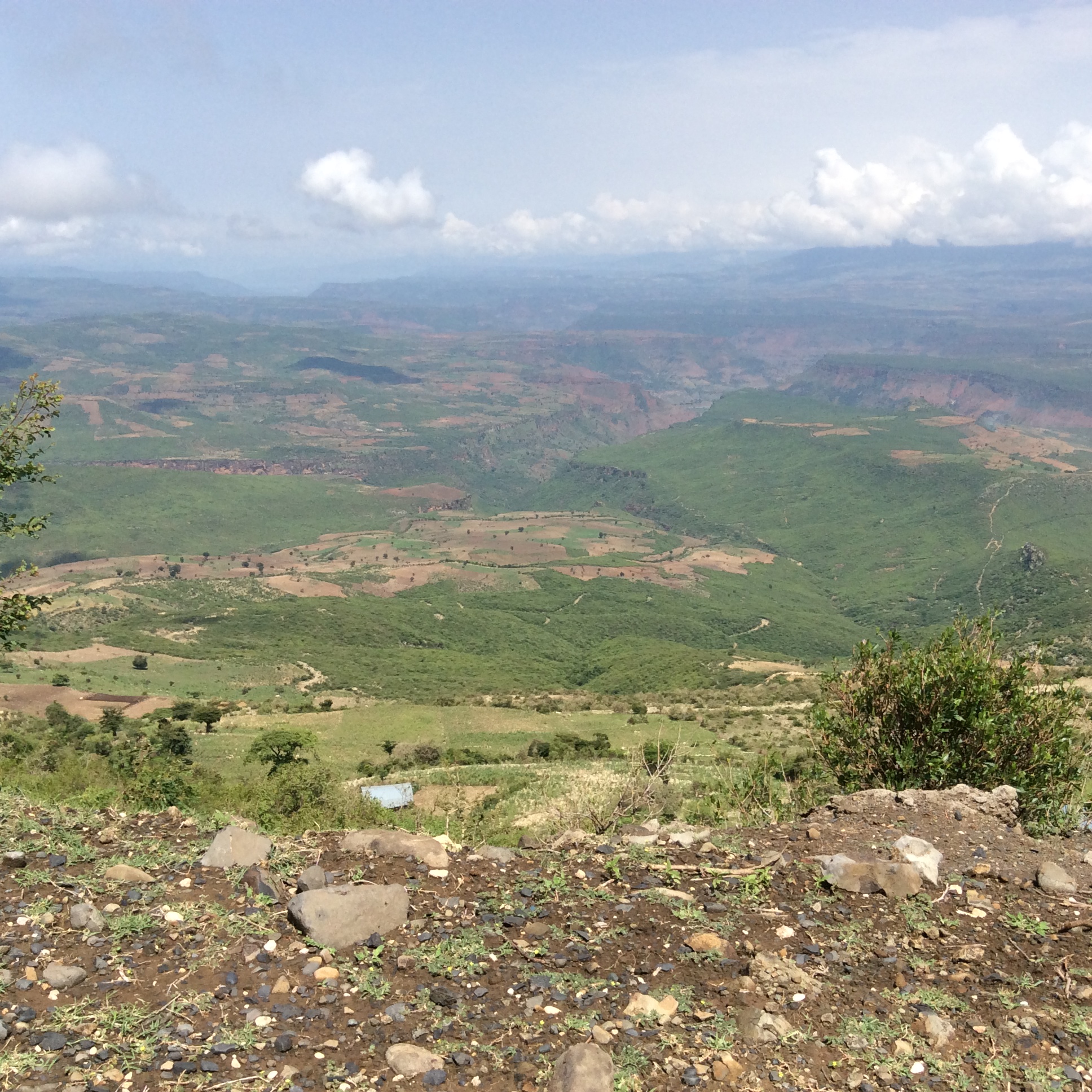
The mountains appear to continue forever.

IMG_0515

IMG_0516

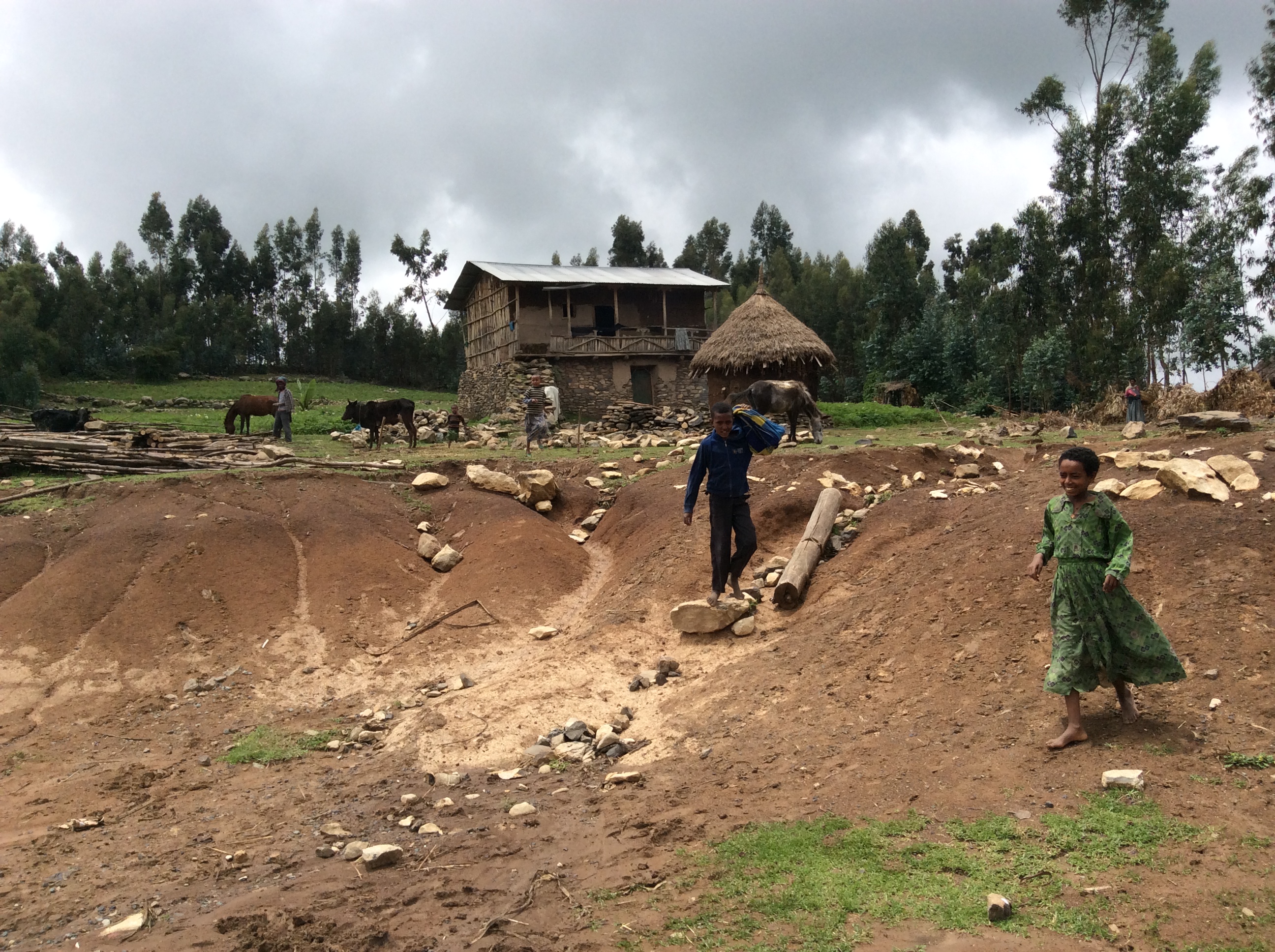
Buildings, like the one in this photo above, usually house animals at night to protect them from predators such as hyenas.

IMG_0517

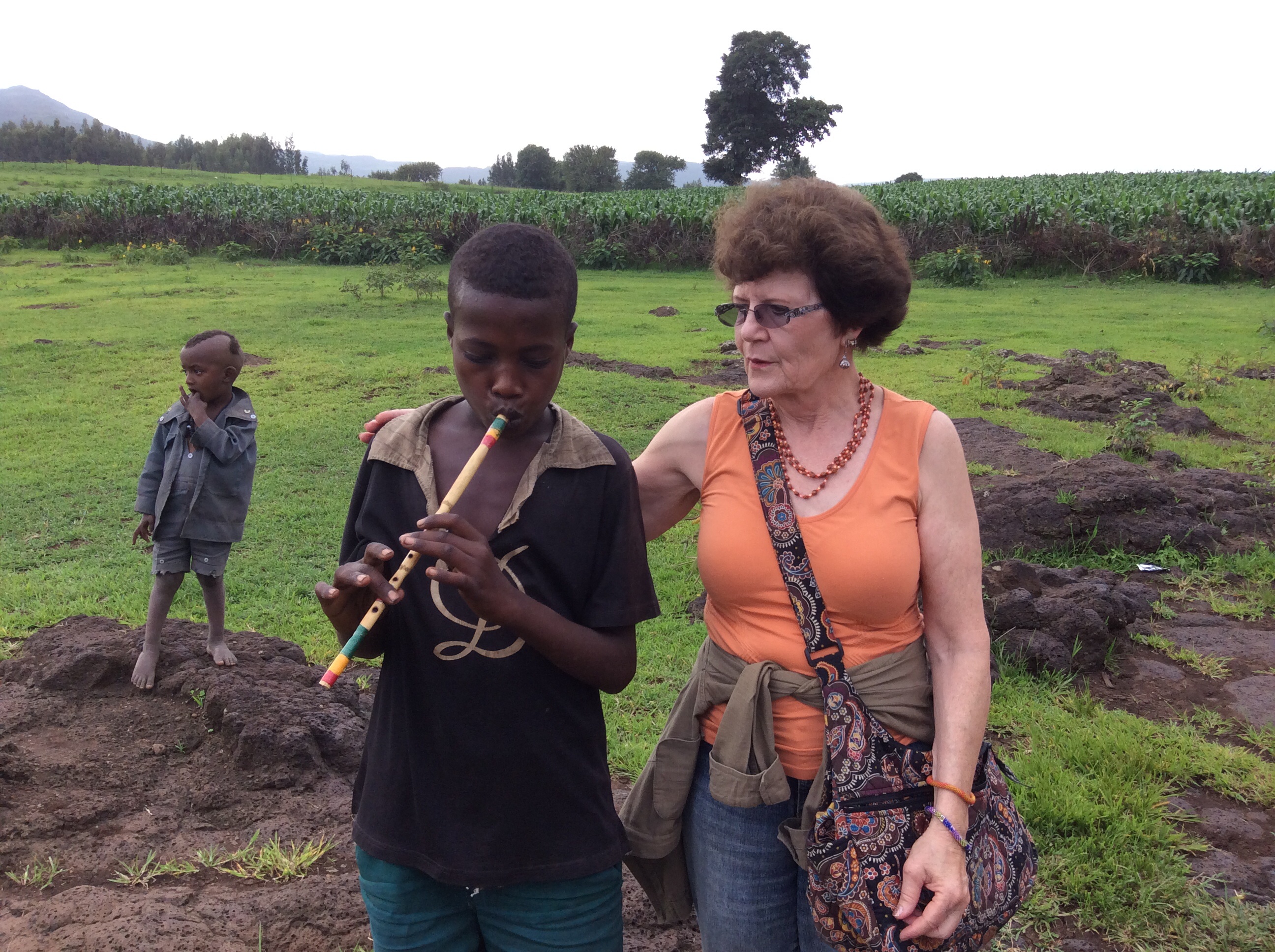
Whenever we stopped, children ran up sometimes asking for pens, occasionally for money.  Dino and Alemu, the driver, usually scolded them in Amharic for begging.

IMG_0518

Houses here seemed bigger, usually two story, with rocks used as a main building material.

IMG_0519

We drove by two men galloping along on horseback, their horses adorned in fancy tack.

IMG_0520


IMG_0523

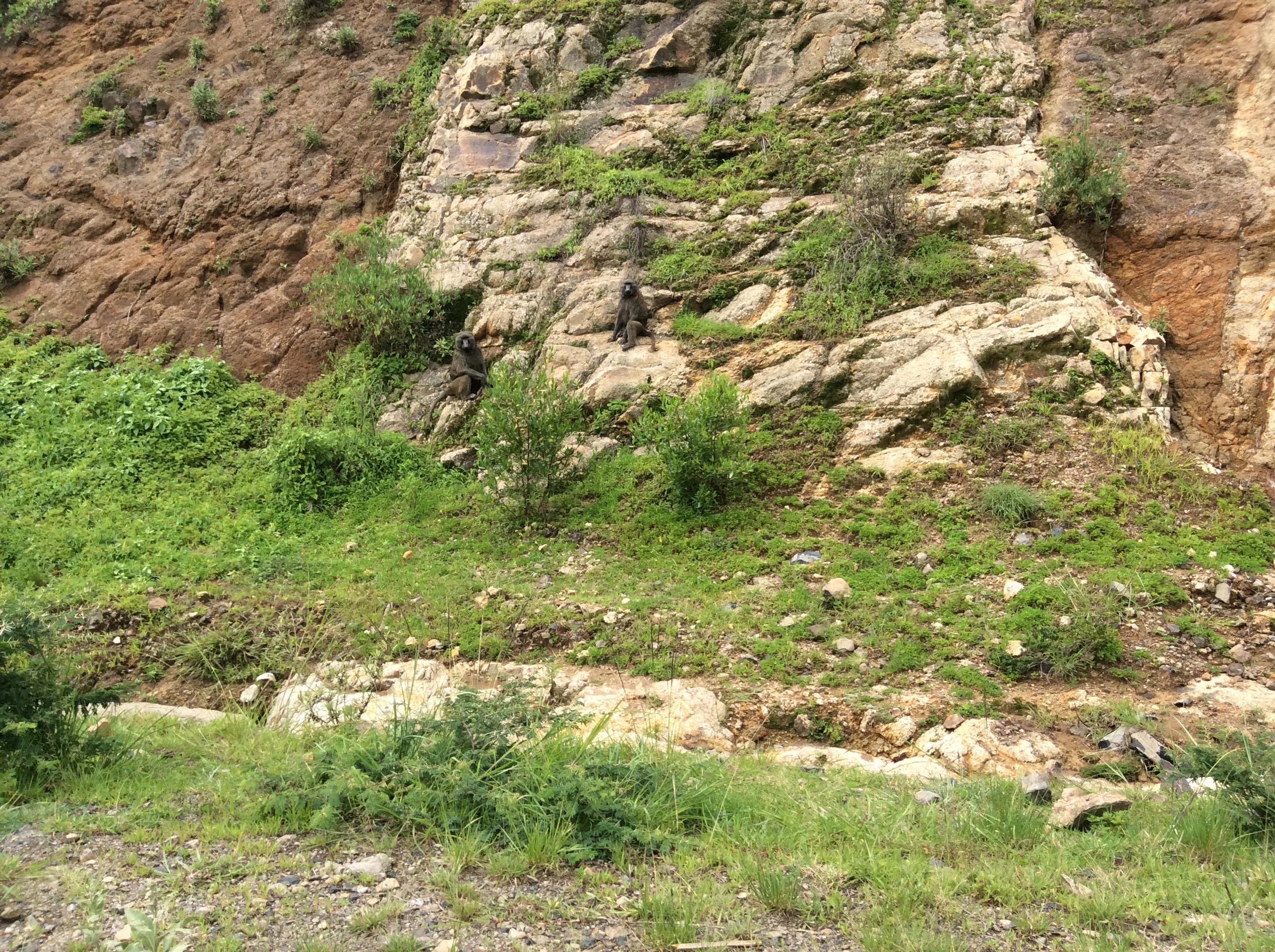
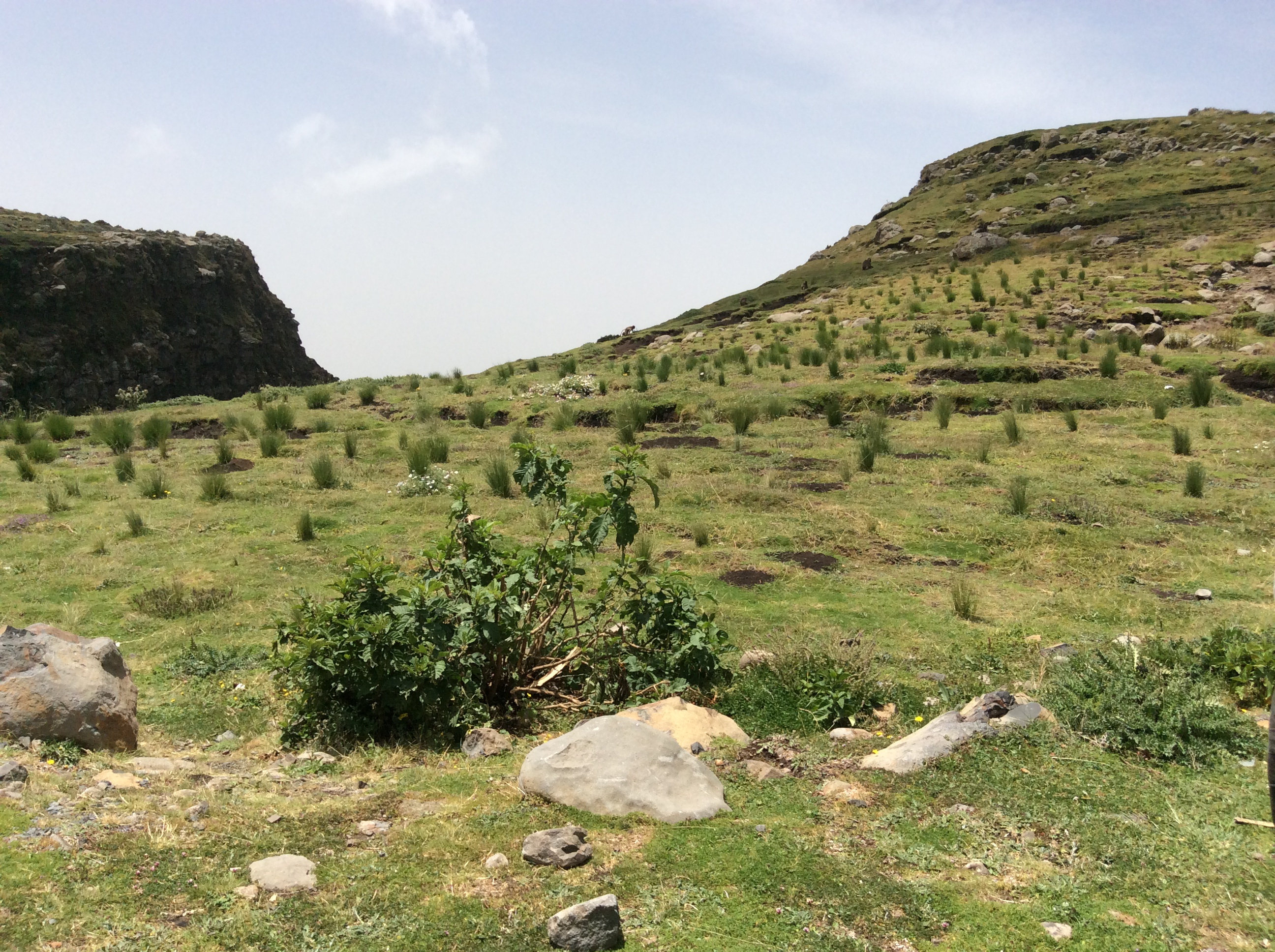
As we began a long descent into a huge valley, common baboons appeared along the road.

IMG_0524

IMG_0525

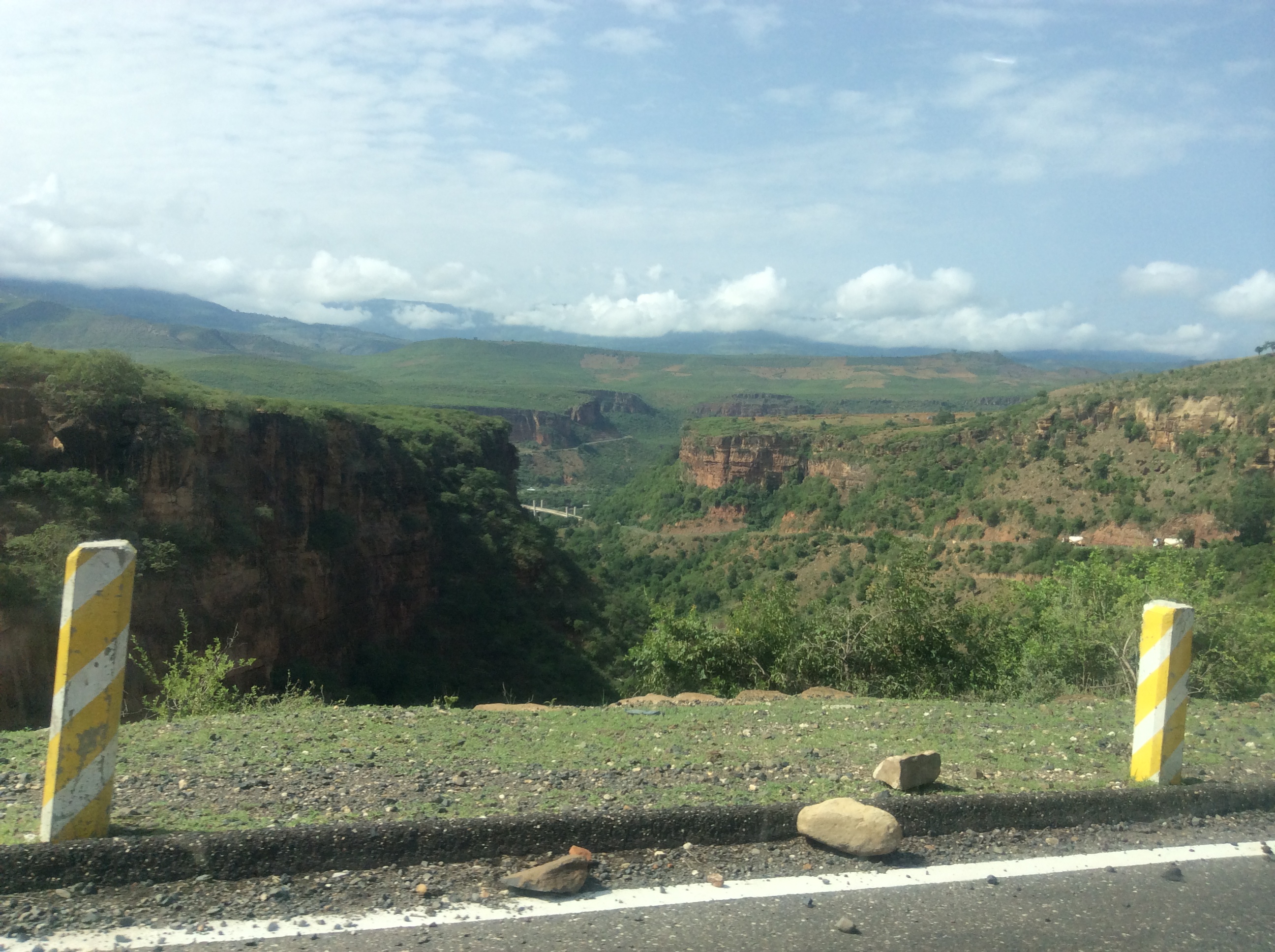
These huge rocks left my millions of years of erosion, provide a dramatic contrast to the intense green.

IMG_0527

IMG_0528

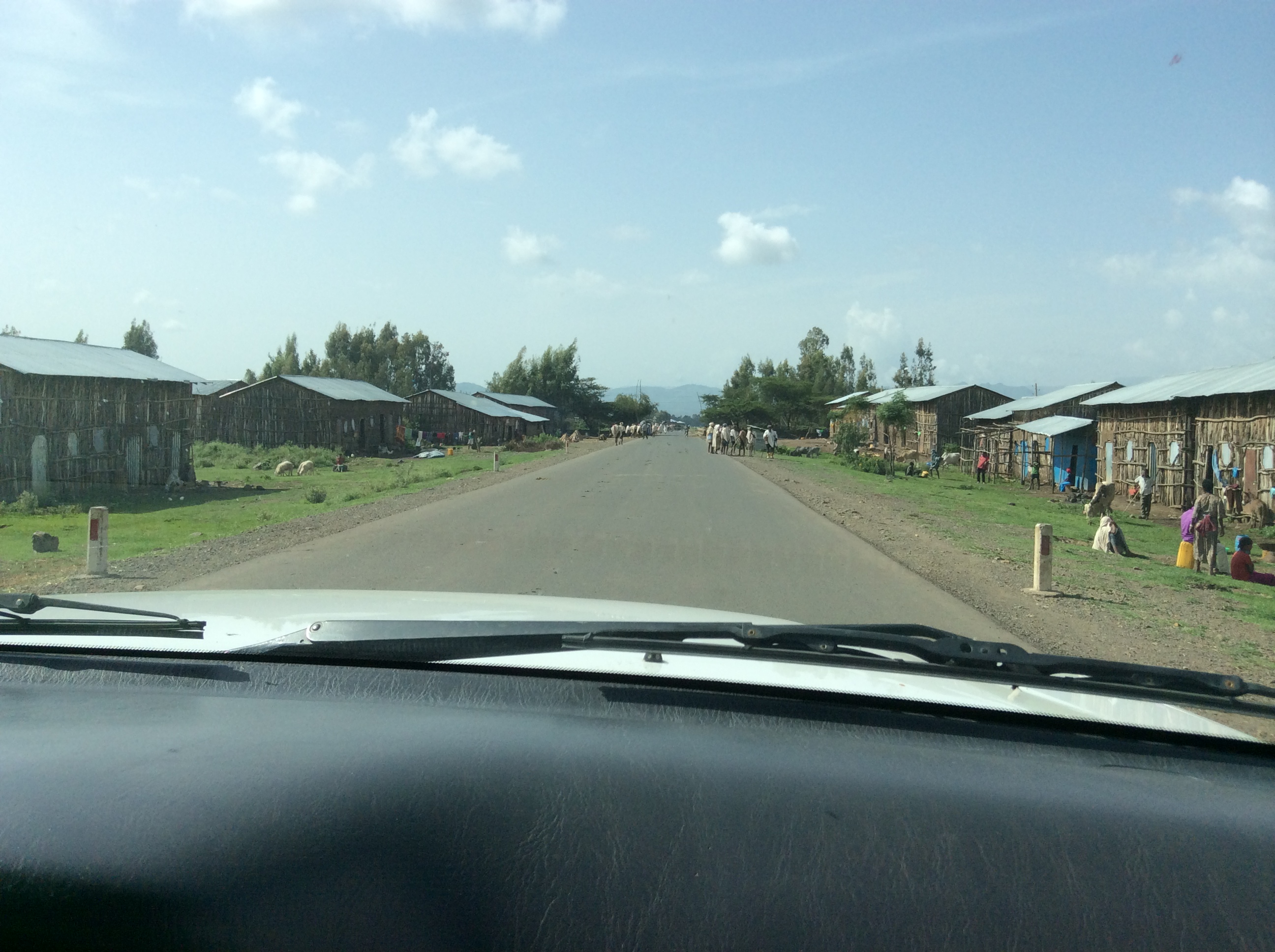
It took more than an hour to cross this valley.  As usual cattle, goats., burros, people mingled with vehicles.  What a surprise:  Rice fields as far as I could see on either side of the road.

IMG_0530

The villages in this area are built higher–above the rice paddies. And then as we climbed out of the valley…

IMG_0533

The name of this rock really surprised me, the Finger of God.

IMG_0535

A big later, suddenly Alemu turned off on a dirt road and this appeared.

IMG_0538

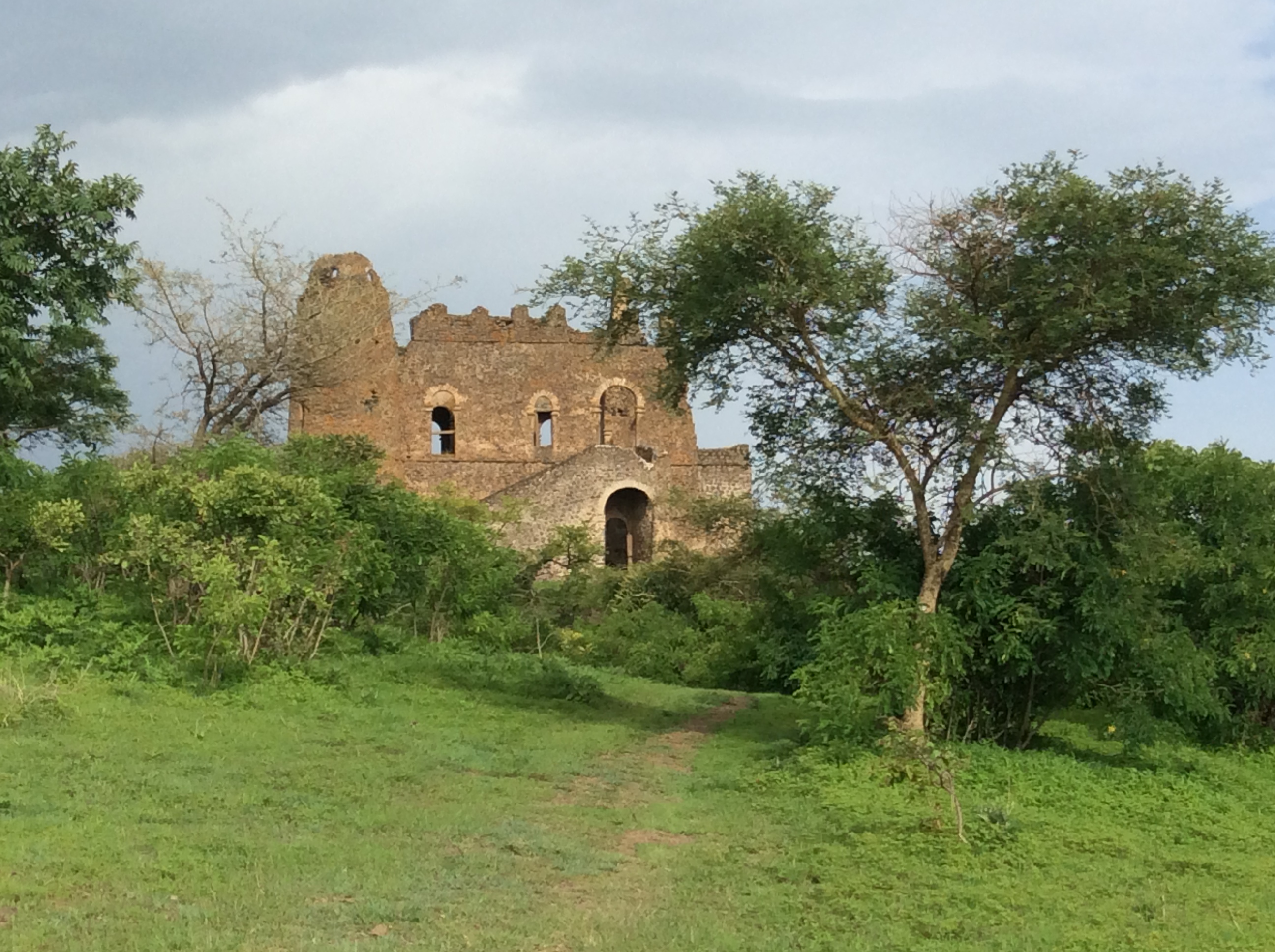
The sign says:  Guzara Palace, G.C. 1563-1597.

IMG_0539

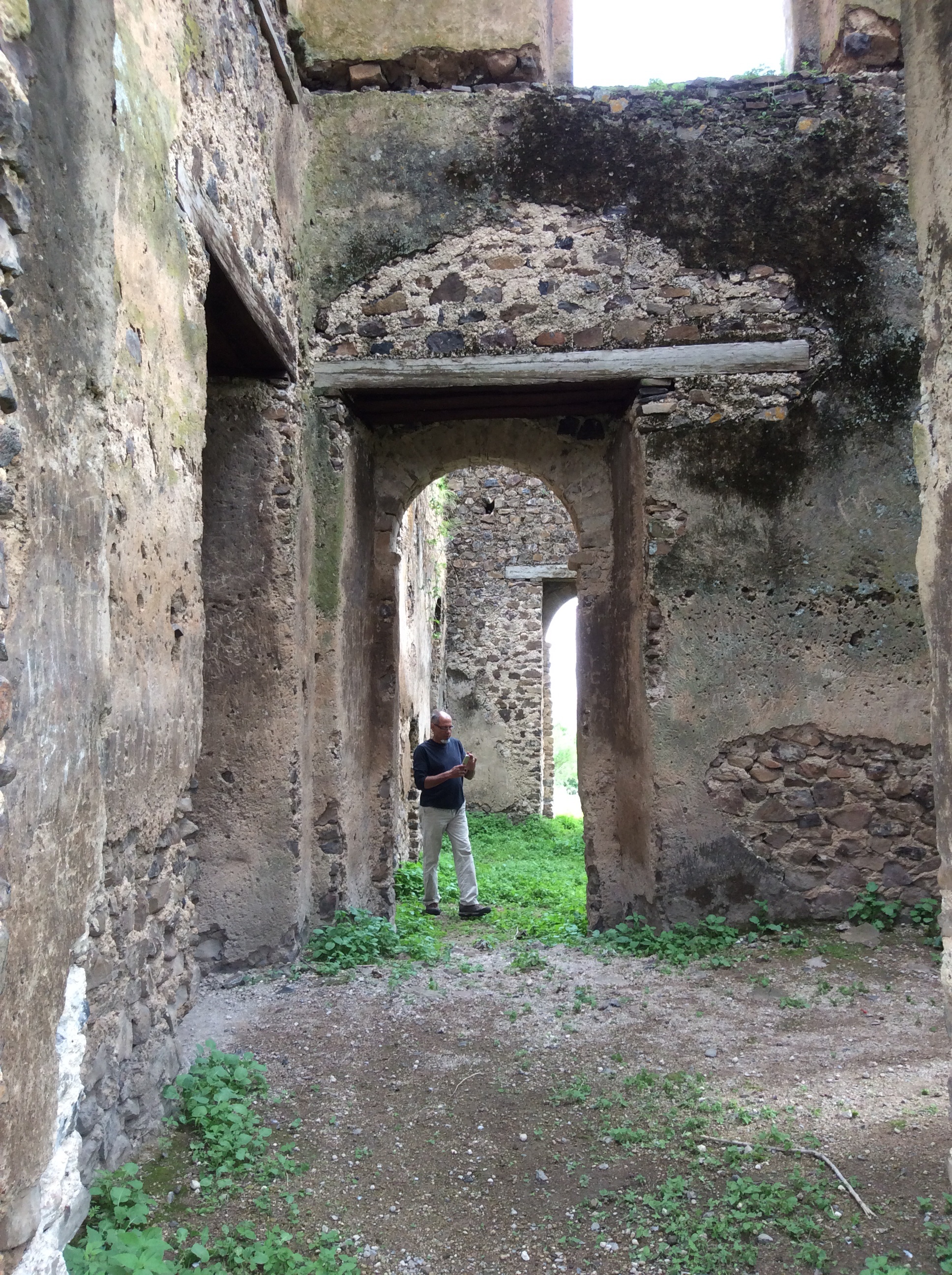
When a person goes on such a trip, sometimes places hold your heart, places unexpected.  I loved this place.  It seemed magical.  With no other people around, it felt private and special.  It becomes obvious quite quickly why a king would build a castle here.  You can see forever, for miles and miles, all the way  to Lake Tana in the background.

IMG_0541


IMG_0542

IMG_0544

We climbed up to the second story and could see Lake Tana even more clearly in the distance.  I felt a sudden rush of emotion, looking at Lake Tana, my first glimpse of where the Nile River begins.

IMG_0546

IMG_0548

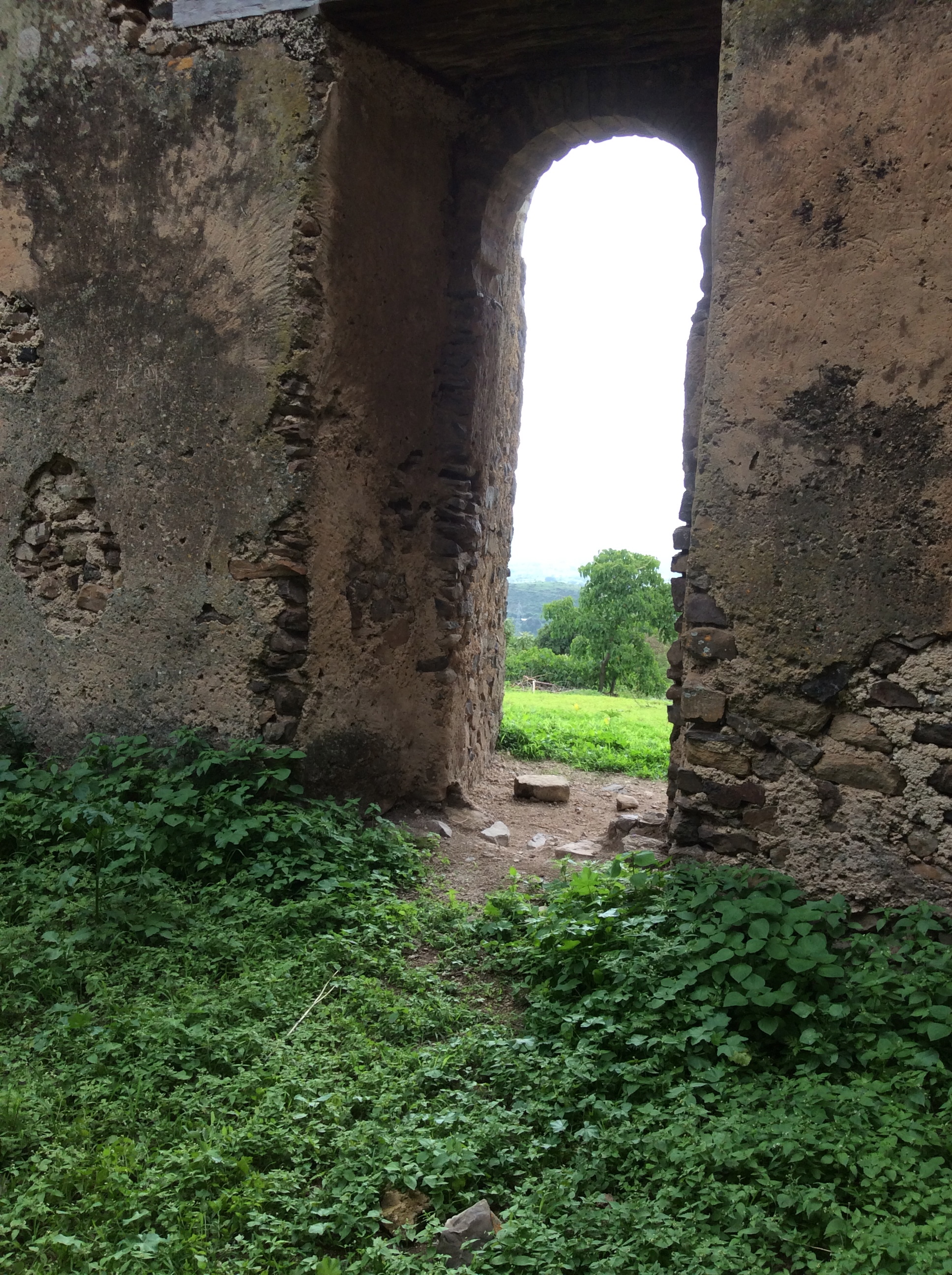
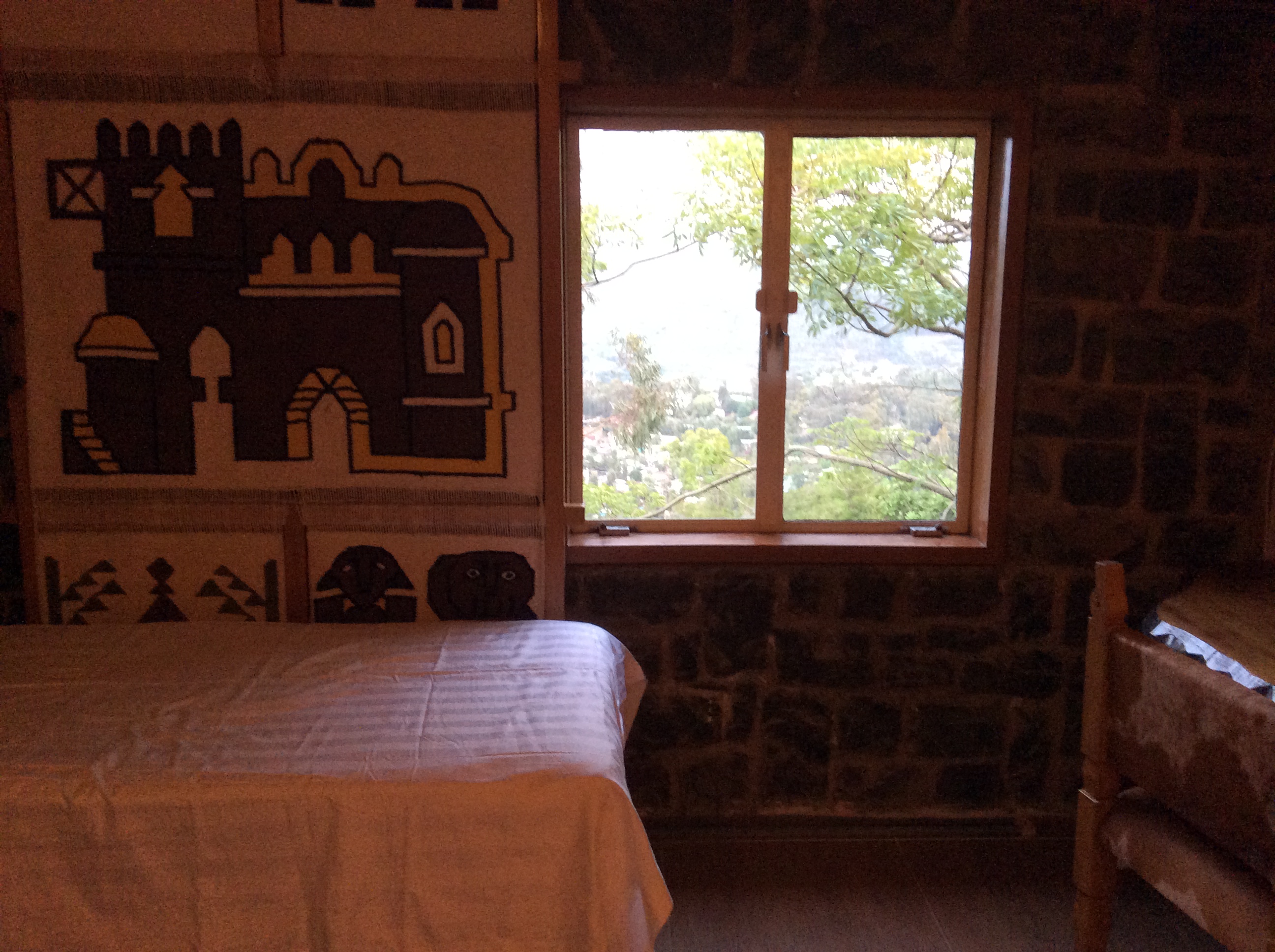
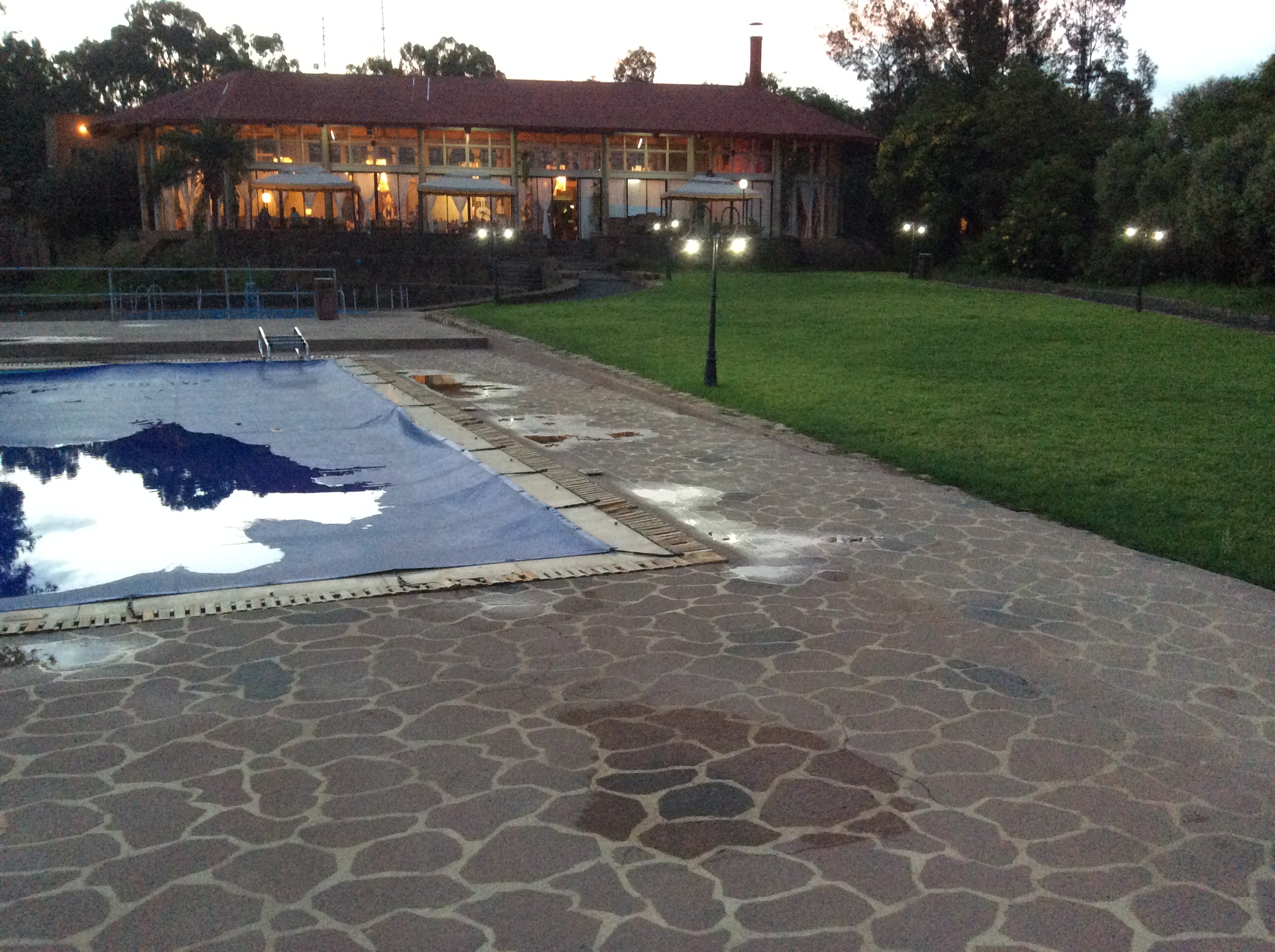
On the other side of the castle, looking toward the mountains, the remains of the old wall around the castle show up clearly.  The part of the wall on the path to the castle has been restored.  This part still awaits restoration. We drove on to Gonder.  We stayed there two nights at  Hotel Goha, but not in sequence.  I found the window coverings so unique I had to take a photo.

IMG_0550

Fabric, stretched over a frame slides back and forth so you can slide it to cover the window.  This hotel possesses fantastic, modern showers.


My Ethiopian Adventure–On the Road to Lalibela, Part Two


IMG_0344

Mountains pervade everywhere it seems.  We continually drove up and down mountainsides.  Eucalyptus is not native.  They were brought in by the Australians many years ago and became invasive.  They are a mixed blessing–grow rapidly and have many uses, but they take a lot of water and drive out native species.  When simply cut down, they grow right back.  In some places, we saw preserves where the original species of trees still exist and are protected.  Otherwise, eucalyptus reign.

IMG_0348

IMG_0350

And there are several species of eucalyptus as you can see here.  Not only do the leaves differ, but also the color of the trunks.

IMG_0352


IMG_0353

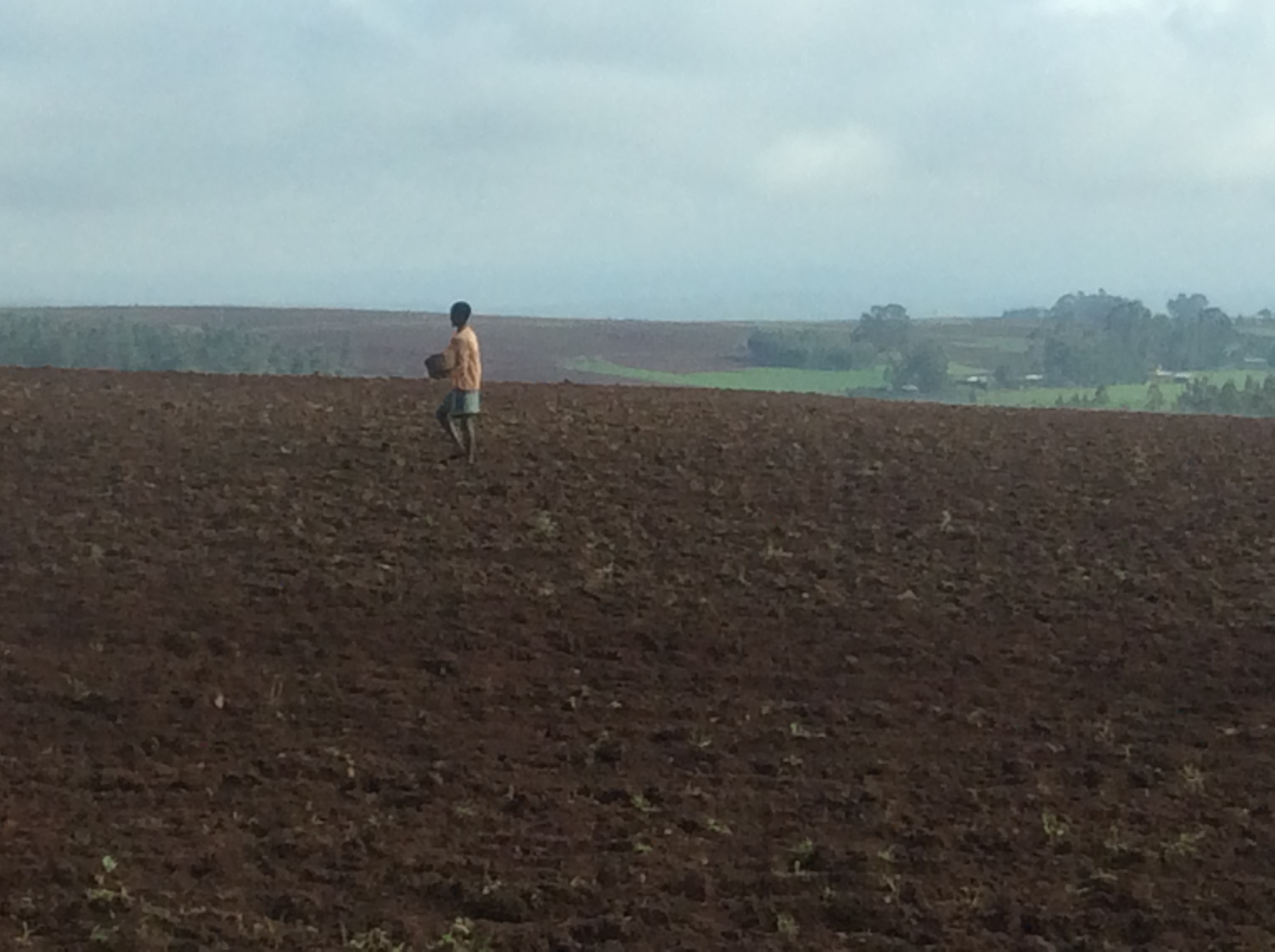
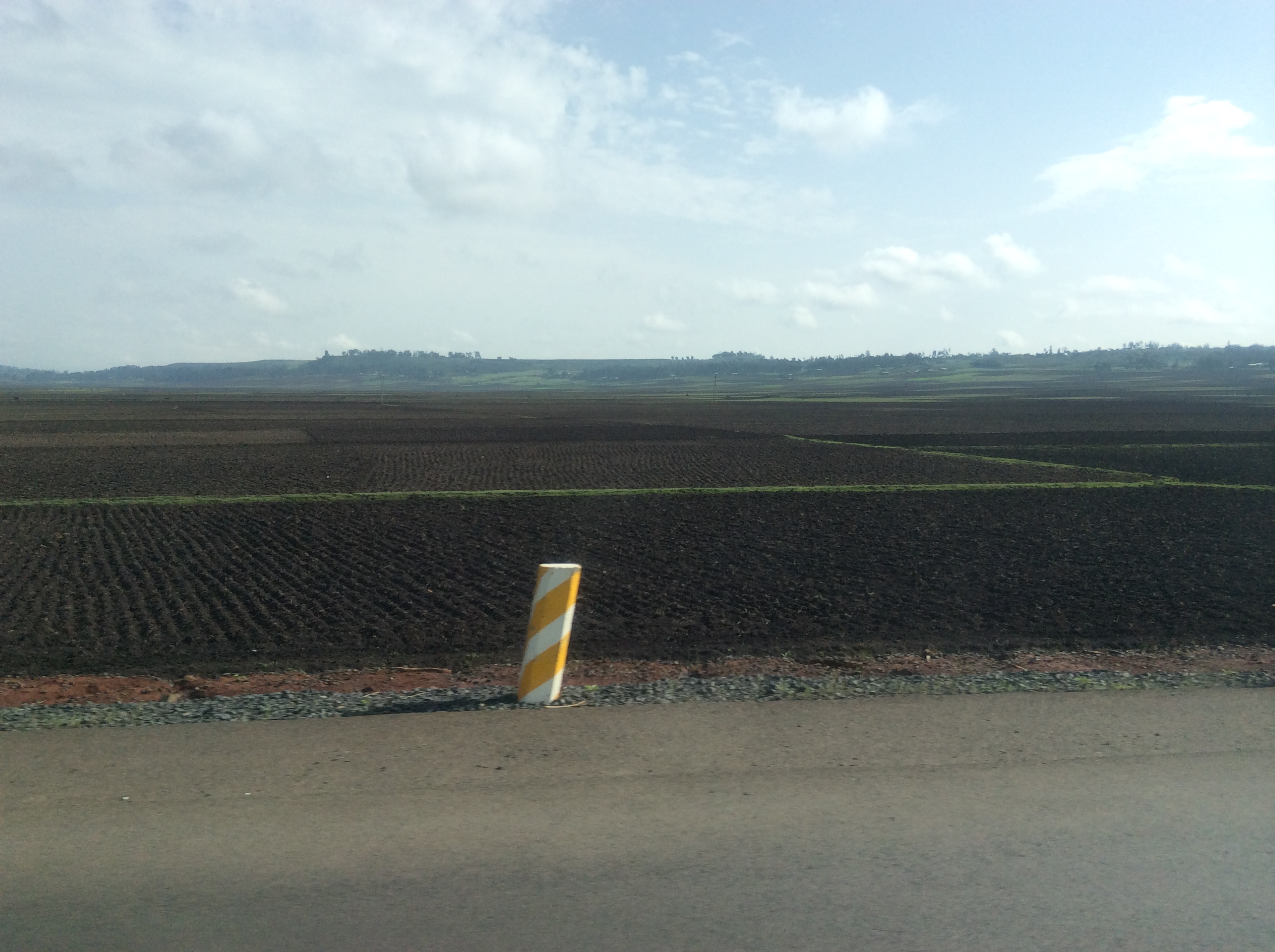
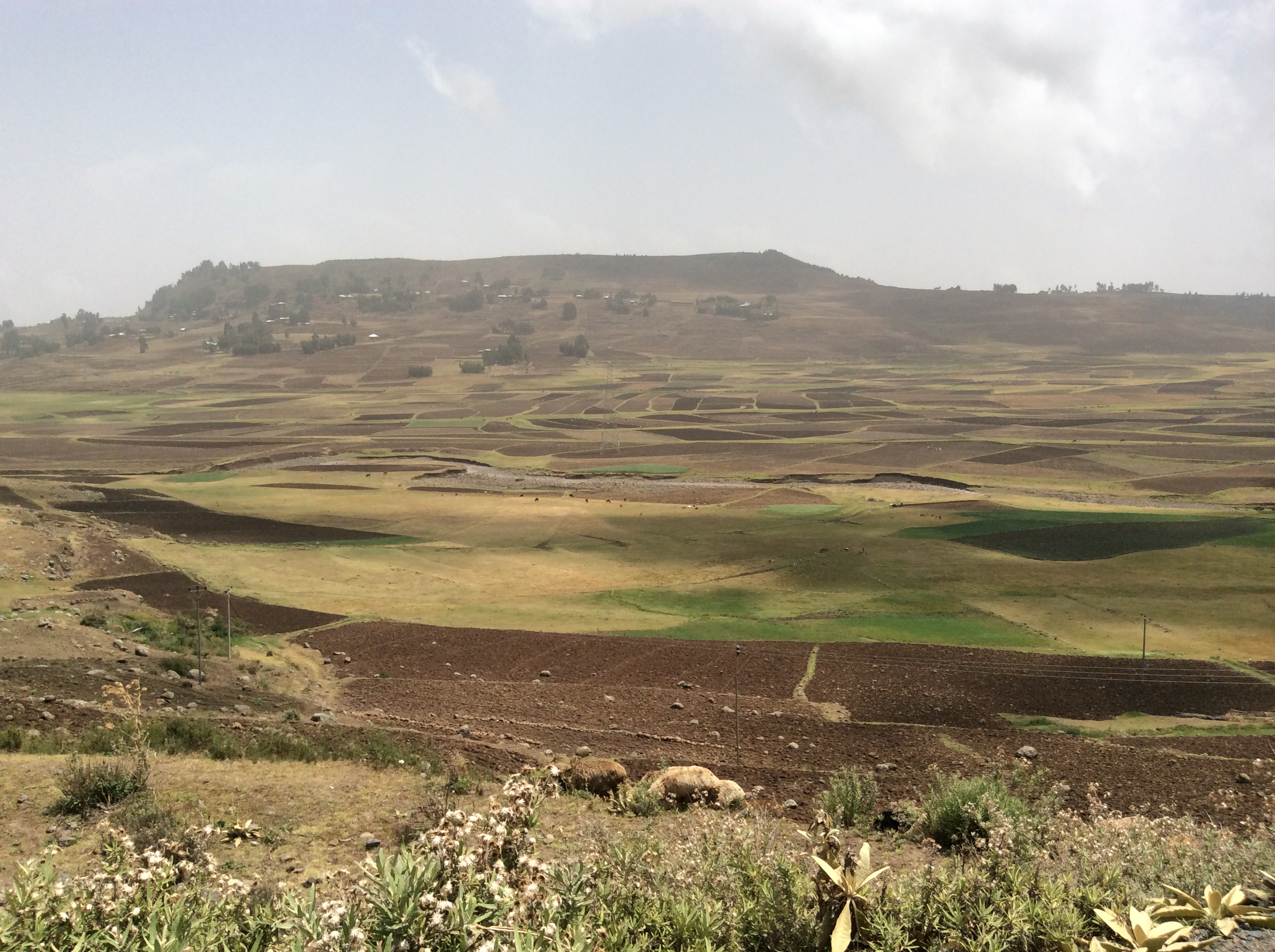
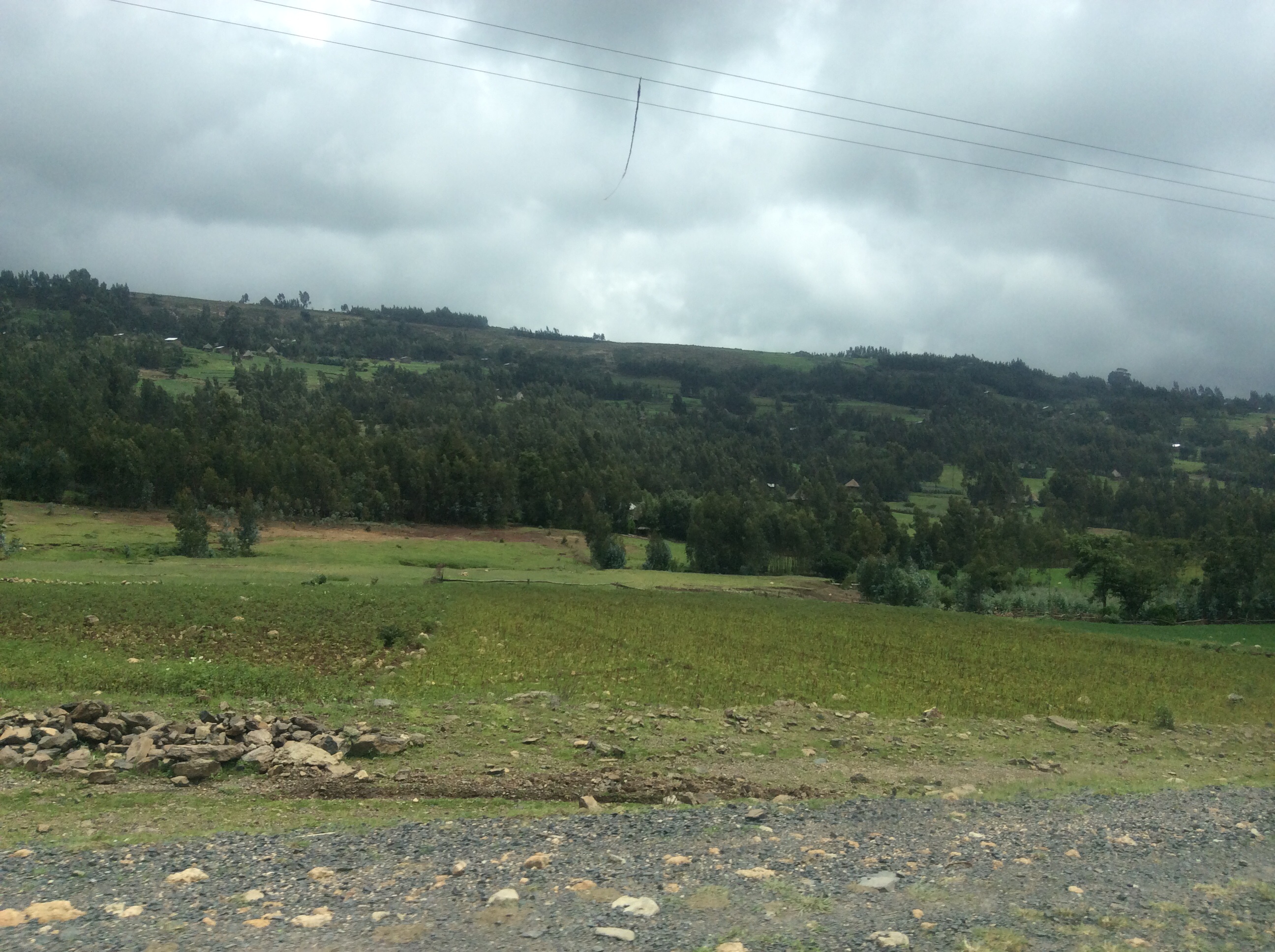
Almost all the mountainsides are covered with fields.  Ones, like this one, may have been just plowed or just planted.  In the mountains barley, wheat, and oats are grown and sometimes teff.  Barley seems to ripen first.

IMG_0356

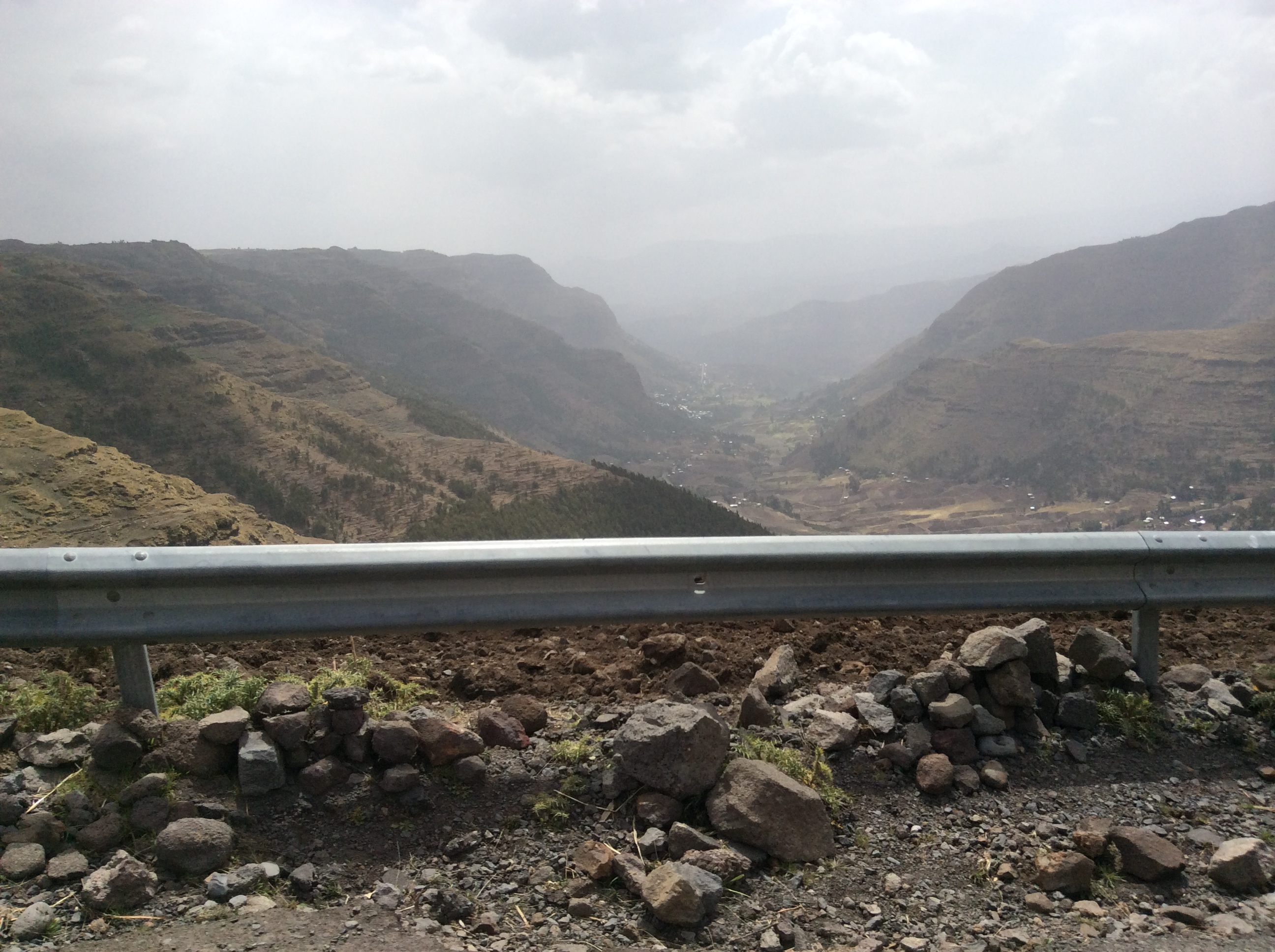
At first, I suffered minor terror because of the steep roads and huge drop-offs, sometimes thousands of feet.  However, eventually I became rather used to it.

IMG_0357

These roads, mostly built a long time ago by the Italians, remain excellent and do have guardrails.  The Chinese have built some of the newer roads.  The Ethiopians make jokes regarding how long they think these Chinese roads will last.
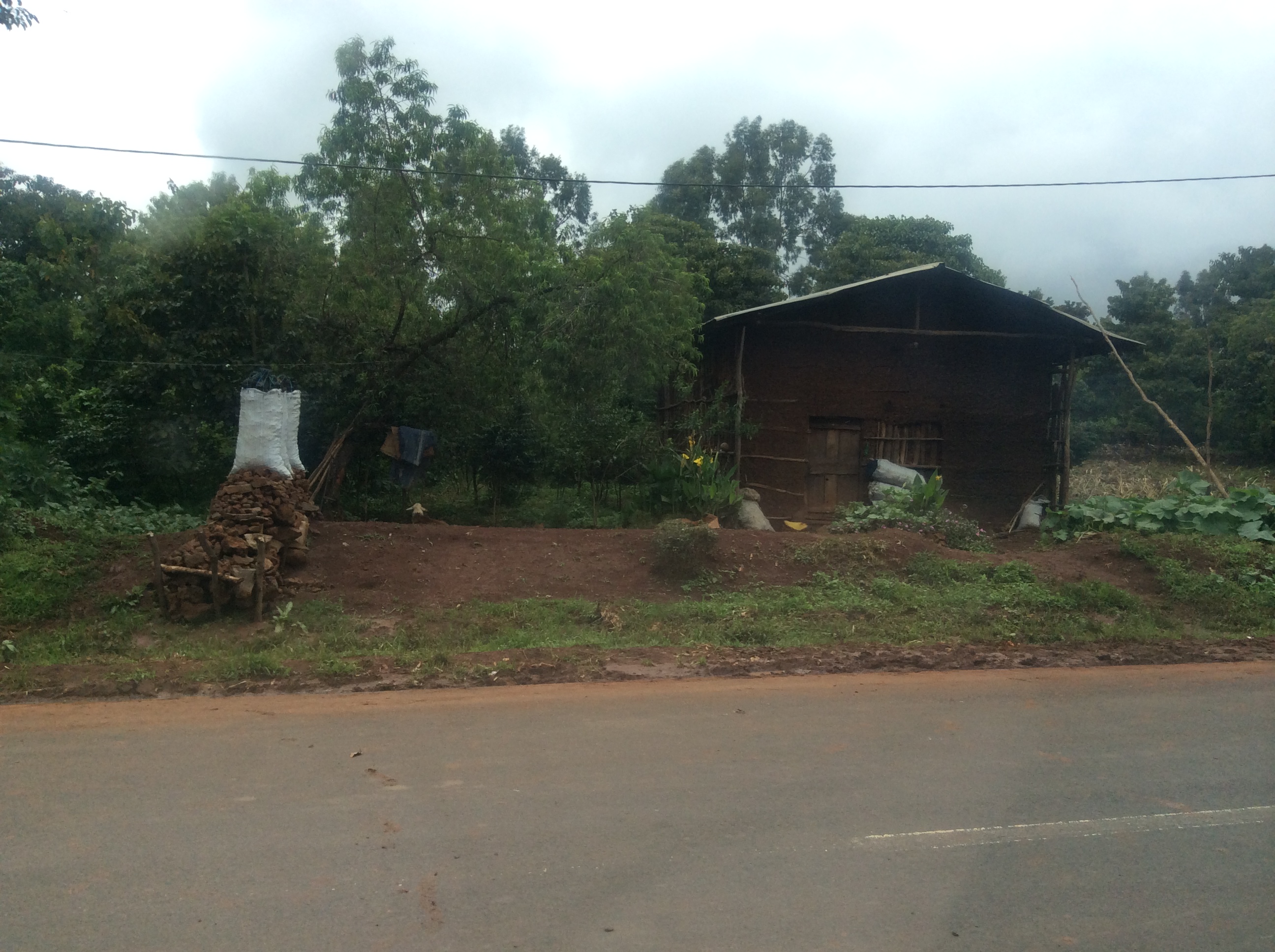
IMG_0359

Eventually, we rose to a high plateau area across which we drove for hours.

IMG_0360

The endless shades of green, indicating different crops, or in some cases, the gold of ripening grain.
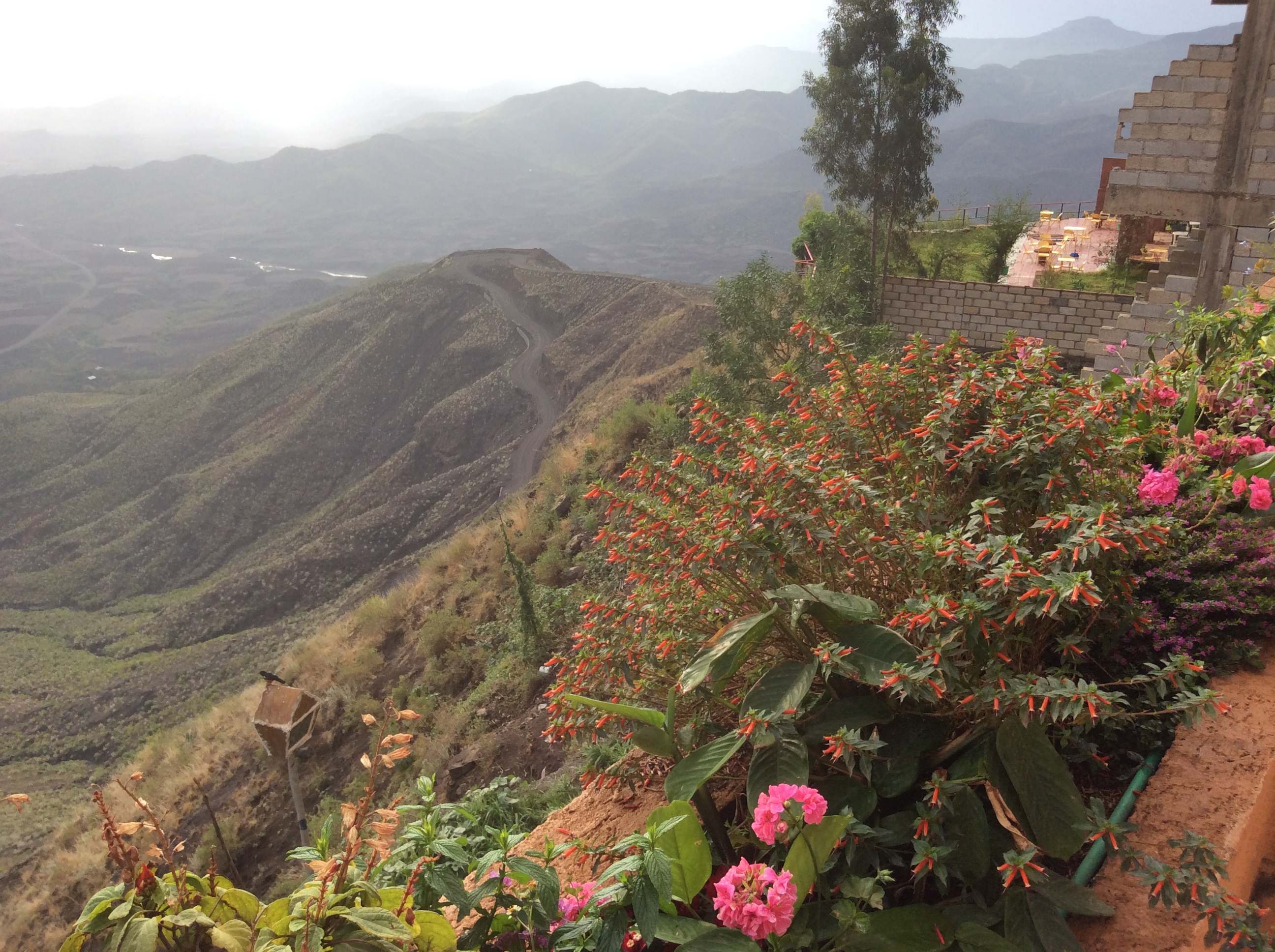
IMG_0363

Winnowing grain the old fashioned way.

IMG_0364

IMG_0365

Houses on this high plateau seemed mostly built of rocks which lay everywhere.

IMG_0366

IMG_0368

Amelu asked us if we wanted to see inside one of the houses and visit with some people.  Of course, we said yes.

IMG_0373

This couple had a somewhat older child who was out herding their animals–cattle as I recall.  At night they bring the animals inside their house to protect them from predators, e.g. hyenas.  They also provide body heat which helps them keep warm.  He explained in Amharic that   he did not own land, but was saving up and when he could, would build a separate house so that their animals would be able to stay in one and his family in another. I thought Amelu knew these people, but he did not.  His own children had outgrown some of their clothes.  He had brought them to give away so he gave them to this family.

IMG_0375

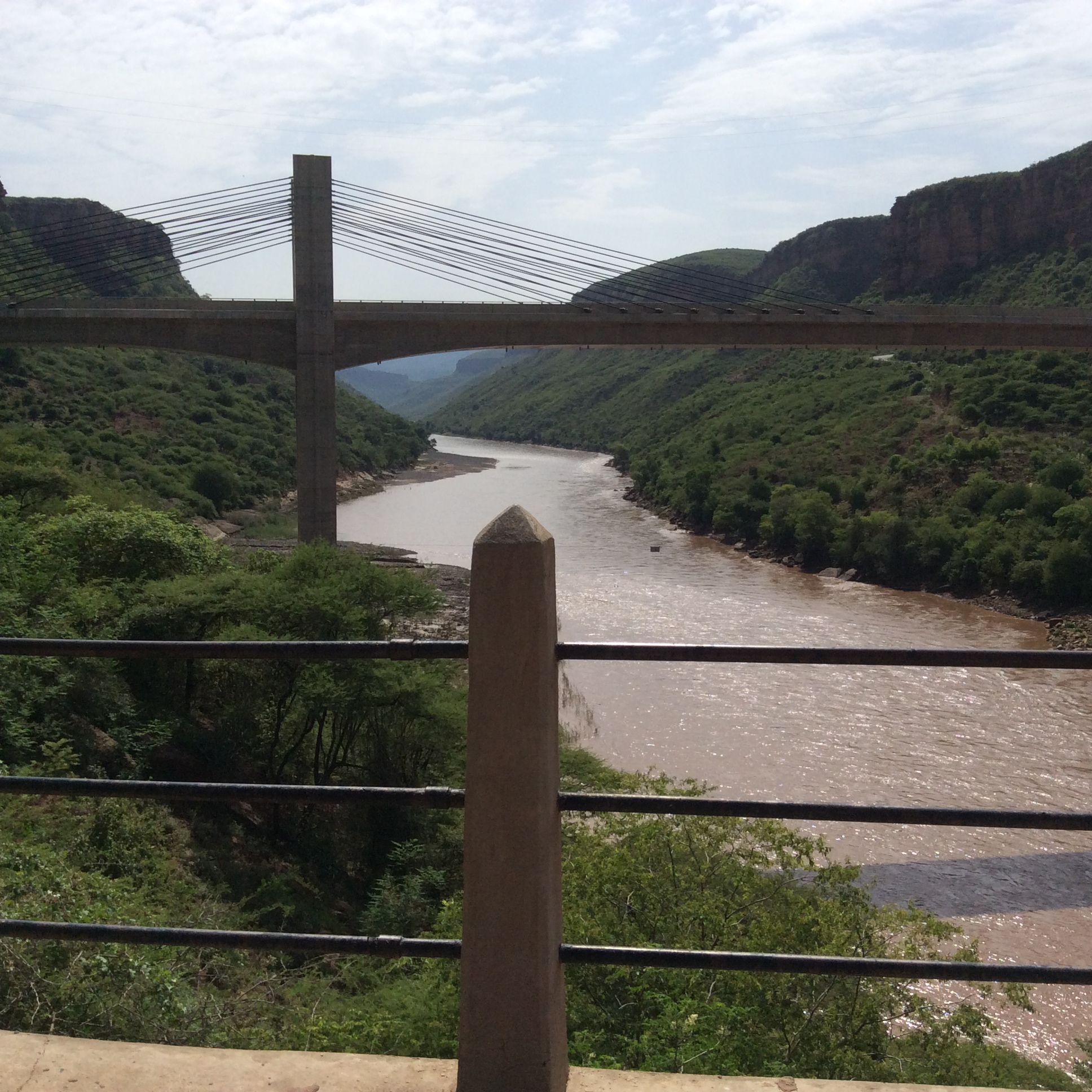
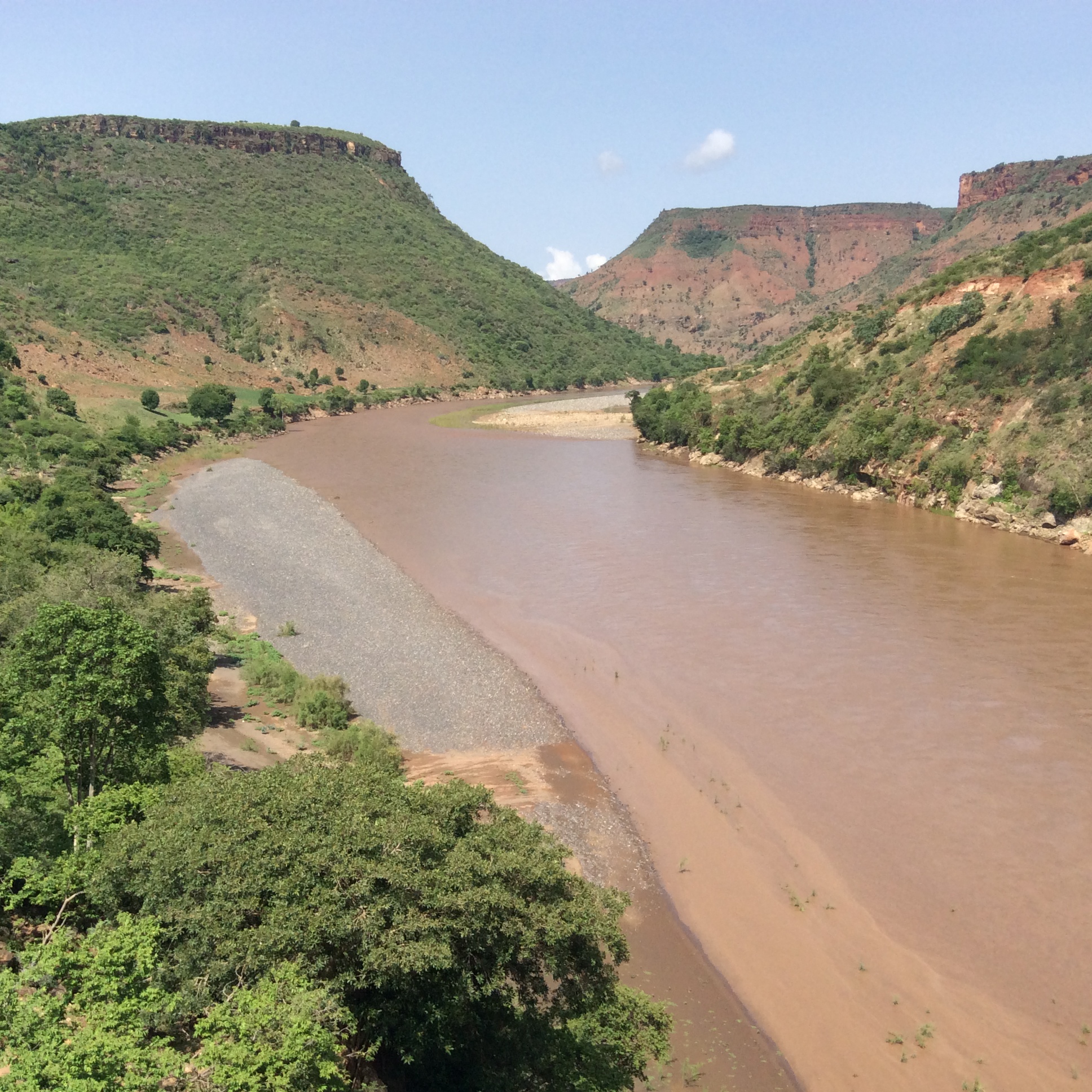
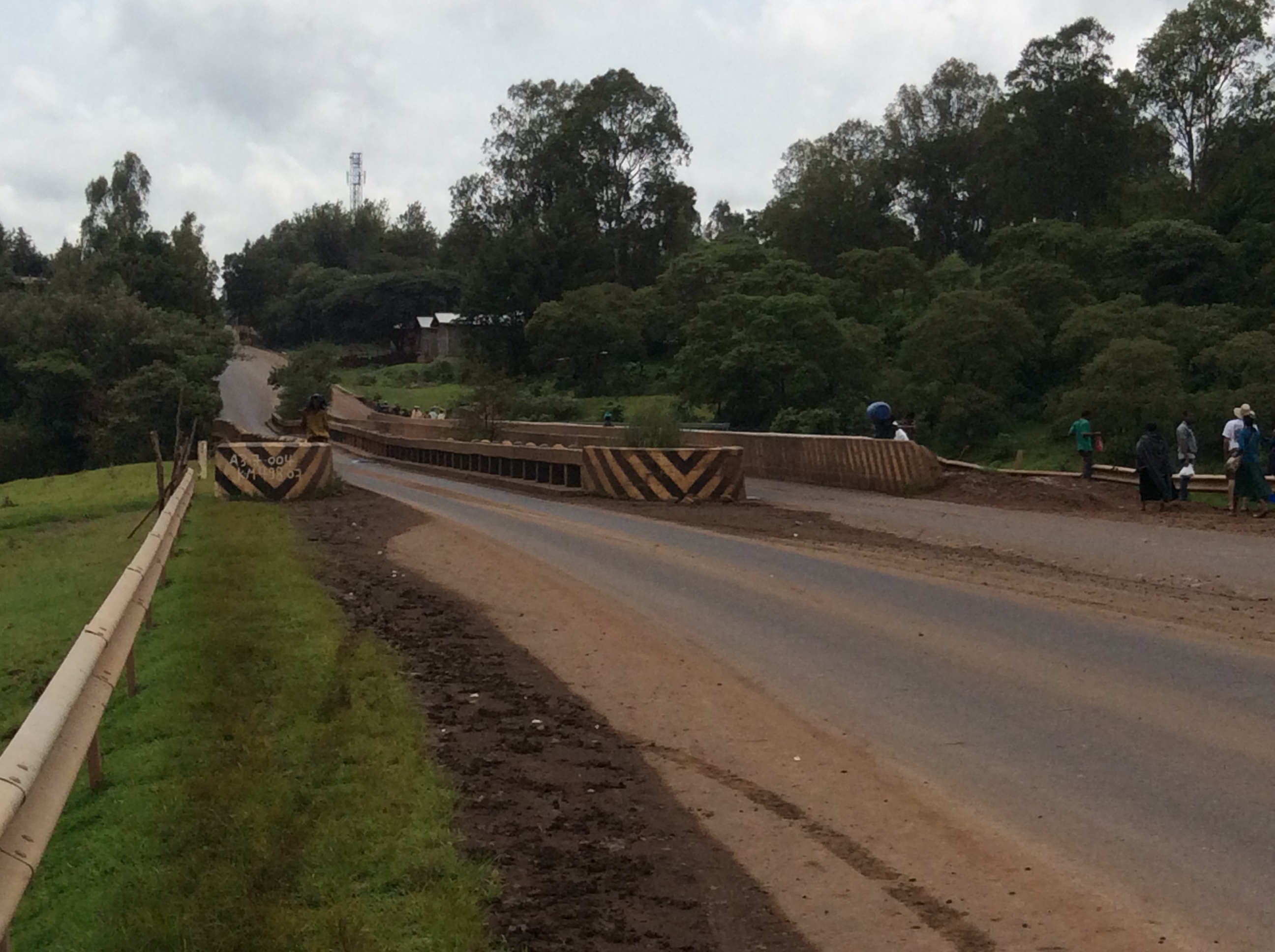
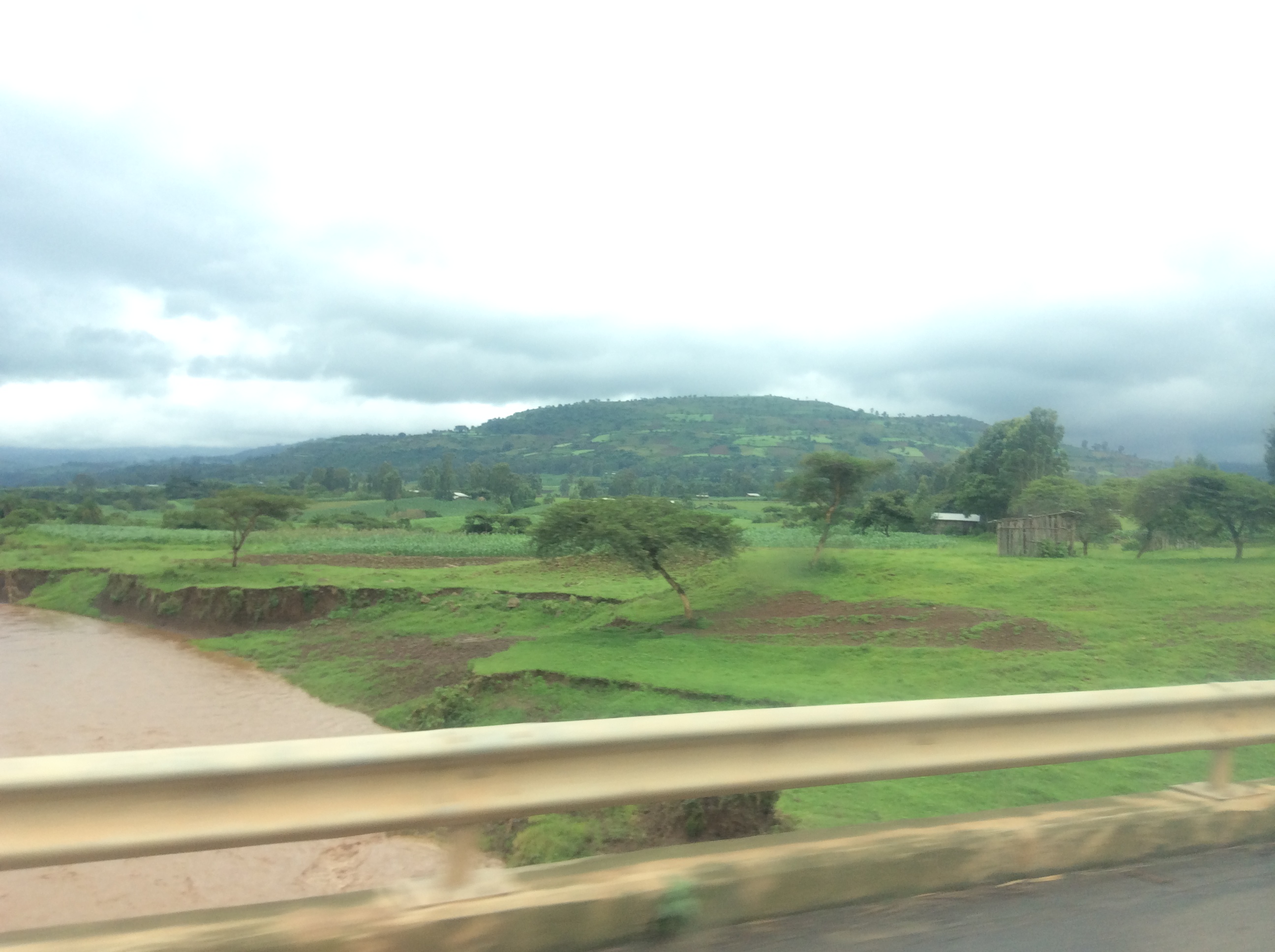
After we crossed the plateau, we dropped down and crossed a river. Because it was the rainy season, rivers raged everywhere, running dark with mud.

IMG_0381

The little shed is for the river guard.  We did not see anyone here when we crossed, but major rivers have guards often armed with an assault rifle.

IMG_0385

IMG_0388

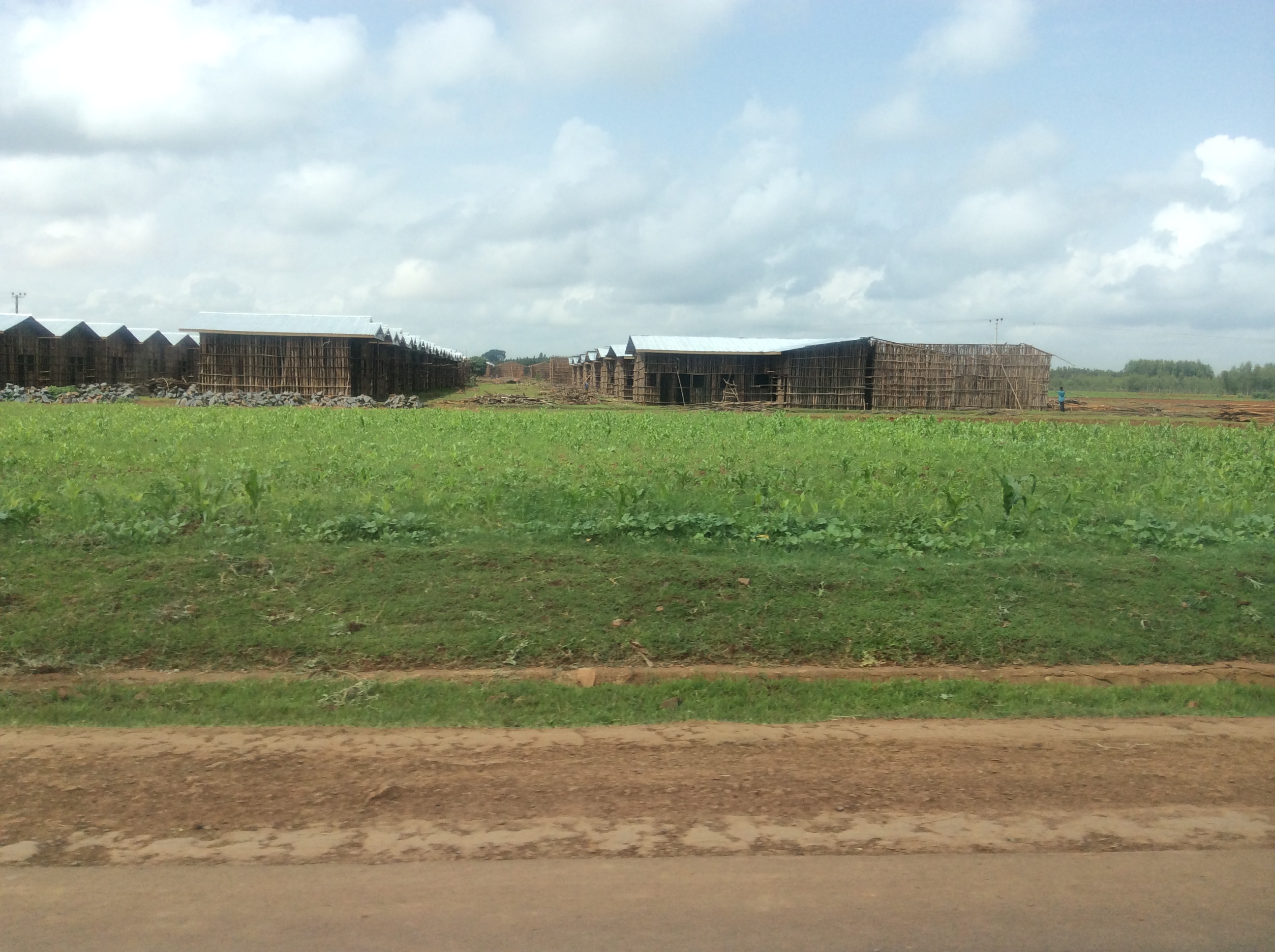
Almost to Lalibela–we discovered later that the rains were late and people were very concerned.  Crops had been planted and they were waiting.

IMG_0379


IMG_0392

The first photo in Lalibela–the view from my room at the edge of a cliff–the Maribela Hotel.


My Ethiopian Adventure–on the Road to Lalibela, Part One


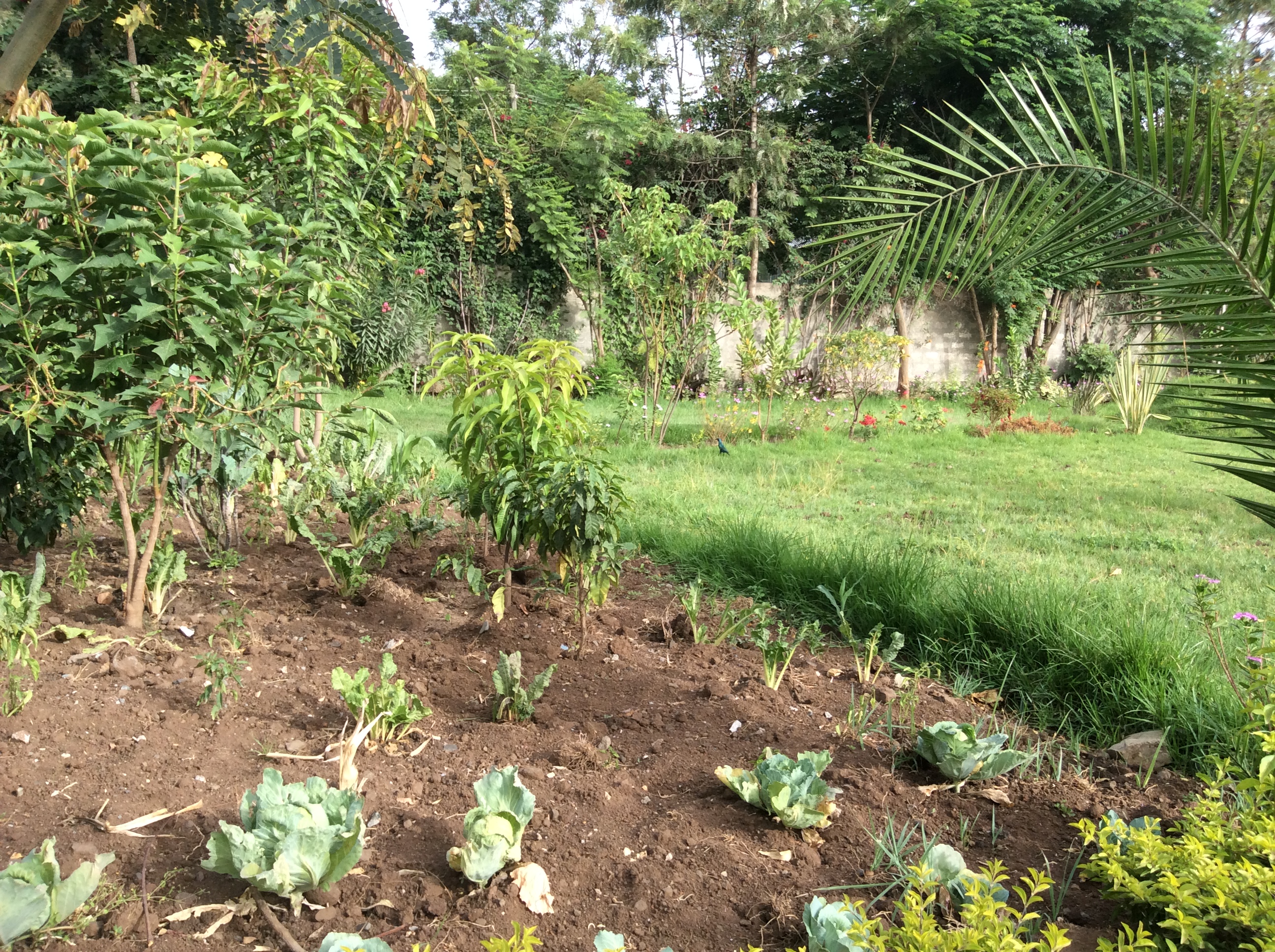
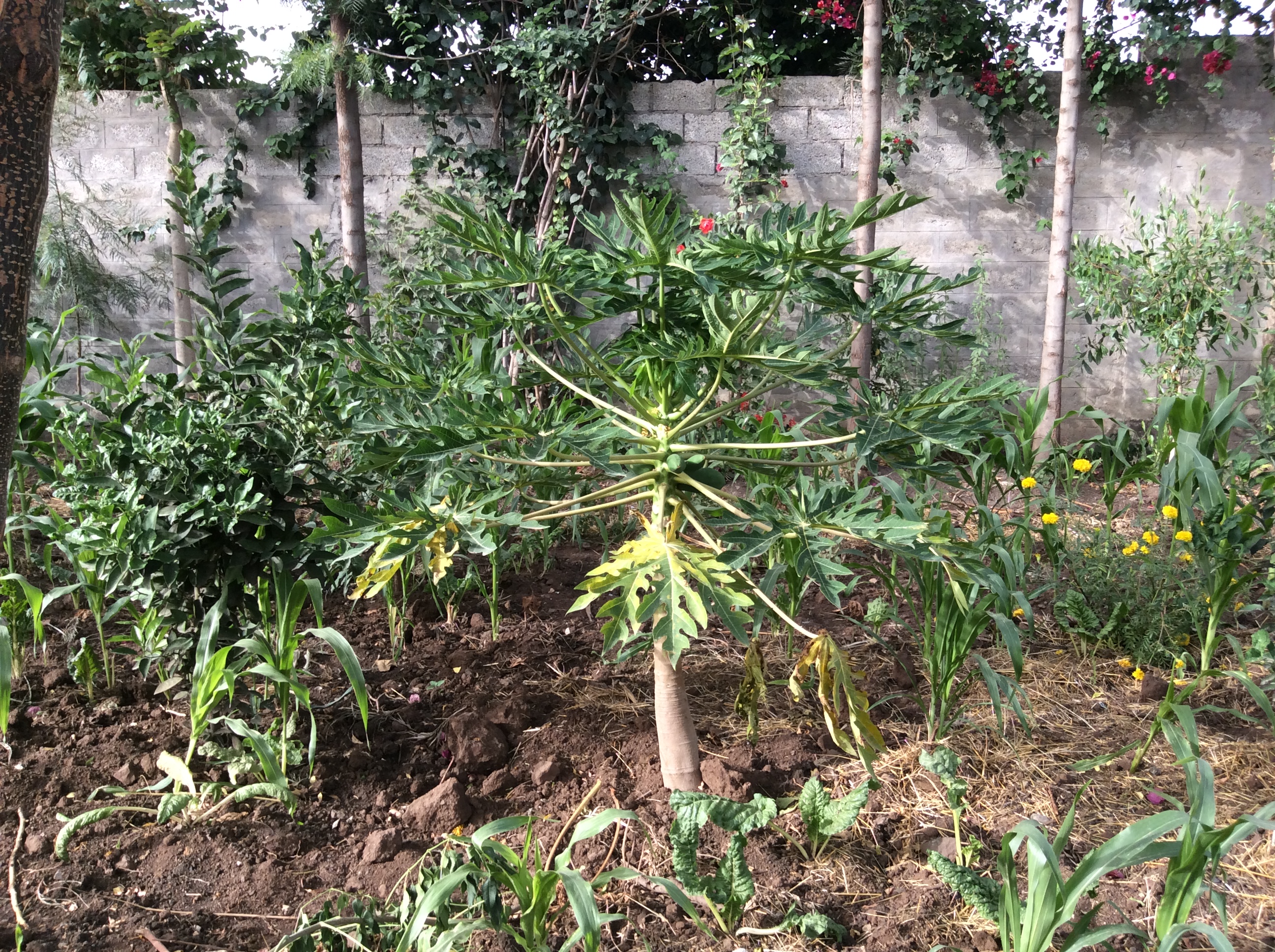
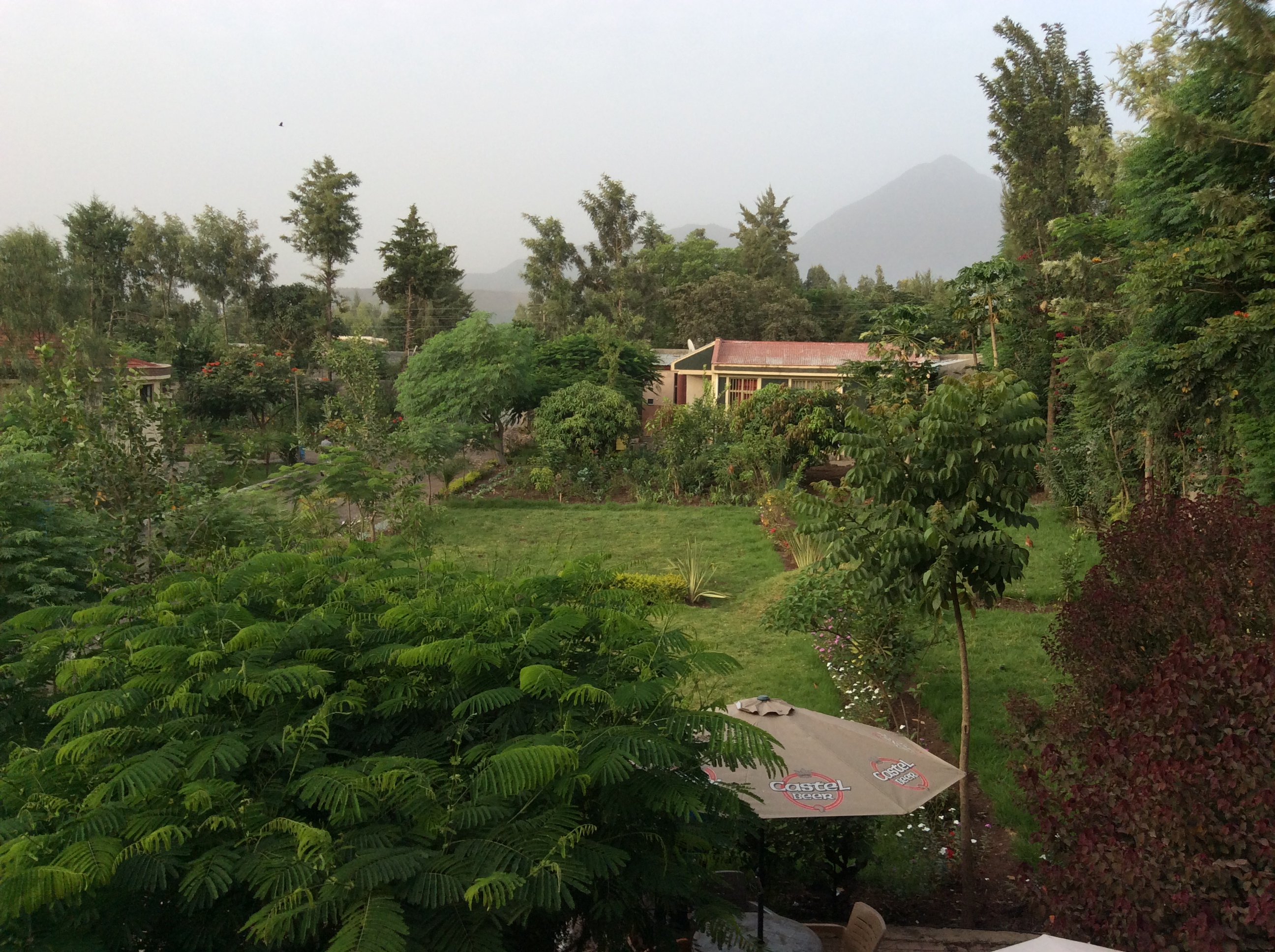
Although the Sunny Side Hotel’s rooms in Kombolcha seem elemental to say the least, the food there is some of the best I had in Ethiopia.  One of the reasons for this may be their extensive gardens which not only hold flowers, but vegetables and fruit trees.

IMG_0292

IMG_0294

That’s a papaya in the middle.

IMG_0296

IMG_0290

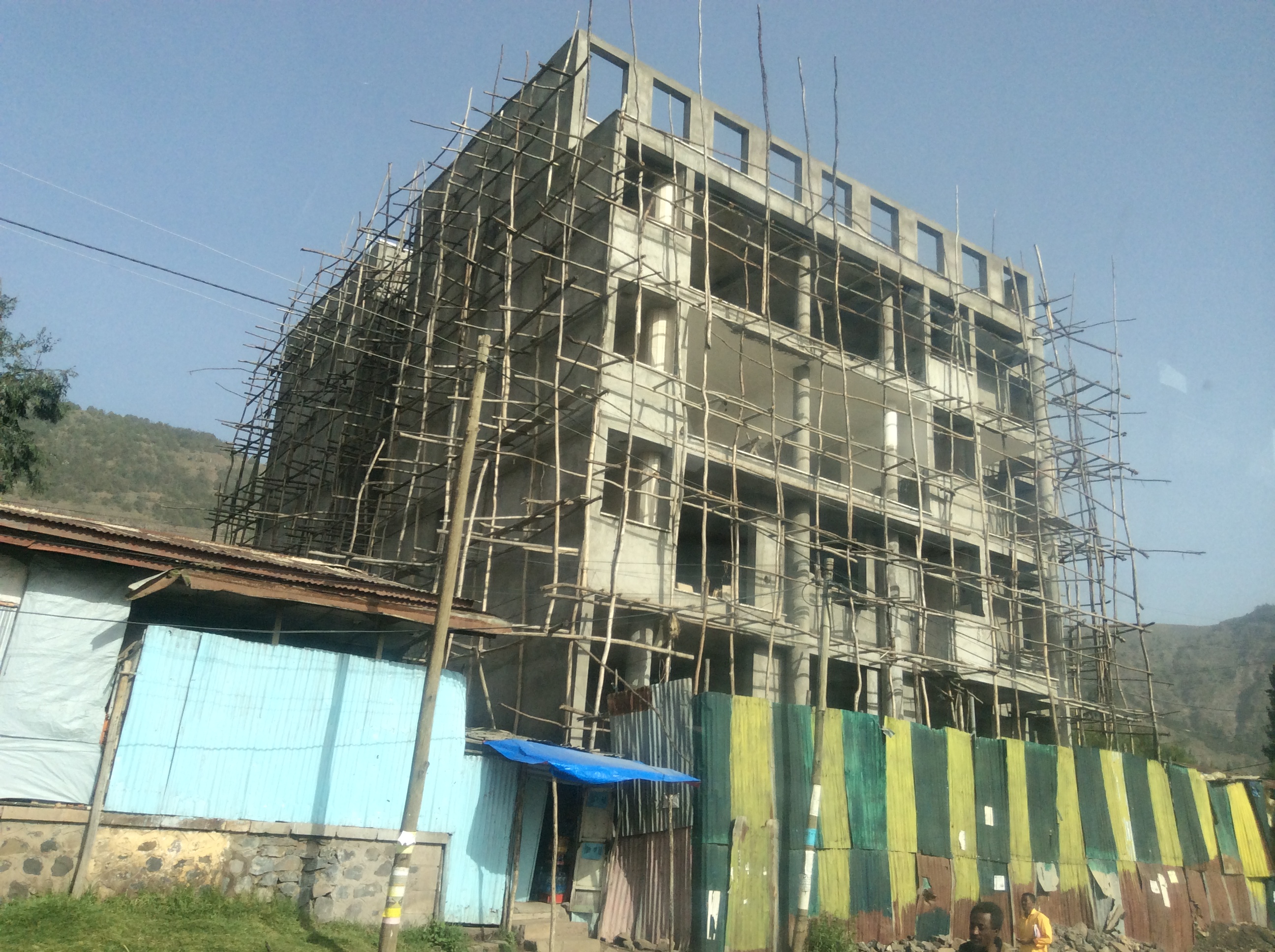
Dinner consisted of fresh talapia–Lake Tana is full of talapia and is a common item on menus, perfectly grilled, julienned vegetables sautéed in sunflower oil and seasoned with a sprig of rosemary.  The next morning we headed for Lalibela.  The first larger city through which we drove is Dese.  As in most Ethiopian cities, new construction could be seen everywhere.  They do not use steel for scaffolding.  They use eucalyptus as in this building.

IMG_0307

IMG_0305

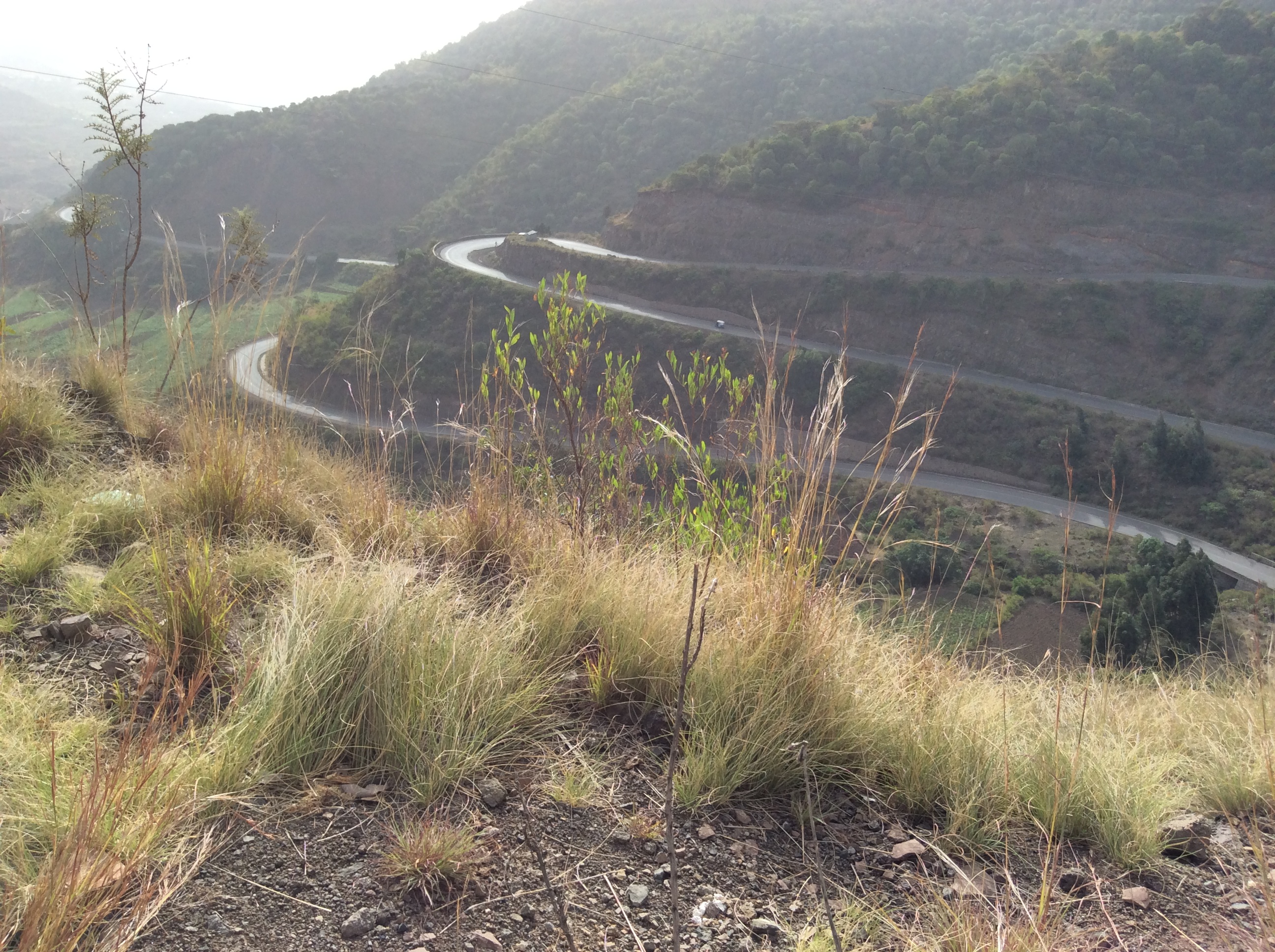
We continually climbed switched back roads.  Usually, terraced fields lay as far as we could see on the mountainsides.

IMG_0303

IMG_0301

IMG_0311

Not too far from Dese, we came to the smaller town of Hayk.  Hayk is the Amharic word for lake.  The town is named after this nearby lake.

image

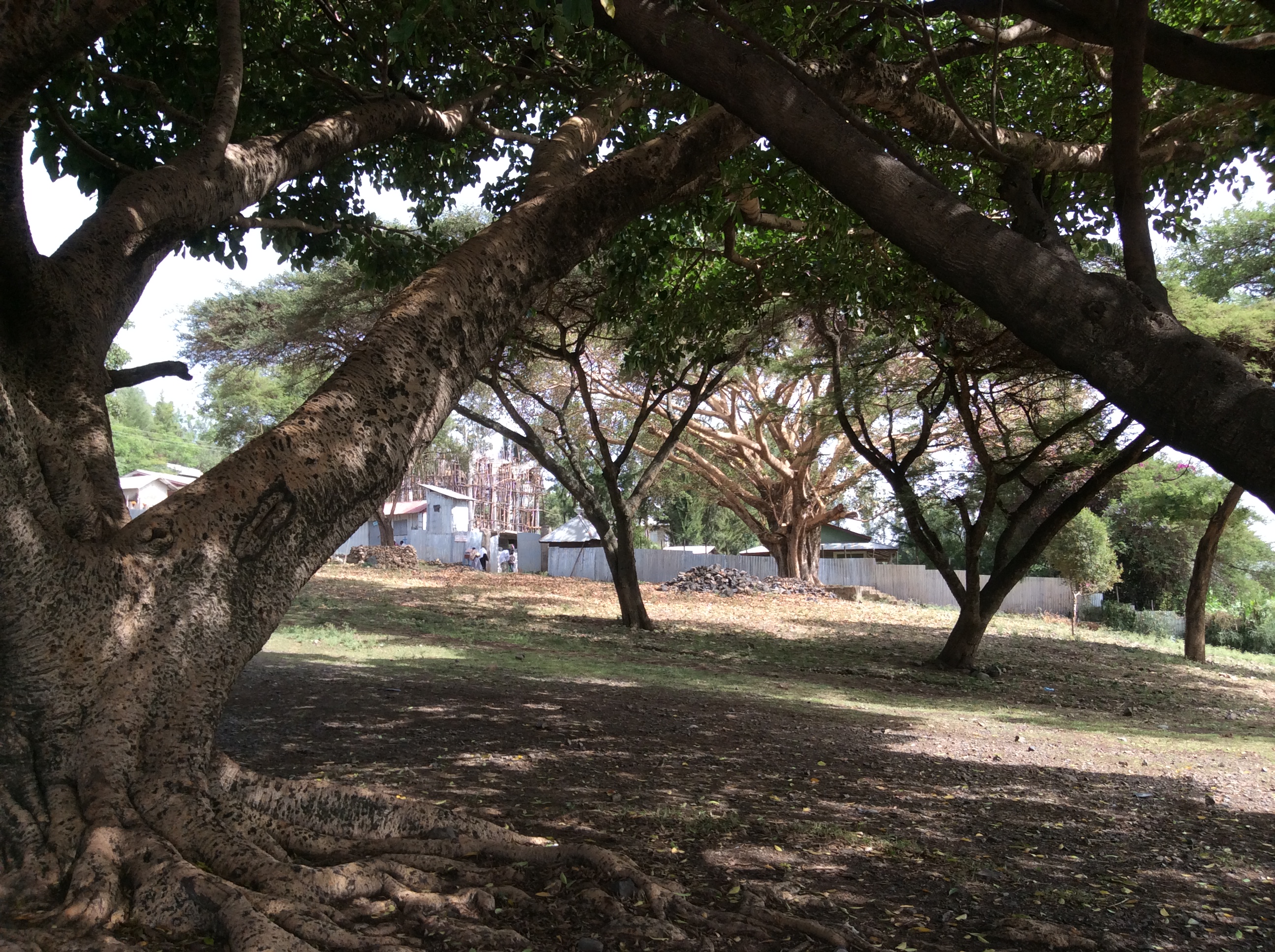
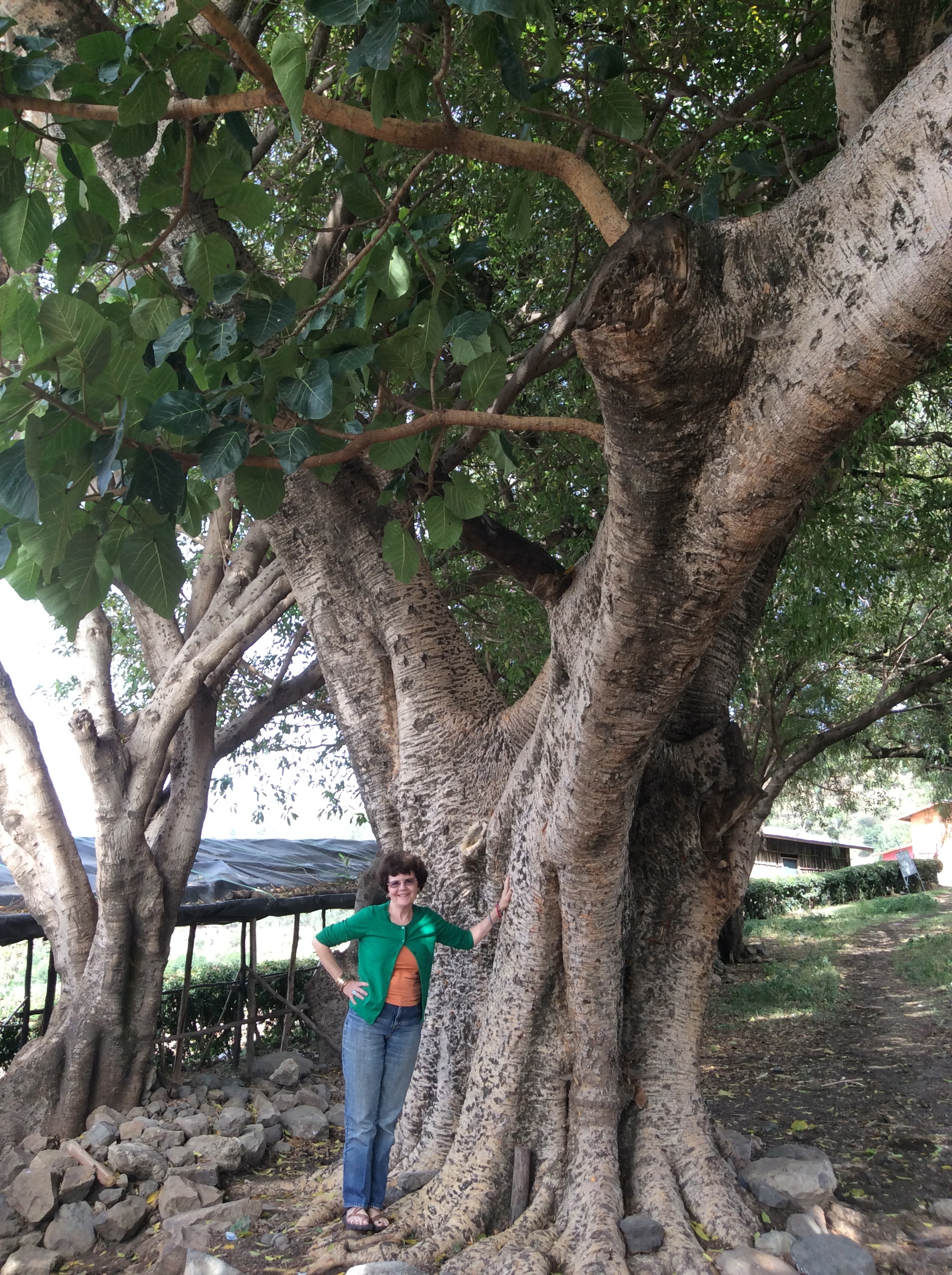
Seven species of acacia grow in Ethiopia.  These, higher in the mountains, appear considerably more lush than those farther south in semi arid places. You cannot swim in this lake because, like many bodies of water in Africa, the schistosomiasis parasite lives here.  There is a cure, but not very pleasant.  Huge fig trees and acacias provide a setting like one sees in movies.

IMG_0316

IMG_0317

IMG_0319

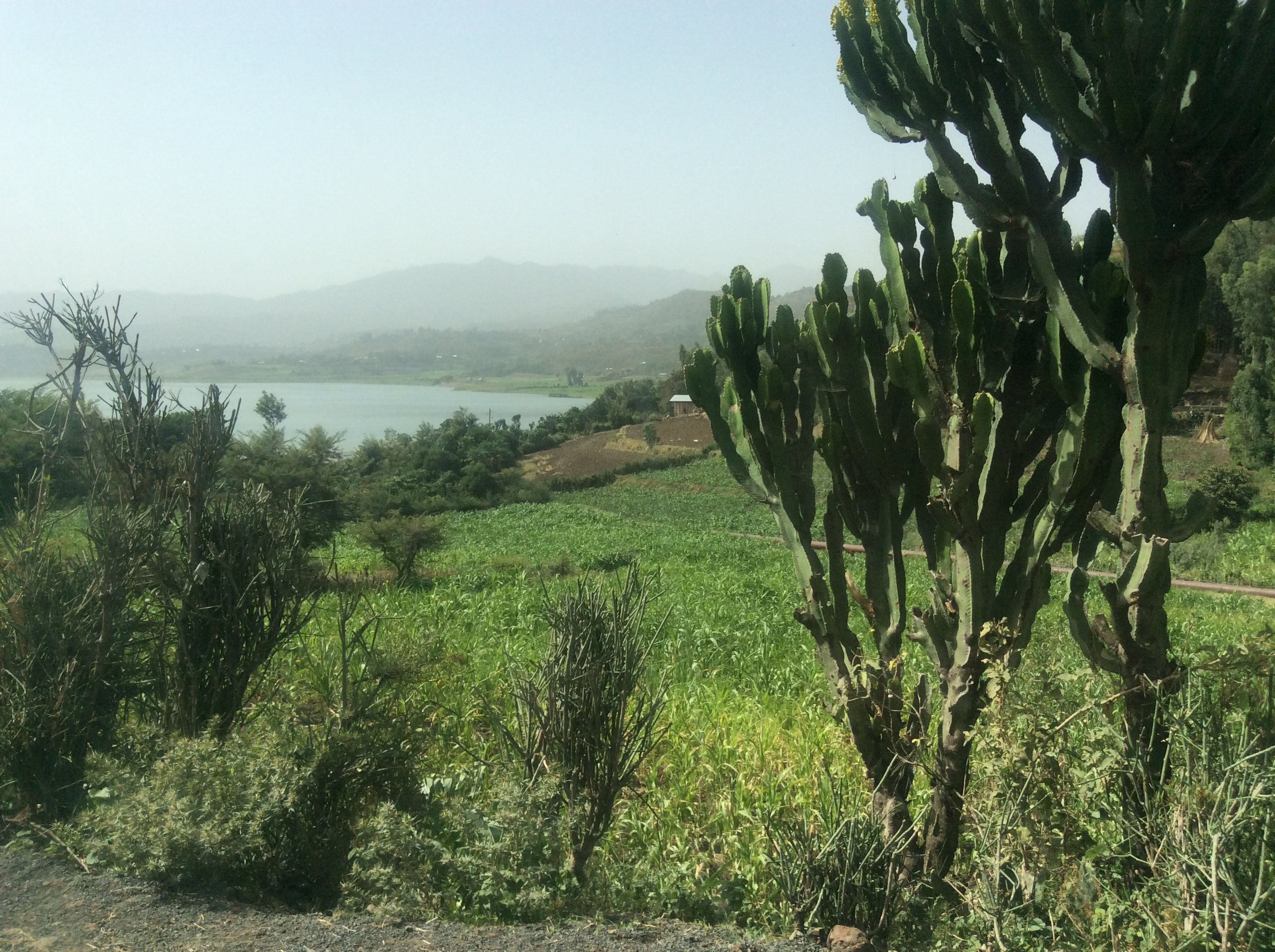
This monastery resides on a small peninsula that juts out into the lake.  The sign says no women allowed.  Foreign male visitors may enter for a fee–locals free. Lush fields surround the lake.

IMG_0314

IMG_0322

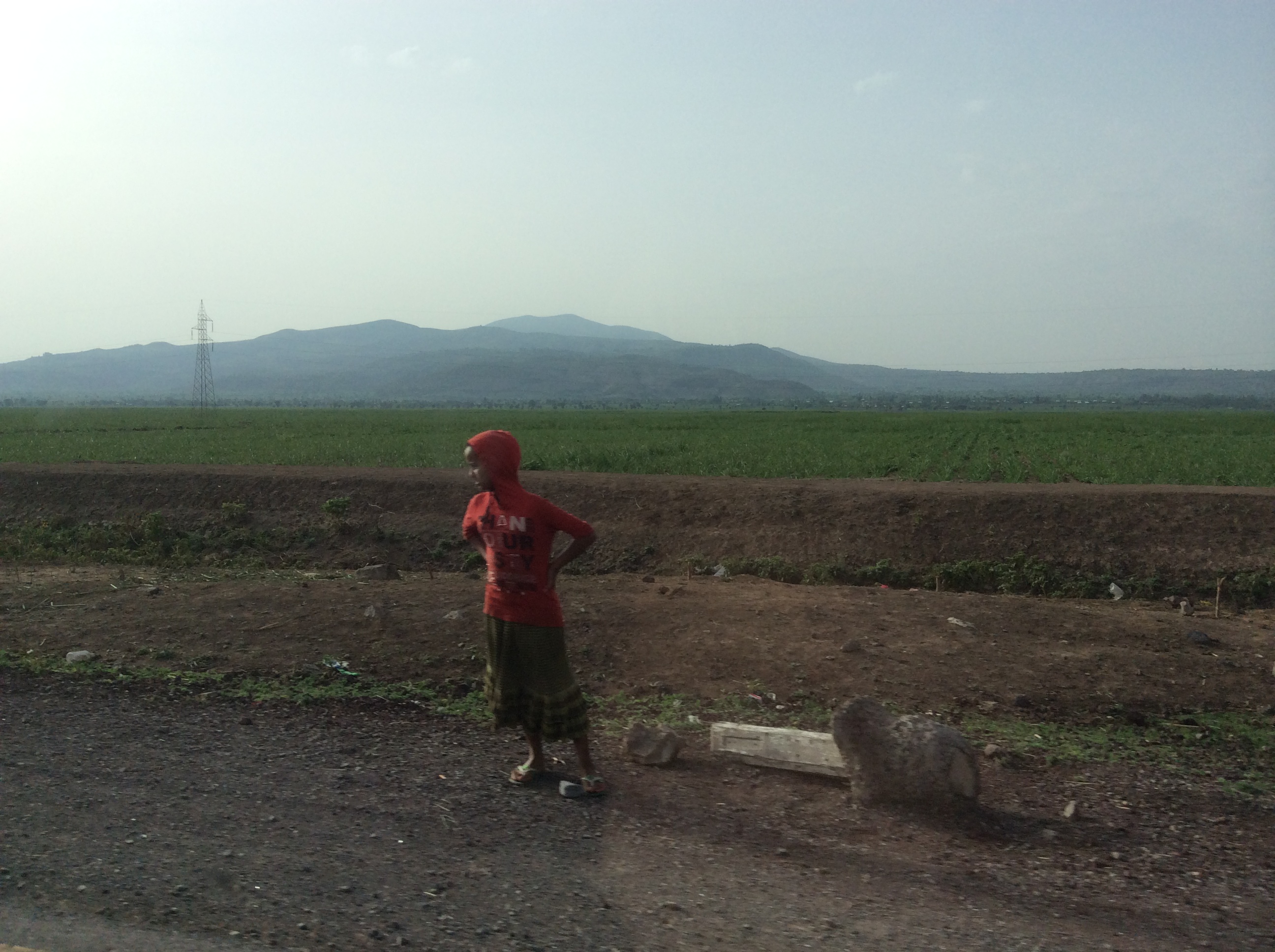
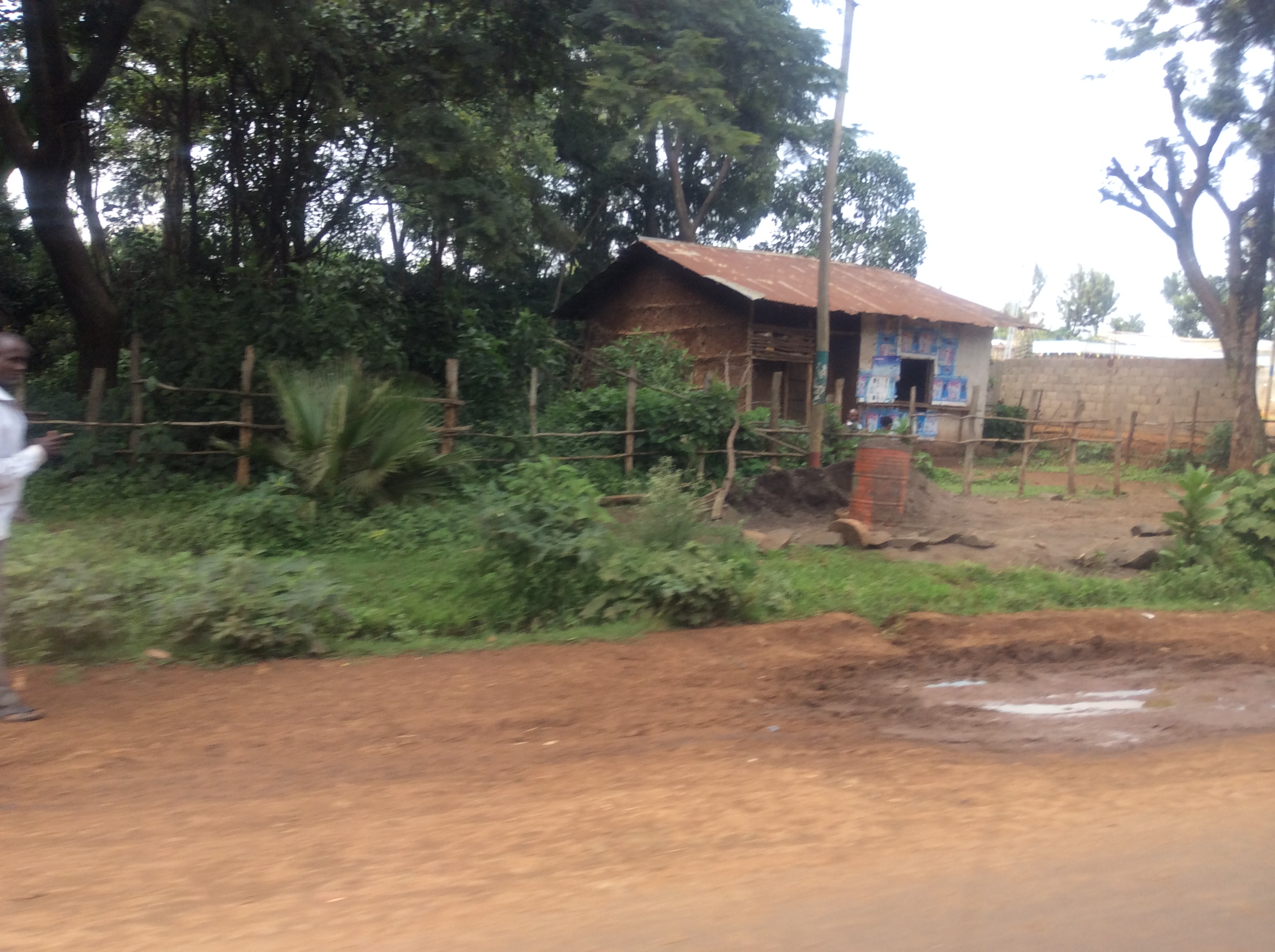
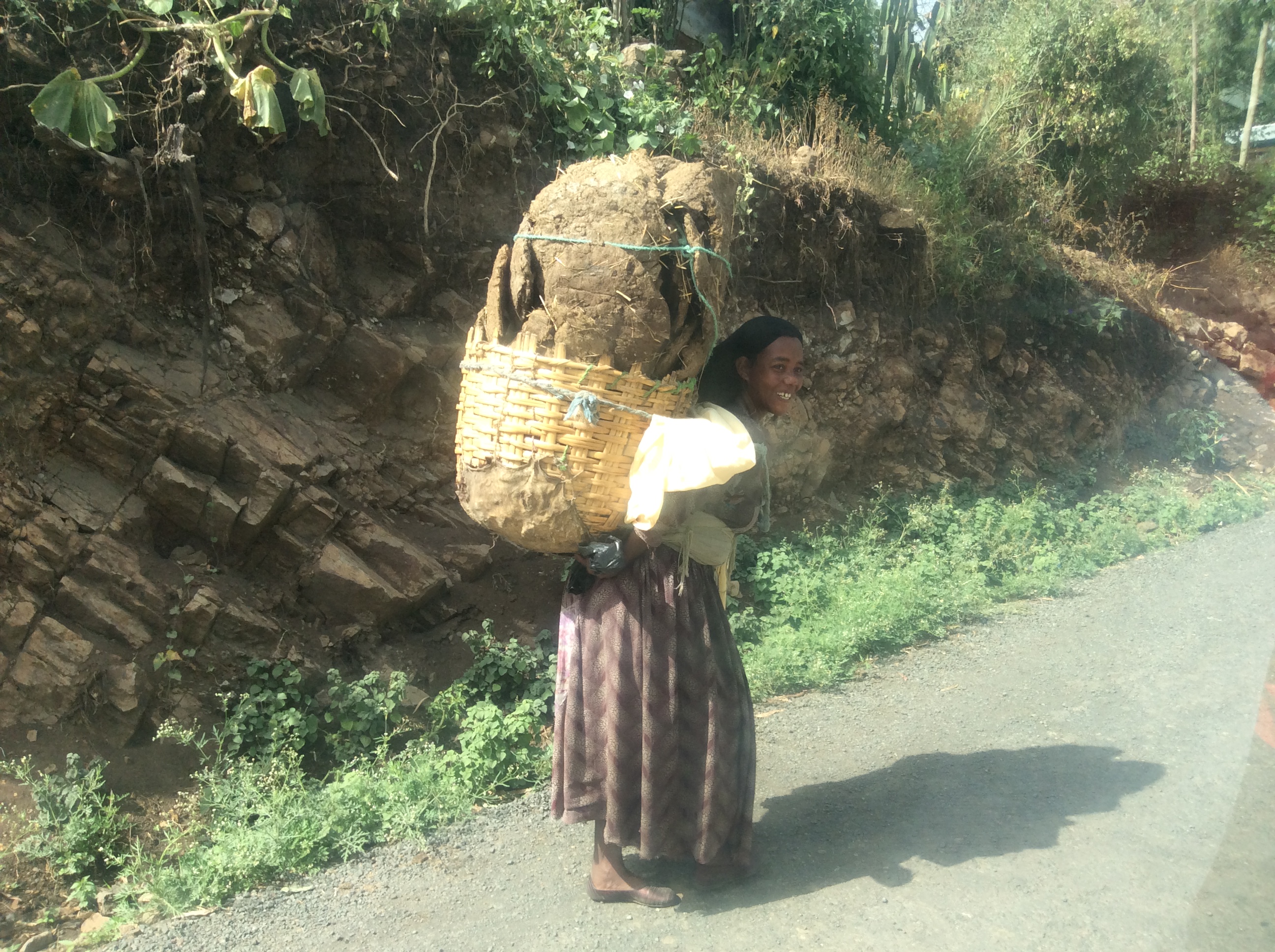
Yes, that is cactus on the right–not exactly a place I expected to see cactus.  On the road out of the lake, we saw this girl walking and asked to take her photo.  She is carrying dried dung.  Houses are first framed in eucalyptus and then plastered with a mixture of dung and mud or just mud.  Sometimes they are left the natural dark brown color.  Some home owners prefer to paint them bright colors.

IMG_0324

IMG_0331

This is a typical house in most areas left unpainted with a metal roof.  Everywhere people worked the fields the “old” way with a beautiful result.

IMG_0327

IMG_0328

We passed villages and towns of all sizes.

IMG_0330

And always children as well as adults drove animals along the road.

IMG_0335

IMG_0336

IMG_0343

Eighty languages are spoken in Ethiopia.  Some, like Amharic and Oromo, are spoken my millions, others by only a particular small tribe. Everywhere we went people knew Amharic, an Afro-Asian, Semitic language (like Arabic and Hebrew) which originates in the ancient language of Geez, a language now only used as the sacred language of the Ethiopian Orthodox Church.  English is taught in elementary school, which is compulsory through the eighth grade.  Because of too many students and too few schools and teachers, especially in rural areas, school is half a day.  One group goes in the morning and another in the afternoon.

My Ethiopian Adventure–from Addis to Kombolcha


Saying goodbye to Addis at 8 in the morning, we headed northeast and later north toward Kombolcha–spelling differs, depending on whose map you view.  The official Ethiopian map spells the town as Kombolch.  Addis is high, the second highest capital in the world.  We drove northeast all morning across rivers and through green fields.

IMG_0246

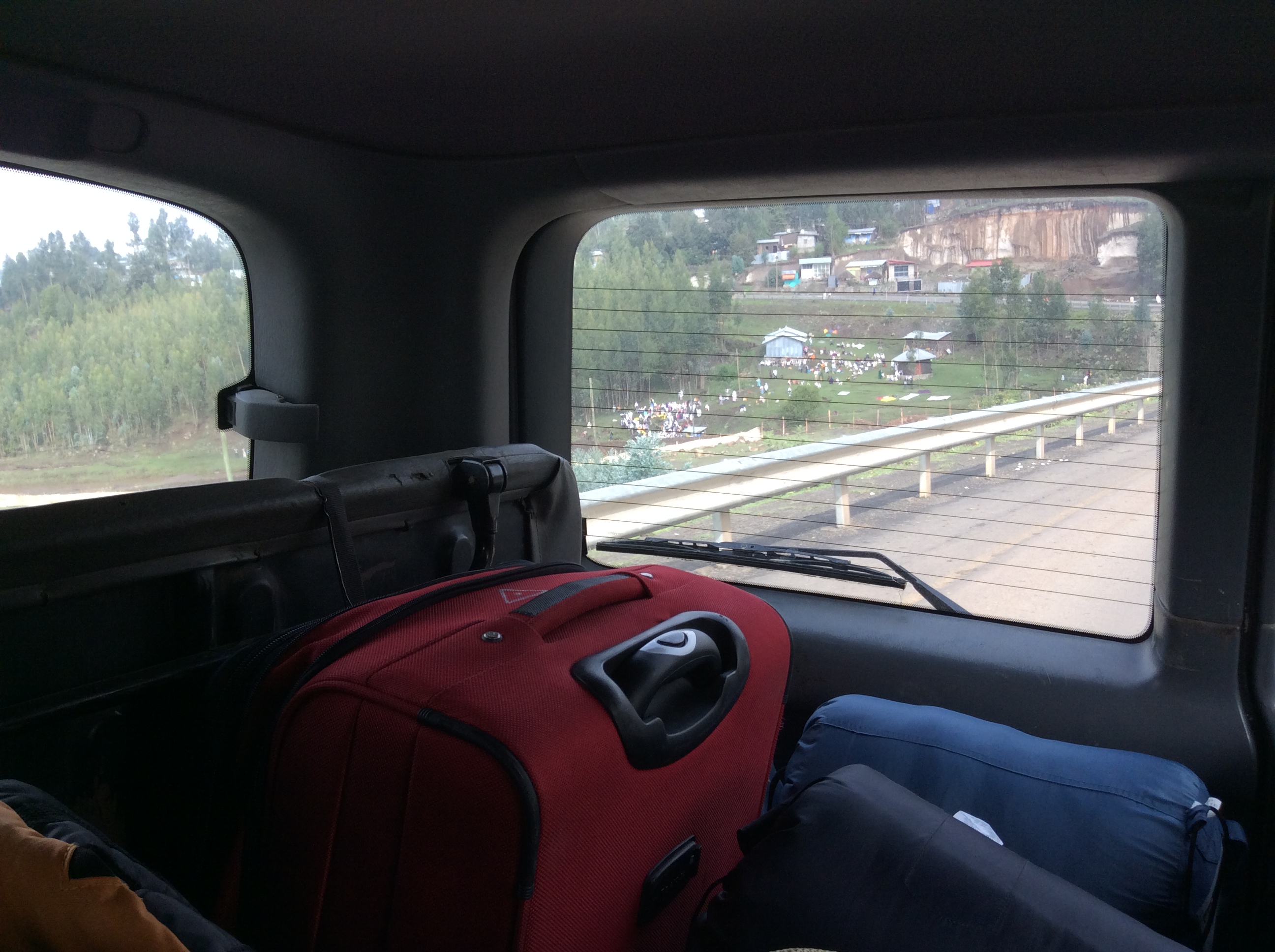
Not far outside Addis we saw this scene, a river with many people near it.  Our driver, Alemu explained this river contains holy, healing water and all those people you see through the window are pilgrims coming to be blessed by the resident priest and hopefully healed by the river waters.

IMG_0249

Who would know this is Ethiopia if no one told you? Not what I expected at all honestly.

IMG_0248

IMG_0250

Most of the farmland is very rocky.  Farmers gather rocks, in some places make fences out of them or just pile them up.  Even with these efforts fields remain full of rocks.

IMG_0251

We drove for hours through this type of farmland.

IMG_0257

This is a typical country village which appeared off and on continuously along the highway.  Traditional buildings are usually round with thatched roofs.  More and more people have begun to use metal roofs which forces the building shape to rectangular rather than round.  We heard a story about a thatched roof house that caught on fire.  Nothing but the thatch burned because underneath the thatch was a meter of mud.

IMG_0258

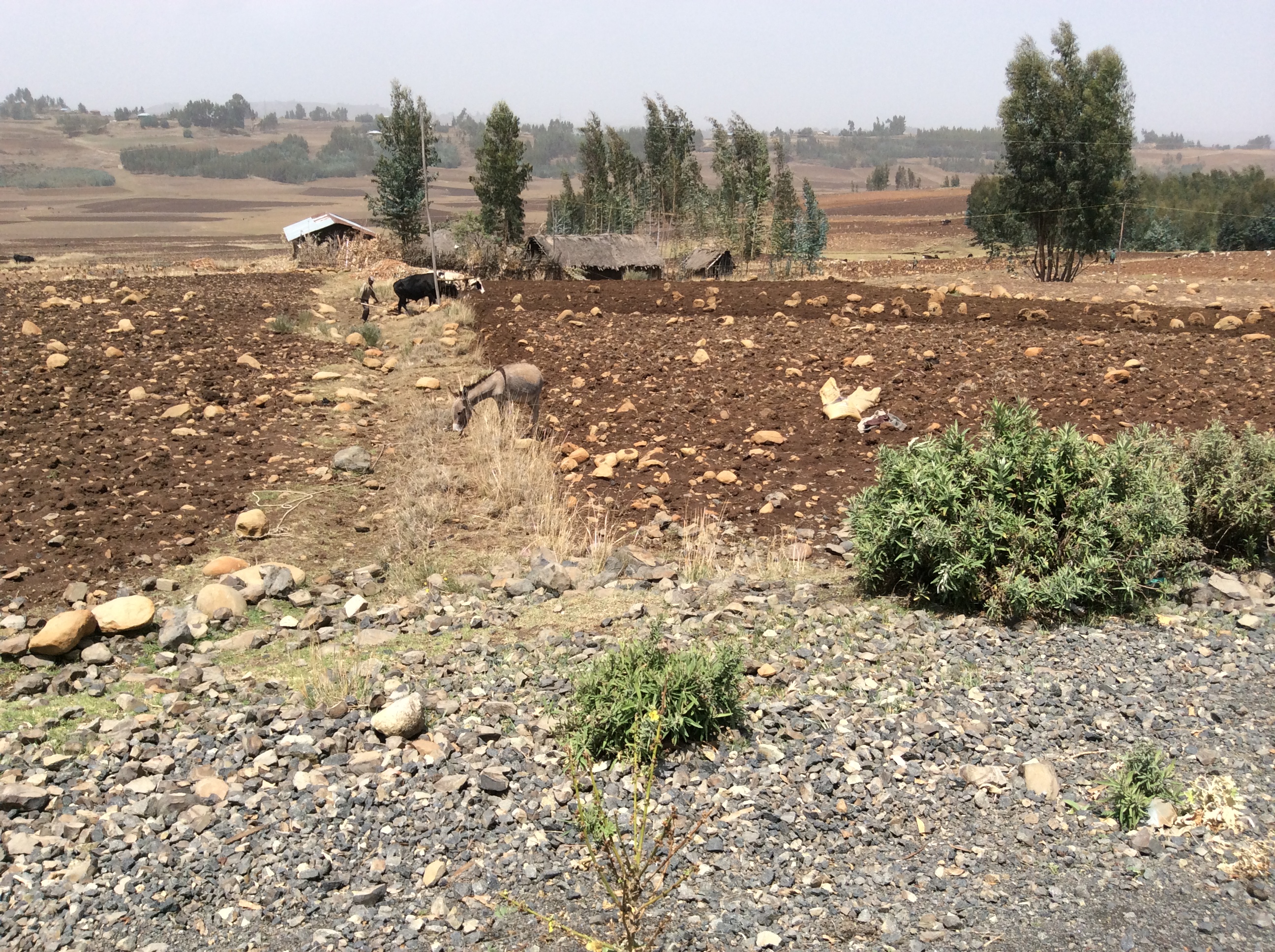
Most Ethiopian farming is done the old way:  either horses or cattle pull the plow with a man guiding it usually through a lot of rocks.  I commented about seeing no tractors so then every time we saw one everyone shouted, “Juliana, there’s a tractor.”  I think I saw only five of them in ten days and only one was actually working in a field.  It became obvious rather quickly how totally impractical a tractor and its equipment would be in much of the farmland:  too many rocks and as you will soon see, too steep.  The tractor would fall over.

IMG_0261

Eventually we started climbing higher and higher.  To the left was one of Ethiopia’s high peaks near or over 4000 meters–13 to 14 thousand feet.

IMG_0262

And then, there it was, Menelik’s Window.  This was the first area we saw with numerous gelada baboons.  However, these ran away unlike the ones later in Simien National Park.

IMG_0266

That’s Dino down on the edge.  At this point in the trip, I was still quite horrified by all the steep cliffs and stayed way back.  He was trying to get a good photo of the baboons.  Menelik II, the last Ethiopia leader to be able to claim himself as a direct male descendant of King Solomon, found this place special, a view into the real Ethiopia across miles of mountains. He is known for defeating the Italian invaders, expanding the kingdom, and especially for modernizing Ethiopia.

IMG_0267

My grandson now owns this hat.  This boy and his friends spend their days chasing the baboons away from the tufts of grass, which their families use to make the thatched roofs, and making hats for sale.

IMG_0264

You can see the selection of different styles of hats on display on the grass.  On the mountainside in the back lots of herbs grew, including thyme.  The boys also sold packets of herbs they had gathered and dried.

IMG_0268

We dropped down on a winding mountain road through eucalyptus forests.  Eucalyptus is not native to Ethiopia, but grows everywhere there.  It is used as a basic material for building their houses, for scaffolding to build tall city buildings, for just about everything.  Several different species grew along the road.

IMG_0271

Ethiopia’s main highways are excellent.  Many were built years ago by the Italians, more recent ones by the Chinese.  Ethiopians make jokes about how long the Chinese roads might last.

IMG_0272

Eventually, we dropped down out of the mountains into an area that was much drier.

IMG_0276

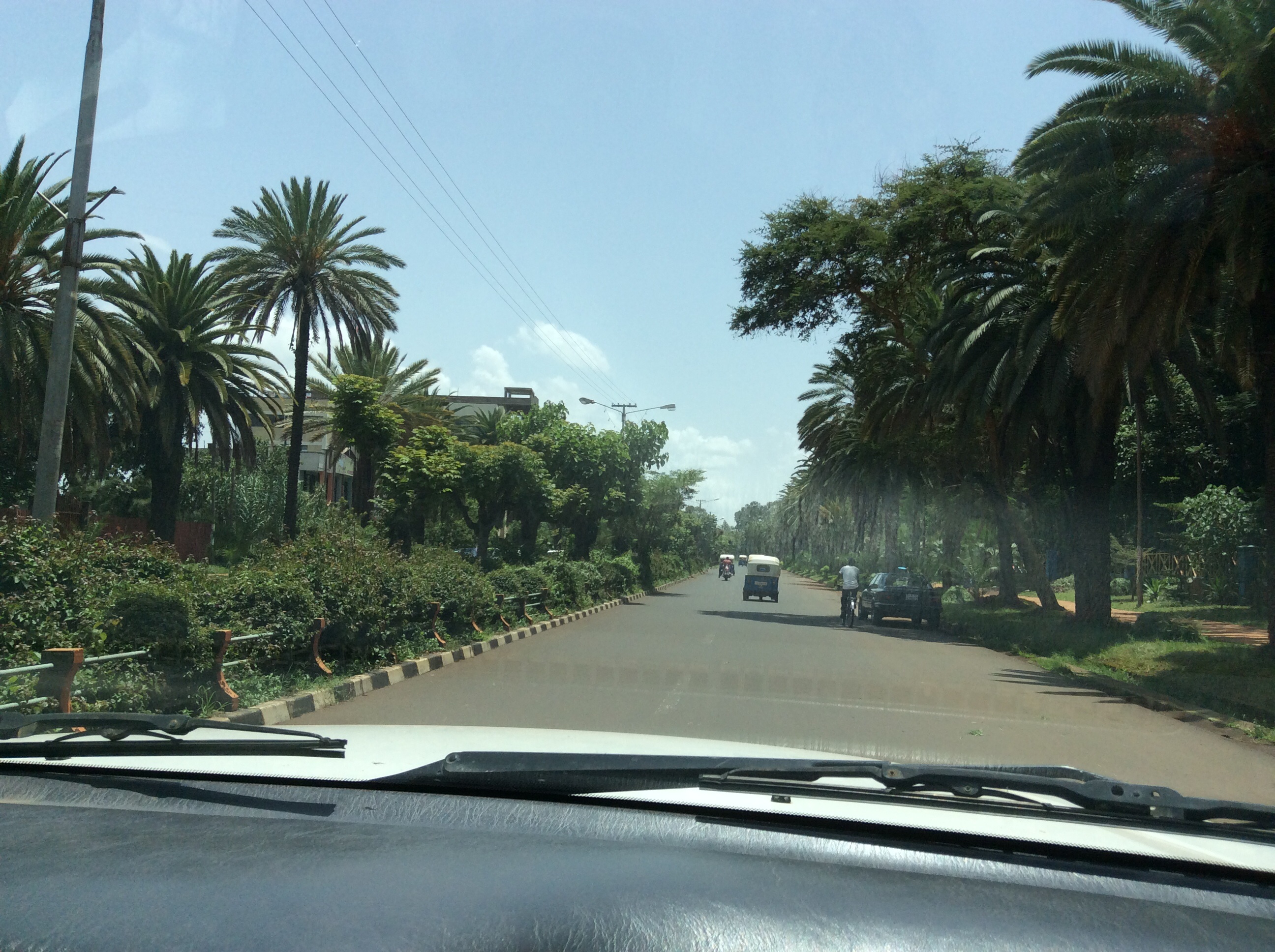
A typical town with all sorts of shops right along the road.  When driving in Ethiopia, dodging people, cattle, camels, horses, burros, and goats is the norm. Everything it seems likes these good roads.

IMG_0279

A boy driving camels down the highway.  Loose animals, like the burro on the right, roam seemingly unattended.  I saw few fences.

IMG_0280

In the small towns in this semi arid area, we saw several totally veiled women, faces covered totally except for their eyes.  Alemu informed us that this was a new thing, not seen until the last few years.  He seemed to think it had become fashionable to copy Saudi women.

IMG_0281

We stopped to look at certain plants beside the road.

IMG_0282

Dino recalled playing with these pretty green balls as a child with this forewarning,  “Do not eat them, do not touch your eyes or you will go blind.”  They are called the Apples of Sodom.

IMG_0284

At this juncture near the beginning of this adventure, I had not yet realized how everything in Ethiopia possesses symbolic meaning.

IMG_0285

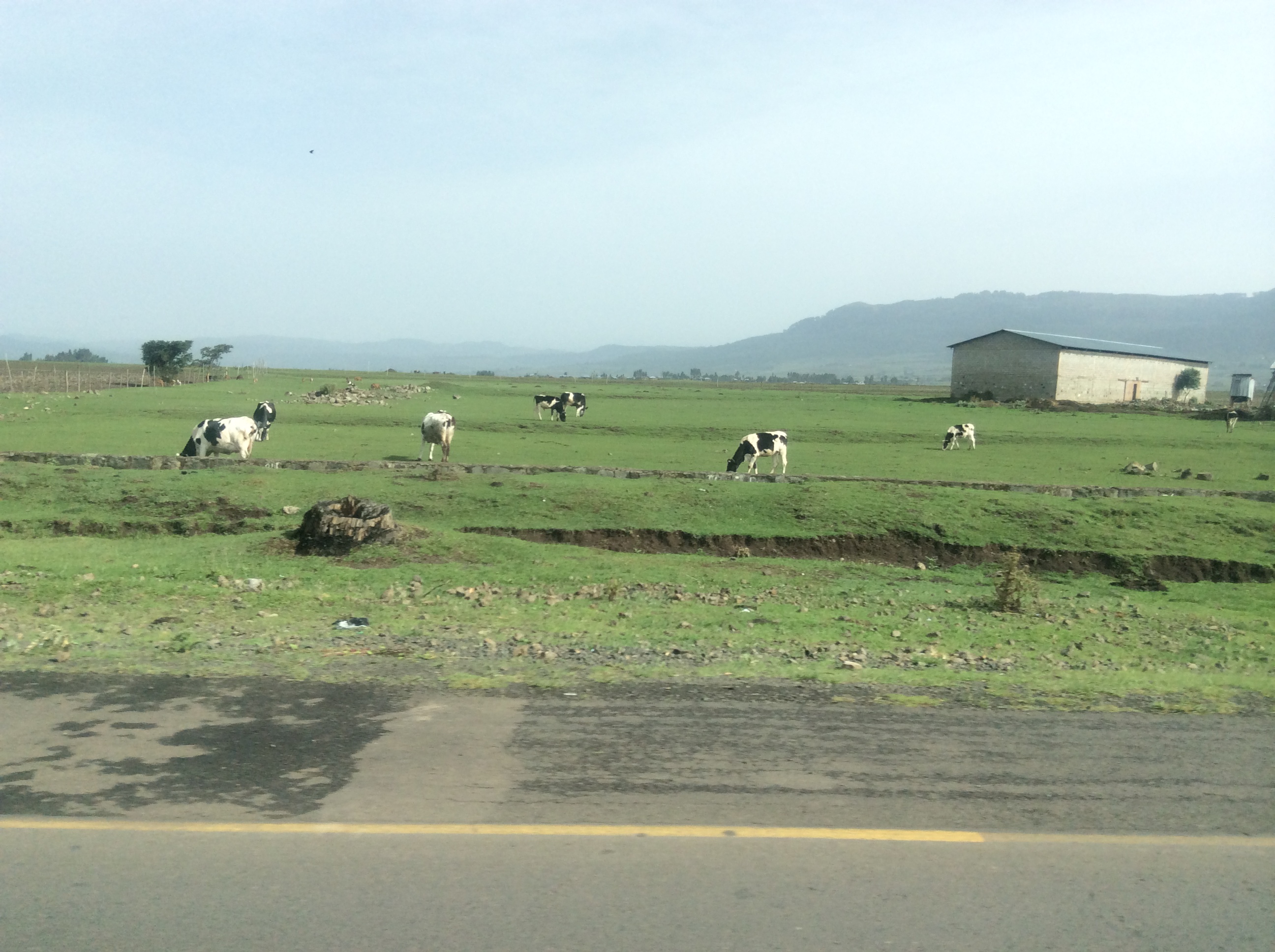
We drove along this immense, lush valley for miles.  Alemu said this huge herd of cattle belonged to a semi nomadic group who brought their cattle here during the rainy season to graze and fatten.  A bit farther down the road the land belonged to one of the richest men in Ethiopia, indeed the world, Al Amoudi.  It was the only place where I saw a tractor actually used in a field.

IMG_0288

Arriving in Kombolcha, we saw this new college in the process of creation.  This became a common sight–new buildings, new schools, construction everywhere.

IMG_0289

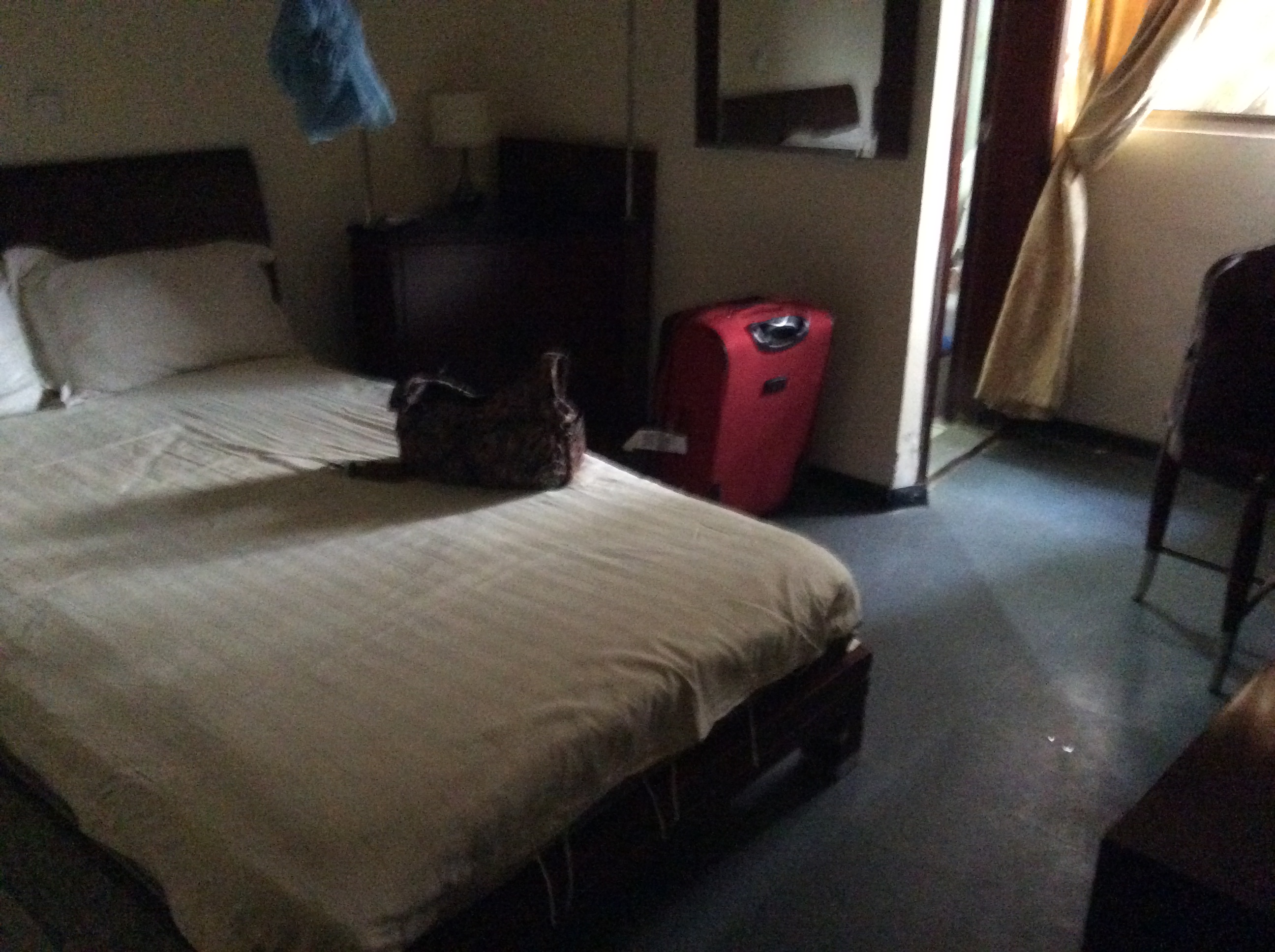
My first hotel room in Ethiopia at the Sunny Side Hotel in Kombolcha complete with mosquito netting–the blue blob above the bed.  At least it had a shower and toilet.  Many places use the style of accommodations one finds in a lot of Asia.  Forget toilets as you know them–just a tiled area with a hole in the ground and the ever present water with which to wash.  We carried our own toilet paper just in case.  However, many places had both so customers could choose.

Ethiopia–Lake Tana and the Blue Nile


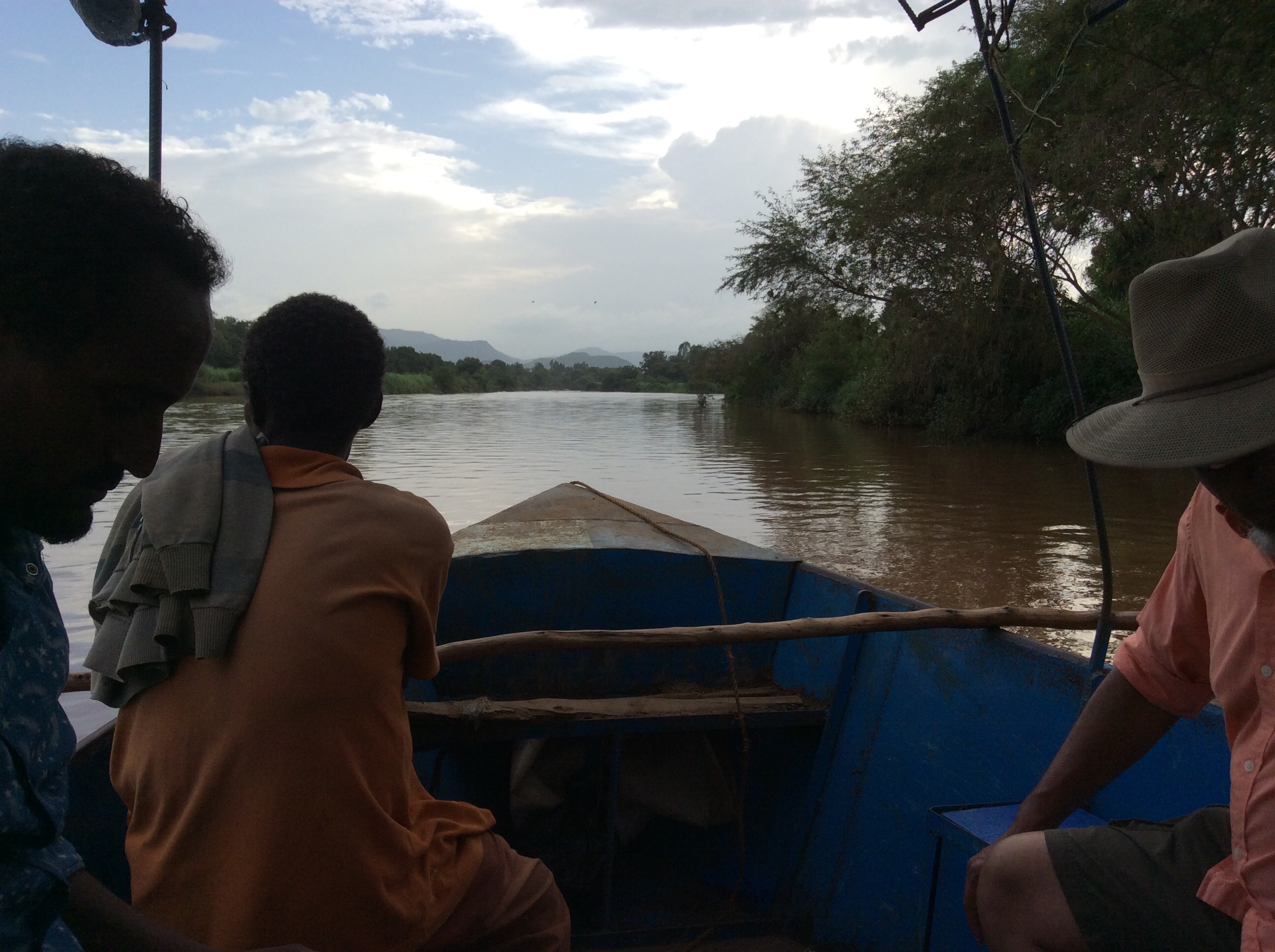
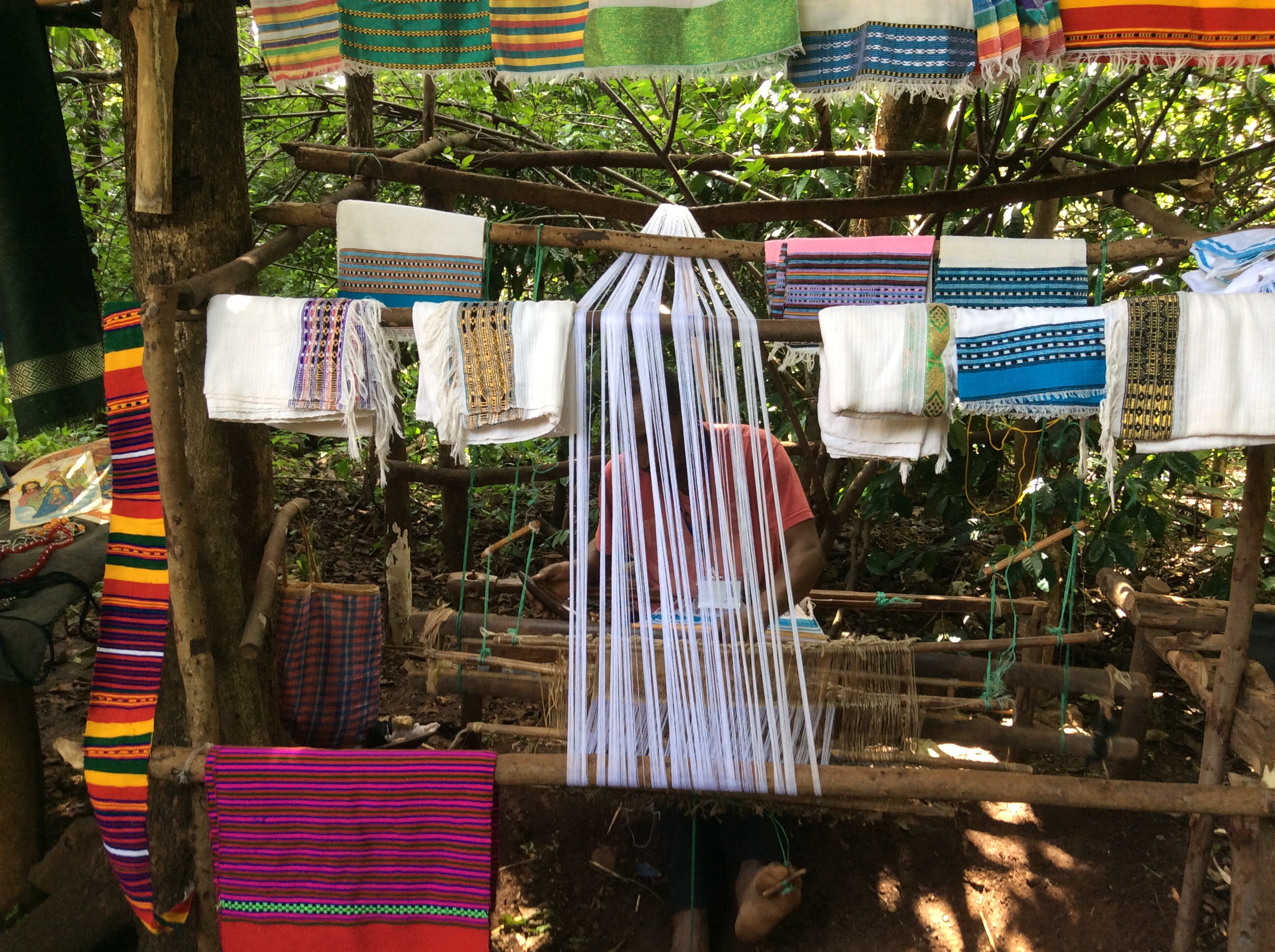
I spent yesterday evening and today here in Bahir Dar, Ethiopia, looking at, riding across or around on Lake Tana and the Blue Nile.  The out flow of Lake Tana is the beginning of the Blue Nile, the world’s longest river.  I crossed the Nile three times today in a relatively small motor boat.  Due to a diversion of water for hydroelectric power, the Nile falls are only a fraction of what they used to be.  Fishermen still fish Lake Tana in boats made from papyrus, scarves are still woven on hand looms, and corn, beans, and sugar cane are cultivated by hand, The following photos were all taken today, including the exquisite gardens at the restaurant where we ate lunch.


imageimageimageimageimageimageimageimageimageimageimageimageimageimageimage
image

Soybeans


SOYBEAN CHECKOFF

If you grow soybeans, there is this program–not sure what else to call it–named the Soybean Checkoff.  Basically, when you sell soybeans, you get docked a few cents per amount sold to advertise, etc. soybeans.  I received my latest issue of the Lonestar Soybeans recently.  For those of you reading from afar, Lonestar refers to Texas.  It is the Lonestar state and our flag has one lone star on it.  Back to soybeans.  First, there is a report on soybean production issues.  Research is to the point in terms of soybean physiology that they are about to zero in on optimal planting time, conditions, latitude, etc.  Here in this part of Texas, generally no one grows soybeans.  We grow irrigated corn and wheat, milo, sorghum, and crops that do not require as much water as soybeans.

EXPORTS AND ETHANOL

I grew up on a farm where we raised both soybeans and corn–I still do.  We raised some wheat also; tried milo, but it was too wet in Missouri.  Never thought a lot about where my soybeans went after I sold them so I learned something new today.  Compared to all other crops, we export more soybeans than anything else–to the tune of 20 billion dollars a year.  We also export a lot of wheat–about the same as soybeans, but soybeans trump wheat if you include soybean meal and oil.  Meanwhile corn exports have dropped steadily since 2007 or so.  Why?  Ethanol.

GMO

This report does not tell the reader some other notable facts.  While almost all corn grown commercially in the United States is GMO, such is not the case for soybeans.  The big market for soybeans is Asia and at least China will pay more for non-GMO soybeans.  60 per cent of all soybean exports go to China.  For those of you out there who are adamant about GMO, perhaps the solution is demand for non-GMO.  Currently, the only way I know to get non-GMO corn is to find a company that sells heirloom seeds and plant and harvest the corn yourself or find a small farmer who does this.

Apocalyptic Planet-Part Seven: Species Vanish


We all know extinction occurs.  Nearly everyone knows different species of dinosaurs at varied times roamed the earth for millennia.  Bones of all sorts of animals and various hominids are dug up off and on.  Scientists study them, determine their age, where and how they lived.  Scientists and sometimes even average persons develop theories about why they went extinct.  Regardless of which theory a person decides is accurate, these ancient extinctions generally took thousands of years. Recent extinctions are different, e.g. carrier pigeons.  Millions existed a couple of hundreds of years ago; now they are gone.  Why?  Humans.

Various causes exist for the extinctions of ancient species.  A major cause is the climate change caused my the changing tilt of the earth’s axis.  These changes occur over thousands and thousands of years.  What is different now?  Let’s take corn.  Native Americans cultivated rainbow colors of corn in small, frequently irrigated fields.  Where is most corn grown now?  Giant fields of GMO corn grow from horizon to horizon in the Midwest.  And if Monsanto had its way, no other corn would continue to exist for long.   Iowa is a good example.  Wherever this corn is grown, native grasses and other native plants totally disappear, in part due to cultivation.  A bigger issue is herbicides–to have clean fields, nothing and I mean nothing but corn must grow there.  A farmer’s expertise as a farmer is measured my just how super clean his fields are.  The only way to get these totally weedless fields is to use herbicides.  Biodiversity is a key to environmental health.  Little biodiversity exists in giant fields of crops like corn and soybeans.  Fertilizers to obtain huge yields wash downstream and in the Midwest eventually end in the Gulf of Mexico and cause giant marine algae blooms which pulls oxygen from the water to create a dead zone where no marine animals or fish can live.

Perhaps readers have heard of the plight of monarch butterflies.  Compared to just ten years ago, the population has dropped dramatically.  What happened to them?  Roundup.  Over 100,000 tons of Roundup and other brands of glyphosate herbicides are annually applied to crops in the US.  What do monarchs eat?  Milkweed.  Since 1999, 58 per cent of the milkweed has disappeared.  Recently, monarchs experienced a 30 per cent reduction in their numbers in one year.  Are we headed toward a mass extinction?  Some scientists think so.  These scientists are not talking about tigers, elephants, and rhinos being killed at an ever increasing rate for their body parts, but rather about the less noticeable extinctions of various plants and less obvious animals like frogs.  And then there is the problem with bees.  Bees are disappearing at an ever increasing rate due to not only diseases but due to herbicides and pesticides.  Without bees to pollinate the giant fields of almonds and various fruits in California, for example, those foods won’t exist.  See a previous post for more discussion on the importance of bees.  So why care about frogs?  Scientists consider frogs and amphibians in general an indicator of the health of an ecosystem.  Certain more tropical species of frogs are especially subject to the effects of climate change and they are disappearing.

Where I live big bluestem, blue grama, buffalo grass, and other native species grew from horizon to horizon.  This is the high plains.  Root systems of some plants grow twelve feet deep.  It has not rained in over a month.  Where the native grass once grew, crops are now grown.  This time of year finds open fields. Without rain, with the recent endless high winds, dust fills the sky.  To safely return home from town Sunday, I had to turn on the car lights to see.  The dryness fuels wildfires.  Earlier this week, over one hundred homes burned down in a wildfire north of Amarillo.  Drought.

Many human inventions are wonderful and make many lives better, but for some of them, I cannot help but wonder at what cost.


Random Thoughts at the End of a Rather Long Day


When I realized the time and know 5:30 tomorrow morning will come sooner than I may prefer, I decided I had to write something here to fulfill my commitment to write daily for at least one month–three weeks down and one to go.  Will I continue?  Don’t know yet.  Pluses:  I have gained quite a few new followers, at least ten, maybe more–have not taken an exact count; it proves that if you stick to something, there are pay offs; and it forces me to think about some things I’ve read or experienced in a way that I might not if I were not going to blog about it.

What are some of those things I am thinking about?  First, the weather.  We desperately need rain and this statement comes from someone not all that fond of rain.  I like the green results but do not like to be out in the rain normally.  It is a wonder I love Costa Rica because it rains almost daily at least it did when I was there two summers ago.  Fire warnings are even currently posted on overhead flashing signs on the interstates–not daily, but every time the wind rises which here is almost daily.  Second, when I think about the destruction of volcanoes–from reading another chapter in Apocalyptic Planet last night, I keep wondering what would happen today if another explosion like Krakatoa in the 1800s occurred.  Mass famine I imagine and a bunch of certain types of religious people claiming the end of the world.  Third, after spending two boring mornings giving STAAR tests–the state standardized tests in Texas, and another morning left to go, wondering exactly why I still think standardized tests are good.  Fourth, wondering how to turn this blog into a sort of website where people who want a signed copy of my new book, On the Rim of Wonder, can order it directly from me on this blog/website (I have had requests already which is, of course, a wonderful thing since book marketing is not all that easy).  Fifth, well this will have to wait until another day when my mind is really sharp and we can have a discussion about the effects of poverty and why it is so difficult to escape.

In the meantime, while I was out watering around my house–to keep my xeroscape garden alive (even drought resistant flowers need some) and to, I hope, make my house safer in case of a wildfire, I thought about all the lovely flowers blooming in spite of the dry weather.  Here they are in all their enduring beauty.


SAM_1081


SAM_1074


SAM_1078


SAM_0461


SAM_0161


SAM_0160

Volunteering at Palo Duro Canyon


424908_2650517636082_1731467384_n

In front of the Visitor’s Center with Eduardo and Gaston, exchange students who lived with me several years ago.


Occasionally, I volunteer in the gift shop at Palo Duro Canyon, the second largest canyon in the United States.  If  individuals drove through Amarillo on I-40 through the endless flat prairie land and never ventured far, they would not even be able to dream up this canyon only twenty miles away.  To get there, you have to drive through more flat land, covered in wheat pasture, corn, milo, and the few remaining pastures of native grass.  You can see for miles; you can even see the taller buildings in Amarillo which are not all that tall.  Then, unexpectedly the land opens up, cliffs appear.  The first time you see it, you feel astonishment.  Nothing you see on the way there prepares you.  Years ago Battelle Memorial Institute sent me on a business trip to Amarillo.  People told me I should go see the big canyon.  I laughed to myself, thinking they must be just talking about a large arroyo.  When I finally did drive down, my mouth gaped in shock.  How could this be?

Palo Duro Canyon is still being created by water erosion.  The Prairie Dog Town Fork of the Red River (no I did not make this name up) runs through it.  Barely a running stream now with the drought, when a big summer thunderstorm blasts it fury, this river can rise ten feet almost immediately.  When it does this, campers remain stranded inside the park until the river calms down because to get into the park, depending how far in you go,  you have to literally cross the river repeatedly.  Because of this, they have decided to build bridges across the five water crossings.  Some of us who love driving through the water find this innovation unacceptable.

Today, I volunteered from 1-5.  People came in from Indiana, Minnesota, Ecuador, south Florida–on a trip to Californian and back, Ohio, Germany–a young woman working as a nanny here.  Usually, I meet even more people from other countries, especially European countries.  When I ask the Germans in particular how they know about this place, they tell me Palo Duro Canyon and its history is featured on the Internet there.  Here come all these people from far away and I have students who live a mere 25 miles away and have never seen it.  The family from Indiana came because their daughter wants to attend West Texas A & M University in Canyon, Texas–named after the canyon of course.  She told me she wants to bring her horse and WT is one of the few universities in the country where you can major in agriculture and participate in an extensive horse program.  She exuded excitement and enthusiasm.

In the midst of chatting with all these visitors, I noticed the unusual behavior of one woman in particular.  She had medium grey hair pulled back in a ponytail with hair a lighter shade of grey framing her face. All her clothes were dark grey.  She walked to the book area–we sell a lot of books, and started flipping slowly through several of them.  She picked them up as if they were delicate flowers or fragile glass.  She held them as if she thought they might break if she held them tight.  When she put one up to look at another, it appeared as if she barely touched them.   She never smiled, just looked and looked and looked.  She did not buy a book.