shades of pink, purple, red and yellow
children laughing, playing
song birds sing their territorial songs

shades of pink, purple, red and yellow
children laughing, playing
song birds sing their territorial songs
The world is at risk of losing nearly all the large, wild mammals due to greed, misinformation, and habitat loss. Until people quit buying elephant tusks, rhino horn, etc. and the demand ceases, this will be very difficult to stop.

Alive, Satao was almost unknown; dead, he became legend.
How did it happen?
A year ago, Satao fell to a poacher’s poisoned arrow in a remote corner of Tsavo East National Park. When news of his death became known early in June 2014, it circled the globe at a speed any publicity agent would have been proud of. The international press, from Le Monde to The New York Times carried news of his death. It generated millions of tweets and Facebook page reads. There were YouTube tributes, news reports, articles, blog posts… two online petitions signed by 180,000 called for presidential protection for the remaining Tsavo tuskers. A week later, a tribute released on YouTube by the Great Elephant Census – created from the last footage we filmed of Satao, was seen by 135,000. ( http://youtu.be/KjDH_QZd0ok ) News of his death went viral in a way normally reserved only for…
View original post 1,378 more words
Because a substantial number of my readers seem to like haiku, I thought I would provide this information. Two journals exist to which writers can submit haiku. The first is “Haiku Journal” at http://www.haikujournal.org. If you are not an expert, but want to try your hand at getting your attempts at haiku published, you probably will have a better chance here. Their main criteria is the 7-5-7 syllable count and not the other aspects of haiku. Some claim this really is not haiku and that the syllable count may work in Japanese but not in English. See the comments by Michael Dylan Welch. He claims it is the content, not the syllable count that matters.
The other is the journal, “Modern Haiku”, at http://www.modernhaiku.org. Their criteria for publication are much more stringent than in “Haiku Journal”. If you are interested in publishing in either, I suggest taking a look at work already published to get an idea regarding what they like. Supposedly, “Haiku Journal” publishes the first fifty submissions as long as they meet their criteria which basically appears to be the correct syllable count.

clouds, grey, purple, black, drift after the rain
flowers smile
puddles reflect, evening falls, a night hawk calls


I just finished “Slow Man”, the latest book by the Nobel and two times Mann Booker winner, J.M. Coetzee. How I ever managed to read so many books and miss his remains a mystery to me. This particular passage stuck me as very instructional and how I hope I have lived and continue to live:
“So that someone, somewhere might put you in a book. So that someone might want to put you in a book. Someone, anyone–not just me. So that you may be worth putting in a book…Live like a hero. That is what the classics teach us. Be a main character. Otherwise what is life for?”
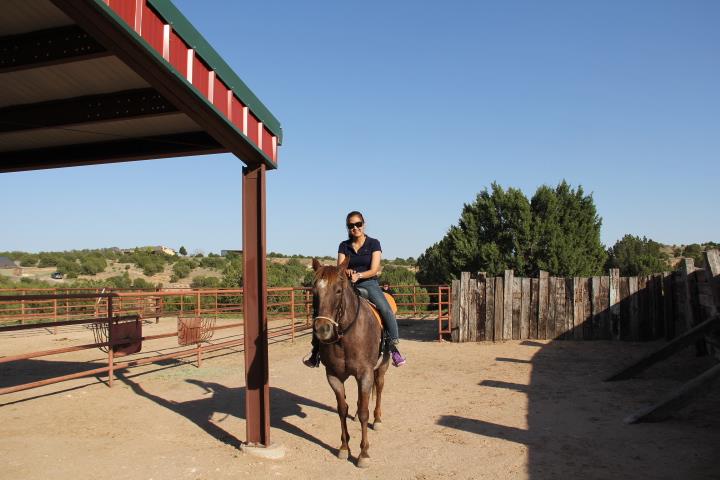
Six years ago my first exchange student, Kornpanod (Mink), from Thailand, joined my life. Recently, she came to visit me for a month.
Six years ago she graced my life
joy filled beauty.
Now back with me briefly with love
exploring, riding Rosie, laughing.
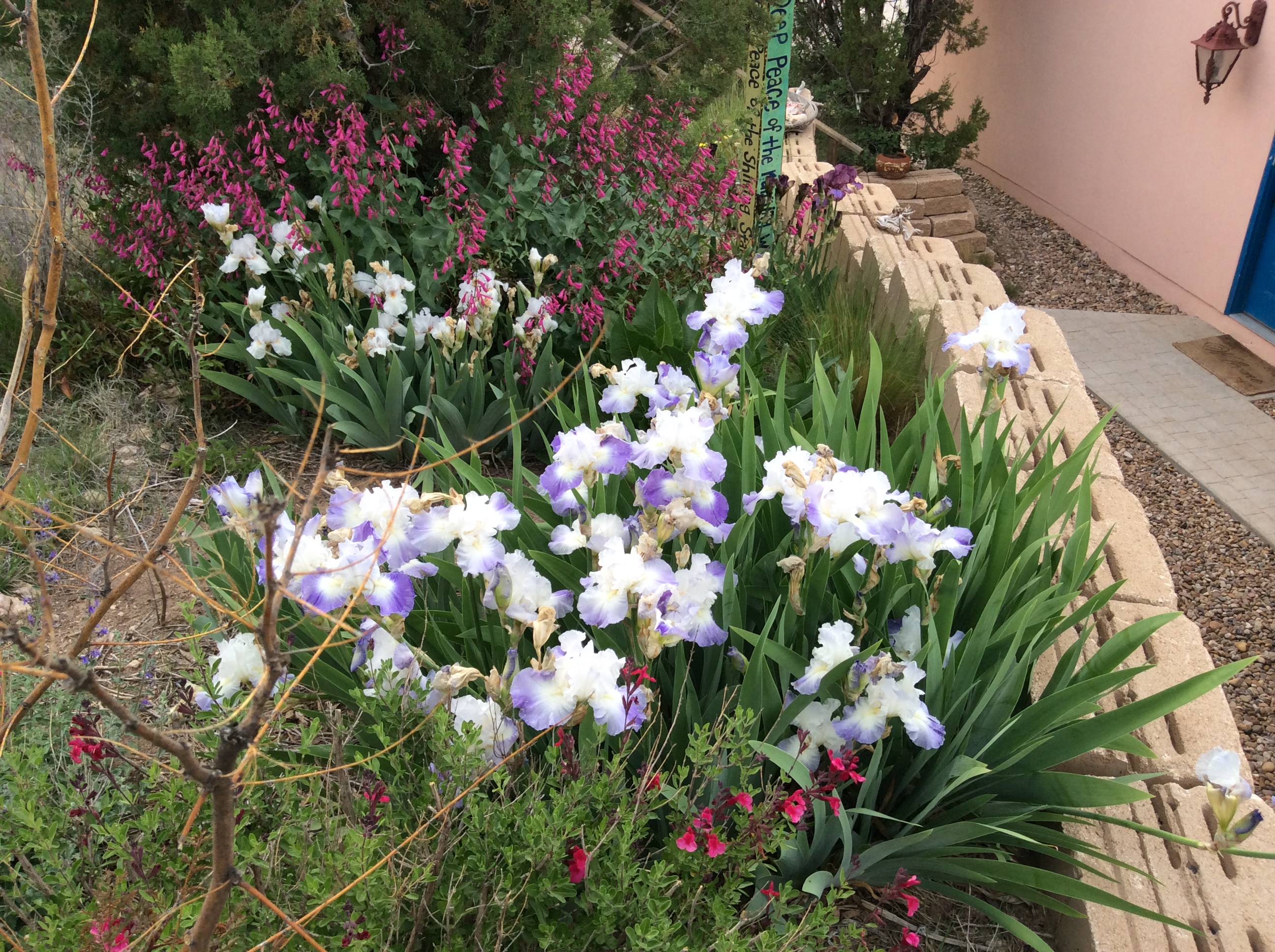
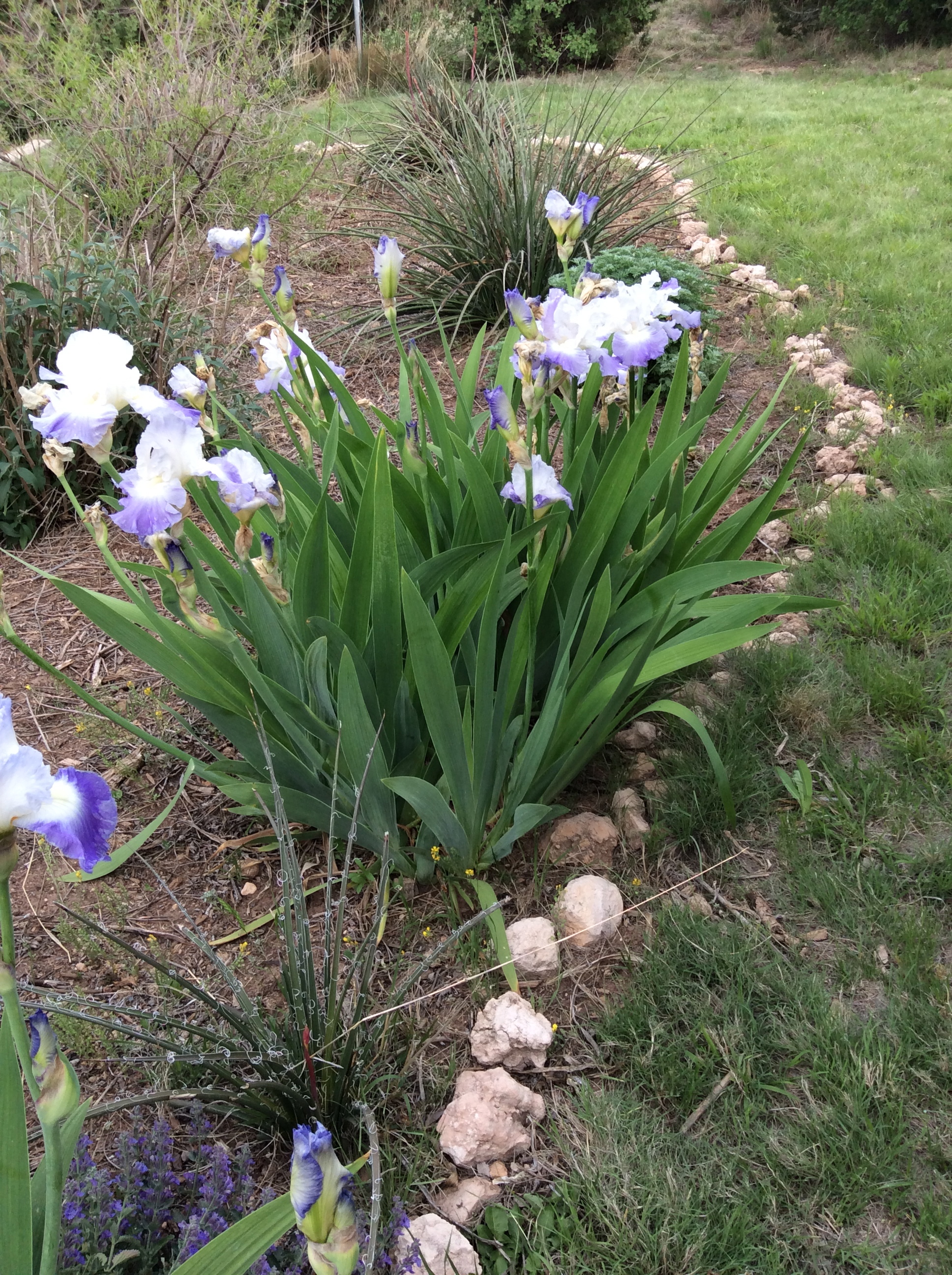
Iris, blackfoot daisies, catmint, salvia,
asters, penstemon
springtime flowers carpeting my heart

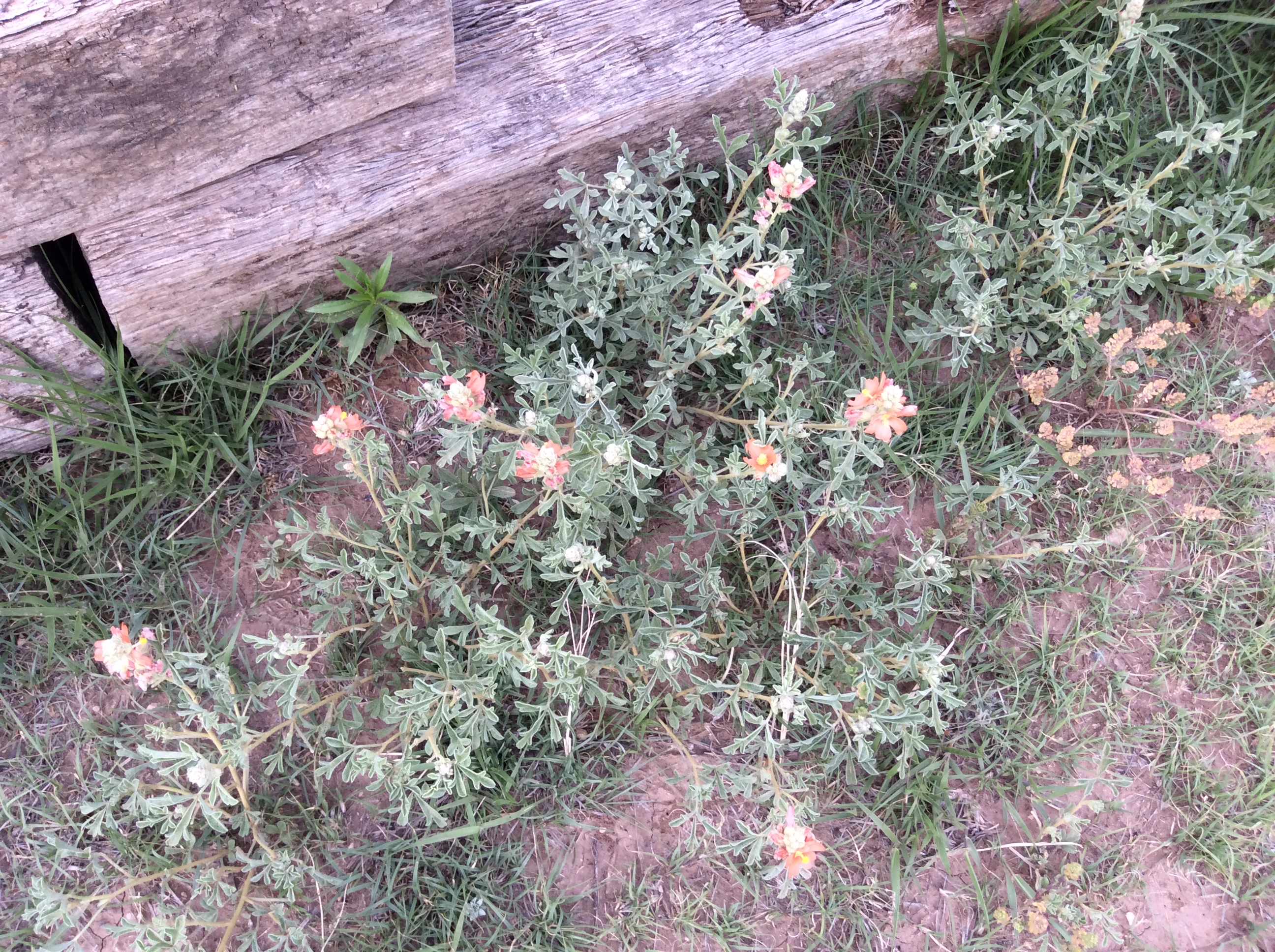

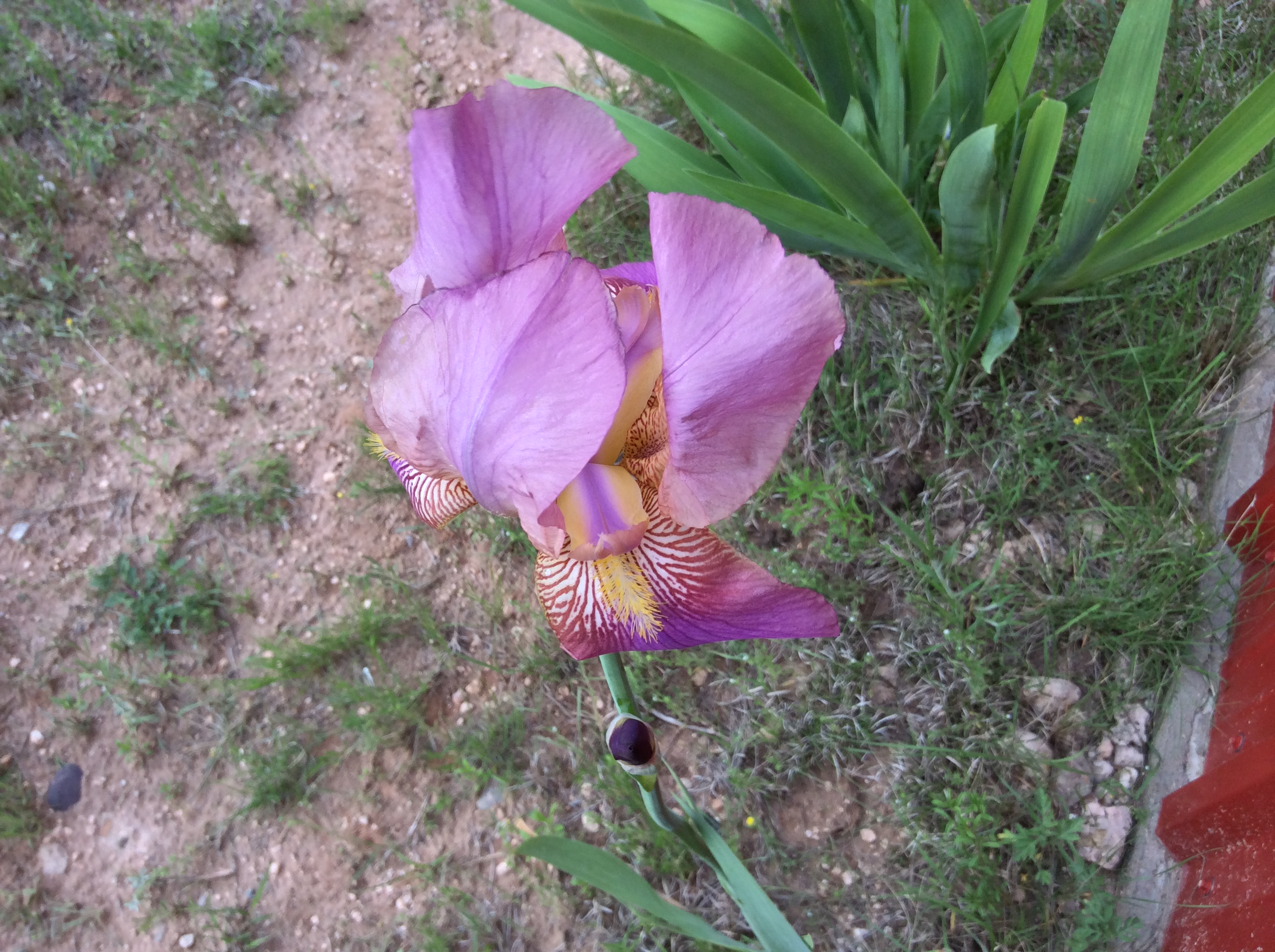

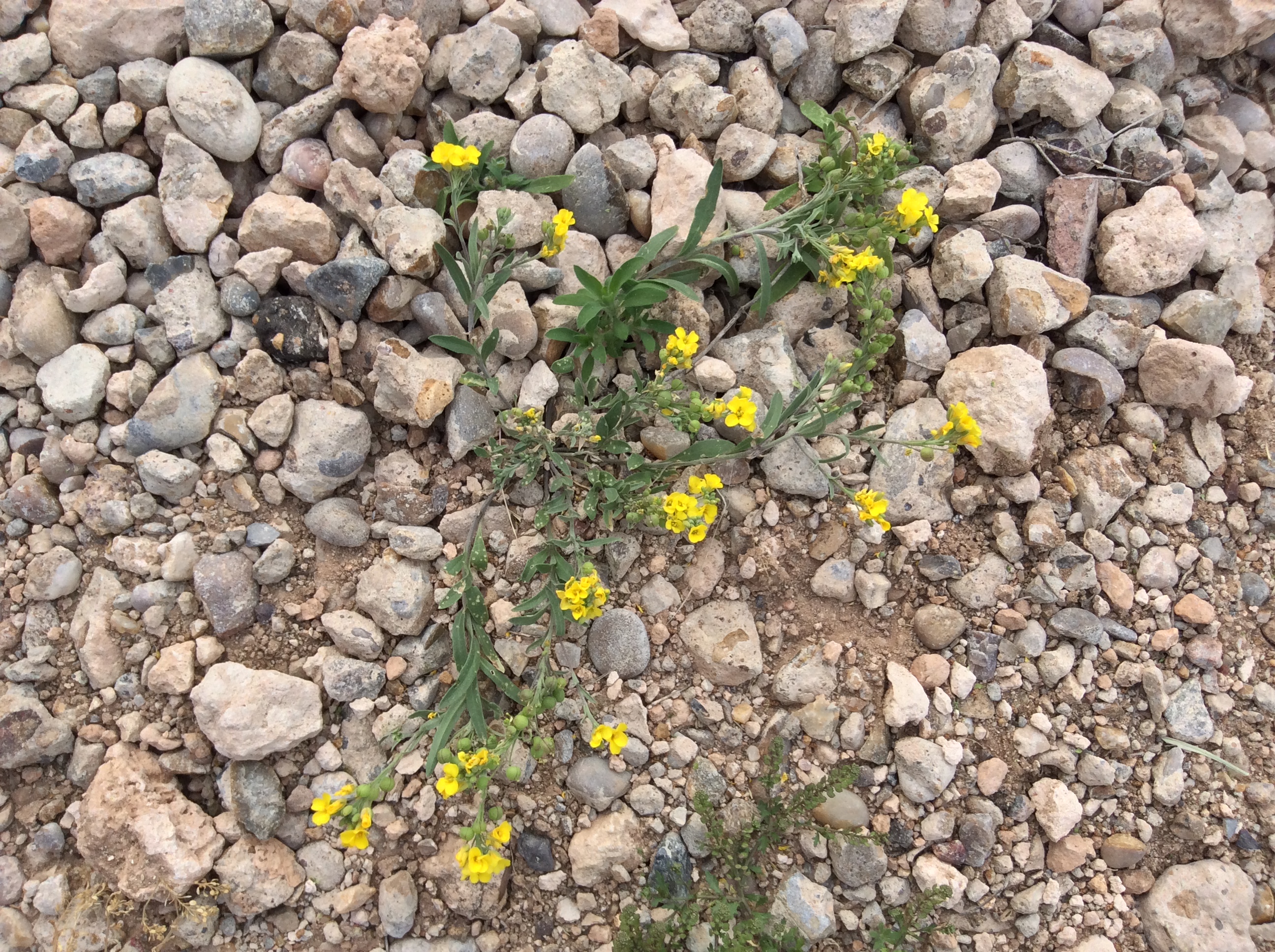
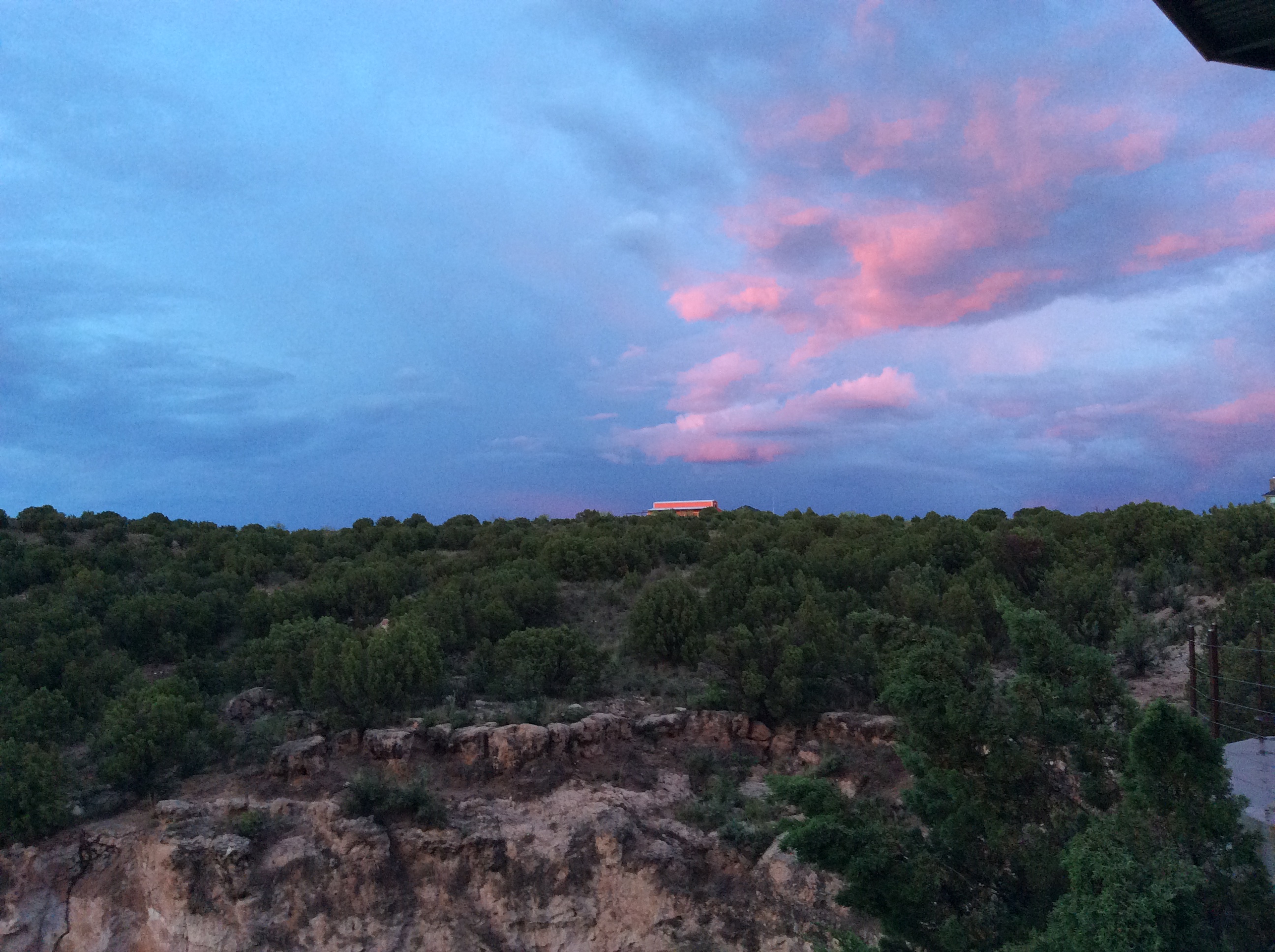
In the last two days it has rained over two inches in a place where the annual rainfall averages approximately 18 inches. Rain is predicted all week. The rain ceased briefly at dusk and the sun radiated across the landscape as more rain clouds gathered providing a quiet, intense beauty here on the rim of wonder. 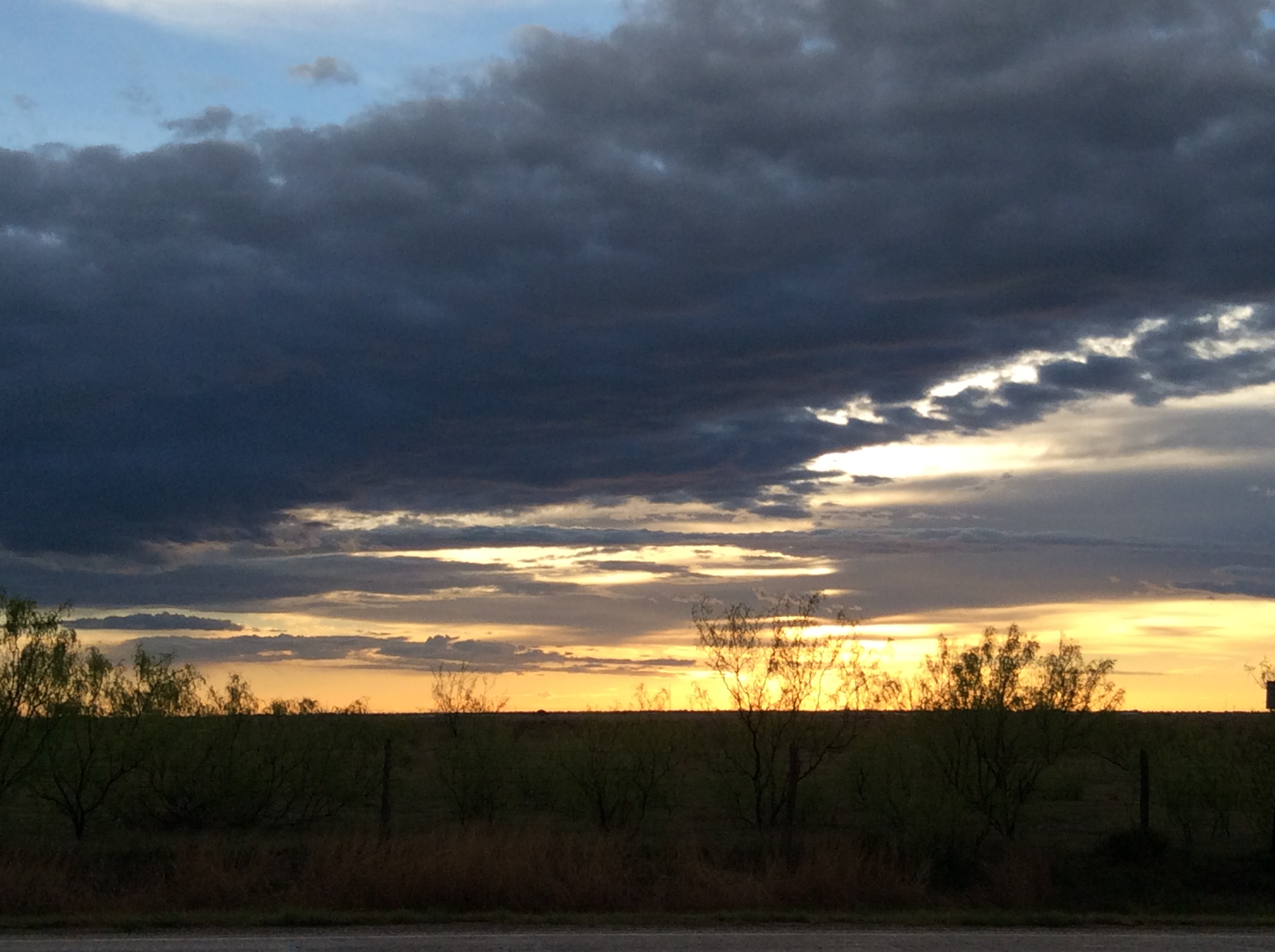


McPherson Cellars, Llano Winery, Caprock Vineyards
red, white, sweet, dry
Lubbock, Texas, wine country beckons.
Last Wednesday Kornpanod (Mink) Stiensape, my grandson, and I went on a field trip to Lubbock to visit three wineries. Mink, my second daughter (in my heart), lived with me as an exchange student six years ago and came back this past month to visit. First, we stopped at McPherson. The tasting room, located in downtown Lubbock, not only has various wines to taste but also sells unique and fun items from candles to napkins to T-shirts. McPherson specializes in dry white wines although they do produce a nice sangiovese as well. Next we drove south of town to Llano. The current tasting room is small. The staff is friendly; tasting and tours are totally free unlike McPherson which charges a small fee for tasting.
The tours did not seem to be on an exactly strict schedule so we had to relax and wait a bit.
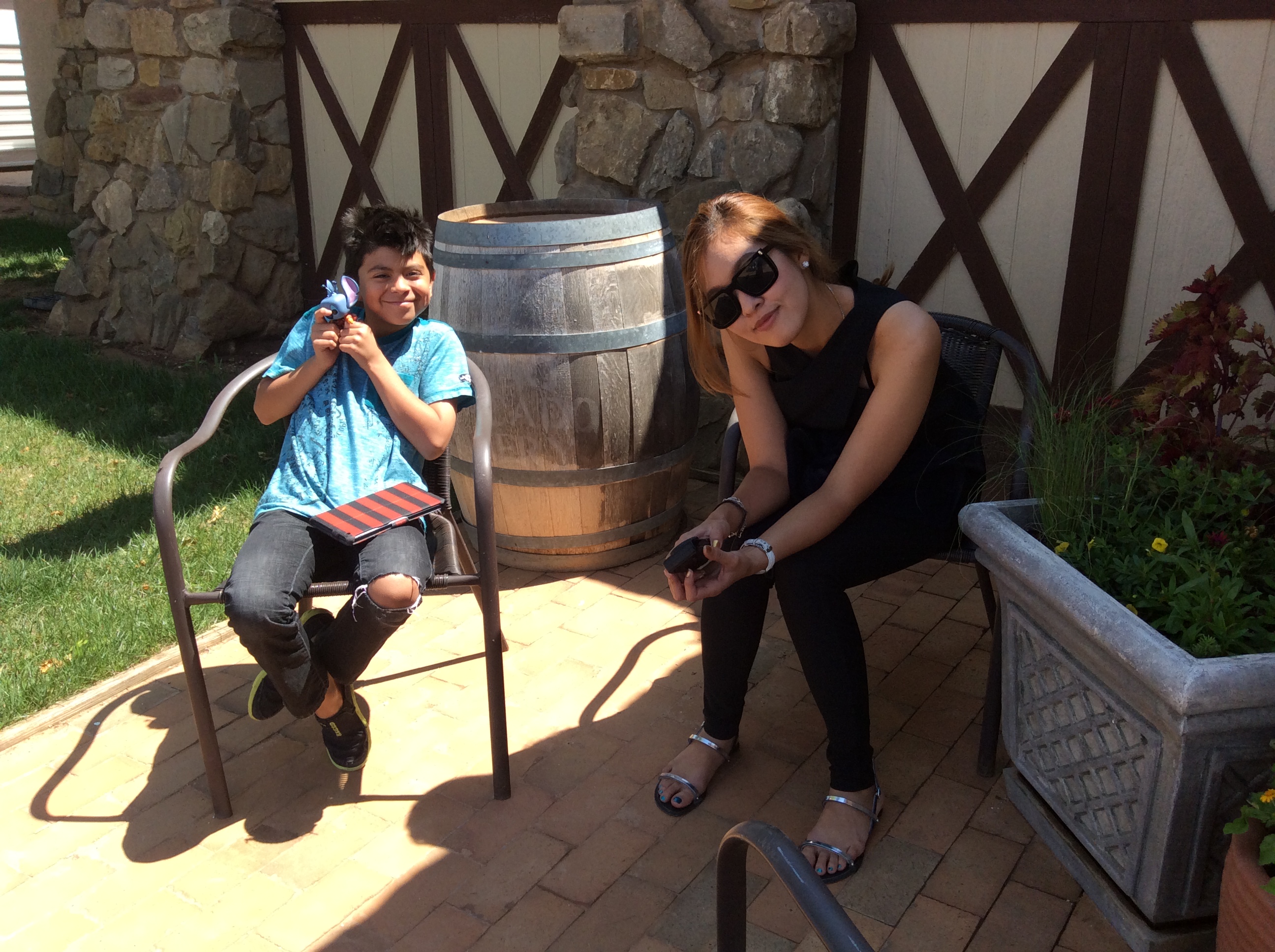
This photo shows the tasting room at Llano Winery. I think Mink and I tasted at least half of the red wines, ending with the port which included chocolate to go along with the port. My grandson took photos of the giant stainless steel vats. Personally, I enjoyed the oak barrels much more.
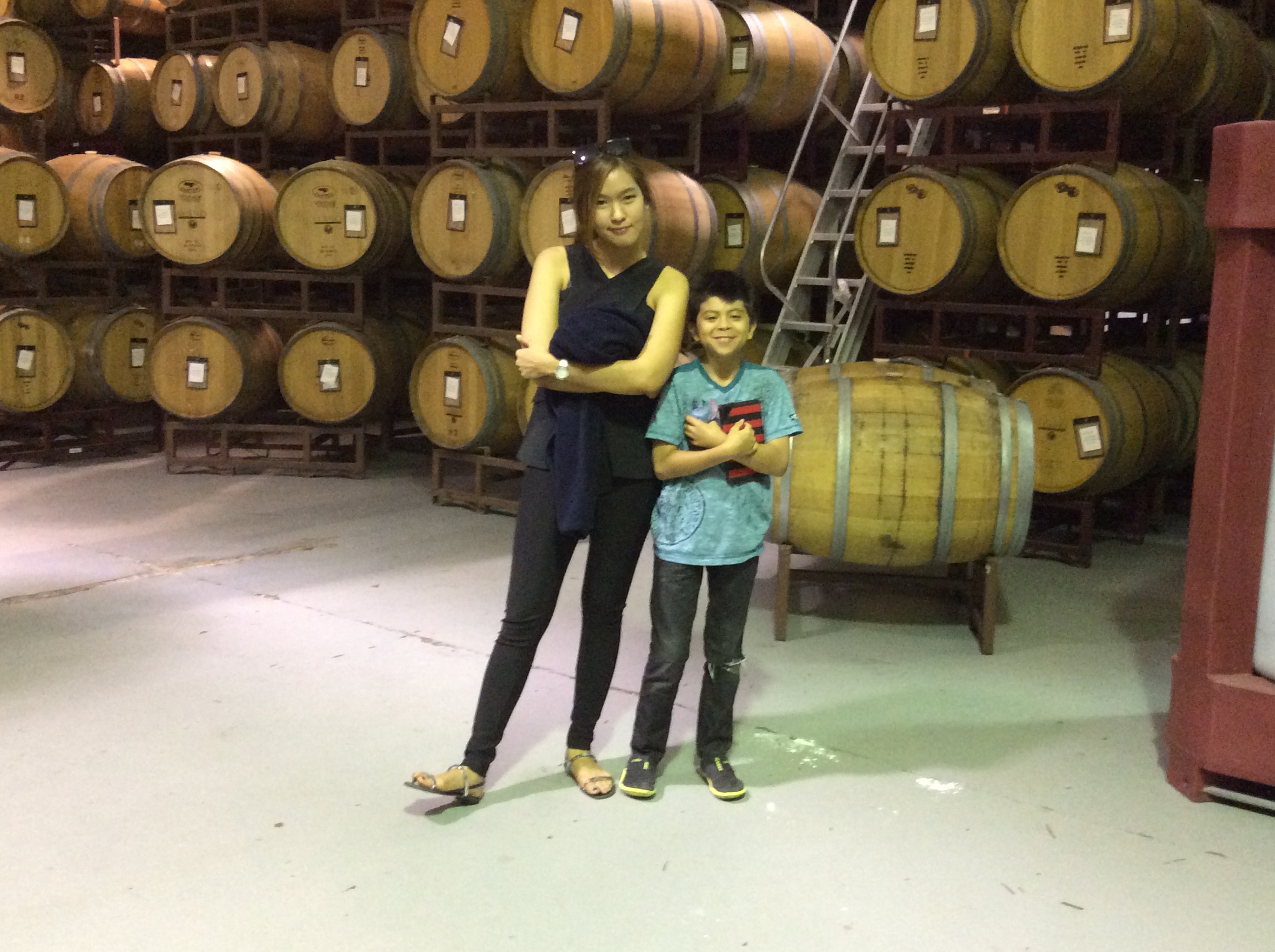
The tour guide explained the difference between the effects of newer barrels and the older ones, e.g. 35 years old, urged us to touch the surface of the barrels, and explained the varied effects. The newer the barrel the rougher the surface of the wood. Newer barrels “breathe” differently than older ones which, of course, alters the effects as well.
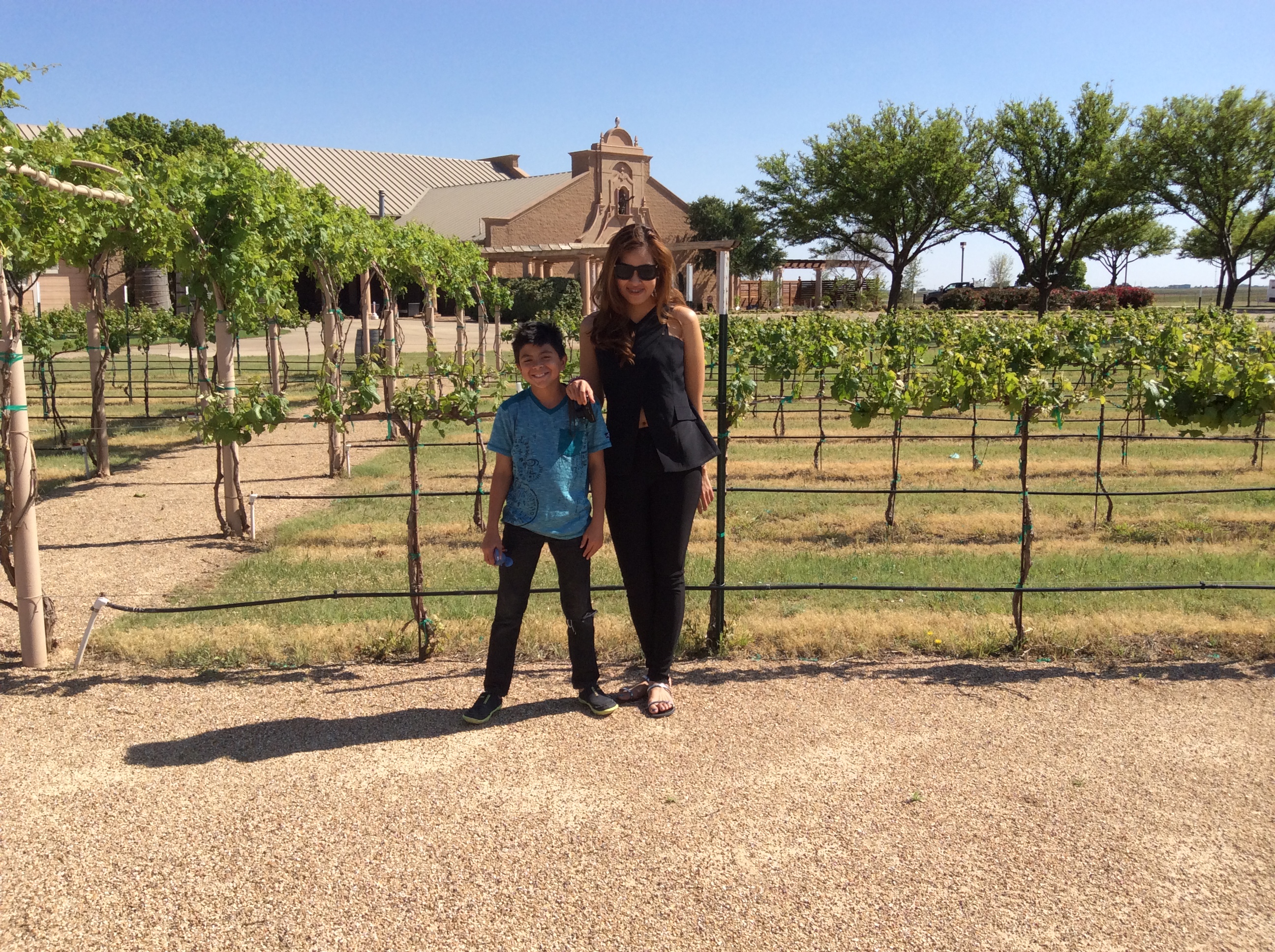
Next we drove a short distance farther south to Caprock Vineyards. The lady at McPherson told us Caprock was getting out of the wine business and planned only to host events. Absolutely not true according to the young woman at Caprock. The new owners plan to extend not curtail the wine aspect of their business. This includes surrounding the beautiful central building with vineyards from which they eventually plan to make wine. This is already in progress. Caprock is beautiful, full of elegant ambience which probably explains what others perceive to be an emphasis on events which they do intend to continue. Caprock charges five dollars for five tastings. The labels of at least one of their wines is very misleading. I like dry, red wine. The young lady convinced me to try the Sweet Tempranillo. It is not sweet; it mystifies me why they call it sweet. I do not like sweet red wine, but I liked this tempranillo. It is light enough for summer but dry enough for those who like dry wine. For those unfamiliar with Texas wines, tempranillo has become the go to grape for at least this part of Texas.

The front of the main building walking from the parking lot to the right.

On the path that leads into the malbec vineyard. There is a pathway that winds through the vineyard and an empty area in the middle where an event could be held.

These photos are also in the malbec vineyard looking toward the main building.
Note: I know this is Monday, not Sunday. However, a big electric storm came through just as I started to write this on the computer. Given that lightning strikes have injured or ruined my TV twice, I got off the computer and shut down the TV.
It started around 4. I was awakened by the sound of soft, rather indescribable thuds against my bedrooms windows. Half asleep, at first I thought it was rain, opened my eyes, saw stars staring at me. Floating in and out of sleep, my mind puzzled as the thuds increased making it impossible to return to comfortable sleep. Finally, awake, I swung my feet around from under the covers, pushed sandals on, walked to the French doors, and turned on the outside light. Horrified, I watched thousands of dark brown, one inch moths flying around, hitting the windows, dropping to the patio floor, rising again, over and over. I shut off the light, went back to bed, drifted into a troubled slumber, and experienced one of those ludicrous dreams only half remembered–people I know and do not know all mixed together in impossible situations. At 5:19, I gave up on any hopes of sleep, climbed out of bed again, and began the early morning ritual of preparing to go to work.
When I arrived at work, a note lay on my desk from yesterday’s substitute teacher. It indicated that all classes but one, the last one, behaved ok and completed the assigned work. However, it specifically stated that a number of the males in the last class took papers from previous classes and copied them, never even opening the book to attempt pretending to read the assigned story. Did they think he would not notice? Did they think at all? Were they like the moths, flying mindlessly, not caring about the outcome?
When that class arrived, I read them the note. Some denied it, some said nothing. The females, absent on a field trip, were blamed for “ratting us out”. It seemed they did not realize this was a sort of confession. How any of them think I will not know about their transgressions mystifies me. Repeatedly this year, I caught them plagiarizing, lying, and various other forms of cheating, not everyone of course but sometimes half. I find it increasingly disturbing how many students find this sort of behavior acceptable. What do their parents teach them? Where do they get that “wrong” behavior is fine as long as you do not get caught? Do they even think it is wrong? Most admit it is thankfully, but why keep engaging in wrong behavior? Somehow I keep hoping they will learn from these experiences, but other times I really wonder. What can I do to help them realize just how wrong cheating is, how it is a form of stealing? In the end, perhaps, I can only hope that the life lesson mentioned in the words of one student solves the problem: “Karma’s a bitch.”
Travel the World 4 Less
A Glimpse into My Life & Passions
Ceto-Magoism, the Whale-guided Way of WE in S/HE
Exploring the F-word in religion at the intersection of scholarship, activism, and community.
ANCESTRAL FOOD. HERBAL WISDOM. MAGICAL COOKERY. SEASONAL CELEBRATION.
inesemjphotography
politics, engineering, parenting, relevant things over coffee.
Food is the best expression of every emotion. Explore through my reviews, recipes, events and more.
Smile! A Site for Friends Wherever You Are!
inspiring personal growth through poetry and writing
Combining atheism with whimsy. This is a Fair and Balanced blog based on opinion unencumbered by fact.
Odds and ends ~ My Life
Original poetry, commentary, and fiction. All copyrights reserved.
bripike@gmail.com
A wildlife filmmaker in Africa
A Geeky Feminist's Musings On Pop Culture
"5 minute walks"

 writingontherim