Canyon de Chelley–Part One


One of the most famous canyons in the country resides inside the Dine (Navaho) Nation. While administered by the National Park service, it is also the home of several Dine families. You can drive through the roads on the top freely, stop at various viewpoints, take photos, etc. Here are the various views I saw last week while there. The bottom of the canyon is restricted. To go there, you need a permit and a Dine (Navaho) guide. More about that in the next post.

Several families live in the bottom of the canyon, especially during the summer months. You cannot go into the bottom of the canyon without a permit and a Navaho guide.

Baja Trip-4


Off to another winery, Santo Tomas, after visiting the fish market where I glanced at all the fish and saw fish I could not begin to identify. This winery is in a different valley, Santo Tomas Valley, and the second oldest winery in Mexico. Although their official sign says it is 130 years old, it is actually older and originated years before that to produce wine for communion and the Catholic Church.

Rather than have the wine tasting in a building or patio, here they put us on a wagon pulled by an old tractor and transported us to the vineyards where they drove around then stopped to give us various wines to try while we sat on the wagon. Our guides brought along cheese and other goodies for snacks as we tasted the wine.

The main building for production.

Vineyards for miles. They have 800 acres of vineyards mostly in this valley but a few in another area we did not visit.

Baja Trip-2


Day Two we visited several wineries and went to dinner at one of the top 50 restaurants in Latin America, La Laja. The following photos are from the first winery where we not only tasted various wines but also took a tour of their remarkable wine cellar dug deep into solid rock.

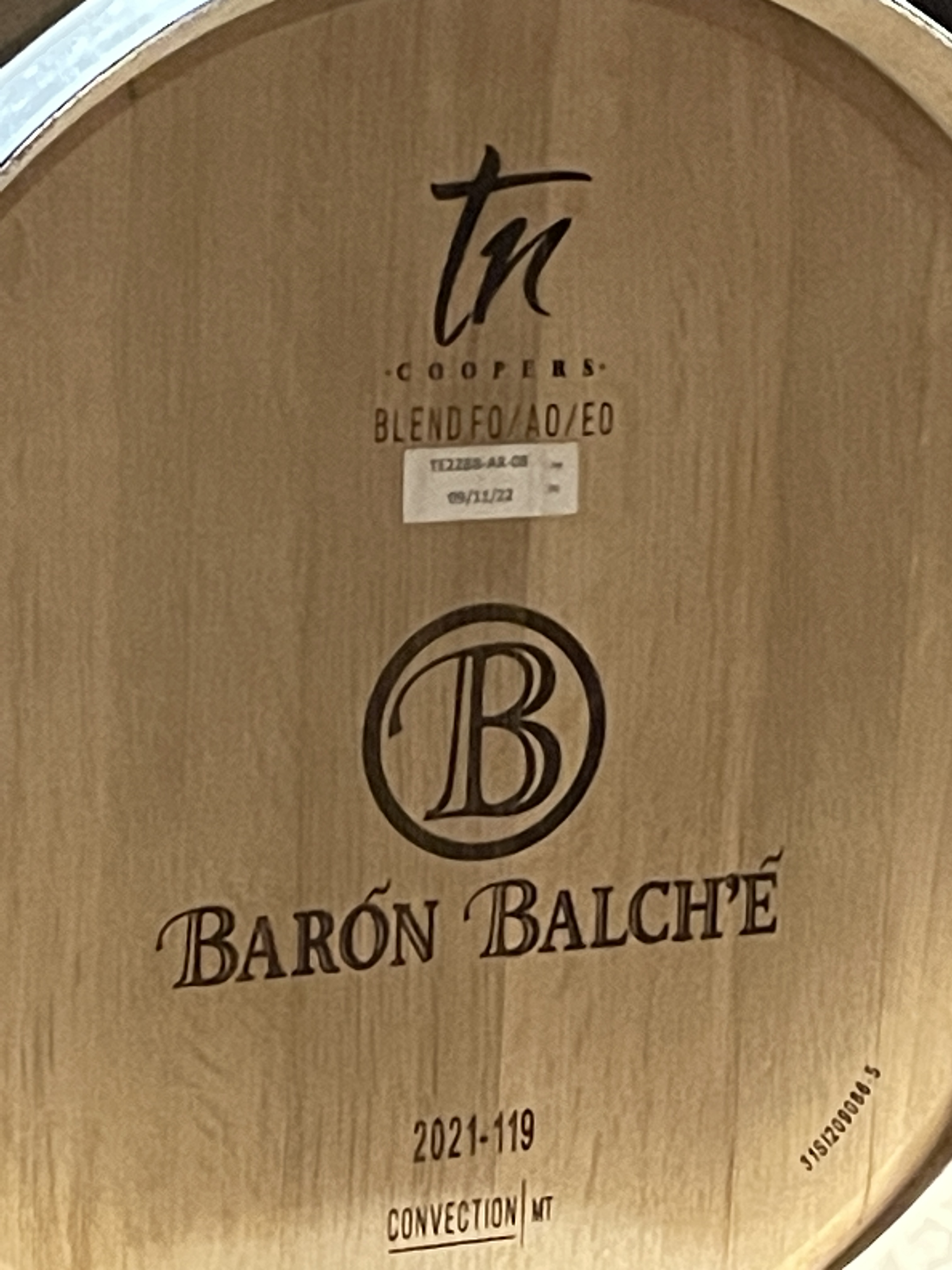
This is the name of the winery and each barrel is marked with varietal, date, etc.

The hills in some part of Valle de Guadalupe reminded me of the hills near Temecula, CA.

Here you can see how the cellar is dug out of the rock. The rock was oozing moisture due to the unusual amount of rain they received this winter.

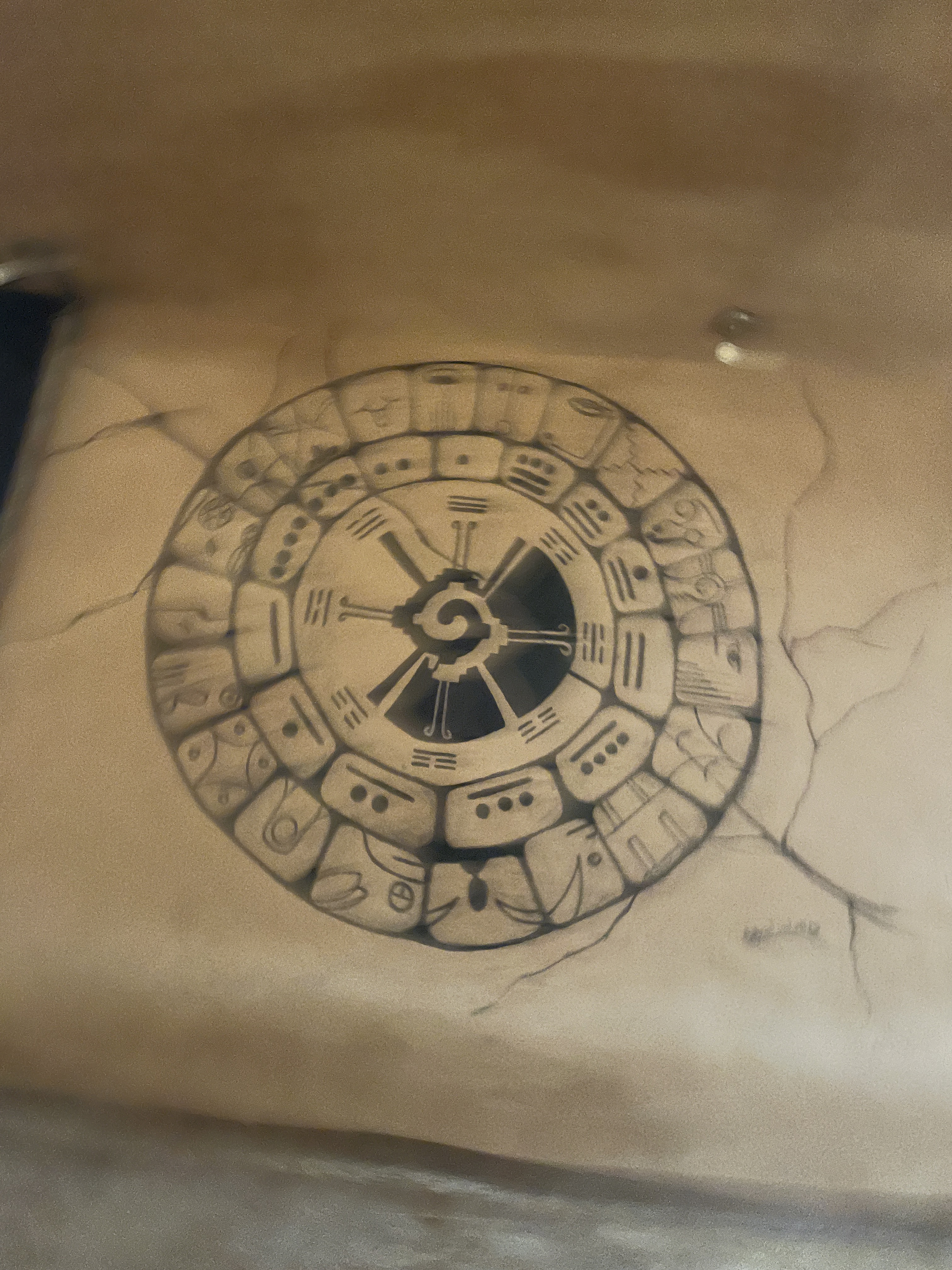
I loved this message so much I had to take a photo of it.

I wish I could find a duplicate to hang outside on one of the empty sides of my house.

The wines here are all natural. Many of the wineries we visited do not use pesticides or herbicides.The sophistication of many of the wineries in Baja is very impressive.

Pura Vida


Everywhere in Costa Rica one hears Pura Vida.  It seems to be the national motto.  I have been here for a week.  This is the greenist, healthiest, cleanist, enviromentally conscious, most mountainous place I have ever been.  Few people smoke, there is no salt on the table anywhere, the food is mostly rice, black beans, fruit, and vegetables.  No hot peppers here unless they are on the Caribbean side where I have not gone yet.  When I return home later this week, I will post photos with written details, including some food photos and explanations.  Today I saw howler monkeys, iguanas, other lizards, numerous birds, white faced monkeys, sloths, and agoutis.  Tomorrow will start out by going to a place with lots of crocodiles and scarlet macaws.  This time of year it rains incessantly.  I have been soaked several times and nothing dries out. Even though I am not a lover of rain or being wet, it is impossible not to love this place.  Pura Vida.