Book Ten for 2025: “Four Seasons in Rome”, Anthony Doerr


If you have ever felt enchanted by a trip to Rome, you will find this memoir delightful and informative. It made me want to return just to stay a while, wander around, visit the more obscure places Doerr describes, people watch, eat, and drink local wine.

In 2007, Anthony Doerr, the 2015 Pulitzer Price Winner, won the Rome Prize to become a fellow at the American Academy in Rome. He and his wife, Shauna, moved to Rome with their newborn twins, Owen and Henry. This memoir memorializes the four seasons they spent living there. They learn to care for babies; wander throughout Rome visiting tourist sites, local restaurants, the butcher, the baker, the toy store; learn enough Italian to acknowledge all the Italians who stop to admire the babies; and attend the vigil for the dying Pope John Paul II.

While there intending to write his later novel (the one that eventually won the Pulitzer) and failing to do so, he does manage to write a short story which I have read in one of his collections and to read everything by Pliny the Elder. His discussions about his readings makes me want to read some of Pliny the Elder myself. As in his short stories and novels, Doerr’s descriptions, language, and observations delight and enchant. This is a wondrous book about one of the world’s oldest and most fascinating cities which he calls, “a Metropolitan Museum of Art the size of Manhattan with no roof, no display cases…

Book Six for 2025: “Oathbreakers”, Matthew Gabriele and David M. Perry


The subtitle of this book is “The War of Brothers That Shattered an Empire and Made Medieval Europe”.

The empire to which they are referring is the empire created by Charlemagne which was at the height of its power in the early 800s. He had managed to combine the territories of almost all of what we now consider Europe except for the far north and southern Italy and Spain and Greece. He managed to do this through cooperation among the nobles and the elite and it held throughout his life. He helped the spread of Christianity throughout what was previously pagan areas, e.g. the Saxons. Then not long afterward chaos ensued.

This history book details what occurs when fissures develop in what was once a stable social and political network and the bloody consequences of disagreeing on facts and reality. What happened?

For some time after Charlemagne’s death one of his son’s was able to hold the empire together by deftly giving bits of power to various sons and relatives. Once he died, a chaotic blood bath arose. Fathers and sons, brothers, uncles, nephews, everyone was killing or maiming each other for power. If they felt it was too unChristian to kill you, they just blinded you and sent you off to a monastery. If that did not work, then they would declare a female relative to be a witch and we all know what happened to witches. Meanwhile while jockeying for power, all these men declared they were doing what they were doing in the name of Christianity. If one brother won a battle, then he declared himself to be a better Christian than the one that lost. Even monks and bishops and the Pope became involved.

Then came the Battle of Fontenoy in what is now a part of France. Brothers against another brother with each leading more than 10,000 troops and in some cases as many total as 100,000. Watching was a noble who also commanded a huge army, but mostly he decided to just watch. The end result was a total bloodbath with one side violating the then current rules of battle. Normally, battles before this did not include a huge amount of killings in spite of what we now see in movies. This battle left thousands dead for the wolves, vultures, and other scavengers to eat, and the nearby streams ran red with blood. None of the warring brothers were killed so their fighting continued but no one ever really won and the great Frankish Empire created by Charlemagne fell totally apart. Some claim this battle was the beginning of the separation of a lot of Europe into what we now call France and Germany. Currently there is a marker at the place where the battle occurred. Regardless, Europe was never the same again for many centuries.

Note: Many find the world a very violent place today. Currently, wars and revolutions of one kind or another are occurring in many places in the world. Generally speaking, however, we do not find fathers and sons and brothers killing each other for power. We are seeing the consequences of what was once a relatively unified populace disagreeing on the facts and reality. Will we too fall into a dark ages like Europe did?

Wandering the World–Italy, Part One


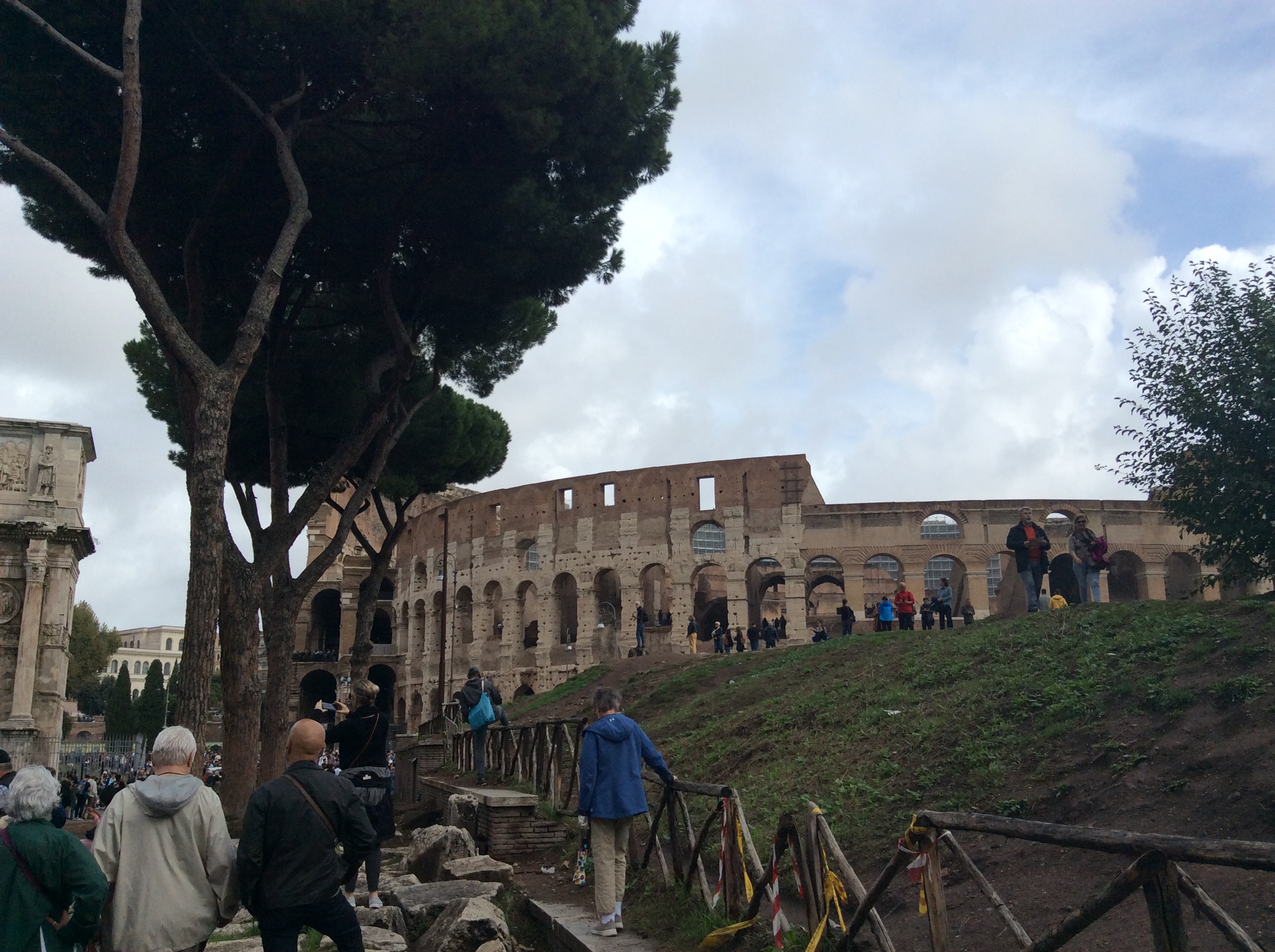
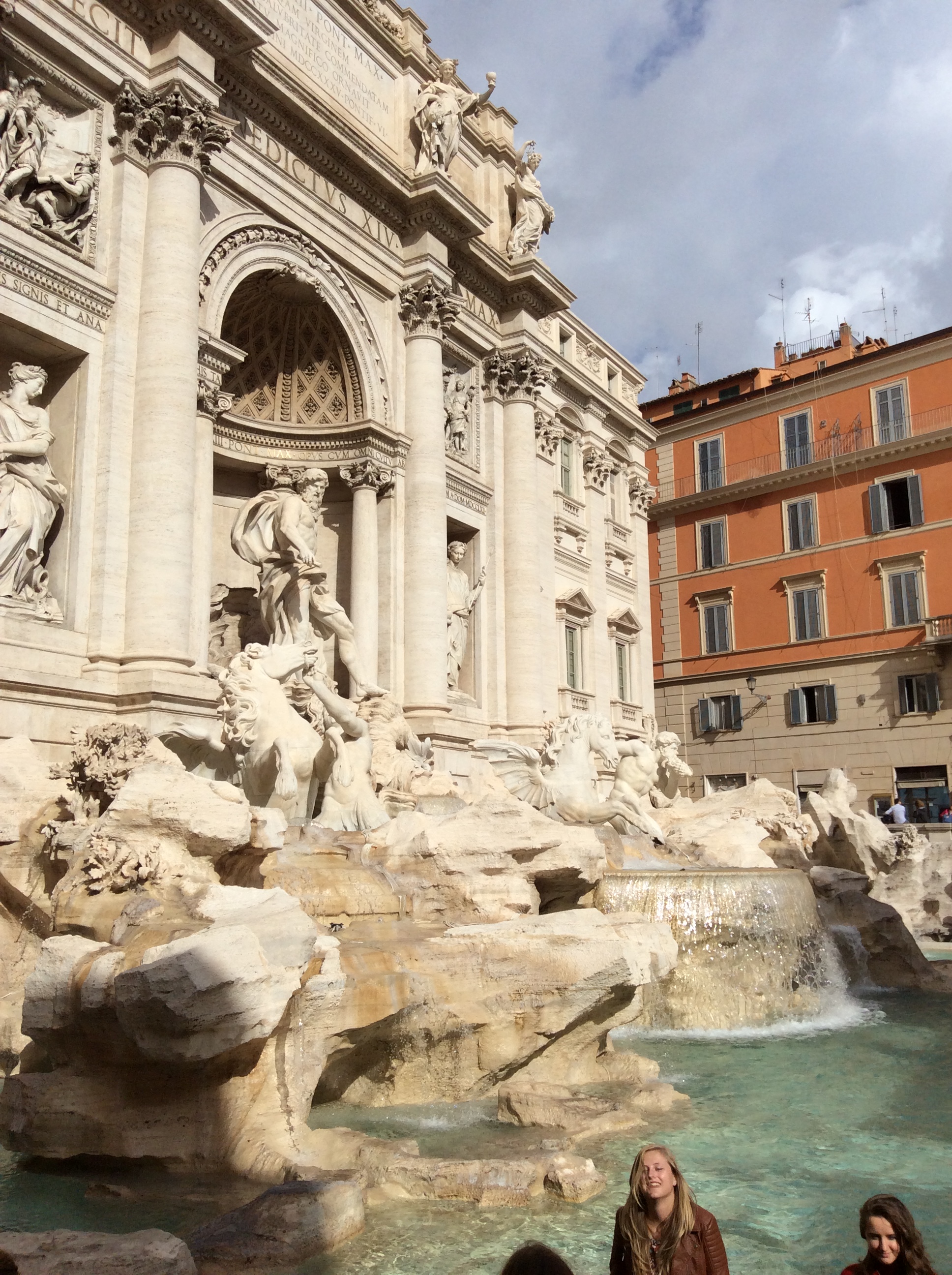
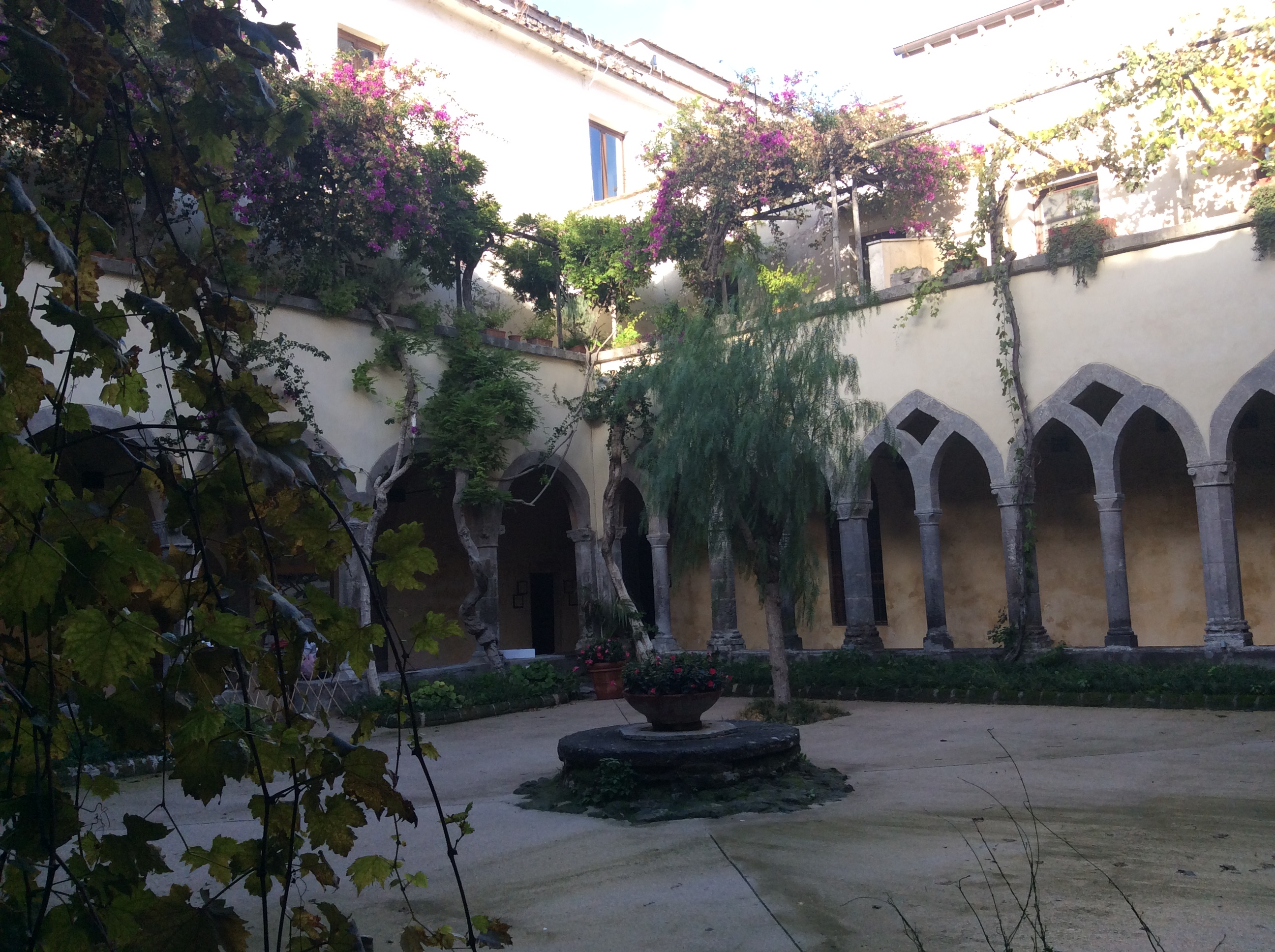
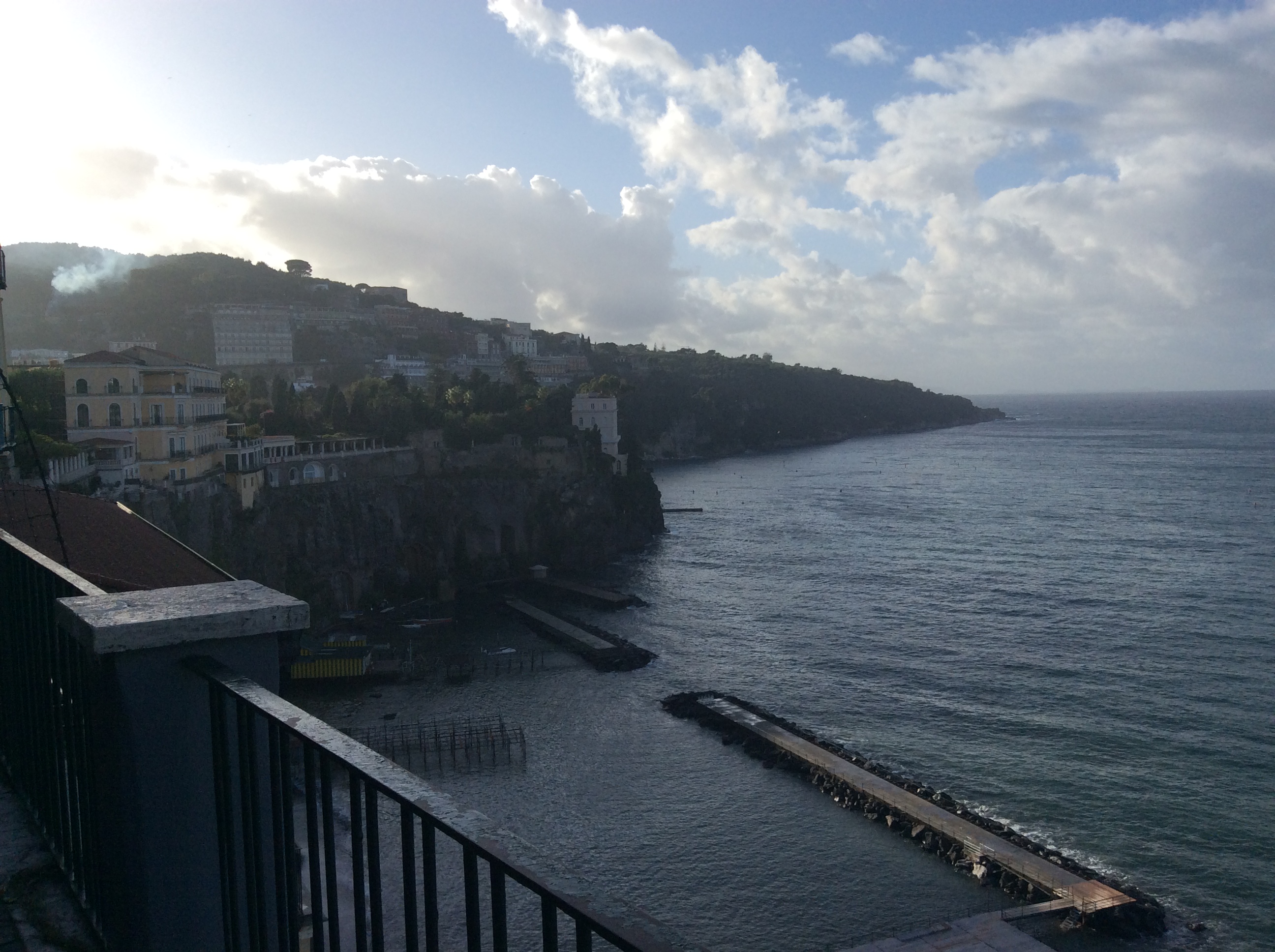
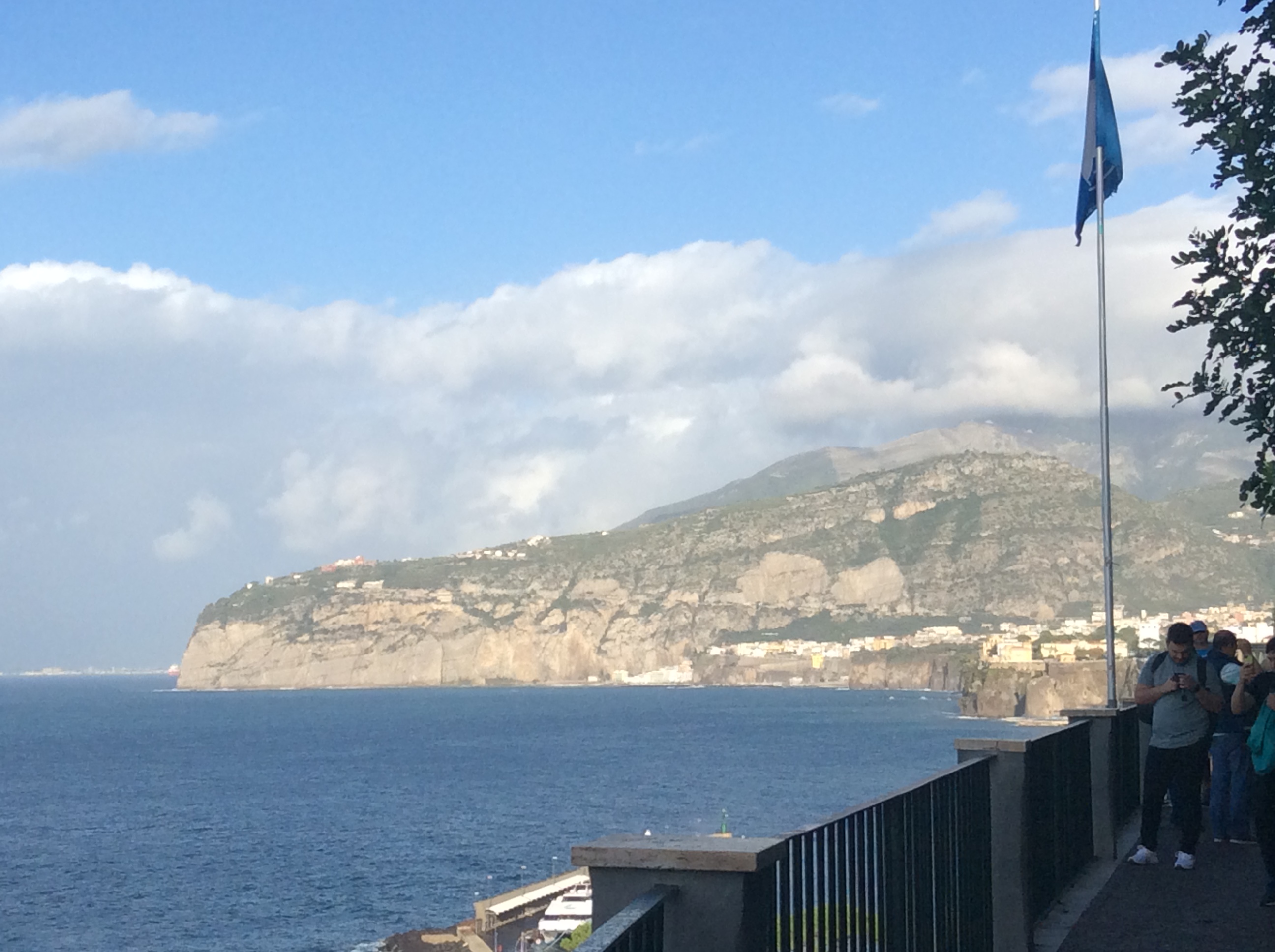
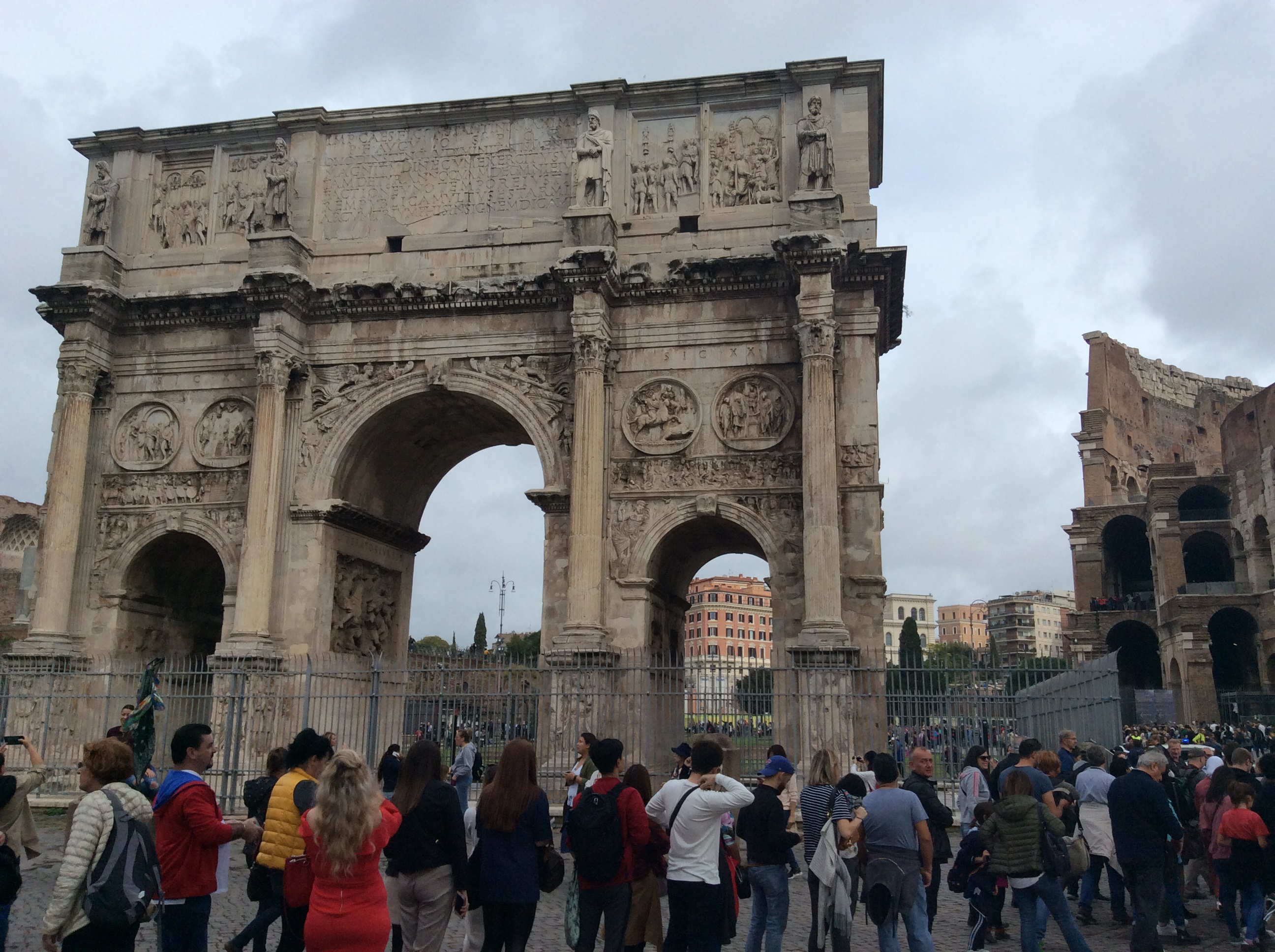
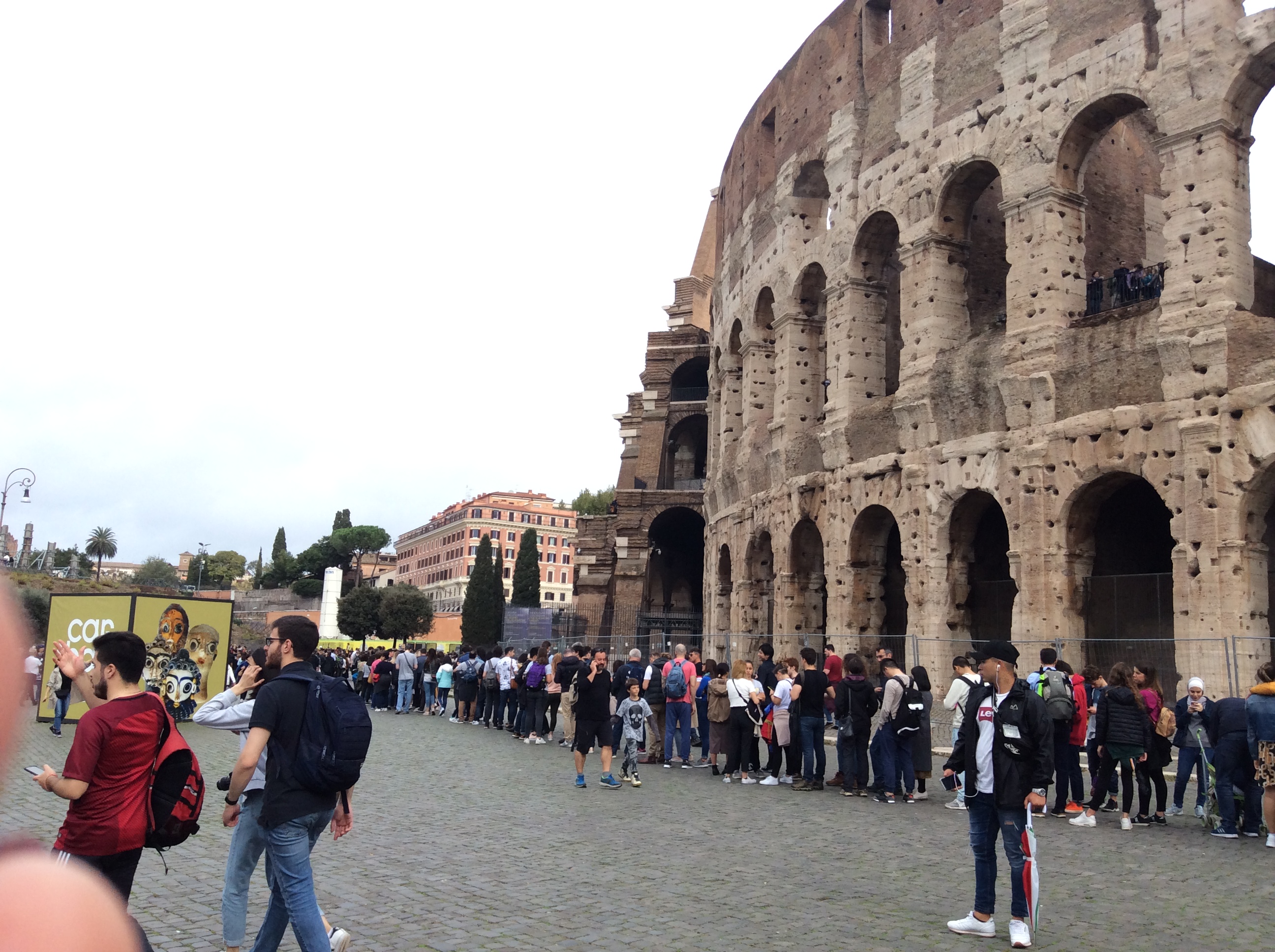
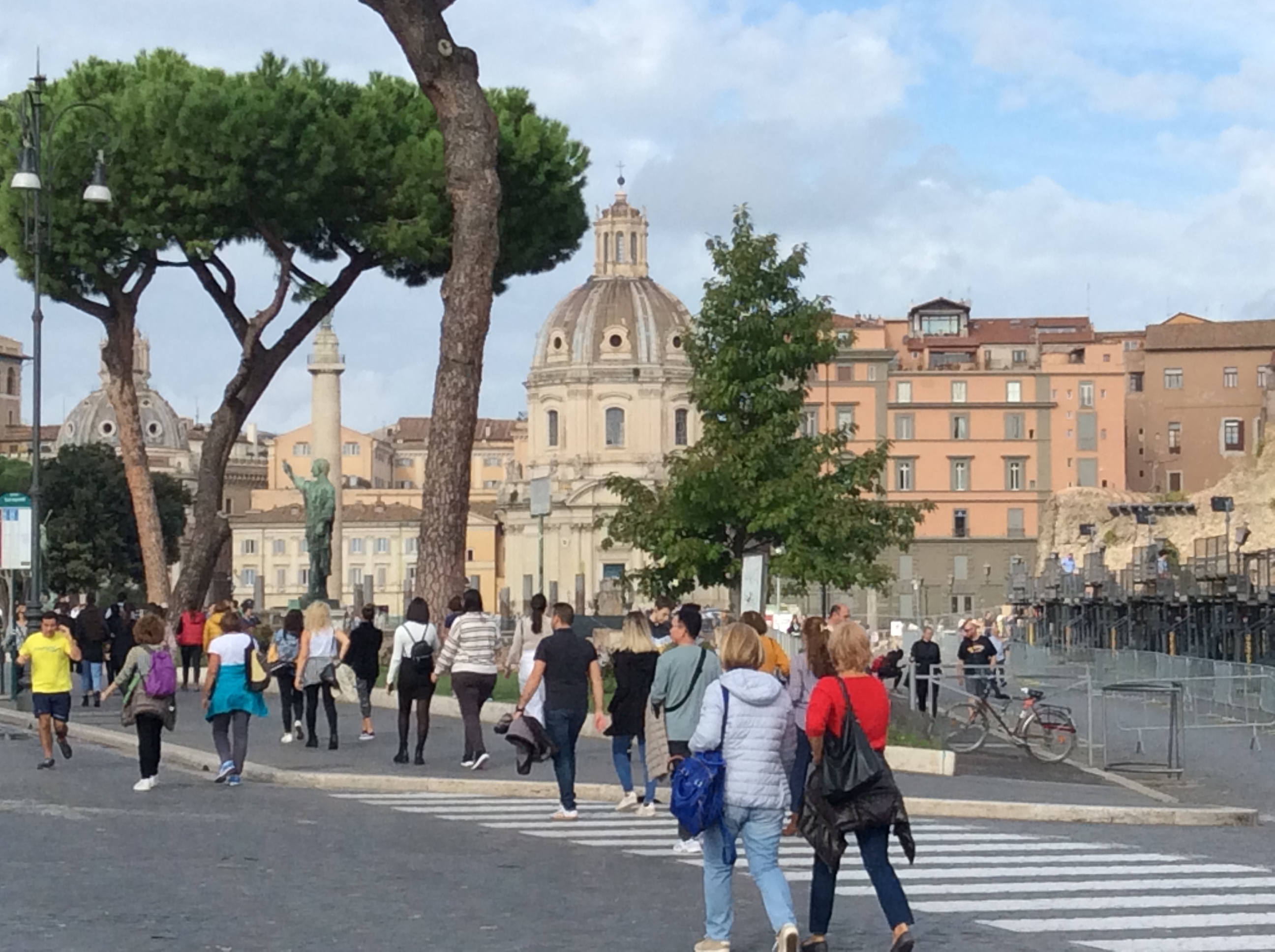
Last November I spent a little over a week in Italy. We spent only 1/2 day in Rome then drove to Sorrento where we stayed for a week. From there we wandered down the Amalfi Coast, over to Naples, Pompeii, and Capri. Want to avoid the summer heat and crowds? Go in November. Yes, it is chilly and sometimes rainy with big storms at night. Nevertheless, you can really see what people do who live there and avoid masses of tourists. Here are some of my favorite photos:

The above photos taken in Rome. The following were taken in Sorrento.

Vesuvius. I think I saw it nearly every day.

Italy–Rome


Where have I been?  Italy, on a trip planned for months, a trip with friends and family centered around a group of women writers with The Story Circle Network, a group focused on women telling their stories.  Yes, we had classes and wrote every day.  When we were not writing, we discovered a little part of Italy.  The first half day we strolled through ancient Rome, starting with the Coliseum.

IMG_4086

To the left of the Coliseum stands this arch–see a bit of the Coliseum on the right side of this photo.

IMG_4087

The Coliseum is so large that it is impossible to take of photo of all of it at once.  We were there on a holiday.  There was a long line of people waiting to get inside.  We did not go inside.

IMG_4088

IMG_4083

The arch in the first photo seen from the side.

IMG_4089

On the other side of the Coliseum facing down a wide pedestrian only boulevard.  Many of the following photos were taken along this boulevard.  The trees in these photos are umbrella pines.  They are everywhere in Rome and other parts of Italy south of Rome.

IMG_4092

IMG_4116

My daughter and grandson strolling along with friends in the background.

IMG_4094

One of the things I found most enjoyable strolling along were the street musicians:  One played classical guitar music, farther down the boulevard another was playing popular music while another man danced to it. I wanted to stop and dance along but everyone was walking fast away from me.  Getting lost in Rome did not seem to be a great idea.

IMG_4095

While sauntering along, I turned around and took a photo of the Coliseum in the distance.

IMG_4096

In one short walk in Rome, I saw so many things from thousands of years of history, it was hard to fathom.

IMG_4098

Away from the boulevard and walking toward Trevi Fountain, we saw this memorial.  It was a rainy, stormy day.  I kept thinking it is going to rain but it didn’t. In many places, the ancient, the not so ancient, and the new could all be seen in one place.

IMG_4100

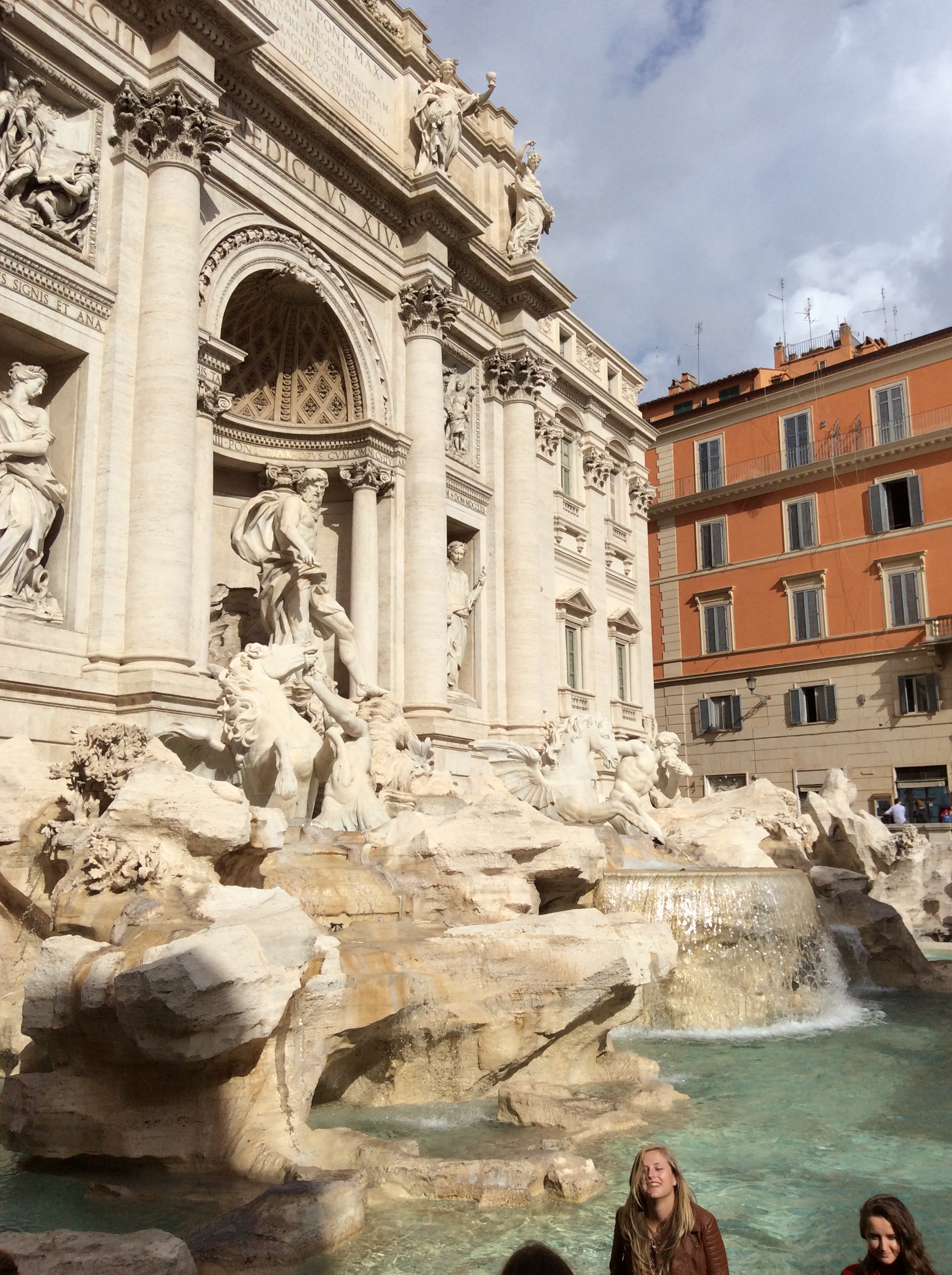
And, of course, one of the most famous places in Rome.  We found a little restaurant near here.  I had my first Italian cappuccino and a delectable desert which I tried to find everywhere else we went but did not. It was in a little cup, 2/3 was a creamy bottom, 1/3 was berries on top.


IMG_4103

Walking along another route.  I seem to have a little problem taking photos, walking, and keeping my fingers away from the iPAD mini frame while taking some of these photos.  So much seen in a mere half day in Rome.  Shortly after lunch, visiting the Trivi Fountain, and passing by the above monument, we headed on the four hour road trip to Sorrento.

I could not resist taking a video of the lush emerald Italian countryside south of Rome.


Religion and Politics


The two things some of us were taught never to discuss in social situations.  Reading The Silk Roads, A New History of the World, simply reaffirms why those who wrote the United States Constitution insisted on separating religion and politics.  Mixing the two leads to tyranny, war, misunderstanding, and a host of other ills. When did this mixture start?  Prehistory or at least the early recorded history.

Constantine, the Roman emperor,  converted for political purposes.  The Persians tolerated a wide variety of religions until it was no longer politically expedient; then they decided to persecute Christians and declare Zoastrianism as official.  When the barbarian hoards from the steppes started to overrun both the Roman and Persian Empires, they decided to cooperate–a huge change–and actually built a wall between the Black and Caspian Seas to stop the uncivilized.  Roman soldiers guarded the wall.  This helped Rome little, however, because the Visigoths sacked Rome.  The barbarians won.

And then there was Constantine’s Counsel of Nicea, held in 410, 420, 424.  The “eastern” bishops were not invited.  Therefore, the results applied only to what later became known as Roman Catholicism. Infighting among bishops, arguments over who was right and wrong continued, and on and on.  Eastern bishops saw the western teachings as heresy. The arguments mainly centered on the divinity, or lack thereof, of Jesus.

The western church focused on rooting out unofficial religious views, while the east focused on missionary activity.  The king of Yemen even became a Christian. Rulers converted, shifted allegiances, persecuted or tolerated, according to political expediency.

Little seems to have changed in 1500 years.