In the last few days, I’ve read three books by Annie Ernaux who won the Nobel Prize for literature in 2022. Although she is a major writer in France, I had never previously heard of her. Since the local library possessed none of her books, I drove to Claremont and checked out all of her books that were available. The publication dates range from 1974 to 2022.
Most of her books defy categorization. The librarian helped me find them because some were in fiction and some nonfiction. From just reading them, it is impossible to determine whether what I’m reading is real or imaginary or a combination. She writes about women’s lives mostly and issues that only women experience.
“The Young Man”, copyright 2022, tells a detailed account of a love affair between a young male student and a 50 something woman, thirty years older than he. They meet on weekends often at his apartment, make fervent love, visit sidewalk cafes, wander. The narrator notes that people sometimes look askance at them in a way they never view an older man and a younger woman. She finds love making helps her write, “Often I have made love to force myself to write.” At the end of the book are photos of Ernaux over the years (she was born in 1940) and a detailed biography.
Next I read “The Happening”, (2001) a detailed account of a young female student seeking an abortion when it was illegal in France. She manages to hide her state from most people including her parents. She finally finds an elderly nurse, but later experiences complications and ends up in the hospital where a young doctor, who thinks she is just some poor woman off the street, treats her badly. When he discovers she is a university student, he finds her and apologizes. It seems mistreating the poor is okay but not someone from his own class status.
Then I read “Simple Passion” (1991), a short (64 pages) detailed account an illicit love affair between a young, married man from Eastern Europe and the narrator. The telling part of this story is the narrator’s (the author?) obsession with this man she calls A. She waits for his calls 24/7. She thinks about him every waking moment and dreams about him at night. I kept thinking of myself and many women I know who have become obsessed with some man to their own detriment.
A a writer, I find her work totally fascinating in its extreme courage. She writes in detail about experiences few would dare to even talk about, but many experience and keep silent. Much of it is autobiographical, an even great demonstration of bravery. Who dares tell the truth of many of our own experiences? Very few of us.


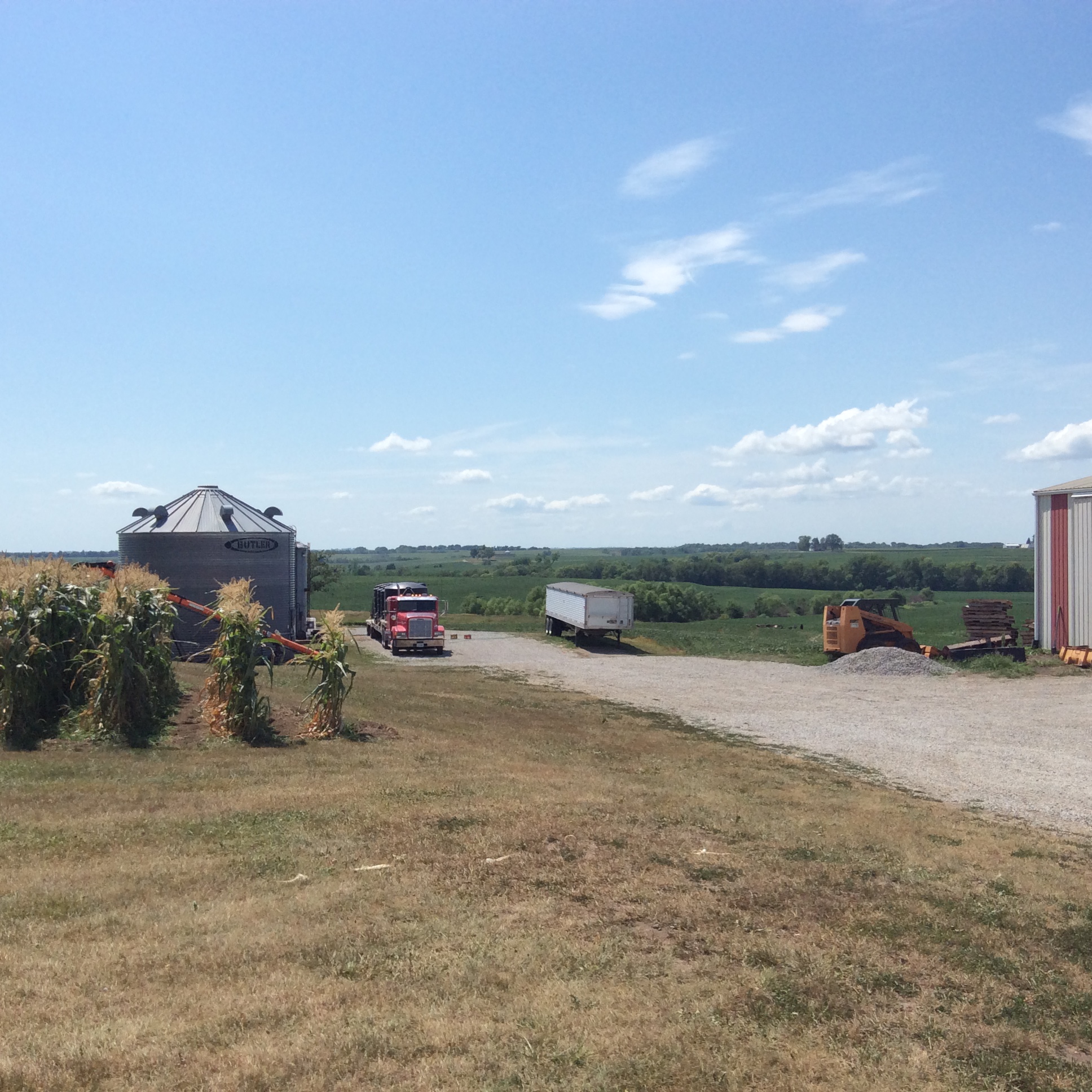
 This is he house where I grew up north of Fillmore, Missouri. My dad lived here in this house from 10 year old to 90. He died in the month after his 90th birthday. The house stands on the land my great grandfather established after he arrived from Switzerland in the mid 1800s.
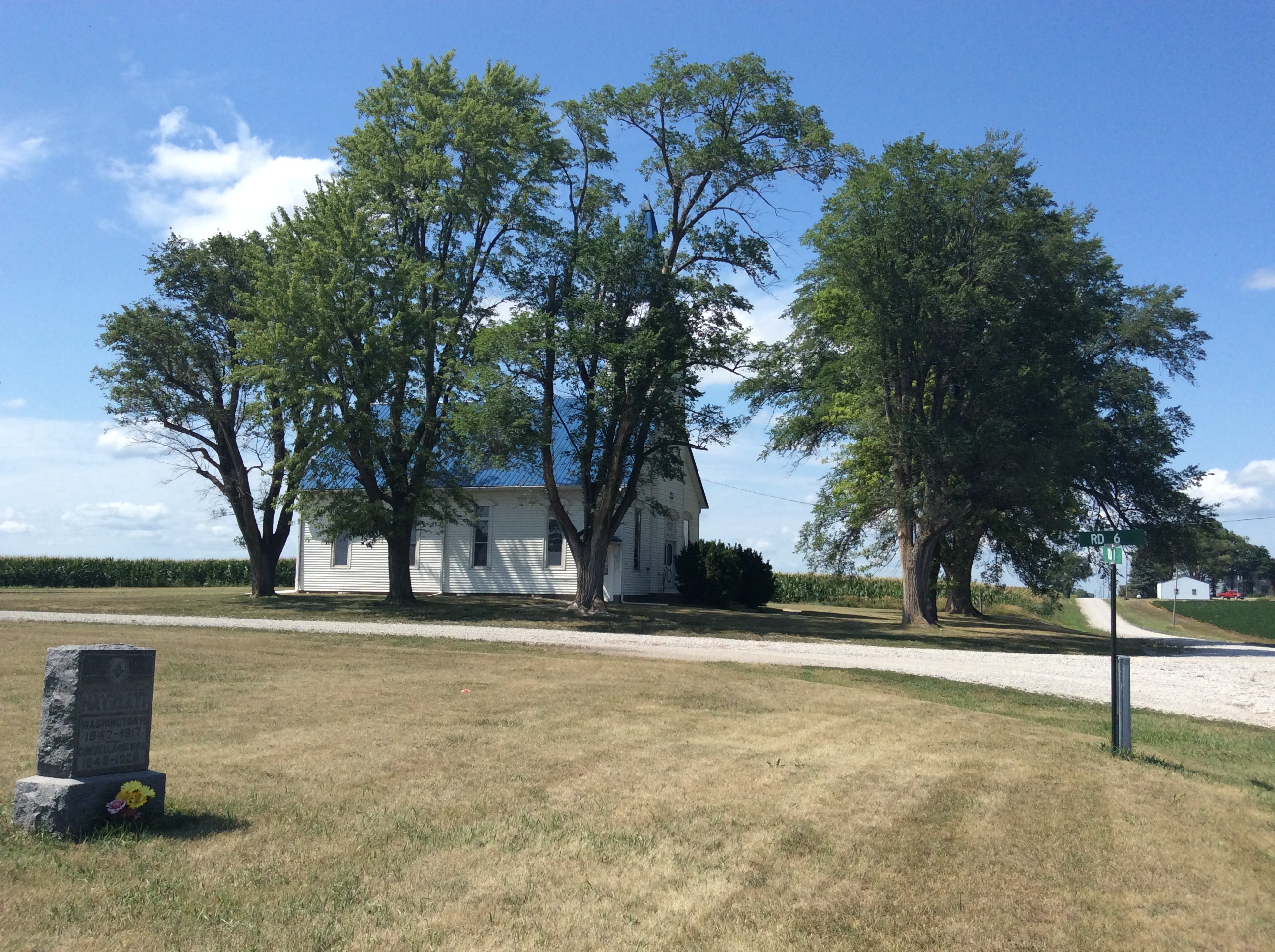
 This is the only building left at the site of my grandparents original house and barns. It is an old carriage house. In this photo my daughter and grandson are taking a look. One of the original stained glass transome windows from the house hangs in my own house. My grandparents were Lilliebelle Werth and Pleasant Lightle.
 When I was a child, this was once a chicken house but mostly the farrowing house for our registered Hampshire hogs. Later I learned that when first built during Prohibition, Dad held dances here which the sheriff checked to make sure there was no alcohol.