reading,
listening to birds
the gurgling of water,
looking up to watch
four hummingbirds challenge
each other at the feeder, and
I notice I’m surrounded by flowers
and the scent of orange blossoms.

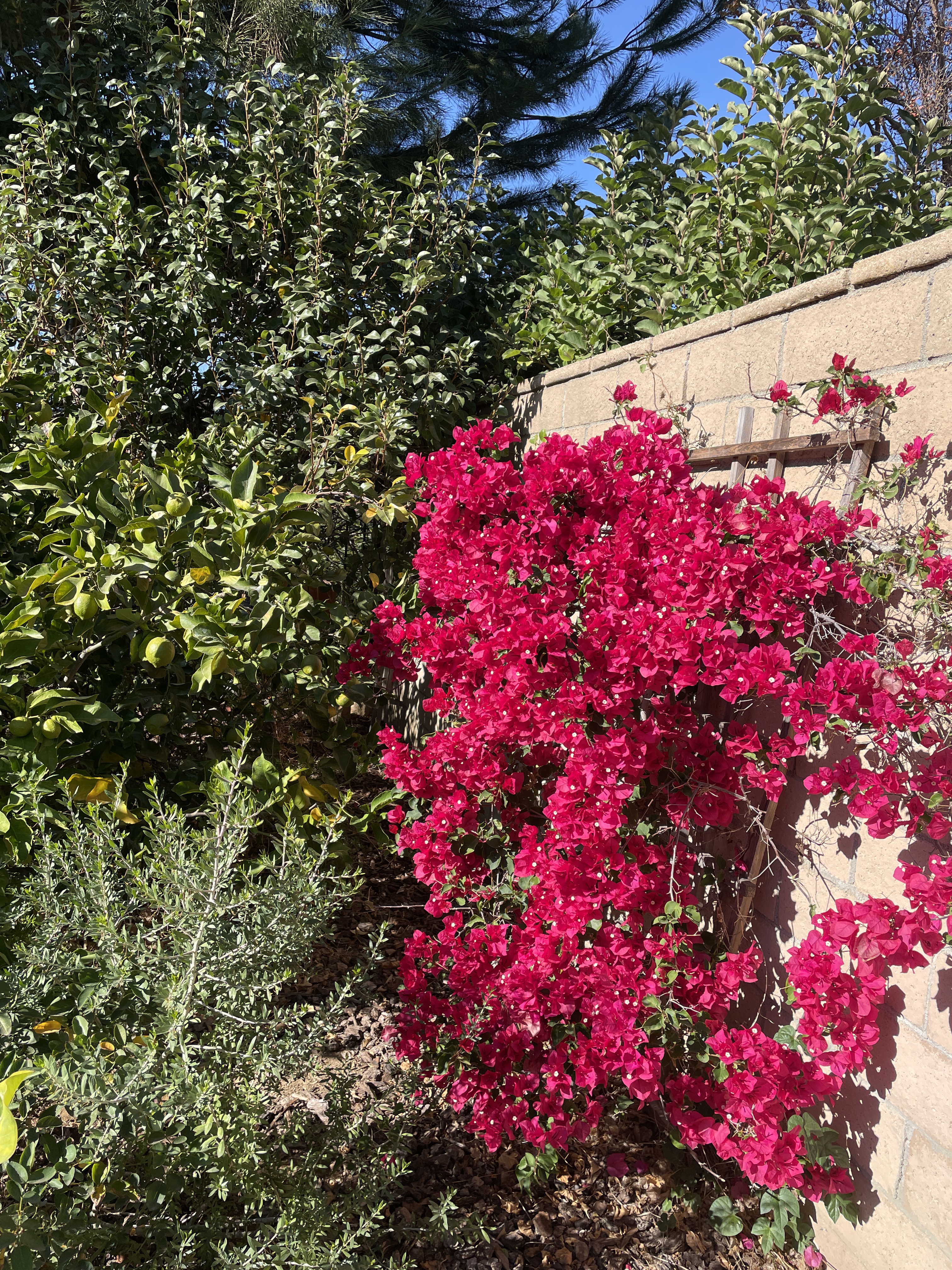

reading,
listening to birds
the gurgling of water,
looking up to watch
four hummingbirds challenge
each other at the feeder, and
I notice I’m surrounded by flowers
and the scent of orange blossoms.
Spring
Bird songs
Bougainvillea wall climbing
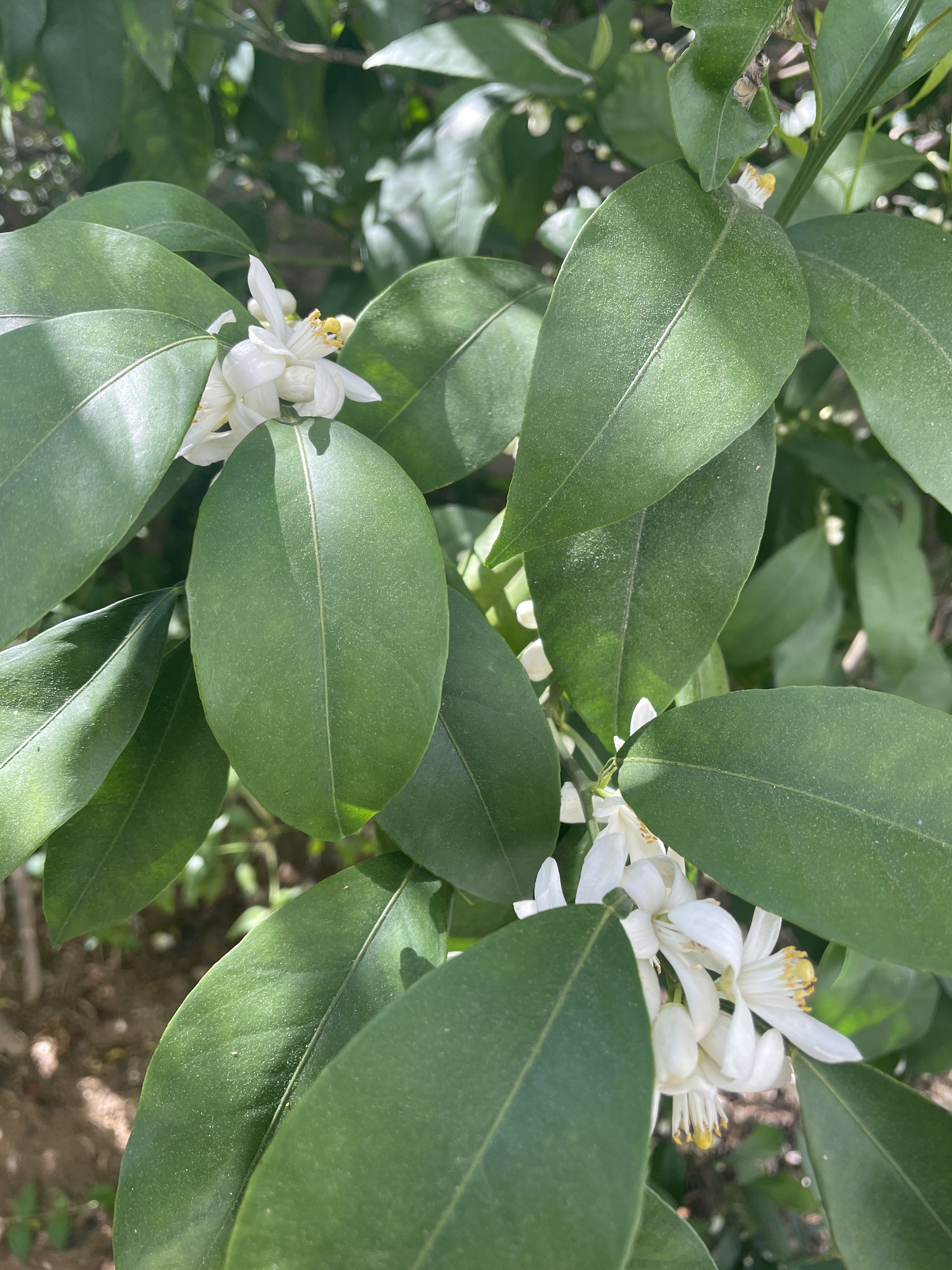
Essence of orange
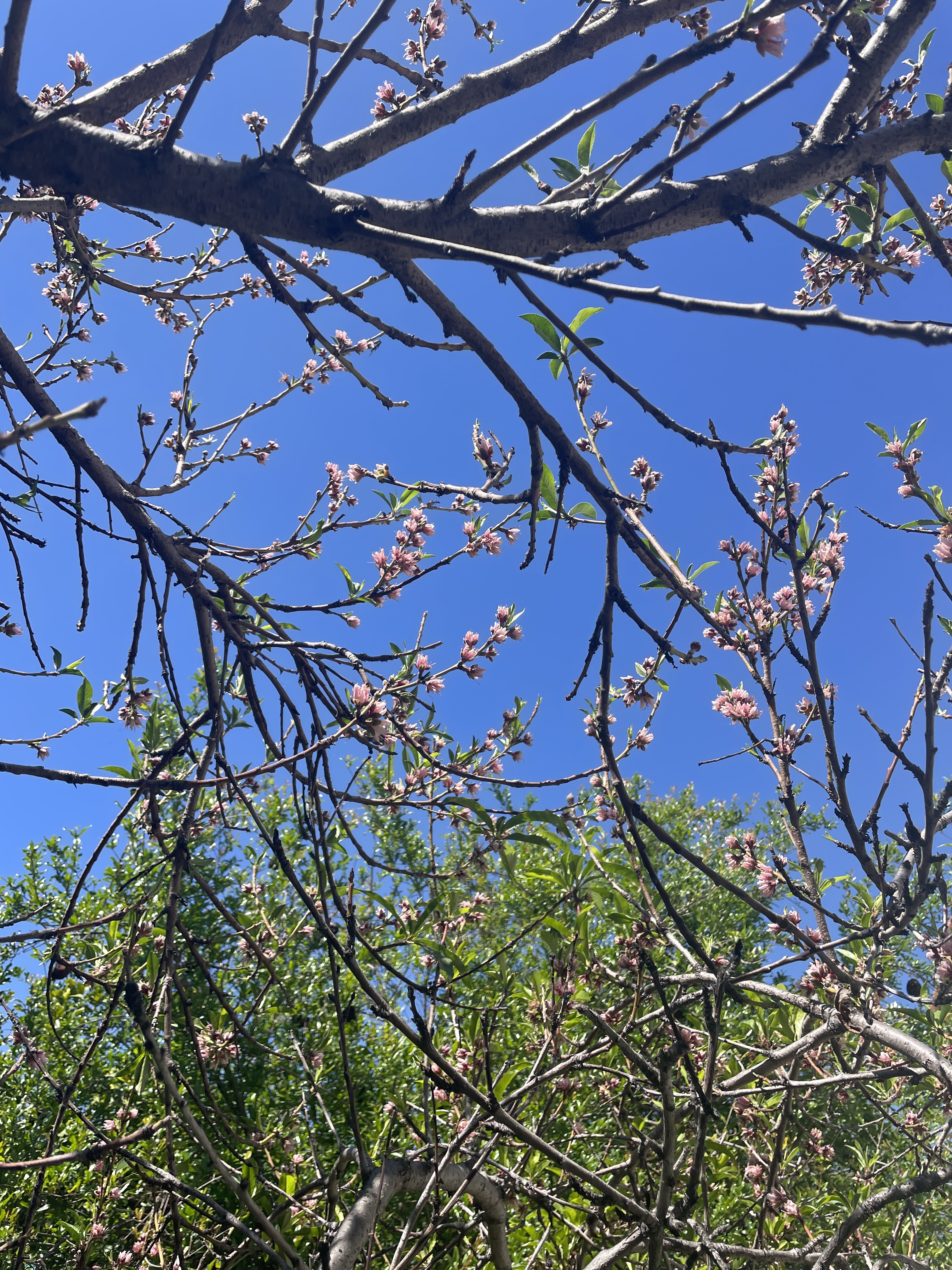
Peach blossoms
Beauty
Joy
As I mentioned in a previous post, his books on delights were mentioned to me by two different people in two totally different settings so I decided to stay sane in all the seriousness of my life, reading something lighter might be a good thing to do. I guess I was thinking delights like flowers, food, etc. but this is more like a series of short essays about life all written in the span of one year–his gardening, experiences strolling around his neighborhood and favorite coffee shops, food, his parents, his wife, some personal history, his experience as a college professor, children. However, he also addresses serious issues–his meeting a homeless veteran just out from a stint in a mental facility and how he was compelled to help out after first driving off, racism he has experienced, his issues with the government and social media, family death, and life in general. And above all, what it means to him to identify as a poet.

As a person who works with high school students mostly non-white, many of whom have family members who are undocumented, I worry and need to find daily delights to stay sane. I decided to make a list of some of the past week’s delights:
-afternoons 70 degrees, sunny, no wind
-hummingbirds sipping nectar from both flowers and the two feeders
-singing a song the lyrics of which come from a poem by Langston Hughes where he dreams a world with no racism
-sitting on the back patio, listening to birdsong while I read a book about delights
-learning that all the rains have eliminated drought in California
-appreciating all the colors of the flowers blooming in my yard

Neftali Ricardo Reyes Basoalto, a country boy who grew up in a remote, rainy, forested area in southern Chile, an area called Araucania, an indigenous name, became Pablo Neruda, a name he created so he could publish poetry without his father’s knowledge. His father and mother, who died less than a month after his birth, originally came from the wine country of central Chile. His father became a conductor for a ballast train in this southern region. His descriptions of his childhood are of a shy boy who loved nature in all its forms and books. Later, he wrote letters to girls for his friends. Yet, he says he wrote his first poem when he had barely learned to read. Overcome with emotion, he wrote a poem to his stepmother, the only mother he knew. When he showed it to his father, his father asked to know what he had copied it from.
Later, he moves to Santiago to attend university, always poor, always wearing black, always carrying books. He joins a Student Federation and becomes acquainted with other young poets. He writes, “I saw a refuge in poetry with the intensity of someone timid.” After he struggled paying for the printing of his first book, he wrote, “…the writer’s task…must be a personal effort for the benefit of all.”
He wins a literary prize at school, his books are popular, and he finds himself acquiring a job at a Chilean consul in Rangoon but to get there he and a friend end up in France and Portugal, then Japan, then Singapore, before finally arriving at his destination. Thus, began his life as a consul official in places all over the world, including Spain just before and at the beginning of Franco’s rise to power.
After witnessing so much poverty, so many conflicts benefiting the rich, he becomes an avid supporter of the Chilean Communist Party–a form of communism unlike what most think of when they think of communism. The communism he and his friends support includes working on behalf of the poor, the common laborer, the disenfranchised against the wealthy elite who controlled most Latin American countries during his lifetime and in many cases still do.
He states, “I want to live in a world where beings are only human with no other title but that, without worrying their heads about rules, a word, a label…I want the great majority, the only majority, everyone, to be able to speak out, read, listen, thrive…I have taken a road because I believe that road leads us all to a lasting brotherhood…an inexhaustible goodness…”
Later, he chose to live at Isla Negra, a sort of hideout especially in winter where he could write. Then he returned to Chile. He helped his friend Salvatore Allende campaign for the presidency of Chile. After Allende became president, he appointed Neruda to be ambassador to France. In 1971, Neruda won the Nobel Prize. In 1972, the US blockaded Chile and Neruda returned and completed the final edit of his memoirs. He was welcomed back with a ceremony at the National Stadium in Santiago with a huge crowd in attendance. In 1973, a military coup, supported by the US, overturned the government and assassinated Allende. Less than one month later, Neruda died. Shortly thereafter, news spread worldwide that his two houses in different parts of Chile had been ransacked and vandalized by the new government and its forces.
A garden of delights
my my new goal.
Why do I/we need
such a garden?
Sanity, yours and mine.
Genocide in Gaza, Sudan,
eastern Congo, probably
even in other places where
there’s no news.
Poverty here in the richest
nation on Earth.
Poverty my neighbor seems
shocked when I tell her.
People living in condemned
trailers, no heat, no water–
It’s freezing inside.
People surviving, barely.
Malnourished children, big
hungry eyes, staring.
A garden of delights
my new goal.
Why do I/we need
such a garden?
Masked men and some women
attacking people in the streets,
in their homes,
knocking down doors.
smashing windows.
You’d think I’m describing
Russia, Nazi Germany
but no, I’m describing
happenings in my own
county and
across the US.
A garden of delights
my new goal.
Sanity = Delights
I look out my window
purple mountains loom
in crystalline air.
Recent rains create
emerald hills,
blooming freeway daisies,
roses in my garden,
pink, sunset colors, snow.
Bougainvillea the color of blood
climbs my garden wall.
The turquoise fountain gurgles.
Photo of daughter and grandson
make me smile.
Symbols, sacred corn grace
walls and make me
remember cornfields in summer
when on a hot day
I could hear corn grow.
Three different pine trees whisper,
the Soleri bell rings in wind.
Ah, yes, I live in a garden,
a garden of delights.
And I remain sane
for at least one
more day.
Last week a writer friend commented on the notion that writers are known for wearing turtlenecks. That’s news to me even though I am a writer and I wear turtlenecks plus multiple layers. I’m cold. I’m cold at least half of the year even here in Southern California. This comment caused me to count mine. It seems I own 25 turtlenecks–white, off-white, various shades of beige and brown but none dark, several black, two red, two orange, two coral one of which one is darker than the other, two striped (one black and white, one tan and creme), deep green, two hot pink, and one sheer in shades of black and brown and creme and a sort of burgundy color. Another is a color I am not even sure how to describe which I will call pale peach. Since I’ve been the same size for decades, I am guessing some of these border on the ancient but not worn out. I never dry them in the dryer. Drying clothes in the dryer wears them out faster and changes their color.
About one-third of the way through his “Memoirs”, Pablo Neruda talks about a poet friend of his in Spain who wore turtlenecks which Neruda claims was a huge no-no at the time. What does he say poets should wear? Black from head to toe. He had been wearing black practically since birth. His mother died from tuberculosis a month after he was born. Perhaps the endless rain and endless mud he describes in the area of southern Chile where he grew up made wearing black the most practical color. Doubtless the poverty he witnessed as a young man working as a poor employee of tiny Chilean consulates in places like Ceylon (now SriLanka), Indonesia, and India did not inspire him to wear colorful clothes. Then not long after he arrives in Spain, Franco comes to power and one of his best friends, Federico Garcia Lorca is assassinated. As for me, when I am not wearing colorful clothes, I wear black, not due to rain or mud or sadness. The reason I am drawn to black mystifies me–another thing to ponder.

Not sure this qualifies as a turtleneck but it comes close.
Two days ago I drove to the local library to return “The Historian” and inquire about a book an acquaintance had recommended. The library houses a used book section at its front hall entrance. I usually only glance at it because mostly it contains books in which I have zero interest. I glanced once again. There in nonfiction I saw NERUDA painted in big, bold bright colors-blue, red, green, purple–across the top half of a book cover. Just below this was a parade of flowers marching across the middle of the cover in the same bold, bright colors. Finally, at the bottom painted in bright red on a black background in capital letters it read, “MEMOIRS.” Inside the O is printed in the same red these words,”confieso que he vivido.” I snatched it up. The little sign said 25 cents. Although I’ve read Neruda poems mostly translated into English, I had no idea he had written anything about his own life. I knew I had to read this. I knew some things about his fascinating life. I wanted to know more. I dug around in my wallet, found a quarter, and deposited in the little brown box one of the librarians had indicated.
Later at home, I read the beginning, his brief introduction, explaining there are gaps here and there. He also explains, “What the memoir writer remembers is not the same as what the poet remembers.” He goes on to explain this. I will need to contemplate this more. Then in the beginning of the first chapter, “The Country Boy”, he describes “The Chilean Forest”. It starts, “Under the volcanoes, beside the snow-capped mountains, among the huge lakes, the fragrant, the silent, the tangled Chilean forest…” What continues is a prose poem describing this forest with intense sensory detail so clear the reader can see the details, the mystery, the lushness. He ends with this poem with the words, “Anyone who hasn’t been in the Chilean forest does not know this planet. I have come out of this landscape, that mud, that silence to roam, to go singing through the world.” Reading this beginning instantly linked me to his poetry I had read, to its sensory detail, to its lyricism.
They say we are all products of the environment in which we grew up whether we like it or not. Reading this is making me view this truism in a new light.
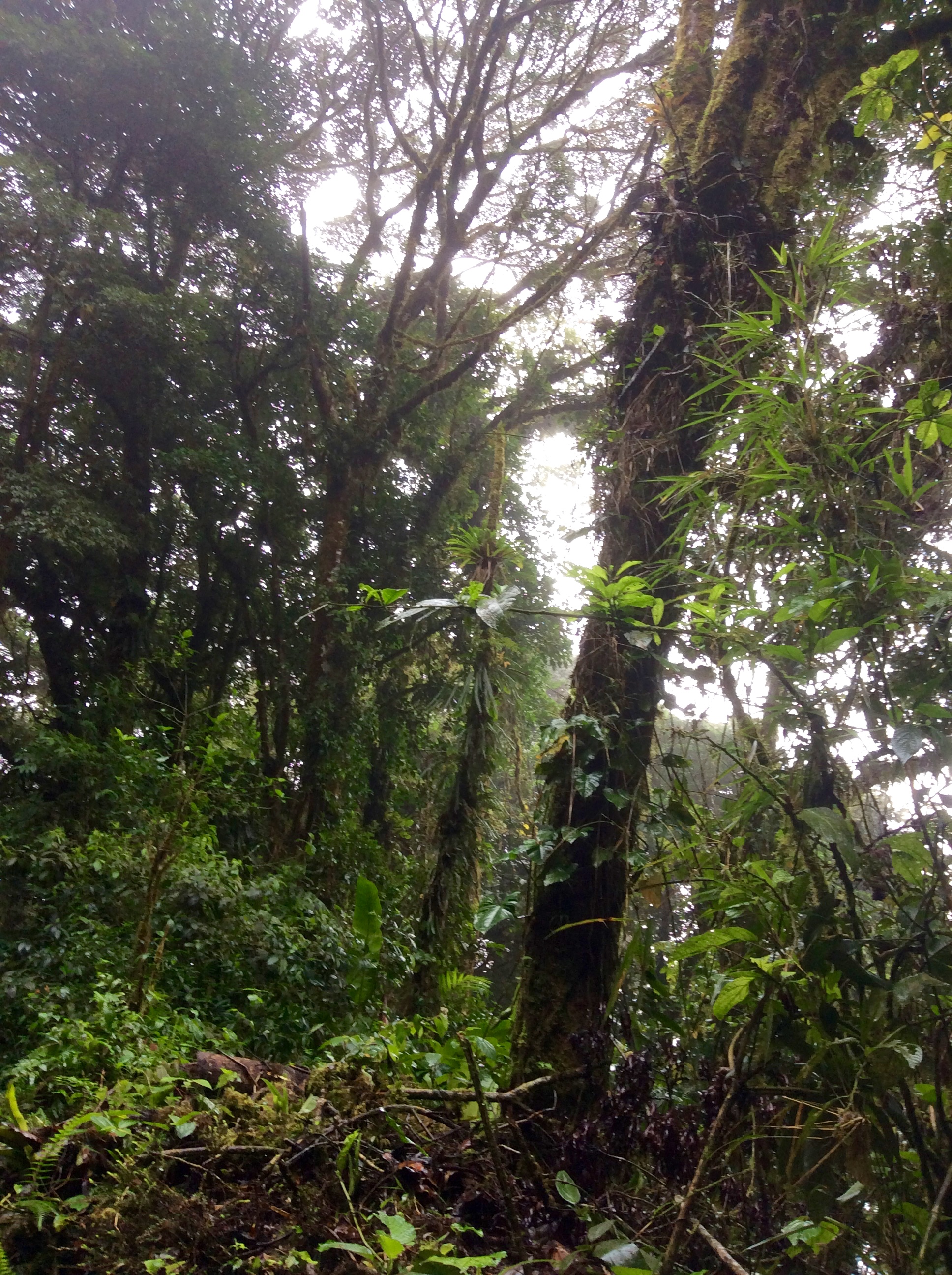
In a hurting, damaged world
where greed and hatred often reign
I wish for
the beauty of flowers to flow into hearts
kindness toward those different from self
to permeate hearts and mines
the light of joy create compassion
toward each other
the knowledge that we are all one race,
one people flow through humanity
Hold friends and family close
Smile, greet strangers
Release hatred, anger into air
Promise yourself to love more,
let others be themselves,
be grateful, find joy
gurgling water
redwoods sighing
peace

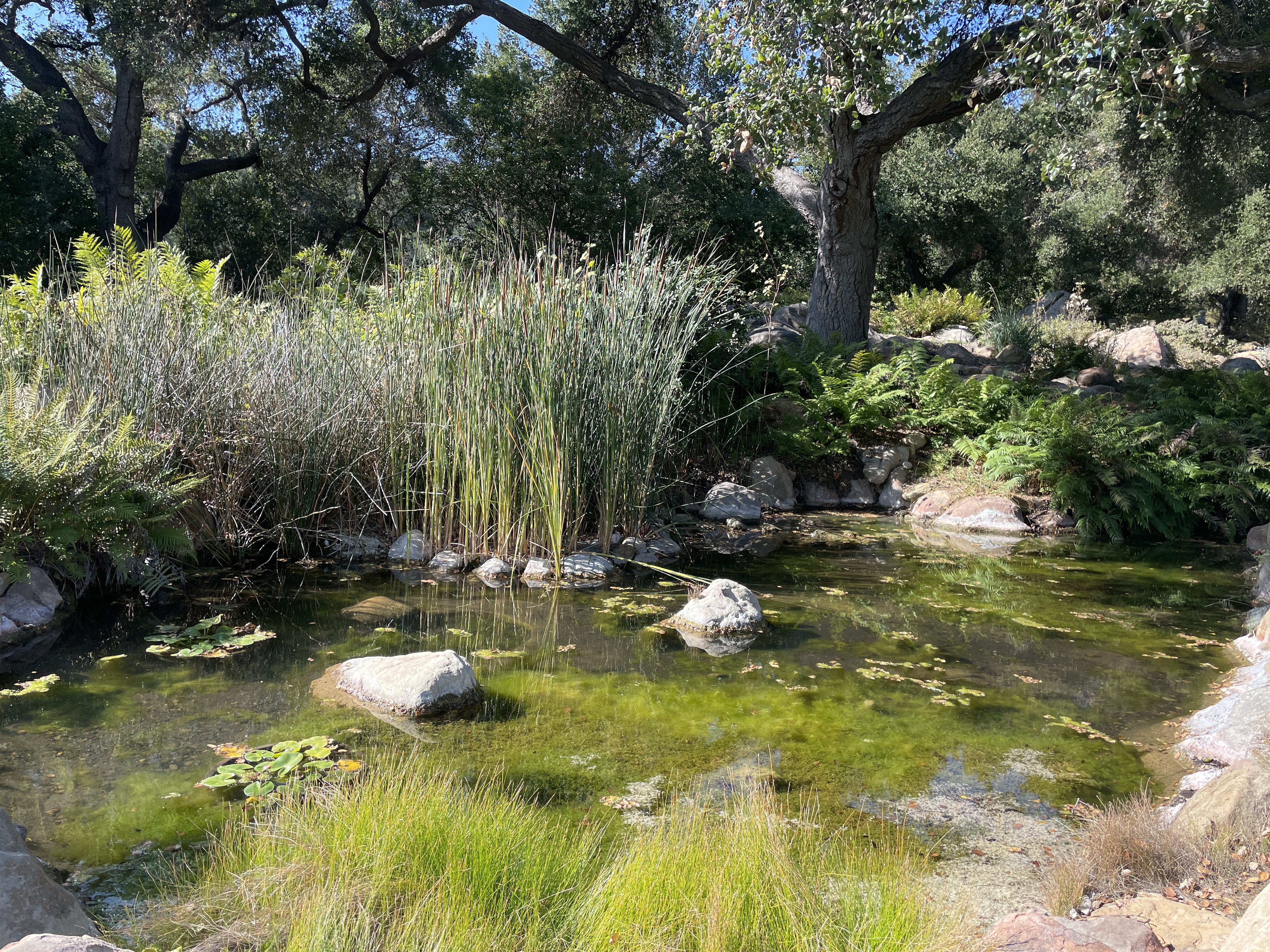

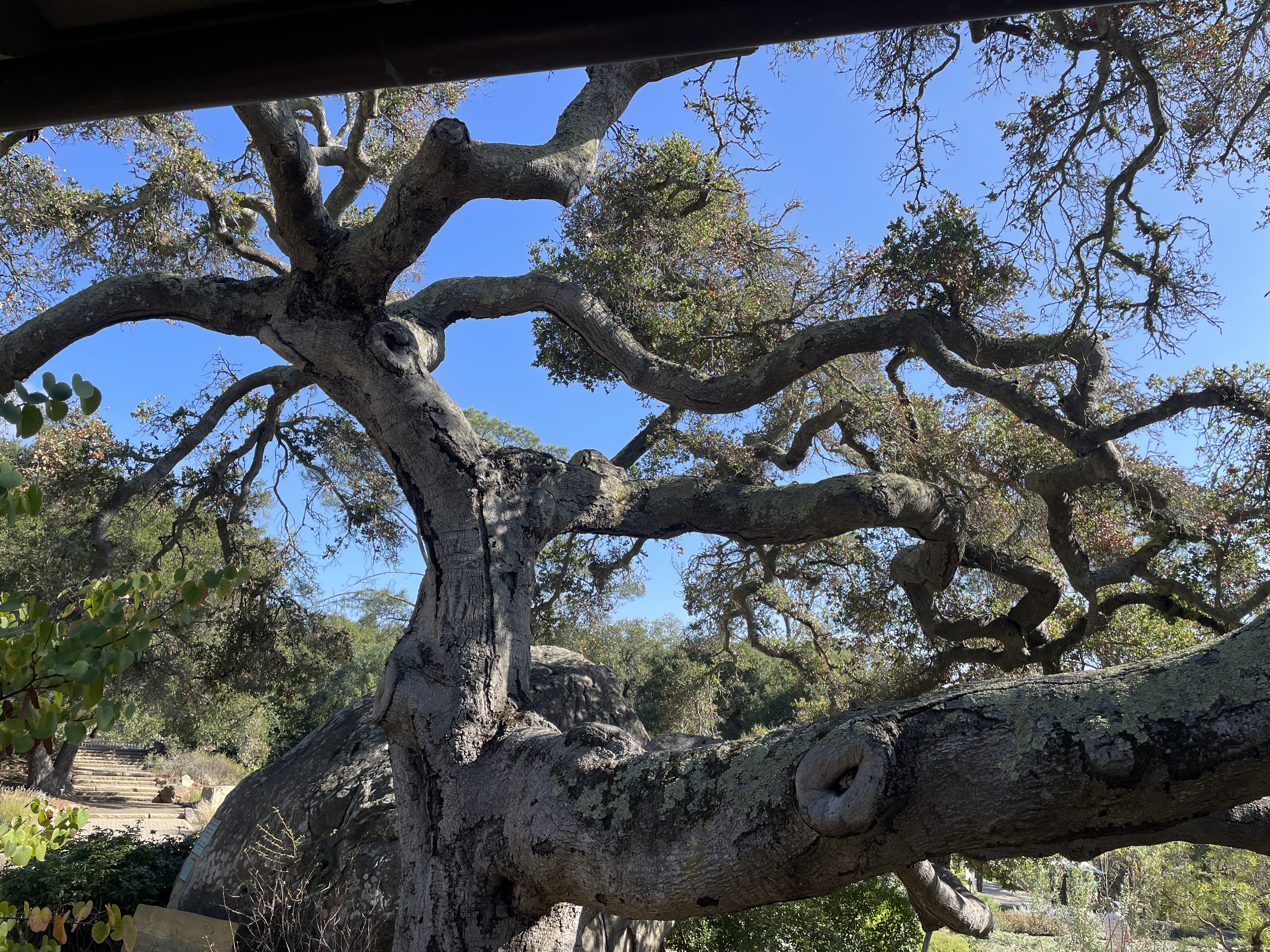
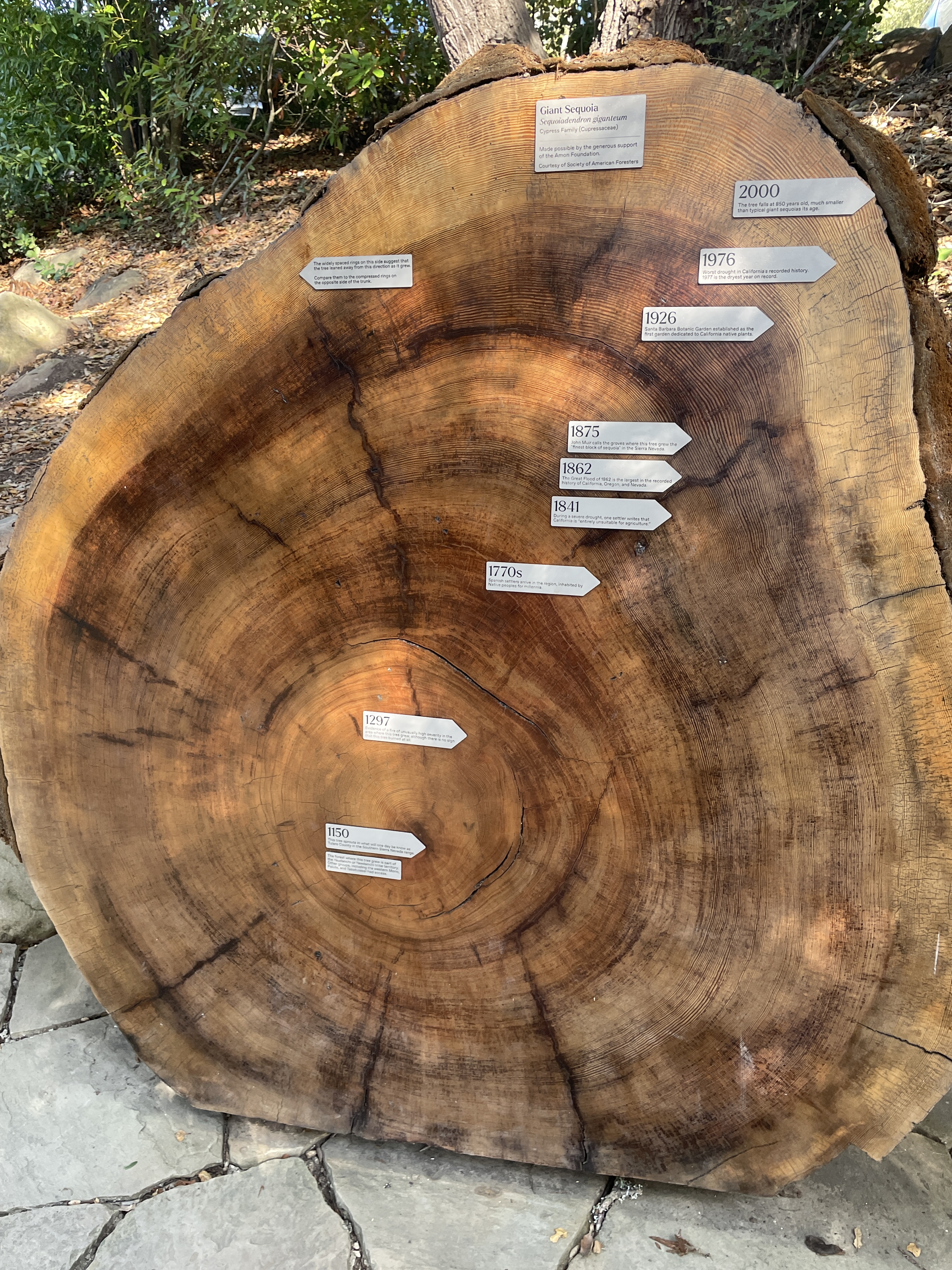


Note: All the plants in this 78 acre garden are native to the area including the coastal redwoods.
Travel the World 4 Less
A Glimpse into My Life & Passions
Ceto-Magoism, the Whale-guided Way of WE in S/HE
Exploring the F-word in religion at the intersection of scholarship, activism, and community.
ANCESTRAL FOOD. HERBAL WISDOM. MAGICAL COOKERY. SEASONAL CELEBRATION.
inesemjphotography
politics, engineering, parenting, relevant things over coffee.
Food is the best expression of every emotion. Explore through my reviews, recipes, events and more.
Smile! A Site for Friends Wherever You Are!
inspiring personal growth through poetry and writing
Combining atheism with whimsy. This is a Fair and Balanced blog based on opinion unencumbered by fact.
Odds and ends ~ My Life
Original poetry, commentary, and fiction. All copyrights reserved.
bripike@gmail.com
A wildlife filmmaker in Africa
A Geeky Feminist's Musings On Pop Culture
"5 minute walks"
 writingontherim