Spring
Bird songs
Bougainvillea wall climbing
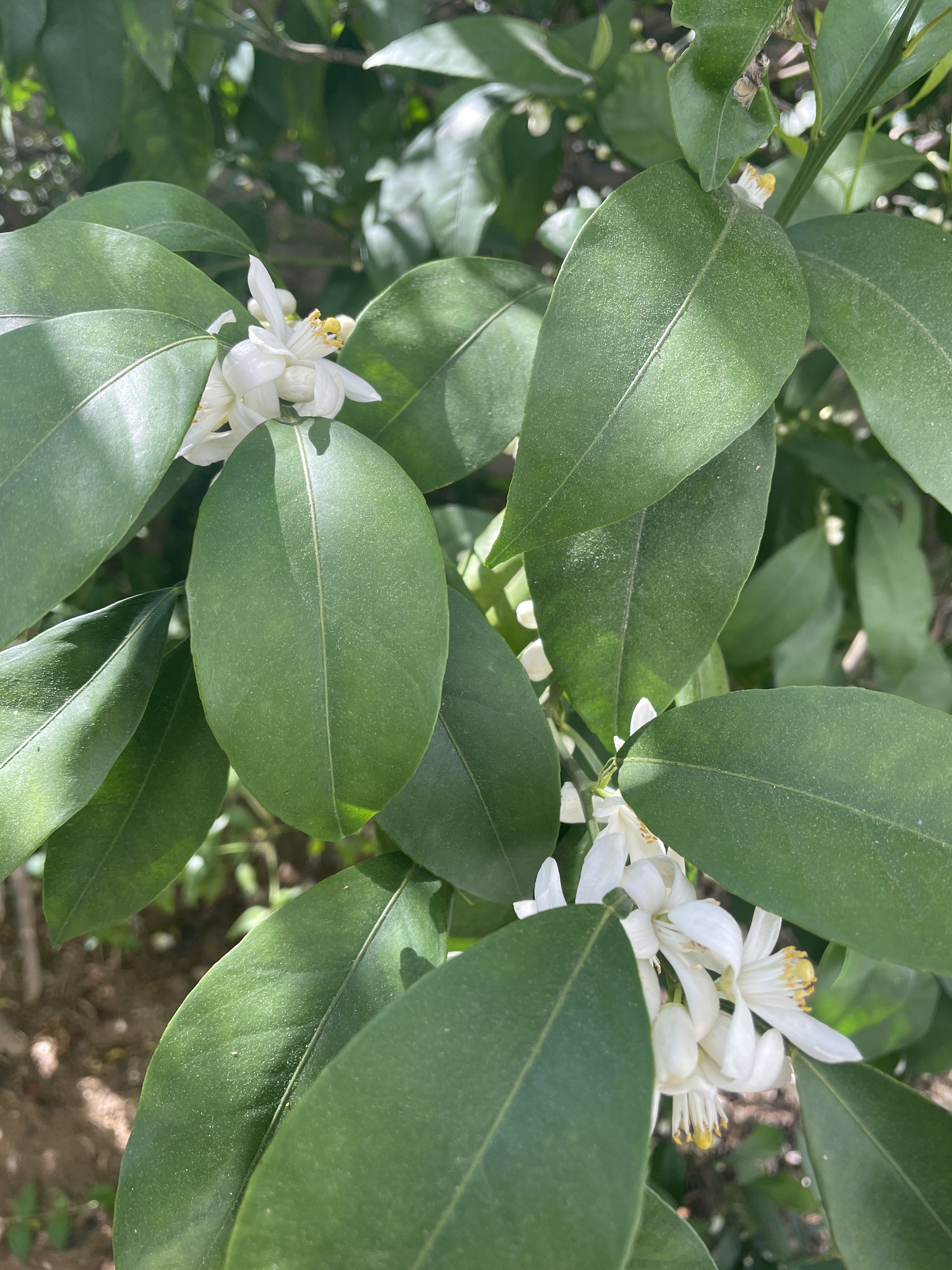
Essence of orange
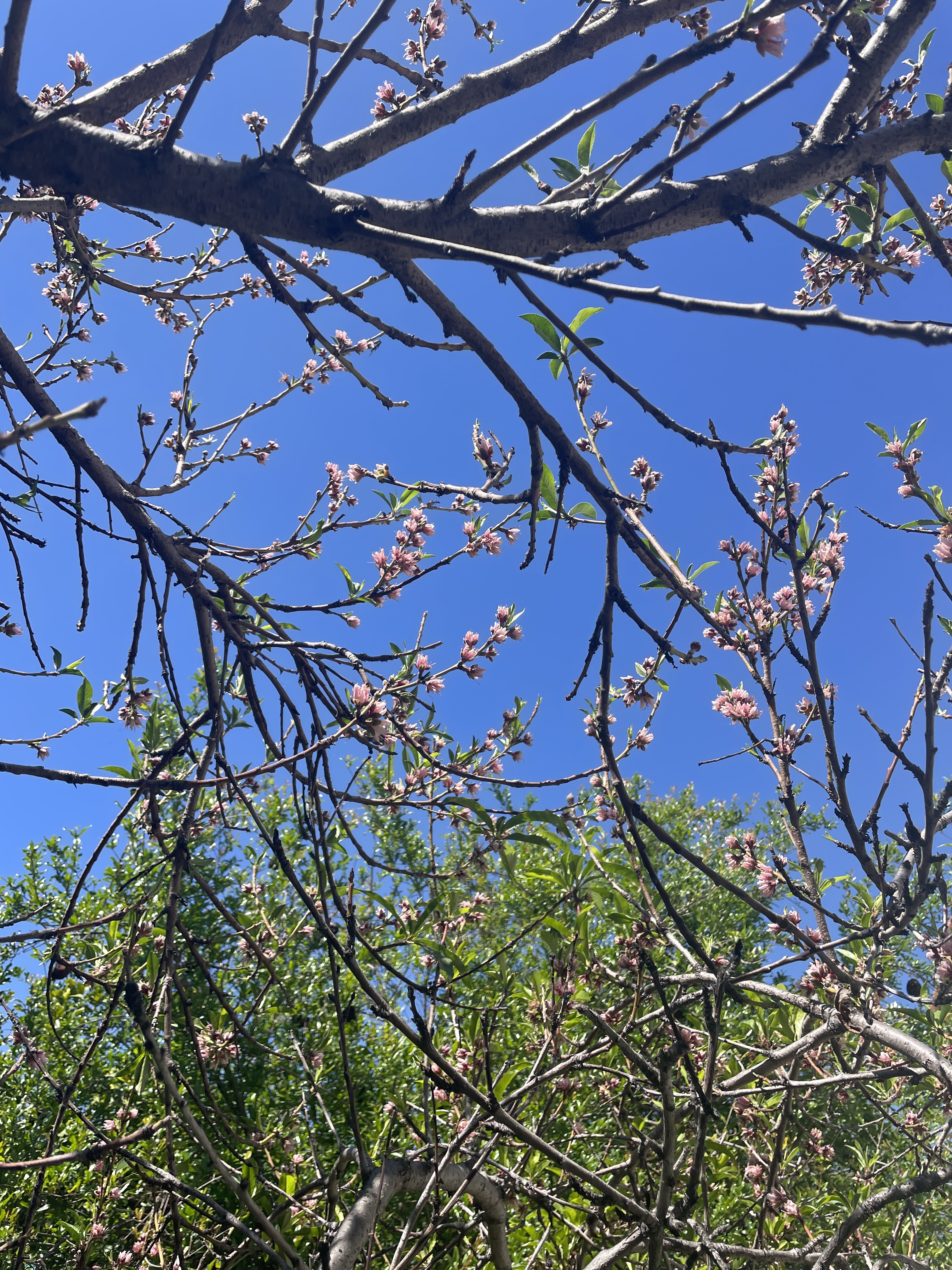
Peach blossoms
Beauty
Joy
Spring
Bird songs
Bougainvillea wall climbing
Essence of orange
Peach blossoms
Beauty
Joy
I am a bit behind so decided to share three poems I wrote more than ten years ago about my favorite animal obsession, pumas. These poems were first published in my poetry memoir, On the Rim of Wonder, which is available on Amazon and Barnes and Noble.
I
My neighbor walked out her door
found a puma lying in the lawn.
Puma rose, stretched, disappeared.
At night when I open my gate
I wonder if she lurks
behind the cedar trees,
Pounce ready.
My daughter dreams puma dreams:
a puma chases her up a tree.
There are no trees here big enough to climb.
A Zuni puma fetish guards my sleep.
I run with puma
Night wild
Free.
I scream and howl
Moonstruck
Bloodborn.
I hike the canyon,
stroll around my house,
look for puma tracks.
I see none.
I would rather die by puma
than in a car wreck.
II
I watch for eyes, blue changing to amber and back.
I put my palm, fingers stretched to measure, into the footprint.
Too small, bobcat.
No puma.
My thin body squeezes between the rocks,
climbing quietly down the cliff.
Watching, listening, searching.
No puma.
Pale amber rushes across my vision line.
My heart quakes.
I watch; I wait.
It is Isabella, a golden whir chasing rabbits.
No puma.
At sunrise, I walk the rim,
watching.
At sunset, I walk the rim,
waiting.
At night, I walk the rim,
dreaming.
No puma, not yet.
III
I want
to walk
with you
in my dreams
scream your screams
feel your blood
rushing
your heartbeat
mine
soft golden fur
wound in my hair
your amber eyes
glowing
through my brown
death defying
together walking
moonlit
wild
free

Note: My puma obsession continues. This painting and several others of pumas hang in my house. I now have two puma Zuni fetishes. I hike in the mountains hoping to see one in the wild.
Barbie Doll
Barbara Lewis Duke, pretty, petite, blue eyed and blond, my
mother, one fearless, controlling woman. Long after Mom’s
death, Dad said, “Barbara was afraid of absolutely no one
and nothing.” They married late, 34 and 38. He adored her
unconditionally. She filled my life with horses, music, love,
cornfields, hay rides, books, ambition. Whatever she felt she
had missed, my sister and I were going to possess: books,
piano lessons, a college education. Her father, who died long
before I was born, loved fancy, fast horses. So did she. During
my preschool, croupy years, she quieted my hysterical night
coughing with stories of run away horses pulling her in a wagon.
With less than one hundred pounds and lots of determination,
she stopped them, a tiny Barbie Doll flying across the Missouri
River Bottom, strong, willful, free.
Note: This poem about my mother has been published in at least one anthology and my book of poetry. My mother loved roses, had a rose garden. I now grow roses too.

Fearless little bird with chocolate brown head runs beside me
on the road. At the intersection I circle to the left, following
a familiar route. The heavy tree canopy here always astonishes.
It’s almost like walking in a forest.
The architectural variety amazes: mid-century modern, Spanish,
colonial, ranch, the smallest I am guessing contains 3500 sq. ft. One
house encompasses an entire city block, fronted with heavy, high
fences and metal gates. Privacy obsessed.
I’m watching my time. I don’t want to be late for singing
practice. I take a new route, perhaps a shortcut. It’s
120 degrees of a circle. Not quite a regular street,
not quite an alley, a combination–fronts of a few houses
and the backside of others. At one place it angles more;
I come to a three story stone fortress with intricate
geometrical designs vertically running up and down
the walls. No windows. A sign says, “No trespassing.”
Realization hits me. This is the other side of a house
I saw last year through a gap in a wall on another street.
Three ladies, strangers, asked me about it, told me they’d
heard it was the creation of a famous architect. I researched,
asked others, no one knew. Back then, I tried to find the front,
failed. Now I’m looking at it, wonderstruck. It appears abandoned,
an architectural wonder belonging to another time and place.

Time to rush, a bit lost, I look at my phone map, finish the loop,
find a familiar street, walk faster. Then I see a large, white, colonial house,
weeds knee high, black shutters hanging askew. Here it is abandoned
in the midst of multi-million dollar houses. I wonder what the neighbors
think. Walking on I hear water rushing, peer through the hedges–a stream
runs downhill from the side of this huge brown house at least 100 feet
and gurgles in a pool behind the bushes. Hurrying, I stop in front of one
of my favorite houses, a one-story, tan, Spanish style, small compared
to the others nearby. I take a photo of the tree in front by the sidewalk,
its impressive girth impossible to ignore.

Finally, I’m near my destination, walking in front of The Gamble House,
a tourist destination made famous by the movie, “Back to the Future”,
a structure I see at least twice a week.

This is poem two for National Poetry Month. A friend wrote a poem following the prompt to write a poem about a book the writer has not read for a long time. She wrote about The Scarlet Letter. My poem is about the book, An Imaginary Life.
The Roman Emperor Augustus saw Ovid’s poetry as subversive,
a power threat. He exiled Ovid to a remote corner of the Empire,
somewhere over by the Black Sea, the Carpathian Mountains,
among the destitute, the superstitious, people who did even know
how to read or write. They believed in witches, feared ghosts, saw
evil in everything and everyone different. Different equaled
death.
Paid to host Ovid, the village leader teaches him to ride horses
bareback, hunt, become stronger. Ovid transforms from a weak
revolutionary who hates this place to one who sees the barren
beauty, wanders in the forests, plants a wildflower garden,
survives.
While hunting, they see barefoot tracks in snow, tracks
of a feral child, a boy. Ovid fears for him, finds him,
rescues him. An accident occurs. The villagers blame
the boy, want to kill him. He and Ovid escape,
wander far into the northern wilds, into
infinity.

Travel the World 4 Less
A Glimpse into My Life & Passions
Ceto-Magoism, the Whale-guided Way of WE in S/HE
Exploring the F-word in religion at the intersection of scholarship, activism, and community.
ANCESTRAL FOOD. HERBAL WISDOM. MAGICAL COOKERY. SEASONAL CELEBRATION.
inesemjphotography
politics, engineering, parenting, relevant things over coffee.
Food is the best expression of every emotion. Explore through my reviews, recipes, events and more.
Smile! A Site for Friends Wherever You Are!
inspiring personal growth through poetry and writing
Combining atheism with whimsy. This is a Fair and Balanced blog based on opinion unencumbered by fact.
Odds and ends ~ My Life
Original poetry, commentary, and fiction. All copyrights reserved.
bripike@gmail.com
A wildlife filmmaker in Africa
A Geeky Feminist's Musings On Pop Culture
"5 minute walks"
 writingontherim