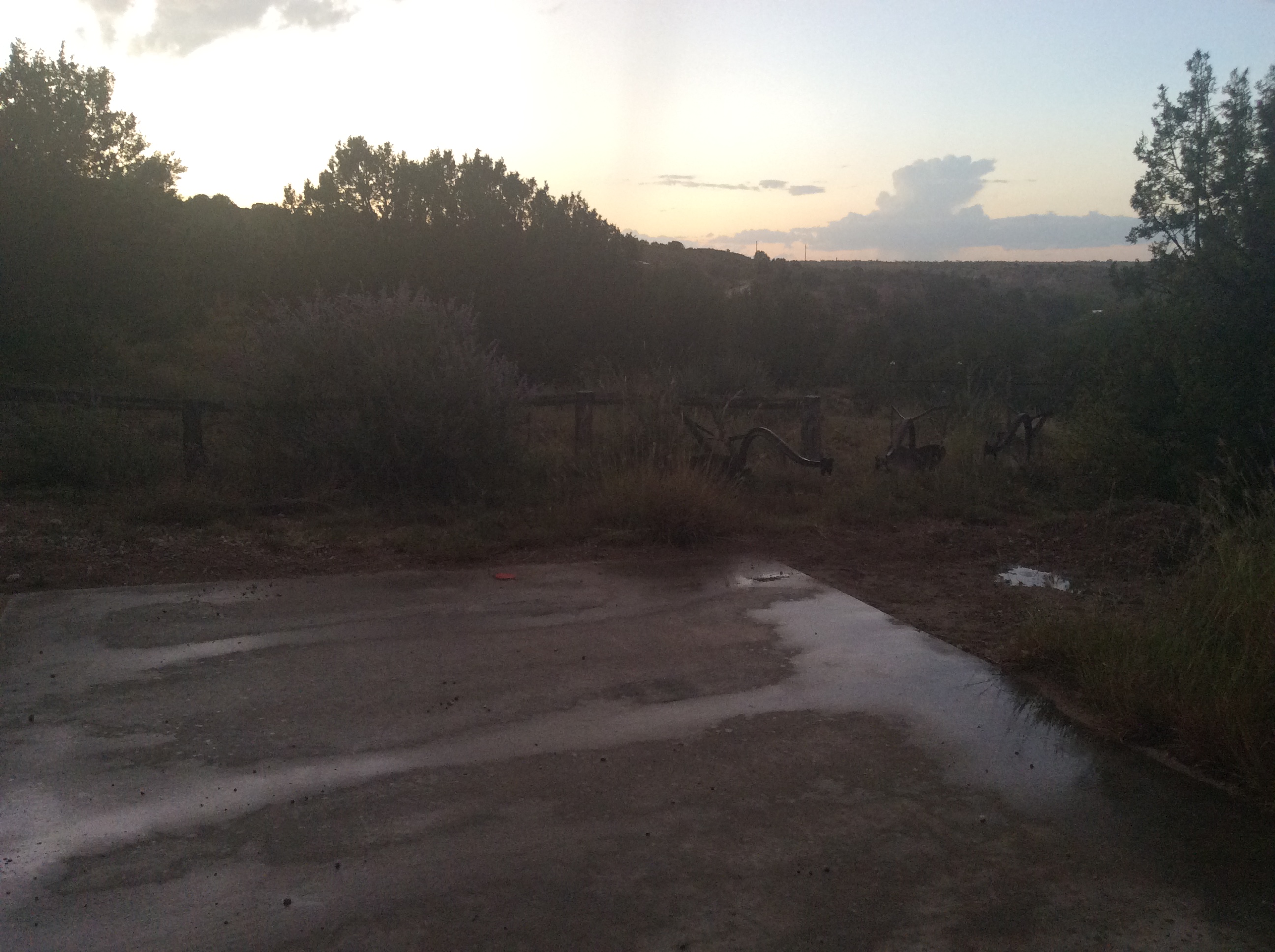
Walking in Pasadena Near Rose Bowl


Fearless little bird with chocolate brown head runs beside me

on the road. At the intersection I circle to the left, following

a familiar route. The heavy tree canopy here always astonishes.

It’s almost like walking in a forest.

The architectural variety amazes: mid-century modern, Spanish,

colonial, ranch, the smallest I am guessing contains 3500 sq. ft. One

house encompasses an entire city block, fronted with heavy, high

fences and metal gates. Privacy obsessed.

I’m watching my time. I don’t want to be late for singing

practice. I take a new route, perhaps a shortcut. It’s

120 degrees of a circle. Not quite a regular street,

not quite an alley, a combination–fronts of a few houses

and the backside of others. At one place it angles more;

I come to a three story stone fortress with intricate

geometrical designs vertically running up and down

the walls. No windows. A sign says, “No trespassing.”

Realization hits me. This is the other side of a house

I saw last year through a gap in a wall on another street.

Three ladies, strangers, asked me about it, told me they’d

heard it was the creation of a famous architect. I researched,

asked others, no one knew. Back then, I tried to find the front,

failed. Now I’m looking at it, wonderstruck. It appears abandoned,

an architectural wonder belonging to another time and place.

Time to rush, a bit lost, I look at my phone map, finish the loop,

find a familiar street, walk faster. Then I see a large, white, colonial house,

weeds knee high, black shutters hanging askew. Here it is abandoned

in the midst of multi-million dollar houses. I wonder what the neighbors

think. Walking on I hear water rushing, peer through the hedges–a stream

runs downhill from the side of this huge brown house at least 100 feet

and gurgles in a pool behind the bushes. Hurrying, I stop in front of one

of my favorite houses, a one-story, tan, Spanish style, small compared

to the others nearby. I take a photo of the tree in front by the sidewalk,

its impressive girth impossible to ignore.

Finally, I’m near my destination, walking in front of The Gamble House,

a tourist destination made famous by the movie, “Back to the Future”,

a structure I see at least twice a week.

Poems


I started out thinking I would write a poem per day for National Poetry Month. Well, I’m a bit behind on that, but here are two of several I have written so far.

Spring

The mockingbird awakens me with his song.

A hummingbird, dressed in green with an iridescent

orange collar, flits by my head then sips nectar

from a scarlet bougainvillea blossom.

The neighborhood barn owl hoots at dawn and dusk.

A black and red/orange bird I’ve never seen before

lights on a palo verde limb.

A Western Bluebird dips its beak repeatedly in

the talavera birdbath.

Remember

In this world steeped in senseless violence remember

each day to find a piece of beauty:

-rosebuds opening

-the scent of jasmine

-a friend’s smile

-a bit of birdsong

In this world ravaged by wars remember

each day to find the jewels of joy:

-listen to a child’s laughter

-dance to a favorite song

-walk in the morning sunshine

-tell someone you love them

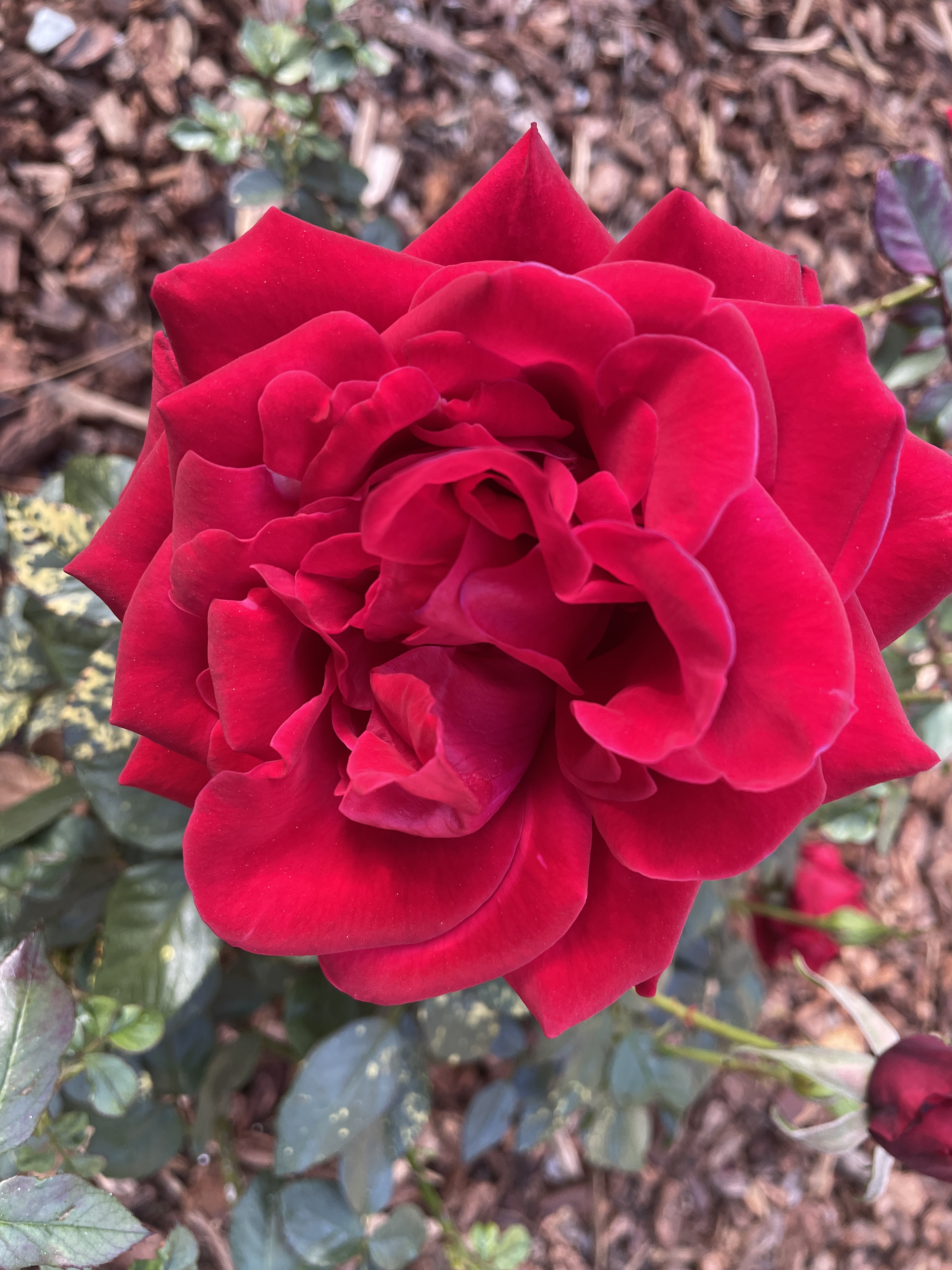
Red Roses


He’s very good at wooing:

gifts–chocolate cherries,

red roses, delicate lingerie,

I love you.

He wears his mask well,

keeps calm, a handsome spider,

weaving a silken web.

She laughs, tells her friends

just how very special she’s

sure he is.

He wears this mask for months,

finds them the perfect apartment,

swimming pool, gym, marble,

granite, luxury appliances.

She’s sure he loves her:

the gifts, the perfect apartment,

fancy restaurants, luxury weekends.

She’s late, heavy traffic, an

emergency at work. He

screams, wants to know

why; no explanation matters.

He hits her for the first time, her

torso, knocks her down.

Tomorrow 24 red roses

arrive at work. He begs

forgiveness. She’s sure

he’s sorry; it won’t happen

again.

Two months later, she’s

late again. Real reasons he

does not want to hear. He

screams, he hits, he knocks

her down.

She dreads red roses.

Note: This is part of my writing a poem per day for National Poetry Month. Regarding this poem, 34% of female homicides are women who have been killed by intimate male partners. Often when women kill a man attacking them, they are convicted of murder even when trying to defend themselves.

Exploring in Bonelli Regional Park


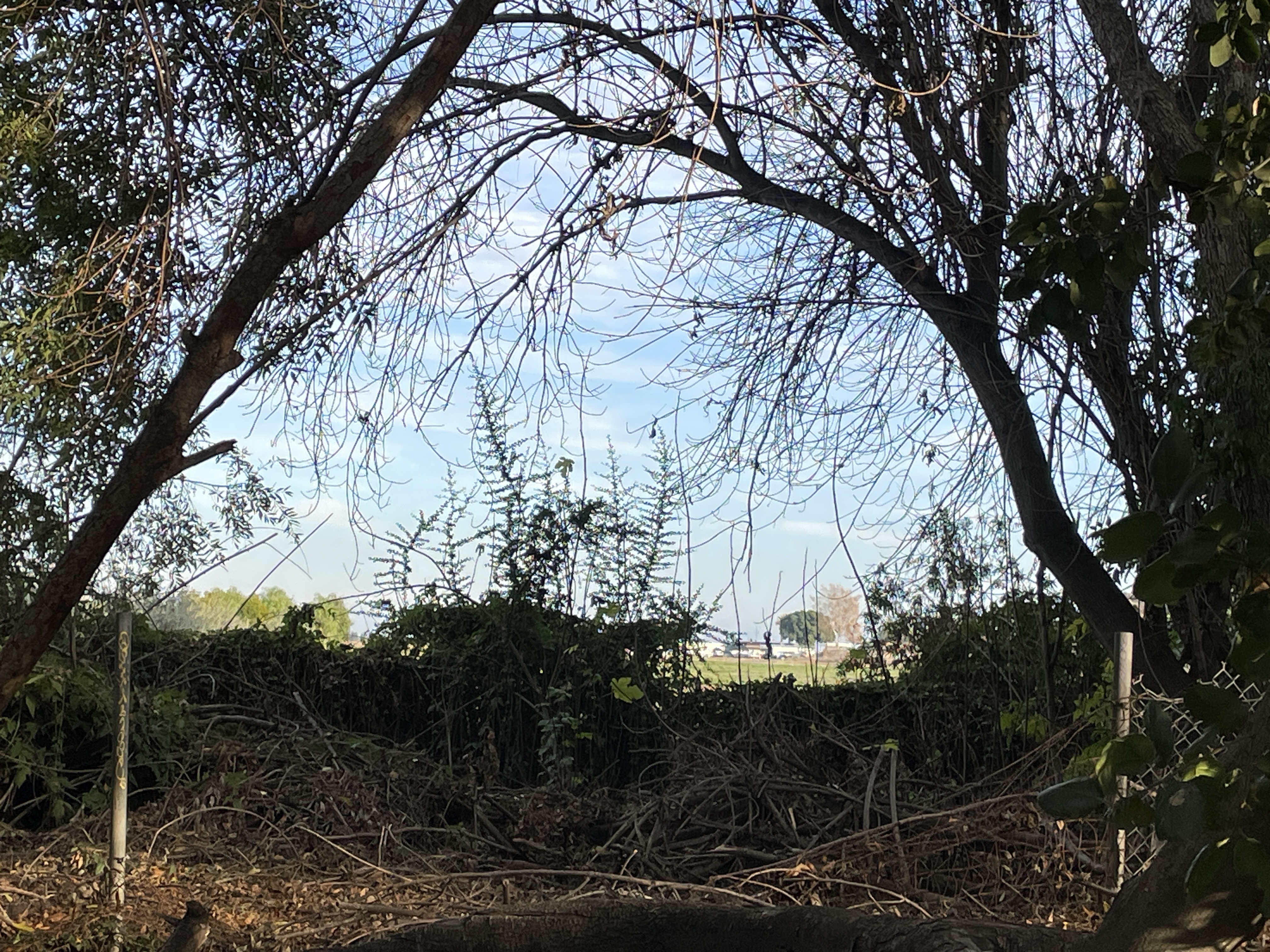
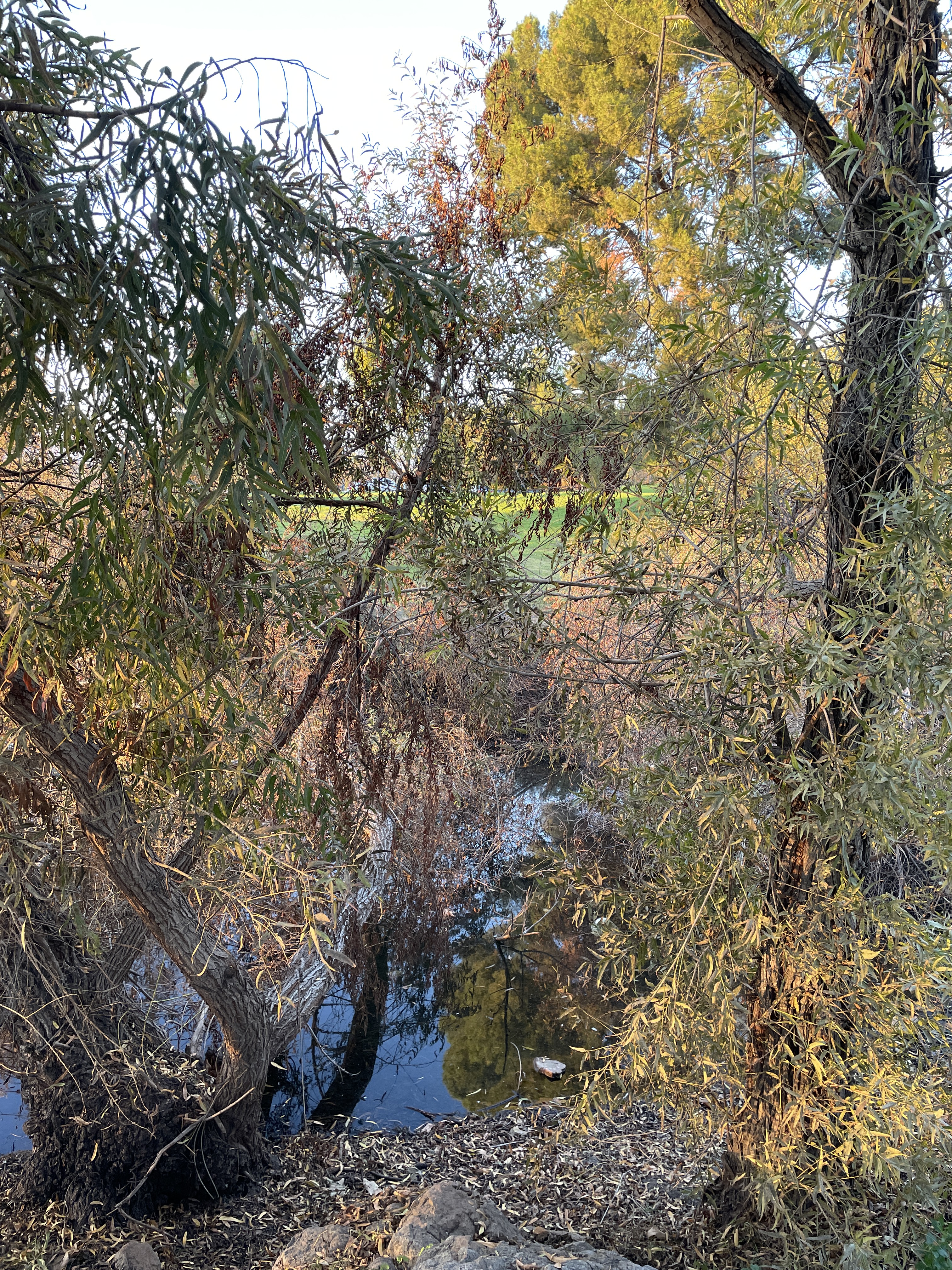
Today water level was low enough that I could cross into an area I had not previously explored. While many of these photos are in the areas I’ve walked before where the walker can see the lake and mountains, the other photos are from the heavily wooded area I found today.

One Book a Week-51: “The Watch”, Joydeep Roy-Bhattacharya


I could not stop reading this book. The setting is a US military outpost during the Afghan war in the middle of nowhere in the mountains of Kandahar. The weather is brutal–extremes of cold and heat, sand storms, heavy fog early in the mornings. Suddenly, after a brutal battle where they lose some soldiers, a young Afghan woman, Antigone, with stumps for legs shows up pulling a cart. Her brother, who the soldiers think was part of the Taliban, was killed in the battle; she wants her brother’s body for a proper Muslim burial. The soldiers do not know whether she is who she says she is or a suicide bomber. It confuses them even more when she plays hauntingly beautiful music on her rubab every night. All this leads to a lot of confusion over and raises many questions about morality and duty. Each chapter is from a different viewpoint, the young woman and various soldiers in the outpost.

Note: The rubab is a traditional Pashtun 12 string guitar-like instrument. You can find recordings on YouTube.

One Book a Week-8:”The Seven Moons of Maali Almeida”, Shehan Karunatilaka


The Booker (previously Mann-Booker) Prize winner in 2022, this book is filled with gruesome events and dark, graveyard humor. Since if takes place in Sri Lanka, if you know little about Sri Lanka history in the last 50 years, you might want to do a quick review so you know about the civil unrest and the various Sri Lankan ethnicities, e.g. Tamil, Sinhalese, Burgher. Written from the viewpoint of the title character, a war photographer, after being murdered, he resides in a sort of celestial purgatory while he tries to save his two best friends and male lover who are still alive and discover the identity of his murderer. He is given seven moons in which to accomplish this task. Not a book for the faint of heart, it contains gruesome war and torture details but frequently is also quite funny and filled with “truths”. In an interview the author explained, “Sri Lankans specialize in gallows humor; it is our coping mechanism.” As I read, I underlined passages I found especially meaningful, profound, or fascinating. Here are some of them:

“-There are only two gods worth worshipping. Chance and electricity.

-Hell is all around us and it is in session as we speak.

-Evil is not what we should fear. Creatures with power acting in their own best interests; that is what should make us shudder.

-There has never been an era of peace in all recorded history.

-Interest in fair play and democracy are not always the same thing.

-I have a superb name for God. Whoever.

-Laws are needed because made-up religions are not enough.

-The universe is nothing but mathematics and probabilities…we are nothing more than accidents of our births.

-They say the only thing worse than being talked about is not being talked about.

-Your race, your school, your family will dictate how the dice of life will fall for you.

-All religions keep the poor docile and the rich in their castles.

-People are ok if bad things happen to people who are not them.

-Do not be afraid of demons; it is the living we should fear.

-I have thought long and there are no answers. There is only this. There is only now.

-We must all find a pointless cause to fight for, or why bother with breath?

-The kindest thing you can say about life. It’s not for nothing.

-I cannot understand why humans destroy when they can create. Such a waste.”

Jen Payne’s New Book


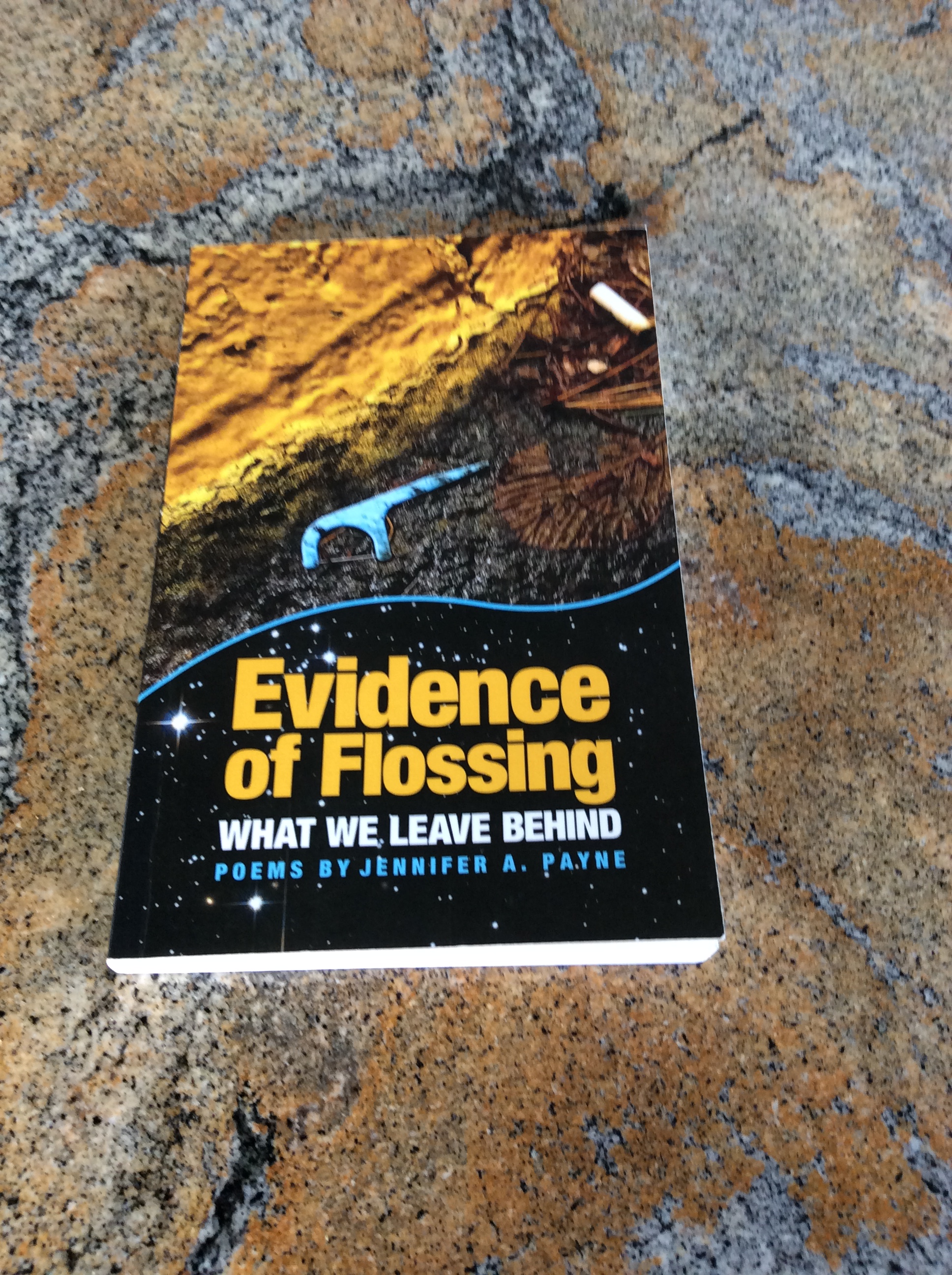
Evidence of Flossing, WHAT WE LEAVE BEHIND provides an unexpected metaphor for individual life, culture, and so much more. Nearly all the poems are accompanied with a photograph, often of trash in which lays a dental flosser (yes, one of those instruments with which you floss your teeth) with date and location.  Flossing is supposed to prevent anything from being left behind.  Hence, the title brings up an unusual play on words.

The first section Damage contains more than 20 poems which are a lament about much of modern life–mass shootings, the demise of wildlife, unpleasant changes.  One poem asks the question:  “Would God floss?”  In the second section, Contact, the poems focus on the natural world, walks in the city, the woods, beaches.  The third section, Connection, emphasizes the interconnectedness of everything, especially the relationships between humans and animals and nature.  There are poems about frogs, storms, birds.  One called Evidence of Fairies makes the reader feel the magic of old growth forests with moss and ancient trees.  In the footnote to another poem she discusses the fact that wolf spiders actually create songs to lure lovers. Then, toward the end, the Alice poems appear,  Alice as in “Alice in Wonderland”.  In my favorite poem Payne relates her encounter with a stranger picking oyster mushrooms near a path in the woods.

After reading the poems and comments in this book, I will never view flossing the same way again.  Will I find dental flossers now, something I never even previously thought about?  I use those long strings of floss not flossers.  Apparently the poems and flosser photos affected enough people that some sent Payne photos of flossers they saw here and there on the ground, some of which she has included in the book.

Even if I find no flossers, now I will certainly give a lot more thought to what I and others leave behind.


IMG_2901


About the author:  Jennifer Payne is the owner of Words by Jen, a graphic design and creative services company in Connecticut. She belongs to the Arts Council of Greater New Haven as well as several other arts and poetry organizations.  Her work has been featured in various publications, including The Aurorean, Six Sentences, and the Story Circle Network.  You can read some of her writing on her blog Random Acts of Writing.