reading,
listening to birds
the gurgling of water,
looking up to watch
four hummingbirds challenge
each other at the feeder, and
I notice I’m surrounded by flowers
and the scent of orange blossoms.


reading,
listening to birds
the gurgling of water,
looking up to watch
four hummingbirds challenge
each other at the feeder, and
I notice I’m surrounded by flowers
and the scent of orange blossoms.
There is nothing like meeting a goal while enjoying it to bring a sense of delight as well as accomplishment. I walk daily–today I arrived at day 707 without ever missing a day–looking at the flowers, visiting with all the other walkers. I live in a walking neighborhood with friendly walkers who at a minimum wave. Some stop to chat and some check on me if they have not seen me out walking in a while because of the different routes we take or different times we walk. One particular person who checks on me taught me how to make some of her native food–India. Another lady several blocks away prefers to walk with others, not alone, so if she sees me out, we join together in the company of her little dog, June, whom I have never seen actually walking. June rides in a baby carriage.
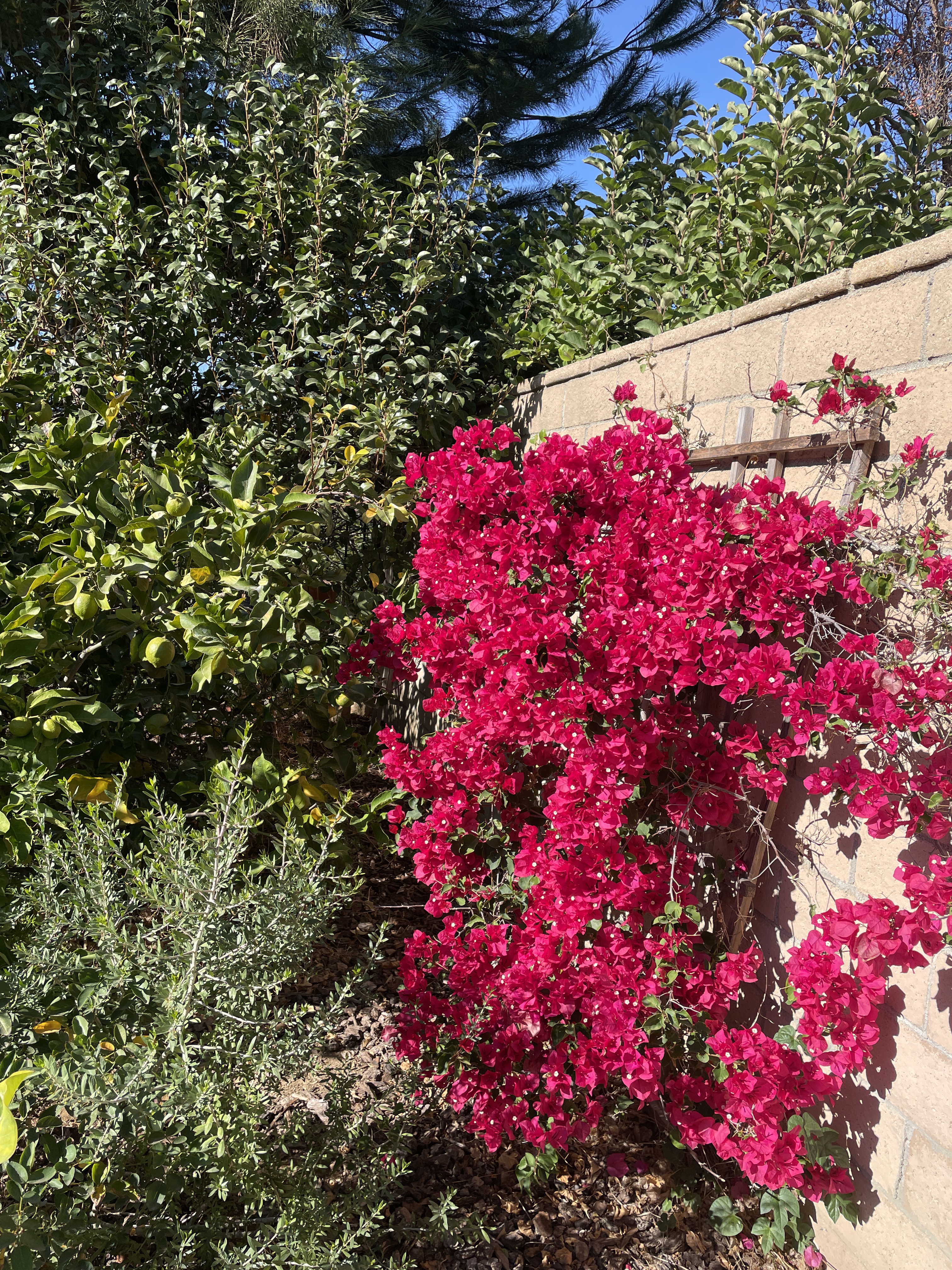
Now, as I write this, I’m enjoying another late afternoon of delight in my backyard. The hibiscus is full of ruby flowers. Freeway daisies, bright white and purple, pop up everywhere. Four different colors of bougainvillea sport their joy. One nasturtium–they are popping in places I never even planted–is sporting the same color of ruby as the hibiscus. The lemon tree is full of almost ripe lemons some of which I have promised to friends and neighbors. One woman cannot eat all these lemons. Meanwhile, I listen to different birds singing their varied songs and to the gurgle of the water fountain by the Nile Blue French doors and watch the hummingbird who is watching me.
I feel grateful to be surrounded in beauty and quiet joy.
gurgling water
redwoods sighing
peace

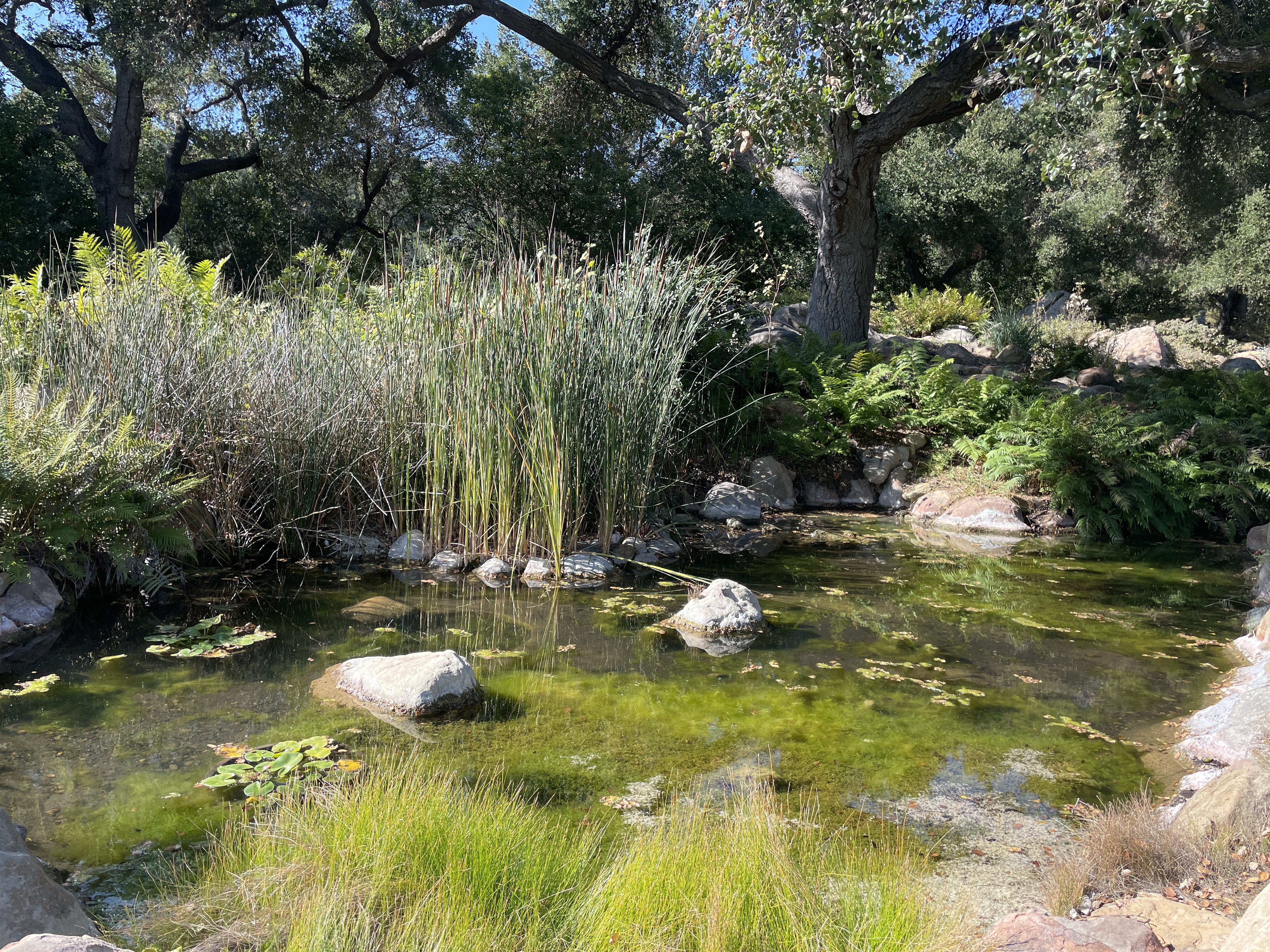

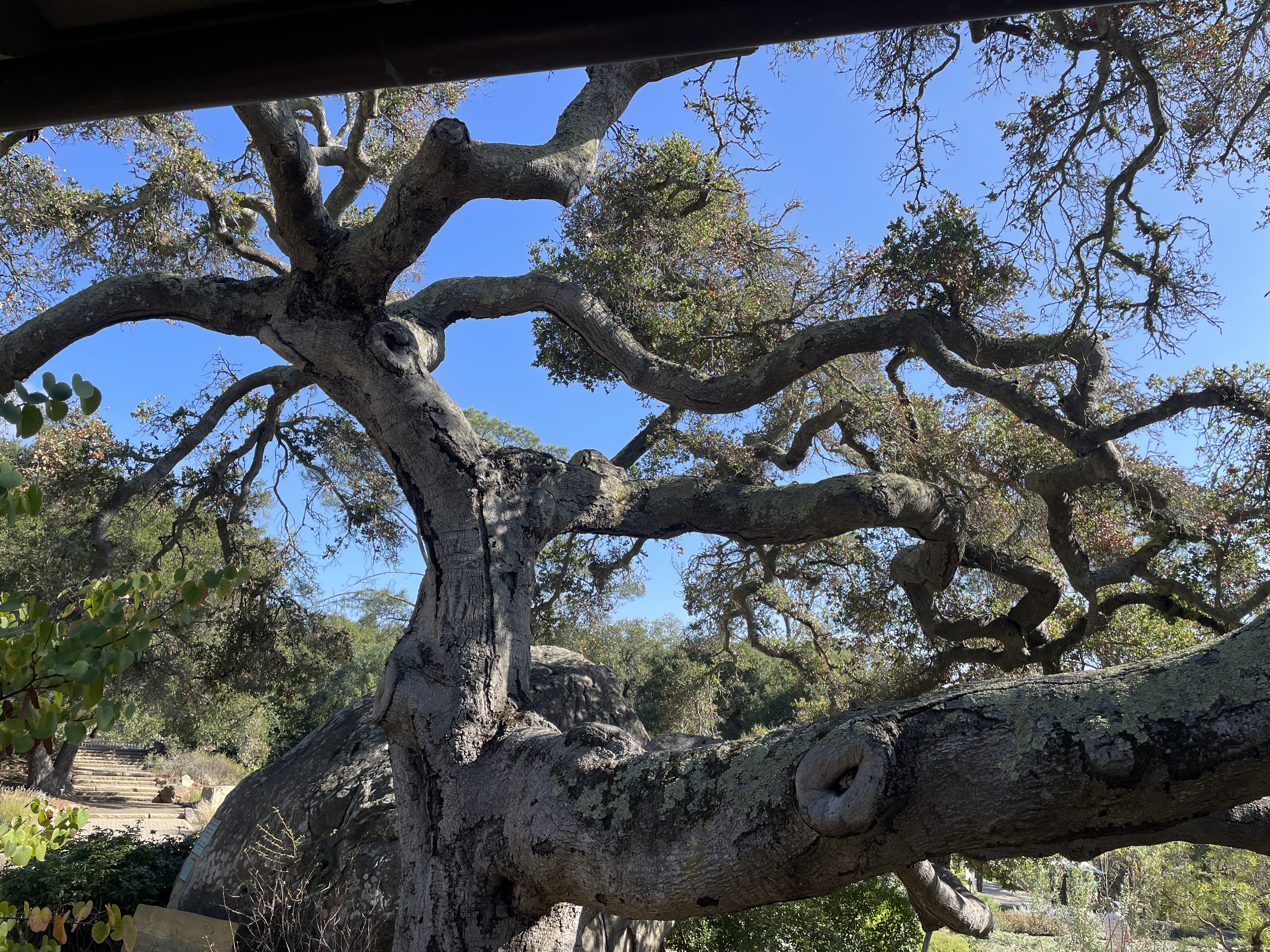
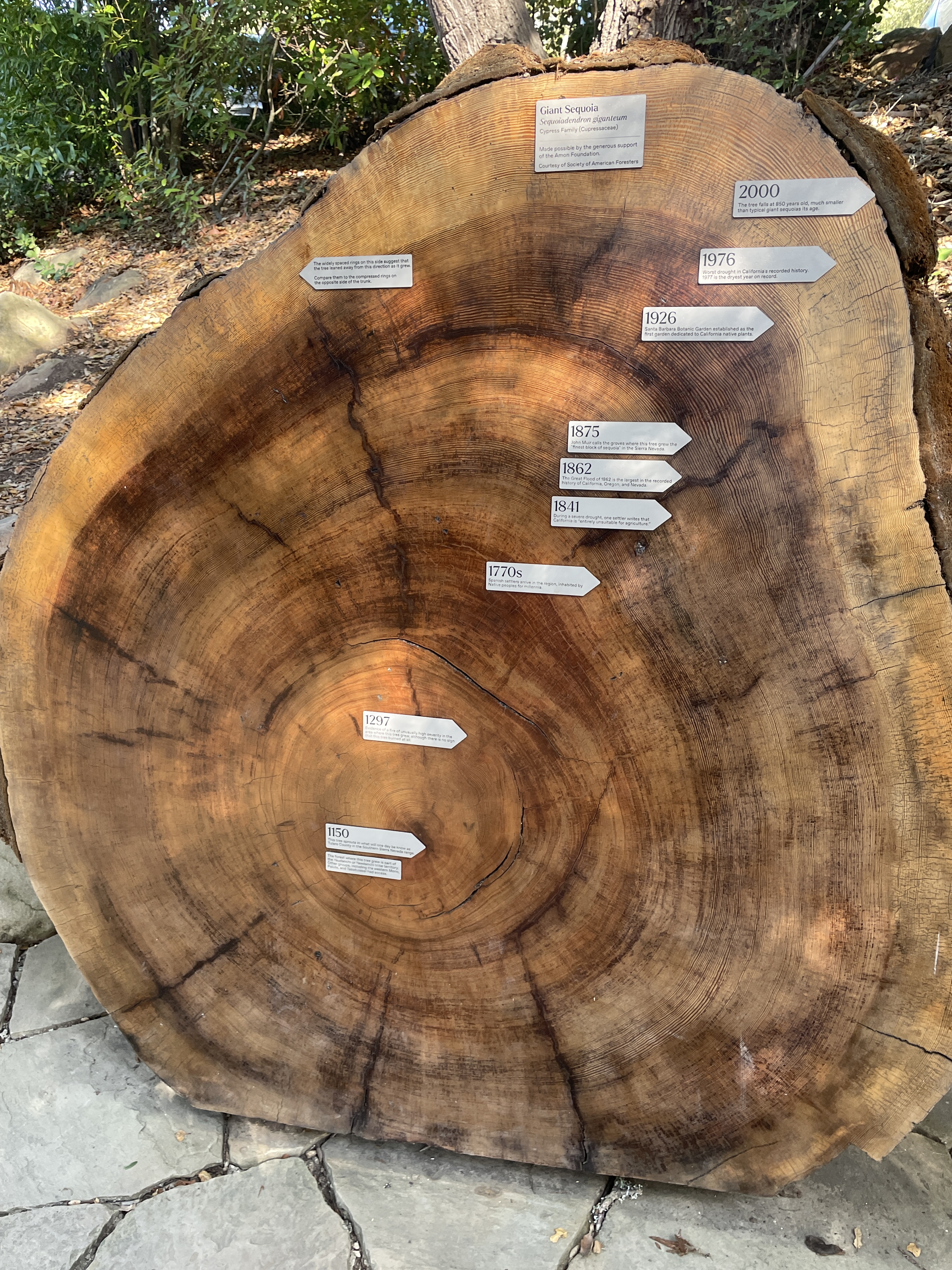


Note: All the plants in this 78 acre garden are native to the area including the coastal redwoods.
Breezes caress
Scents of jasmine, roses
Rainbow colors
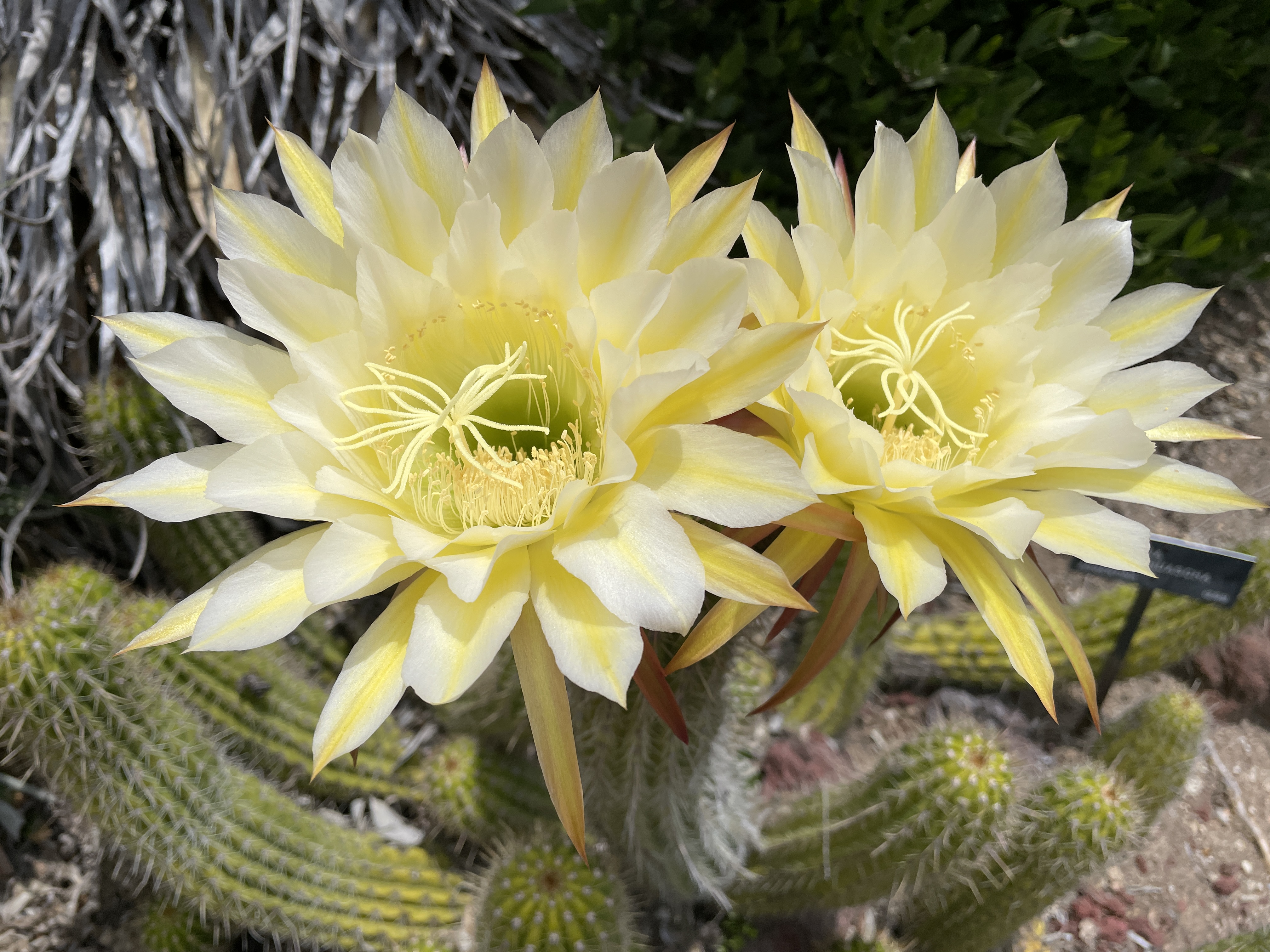


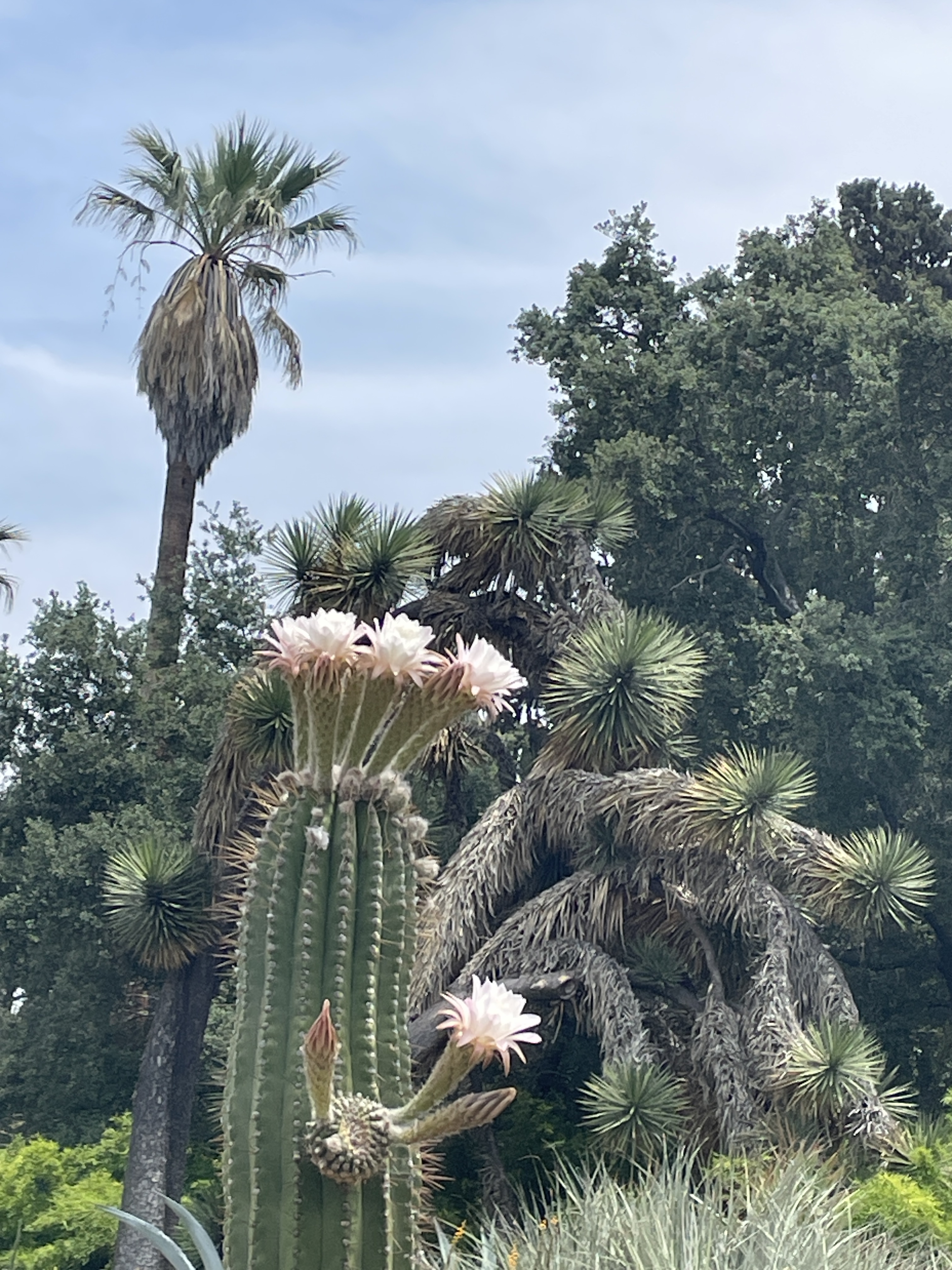

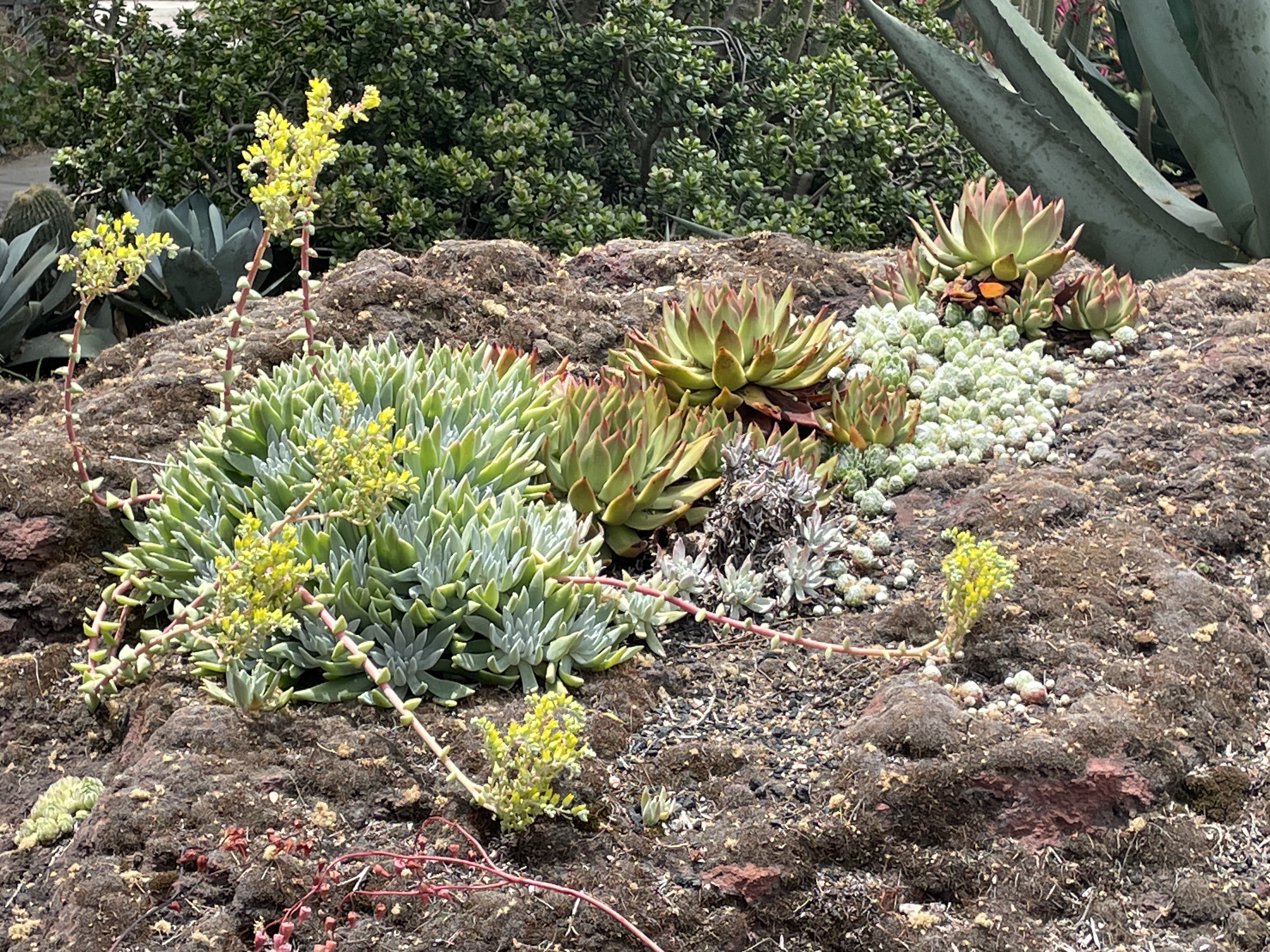
These are growing on a large rock.


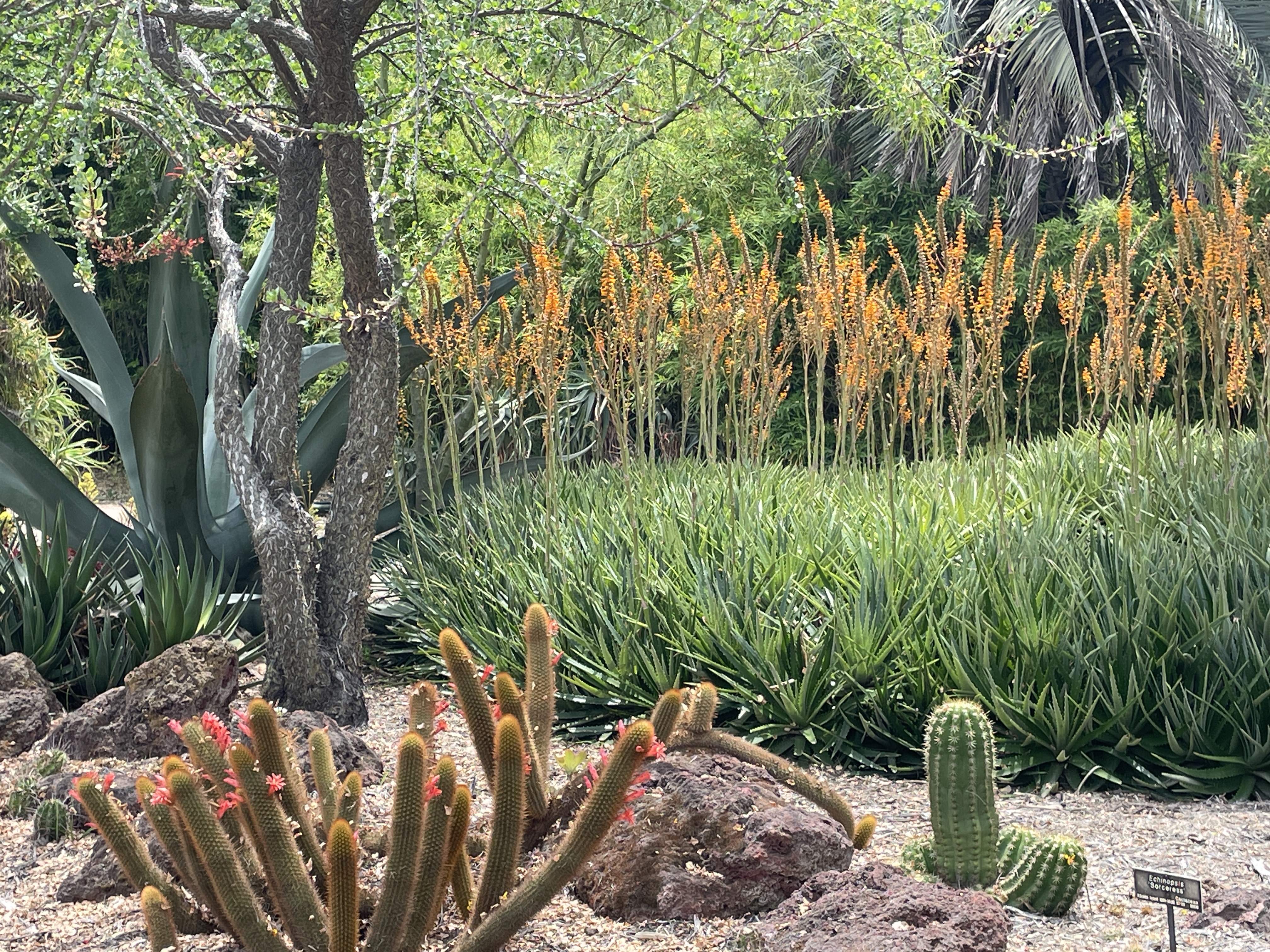
Imagine a world full of roses.


Taste the honey on your tongue
avocado, dark brown
clover, golden
so many shades, textures
sweetness
pleasure
Feel the breeze caress your cheeks
bringing scents
honeysuckle
lilacs
peach blossoms
pleasure
Touch the silken fabric of your scarf
wind softness around you
midnight and snow
rainbows
desert sunsets
pleasure
Listen to the birds outside your window
mockingbird love songs
a rapture’s scream
the whir of hummingbird wings
emerald, indigo, grey
pleasure
Look at flowers blooming everywhere
crimson bougainvillea
roses, sunshine colors
pale pink, vermillion
beauty
pleasure
Sing a song of Gratitude
I am a bit behind so decided to share three poems I wrote more than ten years ago about my favorite animal obsession, pumas. These poems were first published in my poetry memoir, On the Rim of Wonder, which is available on Amazon and Barnes and Noble.
I
My neighbor walked out her door
found a puma lying in the lawn.
Puma rose, stretched, disappeared.
At night when I open my gate
I wonder if she lurks
behind the cedar trees,
Pounce ready.
My daughter dreams puma dreams:
a puma chases her up a tree.
There are no trees here big enough to climb.
A Zuni puma fetish guards my sleep.
I run with puma
Night wild
Free.
I scream and howl
Moonstruck
Bloodborn.
I hike the canyon,
stroll around my house,
look for puma tracks.
I see none.
I would rather die by puma
than in a car wreck.
II
I watch for eyes, blue changing to amber and back.
I put my palm, fingers stretched to measure, into the footprint.
Too small, bobcat.
No puma.
My thin body squeezes between the rocks,
climbing quietly down the cliff.
Watching, listening, searching.
No puma.
Pale amber rushes across my vision line.
My heart quakes.
I watch; I wait.
It is Isabella, a golden whir chasing rabbits.
No puma.
At sunrise, I walk the rim,
watching.
At sunset, I walk the rim,
waiting.
At night, I walk the rim,
dreaming.
No puma, not yet.
III
I want
to walk
with you
in my dreams
scream your screams
feel your blood
rushing
your heartbeat
mine
soft golden fur
wound in my hair
your amber eyes
glowing
through my brown
death defying
together walking
moonlit
wild
free

Note: My puma obsession continues. This painting and several others of pumas hang in my house. I now have two puma Zuni fetishes. I hike in the mountains hoping to see one in the wild.
This morning snow capped mountains
brought me joy.
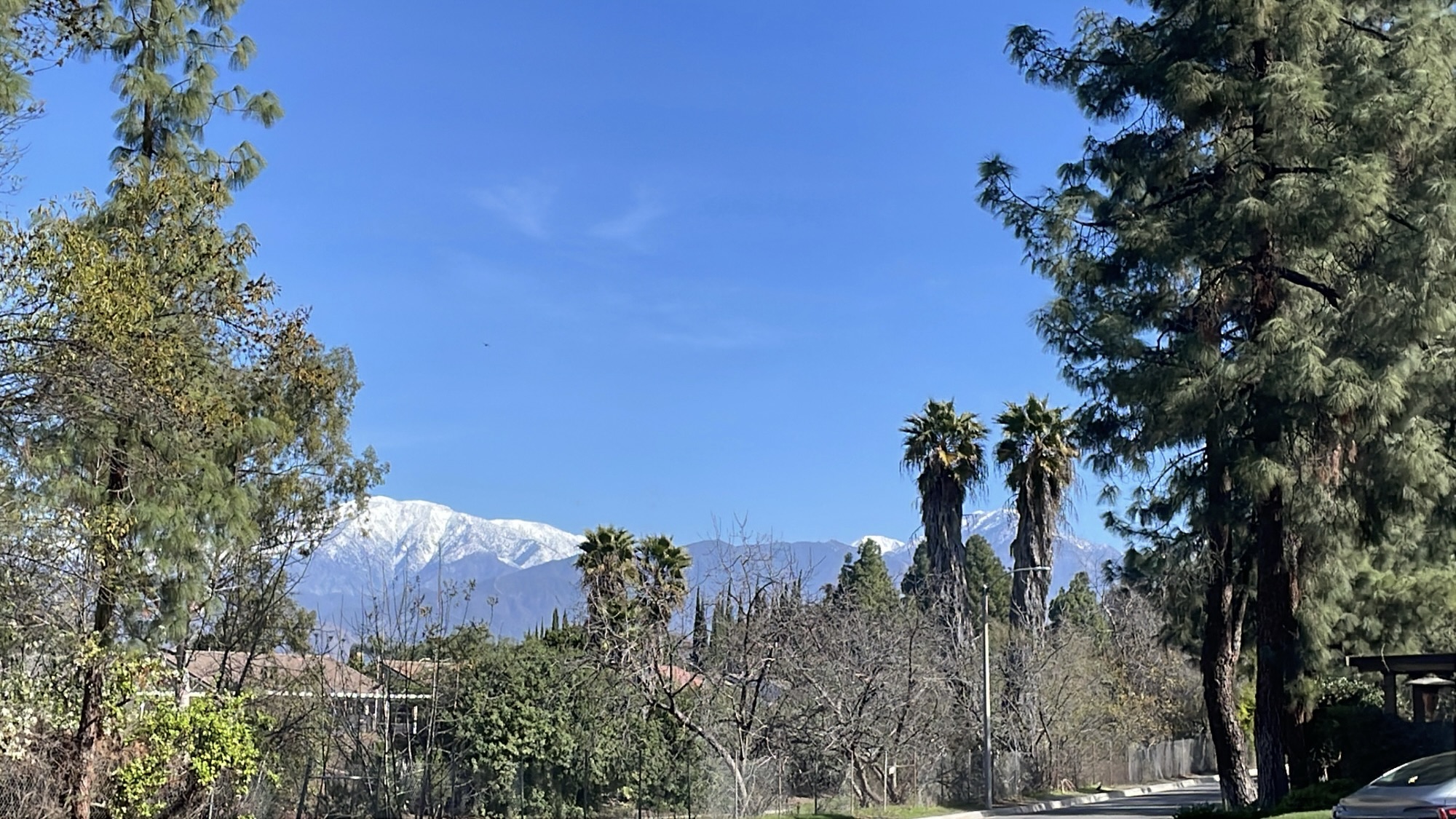
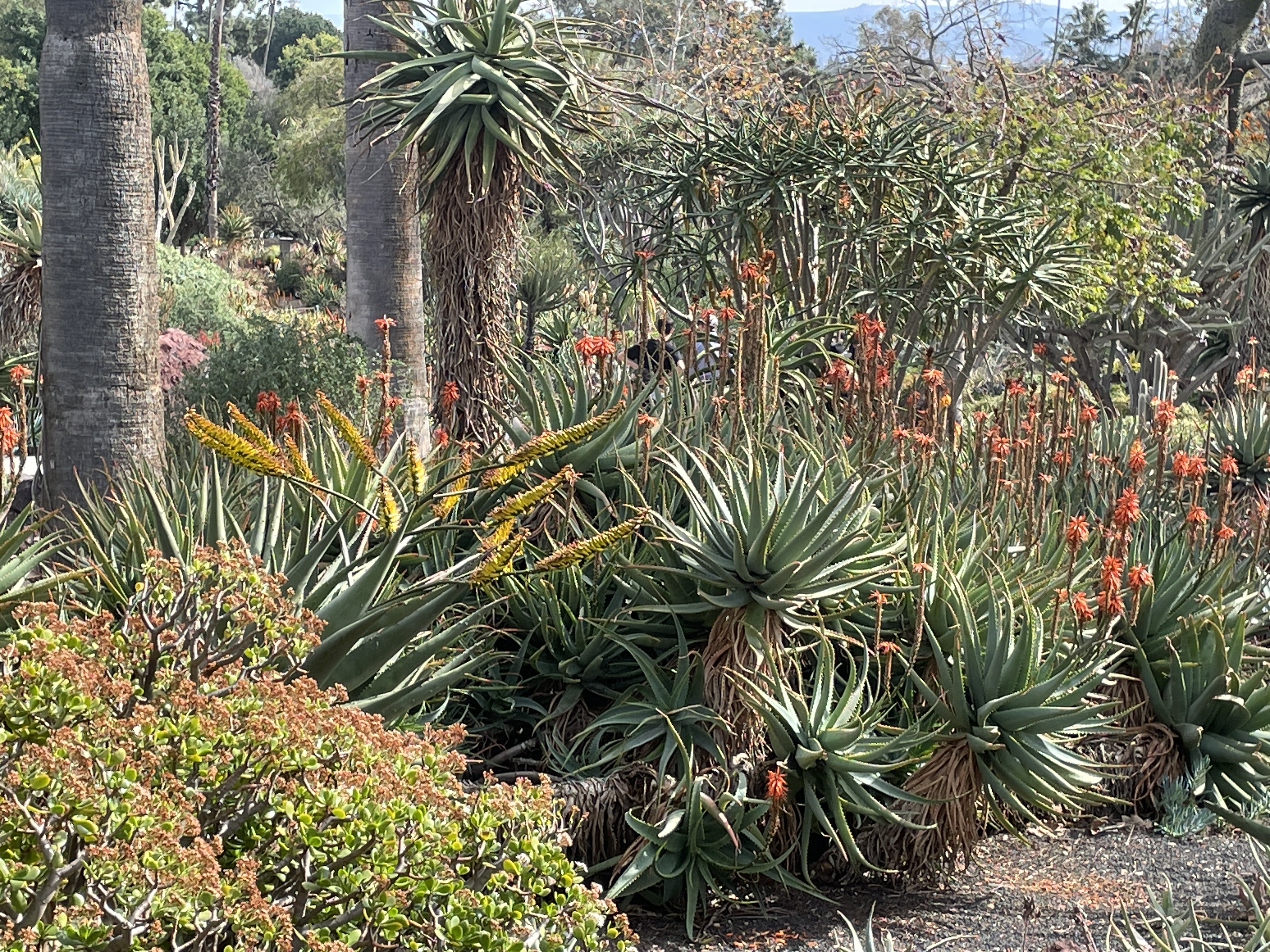
In afternoon I
strolled through gardens,
lunched with daughter near gurgling streams.
Flowers smiled at me,

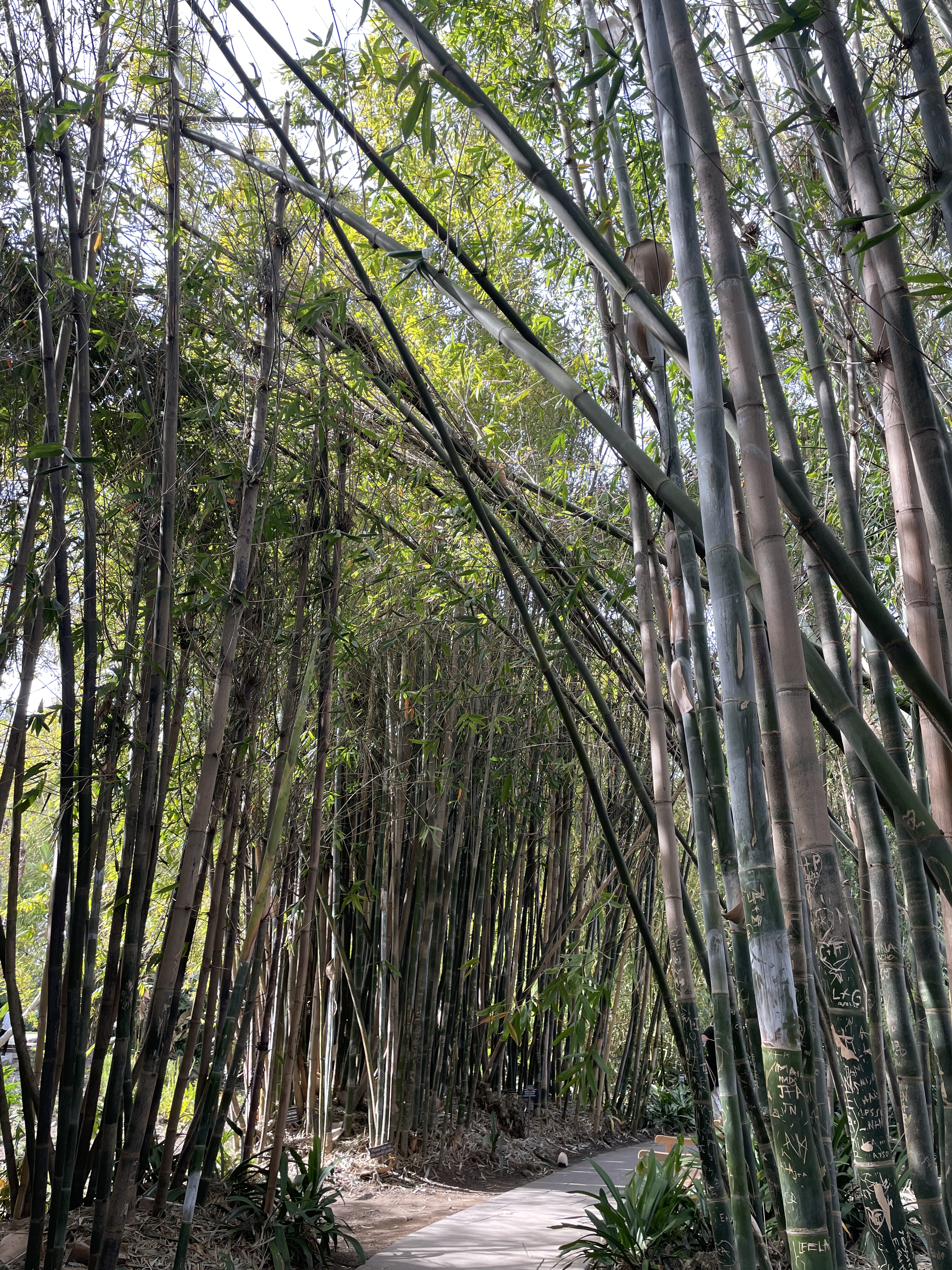
A bamboo forest beckoned.
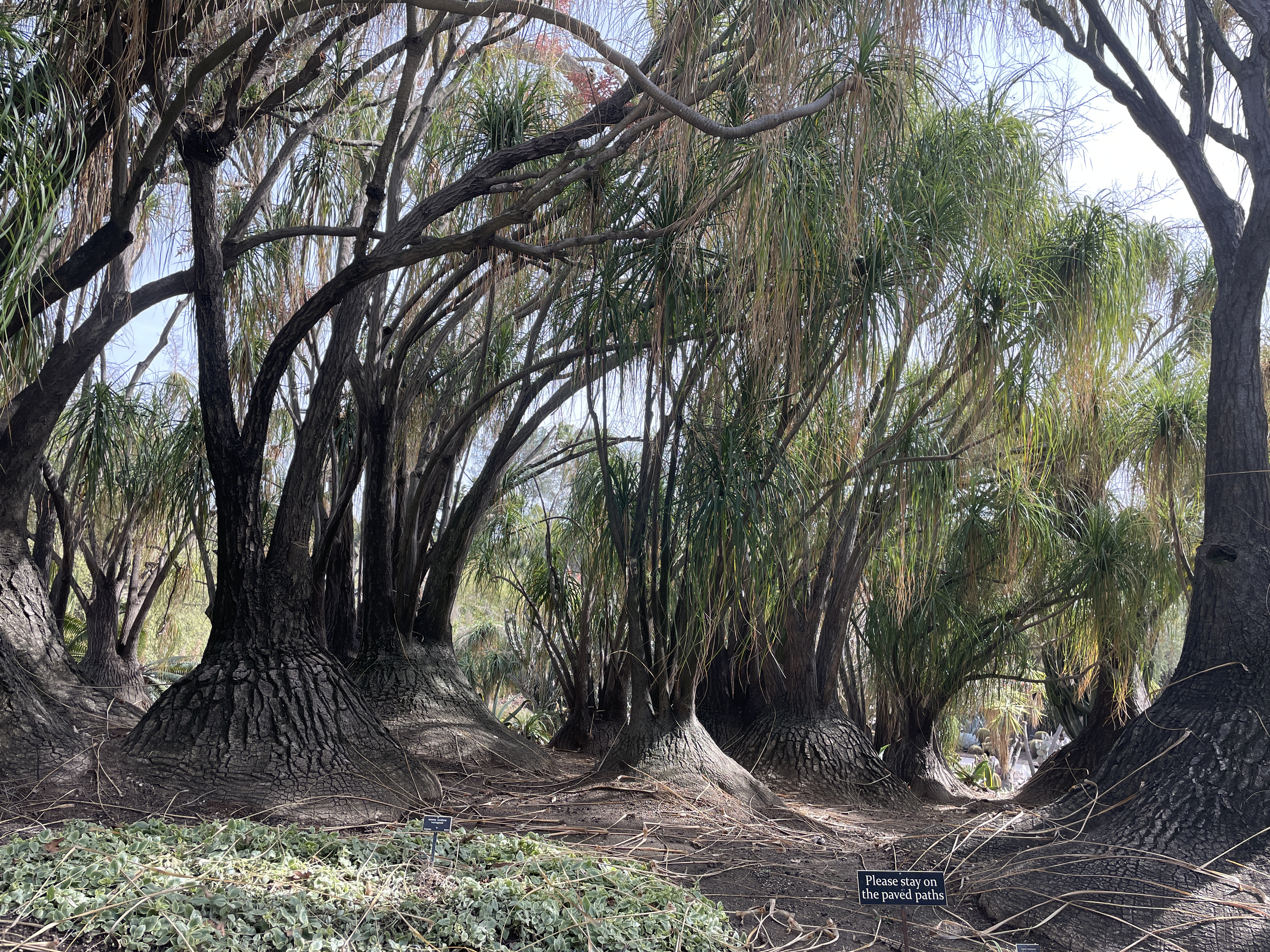
Nature’s beauty overcame negativity, despair.
We will
Endure
Overcome.


This book is part of a group read at the church where I sing. Classified as science fiction because it occurs in a society on the moon of a different planet far into the future, it is the cheeriest science fiction I have ever read. One of the main characters, Sibling Dex, is a tea monk who travels from town to town, village to village, dispensing the right herbal tea and “advice” to the people who come to see him. He becomes frustrated and bored with this life and decides to head out into the countryside, out into the untouched nature where all the old roads are overgrown or now non-existent.
Due to past experiences, these humans have freed all the robots after they became sentient, and they have an agreement as to where each lives. In addition, humans have decided to live very differently, leave a lot of nature to nature and so live only in certain areas, in bigger towns and small villages with some nature here and there, but most of nature is now untouched and left to do whatever nature does.
Dex heads out in his tea house wagon which he pedals to generate electricity. It is self containing and he has everything he needs for at least two weeks. At one campsite not too far into the wilderness, a robot named Mosscap appears. Mosscap has volunteered to go into human territory per the ancient agreement between humans and robots and learn about humans. Dex finds this a mixture of frightening, intriguing, and confusing. Yet he agrees to allow Mosscap to accompany him on his adventure. The rest of the book is about what they discover, what they learn from each other, and the future they plan.

Tis the season to…
Feel joy when the morning
sun caresses your face;
Laugh when you hear
children playing in the
street;
Give thanks for being alive,
having friends and family;
Walk down your street or
take a hike, touch a flower,
a tree and appreciate nature’s
simple bounties;
Remember the time your
loved one took your face
in gentle hands and smiled;
Give the gift of kindness,
peace, and compassion to everyone,
strangers, friends, family,
the unknown;
Promise yourself to live your
best self in the year to come,
to never forget that life
is a gift.
Travel the World 4 Less
A Glimpse into My Life & Passions
Ceto-Magoism, the Whale-guided Way of WE in S/HE
Exploring the F-word in religion at the intersection of scholarship, activism, and community.
ANCESTRAL FOOD. HERBAL WISDOM. MAGICAL COOKERY. SEASONAL CELEBRATION.
inesemjphotography
politics, engineering, parenting, relevant things over coffee.
Food is the best expression of every emotion. Explore through my reviews, recipes, events and more.
Smile! A Site for Friends Wherever You Are!
inspiring personal growth through poetry and writing
Combining atheism with whimsy. This is a Fair and Balanced blog based on opinion unencumbered by fact.
Odds and ends ~ My Life
Original poetry, commentary, and fiction. All copyrights reserved.
bripike@gmail.com
A wildlife filmmaker in Africa
A Geeky Feminist's Musings On Pop Culture
"5 minute walks"
 writingontherim