Book 34 for 2026: “Forgotten”, Raja Shehadeh and Penny Johnson


The subtitle is “Searching for Palestine’s Hidden Places and Lost Memorials”. Published in 2025, the book follows the authors’ travels from their home in Ramallah in the West Bank in search of ancient buildings, churches, grave memorials, etc. For those who find it difficult to picture the location of Israel, Gaza, West Bank, etc. there is a detailed map at the beginning of the book.

The memorials they find vary from that for three Egyptian soldiers who died in the 1967 war to buried famous poets. They discover the remains of the wall that surrounded the great Bronze Age city of Tell Balata and a sophisticated water system from a Bronze and Iron Age city. In many cases these places are hidden among modern Israeli buildings or appear to be a bunch of rubble at first. Usually, they manage to find these places with the help of older locals.They find the tombs of saints, a Greek Orthodox monastery that had to be rebuilt, the remains of a deserted mosque destroyed by Israelis–all that is left is the minaret, the ruins of many ancient Palestinian villages that over time have been destroyed by the Israelis. In some cases ruins from the BC era have been built over with malls and parks, including one that is now under the Palestine Television Tower.

One thing they noted that has nothing to do with buildings or ruins is how the Dead Sea is becoming smaller and smaller due to excessive irrigation for crops farmed by kibbutzes. The Jordan River feeds into the Dead Sea and its level has gone down for the same reason. Drought and irrigation has increased the need for water for crops. The authors question the longterm sustainability of these irrigation methods. As I read this I thought of all the irrigation in the West of the US, the low water flow of the Colorado River, and how the Western US is facing some of the same issues.

In the footprints of Machig Lapdron by Mary Sharratt


Reblogged because I found this to be a fascinating adventure plus love the art.

Mary Sharratt's avatarFeminism and Religion

Machig Labdrön with PadampasangyeMachig Lapdron, female Tantric Buddhist mystic and lineage founder
I’ve just returned from an illuminating trip to Bhutan, high in the Himalayas. Bhutan is a Buddhist kingdom and the world’s youngest democracy.

On our last full day in this enchanting land, my husband and I drove with our guide over the nearly 4000 meter pass of Chelela and into the Haa Valley which doesn’t see that many tourists. Our goal was the Hermitage of Juneydrak, where Machig Lapdron (1055-1145 CE), the famous female Tantric mystic, master, and lineage founder, once meditated.

View original post 910 more words

My Ethiopian Adventure: the Monasteries of Lake Tana


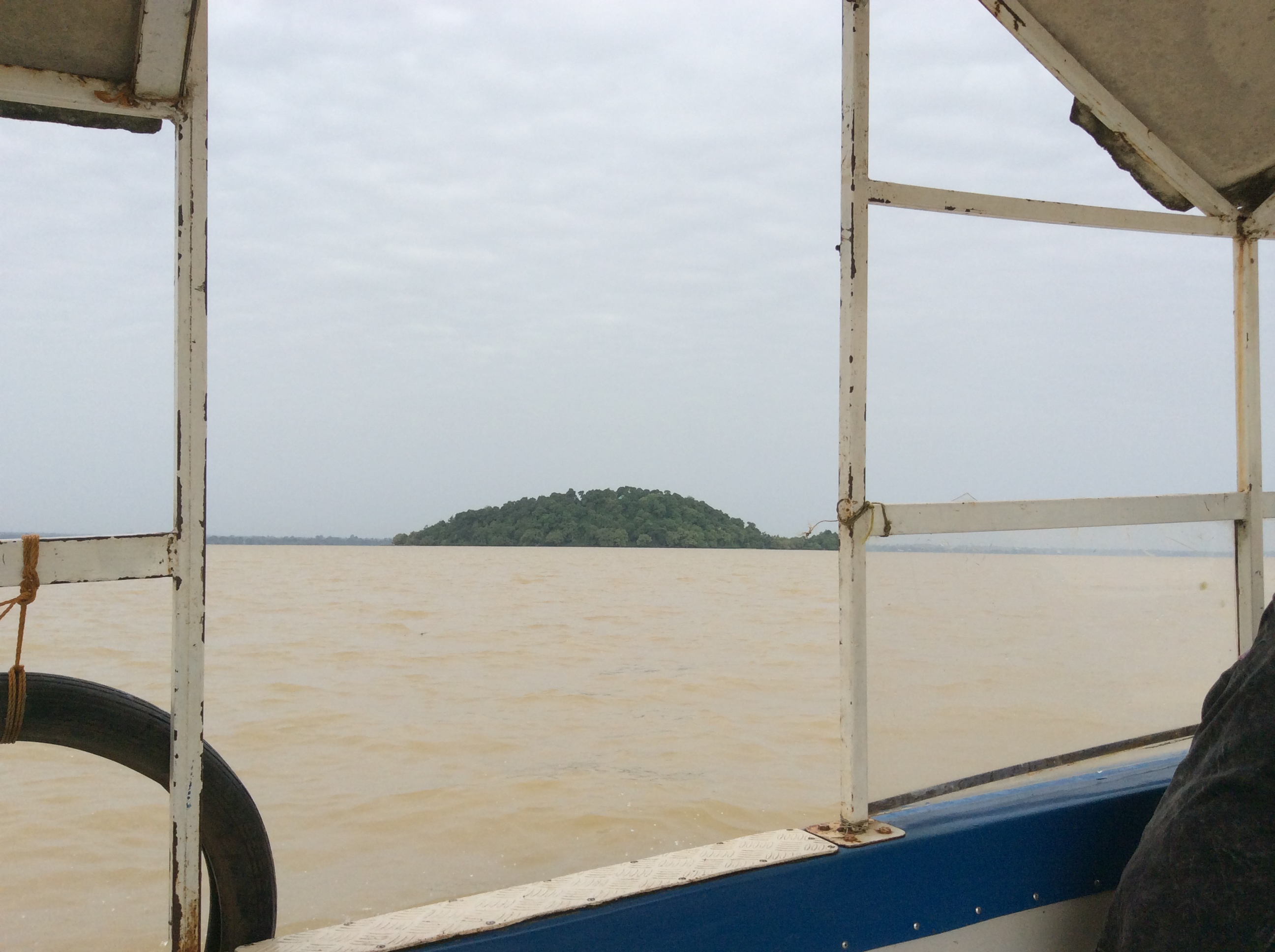
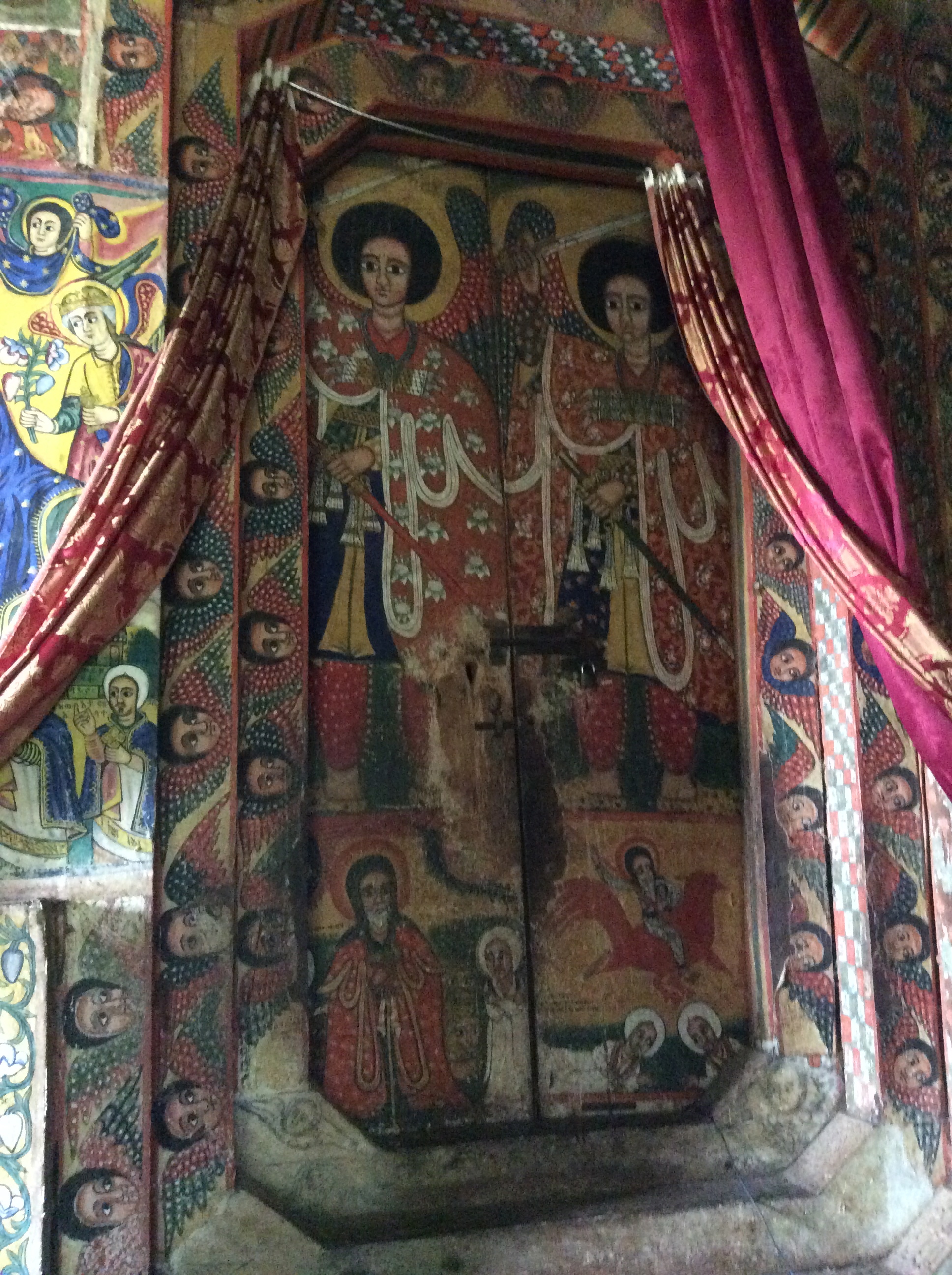
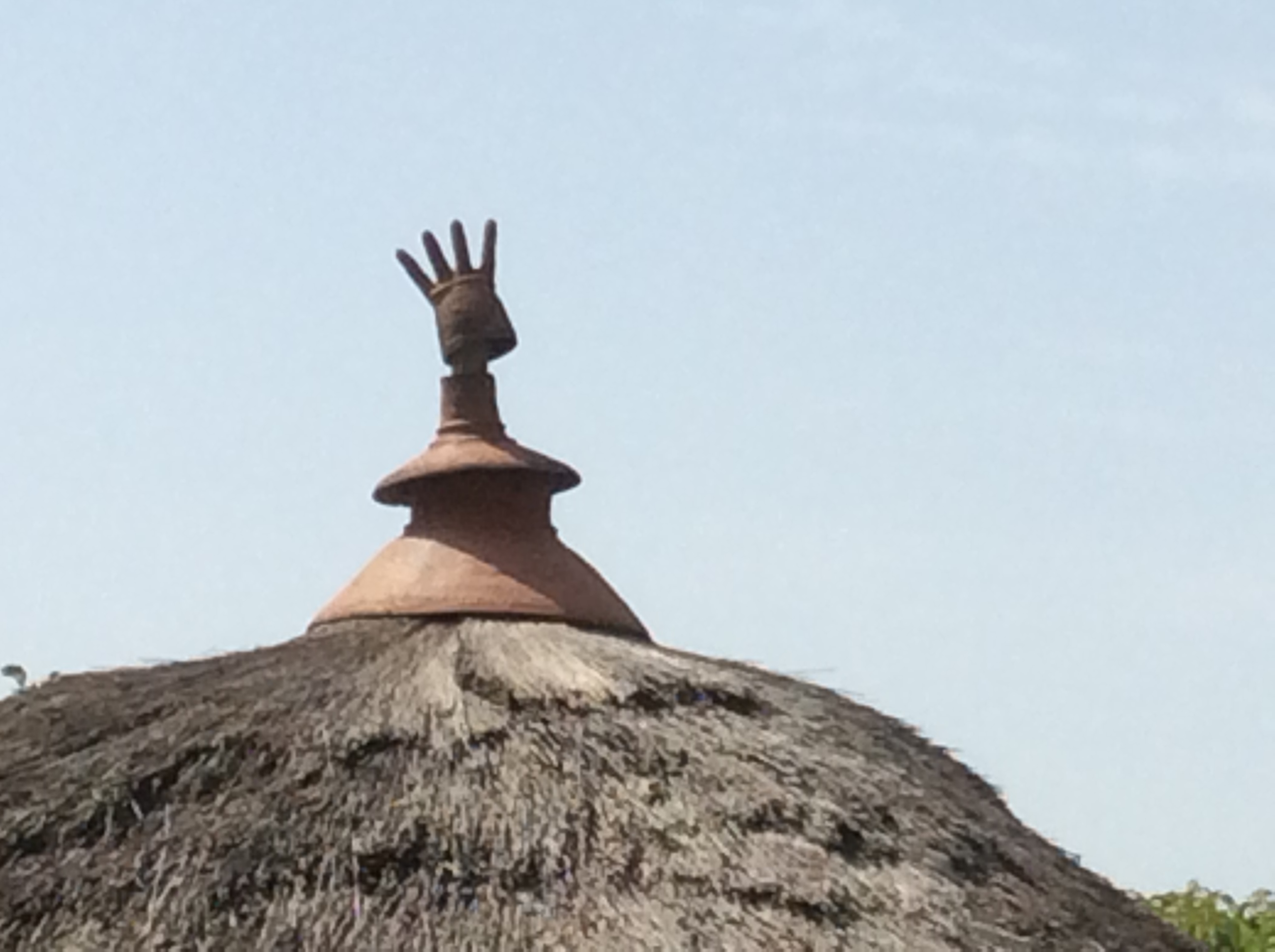
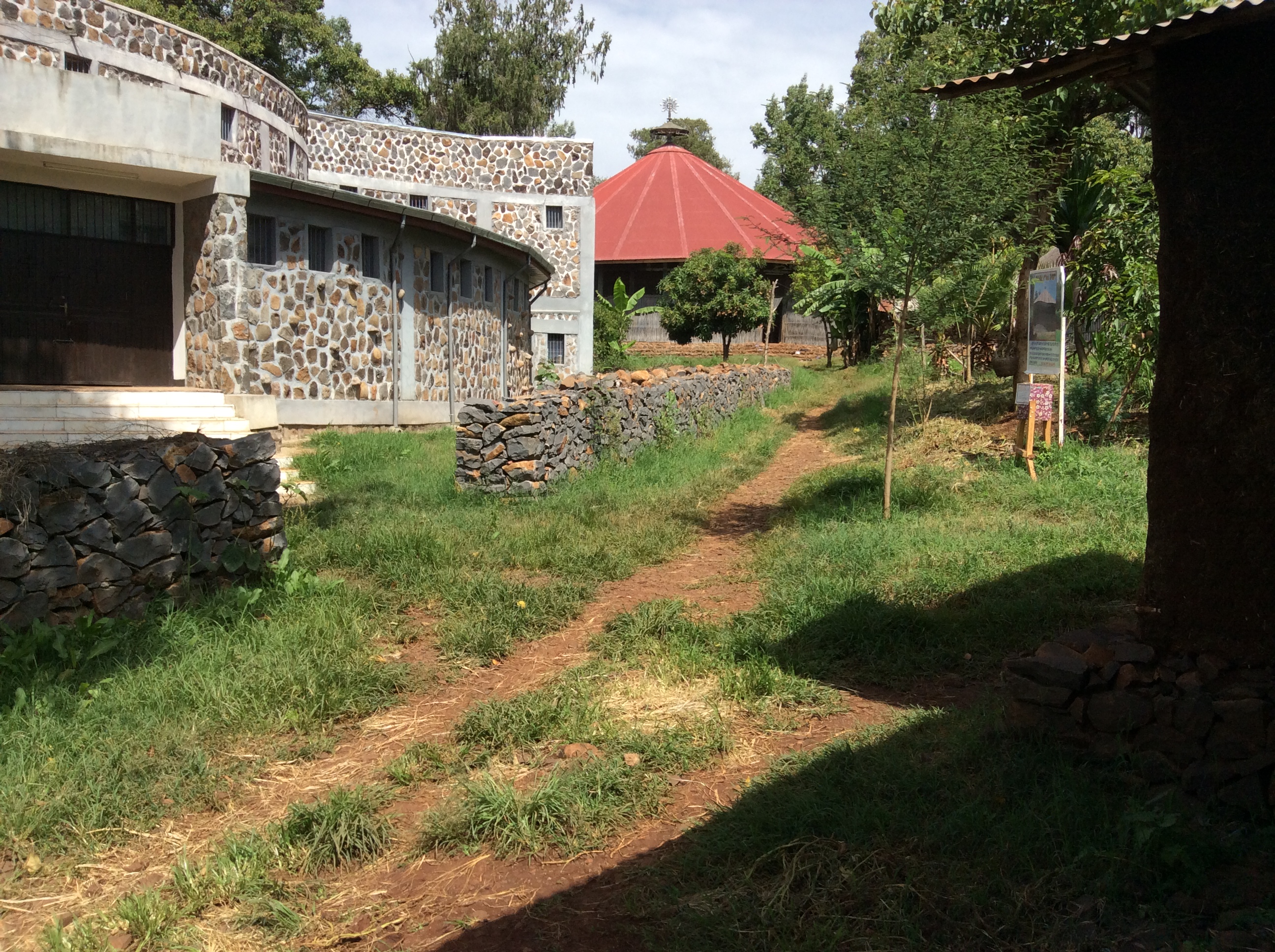
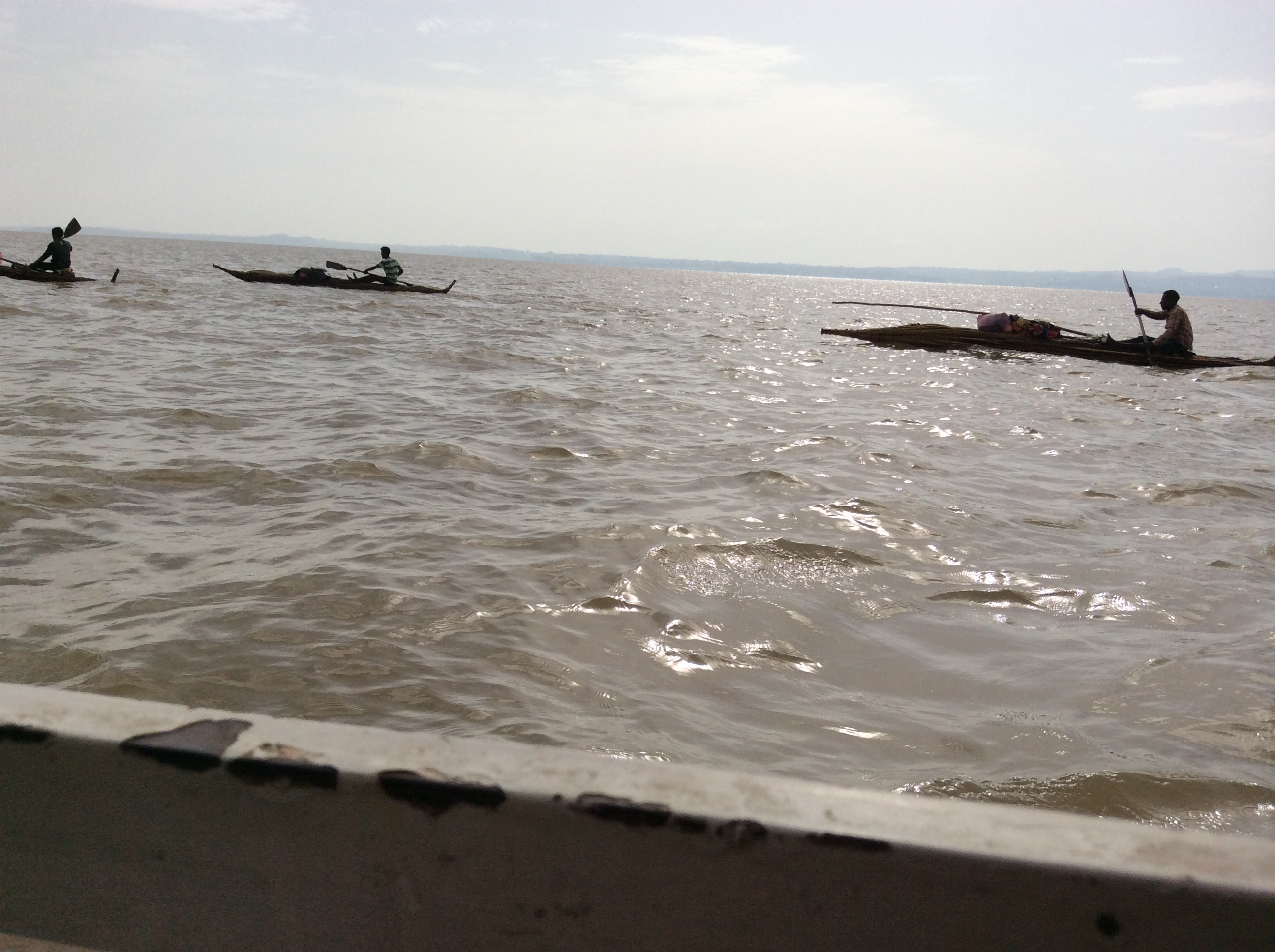
Of the 37 islands on Lake Tana, 20 shelter churches and monasteries, very old monasteries, many of which remain in use today.  While some are closed totally to women, we visited Ura Kidane Mihret with no problem.  It is part of a larger complex, the Convent of Mercy founded in the 14th century.  Various buildings date from that era to more recent times.  To reach the monastery you have to climb in a boat and ride across Lake Tana to the Zege Penisula.  We boarded our small boat at the far end of this garden at the hotel–there were four of us and the helmsman–and headed across the lake. IMG_0809 On the way we passed a number of fishermen paddling their papyrus boats. IMG_0817 We also sailed past a couple of islands like this one where one monk lives alone.  On another island lives a priest.  Women are not allowed except on one, just at the edge near the dock.  We did not go there. IMG_0818 Once you arrive at the dock you hike up a hill past various vendors selling everything from religious paintings to hand woven scarves. IMG_0820 This young man used all natural materials to paint small replicas of the paintings found in the monastery itself.  In retrospect I wish I had purchased at least one; I never saw anything quite like them again. Like most religious buildings in Ethiopia, all the buildings in this complex are round.  The only place in Ethiopia where I saw rectangular churches was in Lalibela. IMG_0821 Every piece of space on the interior walls is painted with religious scenes from the Bible and Ethiopian religious history.  The current paintings date from 100-250 years ago when, as the paint began to deteriorate, they used a special process to repaint them.   This particular monastery is noted for these incredible paintings. IMG_0822 IMG_0824 IMG_0826 IMG_0827 The tops of all the buildings are adorned with different symbols for peace.  Sometimes they also represent the disciples of Jesus as well or other religious symbolism. IMG_0829   IMG_0830 A new visitor center remains under construction; it seemed nearly complete. IMG_0831 The visitor center is the rock building on the left, the monastery the building in the rear. IMG_0832 On the path back to the boat dock vendors sell scarves and jewelry.  I bought several scarves, one of which was totally different from any I saw anywhere else.  If I had only known just how unique it would be, I would have bought the other one–she had only two.  These scarves are hand loomed and in some cases the yarn is also hand spun. IMG_0833 Finally, back near the dock we stopped for coffee, indulging ourselves in the totally Ethiopian experience of their coffee ceremony.  You have not truly sipped coffee until you participate in one of these.  There is nothing anywhere quite like it. IMG_0836