Weekend Trip to Northern Baja


This past weekend I headed to Mexicali in Northern Baja to visit the town of San Felipe and see a new development about an hour south of there. San Felipe is a small fishing town of approximately 20,000 people where there are no fast food restaurants and no Starbucks. Excellent restaurants and good coffee can be found but not at the places mentioned above. They do not exist there. The town of San Felipe has a long boardwalk right along the Sea of Cortez with restaurants across the street. This past weekend they were holding a ceviche contest and fiesta on a cross street. This is shrimp season and the city is known for its shrimp. Unlike the Pacific side of Baja, there is no large commercial fishing allowed in this part of the Sea of Cortez because it contains many endangered fish and the place where whales come to mate. Locals can fish and you see smaller fishing and shrimp boats in the sea. Not only is the Sea of Cortez protected but so are the plants and animals in the desert. Certain plants, like ironwood trees, are ancient and rare. If you want to build a road, it has to be around them. Many other species are also protected.

Unlike the Pacific side of Baja, the water in San Felipe is safe to drink from the tap. It comes from an aquifer up in the mountains to the west.

We spent most of Sunday at the new green development (it is totally off grid) called Rancho Costa Verde. Solar is used for power and each house has a large underground water tank where water comes from an aquifer up in the mountains. This is a newer development so although many of the lots are already sold, except for beachfront, many houses are just now under construction.

This is a very modern beachfront property with marble floors and a glass wall facing the Sea of Cortez.
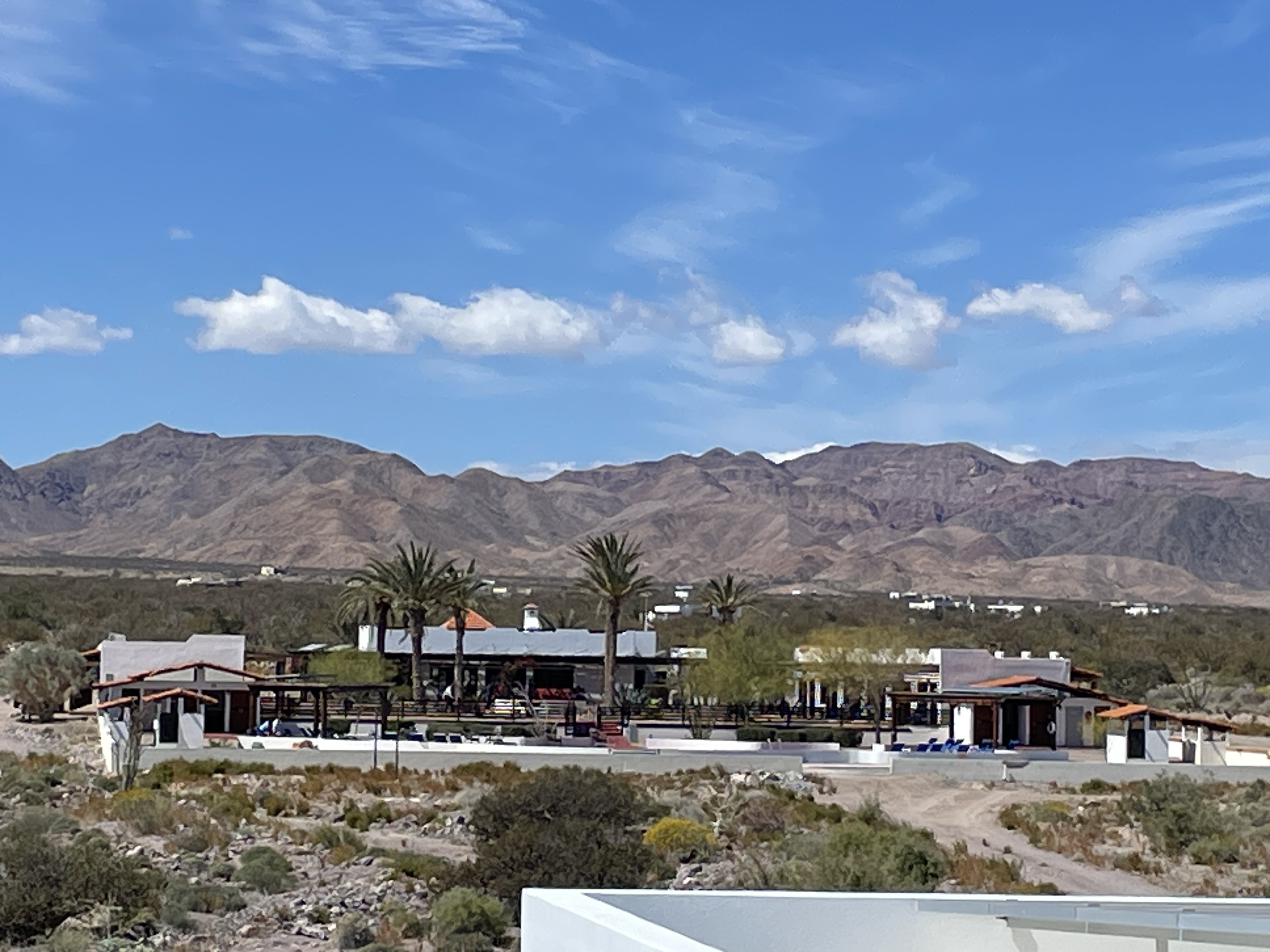
This photo is of the clubhouse and looking the opposite direction toward the mountains. Here I am standing on the roof of the house in the previous photo.

Here I am in front of the pool in front of the clubhouse facing the Sea of Cortez. The house in the first picture is on the left in the distance.

This is desert land where even though it can get hot in summer, the sea breeze keeps it relatively cool.
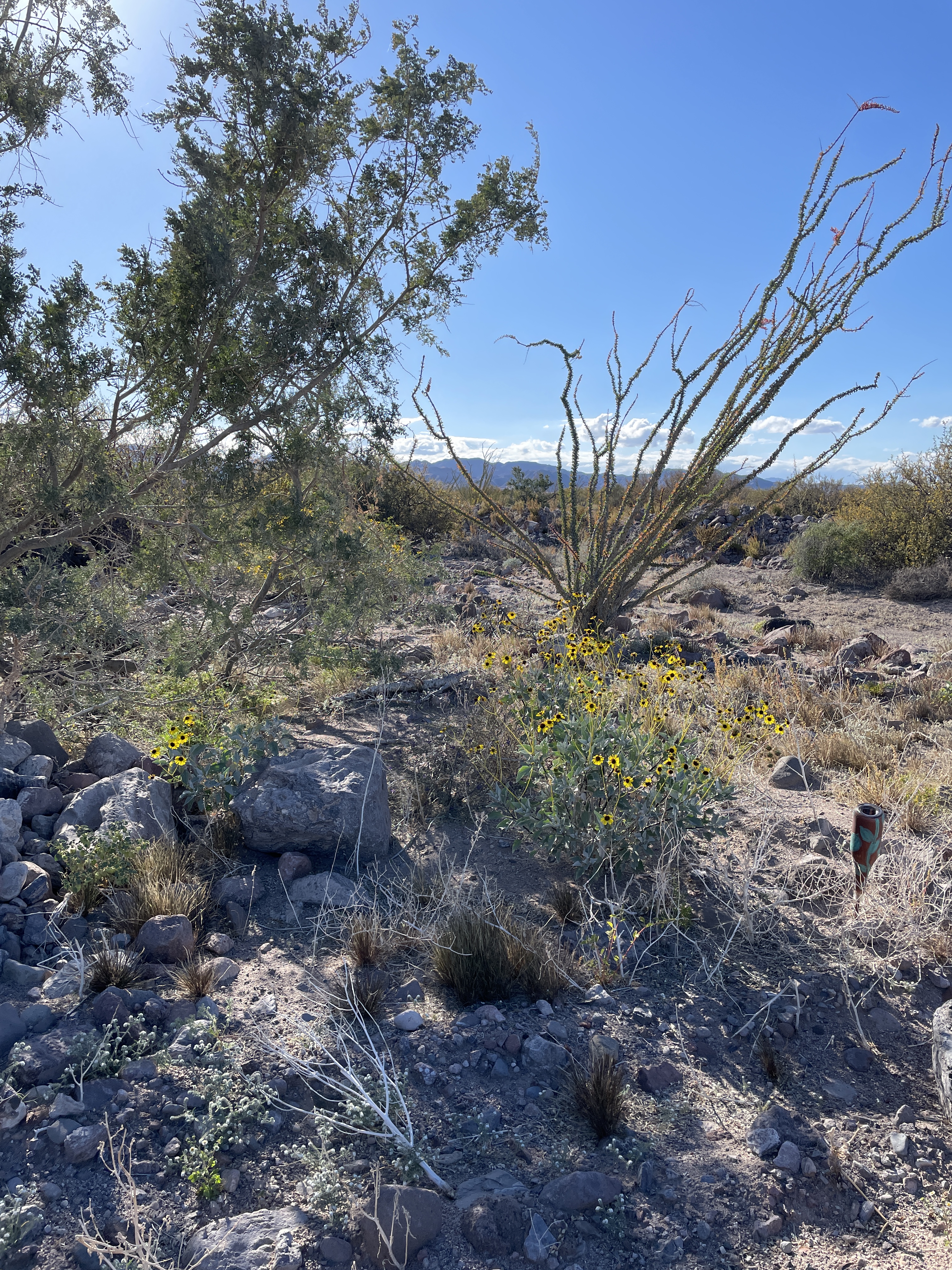
The plant on the right is ocotillo which is protected. If you are building a house and it is in the way, you have to move it elsewhere. You cannot just get rid of it.

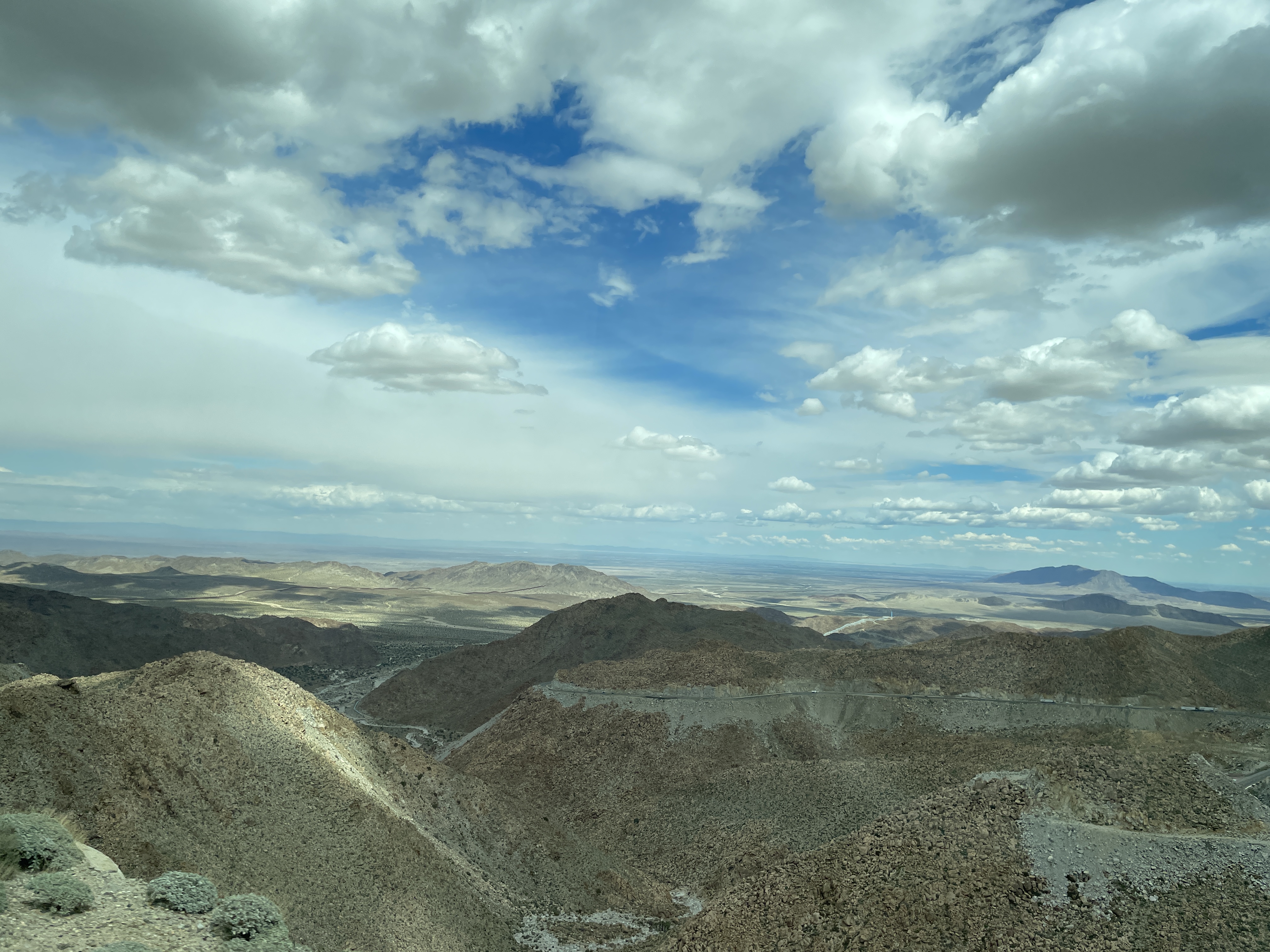
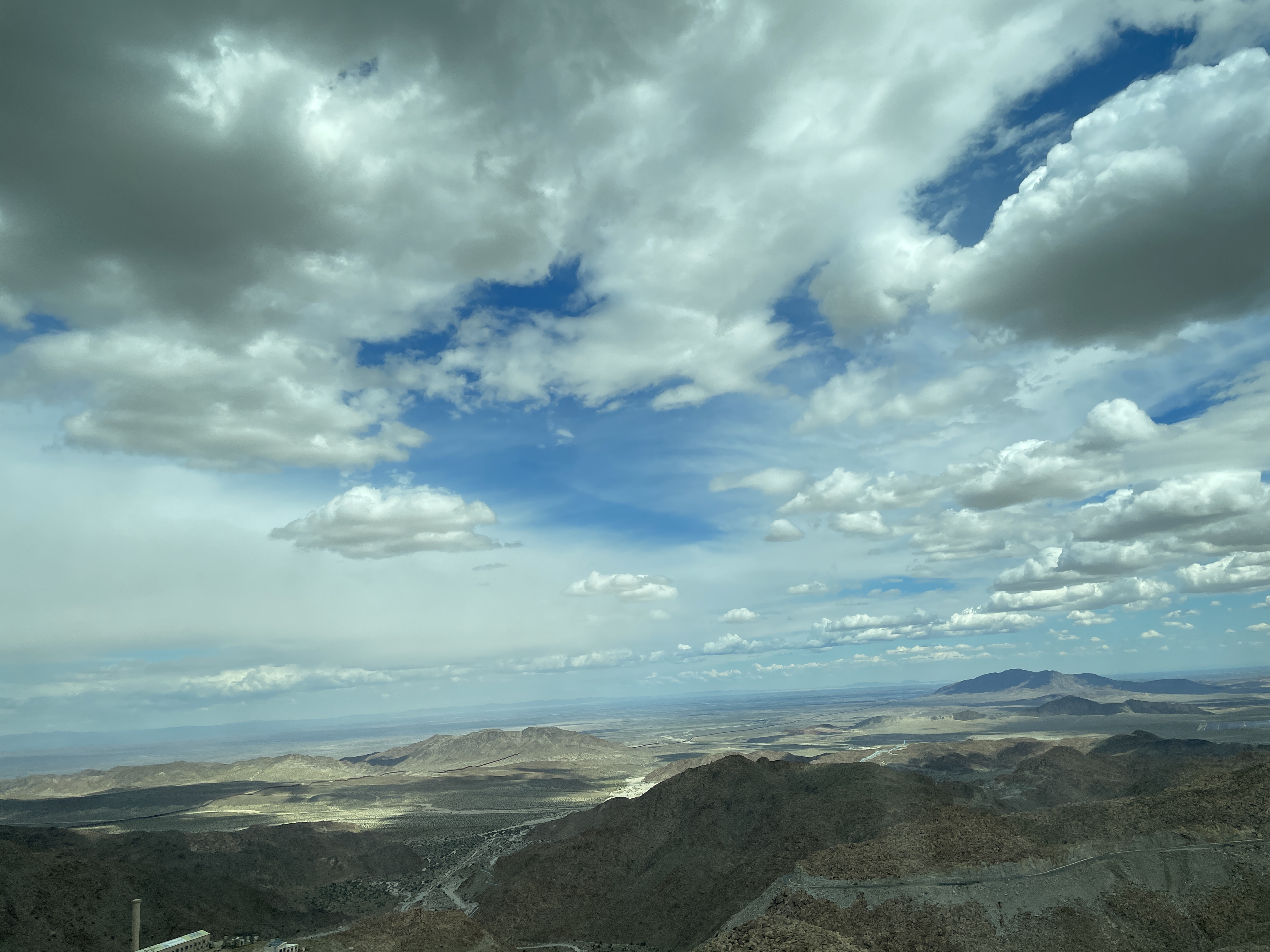
Monday was a big adventure trying to cross the border. We arrived in Mexicali only to discover no busses could cross the border there so we had to take the highway to Tijuana and cross there. To do this you must cross a mountain pass. What a feat of engineering building this road must have been. It is quite incredible and as you climb higher and higher the views go on forever into the far distance. The following are photos I took from the bus window as we drove higher and higher.
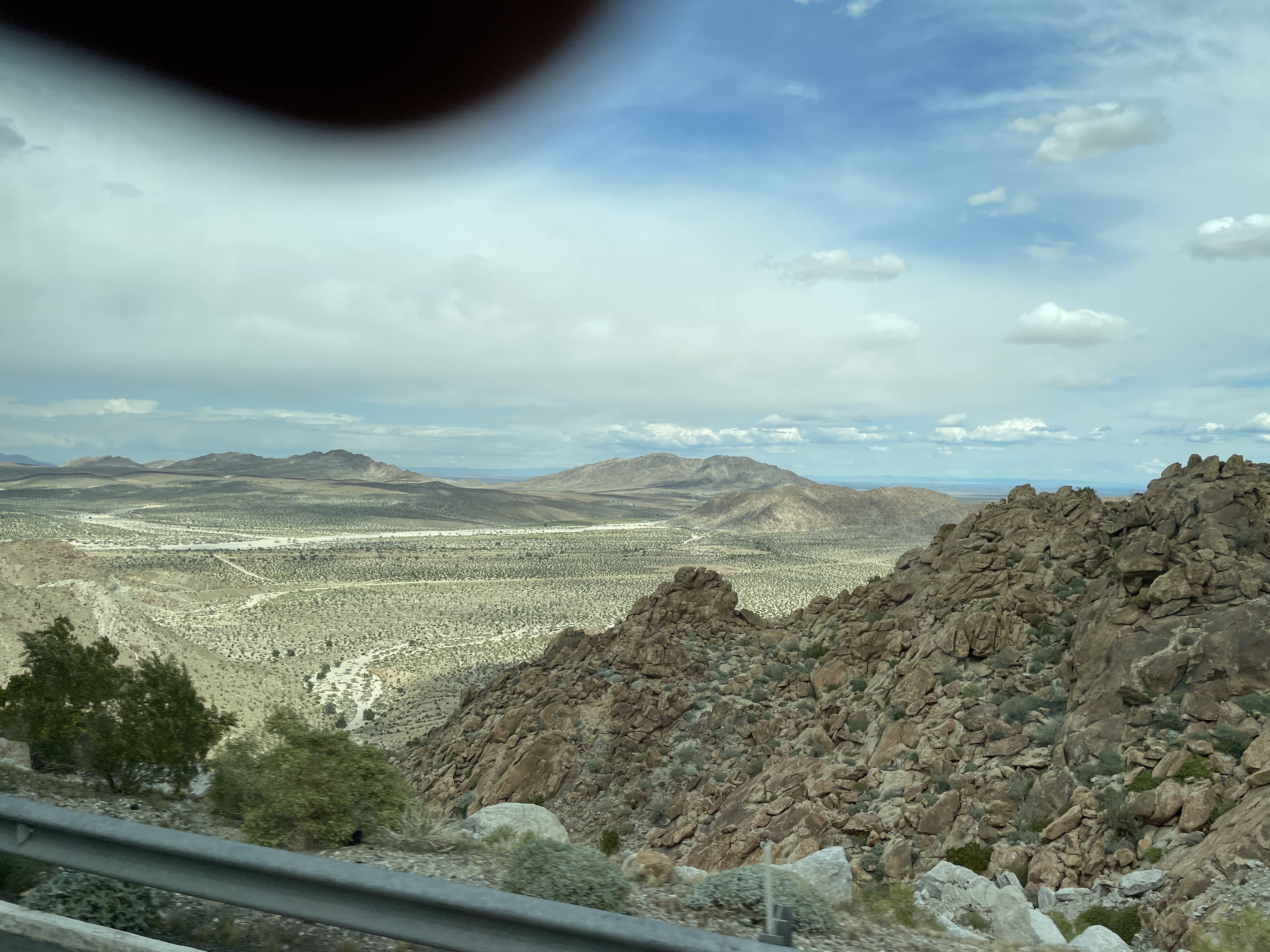
These mountains are made of rocks of all sizes that are just stacked on top of each other. Here only these small blue-green plants seem to thrive.

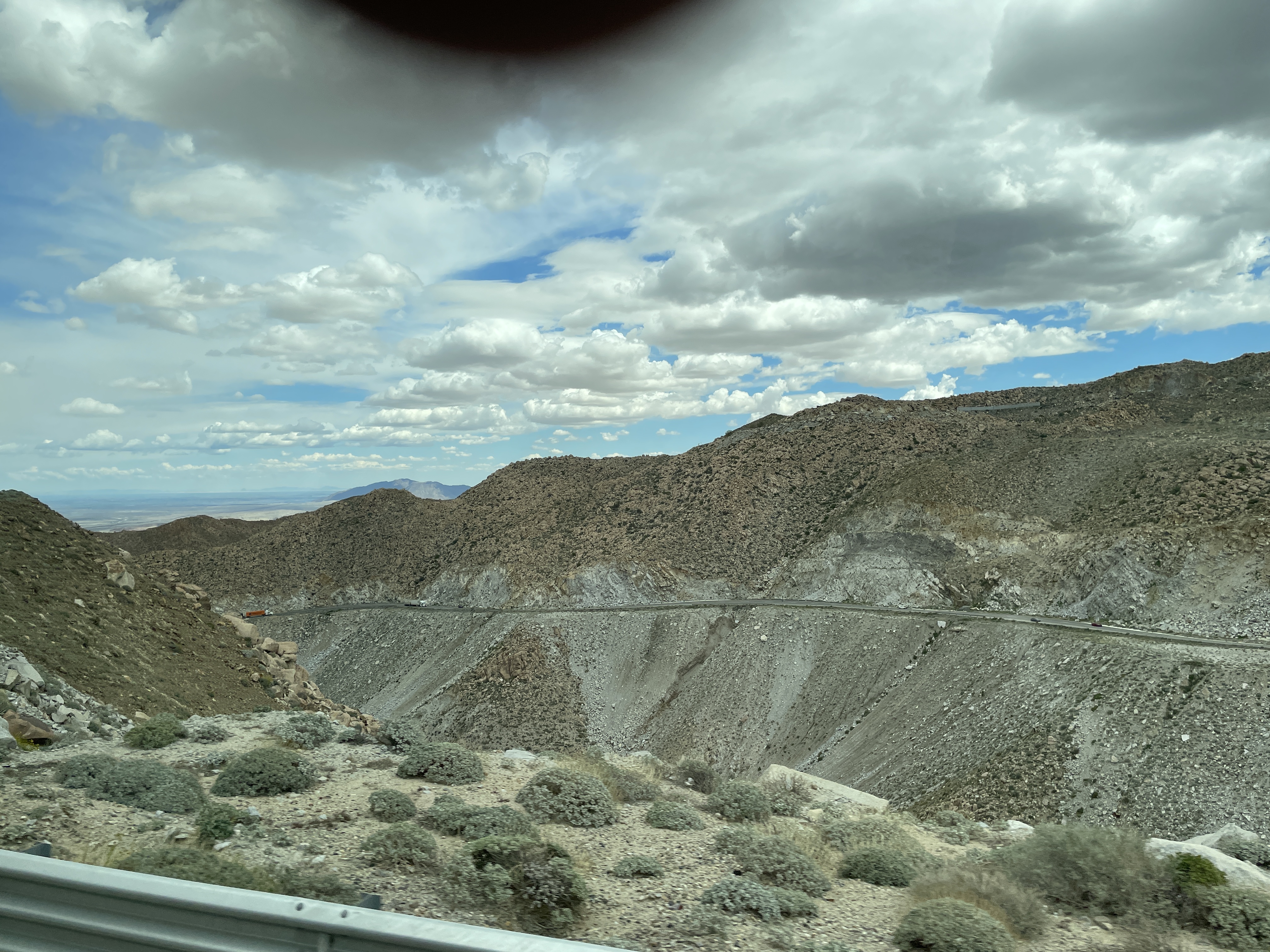
In this photo you can see the highway where we had just traversed.
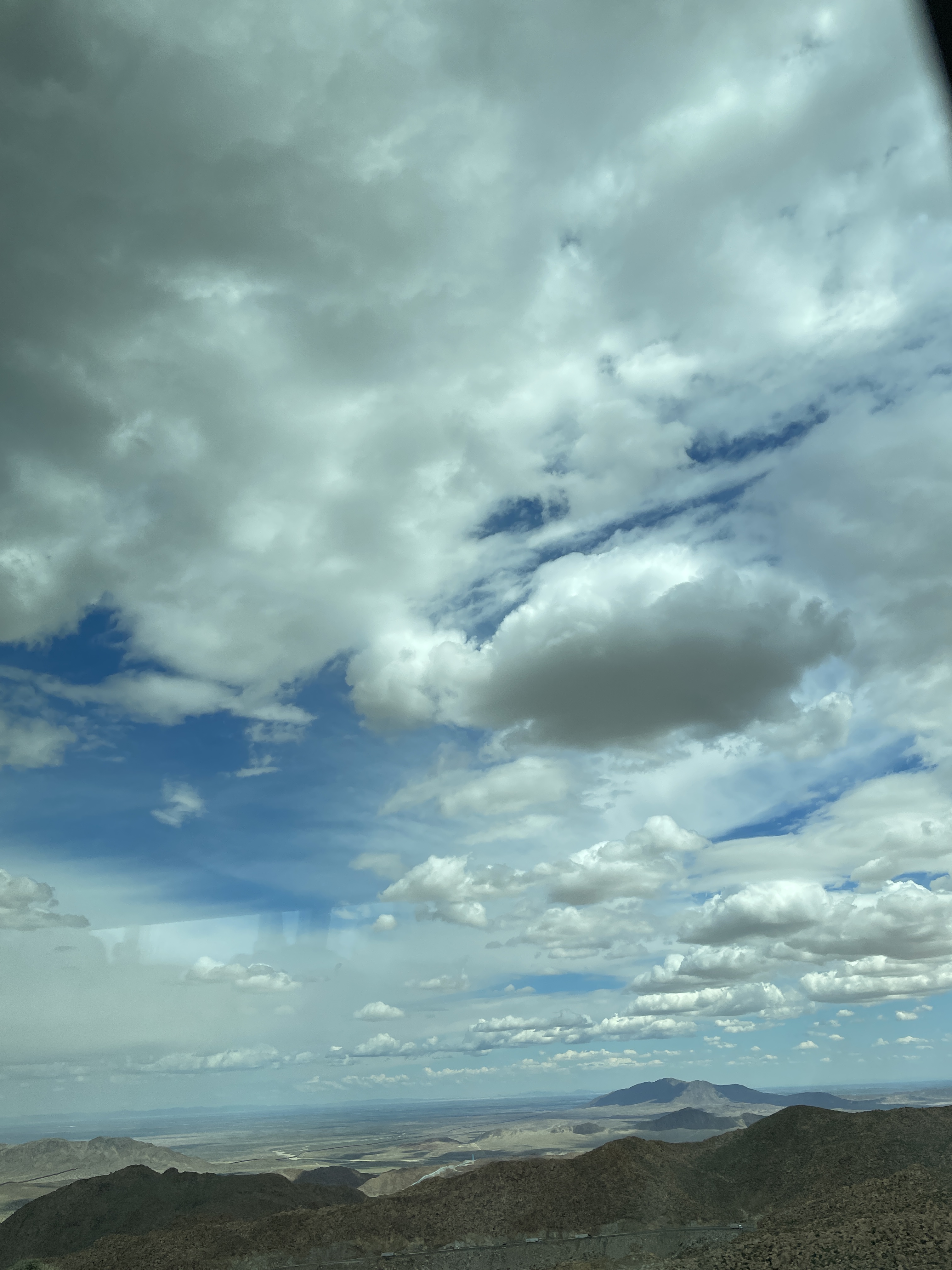
Here you can see how at this height the mountains are nothing but stacked rocks of all sizes.

After the summit as we went down toward the town of Tecate, it started to rain and it rained most of the way to Tijuana. The Pacific side of this part of Baja gets rain and it was lush green this time of year while the Sea of Cortex side is desert.

I do not recommend crossing at Tijuana in a large bus. Even though we had sent all our passport information in advance, they made the bus sit there for nearly an hour and wait. Meanwhile those on foot and in cars were just zooming along at a rather rapid pace. Then we had to get out of the bus with all our luggage and everything and wait more. I crossed the border (not in a bus) last April and it did not take long at all. I have heard that Tijuana is the busiest port of entry from one country to another in the world but have not verified that. It certainly was busy yesterday.

Book 11, 2024: ” Frida’s Fiestas: Recipes and Reminiscences of Life with Frida Kahlo”


The author of this book, Guadelupe Rivera, is the daughter of Diego Rivera by the woman to whom he was married before he married Frida. Diego went on a trip to Russia and his then wife, the author’s mother, became attached to her previous boyfriend, the poet Jorge Cuesta. She and Diego divorced and then he married Frida. Eventually, the two couples became friendly and at one point they all lived in the same house.

Thirteen years after Diego married Frida, the author moved in with them. This book details her life living with Frida and her father, how Frida learned to cook, how she decorated the Blue House in Coyoacan, the fiestas, the food, the adventures. The book includes photos and recipes of Frida and Diego’s favorite foods, photos of the house, and places the author visited with Frida. It is also a story of many of Mexico’s famous people at the time.

I own several books about Frida but this one is the most revealing and intimate in many ways. If you like Mexican food and find the life and art of Frida and Diego of interest, read this book.

Note: It was also written by the journalist Pierre Marie-Colle with photos by Ignacio Urquiza.

Baja Trip-5: Wandering Around Ensenada


First, we went to the fish market where I saw fish I could not even begin to identify. Then we strolled along the wharf.
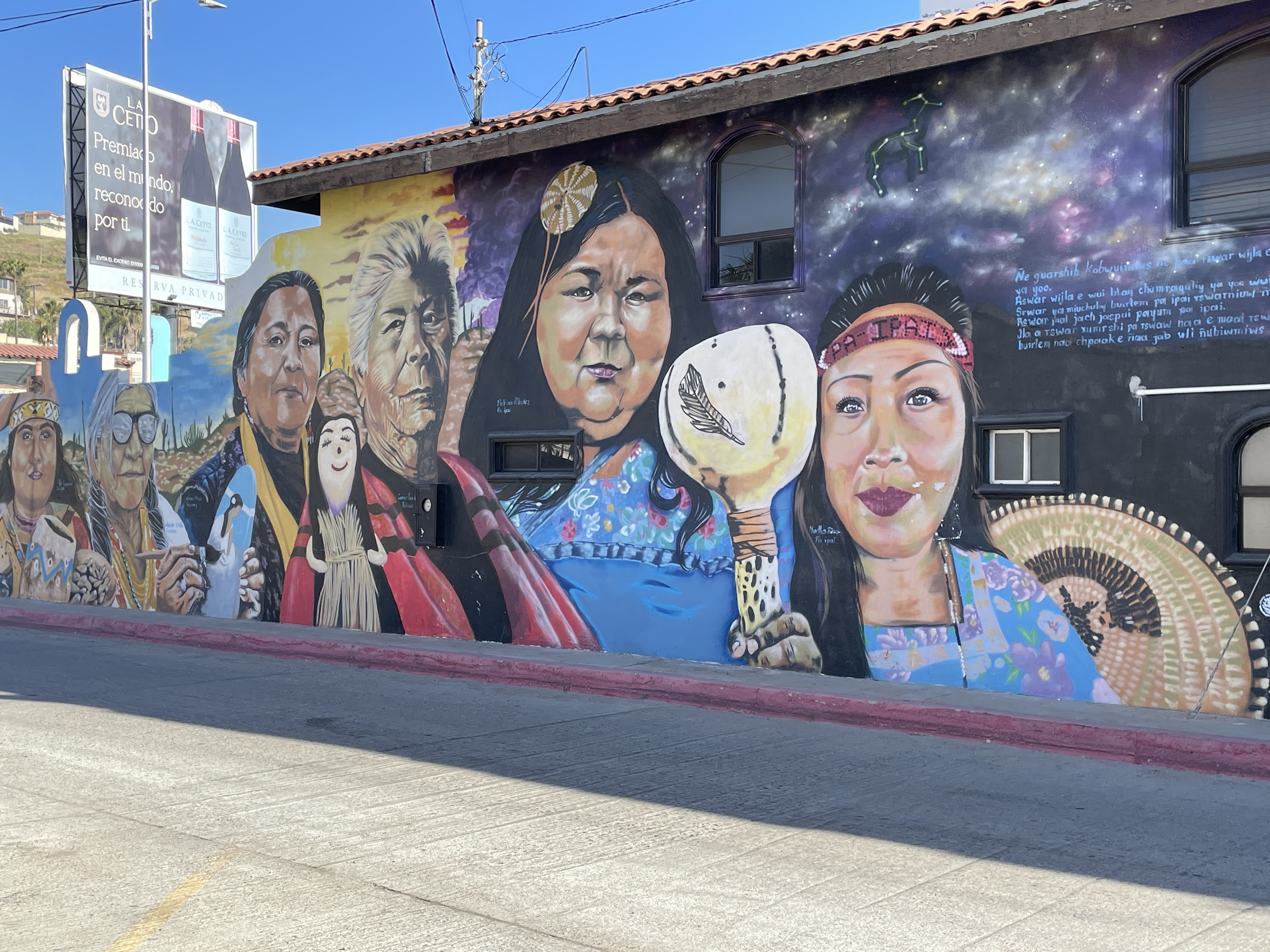
This mural portrays the matriarchs of the northern Baja area. each from a different indigenous tribe who lived there before others arrived.

Cruise ships dock here several times a week.

Built when alcohol and gambling were illegal in the United States, this was once a famous casino where the rich and famous came to gamble and drink. Now it belongs to the city and is used for weddings, retirement parties, etc.

Back in the 30s, the water came up to the edge of the casino property so people could come in their luxury yachts, dock, and walk right inside.

The original bar still exists and is well stocked. Here we heard the story of the invention of the margarita. Many claim to have invented it in various places in Mexico. It seems to trace back to a bartender who moved from place to place and brought the drink with him. Who knows?

Baja Trip-4


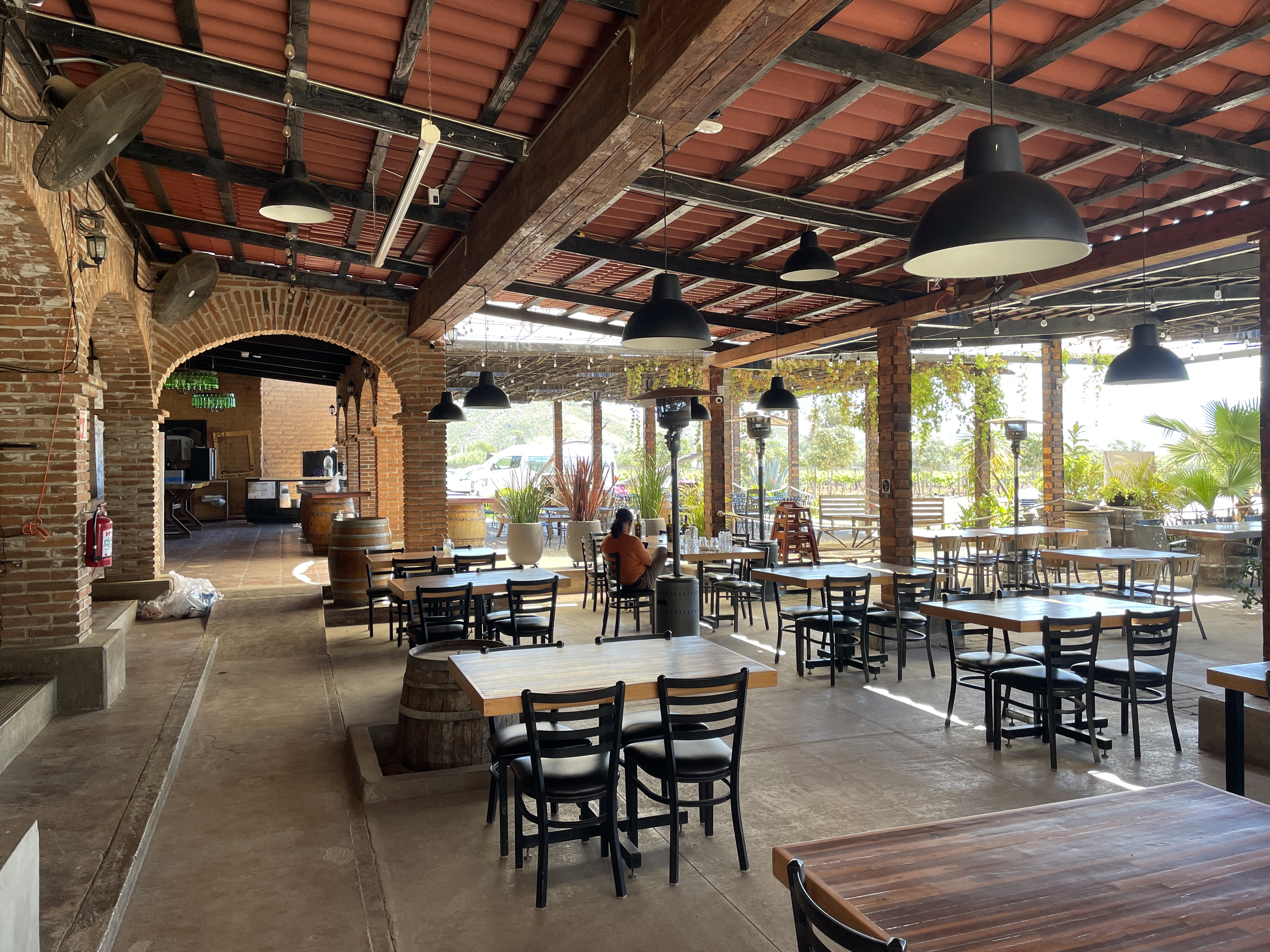
Off to another winery, Santo Tomas, after visiting the fish market where I glanced at all the fish and saw fish I could not begin to identify. This winery is in a different valley, Santo Tomas Valley, and the second oldest winery in Mexico. Although their official sign says it is 130 years old, it is actually older and originated years before that to produce wine for communion and the Catholic Church.

Rather than have the wine tasting in a building or patio, here they put us on a wagon pulled by an old tractor and transported us to the vineyards where they drove around then stopped to give us various wines to try while we sat on the wagon. Our guides brought along cheese and other goodies for snacks as we tasted the wine.

The main building for production.

Vineyards for miles. They have 800 acres of vineyards mostly in this valley but a few in another area we did not visit.

Baja Trip-2


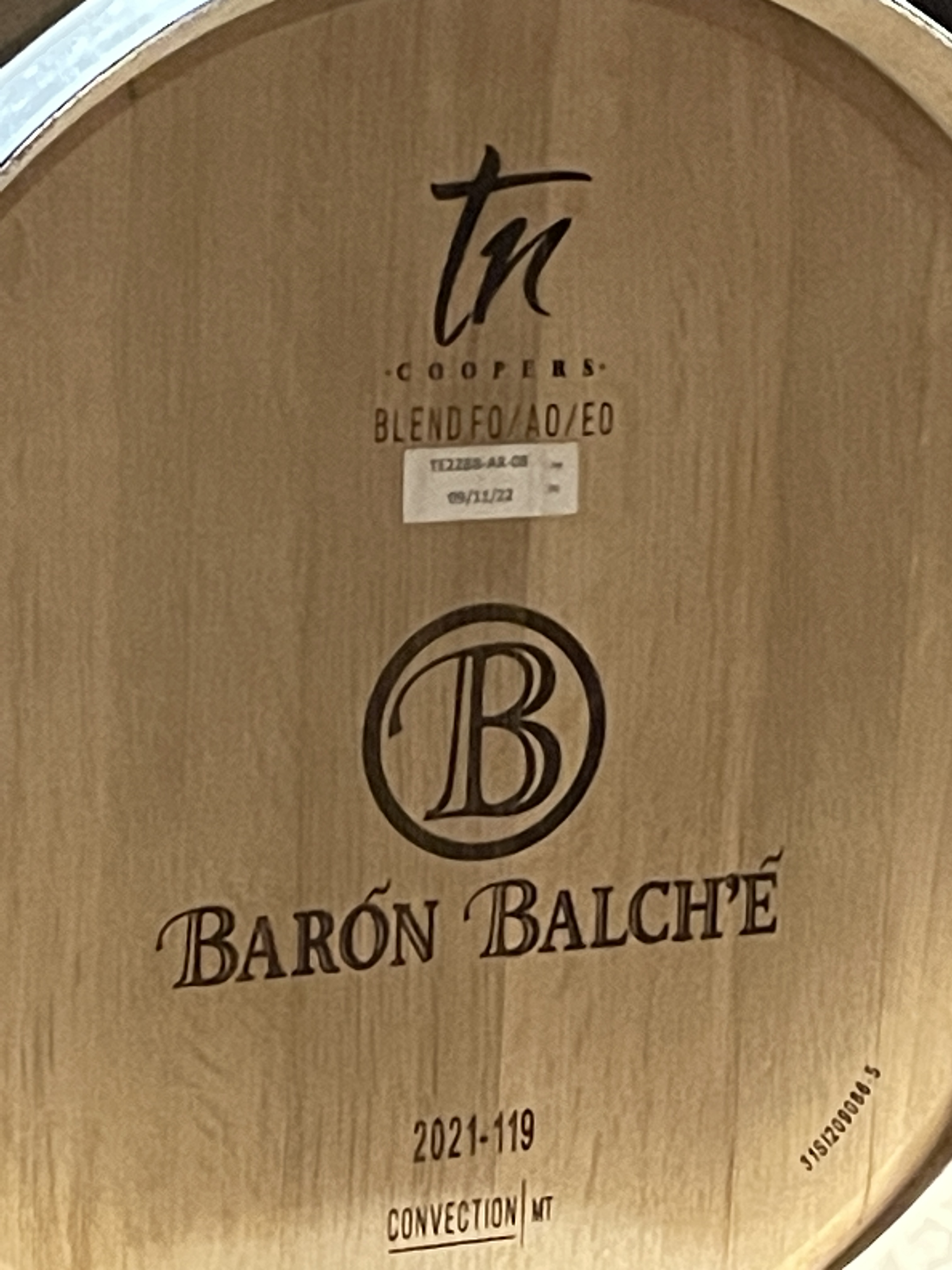
Day Two we visited several wineries and went to dinner at one of the top 50 restaurants in Latin America, La Laja. The following photos are from the first winery where we not only tasted various wines but also took a tour of their remarkable wine cellar dug deep into solid rock.

This is the name of the winery and each barrel is marked with varietal, date, etc.

The hills in some part of Valle de Guadalupe reminded me of the hills near Temecula, CA.

Here you can see how the cellar is dug out of the rock. The rock was oozing moisture due to the unusual amount of rain they received this winter.

I loved this message so much I had to take a photo of it.

I wish I could find a duplicate to hang outside on one of the empty sides of my house.

The wines here are all natural. Many of the wineries we visited do not use pesticides or herbicides.The sophistication of many of the wineries in Baja is very impressive.

Baja Trip-1


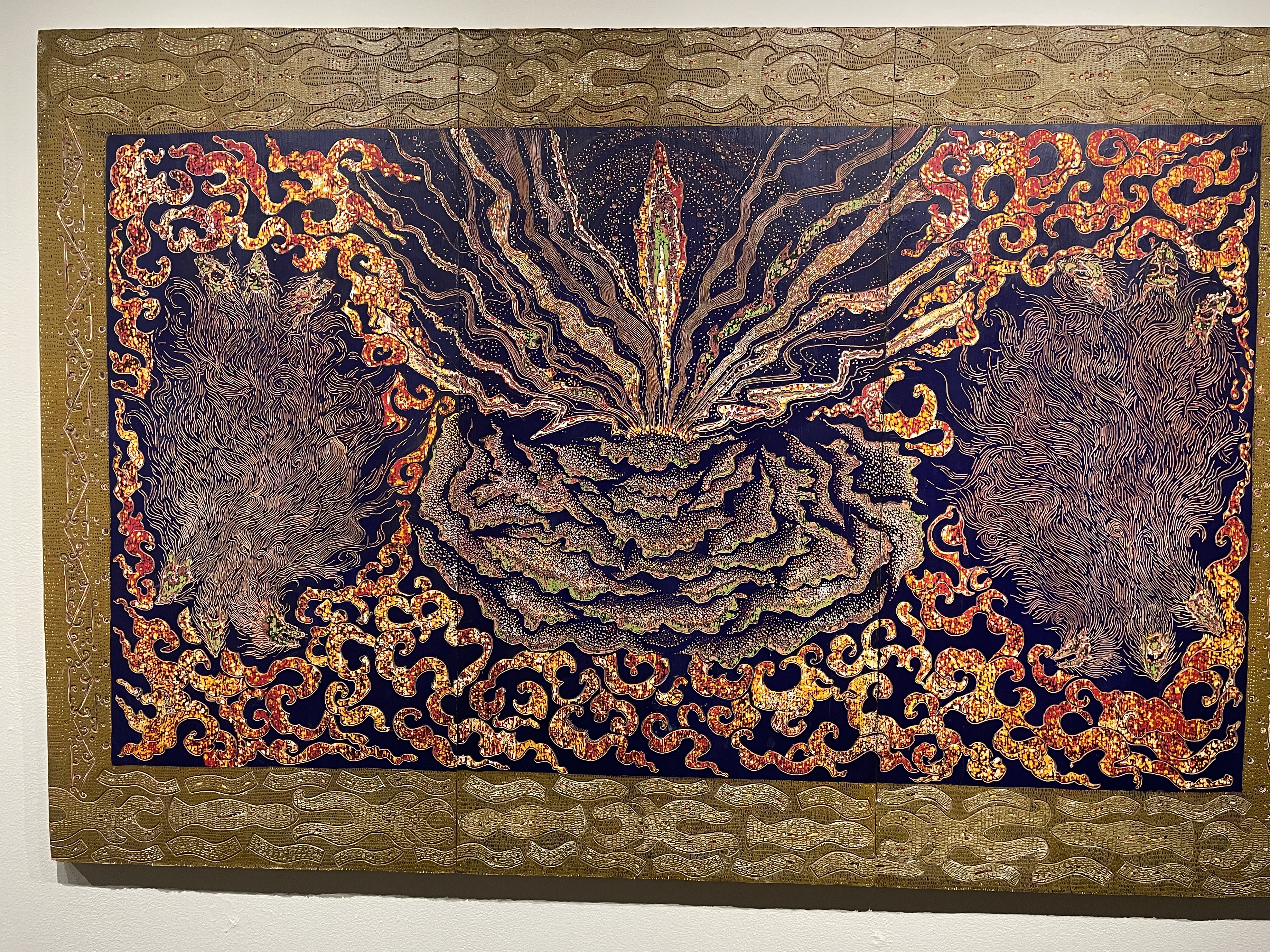
Day one we drove across border to Tijuana where we visited the incredible La Caja Art Gallery. We viewed a variety of art works, drank delicious Mexican chocolate, and had a sensory experience blind-folded.

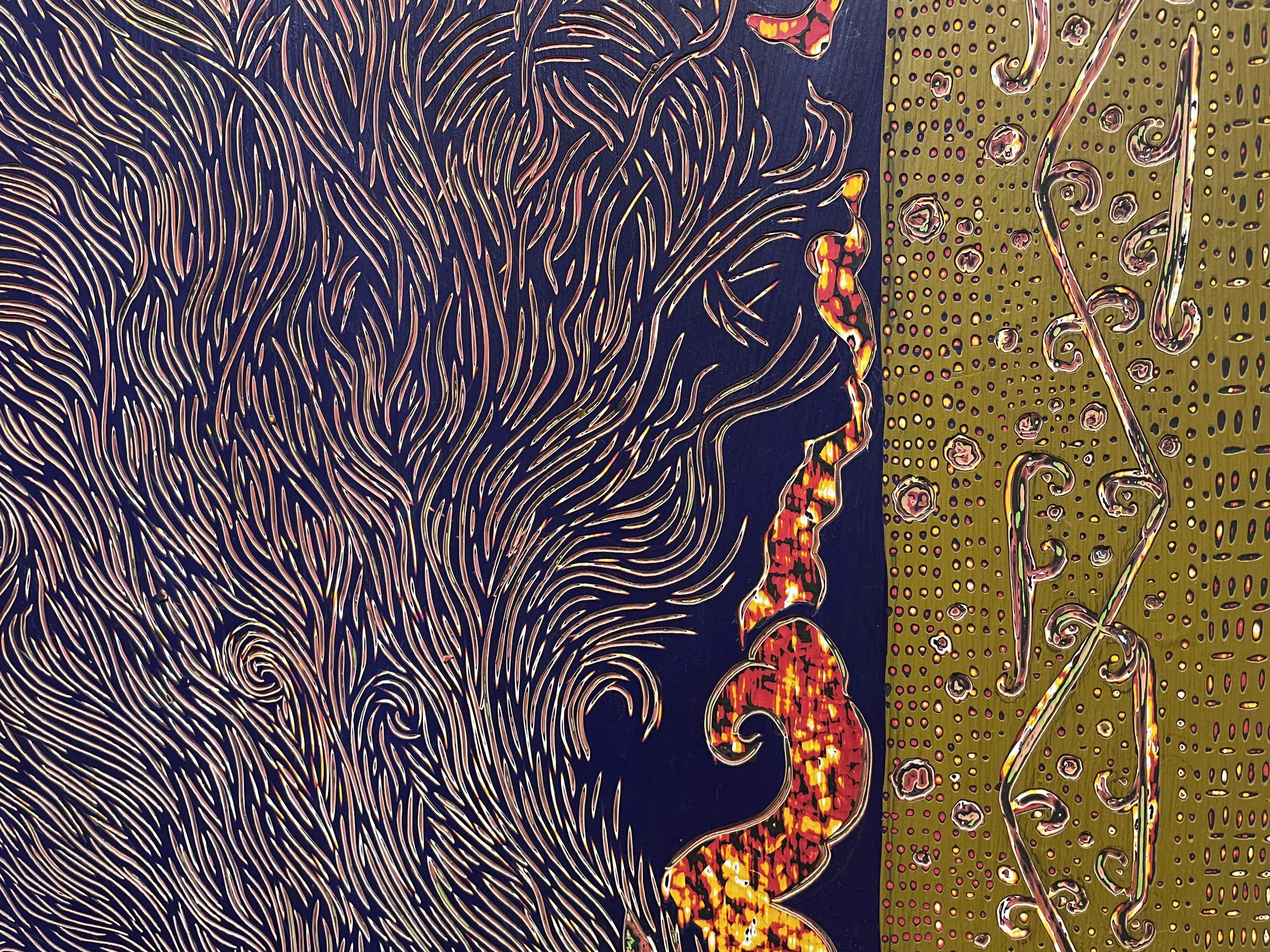
A close up of the previous painting. It consists of not only layers of paint but also carving into the surface.

Food for thought.

A different artist for the above and the following.

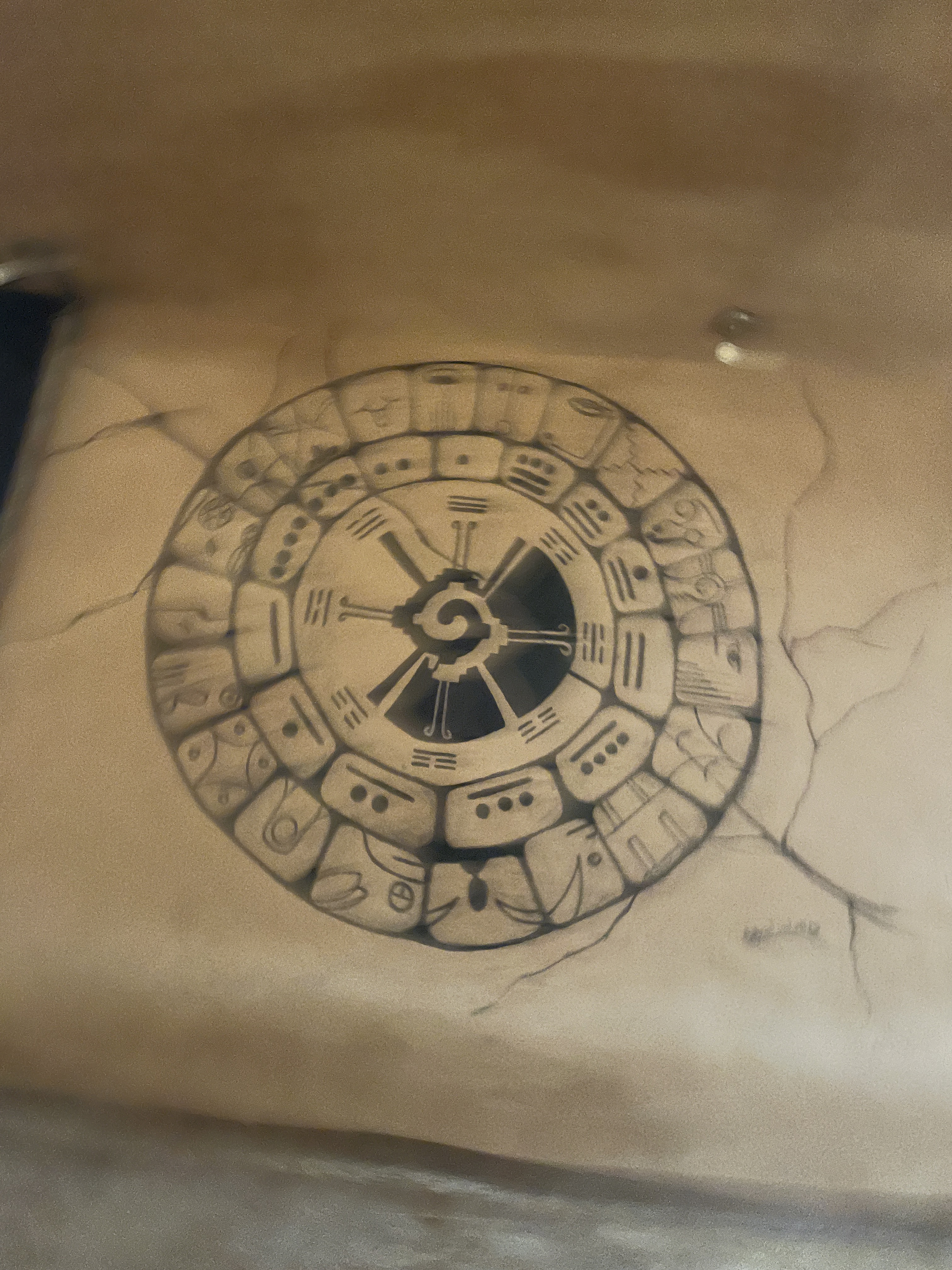
This one was painted directly onto the wall.

Later we experienced lunch at Caesar’s where supposedly (this is contested by some other places in Mexico) the original Caesar Salad was created.

Milkweed and Monarchs


IMG_0093


Because I belong to the local chapter of the Native Plant Society, I notice native plants more, try to learn their names, and even find out if they possess medicinal uses.  We decided to adopt a theme for the year  2014, milkweeds.  Why milkweeds?  They are the primary food for monarch butterflies which are in extreme decline.  Why the decline?  Pesticide and herbicide use plus overwhelming habitat loss, especially along bar ditches and in the area of Mexico to which they migrate annually.  This past winter instead of hundreds of trees in Mexico covered with monarchs, there were only twelve.  Yes, only twelve.  Why do herbicides cause a problem??  When the butterfly larvae eat milkweed sprayed with herbicide, they ingest that herbicide toxin.

Monarchs are an ancient species.  They have been around for over 50 million years.  Monarchs are the only insect species to migrate 2500 miles annually.  Monarchs go through four generations per year.  The first three generations hatch and live up to six weeks.  The fourth continues to live for six or eight months.  They taste with their feet.  Monarchs have special meaning for Mexicans because they arrive in Mexico at the same time as the Day of the Dead.

In the Panhandle of Texas, four common milkweeds grow:  Asclepias tuberosa, Asclepias asperula, Asclepias latifolia, and Asclepias verticillata.  The name Asclepios is derived from the Greek word, Asklepios, the Greek god of medicine and healing.  I find only two of these here where I live, latifolia and asperula.


IMG_0092


The top photo and the one immediately above are of asperula, more commonly called antelope horns.  They are important hosts for butterflies.  When discussing butterflies of any species, it is important to note that butterflies require two types of plants, host and nectar.  This plant provides important food for larvae.

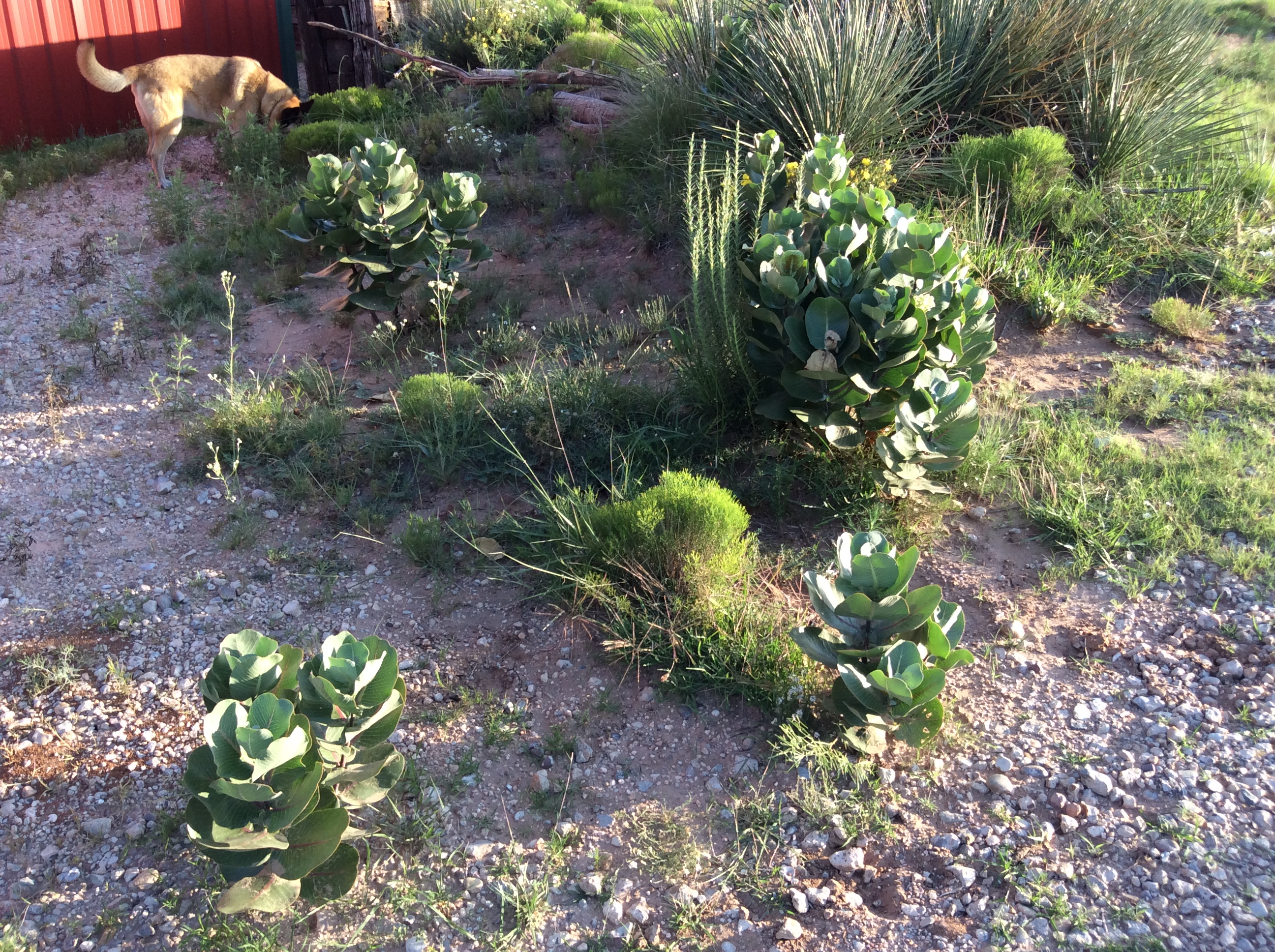
At least where I live, the more common–by that I mean it grows anywhere and everywhere, even in the driest caliche soil–is latifolia.  However, I have never seen a monarch on either the blossoms or the leaves.  When in full bloom, latifolia attracts giant (as in several inches long) black and orange wasps which seem incredibly non-agressive.


IMG_0140


IMG_0142


IMG_0143


This poor latifolia specimen barely hangs on next to the hydrant by the barn.


If you want to try growing milkweed yourself and you live in the Panhandle, seeds and plants can be purchased from Canyon Edge Plants and Panhandle Greenhouses.  Obtain free seeds from Livemonarch.com.  Wildseed Farms in Fredericksburg, Texas, also sells seeds.  If you want butterflies, do not use pesticides and herbicides.  Contact me if you want me to publish the “Butterfly Attracting Plant List”.


The Land in Love with Guns


In the United States firearms kill approximately 15,000 individuals per year.  In Britain, Australia, and Canada, the average is 350 per year.  Spain’s rate is even lower.  In Germany, it is less than 800.  A young person here dies about every 4 ½ hours, shot dead.  The US murder rate is 19.5, nearly 20 times higher that the next 22 richest countries.  In the 23 richest countries combined, 80 percent of all gun related deaths are in the US; 87 percent of children killed are shot by guns here.  In the last 45 years, bullets killed more than one million people in the US.

Gun sales are big money.  More than a dozen hand guns are sold per minute.  One survey indicates that one out of every four US homes possess a gun; another survey says 39 percent.  However, most guns are owned by only a small proportion of the population, gun “collectors” who own an average of seven weapons per person.  Guns are cheap here and bullets even cheaper, about 50 cents each.  The Mexican government contends that our cheap guns help fuel the dreadful violence there which then overflows to here.

In spite of all this, the US murder rate is the lowest in more than 45 years.  The NRA claims more guns equal less violent crime.  The NRA contends that the lower crime rate is the result of less strict gun laws and more people owning guns.  Nevertheless, mass murder occurs on a regular basis.  We mourn, we lament, but nothing changes.

Eventually, another mass murder occurs and the cycle repeats itself.  Why?  Who or what is responsible?  What can be done?  Will more restrictive gun laws help or hinder?  Debates continue; opposing views and answers abound, but the cycle continues.  Will it ever change?

I wrote the above after the last mass murder event.  Nothing changed.  Now the conversation appears more strident, more active.  Apparently, the mass killing of children is more heinous, more scary than the mass murder of adults even if the adults are young.  The NRA advocates armed guards at schools.  How will that prevent mass killings at movie theaters, at malls, at churches, on the street, e.g. the three murders this week in Pennsylvania?

Australia was another country in love with guns, but after a mass killing there, they changed their collective mind.  They enacted strict gun control laws for assault weapons and ammunition.  Could that work here?  I think not.  This is a country in love with guns because the right to own a gun symbolizes  what is perceived as individual rights.  This is a country where personal liberty remains far more important than community safety and social justice.  Until that changes, mass murders will continue.